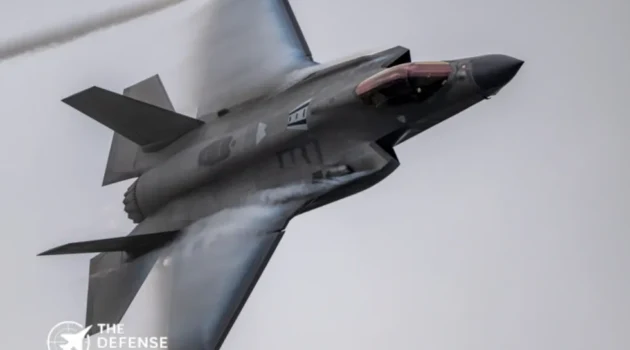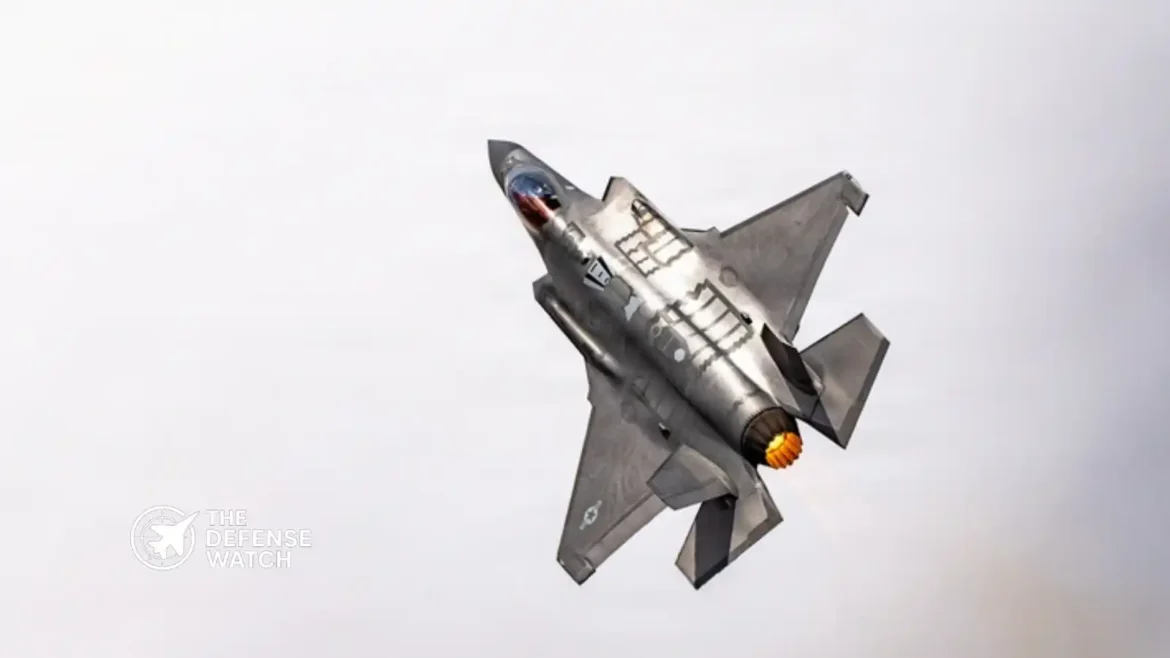
Executive Summary:
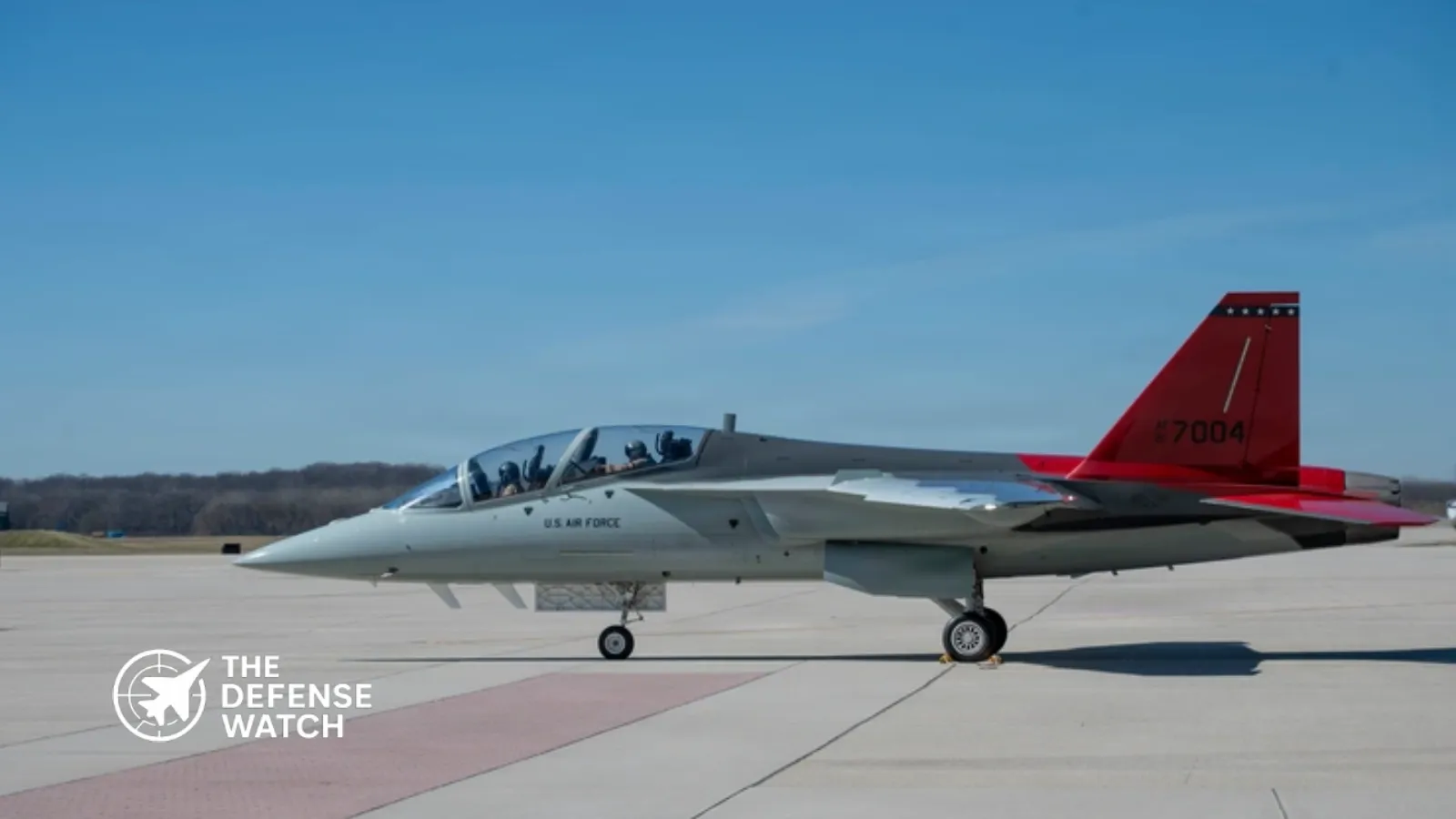
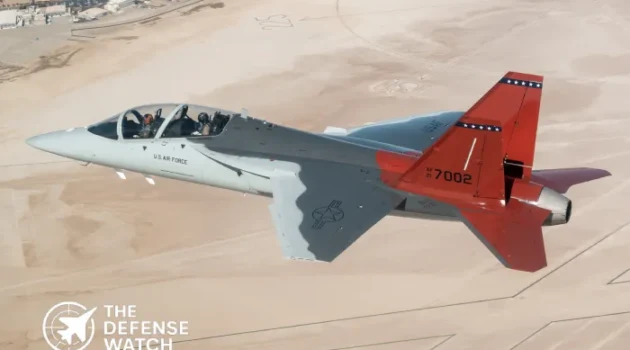
The U.S. Air Force has pushed the full-rate production decision for the Boeing T-7A Red Hawk advanced jet trainer to January 2029, a two-year delay from prior projections, according to the Government Accountability Office (GAO). Developmental testing has been slowed by aircraft availability issues stemming from maintenance personnel shortages, spare parts constraints, and software finalization delays. The service approved low-rate initial production (LRIP) in April 2026 for an initial batch of 14 aircraft while continuing testing, as it seeks to replace its aging T-38 Talon fleet to better prepare pilots for fifth-generation fighters.
Developmental Testing Delays Prompt Schedule Replan
The primary news hook centers on the USAF’s T-7A program encountering persistent sustainment hurdles with its test aircraft. A July 2026 GAO Weapon Systems Annual Assessment detailed significant delays in completing developmental testing, directly impacting the timeline for full-rate production.
The GAO noted that the program is experiencing less-than-anticipated aircraft availability due to a lack of spare parts and maintainers, alongside delays in finalizing onboard software. As a result, major developmental testing milestones are now expected to wrap by April 2028, with lower-priority items extending to May 2029.
The USAF made its Milestone C low-rate production decision in April 2026 based on limited test information, a move the GAO flagged for introducing high levels of concurrency between testing and production.
Program Background and Strategic Imperative
Boeing, in partnership with Saab, won the T-X competition in 2018 to deliver a modern advanced trainer. The T-7A Red Hawk features digital engineering advancements, a General Electric F404 engine, and capabilities designed to bridge the gap between legacy trainers and frontline fighters like the F-35A.
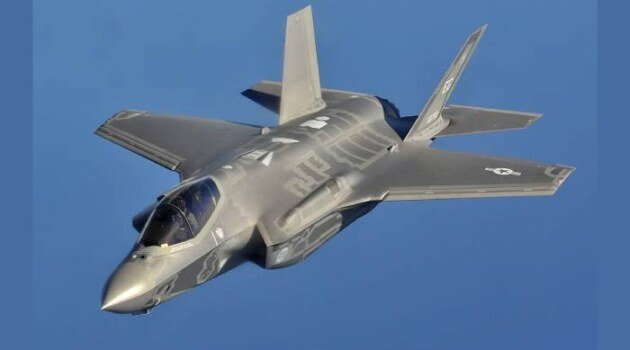
The USAF plans to acquire 351 T-7As plus associated ground-based training systems to replace approximately 476 T-38C Talons, many of which are over 60 years old. The T-38 fleet struggles to replicate the sensor fusion, data-sharing, and high-performance handling required for modern combat aircraft.
Key Program Specifications (Planned):
- Total Aircraft: 351
- Unit Cost Target: Approximately $28 million
- Initial LRIP Lot: 14 aircraft (FY2026 funding)
- Follow-on: 23 in FY2027, ramping to ~60 annually by 2030
- Initial Operational Capability: Targeted for 2027-2028 timeframe
Technical and Sustainment Challenges
Sustainment issues with the initial test fleet of five T-7As have been central to the delays. Shortages of maintenance personnel and spare parts have reduced daily aircraft availability below expectations. Additional engineering analysis and software maturation have further extended timelines.
The GAO highlighted risks associated with concurrency, a common pitfall in defense programs where production begins before testing concludes, often leading to costly retrofits. The T-7A program has already seen an 11% increase in total acquisition costs over the past year.
Other reported concerns include incomplete qualification of the escape system at the time of LRIP approval and broader data rights and technical documentation issues affecting long-term sustainment.
Operational Implications for U.S. Air Force Pilot Training
The T-7A delay occurs against a backdrop of urgent need. The T-38’s limitations hinder effective training for pilots destined for advanced fighters and bombers. In June 2026, the Air Education and Training Command (AETC) qualified its first class of T-7A instructor pilots, marking incremental progress despite the broader schedule slip.
Why This Matters: Delays in fielding the T-7A risk extending reliance on the T-38, potentially affecting pilot throughput and readiness. However, the phased LRIP approach—requiring separate approvals for early lots—allows the USAF to incorporate testing insights and mitigate risks before committing to higher production rates. This balances the imperative to modernize training with prudent acquisition oversight.
Original analysis: The T-7A’s challenges underscore broader systemic issues in U.S. defense procurement, including supply chain vulnerabilities, workforce shortages in maintenance specialties, and the difficulties of fixed-price development contracts. Boeing has absorbed significant losses (reportedly over $1.8 billion) on the program, highlighting the financial pressures on industry partners. For U.S. strategy, accelerating a capable trainer remains critical to maintaining qualitative edges in airpower amid peer competition, particularly with China’s advancing aviation capabilities.
International Interest and Program Outlook
Despite U.S. delays, international interest persists. BAE Systems has expressed confidence in offering a T-7 derivative to the UK Royal Air Force. Boeing has withdrawn from the U.S. Navy’s Undergraduate Jet Training System competition.
The USAF continues active management of the program in collaboration with Boeing to address issues iteratively. Production of the first LRIP aircraft is underway, with deliveries expected to begin in 2027.
- Analysis: The concurrency risks noted by GAO are not unique to the T-7A but reflect a pattern in recent major programs. Successful mitigation could validate a more agile acquisition model; failure risks amplifying costs and delaying pilot readiness at a time when great-power competition demands rapid modernization.

Executive Summary:
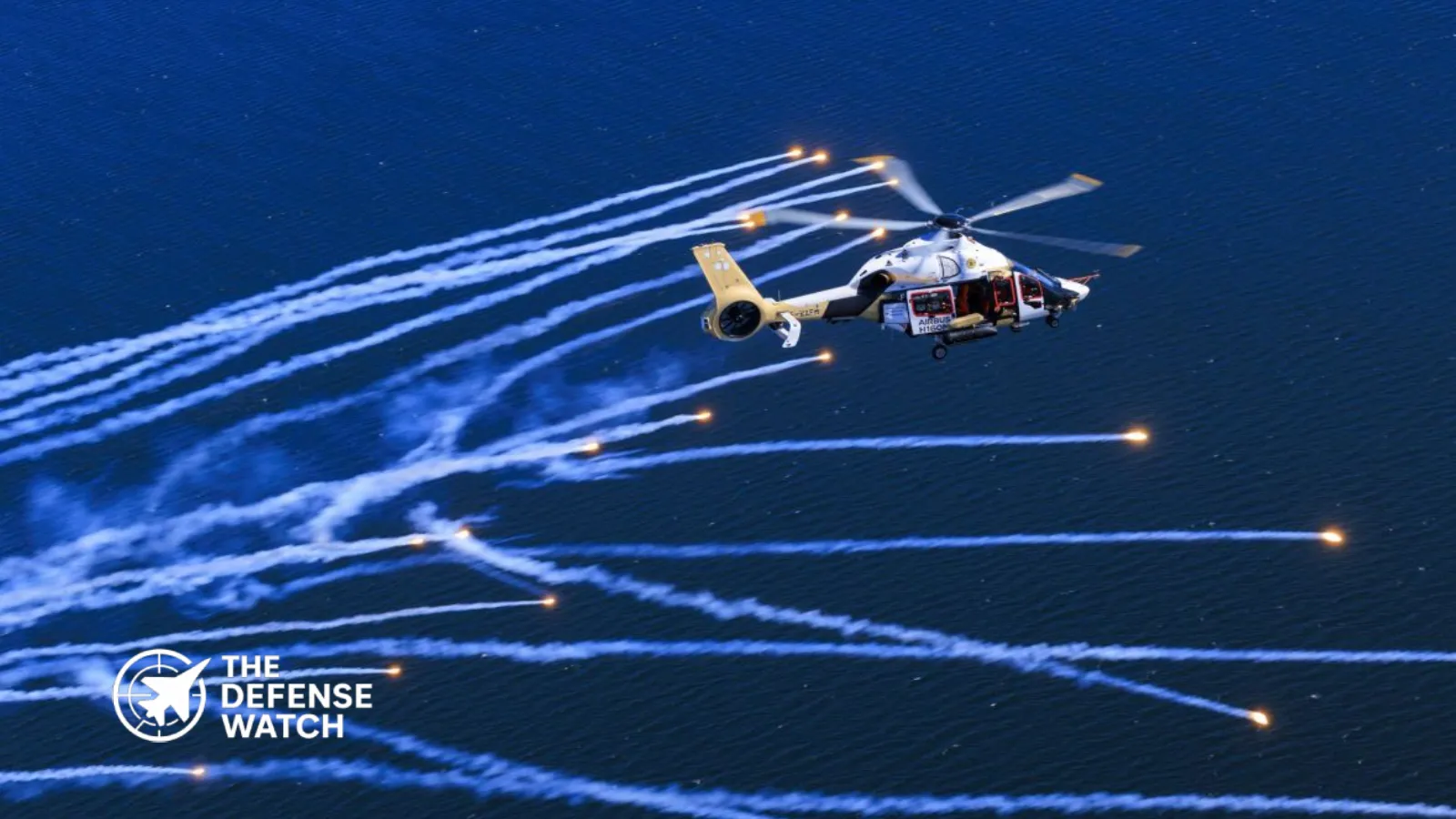
Airbus Helicopters has successfully completed the first firing campaign for its developmental H160M Guepard medium-twin helicopter in collaboration with the French DGA military procurement agency. Tests at Cazaux validated the integration of podded 12.7mm axial guns, door-mounted machine guns, and self-protection flare dispensers. The milestone supports France’s Joint Light Helicopter (HIL) program, with first deliveries targeted for late 2028 to replace aging fleets across the army, navy, and air force.
Initial Weapons Validation
The firing campaign, conducted with the first H160M prototype, marks a significant step in proving the platform’s combat systems. Performed at the DGA’s test range in Cazaux, southwest France, the evaluations focused on live-fire integration of weapons and defensive aids.
According to FlightGlobal reporting, the tests confirmed the aircraft’s ability to employ podded 12.7mm axial guns and door-mounted machine guns alongside the self-protection system’s flare dispensers. Airbus Helicopters will next integrate and test guided rockets.
Program Context and Timeline
The H160M is the militarized variant of the civil H160, selected under the HIL program to standardize rotary-wing capabilities for the French armed forces. France has ordered 30 aircraft from a planned total of 169 (80 for the army, 49 for the navy, and 40 for the air force).
The first prototype, which conducted its maiden flight in 2025, led the firing campaign. Ground tests on the second prototype are complete, with its first flight imminent. The third prototype, configured for naval requirements including strengthened landing gear and deck-harpoon provisions, is in final assembly.
First delivery to the French army is scheduled for late 2028.
Weapons and Systems Integration
The H160M employs Airbus Helicopters’ HForce modular weapon system, enabling flexible armament configurations across services. All three branches will use common weapons, with the navy having dropped earlier plans for the MBDA ANL anti-ship missile.
Risk-reduction work is underway for integration of the MBDA Akeron LP guided missile, with studies concluding in 2027 and a procurement decision expected in 2028. The platform also features advanced avionics, including Thales FlytX, TopOwl helmet-mounted display compatibility, and provisions for crewed-uncrewed teaming.
Analysis: Implications for French and Allied Defense Strategy
This firing campaign demonstrates the H160M’s progress toward operational relevance in contested environments. For the U.S. defense community, the program offers insights into European efforts to field affordable, multi-mission light helicopters capable of rapid deployment across land, sea, and air domains.
The H160M’s design emphasizes high integration between weapons, sensors, avionics, and autopilot—enabling automatic target tracking and reduced crew workload. Such features support two-person crew operations, particularly valuable for naval missions involving tactical radar use without a dedicated third crew member.
Key Technical Features Validated or Planned:
- Armament: 12.7mm podded axial guns, door-mounted machine guns, guided rockets (forthcoming), potential Akeron LP missiles.
- Self-Protection: Flare dispensers and electronic warfare suite shared with the Tiger attack helicopter.
- Avionics & Sensors: FlytX large-format touchscreens, mission assistant, electro-optical systems, and maritime radar options for naval variants.
- Operational Flexibility: Modular HForce system, drone teaming capability, and common platform across services.
From a U.S. perspective, the H160M highlights a different acquisition philosophy: leveraging a civilian-certified base platform (H160) for military adaptation to control costs and accelerate timelines. This contrasts with some U.S. programs but aligns with ongoing interest in mature, adaptable airframes for special operations and light attack roles.
Operational implications include enhanced interoperability within NATO, as a mature H160M could appeal to export customers seeking modern capabilities without the cost or complexity of heavier attack helicopters. Airbus has already signaled strong export interest.
Technical hurdles remain, including full environmental qualification, naval shipboard integration, and missile integration timelines. However, the structured use of three prototypes—dedicated to performance, environmental testing, and naval specifics—reflects a methodical approach to risk reduction.
Broader Geopolitical Context
As European nations modernize amid evolving threats, programs like HIL underscore efforts to reduce reliance on legacy systems while maintaining industrial sovereignty. For the French forces, replacing Fennec, Gazelle, Dauphin, Panther, and Alouette III variants with a single type promises significant maintenance and training efficiencies.
The successful firing campaign positions the H160M as a credible contender in the global light military helicopter market, potentially influencing U.S. allies’ procurement decisions in the coming years.
Executive Summary:
The Defense Advanced Research Projects Agency (DARPA) and the US Air Force have conducted flights of frontline Lockheed Martin F-16 fighters equipped with the Viper Experimentation and Next-generation Operations Model (VENOM) autonomy kit. The aftermarket modification enables pilots to switch between traditional manual controls and AI-driven autonomous flight with the flip of a switch. This development, announced in July 2026, builds directly on prior X-62 VISTA testing to mature AI for aerial combat and support future Collaborative Combat Aircraft (CCA) operations.
VENOM Autonomy Kit Brings AI to Operational F-16 Fleet
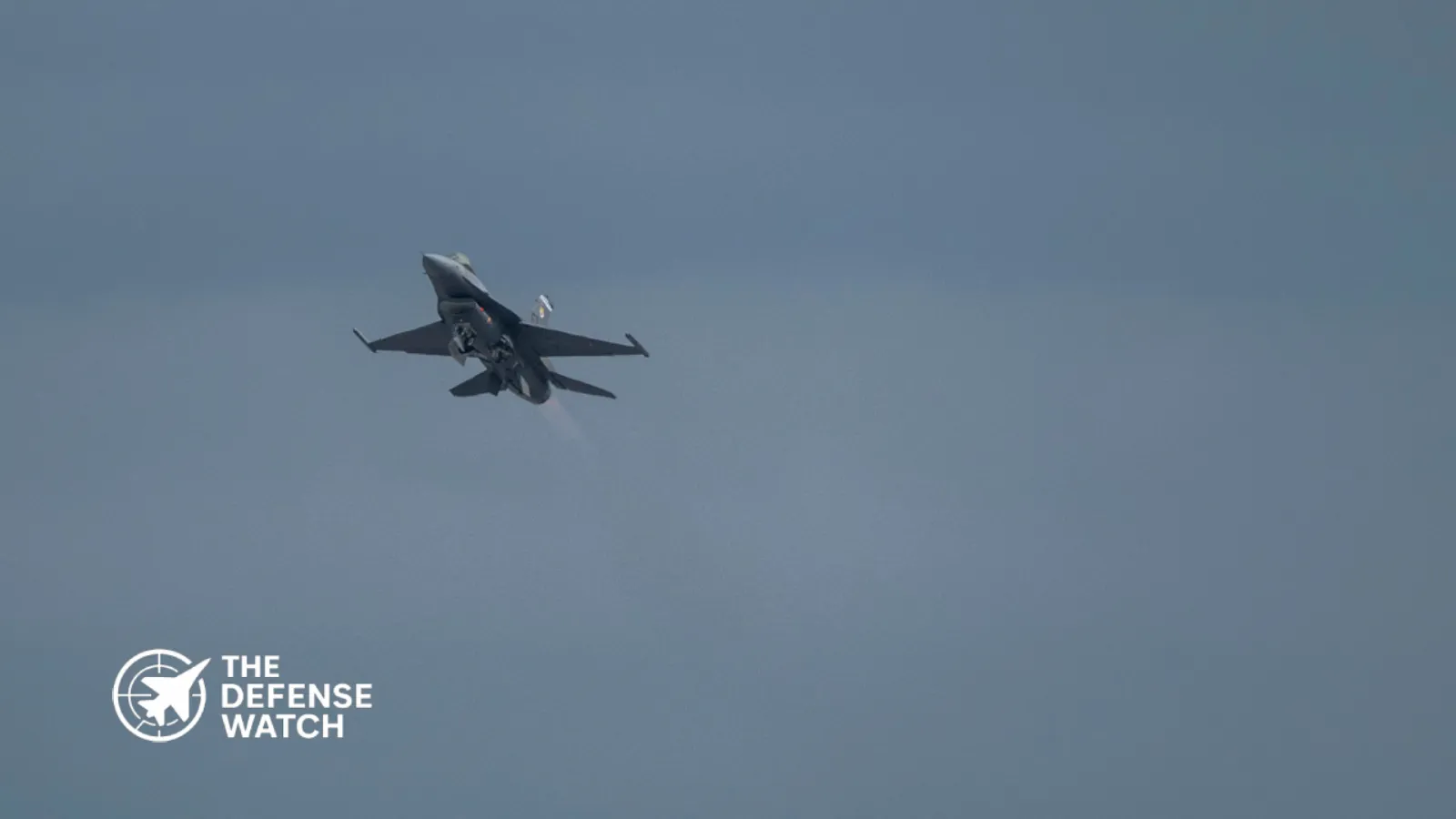
The US Air Force and DARPA have successfully flown F-16s modified with the VENOM kit at Eglin Air Force Base in Florida. At least one modified aircraft operates with the 96th Test Wing, with additional jets modified as part of the program.
The VENOM kit interfaces with the F-16’s existing flight controls and mission systems without altering core software. It includes hardware additions such as an auto-throttle for AI regulation of thrust and control surfaces. This design supports safe “human-on-the-loop” experimentation, where a pilot remains aboard to monitor and intervene if necessary.
Brigadier General James Valpiani, DARPA tactical technology office program manager, stated: “The air force and DARPA team has automated flight controls and sensors on a standard F-16 without changing the jet’s core software. This enables an efficient pipeline for developing dominant AI for aerial combat.”
Evolution from X-62 VISTA Demonstrator
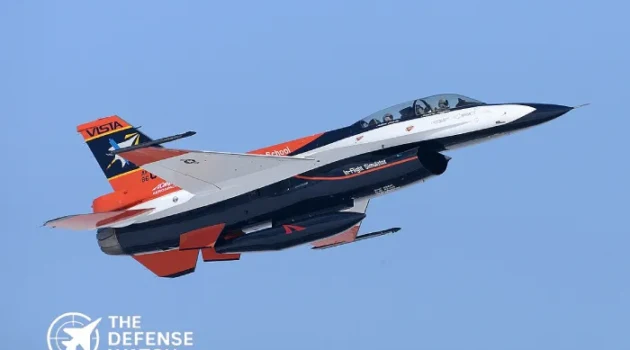
VENOM extends technologies proven on the unique X-62A VISTA (Variable Stability In-flight Simulator Test Aircraft), a heavily modified F-16D used by the Air Force Test Pilot School at Edwards AFB, California. Under DARPA’s Air Combat Evolution (ACE) program, the X-62 demonstrated AI-controlled within-visual-range dogfighting against human-piloted F-16s in 2023, completing 21 sorties with increasingly complex scenarios.
These tests involved high-speed, close-proximity maneuvers, including passes within 2,000 feet at speeds up to 1,040 knots. Participants included algorithms from Shield AI and others, which showed capabilities to improvise novel tactics.
While the X-62 remains a one-of-a-kind experimental platform, VENOM proves the concept on standard, frontline-configured F-16s drawn from operational fleets. At least four jets have received modifications, with arrivals at Eglin documented in 2024 and 2025.
Technical and Operational Implications
The VENOM approach prioritizes modularity and safety. The kit creates a reliable environment for testing multiple AI agents in live scenarios while maintaining human oversight. This addresses key challenges in combat AI trustworthiness amid the “fog and friction” of warfare, including incomplete sensor data, electronic warfare, and rapid decision timelines.
Key VENOM Program Elements:
- Switchable Control: Pilot can toggle between human and autonomous modes instantly.
- Hardware Additions: Auto-throttle and specialized instrumentation for AI control.
- Software Integration: Interfaces with existing F-16 systems without core software changes.
- Test Focus: Multi-agent AI evaluation, human-machine teaming, and CCA command-and-control methods.
This configuration supports broader USAF goals for Collaborative Combat Aircraft such as the General Atomics FQ-42 and Anduril FQ-44. VENOM-modified F-16s will help develop tactics for human pilots to direct teams of autonomous platforms in contested environments.
Strategic Context for US Air Force Modernization
Autonomous enhancements to legacy platforms like the F-16 offer a cost-effective bridge to sixth-generation capabilities. By leveraging existing airframes, the program accelerates AI maturation while reducing risk to high-value assets in high-threat scenarios. It also provides workload relief for pilots managing complex sensor, communications, and weapons suites.
Operationally, this supports the USAF’s shift toward distributed, attritable force structures. Autonomous F-16 testbeds enable realistic experimentation in beyond-visual-range coordination, electronic warfare integration, and multi-ship tactics—critical for maintaining advantage against peer adversaries.
Technical hurdles remain, particularly in ensuring AI reliability under real-world variables differing from simulation. VENOM’s human-on-the-loop design mitigates these by allowing iterative refinement in live flight. The program’s rapid progress—from X-62 dogfighting in 2023 to VENOM flights in 2026—demonstrates effective transition of autonomy technologies.
Future Testing and Broader Impact
Upcoming VENOM activities will expand to multi-agent live-flight testing and refine human control interfaces for CCA operations. Success here could influence not only uncrewed loyal wingmen but also optionally-manned configurations that enhance safety and mission effectiveness across the fighter fleet.
This effort aligns with ongoing USAF investments in mission autonomy software from providers including Shield AI, Anduril, and others, positioning the service to field production CCA systems in the coming years.

Japan Advances EC-2 Stand Off Jammer Flight Testing To Expand Airborne Electronic Warfare Capability
Executive Summary:
Japan has moved its EC-2 Stand Off Jammer electronic warfare aircraft into flight testing, marking a significant milestone in the country’s effort to modernize airborne electromagnetic warfare capabilities. Based on the Kawasaki C-2 transport aircraft, the EC-2 is designed to disrupt hostile radar and communications networks while supporting future air operations across the Indo Pacific.
Japan Advances EC-2 Electronic Warfare Aircraft Toward Operational Service
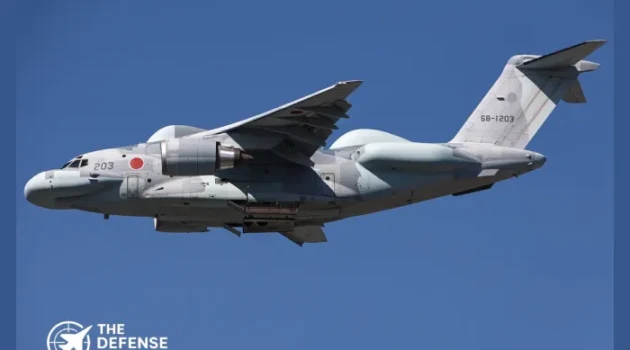
Japan’s EC-2 electronic warfare aircraft has entered flight testing, representing an important step in the Japan Air Self Defense Force’s effort to expand its ability to conduct stand off electronic attack missions. Recent imagery released by the Air Development and Test Command confirms the aircraft is progressing through its development program after extensive structural modifications to the Kawasaki C-2 transport platform.
The EC-2 is intended to replace Japan’s lone EC-1 electronic warfare aircraft, which has served since 1986. Rather than maintaining a single specialized platform, Tokyo plans to field four EC-2 aircraft, providing a significantly larger operational electronic warfare fleet capable of supporting multiple missions simultaneously.
A Purpose Built Stand Off Jammer
Unlike conventional intelligence aircraft, the EC-2 is designed to remain outside the engagement range of hostile air defense systems while disrupting enemy radar, communications, and command networks.
Major mission areas include:
- Long range radar jamming
- Communications disruption
- Electronic intelligence collection
- Electromagnetic spectrum support for fighter operations
- Suppression of integrated air defense systems (IADS)
Large mission radomes mounted on the aircraft’s nose, upper fuselage, and rear fuselage house antennas and electronic warfare equipment required for detecting, analyzing, and transmitting high power electronic attack signals.
Development Timeline
Japan’s Ministry of Defense structured the EC-2 program into two major phases.
Program Phase Timeline Primary Objective Phase One FY2020 to FY2026 Develop stand off jamming capability and integrate electronic warfare systems Phase Two FY2023 to FY2032 Improve system maturity, reliability, and prepare for operational deployment The aircraft incorporates domestically developed electronic warfare technologies derived from previous Japanese programs, including upgraded electronic countermeasure systems and advanced radio frequency measurement equipment. This approach reduces dependence on foreign suppliers while protecting sensitive mission technologies.
Built Upon The Kawasaki C-2 Airlifter
The EC-2 uses the Kawasaki C-2 military transport aircraft as its baseline platform.
Key characteristics include:
Specification Details Platform Kawasaki C-2 Engines Two GE CF6-80C2 turbofan engines Maximum Payload Approximately 36 tons Typical Cargo Range About 7,600 km Maximum Speed Mach 0.82 Primary Mission Stand off electronic warfare The C-2’s large internal volume, electrical generation capacity, and long endurance make it well suited for carrying sophisticated electronic warfare equipment while maintaining extended mission durations.
Why The EC-2 Matters
The EC-2 represents more than a replacement aircraft. It reflects Japan’s broader shift toward operating within contested electromagnetic environments, where controlling the spectrum has become as important as traditional air superiority.
Modern military operations increasingly rely on interconnected sensors, secure communications, and networked command systems. Electronic warfare aircraft such as the EC-2 can degrade or deny these systems without launching kinetic weapons, allowing friendly aircraft to operate with reduced exposure to advanced air defense networks.
For Japan, this capability is particularly relevant given the growing density of long range surveillance radars, integrated air defense systems, and anti access capabilities throughout the Indo Pacific. A stand off jammer can help open corridors for fighter aircraft, support maritime operations, and complicate an adversary’s ability to detect or coordinate against Japanese and allied forces.
The expansion from one EC-1 aircraft to a planned fleet of four EC-2s also improves operational resilience. Multiple aircraft can sustain longer deployments, support simultaneous regional operations, and provide redundancy during maintenance or upgrades.
Part Of Japan’s Broader C-2 Mission Expansion
The EC-2 is one of several specialized variants built on the Kawasaki C-2 platform.
Japan has already introduced the RC-2 electronic intelligence aircraft for signals collection, while defense planners have also examined adapting the C-2 for long range strike support and other specialized missions. Together, these variants transform the aircraft from a strategic transport into a flexible multi mission platform supporting intelligence, electronic warfare, logistics, and future long range operations.
Strategic Outlook
The EC-2’s flight testing marks a significant milestone in Japan’s defense modernization strategy. Although the aircraft has not yet entered operational service, successful testing demonstrates continued progress toward fielding an indigenous airborne electronic attack capability.
As militaries place increasing emphasis on electromagnetic spectrum operations, stand off jamming platforms such as the EC-2 are becoming essential force multipliers alongside fighters, airborne early warning aircraft, and intelligence assets. For Japan and its regional partners, expanding electronic warfare capacity strengthens the ability to operate effectively in increasingly contested environments while enhancing deterrence across the Indo Pacific.
Executive Summary:
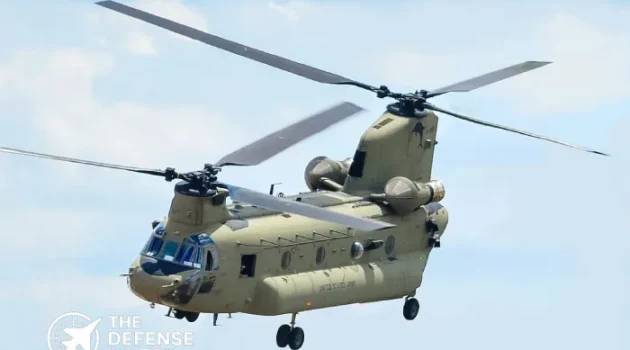
The CH-47F Block II Chinook helicopter is entering low-rate production at the exact moment three NATO air forces — Germany, the United Kingdom, and Switzerland — are committing billions of euros and pounds to the tandem-rotor platform to replace aging heavy-lift fleets. Even as the US Army pauses its own full-rate procurement decision to let frontline units evaluate the aircraft, European demand for the H 47 Chinook helicopter is accelerating, driven by NATO’s eastern-flank reinforcement requirements and a lack of any credible near-term alternative.
Sixty-four years after it first entered service, the Chinook helicopter is not winding down — it is being rebuilt into a heavier, longer-ranged, digitally networked platform for a battlefield defined by contested logistics. Three separate NATO air arms have placed nine-figure and ten-figure contracts on Boeing’s production line in Philadelphia within the past twelve months, while the US Army itself has quietly pumped the brakes on the very upgrade program it created. That contradiction — surging allied demand against domestic institutional caution — is the real story of the CH-47F helicopter in 2026, and it says as much about the future of NATO tactical mobility as it does about any single airframe.
The Tactical Lift Backbone of Contested Logistics
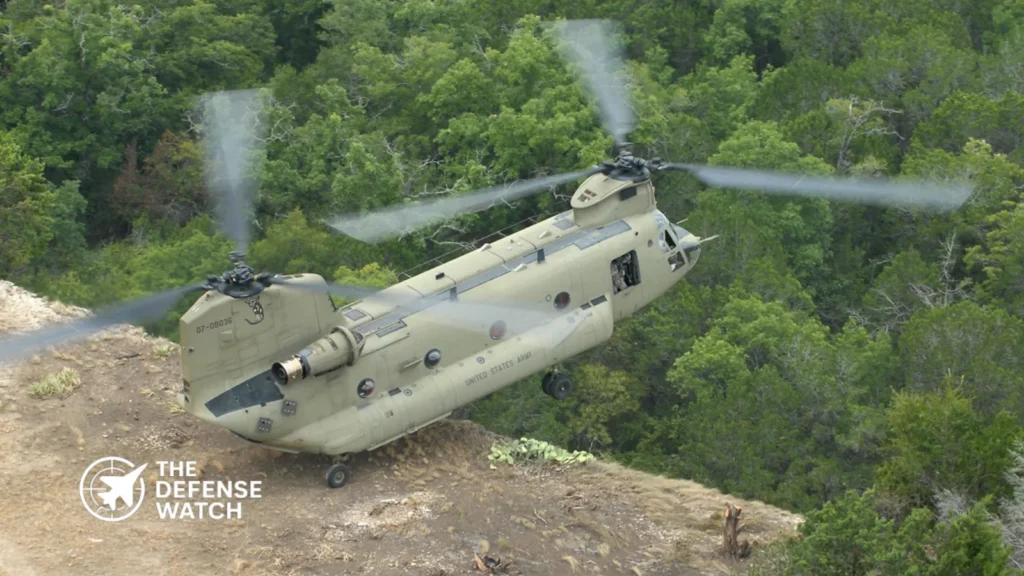
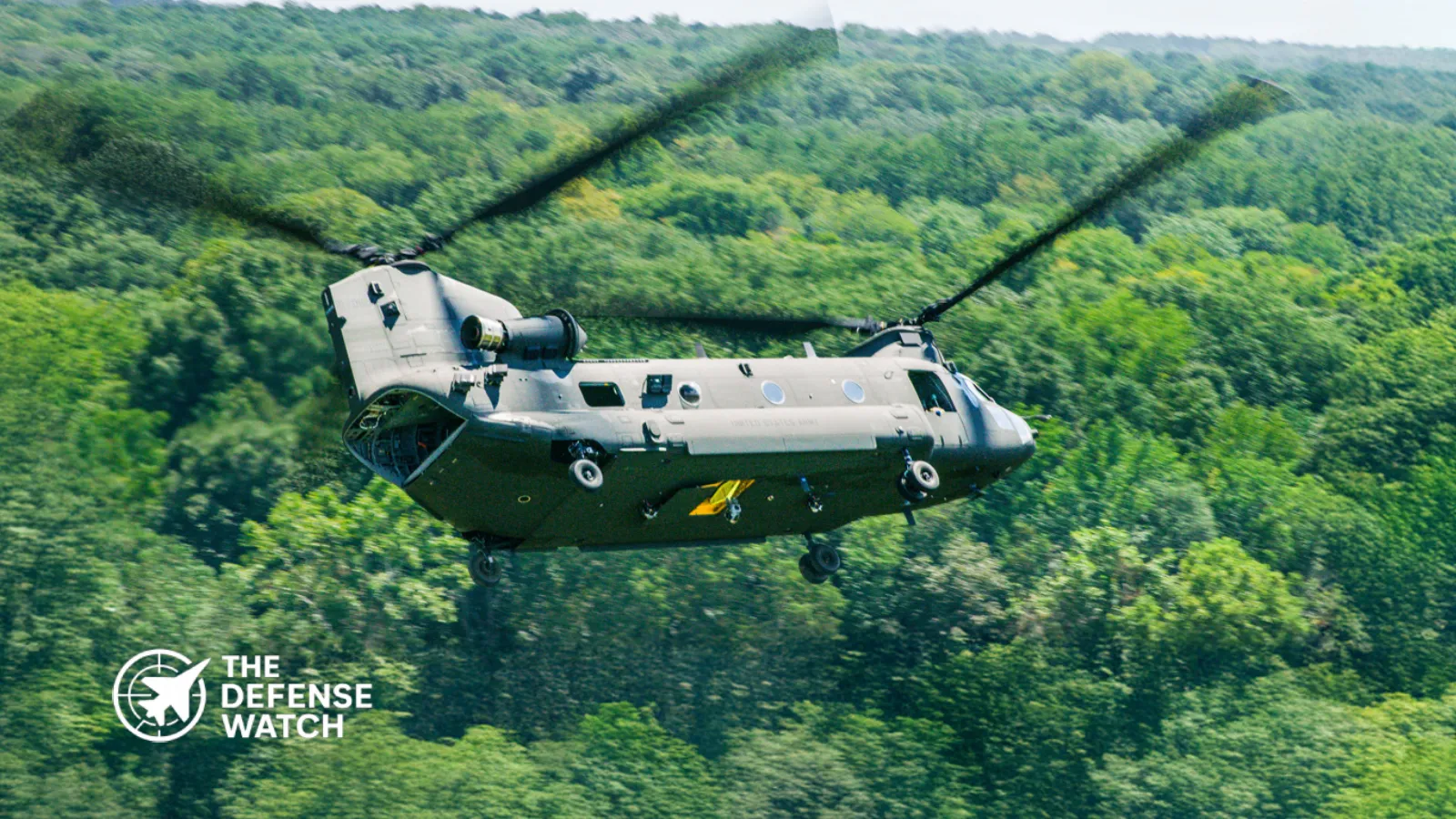
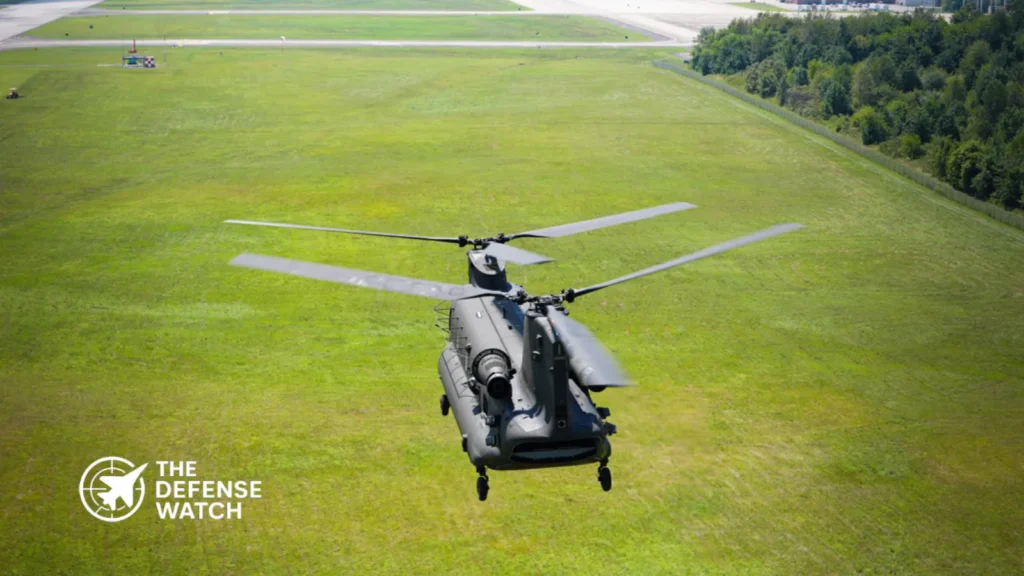
No rotary-wing platform in the Western inventory moves as much mass, as far, as reliably as the tandem-rotor Chinook. The CH-47F Block II upgrade — a recapitalization of existing Block I airframes rather than a clean-sheet design — strengthens the drivetrain and airframe to increase maximum gross weight by roughly 4,000 pounds while improving the fuel system and overall sustainment. The Army has explicitly tied the upgrade to operating in “contested logistics environments,” the doctrinal term for battlefields where GPS jamming, air defense threats, and dispersed forces make traditional resupply lines fragile.
The Department of War’s plan calls for upgrading roughly 465 CH-47F Block I helicopters to the Block II standard, a fleet-wide recapitalization rather than a limited buy. That scale matters: it signals the Chinook is being treated as a multi-decade backbone asset, not a bridge platform awaiting replacement.
CH-47F Block II: What Actually Changed
The Block II package is a structural and drivetrain upgrade layered onto a design whose fundamentals — twin Honeywell T55-GA-714A turboshaft engines, three-hook external cargo system, tandem-rotor configuration with no tail rotor — trace back to the CH-47D. Key elements include:
- Increased gross weight capacity, adding approximately 4,000 lb over Block I, aimed at improved hot-and-high hover performance for carrying vehicles like the Joint Light Tactical Vehicle
- Redesigned fuel cells, combining sponson fuel cells into single larger tanks to reduce weight and simplify the fuel system
- Improved drivetrain components to support the added gross weight without sacrificing service life
- Open avionics architecture, building on the existing Rockwell Collins Common Avionics Architecture System (CAAS) cockpit to enable future digital upgrades
- Digital Advanced Flight Control System (DAFCS) refinements, including an active parallel actuator system for more precise torque splitting between the two rotor systems
The baseline CH-47F already carries twin T55-GA-714A engines producing enough power to lift payloads exceeding 20,000 pounds under favorable conditions, with a cruise speed near 290 km/h and long-range ferry capability. The CAAS cockpit and DAFCS give the aircraft moving-map displays, GPS/INS navigation, and secure communications, while survivability is layered through missile warning systems, radar warning receivers, ballistic protection, and countermeasure dispensers.
The Army’s Own Hesitation
Here is where the CH-47F helicopter story gets genuinely interesting for procurement watchers. In late 2025, the Army authorized rapid fielding of Block II aircraft using FY2025 and FY2026 funds, planning to modernize the heavy-lift fleet across two Combat Aviation Brigades, each fielding twelve Block I airframes. Contract awards followed steadily — nine additional aircraft under Lots 4 and 5, then six more Block II Chinooks in April 2026 under a $324 million Lot 6 contract, bringing the total under contract to 24.

Then the signal shifted. By April 2026, senior Army officers indicated they would hold off on committing to full-rate Block II production beyond the 24 aircraft already on contract, choosing instead to let frontline units evaluate the type before deciding on a larger buy. That is a materially different posture than the “rhetorical commitment” to full-rate production the service had signaled back in 2024. The Army is simultaneously juggling Black Hawk, Apache, and Chinook procurement decisions inside a constrained modernization budget shaped by the Future Vertical Lift portfolio and its FARA/FLRAA priorities — and for now, Chinook is the program absorbing the caution.
NATO’s Eastern Flank Is Buying Anyway
While Washington pauses, Berlin is moving at speed — and treating the H 47 Chinook helicopter as a cornerstone of its post-Zeitenwende force structure.
Germany’s €7 Billion Heavy Transport Helicopter Program
Germany’s Heavy Transport Helicopter (Schwerer Transporthubschrauber, STH) program will replace the Luftwaffe’s aging CH-53G Sea Stallion fleet with 60 CH-47F Block II aircraft, in the German-specific “Block II SR AAR” configuration — Standard Range with Air-to-Air Refuelling capability. The scale of commitment is substantial:
- A $876.4 million hybrid contract awarded in October 2025 to deliver up to 60 CH-47F Block II helicopters, funded through FY2026 Germany Foreign Military Sales case money
- The broader German program is valued at approximately €7 billion, financed from the €100 billion Sondervermögen special defense fund created after 2022
- A second contract worth approximately $119 million, announced in January 2026, for additional production and integration work
- Aircraft will be based primarily at Holzdorf and Laupheim with Helicopter Wing 64, directly supporting NATO’s eastern-flank rapid reinforcement plans
Production milestones are tracking on schedule. Final assembly of the first German airframe began in April 2026, with the first Chinook expected to arrive in Germany in the fourth quarter of 2027 and the final aircraft of the 60-strong order arriving in the fourth quarter of 2032. By 2030, when the CH-53 fleet reaches the end of its service life, the Luftwaffe expects to already be operating roughly 40 Chinooks.
The UK’s H-47(ER) and a Second Tranche on the Horizon
The Royal Air Force’s Chinook fleet — already the largest of its kind in Europe at 60 aircraft — is being reshaped by the H-47 Extended Range program. The new H-47(ER) will carry 55 personnel or 10 tonnes of cargo, similar to the existing HC6 fleet, but with roughly double the operational range of the RAF’s current Chinooks, a capability the MoD has flagged as particularly suited to special forces missions. The aircraft will also field a 300 km/h top speed, an advanced digital cockpit, a modernized airframe, and a digital automatic flight control system enabling hover in reduced visibility.
The program has not been without friction. The original delivery schedule slipped roughly three years due to budget prioritization, with the UK ultimately negotiating over £300 million in savings on the £1.4 billion ($2 billion) deal. Deliveries of the 14 aircraft are now proceeding, with the first two airframes in build at Boeing’s Philadelphia facility and initial deliveries expected from 2027, replacing the RAF’s oldest Chinooks on a phased schedule designed to avoid a capability gap.
Notably, London is not stopping at 14 aircraft. The Ministry of Defence has confirmed plans for a second tranche of Chinook procurement, with Defence Minister Luke Pollard disclosing to Parliament that deliveries would begin in the mid-2030s and sustainment funding for the H-47 family is expected to be secured until at least 2060. That is a four-decade institutional bet on the platform, not a stopgap purchase.
Switzerland and the Widening European Buyers’ Club
Germany and the UK are not alone. Switzerland’s Heavy Transport Helicopter procurement program will see the Swiss Air Force receive a total of 60 CH-47F Block II Chinooks beginning in 2027 — a striking figure for a traditionally non-aligned air force, underscoring how broadly the Block II standard is being adopted across the continent. Interoperability training is already happening in practice: in April 2026 the German Luftwaffe trained alongside Dutch CH-47s and German CH-53s at Holzdorf, rehearsing personnel and materiel transport as well as hot-refueling procedures.
Comparative Snapshot: NATO Chinook Procurement, 2026
Nation Program Quantity Configuration Est. Program Value First Delivery United States Rapid Fielding (Army) 24 on contract (2 CABs planned) CH-47F Block II $324M+ per recent lot Mid-2024 (ongoing) Germany Heavy Transport Helicopter (STH) 60 CH-47F Block II SR AAR ~€7 billion Q4 2027 United Kingdom H-47 Extended Range 14 (+ second tranche planned) H-47(ER) £1.4 billion ($2B) 2026–2027 Switzerland Heavy Transport Helicopter 60 CH-47F Block II Undisclosed 2027 US Special Operations Command MH-47G modernization 51+ MH-47G Block II Ongoing Continuous Where Chinook Fits Alongside FLRAA and NGAD-Era Modernization
The Army’s hesitation on full-rate Block II production is not a vote of no confidence in the Chinook helicopter itself — it reflects budget triage across a crowded rotary-wing modernization slate. The Future Vertical Lift portfolio, encompassing the Future Long-Range Assault Aircraft (FLRAA) intended to eventually replace the medium-lift UH-60 Black Hawk, competes for the same procurement dollars as heavy-lift Chinook recapitalization and ongoing AH-64E Apache remanufacture lines. Army aviation officials have described the current approach as evaluating Black Hawk, Apache, and Chinook procurement “in real time” rather than locking in multi-year commitments — a posture that keeps Block II production alive at a modest rate while the service decides how much of its heavy-lift future rests on an airframe whose basic layout dates to the early 1960s versus next-generation vertical-lift designs still years from fielding.
For NATO allies without their own next-generation heavy-lift program in the pipeline, that debate is largely academic. Germany and Switzerland evaluated alternatives — including the Sikorsky CH-53K King Stallion — before committing to the Chinook, ultimately favoring the type’s decades-deep NATO interoperability and established sustainment ecosystem over a clean-sheet design with a thinner operational track record.
The Esports Parallel: Why Allies Keep Drafting the Same Veteran Unit
Strategic gaming communities will recognize the pattern. In competitive squad-based titles, teams facing a balance patch that nerfs a flashy new unit don’t necessarily bench the reliable, unglamorous workhorse that’s carried every roster for a decade — they keep drafting it, because proven synergy with the rest of the composition beats theoretical upside from an unproven pick. The Chinook is that pick for NATO air mobility: not the newest airframe in the meta, but the one every allied logistics chain, training pipeline, and maintenance depot is already built around. Germany and Switzerland didn’t choose the CH-47F Block II because it was cutting-edge; they chose it because interoperability compounds — every hour of joint training, every shared spare-parts pool, and every interchangeable aircrew qualification is value that a technically superior but isolated platform cannot replicate on short notice.
FAQ
What is the difference between the CH-47F and the CH-47F Block II?The Block II is a recapitalization of existing Block I airframes that increases maximum gross weight by roughly 4,000 pounds, redesigns the fuel system for reduced weight and greater capacity, upgrades the drivetrain, and refines the digital flight control system — all while retaining the CH-47F’s twin T55-GA-714A engines and CAAS cockpit architecture.
Why is the US Army slowing Chinook Block II procurement while allies are buying more?The Army is currently evaluating the aircraft with frontline units before committing beyond the 24 examples already under contract, balancing Chinook recapitalization against parallel Black Hawk, Apache, and Future Long-Range Assault Aircraft modernization priorities within a constrained budget. European allies, lacking a comparable next-generation heavy-lift alternative in development, face no equivalent trade-off.
How many CH-47F Chinooks has Germany ordered?Germany’s Heavy Transport Helicopter program covers 60 CH-47F Block II SR AAR helicopters, valued at approximately €7 billion, with deliveries beginning in the fourth quarter of 2027 and continuing through 2032.
What makes the H 47 Chinook helicopter suited to NATO’s eastern flank?Its heavy external sling-load capacity, tandem-rotor stability on unprepared terrain, and — in the German and UK configurations — extended range and air-to-air refueling capability make it well suited to rapid reinforcement and sustainment missions across the Baltic and Central European theater, where contested logistics and dispersed basing are central planning assumptions.
The Strategic Takeaway
The Chinook helicopter’s endurance is not nostalgia — it is the product of NATO allies independently concluding that interoperable heavy lift, backed by a mature global sustainment network, outweighs the theoretical advantages of an unproven next-generation design. Germany, the UK, and Switzerland are collectively committing well over $10 billion to CH-47F Block II variants through the early 2030s, locking in the platform’s relevance for at least another generation regardless of how quickly Washington resolves its own Future Vertical Lift priorities. Watch the US Army’s full-rate production decision closely: if it lands in favor of a larger Block II buy, it will likely follow — not lead — the momentum already set in Berlin, London, and Bern.

Sikorsky Moves To Build European Production Line As NATO Advances Next Generation Rotorcraft Program
Executive Summary:
Sikorsky has announced plans to pursue a European production line for NATO’s Next Generation Rotorcraft Capability (NGRC) program, expanding its industrial footprint across allied nations. The initiative is intended to strengthen NATO’s future helicopter supply chain while supporting local manufacturing, technology collaboration, and long term sustainment as participating nations prepare to replace aging medium lift helicopter fleets.
Sikorsky Expands European Manufacturing Ambitions for NATO NGRC
Sikorsky is positioning itself for a larger role in NATO’s Next Generation Rotorcraft Capability (NGRC) program by pursuing a European production line for the alliance’s future medium class military helicopter. The announcement, made by the Lockheed Martin subsidiary, reflects a broader strategy to deepen industrial cooperation with European partners while supporting NATO’s long term modernization goals.
According to the company, establishing manufacturing capability inside Europe would strengthen regional defense production, improve supply chain resilience, and provide local sustainment capacity for future rotorcraft fleets. The proposal aligns with NATO’s growing emphasis on distributed industrial capacity across allied nations.
NATO’s NGRC Program Seeks a Successor to Today’s Medium Helicopters
The NGRC initiative was launched in 2022 to develop a next generation medium multirole rotorcraft capable of replacing helicopters expected to retire between 2035 and 2040.
Current participating nations include:
Program Detail Information Lead Organization NATO Support and Procurement Agency (NSPA) Program Next Generation Rotorcraft Capability (NGRC) Participating Nations France, Germany, Greece, Italy, Netherlands, United Kingdom, Canada Observer Nations United States, Spain Planned Service Entry Mid to late 2030s Mission Replace existing medium multirole helicopter fleets The NATO Support and Procurement Agency is managing the multinational effort, which seeks to leverage advances in digital engineering, manufacturing technologies, open systems architecture, and future propulsion concepts while reducing lifecycle costs.
European Production Would Expand NATO’s Industrial Base
Sikorsky said a European production line would go beyond final assembly.
The company envisions regional manufacturing of airframe structures, component production, systems integration, logistics support, workforce training, and long term sustainment. It also plans to partner with European aerospace companies, suppliers, and research organizations to create a locally sourced industrial ecosystem.
Lockheed Martin Europe Chief Executive Dr. Dennis Goege said expanding production inside Europe would reinforce the continent’s defense industrial base while improving NATO readiness and supporting highly skilled aerospace jobs.
X2 Technology Remains Sikorsky’s Technical Foundation
Although Sikorsky has not unveiled a final NGRC aircraft design, its proposal is expected to build upon the company’s X2 coaxial rotor technology, which has accumulated more than a decade of research and flight testing.
The X2 architecture combines coaxial main rotors with a rear pusher propeller to achieve:
- Higher forward speed
- Greater maneuverability
- Improved range
- Better survivability
- Enhanced operational flexibility
Sikorsky has invested more than $1 billion in X2 technology through demonstrators including the S-97 Raider and other Future Vertical Lift programs. The company argues that these technologies provide a mature foundation for NATO’s future operational requirements.
Strategic Importance Beyond Helicopter Production
Sikorsky’s manufacturing proposal carries significance beyond a single aircraft competition.
European governments have increasingly prioritized sovereign defense production, resilient supply chains, and reduced dependence on external manufacturing for critical military equipment. Locating production within Europe addresses several alliance priorities simultaneously, including industrial resilience, wartime sustainment, and interoperability.
For NATO, future rotorcraft will likely operate in highly contested environments requiring rapid deployment, networked operations, advanced sensors, electronic warfare resilience, and open architecture software capable of evolving throughout decades of service. A geographically distributed industrial base could help maintain fleet availability during crises while simplifying logistics across multiple allied operators.
The proposal also reflects a broader trend in multinational defense procurement. Rather than exporting complete platforms, major defense manufacturers are increasingly offering local production, technology sharing, and industrial participation to strengthen long term partnerships with allied governments.
Competition for NATO’s Future Helicopter Fleet
Sikorsky is one of three major contractors selected by NSPA to conduct integrated platform concept studies for NGRC.
The other competitors are:
- Airbus Helicopters
- Leonardo
Each company is developing independent concepts that explore how future rotorcraft can satisfy NATO’s operational requirements while incorporating advanced manufacturing methods, digital engineering, and modular mission systems. The concept studies are expected to inform NATO’s selection process as the program advances toward identifying a preferred solution later this decade.
Outlook
While the establishment of a European production line remains contingent on the NGRC program’s progress, Sikorsky’s announcement demonstrates how industrial strategy has become an increasingly important element of major NATO acquisition programs.
As allied nations prepare to replace large fleets of aging helicopters over the next two decades, decisions surrounding manufacturing location, technology transfer, sustainment capacity, and multinational industrial participation are likely to carry nearly as much weight as aircraft performance itself. For Sikorsky, expanding production into Europe is intended to strengthen both its competitive position and NATO’s long term defense industrial resilience.
Executive Summary:
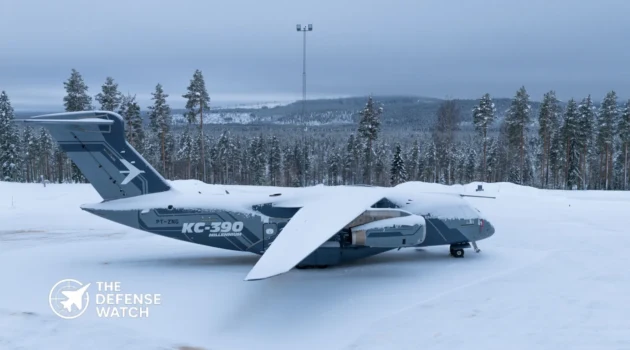
Embraer has delivered the first C-390 Millennium tactical transport aircraft to the Czech Air Force, approximately 20 months after Prague signed a contract for two aircraft. The delivery significantly expands the Czech Republic’s strategic airlift capabilities while reinforcing NATO’s growing adoption of the Brazilian transport platform across Europe.
C-390 Millennium Delivered To Czech Air Force Following Rapid Acquisition Timeline
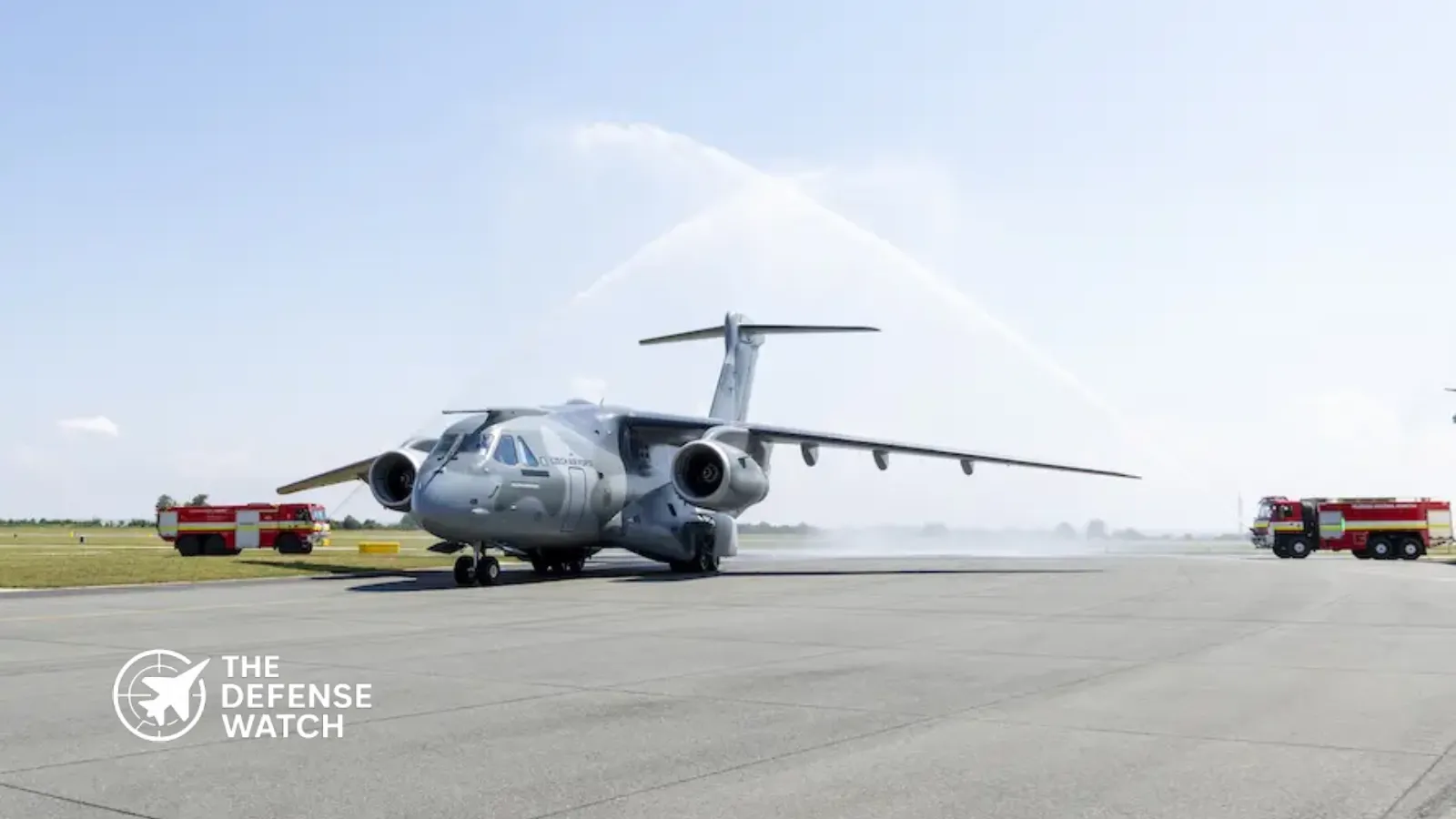
Embraer has officially delivered the first C-390 Millennium transport aircraft to the Czech Air Force during a ceremony at Prague-Kbely Air Base, marking a major milestone in the country’s military modernization program. The delivery comes roughly 20 months after the Czech Republic signed its acquisition agreement with the Brazilian aerospace manufacturer, underscoring one of the faster procurement timelines for a modern tactical transport aircraft in Europe.
Senior Czech defense leaders, including Defence Minister Jaromír Zůna, Chief of the General Staff General Miroslav Hlaváč, Czech Air Force Commander General Petr Tománek, and Embraer Defense & Security President Bosco da Costa Junior attended the handover ceremony. According to Czech military officials, the aircraft will immediately begin strengthening national and NATO transport missions.
The Czech Republic ordered two C-390 Millennium aircraft to replace aging transport capabilities while improving the military’s ability to deploy personnel, vehicles, humanitarian supplies, and oversized cargo across Europe and beyond. The second aircraft is expected to be delivered in late 2027.
New Capability For NATO Operations
Brig. Gen. Jaroslav Falta, commander of the Czech Air Force’s 24th Air Transportation Base, described the aircraft as a major enhancement to national air mobility.
According to the Czech military, the C-390 enables transportation of heavy and oversized cargo over long distances while supporting NATO deployments, humanitarian assistance, disaster response, and emergency operations throughout Europe.
The aircraft also provides greater operational flexibility than previous transport platforms by supporting multiple mission sets from a single airframe, including:
Capability C-390 Millennium Tactical cargo transport Yes Troop transport Yes Medical evacuation (MEDEVAC) Yes Humanitarian assistance Yes Search and rescue Yes Aerial refueling (configured variants) Yes Operations from semi-prepared runways Yes The jet-powered aircraft can carry payloads of up to approximately 26 metric tons while operating at higher cruise speeds than many legacy tactical airlifters, improving response times during military and humanitarian missions.
Growing European Adoption Of The C-390
The Czech Republic becomes the fourth operational user of the C-390 following Brazil, Portugal, and Hungary, while several additional countries have selected the aircraft for future deliveries. Embraer says the platform has now secured orders from 12 nations, reflecting growing international demand for a modern medium airlift aircraft.
Recent European customers include:
- Austria
- Netherlands
- Slovakia
- Sweden
- Czech Republic
- Portugal
- Hungary
Outside Europe, customers include Brazil, South Korea, Uzbekistan, and the United Arab Emirates, demonstrating the aircraft’s expanding global market presence.
Why The Delivery Matters
The Czech delivery represents more than the arrival of a new transport aircraft. It highlights an increasingly visible shift in Europe’s military airlift market.
For decades, NATO tactical transport fleets have largely centered on variants of the C-130 Hercules. The C-390 is emerging as a credible alternative for nations seeking higher cruise speed, modern avionics, digital maintenance systems, and multi-role flexibility while maintaining NATO interoperability.
For the Czech Republic, the acquisition strengthens several operational priorities:
- Improved strategic mobility across Europe.
- Faster deployment of forces during NATO operations.
- Greater capacity for humanitarian and disaster relief missions.
- Enhanced interoperability with allied air forces adopting the same platform.
The relatively short period between contract signature and first delivery also demonstrates Embraer’s ability to move customers from procurement to operational capability on an accelerated schedule, an increasingly important factor as European governments continue expanding defense spending following heightened regional security concerns.
Broader Strategic Implications
The continued expansion of the C-390 program illustrates how Europe’s military aviation market is becoming more competitive. Rather than relying exclusively on traditional U.S. or European suppliers, NATO members are increasingly evaluating platforms based on lifecycle costs, delivery timelines, industrial partnerships, and mission flexibility.
For Embraer, each additional European operator strengthens logistics support, training cooperation, and maintenance networks across NATO, potentially lowering long-term operating costs for future customers.
For alliance planners, a growing fleet of interoperable C-390 aircraft provides additional lift capacity for multinational exercises, rapid reinforcement, humanitarian operations, and crisis response missions across the European theater.
Executive Summary:
Airbus has successfully completed the maiden flight of Germany’s first Eurofighter Tranche 4 fighter under the Quadriga modernization program. The milestone clears an important step toward delivering 38 advanced fighters to the Luftwaffe, replacing older Tranche 1 aircraft while introducing new radar, avionics, and electronic warfare growth potential.
Airbus Advances German Eurofighter Tranche 4 Program With First Flight
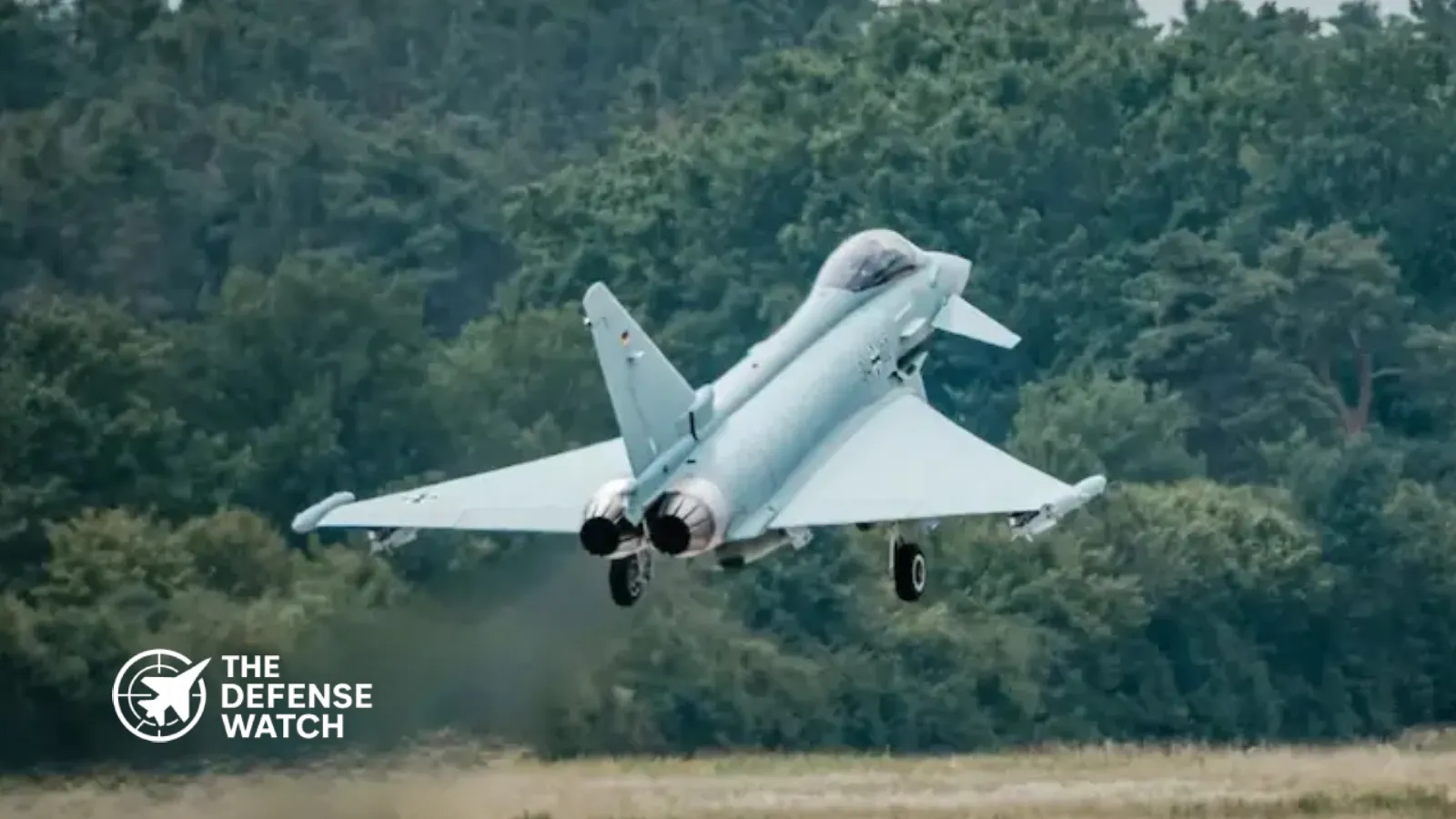
Airbus has completed the first flight of the German Eurofighter Tranche 4, marking a significant milestone in Germany’s Quadriga fighter modernization program. The maiden flight took place on July 14 from Airbus’ Military Aircraft Center in Manching, Germany, and precedes the aircraft’s planned delivery to the German Air Force later in 2026, subject to certification.
The aircraft, carrying German military registration 34+02, remained airborne for approximately one hour during a Production Flight Acceptance Test (PFAT). Airbus test pilot Stefan Auer evaluated flight handling, engine performance, hydraulics, electrical systems, flight controls, and onboard avionics before the aircraft proceeds toward certification.
The achievement represents the first flying example of Germany’s latest Eurofighter configuration and demonstrates steady progress in one of Europe’s largest tactical fighter modernization efforts.
Quadriga Will Replace Germany’s Oldest Eurofighters
Project Quadriga was launched after Germany ordered 38 Eurofighter Tranche 4 aircraft in 2020.
The program includes:
Program Element Details Total aircraft 38 Single-seat fighters 30 Twin-seat fighters 8 Primary mission Replace Tranche 1 Eurofighters Planned deliveries Through 2030 These aircraft are intended to replace the Luftwaffe’s earliest Tranche 1 fighters while maintaining Germany’s combat aviation capabilities well into the coming decades. Airbus states the fleet will support German air power until the eventual transition toward the Future Combat Air System (FCAS).
Germany further expanded its commitment by ordering 20 additional Tranche 5 Eurofighters in 2025, extending production into the next decade.
New Radar And Growth Potential Define Tranche 4
Unlike the earliest Eurofighters, the Tranche 4 configuration introduces substantial improvements designed to keep the aircraft operationally relevant against increasingly sophisticated air threats.
Among the most important upgrades are:
- European Common Radar System (ECRS) Mk1 Step 0 AESA radar
- Improved mission computers
- Enhanced processing capacity
- Future software growth architecture
- Compatibility with future electronic warfare upgrades
According to defense reporting, the aircraft will later transition to ECRS Mk1 Step 1, adding additional capabilities through updated hardware and software. Germany also plans to equip part of the Quadriga fleet with Saab Arexis wingtip electronic warfare pods under the Eurofighter EK program.
These upgrades significantly improve target tracking, resistance to electronic attack, and long term modernization potential compared with earlier production aircraft.
Why The First Flight Matters
Although a maiden flight is primarily a production milestone, it represents much more than a routine factory test.
The successful PFAT confirms that the aircraft’s major flight systems function as designed before entering certification and military acceptance testing. Completing this stage reduces program risk and allows Airbus to move toward serial deliveries.
For Germany, the timing is strategically important.
The Luftwaffe is simultaneously modernizing multiple combat aviation capabilities, including F 35A acquisition for NATO nuclear sharing missions, Eurofighter electronic warfare variants, and future participation in the multinational FCAS program.
The Quadriga aircraft therefore bridge today’s operational requirements while providing an upgrade path that extends into the 2060s.
Strategic Importance For European Air Power
The Tranche 4 milestone reflects a broader resurgence of the Eurofighter program across Europe.
Germany, Italy, and Spain have all committed to new Tranche 4 production, while export interest has also grown. Rather than replacing existing Eurofighters immediately with sixth generation platforms, European operators are investing in advanced variants that can remain credible against modern threats while next generation systems mature.
From a NATO perspective, these aircraft strengthen European combat aviation capacity without relying exclusively on fifth generation fleets. Modern AESA radar, digital avionics, and future electronic warfare capabilities enable the Eurofighter to contribute to air superiority, homeland defense, NATO air policing, and joint coalition operations.
For the United States and allied planners, Germany’s modernization provides another example of NATO members increasing investments in advanced combat aviation while improving interoperability across the alliance.
Looking Ahead
Airbus expects to deliver the first German Tranche 4 aircraft later in 2026 following completion of certification activities. Deliveries of all 38 Quadriga fighters are scheduled to continue through 2030, while production of Germany’s additional Tranche 5 aircraft will extend into the early 2030s.
As older Tranche 1 aircraft retire, the new fighters will become a central element of the Luftwaffe’s future force structure, combining improved survivability, sensor capability, and long term upgrade potential with continued interoperability across NATO air forces.
Executive Summary:
Patria has begun assembling the first F-35 forward fuselage sections in Finland, marking the country’s entry into Lockheed Martin’s global F-35 manufacturing network. The milestone supports Finland’s F-35 procurement program while expanding European industrial participation in one of the world’s largest defense aviation programs.
Patria Begins F-35 Forward Fuselage Production In Finland
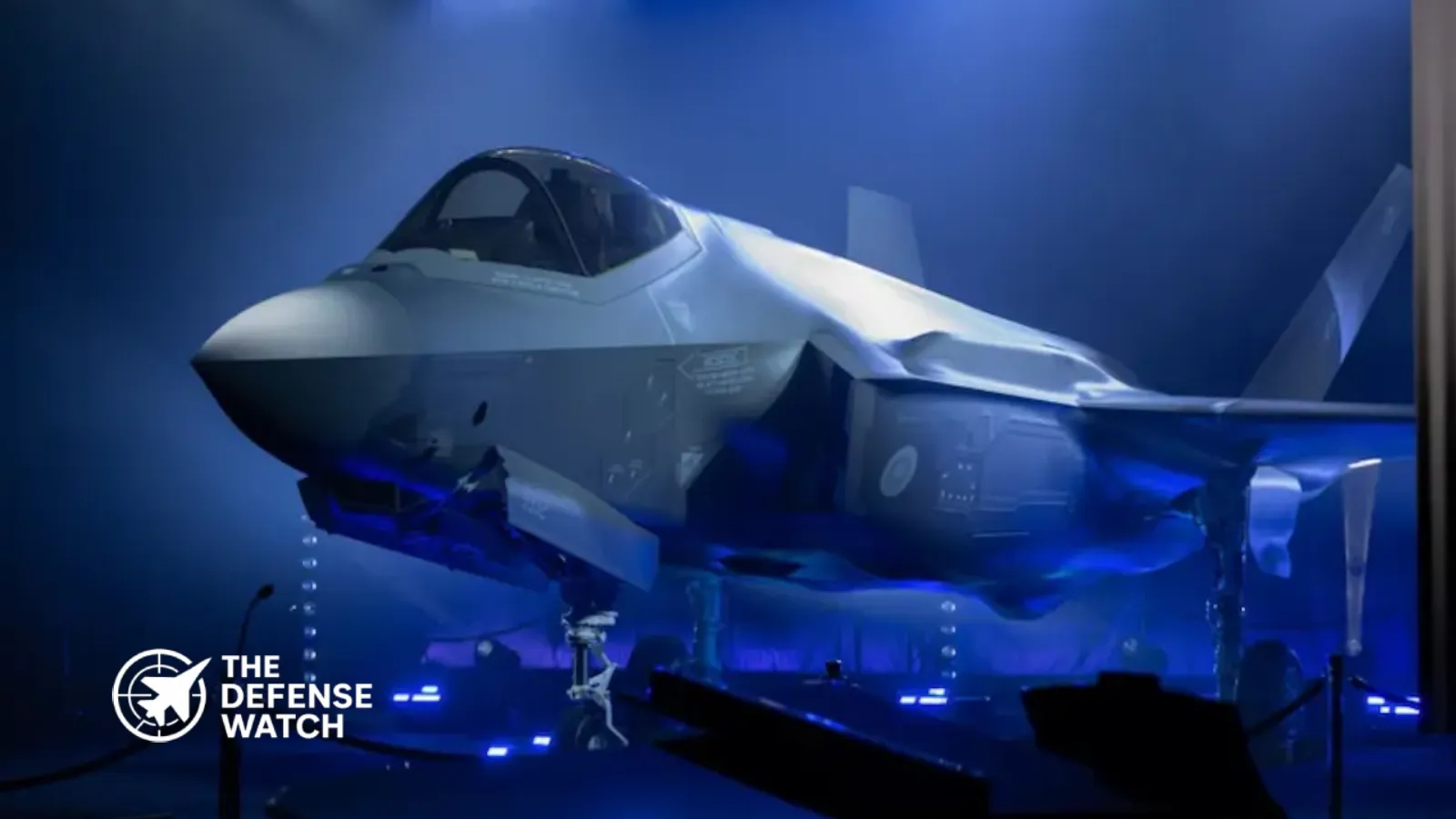
Patria has officially started F-35 forward fuselage production in Finland, reaching a significant milestone in the country’s participation in the global F-35 Lightning II program. The announcement follows the arrival of the first forward fuselage structures at Patria’s production facility, where assembly work has now commenced.
The milestone was confirmed by Patria as part of Finland’s industrial participation package linked to its acquisition of 64 F-35A Lightning II fighter aircraft. The production line will manufacture forward fuselage assemblies for the worldwide F-35 fleet rather than solely for Finnish aircraft, making Finland a long term contributor to the multinational fighter program.
The development represents one of the largest aerospace manufacturing investments in Finland’s history and strengthens the country’s position within NATO’s growing defense industrial base.
Finland Expands Its Role In The Global F-35 Enterprise
Finland selected the F-35A Lightning II in December 2021 under its HX Fighter Program, replacing the Finnish Air Force’s fleet of F/A-18 Hornets.
Beyond acquiring new aircraft, Finland negotiated an extensive industrial participation package intended to develop domestic aerospace capabilities and sustain national defense manufacturing over several decades.
Patria’s responsibility includes assembling forward fuselage sections that will be delivered into Lockheed Martin’s international production system. These structures form the front section of the aircraft and integrate numerous critical systems before final assembly.
Unlike offset agreements focused only on local maintenance, Finland’s participation directly supports worldwide F-35 production, ensuring manufacturing work continues regardless of domestic aircraft deliveries.
What The Forward Fuselage Includes
The forward fuselage is among the most technically demanding sections of the F-35 airframe. It houses several critical systems that require extremely precise manufacturing and quality control.
Key elements integrated within the forward fuselage include:
Component Function Cockpit structure Supports pilot controls and avionics installation Nose landing gear bay Houses the aircraft’s forward landing gear Mission systems interfaces Supports sensors, computing systems, and wiring Structural titanium and composite assemblies Provides strength while minimizing weight Precision attachment points Connects the forward fuselage with the center fuselage during final assembly Manufacturing these assemblies requires advanced machining, automated drilling, precision fastening, composite processing, and strict quality assurance procedures that meet Lockheed Martin’s production standards.
A Strategic Industrial Investment For Finland
The new production capability represents more than aircraft manufacturing.
Finland’s participation ensures its aerospace workforce develops expertise in fifth generation fighter production while creating high value engineering and manufacturing jobs expected to continue well beyond the delivery of Finland’s own aircraft.
The industrial package also supports resilience within NATO’s defense supply chain by distributing manufacturing across multiple allied nations rather than concentrating production in a limited number of facilities.
As geopolitical competition increases, diversified production networks have become increasingly important for maintaining aircraft availability and reducing supply chain vulnerabilities.
Strengthening Europe’s Defense Manufacturing Base
Patria’s production line arrives as European governments significantly increase defense investment following Russia’s invasion of Ukraine and Finland’s accession to NATO in 2023.
The F-35 program has become one of NATO’s most widely adopted fighter platforms, with numerous European operators including:
- Finland
- Norway
- Denmark
- Netherlands
- Belgium
- Poland
- Germany
- Italy
- United Kingdom
- Czech Republic (future operator)
Growing European demand has increased the importance of regional suppliers capable of supporting long term production and sustainment.
Patria’s manufacturing capability contributes directly to this expanding industrial ecosystem.
Analysis: Why This Matters Beyond Finland
The launch of forward fuselage production demonstrates an important evolution in how modern fighter programs are structured.
Rather than relying exclusively on domestic production, fifth generation aircraft increasingly depend on distributed manufacturing across allied nations. This approach improves production resilience while strengthening political and industrial cooperation among participating countries.
For the United States, expanding qualified suppliers within allied nations reduces risk across the broader F-35 enterprise. If manufacturing disruptions affect one production site, work can potentially be redistributed across the international network, improving long term program stability.
For Finland, domestic production delivers strategic advantages beyond economic benefits. Developing advanced aerospace manufacturing capabilities enhances national technological expertise while supporting future maintenance, upgrades, and sustainment activities throughout the aircraft’s service life.
The milestone also reflects a broader trend across NATO, where defense procurement increasingly emphasizes industrial resilience alongside military capability. Governments are seeking procurement models that strengthen both operational readiness and domestic industrial capacity.
As F-35 production continues into the coming decades, suppliers such as Patria are expected to play an increasingly important role in supporting aircraft delivered not only to Finland but to operators around the world.
Long Term Outlook
Patria’s entry into forward fuselage production represents the beginning of a long term manufacturing commitment rather than a short duration offset project.
The global F-35 fleet continues to expand, with more than twenty countries participating in procurement or operating the aircraft. As production remains active for years to come, Finnish manufactured assemblies are expected to become a regular part of Lockheed Martin’s worldwide manufacturing pipeline.
The investment also positions Finland to maintain advanced aerospace expertise that could support future defense aviation programs beyond the current generation of fighter aircraft.
Executive Summary:
The UK Royal Air Force is conducting analysis to determine the total future fleet size of nuclear-capable F-35A Lightning II aircraft as it prepares to resume an air-launched nuclear role in support of NATO. An initial purchase of 12 F-35As, announced in 2025, will primarily equip an operational conversion unit, separate from the dual-capable mission requirements. This move marks the RAF’s return to NATO’s dual-capable aircraft framework after more than three decades without air-delivered nuclear weapons.
Initial Procurement and Training Focus
The UK Ministry of Defence confirmed the acquisition of 12 F-35A variants alongside 15 additional F-35Bs as part of tranche two procurement plans outlined in the 2025 Strategic Defence Review and subsequent Defence Investment Plan. These conventional take-off and landing (CTOL) aircraft are scheduled to begin arriving in the early 2030s.
Speaking at the Global Air & Space Chiefs’ Conference in London on 15 July 2026, Air Vice-Marshal Jim Beck, RAF Director Capability & Programmes, clarified that the initial dozen F-35As were procured specifically to support the Operational Conversion Unit (OCU) on 207 Squadron, not the nuclear mission. “We did not buy those [F-35As] for dual-capable aircraft [DCA] capability – we bought them for our [operational] conversion unit,” Beck stated.
The F-35A’s greater internal fuel capacity, longer combat radius, and reduced maintenance demands compared to the F-35B make it well-suited for training, enabling longer sorties and higher aircraft availability for pilot instruction.
Path to NATO Dual-Capable Aircraft Integration
The F-35A is the only variant in the Lightning II family certified to carry the U.S. B61-12 tactical nuclear gravity bomb. UK-operated aircraft would function as dual-capable assets under NATO nuclear burden-sharing arrangements, with warheads remaining under U.S. control until a decision to employ them in a crisis.
This represents a significant policy shift. The RAF last operated air-launched nuclear weapons—the WE177 free-fall bombs on Panavia Tornados—until their retirement in 1998. Reintegration into the DCA mission strengthens NATO’s collective deterrence posture amid heightened threats from Russia and expanding nuclear capabilities in China.
Beck emphasized the analysis underway: “We are doing the analysis to understand the size and posture of the force that we will need to undertake it.” Additional F-35As for the DCA role would require compatible boom-refueling support, currently unavailable in the UK inventory, and standardization with NATO partners.
Technical and Operational Advantages of the F-35A
The F-35A offers notable performance improvements over the STOVL F-35B already in UK service:
Specification F-35A Lightning II F-35B Lightning II Combat Radius (Internal Fuel) >590 n.mi / 1,093 km >450 n.mi / 833 km Range (Internal Fuel) >1,200 n.mi / 2,200 km >900 n.mi / 1,667 km Internal Fuel Capacity 18,250 lb / 8,278 kg 13,100 lb / 5,942 kg Max G-Rating 9.0 7.0 Weapons Payload 18,000 lb / 8,160 kg 15,000 lb / 6,800 kg These attributes provide greater persistence, payload flexibility, and agility for conventional strike and air superiority missions, while enabling nuclear certification. The aircraft will be based at RAF Marham and support a third frontline F-35 squadron.
Strategic Context and Implications for U.S. and NATO Defense
Analysis: This development carries direct relevance for U.S. defense strategy. As the primary provider of nuclear weapons for NATO’s DCA mission, the U.S. benefits from increased allied participation, distributing the burden of nuclear readiness across more platforms and enhancing overall alliance resilience. The UK’s F-35As add redundancy to existing European DCA fleets operated by Belgium, Germany, Italy, and the Netherlands, primarily using F-16s and Tornados (transitioning to newer platforms).
Operationally, integrating F-35A into the nuclear mission introduces complexities. Stealth optimization for nuclear delivery—ensuring external stores or modifications do not compromise low-observable characteristics—remains a noted challenge. Boom aerial refueling infrastructure will require investment or reliance on NATO allies, highlighting interoperability gaps in European air forces.
From a broader geopolitical perspective, the move signals resolve against Russian nuclear saber-rattling and China’s nuclear expansion, projected to reach approximately 1,000 warheads by 2030. It complements the UK’s independent sea-based deterrent while providing flexible, theater-level response options that submarines cannot replicate. For the U.S., this deepens the “special relationship” through shared F-35 logistics and sustainment, potentially influencing future export and upgrade pathways.
The UK’s long-term ambition of up to 138 F-35s total (across variants) suggests potential for fleet growth beyond the initial 12 F-35As, depending on the ongoing analysis. This could influence U.S. production lines and joint sustainment costs across the F-35 enterprise.
Challenges include pilot training pipelines, maintenance infrastructure upgrades for CTOL operations alongside STOVL, and ensuring nuclear certification timelines align with aircraft deliveries in the early 2030s. France’s extensive nuclear exercise regimen, including Operation Poker activities, offers a model for maintaining proficiency that the RAF will likely study.
Broader RAF Combat Air Evolution
The F-35A acquisition fits into a mixed fleet strategy alongside Typhoon, future GCAP (Global Combat Air Programme) sixth-generation fighters, and uncrewed collaborative combat aircraft. This layered approach enhances survivability and mission flexibility in contested environments. The F-35 family already supports UK carrier strike operations, with the A-variant adding land-based depth and range.