Hegseth and Poland Sign Defense Industry Cooperation Agreement
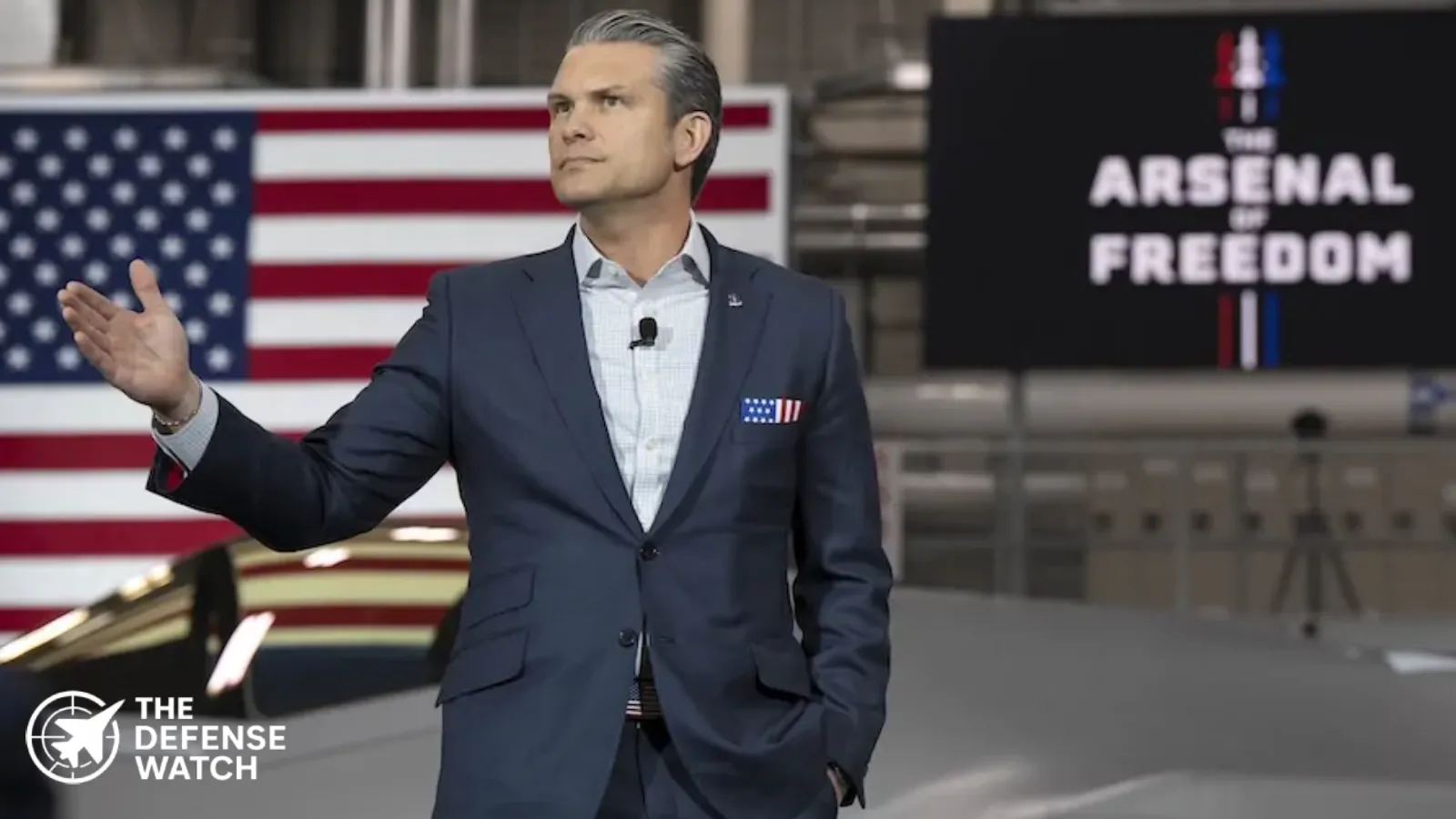
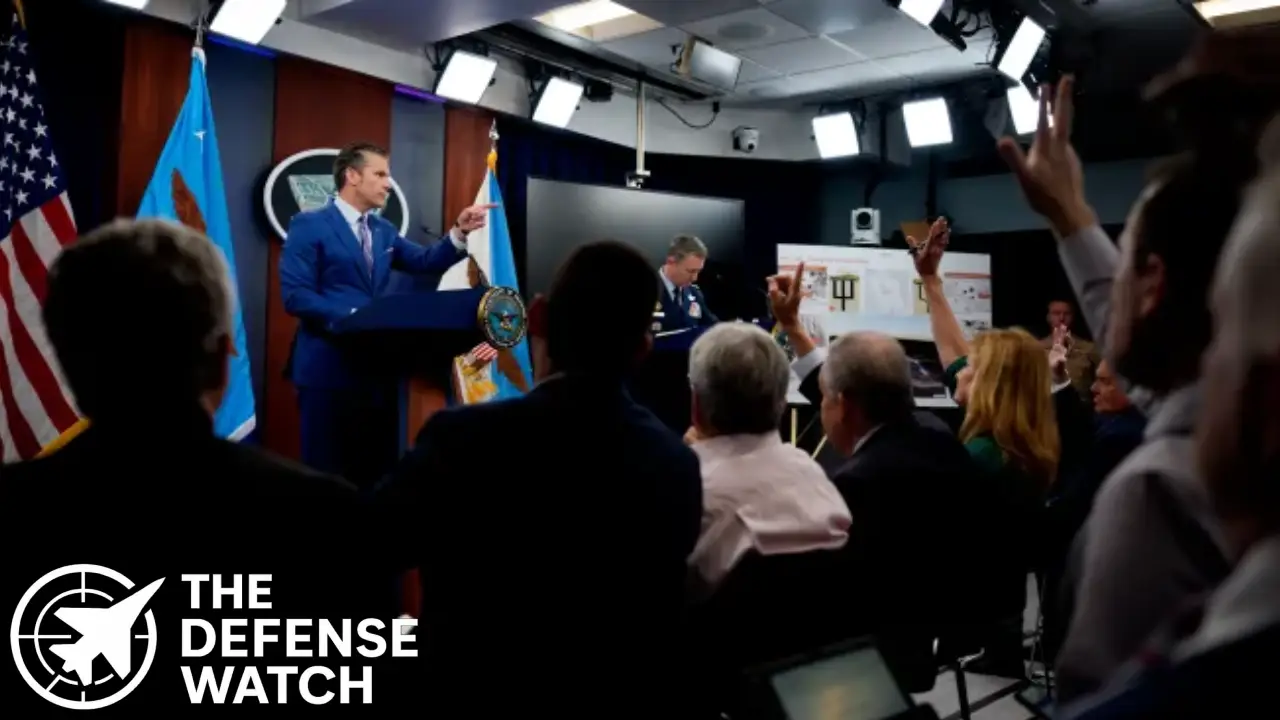
The United States and Poland have agreed to deepen defense industrial cooperation following a November 10 meeting between U.S. Secretary of War Pete Hegseth and Polish Deputy Prime Minister and Defense Minister Władysław Kosiniak-Kamysz at the Pentagon.
The two officials signed a Statement of Intent aimed at strengthening cooperation between their defense industries, including efforts to expand the scale and speed of bilateral industrial activities.
The agreement builds on an existing security relationship in which Poland has become an important NATO partner for U.S. military operations, equipment support and regional deterrence in Eastern Europe.
According to Chief Pentagon Spokesman Sean Parnell, Hegseth recognized Poland’s leadership within NATO as European allies assume greater responsibility for conventional defense. Kosiniak-Kamysz, meanwhile, highlighted Poland’s increased defense spending and growing cooperation with the American defense industry.
Defense Industry Cooperation Takes Center Stage
The Statement of Intent focuses on strengthening cooperation between the American and Polish defense industrial bases.
Although the Pentagon’s public readout did not disclose specific projects, funding commitments, production targets or implementation schedules, the announcement indicates an interest in expanding industrial cooperation beyond the purchase of American military equipment.
For Poland, deeper industrial ties with U.S. manufacturers could support domestic maintenance, repair and production capabilities while improving access to technologies used by NATO forces.
For the United States, cooperation with Polish facilities offers another opportunity to strengthen equipment support and industrial capacity closer to NATO’s eastern flank.
The agreement should not be interpreted as a finalized procurement contract or a commitment to establish particular production facilities. Its stated purpose is to strengthen the existing defense industry partnership.
Poland’s PAC-3 Maintenance Facility Adds Industrial Weight
One of the most concrete examples of the growing partnership is Poland’s role in supporting the Patriot Advanced Capability-3 missile system.
During the Pentagon meeting, Kosiniak-Kamysz highlighted Poland’s hosting of a new PAC-3 Missile Maintenance Facility and the expansion of production lines.
The PAC-3 is an interceptor associated with the U.S.-developed Patriot air and missile defense system. It provides a capability against selected ballistic and cruise missile threats and other aerial targets.
Establishing maintenance capacity in Poland is relevant to NATO because equipment support located closer to operational users can help reduce reliance on more distant maintenance infrastructure.
It also creates opportunities for technical cooperation, workforce development and closer integration between American and Polish defense companies.
However, the Pentagon’s November 10 statement did not provide details about the facility’s maintenance capacity, expected workload, staffing or operational schedule. Those details should not be assumed from the announcement.
Permanent U.S. Military Presence Also Discussed
The defense industry agreement was not the only subject addressed during the November 10 meeting. The two officials also discussed the possibility of establishing a permanent U.S. military base in Poland.
According to the Polish Ministry of National Defence, Kosiniak-Kamysz said Hegseth had given a positive assessment of the ongoing discussions, describing their direction as favorable.
The Polish minister said the final decision would rest with the White House and was expected in early December 2026.
This distinction is important. Poland has presented the Pentagon’s response as encouraging, but the November 10 U.S. meeting readout did not announce approval of a permanent base or provide a deployment decision.
The issue is part of a wider process examining the future of American military presence in Europe. In September, Polish and U.S. officials held separate discussions on strengthening the American presence, including infrastructure, host-nation support and the conditions for additional forces. Those consultations were being conducted under the Polish-American Enhanced Defense Cooperation Agreement signed in 2020.
A permanent presence could provide greater continuity for U.S. military activities in Poland, although the scale, location and composition of any additional deployment remain unresolved.
Ukraine and NATO’s Eastern Flank Remain Central
Ukraine’s security was another subject of the Pentagon discussions.
According to the U.S. Department of War readout, Hegseth reaffirmed Washington’s desire for a durable peace in Ukraine and encouraged Poland to continue supporting Kyiv.
Poland occupies an important geographic position on NATO’s eastern flank, bordering Ukraine and Belarus. It also serves as a major logistical and military support location for allied activities connected to European security.
The country’s expanding military capabilities and defense spending have strengthened its position within NATO’s conventional defense planning.
The meeting also reflects a broader division of responsibilities within the alliance. Hegseth’s comments about Europe assuming greater responsibility for conventional defense point to Washington’s emphasis on stronger European military capabilities.
For Poland, closer cooperation with the United States offers access to American defense technology, industrial partnerships and continued security cooperation.
For Washington, a stronger Polish defense industry and improved regional maintenance infrastructure could support NATO readiness while helping distribute some of the alliance’s conventional defense responsibilities across European members.
What the Statement of Intent Means for the Defense Industry
The immediate significance of the agreement lies in its industrial direction rather than any newly announced weapons purchase.
Poland already hosts American military equipment and supports maintenance activities involving U.S.-origin platforms. The Polish defense ministry has specifically identified existing Apache and Black Hawk helicopter service capabilities, alongside the planned PAC-3 missile maintenance center.
Further industrial cooperation could create opportunities in several areas:
- Maintenance and repair: Expanding local support for American-origin military systems.
- Production cooperation: Developing additional manufacturing relationships between Polish and U.S. defense companies.
- Technology and development: Supporting joint industrial and technical initiatives.
- European market access: Exploring opportunities for Polish-American industrial partnerships to participate in European defense programs.
These are potential areas of cooperation, not a confirmed list of projects under the newly signed statement.
Kosiniak-Kamysz also indicated that Poland wants equipment produced through Polish-American industrial partnerships to be eligible for European Union funding. This introduces an additional dimension to the agreement, linking bilateral cooperation with Europe’s wider defense industrial development.
Whether that objective can be achieved will depend on applicable European funding rules and the structure of future industrial projects.
For now, neither government has published a detailed implementation plan for the Statement of Intent.
A Partnership Moving Beyond Equipment Purchases
The November agreement adds an industrial dimension to an already extensive U.S.-Polish defense relationship.
Poland’s role in NATO, its investment in military modernization and its growing support infrastructure make it an important partner for Washington in Eastern Europe.
However, the practical value of the new statement will depend on what follows the signing. Specific joint projects, manufacturing arrangements, investment commitments and maintenance responsibilities will be needed to translate the political commitment into measurable industrial results.
The separate discussions about a permanent U.S. military presence also remain important, but no final basing decision was announced in the Pentagon’s public readout.
For the defense industry, the next meaningful indicators will be the identification of concrete projects and the extent to which U.S. and Polish companies turn the new commitment into operational production and support capabilities.