Executive Summary:
The Pentagon is moving to replenish U.S. long range precision missile inventories after extensive combat operations during the Iran war reportedly consumed much of the Army’s available stockpile. The development highlights the growing importance of industrial capacity and munitions production in sustaining modern high intensity conflicts.
Pentagon Moves To Restore Long Range Precision Missile Inventory
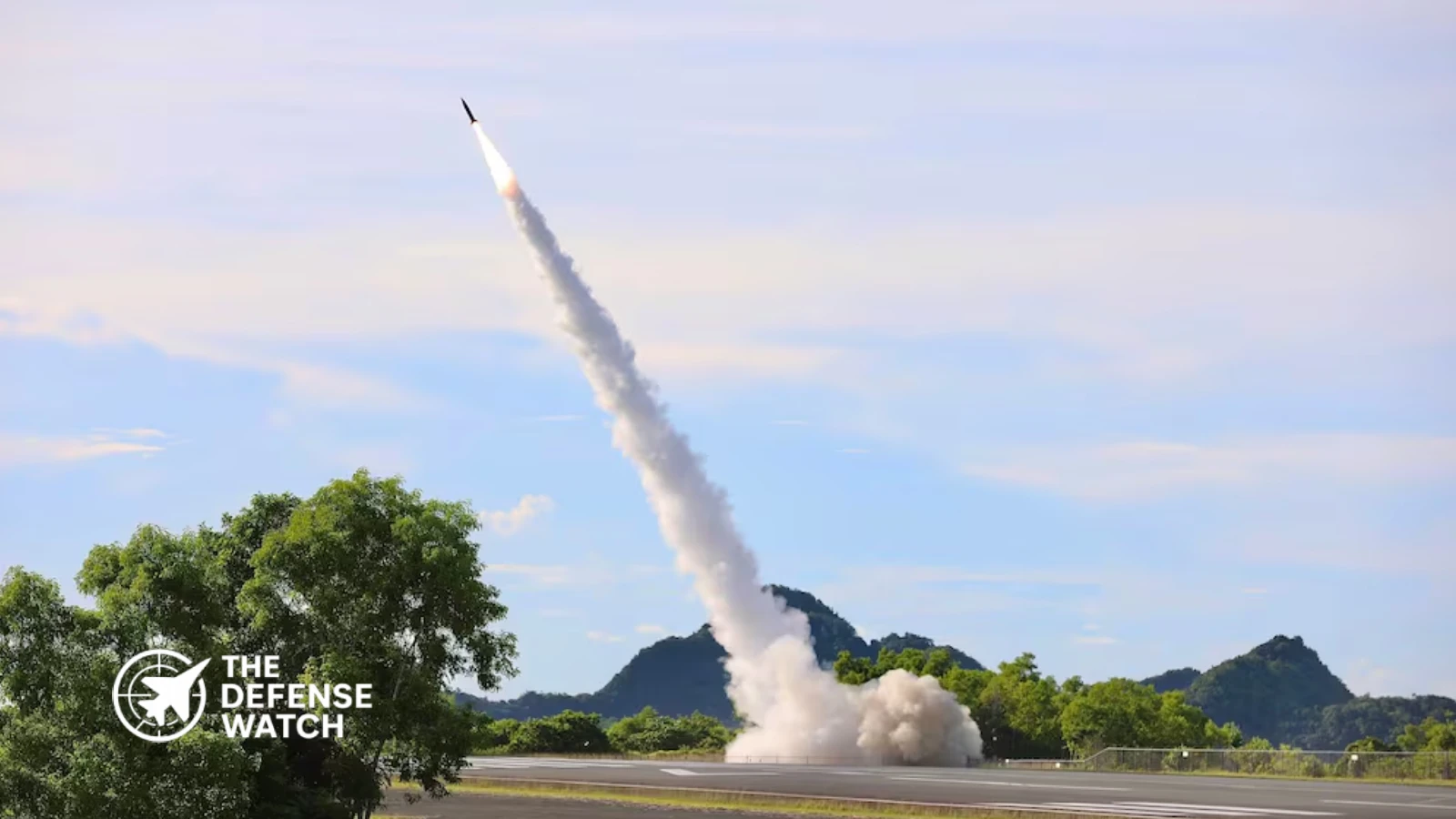
The long range precision missile inventory has become a renewed focus for the Pentagon after reports indicated that U.S. forces expended much of their stockpile during the five month military campaign against Iran. According to multiple sources familiar with internal military data, the Army used nearly all available Army Tactical Missile Systems (ATACMS) and Precision Strike Missiles (PrSM) during sustained combat operations.
The reported depletion has prompted senior defense leaders to accelerate efforts to replenish critical munitions while maintaining readiness for other global contingencies, particularly in the Indo Pacific and Europe. Pentagon officials have continued to state that U.S. forces remain capable of executing assigned missions worldwide despite increased demand on missile inventories.
Precision Weapons Played A Central Role
ATACMS and the newer Precision Strike Missile are among the U.S. Army’s most valuable long range surface to surface strike weapons. Fired from both the M142 HIMARS and M270 Multiple Launch Rocket System, they enable commanders to strike command posts, logistics hubs, air defense sites, and other high value targets from stand off distances.
The PrSM entered combat for the first time earlier this year during operations against Iran, representing a major milestone in the Army’s long range fires modernization program. The missile offers greater range, improved accuracy, and future growth potential compared with the aging ATACMS it is designed to replace.
Military analysts note that these weapons are especially important for any future conflict involving highly contested environments where long range precision fires are essential to suppress enemy defenses before air and ground operations begin.
Production Capacity Faces New Pressure
One of the key lessons emerging from the Iran conflict is that modern warfare can consume precision guided munitions at a pace far exceeding peacetime production rates.
Defense officials have increasingly emphasized expanding manufacturing capacity for missiles, interceptors, and other advanced weapons. Industry partners including Lockheed Martin have already been increasing production of the Precision Strike Missile before the conflict, but rebuilding inventories is expected to require sustained investment and expanded industrial output.
A recent analysis by the Center for Strategic and International Studies estimated that restoring several critical U.S. missile inventories could take years because production of complex precision weapons cannot be rapidly expanded overnight.
Strategic Implications Beyond The Middle East
The reported drawdown has implications extending well beyond the Middle East.
Long range precision missiles form an important element of U.S. deterrence strategy against potential peer competitors. Defense planners have repeatedly identified these weapons as critical capabilities for operations in the Indo Pacific, where long distances and heavily defended targets require precision stand off strike systems.
Although officials have not disclosed remaining inventory levels, they continue to stress that the U.S. military retains sufficient combat capability while replenishment efforts continue. Pentagon spokesperson Sean Parnell recently said the Department has the resources needed to execute missions as directed by the President.
Analysis: Industrial Capacity Is Becoming A Strategic Weapon
The reported consumption of long range precision missiles underscores a broader shift in defense planning. Modern conflicts are increasingly testing not only battlefield capabilities but also the resilience of national defense industries.
Advanced precision weapons require specialized manufacturing, complex supply chains, and long production timelines. Even for the world’s largest defense budget, replacing sophisticated missiles cannot happen quickly.
For U.S. military planners, maintaining credible deterrence now depends on two equally important factors: possessing advanced weapons and sustaining the industrial capacity to replace them during prolonged operations. As defense budgets increasingly prioritize munitions production, manufacturing capacity itself is becoming a strategic advantage.
The Pentagon’s renewed emphasis on expanding missile production reflects this reality, ensuring that future operational demands do not outpace the nation’s ability to replenish critical precision strike capabilities.