
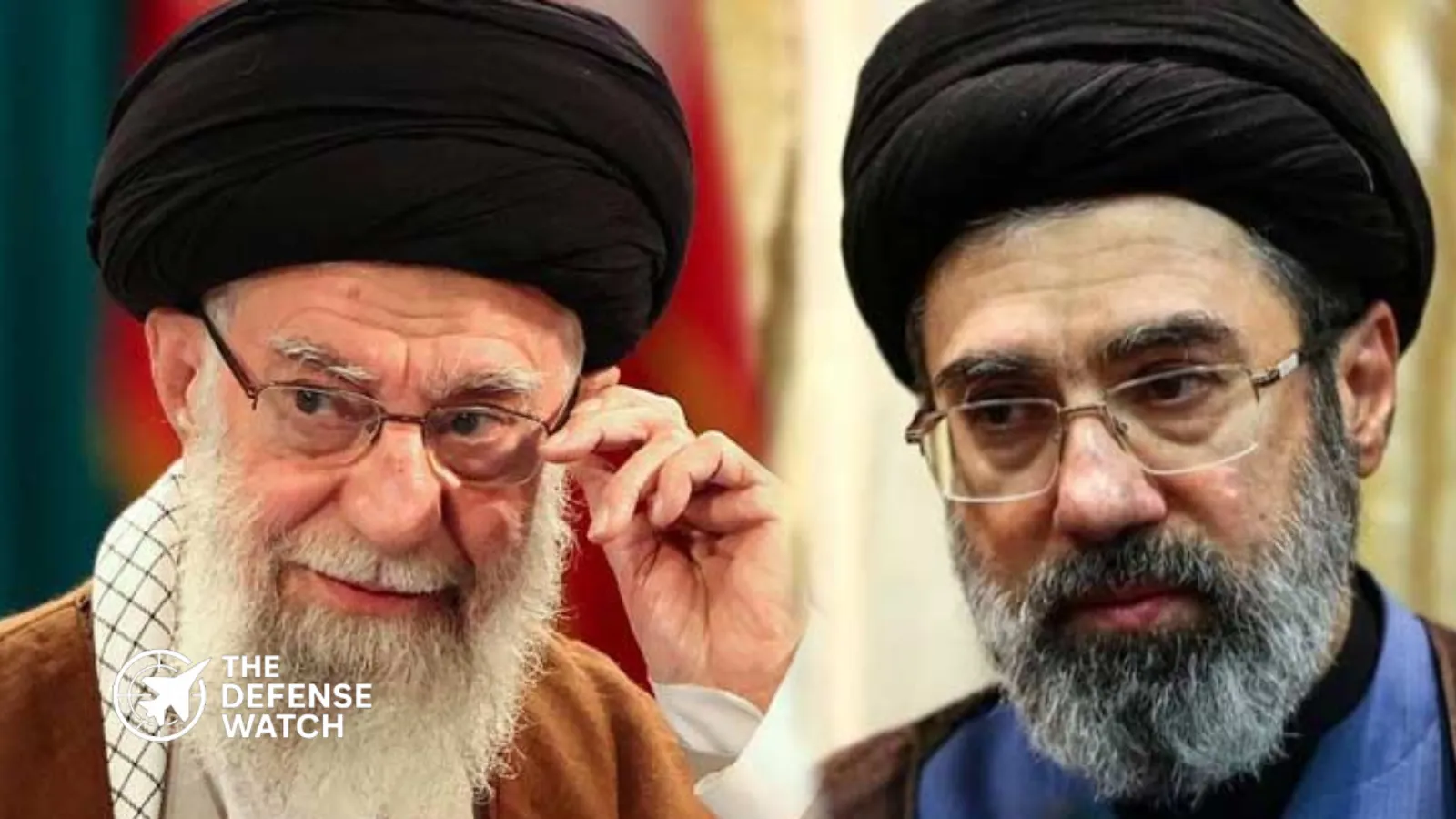
- Mojtaba Khamenei has been appointed Iran’s new supreme leader by the Assembly of Experts following the death of his father.
- The transition marks the first time leadership of the Islamic Republic has passed directly from father to son.
- Ayatollah Ali Khamenei led Iran for more than three decades before his death during the ongoing regional conflict.
- Mojtaba Khamenei is a mid ranking cleric with longstanding ties to the Islamic Revolutionary Guard Corps.
- The leadership change comes as Iran faces significant military and geopolitical pressure in the Middle East.
Mojtaba Khamenei Becomes Iran’s New Supreme Leader
Mojtaba Khamenei supreme leader transition has reshaped Iran’s political leadership after the Assembly of Experts selected him to succeed his father, Ayatollah Ali Khamenei, according to multiple media reports.
The appointment places the 56 year old cleric at the helm of the Islamic Republic during one of the most volatile periods in the country’s modern history. Iran is currently facing heightened military tensions in the Middle East and internal political pressure following the death of its long serving leader.
Ayatollah Ali Khamenei ruled Iran for more than three decades and held ultimate authority over the country’s military, judiciary, and political institutions. His death triggered a rapid succession process under Iran’s constitutional framework, which assigns the clerical Assembly of Experts the responsibility of selecting a new supreme leader.
Within days, the body reportedly agreed on Mojtaba Khamenei as the new leader, signaling continuity within Iran’s conservative political establishment.
A Rare Leadership Transition In The Islamic Republic
The selection of Mojtaba Khamenei supreme leader marks a historic development in Iran’s political system. It is the first time since the 1979 Islamic Revolution that leadership has effectively passed from father to son.
Iran’s system was originally designed to avoid hereditary rule after the overthrow of the Shah. However, Mojtaba Khamenei has long been considered an influential figure within the country’s inner political circle.
Although he has rarely appeared in public or held elected office, analysts have frequently described him as a powerful behind the scenes actor within the office of the supreme leader. Over the years he developed strong connections with conservative clerics and key security institutions.
This informal influence positioned him as a leading candidate in any future succession scenario.
Influence Within Iran’s Security Establishment
One of the key factors behind the rise of Mojtaba Khamenei supreme leader is his relationship with the Islamic Revolutionary Guard Corps.
The IRGC remains one of the most powerful institutions in Iran, controlling large segments of the country’s security infrastructure, defense industry, and regional military networks.
Reports indicate that the IRGC and senior elements of Iran’s armed forces quickly pledged loyalty to the new leader following the announcement of his appointment.
Such backing is critical because the supreme leader serves as the commander in chief of Iran’s military forces. The position carries authority over the country’s strategic weapons programs, missile forces, and regional proxy networks.
For defense analysts, the transition suggests that Iran’s military doctrine and strategic posture are likely to remain broadly consistent with policies established under Ali Khamenei.
Military And Strategic Implications
From a defense and security perspective, the Mojtaba Khamenei supreme leader transition comes at a sensitive moment for Iran’s military establishment.
The supreme leader sits at the top of Iran’s national security architecture. The role includes direct oversight of:
- The Islamic Revolutionary Guard Corps
- Iran’s ballistic missile program
- Nuclear policy and strategic deterrence
- Regional proxy forces operating across the Middle East
As a result, the leadership change could influence how Tehran manages ongoing tensions with the United States, Israel, and regional adversaries.
However, early signals from Iran’s political leadership suggest continuity rather than immediate strategic shifts. The rapid endorsement of Mojtaba Khamenei by key security institutions indicates that Iran’s power structure remains intact despite the sudden leadership transition.
For global defense observers, stability within Iran’s command hierarchy is a critical factor in preventing further escalation during an already volatile regional conflict.
Limited Public Profile But Longstanding Influence
Unlike many senior figures in Iran’s political system, Mojtaba Khamenei has largely avoided public office.
He studied theology in the religious seminaries of Qom and holds the clerical rank of Hojjat al Islam, a position below the rank of Ayatollah.
Despite his limited public role, he has reportedly played an influential part in Iran’s internal political dynamics for years. His name surfaced frequently during key political events, including Iran’s contested 2009 presidential election and the consolidation of conservative factions within the government.
This background suggests that although he remained largely behind the scenes, Mojtaba Khamenei already possessed extensive connections within Iran’s political and security institutions before becoming supreme leader.
What Comes Next For Iran
The Mojtaba Khamenei supreme leader appointment places Iran under new leadership at a moment when the country faces complex geopolitical challenges.
Internally, the government must manage political unity and maintain control over state institutions. Externally, Iran remains deeply involved in regional security dynamics that involve multiple state and non state actors.
The immediate priority for Tehran appears to be continuity and stability within the leadership structure. The swift succession decision by the Assembly of Experts reflects an effort to ensure that the chain of command remains intact during a period of heightened regional tensions.
For defense analysts and policymakers worldwide, the new leadership will likely be closely watched for any signals regarding Iran’s military posture, regional alliances, and strategic doctrine.