Lockheed Martin Completes First NGSRI Flight Test
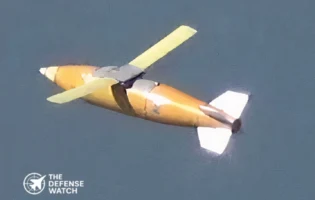
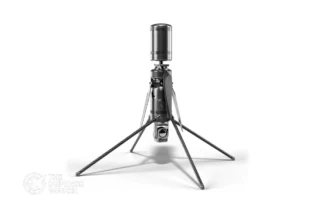
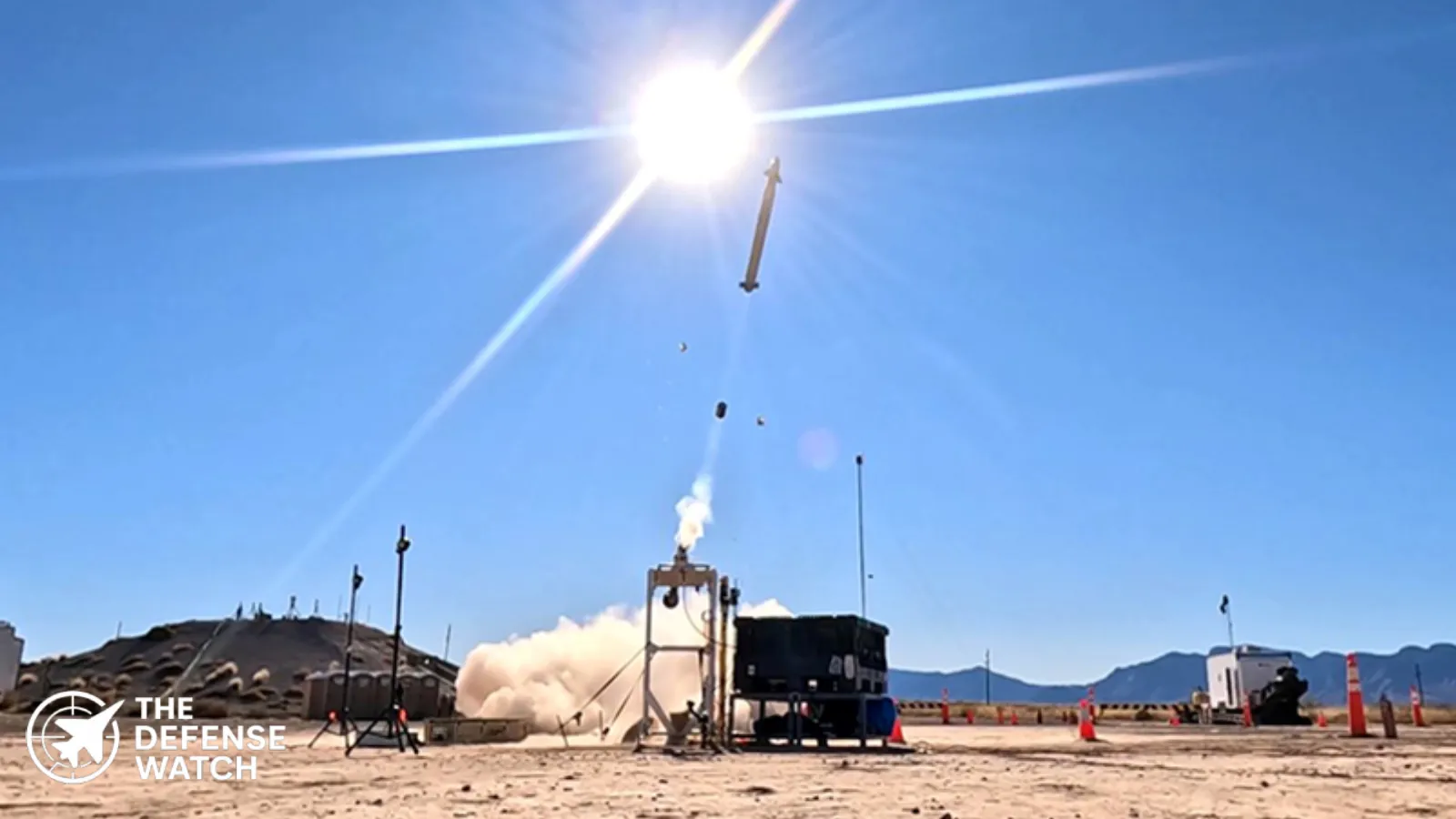
Lockheed Martin successfully completed the first flight test of its Next-Generation Short-Range Interceptor, or NGSRI, missile for the U.S. Army, validating key performance points and moving the weapon closer to operational evaluation.
The flight took place at the U.S. Army White Sands Missile Range in New Mexico on January 13, 2026, and marked the first of a planned series of flight tests for the interceptor.
(adsbygoogle = window.adsbygoogle || []).push({});Test Results and Program Context
Lockheed Martin said the flight validated the interceptor’s performance and showed maturation of core subsystems.
The NGSRI is being developed as a potential replacement for the legacy Stinger short-range air defense missile.
The system uses modern, open architecture and modular design to support future upgrades and broader defense needs.
Capability Goals
According to the company, the NGSRI is intended to engage unmanned aerial systems and both rotary- and fixed-wing aircraft, and in many cases delivers more than double the capability of the older system it may replace.
Lockheed noted the design leverages advanced technology including AI and machine learning elements to meet performance needs.
Program Timeline
Lockheed Martin said it brought the interceptor from contract award in 2023 to its first flight in roughly 26 months.
The Army’s competition for a Stinger successor includes offerings from Lockheed and rival companies, and further tests are expected from both teams as part of that effort.
Company Comments
Randy Crites, vice president of advanced programs at Lockheed Martin, described the milestone as the result of team agility and focus on integrated air and missile defense.
Chris Murphy, business development lead, said the rapid flight test and subsystem maturity reflect the company’s approach to delivering capable, producible systems.