Zumwalt-Class Combat System Gets Fresh U.S. Navy Investment
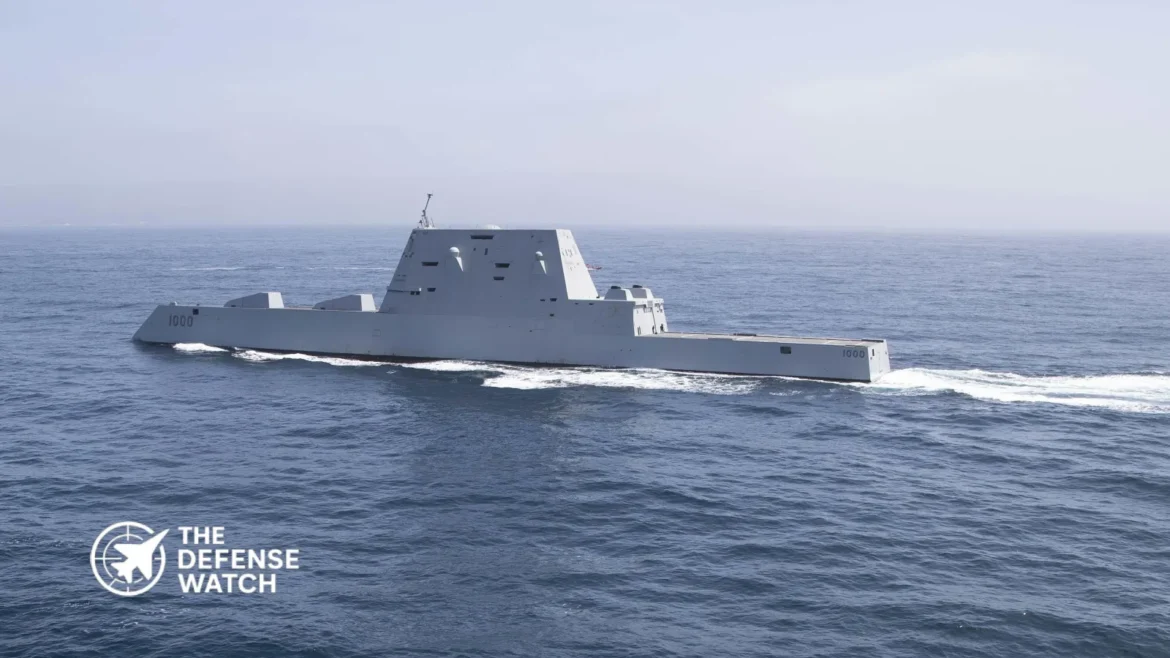
The Zumwalt-class combat system is receiving another major funding injection after the U.S. Navy awarded Raytheon Missiles and Defense a $213.4 million contract modification to continue upgrades and sustainment work for the fleet’s mission systems. The award underscores Washington’s effort to preserve and expand the combat value of one of its most technologically ambitious surface combatant programs.
- Raytheon received a $213.4 million Navy contract modification for Zumwalt-class mission systems.
- Work covers installation, integration, testing, maintenance, corrections, and modernization.
- Upgrades support the Navy’s push to make Zumwalt destroyers more operationally relevant.
- Work runs across six U.S. states and is scheduled for completion by April 2027.
- Contract signals continued long-term investment in high-end surface warfare capabilities.
The Big Picture
The U.S. Navy is balancing two priorities at once: expanding fleet size while modernizing existing high-end warships for contested maritime operations. That strategy has become more urgent as the Indo-Pacific theater grows more competitive and long-range anti-ship missile threats continue to spread.
The three-ship Zumwalt-class destroyer program has often been debated because of its cost and reduced production run. Yet the vessels still offer unique advantages, including stealth shaping, integrated power generation, and large onboard capacity for future weapons or sensors. Continued investment suggests the Navy intends to extract maximum operational value from those advantages rather than treat the class as a niche experiment.
What’s Happening
According to the U.S. Department of Defense contract announcement, Raytheon will perform work supporting combat system installation, integration, development, testing, correction, maintenance, and modernization of Zumwalt-class mission systems.
The workshare includes:
- Portsmouth, Rhode Island (39%)
- Tewksbury, Massachusetts (32%)
- Pascagoula, Mississippi (14%)
- Nashua, New Hampshire (9%)
- San Diego, California (5%)
- Fort Wayne, Indiana (1%)
The contract is expected to run through April 2027.
Funding comes from multiple Navy accounts, including operations and maintenance, shipbuilding and conversion, procurement, and research and development. That mix indicates both near-term fleet sustainment and longer-term capability growth.
Why It Matters
Combat systems are the core of a modern destroyer. They connect sensors, command networks, weapons, electronic warfare tools, and targeting data into a single fighting architecture. Without constant software and hardware updates, even advanced hulls lose relevance quickly.
For the Zumwalt fleet, modernization is especially important because these ships were designed with significant growth margins. Their power generation and internal volume make them suitable candidates for future systems that require more electricity, cooling, or computing capacity.
That means the Zumwalt-class combat system can evolve faster than many legacy destroyers if funding remains steady.
Strategic Implications
The Navy increasingly needs distributed lethality, meaning more ships able to strike targets at range and operate independently in contested waters. Upgraded Zumwalt destroyers can support that concept by acting as stealthier surface strike platforms with advanced sensor integration.
The ships may also complement the larger Arleigh Burke-class destroyer fleet rather than replace it. Burkes provide numbers and proven versatility. Zumwalts can offer specialized high-end capability, especially in environments where lower radar signature and extra power capacity matter.
This contract also supports the U.S. industrial base across several states, sustaining engineering and naval combat system expertise that remains strategically valuable.
Competitor View
China and Russia closely track U.S. naval modernization, particularly programs involving long-range strike and advanced surface warfare networks. Continued upgrades to the Zumwalt class signal that the United States is not abandoning expensive but potentially high-payoff naval technologies.
Competitors may also view the decision as evidence that the Navy is preparing select premium platforms for future weapons integration, including next-generation missiles or energy-intensive systems.
Capability Gap
The Zumwalt program originally centered on land attack missions, but strategic needs shifted toward maritime competition against peer navies. That left a mission gap the Navy has been working to close.
Modernizing the Zumwalt-class combat system helps reposition the ships toward surface warfare and multi-domain operations. However, limitations remain. Only three hulls exist, which constrains fleet-wide impact, logistics efficiency, and deployment availability.
What To Watch Next
Several milestones will determine whether the modernization effort delivers full value:
- Integration of newer missile and sensor packages
- Software updates tied to joint force networks
- Readiness rates for all three ships
- Potential deployment patterns in the Pacific
- Future directed-energy or hypersonic weapon compatibility
The Bottom Line
The $213 million Raytheon award shows the U.S. Navy still sees the Zumwalt class as a valuable future combat asset rather than a legacy procurement problem.
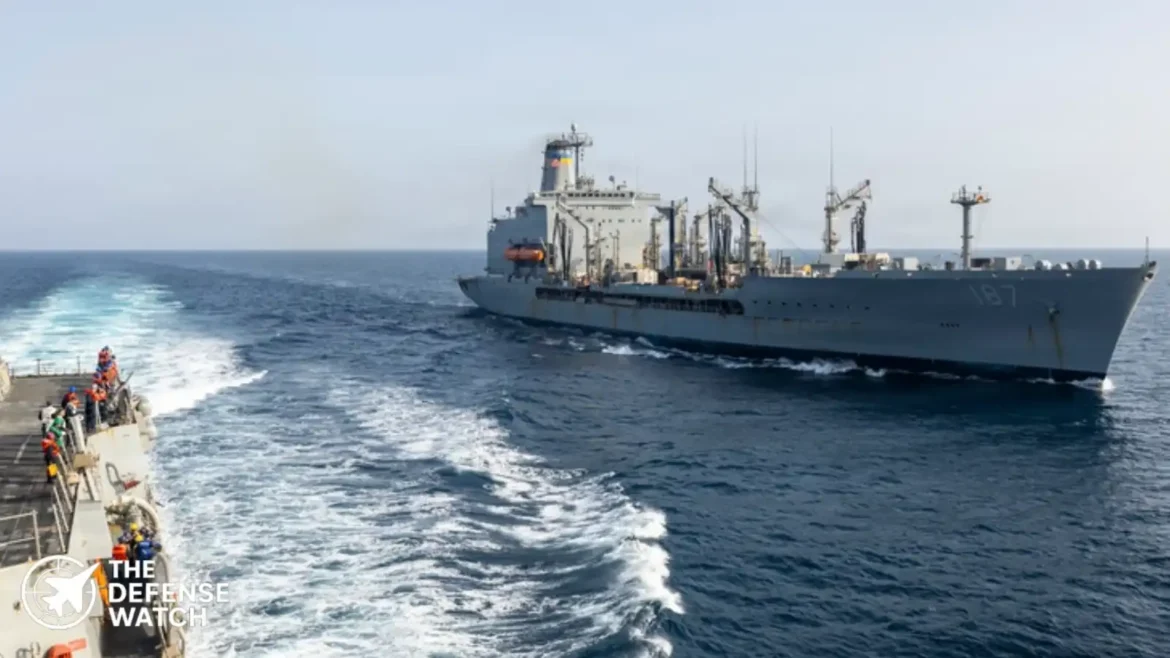
The U.S. Iran blockade effort has reportedly intensified after 23 ships turned back from key maritime routes.The development suggests a sharper enforcement phase focused on limiting Iranian access to strategic shipping corridors while increasing pressure on commercial traffic linked to sanctioned trade networks.
- The United States has reportedly intensified maritime pressure on Iran-linked shipping routes.
- Army Recognition reported that 23 commercial vessels turned back amid expanding enforcement activity.
- Key sea lanes near the Gulf region remain vital for global oil and container traffic.
- Increased naval presence signals broader deterrence and sanctions enforcement strategy.
- Any prolonged disruption could affect freight costs, insurance rates, and energy markets.
The reported movement of vessels reversing course is notable because merchant shipping companies rarely alter routes without clear commercial or security reasons. When multiple ships change course in a short period, it often signals heightened operational risk, tighter inspections, or concern over possible escalation.
The waterways surrounding Iran, including approaches to the Strait of Hormuz, remain among the most important maritime chokepoints in the world. A significant share of global oil exports and container traffic transits the region, making any shift in naval posture strategically important.
Why 23 Ships Turning Back Matters
The number itself matters less than the pattern. If commercial operators believe delays, boarding actions, sanctions checks, or confrontation risks are rising, many will choose alternative routes or wait offshore.
That creates three immediate effects:
- Higher shipping insurance premiums
- Longer transit times
- Greater freight volatility for energy and cargo markets
This is where the U.S. Iran blockade strategy can generate leverage without direct combat. Economic friction on maritime movement can pressure state revenues and complicate logistics while avoiding broader military escalation.
U.S. Naval Presence And Enforcement Strategy
Washington has repeatedly used carrier strike groups, destroyers, patrol aircraft, and maritime surveillance assets to monitor Gulf traffic and reassure regional partners. Expanding control over key sea lanes typically involves intelligence gathering, vessel tracking, and selective interdiction backed by visible naval force.
If sustained, this approach can shape commercial behavior quickly. Shipping firms are highly sensitive to uncertainty. Even a low probability of disruption can move traffic patterns.
That makes maritime control one of the most efficient tools available in regional pressure campaigns.
Risks Of Escalation
While the reported move may strengthen deterrence, it also carries risk. Iran has historically responded to pressure through asymmetric methods, including harassment of shipping, drone activity, proxy operations, or threats to close strategic waterways.
Any cycle of action and reaction could raise tensions across the Gulf and affect neighboring states that rely on stable maritime commerce.
From a defense perspective, the balance now is between maintaining credible pressure and avoiding incidents at sea.
Strategic Analysis
At least part of the message appears aimed beyond Tehran. Regional allies, energy markets, and commercial operators are all audiences.
For allies, it signals continued U.S. commitment.
For markets, it warns of possible volatility.
For Iran, it demonstrates reach and persistence.
That multi-layered signaling often matters as much as the ships at sea.
Outlook
If more vessels reroute in coming days, the U.S. Iran blockade campaign could begin affecting global tanker flows and cargo schedules. If traffic normalizes, the move may instead be remembered as a short, sharp coercive signal.
Either way, maritime pressure remains one of the fastest tools Washington can employ in the region.
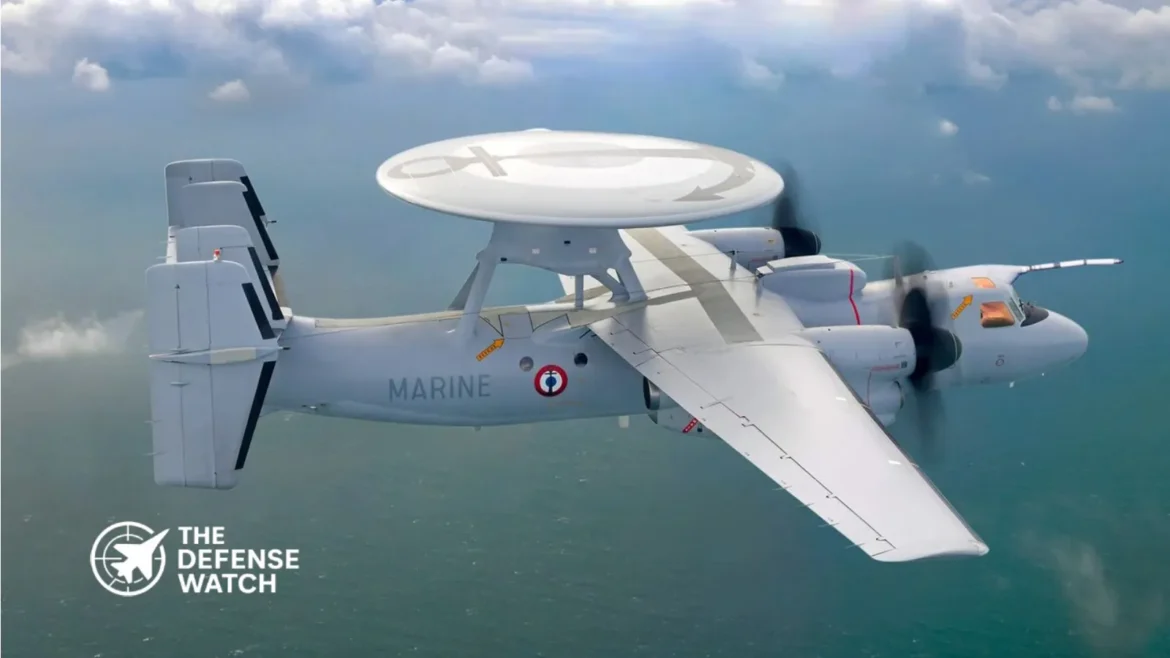
Northrop Grumman E-2D Contract Strengthens Navy Airborne Early Warning Fleet
Northrop Grumman E-2D contract activity continues as the U.S. Navy awarded the company a $9,704,396 cost-plus-fixed-fee order to support testing of the E-2D Advanced Hawkeye airborne command and control aircraft.
The award was issued against a previously established basic ordering agreement and will fund personnel required for integrated test and evaluation. According to the Department of Defense contract announcement, work will continue through March 2027.
- Northrop Grumman received a $9.7 million Navy order for E-2D Advanced Hawkeye test support services.
- Work includes aircrew, engineering, maintenance, instrumentation, and test management personnel.
- Contract supports integrated test and evaluation activities for the E-2D Advanced Hawkeye.
- Most work will be performed at Patuxent River, Maryland, with additional work in Florida and New York.
- Performance is scheduled to continue through March 2027.
The contract was awarded by Naval Air Systems Command, headquartered in Patuxent River, Maryland.
What The New Contract Covers
The new order funds a wide range of specialist support functions required to keep the E-2D test program moving forward. These include:
- Aircrew support
- Flight test engineering
- Instrumentation services
- Aircraft maintenance
- Test management personnel
- Test planning and execution
- Reporting and deficiency resolution
This type of contract is often less visible than aircraft production awards, but it is critical. Testing programs validate software upgrades, radar improvements, mission systems integration, and operational readiness before systems move into broader fleet use.
For a platform as complex as the E-2D Advanced Hawkeye, sustained testing directly affects mission availability and modernization pace.
Why The E-2D Advanced Hawkeye Matters
The E-2D Advanced Hawkeye testing program supports one of the Navy’s most important airborne battle management platforms. Built by Northrop Grumman, the E-2D provides:
- Long-range airborne surveillance
- Command and control coordination
- Air and missile defense battle management
- Maritime domain awareness
- Networked targeting support for carrier strike groups
The aircraft’s AN/APY-9 radar gives the Navy the ability to detect and track aircraft, cruise missiles, and surface threats over large areas. It also serves as an airborne node linking ships, fighters, and joint force assets.
In practical terms, the Hawkeye helps carrier groups see farther, react faster, and coordinate combat power more effectively.
Why Test Support Contracts Matter More Than They Appear
While production contracts draw headlines, sustainment and testing awards often reveal where the Pentagon is focusing future capability upgrades.
This Northrop Grumman E-2D contract suggests the Navy remains committed to refining and expanding the Hawkeye’s mission systems. That can include software refreshes, sensor tuning, interoperability with newer fighters such as the F-35C Lightning II, and evolving missile defense roles.
As threats become more complex, especially in the Indo-Pacific and other contested maritime regions, airborne early warning aircraft remain essential force multipliers.
Where The Work Will Be Performed
The Navy said contract work will be split across three locations:
- Patuxent River, Maryland, 83%
- Melbourne, Florida, 14.2%
- Liverpool, New York, 2.8%
Patuxent River remains the center of U.S. naval aviation testing, making it a logical hub for E-2D program activity.
Funding Details
Fiscal Year 2026 Navy research, development, test, and evaluation funds totaling $9,704,396 were obligated at the time of award. The Pentagon noted that none of the funds will expire at the end of the current fiscal year.
That funding structure indicates planned continuity rather than emergency spending, another sign of steady long-term modernization planning.
Strategic Outlook
The E-2D Advanced Hawkeye testing pipeline is likely to remain active as the Navy pushes for more integrated carrier air wings and stronger distributed maritime operations.
In any future high-end conflict, the side that detects, tracks, and coordinates first gains a major advantage. The E-2D was designed for exactly that mission.

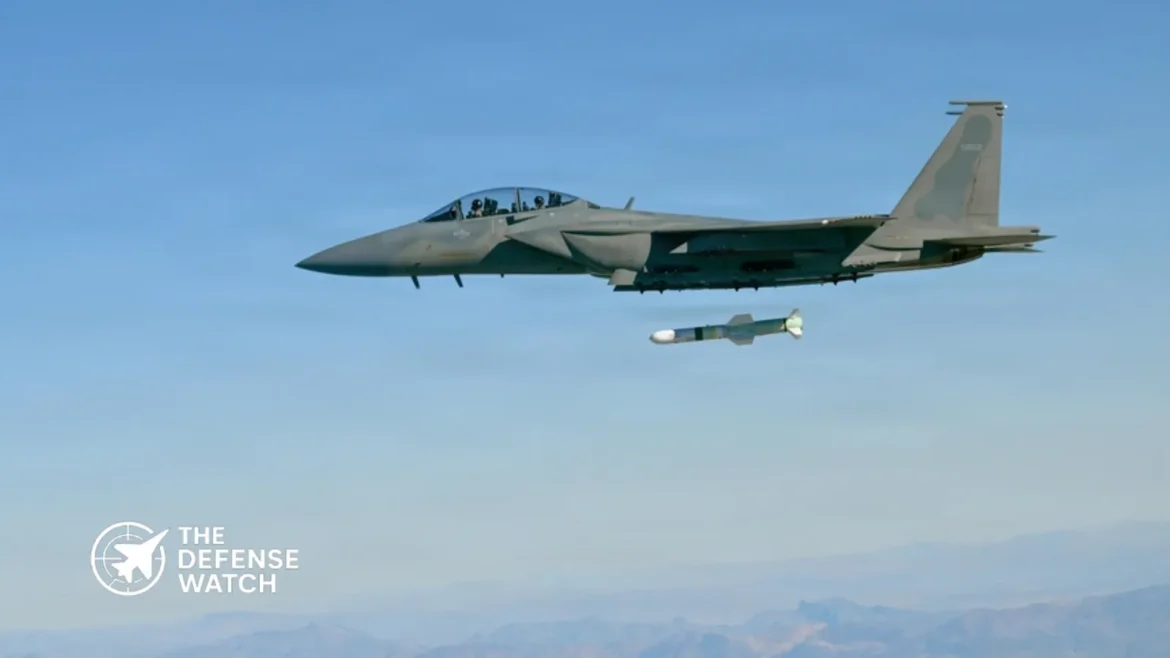
U.S. Navy Completes Harpoon Block II Delivery
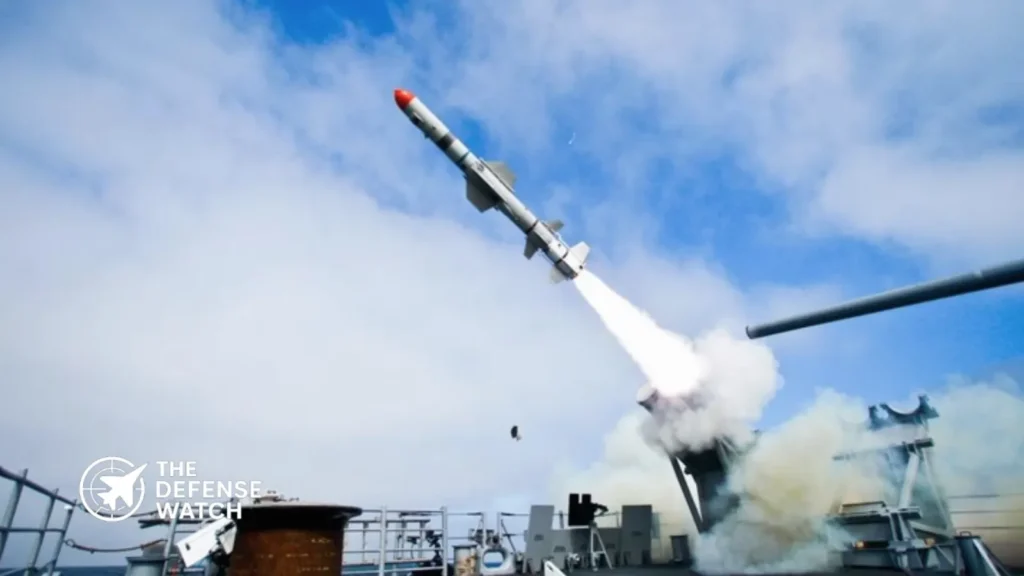
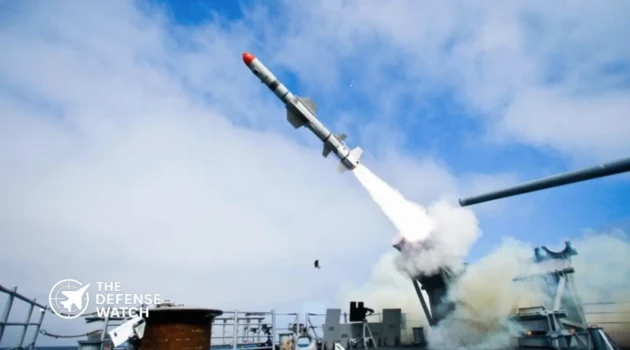
The Harpoon Block II missile delivery marks a significant milestone as the U.S. Navy has officially completed the final Lot 91 shipment, reinforcing allied capabilities in anti-ship and coastal strike operations. According to reporting from Army Recognition, the delivery concludes one of the longest-running and most widely deployed anti-ship missile programs in modern naval warfare.
The Harpoon system, originally developed during the Cold War, continues to evolve. The Block II variant integrates GPS guidance and enhanced targeting, enabling precision strikes against both maritime and land-based targets. This dual-role capability reflects shifting operational requirements where naval forces increasingly face hybrid threats in littoral environments.
- U.S. Navy has completed delivery of the final Lot 91 Harpoon Block II anti-ship missiles.
- The missiles support allied naval forces in anti-ship and coastal strike missions.
- Harpoon Block II features GPS guidance and improved targeting against land and maritime threats.
- The system remains a key component of U.S. and allied maritime strike arsenals.
- Delivery reflects sustained demand for proven, cost-effective anti-ship missile systems.
Sustained Relevance In Modern Naval Warfare
Despite the emergence of newer missile systems, the Harpoon Block II missile delivery underscores the enduring relevance of the platform. Its adaptability, relatively low cost, and proven combat record make it a preferred choice for many allied navies.
Unlike next-generation hypersonic or stealth cruise missiles, Harpoon offers reliability and interoperability across a wide range of platforms. It can be launched from surface ships, submarines, aircraft, and coastal defense batteries. This flexibility allows allied forces to maintain a layered maritime strike capability without requiring extensive platform upgrades.
From an operational standpoint, the Block II upgrade significantly enhances targeting in contested environments. GPS-aided navigation allows the missile to engage targets in complex coastal regions where traditional radar-guided systems may face limitations. This is particularly relevant in regions such as the Indo-Pacific and the Persian Gulf, where dense shipping traffic and geographical constraints complicate targeting.
Strategic Implications For Allied Forces
The completion of the Harpoon Block II missile delivery also highlights broader trends in defense procurement. Many allied nations are prioritizing upgrades to existing systems rather than investing solely in high-cost next-generation platforms.
This approach reflects a balance between capability and affordability. While advanced systems like long-range anti-ship missiles offer extended reach, Harpoon remains effective for medium-range engagements and coastal defense scenarios. For smaller navies, it provides a credible deterrent without the logistical burden of more complex systems.
Moreover, the widespread adoption of Harpoon strengthens interoperability among allied forces. Shared systems simplify joint operations, training, and logistics, which are critical in coalition-based maritime security missions.
Industrial And Program Significance
The Lot 91 delivery represents the continuation of a mature production line that has supported decades of U.S. and allied defense requirements. Programs like Harpoon demonstrate the long lifecycle of military systems, where incremental upgrades extend operational relevance far beyond initial expectations.
The delivery also reflects ongoing international demand. Several countries continue to procure or upgrade Harpoon systems, reinforcing its position as a global standard in anti-ship weaponry.
This sustained demand provides stability for the defense industrial base while allowing incremental innovation. Instead of replacing legacy systems entirely, upgrades like Block II ensure compatibility with modern targeting and navigation technologies.
Evolving Threat Environment
The completion of the Harpoon Block II missile delivery comes at a time of increasing maritime tensions. Naval forces worldwide are adapting to challenges such as anti-access and area denial strategies, contested sea lanes, and the proliferation of advanced missile systems.
In this context, Harpoon serves as a dependable component of a broader strike ecosystem. While it may not match the speed or range of emerging systems, its reliability and integration across multiple platforms make it a critical tool for maintaining operational readiness.
Its role is particularly important in scenarios where rapid deployment and proven performance outweigh the need for cutting-edge capabilities. For many allied navies, this balance is essential in maintaining credible deterrence.
U.S. Navy Maritime Industrial Base Faces a Structural Crisis as War and Attrition Collide
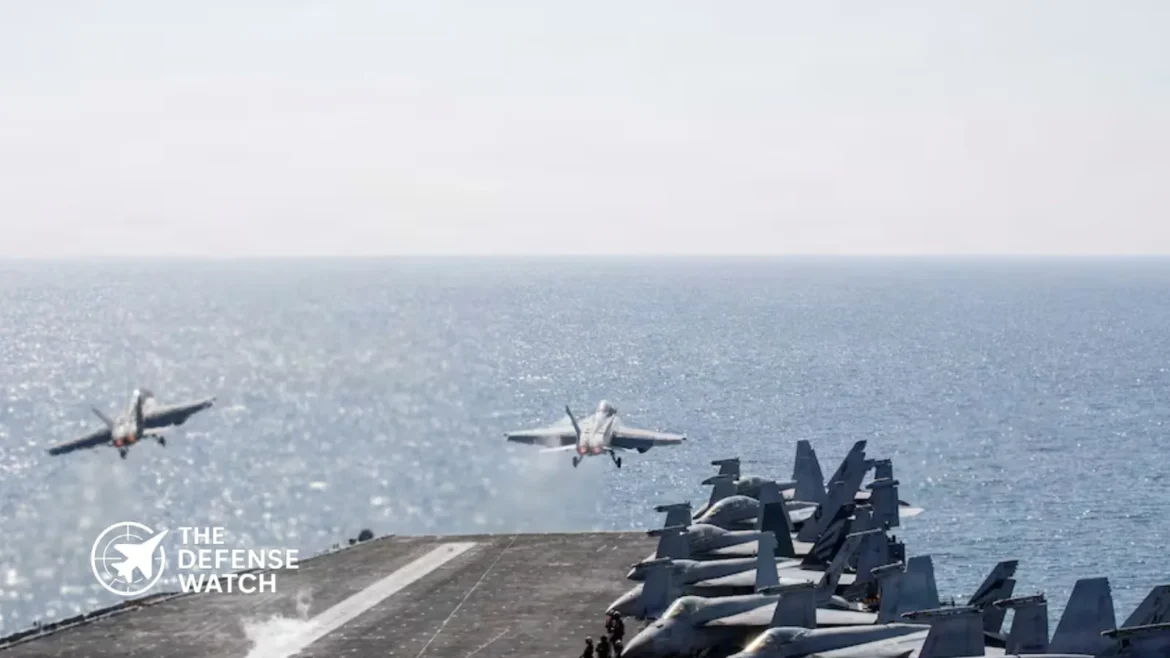
The U.S. Navy’s maritime industrial base is under mounting pressure, and a newly published think tank report argues that America’s shipbuilding shortfall has grown too severe to fix alone. Released April 11, 2026, the Center for Maritime Strategy’s Pier Review report calls on Washington to leverage allied shipbuilding networks — particularly those of South Korea, Italy, Canada, Sweden, and the United Kingdom — to help reconstitute a fleet that is shrinking faster than it is being built.
The report lands at a critical moment. The Navy is actively engaged in the U.S.-Iran conflict, enforcing a blockade of the Strait of Hormuz and surging additional assets to the Middle East. That operational tempo is straining a force already stretched by years of underfunding and deferred maintenance.
- The Center for Maritime Strategy released a report on April 11, 2026 calling for a fundamental overhaul of the U.S. maritime industrial base.
- The U.S. Navy currently operates approximately 295 ships — well below its stated goal of 381 battle force ships over the next 30 years.
- President Trump’s FY2027 budget requests $65.8 billion for shipbuilding — enough to fund 18 battle force ships and 16 nonbattle force ships.
- The report specifically names South Korea, Italy, Canada, Sweden, and the United Kingdom as priority allied partners to support U.S. shipbuilding recovery.
- Navy amphibious assault ship readiness dropped to 41% in 2025, compounding operational strain during the ongoing U.S.-Iran conflict.
The Big Picture: A Fleet in Decline Against Rising Demands
The U.S. Navy has not met its shipbuilding goals in well over a decade. The service currently operates approximately 295 ships, with that number expected to decrease as it retires more vessels than it commissions. The Navy’s own long-range planning calls for a fleet of 381 ships over the next 30 years to counter global threats — a gap that represents not just a numerical deficit but a deep structural problem in American industrial capacity.
Shipyard workforce shortages, rising construction costs, and the growing complexity of modern naval platforms have all compounded the problem. As Marine Commandant Gen. Eric Smith noted at the WEST Conference in February 2026, the challenge is fundamentally a people problem. “Everything costs what it costs,” Smith said. “I don’t want to pay $4 billion for a ship, neither does my shipmate [CNO Adm.] Daryl Caudle. But that’s what it costs to have pipefitters, steamfitters, welders, electricians build the ship.”
That candid acknowledgment underscores a reality that no procurement budget increase alone can solve: the American maritime industrial workforce has eroded over decades, and rebuilding it will take years regardless of funding levels.
Also Read: North Korea Tests Cruise Anti-Ship Missiles To Expand Naval Strike Capability
What’s Happening: The Report and Its Recommendations
The Center for Maritime Strategy, a nonprofit and nonpartisan think tank focused on U.S. maritime issues and their broader national security implications, argues that amid an “atrophy” of the maritime industrial base, the U.S. should utilize its partnerships with naval allies to boost its shipbuilding, technological, and strategic capabilities.
The report outlines seven objectives for reform. These include redesigning the ship design process, embracing modern manufacturing technologies, and — most prominently — deepening reliance on allied industrial capacity. The report emphasizes involvement of South Korea, Italy, Canada, Sweden, and the United Kingdom to model existing frameworks, use allied ports, and supplement the domestic shipbuilding labor pool with skilled migrants from those nations.
Former Navy Secretary Kenneth Braithwaite, the 77th to hold that post, wrote in the report’s foreword: “For the Navy to meet the challenges it faces in the coming decades, the United States must take advantage of its strong partnerships with naval allies to support a collective revitalization of the allied maritime industrial base.”
Trump’s FY2027 budget request allots $65.8 billion for shipbuilding to produce 18 battle force ships and 16 nonbattle force ships, doubling the number of ships produced in fiscal year 2026. The administration is deliberately prioritizing vessels that are simpler and faster to construct — those without nuclear propulsion or advanced radar integration — to accelerate throughput in an overstressed industrial system.
Why It Matters: Operational Strain Is Already Real
The abstract problem of industrial base atrophy has become concrete during the Iran conflict. The Navy has deployed the Tripoli Amphibious Ready Group and its connected Maritime Expeditionary Unit to the Middle East, including 5,000 personnel and warships such as the USS Tripoli, USS New Orleans, and USS San Diego.
That deployment follows a documented collapse in readiness. A 2025 report revealed that the Navy’s amphibious assault ship readiness rate dropped to 41% as sustained operations in Latin America and the Caribbean to combat drug cartels compounded existing maintenance backlogs. Deploying additional ships to a new theater under those conditions represents a significant operational risk.
The broader implication is stark: the Navy is being asked to fight a major regional war with a shrinking, underbuilt fleet while simultaneously managing global deterrence commitments in the Indo-Pacific and Europe. Without urgent industrial reform, the gap between commitments and capability will only widen.
Strategic Implications: Industrial Capacity as a Deterrence Variable
Analysts have long recognized that deterrence is not solely a function of deployed forces — it also reflects an adversary’s assessment of a nation’s ability to regenerate and sustain military power over time. A visibly constrained maritime industrial base sends a signal that the United States may struggle to replace combat losses at scale in a protracted conflict.
That calculation matters most in the context of a potential large-scale conflict in the Indo-Pacific. China’s shipbuilding output has surpassed that of the United States by a wide margin. Beijing currently operates one of the world’s largest naval construction programs, producing submarines, destroyers, and aircraft carriers at a pace American yards cannot currently match. A U.S. Navy reliant on a limited domestic industrial base — and with readiness rates already degraded — provides far less deterrent mass than raw hull counts suggest.
The Center for Maritime Strategy’s recommendation to integrate allied shipyards represents an acknowledgment that industrial capacity, like military basing, must be distributed and resilient. South Korea in particular operates world-class commercial and naval shipyards with established production capacity. Italy and the UK bring advanced systems integration expertise. Using these allies as surge capacity or specialized production nodes would give the U.S. industrial ecosystem both depth and redundancy.
Also Read: United States Expands South China Sea Presence With Second Trilateral Drills In 2026
Competitor View: How Beijing and Tehran Read the Report
Beijing watches U.S. industrial capacity closely. Chinese military planners assess American staying power not just through force structure but through logistical and industrial sustainability. A publicly released report confirming that the U.S. maritime industrial base has “atrophied” — and that the Navy cannot independently rebuild it in time — reinforces Chinese calculations that a prolonged naval conflict with the United States could eventually favor the side with greater production endurance.
Iran, currently under direct U.S. military pressure in the Strait of Hormuz, may draw a different lesson: that the United States, while capable of short-term power projection, faces structural limits that constrain long-term operational escalation. Tehran’s strategy has historically involved attrition and delay rather than direct confrontation. A constrained U.S. shipbuilding base marginally strengthens that calculus.
Russia, already observing the U.S. consumed by two regional engagements, is likely tracking American naval readiness data with interest — particularly as NATO allies are being asked to contribute to maritime industrial reconstitution rather than purely to forward defense commitments.
What To Watch Next
The immediate legislative test is whether Congress approves the FY2027 $65.8 billion shipbuilding request in full. Previous budget cycles have seen shipbuilding accounts cut or restructured under cost pressure, and the current war expenditures in Iran will add competing demands on the defense topline.
On the allied integration front, watch for formal agreements or memoranda of understanding with South Korea and the United Kingdom, both of which have indicated interest in deeper defense industrial cooperation with Washington. Seoul’s shipbuilders — including Hyundai Heavy Industries and Hanwha Ocean — have the capacity and quality control standards to produce naval auxiliaries and logistics vessels that the U.S. fleet urgently needs.
The Center for Maritime Strategy’s workforce migration recommendation will also face political scrutiny. Importing skilled tradespeople from allied nations to supplement American shipyard labor pools is operationally sensible but politically contentious in the current domestic environment.
Capability Gap: The Core Problem This Policy Aims to Solve
The fundamental gap is time. American shipyards cannot rapidly expand domestic capacity because the workforce pipeline — pipefitters, welders, nuclear-qualified engineers — takes years to build. Facilities require capital investment on decade-long timelines. Attempting a purely domestic fix to a near-term strategic problem would produce results too slowly to matter in the current threat environment.
Allied integration is, in this context, not an idealistic multilateral gesture but a pragmatic stopgap that buys time for domestic reconstitution. The realistic limitation is interoperability: allied-built vessels must meet U.S. Navy specifications, classification standards, and cybersecurity requirements. That alignment process takes time and adds cost, though it is manageable within existing allied frameworks like AUKUS and Five Eyes industrial cooperation structures.
The Bottom Line
The U.S. Navy’s maritime industrial base can no longer sustain America’s global naval commitments alone — and the Center for Maritime Strategy’s call to leverage allied shipyards is less a policy preference than an operational necessity driven by decades of underinvestment, an active war, and a shrinking fleet.
U.S. Shipbuilding Budget 2027 Signals Strategic Naval Expansion
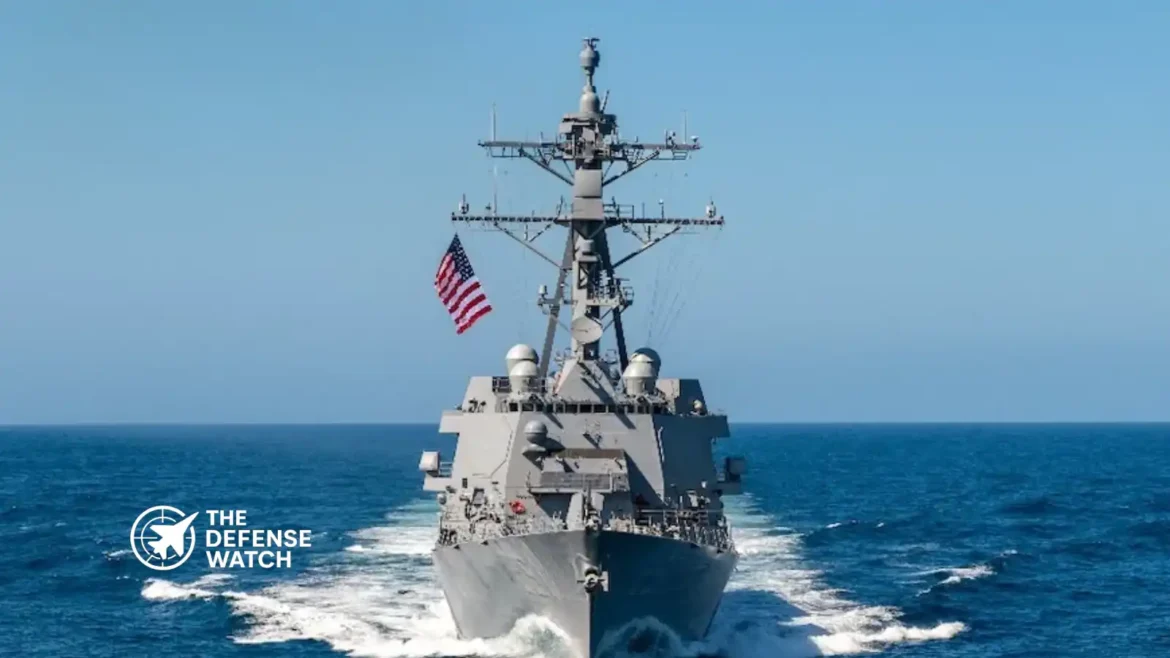
The U.S. shipbuilding budget 2027 proposal, set at $65.8 billion, marks a decisive shift in American naval strategy, reflecting a renewed focus on fleet expansion and industrial capacity. The proposal, reported by Defence Industry Europe, represents the highest level of shipbuilding investment in decades.
This funding surge comes at a time when the U.S. Navy faces increasing pressure to maintain maritime superiority, particularly against rapidly modernizing naval forces in the Indo-Pacific.
- The U.S. Department of Defense has proposed a $65.8 billion shipbuilding budget for fiscal year 2027.
- The funding represents the largest U.S. naval shipbuilding investment in decades.
- The plan focuses on expanding fleet size and accelerating construction of key surface combatants and submarines.
- The proposal reflects growing concerns over peer naval competitors, particularly in the Indo-Pacific region.
- The budget aligns with long-term U.S. Navy goals to maintain maritime dominance and global deterrence.
Largest Investment In Decades Targets Fleet Growth
The proposed U.S. shipbuilding budget 2027 significantly exceeds recent annual allocations, signaling urgency in rebuilding fleet size and readiness. The funding is expected to support the procurement of new destroyers, submarines, and potentially next-generation platforms.
A key priority remains the expansion of the submarine fleet, widely viewed as a critical advantage in contested maritime environments. Attack submarines and ballistic missile submarines continue to anchor U.S. deterrence strategy.
Surface combatants, including guided missile destroyers, are also expected to receive increased funding. These vessels play a central role in air defense, missile interception, and power projection.
Industrial Base And Production Capacity Under Pressure
One of the central challenges tied to the U.S. shipbuilding budget 2027 is the capacity of the American shipbuilding industrial base. While funding levels are rising, production constraints remain a limiting factor.
Shipyards have struggled in recent years with workforce shortages, supply chain disruptions, and delays in major programs. Increasing funding alone does not immediately translate into faster ship delivery.
This raises a key strategic question. Whether the U.S. can effectively convert budget growth into operational fleet expansion within required timelines.
The proposed budget appears to address this by not only funding ship procurement but also supporting infrastructure and workforce development across shipyards.
Strategic Drivers: Indo-Pacific And Great Power Competition
The timing of the U.S. shipbuilding budget 2027 reflects intensifying geopolitical competition, particularly in the Indo-Pacific. The U.S. Navy is under pressure to maintain a credible presence across vast maritime regions where potential adversaries are expanding their naval capabilities.
China’s naval growth, including its expanding fleet of surface ships and submarines, remains a primary driver behind U.S. planning. The scale and pace of Chinese shipbuilding have prompted concerns in Washington about long-term balance of power at sea.
In this context, the proposed budget is not just about modernization. It is about maintaining numerical and technological parity, or advantage, in future maritime conflict scenarios.
Balancing Quantity And Capability
While increasing fleet size is a clear objective, the U.S. shipbuilding budget 2027 also reflects a balance between quantity and advanced capability.
Next-generation systems, including unmanned surface and underwater vessels, are expected to play a growing role. These platforms offer the potential to extend reach and reduce operational risk.
However, integrating these emerging technologies alongside traditional shipbuilding programs adds complexity. Budget allocation decisions must balance near-term readiness with long-term innovation.
This dual-track approach highlights a broader shift in naval doctrine. One that blends conventional fleet expansion with distributed and networked maritime operations.
Budget Signals Long-Term Strategic Commitment
The scale of the U.S. shipbuilding budget 2027 underscores a long-term commitment to naval power as a cornerstone of U.S. defense strategy.
Sustained investment at this level would reshape the future fleet, but it also raises questions about affordability and budget sustainability. Shipbuilding remains one of the most capital-intensive areas of defense spending.
Congressional approval will be a critical next step. Lawmakers are expected to scrutinize program timelines, cost controls, and industrial readiness before finalizing the budget.
Outlook: Execution Will Define Impact
The proposed U.S. shipbuilding budget 2027 sets an ambitious target. Its success will depend less on funding levels and more on execution.
If effectively implemented, the plan could reverse years of fleet stagnation and strengthen U.S. maritime dominance. If not, structural challenges in shipbuilding capacity could limit its impact.
In either case, the proposal signals a clear strategic direction. The United States is preparing for sustained naval competition in an increasingly contested global maritime environment.
U.S. Tomahawk Missile Stockpile Faces Pressure After Record Expenditure in Iran Campaign
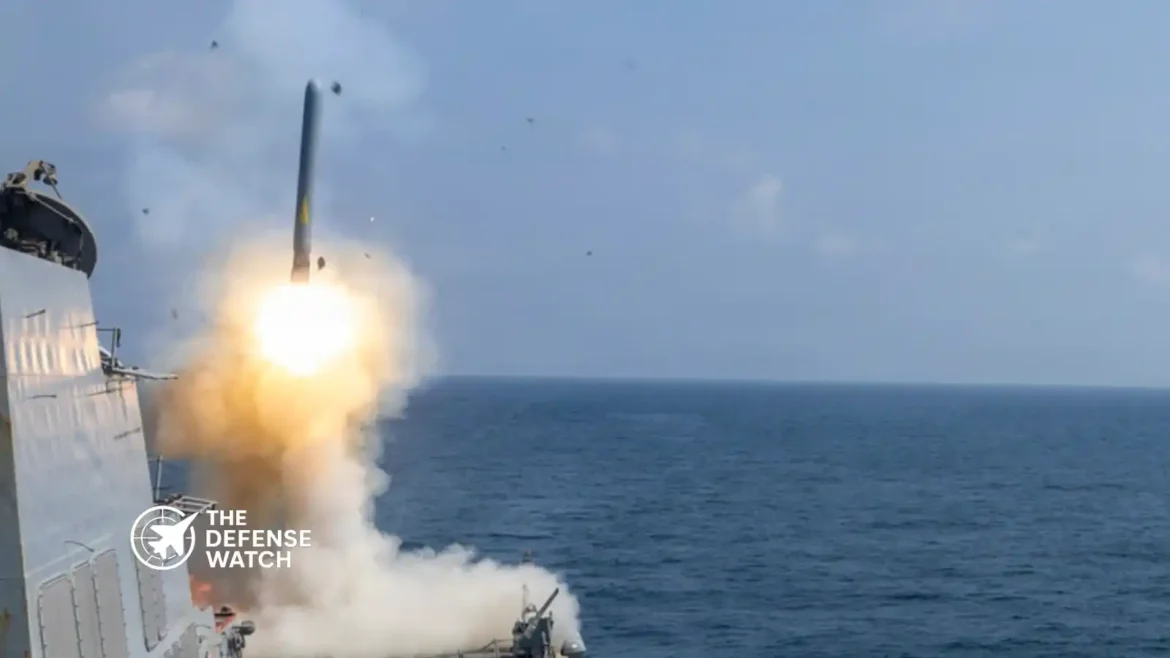
The United States has fired at least 850 Tomahawk long-range cruise missiles in just over one month of Operation Epic Fury, the joint U.S.-Israeli military campaign against Iran — a figure that marks the highest single-campaign expenditure of the weapon in its four-decade operational history. The burn rate has prompted serious concern among Pentagon planners and defense analysts, not primarily over the current conflict, but over what depletion means for U.S. deterrence commitments elsewhere — most critically in the Indo-Pacific.
(adsbygoogle = window.adsbygoogle || []).push({});- The U.S. has launched at least 850 Tomahawk cruise missiles in just over one month of Operation Epic Fury, the joint U.S.-Israeli campaign against Iran — the highest expenditure rate in any single conflict in the missile’s operational history.
- The Center for Strategic and International Studies (CSIS) estimates the U.S. retains roughly 3,000 Tomahawks, meaning the current campaign has consumed approximately 28% of the total estimated inventory.
- Each Tomahawk Block V costs approximately $3.5 million and carries a 1,000-pound warhead with a range exceeding 1,000 miles — making it one of the most capable and expensive conventional strike weapons in the U.S. arsenal.
- Raytheon secured a contract in February 2026 to build thousands of additional missiles, including Tomahawks, but analysts estimate it will take two to three years to replenish current expenditures at existing production rates.
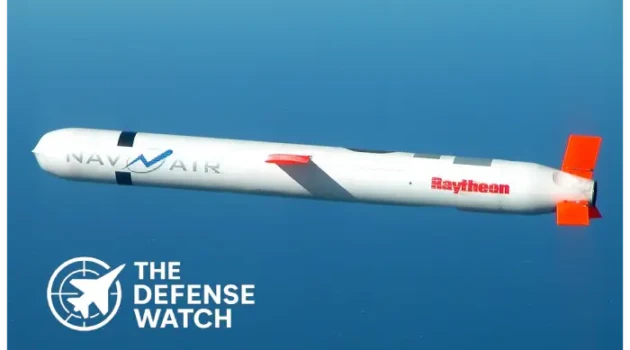
- The Maritime Strike Tomahawk (MST) variant, capable of engaging surface ships, has reportedly been employed in Operation Epic Fury and represents a critical capability for any future conflict in the Indo-Pacific.
The Big Picture
The Tomahawk Land Attack Missile has served as the backbone of U.S. long-range conventional strike capability since the 1991 Gulf War. Its combination of standoff range, precision, and launch flexibility — from surface ships and submarines — has made it the weapon of choice for opening salvos against defended targets.
The missile has been upgraded continuously over time, with the Block V being the current operational version. That iterative modernization has kept the Tomahawk relevant across decades of conflict, but it has not solved the fundamental problem of industrial production capacity. Building a Tomahawk is not like producing small arms or even artillery rounds. It requires precision manufacturing, sophisticated guidance systems, and a supply chain that cannot be surged overnight.
The Iran campaign has forced that structural constraint into the open at a strategically inconvenient moment.
What’s Happening
The Washington Post reported that the U.S. launched at least 850 Tomahawks in the first month of Operation Epic Fury, a rate far exceeding the missile’s use in any previous conflict, according to a CSIS assessment by analysts Mark Cancian and Chris Park.
While the Department of Defense does not publicly disclose precise Tomahawk inventory figures, CSIS estimates the U.S. retains approximately 3,000 missiles. That estimate, if accurate, means the Iran campaign has already consumed roughly one-quarter to one-third of the total U.S. cruise missile stockpile in approximately 30 days of combat.
Tomahawks were employed heavily during the early stages of Epic Fury, until the United States and Israel had suppressed what remained of Iran’s air defense network. Once air superiority was established, the rate of Tomahawk use declined — not to zero, but significantly — as shorter-range, cheaper munitions became viable.
The cost differential is stark. A Tomahawk costs approximately $3.5 million per unit and carries a range of 1,000 miles. A JDAM — a precision guidance kit fitted to an unguided bomb — costs around $80,000 and delivers comparable accuracy and explosive effect at a range of roughly 20 miles. Once the threat environment permits, the operational calculus shifts decisively toward cheaper alternatives.
Why It Matters
The immediate operational concern is manageable. According to CSIS analyst Mark Cancian, the U.S. has sufficient Tomahawks and other precision munitions to sustain Operation Epic Fury. The more serious issue is the second and third-order effect on global deterrence posture.
The strategic concern centers on the effect of stockpile depletion on other theaters, particularly Ukraine and the Western Pacific, where a potential conflict with China looms as the primary pacing threat. Defense strategists warn that degraded inventories weaken the U.S. ability to deter — or fight — a conflict in the Indo-Pacific, where standoff precision strike is not a supporting capability but a central pillar of warfighting strategy.

Image : U.S. Central Command The Tomahawk’s role in a Taiwan contingency is not hypothetical. U.S. war planners have long relied on the missile’s ability to hold Chinese naval and ground forces at risk from beyond the reach of China’s formidable anti-access/area denial (A2/AD) defenses. Burning through that inventory against Iran — even in a justified and necessary campaign — directly degrades the depth of that deterrent.
Strategic Implications
The Maritime Strike Tomahawk, a relatively new variant capable of engaging moving surface targets, represents a particularly valuable asset in any Indo-Pacific conflict scenario. In the event of a Chinese invasion of Taiwan, the ability to strike naval vessels at standoff range would be operationally significant. Reports suggest this variant has seen employment in Operation Epic Fury, which, while providing real-world validation of the system, simultaneously draws down an inventory that took years to build.
The parallel Patriot missile situation reinforces the broader concern. CSIS estimated the U.S. entered the Iran conflict with approximately 4,000 Patriot interceptors. After roughly one month of combat, approximately 1,000 have been expended — about one quarter of the total inventory — with the U.S. producing around 600 Patriots annually, split equally between domestic and allied requirements.
The combined drawdown of Tomahawks and Patriots across a single theater engagement illustrates a systemic vulnerability: the U.S. defense industrial base, despite years of effort, has not achieved the production surge capacity required to sustain simultaneous high-intensity operations in multiple theaters. This is not a new problem — it has been documented in DoD reports and congressional testimony for years — but Operation Epic Fury is now providing the most consequential real-world stress test that vulnerability has ever faced.
Competitor View
China’s military planners will draw careful conclusions from Operation Epic Fury’s opening phase. The expenditure of 850-plus Tomahawks in approximately 30 days — well above any historical precedent — provides Beijing with invaluable empirical data on U.S. sustained strike capacity, consumption rates, and the industrial constraints limiting rapid replenishment.
Chinese strategists have long studied U.S. precision strike dependencies. The People’s Liberation Army Rocket Force (PLARF) has developed its own extensive land-attack and anti-ship cruise missile arsenal partly to offset U.S. standoff advantages and partly to impose a cost-exchange calculus that favors attrition of American stockpiles. Seeing that calculus play out in real time — even in a different theater — will inform Chinese assessments of how long the U.S. could sustain high-intensity operations in a Taiwan contingency.
Russia and Iran’s other strategic partners will similarly note the constraints revealed by Epic Fury, potentially calculating that a protracted conflict could erode U.S. conventional strike depth faster than the American defense industry can reconstitute it.
What To Watch Next
Raytheon secured a contract in February 2026 to produce thousands of additional missiles, including Tomahawks. Defense Secretary Hegseth has conducted an “Arsenal of Freedom” tour of defense manufacturing facilities, emphasizing the need to accelerate production rates. The effort reflects bipartisan recognition of the stockpile problem, with groundwork laid during the Biden administration and continued under the current Pentagon leadership.
According to Cancian, replacing the 850 to 1,000 Tomahawks already expended in Epic Fury will require two to three years at current production rates. That timeline assumes no further major escalation and no additional high-intensity campaigns drawing on the same stockpile — assumptions that are far from guaranteed given the current geopolitical environment.
Congressional appropriators will face growing pressure to fund accelerated production contracts. The key decision point is whether Congress will authorize multi-year procurement agreements that provide Raytheon with sufficient long-term demand signal to invest in production line expansion. Without such commitments, manufacturers cannot justify the capital expenditure required to meaningfully increase output.
Capability Gap
The Tomahawk stockpile situation exposes a structural gap between U.S. operational demand in sustained high-intensity conflict and the industrial throughput required to match that demand. The missile’s 1,000-mile standoff range is effectively irreplaceable in contested environments where aircraft cannot safely operate — a scenario that applies directly to early-phase operations against advanced adversaries.
No currently fielded U.S. munition replicates the Tomahawk’s combination of range, payload, precision, and in-flight retargeting capability at comparable cost efficiency relative to its operational effect. The Joint Air-to-Surface Standoff Missile (JASSM) family provides some complementary capability but is air-launched and faces its own inventory constraints.
The deeper problem is structural: the U.S. military spent decades optimizing for technological overmatch and relatively low-volume precision strike, without building the industrial surge capacity required for prolonged peer or near-peer conflict. Operation Epic Fury is not that conflict, but it is demonstrating, in real time, what the industrial shortfall looks like under conditions far less demanding than a full-scale Taiwan contingency would impose.
The Bottom Line
The Tomahawk stockpile pressure revealed by Operation Epic Fury is not simply a logistics challenge — it is a strategic warning that the U.S. defense industrial base must be restructured for sustained high-intensity warfare before, not after, a crisis in the Indo-Pacific forces the issue.
 ■ KEY FACTS AT A GLANCE
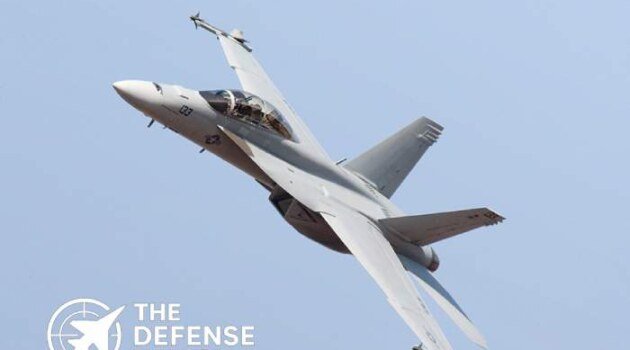
- ► The U.S. Navy has approved the StormBreaker smart weapon for operational use on the F A 18E F Super Hornet.
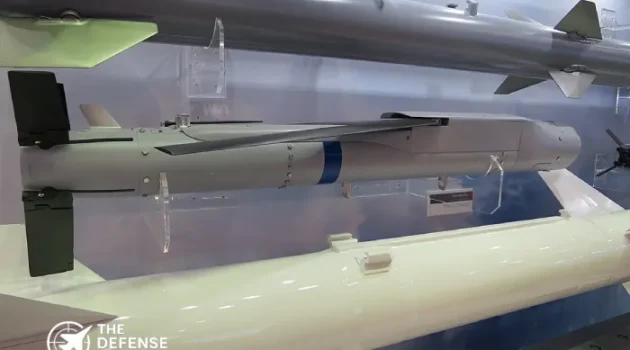
- ► StormBreaker is developed by :contentReference[oaicite:0]{index=0} and designated GBU 53 B by the U.S. military.
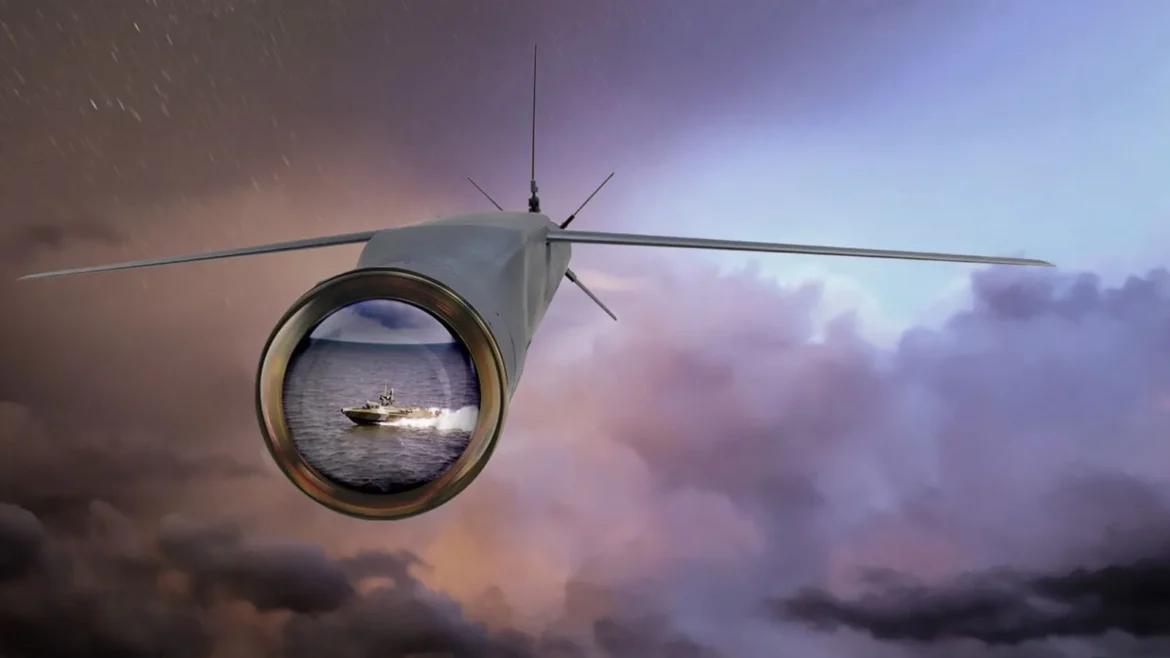
- ► The weapon features a tri mode seeker combining millimeter wave radar, imaging infrared, and semi active laser guidance.
- ► StormBreaker enables engagement of moving targets in adverse weather and low visibility conditions.
- ► The weapon is already integrated on the U.S. Air Force F 15E Strike Eagle and F 35 Lightning II.
- ► Approval expands precision strike options for carrier air wings operating worldwide.
StormBreaker Super Hornet Integration Strengthens Carrier Strike Flexibility
The StormBreaker Super Hornet integration marks a significant expansion of the U.S. Navy’s precision strike toolkit. With approval for operational use on the F A 18E F Super Hornet, carrier air wings gain an all weather, network enabled weapon capable of engaging moving targets on land and at sea.
(adsbygoogle = window.adsbygoogle || []).push({});This matters now because naval aviation is increasingly expected to operate in contested environments, including the Western Pacific and Middle East. Weather, electronic warfare, and target mobility can limit traditional laser or GPS guided munitions. StormBreaker is designed to address those constraints.
Operational Impact For Carrier Air Wings
The GBU 53 B StormBreaker combines millimeter wave radar, imaging infrared, and semi active laser guidance into a single tri mode seeker. That allows aircrews to select guidance modes based on conditions and target type.
For the Super Hornet, this provides several operational advantages:
First, true moving target capability in poor visibility. Naval strike missions often involve dynamic maritime or littoral targets. Traditional laser guided bombs can struggle in cloud cover or dust. Millimeter wave radar provides an independent targeting channel.
(adsbygoogle = window.adsbygoogle || []).push({});Second, increased standoff flexibility. StormBreaker’s glide profile allows launch outside certain short range air defense envelopes. While not a long range cruise missile, it offers greater reach than many legacy unguided or short range guided bombs.
Third, networked targeting. The weapon can receive in flight updates through compatible datalinks. This aligns with the Navy’s distributed maritime operations concept, where sensors and shooters may be geographically separated.
Compared to legacy weapons such as the GBU 38 JDAM, StormBreaker offers greater adaptability against mobile targets. Compared to the AGM 154 JSOW, it adds advanced seeker discrimination in cluttered environments.
For carrier commanders, that translates into a more resilient strike package when operating against near peer adversaries with layered air defenses and electronic attack systems.
Comparison With Competing Systems
StormBreaker sits in a niche between short range guided bombs and larger stand off missiles. Internationally, similar roles are filled by weapons such as the SPEAR 3 from MBDA for the F 35 and Typhoon fleets. Like StormBreaker, SPEAR 3 emphasizes networked targeting and moving target engagement.
- (adsbygoogle = window.adsbygoogle || []).push({});
China and Russia field glide and stand off munitions with varying levels of seeker sophistication. However, few publicly known systems combine tri mode seekers with networked retargeting in a compact 250 pound class weapon.
The integration on the Super Hornet also ensures commonality across U.S. services. The U.S. Air Force already employs StormBreaker on platforms including the F 15E and F 35. Cross service adoption simplifies logistics, training, and procurement planning.
Industrial And Budget Context
StormBreaker is produced by RTX through its Raytheon business. The program has faced schedule adjustments in the past, largely tied to integration and testing complexities. Approval for Navy use signals maturation of the capability.
(adsbygoogle = window.adsbygoogle || []).push({});From a budget perspective, adding StormBreaker to the Super Hornet enhances the relevance of the F A 18E F fleet as the Navy transitions gradually toward a greater share of F 35C aircraft. According to Congressional budget documents, the Navy continues to invest in Super Hornet service life extensions and Block III upgrades.
Providing the aircraft with advanced munitions helps maintain combat credibility during that transition period. It also supports the Navy’s argument that legacy fourth generation platforms can remain viable in high threat scenarios when paired with modern sensors and weapons.
Regional Security Implications
In the Indo Pacific, carrier strike groups are central to U.S. deterrence posture. Potential adversaries field mobile missile launchers, fast attack craft, and dispersed ground units designed to complicate targeting.
StormBreaker gives Super Hornets improved ability to prosecute such targets under degraded conditions. That is particularly relevant in scenarios involving island chains, coastal infrastructure, or contested sea lanes.
(adsbygoogle = window.adsbygoogle || []).push({});In the Middle East, moving targets such as small boats or mobile rocket systems have historically posed challenges. An all weather, multi mode seeker reduces reliance on permissive conditions.
While the weapon does not fundamentally alter the balance of power, it incrementally strengthens U.S. ability to conduct precision strikes with reduced collateral damage risk. Its discrimination capabilities are intended to improve target identification in complex environments.
Why It Matters Now
The approval comes as the U.S. Navy emphasizes distributed operations and survivability. Carrier air wings are expected to operate with greater dispersion and to integrate more tightly with joint and allied forces.
(adsbygoogle = window.adsbygoogle || []).push({});A network enabled smart weapon supports that approach. It allows targeting data from off board sensors, including aircraft or maritime platforms, to feed into strike missions.
At the same time, adversaries are investing heavily in air defense modernization. Precision munitions that can adapt mid course and handle adverse weather help offset those investments.
Strategic Assessment
From a regional power balance perspective, StormBreaker integration reinforces U.S. qualitative advantages rather than introducing a disruptive new capability. It enhances flexibility and resilience within existing carrier strike doctrine.
Deterrence implications are subtle but meaningful. The ability to engage moving targets in bad weather complicates adversary planning. It reduces the likelihood that environmental factors can shield high value assets.
On the procurement side, Navy approval signals continued commitment to common joint munitions. That aligns with broader Pentagon efforts to streamline inventories and increase production scalability across services.
(adsbygoogle = window.adsbygoogle || []).push({});Alliance dynamics may also benefit. Many U.S. partners operate the Super Hornet or F 35. Shared access to advanced precision weapons can support interoperability and burden sharing in coalition operations.
Escalation risks remain limited at the system level. StormBreaker is a conventional precision weapon, not a strategic asset. However, as part of a broader modernization trend, it contributes to the steady tightening of the operational environment in contested regions.
What happens next will likely involve expanded fleet fielding, training integration, and potential foreign military sales interest. The key question is not whether StormBreaker changes warfare overnight, but how it fits into the Navy’s evolving approach to distributed, networked maritime combat.
USS Idaho Virginia-Class Submarine Set For April 2026 Commissioning
The USS Idaho Virginia-Class submarine will be commissioned into the U.S. Navy in April 2026, marking another step forward in the service’s undersea modernization strategy.
(adsbygoogle = window.adsbygoogle || []).push({});According to reporting from U.S. Navy and defense industry sources, the vessel represents the eighth Block IV boat delivered under the Virginia-Class production program. The commissioning ceremony formalizes its entry into operational service following construction, sea trials, and delivery.
The Virginia-Class remains the backbone of America’s fast-attack submarine force, designed to perform a broad range of missions including anti-submarine warfare, anti-surface warfare, intelligence collection, and precision strike operations.
A Key Addition To The Virginia-Class Fleet
The future USS Idaho is part of the broader Virginia-class submarine program, which has steadily replaced aging Los Angeles-class submarines in the U.S. inventory.
Block IV submarines were specifically designed to reduce lifecycle maintenance requirements. Compared to earlier blocks, Block IV boats are built to deploy more frequently with fewer major maintenance periods over their service life. The design reduces the number of depot maintenance availabilities from four to three, increasing operational availability.
(adsbygoogle = window.adsbygoogle || []).push({});This improvement is central to the Navy’s strategy of sustaining undersea force levels as older submarines retire faster than new hulls are delivered.
Construction And Industrial Base
USS Idaho was built through the long-standing teaming arrangement between General Dynamics Electric Boat and Huntington Ingalls Industries Newport News Shipbuilding. The two shipyards jointly produce Virginia-Class submarines under a split-construction model, which distributes major modules between facilities before final assembly.
This cooperative production framework has been a cornerstone of U.S. submarine industrial capacity for decades. It also supports workforce stability and supplier networks critical to maintaining submarine output.
The Virginia program continues at a time when the industrial base faces increasing demand, including production of the forthcoming Columbia-Class ballistic missile submarines and commitments under the AUKUS security partnership.
Block IV Capabilities And Mission Set
As a Block IV submarine, USS Idaho integrates the mature combat systems and payload flexibility that define the class.
Virginia-Class submarines are equipped with advanced sonar arrays, photonics masts in place of traditional periscopes, and enhanced stealth characteristics. Their modular construction enables adaptability across multiple mission profiles.
A key capability includes the launch of the Tomahawk cruise missile, providing long-range precision strike options against land targets. The boats also deploy heavyweight torpedoes for anti-submarine and anti-surface warfare.
(adsbygoogle = window.adsbygoogle || []).push({});Additionally, Virginia-Class submarines support special operations forces through lock-in and lock-out chambers and can conduct intelligence, surveillance, and reconnaissance missions in contested maritime environments.
The Block IV design focuses less on new hardware compared to Block III and more on sustainment efficiency. The result is greater operational availability over the submarine’s projected 33-year service life.
Strategic Context: Undersea Competition Intensifies
The commissioning of USS Idaho comes amid intensifying undersea competition globally. Peer adversaries continue to modernize their submarine fleets, expand naval presence, and invest in anti-access and area denial systems.
The U.S. Navy has repeatedly emphasized the importance of maintaining a credible and survivable undersea force. Attack submarines remain among the most survivable assets in the U.S. arsenal due to their stealth and endurance.
Senior Navy leadership has stated in posture hearings and strategic guidance documents that submarine demand from combatant commanders consistently exceeds supply. The commissioning of each new Virginia-Class boat therefore carries operational significance beyond symbolic fleet growth.
Fleet Structure And Force Goals
The Navy’s long-term force structure plans call for a robust mix of attack submarines and ballistic missile submarines. However, the service faces a projected attack submarine shortfall in the coming decade as older Los Angeles-class boats retire faster than Virginia-Class replacements can be delivered.
Block IV submarines such as USS Idaho help mitigate this gap by maximizing deployable time per hull. The increased deployment ratio allows the Navy to generate more operational presence without proportionally increasing fleet size.
(adsbygoogle = window.adsbygoogle || []).push({});Future blocks, including Block V variants with the Virginia Payload Module, will further expand strike capacity. Block IV boats remain essential transitional assets bridging current force levels and next-generation enhancements.
Industrial And Budget Considerations
Submarine procurement remains one of the most resource-intensive components of the Navy’s shipbuilding budget. Maintaining steady production rates is considered critical to preserving skilled labor and supplier chains.
Congress has consistently supported Virginia-Class funding in recent defense authorization acts. Lawmakers frequently cite the program’s strategic importance and its role in maintaining U.S. technological advantage in undersea warfare.
The April 2026 commissioning of USS Idaho reflects both program continuity and the Navy’s broader modernization trajectory.
What Commissioning Means
Commissioning is the formal ceremony that places a ship or submarine into active service. Upon commissioning, the crew assumes full responsibility for operating the vessel as a commissioned unit of the fleet.
(adsbygoogle = window.adsbygoogle || []).push({});For USS Idaho, this milestone follows sea trials that validate propulsion systems, combat systems, and operational readiness.
Once commissioned, the submarine will join the active fleet and begin workups before deployment cycles under U.S. Fleet Forces or Pacific Fleet command structures, depending on assignment.
Strengthening U.S. Undersea Readiness
The addition of USS Idaho reinforces the steady expansion of the Virginia-Class force, which remains central to U.S. maritime strategy.
(adsbygoogle = window.adsbygoogle || []).push({});While individual submarine deliveries may appear incremental, each hull contributes to sustained deterrence, global presence, and operational flexibility. In a maritime environment defined by stealth competition and long-range strike capabilities, fast-attack submarines remain among the most strategically valuable assets in the U.S. arsenal.
As the Navy continues to balance modernization priorities with industrial capacity constraints, the commissioning of USS Idaho represents both continuity and commitment to maintaining undersea superiority.
U.S. Considers Second Aircraft Carrier Amid Iran Talks
The United States is weighing sending a second aircraft carrier strike group to the Middle East as diplomatic talks with Iran continue but risks of escalation rise, officials and open reporting show. This potential move would add to the U.S. military build-up facing Iran and reflects both diplomatic leverage and contingency planning in Washington.
(adsbygoogle = window.adsbygoogle || []).push({});President Donald Trump told U.S. media outlets that he is “thinking” about dispatching another carrier strike group to join the USS Abraham Lincoln, already operating in the region, while negotiations with Iran seek to avert broader conflict. “We have an armada that is heading there and another one might be going,” Trump said.
The White House has linked the possible deployment to the results of renewed talks with Tehran over its nuclear program and ballistic missile development. Trump framed the choice as diplomatic success or a need to take “something very tough” if no deal is reached.
Strategic Context And Military Posture
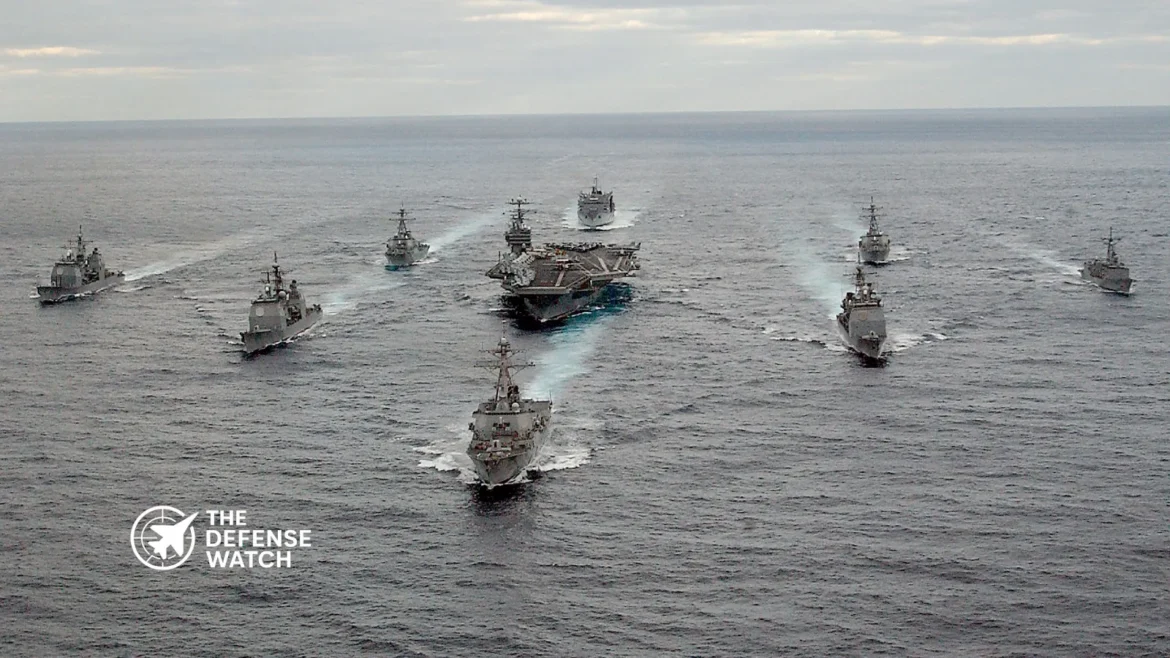
U.S. Central Command forces already include the USS Abraham Lincoln aircraft carrier strike group, supported by guided-missile destroyers and other assets in the Gulf region.
Pentagon planners are preparing at least one additional carrier strike group for potential deployment within weeks, drawing on ships such as the USS George H.W. Bush from the U.S. East Coast or the USS George Washington based in Asia, though no final order has been issued.
Officials told The Wall Street Journal that the carrier might be ordered to deploy at short notice if negotiations with Iran do not produce a diplomatic outcome acceptable to Washington.
Diplomacy With Iran
U.S. and Iranian officials recently held indirect talks in Muscat, Oman, in efforts to restart negotiations on Tehran’s nuclear activities. Both sides described the initial round as a “good start” and signalled plans to continue discussions.
(adsbygoogle = window.adsbygoogle || []).push({});Iran has insisted talks focus on its nuclear program and pushed back on negotiating ballistic missile limits or regional proxy group issues. U.S. officials say a comprehensive agreement would need to address those broader threat perceptions.
The next round of diplomatic engagement is expected soon, even as military preparations continue in parallel.
Geopolitical Implications
Deploying a second carrier strike group would represent a rare concentration of U.S. naval power in the Gulf. It would underline Washington’s readiness to protect its forces and partners, and signal deterrence against potential Iranian retaliation.
The planned move comes as regional allies, including Israel and Gulf states, watch U.S. posture closely. Israeli Prime Minister Benjamin Netanyahu travelled to Washington to consult with Trump on Iran policy.
Iran has issued warnings against military escalation in the past, suggesting any U.S. attack could prompt a broader conflict.
(adsbygoogle = window.adsbygoogle || []).push({});Naval Capabilities And Readiness
Carrier strike groups offer power projection through their embarked fighter wings and long-range strike options. The presence of two carriers could expand options for diplomatic pressure and military response if needed.
U.S. Navy vessels routinely rotate through the region, but having two carriers deployed simultaneously would be uncommon outside major operations.
- (adsbygoogle = window.adsbygoogle || []).push({});