PAC-3 MSE Aegis Integration Signals New U.S. Navy Air Defense Option
PAC-3 MSE Aegis integration is moving forward after Lockheed Martin announced on April 21 that it received a U.S. Navy contract to connect the Patriot Advanced Capability-3 Missile Segment Enhancement interceptor with the Aegis Combat System. The award represents a notable shift in U.S. missile defense planning by linking a combat-proven land-based interceptor with one of the world’s most widely deployed naval battle management systems.
- Lockheed Martin received a U.S. Navy contract to integrate PAC-3 MSE with the Aegis Combat System.
- PAC-3 MSE is a hit-to-kill interceptor designed to defeat cruise missiles, aircraft, and tactical ballistic missiles.
- The move could strengthen layered naval and expeditionary missile defense in contested regions.
- Integration marks the first known effort to pair PAC-3 MSE with Aegis.
- The program may open new options for future U.S. and allied force protection architectures.
The Big Picture
U.S. forces are adapting to a threat environment defined by larger missile salvos, lower-flying cruise missiles, maneuvering ballistic threats, and growing pressure in the Indo-Pacific, Europe, and the Middle East. Traditional single-layer defense models are becoming less effective against mixed attacks that combine drones, cruise missiles, and ballistic systems.
Aegis-equipped warships already provide long-range air and missile defense using SM-series interceptors. Patriot batteries protect land forces and fixed sites. Combining elements of both systems reflects a broader Pentagon push toward integrated air and missile defense, sensor sharing, and interceptor flexibility.
What’s Happening
Lockheed Martin said the U.S. Navy selected the company to integrate PAC-3 MSE into Aegis for the first time. The effort will allow Aegis to control and employ the interceptor through its existing command-and-control architecture.
PAC-3 MSE is the latest Patriot family interceptor. It uses hit-to-kill technology, upgraded propulsion, and aerodynamic controls to improve reach, maneuverability, and lethality against incoming threats.
Aegis is deployed aboard U.S. Navy cruisers and destroyers, as well as Aegis Ashore sites and several allied fleets. The combat system is already central to U.S. and partner missile defense operations.
Why It Matters
This contract matters because interceptors are expensive, inventories are finite, and different threats require different tools. PAC-3 MSE Aegis integration could give commanders another engagement option between short-range point defense missiles and larger SM-family interceptors.
That flexibility may help preserve high-end interceptors for more demanding targets while using PAC-3 MSE where it offers a better cost-to-threat match.
It also reflects a shift toward software-defined combat systems. Modern missile defense increasingly depends on whether launchers, radars, and interceptors can communicate across platforms, not just on raw missile performance.
Strategic Implications
A layered naval defense network improves readiness in several ways.
First, forward-deployed ships could gain more engagement depth against saturation attacks.
Second, expeditionary forces ashore could benefit if naval and land batteries share common engagement logic.
Third, allied navies operating Aegis systems may eventually seek similar options, especially nations already invested in Patriot programs.
For the United States, this supports distributed operations where forces are spread across wider areas but remain linked through shared sensors and weapons.
Competitor View
China and Russia closely monitor U.S. integrated air and missile defense progress. Both states have invested heavily in complex strike systems designed to overwhelm defenses through speed, numbers, and trajectory diversity.
A successful PAC-3 MSE Aegis integration would suggest Washington is expanding not just missile inventories, but also the number of ways interceptors can be employed. That complicates adversary attack planning and can strengthen deterrence without deploying entirely new missile families.
Iran and regional actors may also note the trend, particularly after recent combat operations highlighted the importance of defending bases, ports, and naval assets from missile and drone attacks.
What To Watch Next
Key milestones will likely include:
- Software integration and systems engineering work
- Fire control validation between Aegis and PAC-3 MSE
- Live-fire testing against representative targets
- Decisions on launcher compatibility and deployment concepts
- Potential follow-on procurement by U.S. or allied users
The most important indicator will be whether the Navy pursues operational fielding after testing.
Capability Gap
Current missile defense networks often separate naval and land interceptors into different ecosystems. That can limit flexibility during fast-moving operations.
PAC-3 MSE Aegis integration aims to close that gap by enabling one command system to access more interceptors. Still, limitations remain. PAC-3 MSE was originally designed for Patriot architecture, so launcher adaptation, magazine capacity, and cost per round will influence operational value.
The Bottom Line
The contract shows the U.S. military is prioritizing adaptable layered defense networks that connect proven weapons across services rather than relying only on new standalone systems.
$1.5 Trillion Defense Budget Signals Historic U.S. Military Expansion
The $1.5 trillion defense budget proposed by the Trump administration would mark one of the largest annual increases in modern U.S. military spending, with the Pentagon directing major resources toward naval expansion, combat aviation, missile defense, drones and industrial capacity. Pentagon officials released new details on April 21, outlining a plan intended to accelerate force modernization and sustain readiness amid rising global tensions.
- Pentagon detailed a proposed $1.5 trillion U.S. defense budget for FY2027.
- More than $750 billion targets ships, aircraft and Golden Dome missile defense priorities.
- $65 billion would fund 34 vessels, the largest U.S. shipbuilding request since 1962.
- Aircraft spending reaches $102 billion, including increased F-35 buys and next-gen fighter programs.
- Iran war costs were not included and may require a separate supplemental request.
The Big Picture
Washington has spent the last several years confronting simultaneous security pressures in Europe, the Middle East and the Indo Pacific. U.S. officials have repeatedly warned that legacy procurement timelines and constrained industrial capacity no longer match the speed of emerging threats.
This budget appears designed to compress modernization timelines. Rather than making marginal increases, it concentrates large sums into shipbuilding, tactical airpower, autonomous systems and missile defense. That suggests the Pentagon wants faster force regeneration, deeper inventories and stronger deterrence capacity during a period of strategic competition.
What’s Happening
The proposal combines a roughly $1.15 trillion core defense budget with a separate $350 billion supplemental component, reaching a total of $1.5 trillion. Reuters reported that more than $750 billion is tied to ships, jets and Golden Dome related priorities.
The Pentagon also created a new category labeled presidential priorities. That basket reportedly includes:
- Golden Dome missile defense
- Drone dominance initiatives
- Artificial intelligence and data systems
- Defense industrial base expansion
Naval Spending
The plan allocates more than $65 billion for 18 warships and 16 support vessels, or 34 ships total. Officials described it as the largest U.S. shipbuilding request since 1962. Major beneficiaries would likely include General Dynamics and Huntington Ingalls Industries.
Aerospace Spending
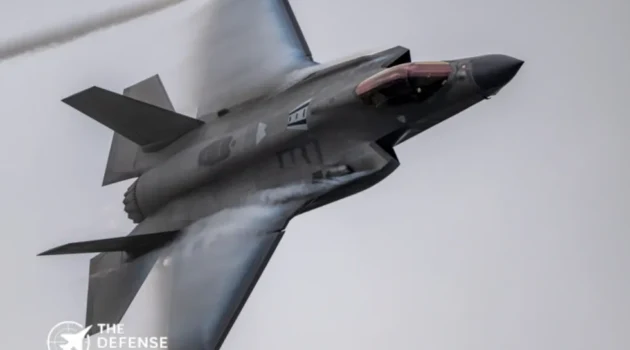
Aircraft procurement and aviation research would total $102 billion, a 26 percent increase over the prior year. The proposal reportedly raises annual procurement of the F-35 Lightning II to 85 aircraft while continuing development of Boeing’s F-47 next generation fighter concept and allocating $6.1 billion for the B-21 Raider.
Why It Matters
The U.S. military has faced growing pressure in three specific areas:
- Ship numbers and fleet age
The Navy has struggled to expand fleet size while China continues large scale naval construction. - Munitions and airpower readiness
Recent conflicts exposed the need for larger inventories of interceptors, cruise missiles and survivable aircraft. - Integrated homeland defense
Cruise missiles, drones and potential long range strikes have increased interest in layered missile defense.
This budget attempts to address all three simultaneously.
Strategic Implications
If enacted, the $1.5 trillion defense budget would significantly strengthen U.S. surge capacity. More ships improve maritime presence and logistics reach. Additional fighters and bombers reinforce power projection. Industrial funding can shorten repair cycles and replenish weapons stockpiles faster.
The proposal also signals that Washington views defense manufacturing itself as a strategic asset. In a prolonged crisis, production speed may matter as much as frontline platforms.
Competitor View
China is likely to view the shipbuilding and Pacific airpower portions as directly relevant to Indo Pacific deterrence. Beijing closely tracks U.S. naval tonnage, submarine output and long range strike capacity.
Russia will likely focus on bomber, missile defense and munitions spending, especially as NATO continues rearmament.
Iran may note the emphasis on air defense, interceptors and autonomous systems after recent regional tensions.
What To Watch Next
Congress remains the decisive factor. Lawmakers will likely scrutinize:
- Whether the topline can pass politically
- How much supplemental funding survives negotiations
- Realistic shipyard production capacity
- Fighter procurement affordability
- Golden Dome technology maturity and timelines
Large budget requests often change substantially during appropriations.
Capability Gap
The central gap this plan targets is capacity under strain. The U.S. military retains advanced systems, but sustaining enough ships, aircraft, interceptors and drones for multiple theaters has become harder.
A major limitation remains industrial execution. Funding alone does not instantly create trained labor, drydock space, semiconductor supply or engine production capacity.
The Bottom Line
The proposed $1.5 trillion defense budget is less about symbolism and more about rapidly rebuilding U.S. military scale, production depth and deterrence capacity.
- Ship numbers and fleet age
U.S. Navy JDAM LR Moves Closer To Fleet Use
The JDAM LR guided bomb is moving closer to operational service after the U.S. Navy confirmed successful early-April flight demonstrations of the new long-range weapon. Naval Air Systems Command said the tests marked a key milestone in delivering a lower-cost standoff strike option for carrier aviation.
According to the Navy, two test events validated safe separation from the launch aircraft, compatibility with existing aircraft interfaces, and controlled powered flight to target. Each flight traveled about 200 nautical miles, a major increase over standard JDAM family ranges.
- The U.S. Navy says JDAM LR completed two successful demonstration flights in early April 2026.
- Each test covered roughly 200 nautical miles, far beyond standard JDAM range.
- The weapon combines a JDAM body with wings and a small turbojet engine.
- Next steps focus on shipboard integration for future aircraft carrier deployment.
- The Navy views JDAM LR as an affordable, producible standoff strike option.
That range matters because carrier aircraft increasingly face layered air defenses and anti-access threats. Longer-range weapons allow strike aircraft to launch farther from hostile air defense envelopes, improving survivability while preserving combat reach.
What Is JDAM LR
The U.S. Navy JDAM LR is an evolved version of the widely used Joint Direct Attack Munition. Traditional JDAM kits convert unguided bombs into GPS and INS-guided precision weapons. JDAM LR adds folding wings, fuel, and a compact turbojet engine, turning the weapon into a powered standoff munition.
Reports indicate the system uses a 500-pound class warhead based on the Mk 82 bomb body. Aviation Week reported the weapon carries the military designation GBU-75, a sign the program may be moving beyond experimentation and toward formal acquisition channels.
Why The Navy Wants It Now
The Navy already fields advanced long-range weapons such as JASSM-ER and LRASM through joint inventories, but those systems are more expensive and produced in smaller quantities than bomb-based kits.
That creates a growing demand for what Pentagon planners often call affordable mass, weapons that are precise, long-ranged, and available in higher numbers. JDAM LR appears designed to fill that space.

Picture Source: U.S. Naval Air Warfare Center Aircraft Division Using existing JDAM components could lower cost, simplify logistics, and speed production compared with building entirely new missiles. For carrier air wings, that means more magazine depth during sustained operations.
Carrier Deployment Is The Next Test
Naval officials said the next phase of qualification will focus on shipboard integration, a necessary step before carrier deployment. Weapons must be compatible with carrier magazines, handling systems, deck procedures, and maritime storage requirements.
That phase is often overlooked, but it is critical. A weapon can perform well in flight tests and still require significant work before routine carrier use.
If successful, JDAM LR could give U.S. Navy strike groups a new option between short-range glide bombs and costly cruise missiles.
Strategic Impact
The JDAM LR guided bomb reflects a broader U.S. military shift toward expanding strike range without relying only on premium weapons inventories. Similar trends are visible across Air Force and Navy procurement programs.
For the carrier force, the equation is straightforward. More range means carriers can operate farther from threats, while aircraft can hit targets with less exposure.
That does not replace stealth aircraft or advanced missiles, but it adds another tool commanders can use at scale.
Northrop Grumman F/A-XX Emerges As Navy Decision Nears
The F/A-XX naval fighter moved back into the spotlight after Northrop Grumman released a short promotional video showing its next-generation carrier fighter concept. The footage offers the most detailed public glimpse so far of the company’s proposed aircraft for the U.S. Navy’s classified F/A-XX competition.
- Northrop Grumman released a new teaser video showing an updated F/A-XX fighter concept.
- The aircraft appears tailless, carrier-capable, and optimized for stealth and long-range operations.
- The U.S. Navy is expected to choose between Northrop Grumman and Boeing for the program.
- F/A-XX is intended to replace portions of the F/A-18E/F Super Hornet fleet in future carrier air wings.
- The platform is expected to operate with drones and advanced networked systems.
The release is notable because it comes as the Navy reportedly approaches a program milestone. According to reporting cited by The War Zone, Navy leadership has indicated a final selection between Northrop Grumman and Boeing could come in the coming months.
What The New F/A-XX Concept Shows
The updated imagery suggests a large, tailless stealth aircraft designed for carrier operations. Visible features include:
- Broad forward fuselage for sensors and radar aperture
- Dorsal or high-mounted engine inlets for reduced radar signature
- Folding wings for carrier deck storage
- Apparent internal weapons bay doors
- Heavy landing gear suited for catapult launches and arrested recoveries
These design cues align with what analysts expect from a sixth-generation naval fighter focused on survivability, reach, and persistence in contested airspace.
While concept art should not be treated as final configuration data, companies often use controlled imagery to signal design direction, maturity, and market confidence. That makes this teaser strategically timed.
Why F/A-XX Matters For The U.S. Navy
The F/A-XX program is expected to become the centerpiece of future carrier air wings, eventually complementing and replacing parts of the Boeing F/A-18E/F Super Hornet fleet. It would also operate alongside the Lockheed Martin F-35C Lightning II and future unmanned systems.
For the Navy, range is one of the most critical requirements. Carrier aircraft must operate farther from enemy missile threats while still striking targets deep inland or defending the fleet. That challenge has become more urgent in the Indo-Pacific, where China’s anti-access systems continue to expand.
A longer-range stealth fighter paired with drones could give carriers more stand-off flexibility than today’s legacy tactical aviation mix.
Northrop Grumman’s Position In The Race
Northrop Grumman brings strong stealth credentials to the contest, including work on the B-2 Spirit and B-21 Raider. The company previously stepped away from the Air Force’s NGAD fighter competition, a move many analysts interpreted as a decision to prioritize naval aviation and bomber programs.
That could give Northrop additional focus if selected for F/A-XX.
Boeing, however, remains a formidable competitor with deep Navy fighter heritage through the F/A-18 Super Hornet and EA-18G Growler families.
Strategic Outlook
The F/A-XX award will shape U.S. naval aviation for decades. Beyond the aircraft itself, the winner could secure a long pipeline of software upgrades, sustainment contracts, and autonomous teaming systems.
This new Northrop Grumman release appears designed to send a clear message: the company is ready, visible, and still firmly in the fight.
HMS Dragon Type 45 Destroyer vs Arleigh Burke-class Specs
Modern destroyers are the backbone of Western naval power. They defend carrier groups, track submarines, launch missiles, and project force across the globe. That is why the debate around HMS Dragon Type 45 Destroyer vs Arleigh Burke-class specs matters far beyond naval enthusiasts.
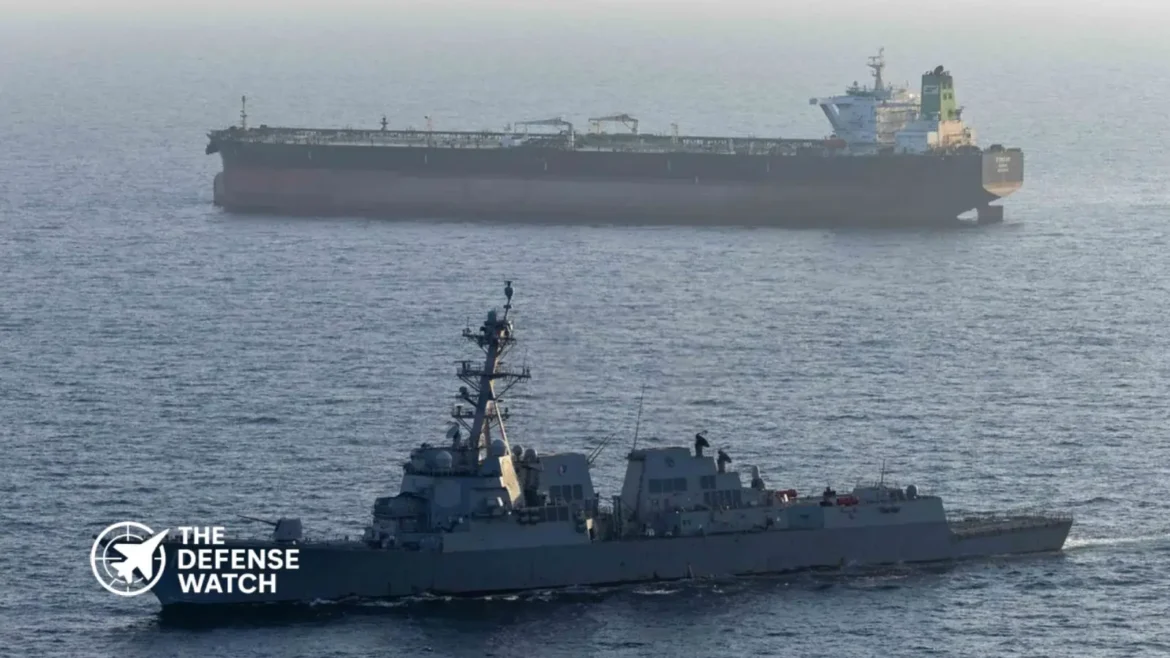
The United Kingdom’s HMS Dragon represents one of NATO’s most advanced dedicated air-defense warships. Meanwhile, the U.S. Navy’s Arleigh Burke-class destroyer is the world’s most successful modern destroyer program, with dozens in service and more under construction.
For U.S. readers, this comparison highlights two different design philosophies. Britain focused on fleet air defense and radar excellence. America built a highly flexible, heavily armed multi-mission combatant.
HMS Dragon Type 45 Destroyer vs Arleigh Burke-class Specs Table
| Specification | HMS Dragon (Type 45) | Arleigh Burke-class |
|---|---|---|
| Country | United Kingdom | United States |
| Service Entry | 2012 (Dragon commissioned) | 1991 |
| Full Load Displacement | Approx. 8,500 tons | Approx. 9,200 to 9,800+ tons |
| Length | 152.4 m | 154 to 156 m |
| Crew | Approx. 190 to 235 | Approx. 300+ |
| Top Speed | 29+ knots | 30+ knots |
| Main Role | Area air defense | Multi-mission warfare |
| Main Radar | SAMPSON AESA radar | AEGIS SPY-1 / SPY-6 (newer Flight III) |
| VLS Cells | 48 Sylver A50 | 90 to 96 Mk 41 |
| Main Gun | 114 mm Mk 8 | 127 mm / 5 inch gun |
| Missiles | Aster 15/30 | SM-2, SM-3, SM-6, ESSM, Tomahawk |
| Helicopter | Merlin/Wildcat | MH-60 Seahawk |
| Approx. Unit Cost | High, limited class production | Lower economies of scale by volume |
HMS Dragon Type 45 Destroyer vs Arleigh Burke-class Design and Technology
Type 45 Strength, Built for Air Defense
The Type 45 class was designed primarily to shield fleets from aircraft and missile attack. Its standout feature is the SAMPSON multifunction radar paired with the Sea Viper missile system. This gives ships like HMS Dragon exceptional target tracking and engagement capability.
Its sleek superstructure also reduces radar signature, helping survivability.
Arleigh Burke Strength, Multi-Mission Combat System
The Arleigh Burke-class destroyer uses the famous AEGIS combat system, long considered the benchmark in naval battle management. Newer Flight III ships add SPY-6 radar, improving ballistic missile defense and air tracking.
Unlike Type 45, Burke ships were built from the start for anti-air, anti-submarine, anti-surface, and land attack missions in one hull.
Verdict
Type 45 may hold an edge in specialized air-defense radar performance, while Burke wins in overall mission flexibility.
Firepower and Performance
HMS Dragon Type 45 Weapons
Type 45 carries 48 Sylver launch cells typically loaded with Aster missiles. Aster 30 provides long-range area defense, while Aster 15 supports medium-range engagements. The ship also carries a 114 mm gun, close-in weapons, and helicopter support.
Its weakness has historically been limited strike options compared with U.S. destroyers.
Arleigh Burke Weapons
Burke-class ships usually field 90 to 96 Mk 41 VLS cells. These can carry:
- SM-2 for fleet air defense
- SM-3 for ballistic missile defense
- SM-6 for long-range multi-role intercepts
- ESSM for point defense
- Tomahawk cruise missiles for land strike
- ASROC for anti-submarine warfare
That gives Burke ships enormous flexibility.
Verdict
If measuring raw firepower, the Arleigh Burke-class wins clearly due to larger missile capacity and broader weapon mix.
Operational Range and Mobility
Type 45 destroyers were built for Royal Navy expeditionary operations, escorting carriers and operating globally. They offer strong endurance but operate in smaller numbers.
Burke destroyers are optimized for constant deployments across the Pacific, Atlantic, Mediterranean, and Middle East. Supported by U.S. logistics networks, they sustain higher global presence.
Verdict
The U.S. Navy gains a strategic edge through fleet size, support infrastructure, and deployment tempo.
Combat Effectiveness
HMS Dragon Combat Record
HMS Dragon has deployed in the Mediterranean, Gulf region, and carrier escort missions. Type 45 destroyers have also contributed to missile defense and NATO security patrols.
Arleigh Burke Combat Record
Arleigh Burke-class destroyer ships have seen extensive real-world operations, including:
- Tomahawk strike missions
- Ballistic missile defense patrols
- Carrier strike group escorts
- Maritime security operations
- Indo-Pacific deterrence missions
The Burke class benefits from decades of combat deployment experience.
Verdict
Burke leads in proven wartime operational use simply because of numbers and mission tempo.
Cost and Export Value
The Type 45 program produced only six ships, limiting economies of scale. It became a highly capable but expensive niche platform.
The Arleigh Burke program became a production success, with more than 70 ships delivered or planned. While each vessel is costly, serial production lowered relative unit costs over time.
Burke systems and AEGIS technology also strengthened U.S. alliances through broader naval integration with partners.
HMS Dragon Type 45 Destroyer vs Arleigh Burke-class Analysis
This comparison is really about specialization versus versatility.
Where HMS Dragon Has the Edge
- Excellent air-defense radar performance
- Strong anti-missile capability
- Lower crew size than Burke
- High-end NATO carrier escort role
Where Arleigh Burke Has the Edge
- Larger missile load
- Land attack strike capability
- Ballistic missile defense options
- Proven combat record
- Massive fleet size and sustainment network
How the U.S. Military Views Each System
U.S. planners generally see Type 45 ships as valuable allied escorts that complement coalition naval groups. However, the U.S. Navy still prioritizes the Burke model because of its ability to perform nearly every mission from one platform.
Conclusion, Which Ship Has the Edge
In a pure fleet air-defense scenario, HMS Dragon Type 45 Destroyer vs Arleigh Burke-class specs becomes a close contest. The British ship was built for exactly that mission and remains highly respected.
In almost every broader wartime scenario, the Arleigh Burke-class has the advantage. It carries more missiles, more mission types, greater strike reach, and operates in much larger numbers.
So who wins?
- Air defense specialist mission: Type 45 is highly competitive
- All-around naval warfare: Arleigh Burke wins
- Global power projection: Arleigh Burke wins decisively
Both ships remain important pillars of NATO maritime strength.
FAQ, HMS Dragon Type 45 Destroyer vs Arleigh Burke-class
Which ship is more powerful, HMS Dragon or Arleigh Burke?The Arleigh Burke-class is generally more powerful overall because it carries more missiles and supports more mission types.
Is HMS Dragon better at air defense?Many analysts rate the Type 45 as one of the best dedicated air-defense destroyers ever built.
How many missiles can each ship carry?Type 45 usually has 48 VLS cells, while Burke ships typically have 90 to 96 cells.
Can Type 45 launch cruise missiles like Tomahawk?Not in the same operational way as Arleigh Burke-class ships, which routinely field Tomahawk capability.
Why does the U.S. Navy rely on Arleigh Burke destroyers?Because they combine air defense, missile defense, strike warfare, anti-submarine warfare, and fleet escort in one proven platform.
Zumwalt-Class Combat System Gets Fresh U.S. Navy Investment
The Zumwalt-class combat system is receiving another major funding injection after the U.S. Navy awarded Raytheon Missiles and Defense a $213.4 million contract modification to continue upgrades and sustainment work for the fleet’s mission systems. The award underscores Washington’s effort to preserve and expand the combat value of one of its most technologically ambitious surface combatant programs.
- Raytheon received a $213.4 million Navy contract modification for Zumwalt-class mission systems.
- Work covers installation, integration, testing, maintenance, corrections, and modernization.
- Upgrades support the Navy’s push to make Zumwalt destroyers more operationally relevant.
- Work runs across six U.S. states and is scheduled for completion by April 2027.
- Contract signals continued long-term investment in high-end surface warfare capabilities.
The Big Picture
The U.S. Navy is balancing two priorities at once: expanding fleet size while modernizing existing high-end warships for contested maritime operations. That strategy has become more urgent as the Indo-Pacific theater grows more competitive and long-range anti-ship missile threats continue to spread.
The three-ship Zumwalt-class destroyer program has often been debated because of its cost and reduced production run. Yet the vessels still offer unique advantages, including stealth shaping, integrated power generation, and large onboard capacity for future weapons or sensors. Continued investment suggests the Navy intends to extract maximum operational value from those advantages rather than treat the class as a niche experiment.
What’s Happening
According to the U.S. Department of Defense contract announcement, Raytheon will perform work supporting combat system installation, integration, development, testing, correction, maintenance, and modernization of Zumwalt-class mission systems.
The workshare includes:
- Portsmouth, Rhode Island (39%)
- Tewksbury, Massachusetts (32%)
- Pascagoula, Mississippi (14%)
- Nashua, New Hampshire (9%)
- San Diego, California (5%)
- Fort Wayne, Indiana (1%)
The contract is expected to run through April 2027.
Funding comes from multiple Navy accounts, including operations and maintenance, shipbuilding and conversion, procurement, and research and development. That mix indicates both near-term fleet sustainment and longer-term capability growth.
Why It Matters
Combat systems are the core of a modern destroyer. They connect sensors, command networks, weapons, electronic warfare tools, and targeting data into a single fighting architecture. Without constant software and hardware updates, even advanced hulls lose relevance quickly.
For the Zumwalt fleet, modernization is especially important because these ships were designed with significant growth margins. Their power generation and internal volume make them suitable candidates for future systems that require more electricity, cooling, or computing capacity.
That means the Zumwalt-class combat system can evolve faster than many legacy destroyers if funding remains steady.
Strategic Implications
The Navy increasingly needs distributed lethality, meaning more ships able to strike targets at range and operate independently in contested waters. Upgraded Zumwalt destroyers can support that concept by acting as stealthier surface strike platforms with advanced sensor integration.
The ships may also complement the larger Arleigh Burke-class destroyer fleet rather than replace it. Burkes provide numbers and proven versatility. Zumwalts can offer specialized high-end capability, especially in environments where lower radar signature and extra power capacity matter.
This contract also supports the U.S. industrial base across several states, sustaining engineering and naval combat system expertise that remains strategically valuable.
Competitor View
China and Russia closely track U.S. naval modernization, particularly programs involving long-range strike and advanced surface warfare networks. Continued upgrades to the Zumwalt class signal that the United States is not abandoning expensive but potentially high-payoff naval technologies.
Competitors may also view the decision as evidence that the Navy is preparing select premium platforms for future weapons integration, including next-generation missiles or energy-intensive systems.
Capability Gap
The Zumwalt program originally centered on land attack missions, but strategic needs shifted toward maritime competition against peer navies. That left a mission gap the Navy has been working to close.
Modernizing the Zumwalt-class combat system helps reposition the ships toward surface warfare and multi-domain operations. However, limitations remain. Only three hulls exist, which constrains fleet-wide impact, logistics efficiency, and deployment availability.
What To Watch Next
Several milestones will determine whether the modernization effort delivers full value:
- Integration of newer missile and sensor packages
- Software updates tied to joint force networks
- Readiness rates for all three ships
- Potential deployment patterns in the Pacific
- Future directed-energy or hypersonic weapon compatibility
The Bottom Line
The $213 million Raytheon award shows the U.S. Navy still sees the Zumwalt class as a valuable future combat asset rather than a legacy procurement problem.
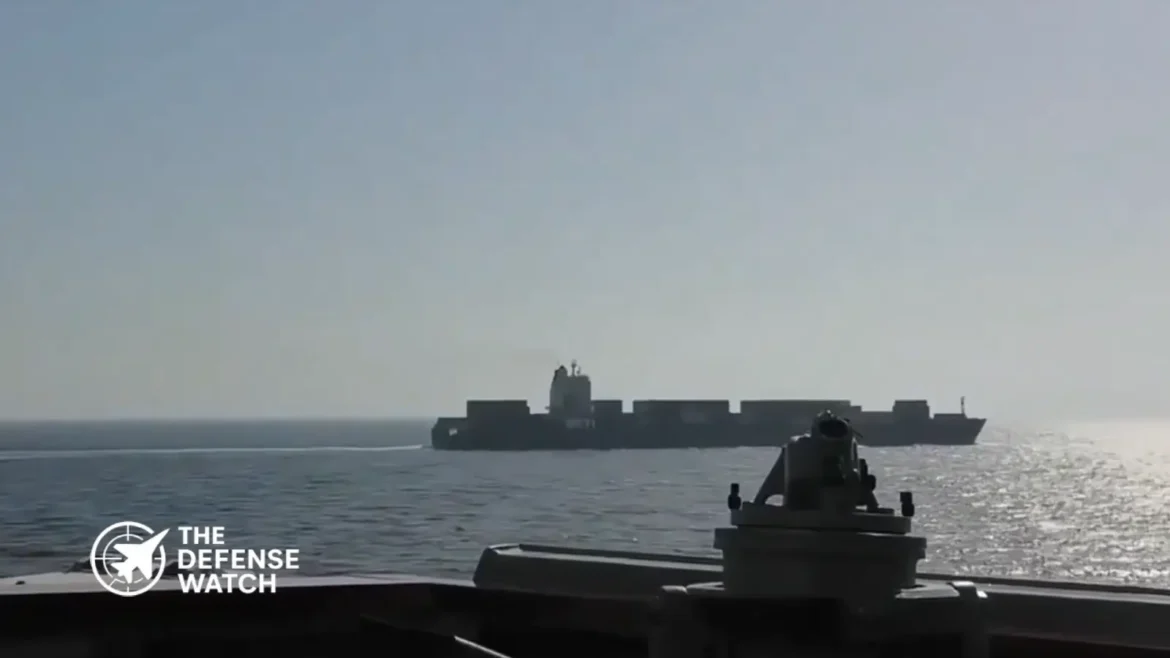
The U.S. Iran blockade effort has reportedly intensified after 23 ships turned back from key maritime routes.The development suggests a sharper enforcement phase focused on limiting Iranian access to strategic shipping corridors while increasing pressure on commercial traffic linked to sanctioned trade networks.
- The United States has reportedly intensified maritime pressure on Iran-linked shipping routes.
- Army Recognition reported that 23 commercial vessels turned back amid expanding enforcement activity.
- Key sea lanes near the Gulf region remain vital for global oil and container traffic.
- Increased naval presence signals broader deterrence and sanctions enforcement strategy.
- Any prolonged disruption could affect freight costs, insurance rates, and energy markets.
The reported movement of vessels reversing course is notable because merchant shipping companies rarely alter routes without clear commercial or security reasons. When multiple ships change course in a short period, it often signals heightened operational risk, tighter inspections, or concern over possible escalation.
The waterways surrounding Iran, including approaches to the Strait of Hormuz, remain among the most important maritime chokepoints in the world. A significant share of global oil exports and container traffic transits the region, making any shift in naval posture strategically important.
Why 23 Ships Turning Back Matters
The number itself matters less than the pattern. If commercial operators believe delays, boarding actions, sanctions checks, or confrontation risks are rising, many will choose alternative routes or wait offshore.
That creates three immediate effects:
- Higher shipping insurance premiums
- Longer transit times
- Greater freight volatility for energy and cargo markets
This is where the U.S. Iran blockade strategy can generate leverage without direct combat. Economic friction on maritime movement can pressure state revenues and complicate logistics while avoiding broader military escalation.
U.S. Naval Presence And Enforcement Strategy
Washington has repeatedly used carrier strike groups, destroyers, patrol aircraft, and maritime surveillance assets to monitor Gulf traffic and reassure regional partners. Expanding control over key sea lanes typically involves intelligence gathering, vessel tracking, and selective interdiction backed by visible naval force.
If sustained, this approach can shape commercial behavior quickly. Shipping firms are highly sensitive to uncertainty. Even a low probability of disruption can move traffic patterns.
That makes maritime control one of the most efficient tools available in regional pressure campaigns.
Risks Of Escalation
While the reported move may strengthen deterrence, it also carries risk. Iran has historically responded to pressure through asymmetric methods, including harassment of shipping, drone activity, proxy operations, or threats to close strategic waterways.
Any cycle of action and reaction could raise tensions across the Gulf and affect neighboring states that rely on stable maritime commerce.
From a defense perspective, the balance now is between maintaining credible pressure and avoiding incidents at sea.
Strategic Analysis
At least part of the message appears aimed beyond Tehran. Regional allies, energy markets, and commercial operators are all audiences.
For allies, it signals continued U.S. commitment.
For markets, it warns of possible volatility.
For Iran, it demonstrates reach and persistence.
That multi-layered signaling often matters as much as the ships at sea.
Outlook
If more vessels reroute in coming days, the U.S. Iran blockade campaign could begin affecting global tanker flows and cargo schedules. If traffic normalizes, the move may instead be remembered as a short, sharp coercive signal.
Either way, maritime pressure remains one of the fastest tools Washington can employ in the region.
Northrop Grumman E-2D Contract Strengthens Navy Airborne Early Warning Fleet
Northrop Grumman E-2D contract activity continues as the U.S. Navy awarded the company a $9,704,396 cost-plus-fixed-fee order to support testing of the E-2D Advanced Hawkeye airborne command and control aircraft.
The award was issued against a previously established basic ordering agreement and will fund personnel required for integrated test and evaluation. According to the Department of Defense contract announcement, work will continue through March 2027.
- Northrop Grumman received a $9.7 million Navy order for E-2D Advanced Hawkeye test support services.
- Work includes aircrew, engineering, maintenance, instrumentation, and test management personnel.
- Contract supports integrated test and evaluation activities for the E-2D Advanced Hawkeye.
- Most work will be performed at Patuxent River, Maryland, with additional work in Florida and New York.
- Performance is scheduled to continue through March 2027.
The contract was awarded by Naval Air Systems Command, headquartered in Patuxent River, Maryland.
What The New Contract Covers
The new order funds a wide range of specialist support functions required to keep the E-2D test program moving forward. These include:
- Aircrew support
- Flight test engineering
- Instrumentation services
- Aircraft maintenance
- Test management personnel
- Test planning and execution
- Reporting and deficiency resolution
This type of contract is often less visible than aircraft production awards, but it is critical. Testing programs validate software upgrades, radar improvements, mission systems integration, and operational readiness before systems move into broader fleet use.
For a platform as complex as the E-2D Advanced Hawkeye, sustained testing directly affects mission availability and modernization pace.
Why The E-2D Advanced Hawkeye Matters
The E-2D Advanced Hawkeye testing program supports one of the Navy’s most important airborne battle management platforms. Built by Northrop Grumman, the E-2D provides:
- Long-range airborne surveillance
- Command and control coordination
- Air and missile defense battle management
- Maritime domain awareness
- Networked targeting support for carrier strike groups
The aircraft’s AN/APY-9 radar gives the Navy the ability to detect and track aircraft, cruise missiles, and surface threats over large areas. It also serves as an airborne node linking ships, fighters, and joint force assets.
In practical terms, the Hawkeye helps carrier groups see farther, react faster, and coordinate combat power more effectively.
Why Test Support Contracts Matter More Than They Appear
While production contracts draw headlines, sustainment and testing awards often reveal where the Pentagon is focusing future capability upgrades.
This Northrop Grumman E-2D contract suggests the Navy remains committed to refining and expanding the Hawkeye’s mission systems. That can include software refreshes, sensor tuning, interoperability with newer fighters such as the F-35C Lightning II, and evolving missile defense roles.
As threats become more complex, especially in the Indo-Pacific and other contested maritime regions, airborne early warning aircraft remain essential force multipliers.
Where The Work Will Be Performed
The Navy said contract work will be split across three locations:
- Patuxent River, Maryland, 83%
- Melbourne, Florida, 14.2%
- Liverpool, New York, 2.8%
Patuxent River remains the center of U.S. naval aviation testing, making it a logical hub for E-2D program activity.
Funding Details
Fiscal Year 2026 Navy research, development, test, and evaluation funds totaling $9,704,396 were obligated at the time of award. The Pentagon noted that none of the funds will expire at the end of the current fiscal year.
That funding structure indicates planned continuity rather than emergency spending, another sign of steady long-term modernization planning.
Strategic Outlook
The E-2D Advanced Hawkeye testing pipeline is likely to remain active as the Navy pushes for more integrated carrier air wings and stronger distributed maritime operations.
In any future high-end conflict, the side that detects, tracks, and coordinates first gains a major advantage. The E-2D was designed for exactly that mission.
U.S. Navy Completes Harpoon Block II Delivery
The Harpoon Block II missile delivery marks a significant milestone as the U.S. Navy has officially completed the final Lot 91 shipment, reinforcing allied capabilities in anti-ship and coastal strike operations. According to reporting from Army Recognition, the delivery concludes one of the longest-running and most widely deployed anti-ship missile programs in modern naval warfare.
The Harpoon system, originally developed during the Cold War, continues to evolve. The Block II variant integrates GPS guidance and enhanced targeting, enabling precision strikes against both maritime and land-based targets. This dual-role capability reflects shifting operational requirements where naval forces increasingly face hybrid threats in littoral environments.
- U.S. Navy has completed delivery of the final Lot 91 Harpoon Block II anti-ship missiles.
- The missiles support allied naval forces in anti-ship and coastal strike missions.
- Harpoon Block II features GPS guidance and improved targeting against land and maritime threats.
- The system remains a key component of U.S. and allied maritime strike arsenals.
- Delivery reflects sustained demand for proven, cost-effective anti-ship missile systems.
Sustained Relevance In Modern Naval Warfare
Despite the emergence of newer missile systems, the Harpoon Block II missile delivery underscores the enduring relevance of the platform. Its adaptability, relatively low cost, and proven combat record make it a preferred choice for many allied navies.
Unlike next-generation hypersonic or stealth cruise missiles, Harpoon offers reliability and interoperability across a wide range of platforms. It can be launched from surface ships, submarines, aircraft, and coastal defense batteries. This flexibility allows allied forces to maintain a layered maritime strike capability without requiring extensive platform upgrades.

From an operational standpoint, the Block II upgrade significantly enhances targeting in contested environments. GPS-aided navigation allows the missile to engage targets in complex coastal regions where traditional radar-guided systems may face limitations. This is particularly relevant in regions such as the Indo-Pacific and the Persian Gulf, where dense shipping traffic and geographical constraints complicate targeting.
Strategic Implications For Allied Forces
The completion of the Harpoon Block II missile delivery also highlights broader trends in defense procurement. Many allied nations are prioritizing upgrades to existing systems rather than investing solely in high-cost next-generation platforms.
This approach reflects a balance between capability and affordability. While advanced systems like long-range anti-ship missiles offer extended reach, Harpoon remains effective for medium-range engagements and coastal defense scenarios. For smaller navies, it provides a credible deterrent without the logistical burden of more complex systems.
Moreover, the widespread adoption of Harpoon strengthens interoperability among allied forces. Shared systems simplify joint operations, training, and logistics, which are critical in coalition-based maritime security missions.
Industrial And Program Significance
The Lot 91 delivery represents the continuation of a mature production line that has supported decades of U.S. and allied defense requirements. Programs like Harpoon demonstrate the long lifecycle of military systems, where incremental upgrades extend operational relevance far beyond initial expectations.
The delivery also reflects ongoing international demand. Several countries continue to procure or upgrade Harpoon systems, reinforcing its position as a global standard in anti-ship weaponry.
This sustained demand provides stability for the defense industrial base while allowing incremental innovation. Instead of replacing legacy systems entirely, upgrades like Block II ensure compatibility with modern targeting and navigation technologies.
Evolving Threat Environment
The completion of the Harpoon Block II missile delivery comes at a time of increasing maritime tensions. Naval forces worldwide are adapting to challenges such as anti-access and area denial strategies, contested sea lanes, and the proliferation of advanced missile systems.
In this context, Harpoon serves as a dependable component of a broader strike ecosystem. While it may not match the speed or range of emerging systems, its reliability and integration across multiple platforms make it a critical tool for maintaining operational readiness.
Its role is particularly important in scenarios where rapid deployment and proven performance outweigh the need for cutting-edge capabilities. For many allied navies, this balance is essential in maintaining credible deterrence.
U.S. Navy Maritime Industrial Base Faces a Structural Crisis as War and Attrition Collide
The U.S. Navy’s maritime industrial base is under mounting pressure, and a newly published think tank report argues that America’s shipbuilding shortfall has grown too severe to fix alone. Released April 11, 2026, the Center for Maritime Strategy’s Pier Review report calls on Washington to leverage allied shipbuilding networks — particularly those of South Korea, Italy, Canada, Sweden, and the United Kingdom — to help reconstitute a fleet that is shrinking faster than it is being built.
The report lands at a critical moment. The Navy is actively engaged in the U.S.-Iran conflict, enforcing a blockade of the Strait of Hormuz and surging additional assets to the Middle East. That operational tempo is straining a force already stretched by years of underfunding and deferred maintenance.
- The Center for Maritime Strategy released a report on April 11, 2026 calling for a fundamental overhaul of the U.S. maritime industrial base.
- The U.S. Navy currently operates approximately 295 ships — well below its stated goal of 381 battle force ships over the next 30 years.
- President Trump’s FY2027 budget requests $65.8 billion for shipbuilding — enough to fund 18 battle force ships and 16 nonbattle force ships.
- The report specifically names South Korea, Italy, Canada, Sweden, and the United Kingdom as priority allied partners to support U.S. shipbuilding recovery.
- Navy amphibious assault ship readiness dropped to 41% in 2025, compounding operational strain during the ongoing U.S.-Iran conflict.
The Big Picture: A Fleet in Decline Against Rising Demands
The U.S. Navy has not met its shipbuilding goals in well over a decade. The service currently operates approximately 295 ships, with that number expected to decrease as it retires more vessels than it commissions. The Navy’s own long-range planning calls for a fleet of 381 ships over the next 30 years to counter global threats — a gap that represents not just a numerical deficit but a deep structural problem in American industrial capacity.
Shipyard workforce shortages, rising construction costs, and the growing complexity of modern naval platforms have all compounded the problem. As Marine Commandant Gen. Eric Smith noted at the WEST Conference in February 2026, the challenge is fundamentally a people problem. “Everything costs what it costs,” Smith said. “I don’t want to pay $4 billion for a ship, neither does my shipmate [CNO Adm.] Daryl Caudle. But that’s what it costs to have pipefitters, steamfitters, welders, electricians build the ship.”
That candid acknowledgment underscores a reality that no procurement budget increase alone can solve: the American maritime industrial workforce has eroded over decades, and rebuilding it will take years regardless of funding levels.
Also Read: North Korea Tests Cruise Anti-Ship Missiles To Expand Naval Strike Capability
What’s Happening: The Report and Its Recommendations
The Center for Maritime Strategy, a nonprofit and nonpartisan think tank focused on U.S. maritime issues and their broader national security implications, argues that amid an “atrophy” of the maritime industrial base, the U.S. should utilize its partnerships with naval allies to boost its shipbuilding, technological, and strategic capabilities.
The report outlines seven objectives for reform. These include redesigning the ship design process, embracing modern manufacturing technologies, and — most prominently — deepening reliance on allied industrial capacity. The report emphasizes involvement of South Korea, Italy, Canada, Sweden, and the United Kingdom to model existing frameworks, use allied ports, and supplement the domestic shipbuilding labor pool with skilled migrants from those nations.
Former Navy Secretary Kenneth Braithwaite, the 77th to hold that post, wrote in the report’s foreword: “For the Navy to meet the challenges it faces in the coming decades, the United States must take advantage of its strong partnerships with naval allies to support a collective revitalization of the allied maritime industrial base.”
Trump’s FY2027 budget request allots $65.8 billion for shipbuilding to produce 18 battle force ships and 16 nonbattle force ships, doubling the number of ships produced in fiscal year 2026. The administration is deliberately prioritizing vessels that are simpler and faster to construct — those without nuclear propulsion or advanced radar integration — to accelerate throughput in an overstressed industrial system.
Why It Matters: Operational Strain Is Already Real
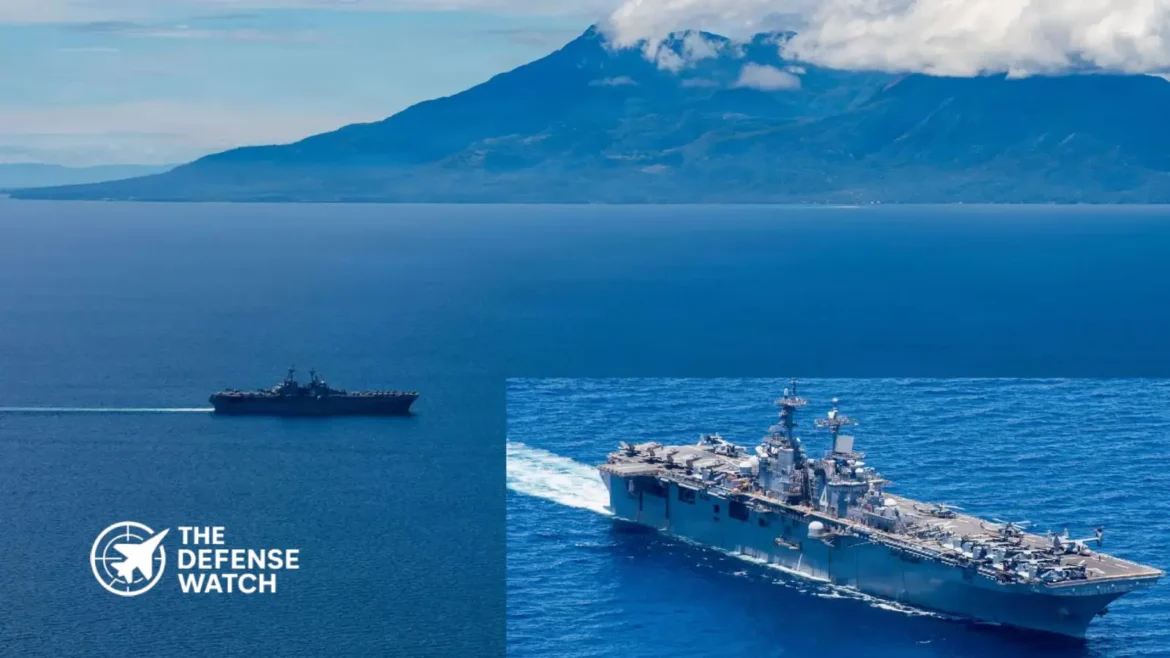
The abstract problem of industrial base atrophy has become concrete during the Iran conflict. The Navy has deployed the Tripoli Amphibious Ready Group and its connected Maritime Expeditionary Unit to the Middle East, including 5,000 personnel and warships such as the USS Tripoli, USS New Orleans, and USS San Diego.
That deployment follows a documented collapse in readiness. A 2025 report revealed that the Navy’s amphibious assault ship readiness rate dropped to 41% as sustained operations in Latin America and the Caribbean to combat drug cartels compounded existing maintenance backlogs. Deploying additional ships to a new theater under those conditions represents a significant operational risk.
The broader implication is stark: the Navy is being asked to fight a major regional war with a shrinking, underbuilt fleet while simultaneously managing global deterrence commitments in the Indo-Pacific and Europe. Without urgent industrial reform, the gap between commitments and capability will only widen.
Strategic Implications: Industrial Capacity as a Deterrence Variable
Analysts have long recognized that deterrence is not solely a function of deployed forces — it also reflects an adversary’s assessment of a nation’s ability to regenerate and sustain military power over time. A visibly constrained maritime industrial base sends a signal that the United States may struggle to replace combat losses at scale in a protracted conflict.
That calculation matters most in the context of a potential large-scale conflict in the Indo-Pacific. China’s shipbuilding output has surpassed that of the United States by a wide margin. Beijing currently operates one of the world’s largest naval construction programs, producing submarines, destroyers, and aircraft carriers at a pace American yards cannot currently match. A U.S. Navy reliant on a limited domestic industrial base — and with readiness rates already degraded — provides far less deterrent mass than raw hull counts suggest.
The Center for Maritime Strategy’s recommendation to integrate allied shipyards represents an acknowledgment that industrial capacity, like military basing, must be distributed and resilient. South Korea in particular operates world-class commercial and naval shipyards with established production capacity. Italy and the UK bring advanced systems integration expertise. Using these allies as surge capacity or specialized production nodes would give the U.S. industrial ecosystem both depth and redundancy.
Also Read: United States Expands South China Sea Presence With Second Trilateral Drills In 2026
Competitor View: How Beijing and Tehran Read the Report
Beijing watches U.S. industrial capacity closely. Chinese military planners assess American staying power not just through force structure but through logistical and industrial sustainability. A publicly released report confirming that the U.S. maritime industrial base has “atrophied” — and that the Navy cannot independently rebuild it in time — reinforces Chinese calculations that a prolonged naval conflict with the United States could eventually favor the side with greater production endurance.
Iran, currently under direct U.S. military pressure in the Strait of Hormuz, may draw a different lesson: that the United States, while capable of short-term power projection, faces structural limits that constrain long-term operational escalation. Tehran’s strategy has historically involved attrition and delay rather than direct confrontation. A constrained U.S. shipbuilding base marginally strengthens that calculus.
Russia, already observing the U.S. consumed by two regional engagements, is likely tracking American naval readiness data with interest — particularly as NATO allies are being asked to contribute to maritime industrial reconstitution rather than purely to forward defense commitments.
What To Watch Next
The immediate legislative test is whether Congress approves the FY2027 $65.8 billion shipbuilding request in full. Previous budget cycles have seen shipbuilding accounts cut or restructured under cost pressure, and the current war expenditures in Iran will add competing demands on the defense topline.
On the allied integration front, watch for formal agreements or memoranda of understanding with South Korea and the United Kingdom, both of which have indicated interest in deeper defense industrial cooperation with Washington. Seoul’s shipbuilders — including Hyundai Heavy Industries and Hanwha Ocean — have the capacity and quality control standards to produce naval auxiliaries and logistics vessels that the U.S. fleet urgently needs.
The Center for Maritime Strategy’s workforce migration recommendation will also face political scrutiny. Importing skilled tradespeople from allied nations to supplement American shipyard labor pools is operationally sensible but politically contentious in the current domestic environment.
Capability Gap: The Core Problem This Policy Aims to Solve
The fundamental gap is time. American shipyards cannot rapidly expand domestic capacity because the workforce pipeline — pipefitters, welders, nuclear-qualified engineers — takes years to build. Facilities require capital investment on decade-long timelines. Attempting a purely domestic fix to a near-term strategic problem would produce results too slowly to matter in the current threat environment.
Allied integration is, in this context, not an idealistic multilateral gesture but a pragmatic stopgap that buys time for domestic reconstitution. The realistic limitation is interoperability: allied-built vessels must meet U.S. Navy specifications, classification standards, and cybersecurity requirements. That alignment process takes time and adds cost, though it is manageable within existing allied frameworks like AUKUS and Five Eyes industrial cooperation structures.
The Bottom Line
The U.S. Navy’s maritime industrial base can no longer sustain America’s global naval commitments alone — and the Center for Maritime Strategy’s call to leverage allied shipyards is less a policy preference than an operational necessity driven by decades of underinvestment, an active war, and a shrinking fleet.