(adsbygoogle = window.adsbygoogle || []).push({});Executive Summary:
Iran has reportedly recovered wreckage linked to a U.S.-made AGM-158 JASSM-ER stealth cruise missile following recent military activity tied to the ongoing regional conflict. The development is significant because the missile is one of the United States’ premier long range precision strike weapons, designed specifically to evade advanced air defense systems.
Iran Recovers Reported JASSM-ER Missile Debris
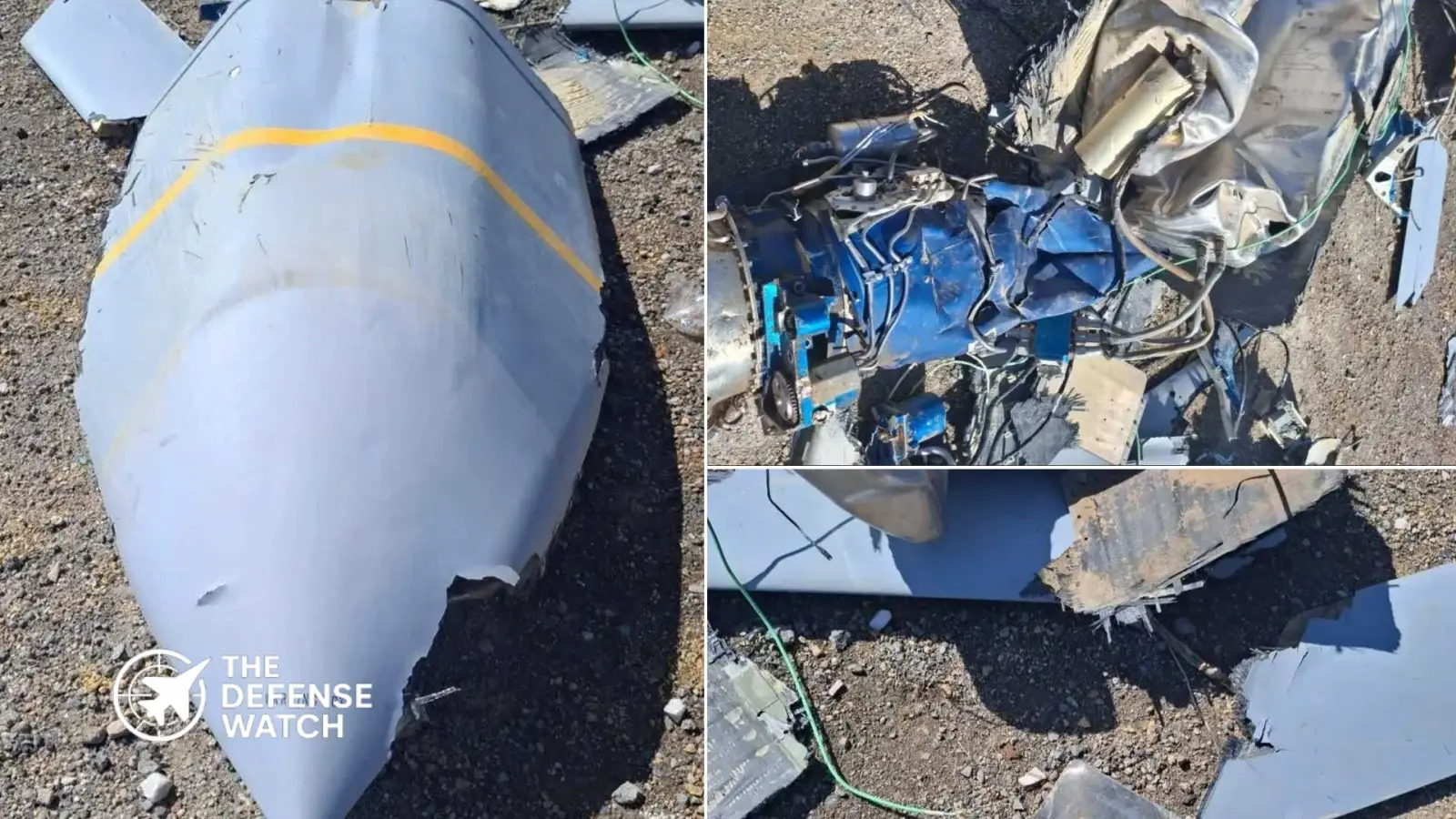
Iranian sources and regional defense media have circulated images and reports claiming that Iranian forces recovered components from a U.S.-manufactured AGM-158 JASSM-ER cruise missile. The reports emerged after recent military exchanges involving U.S., Israeli, and Iranian forces across the Gulf region and surrounding airspace.
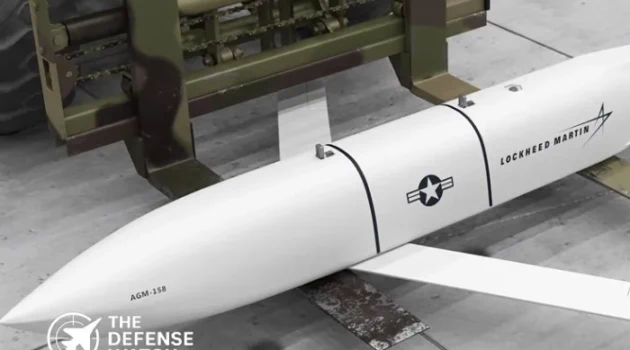
The debris allegedly includes structural and electronic sections consistent with the AGM-158 Joint Air-to-Surface Standoff Missile Extended Range (JASSM-ER), a low observable cruise missile developed by Lockheed Martin for the U.S. military.
The Pentagon has not publicly confirmed the loss of a JASSM-ER missile, nor has it acknowledged Iranian claims surrounding the recovered wreckage. Open-source footage and imagery circulating online remain difficult to independently verify.
Still, the appearance of alleged missile fragments has generated significant discussion within defense analysis circles because the AGM-158 family represents a core element of modern American long range strike capability.
Why The AGM-158 JASSM-ER Matters
The AGM-158 JASSM-ER is among the most advanced conventional air launched cruise missiles currently fielded by the United States. Designed for deep strike operations against heavily defended targets, the weapon combines low observable shaping, autonomous navigation, and long stand off range.
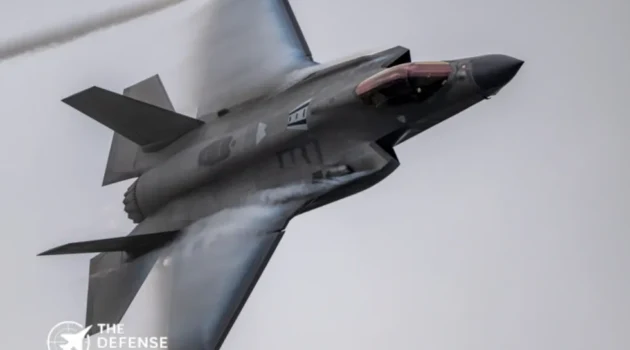
The missile is currently integrated across multiple U.S. Air Force platforms, including the B-1B Lancer, B-52 Stratofortress, F-15E Strike Eagle, and F-35 Lightning II.
The extended range variant reportedly exceeds 500 nautical miles in operational reach, allowing launch aircraft to remain outside many enemy air defense engagement zones. Its stealth profile is intended to reduce radar detection during low altitude penetration missions.
(adsbygoogle = window.adsbygoogle || []).push({});If Iranian forces successfully recovered substantial components from an intact or partially intact JASSM-ER, analysts say the development could provide valuable technical insight into the missile’s design characteristics, materials, guidance architecture, or survivability profile.
That does not necessarily mean sensitive technologies were fully compromised. Modern cruise missiles often contain hardened, encrypted, or intentionally destructive subsystems designed to limit exploitation after impact.
Iranian Air Defense Claims Draw Scrutiny
Iranian media and affiliated channels have increasingly highlighted recent air defense interceptions involving drones, cruise missiles, and unmanned systems during the broader regional confrontation. Iranian state linked reporting has also claimed successful interceptions of foreign reconnaissance drones near the Strait of Hormuz.
Separately, online videos circulating this week purported to show Iranian air defenses intercepting a low observable cruise missile identified by some users as a JASSM variant. However, multiple open-source defense observers questioned whether the object shown in the footage was actually an AGM-158 missile.
The uncertainty highlights a recurring challenge in modern conflict reporting, where imagery, debris analysis, and information operations often emerge simultaneously without independent verification.
Even so, the reports align with a broader trend in which increasingly sophisticated regional air defense networks are attempting to counter Western stealth and stand off strike systems.
Broader Strategic Implications
The reported recovery comes amid heightened military tension across the Middle East following months of strikes, retaliatory operations, and maritime security incidents tied to the Iran crisis.
(adsbygoogle = window.adsbygoogle || []).push({});Recent assessments from regional and Western reporting suggest Iran has retained substantial portions of its missile infrastructure despite sustained pressure and air operations.
For the United States and allied planners, the reported JASSM-ER wreckage recovery reinforces an important operational reality. Even highly survivable stand off weapons are increasingly operating in contested electromagnetic and air defense environments shaped by layered sensors, distributed radar coverage, infrared tracking systems, and mobile interception platforms.
The incident may also intensify interest in next generation low observable strike systems, attritable cruise missiles, electronic warfare support packages, and hypersonic alternatives intended to overcome modern integrated air defense systems.
At the same time, analysts caution against overstating the significance of a single recovered missile fragment. Combat attrition remains expected in high intensity operations, particularly during large scale cruise missile campaigns.
Information Warfare And Perception Battles
The public release of missile wreckage images also carries strategic messaging value.
For Tehran, displaying alleged fragments of advanced U.S. weapons supports domestic and international narratives emphasizing Iranian resilience and defensive capability. Such imagery can also be used to project deterrence by suggesting that even advanced Western stand off weapons remain vulnerable.
(adsbygoogle = window.adsbygoogle || []).push({});For Washington and its allies, maintaining confidence in systems like the JASSM-ER is critical because these weapons underpin modern conventional deterrence strategies across Europe, the Indo-Pacific, and the Middle East.
As a result, the information battle surrounding the reported wreckage recovery may prove almost as important as the physical debris itself.
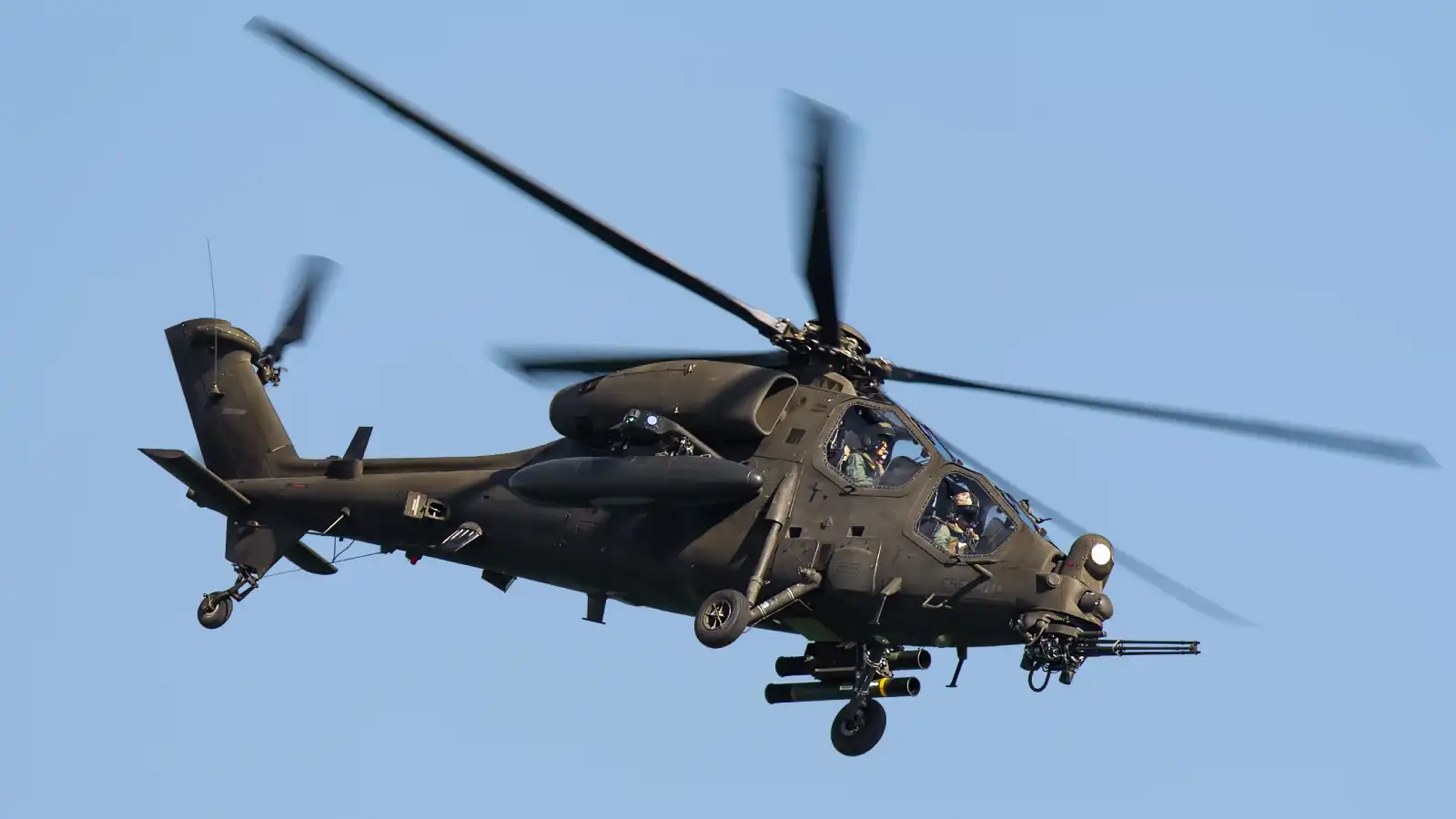
The T-129 ATAK’s performance at EFES 2026 highlighted Türkiye’s growing role in NATO attack aviation and regional defense operations.
Executive Summary:
Türkiye used the EFES 2026 military exercise to demonstrate the operational value of the T-129 ATAK attack helicopter in NATO-aligned combat scenarios. The exercise highlighted the platform’s close air support, reconnaissance, and battlefield coordination roles as Ankara continues expanding its indigenous defense capabilities.
T-129 ATAK Highlights Türkiye’s Expanding NATO Aviation Role
The T-129 ATAK attack helicopter played a central role during the EFES 2026 multinational military exercise in Türkiye, reinforcing Ankara’s effort to position its domestically developed aviation platforms as capable NATO operational assets.
Held near Izmir on Türkiye’s Aegean coast, EFES 2026 brought together allied and partner military forces for large-scale amphibious, air-ground, and joint combat operations. The T-129 ATAK participated in coordinated live-fire missions and battlefield support operations designed to simulate modern high-intensity warfare conditions.
The T-129 ATAK, developed by Turkish Aerospace Industries in cooperation with Italy’s Leonardo, has become one of Türkiye’s most visible indigenous military aviation programs. The twin-engine platform is optimized for attack and reconnaissance missions and is equipped with advanced targeting systems, guided munitions, and electronic warfare capabilities.
EFES 2026 Demonstrates Combined Arms Integration
EFES 2026 served as more than a routine military drill. The exercise reflected NATO members’ increasing focus on rapid deployment, interoperability, and multi-domain combat coordination across air, land, and maritime forces.
During the exercise, T-129 ATAK helicopters reportedly conducted close air support missions for ground assault forces while coordinating with armored units, artillery systems, and unmanned aerial platforms. This operational integration reflects broader NATO trends emphasizing networked battlefield operations rather than isolated platform performance.
The T-129 ATAK’s battlefield role is especially important for Türkiye because the country continues seeking greater strategic autonomy in defense production while remaining deeply integrated within NATO operational structures.
That balance has become increasingly significant as regional security concerns continue rising across the Eastern Mediterranean, Black Sea region, and Middle East.
Indigenous Defense Production Remains Strategic Priority
Türkiye has steadily invested in domestic aerospace and defense manufacturing over the last decade, aiming to reduce dependence on foreign suppliers and export restrictions. The T-129 ATAK program represents one of the country’s highest-profile successes in that strategy.
The helicopter incorporates Turkish-developed avionics, mission systems, and weapons integration technologies. Ankara has also pursued export opportunities for the platform, including agreements with countries such as the Philippines.
From a strategic perspective, EFES 2026 gave Türkiye an opportunity to demonstrate both operational readiness and defense industrial capability before international observers and allied militaries.
The visibility matters because the global market for attack helicopters is becoming increasingly competitive. Platforms such as the American AH-64 Apache, South Korea’s LAH program, and evolving unmanned combat systems are reshaping procurement priorities worldwide.
Rather than competing directly on scale, Türkiye appears focused on offering a cost-effective, combat-capable platform suited for regional operations, counterinsurgency missions, and expeditionary support roles.
NATO Operations Continue Evolving
The T-129 ATAK’s participation also reflects how NATO attack aviation doctrine is evolving in response to modern battlefield lessons emerging from conflicts in Ukraine and the Middle East.
Attack helicopters remain vulnerable to advanced air defense systems, portable surface-to-air missiles, and electronic warfare threats. However, they continue providing tactical advantages in terrain masking, rapid response firepower, and low-altitude strike coordination.
Military planners increasingly view rotary-wing aircraft as part of a larger ecosystem involving drones, precision-guided artillery, and real-time battlefield intelligence systems.
In this context, the T-129 ATAK’s demonstrated coordination with ground and aerial assets during EFES 2026 carries broader operational significance beyond the exercise itself.
Türkiye’s growing integration of unmanned systems alongside traditional aviation platforms may also shape future iterations of its combat doctrine.
Regional Security Implications
EFES 2026 occurred during a period of heightened geopolitical competition across several strategic theaters surrounding Türkiye.
The Eastern Mediterranean remains contested over maritime boundaries and energy exploration rights, while instability across parts of the Middle East continues driving regional military modernization efforts. At the same time, NATO members are reassessing force readiness and rapid reinforcement capabilities following continued tensions involving Russia and Black Sea security.
Within that environment, showcasing platforms such as the T-129 ATAK serves both operational and political purposes.
For Ankara, demonstrating indigenous military capability reinforces defense export ambitions while signaling continued relevance within NATO’s southern flank security architecture.
The exercise also highlighted Türkiye’s effort to maintain defense cooperation with allies even as it pursues a more independent procurement and industrial strategy.
Strategic Outlook For The T-129 ATAK
The long-term future of the T-129 ATAK will likely depend on export momentum, modernization upgrades, and integration with next-generation battlefield systems.
Türkiye is simultaneously advancing more ambitious aerospace projects, including the T929 heavy attack helicopter and fifth-generation fighter initiatives. Still, the T-129 remains an important operational bridge platform for both domestic military requirements and international customers seeking affordable attack helicopter capabilities.
Its performance during EFES 2026 demonstrated that the platform continues holding strategic relevance within modern combined-arms operations, particularly in regional conflict environments where mobility, close air support, and rapid strike coordination remain essential.

Executive Summary: Iran’s Islamic Revolutionary Guard Corps has established a multi-tiered control mechanism over the Strait of Hormuz — the conduit for roughly one-fifth of global oil supply — using island checkpoints, government-to-government arrangements, detailed vessel vetting, and in some cases reported transit fees. The system, documented by Reuters after interviews with 20 industry and government sources, represents a deliberate strategic shift from wartime disruption to institutionalized control. The implications extend from global energy markets to international maritime law and U.S. naval strategy.
Iran Tightens Grip on the World’s Most Critical Oil Chokepoint
Iran’s de facto control of the Strait of Hormuz has moved beyond battlefield improvisation. A detailed investigative report by Reuters — drawing on interviews with 20 shipping, government, and intelligence sources — reveals that Tehran has erected a formalized, multi-tiered clearance system to decide which vessels may transit the narrow waterway separating the Persian Gulf from the Gulf of Oman.
The Strait of Hormuz, just 34 kilometers wide at its narrowest point, carries roughly 20 percent of global seaborne oil trade and 20 percent of the world’s liquefied natural gas (LNG) exports. Its effective closure since late February 2026 has sent energy prices surging and triggered warnings from Western governments about an imminent global food crisis.
The new Iranian system — now operating under what Tehran has designated the Persian Gulf Strait Authority, established in recent weeks — goes well beyond simple military obstruction. It represents a calculated attempt to institutionalize wartime leverage into long-term strategic and economic power.
How the System Works: Vetting, Diplomacy, and Fees
Outside of formal government arrangements, the primary pathway for commercial vessels is an IRGC-administered vetting process. Ship owners and operators must submit a detailed “affiliation document” through an intermediary, disclosing the ship’s cargo value, flag state, origin and destination, registered owner and manager, and full crew nationalities.
Multiple Iranian state agencies are involved in reviewing submissions: the Ports and Maritime Organization, the Ministry of Industry, Mine and Trade, the national shipping organization, and a representative of the Supreme National Security Council. The IRGC, which carries broad oversight over Iranian security operations, holds final evaluative authority.
For countries with direct diplomatic relations with Tehran, a separate government-to-government track exists. India — which imports approximately 90 percent of its oil needs and about half its gas, much of which passes through Hormuz — routes vessel clearance requests through its embassy in Tehran, liaising directly with IRGC and Iranian navy contacts, according to a senior Indian shipping ministry official.
Iraq negotiated directly with Iran for passage of the Maltese-flagged tanker Agios Fanourios I, a 330-meter crude carrier loaded with Iraqi oil and bound for Vietnam. The tanker, stranded off the coast of Dubai since late April, finally transited the strait on May 10 following a direct arrangement brokered by Iraq’s prime minister. Even then, IRGC speedboats intercepted the vessel as it passed Hormuz Island — reportedly on suspicion of smuggled cargo — turning a standard five-hour passage into a two-day ordeal.
“Once we were informed Agios passed Hormuz, we breathed a sigh of relief,” said one individual monitoring the passage, according to Reuters.
The Fee Question: Legal Gray Zone and Sanctions Exposure
Perhaps the most legally consequential dimension of Iran’s new system is the reported extraction of fees for transit clearance. Under international maritime law, states cannot charge for passage through an international strait. Iran has denied imposing such levies.
However, Reuters found that payments have been made in some cases. The transfers are closely guarded secrets, as ship owners making such payments face compound legal exposure: violations of international maritime law, potential breach of U.S. Treasury sanctions (which prohibit payments benefiting the IRGC, a designated foreign terrorist organization), and possible loss of maritime insurance coverage.
“Violators would also lose their insurance coverage for making payments that could benefit the IRGC,” two maritime insurance experts told Reuters.
Reports from Lloyd’s List Intelligence, dating to March 2026, suggested Iran had been imposing unusually high transit charges — with some foreign media reports citing figures as high as $2 million per vessel for guaranteed passage. Iran has disputed those figures.
The U.S. Treasury has issued explicit warnings that IRGC-related Hormuz transit payments are not authorized for American entities.
Strategic Context: From Wartime Closure to Permanent Control
The current crisis traces directly to February 28, 2026, when coordinated U.S. and Israeli airstrikes on Iran killed Supreme Leader Ali Khamenei. Iran’s immediate response was to close the Strait of Hormuz to foreign shipping. The IRGC issued navigation warnings, deployed sea mines, boarded and damaged merchant vessels, and seized at least two commercial ships. Fourteen crisis-related casualties — 12 seafarers and 2 port workers — have been recorded as of mid-May.
The U.S. responded with a counter-blockade of Iranian ports beginning April 13, and launched Operation Project Freedom to escort stranded vessels out of the Gulf. That operation was paused on May 6 following what U.S. officials described as “great progress” in Pakistan-mediated ceasefire talks.
At the United Nations, diplomatic resolution has been blocked by geopolitical fault lines: China and Russia vetoed a Security Council resolution on April 7 that would have demanded freedom of navigation in the strait.
China’s foreign ministry, responding to the Reuters findings, called for Hormuz to be opened and stated that “such arrangements should comply with international law and practice.” Beijing stopped short of condemning Iran’s clearance system directly.
Maritime analysts now assess that Tehran is deliberately transforming its wartime military leverage into a long-term structural claim over the world’s most critical energy transit corridor.
Global Impact: Energy, Food, and Alliance Stability
The cascading effects of the Hormuz closure extend well beyond oil markets. The United Kingdom’s Foreign Secretary, Yvette Cooper, warned on May 19 that the world is “sleepwalking into a global food crisis,” citing the disruption of fertilizer and fuel flows through the strait.
“We cannot risk tens of millions of people going hungry because one country has hijacked an international shipping lane,” Cooper stated, calling for the strait’s reopening within weeks.
The United Nations has echoed those warnings, noting a six-month window before food security disruptions escalate into a humanitarian crisis.
The U.S. naval posture in the Persian Gulf and Gulf of Oman remains elevated, though the administration has pursued diplomatic off-ramps. NATO allies, including the U.K., Germany, and Japan, have declined Washington’s requests to join a formal military escort operation — complicating allied coordination in one of the world’s most strategically sensitive waterways.
Analysis: A New Paradigm for Maritime Chokepoint Control?
What Iran has constructed is not merely a wartime obstruction strategy. It is an embryonic toll-and-vetting regime over an international strait — an arrangement with no clear precedent in the post-WWII international maritime order.
The Persian Gulf Strait Authority functions, in effect, as an extraterritorial regulatory body over waters that international law designates as a transit passage open to all flags. Tehran’s framing — invoking “legitimate security concerns of coastal states” — echoes language China has used to assert administrative authority over contested waters in the South China Sea.
The implications for U.S. naval strategy and global freedom of navigation are significant. If Iran’s control mechanism stabilizes into an accepted norm — even informally — it could embolden other coastal states with geographic leverage over critical waterways to adopt similar approaches.
For the Pentagon, the central question is whether ongoing diplomatic negotiations will roll back Iran’s structural gains before they harden into a new status quo. The answer will shape maritime security policy for years to come.
Executive Summary:
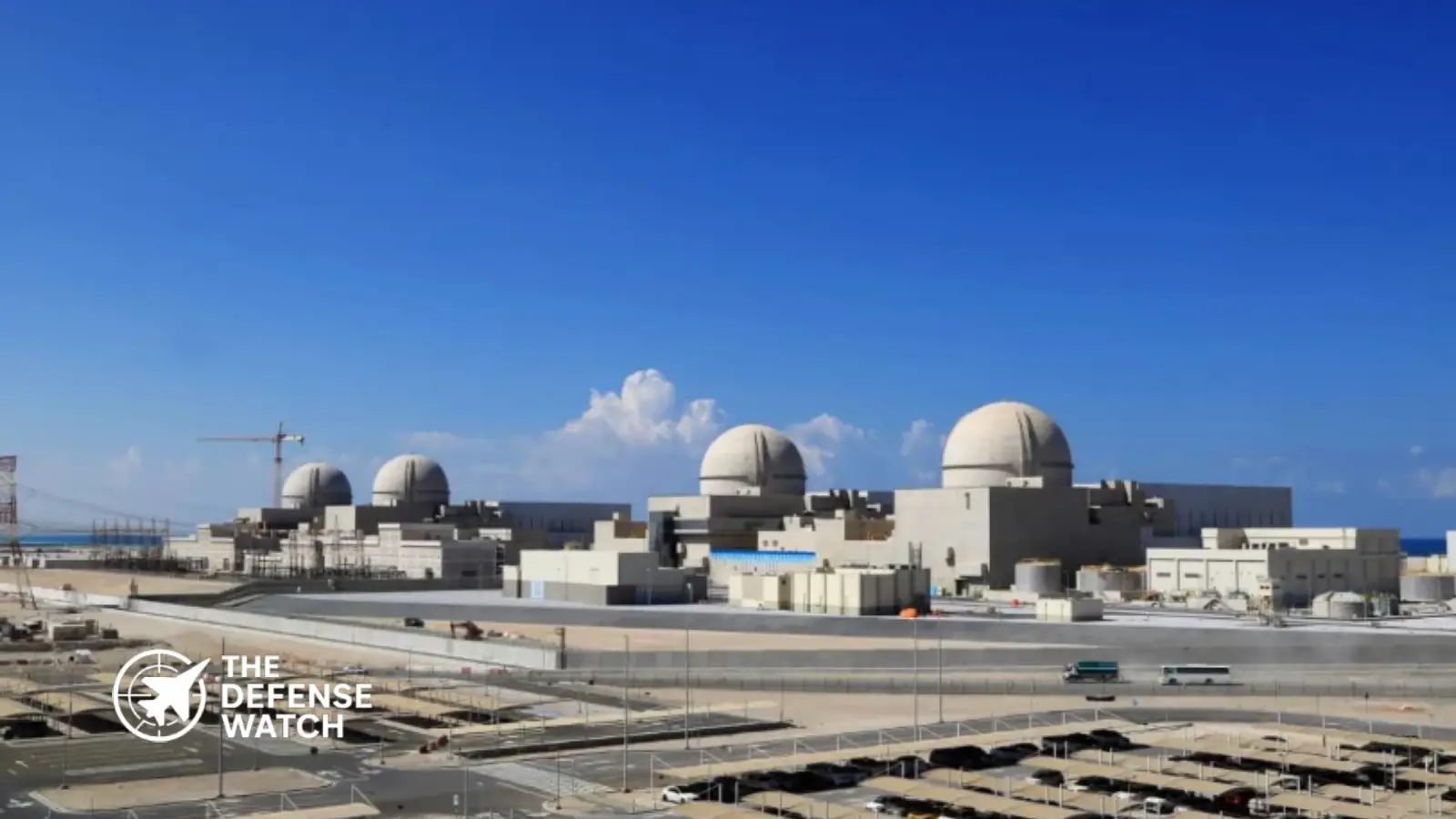
The United Arab Emirates has accused drones launched from Iraqi territory of targeting the Barakah Nuclear Power Plant, the Arab world’s only operational nuclear energy facility. Abu Dhabi is demanding immediate Iraqi action to prevent further attacks, amid growing concerns over regional drone warfare and critical infrastructure security in the Gulf.
UAE Demands Iraq Halt Drone Attacks After Barakah Nuclear Plant Strike
The United Arab Emirates has formally demanded that Iraq prevent further drone attacks originating from its territory after a strike near the Barakah Nuclear Power Plant triggered heightened regional security concerns across the Gulf.
In a statement released Wednesday, the UAE Ministry of Foreign Affairs condemned what it described as hostile drone attacks launched from Iraqi territory against civilian infrastructure in Gulf Cooperation Council countries. The statement called on Baghdad to take immediate and unconditional measures to stop future attacks and uphold regional security commitments.
The diplomatic escalation follows a May 17 drone incident involving the Barakah Nuclear Power Plant, located in Abu Dhabi’s Al Dhafra region. UAE authorities said one of three drones involved in the attack caused a fire near an electricity generator facility connected to the nuclear complex.
According to the UAE Ministry of Defense, technical analysis and tracking systems traced the drones back to Iraqi territory. Emirati officials also stated that six additional drones approaching civilian and strategic sites within the UAE were intercepted over a 48 hour period.
No casualties were reported in any of the incidents.
Barakah Nuclear Facility Becomes Strategic Security Flashpoint
The Barakah Nuclear Power Plant is the Arab world’s first operational civilian nuclear energy facility and represents one of the UAE’s most strategically significant infrastructure projects. Operated by the Emirates Nuclear Energy Corporation, the site plays a major role in the country’s long term energy diversification strategy.
The attack highlights how critical infrastructure across the Gulf is increasingly vulnerable to low cost unmanned aerial systems. Drone warfare has evolved into a central feature of regional security competition, particularly among Iranian aligned proxy groups operating in Iraq, Syria, Yemen, and elsewhere in the Middle East.
Although no organization has claimed responsibility for the Barakah incident, suspicion has centered on Iran backed Shiite militias active inside Iraq. Several of these groups possess long range one way attack drones and have previously threatened Gulf states and U.S. regional assets.
The UAE did not publicly identify a specific militia group.
Rising Drone Threat Reshapes Gulf Defense Priorities
The Barakah strike underscores the growing challenge Gulf states face in defending high value infrastructure against relatively inexpensive unmanned systems.
Over the last decade, regional militaries have invested heavily in layered air and missile defense architectures focused primarily on ballistic missile threats. However, smaller drones flying at low altitude have repeatedly demonstrated the ability to evade conventional radar coverage and create operational disruption.
The incident is likely to intensify UAE and GCC investment in counter UAS technologies, including:
- Advanced radar and electro optical tracking systems
- Electronic warfare jamming capabilities
- Directed energy weapons
- Integrated air defense command networks
- Artificial intelligence enabled drone detection systems
The UAE already operates one of the Middle East’s most advanced integrated air defense networks, combining U.S., European, and domestically developed systems. Interceptions reported during the latest attacks suggest those defensive layers remain operationally effective, though the Barakah incident demonstrates that infrastructure vulnerabilities remain.
The attack also reflects the broader regional shift toward asymmetric warfare, where non state actors increasingly rely on drones and precision strike capabilities to challenge technologically superior militaries.
Iraq Faces Pressure Over Militia Activity
Abu Dhabi’s statement places additional diplomatic pressure on Baghdad to rein in armed factions operating within Iraqi territory.
Successive Iraqi governments have struggled to fully control Iran aligned militias integrated into the Popular Mobilization Forces structure. While officially linked to Iraq’s security apparatus, several factions maintain independent command networks and regional operational agendas.
The UAE stressed that Iraq has a responsibility to prevent its territory from being used to launch attacks against neighboring states. Emirati officials warned that such incidents undermine regional stability and violate international law and national sovereignty.
For Baghdad, the situation presents another complex balancing challenge between maintaining relations with Gulf Arab states, preserving ties with Tehran, and managing powerful militia groups domestically.
The incident may also influence broader GCC security coordination efforts and deepen intelligence sharing on drone threats across the region.
Strategic Implications For Gulf Security
The targeting of a civilian nuclear facility, even indirectly, marks a significant escalation in the regional threat environment.
While the reported fire occurred near an external electricity generator area rather than inside a reactor facility, attacks involving nuclear infrastructure carry heightened political and strategic consequences. Even limited physical damage can generate substantial international concern over nuclear safety and regional escalation risks.
The UAE’s public attribution of the drones to Iraqi territory signals a more assertive posture toward cross border drone threats. It also reflects growing frustration among Gulf states over the expanding operational reach of Iranian aligned armed groups.
For regional defense planners, the Barakah incident reinforces the need for persistent airspace monitoring and rapid response systems capable of detecting and intercepting small unmanned aircraft before they reach critical infrastructure.
The event is likely to accelerate Gulf demand for advanced counter drone technologies, an area that has become one of the fastest growing sectors in the global defense market.
Executive Summary:
Germany will deploy a Patriot air and missile defense battery to southeast Turkey starting late June 2026 for approximately six months, according to Turkish and German officials. The deployment, involving around 150 Bundeswehr soldiers, replaces a U.S. unit and operates under NATO’s Integrated Air and Missile Defence framework. It aims to sustain enhanced air defense coverage amid ongoing regional instability following missile threats linked to the Iran conflict.
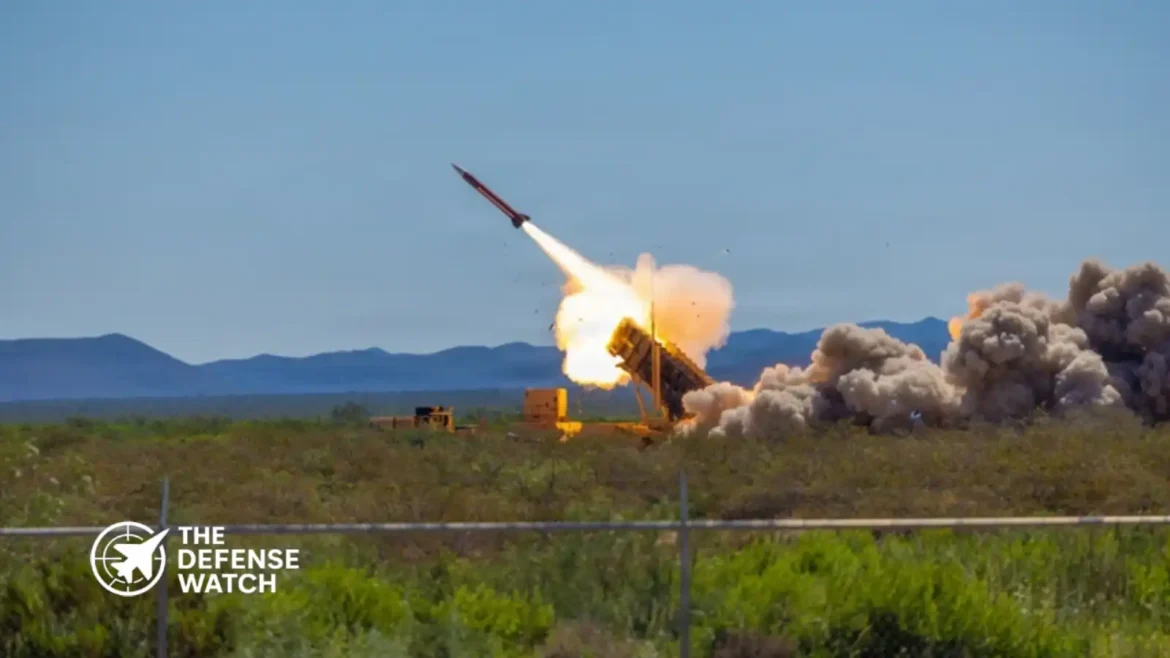
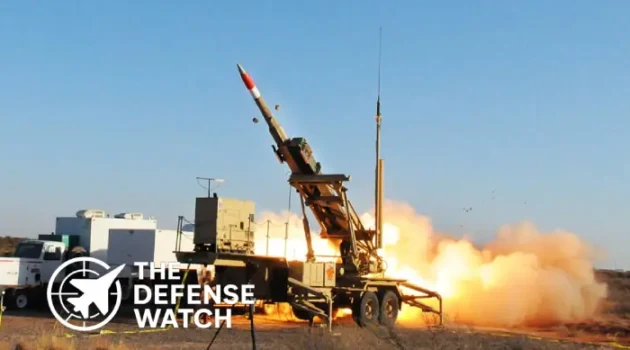
Germany is set to deploy a Patriot air defense system to southeast Turkey, reinforcing NATO’s southeastern flank at a time of heightened regional tensions. Turkish Defense Ministry officials confirmed the move on May 20, 2026, noting that the German system will replace one of the additional Patriot batteries deployed earlier in response to missile activity from Iran.
The deployment underscores NATO’s commitment to collective defense and rotational burden-sharing among allies. It comes months after the alliance activated enhanced air defenses in Turkey, including U.S. Patriots positioned near the Kurecik NATO radar base in Malatya province.
Operational Details and Timeline
According to statements from both Ankara and Berlin, the German Patriot Air and Missile Defense Task Force (AMD TF) will consist of approximately 150 soldiers from Flugabwehrraketengeschwader 1, based in Husum, northern Germany. The unit is scheduled to begin operations at the end of June 2026 and remain through September, aligning with a six-month rotation period cited by Turkish authorities.
This rotation maintains continuity alongside the existing Spanish Patriot system already in Turkey. The German contingent will coordinate closely with Turkish forces and remaining U.S. assets under NATO command. Security evaluations will continue in parallel with allied partners.
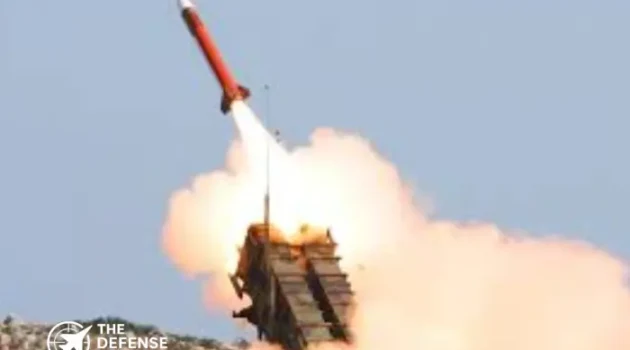
Feature Image Suggestion: High-resolution photo of a Patriot missile launcher in operational deployment, preferably showing German or NATO markings in a field setting, with clear sky and radar elements for visual impact.
Strategic Context: NATO’s Southeastern Flank
The move follows Iranian ballistic missile launches toward Turkish territory earlier in 2026, during heightened conflicts involving the U.S., Israel, and Iran. NATO defenses, including Patriots, successfully intercepted incoming missiles, demonstrating the system’s role in real-world theater ballistic missile defense.
Turkey, home to NATO’s second-largest army, has invested heavily in indigenous defense capabilities but continues to rely on allied systems for high-tier air and missile defense. The Kurecik radar site remains a key alliance asset, providing early warning and tracking data across the region.
This deployment reflects broader NATO efforts to deter threats and reassure frontline allies without permanent basing escalations. Germany’s contribution relieves U.S. forces, allowing Washington to manage global commitments while sustaining NATO’s integrated air and missile defense (IAMD) posture.
Analysis: Burden-Sharing and Capability Implications
From a defense policy perspective, Germany’s decision to rotate a Patriot battery demonstrates tangible progress in European NATO contributions to out-of-area and flank security. Historically, Germany has participated in similar rotations (notably in 2013-2015), but current deployments occur against a more complex threat environment that includes ballistic missiles from state actors.
The Patriot system—primarily the PAC-2/PAC-3 variants in NATO service—provides layered defense against aircraft, cruise missiles, and short- to medium-range ballistic threats. Its deployment here helps close temporary capability gaps in Turkey’s integrated air defense while signaling alliance solidarity. Operationally, rotating units every few months maintains readiness, prevents fatigue, and allows different allies to gain valuable deployment experience in a live strategic environment.
For the U.S., this rotation frees assets that could support other priorities, such as Indo-Pacific deterrence or ongoing operations elsewhere. For Turkey, it augments national defenses without requiring immediate procurement of additional foreign systems, though Ankara continues long-term efforts toward greater self-reliance in air defense.
This action fits into NATO’s evolving IAMD concept, which emphasizes interoperability, data sharing, and rapid response. Success here could inform future rotations or exercises, particularly as the alliance monitors developments in the Middle East and Black Sea regions.
Potential challenges include logistical coordination for the move of heavy equipment, force protection in a seismically active and geopolitically sensitive area, and ensuring seamless handover to minimize coverage gaps. Weather, integration with Turkish command systems, and rules of engagement will require careful management.
Broader Geopolitical Relevance
The timing aligns with diplomatic activities, including discussions around a potential NATO summit in Ankara. It reinforces NATO’s Article 5 commitments while avoiding direct escalation. Germany’s participation also highlights Berlin’s shifting defense posture following years of increased spending and modernization pledges.
Turkey’s acceptance of the deployment further illustrates pragmatic cooperation within the alliance despite occasional political differences.
The deployment marks one of Pakistan’s largest overseas military commitments in recent years and signals a deeper Saudi-Pakistani defense alignment amid regional instability.
Executive Summary:
Pakistan has deployed thousands of troops, JF-17 fighter jets, drones, and a Chinese-made HQ-9 air defense system to Saudi Arabia under a confidential mutual defense agreement.
The move expands Islamabad’s military role in Gulf security while Pakistan simultaneously acts as a mediator in ongoing Iran-related peace negotiations.
Pakistan Deploys JF-17 Fighters To Saudi Arabia Amid Iran War
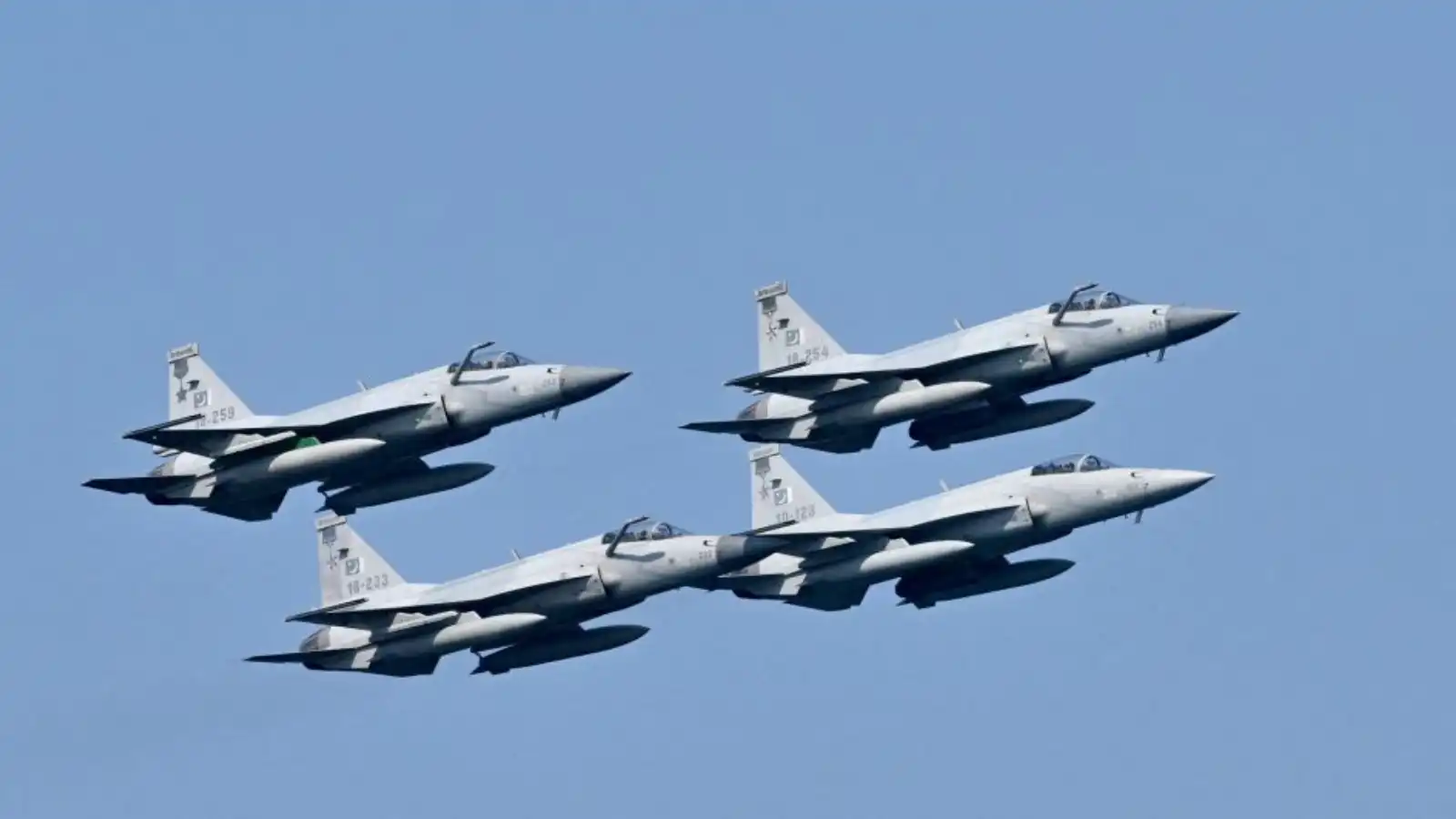
Pakistan deploys JF-17 fighters and thousands of military personnel to Saudi Arabia as the regional conflict linked to Iran continues to reshape Middle East security dynamics. The deployment includes combat aircraft, drones, air defense assets, and approximately 8,000 Pakistani troops.
The deployment was reportedly carried out under a confidential mutual defense pact signed between Islamabad and Riyadh last year. Security officials cited by Reuters described the force package as combat-capable and intended to reinforce Saudi defenses if the kingdom faces additional attacks connected to the wider Iran conflict.
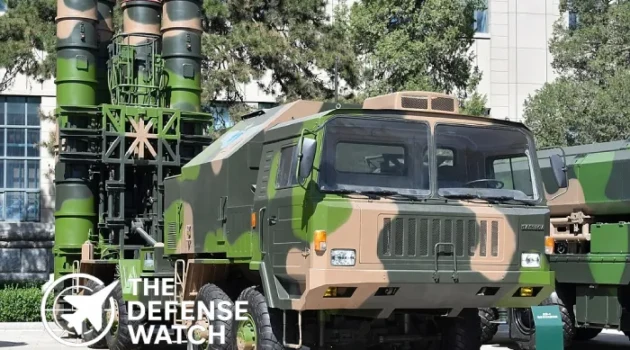
Sources familiar with the agreement said Pakistan dispatched around 16 aircraft, primarily JF-17 Thunder fighters jointly produced by Pakistan and China. Two drone squadrons and a Chinese-built HQ-9 air defense system were also reportedly included in the deployment.
Strategic Shift In Pakistan-Saudi Military Relations
The scale of the deployment highlights a notable shift in Pakistan-Saudi military cooperation. Historically, Pakistan has maintained advisory and training missions inside Saudi Arabia, but the latest force package includes operational combat aircraft and integrated air defense systems.
Reuters reported that Saudi Arabia is financing the deployment while Pakistani personnel operate the equipment. The agreement reportedly allows for the potential deployment of up to 80,000 Pakistani troops if regional conditions deteriorate further.
The development also reflects Saudi Arabia’s increasing focus on layered air and missile defense following Iranian-linked attacks on Gulf infrastructure earlier this year. Riyadh has sought additional defensive capacity as drone and missile threats across the Gulf region continue to evolve.
Military analysts view the inclusion of the HQ-9 system as particularly significant. The Chinese-made platform provides long-range air defense coverage and strengthens Saudi Arabia’s ability to counter cruise missiles, drones, and aircraft threats. The deployment also demonstrates Pakistan’s growing role as an operator and exporter of Chinese-origin defense systems.
JF-17 Deployment Expands Pakistan’s Regional Airpower Role
The deployment of the JF-17 Thunder carries operational and geopolitical significance beyond the immediate Saudi mission.
Developed jointly by Pakistan Aeronautical Complex and China’s AVIC, the JF-17 has become the backbone of the Pakistan Air Force’s multirole fighter fleet. The aircraft is designed for air defense, strike missions, and beyond-visual-range combat operations at lower operating costs than many Western fighters.
By deploying JF-17 aircraft abroad in a live regional security environment, Pakistan is effectively demonstrating the fighter’s expeditionary utility and interoperability potential. Defense observers note that operational deployments can indirectly support export credibility for the aircraft in Middle Eastern, African, and Asian markets.
The deployment also underscores Pakistan’s balancing act between military commitments and diplomatic positioning. Islamabad has simultaneously served as a key intermediary in U.S.-Iran discussions and ceasefire negotiations linked to the broader conflict.
That dual-track approach allows Pakistan to maintain strategic ties with Saudi Arabia while preserving channels with Tehran and Washington.
Gulf Security Environment Continues To Evolve
The wider regional conflict has already pushed Gulf states into more direct military involvement. Reuters previously reported that Saudi Arabia conducted covert retaliatory strikes against Iranian targets after attacks inside the kingdom.
As tensions escalated, Gulf states accelerated efforts to harden critical infrastructure protection, particularly around oil production, petrochemical facilities, and maritime corridors.
Pakistan’s deployment appears designed to reinforce those defensive requirements while providing Saudi Arabia with additional operational flexibility.
The reported inclusion of drone squadrons also reflects how unmanned systems are increasingly central to regional deterrence strategies. Drone warfare has become a defining feature of Middle East conflicts over the past decade, forcing regional militaries to integrate both offensive UAV capabilities and layered counter-drone defenses.
Operational And Political Implications
Although Pakistani officials reportedly characterized parts of the mission as advisory and training-oriented, the presence of combat aircraft, drones, and integrated air defenses signals a far more substantial military role than previous deployments.
The deployment could also deepen scrutiny over Pakistan’s neutrality as a mediator in the Iran conflict. Islamabad has attempted to position itself as a diplomatic bridge between competing regional powers while avoiding direct involvement in hostilities.
At the same time, the move reinforces Saudi Arabia’s reliance on external security partnerships as Gulf states confront increasingly sophisticated missile and drone threats.
For Washington and regional allies, the deployment further illustrates the growing role Chinese defense systems are playing in Middle Eastern security architectures through partner nations such as Pakistan.

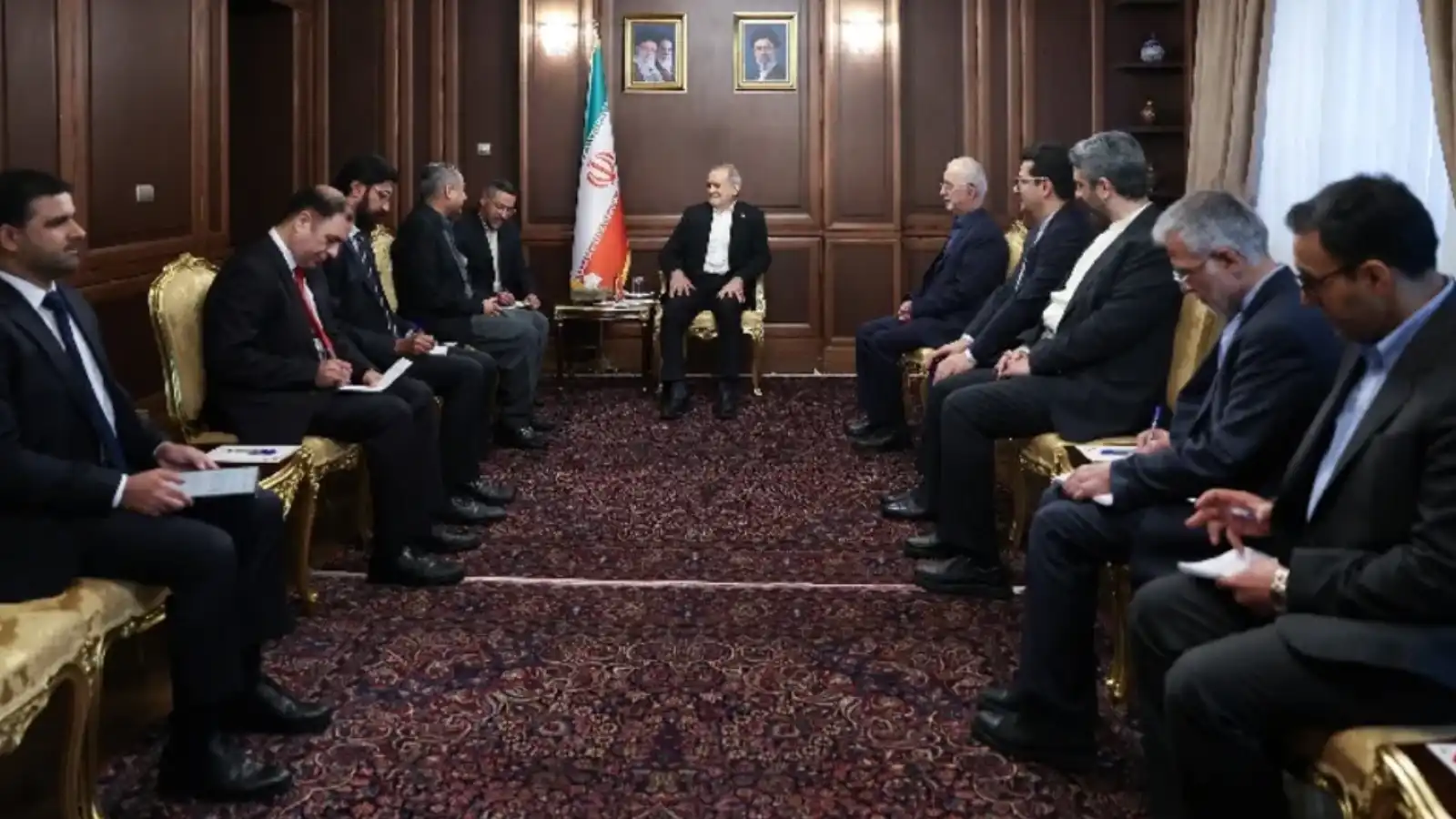
Pakistan has intensified its diplomatic mediation between Tehran and Washington as fears grow that the current Middle East conflict could widen further.
Executive Summary:
Pakistan has delivered a revised Iranian peace proposal to the United States in an effort to restart stalled negotiations linked to the ongoing Middle East conflict. The diplomatic effort highlights Islamabad’s growing role as a key intermediary between Tehran and Washington amid rising regional tensions and disputes over Iran’s nuclear program.
Pakistan Revives Iran US Mediation Effort Amid Regional Tensions
Pakistan shared a revised Iranian proposal with the United States on Sunday night as efforts to restart negotiations between Tehran and Washington remain deadlocked over ceasefire conditions and nuclear demands.
According to a Pakistani source cited by Reuters, the latest diplomatic package was intended to narrow the gap between both sides after weeks of indirect negotiations failed to produce a breakthrough. The source warned that time was running short, stating that both parties continued to shift negotiating positions during the mediation process.
The revised proposal reportedly followed a meeting in Tehran between Pakistani Interior Minister Mohsin Naqvi and Iranian parliamentary speaker and senior negotiator Mohammad Bagher Ghalibaf on Saturday.
Iranian media reports indicated that the package combined elements of Tehran’s earlier 14 point proposal with several core U.S. conditions that had been transmitted through Islamabad.
The diplomatic initiative comes as tensions remain elevated across the Middle East, with regional governments increasingly concerned that prolonged confrontation between Iran and the United States could destabilize maritime trade routes, energy infrastructure, and regional security arrangements.
Washington Maintains Pressure Over Nuclear Conditions
The latest mediation effort follows strong criticism from U.S. President Donald Trump, who rejected Iran’s earlier counterproposal on May 10 and described it as totally unacceptable.
Washington has reportedly presented five conditions for negotiations to move forward. One of the most sensitive demands involves the transfer of approximately 400 kilograms of highly enriched uranium held by Iran.
That issue remains central to the broader dispute surrounding Iran’s nuclear activities and international monitoring mechanisms. Western governments have repeatedly argued that Iran’s enriched uranium stockpile significantly exceeds levels required for civilian nuclear energy programs.
Iran has consistently defended its nuclear activities as peaceful while rejecting what it describes as politically motivated pressure from Washington and its allies.
Iranian Foreign Ministry spokesperson Esmaeil Baghaei confirmed that Pakistan remains the only officially recognized intermediary between Tehran and Washington in the current negotiation framework.
Baghaei stated that Tehran’s primary objectives remain ending hostilities, securing a ceasefire agreement, and obtaining guarantees tied to future negotiations.
Pakistan Expands Regional Diplomatic Role
Pakistan’s involvement reflects Islamabad’s broader attempt to position itself as a stabilizing diplomatic actor amid growing geopolitical fragmentation in the Middle East and South Asia.
Islamabad maintains working relations with both Tehran and Washington, giving Pakistani officials a rare channel of communication at a time when direct U.S. Iran engagement remains limited.
The mediation effort also highlights Pakistan’s strategic interest in preventing wider regional instability along its western border. Escalation involving Iran could affect border security, refugee flows, regional trade routes, and energy connectivity projects tied to Pakistan’s long term economic planning.
Analysts note that Pakistan’s role as a mediator may also strengthen its diplomatic standing with Gulf states and Western governments seeking to avoid a broader regional conflict.
At the same time, the lack of visible progress underscores the deep mistrust that continues to define U.S. Iran relations.
Stalled Talks Reflect Wider Strategic Divide
Despite renewed diplomatic activity, major disagreements remain unresolved.
The United States continues to prioritize restrictions on Iran’s nuclear capabilities, regional military posture, and missile development activities. Tehran, meanwhile, is seeking guarantees related to sanctions relief, sovereignty concerns, and limits on future military escalation.
The revised Iranian proposal delivered through Pakistan appears aimed at creating a framework that could reopen negotiations without requiring immediate concessions from either side.
However, diplomatic observers caution that indirect negotiations become increasingly difficult when both parties publicly harden their positions while simultaneously attempting private compromise.
The current impasse also reflects the broader strategic competition shaping the Middle East, where regional security calculations increasingly intersect with global power rivalries involving the United States, China, and Russia.
Any successful agreement would likely require phased confidence building measures, verification mechanisms, and third party guarantees capable of satisfying both Washington’s security concerns and Tehran’s political demands.
Why The Mediation Effort Matters
Pakistan’s revised Iran peace proposal arrives at a critical moment for regional diplomacy.
Continued deadlock increases the risk of further military escalation, disruption to global energy markets, and expanded instability across the Gulf region. Maritime security concerns in strategic waterways remain particularly important for international trade and military operations.
The negotiations also carry implications for future nuclear diplomacy and the credibility of indirect mediation frameworks involving regional powers.
While no breakthrough has yet emerged, Islamabad’s continued involvement demonstrates that regional actors are attempting to prevent further deterioration in U.S. Iran relations through backchannel diplomacy and phased negotiation efforts.

Executive Summary
UAE defense conglomerate EDGE Group has agreed to acquire an 80% stake in Italian defense company CMD, marking a major step in its European expansion strategy. The deal strengthens EDGE’s access to advanced aerial countermeasure technologies and expands its industrial footprint inside Europe amid rising regional defense spending.
EDGE CMD Acquisition Signals Broader European Defense Push
The EDGE CMD acquisition marks another significant move by the UAE defense industry into Europe’s growing defense industrial base. Abu Dhabi based EDGE Group announced plans to acquire an 80% stake in Italian defense firm CMD, a company known for airborne countermeasure systems and defense technologies used across NATO aligned platforms.
The transaction reflects EDGE’s broader effort to increase its international manufacturing reach and gain access to advanced European defense technologies as global defense spending continues to rise. CMD’s existing role in electronic warfare support systems and aerial survivability products gives EDGE a stronger foothold in a market increasingly focused on integrated air defense and survivability solutions.
The acquisition also aligns with a wider trend of Middle Eastern defense firms investing in European defense companies to secure technology access, supply chain integration, and export opportunities.
CMD’s Role In European Defense Manufacturing
Founded in Italy, CMD specializes in airborne countermeasure systems, including chaff and flare dispensing technologies designed to protect military aircraft from missile threats. Its systems are integrated on multiple rotary and fixed wing aircraft platforms operated by European and allied armed forces.
The company has established relationships across NATO defense programs and European aerospace supply chains. That industrial access likely played a central role in EDGE’s interest.
By taking a majority stake, EDGE gains not only production capability but also direct access to European certification standards, engineering expertise, and defense procurement channels. In practical terms, this could help the UAE group compete more aggressively in export markets where European industrial partnerships carry significant strategic value.
The deal may also support future collaboration in electronic warfare, aircraft survivability systems, and smart munitions integration.
Why The Acquisition Matters Now
The timing of the EDGE CMD acquisition is notable. European governments have sharply increased defense budgets following continued instability in Eastern Europe, Middle East security concerns, and renewed focus on military readiness.
Defense manufacturers across Europe are facing growing demand for missile defense systems, airborne survivability equipment, and electronic warfare capabilities. Aircraft operating in contested airspace increasingly require advanced countermeasure systems capable of defeating modern infrared and radar guided threats.
EDGE appears to be positioning itself to benefit from that long term demand cycle.
The UAE defense sector has expanded rapidly over the last several years through consolidation, technology investment, and international partnerships. EDGE has pursued a strategy centered on acquiring advanced manufacturing capabilities while building domestic expertise in missiles, unmanned systems, cyber technologies, naval systems, and precision weapons.
This acquisition extends that strategy into Europe more directly.
Strategic Implications For The UAE Defense Industry
The transaction highlights how Gulf defense companies are becoming increasingly active participants in the global defense industrial market rather than remaining primarily importers of military equipment.
For the UAE, expanding industrial partnerships in Europe serves several objectives:
- Greater access to advanced technologies
- Expanded export pathways
- Improved industrial resilience
- Closer integration with Western defense supply chains
- Enhanced research and development opportunities
EDGE’s growing international profile also reflects intensifying competition among emerging defense manufacturers seeking influence in global procurement markets traditionally dominated by U.S. and European primes.
At the same time, the acquisition underscores how smaller specialized firms such as CMD remain strategically important because of their niche expertise in survivability technologies and electronic warfare support systems.
Countermeasure Technologies Becoming Increasingly Critical
Modern air combat environments have increased the importance of aircraft survivability technologies. Rotary wing aircraft, transport fleets, and combat aircraft face evolving threats from portable air defense systems, radar guided missiles, and integrated air defense networks.
Countermeasure systems such as those produced by CMD play a critical role in reducing aircraft vulnerability during combat and support operations.
As drone warfare and precision guided missile proliferation continue expanding globally, demand for defensive airborne technologies is expected to remain strong. That market environment makes companies specializing in defensive electronic systems increasingly valuable acquisition targets.
EDGE’s investment suggests the company sees long term growth opportunities in this segment, particularly as allied militaries prioritize survivability upgrades across existing fleets.
Broader Defense Industry Consolidation Trend
The acquisition also reflects a larger consolidation trend underway across the global defense sector. Governments are increasingly encouraging industrial partnerships capable of accelerating production capacity, reducing supply chain risks, and supporting sovereign manufacturing goals.
European defense firms have become attractive targets for international investors because of their established engineering expertise, export credibility, and integration into NATO aligned defense ecosystems.
For EDGE, acquiring CMD offers a relatively fast pathway into these networks without having to build entirely new infrastructure from scratch.
The deal could potentially lead to expanded joint development programs, broader export cooperation, and additional investments in European defense manufacturing in the coming years.
Executive Summary:
U.S. Central Command chief Adm. Brad Cooper told Congress that Operation Epic Fury severely degraded Iran’s missile, naval, and drone capabilities in under 40 days. The campaign also strengthened military coordination between the United States and key Middle Eastern partners, including Saudi Arabia, Qatar, and the UAE.
Operation Epic Fury Reshaped CENTCOM’s Iran Strategy
Operation Epic Fury has become the centerpiece of current U.S. military operations in the Middle East, with senior Pentagon leaders claiming the campaign significantly weakened Iran’s ability to threaten regional stability.
Speaking before the Senate Armed Services Committee in Washington, Brad Cooper said U.S. Central Command forces achieved their operational objectives in less than 40 days. According to Cooper, the campaign targeted Iran’s ability to project military power beyond its borders and reduced threats against U.S. forces and regional allies.
The CENTCOM commander stated that Iran’s conventional missile capacity has been heavily degraded following sustained U.S. operations. He referenced large-scale Iranian missile attacks against Israel in April and October of last year, arguing Tehran no longer retains the same operational scale or launch capacity.
According to Cooper, approximately 90% of Iran’s defense industrial base connected to missile, drone, and naval production has been destroyed or rendered ineffective. He also assessed that Iran’s navy could require between five and ten years to rebuild its operational capabilities.
The remarks represent one of the most detailed public U.S. military assessments so far regarding the impact of Operation Epic Fury.
Missile, Drone, And Naval Infrastructure Targeted
A central objective of Operation Epic Fury was to support Washington’s long-standing position that Iran must not obtain a nuclear weapon capability.
To achieve that, U.S. operations focused on degrading multiple pillars of Iran’s military infrastructure simultaneously. Cooper said CENTCOM targeted ballistic missile production facilities, naval assets, and drone manufacturing networks while also disrupting the industrial capacity needed to regenerate those systems.
The campaign appears designed not only to reduce Iran’s near-term strike capability but also to complicate long-term reconstitution efforts.
Iran’s missile and drone programs have long been viewed by U.S. and Israeli defense planners as key components of Tehran’s regional deterrence posture. Over the past decade, Iran invested heavily in ballistic missiles, cruise missiles, unmanned aerial systems, and fast-attack naval platforms capable of operating across the Persian Gulf and broader Middle East theater.
By targeting industrial infrastructure rather than solely operational launch systems, Operation Epic Fury reflects a broader strategic approach focused on long-term degradation rather than temporary battlefield disruption.
That approach aligns with evolving U.S. operational doctrine emphasizing persistent effects on adversary force generation capacity.
Proxy Networks Face Major Disruption
Beyond Iran’s conventional military assets, CENTCOM also assessed that Tehran’s regional proxy ecosystem suffered major setbacks during the operation.
Cooper told lawmakers that Iranian support channels to groups including Hamas, Hezbollah, and the Houthis have effectively been disrupted.
For years, Iran relied on a network of partner militias and armed groups to expand influence across the Middle East while maintaining plausible deniability. Those proxy forces have been central to conflicts in Gaza, Lebanon, Syria, Iraq, and Yemen.
According to the CENTCOM assessment, current intelligence indicates no active flow of weapons or equipment from Iran to these organizations.
If sustained, that disruption could significantly alter regional security calculations. Iranian proxy groups have historically depended on missile components, drones, funding, training, and logistical support routed through regional smuggling networks.
However, analysts note that such networks are often adaptive and decentralized. While major supply chains may be disrupted, rebuilding covert logistics channels could remain a long-term challenge for regional security forces.
Regional Partnerships Expanded During The Campaign
A major theme during Cooper’s testimony was the role played by U.S. military partners across the Middle East during Operation Epic Fury.
The CENTCOM commander highlighted the operational contributions of the United Arab Emirates, Bahrain, Kuwait, Qatar, and Saudi Arabia.
According to Cooper, those nations not only defended their own territory during the operation but also actively supported American forces operating in the region.
He additionally credited the Jordan and the Israel for close operational coordination.
The operation highlighted the growing importance of integrated regional air and missile defense cooperation among U.S. allies and partners. Over recent years, CENTCOM has pushed for greater interoperability between Gulf states, Israel, and U.S. military systems to counter evolving missile and drone threats.
Operation Epic Fury appears to have accelerated that trend.
The campaign also demonstrated how coalition-based defense architectures are becoming increasingly important in modern regional conflicts, particularly as Iran and its affiliated groups rely heavily on asymmetric warfare tactics.
Strategic Implications For U.S. Middle East Posture
The broader strategic significance of Operation Epic Fury extends beyond the immediate military effects described by CENTCOM leadership.
The operation signals continued U.S. willingness to conduct large-scale military campaigns aimed at degrading adversary infrastructure across multiple domains simultaneously. It also reinforces Washington’s focus on maintaining deterrence credibility in the Middle East despite broader global security pressures involving Europe and the Indo-Pacific.
At the same time, the operation underscores how regional partnerships remain central to U.S. force posture in the CENTCOM theater.
For Pentagon planners, maintaining access, logistics, intelligence sharing, and integrated air defense cooperation with Gulf states remains critical to sustaining operational reach across the region.
While U.S. officials describe the operation as highly successful, long-term strategic outcomes will likely depend on whether Iran can rebuild portions of its military-industrial infrastructure and restore influence through proxy networks over time.
For now, however, CENTCOM leadership is presenting Operation Epic Fury as one of the most consequential regional military campaigns conducted by U.S. forces in recent years.
Executive Summary:
The United Kingdom and France are advancing a multinational naval coalition to secure commercial shipping through the Strait of Hormuz amid rising regional tensions. Australia has confirmed support for the mission with an E-7A Wedgetail surveillance aircraft, while Britain is deploying HMS Dragon to the Middle East.
UK And France Expand Strait Of Hormuz Naval Mission
The Strait of Hormuz naval mission moved closer to operational deployment this week as the United Kingdom and France hosted a multinational defense meeting focused on protecting commercial shipping in the Gulf region.
British Defence Secretary John Healey and French Armed Forces Minister Catherine Vautrin jointly led the virtual conference, which included representatives from more than 40 countries discussing military contributions for a European-led maritime coalition.
The initiative comes amid increasing concern over shipping security in the Strait of Hormuz, a strategic chokepoint that handles a significant portion of global oil and liquefied natural gas exports. Iranian officials have warned against expanded foreign naval activity in the area, increasing geopolitical pressure around the proposed mission.
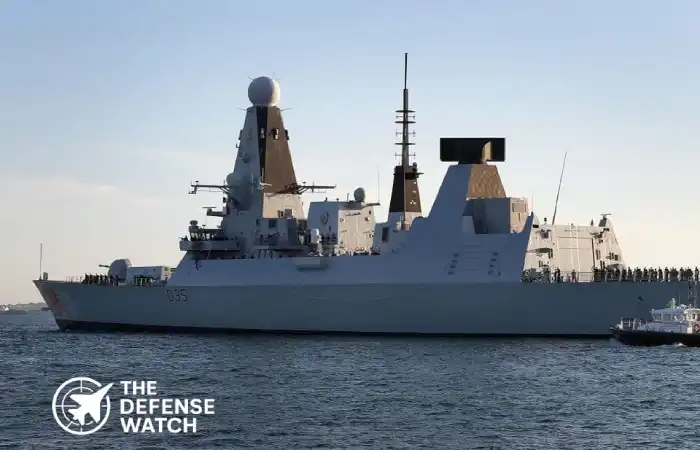
Britain confirmed that the Royal Navy will deploy the Type 45 destroyer HMS Dragon to the Middle East as part of advance planning for coalition operations. According to the UK Ministry of Defence, the deployment is intended to ensure readiness for future escort, surveillance, and maritime protection missions once coalition conditions are finalized.
Australia Commits E-7A Wedgetail Support
Australia formally joined the emerging coalition on Wednesday, adding airborne surveillance capability to the operation.
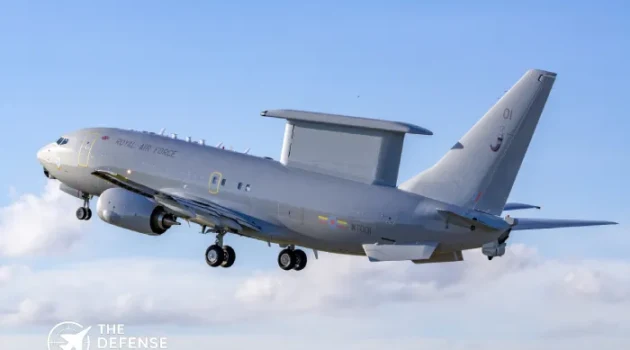
Australian Defence Minister Richard Marles confirmed that Canberra would support the mission using an Boeing E-7A Wedgetail aircraft already operating in the region.
The E-7A Wedgetail provides airborne command-and-control, long-range radar surveillance, and maritime tracking capabilities. Its inclusion strengthens the coalition’s ability to monitor commercial shipping traffic and detect potential threats across busy Gulf transit corridors.
Australia’s participation also highlights growing coordination between Indo-Pacific and European security partners on maritime stability issues beyond their immediate regions. Canberra has increasingly expanded its defense engagement in Middle Eastern maritime security operations over the past decade, particularly in support of freedom of navigation and commercial shipping protection.
European-Led Coalition Reflects Strategic Shift
The coalition effort originated during an April 17 summit in Paris hosted by French President Emmanuel Macron and British Prime Minister Keir Starmer.
At that meeting, leaders from 51 countries discussed establishing what officials described as an independent and strictly defensive multinational maritime mission. The stated objectives included:
- Protecting merchant shipping
- Reassuring commercial operators
- Conducting mine countermeasure operations
- Supporting maritime surveillance
Unlike previous U.S.-led Gulf security frameworks, the new initiative positions European powers as the central organizing force behind maritime protection efforts in the Strait of Hormuz.
That distinction carries strategic significance. European governments appear increasingly focused on demonstrating autonomous security coordination capabilities while maintaining operational interoperability with NATO partners and regional allies.
The mission’s defensive framing is also notable. Officials from both London and Paris have emphasized that the coalition is intended to prevent escalation while preserving international shipping access through one of the world’s most strategically sensitive waterways.
HMS Dragon Deployment Signals Operational Readiness
The deployment of HMS Dragon provides the coalition with advanced air-defense and maritime surveillance capability at an early stage.
The Type 45 destroyer is equipped with the Sea Viper air-defense system, designed to intercept aircraft and missile threats at long range. The platform also supports maritime security operations, escort missions, and integrated coalition command tasks.
For the Royal Navy, the deployment demonstrates Britain’s continued focus on maintaining a persistent maritime security presence east of Suez, particularly in areas affecting global trade and energy markets.
Operationally, naval escorts and airborne surveillance assets such as the Wedgetail are likely to become central components of coalition activity if tensions around Gulf shipping continue to rise.
The mission may also require mine countermeasure vessels, maritime patrol aircraft, and intelligence-sharing infrastructure to sustain long-term operations in the region.
Maritime Security Concerns Continue To Grow
The Strait of Hormuz remains one of the world’s most strategically important maritime chokepoints. Roughly one-fifth of globally traded petroleum passes through the narrow waterway connecting the Persian Gulf to the Arabian Sea.
Any disruption to commercial traffic can rapidly affect global energy prices, shipping insurance costs, and regional military stability.
Western governments have increasingly prioritized maritime domain awareness and convoy protection following repeated incidents involving commercial tankers and regional proxy activity in Gulf waters over recent years.
The latest coalition effort reflects a broader trend toward multinational maritime security frameworks designed to deter interference with commercial shipping while avoiding direct escalation with regional actors.
Defense analysts also note that the growing use of surveillance aircraft, drones, and networked naval operations highlights how maritime security missions are evolving into highly integrated multinational operations combining air, sea, and intelligence assets.
Strategic Implications For NATO And Regional Security
The UK-France initiative demonstrates how European powers are seeking greater leadership roles in maritime security operations beyond the European theater.
For NATO members, the operation offers an opportunity to strengthen coalition interoperability while addressing a critical global trade security issue. It also reinforces Britain and France’s status as Europe’s leading expeditionary naval powers following years of increased investment in carrier strike groups, maritime surveillance, and regional force projection.
Australia’s participation further broadens the coalition’s geopolitical footprint and underscores deepening security alignment between European and Indo-Pacific partners.
As planning continues, the coalition’s next challenge will be translating political commitments into a sustainable operational structure capable of maintaining persistent maritime security coverage in a high-risk environment.