Executive Summary:
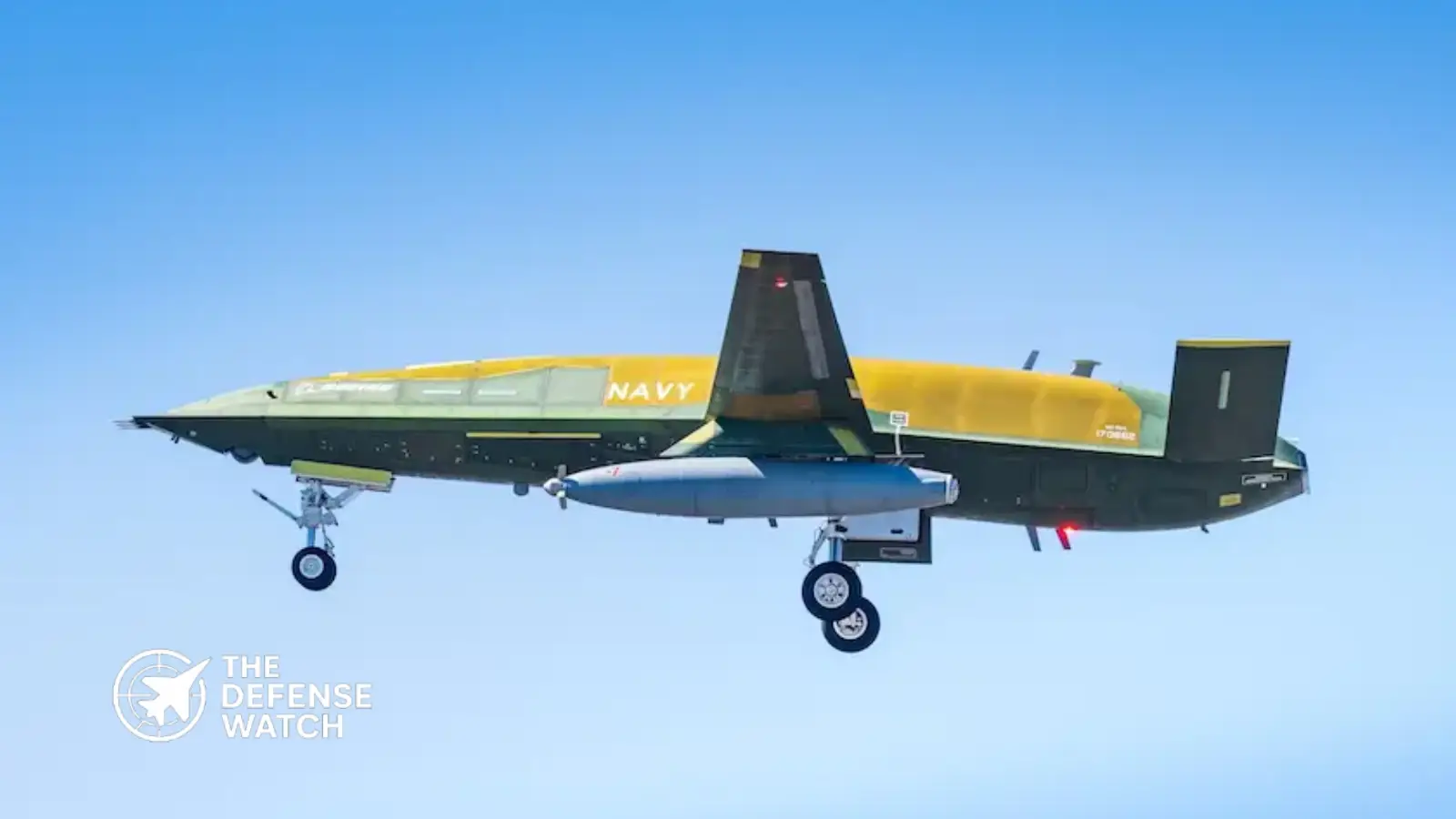
The U.S. Navy has authorized low-rate initial production of the Boeing MQ-25A Stingray following key flight testing milestones. The carrier-based unmanned aircraft is designed to extend the operational range of naval fighter aircraft and reduce strain on manned tanker missions aboard aircraft carriers.
U.S. Navy Advances MQ-25A Stingray Program
The Boeing MQ-25A Stingray program has reached a major milestone after the U.S. Navy approved the unmanned aerial refueling aircraft for low-rate initial production. The decision follows a series of developmental and flight test achievements that move the Navy closer to fielding its first operational carrier-based unmanned tanker aircraft.
Developed by Boeing for the United States Navy, the MQ-25A Stingray is intended to provide aerial refueling support to carrier air wings while extending the operational range of aircraft such as the F/A-18 Super Hornet and the F-35C Lightning II.
The approval for low-rate production marks a transition from development and testing into the early manufacturing phase, allowing the Navy to begin building operational aircraft while continuing evaluation activities.
Carrier Aviation Focus Shifts Toward Range And Endurance
The MQ-25A Stingray addresses one of the most persistent operational challenges facing modern carrier aviation: combat range.
For years, the U.S. Navy has relied heavily on Super Hornets configured as buddy tankers to refuel other aircraft during missions. While effective, that approach reduces the number of fighters available for strike and air defense missions.
The MQ-25A is designed to assume much of that refueling workload. By transferring aerial refueling duties to an unmanned platform, the Navy expects to free additional manned fighters for frontline combat operations.
This shift is particularly important in the Indo-Pacific theater, where long operational distances are increasingly shaping U.S. naval planning. Analysts have frequently noted that carrier air wings require greater reach to operate effectively in contested environments against near-peer adversaries.
The Stingray is expected to provide carrier aircraft with significantly extended mission endurance, improving flexibility for strike, reconnaissance, and maritime security operations.
Flight Testing Supported Production Approval
The production clearance follows extensive testing activities involving Boeing test aircraft and Navy integration teams.
The MQ-25A program previously completed several major milestones, including its first flight, aerial refueling demonstrations, and carrier deck handling tests aboard U.S. Navy aircraft carriers. The aircraft successfully refueled Navy tactical aircraft during testing campaigns, validating one of the program’s core operational requirements.
Testing also focused on integrating the unmanned aircraft into carrier flight deck operations, which remain among the most demanding aviation environments in the world.
Unlike land-based UAV operations, carrier aviation requires precise launch, recovery, taxiing, and deck coordination procedures within limited space and under high operational tempo conditions. The MQ-25A program therefore serves as both a capability platform and a broader stepping stone for future carrier-based autonomous systems.
Boeing Expands Its Role In Naval Unmanned Aviation
For Boeing, the MQ-25A Stingray represents a strategically important defense program as the company continues expanding its unmanned systems portfolio.
The aircraft was selected by the Navy under the Carrier-Based Aerial-Refueling System competition, beating rival industry proposals. Since then, Boeing has continued refining the platform through testing and systems integration work.
The low-rate production authorization enables Boeing to begin manufacturing aircraft intended for operational fleet introduction while supporting continued program maturation.
The program also reinforces growing Pentagon interest in unmanned and semi-autonomous systems across air, land, and maritime domains. Defense planners increasingly view unmanned aircraft as critical force multipliers capable of extending operational reach while reducing risk to pilots in contested environments.
MQ-25A Could Shape Future Carrier Air Wings
The MQ-25A Stingray is more than a refueling aircraft. Defense analysts widely view the program as an early step toward broader integration of autonomous systems aboard U.S. Navy aircraft carriers.
Future naval unmanned aircraft could eventually perform intelligence gathering, electronic warfare, surveillance, strike missions, or logistics support alongside manned aircraft.
By proving that unmanned systems can safely integrate into carrier operations, the MQ-25A program may help establish the operational framework for next-generation naval aviation concepts.
The Navy has consistently emphasized that future carrier air wings will likely combine crewed and uncrewed platforms operating together across long distances and highly contested operational theaters.
As geopolitical competition intensifies in the Indo-Pacific and other strategic regions, extending carrier reach and preserving manned fighter capacity remain central priorities for U.S. naval planners.
Executive Summary:
Shield AI has been selected to integrate its Hivemind autonomy software into the LUCAS one way attack drone program. The effort highlights growing demand for AI enabled autonomous strike systems capable of operating in contested environments with limited communications and electronic warfare threats.The partnership reflects a broader defense industry shift toward scalable, lower cost autonomous combat drones designed for modern high intensity conflicts.
Shield AI Expands Autonomous Warfare Role With LUCAS Drone Integration
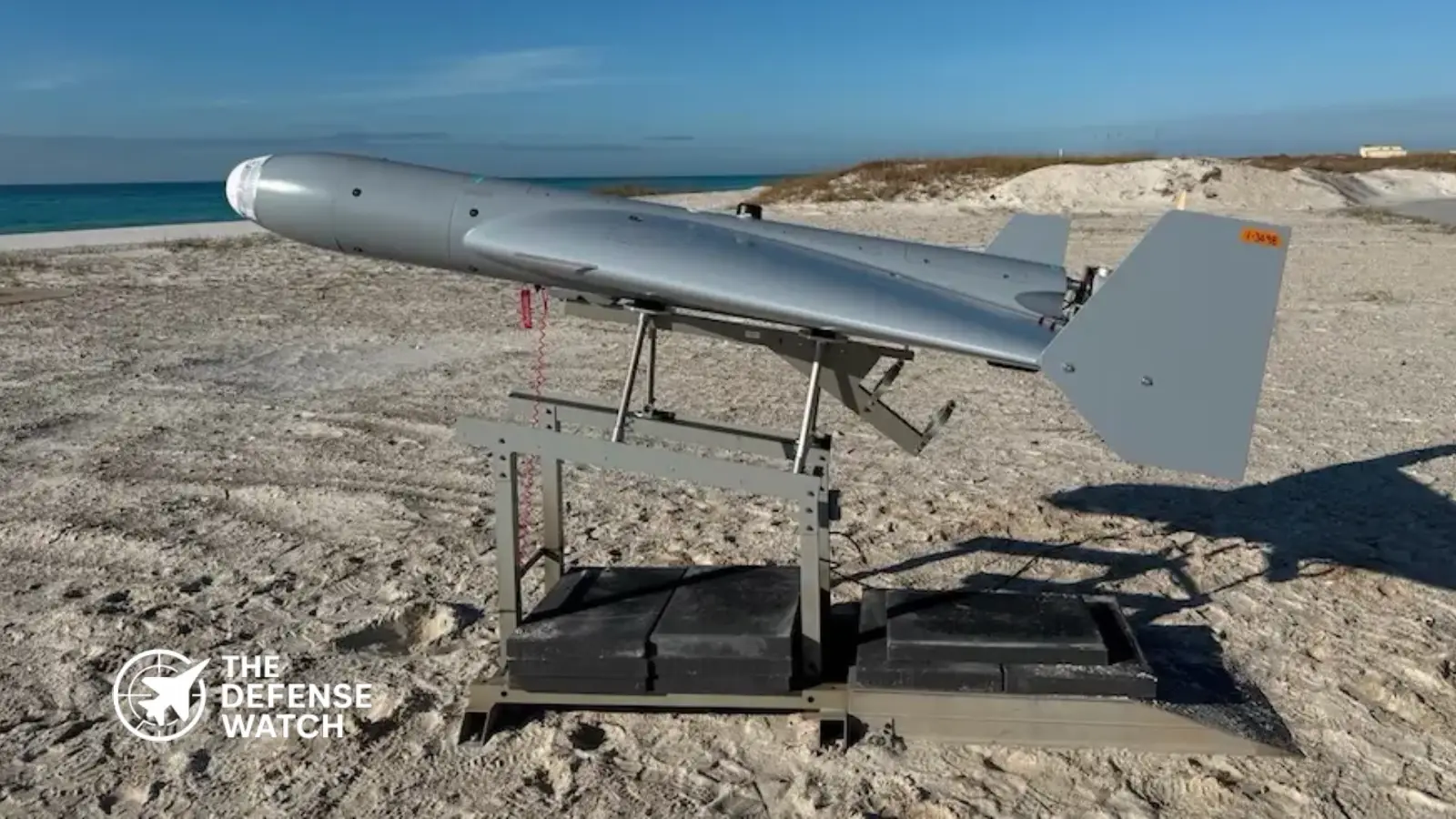
Shield AI will integrate its Hivemind autonomy software into the LUCAS one way attack drone program under a newly announced partnership aimed at advancing autonomous strike capabilities for future combat operations.
The agreement centers on combining Shield AI’s AI driven autonomy stack with the LUCAS unmanned aerial platform, a one way attack drone designed for long range strike and contested battlefield operations. The move reflects accelerating military interest in autonomous systems that can operate with reduced reliance on GPS, datalinks, or continuous operator control.
According to the announcement, Hivemind will provide autonomous flight and mission execution capabilities intended to improve survivability and operational flexibility in electronic warfare environments. The software has previously been integrated across multiple unmanned systems and is positioned as a scalable autonomy architecture for military aviation platforms.
The LUCAS drone program enters the market as defense planners increasingly prioritize lower cost precision strike systems capable of mass deployment. One way attack drones have emerged as a significant operational factor in conflicts ranging from Eastern Europe to the Middle East, where loitering munitions and autonomous strike UAVs are reshaping battlefield tactics.
Hivemind Software Targets Contested Battlefield Operations
Shield AI’s Hivemind autonomy software is designed to enable unmanned systems to navigate and execute missions in denied or degraded environments without continuous human oversight.
The company has emphasized autonomous decision making, onboard navigation, and adaptive flight behavior as core elements of the system. These capabilities are increasingly viewed as critical as modern militaries prepare for conflicts involving GPS jamming, cyber disruption, and dense electronic warfare conditions.
The integration into the LUCAS attack drone program also reflects a wider trend toward software defined combat systems. Rather than building fully proprietary platforms from scratch, defense companies are increasingly pairing modular autonomy software with existing airframes to accelerate deployment timelines and reduce procurement costs.
That approach mirrors broader Pentagon and allied defense initiatives focused on rapidly fielding autonomous capabilities through open architecture systems and scalable software integration.
One Way Attack Drones Continue To Gain Strategic Importance
The rise of one way attack drones has transformed operational planning across multiple theaters. These systems provide militaries with relatively low cost strike options capable of targeting air defense systems, logistics hubs, armored vehicles, and critical infrastructure.
Unlike traditional cruise missiles, many one way attack drones can loiter over target areas, adapt to changing battlefield conditions, and overwhelm defenses through coordinated swarm style tactics.
The LUCAS program enters a rapidly expanding sector that includes systems developed by the United States, Iran, Russia, Israel, and China. Recent conflicts have demonstrated that inexpensive autonomous drones can impose disproportionate operational and economic costs on conventional military forces.
For Western defense companies, the growing demand for autonomous systems has also intensified competition in AI enabled warfare technologies. Firms developing advanced autonomy software increasingly view interoperability and rapid integration as key differentiators in future procurement programs.
Strategic Implications For U.S. And Allied Defense Planning
The Shield AI and LUCAS collaboration highlights how autonomy software is becoming a central component of future military modernization strategies.
U.S. and allied defense planners are increasingly investing in autonomous combat systems that can support distributed operations, reduce risk to personnel, and sustain operations in heavily contested airspace. Autonomous drones are also viewed as essential force multipliers in scenarios involving peer adversaries with advanced integrated air defense networks.
The integration of Hivemind into a one way attack drone platform aligns with broader Pentagon efforts to accelerate adoption of AI enabled systems under initiatives focused on autonomous warfare, collaborative combat aircraft, and next generation unmanned operations.
At the same time, the growing deployment of autonomous strike drones continues to raise strategic and operational questions regarding escalation management, command authority, and battlefield decision making. Defense analysts note that autonomy will likely remain a defining issue in future military doctrine and procurement planning.
Growing Demand For AI Enabled Combat Drones
The partnership further reinforces the defense sector’s shift toward AI enabled combat drones as militaries seek scalable strike capabilities that can be produced more rapidly than traditional high end missile systems.
Industry demand is increasingly centered on platforms capable of balancing affordability, survivability, and operational autonomy. Autonomous drones are now viewed not only as tactical battlefield assets, but also as strategic tools for deterrence, saturation attacks, and long range precision engagement.
As autonomous warfare technologies mature, software providers such as Shield AI are positioning themselves as critical enablers of next generation military operations, particularly in environments where traditional communications and navigation systems may be disrupted or denied.
Executive Summary:
Redwire Corporation has secured a multi year NATO contract to deliver Penguin Mk3 tactical uncrewed aircraft systems for intelligence, surveillance, and reconnaissance missions. The agreement strengthens NATO’s tactical drone capabilities as allied militaries continue expanding battlefield awareness and rapid deployment operations across Europe.
Redwire Wins NATO Contract For Penguin Mk3 Tactical UAV Systems
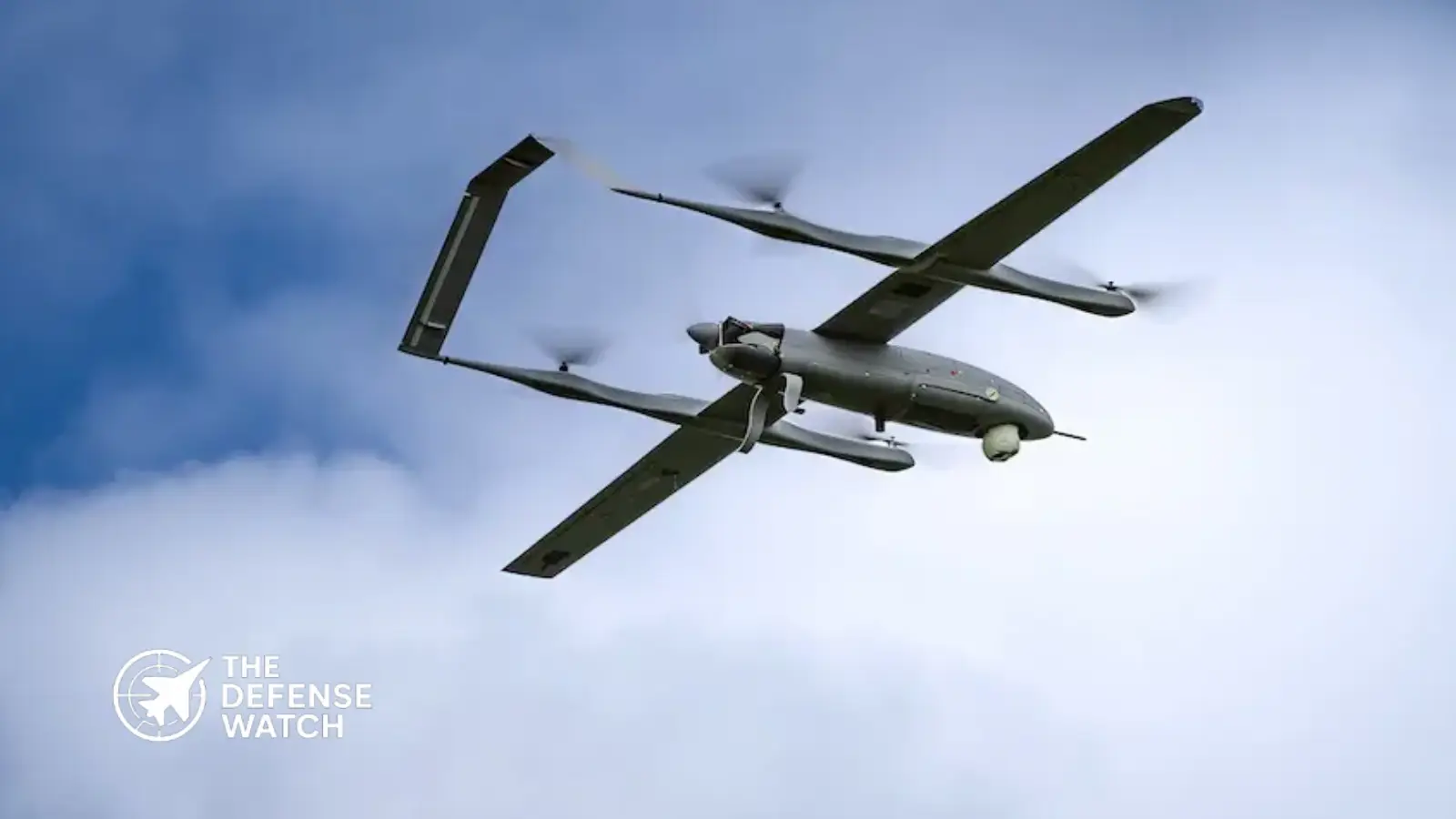
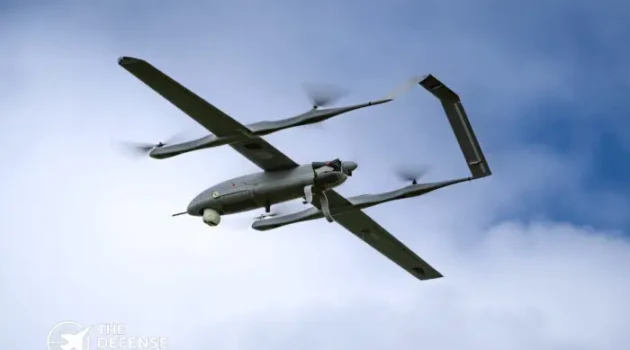
The Redwire Penguin Mk3 tactical uncrewed aircraft system has been selected under a new multi year NATO contract aimed at enhancing allied intelligence, surveillance, and reconnaissance capabilities. The agreement marks another step in NATO’s ongoing effort to modernize tactical drone operations amid evolving security requirements across Europe and other operational theaters.
According to the announcement, the contract covers the supply of Penguin Mk3 tactical uncrewed aircraft systems, including associated support and operational capabilities. The system is designed for ISR missions, target acquisition, situational awareness, and battlefield reconnaissance in contested environments.
The contract highlights growing demand among NATO members for smaller, deployable UAV platforms capable of operating in harsh weather conditions and austere environments while maintaining low logistical requirements.
Penguin Mk3 Expands NATO Tactical ISR Capability
The Penguin Mk3 tactical UAV system has been widely recognized for its compact design and operational flexibility. Developed for military and security missions, the aircraft can be rapidly deployed by small teams and supports multiple mission profiles, including:
- Tactical reconnaissance
- Border surveillance
- Force protection
- Maritime observation
- Artillery spotting
- Infrastructure monitoring
The aircraft features autonomous flight capabilities and can operate in environments where larger UAV systems may be impractical or cost prohibitive.
The Redwire Penguin Mk3 tactical drone also provides real time ISR data to ground operators, helping commanders improve operational awareness during fast moving missions. NATO’s increasing focus on distributed operations and rapid battlefield intelligence has elevated demand for systems in this category.
Industry analysts note that tactical UAV platforms now represent one of the fastest growing segments of the defense drone market due to their comparatively lower acquisition costs and operational flexibility.
NATO Continues Expanding Drone And ISR Investments
The NATO contract reflects broader alliance efforts to strengthen ISR networks and unmanned systems integration. Since the start of heightened regional tensions in Europe, allied governments have accelerated procurement programs involving tactical drones, electronic warfare systems, and networked battlefield sensors.
Many NATO members are prioritizing systems that can provide persistent surveillance while reducing risk to personnel. Tactical UAVs like the Penguin Mk3 are increasingly viewed as critical force multipliers for frontline units and rapid response formations.
The conflict in Ukraine has also reinforced the operational value of tactical drone systems in modern warfare. Small and medium sized UAVs have demonstrated significant utility for reconnaissance, targeting support, and real time battlefield coordination.
Defense planners across NATO have responded by expanding investments in tactical ISR platforms that can be deployed quickly and integrated into broader command and control networks.
Redwire Strengthens Defense And Space Portfolio
The NATO agreement further expands Redwire’s position within the defense and aerospace sector. The company has steadily increased its focus on national security technologies, combining expertise in space infrastructure, digital engineering, and autonomous systems.
While Redwire is primarily known for space related capabilities, the Penguin Mk3 tactical UAV program demonstrates the company’s broader push into defense modernization programs and ISR technologies.
The contract could also strengthen Redwire’s long term position in Europe, where defense spending continues rising across NATO member states. Several European governments have announced major increases in military procurement budgets since 2022, particularly in air defense, drones, ISR systems, and electronic warfare capabilities.
Tactical UAV Demand Continues Rising Across NATO
The Redwire Penguin Mk3 tactical UAV contract comes as NATO militaries continue adapting to evolving operational requirements. Modern military planners increasingly require systems that can deliver rapid intelligence gathering, flexible deployment options, and lower sustainment costs.
Compared with larger MALE and HALE drone platforms, tactical UAV systems can often be deployed closer to frontline operations and operated with smaller support teams. This makes them particularly valuable for expeditionary operations, border monitoring missions, and distributed combat environments.
The Penguin Mk3’s selection under the NATO contract indicates continued allied interest in scalable and modular ISR platforms capable of supporting both conventional and hybrid warfare scenarios.
As NATO accelerates modernization efforts, tactical drone systems are expected to remain central to alliance surveillance, reconnaissance, and battlefield networking strategies over the coming decade.
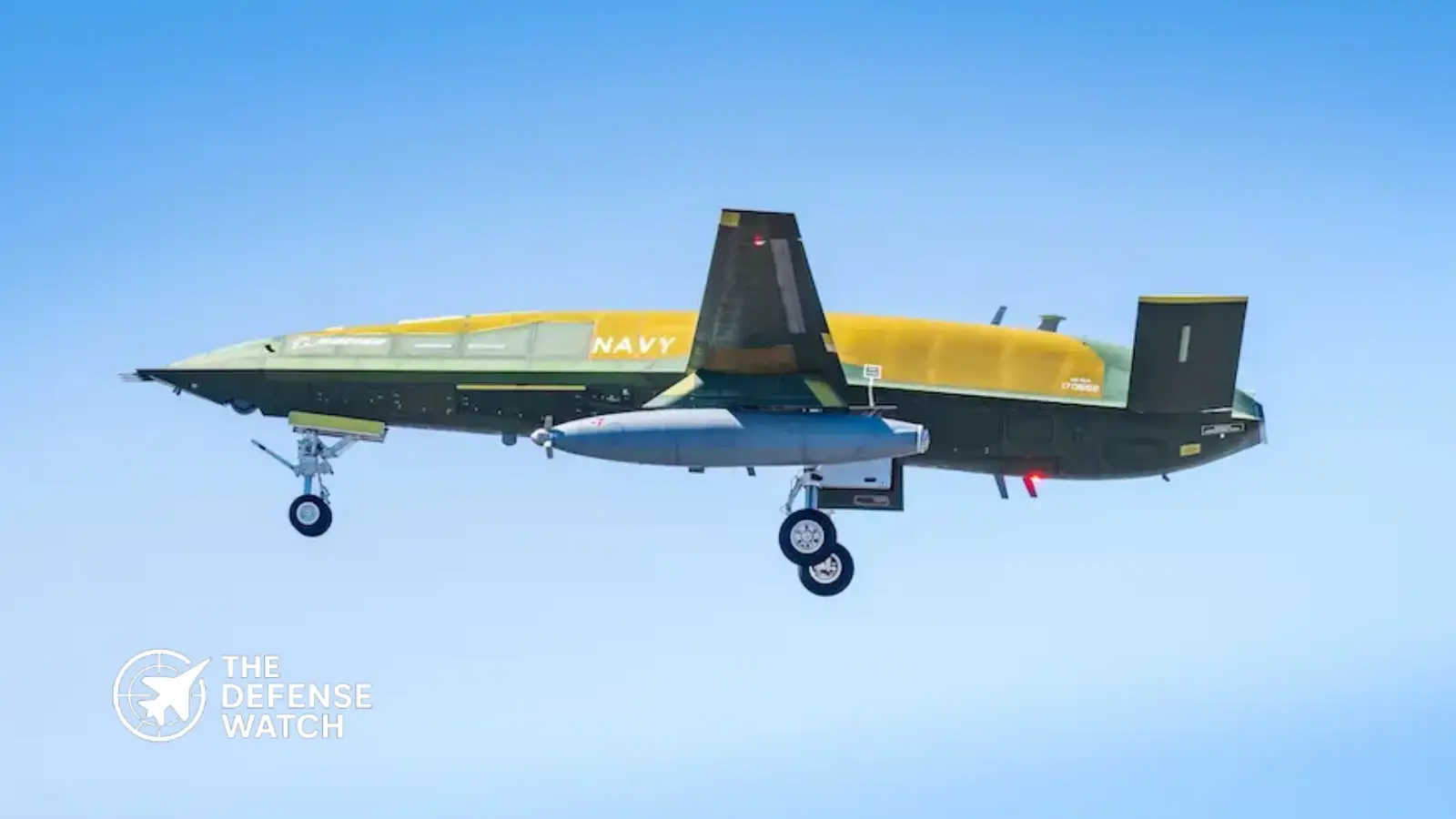
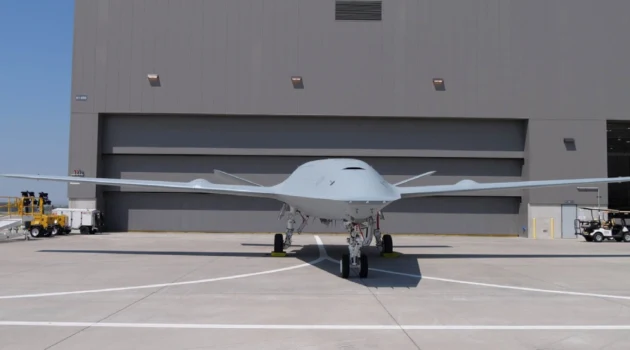
Executive Summary: The U.S. Navy has approved Boeing’s MQ-25A Stingray for low-rate initial production (LRIP) following Milestone C and the aircraft’s successful first flight in April 2026. Acting Secretary of the Navy Hung Cao announced the decision, which paves the way for an LRIP Lot 1 contract for three aircraft this summer. The program aims to deliver organic aerial refueling to carrier air wings, extending reach and preserving the service life of manned fighters.
MQ-25A Stingray Advances Toward Carrier Integration
The U.S. Navy has cleared the Boeing MQ-25A Stingray unmanned refueling aircraft for low-rate initial production, marking a significant milestone in the development of carrier-based unmanned aviation.
Acting Secretary of the Navy Hung Cao made the announcement after the aircraft completed its first flight on April 25, 2026, at Boeing’s facility at MidAmerica Airport in Mascoutah, Illinois. The two-hour flight demonstrated autonomous taxi, takeoff, flight, and landing capabilities under the Unmanned Carrier Aviation Mission Control System.
An LRIP Lot 1 contract for three aircraft is expected to be awarded this summer, with priced options for Lot 2 (three aircraft) and Lot 3 (five aircraft). This initial batch will support further testing and eventual integration into carrier air wings.
Program Background and Strategic Importance
The MQ-25A Stingray is the Navy’s first operational carrier-based unmanned aerial vehicle (UAV). Designed primarily as an aerial refueler, it will allow F/A-18E/F Super Hornets and other strike aircraft to focus on combat missions rather than tanking duties. This shift is expected to extend the operational reach of carrier strike groups and help manage the fatigue life of the manned fleet.
Vice Adm. John E. Dougherty IV, Portfolio Acquisition Executive for Aviation, highlighted the aircraft’s role: “MQ-25A will provide persistent aerial refueling and unlock greater capacity across the air wing, ensuring our carrier strike groups remain lethal, flexible, and forward ready.”
Capt. Daniel Fucito, Unmanned Carrier Aviation program manager, added that the aircraft, production line, and program are now ready to advance this capability.
Original Analysis: In an era of great power competition, particularly with peer adversaries possessing advanced anti-access/area denial (A2/AD) capabilities, the MQ-25 addresses a critical shortfall in carrier air wing endurance. By offloading refueling to an unmanned platform, the Navy can generate more combat sorties from a fixed number of deck spots while reducing risk to aircrew during routine but high-tempo tanking missions. This represents a foundational step toward manned-unmanned teaming (MUM-T) on carrier decks, a concept that could evolve with future attritable or loyal wingman systems.
Development Timeline and Challenges
The program has faced delays common to complex unmanned systems. Earlier test assets flew in 2019, but the first operational engineering development model (EDM) aircraft required extensive ground testing, structural validation, and software certification before its 2026 maiden flight. Production has been established at Boeing’s new 300,000-square-foot facility in Mascoutah.
The Navy plans additional test flights with the initial EDM aircraft to validate controls and prepare for carrier qualifications. Initial operational capability timelines have shifted in prior years, with current projections supporting broader fleet introduction in the late 2020s.
Technical Capabilities and Future Potential
While primarily an aerial refueler, the MQ-25 platform offers growth potential for intelligence, surveillance, and reconnaissance (ISR) missions. Its carrier-optimized design includes folding wings, robust deck handling characteristics, and integration with existing carrier systems. Low-observable features and autonomous flight controls position it as a stepping stone for more advanced unmanned carrier aircraft.
By enabling manned aircraft to remain focused on high-threat strike profiles, the Stingray directly enhances the lethality and flexibility of U.S. carrier strike groups operating in contested environments.

Executive Summary:
GE Aerospace has received a U.S. Air Force contract to continue development of the GE426 engine for future autonomous combat aircraft programs. The effort supports the Pentagon’s push to field lower-cost, high-performance Collaborative Combat Aircraft capable of operating alongside crewed fighters in contested environments.
GE Aerospace Advances GE426 Engine For Autonomous Combat Aircraft
GE Aerospace has secured a new U.S. Air Force contract to further develop the GE426 propulsion system for future autonomous combat aircraft, marking another step in the Pentagon’s expanding Collaborative Combat Aircraft (CCA) initiative.
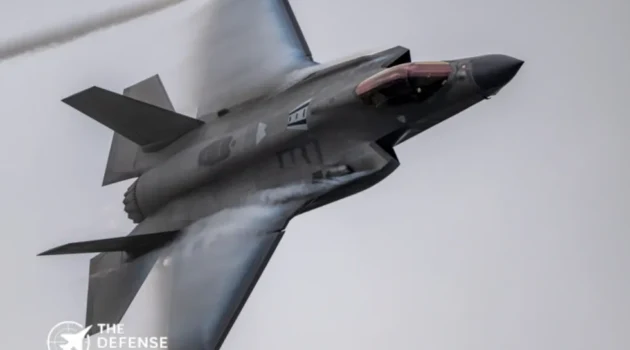
The contract focuses on advancing engine technologies designed for a new generation of autonomous platforms expected to operate alongside crewed fighters such as the F-35 Lightning II and F-47 family of systems.
The GE426 engine is being positioned as a propulsion option for autonomous combat aircraft requiring high thrust, fuel efficiency, and lower lifecycle costs.
The U.S. Air Force’s CCA effort is one of the Pentagon’s most important modernization programs. The initiative aims to field autonomous aircraft that can perform missions including electronic warfare, strike operations, intelligence gathering, and air combat support while reducing risk to human pilots.
Focus On Affordable Mass And Combat Flexibility
The GE426 program reflects a broader shift in U.S. military aviation strategy toward affordable mass, where larger numbers of lower-cost autonomous systems complement smaller fleets of highly advanced crewed aircraft.
Senior U.S. defense officials have repeatedly emphasized that future air warfare will depend on a mix of manned and unmanned platforms capable of operating in highly contested environments. Autonomous combat aircraft are expected to extend sensor coverage, carry additional weapons, conduct decoy missions, and support distributed operations across large theaters.
The GE426 engine is designed to support those operational requirements through a compact propulsion architecture optimized for autonomous aircraft performance demands.
While detailed technical specifications remain limited, the engine reportedly builds on GE Aerospace’s existing military propulsion experience, including adaptive cycle technologies, advanced thermal management, and modular sustainment concepts aimed at reducing operational costs.
That affordability factor remains central to the CCA concept. The U.S. Air Force has stated in previous budget and acquisition discussions that Collaborative Combat Aircraft must remain significantly less expensive than traditional fighter platforms to allow procurement at meaningful scale.
Competition Intensifies In Autonomous Airpower Sector
The new contract also highlights growing competition among U.S. aerospace companies to secure positions in the emerging autonomous combat aviation market.
Alongside Anduril Industries and General Atomics, major propulsion suppliers are racing to establish technologies that could power future autonomous fleets.
The U.S. Air Force has increasingly accelerated work on autonomous systems as geopolitical competition with China intensifies in the Indo-Pacific region. Pentagon planners view autonomous systems as critical for maintaining operational resilience against advanced air defense networks and long-range missile threats.
The CCA program is expected to complement the broader U.S. Air Force Next Generation Air Dominance strategy, which seeks to integrate stealth aircraft, autonomous systems, sensors, and advanced networking into a unified combat ecosystem.
Engine development remains a key challenge for the sector. Autonomous combat aircraft require propulsion systems that balance speed, endurance, thermal efficiency, survivability, and reduced maintenance burdens while remaining affordable enough for large-scale production.
GE Aerospace Expands Military Propulsion Portfolio
For GE Aerospace, the GE426 effort expands its growing portfolio of advanced military propulsion programs.
The company continues to support several major U.S. military aviation platforms, including engines used on helicopters, fighters, and transport aircraft. The autonomous combat aircraft market could become a major long-term growth area as the Pentagon prioritizes unmanned systems across multiple services.
Industry analysts expect the Department of Defense to invest heavily in autonomous aviation capabilities throughout the next decade, particularly in areas tied to artificial intelligence, electronic warfare integration, and distributed combat operations.
The Air Force has already indicated that future combat aviation fleets will likely include hundreds, potentially thousands, of autonomous aircraft operating alongside smaller numbers of crewed fighters.
That strategic direction is reshaping procurement priorities across the aerospace sector, with propulsion, autonomy software, sensors, and secure communications emerging as major areas of competition.
Why The GE426 Contract Matters
The GE426 autonomous combat engine program underscores how propulsion technology is becoming a central element of future airpower competition.
While public attention often focuses on stealth airframes or artificial intelligence, propulsion systems remain essential for determining aircraft range, survivability, payload capacity, and mission flexibility.
For the U.S. Air Force, securing reliable and scalable propulsion options for Collaborative Combat Aircraft will be critical if the service intends to deploy autonomous systems at operational scale across future conflict zones.
The contract also signals continued Pentagon commitment to autonomous combat aviation despite budget pressures and ongoing modernization demands across other military domains.

Executive Summary:
Canadian company CIS has unveiled an autonomous drone docking system designed for deployment aboard moving ships. The technology aims to improve naval UAV launch, recovery, charging, and storage operations while reducing crew workload and enabling persistent maritime surveillance capabilities.
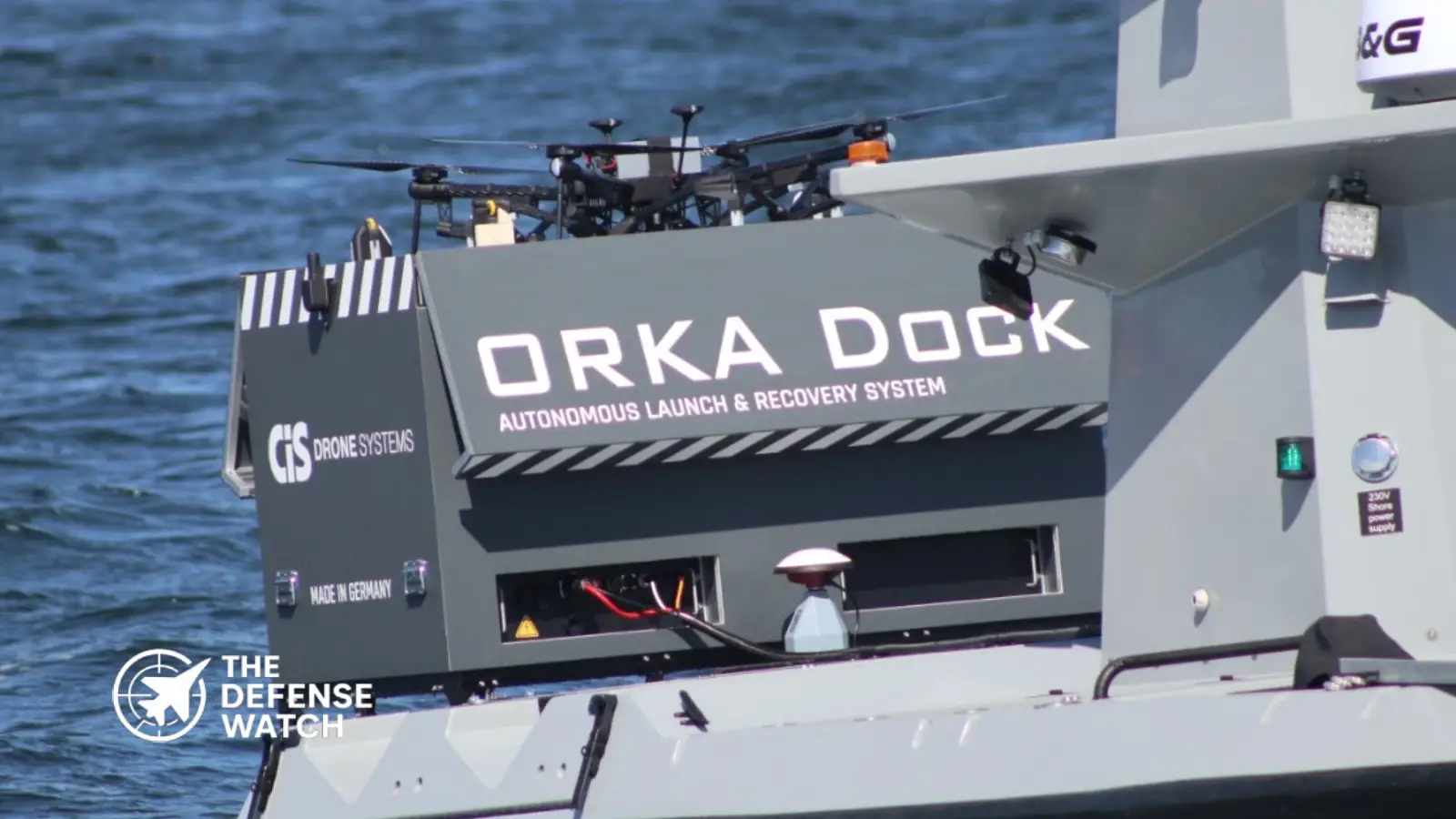
The autonomous drone dock unveiled by CIS represents another step in the growing push toward persistent unmanned maritime operations. Designed for use aboard moving vessels, the system enables drones to autonomously land, recharge, and relaunch without direct operator intervention.
The announcement reflects increasing global naval interest in integrating unmanned systems into day-to-day fleet operations, particularly for intelligence gathering, surveillance, reconnaissance, and force protection missions.
The docking system is intended to function in demanding maritime conditions where vessel motion and environmental factors complicate UAV recovery procedures.
Autonomous Drone Dock Designed For Maritime Operations
CIS said the system combines autonomous landing guidance, charging capability, and secured storage within a compact maritime-ready platform. The drone dock is engineered to compensate for ship movement during launch and recovery operations, one of the key technical barriers for naval UAV deployment.
Modern naval forces increasingly rely on drones for over-the-horizon surveillance, maritime domain awareness, search and rescue support, and targeting assistance. However, sustaining UAV operations at sea remains operationally complex, especially on smaller vessels with limited flight deck space.
The autonomous drone dock seeks to address that challenge by reducing the need for dedicated personnel during UAV handling. Automated launch and recovery also potentially lower operational risk in rough sea states or adverse weather conditions.
CIS stated that the platform can support continuous drone operations by automatically recharging aircraft between missions. That capability could extend surveillance coverage windows while minimizing interruptions caused by manual maintenance cycles.
Growing Demand For Naval UAV Integration
Interest in shipborne unmanned systems has accelerated across NATO and Indo-Pacific navies as maritime competition intensifies in contested regions.
The U.S. Navy, Royal Navy, and several European naval forces are investing heavily in autonomous systems intended to improve fleet survivability and expand intelligence collection capacity.
Autonomous drone docking systems are becoming increasingly important because conventional UAV recovery methods aboard ships can require specialized crews, arresting equipment, or larger flight decks. Smaller autonomous docks could allow patrol vessels, offshore support ships, and even unmanned surface vessels to operate aerial drones more consistently.
The maritime drone sector has seen rapid development in recent years. Companies and defense agencies are pursuing systems capable of autonomous launch and recovery to support persistent ISR missions and distributed naval operations.
Analysts increasingly view unmanned systems as essential force multipliers, particularly in regions where naval forces must monitor large maritime areas with limited manned assets.
Operational Advantages At Sea
The CIS autonomous drone dock appears aimed at solving several operational limitations associated with maritime UAV deployment.
First, automated recovery reduces dependence on highly trained flight deck crews. That can improve operational efficiency aboard smaller vessels where manpower is limited.
Second, autonomous charging and mission cycling may enable near-continuous ISR coverage. Persistent drone presence has become increasingly valuable for tracking surface contacts, monitoring shipping lanes, and supporting maritime security operations.
Third, the compact nature of such systems may broaden UAV access beyond major warships. Offshore patrol vessels, coast guard platforms, logistics ships, and autonomous surface vessels could all potentially integrate similar capabilities.
The move aligns with broader naval modernization trends emphasizing distributed operations, autonomous systems, and lower-risk force projection methods.
Challenges Remain For Maritime Autonomy
Despite advances in autonomous docking technology, maritime UAV operations remain technically demanding.
Sea conditions, wind, vessel maneuvering, and electronic interference can complicate automated recovery operations. Reliability is especially critical during high sea states where deck motion becomes unpredictable.
Cybersecurity also remains a concern for autonomous naval systems. As unmanned platforms become more networked, navies will likely place greater emphasis on secure communications and electronic warfare resilience.
Regulatory and operational integration challenges also persist. Many navies continue developing doctrine governing unmanned operations alongside crewed vessels.
Still, the growing pace of investment suggests autonomous maritime aviation systems will continue expanding across both military and commercial sectors.
Strategic Significance
The unveiling of the autonomous drone dock comes as defense planners increasingly prioritize maritime surveillance and autonomous operations in contested waters.
Naval forces are under pressure to monitor wider operational areas while managing rising personnel and operational costs. Autonomous drone infrastructure may help address both challenges simultaneously.
For smaller navies and coast guards, compact autonomous systems could offer lower-cost access to advanced ISR capabilities without requiring large aviation-capable warships.
The technology also reflects the broader shift toward human-machine teaming in naval operations, where autonomous systems support crewed platforms rather than replace them outright.
As unmanned systems mature, autonomous docking and sustainment technologies are likely to become a foundational component of future naval operations.
Executive Summary:
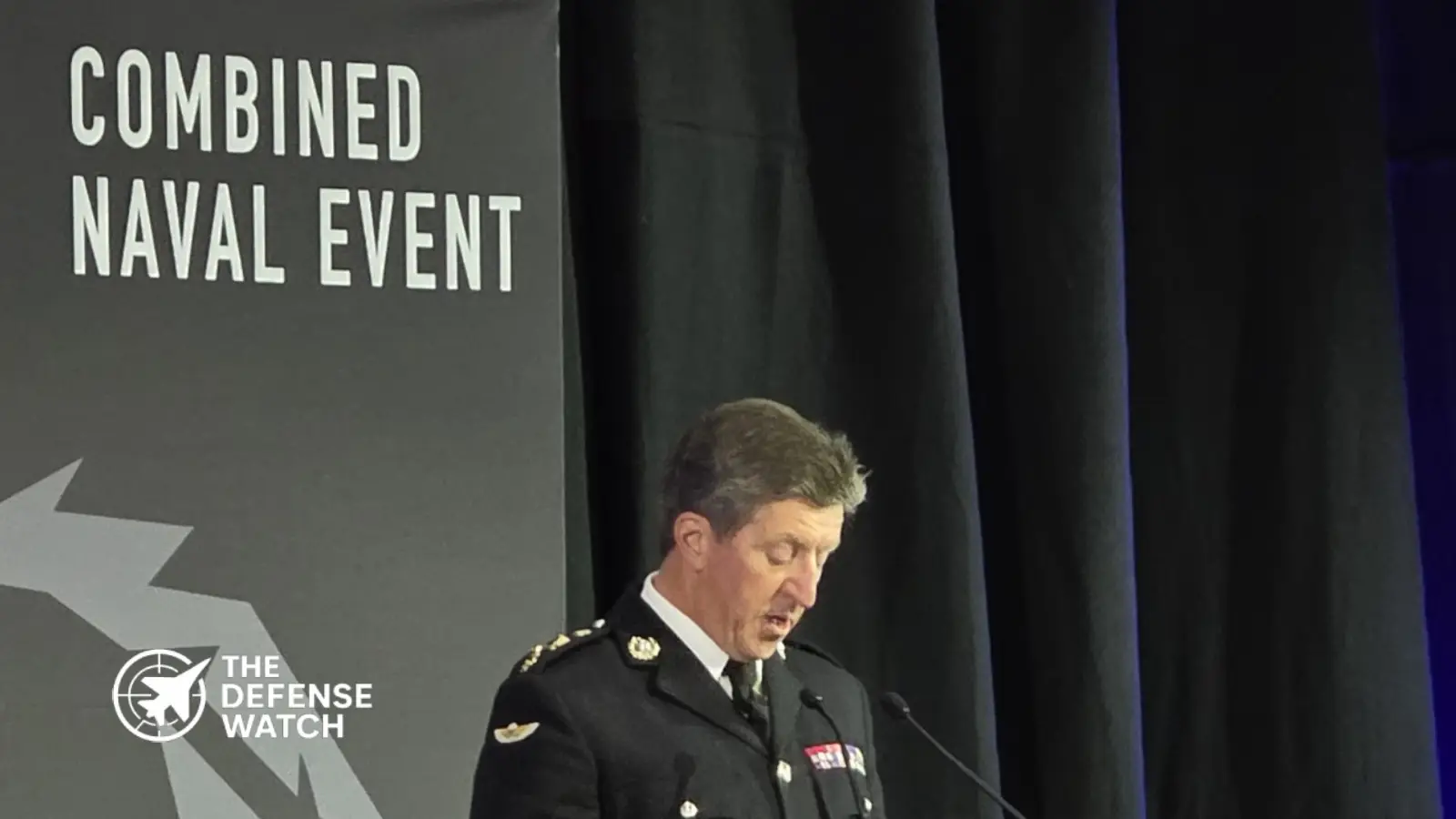
The Royal Navy is accelerating its focus on uncrewed and autonomous systems after the UK’s First Sea Lord stated that drones are now dominant and decisive in modern warfare. The comments reflect a broader strategic shift driven by lessons from conflicts in Ukraine and the Red Sea, where low-cost drones have challenged traditional naval operations.
Royal Navy Drone Warfare Strategy Gains Urgency
The Royal Navy drone warfare strategy is moving to the center of Britain’s maritime modernization efforts after senior naval leadership warned that the character of war at sea is changing rapidly.
According to remarks by the UK’s First Sea Lord, Admiral Sir Ben Key, drones and autonomous systems are no longer supporting assets but increasingly decisive tools in combat operations. The comments, reflect growing concern among Western militaries over the speed at which uncrewed systems are reshaping naval warfare.
The statement comes as the United Kingdom continues to invest in autonomous maritime technologies, artificial intelligence-enabled surveillance platforms, and uncrewed surface and underwater vessels designed to support fleet operations in contested environments.
Lessons From Ukraine And The Red Sea
British defense planners are closely studying the operational impact of drones in both the Russia-Ukraine war and attacks on commercial shipping in the Red Sea.
In Ukraine, maritime drones have repeatedly targeted Russian naval assets in the Black Sea, forcing Moscow to adapt fleet operations and increase harbor defenses. Low-cost uncrewed systems have demonstrated an ability to threaten larger and more expensive warships, altering long-standing assumptions about naval power projection.
Similarly, Houthi attacks in the Red Sea using drones and missiles have pushed Western naval forces into sustained air and missile defense operations. The operational tempo has highlighted the growing challenge posed by inexpensive autonomous or remotely operated systems against conventional fleets.
Admiral Key’s remarks indicate that the Royal Navy sees these developments as more than temporary battlefield trends. Instead, British naval leadership appears to view autonomous systems as a permanent feature of future maritime conflict.
Royal Navy Expanding Autonomous Capabilities
The Royal Navy has already launched multiple programs focused on autonomous and uncrewed operations.
These efforts include testing uncrewed mine countermeasure systems, autonomous underwater vehicles, and intelligence, surveillance, and reconnaissance platforms. The service has also explored integrating drones with carrier strike groups led by the aircraft carrier HMS Queen Elizabeth.
The UK Ministry of Defence has increasingly emphasized experimentation through initiatives such as the NavyX innovation program, which aims to accelerate the adoption of emerging maritime technologies.
British defense officials argue that autonomous systems can provide several operational advantages, including:
- Reduced risk to personnel
- Lower operating costs
- Greater persistence during surveillance missions
- Faster intelligence collection
- Expanded reach in contested areas
The Royal Navy is also examining how artificial intelligence and machine learning can improve target identification, operational planning, and autonomous coordination between platforms.
Shift In Naval Warfare Doctrine
The First Sea Lord’s warning also points to a broader doctrinal shift among NATO navies.
Traditional naval power has long centered on high-value assets such as destroyers, submarines, and aircraft carriers. However, the growing effectiveness of drones is forcing military planners to reconsider fleet composition and survivability.
Analysts increasingly believe future naval warfare will involve layered networks of crewed and uncrewed systems operating together. Rather than replacing warships entirely, drones are expected to expand reconnaissance coverage, support strike operations, and overwhelm enemy defenses through mass deployment.
This shift mirrors broader trends across NATO militaries, where autonomous systems are becoming central to modernization planning.
The United States Navy has also accelerated work on uncrewed surface vessels and autonomous underwater systems as part of its distributed maritime operations strategy. Likewise, European allies are expanding investment in naval drones and AI-enabled defense systems.
Cost Pressures And Strategic Competition
The rapid rise of drone warfare also presents economic and strategic challenges.
Modern destroyers and frigates can cost billions of dollars to build and maintain, while relatively inexpensive drones may be capable of threatening them through swarm attacks or precision strikes. This cost imbalance is driving militaries to seek more scalable and flexible defense solutions.
For the United Kingdom, the challenge is especially important as London attempts to modernize its armed forces while operating under long-term budget pressures.
The Royal Navy must balance investments in major surface combatants, submarines, and carrier operations with the need to rapidly field autonomous systems capable of responding to emerging threats.
At the same time, Britain faces increasing maritime competition from rivals investing heavily in unmanned technologies and anti-access capabilities.
Maritime Security Implications
The growing use of drones at sea is expected to reshape maritime security operations well beyond traditional naval combat.
Autonomous systems are already being used for:
- Maritime surveillance
- Port security
- Mine detection
- Anti-submarine warfare
- Logistics support
- Intelligence gathering
As these systems become more capable, navies may increasingly rely on mixed human-machine task groups to maintain operational coverage across vast maritime regions.
For NATO members, interoperability between allied autonomous systems is also becoming a growing priority.
The Royal Navy’s latest messaging suggests Britain intends to remain actively involved in shaping that future operating model.
Strategic Outlook
The Royal Navy drone warfare strategy reflects a wider recognition that autonomous systems are changing the balance between cost, survivability, and combat effectiveness in maritime operations.
Admiral Key’s remarks underscore how quickly defense institutions are adapting to lessons emerging from active conflicts. While traditional warships will remain central to naval power, uncrewed systems are increasingly viewed as essential to maintaining operational advantage in contested waters.
The pace of that transformation is likely to accelerate as drone technologies become cheaper, more autonomous, and more integrated into frontline military planning.
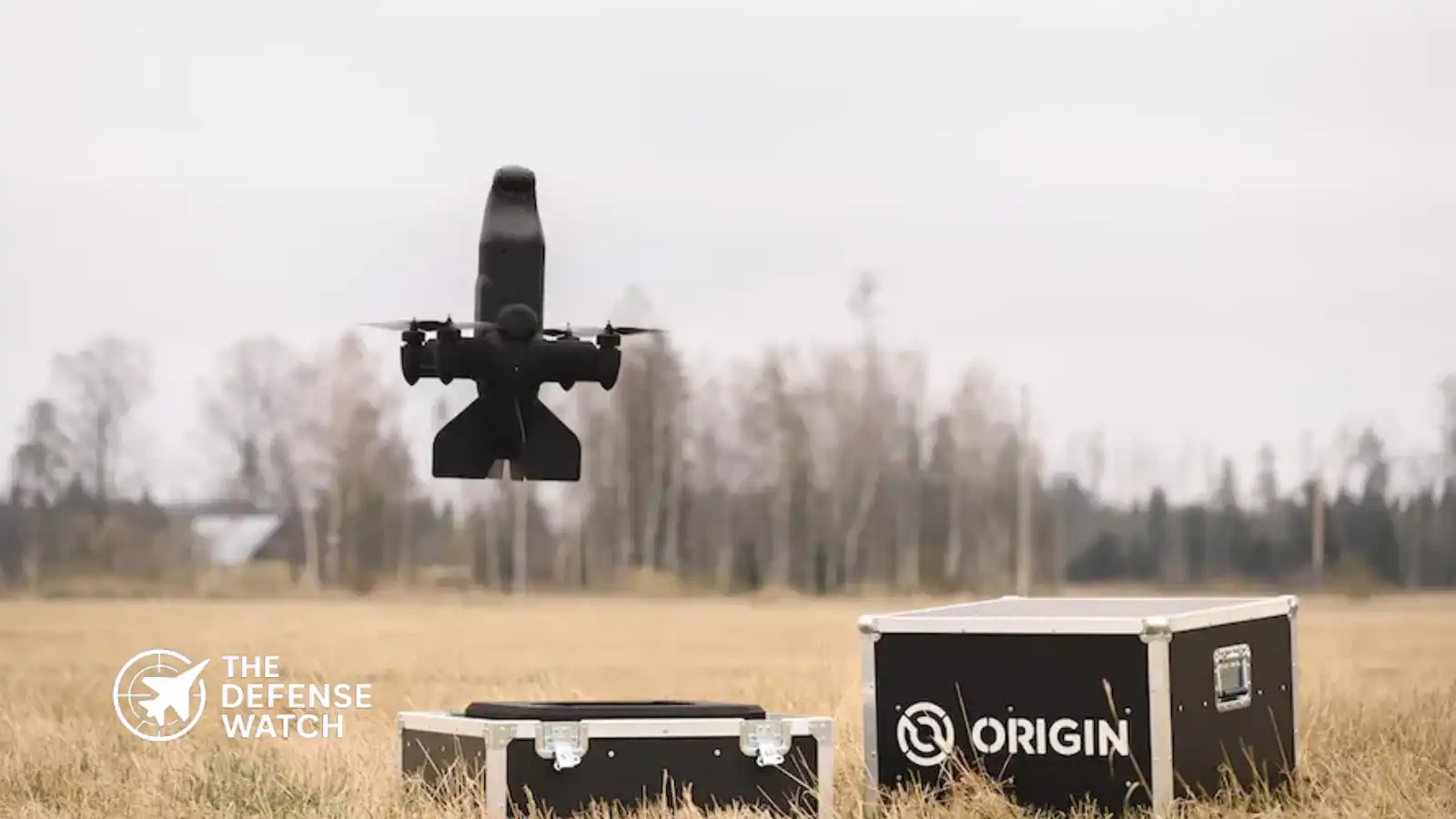
Latvia is strengthening its layered air defense and counter drone network with a new multi year interceptor drone agreement.
Executive Summary:
Latvia’s Ministry of Defense and Origin Robotics have signed a framework agreement covering multi year deliveries of Blaze interceptor drones for the Latvian Armed Forces. The deal highlights growing European demand for affordable counter UAS systems as militaries adapt to lessons from Ukraine and the wider drone threat environment.
Latvian Armed Forces Expand Counter Drone Capability
The Latvian Armed Forces have signed a framework agreement with Latvian defense technology company Origin Robotics for the multi year delivery of Blaze interceptor drones, marking a significant step in the country’s effort to strengthen counter unmanned aerial system capabilities.
The agreement establishes a long term procurement framework that could support sustained production and operational deployment of the Blaze interceptor drone platform.
The Blaze interceptor drone is designed to engage and neutralize hostile unmanned aerial systems, an area that has become increasingly important for European militaries following the widespread battlefield use of drones in Ukraine and other regional conflicts.
Latvia, a NATO member bordering Russia and Belarus, has accelerated investments in air defense, electronic warfare, and drone technologies over the past several years as regional security concerns continue to grow.
Blaze Interceptor Drones Reflect Shift In Modern Air Defense
The Blaze interceptor drones program reflects a broader shift toward lower cost and rapidly deployable counter drone systems capable of defending frontline units and critical infrastructure against small unmanned aircraft.
Traditional surface to air missile systems remain effective against high value aerial threats, but military planners increasingly view interceptor drones as a cost efficient solution against inexpensive commercial and military drones. That operational reality has driven growing interest across Europe in layered air defense architectures combining kinetic interceptors, electronic warfare, and radar integration.
The Latvian Armed Forces’ agreement with Origin Robotics aligns with this trend. By supporting domestic drone production, Latvia also reduces dependence on foreign suppliers while building local industrial capacity in a rapidly expanding defense sector.
The war in Ukraine has demonstrated how relatively inexpensive drones can impose significant operational and economic pressure on conventional military forces. In response, European governments are moving to field scalable counter UAS technologies that can be produced quickly and deployed in large numbers.
Origin Robotics Positions Itself In Expanding European Drone Market
Origin Robotics is part of a growing group of European defense startups focused on autonomous systems, loitering munitions, and interceptor drones.
The framework agreement gives the company an opportunity to scale production and validate its systems under military operational requirements. Although financial details and delivery quantities were not publicly disclosed, the structure of the agreement suggests long term procurement planning rather than a limited test acquisition.
European governments are increasingly seeking domestically developed unmanned systems to strengthen supply chain resilience and shorten procurement timelines. Smaller defense firms specializing in drone technologies have benefited from this shift, particularly as NATO members raise defense spending targets and expand industrial readiness initiatives.
The Blaze interceptor drones agreement may also position Latvia as a regional contributor to NATO counter drone capability development, especially among Baltic and Eastern European allies focused on defending against low altitude unmanned threats.
Counter UAS Demand Continues To Accelerate Across Europe
Demand for counter UAS systems has risen sharply across NATO and European Union member states since 2022. Governments are investing in radar networks, electronic warfare systems, directed energy weapons, and interceptor drones to counter evolving aerial threats.
Several European defense programs now prioritize rapid acquisition pathways for drone and anti drone technologies, recognizing that traditional procurement cycles are often too slow for the pace of technological change in modern warfare.
The Latvian Armed Forces’ decision to pursue Blaze interceptor drones under a framework agreement indicates an emphasis on flexibility and scalable procurement. Such agreements allow governments to increase orders over time while adapting technical requirements as operational lessons emerge.
For Latvia, the program also carries strategic importance beyond procurement alone. Supporting domestic drone manufacturing enhances national resilience, strengthens local defense innovation, and contributes to broader NATO capability goals in the Baltic region.
Strategic Importance For Baltic Security
The Baltic states remain among the most active NATO members in adapting to emerging drone warfare challenges. Latvia, Lithuania, and Estonia have all expanded defense modernization programs focused on air defense, ISR capabilities, electronic warfare, and autonomous systems.
The Blaze interceptor drones agreement highlights how smaller NATO states are pursuing agile and affordable defense technologies that can be fielded quickly without relying solely on large legacy weapons programs.
As drone threats continue evolving, interceptor drones are expected to play an increasingly central role in protecting military formations, logistics hubs, and civilian infrastructure from reconnaissance and attack UAVs.
The agreement between the Latvian Armed Forces and Origin Robotics demonstrates how regional defense industries are becoming more deeply integrated into Europe’s wider security strategy.
Executive Summary:
The U.S. Air Force has expanded the combat capability of the MQ-9 Reaper by integrating the GBU-39B Small Diameter Bomb into the unmanned aircraft’s operational weapons inventory. The move strengthens long-range precision strike options while improving the drone’s effectiveness against fortified and high-value targets in contested environments.
MQ-9 Reaper Gains Expanded Precision Strike Capability
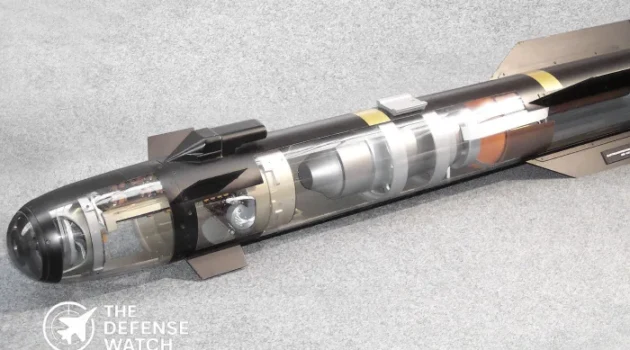
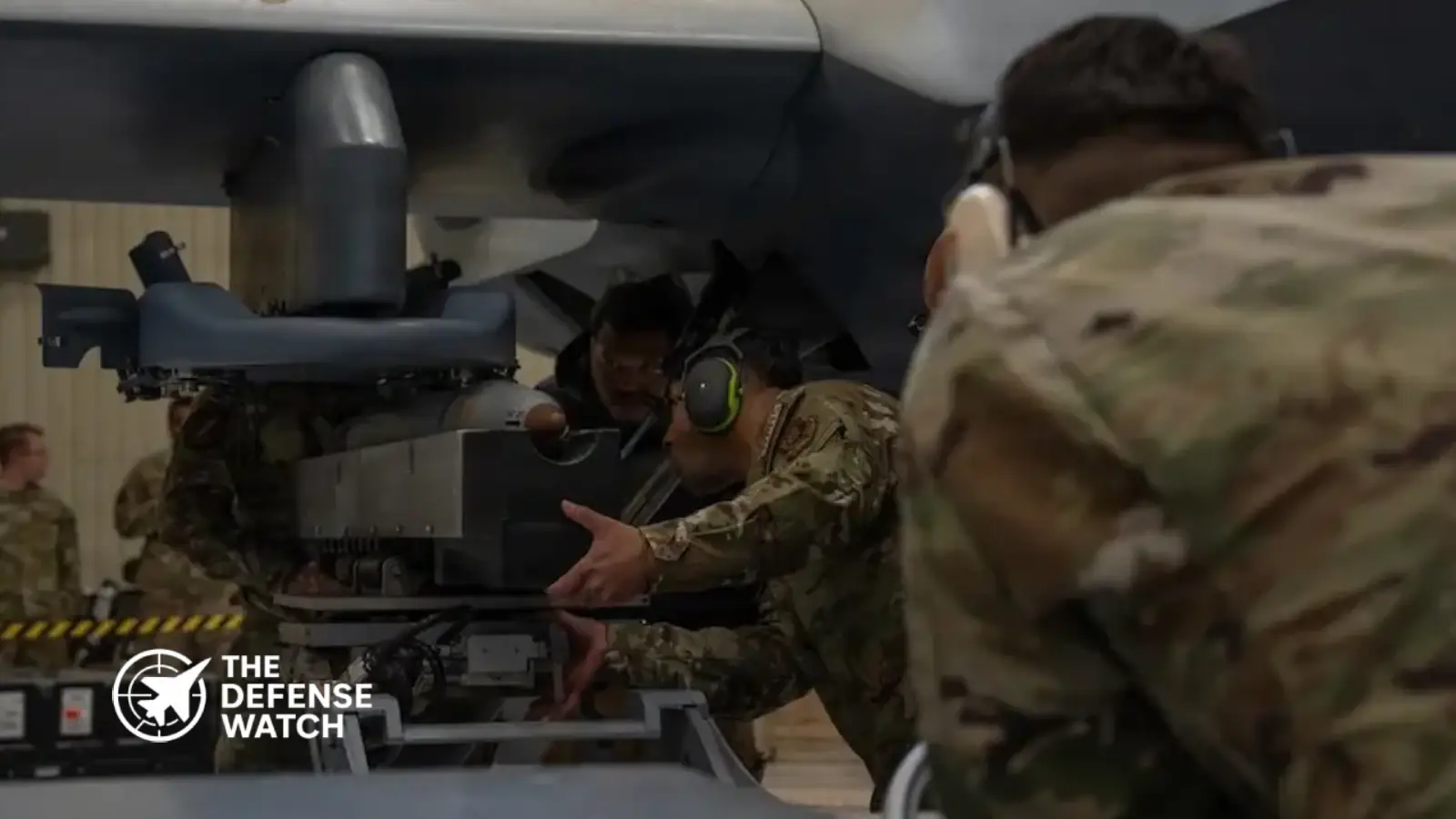
The U.S. Air Force is enhancing the combat role of the MQ-9 Reaper through the integration of the GBU-39B Small Diameter Bomb (SDB), a precision-guided munition designed for long-range and low-collateral strike missions. The capability upgrade significantly broadens the operational flexibility of the remotely piloted aircraft platform, which has traditionally relied on AGM-114 Hellfire missiles and laser-guided bombs for close air support and counterterrorism operations.
According to defense reporting and official U.S. Air Force imagery associated with recent testing activities, the integration effort reflects a broader push toward increasing the lethality and survivability of unmanned systems in modern combat environments.
Why The GBU-39B Matters For The MQ-9 Reaper
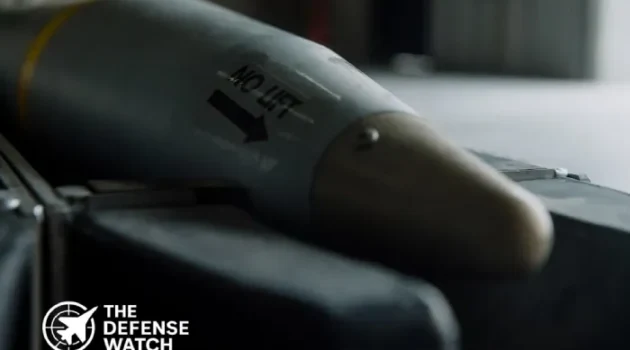
The addition of the GBU-39B provides the MQ-9 Reaper with a standoff precision strike capability against hardened or strategically important targets. Developed by Boeing, the 250-pound class bomb uses GPS and inertial navigation guidance to engage targets with high accuracy while minimizing collateral damage.
The GBU-39B Small Diameter Bomb offers several operational advantages over legacy drone-launched weapons. Unlike the Hellfire missile, which is optimized for shorter-range engagements, the SDB enables attacks from greater stand-off distances, reducing the exposure of the MQ-9 Reaper to enemy air defenses.
The weapon is also designed with deployable wings that extend its glide range after release. This allows operators to engage targets while remaining farther from contested airspace, an increasingly important requirement in potential conflicts involving advanced integrated air defense systems.
The bomb’s relatively small warhead and precision guidance make it effective against fortified structures, command posts, logistics hubs, and mobile targets while limiting unintended damage in urban or densely populated areas.
The integration demonstrates how the U.S. Air Force continues adapting legacy unmanned systems for near-peer conflict scenarios rather than exclusively counterinsurgency operations.
Shift Toward High-End Warfare Readiness
The MQ-9 Reaper has been one of the most heavily used U.S. unmanned combat aircraft over the past two decades, particularly in operations across the Middle East and Africa. However, evolving geopolitical tensions and the rise of sophisticated air defense networks have pushed the Pentagon to reconsider how unmanned systems operate in contested theaters.
By equipping the MQ-9 with the GBU-39B, the Air Force is increasing the platform’s utility in future conflicts that may involve larger operational distances and more heavily defended targets.
This modernization effort aligns with broader Department of Defense initiatives focused on distributed operations, long-range precision fires, and autonomous warfare systems. The shift also supports efforts to preserve the relevance of existing aircraft while next-generation unmanned combat systems continue development.
Military analysts note that arming drones with standoff precision-guided munitions can provide commanders with additional strike flexibility without committing higher-value manned aircraft to elevated-risk missions.
Technical Advantages Of The GBU-39B Small Diameter Bomb
The GBU-39B was developed to address the need for compact precision-guided munitions capable of penetrating hardened targets while maximizing aircraft payload efficiency.
Key characteristics include:
- GPS and inertial navigation guidance
- High precision strike capability
- Reduced collateral damage profile
- Fold-out wing design for extended glide range
- Compatibility with multiple U.S. military aircraft platforms
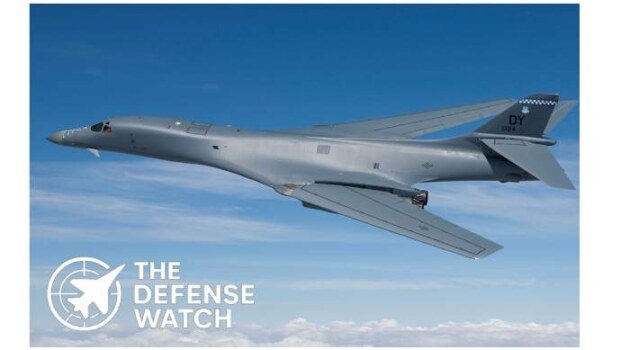
The bomb has already been integrated across several U.S. Air Force platforms, including the F-15E Strike Eagle, F-22 Raptor, F-35 Lightning II, and B-1B Lancer. Its addition to the MQ-9 Reaper further expands the weapon’s operational footprint across the U.S. military inventory.
The integration may also improve mission persistence by allowing Reapers to carry multiple compact munitions during a single sortie compared to larger conventional bombs.
Growing Role Of Armed Drones In Modern Conflict
The war in Ukraine and conflicts across the Middle East have reinforced the growing importance of unmanned systems in modern warfare. Drones are increasingly used not only for intelligence, surveillance, and reconnaissance missions but also for precision strike operations against high-value targets.
The U.S. Air Force’s decision to integrate the GBU-39B onto the MQ-9 reflects lessons learned from recent conflicts where survivability, range, and precision have become critical operational requirements.
The move also highlights the continuing evolution of unmanned combat aircraft from counterterrorism tools into multi-role assets capable of supporting conventional military operations against technologically advanced adversaries.
As the Pentagon invests in future autonomous systems and collaborative combat aircraft programs, upgrades to existing platforms such as the MQ-9 Reaper provide an interim capability boost while maintaining operational readiness across multiple theaters.
Strategic Implications For Future Air Operations
The enhanced MQ-9 Reaper configuration could play an important role in future distributed strike operations, especially in regions where persistent ISR coverage and precision engagement are required simultaneously.
The aircraft’s long endurance combined with precision-guided stand-off munitions allows commanders to maintain continuous battlefield presence while retaining rapid strike capability. This combination may prove particularly valuable in the Indo-Pacific and other geographically expansive operational theaters.
The integration also underscores the Pentagon’s continued emphasis on affordable force multiplication. Compared to deploying advanced stealth fighters for every strike mission, armed unmanned systems can provide lower-cost precision engagement options for selected targets.
While the MQ-9 Reaper remains vulnerable in highly contested airspace, new weapons integration efforts indicate the platform will continue serving as a key component of U.S. airpower strategy for the foreseeable future.

Ukraine is accelerating domestic weapons production as battlefield demand for precision-guided munitions continues to grow.
Executive Summary:
Ukraine’s Ministry of Defence says the country’s first domestically developed guided aerial bomb has successfully completed testing and is now ready for operational use. The move highlights Kyiv’s growing effort to reduce reliance on foreign precision munitions while expanding long range strike capabilities against Russian forces.Ukraine’s Indigenous Guided Aerial Bomb Moves Toward Combat Deployment
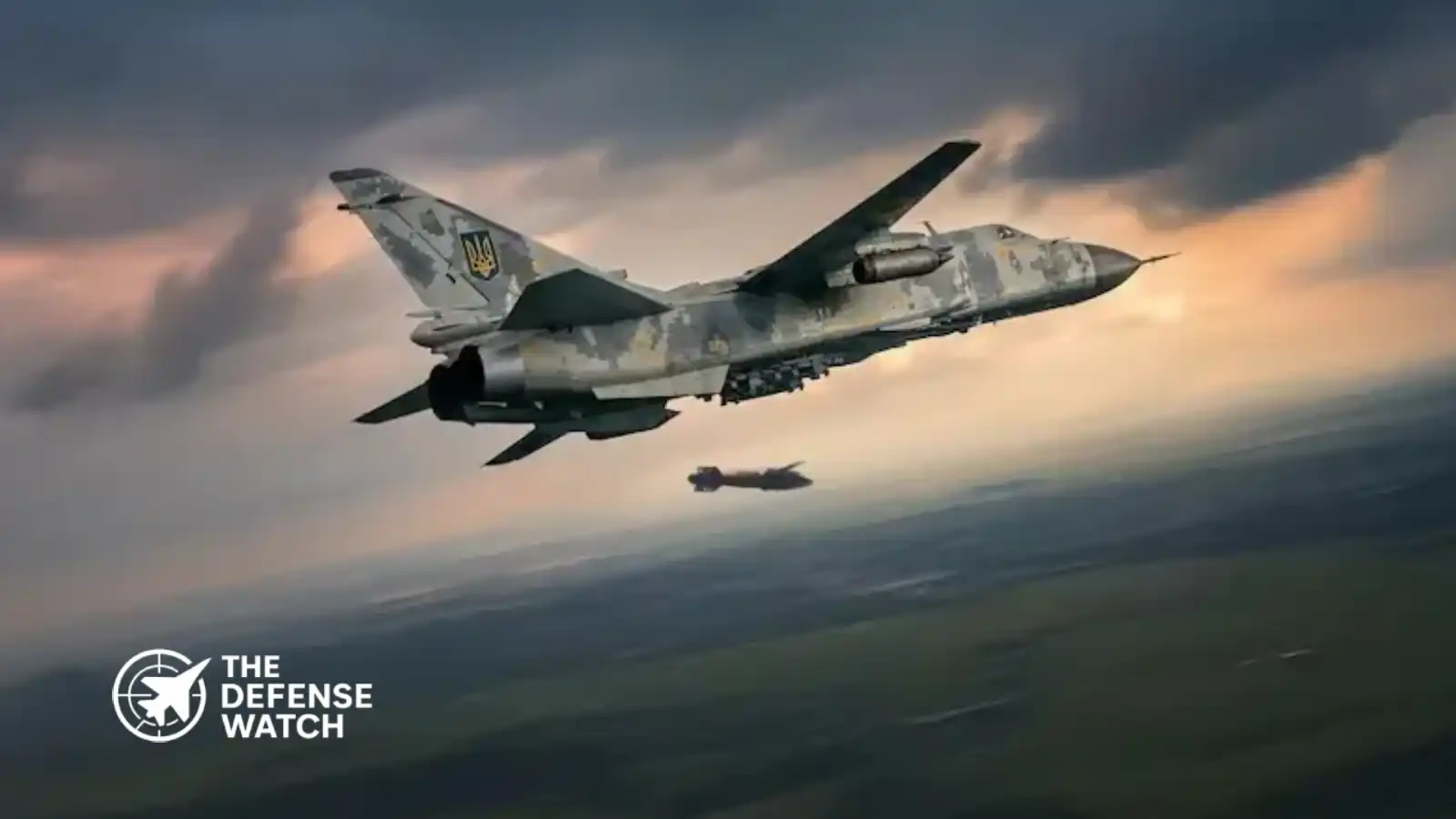
Ukraine’s indigenous guided aerial bomb program has reached a major milestone after the country’s Ministry of Defence announced that the weapon successfully completed testing and is ready for combat use.
According to information released by the Ukrainian defense establishment, the precision guided munition is part of Kyiv’s broader effort to strengthen its domestic defense industrial base amid continued high intensity combat operations against Russia.
The announcement comes as Ukraine continues to expand local production of drones, missiles, electronic warfare systems, and air delivered strike weapons to sustain military operations and reduce dependence on external supply chains.
Expanding Ukraine’s Precision Strike Arsenal
The new indigenous guided aerial bomb is designed to provide Ukrainian combat aircraft with a domestically produced precision strike capability. While Ukrainian officials did not publicly disclose full technical specifications, the weapon reportedly completed a series of operational and integration tests prior to receiving combat clearance.
Ukraine has increasingly prioritized affordable precision weapons capable of engaging Russian command posts, logistics hubs, ammunition depots, and troop concentrations. Guided bombs have become especially important during the war because they offer lower cost alternatives to cruise missiles while still delivering accurate strikes at extended ranges.
Russia has extensively employed glide bombs and stand off precision munitions throughout the conflict, creating sustained pressure on Ukrainian defensive positions. Kyiv’s push to field its own guided aerial bomb capability reflects an effort to narrow that operational gap.
The development also demonstrates how Ukraine’s wartime defense sector has shifted from emergency sustainment toward rapid indigenous innovation. Ukrainian manufacturers have accelerated programs across multiple categories, including unmanned systems, long range strike platforms, and precision guided ordnance.
Strategic Importance For Ukraine’s Defense Industry
The indigenous guided aerial bomb initiative carries strategic significance beyond the battlefield.
Since 2022, Ukraine has sought to decentralize and localize weapons production to ensure more stable access to critical munitions during prolonged combat operations. Dependence on foreign supplied precision weapons has created logistical and political vulnerabilities, particularly as Western stockpiles face increasing demand.
By developing locally produced guided bombs, Ukraine could potentially sustain higher operational tempo while preserving scarce imported missile inventories for strategic targets.
The announcement also aligns with broader Ukrainian efforts to integrate NATO compatible technologies and modern targeting systems into its air force operations. Western supplied aircraft upgrades, targeting pods, and digital mission planning tools have improved the effectiveness of precision strike missions, creating a framework for indigenous weapons integration.
Military analysts note that domestically produced glide and guided bomb systems can offer several operational advantages, including faster manufacturing cycles, reduced procurement costs, and adaptability to local combat conditions.
Combat Aviation Modernization Continues
Ukraine’s aviation modernization efforts have accelerated significantly over the past two years.
The Ukrainian Air Force has worked to integrate a growing range of Western supplied weapons onto Soviet era aircraft while preparing for the future introduction of advanced fighter platforms, including the F-16 Fighting Falcon.
The development of an indigenous guided aerial bomb may also help Ukraine maintain strike operations even when imported munition deliveries fluctuate. Precision guided bombs have become increasingly valuable in contested airspace environments because they allow aircraft to release weapons from greater stand off distances.
At the same time, Russian layered air defense systems continue to pose serious risks to Ukrainian aviation assets operating near front line areas. As a result, long range precision strike weapons remain central to Ukraine’s operational planning.
Kyiv has repeatedly emphasized that expanding domestic defense production is now a national security priority. Ukrainian officials have highlighted partnerships between state owned enterprises, private defense firms, and foreign industry partners to accelerate weapons development and production capacity.
Operational And Geopolitical Implications
The introduction of a Ukrainian made guided aerial bomb could have broader implications for the regional balance of military production capacity during the war.
Both Ukraine and Russia are increasingly engaged in a competition centered on industrial endurance, ammunition output, and technological adaptation. Precision strike systems, especially relatively low cost guided bombs and drones, have emerged as some of the conflict’s most influential battlefield tools.
Ukraine’s ability to field indigenous precision weapons may improve operational flexibility while demonstrating continued resilience within its defense sector despite repeated Russian missile and drone attacks on industrial infrastructure.
The combat deployment timeline for the new bomb has not been disclosed, and Ukrainian officials have not confirmed production quantities or deployment units. However, the announcement signals continued momentum in Ukraine’s domestic weapons modernization efforts at a time when long term sustainment remains a central strategic concern for Kyiv and its Western partners.