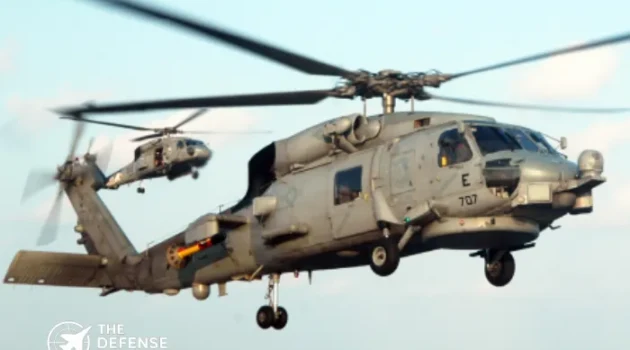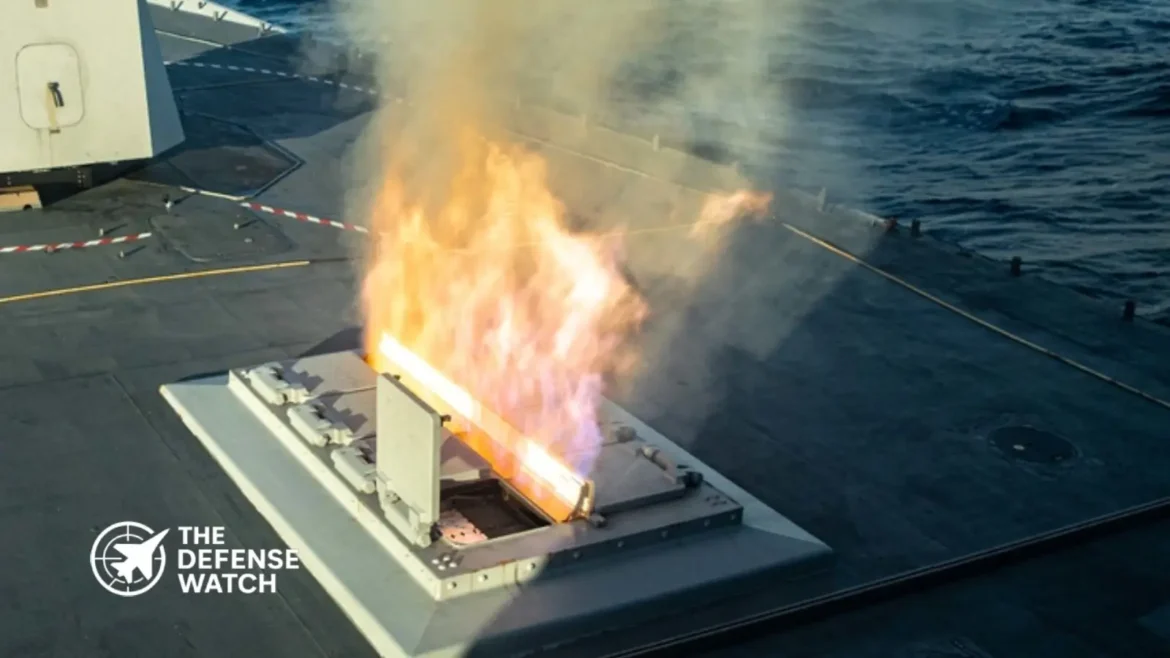
Raytheon ESSM Block 2 Contract Expands Allied Naval Defense Capacity
The Evolved SEASPARROW Missile Block 2 contract awarded to Raytheon marks a significant step in strengthening naval air defense capabilities across the United States and its allied partners. Valued at $832.9 million, the firm fixed price modification supports continued production of advanced shipborne missiles designed to counter evolving aerial threats.
Awarded by the Naval Sea Systems Command on April 24, 2026, the contract exercises options under a previously awarded agreement. It covers both missile assembly and associated container requirements for a wide coalition of nations, including Australia, Canada, Germany, and NATO allies across Europe.
- Raytheon secured an $832.9 million contract modification for ESSM Block 2 missile production.
- The contract supports the U.S. and 11 allied nations including NATO partners and Australia.
- Production spans over 20 global locations with completion expected by September 2030.
- Funding is split between U.S. Navy procurement and international partner contributions.
- ESSM Block 2 enhances naval defense against advanced anti-ship missiles and aerial threats.
This ESSM Block 2 production deal reflects growing demand for layered naval air defense systems amid increasing missile threats in contested maritime environments.
Multinational Production Reflects Broad Strategic Alignment
The scope of the program underscores its multinational nature. Manufacturing and integration activities are distributed across more than 20 locations worldwide, including the United States, Canada, Australia, and several European countries.
Key production hubs include Tucson, Arizona, which accounts for the largest share, alongside facilities in Norway, the Netherlands, and Germany. This distributed industrial base supports interoperability while reinforcing defense industrial cooperation among partner nations.
The Evolved SEASPARROW missile contract is funded through a mix of U.S. Navy procurement and international partner contributions. Roughly half of the funding comes from U.S. fiscal year 2026 weapons procurement, with the remainder largely financed by allied customers.
This funding model reflects the cooperative structure of the NATO SEASPARROW program, where participating nations jointly develop, procure, and sustain the system.
ESSM Block 2 Enhances Modern Naval Air Defense
The ESSM Block 2 represents a significant upgrade over earlier variants. Unlike the semi active radar homing guidance used in Block 1, the newer missile incorporates an active radar seeker, improving engagement capability against complex and maneuvering threats.
This upgrade is critical in addressing modern anti ship missile threats, including sea skimming cruise missiles and high speed maneuvering targets. It also enhances a ship’s ability to engage multiple threats simultaneously, a key requirement in high intensity naval combat scenarios.
From an operational perspective, the system integrates with widely deployed combat systems such as Aegis, making it a core component of layered ship defense architectures used by the U.S. Navy and allied fleets.
The ESSM Block 2 production deal therefore directly contributes to closing capability gaps in naval air defense, particularly as adversaries invest in more advanced missile technologies.
Strategic Context: Rising Maritime Threat Environment
The timing of this contract aligns with broader shifts in global naval strategy. Maritime forces are increasingly operating in contested regions where anti access and area denial systems are prevalent.
In regions such as the Indo Pacific and the North Atlantic, allied navies face growing challenges from advanced cruise missiles, drones, and integrated air defense systems. The ESSM Block 2 provides a cost effective medium range intercept capability that complements longer range systems like SM 2 and SM 6.
The Raytheon naval missile program also reflects a broader trend toward upgrading legacy systems rather than developing entirely new platforms. By enhancing an existing and widely deployed missile family, partner nations can rapidly improve capability without extensive platform modifications.
This approach reduces cost, shortens deployment timelines, and ensures compatibility across allied fleets.
Industrial and Operational Implications
Beyond its operational value, the contract highlights the importance of defense industrial resilience. The geographically distributed production model reduces supply chain risk and supports local industries across participating countries.
It also reinforces long term sustainment and upgrade pathways for the ESSM family, ensuring that partner nations can maintain readiness over decades.
Completion of the contract is scheduled for September 2030, indicating sustained production demand and continued reliance on the system within allied naval forces.
Conclusion
The Evolved SEASPARROW Missile Block 2 contract awarded to Raytheon represents more than a routine procurement action. It reflects a coordinated multinational effort to strengthen naval air defense in response to evolving threats.
With its advanced guidance system, broad international participation, and integration into existing naval platforms, the ESSM Block 2 remains a cornerstone of allied maritime defense strategy.
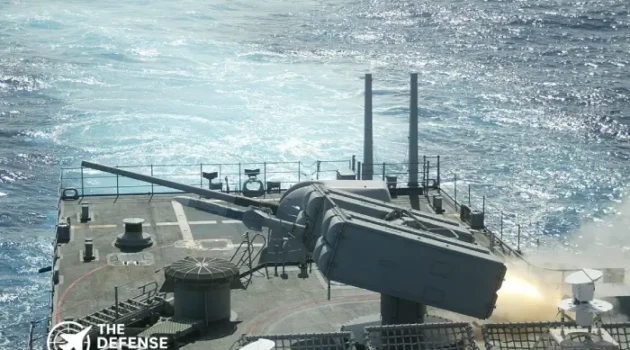
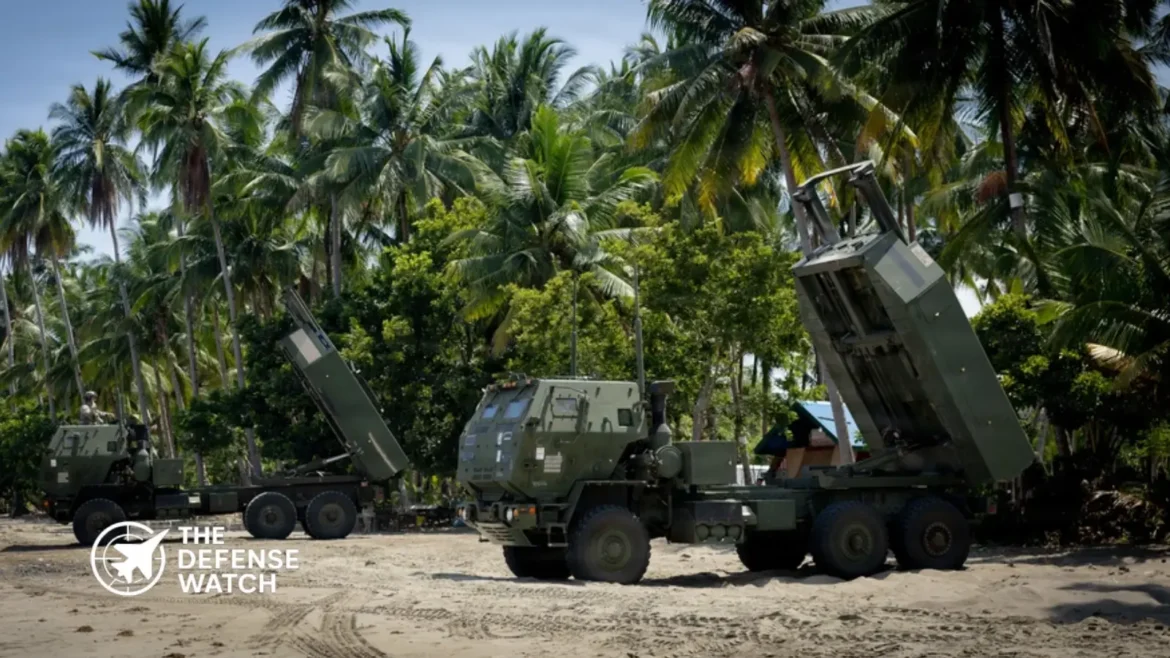
Lockheed Martin HIMARS Contract Expands Global Precision Strike Capacity
The HIMARS production contract awarded to Lockheed Martin marks a significant expansion of precision artillery capabilities for both U.S. forces and allied nations. The U.S. Department of Defense confirmed a not to exceed $1.13 billion undefinitized contract action covering Full Rate Production Lot 17 of the M142 High Mobility Artillery Rocket System.
- Lockheed Martin awarded up to $1.13 billion contract for HIMARS full rate production Lot 17.
- Contract supports U.S. Army, Marine Corps, and Foreign Military Sales customers.
- Partner nations include Australia, Canada, Estonia, Sweden, and Taiwan.
- Work will be assigned per order, with completion expected by April 30, 2028.
- Contract reflects continued demand for precision long range rocket artillery systems.
The award supports urgent operational requirements for the U.S. Army, U.S. Marine Corps, and multiple Foreign Military Sales partners, including Australia, Canada, Estonia, Sweden, and Taiwan. The contract was issued by Army Contracting Command at Redstone Arsenal, Alabama, according to official DoD contract announcements.
Growing Demand For Mobile Precision Fires
The HIMARS production contract reflects sustained global demand for highly mobile, precision strike systems capable of delivering long range fires in contested environments. The M142 HIMARS has become a central component of modern artillery doctrine, offering rapid deployment, high accuracy, and compatibility with a range of guided munitions.
Its operational relevance has been reinforced by recent conflicts, where long range precision fires have proven decisive in targeting logistics hubs, command centers, and high value assets. Defense analysts note that HIMARS combines mobility with survivability, allowing forces to strike and relocate quickly, reducing exposure to counter battery threats.
Strategic Importance For U.S. Allies
The inclusion of multiple allied nations under the HIMARS production contract highlights a broader shift toward interoperability and shared capabilities among U.S. partners. Countries such as Estonia and Sweden are strengthening deterrence posture in Europe, while Taiwan continues to prioritize asymmetric defense capabilities amid regional tensions.
Australia and Canada, both key NATO aligned partners, are also investing in long range fires to enhance expeditionary and joint force operations. The system’s standardized platform and integration with U.S. command networks enable coordinated multinational operations.
This trend aligns with U.S. defense strategy emphasizing distributed lethality and allied burden sharing, particularly in Indo Pacific and European theaters.
Contract Structure And Production Outlook
The HIMARS production contract is structured as an undefinitized contract action, allowing rapid initiation of work while final terms are negotiated. This mechanism is often used to accelerate procurement timelines in response to urgent operational needs.
Work locations and funding allocations will be determined on a per order basis, offering flexibility to adjust production volumes based on evolving requirements. The estimated completion date of April 2028 suggests sustained production throughput over the next several years.
Lockheed Martin, the prime contractor for HIMARS, continues to scale manufacturing capacity to meet growing demand. The company has previously indicated efforts to increase output rates for both launchers and associated munitions.
Operational Impact And Future Outlook
The expansion of HIMARS under this contract is expected to significantly enhance long range precision strike capacity across multiple theaters. For U.S. forces, it supports modernization priorities focused on multi domain operations and rapid response capabilities.
For allied nations, the system provides a proven, combat tested solution that integrates seamlessly with existing U.S. platforms and doctrine. This interoperability is increasingly critical in coalition operations where speed and coordination are key.
As global security dynamics evolve, the HIMARS production contract underscores the central role of precision artillery in modern warfare. Continued investment in such systems reflects a broader shift toward high mobility, networked, and precision driven combat capabilities.


BAE Systems Link-182 Contract Strengthens U.S. Military Space Communications
BAE Systems has secured an $11,791,719 fixed-price contract to develop and demonstrate the Link-182 Space-to-Space Communications System, a program aimed at improving resilient connectivity across future U.S. military satellite constellations.
- BAE Systems received an $11.79 million fixed-price contract for the Link-182 Space-to-Space Comms System.
- The project supports resilient communications for proliferated low Earth orbit satellite networks.
- Work will be performed in Merrimack, New Hampshire.
- Program completion is scheduled for April 30, 2027.
- Space Systems Command at Los Angeles Air Force Base is the contracting authority.
The award was issued by Space Systems Command under contract FA8819-26-C-B005, with fiscal year 2026 research, development, test and evaluation funding obligated at the time of award. The contract was formally awarded on April 27, 2026.
Work will be performed in Merrimack and is expected to conclude by April 30, 2027.
Why Link-182 Matters
The Link-182 program is focused on space-to-space communications, an increasingly important capability as the Pentagon shifts toward proliferated low Earth orbit (LEO) architectures. Rather than relying on a small number of large satellites, the newer model distributes missions across many smaller spacecraft.
That approach improves survivability, redundancy, and mission continuity. If one node is disrupted, other satellites can continue operating.
However, a distributed architecture requires secure and dependable crosslinks between satellites. That is where systems like Link-182 become strategically important.
Growing Demand For Resilient Space Networks
The U.S. military has repeatedly emphasized that future conflicts could involve contested space environments, including jamming, cyber intrusion, signal interference, and anti-satellite threats.
Developing resilient communications layers allows satellite constellations to reroute data, preserve command links, and sustain sensor-to-shooter timelines even under attack.
This makes Link-182 more than a niche communications effort. It supports the broader U.S. transition toward networked warfare in space.
Competitive Award Signals Priority
According to the contract announcement, six offers were received during the competition. That suggests active industry interest in next-generation military space networking programs.
Winning the award positions BAE Systems within a growing market tied to satellite payloads, onboard electronics, secure data links, and mission systems integration.
The company already maintains a strong footprint in electronic warfare, sensors, and national security space technologies, making the contract consistent with its wider portfolio.
Broader Strategic Context
U.S. Space Force and the Pentagon are accelerating investments in missile warning satellites, tactical data transport layers, and resilient orbital communications. Programs under the Space Development Agency and Space Systems Command increasingly rely on mesh-like architectures where satellites exchange data directly.
If successful, Link-182 could contribute to that larger ecosystem by enabling faster, more survivable communications among dispersed spacecraft.
What Comes Next
Through 2027, BAE Systems is expected to mature the system through development and demonstration phases. Key milestones will likely include interoperability testing, secure data transfer validation, and performance in simulated operational environments.
As threats to military space assets continue to evolve, compact and survivable communications systems are becoming as important as the satellites themselves.
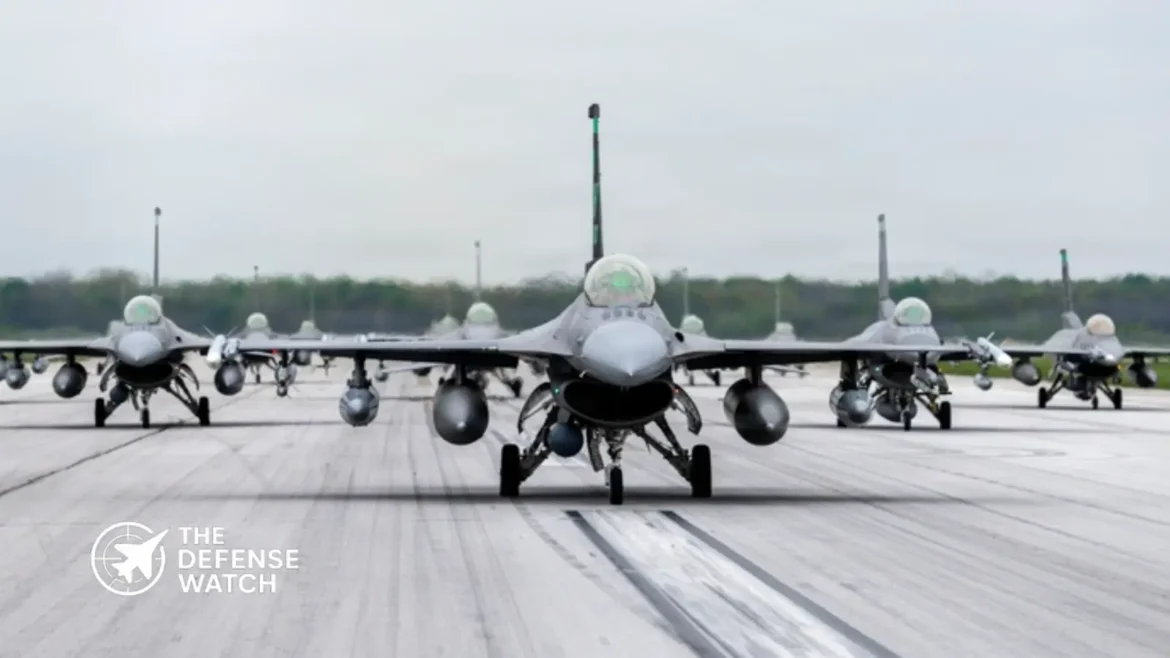
Northrop Grumman F-16 Radar Contract Extends Critical Fighter Fleet Support
Northrop Grumman has secured a $488 million contract for F-16 radar support, reinforcing long-term sustainment of one of the world’s most widely operated fighter aircraft fleets. The award was issued by the U.S. Air Force Life Cycle Management Center at Hill Air Force Base, Utah, and covers engineering and technical services for the APG-66 and APG-68 radar systems.
The firm-fixed-price, indefinite-delivery/indefinite-quantity agreement runs through March 31, 2036, signaling sustained demand for F-16 modernization and readiness support across both U.S. and allied operators.
- Northrop Grumman received a ceiling $488 million IDIQ contract for F-16 radar engineering and technical support.
- The award covers APG-66 and APG-68 radar systems used by U.S. Air Force, Navy, and foreign military sales customers.
- Work will be performed in Linthicum Heights, Maryland, through March 31, 2036.
- More than 20 nations are included, among them Bahrain, Egypt, Greece, Israel, Pakistan, Poland, Romania, Thailand, and Türkiye.
- Initial funding of $2.64 million was obligated at the time of award.
The contract was awarded on a sole-source basis and includes support for U.S. Air Force and Navy requirements, alongside extensive Foreign Military Sales (FMS) participation.
Why The F-16 Radar Support Deal Matters
Although newer fighters such as the F-35 continue entering service, the F-16 remains a frontline aircraft in many air forces. Thousands of F-16s are still active worldwide, making radar sustainment a strategic priority.
The APG-66 and APG-68 radars are central to the aircraft’s combat value. These systems support:
- Air-to-air target detection
- Beyond-visual-range engagements
- Precision strike missions
- Maritime surveillance roles
- Multi-target tracking in contested airspace
Without radar reliability, even upgraded F-16 fleets lose much of their operational effectiveness.
This means the Northrop Grumman F-16 radar contract is less about legacy maintenance and more about preserving combat capability for allied fleets expected to serve well into the 2030s.
Broad International Reach Through Foreign Military Sales
The Pentagon said the contract involves FMS support to:
Bahrain, Belgium, Chile, Denmark, Egypt, Greece, Indonesia, Iraq, Israel, Jordan, Korea, Morocco, Netherlands, Norway, Oman, Pakistan, Poland, Portugal, Romania, Thailand, and Türkiye.
That customer list highlights how deeply embedded the F-16 remains in NATO, Middle Eastern, and Indo-Pacific force structures.
Several of these nations are also pursuing fleet upgrades, weapons integration, and service-life extensions. Reliable radar support is therefore essential to bridge capability gaps while countries assess future fighter replacements.
Strategic Importance Of APG-66 And APG-68 Systems
The APG-66 radar equipped earlier F-16 variants and helped establish the aircraft’s reputation as a capable multirole platform. The later APG-68 introduced improved range, mapping modes, and targeting performance.
Many operators continue flying aircraft equipped with these radars or upgraded derivatives. Even where active electronically scanned array systems are being introduced, legacy mechanically scanned radars remain common across reserve, export, and second-line fleets.
From a cost perspective, radar sustainment is often more affordable than replacing entire fleets. That reality explains why the $488 million defense contract spans a decade.
Northrop Grumman’s Role In Fighter Sensor Sustainment
Northrop Grumman has long experience in airborne sensors, mission systems, and fighter radar integration. The company’s continued involvement in F-16 radar support gives operators access to original equipment expertise, repair pathways, engineering changes, and lifecycle management.
For Washington, these contracts also strengthen interoperability. When multiple allied nations rely on common systems and support channels, logistics and readiness can improve during coalition operations.
Funding And Contract Structure
The Pentagon stated $2,644,922 in fiscal 2026 non-appropriated, Air Force, and Navy funds were obligated at the time of award. As an IDIQ contract, total spending will depend on future task orders placed over the contract period.
That structure gives the U.S. government flexibility to order support as operational needs emerge.
Outlook
The latest Northrop Grumman F-16 radar contract underscores a broader defense trend: older but proven combat aircraft are staying relevant through sustainment and incremental modernization.
As global tensions drive demand for ready fighter fleets, radar readiness may prove just as important as new aircraft procurement.
Prescient Edge Contract Strengthens Project Overmatch
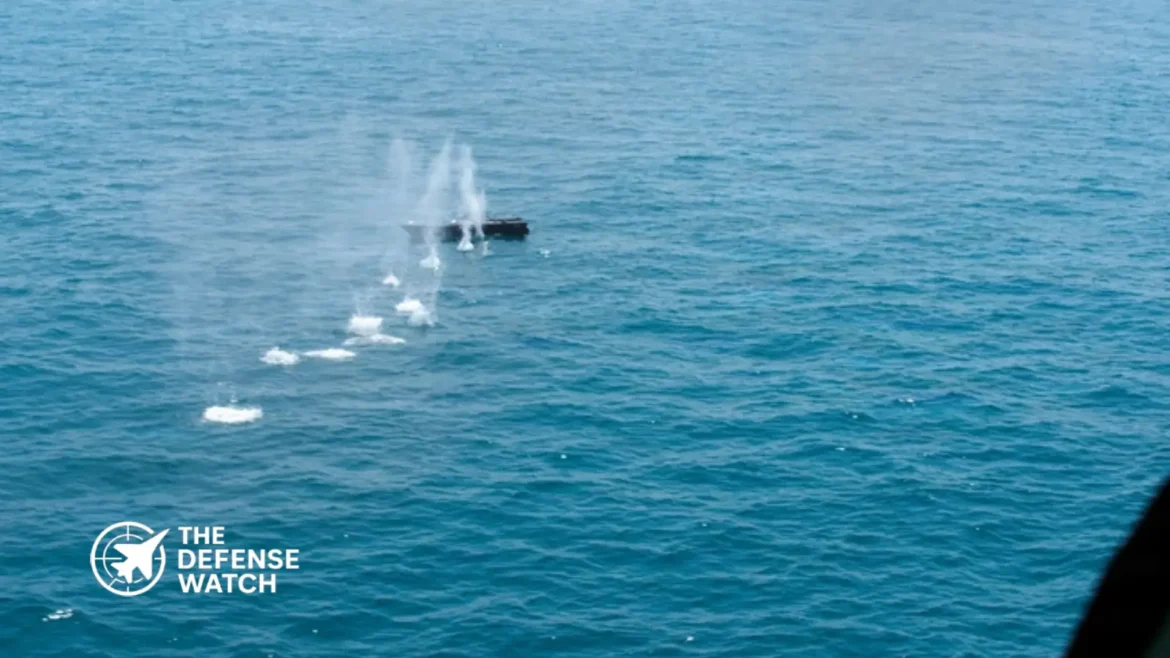
The Project Overmatch contract awarded to Prescient Edge Corp. marks another step in the U.S. Navy’s push to connect fleets, sensors, weapons, and autonomous platforms into a unified combat network. The Department of Defense said the company received an $11,302,394 cost-reimbursement contract to provide specialized technical support for the Navy’s Project Overmatch program.
- Prescient Edge Corp. received an $11.3 million cost-reimbursement contract for Navy Project Overmatch support.
- The contract funds end-to-end testing, refinement, and rapid operationalization of robotic autonomous systems.
- Work will be performed across U.S. and overseas sites including California, Virginia, Maryland, Bahrain, Germany, and Portugal.
- Four option years could raise total contract value to $59.3 million through April 2031.
- Naval Information Warfare Center Pacific in San Diego is the contracting activity.
The work focuses on end-to-end testing, refinement, and rapid operational deployment of robotic autonomous systems, an area that has become central to future naval warfare.
Project Overmatch is widely understood as the Navy’s operational framework for linking ships, aircraft, submarines, satellites, and unmanned systems through secure data-sharing networks. It is often described as the Navy’s contribution to the Pentagon’s broader Joint All-Domain Command and Control effort.
Why Project Overmatch Matters
The strategic value of Project Overmatch lies in speed. Modern conflicts increasingly reward forces that can detect threats first, share targeting data instantly, and respond faster than opponents.
That means autonomous systems are no longer separate tools. They are becoming nodes inside a larger combat web. Unmanned surface vessels, underwater drones, and AI-enabled sensors can expand fleet reach while reducing risk to manned crews.
This Project Overmatch contract suggests the Navy is moving beyond theory and into operational integration. Funding for testing and rapid fielding often signals that systems are being pushed closer to deployable status.
Multi-Region Performance Shows Global Scope
According to the award notice, work will be conducted across several strategic regions:
- California, including San Diego and Port Hueneme (30%)
- National Capital Region, including Lexington Park, Laurel, Tysons, and Washington (30%)
- U.S. operational hubs such as Stennis, Norfolk, Jacksonville, Key West, and Tampa (20%)
- Overseas locations including Portugal, Germany, Bahrain, Ecuador, Panama, and Honduras (20%)
That footprint reflects the Navy’s need to validate systems across different commands, environments, and mission sets.
For example, Bahrain hosts the U.S. Fifth Fleet and is a key maritime security hub in the Middle East. Norfolk remains the center of Atlantic fleet operations, while San Diego anchors Pacific fleet readiness.
Contract Timeline And Value
The base contract runs from April 28, 2026, through April 27, 2027. Four one-year options could extend performance through April 2031, bringing the total potential value to $59.3 million.
The Navy obligated research, development, test, and evaluation funds at award, including $1.56 million that will expire at the end of the current fiscal year.
The award was issued as a sole-source acquisition under 10 U.S. Code 3204(a)(1), which allows non-competitive awards when only one responsible source can meet requirements.
Analysis: What This Signals For Naval Modernization
This Project Overmatch contract is modest in dollar size compared with shipbuilding programs, but strategically significant. Digital warfare architecture often costs less than major platforms while delivering outsized combat advantage.
If the Navy can successfully network autonomous systems into real-time operations, it could improve surveillance coverage, distributed lethality, and resilience against electronic warfare threats.
In any future Indo-Pacific or Middle East contingency, the side that connects sensors and shooters fastest may hold the advantage. That is why contracts like this matter.
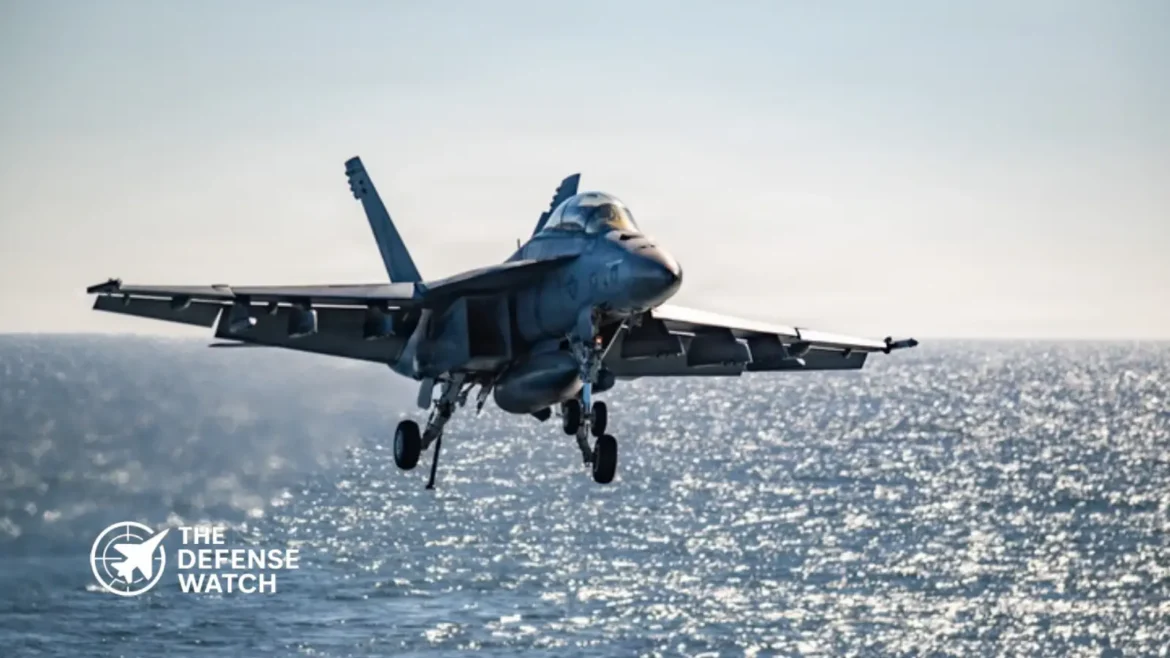
Raytheon JPALS Upgrade Strengthens Navy Precision Landing Capability
Raytheon’s $206 million JPALS contract marks another significant step in the U.S. Navy’s push to modernize navigation resilience across carrier and expeditionary aviation fleets. The award covers design, engineering, integration, testing, and verification of M-Code Global Positioning System capability for the AN/USN-3(V)1 Joint Precision Approach and Landing System (JPALS).
The contract was awarded by the Naval Air Systems Command in Patuxent River, Maryland, and was issued on a sole-source basis.
- Raytheon received a $206.2 million U.S. Navy contract for JPALS modernization.
- The upgrade adds secure M-Code GPS capability to the AN/USN-3(V)1 Joint Precision Approach and Landing System.
- Four engineering development models will be produced for the Navy.
- Work will take place in Fullerton, California, and Cedar Rapids, Iowa.
- Program completion is scheduled for April 2030.
JPALS is a critical precision landing aid used to guide aircraft safely onto aircraft carriers and other challenging operating environments. It provides accurate positioning and approach data in poor weather, low visibility, or high-tempo operations where conventional landing methods may be less effective.
Why M-Code Matters For Navy Operations
The most important element of this contract is the integration of M-Code GPS, the U.S. military’s encrypted and jam-resistant GPS signal. M-Code is designed to improve resistance against spoofing, signal interference, and electronic warfare attacks.
That matters because modern military operations increasingly assume contested electromagnetic environments. Potential adversaries have invested heavily in jamming and GPS disruption tools. A landing system that depends on vulnerable navigation signals creates operational risk, especially for carrier aviation.
By adding M-Code capability, the Navy is working to ensure JPALS remains functional during high-end conflict scenarios where navigation denial could be routine.
This is more than a software refresh. It is a survivability upgrade.
What The Contract Includes
Under the agreement, Raytheon will provide:
- Design and systems engineering work
- Integration of M-Code GPS into JPALS
- Testing and validation
- Four engineering development models for the Navy
- Support through final completion in April 2030
Initial funding totals $11.5 million from Fiscal Year 2026 Navy research, development, test and evaluation accounts.
The multi-year timeline suggests the Navy is prioritizing thorough developmental testing before broader fielding.
Where The Work Will Be Done
Program workshare is split between two established U.S. defense industrial locations:
- Fullerton, California (60 percent)
- Cedar Rapids, Iowa (40 percent)
This distribution reflects the specialized electronics, avionics, and integration expertise required for secure navigation systems.
Strategic Analysis: Carrier Air Wings Need Assured Navigation
Aviation operations at sea demand extreme precision. Carrier landings already rank among the most difficult maneuvers in military aviation. If GPS signals are degraded during combat, the challenge grows sharply.
That makes the Raytheon JPALS contract strategically relevant beyond its dollar value. It supports the Navy’s broader transition toward systems that can operate under cyber pressure, electronic attack, and degraded space support.
The Navy is not simply buying hardware. It is reducing a future vulnerability.
As U.S. planners focus on Indo-Pacific contingencies and peer-level threats, resilient navigation and recovery systems for carrier aircraft become increasingly important.
Industrial Impact
For Raytheon, the award reinforces its role in military avionics, precision systems, and secure navigation technologies. The company remains a major supplier across missile defense, sensors, radar, and naval aviation support systems.
Defense contracts tied to PNT (positioning, navigation, and timing) resilience are expected to remain a priority area as the Pentagon modernizes legacy GPS-dependent platforms.
Outlook
If development milestones stay on schedule, the Navy could field upgraded JPALS capabilities later this decade. That would give carrier and expeditionary aviation units a more secure landing architecture suited for contested operations.
In practical terms, secure landing systems may receive less public attention than fighters or missiles, but they are essential to keeping combat aircraft effective at sea.
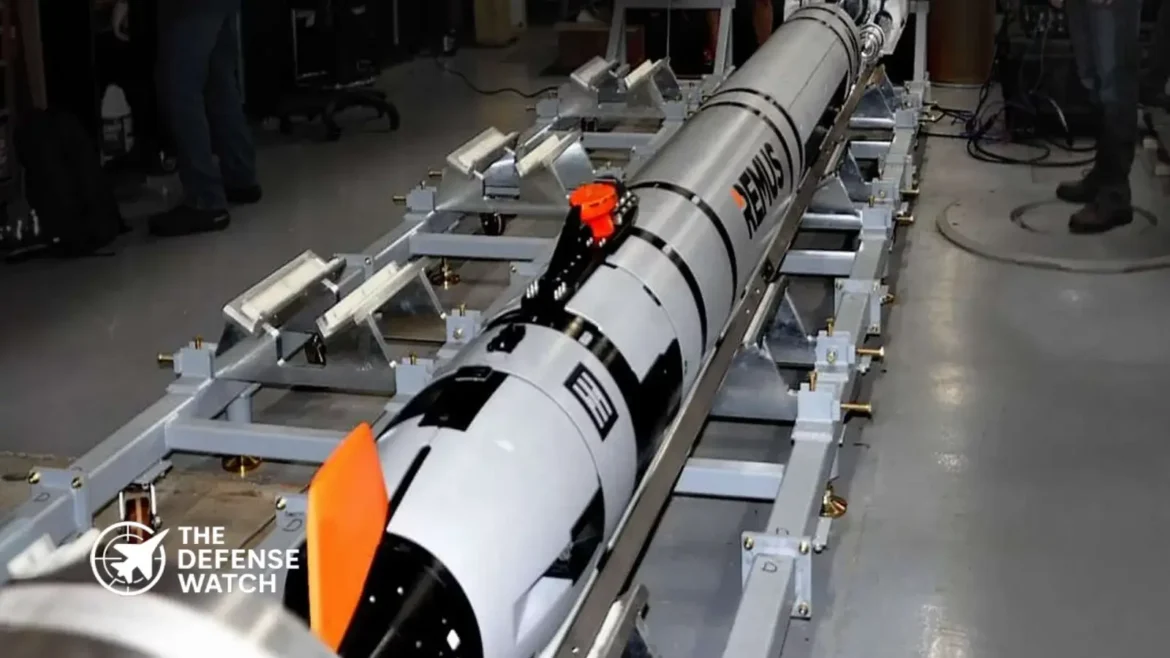
HII Torpedo Tube UUV Launch System Advances U.S. Navy Submarine Reach
The U.S. Navy UUV launch system effort moved forward this week after HII announced it had secured a contract from the Defense Innovation Unit to deliver a Torpedo Tube Launch and Recovery (TTLR) system for Navy submarines. The capability is designed to autonomously deploy and recover HII REMUS unmanned underwater vehicles directly through standard submarine torpedo tubes.
- HII has received a Defense Innovation Unit contract to provide the U.S. Navy with a Torpedo Tube Launch and Recovery system.
- The system enables submarines to autonomously deploy and recover REMUS unmanned underwater vehicles through torpedo tubes.
- Capability supports intelligence, surveillance, reconnaissance, mine countermeasures, and seabed warfare missions.
- Contract follows successful 2025 launch and recovery trials aboard USS Delaware, a Virginia-class submarine.
- Program strengthens U.S. Navy manned-unmanned teaming in contested undersea environments.
The award reflects a broader Pentagon push to give submarines more mission options without increasing crew exposure or requiring boats to surface. In practical terms, the TTLR system could let attack submarines conduct reconnaissance, route surveys, mine detection, and seabed monitoring while preserving stealth.
Why The Contract Matters Now
Submarines remain among the U.S. military’s most survivable assets, but their numbers are limited and global demand is rising. Adding autonomous systems can multiply what each submarine can do on patrol.
That matters most in contested areas such as the Indo-Pacific, North Atlantic, and chokepoints where adversaries are expanding anti-access and area-denial networks. Instead of moving a submarine directly into risk, commanders could send a smaller unmanned vehicle ahead to map waters, inspect infrastructure, or search for mines.
This contract therefore is not just about hardware. It is about extending submarine presence without exposing a strategic platform unnecessarily.
Proven In Real-World Testing
The deal follows operational milestones achieved in 2025. According to HII, the USS Delaware (SSN-791) completed three fully autonomous launch and recovery sorties of a REMUS 600 vehicle through a torpedo tube during an overseas deployment. Additional recovery testing was later conducted at Seneca Lake, New York.
Those tests are significant because recovery is often harder than launch. Returning an unmanned vehicle safely into a moving submarine’s torpedo tube requires precise navigation, timing, and reliable control systems.
ISR, Mine Warfare, And Seabed Security
The new submarine torpedo tube UUV capability supports several missions increasingly central to naval competition:
- Intelligence, surveillance, and reconnaissance (ISR)
- Mine countermeasures in denied waters
- Hydrographic and route surveys
- Inspection of undersea cables or seabed infrastructure
- Pre-strike battlespace preparation
These missions have become more urgent as global navies focus on protecting underwater infrastructure and securing maritime supply routes.
Competitive Pressure In Undersea Warfare
China and Russia continue investing in submarines, seabed sensors, autonomous systems, and long-range maritime surveillance. The U.S. response increasingly centers on distributed, networked capabilities rather than relying only on larger platforms.
That makes the HII TTLR contract strategically relevant. Instead of waiting years for new submarine hulls, the Navy can increase capability by upgrading boats already in service.
For defense planners, that is a faster and often cheaper path to operational advantage.
Industry Positioning
HII said it has delivered more than 750 REMUS vehicles to over 30 countries and remains one of the two builders of U.S. nuclear-powered submarines. The company’s experience in both crewed and uncrewed maritime systems likely strengthened its position for this award.
Bottom Line
The U.S. Navy UUV launch system contract signals that undersea warfare is shifting toward mixed fleets of submarines and autonomous vehicles. If fielded at scale, torpedo tube-launched drones could give U.S. submarines longer reach, better situational awareness, and safer access to contested waters.
That combination may become essential in any future maritime conflict.
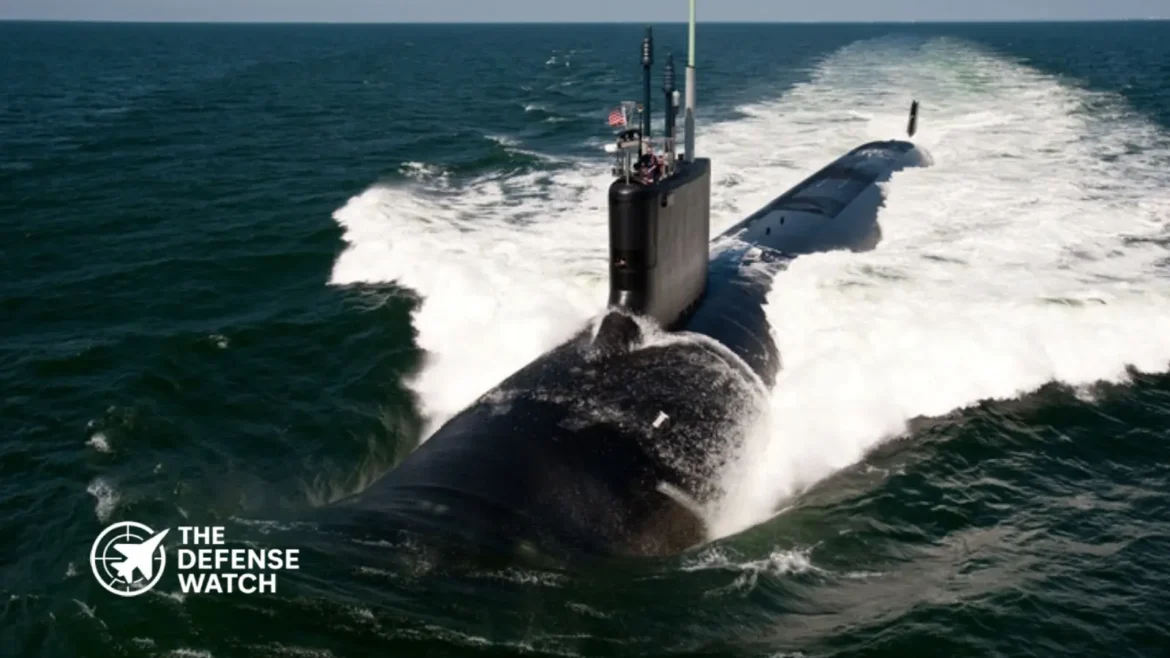
SeaShield Technologies Contract Strengthens Navy Undersea Warfare Testing
SeaShield Technologies contract activity highlights continued U.S. Navy investment in validating the readiness of next-generation maritime systems. SeaShield Technologies LLC, based in Suffolk, Virginia, has been awarded a $27,041,424 firm-fixed-price indefinite-delivery/indefinite-quantity contract to support the Navy’s Operational Test and Evaluation Force.
The contract specifically supports Undersea Warfare Division 40, which is responsible for analytical operational test and evaluation services tied to naval undersea capabilities.
- SeaShield Technologies LLC received a $27.04 million Navy IDIQ contract.
- Contract supports Operational Test and Evaluation Force Undersea Warfare Division 40.
- Work covers analytical operational test and evaluation support services.
- Ordering period runs from May 2026 through May 2031.
- Maximum potential value rises to $29.92 million if six-month option is exercised.
If the six-month extension option under Federal Acquisition Regulation 52.217-8 is exercised, the total estimated contract value could increase to $29,921,764.
What The Contract Covers
Under the award, SeaShield Technologies will provide technical and analytical services that help the Navy assess the performance, readiness, and effectiveness of undersea warfare systems.
That mission can include support for:
- Submarine combat systems
- Underwater sensors
- Anti-submarine warfare tools
- Unmanned undersea platforms
- Fleet integration testing
- Mission effectiveness analysis
Operational testing is a critical phase before systems are fully fielded. It helps the Navy determine whether equipment performs reliably in realistic operating environments.
Why Undersea Warfare Remains A Priority
The Navy’s focus on undersea warfare comes amid increasing strategic competition in the Atlantic, Indo-Pacific, and other contested maritime regions.
Submarines remain among the most survivable and strategically valuable military assets. They can conduct intelligence collection, strike missions, anti-ship operations, and deterrence patrols while remaining difficult to detect.
For that reason, the Pentagon continues investing not only in submarines themselves, but also in sonar networks, autonomous underwater vehicles, torpedoes, and data systems that improve undersea awareness.
The SeaShield Technologies contract supports this broader modernization effort by ensuring systems are rigorously tested before operational deployment.
Multi-Year Performance Window
The ordering period is expected to begin in May 2026 and continue through May 2031. If the optional six-month extension is exercised, the performance window would continue through November 2031.
Actual work locations will depend on task orders issued under the contract. The Navy said testing may occur across multiple U.S. sites and overseas locations depending on mission needs.
That flexible structure is common for evaluation contracts supporting fleet operations, where trials may need access to ranges, ports, shipyards, or deployed naval forces.
Competitive Award Process
The contract was competitively procured through the System for Award Management website as a service-disabled veteran-owned small business set-aside.
Four offers were received, indicating active competition for specialized naval support work.
The contracting activity is Naval Supply Systems Command Fleet Logistics Center Norfolk, Regional Directorate, Norfolk, Virginia.
Strategic Analysis
The SeaShield Technologies contract may appear modest compared with billion-dollar shipbuilding awards, but these support contracts often have outsized strategic value.
Testing and evaluation programs help reduce procurement risk, uncover system flaws early, and improve fleet readiness. In modern naval competition, reliable sensors, communications links, and undersea tracking tools can be as decisive as hull numbers.
As rival naval powers expand submarine fleets and underwater surveillance networks, the U.S. Navy’s emphasis on verification and performance testing reflects a practical readiness-first approach.
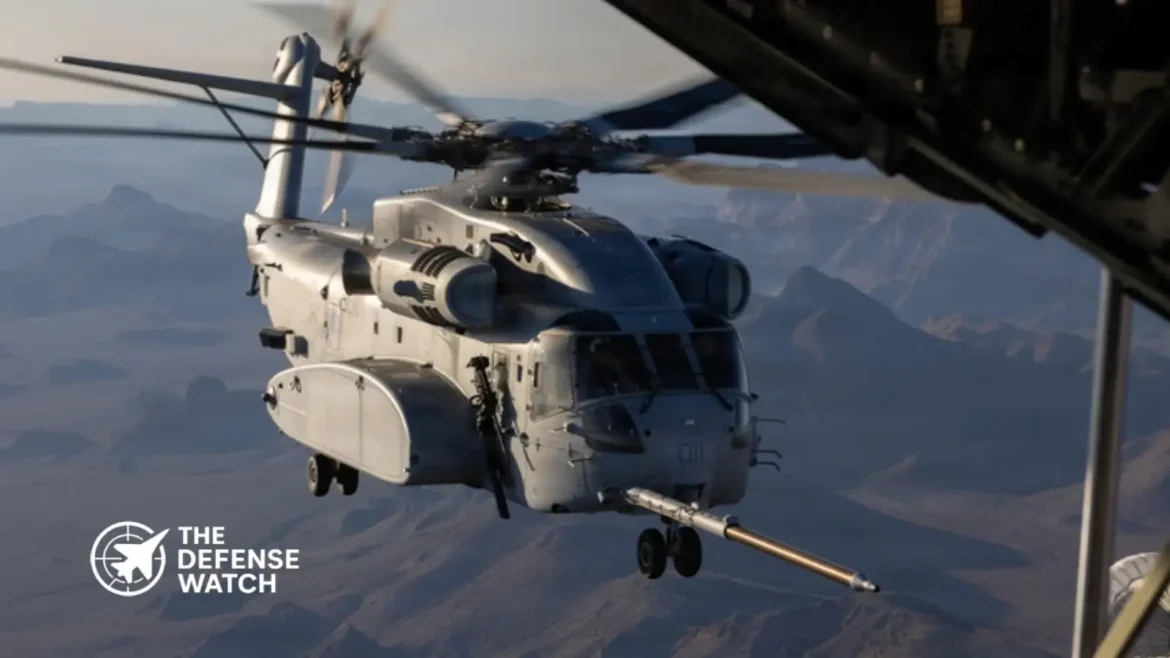
GE Aerospace CH-53K Engine Contract Supports Marine Corps Lift Fleet
GE Aerospace CH-53K engine production received another boost after the U.S. Navy awarded the company a $46,532,340 contract modification for nine additional T408-GE-400 turboshaft engines. The engines are intended for Lot 10 variation in quantity aircraft under the CH-53K King Stallion full-rate production program for the U.S. Marine Corps.
The award went to General Electric Aerospace in Lynn, Massachusetts, where the work will be performed. Completion is expected by September 2032.
- GE Aerospace received a $46.53 million Navy contract modification for nine T408-GE-400 turboshaft engines.
- The engines will support Lot 10 CH-53K King Stallion full-rate production for the U.S. Marine Corps.
- Work will be carried out in Lynn, Massachusetts, with completion scheduled for September 2032.
- Fiscal Year 2026 Navy aircraft procurement funds were obligated at award.
- Naval Air Systems Command in Patuxent River, Maryland, managed the award.
The contract was issued by Naval Air Systems Command (NAVAIR) in Patuxent River, Maryland, and was not competed, reflecting GE Aerospace’s role as the original engine manufacturer for the platform.
Why The CH-53K Program Matters
The CH-53K King Stallion, built by Lockheed Martin subsidiary Sikorsky, is the Marine Corps’ next-generation heavy-lift helicopter designed to replace the aging CH-53E Super Stallion fleet.
It is built to transport heavier payloads over longer distances while operating in hot, high, and austere environments. Those requirements are central to Marine Corps expeditionary doctrine, where aircraft must move artillery, vehicles, fuel, and troops from ship to shore or across dispersed island positions.
The additional engines suggest continued momentum in the production line as the service expands procurement beyond early low-rate lots.
T408 Engine Performance And Role
The T408-GE-400 is one of the most powerful helicopter engines fielded by the U.S. military. Developed specifically for the CH-53K, it delivers substantially greater power than legacy engines used on earlier heavy-lift helicopters.
That power increase allows the CH-53K to carry external loads more efficiently while improving performance margins in demanding climates such as the Indo-Pacific or Middle East.
From an operational standpoint, engine reliability and spare capacity are just as important as aircraft numbers. Extra engines help sustain readiness, support maintenance cycles, and reduce bottlenecks as more helicopters enter squadron service.
Strategic Meaning Behind The Award
While the dollar figure is modest compared with full aircraft buys, propulsion contracts often signal the pace of future production. Engines are long-lead components that must be ordered well before final aircraft assembly.
That means this GE Aerospace CH-53K engine award likely reflects confidence in continued procurement planning for upcoming Marine Corps lots.
The Marine Corps has increasingly emphasized mobility and distributed operations, particularly in the Pacific. Heavy-lift helicopters remain one of the few assets able to rapidly move oversized cargo without runway dependence.
Industrial Base Impact
The work being centered in Lynn, Massachusetts also supports the U.S. aerospace manufacturing base. Maintaining skilled turbine production lines is strategically valuable as Pentagon demand rises across helicopters, fighters, and next-generation aircraft.
For GE Aerospace, the contract reinforces its position as a major supplier of military propulsion systems across multiple U.S. programs.
Looking Ahead
As more CH-53Ks are delivered, sustainment and engine procurement will remain critical. Aircraft production alone does not guarantee readiness. Spare engines, maintenance capacity, and long-term support contracts are what keep fleets deployable.
This latest award shows the Pentagon continues investing not only in airframes, but in the propulsion backbone required to field the Marine Corps’ premier heavy-lift helicopter.

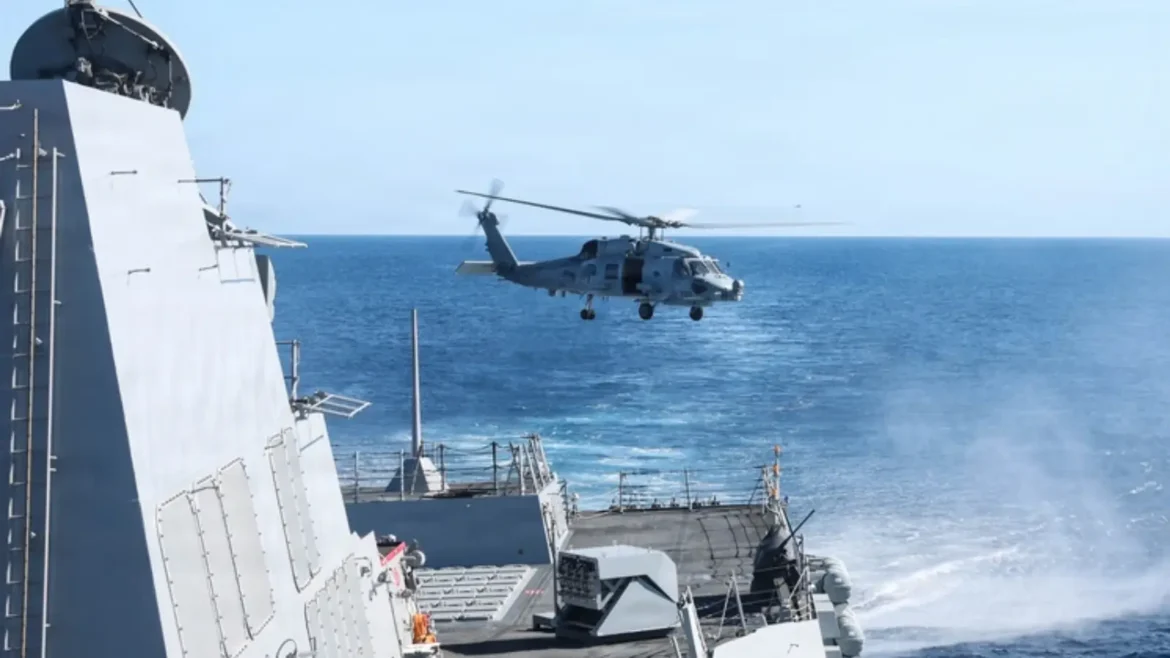
Lockheed Martin MH-60R Radar Upgrade Advances Navy Helicopter Fleet
The MH-60R radar upgrade program moved forward after Lockheed Martin was awarded a $99,481,601 cost-plus-fixed-fee order to modernize the AN/APS-153 radar system installed on the MH-60R Seahawk. The award supports both domestic U.S. Navy aircraft and export variants sold through Foreign Military Sales channels.
According to the Pentagon contract announcement, the work includes design, development, integration, and testing of a radar data processor technology refresh. That indicates the focus is not merely maintenance, but deeper electronics modernization intended to keep the system effective against evolving maritime threats.
- Lockheed Martin received a $99.48 million U.S. Navy contract for MH-60R radar modernization.
- The work covers design, development, integration, and testing of a radar data processor technology refresh.
- The upgrade applies to the MH-60R AN/APS-153 radar system for U.S. and Foreign Military Sales variants.
- Work will be completed in New York and Connecticut through April 2031.
- Contracting authority is Naval Air Systems Command, Patuxent River, Maryland.
The order was issued under a previously established basic ordering agreement and was not openly competed.
Why The MH-60R Radar Upgrade Matters
The MH-60R Seahawk is one of the U.S. Navy’s most important multi-mission helicopters. It performs anti-submarine warfare, anti-surface warfare, surveillance, search and rescue, and fleet support operations from destroyers, cruisers, frigates, and shore bases.
Its AN/APS-153 radar plays a central role in detecting ships, small surface contacts, weather patterns, and navigation hazards. In contested waters, radar processing speed and reliability can directly affect mission success.
Refreshing the radar data processor likely brings three practical benefits:
- Faster target tracking and data handling
- Better reliability and lower sustainment burden
- Improved compatibility with future software upgrades
That matters because many U.S. military platforms now rely on incremental electronics refreshes rather than entirely new airframes. It is often cheaper and faster to modernize sensors than replace fleets.
Strategic Value For U.S. Navy And Allies
The contract also includes Foreign Military Sales variants, highlighting continued international demand for the MH-60R Seahawk. Countries operating the aircraft increasingly need common standards, spare parts support, and updated mission systems.
This approach helps allied navies remain interoperable with U.S. forces during coalition maritime operations. Shared radar architecture can simplify training, logistics, and software support over time.
For Washington, export support also strengthens long-term defense relationships while reducing per-unit sustainment costs across a broader user base.
Where The Work Will Be Done
Contract performance will take place in:
- Farmingdale, New York (68%)
- Owego, New York (31%)
- Stratford, Connecticut (1%)
The project is expected to run through April 2031, showing the scale and technical depth of the modernization effort.
Funding Breakdown
At the time of award, the Navy obligated:
- $6.5 million in Fiscal Year 2026 Navy research, development, test and evaluation funds
- $14.5 million in Foreign Military Sales funds
None of those funds expire at the end of the current fiscal year, allowing longer execution timelines.
Broader Defense Trend
The MH-60R radar upgrade reflects a wider Pentagon trend: extending proven platforms through sensor, processor, and software modernization. Rather than waiting years for next-generation aircraft, the military is improving fielded systems now.
For naval aviation, that means helicopters already deployed worldwide can remain relevant in increasingly crowded and contested maritime environments.