

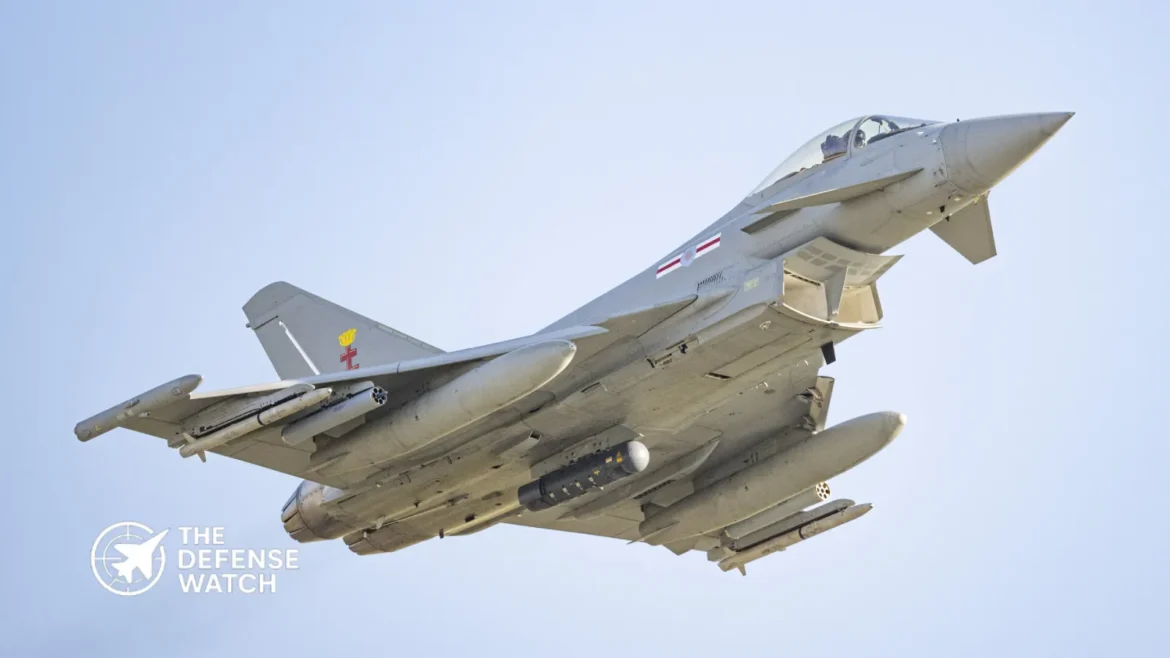
RAF Tests Low Cost Typhoon Weapon Against Drone Threats
The Typhoon low cost weapon test marks a significant step in adapting modern fighter aircraft to counter the growing threat posed by unmanned aerial systems, according to reporting from UK Defence Journal.
The Royal Air Force has conducted trials of a new low cost weapon integrated onto the Eurofighter Typhoon, aimed specifically at defeating drones in a more cost effective manner. The initiative reflects a broader shift across Western air forces, which are increasingly seeking scalable solutions to counter large numbers of low cost aerial threats.
Unlike traditional air to air missiles, which can cost hundreds of thousands or even millions of dollars per shot, the new system is designed to provide a more economical option when engaging relatively inexpensive drones.
- The RAF has tested a new low cost weapon on the Typhoon to counter emerging drone threats.
- The system is designed to provide an affordable alternative to expensive air to air missiles.
- The test reflects growing concern over mass drone attacks in modern conflicts.
- Typhoon’s integration highlights a shift toward scalable and sustainable air defense solutions.
- The development aligns with broader Western efforts to adapt fighter aircraft to counter UAV swarms.
Addressing The Cost Imbalance In Air Combat
One of the central challenges in modern air defense is the cost imbalance between offensive and defensive systems. Adversaries can deploy large numbers of low cost drones, forcing defenders to expend high value munitions to neutralize them.
The Typhoon low cost weapon test directly addresses this issue. By equipping frontline fighters with cheaper intercept options, the RAF aims to preserve its high end missile inventory for more advanced threats such as enemy aircraft or cruise missiles.
This approach has become increasingly relevant following recent conflicts where drone swarms have overwhelmed traditional air defense systems. Lessons from Ukraine and the Middle East have underscored the need for layered, cost efficient responses.
Expanding Typhoon’s Operational Role
The integration of a low cost weapon also expands the operational flexibility of the Typhoon platform. Traditionally optimized for air superiority and strike missions, the aircraft is now being adapted for persistent counter drone operations.
This evolution reflects a broader trend in airpower doctrine. Fighters are no longer limited to high intensity engagements against peer adversaries. Instead, they are expected to operate across a spectrum of threats, including irregular and asymmetric challenges.
By incorporating affordable interceptors, the Typhoon can remain on station longer and engage multiple targets without rapidly depleting expensive munitions. This is particularly important in scenarios involving sustained drone activity.
Strategic Implications For NATO Air Forces
The Typhoon low cost weapon test has implications beyond the United Kingdom. NATO air forces are facing similar challenges, especially as drone proliferation accelerates across multiple regions.
Developing cost effective countermeasures is becoming a priority. High end systems alone are not sufficient to address the volume and diversity of modern aerial threats. Instead, a layered approach combining advanced missiles, electronic warfare, and low cost interceptors is emerging as the preferred model.
The RAF’s effort could serve as a template for other operators of the Typhoon and similar aircraft. If successfully fielded, the system may be adopted more widely across allied fleets.
Industry And Technology Considerations
While specific technical details of the low cost weapon remain limited, the concept aligns with ongoing industry efforts to develop modular, adaptable munitions. These systems often emphasize reduced unit cost, simplified guidance, and rapid production.
The focus is not necessarily on achieving the same performance as high end missiles, but rather on delivering sufficient capability against lower tier threats. This trade off is increasingly seen as acceptable given the operational context.
Additionally, integrating such weapons onto existing platforms like the Typhoon avoids the need for entirely new systems, accelerating deployment timelines and reducing overall costs.
Analysis: A Shift Toward Sustainable Air Defense
The Typhoon low cost weapon test highlights a broader transformation in air warfare. The emphasis is shifting from purely technological superiority to sustainable combat operations.
Air forces must now consider not only whether they can defeat a threat, but whether they can do so repeatedly and affordably over time. This is especially critical in prolonged conflicts where resupply and production capacity become decisive factors.
In this context, low cost weapons are not just a tactical innovation. They represent a strategic necessity. By enabling fighters to counter drones without exhausting high value munitions, they help ensure long term operational resilience.
The RAF’s initiative suggests that future air combat will be defined as much by economics and scalability as by performance.

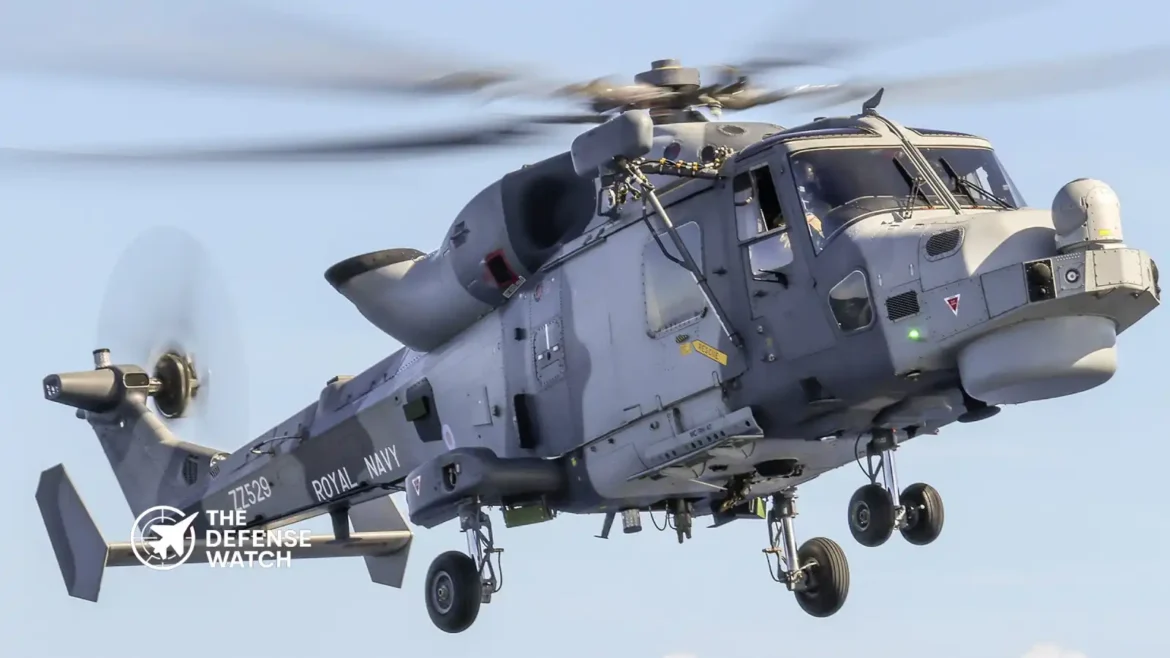
UK Typhoon Fighter Jets Sustain Continuous Air Defense In Middle East
UK Typhoon fighter jets are maintaining continuous air defense operations across the Middle East, reinforcing the United Kingdom’s forward-deployed military posture in a region marked by persistent instability and evolving aerial threats.
the Royal Air Force has deployed Eurofighter Typhoon aircraft alongside Wildcat helicopters to conduct sustained patrols, surveillance, and rapid response missions. These operations are designed to ensure airspace security, protect allied assets, and deter potential adversaries.
The presence of UK Typhoon fighter jets reflects a broader effort by London to maintain operational readiness and strategic influence in key theaters, particularly amid heightened tensions involving state and non-state actors across the region.
- UK Typhoon fighter jets are conducting continuous air defense patrols across the Middle East.
- Wildcat helicopters are supporting maritime and regional security operations alongside fighter jets.
- The deployment reflects sustained UK military presence in response to evolving regional threats.
- Operations include air policing, surveillance, and rapid response capabilities.
- The mission underscores NATO-aligned commitments and UK strategic interests in the region.
Integrated Air And Maritime Security Operations
The deployment combines air superiority fighters with rotary-wing platforms, creating a layered defense approach. Typhoon jets provide high-speed interception and air policing capabilities, while Wildcat helicopters support maritime surveillance and close-range operational tasks.
This integration enhances situational awareness across both air and sea domains. Wildcat helicopters are particularly suited for operations in littoral environments, offering flexibility in monitoring shipping lanes and supporting naval forces.
Such combined operations indicate a shift toward multi-domain coordination, where air and maritime assets operate in tandem to address complex security challenges. This approach aligns with modern NATO doctrines emphasizing interoperability and rapid response.
Strategic Context Behind UK Air Defense Deployment
The continued presence of UK Typhoon fighter jets in the Middle East comes at a time of increased regional volatility. Ongoing conflicts, drone proliferation, and missile threats have heightened the demand for persistent air defense coverage.
British forces have historically played a role in coalition operations across the Middle East, including counterterrorism missions and air policing tasks. The current deployment builds on that legacy while adapting to newer threats such as unmanned aerial systems and low-altitude cruise missiles.
From a strategic standpoint, maintaining continuous air patrols allows the UK to project power, reassure allies, and respond quickly to emerging crises. It also strengthens partnerships with regional and international forces operating in the same theater.
Operational Role Of Typhoon Fighter Jets
The Eurofighter Typhoon is a multi-role combat aircraft capable of both air-to-air and air-to-ground missions. In the context of Middle East operations, its primary role centers on air defense, including intercepting unidentified aircraft and maintaining airspace integrity.
Equipped with advanced radar systems and beyond-visual-range missiles, Typhoon jets are well-suited for detecting and neutralizing potential threats at extended distances. Their speed and agility allow for rapid deployment across wide operational areas.
The aircraft’s ability to integrate with allied command and control systems further enhances its effectiveness in coalition environments. This interoperability is critical in a region where multiple nations conduct overlapping operations.
Wildcat Helicopters Add Tactical Flexibility
Wildcat helicopters complement the capabilities of UK Typhoon fighter jets by providing close-range surveillance and support functions. Operating from both land bases and naval platforms, these helicopters play a key role in monitoring maritime activity and supporting ground forces.
Their advanced sensors enable real-time intelligence gathering, which can be shared with other assets in the operational network. This contributes to a more comprehensive picture of the battlespace.
In scenarios involving asymmetric threats, such as small boats or low-flying drones, Wildcat helicopters offer a flexible and responsive option that fixed-wing aircraft may not fully address.
Analysis: Sustained Presence Signals Long-Term Commitment
The continuous deployment of UK Typhoon fighter jets suggests a long-term commitment rather than a short-term response. This reflects a recognition that Middle East security challenges are persistent and require ongoing engagement.
From an operational perspective, maintaining continuous air patrols places demands on logistics, personnel, and maintenance cycles. This indicates a high level of prioritization within UK defense planning.
The integration of Typhoon jets and Wildcat helicopters also highlights a trend toward adaptable force structures. Instead of relying solely on high-end platforms, the UK is employing a mix of capabilities to address a spectrum of threats.
Moreover, the deployment serves as a deterrent signal. By maintaining a visible and capable presence, the UK aims to discourage hostile actions while supporting stability in a strategically vital region.

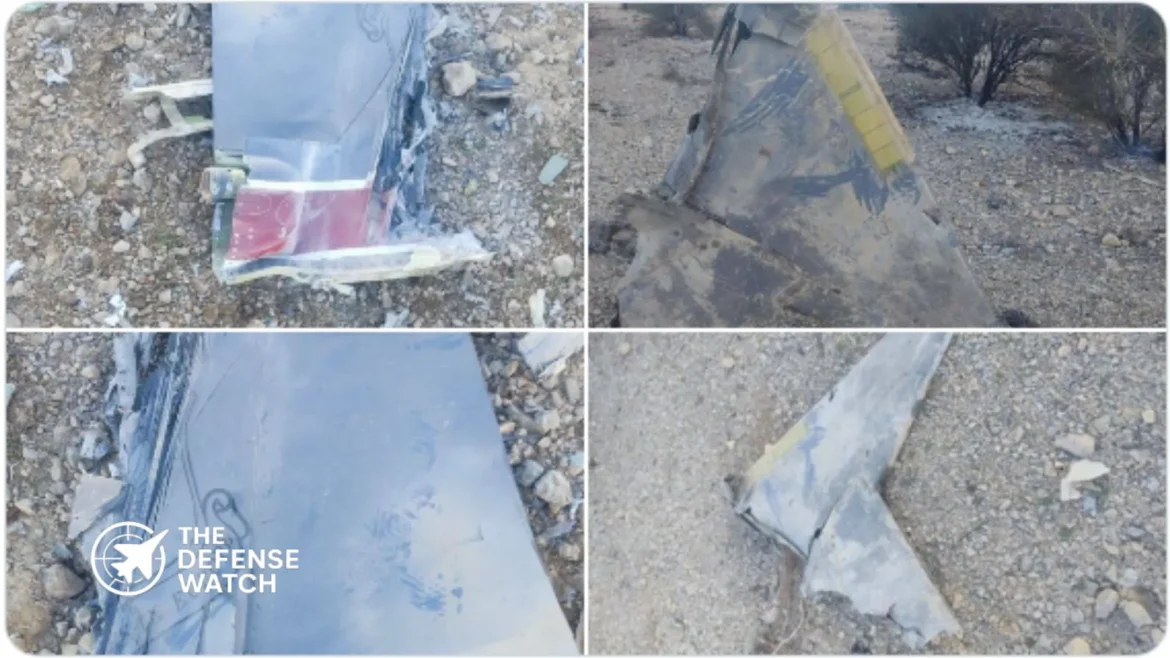
Iran Claims Shootdown Of US F-35 Fighter Jet
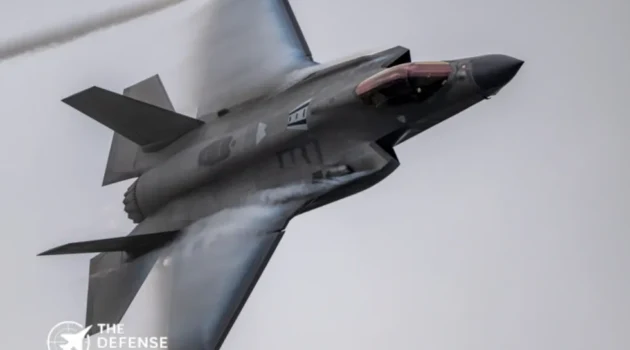
Iran’s reported F-35 shootdown claim has surfaced amid heightened regional tensions, with Tehran asserting that its air defenses downed a US stealth fighter in central Iranian airspace.
According to Iranian state-linked media and statements attributed to the Islamic Revolutionary Guard Corps (IRGC), the aircraft was engaged and destroyed during what it described as an intrusion into national airspace. The claim marks what Iran describes as a second incident involving a US F-35 fighter jet.
- Iran claims it shot down a US F-35 fighter jet in central airspace, according to state-affiliated media.
- The Islamic Revolutionary Guard Corps says the aircraft was engaged over central Iran.
- No information has been released regarding the pilot’s status.
- Iranian media suggests the pilot may not have ejected due to an onboard explosion.
- US Central Command has not confirmed or responded to the claim.
However, US Central Command (CENTCOM) has not issued any confirmation or response at the time of publication, leaving the claim unverified.
Limited Details, No Independent Confirmation
Details surrounding the alleged incident remain sparse. Iranian outlets report that the F-35 was struck in midair, with no confirmed information on the pilot’s fate. Some reports suggest a possible onboard explosion prevented ejection, though no evidence has been presented.
There has been no independent verification from Western defense officials, satellite imagery providers, or open-source intelligence analysts. In past incidents involving high-end military platforms, confirmation has typically relied on multiple sources, including ISR data, wreckage imagery, or official acknowledgment.
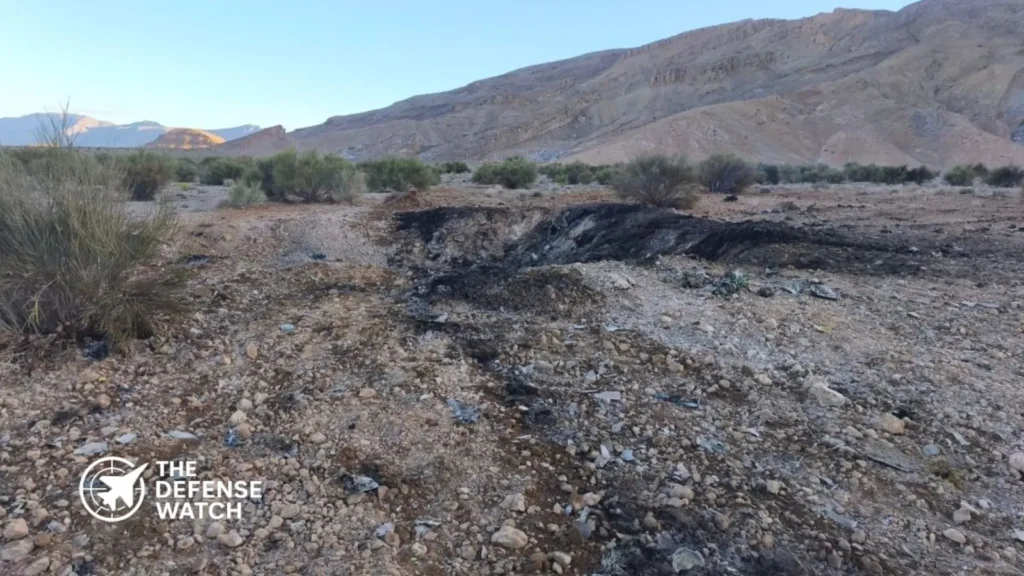
The absence of such corroboration raises questions about the operational context and credibility of the claim.
F-35 Survivability And Operational Context
The F-35 Lightning II is widely regarded as one of the most advanced multirole stealth fighters in service. Designed with low observable features, advanced electronic warfare systems, and sensor fusion capabilities, the aircraft is intended to operate in contested environments with reduced detection risk.
For an F-35 to be successfully engaged, several conditions would likely need to align. These could include:
- Detection by advanced radar systems, potentially operating in low-frequency bands
- Integration of layered air defense networks
- Use of infrared search and track (IRST) or passive detection systems
- Engagement within a favorable range envelope
Iran has invested in indigenous and imported air defense systems, including upgrades to its radar network and integration of systems such as the Bavar-373. Tehran has also emphasized counter-stealth capabilities in recent years.
That said, publicly available data does not indicate a confirmed operational kill of an F-35 by any air defense system globally.
Information Warfare And Strategic Messaging
Claims of high-profile shootdowns often carry strategic messaging value beyond the tactical level. For Iran, asserting the ability to down a fifth-generation fighter supports deterrence narratives and signals confidence in its air defense capabilities.
At the same time, the US military typically maintains strict control over information related to aircraft losses. In previous confirmed incidents involving F-35 crashes, such as those due to mechanical failure or training accidents, the Pentagon has released detailed statements.
The lack of such acknowledgment in this case suggests one of several possibilities:
- The incident did not occur as described
- The aircraft involved may not have been an F-35
- Information is being withheld pending verification
Regional Implications
If verified, an F-35 shootdown would represent a significant development in modern air warfare, potentially reshaping assumptions about stealth survivability in contested airspace.
It would also have immediate implications for US force posture in the Middle East, where F-35s are deployed for deterrence, surveillance, and rapid strike missions.
For regional actors, including Israel and Gulf states operating or acquiring F-35 platforms, such an event would likely prompt reassessment of operational tactics, electronic warfare integration, and air defense suppression strategies.
Assessment
At present, the Iran F-35 shootdown claim remains unconfirmed and should be treated with caution. The absence of supporting evidence, combined with no response from US Central Command, limits the ability to assess the incident’s validity.
Defense analysts will likely monitor for additional indicators, including satellite imagery, communications intercepts, or official statements, to determine whether the claim reflects a real engagement or forms part of broader information operations.
Switzerland Patriot Missile System Deal Faces Uncertainty
The Switzerland Patriot missile system program is under renewed scrutiny after government officials confirmed that canceling the deal remains a viable option, reflecting growing pressure over defense spending and procurement priorities.
According to Reuters reporting, Swiss authorities are reassessing the purchase of the U.S.-made Patriot air defense system as part of a broader review of military modernization costs. The Patriot system had been selected as a cornerstone of Switzerland’s future ground based air defense architecture.
The development highlights a rare moment of uncertainty in a major European missile defense acquisition, especially at a time when many countries are accelerating air and missile defense investments in response to evolving security threats.
- Switzerland says canceling its Patriot missile system order remains an option amid budget concerns.
- The Patriot system was selected to modernize Switzerland’s ground based air defense network.
- Rising costs and procurement scrutiny have triggered political debate over the deal.
- The system is intended to counter aircraft, cruise missiles, and ballistic threats.
- Any cancellation could reshape Switzerland’s long term air defense strategy and partnerships.
Cost Pressures And Political Debate Intensify
The potential cancellation stems largely from rising costs tied to the Switzerland Patriot missile system deal. Swiss officials have signaled concern that overall program expenses may exceed initial projections, placing strain on the country’s defense budget.
This has triggered debate within Switzerland’s political landscape, where defense spending decisions are closely scrutinized. Lawmakers and stakeholders are weighing whether the Patriot system remains the most cost effective solution for national air defense.
While no final decision has been made, the willingness to consider cancellation suggests a shift toward more cautious procurement planning, even as regional security dynamics grow more complex.
From an analytical standpoint, this reflects a broader European trend where governments are balancing urgent defense needs against fiscal constraints. Unlike frontline NATO states, Switzerland maintains a neutral posture, which can influence how aggressively it pursues high end military systems.
Strategic Importance Of The Patriot System
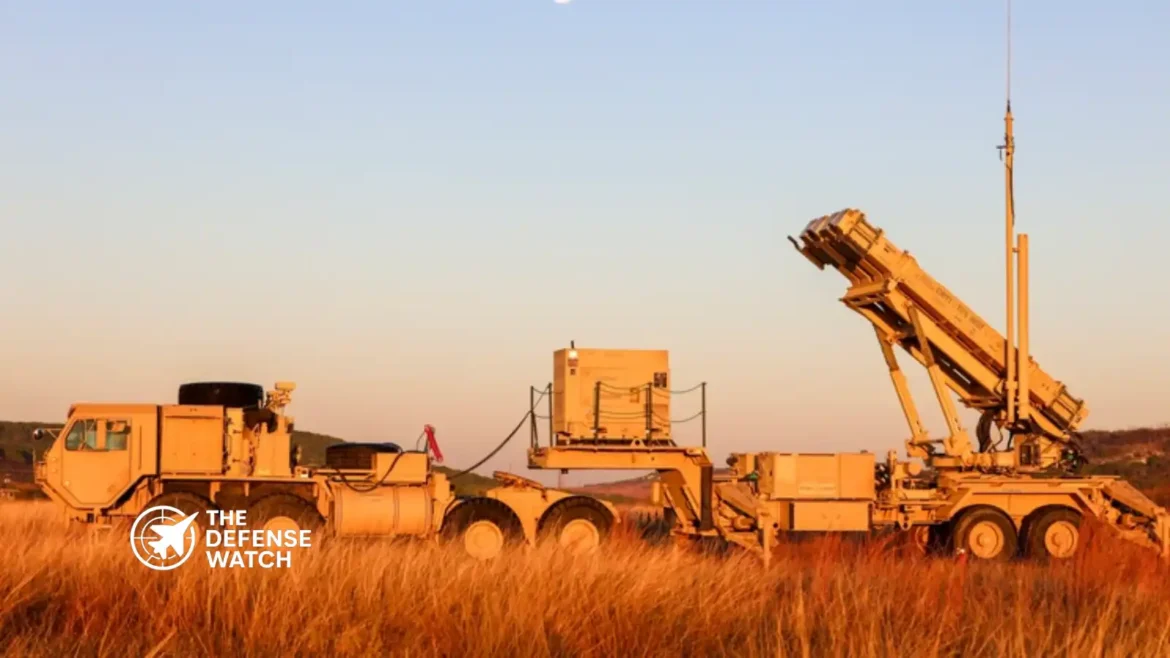
The Patriot air defense system, developed by the United States, is widely regarded as one of the most capable surface to air missile platforms in service today. It is designed to intercept a range of threats, including aircraft, cruise missiles, and certain ballistic missiles.

Image : U.S. Army For Switzerland, the Patriot system was intended to replace aging air defense assets and provide a modern, layered defense capability. Its integration would significantly enhance the country’s ability to detect and respond to advanced aerial threats.
Canceling the Switzerland Patriot missile system deal could create a capability gap, particularly in high altitude and long range interception. This would force Swiss defense planners to explore alternative solutions, potentially delaying modernization timelines.
Broader Implications For European Defense
The uncertainty surrounding the Switzerland Patriot missile system deal carries implications beyond national borders. European countries are increasingly prioritizing integrated air and missile defense networks, often relying on interoperable systems sourced from allied partners.
A cancellation could signal hesitation toward high cost U.S. defense systems, potentially opening the door for European alternatives or hybrid procurement strategies. It may also influence how other smaller nations approach large scale defense acquisitions.
At the same time, the move underscores the complexity of defense procurement in a rapidly changing threat environment. While systems like Patriot offer proven capabilities, their cost and lifecycle requirements remain significant factors in decision making.
What Comes Next
Swiss authorities have not announced a final decision, and the Switzerland Patriot missile system contract remains in place for now. Officials are expected to continue evaluating cost, capability, and strategic alignment before determining the program’s future.
If the deal proceeds, Switzerland will move forward with a major upgrade to its air defense network. If canceled, the country will need to reassess its approach, potentially delaying critical modernization efforts.
Either outcome will be closely watched across Europe, as nations navigate similar challenges in balancing defense readiness with financial sustainability.
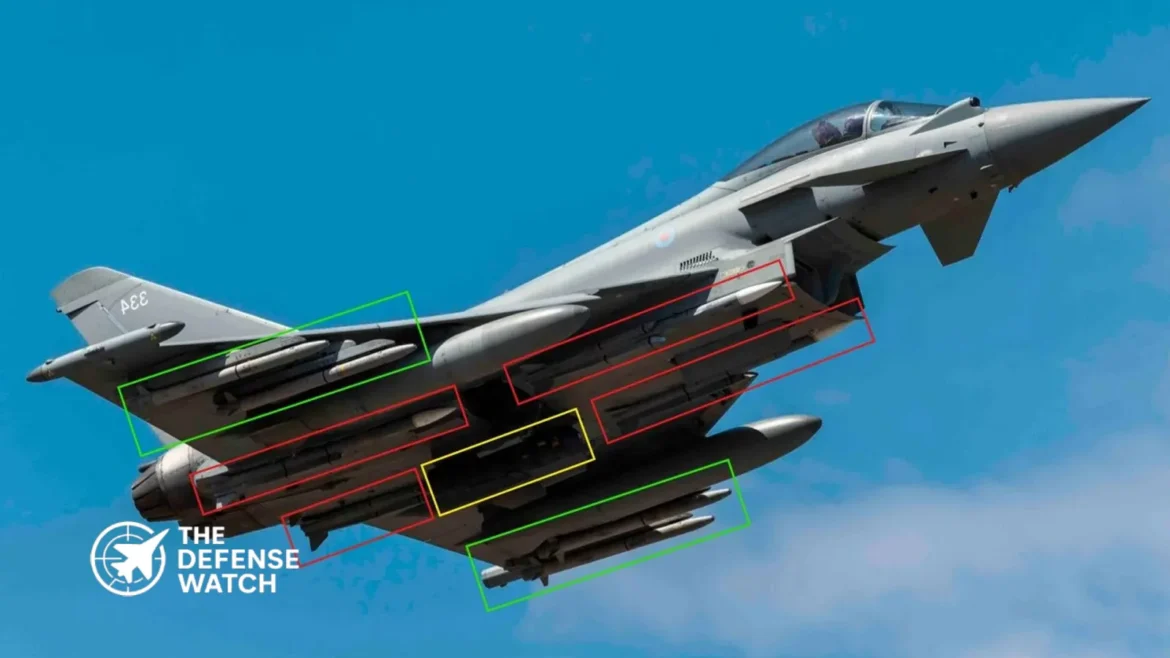
RAF Typhoon FGR4 Heavy Loadout Signals Operational Shift
The Typhoon FGR4 heavy loadout is drawing attention as the Royal Air Force strengthens its air defense posture in ongoing Middle East operations. Recent imagery show the aircraft configured with an unusually large number of air-to-air missiles, underscoring a shift toward high-readiness interception and deterrence roles.
(adsbygoogle = window.adsbygoogle || []).push({});The deployment reflects evolving threat dynamics in the region, where unmanned systems, cruise missiles, and potential state-based air threats are increasingly shaping operational planning.
Short, visible changes in aircraft configuration often signal deeper strategic intent. In this case, the Typhoon FGR4 heavy loadout points to a mission set focused less on strike and more on persistent air dominance.
- RAF Typhoon FGR4 deployed with a heavy air-to-air missile loadout during Middle East operations.
- Configuration includes a mix of beyond-visual-range and short-range air defense missiles.
- Deployment supports ongoing coalition operations and regional airspace security missions.
- Loadout highlights focus on countering aerial threats including drones and potential hostile aircraft.
- Reflects RAF emphasis on flexible, high-readiness air defense posture in contested environments.
Expanded Missile Configuration Enhances Air Defense Reach
According to reporting by Army Recognition, the Typhoon FGR4 was observed carrying a combination of beyond-visual-range and short-range air-to-air missiles. This likely includes advanced radar-guided missiles for long-distance engagements and infrared-guided weapons for close-in combat.
Such a configuration allows the aircraft to engage multiple targets across different engagement zones without returning to base. It also increases survivability in contested airspace, where reaction time is critical.
The ability to carry a heavier missile load is a core strength of the Eurofighter platform. Its multiple hardpoints and high thrust-to-weight ratio enable it to maintain performance even when fully armed.
From an operational standpoint, this loadout supports layered air defense. Aircraft can intercept threats at extended ranges while retaining capability for close engagements if required.
Middle East Deployment Reflects Changing Threat Environment
The Typhoon FGR4 heavy loadout aligns with broader coalition efforts to secure airspace across the Middle East. The region has seen a steady rise in drone activity and asymmetric aerial threats, particularly in areas linked to ongoing conflicts and regional tensions.
RAF deployments in the Middle East have historically included both strike and air policing roles. However, the current configuration suggests a stronger emphasis on defensive counter-air missions.
This shift is consistent with trends observed across NATO and allied air forces, where air defense is regaining priority due to the proliferation of low-cost aerial threats.
The presence of heavily armed fighters also serves a deterrent function. It signals readiness to respond rapidly to incursions, reducing the likelihood of escalation.
Platform Flexibility Remains a Key Advantage
One of the defining features of the Typhoon FGR4 is its adaptability. The aircraft can transition between air superiority, ground attack, and reconnaissance roles with minimal reconfiguration.
The heavy air defense loadout highlights this flexibility. While optimized for interception in this configuration, the aircraft can be rapidly re-tasked depending on mission requirements.
This multi-role capability is particularly valuable in the Middle East, where operational demands can shift quickly. Air forces must be prepared to respond to a wide range of scenarios, from counterterrorism operations to state-level threats.
The Typhoon’s advanced radar and sensor suite further enhance its effectiveness. These systems enable pilots to detect and track multiple targets simultaneously, a critical requirement in complex airspaces.
Strategic Implications For RAF And Coalition Forces
The Typhoon FGR4 heavy loadout is more than a technical detail. It reflects a broader strategic adjustment in how air power is applied in the region.
By prioritizing air defense, the RAF is aligning with a growing emphasis on protecting critical infrastructure and maintaining airspace control. This approach complements ground-based air defense systems and provides a mobile, responsive layer of protection.
It also highlights the importance of interoperability within coalition operations. Aircraft configured for air defense can integrate with allied assets, sharing data and coordinating responses to emerging threats.
From a geopolitical perspective, the deployment reinforces the UK’s commitment to regional stability and coalition operations.

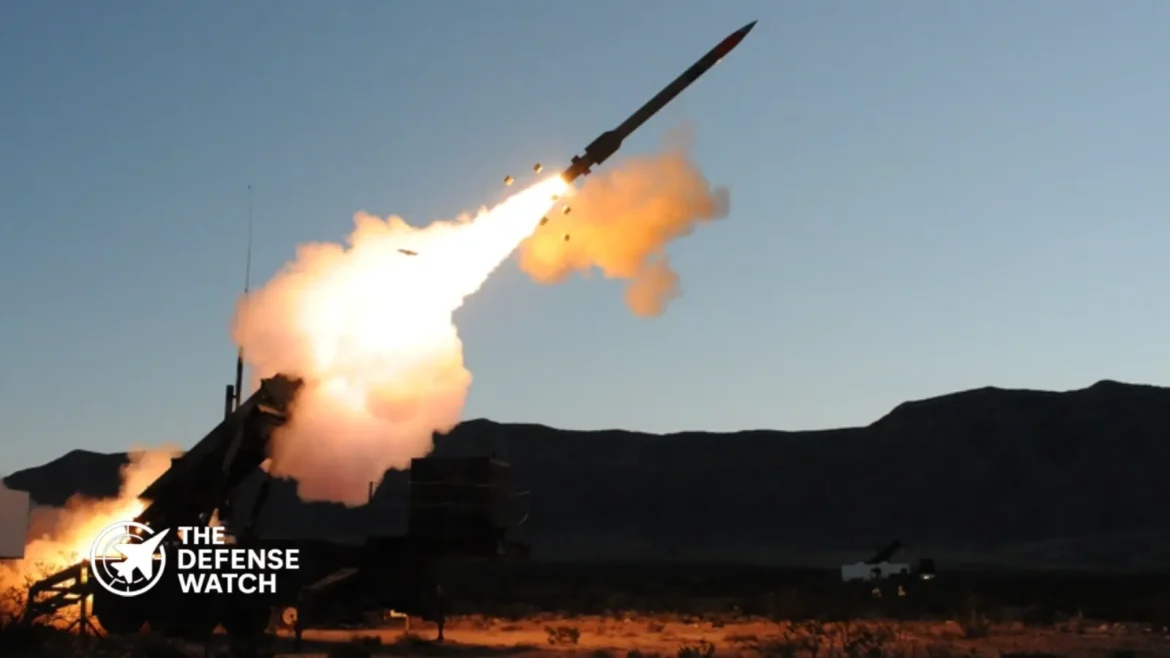
Pentagon Bolsters PAC-3 Seeker Production With New Boeing Framework
The Pentagon and Boeing agreed on a framework to triple PAC-3 seeker production capacity, a key step in expanding the supply chain for Patriot Advanced Capability-3 Missile Segment Enhancement interceptors and reinforcing U.S. air defense production lines.
(adsbygoogle = window.adsbygoogle || []).push({});- The Pentagon and Boeing agreed on a seven year framework to triple PAC 3 MSE seeker production capacity.
- Boeing will expand output at its Huntsville, Alabama production facility.
- The move supports increased Patriot interceptor production for U.S. and allied forces.
- Boeing invested over 200 million dollars in production expansion since 2024.
- Tripled seeker output removes a key bottleneck in missile defense manufacturing.
The Big Picture
The PAC-3 system forms a central layer of U.S. and allied air and missile defense, designed to intercept ballistic missiles, hypersonic threats, cruise missiles, and hostile aircraft. The interceptors rely on a guidance seeker built by Boeing to acquire, track, and engage targets with high precision. The new seven-year framework builds on existing multiyear deals aimed at scaling production of both the seeker and the complete PAC-3 interceptor round, an effort that has gained urgency amid sustained operational use and global demand.
This agreement aligns with Defense Department initiatives to reinforce domestic defense manufacturing under what officials describe as an “Arsenal of Freedom” strategy, emphasizing rapid scaling, supply chain resilience, and direct engagement with critical suppliers rather than traditional prime-only contract routes.
What’s Happening
The Defense Department entered into a seven-year framework agreement with Boeing to triple production capacity for the PAC-3 MSE seeker, the component that enables Patriot interceptors to detect and engage threats. Work will begin immediately at Boeing’s production site in Huntsville, Alabama, where the company has already invested more than $200 million since 2024 to expand facilities and readiness.
Lockheed Martin remains the prime contractor for the PAC-3 interceptor round. A parallel agreement signed earlier this year aims to boost annual production of PAC-3 interceptors from roughly 600 to about 2,000 units by the end of the decade.
Officials note the framework will enable Boeing to scale output more rapidly and provide a basis for negotiating a formal multiyear production contract later in 2026.
Why It Matters
Air and missile defense interceptors such as the PAC-3 MSE are among the most costly and complex munitions in the U.S. arsenal. Ensuring a steady, scalable supply chain for the seekers that power these interceptors matters for both readiness and cost-effectiveness. Historical production bottlenecks at the seeker level have constrained overall interceptor output, even as demand rises due to heightened global security challenges.
Expanding seeker production capacity addresses a key operational chokepoint in Patriot supply chains, enabling the Army and allied partners to sustain higher production rates without interruption. The Pentagon’s approach reflects a shift away from prime-centric procurement toward direct partnerships with essential subsystem suppliers.
Strategic Implications
For U.S. military planners, boosting PAC-3 seeker capacity supports broader efforts to rebuild and expand missile defense stockpiles that were drawn down by recent crises and high operational tempo. A more resilient production base reduces reliance on small inventories and helps deter adversaries by signaling the ability to sustain long-term defense operations.
Allied nations that operate Patriot systems are likely to benefit from expanded production, improving collective air defense coverage in Europe, the Middle East, and the Indo-Pacific. A more robust supply chain also strengthens cooperation through Foreign Military Sales and shared defense planning.
Competitor View
Competitor states such as Russia and China closely monitor U.S. moves to expand air and missile defense production. A sustained increase in PAC-3 outputs complicates potential adversary planning by bolstering deterrent capabilities and reducing vulnerabilities associated with interceptor shortages. At the same time, competitors are investing in advanced offensive capabilities, including long-range strike and hypersonic weapons, which will continue to pressure defenders to innovate.
What To Watch Next
Observers should track the Pentagon’s negotiation toward a formal multiyear contract with Boeing, expected later in 2026. Congressional appropriations will influence the pace and scale of production beyond the framework. Continued coordination between Boeing and Lockheed Martin to synchronize seeker and interceptor assembly lines will also be key to meeting planned output goals.
Capability Gap
This effort seeks to close a long-standing supply chain gap in missile defense manufacturing. Historically, seeker shortages have limited the ability to scale interceptors proportionally to demand, a challenge that became acute with increased operational use in recent conflicts. Tripling seeker production capacity aims to align guidance component supply with interceptor assembly goals.
The Bottom Line
By tripling PAC-3 seeker production capacity, the Pentagon and Boeing are strengthening the U.S. air defense industrial base and enhancing long-term readiness to counter advanced aerial threats.
Type 45 Destroyers Service Life Extended To 2038
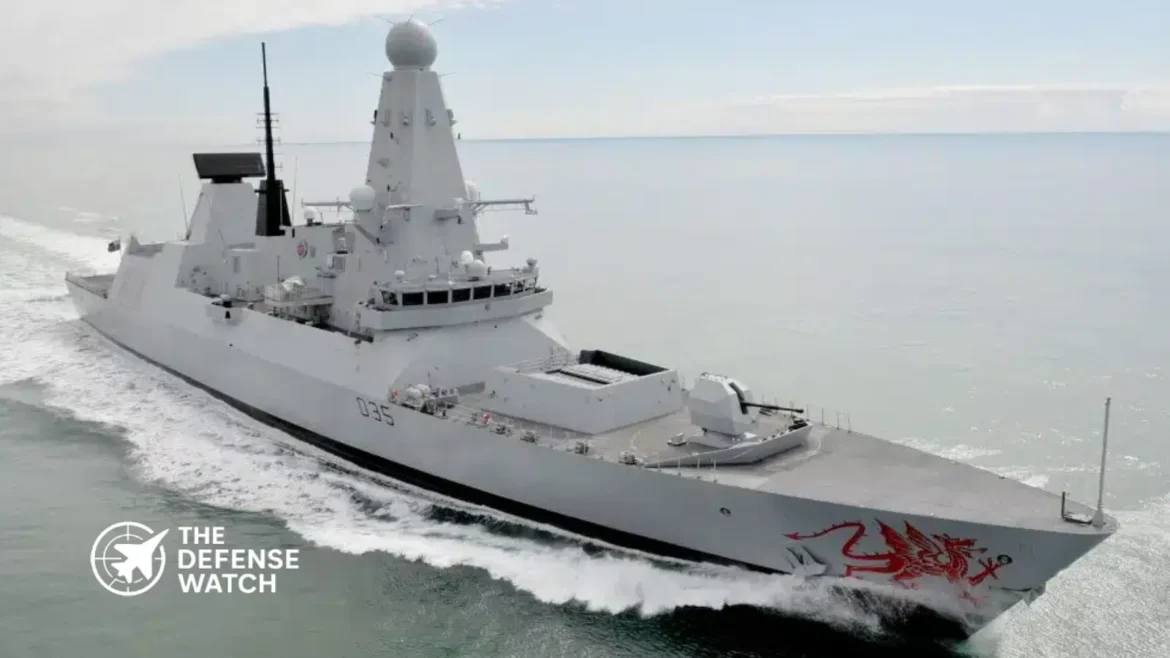
The Type 45 destroyers service life has been extended to at least 2038, reinforcing the Royal Navy’s core air defense capability as modernization timelines evolve and operational demands increase.
The decision ensures that all six Type 45 destroyers remain operational well into the next decade. These ships form the backbone of the UK’s maritime air defense, particularly in protecting carrier strike groups centered around the Queen Elizabeth-class aircraft carriers.
The extension comes alongside ongoing upgrades under the Power Improvement Project (PIP), which addresses long-standing propulsion reliability issues. The program replaces the ships’ original diesel generators with more capable systems, improving resilience and availability during extended deployments.
- The UK will keep its Type 45 destroyers in service until at least 2038, extending their operational lifespan.
- The extension aligns with ongoing propulsion upgrades under the Power Improvement Project.
- Type 45 ships provide advanced air defense using the Sea Viper missile system.
- The move ensures continued protection for carrier strike groups and allied naval forces.
- The decision reflects growing demand for high-end air defense platforms in contested environments.
Sustaining High-End Air Defense Capability
The Type 45 destroyers service life extension highlights a broader strategic requirement. Modern naval operations increasingly depend on layered air and missile defense, especially in contested regions such as the North Atlantic, Mediterranean, and Indo-Pacific.
Each Type 45 is equipped with the Sea Viper air defense system, capable of tracking and intercepting multiple airborne threats simultaneously, including aircraft and anti-ship missiles. This capability remains critical as adversaries expand their use of long-range precision weapons and unmanned systems.
From an operational standpoint, extending the fleet’s service life avoids a potential capability gap. Replacement platforms are not expected to enter service until the late 2030s, meaning the Type 45 destroyers must continue to shoulder frontline duties.
This move also reflects lessons from recent naval operations, where demand for high-end escorts has consistently exceeded supply among NATO navies.
Bridging The Gap To Future Surface Combatants
The extension of the Type 45 destroyers service life is closely tied to the UK’s future surface combatant plans, including the Type 83 destroyer concept. While details on the Type 83 remain limited, it is expected to deliver next-generation integrated air and missile defense capabilities.
Until then, the upgraded Type 45 fleet will remain the UK’s primary area air defense platform. Analysts note that maintaining these ships reduces risk during a period of transition, especially as the Royal Navy balances commitments across multiple theaters.
The decision also underscores a practical reality in defense planning. Shipbuilding timelines are long, and extending the life of proven platforms is often more cost-effective than accelerating new programs under budget constraints.
Operational Relevance In A Changing Threat Environment
The evolving threat landscape has reinforced the importance of ships like the Type 45. Advanced anti-ship missiles, hypersonic developments, and drone swarms are reshaping naval warfare.
By extending the Type 45 destroyers service life, the UK ensures it retains a credible response to these challenges. The ships’ advanced radar and missile systems provide a critical shield not only for UK assets but also for allied forces operating in coalition environments.
In practical terms, this means continued deployments in key regions, including NATO missions and Indo-Pacific engagements. The Royal Navy’s ability to project power and protect maritime assets depends heavily on the availability of these high-end destroyers.
Analysis: Strategic Continuity Over Rapid Replacement
The decision to extend the Type 45 destroyers service life reflects a calculated approach rather than a stopgap measure.
First, it acknowledges the enduring relevance of air defense destroyers in modern naval warfare. While new technologies are emerging, the core requirement for robust air defense remains unchanged.
Second, it highlights the importance of reliability upgrades. The propulsion issues that once limited the fleet’s effectiveness are being addressed, allowing the ships to operate as originally intended.
Third, it signals confidence in incremental modernization. Rather than rushing to field an entirely new class, the UK is choosing to sustain and enhance an existing platform while developing future capabilities in parallel.
Finally, the move aligns with broader NATO trends. Many allied navies are extending the service lives of key assets to maintain readiness amid rising geopolitical tensions.
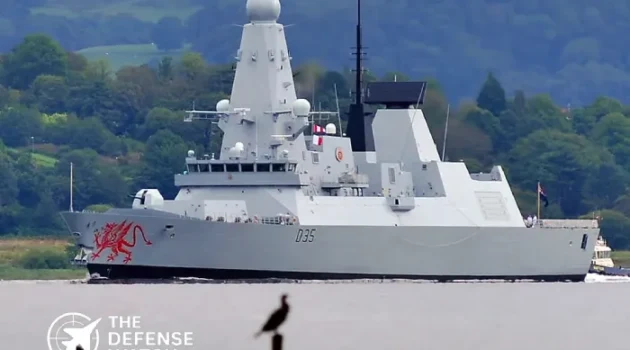

- China unveiled two new laser weapons designed to counter drones and loitering munitions.
- Systems focus on low altitude threats with rapid engagement and low cost per shot.
- Development reflects growing global emphasis on counter UAV and directed energy defenses.
- Systems appear optimized for mobile deployment and point defense missions.
- Directed energy weapons are becoming central to modern layered air defense strategies.
China Laser Weapons Target Drones And Loitering Munitions
China laser weapons targeting drones and loitering munitions mark a significant step in Beijing’s push to field next generation air defense systems. Chinese defense industry sources revealed two new directed energy platforms designed to neutralize low altitude aerial threats with precision and speed.
The systems focus on countering small unmanned aerial systems and loitering munitions, threats that have reshaped modern battlefields from Eastern Europe to the Middle East.
The Big Picture
Directed energy weapons have moved from experimental programs to operational priorities across major military powers. The United States, China, and several NATO members are investing heavily in laser based air defense to counter the rapid proliferation of drones.
Small UAVs and loitering munitions present a unique challenge. They are cheap, difficult to detect, and can overwhelm traditional air defense systems through saturation tactics. Conventional interceptors often cost far more than the targets they destroy, creating an unfavorable cost exchange ratio.
China’s latest laser systems reflect a broader shift toward scalable, cost effective defenses that can operate in high threat environments without relying solely on missiles.
What’s Happening
Chinese developers introduced two laser weapon systems designed specifically for low altitude air defense missions. These systems are intended to detect, track, and engage drones and loitering munitions in real time.
The platforms appear to be mobile, suggesting deployment with ground forces or for point defense of critical infrastructure. Their primary role is to intercept slow moving, low flying targets that may evade radar or traditional air defense coverage.
Laser weapons offer several operational advantages. They engage targets at the speed of light, provide deep magazines limited mainly by power supply, and significantly reduce per shot costs compared to missile interceptors.
The unveiling highlights China’s continued investment in directed energy technology as part of its broader military modernization strategy.
Why It Matters
China laser weapons targeting drones address one of the most pressing operational challenges facing modern militaries. Drone warfare has evolved rapidly, with even non state actors deploying swarms of low cost systems.
Traditional air defense networks struggle to keep pace with the volume and diversity of these threats. Missile based systems remain effective but are not economically sustainable for large scale drone engagements.
Laser systems change that equation. They allow forces to engage multiple targets quickly and at minimal cost, making them ideal for counter swarm scenarios.
This development also signals that directed energy is no longer a niche capability. It is becoming a core element of integrated air and missile defense architectures.
Strategic Implications
China’s investment in laser weapons strengthens its ability to defend forward deployed forces and critical assets. These systems could enhance protection for air bases, logistics hubs, and command centers.
In a regional context, this capability supports China’s anti access and area denial strategy. By improving defenses against drones and precision guided munitions, Beijing can complicate adversary strike planning.
The systems may also play a role in protecting naval assets and expeditionary forces, especially in contested environments such as the South China Sea.
More broadly, the deployment of operational laser weapons contributes to a shift in the balance of air defense technologies. Countries that integrate directed energy effectively will gain an advantage in countering emerging aerial threats.
Competitor View
The United States has pursued similar capabilities through programs led by the US Army and Navy, including high energy laser systems for short range air defense. China’s progress will likely reinforce Washington’s focus on accelerating deployment timelines and scaling production.
Russia has also explored directed energy weapons, though its operational deployment remains less clear. Meanwhile, regional actors in Asia may view China’s advancements as part of a broader effort to modernize its layered defense network.
For U.S. allies in the Indo Pacific, this development underscores the need to invest in counter drone technologies and integrate them into existing air defense systems.
What To Watch Next
Future testing and operational deployment will determine the effectiveness of these systems under real combat conditions. Key indicators include integration with radar and command systems, power generation capabilities, and performance in adverse weather.
Procurement and deployment timelines will also provide insight into how quickly China intends to field these systems at scale.
Export potential could become another factor, as China may market lower cost laser systems to partner nations seeking counter drone solutions.
Capability Gap
China laser weapons targeting drones aim to close a critical gap in short range air defense. Traditional systems struggle against low signature, low altitude threats, especially in large numbers.
However, laser weapons still face limitations. Their effectiveness can degrade in poor weather conditions such as fog, rain, or dust. Power generation and thermal management also remain key challenges for sustained operations.
Despite these constraints, lasers offer a complementary layer rather than a replacement for missile based defenses.
The Bottom Line
China’s new laser weapons signal a decisive move toward cost effective, high speed counter drone defense as directed energy becomes central to modern warfare.
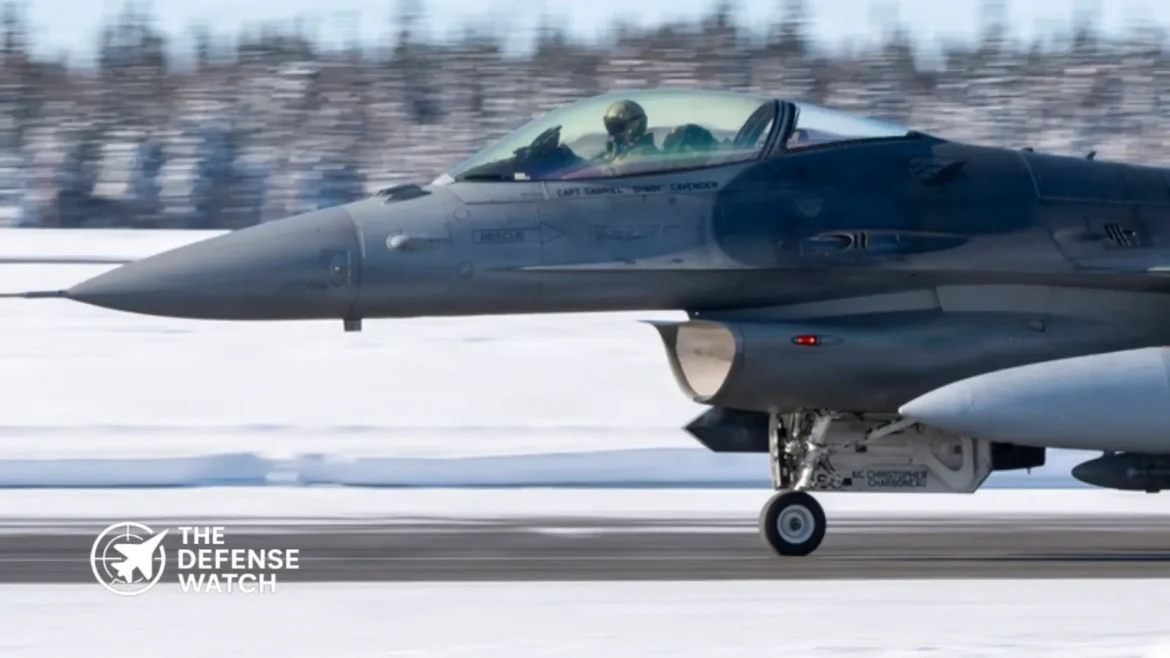
- Greece approved a new air defense system acquisition alongside F-16 upgrades.
- The F-16 fleet will be upgraded to advanced configurations with improved avionics and combat systems.
- The move strengthens NATO’s southeastern flank amid tensions in the Eastern Mediterranean.
- The program reflects long-term defense investment priorities and modernization timelines.
- Greece aims to build a layered, interoperable air defense network integrated with allied systems.
Greece Air Defense System Purchase And F-16 Upgrade
Greece air defense system purchase and F-16 upgrade plans have been formally approved, marking a significant step in Athens’ ongoing military modernization effort and reinforcing its role within NATO’s southern defense architecture.
The decision reflects a coordinated approach to upgrading both ground-based air defense and tactical airpower, addressing evolving regional threats and capability gaps.
The Big Picture
Greece continues to position itself as a key security provider in the Eastern Mediterranean, a region shaped by persistent geopolitical friction, contested airspace, and expanding missile threats.
NATO has emphasized integrated air and missile defense as a priority, particularly along its southeastern flank. Greece’s modernization aligns with broader alliance goals to enhance interoperability, early warning capabilities, and rapid response readiness.
The move also comes as European states increase defense spending following Russia’s actions in Ukraine and ongoing instability across the Middle East.
What’s Happening
Greek lawmakers approved the procurement of a new air defense system and the modernization of the country’s F-16 fighter fleet, according to reporting from Reuters.
The program includes upgrades to existing F-16 aircraft, bringing them closer to advanced configurations with improved radar systems, mission computers, and network-centric capabilities.
The air defense acquisition aims to enhance Greece’s ability to detect, track, and intercept aerial threats, including aircraft, drones, and potentially cruise missiles.
The approvals were finalized in March 2026, with implementation expected to unfold over multiple years.
Why It Matters
The Greece air defense system purchase directly addresses the growing complexity of modern aerial threats. Regional actors increasingly rely on unmanned systems, precision-guided munitions, and stand-off weapons, which challenge legacy air defense networks.
Upgrading the F-16 fleet ensures Greece maintains a credible air superiority and strike capability. Modernized fighters equipped with advanced sensors and data links can operate effectively in contested environments and integrate with allied forces.
The combination of air defense and fighter upgrades creates a layered defense structure, improving survivability and operational flexibility.
Strategic Implications
Greece’s modernization enhances deterrence in the Eastern Mediterranean by increasing both defensive depth and offensive reach.
A modernized F-16 fleet improves rapid response capability, allowing Greece to patrol contested airspace and respond to incursions more effectively. At the same time, advanced air defense systems strengthen homeland protection and critical infrastructure security.
The integration of these systems into NATO frameworks also boosts alliance cohesion. Greece can contribute more effectively to joint operations, including air policing and missile defense missions.
The move reinforces Greece’s strategic value as a frontline NATO member bordering volatile regions.
Competitor View
Regional rivals, particularly Turkey, are likely to view the Greece air defense system purchase and F-16 upgrade as part of a broader military balancing effort.
Turkey has pursued its own air defense capabilities and fighter modernization programs, including indigenous platforms and missile systems. Greece’s upgrades could influence procurement decisions and operational planning in Ankara.
Russia may interpret the move as further consolidation of NATO’s integrated defense network near its periphery, particularly given the alliance’s emphasis on missile defense and interoperability.
Iran and other regional actors will likely note the strengthening of Western-aligned defense capabilities in the Eastern Mediterranean, though the direct impact remains limited to the regional balance.
What To Watch Next
Implementation timelines will be critical. Observers should monitor contract awards, system selection details, and integration milestones for the air defense component.
F-16 upgrade schedules, including delivery timelines and operational readiness milestones, will indicate how quickly Greece can field enhanced capabilities.
Joint exercises with NATO partners will also serve as a key indicator of how effectively these systems integrate into alliance operations.
Capability Gap
Greece has faced limitations in both legacy air defense coverage and the aging capabilities of parts of its fighter fleet.
Older systems struggle to counter low-observable threats, drones, and high-speed precision weapons. The new air defense system aims to close these gaps by improving detection range, tracking accuracy, and interception capability.
However, challenges remain. Integration across different platforms and maintaining readiness levels will require sustained investment, training, and logistical support.
Upgrading F-16s extends their service life, but it does not fully replace the need for next-generation platforms in the long term.
The Bottom Line
Greece’s approval of a new air defense system and F-16 upgrades marks a decisive step toward a more integrated, resilient, and NATO-aligned defense posture in a contested region.
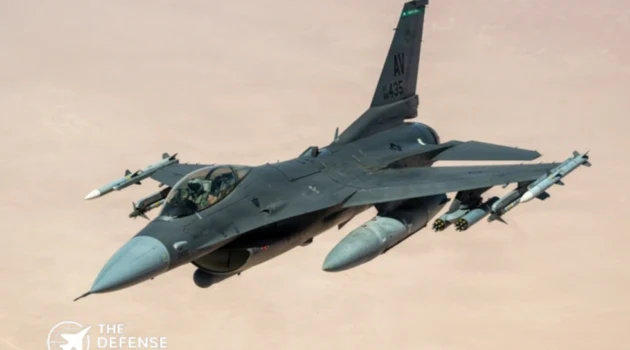

- Thales launched the SkyDefender air and missile defence dome as a modular integrated air defense architecture.
- The system combines sensors, interceptors, and command networks using artificial intelligence enabled decision support.
- SkyDefender targets modern threats such as drones, cruise missiles, and complex saturation attacks.
- The architecture is designed to integrate existing national air defense systems and future interceptors.
- The concept reflects growing demand for layered and networked air defense systems worldwide.
SkyDefender Air And Missile Defence Dome
The SkyDefender air and missile defence dome unveiled by Thales Group represents a new approach to integrated air defense, combining sensors, command networks, and interceptors into a unified architecture designed to counter modern aerial threats. The company presented the system as a flexible framework capable of linking multiple defensive layers into a coordinated defensive shield.
The concept reflects a growing shift in air defense strategy. Military planners increasingly focus on integrated networks rather than standalone missile batteries. Systems like SkyDefender aim to manage diverse threats ranging from small drones to cruise missiles within a single command environment.
The Big Picture
Air defense has entered a period of rapid change. The war in Ukraine, the spread of long range precision weapons, and the proliferation of low cost drones have exposed weaknesses in traditional air defense structures.
Most legacy systems were designed primarily to counter aircraft or ballistic missiles. Today’s threat environment includes swarms of drones, loitering munitions, cruise missiles, and mixed attack packages designed to overwhelm defenses.
Western militaries have responded by pursuing layered and networked air defense models. These architectures connect radar sensors, command centers, electronic warfare assets, and missile launchers across multiple ranges.
The SkyDefender air and missile defence dome reflects this trend. Instead of a single weapon system, it acts as an integration framework designed to manage different defensive assets within one operational picture.
What Is Happening
According to information released alongside the announcement, the SkyDefender architecture integrates surveillance sensors, command and control software, and multiple interceptor systems into a single defensive network.
The architecture uses artificial intelligence assisted decision tools to analyze incoming threats and recommend responses to operators. This capability allows commanders to prioritize targets and coordinate multiple defensive layers.
The system is designed to operate as a modular structure. Nations can integrate their existing radars, missile batteries, and electronic warfare systems into the SkyDefender command environment rather than purchasing entirely new hardware.
Thales positioned the system as suitable for protecting critical infrastructure, military bases, or national airspace against complex attack scenarios.
Why It Matters
The emergence of systems like the SkyDefender air and missile defence dome reflects a broader transformation in air defense doctrine.
Modern conflicts increasingly involve multi vector attacks. Adversaries may launch drones, cruise missiles, and electronic warfare effects simultaneously. A single radar or interceptor system cannot manage that complexity alone.
Integrated architectures address this challenge by creating a unified air picture across all sensors and weapons. Command software then assigns interceptors based on range, probability of kill, and cost effectiveness.
Artificial intelligence plays a growing role in this process. Automated tools help operators filter large volumes of data and respond to threats within seconds.
Without such tools, defending against saturation attacks could overwhelm even advanced air defense networks.
Strategic Implications
Integrated systems such as SkyDefender support a broader shift toward distributed air defense across NATO and partner nations.
Many European states currently operate a mix of national systems acquired over decades. Integrating these assets into a common architecture could improve collective defense without requiring full replacement of existing platforms.
The concept also aligns with initiatives aimed at strengthening regional air defense cooperation. Multi nation projects increasingly focus on connecting sensors and interceptors across borders to build layered defensive coverage.
For military planners, the key advantage lies in flexibility. A software driven architecture allows operators to plug new sensors, interceptors, or directed energy systems into the network as technology evolves.
This approach reduces long term modernization costs while maintaining operational adaptability.
Competitor View
Russia and China have invested heavily in integrated air defense systems that combine long range radars, missile batteries, and command networks.
Moscow in particular emphasizes layered defensive structures capable of protecting strategic regions from precision strikes.
Western developments such as SkyDefender reflect an effort to maintain parity in network centric air defense capabilities.
From the perspective of potential adversaries, integrated defensive architectures increase the difficulty of conducting successful air campaigns. Attackers must overcome multiple defensive layers coordinated through a shared command network.
However, the effectiveness of these systems still depends on sensor coverage, interceptor inventory, and operator training.
What To Watch Next
The next phase for the SkyDefender concept will involve demonstrations and integration efforts with existing defense assets.
Key milestones to monitor include:
Operational testing with partner air defense systems
Integration with NATO command and control networks
Deployment of AI assisted decision support tools in operational environments
Adoption will likely depend on how easily the architecture integrates with existing national systems.
Capability Gap
The SkyDefender air and missile defence dome targets a specific operational weakness in many air defense networks.
Traditional systems often operate as isolated units with limited data sharing. This fragmentation slows response times and reduces the efficiency of interceptors during large scale attacks.
By connecting sensors and weapons into a unified command environment, SkyDefender aims to reduce this gap.
However, integration challenges remain. Different nations use diverse radar standards, communication protocols, and missile systems. Achieving full interoperability across these platforms requires extensive testing and standardization.
The Bottom Line
The SkyDefender air and missile defence dome represents a shift toward AI enabled, network driven air defense architectures designed to counter the growing complexity of modern aerial threats.