

(adsbygoogle = window.adsbygoogle || []).push({});Executive Summary:
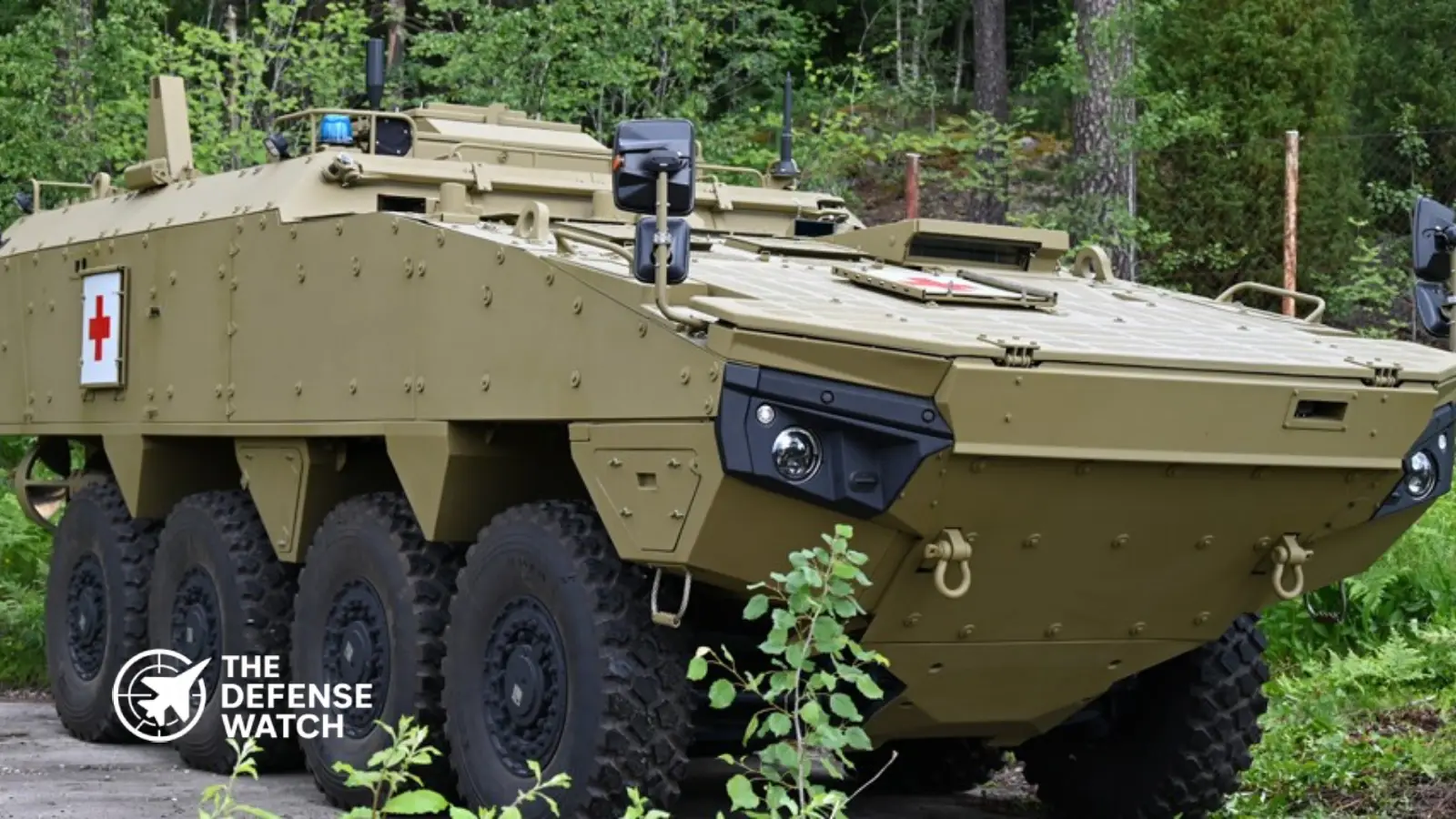
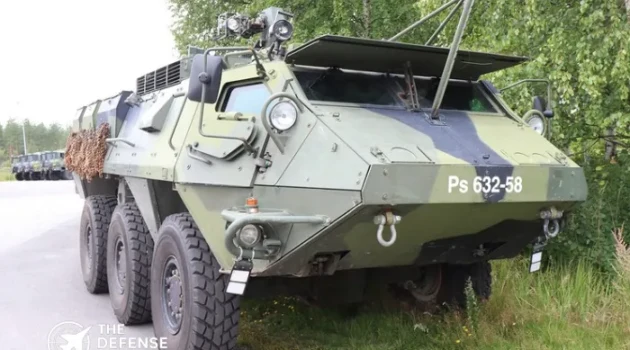
Finnish defense company Patria has completed deliveries of 10 AMV XP 8×8 armored ambulance vehicles to Slovakia under a trilateral government-to-government agreement signed in 2022. The deliveries represent another milestone in Slovakia’s broader effort to modernize its land forces while expanding domestic industrial participation through technology transfer and local production.
Patria Completes AMV XP Ambulance Deliveries To Slovakia
Patria has completed the delivery of all Patria AMV XP 8×8 armored ambulance vehicles ordered by Slovakia under a major government-to-government procurement program involving Finland, Slovakia, and the Finnish defense manufacturer. The final vehicles were handed over in Lieskovec, Slovakia, during the last week of May 2026, according to an official company announcement released on June 4.
The ambulance vehicles form part of Slovakia’s acquisition of 76 Patria AMV XP armored combat vehicles under a framework agreement signed in August 2022. The overall fleet includes 60 infantry fighting vehicles, 10 ambulance vehicles, and six command post vehicles intended to strengthen the Slovak Armed Forces’ mechanized capabilities.
Patria described the completion of the ambulance deliveries as a significant milestone within the wider Slovak BOV 8×8 modernization program.
The Broader Slovak AMV XP Program
The acquisition stems from Slovakia’s decision to select the Patria AMV XP platform following competitive evaluations conducted in 2022. The subsequent government-to-government agreement between Finland and Slovakia covered not only vehicle deliveries but also logistics support, industrial cooperation, training, and long-term sustainment.
The program is valued at approximately €447 million and represents one of Slovakia’s most significant land systems modernization efforts since joining NATO. Deliveries began in 2023 and are expected to continue through the latter part of the decade as combat and command variants enter service.
The Slovak version of the vehicle is commonly known as the Vydra and incorporates locally integrated systems, including Slovak-produced weapon stations and mission equipment.
(adsbygoogle = window.adsbygoogle || []).push({});Why Armored Ambulance Vehicles Matter
While infantry fighting vehicles often receive greater attention, armored ambulance variants play a critical role in modern military operations.
Protected medical evacuation capability allows wounded personnel to be transported from contested areas while maintaining protection against small arms fire, artillery fragments, mines, and improvised explosive devices. The need for survivable casualty evacuation platforms has become increasingly evident in recent conflicts where medical units frequently operate within range of indirect fire and unmanned systems.
The Patria AMV XP ambulance configuration provides several operational advantages:
Capability Operational Benefit 8×8 armored protection Increased survivability during casualty evacuation High mobility Ability to accompany mechanized formations Large internal volume Space for medical personnel and casualties Modular design Adaptability for different medical missions Common vehicle platform Simplified logistics and maintenance Unlike unarmored medical vehicles, armored ambulance variants can move closer to frontline units, reducing evacuation timelines and potentially improving casualty survival rates.
Technology Transfer And Slovak Industrial Participation
A key component of the Slovak procurement strategy has been domestic industrial involvement.
Patria’s business model emphasizes technology transfer and local manufacturing partnerships, enabling customer nations to develop indigenous production and sustainment capabilities. According to the company, the Slovak program includes the transfer of armored vehicle manufacturing expertise to local industry partners.
This approach supports several strategic objectives:
- Enhanced national security of supply
- Reduced dependence on foreign maintenance chains
- Development of local defense manufacturing expertise
- Creation of long-term industrial employment
- Greater control over future upgrades and sustainment
Slovakia formally launched local production activities in 2024 through cooperation between Patria and Slovak industry partners, including state-owned and private defense companies involved in vehicle assembly and integration.
Technical Overview Of The Patria AMV XP
The Patria AMV XP represents the latest evolution of the company’s Armoured Modular Vehicle family, which has achieved widespread international adoption.
(adsbygoogle = window.adsbygoogle || []).push({});The vehicle was designed to provide a balance of mobility, protection, and payload capacity while supporting multiple mission configurations. Patria describes the platform as a fully digitalized armored vehicle with advanced vehicle management systems and modular architecture.
Key characteristics include:
- 8×8 wheeled armored configuration
- Modular mission architecture
- Digital vehicle management systems
- Multiple mission variants
- High operational mobility
- Scalability for future upgrades
The platform has been selected by several nations and serves as the foundation for infantry fighting vehicles, command vehicles, armored personnel carriers, ambulance vehicles, and specialized mission variants.
Strategic Implications For NATO’s Eastern Flank
The completion of the ambulance vehicle deliveries reflects broader defense modernization trends across Central and Eastern Europe.
Since Russia’s invasion of Ukraine, NATO members along the alliance’s eastern flank have accelerated procurement programs focused on mobility, survivability, and readiness. Slovakia has invested heavily in modern armored vehicles, combat aircraft, and supporting military infrastructure as part of this effort.
Although ambulance vehicles represent a small portion of the overall fleet, they contribute to a more complete and resilient force structure. Modern armies increasingly recognize that battlefield effectiveness depends not only on combat power but also on sustainment, logistics, medical support, and force protection.
The Slovak program also demonstrates a growing European preference for government-to-government procurement frameworks that combine equipment acquisition with industrial cooperation and technology transfer. Such arrangements can strengthen both military readiness and domestic defense industrial capacity.
For NATO, these investments collectively improve interoperability, enhance regional readiness, and support the alliance’s ability to sustain high-intensity operations if required.
(adsbygoogle = window.adsbygoogle || []).push({});Outlook
With ambulance vehicle deliveries now complete, attention will shift toward the continued production and fielding of infantry fighting and command variants under Slovakia’s broader Patria AMV XP acquisition program. The project remains one of the most significant examples of defense industrial cooperation between Finland and Slovakia and highlights the increasing importance of protected mobility and battlefield support capabilities across Europe’s modernizing armed forces.
Executive Summary:
Otokar has completed its acquisition of Romanian manufacturer Automecanica, securing a local production base for the Cobra II armored vehicle program. The move supports Romania’s military modernization effort and strengthens defense manufacturing capacity on NATO’s eastern flank.
Otokar Completes Automecanica Acquisition To Expand Cobra II Production
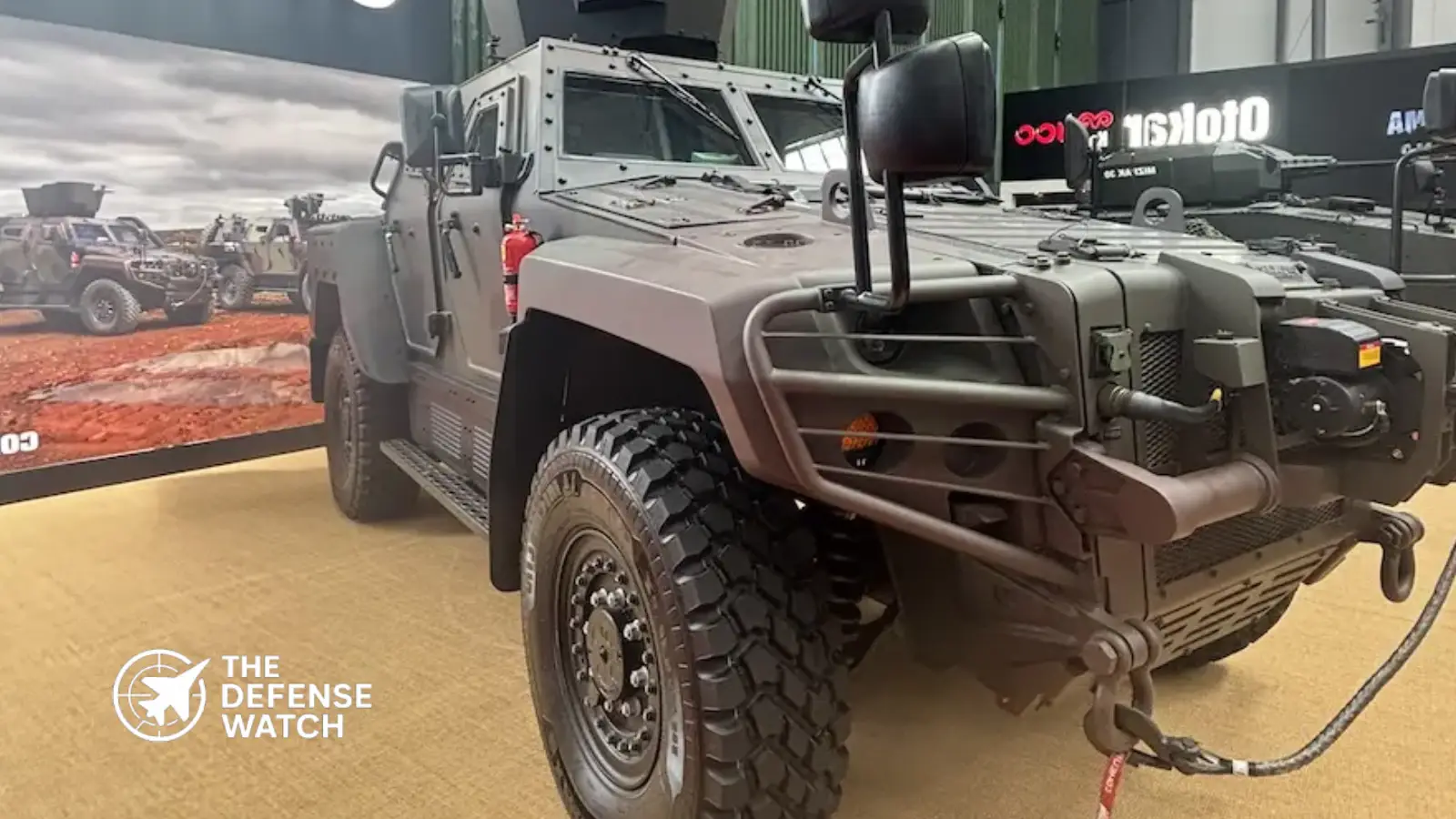
The Otokar Cobra II Romania program has entered a new phase after Turkish defense company Otokar completed its acquisition of Romanian vehicle manufacturer Automecanica. The transaction clears the way for large scale local production of Cobra II 4×4 armored vehicles in Romania under one of Eastern Europe’s largest recent land systems procurement programs.
Romanian authorities approved Otokar’s purchase of approximately 96.77% of Automecanica’s shares in a deal valued at around €85 million. The acquisition gives Otokar direct control of the Mediaș production facility that will manufacture the majority of Romania’s future Cobra II fleet.
The development marks a significant milestone for both Otokar and Romania’s defense industrial base, transforming the Turkish manufacturer from an exporter into a defense producer with manufacturing operations inside the European Union.
Major Contract Drives Local Manufacturing
The acquisition is closely tied to Romania’s contract for 1,059 Cobra II armored vehicles, signed in late 2024 and valued at approximately €857 million. Under the agreement, the first batch of vehicles is produced in Türkiye, while the majority will be assembled and manufactured in Romania.
According to Otokar, more than 270 Cobra II vehicles have already been delivered from Turkish production lines to the Romanian Armed Forces. The remaining vehicles are scheduled to be produced locally at the Mediaș facility.
The Cobra II platform is available in multiple mission variants, including armored personnel carrier, anti-tank vehicle, mortar carrier, command and control vehicle, reconnaissance platform, and medical evacuation configuration. This flexibility was a key factor in Romania’s procurement strategy as it seeks to modernize its tactical vehicle fleet.
First Romanian-Built Cobra II Already Unveiled
A major indicator of the program’s progress came during the Black Sea Defense & Aerospace (BSDA) 2026 exhibition in Bucharest, where Otokar displayed the first Cobra II produced in Romania. The vehicle rolled off the production line at the Mediaș facility ahead of the planned start of serial production.
Otokar stated that full assembly operations are scheduled to begin during 2026, supported by technology transfer, workforce training, and local industrial integration efforts. The facility is equipped to perform the complete production cycle, including metal fabrication, welding, painting, assembly, and testing.
The Mediaș plant covers approximately 140,000 square meters and employs more than 250 workers and technical staff. The site has been upgraded to meet NATO production standards required for serial armored vehicle manufacturing.
Why The Acquisition Matters
Beyond vehicle deliveries, the acquisition reflects a broader trend across Europe toward localized defense production and supply chain resilience.
For Romania, local Cobra II production supports domestic industrial development, workforce growth, and long term sustainment capabilities. Producing vehicles within the country reduces dependence on external suppliers while ensuring maintenance and future upgrades can be conducted locally.
For Otokar, the deal provides a permanent manufacturing footprint inside the European Union at a time when European governments are increasing defense spending and seeking closer industrial cooperation among NATO members. The company has also indicated that Romania could serve as a strategic hub for managing future European defense programs.
The move aligns with wider NATO efforts to strengthen defense production capacity along the alliance’s eastern flank, where concerns over regional security and military readiness continue to drive procurement and modernization programs.
Strategic Impact For NATO’s Eastern Flank
The Cobra II production initiative highlights how defense contracts increasingly combine procurement with industrial participation requirements. Rather than simply importing military equipment, Romania is securing manufacturing expertise, technical know how, and long term production capabilities.
As local assembly ramps up, the program is expected to become one of the most significant armored vehicle manufacturing efforts currently underway in Eastern Europe. With more than 1,000 vehicles planned, the Cobra II fleet will play a central role in enhancing the mobility and protection of Romanian ground forces while reinforcing NATO’s regional defense posture.
Executive Summary:
The British Army has selected Digital Concepts Engineering (DCE) to provide its first operational fleet of unmanned ground vehicles (UGVs), marking a significant milestone in the UK’s military robotics program.
The move transitions British Army ground robotics efforts from experimentation into operational service, reflecting growing demand for autonomous logistics, reconnaissance, and force protection capabilities.
British Army Selects DCE For First Operational UGV Fleet
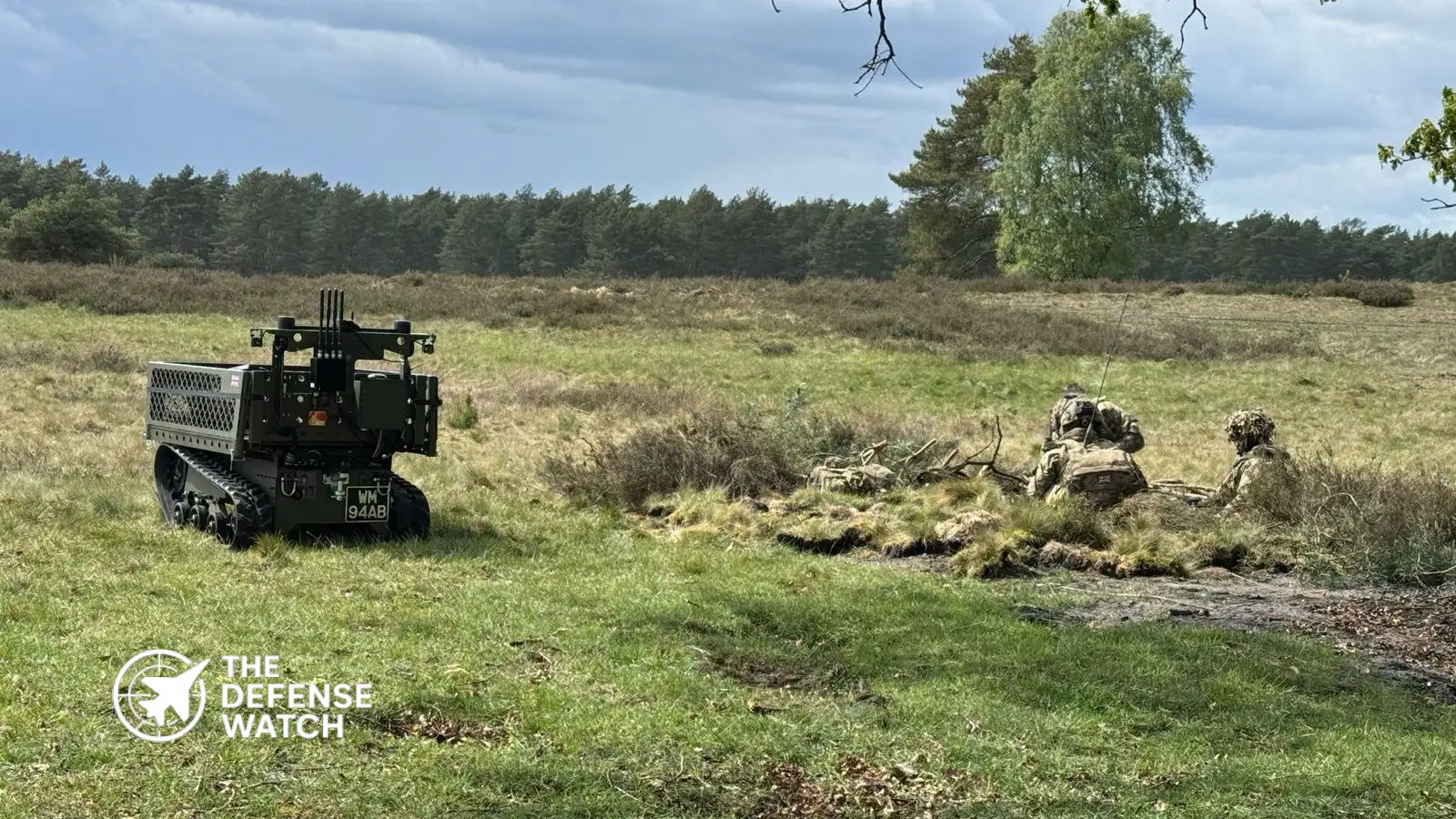
The British Army UGV fleet program has reached a major milestone with the selection of Digital Concepts Engineering (DCE) to supply the service’s first operational unmanned ground vehicle capability.
The decision signals a shift from years of trials and technology demonstrations toward the fielding of deployable robotic ground systems capable of supporting military operations. The development comes as NATO militaries increasingly pursue autonomous and semi-autonomous systems to improve battlefield effectiveness while reducing risks to personnel.
The procurement represents the first operational UGV fleet acquired by the British Army, establishing a formal capability rather than an experimental or developmental program.
From Trials To Operational Service
The British Army has spent years evaluating robotic and autonomous systems through a range of experimentation efforts, including Army Warfighting Experiments, logistics demonstrations, and heavy UGV trials.
DCE has been closely involved in many of these activities. The company previously developed autonomous and remotely operated ground systems for British military experimentation and has demonstrated capabilities ranging from logistics support to deception operations and reconnaissance missions.
The firm’s X-Series robotic vehicles have evolved through multiple development cycles. The latest X3 platform features a modular design capable of carrying payloads, towing equipment, and operating across difficult terrain including mud, sand, rubble, and steep gradients.
The British Army’s decision to move forward with an operational fleet suggests confidence that the technology has matured sufficiently for military service.
Why Unmanned Ground Vehicles Matter
The introduction of a British Army UGV fleet reflects broader changes in modern warfare.
Recent conflicts have demonstrated the growing value of unmanned systems across land, air, and maritime domains. While aerial drones have received significant attention, ground robots are increasingly viewed as critical tools for logistics, casualty evacuation, reconnaissance, engineering support, and force protection.
Military planners see several advantages:
- Reduced exposure of soldiers to enemy fire.
- Increased operational endurance.
- Improved logistics support in contested environments.
- Enhanced reconnaissance capabilities.
- Greater flexibility in dispersed operations.
These advantages align with the British Army’s ongoing modernization efforts, which emphasize digital integration, human-machine teaming, and increased battlefield survivability.
Part Of A Larger UK Defense Robotics Strategy
The contract also reflects years of investment by the UK Ministry of Defence in autonomous ground systems.
Earlier initiatives such as Project Theseus and the Autonomous Last Mile Challenge explored the use of robotic vehicles for battlefield resupply missions. Those efforts sought to understand the capabilities and limitations of autonomous logistics systems while reducing risk to frontline personnel.
The UK’s Defence Science and Technology Laboratory (Dstl) and Defence Equipment & Support (DE&S) have repeatedly tested unmanned ground vehicles to determine how they can be integrated into future force structures.
The DCE selection appears to be a direct continuation of that long-term effort.
Analysis: A Significant Shift In British Army Modernization
The importance of this contract extends beyond the number of vehicles involved.
For years, Western militaries treated unmanned ground vehicles primarily as experimental technologies. The British Army’s move toward an operational fleet indicates that robotic systems are increasingly viewed as deployable military assets rather than future concepts.
This transition mirrors developments across NATO, where armed forces are examining how autonomous systems can supplement traditional combat formations.
The decision is particularly notable because ground robotics has historically progressed more slowly than aerial drone technology. Terrain complexity, communications challenges, and mobility requirements have made land-based autonomy difficult to operationalize.
By selecting DCE for an operational capability, the British Army is effectively acknowledging that certain UGV missions have matured enough for routine military use.
The move may also influence future procurement decisions involving logistics robots, reconnaissance platforms, engineering support vehicles, and potentially armed robotic systems.
As lessons from Ukraine continue to highlight the growing role of unmanned technologies on the battlefield, Western armies are under increasing pressure to accelerate robotic integration across their force structures. Recent operational trends suggest that human-machine teaming is becoming a core element of modern military doctrine rather than a niche capability.
Looking Ahead
The introduction of the first operational British Army UGV fleet represents a significant step in the service’s modernization roadmap.
While details regarding fleet size, deployment timelines, and specific operational roles remain limited, the procurement demonstrates a clear commitment to expanding robotic capabilities within the Army.
For DCE, the contract represents a major achievement after years of involvement in British military robotics development. For the British Army, it marks the beginning of operational ground robotics as a permanent part of its force structure.
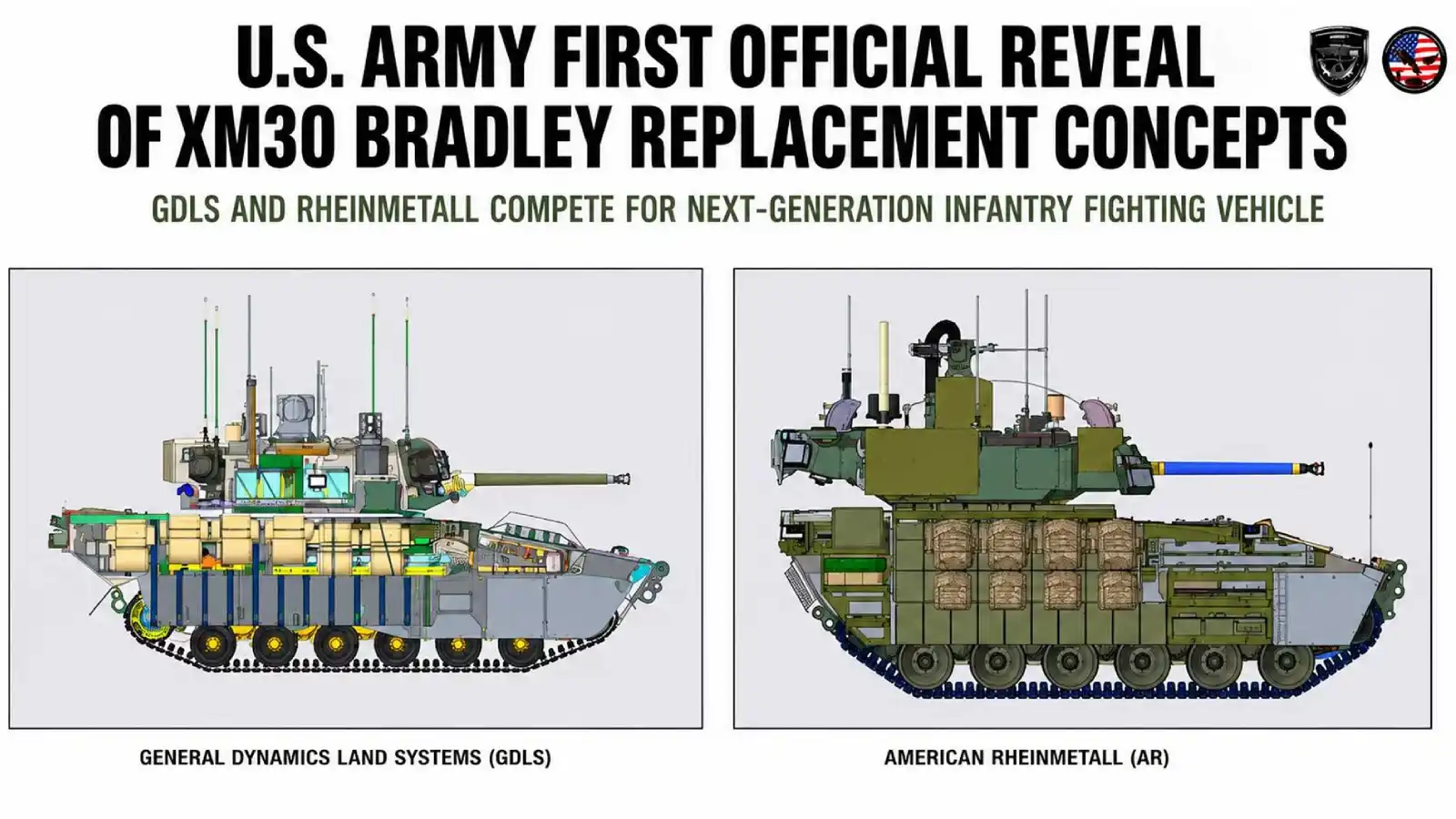
The U.S. Army has released the first official designs of its XM30 mechanized infantry combat vehicle contenders, marking a major step in replacing the aging Bradley fleet.
(adsbygoogle = window.adsbygoogle || []).push({});Executive Summary:
The U.S. Army has unveiled the first official designs of two XM30 infantry fighting vehicle candidates competing to replace the M2 Bradley. The program focuses on AI integration, survivability, and future battlefield networking as the Army accelerates armored modernization efforts.
U.S. Army Reveals First XM30 Infantry Fighting Vehicle Designs
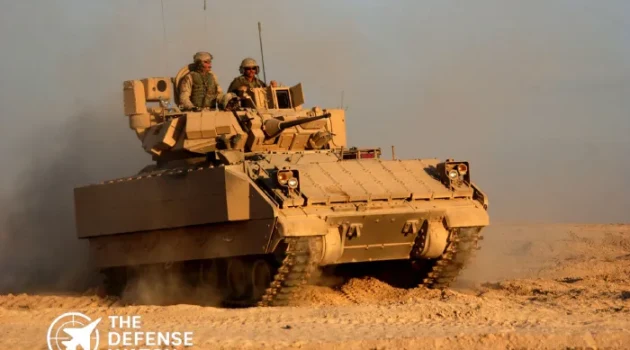
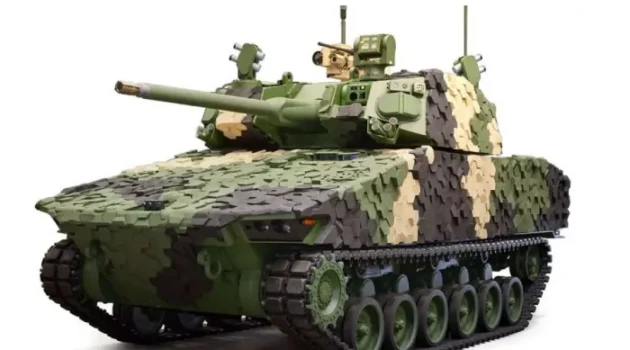
The U.S. Army’s XM30 infantry fighting vehicle program has entered a new phase after officials revealed the first designs of two competing armored vehicle concepts intended to replace the long serving M2 Bradley infantry fighting vehicle.
The two competing teams are led by General Dynamics Land Systems and American Rheinmetall Vehicles. Both companies are developing advanced mechanized infantry platforms designed for future multidomain combat operations.
The XM30 program, previously known as the Optionally Manned Fighting Vehicle initiative, represents one of the Army’s most important armored modernization projects. The new vehicle is intended to replace thousands of Bradley fighting vehicles that have served since the early 1980s.
Focus On AI Integration And Battlefield Networking
A defining feature of the XM30 infantry fighting vehicle program is its emphasis on artificial intelligence enabled battlefield capabilities.
The Army is seeking a platform capable of integrating autonomous systems, advanced targeting technologies, predictive maintenance tools, and sensor fusion networks. The goal is to reduce crew workload while improving battlefield awareness and operational survivability.
The two XM30 concepts feature modular architectures that could support future software upgrades and autonomous operations. Army planners have repeatedly stressed that future armored combat vehicles must operate within highly connected combat environments where electronic warfare, drone threats, and rapid sensor sharing play critical roles.
This marks a broader doctrinal shift in U.S. armored warfare. Instead of relying solely on heavier armor protection, future infantry fighting vehicles are increasingly expected to survive through networked awareness, active protection systems, mobility, and AI assisted decision making.
Competing Designs Reflect Different Operational Approaches
The two competing XM30 infantry fighting vehicle concepts appear to reflect different engineering priorities.
The General Dynamics Land Systems proposal reportedly emphasizes survivability and integrated digital architecture. Meanwhile, the American Rheinmetall Vehicles design appears influenced by modern European infantry fighting vehicle trends, including unmanned turret concepts and advanced mission systems.
Both vehicles are expected to include hybrid propulsion technologies aimed at reducing fuel consumption while increasing onboard electrical power generation for future systems.
The Army has also prioritized reduced logistical burden. That includes easier maintenance access, improved operational readiness rates, and greater adaptability across combat scenarios.
The XM30 infantry fighting vehicle will likely serve as a central component of future U.S. Army mechanized formations for decades, making the program strategically significant beyond simple fleet replacement.
Lessons From Ukraine Continue To Shape Requirements
Combat operations in Ukraine continue to influence global armored vehicle development, including U.S. Army modernization priorities.
Recent battlefield experience has demonstrated the growing vulnerability of armored vehicles to loitering munitions, armed drones, top attack missiles, and long range precision fires. As a result, survivability requirements for next generation infantry fighting vehicles have expanded beyond traditional armor thickness.
The XM30 infantry fighting vehicle program reflects those evolving realities. Future vehicles are expected to operate in highly contested electromagnetic environments while maintaining communications resilience and situational awareness.
The Army’s emphasis on optional manning capability also highlights increasing interest in reducing soldier exposure during high risk operations. While the XM30 is expected to remain crewed in most operational scenarios, future autonomous capabilities could support remote operations in contested areas.
Industrial Competition And Strategic Importance
The competition between major defense manufacturers underscores the long term industrial importance of the XM30 program.
Replacing the Bradley fleet represents a multibillion dollar opportunity likely to shape the future of the U.S. armored vehicle industrial base. The eventual production winner could secure decades of manufacturing work, sustainment contracts, and export opportunities.
The program also demonstrates continued Pentagon investment in conventional land warfare modernization despite growing focus on Indo Pacific competition and emerging technologies.
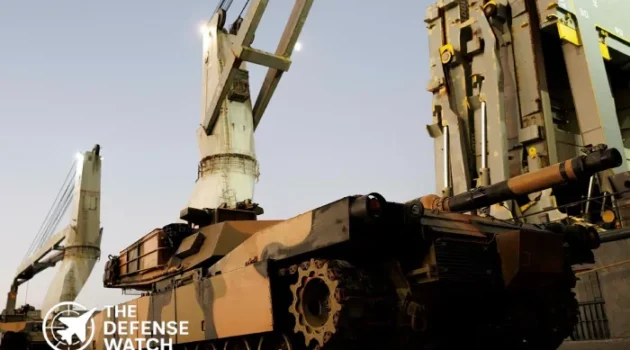
Army modernization officials have repeatedly stated that armored maneuver forces remain essential for deterrence and large scale combat operations. The XM30 infantry fighting vehicle is therefore expected to play a key role in future combined arms doctrine alongside the M1 Abrams and future robotic combat systems.
Program Timeline And Next Steps
The U.S. Army is expected to continue detailed design evaluations before selecting prototypes for further testing phases.
Future testing will likely examine mobility, survivability, digital integration, operational reliability, and interoperability with existing Army combat systems.
If development remains on schedule, the XM30 infantry fighting vehicle could begin gradually replacing Bradley vehicles during the next decade.
The modernization effort reflects the Army’s broader push to prepare for future high intensity conflicts where speed, data integration, autonomous support systems, and survivability will define battlefield effectiveness.
Executive Summary:
Honeywell and a local Polish defense industry partner will establish a new AGT1500 engine maintenance center in Poland to support the country’s M1 Abrams tank fleet. The move is designed to improve operational readiness, reduce sustainment timelines, and strengthen NATO-aligned armored capabilities on Europe’s eastern flank.
Honeywell Expands Abrams Tank Support Infrastructure In Poland
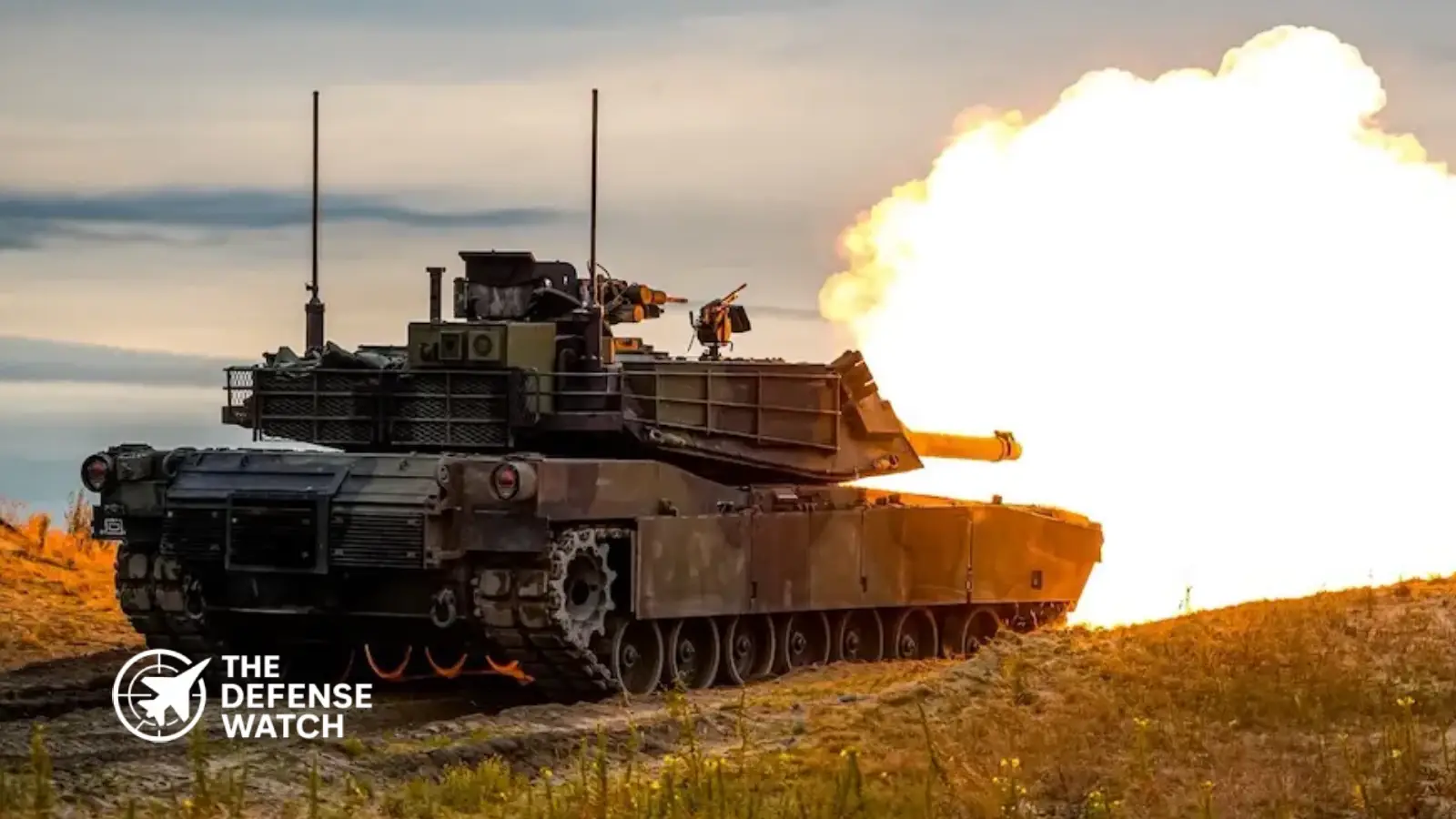
The AGT1500 engine maintenance center in Poland marks another major step in Warsaw’s long term effort to sustain and modernize its armored forces around the American-made M1 Abrams platform.
Honeywell announced it will partner with a local Polish company to establish maintenance, repair, and overhaul capabilities for the AGT1500 gas turbine engine that powers the Abrams main battle tank. The facility will support Poland’s growing fleet of M1A1 Abrams and newer M1A2 SEPv3 variants acquired from the United States.
The development comes as Poland rapidly expands its defense spending and military modernization programs amid heightened security concerns across Eastern Europe following Russia’s invasion of Ukraine.
According to Honeywell, the new maintenance center is expected to improve fleet readiness while reducing dependence on overseas engine servicing. Localized sustainment infrastructure is increasingly viewed as essential for NATO frontline states operating advanced Western combat systems.
Strategic Importance Of The AGT1500 Engine Maintenance Center
The AGT1500 engine maintenance center is strategically important because the Abrams platform relies on a highly specialized turbine propulsion system that differs significantly from conventional diesel-powered tanks used across Europe.
The AGT1500 gas turbine engine delivers high acceleration and operational mobility for the Abrams platform, but it also requires advanced maintenance expertise and dedicated logistics support. Establishing this capability inside Poland could significantly shorten repair cycles and reduce operational downtime for frontline armored units.
Poland has become one of the largest international Abrams operators after signing multiple procurement agreements with the United States. Warsaw ordered 250 M1A2 SEPv3 Abrams tanks in 2022 and later acquired 116 refurbished M1A1 Abrams tanks as an interim capability enhancement.
These acquisitions are part of a broader Polish defense modernization strategy focused on deterring potential aggression along NATO’s eastern flank.
The establishment of local sustainment infrastructure also aligns with wider NATO goals emphasizing readiness, interoperability, and regional industrial resilience.
Poland’s Expanding Role In NATO Armored Defense
Poland is rapidly emerging as one of NATO’s leading land warfare powers in Europe.
In addition to the Abrams fleet, Poland is procuring South Korean K2 Black Panther tanks, K9 self-propelled howitzers, HIMARS rocket artillery systems, Patriot air defense batteries, and F-35 fighter aircraft. The country has also significantly increased defense spending, targeting expenditures above NATO’s 2% GDP benchmark.
The addition of an AGT1500 engine maintenance center supports this broader force expansion by ensuring long term sustainment capacity for high-end armored systems.
Military analysts increasingly note that sustainment and logistics infrastructure are becoming just as critical as procurement itself. Modern armored warfare places heavy demands on maintenance networks, spare parts availability, and industrial support chains.
By developing domestic maintenance capability, Poland reduces potential vulnerabilities tied to international transport delays or external repair bottlenecks during periods of crisis or conflict.
Honeywell Strengthens European Defense Sustainment Presence
For Honeywell, the agreement further expands the company’s role in European defense sustainment operations.
The AGT1500 engine has powered Abrams tanks for decades and remains one of the most recognizable turbine propulsion systems in armored warfare. Honeywell has continued upgrading and supporting the engine as Abrams fleets remain operational across the U.S. Army and allied nations.
The company has increasingly focused on localized defense partnerships in Europe as NATO members accelerate rearmament and modernization efforts.
Defense industrial cooperation between American firms and European partners has expanded sharply since 2022, particularly in areas involving maintenance, munitions production, and sustainment infrastructure.
The new Polish facility may also position the country as a future regional maintenance hub for Abrams operators in Central and Eastern Europe if additional allied fleets emerge in the region.
Operational Readiness And Long Term Sustainment
The AGT1500 engine maintenance center could provide Poland with greater operational independence while improving long term fleet availability.
Abrams tanks are among the most capable armored combat systems in NATO service, but sustaining advanced platforms requires specialized technical support and trained personnel. Building domestic expertise around turbine engine maintenance represents an important capability multiplier for the Polish Armed Forces.
The initiative also reflects broader lessons from the war in Ukraine, where logistics, sustainment, and repair capacity have proven decisive factors in maintaining combat effectiveness over prolonged operations.
As NATO members continue modernizing their armored formations, localized maintenance infrastructure is likely to become an increasingly important element of alliance defense planning.


Executive Summary:
Poland’s PGZ unveiled an export version of the Borsuk infantry fighting vehicle equipped with the Turra 30 turret during IDEB 2026 in Bratislava.
The move highlights Warsaw’s push to expand defense exports while offering NATO-aligned armies a modern amphibious tracked combat vehicle with modular weapon options.
PGZ Export Borsuk IFV Debuts At IDEB 2026
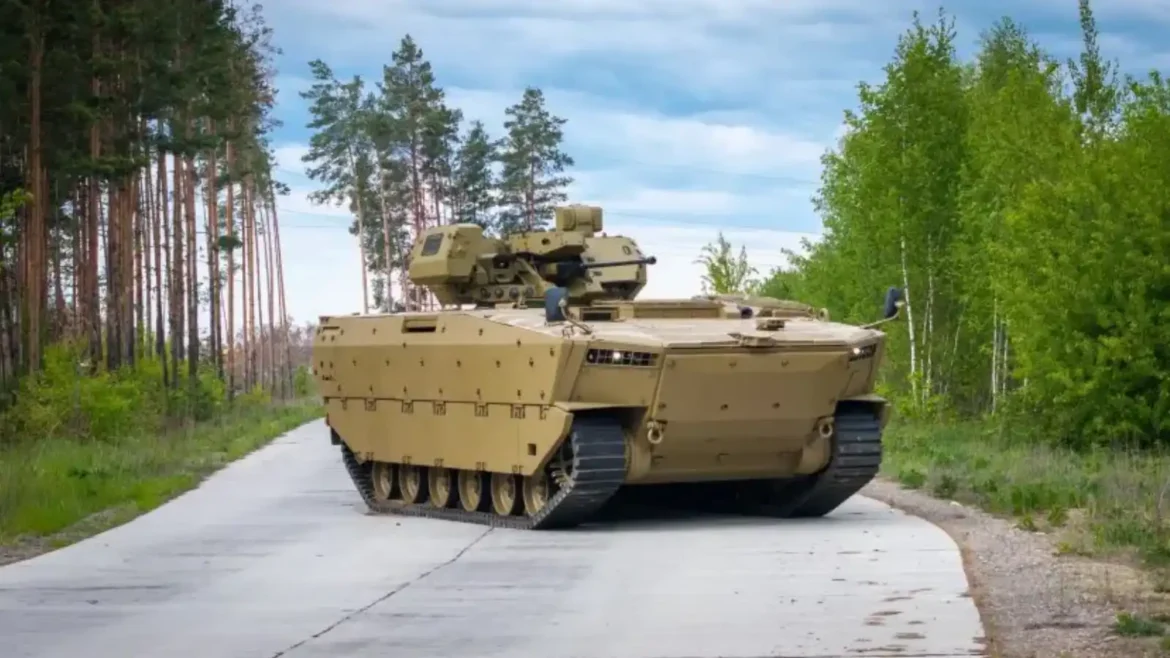
The export Borsuk infantry fighting vehicle was officially presented by Polska Grupa Zbrojeniowa during the IDEB 2026 defense exhibition, marking a significant step in Poland’s effort to position its next generation armored platforms in international markets.
The vehicle displayed at the exhibition combined the Polish-developed Borsuk chassis with the Slovak-made Turra 30 remote-controlled turret. The configuration is aimed at export customers seeking a modern tracked infantry fighting vehicle with NATO-standard systems, amphibious capability, and modular combat options.
The new variant was showcased as part of broader regional defense cooperation between Polish and Slovak defense manufacturers.
A NATO-Focused Export Strategy
The Borsuk program has become one of Poland’s most important land modernization projects. Developed by HSW S.A. under the PGZ group, the platform is intended to replace the Soviet-era BWP-1 vehicles still used by the Polish Armed Forces.
The unveiling of an export-configured version signals that PGZ is now moving beyond domestic procurement and actively targeting allied nations looking to modernize aging armored fleets.
That strategy comes as several European states increase defense spending following continued security concerns across Eastern Europe and renewed emphasis on NATO readiness. Amphibious infantry fighting vehicles remain relatively limited within NATO inventories, giving the Borsuk a potentially important niche in mobility-focused operations.
Unlike many heavier Western IFVs, the Borsuk was designed to maintain amphibious capability without extensive preparation. That operational flexibility may appeal to militaries operating in river-heavy terrain or requiring rapid maneuver operations.
Turra 30 Integration Expands International Appeal
A key feature of the export Borsuk infantry fighting vehicle is the integration of the Turra 30 turret, developed by Slovak defense firm EVPU.
The remotely operated turret is armed with a 30mm automatic cannon and can be configured with anti-tank guided missiles and advanced fire control systems. The system is already known within Central European defense markets, which may simplify logistics and interoperability for regional operators.
By pairing the Borsuk platform with a non-Polish turret option, PGZ appears to be adopting a more flexible export approach. That could allow future buyers to integrate national subsystems, communications equipment, or weapon packages according to operational requirements.
The approach reflects a broader trend across the European defense sector, where modularity and industrial cooperation are increasingly important in multinational procurement programs.
Export Borsuk IFV Targets Growing European Demand
Demand for tracked infantry fighting vehicles has increased sharply across Europe since 2022, with multiple NATO members launching recapitalization programs for mechanized ground forces.
Countries in Central and Eastern Europe are especially focused on replacing legacy Soviet-designed armored systems with NATO-compatible platforms featuring stronger protection, digital battle management systems, and improved mobility.
The export Borsuk infantry fighting vehicle enters a highly competitive market that includes vehicles such as the CV90, Lynx KF41, and ASCOD.
However, the Borsuk offers a distinct balance between mobility, amphibious operations, and modern combat systems. That combination may prove attractive for nations prioritizing operational flexibility over heavier armor configurations.
Poland’s rapidly expanding defense industrial base could also strengthen the platform’s export prospects. Warsaw has significantly increased military production capacity in recent years while investing heavily in armored vehicle manufacturing and artillery systems.
Regional Defense Cooperation Gains Momentum
The IDEB 2026 presentation also underscored expanding defense cooperation between Poland and Slovakia. Joint industrial initiatives are becoming more common across Central Europe as regional governments seek to strengthen local defense production and reduce dependence on non-European suppliers.
The integration of the Turra 30 turret onto the Borsuk platform demonstrates how regional defense firms are increasingly pursuing collaborative export solutions rather than competing independently.
For PGZ, the export Borsuk infantry fighting vehicle represents more than a new armored platform. It also reflects Poland’s ambition to emerge as a major European defense exporter capable of delivering advanced land systems to NATO and partner nations.
Whether the vehicle secures international contracts will likely depend on pricing, production timelines, interoperability, and how effectively PGZ can compete against established Western European manufacturers.
Why The Borsuk Matters
The unveiling of the export Borsuk infantry fighting vehicle comes at a time when European armies are reassessing force mobility, survivability, and industrial resilience.
Poland’s defense sector has gained visibility through accelerated modernization programs and growing regional influence. If the Borsuk succeeds internationally, it could strengthen Poland’s position within Europe’s armored vehicle market and expand defense industrial cooperation across NATO’s eastern flank.
The addition of the Turra 30 turret also signals a practical export philosophy centered on adaptability and multinational integration rather than a single fixed configuration.
Executive Summary:
Finland’s Patria has signed agreements with Czech state-owned defense firms to support its armored vehicle bid. The move strengthens local industrial participation and improves its chances in a key Czech military procurement. The partnership reflects a broader European push for defense cooperation and localized production.
Patria Armored Vehicle Bid Gains Czech Industrial Backing
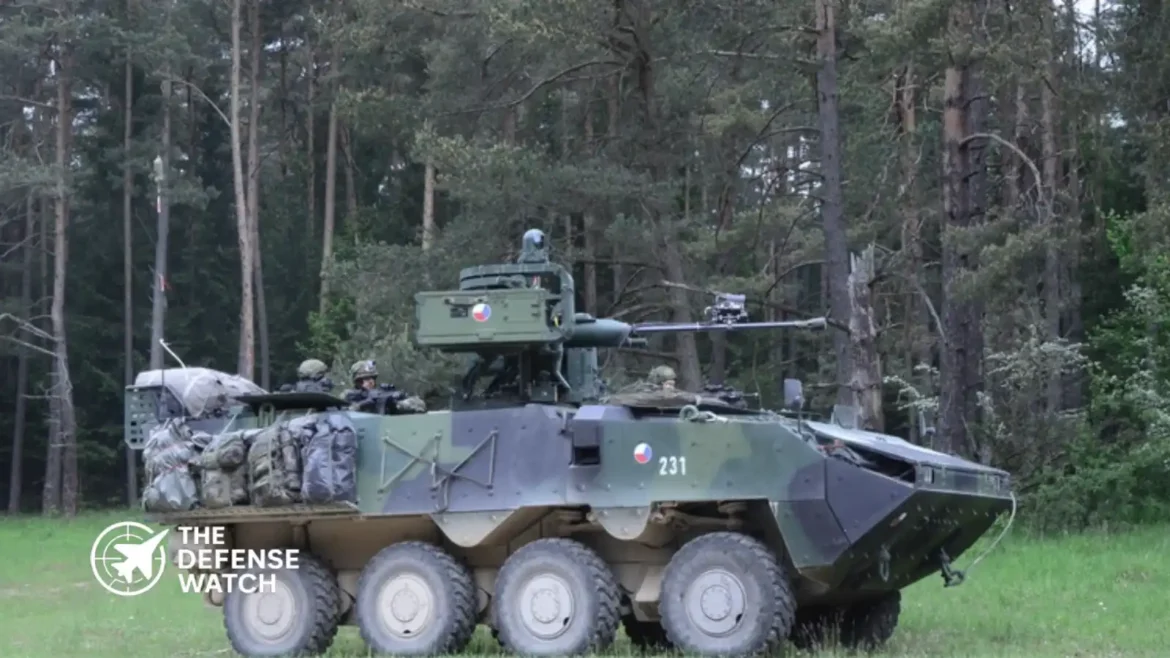
The Patria armored vehicle bid has taken a significant step forward as Finnish defense company Patria signed cooperation agreements with Czech state-owned firms to support its entry into a major armored vehicle procurement program.
The agreements aim to integrate Czech industry into the production, maintenance, and lifecycle support of Patria’s armored platforms, reinforcing the company’s competitiveness in the tender. The move aligns with Prague’s requirement for strong domestic industrial participation in defense acquisitions.
The partnerships involve key Czech defense enterprises and are designed to ensure local manufacturing, technology transfer, and long-term sustainment capabilities.
Strategic Push For Local Production And Sovereignty
The Czech Republic has increasingly emphasized domestic involvement in defense procurement, particularly for large-scale modernization programs. This reflects a broader European trend toward strengthening defense industrial sovereignty following supply chain disruptions and rising geopolitical tensions.
By partnering with Czech state firms, Patria positions itself as a contender that meets not only operational requirements but also political and industrial expectations.
Local production offers several advantages:
- Reduced dependency on foreign supply chains
- Faster delivery and sustainment timelines
- Job creation and economic benefits within the Czech Republic
This approach mirrors similar strategies across NATO Europe, where governments are prioritizing domestic capability development alongside interoperability.
Patria’s AMV Platform And Market Position
At the center of the Patria armored vehicle bid is the company’s Armored Modular Vehicle (AMV), a combat-proven 8×8 platform used by multiple European and international forces.
The AMV platform is known for:
- High mobility across varied terrain
- Modular design for multiple mission roles
- Strong ballistic and mine protection
- Compatibility with NATO standards
Patria has continued to evolve the platform, introducing upgraded variants with enhanced survivability, digital architecture, and integration options for modern weapon systems.
The Czech requirement is expected to focus on replacing or supplementing legacy armored fleets, making versatility and lifecycle support key evaluation factors.
Competitive Landscape And European Dynamics
The Czech armored vehicle program is expected to attract multiple European defense firms, making competition intense. Companies are likely to emphasize not only technical performance but also industrial partnerships and long-term value.
Patria’s decision to align with Czech state firms early in the process provides a strategic advantage. It demonstrates commitment to local industry and may help mitigate political risk in the procurement decision.
More broadly, the move reflects a shift in how defense contracts are awarded in Europe. Procurement decisions are no longer based solely on platform capability. Industrial cooperation, technology transfer, and economic impact now play a central role.
Broader Implications For European Defense Cooperation
The Patria armored vehicle bid highlights the growing importance of cross-border industrial collaboration within Europe’s defense sector.
As NATO countries increase defense spending in response to evolving security threats, there is a parallel push to ensure that investments strengthen regional industrial capacity.
This trend is driven by several factors:
- The need for resilient supply chains
- Increased demand for rapid production scaling
- Political pressure to support domestic industries
Patria’s partnership model aligns with these priorities, offering a framework that combines proven technology with localized production.
Analysis: Industrial Partnerships Now Factor
The significance of this development goes beyond a single procurement program. It underscores a structural shift in defense acquisition strategies across Europe.
In the past, platform performance often dominated procurement decisions. Today, industrial integration and economic impact are equally critical. Governments want systems that not only enhance military capability but also contribute to national resilience.
Patria’s approach reflects a clear understanding of this shift. By embedding itself within the Czech industrial ecosystem, the company increases its credibility as a long-term partner rather than just a supplier.
This strategy may prove decisive in a competitive field where technical differences between platforms are often marginal.
Outlook
The outcome of the Czech armored vehicle program remains uncertain, but Patria’s strengthened industrial position improves its prospects.
If successful, the deal could:
- Expand Patria’s footprint in Central Europe
- Deepen Finnish-Czech defense cooperation
- Set a precedent for future European defense partnerships
As European militaries continue to modernize, similar collaboration models are likely to become standard practice.
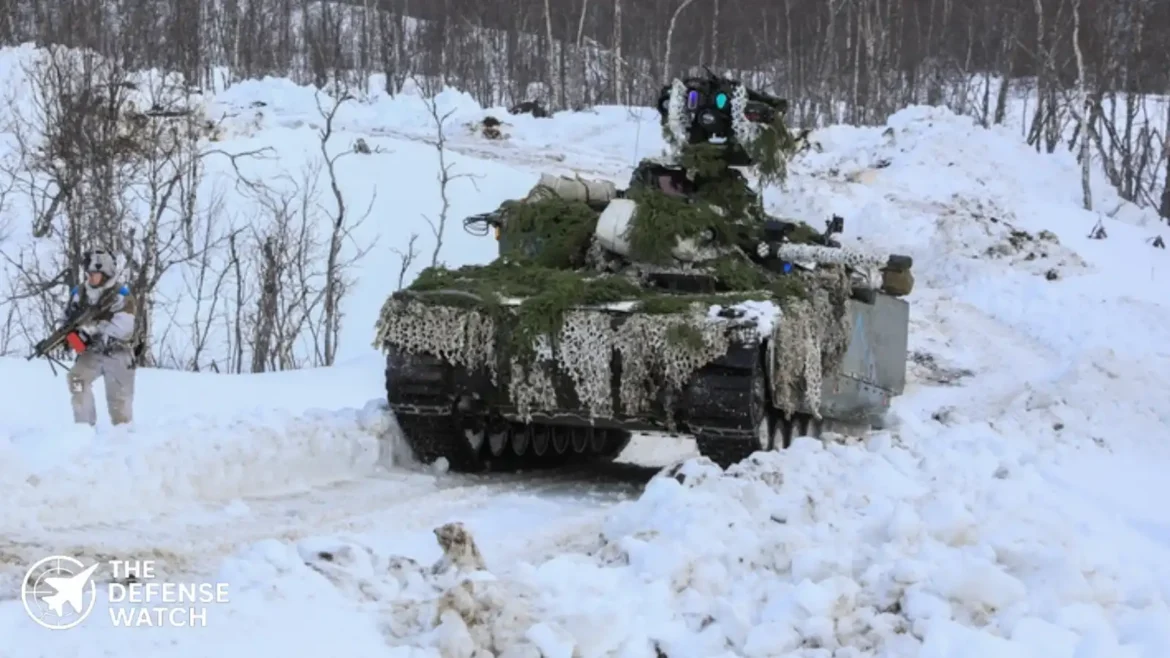
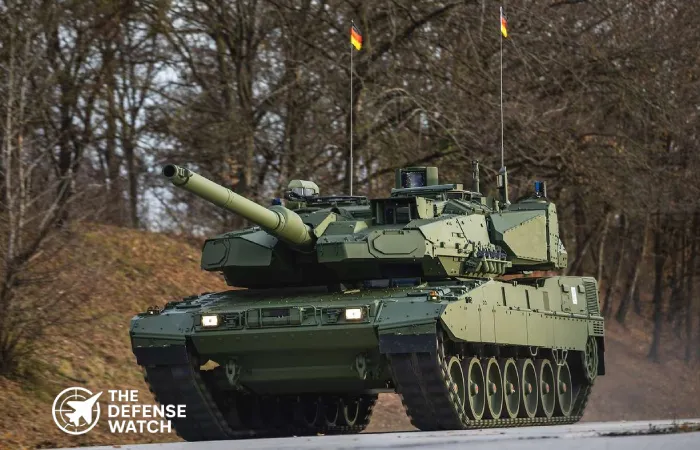
Norway Receives Leopard 2A8 Tanks To Strengthen Land Forces
Norway’s Leopard 2A8 tanks have officially entered service, marking a major step in the country’s effort to modernize its armored capabilities and reinforce NATO’s northern flank.
atOptions = { ‘key’ : ‘e7d18db8b7513fb2a224cf4c3f18bbf0’, ‘format’ : ‘iframe’, ‘height’ : 90, ‘width’ : 728, ‘params’ : {} };The first deliveries come under a procurement program aimed at replacing older Leopard 2A4 variants, which have been in service for decades. The Leopard 2A8 represents the latest evolution of Germany’s widely deployed main battle tank platform, integrating enhanced survivability, firepower, and digital systems.
- Norway has received its first Leopard 2A8 main battle tanks as part of a broader modernization program.
- The acquisition is part of a deal signed with Germany to replace aging Leopard 2A4 tanks.
- Leopard 2A8 features upgraded protection, advanced sensors, and improved firepower for modern combat.
- The tanks are optimized for operations in Arctic and high-intensity conflict environments.
- Delivery supports NATO’s broader effort to strengthen land forces in Northern Europe.
This move reflects a broader trend across Europe, where nations are accelerating armored vehicle upgrades in response to evolving security dynamics and lessons drawn from recent conflicts.
A Modernized Platform For High-Intensity Warfare
The Leopard 2A8 tanks delivered to Norway incorporate several upgrades over previous variants. These include improved armor protection, active and passive defensive systems, and advanced targeting and sensor suites designed to operate in contested environments.
The platform retains the proven 120mm smoothbore cannon but benefits from enhanced fire control systems, allowing for greater accuracy and faster target engagement. This is particularly relevant in modern battlefields where speed, precision, and networked operations are critical.
In addition, the Leopard 2A8 is designed with digital integration in mind, enabling better coordination with other units and systems across the battlefield. This aligns with NATO’s push toward multi-domain operations, where land forces must operate seamlessly with air, cyber, and space assets.
Arctic Operations Drive Capability Requirements
One of the defining aspects of Norway’s defense posture is its focus on Arctic and sub-Arctic operations. The Leopard 2A8 tanks are expected to play a central role in this environment, where extreme weather, rugged terrain, and limited infrastructure pose unique challenges.

Modern armored platforms must be capable of operating in freezing temperatures while maintaining mobility and reliability. Enhanced power systems, thermal management, and crew survivability features are essential in such conditions.
From an operational perspective, Norway’s investment underscores the importance of maintaining credible land combat capabilities in the High North. The region has gained increasing strategic relevance due to its proximity to Russia and its role in NATO’s collective defense planning.
Strategic Implications For NATO’s Northern Flank
The introduction of Leopard 2A8 tanks into Norwegian service has implications beyond national defense. It contributes directly to NATO’s deterrence posture in Northern Europe, where allied forces are working to strengthen readiness and interoperability.
Standardizing on advanced platforms like the Leopard 2A8 also enhances cooperation with other European armies operating similar systems. This improves logistics, training, and joint operational effectiveness.
Defense analysts note that armored forces remain a key component of deterrence, particularly in scenarios involving large-scale conventional conflict. While modern warfare increasingly incorporates drones and precision weapons, main battle tanks continue to provide critical capabilities in mobility, protection, and direct firepower.
Industrial And Procurement Context
Norway’s Leopard 2A8 acquisition is part of a broader European defense industrial effort led by German manufacturers. The program highlights ongoing collaboration between NATO allies to modernize equipment and maintain technological parity with potential adversaries.
The procurement also reflects a shift toward long-term capability planning. Rather than incremental upgrades, countries are opting for next-generation platforms that can remain operationally relevant for decades.
This approach is driven in part by the increasing complexity of modern threats, which require integrated solutions combining armor, sensors, and digital systems.
Operational Outlook
As deliveries continue, the Leopard 2A8 tanks will gradually replace older platforms within Norway’s armored units. Full operational capability is expected to be achieved over the coming years as crews complete training and integration processes.
The deployment of these tanks is likely to enhance Norway’s ability to conduct both national defense and allied operations. It also reinforces the country’s role as a key contributor to NATO’s northern security architecture.
From a broader perspective, the move signals a continued emphasis on conventional military strength in Europe, even as new domains of warfare emerge.

General Dynamics ARV-30 Signals New Direction For Marine Recon Forces
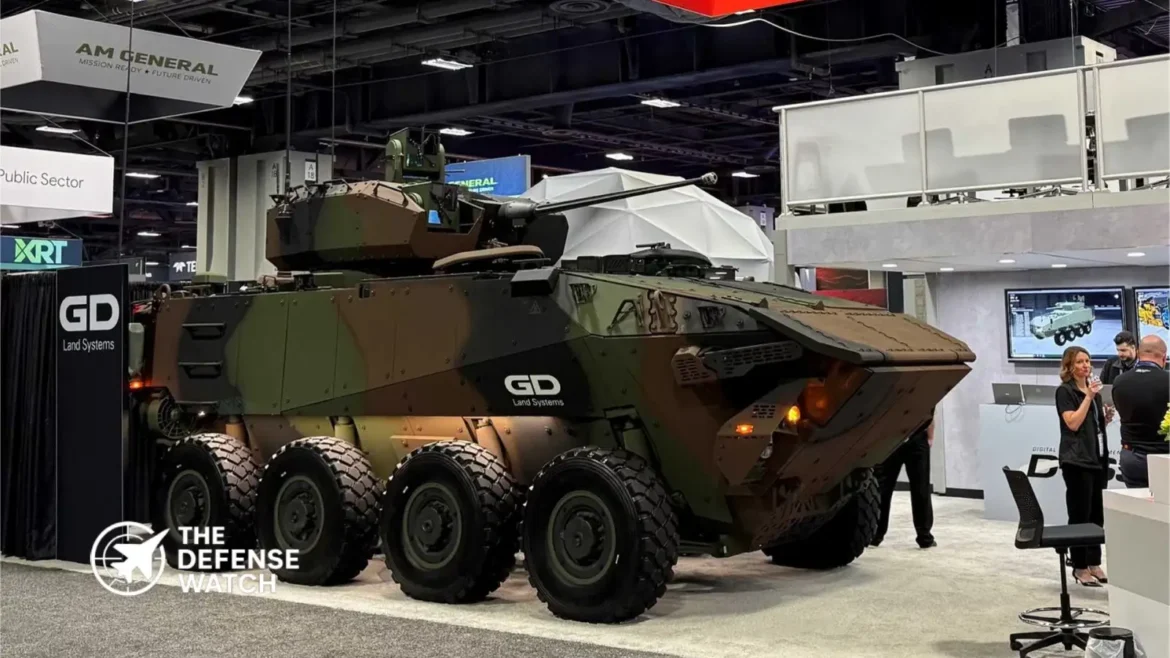
General Dynamics ARV-30 has emerged as one of the most important new ground combat systems tied to U.S. Marine Corps modernization. The company recently highlighted the platform as part of the service’s push toward faster, more survivable, and better-networked reconnaissance units built for future expeditionary warfare.
The ARV-30 is part of the broader Advanced Reconnaissance Vehicle program intended to replace the aging LAV-25 fleet that has served Marine light armored units for decades. Unlike legacy scout vehicles built primarily around speed and mobility, the new design places equal weight on sensing, communications, survivability, and direct firepower.
- General Dynamics has showcased the ARV-30 Advanced Reconnaissance Vehicle for the U.S. Marine Corps.
- The vehicle mounts a stabilized 30mm cannon for greater lethality against light armor and fortified targets.
- ARV-30 is designed for amphibious and shore-to-shore missions in contested littoral environments.
- The platform integrates sensors, unmanned systems links, and digital battle management tools.
- The program supports Marine Corps Force Design modernization and LAV-25 replacement efforts.
That shift reflects how reconnaissance missions have changed. Modern scout units are now expected to locate enemy forces, survive drone surveillance, share targeting data instantly, and if necessary fight through first contact. The ARV-30 appears built for exactly that environment.
30mm Firepower Changes Reconnaissance Missions
A key feature of the ARV-30 recon combat vehicle is its remotely operated 30mm cannon turret. That gives Marine reconnaissance formations significantly more punch than older light scout vehicles armed with smaller caliber weapons.
A modern 30mm weapon can engage light armored vehicles, defensive positions, drones, and small maritime threats. For Marine units operating across islands, coastlines, and narrow sea lanes, that extra reach matters.
In practical terms, this means reconnaissance teams no longer need to disengage immediately after contact. They gain the ability to suppress threats, create maneuver space, and continue passing battlefield intelligence to larger formations.
Built For Littoral And Amphibious Warfare
The U.S. Marine Corps increasingly focuses on contested coastal regions, especially in the Indo-Pacific. That requires vehicles able to move from ship to shore, cross water obstacles, and operate in dispersed island chains.
General Dynamics says the ARV-30 has undergone ocean swim and mobility testing, indicating a serious emphasis on amphibious performance rather than simple road mobility.
This is important because many armored vehicles perform well on land but lose usefulness in maritime environments. If the ARV-30 can maintain combat power after sea insertion, it fills a niche few Western wheeled combat vehicles currently occupy.
A Battlefield Node, Not Just A Vehicle
Perhaps the most significant part of the ARV-30 is what cannot be seen from the outside. The vehicle is intended to network onboard sensors, offboard drones, and future robotic systems while feeding data into wider Marine and joint force networks.
That turns the platform into a mobile sensor hub rather than only a troop carrier or gun vehicle.
This trend mirrors broader U.S. military doctrine. Future platforms are expected to collect data, distribute targeting information, and support precision fires in real time. Vehicles that cannot connect may become obsolete faster than vehicles lacking armor or guns.
Why The Program Matters
The Marine Corps has accepted risk by reducing some traditional heavy formations under Force Design reforms. In exchange, it seeks lighter, more deployable units with longer-range sensing and strike capability.
The General Dynamics ARV-30 helps close that gap by giving mobile reconnaissance battalions better protection and more firepower without requiring the logistics footprint of a heavy tracked vehicle.
If selected for full-rate production, the ARV-30 could become one of the defining U.S. Marine Corps ground systems of the next decade.
Outlook
The ARV competition remains active, with government evaluations continuing through 2026. A final production decision will shape the Marine Corps reconnaissance fleet for years to come.
For now, the ARV-30 demonstrates a clear reality: future reconnaissance vehicles must scout, fight, survive, and connect all at once.
UK Ajax Armored Vehicle Program Survives Another Major Test
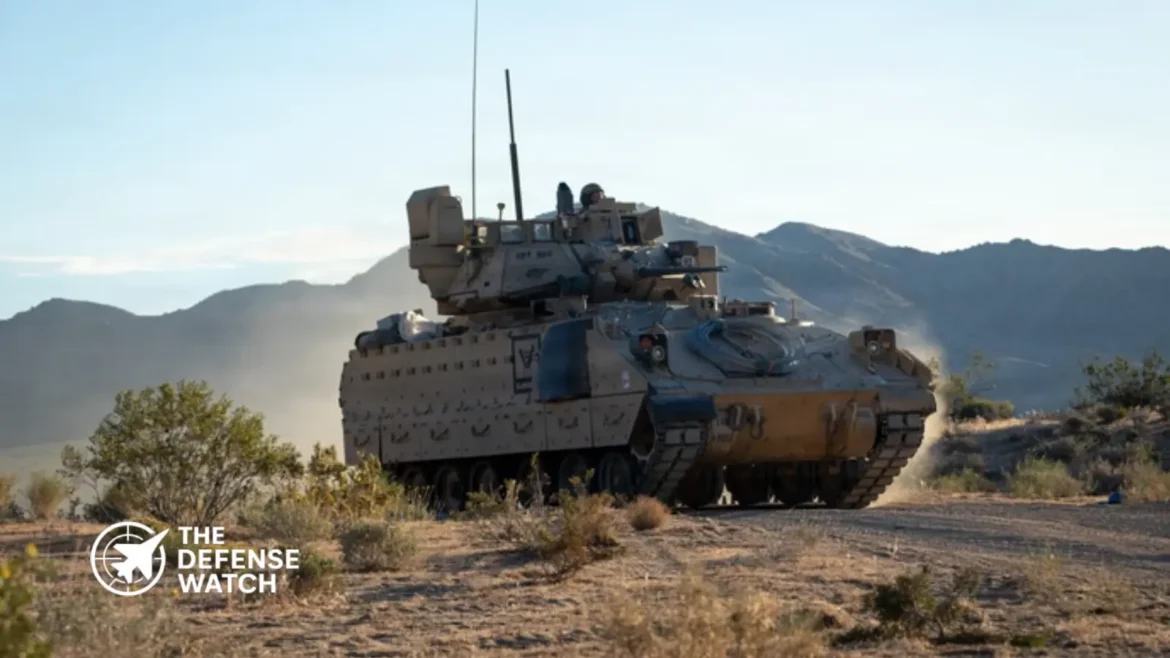
The Ajax armored vehicle program will continue after the British government decided to restart limited vehicle acceptance despite renewed safety concerns and years of delays. The move keeps one of the United Kingdom’s largest land modernization efforts alive at a time when European militaries are under pressure to rebuild combat readiness.
Britain’s Defence Readiness Minister Luke Pollard said acceptance of Ajax vehicles from General Dynamics would resume under strict controls aimed at improving conditions for soldiers using the platform.
- Britain will continue the Ajax armored vehicle program after a new safety review.
- Limited acceptance of Ajax vehicles will restart under tighter controls.
- Officials said noise and vibration were found within legal exposure limits.
- Upgrades will focus on air filtration, heating, and electrical power systems.
- The Ajax fleet remains central to British Army reconnaissance modernization.
That decision matters well beyond one vehicle program. It signals that London sees no easy replacement for Ajax in the near term.
Why Ajax Has Been So Controversial
The Ajax armored vehicle program has faced repeated criticism since the original order was placed in 2014. Technical faults, production delays, and crew safety concerns turned the fleet into one of Britain’s most troubled procurement efforts.
Trials were paused after soldiers reported vomiting, hearing loss, and shaking linked to noise and vibration during exercises. Those incidents intensified calls to cancel the project entirely.
For many defense planners, Ajax became a case study in how ambitious customization can create cost and schedule risk. Modern armored vehicles increasingly rely on advanced sensors, digital architecture, and power-hungry electronics. Integrating all three without compromising crew comfort and reliability is harder than many procurement programs initially assume.
What The New Safety Review Found
According to the British government, investigators found no evidence that current noise and vibration levels exceeded legal exposure limits. Officials instead pointed to a mix of factors that may have contributed to earlier incidents.
The Ministry of Defence said further improvements will now be made to:
- Air filtration systems
- Heating performance
- Electrical power generation
- Soldier operating conditions
Those upgrades are expected to be delivered within the existing program budget and scope, according to officials.
That budget discipline is notable. With defense spending under pressure across Europe, governments are increasingly choosing to repair troubled programs rather than start over with expensive replacements.
Why Britain Still Needs Ajax
The Ajax armored vehicle is intended to provide the British Army with a modern tracked reconnaissance platform equipped with sensors, protected mobility, and battlefield networking tools.
In practical terms, Ajax is meant to find threats before heavier formations engage them. That mission is becoming more important as European armies study lessons from the war in Ukraine, where rapid detection, targeting, and mobility often determine survival.
Canceling Ajax now would likely create a multi-year capability gap. Britain would need to either extend older fleets longer than planned or launch a costly new competition.
That strategic reality likely helped drive the decision to continue.
Industrial Impact And Jobs
Ajax vehicles are produced in South Wales, where General Dynamics facilities employ around 700 workers, according to Reuters.
Ending the program would not only affect military readiness, it would also hit the UK defense industrial base. Governments increasingly weigh sovereign manufacturing capacity alongside battlefield capability when making procurement choices.
What Comes Next
The next phase for the Ajax armored vehicle program will be closely watched. Restarting limited acceptance is not the same as full operational confidence.
British officials must now prove three things:
- Safety issues are fully controlled
- Vehicles can be delivered reliably
- Troops trust the platform in field conditions
If those goals are met, Ajax could still become the reconnaissance backbone Britain originally intended. If not, political pressure will return quickly.
Bottom Line
The UK decision to retain the Ajax armored vehicle program reflects a hard defense reality: replacing troubled systems is often slower and more expensive than fixing them. Britain is betting Ajax can still deliver operational value after years of setbacks.
Whether that gamble succeeds will depend on performance in the field, not statements in London.