

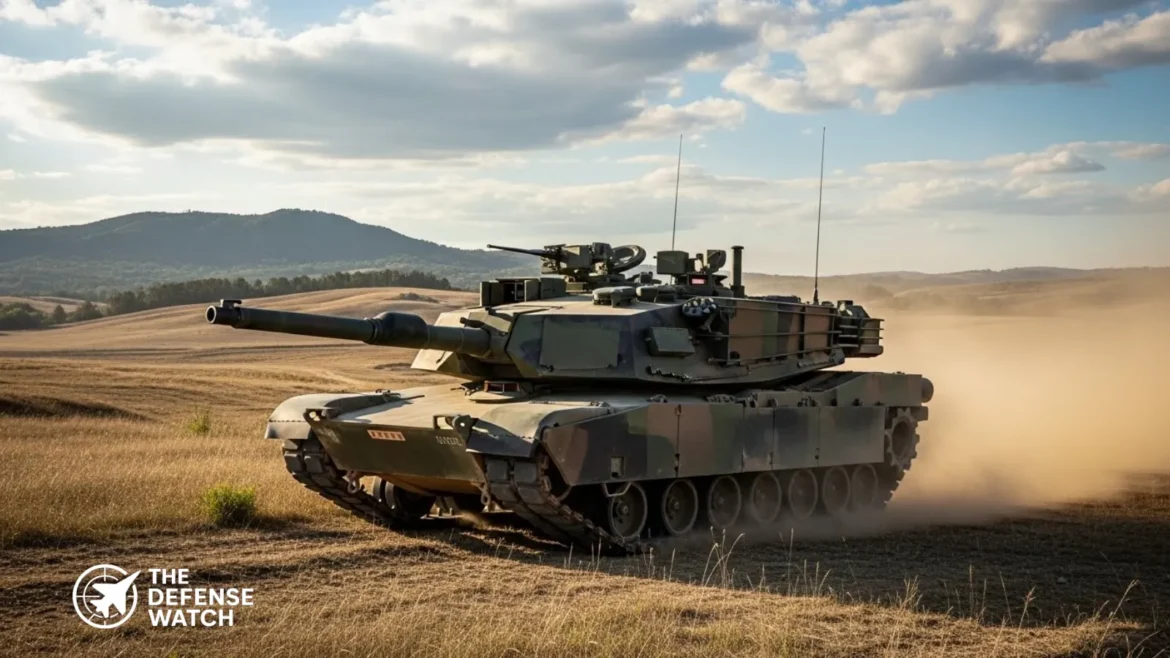
U.S. Army Redefines Abrams Future with M1E3
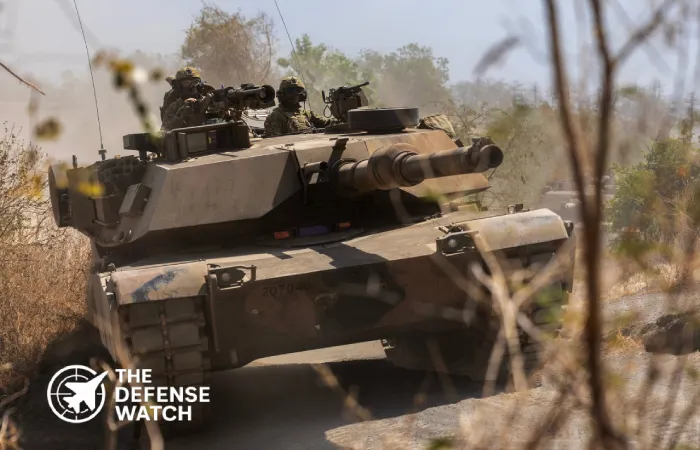
The U.S. Army has formally confirmed that the Abrams M1E3, not the M1A2 SEPv4, will be designated as its fifth generation main battle tank. The confirmation was made in 2025 through official U.S. Army modernization briefings and supporting statements, marking a major shift in the service’s armored vehicle strategy.
The decision follows the cancellation of the M1A2 System Enhancement Package Version 4 program, which had been planned as the next incremental upgrade to the long serving Abrams fleet. Instead of further modifying the existing M1A2 design, the Army is moving toward a deeper redesign under the Abrams M1E3 program.
This move reflects broader changes in U.S. Army doctrine, driven by lessons from recent conflicts and the growing demand for more survivable, mobile, and digitally integrated armored platforms.
Background: From SEPv4 to a Clean Sheet Approach
The Abrams tank has been the backbone of U.S. armored forces since the early 1980s. Over four decades, it has undergone multiple upgrades, including the M1A1, M1A2, and several SEPv variants. Each update added improved armor, sensors, computing power, and fire control systems.
The M1A2 SEPv4 was intended to continue this evolution with enhanced sensors, improved thermal sights, advanced networking, and new protection systems. However, as development progressed, the Army concluded that the Abrams platform had reached the limits of what incremental upgrades could deliver.
According to U.S. Army officials, the weight, power demands, and internal space constraints of the SEPv4 design created long term challenges. These issues made it difficult to integrate future technologies such as advanced active protection systems, next generation sensors, and expanded digital warfare capabilities.
As a result, the Army chose to cancel the M1A2 SEPv4 and redirect resources toward the Abrams M1E3, a tank designed from the outset to meet future battlefield requirements.
What Defines the Abrams M1E3 as a Fifth Generation Tank
The U.S. Army’s classification of the Abrams M1E3 as a fifth generation tank reflects a shift away from purely incremental modernization. While the M1E3 will retain the Abrams name and core lineage, it is expected to feature major architectural changes.
Key design goals for the Abrams M1E3 include reduced overall weight, improved fuel efficiency, and simplified maintenance. Army planners have emphasized the need to lower the logistical burden associated with deploying and sustaining heavy armored units, especially in contested environments.
Digital integration is another defining feature. The Abrams M1E3 is being designed with an open systems architecture, allowing faster integration of new software, sensors, and electronic warfare tools. This approach aims to keep the tank adaptable over its service life, rather than locking in fixed technologies at the time of production.
Survivability is also central to the fifth generation concept. The Abrams M1E3 is expected to incorporate advanced active protection systems, improved passive armor layouts, and better signature management. These features are intended to counter modern anti tank guided missiles, loitering munitions, and drone based threats that have become increasingly common in recent conflicts.
Mobility and Power System Changes
One of the major limitations of previous Abrams variants has been weight. Later versions of the tank exceeded 70 tons, placing strain on transport assets, bridges, and recovery vehicles. The Abrams M1E3 program aims to reverse this trend.
The U.S. Army has indicated that the new tank will feature a reworked powertrain and improved energy management. While specific engine details have not been publicly disclosed, officials have suggested that efficiency and reliability are key priorities.
Improved mobility will allow armored units to operate more effectively in urban terrain, soft ground, and regions with limited infrastructure. This is especially important as the Army prepares for potential operations in diverse theaters beyond traditional European battlefields.
Industrial and Program Management Implications
The Abrams M1E3 program also represents a shift in how the Army works with industry. Instead of tightly defined upgrade packages, the Army is pushing for more modular development, allowing industry partners to propose solutions that can evolve over time.
General Dynamics Land Systems, the prime contractor for the Abrams family, is expected to play a central role in M1E3 development. The program aligns with broader Pentagon efforts to shorten development cycles and reduce the risk of technology obsolescence.
By moving away from the M1A2 SEPv4, the Army is also acknowledging that long development timelines for incremental upgrades may no longer be viable in a rapidly changing threat environment.
Strategic Context and Global Implications
The confirmation of the Abrams M1E3 as a fifth generation tank comes at a time when several countries are reassessing their armored forces. Russia, China, and European nations are all investing in new tank designs or major upgrades in response to evolving threats.
For the U.S. Army, the Abrams M1E3 is expected to ensure continued overmatch against peer and near peer adversaries. Its emphasis on digital warfare, survivability, and adaptability reflects lessons learned from Ukraine and other recent conflicts, where tanks have faced significant threats but remain critical when properly integrated with combined arms forces.
Allied nations that operate Abrams tanks may also benefit from technologies developed under the M1E3 program, even if they do not adopt the full platform. Modular systems and shared components could influence future export upgrades.
What Comes Next for the Abrams Fleet
The Abrams M1E3 is still in the development phase, and the Army has not announced a firm timeline for production or fielding. In the interim, existing M1A2 SEPv3 tanks will remain the primary armored platform for U.S. forces.
The Army is expected to use a phased approach, incorporating lessons from testing and experimentation before committing to full scale production. This approach is intended to reduce risk and ensure that the Abrams M1E3 meets operational needs when it enters service.
As the program progresses, further details on armament, protection systems, and digital capabilities are likely to emerge. For now, the confirmation of the Abrams M1E3 as a fifth generation tank marks a clear turning point in U.S. Army armored modernization.

Sweden Advances Patria XA-203 Armored Vehicle Modernization
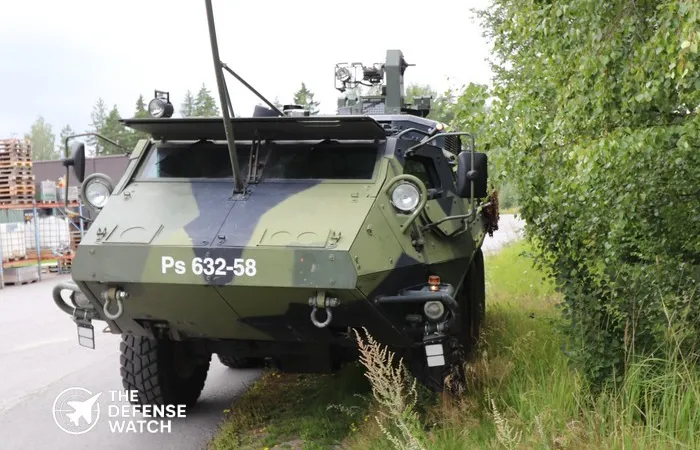
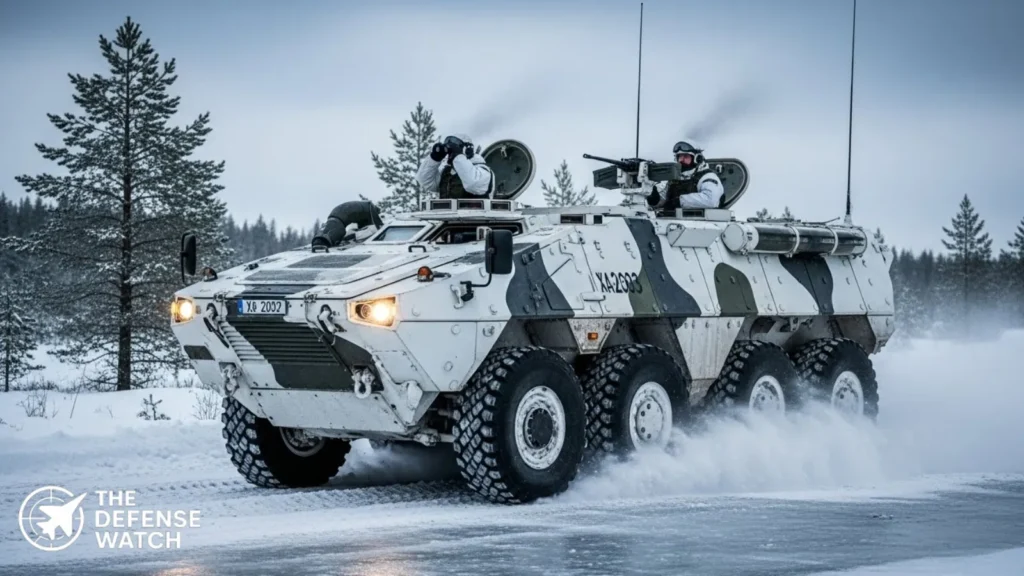
Sweden has announced a new modernization effort for its Patria XA-203 armored vehicle fleet, focusing on upgrades that prepare the platforms for remote weapon system integration. The move is part of a broader effort to improve survivability, firepower, and operational flexibility across the Swedish Army’s ground forces.
According to information released in December 2025, the upgrade program introduces structural and electronic modifications that allow the Patria XA-203 armored vehicle to support modern remotely operated weapon stations without requiring major redesign work later.
Background on the Patria XA-203 Fleet
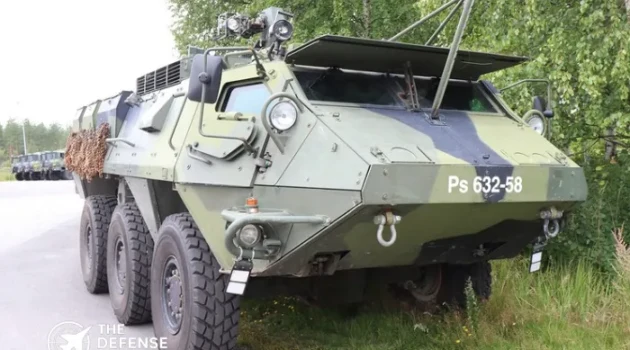
The Patria XA-203 armored vehicle is a 6×6 wheeled armored personnel carrier originally developed by Finland’s Patria and operated by several European armed forces. Sweden has used the XA-203 primarily for troop transport, logistics support, and mobility in difficult terrain, including snow and forest environments.
While the platform has proven reliable, its original configuration relied on manually operated weapon mounts, reflecting an earlier generation of armored vehicle design.
Remote Weapon Readiness Enhances Combat Capability
The modernization effort centers on preparing the Patria XA-203 armored vehicle for remote weapon systems, a key feature of modern land warfare. These systems allow crews to operate weapons from inside the vehicle, reducing exposure to enemy fire and improving situational awareness through integrated sensors and cameras.
Upgraded power supply, cabling, and mounting points will enable faster installation of remote weapon stations as operational needs evolve. Swedish defense officials note that this approach improves adaptability while controlling costs.
Part of Broader Swedish Army Modernization
The Patria XA-203 armored vehicle upgrade aligns with Sweden’s wider military modernization strategy, which emphasizes mobility, digital integration, and crew protection. Similar upgrades are being pursued across other vehicle types in service with the Swedish Army.

By extending the service life of existing platforms, Sweden aims to maintain readiness while balancing procurement timelines for future armored vehicle programs.
What Comes Next
Implementation of the Patria XA-203 armored vehicle upgrades is expected to proceed gradually, with vehicles updated during scheduled maintenance cycles. The improvements ensure the fleet remains relevant for domestic defense and potential multinational operations.

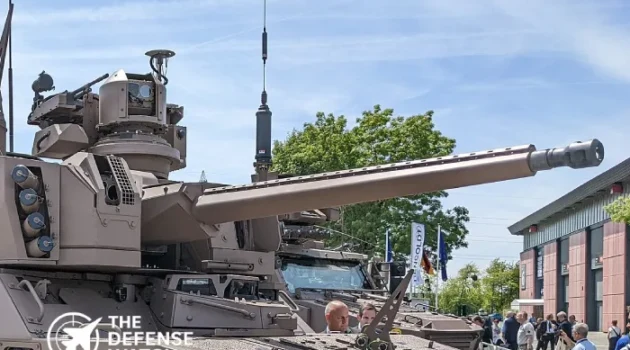
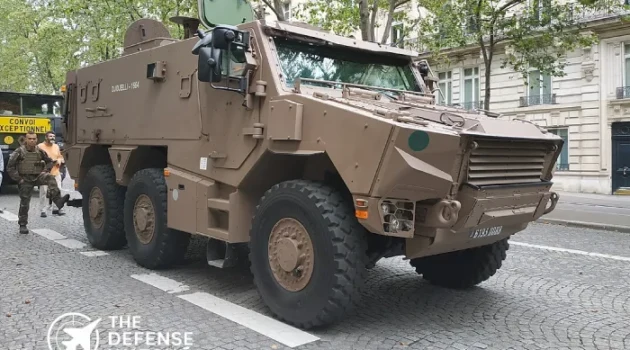
Luxembourg has finalized a defense procurement agreement with Belgium to acquire 38 Jaguar and 16 Griffon combat vehicles. The deal, announced in December 2025, will equip a new binational reconnaissance battalion that is expected to be operational by 2030 under NATO frameworks.
The pact represents one of Luxembourg’s largest defense investments and reinforces military cooperation between the two neighboring NATO allies. The vehicles, built under France’s Scorpion program, will form the backbone of the Binational Battalion of Luxembourg Reconnaissance Guides-Chasseurs.
Background
The acquisition stems from a broader drive to modernize Luxembourg’s armored forces and improve interoperability with allied armies. In 2024, Luxembourg approved a multi-billion euro investment to modernize its military, focusing on wheeled armored platforms that align with NATO and European Union standards.
Under the deal, Luxembourg will contribute to the joint battalion while Belgium supplies additional personnel, training capacity, and infrastructure. The unit is formed under NATO’s Defense Planning Process, a mechanism that guides member states in matching national capabilities with alliance needs.
Jaguar EBRC: Armored Reconnaissance and Combat
The Jaguar EBRC (Engin Blindé de Reconnaissance et de Combat) is a 6×6 wheeled armored reconnaissance and combat vehicle. It is designed for reconnaissance missions in high-threat environments, offering both mobility and firepower.
Key features include a 40mm CTA40 cannon, twin MMP (Missile Moyenne Portée) anti-tank guided missile launchers, and a remote 7.62mm machine gun. The vehicle integrates advanced sensors and battlefield networking systems that allow shared situational awareness and operational coordination across the battalion.
The Jaguar’s design emphasizes protection and mobility, allowing it to conduct deep reconnaissance and direct fire support while maintaining crew survivability. It operates with a three-person crew and offers modular capabilities to adapt to different mission profiles.
Griffon VBMR: Multi-Role Support
The 16 Griffon VBMR (Véhicule Blindé Multi-Rôles) vehicles will serve in command, logistics, and combat support roles. Built on a 6×6 chassis similar to the Jaguar, each Griffon carries a three-person crew.
These vehicles are equipped with modular remote weapon stations that can mount either 7.62mm or 12.7mm machine guns, depending on mission needs. Designed for flexibility, they can transport troops, provide command and control nodes, or support logistical tasks in the field.
The Griffon’s design focuses on survivability in asymmetric and hybrid warfare environments and full interoperability with NATO digital systems. Its modular architecture allows rapid reconfiguration for multiple battlefield roles.
The Binational Reconnaissance Battalion
The new unit, dubbed the Binational Battalion of Luxembourg Reconnaissance Guides-Chasseurs, will integrate personnel and assets from both Luxembourg and Belgium. The battalion is structured to support NATO and EU missions, from territorial defense to expeditionary tasks.
Belgium’s larger land force will provide additional manpower and support assets, while Luxembourg’s investment in vehicles and systems highlights its commitment to collective defense. The unit will be capable of high-tempo reconnaissance operations across Europe, with integrated command and control systems to support rapid decision-making on the battlefield.
Colonel Pascal Ballinger, Deputy Chief of Staff of the Luxembourg Army, emphasized that this procurement goes beyond buying new vehicles. It embeds Luxembourg more deeply into multinational defense structures and enhances operational readiness across joint missions.
NATO Context and Defense Planning
NATO’s Defense Planning Process defines capability targets for member states to ensure they can contribute meaningfully to collective defense. The binational battalion aligns with these targets, offering a medium-weight force with reconnaissance, command, and support capabilities.
European defense officials have noted the importance of such joint units in strengthening deterrence and cooperation. The integration of Luxembourg and Belgium in this battalion mirrors broader trends toward shared capabilities among smaller NATO members, particularly in armored and networked ground forces.
What’s Next
Deliveries of the Jaguar and Griffon vehicles will occur in stages, with full operational capability planned by 2030. Training exercises between Luxembourg and Belgium are expected to increase in frequency as the battalion prepares for NATO exercises and potential deployments.
The success of this joint battalion may serve as a model for future European defense cooperation. Other allies with smaller armies could look to similar arrangements to pool resources and meet alliance commitments more effectively.
Babcock Launches Jackal 3 Extenda All-Terrain Vehicle Production
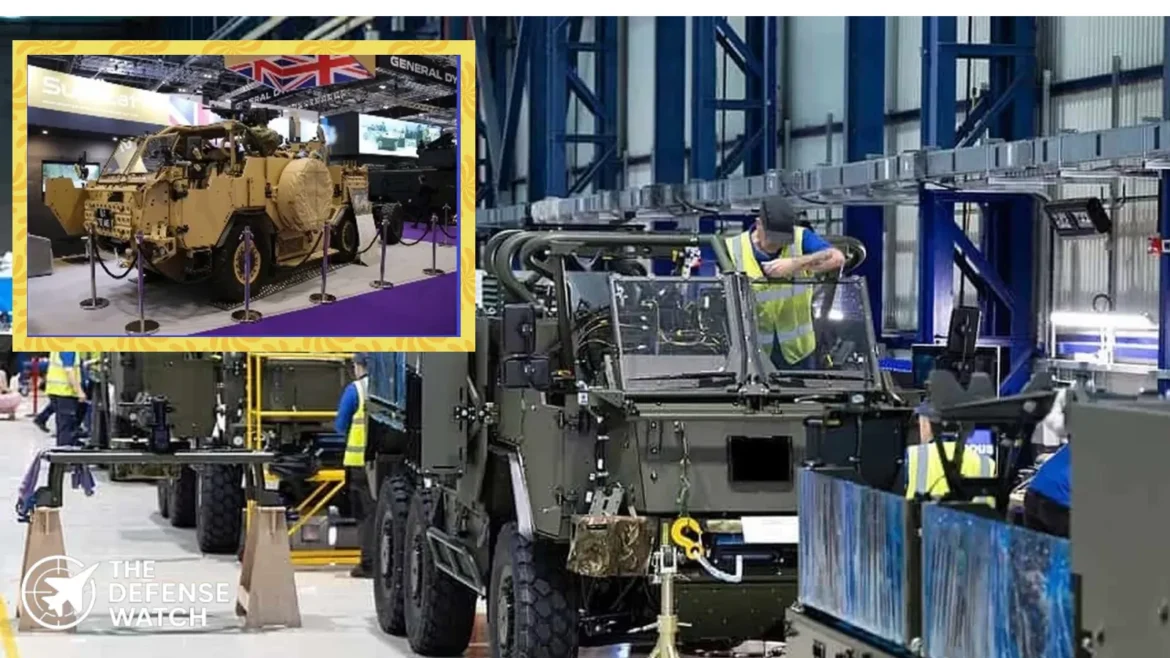
Babcock International has formally launched production of the Jackal 3 Extenda all-terrain vehicle for the British Army, marking a key step in the modernization of the United Kingdom’s light mobility and reconnaissance fleet. The production start was announced in early 2025 at Babcock’s UK facilities, where the company is delivering the latest variant of the combat proven Jackal family under an ongoing support and manufacturing agreement with the Ministry of Defence.
The Jackal 3 Extenda all-terrain vehicle is designed to enhance the British Army’s ability to operate across dispersed and demanding environments, while maintaining speed, protection, and operational flexibility. The new production phase signals a transition from development and testing into sustained manufacturing for frontline units.
Background: Evolution of the Jackal Vehicle Family
The Jackal vehicle series has been a cornerstone of British Army light forces since its introduction in the late 2000s. Originally developed to meet urgent operational requirements, the Jackal gained a strong reputation for mobility, firepower, and adaptability during operations in Afghanistan and other theaters.
The Jackal 3 Extenda all-terrain vehicle represents the latest evolution of the platform. Building on the earlier Jackal 2 and standard Jackal 3 variants, the Extenda configuration introduces a modular design that allows the vehicle to operate in both short and extended wheelbase modes. This flexibility enables commanders to tailor the vehicle for specific mission profiles, including reconnaissance, patrol, command and control, and rapid response tasks.
Production Details and Industrial Role
Babcock is responsible for manufacturing, integration, and long term support of the Jackal 3 Extenda all-terrain vehicle fleet. The company has emphasized that the production effort supports skilled jobs across the UK and reinforces domestic defense manufacturing capacity.
According to company statements, production activities include final vehicle assembly, systems integration, quality assurance, and testing. Babcock is also leveraging lessons learned from previous Jackal variants to improve reliability, maintainability, and through life support.
The Jackal 3 Extenda all-terrain vehicle incorporates upgrades to suspension, powertrain performance, and onboard systems. These improvements are intended to support sustained operations over rough terrain while reducing crew fatigue and maintenance demands.
Vehicle Capabilities and Design Features
The Jackal 3 Extenda all-terrain vehicle is optimized for high mobility in off road conditions. Its open architecture design supports a range of mission equipment, including communications systems, sensors, and weapon mounts.
A defining feature of the Extenda variant is its adjustable configuration. The vehicle can be reconfigured to carry additional personnel or equipment without compromising mobility. This modular approach allows a single vehicle type to fulfill multiple operational roles within a unit.
Protection enhancements focus on blast mitigation and survivability, while maintaining the low weight needed for air transport and rapid deployment. The Jackal platform is typically armed with heavy machine guns or automatic grenade launchers, providing organic fire support to light forces.
British Army Modernization Context
The start of production for the Jackal 3 Extenda all-terrain vehicle aligns with the British Army’s broader modernization efforts under its Future Soldier program. This initiative aims to restructure land forces to be more agile, digitally connected, and deployable across a range of conflict scenarios.
Light mobility platforms like the Jackal 3 Extenda play a critical role in this concept, particularly for reconnaissance units and rapid reaction forces. The vehicle supports operations in environments where heavier armored vehicles may be restricted by terrain or infrastructure.
Defense officials have highlighted the importance of retaining proven platforms while incrementally upgrading their capabilities. The Jackal 3 Extenda all-terrain vehicle reflects this approach by combining an established design with targeted enhancements.
Industry and Policy Perspective
From an industrial perspective, the program underscores the UK Ministry of Defence’s emphasis on sustaining domestic defense suppliers. Babcock’s role in producing and supporting the Jackal 3 Extenda all-terrain vehicle demonstrates the value placed on long term partnerships with industry.
Analysts note that continued investment in light tactical vehicles remains relevant despite growing attention on high end warfare. Mobility, situational awareness, and adaptability remain essential for expeditionary operations, counterinsurgency missions, and deterrence activities in contested regions.
The Jackal 3 Extenda all-terrain vehicle also offers potential export appeal, given the widespread interest in flexible and air deployable ground platforms among allied and partner nations.
What Comes Next
With production now underway, the focus will shift to deliveries, crew training, and integration into operational units. Babcock is expected to continue providing in service support throughout the vehicle’s operational life, ensuring availability and readiness.
As the British Army refines its force structure, the Jackal 3 Extenda all-terrain vehicle is set to remain a key asset for light forces. The program highlights how incremental upgrades and sustained industrial support can extend the relevance of proven military platforms in a changing security environment.
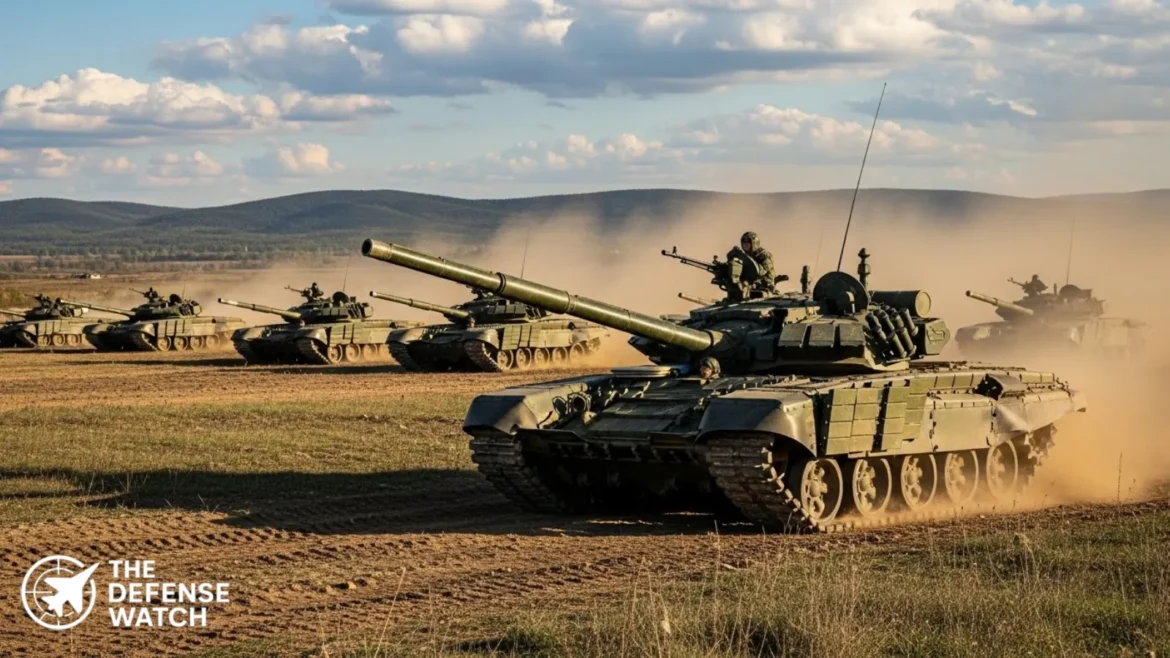
Russia Applies Armata Technologies to Active Tank Fleet
Russia has begun transferring key technologies developed under the T-14 Armata tank program into its existing T-90M and T-72 tank fleets. The effort, reported in late 2025, reflects a shift in Moscow’s armored modernization strategy, focusing on upgrading proven platforms rather than expanding production of entirely new main battle tanks.
The move is aimed at improving survivability, situational awareness, and combat effectiveness of Russian armored units already deployed or in reserve. It comes amid continued operational demands and industrial constraints affecting large scale production of next generation armored vehicles.
Background: From Flagship Program to Technology Donor
The T-14 Armata was introduced as a new generation main battle tank built around a modular platform, advanced sensors, and enhanced crew protection. While it showcased major design changes, including an unmanned turret concept and advanced defensive systems, production numbers have remained limited.
Instead of fielding the T-14 in large quantities, Russian defense planners have increasingly focused on extracting mature subsystems and applying them across existing tanks. This approach allows the Russian Army to modernize faster while relying on platforms that are already integrated into logistics and training systems.
Key Technologies Moving Into T-90M and T-72
Improved Protection Systems
One of the most important areas of transfer involves protection technologies. Elements derived from Armata research are being adapted to enhance reactive and passive armor layouts on the T-90M and late model T-72 variants. These upgrades are intended to improve resistance against modern anti tank guided missiles and top attack munitions.
Active protection concepts studied for Armata have also influenced countermeasure upgrades, including improved warning sensors and electronic defenses. While full scale active protection systems remain limited, incremental improvements are being applied across the fleet.
Sensors and Fire Control Enhancements
Armata related developments in optics and battlefield awareness are also shaping upgrades. Modernized T-90M and T-72 tanks are receiving improved thermal sights, day night optics, and digital fire control components influenced by Armata design standards.
These enhancements allow tank crews to detect and engage targets at longer ranges and in degraded visibility, closing some of the gap with Western armored vehicles in sensor capability.
Digital Systems and Network Integration
Another area of technology transfer involves onboard electronics. Armata development pushed Russian industry toward more integrated digital architectures. Lessons from this effort are now being applied to improve communications, navigation, and command integration on upgraded tanks.
Improved data sharing between vehicles and command posts supports coordinated operations and faster response times, particularly in combined arms environments.
Why Russia Is Prioritizing Upgrades Over New Builds
Industrial and Logistical Factors
Producing a completely new tank design at scale requires major industrial investment and stable supply chains. Upgrading existing platforms uses established production lines and available spare parts, reducing costs and shortening delivery timelines.
The T-72 remains one of the most numerous tanks in Russian service, while the T-90M represents the most modern serially produced Russian main battle tank. Modernizing these platforms offers a faster return on investment.
Operational Experience
Combat experience has highlighted the need for improved protection and situational awareness rather than entirely new hull designs. By integrating Armata derived technologies into tanks already familiar to crews, the Russian Army can respond more quickly to evolving battlefield threats.
This approach also allows upgrades to be tailored based on observed vulnerabilities, rather than committing to a single new design philosophy.
Expert Perspective on the Modernization Strategy
Defense analysts note that this strategy mirrors practices seen in other major armies. Incremental upgrades to proven platforms are often more sustainable during prolonged periods of high operational demand.
By using Armata technologies as a development pool rather than a standalone solution, Russia is seeking to preserve technological gains while managing production realities. The result is a hybrid modernization path that blends next generation concepts with Cold War era platforms.
Impact on Russian Armored Forces
The integration of Armata technologies into the T-90M and T-72 fleets is expected to improve battlefield survivability and combat effectiveness in the near term. While these tanks will not match the full design ambitions of the T-14, they gain meaningful upgrades in protection, sensors, and digital systems.
This modernization path also suggests that the T-14 Armata will remain limited in numbers, serving more as a technology testbed and reference platform than as the backbone of Russian armored forces.
What Comes Next
Further refinements are expected as Armata related research continues to mature. Additional sensor upgrades, improved countermeasures, and incremental automation may be introduced into existing tanks over time.
For now, Russia tank modernization efforts are focused on maximizing the combat value of current fleets. The T-90M upgrade program and continued T-72 modernization indicate that legacy platforms will remain central to Russian armored operations for years to come.

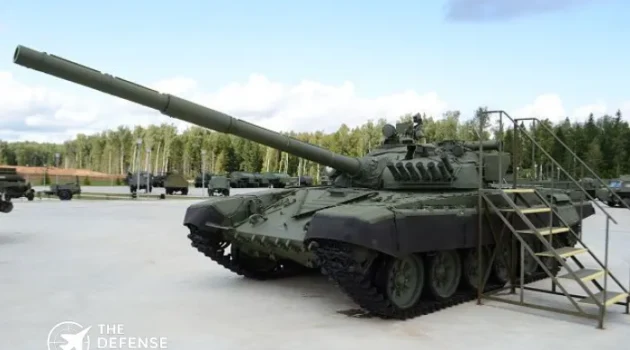
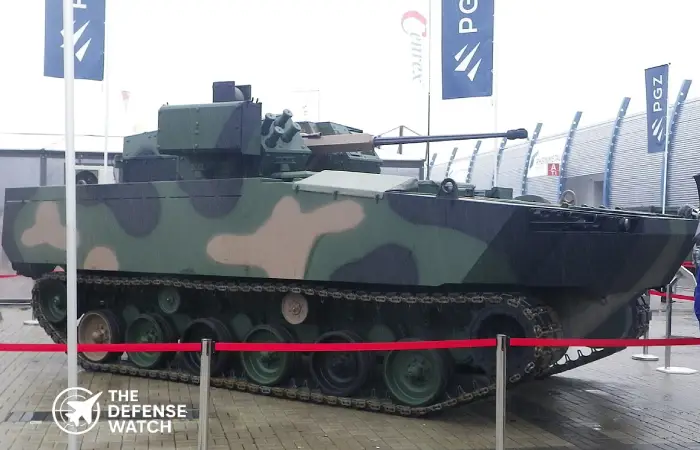
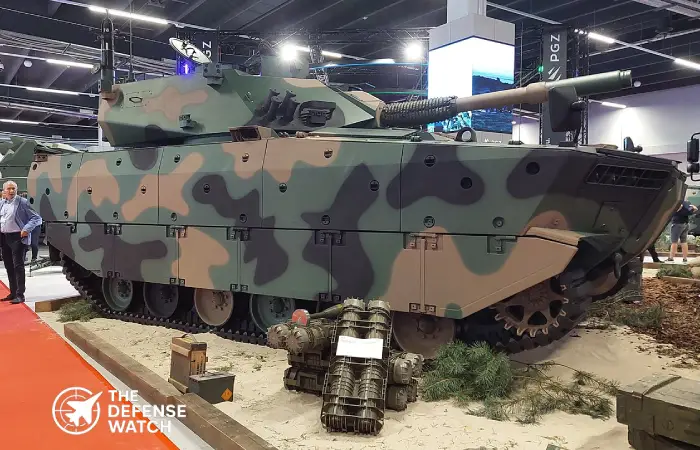
The armed forces of Poland received the first batch of mass-produced Borsuk infantry fighting vehicles (IFVs). A formal handover ceremony at the production plant of Huta Stalowa Wola (HSW) saw 15 Borsuk IFVs transferred to the 15th Mechanized Brigade of the Polish Army — marking the official entry into service of the next-generation amphibious IFV.
The delivery comes under a contract signed months earlier — an initial batch of 111 vehicles that will be delivered between 2025 and 2029 under serial‑production terms.
Background — Why Borsuk?
The Borsuk IFV (Polish for “Badger”) is the result of Poland’s long-running effort to replace the obsolete Soviet‑era BWP‑1 fleet, a platform dating back to the Cold War.
Developed by HSW as part of the national Nowy Bojowy Pływający Wóz Piechoty (NBPWP) programme, the Borsuk is built on a universal modular tracked platform (UMPG). It was first revealed to the public at the 2017 MSPO defense exhibition. Over successive years it underwent design refinements, prototypes, and extensive field tests — including amphibious, mobility, and live‑fire trials — before being approved for serial production.

Poland’s aim with Borsuk is not only to upgrade infantry firepower and protection, but also to develop and sustain a domestic defense‑industrial capability, reducing reliance on foreign platforms.
Key Features & Technical Details
According to official data from HSW and Polish MoD procurement documents, the Borsuk IFV offers significant improvements over its predecessors:
- Crew & capacity: Crew of three (commander, driver, weapons operator) + space for six dismounted infantry soldiers.
- Mobility: Powered by an MTU 8V199 TE20 turbo-diesel engine delivering 720 hp; hydropneumatic suspension; maximum road speed of 65 km/h; fully amphibious with swimming speed around 8 km/h.
- Protection: Hull built with steel reinforced by composite/ceramic armor; design compliant with modern battlefield survivability standards.
- Armament: Equipped with a remotely operated turret system, ZSSW-30 turret — featuring a 30 mm Mk44S Bushmaster II autocannon, a 7.62 mm UKM‑2000C coaxial machine gun, and dual anti-tank guided missile (ATGM) launchers. Additional ammunition types include programmable rounds.
- Modularity and growth potential: The chassis is designed to host multiple specialized variants beyond the standard IFV — including command, reconnaissance, medical evacuation, recovery, and NBC‑reconnaissance versions.
According to the initial contract, the first 111 IFVs will be delivered by 2029; the larger framework envisions up to 1,400 tracked vehicles based on the Borsuk chassis including IFVs and support variants.
Statement from Officials
At the handover ceremony, Władysław Kosiniak-Kamysz, Poland’s Deputy Prime Minister and Minister of Defense, emphasized that the 15 newly delivered Borsuk IFVs mark a “major day for the Polish Armed Forces,” highlighting that the vehicles not only replace Soviet‑era systems, but also significantly enhance the operational capability of the 15th Mechanized Brigade.
Deputy Defense Minister Paweł Bejda, responsible for modernization, underlined that Borsuks will become cornerstone assets of Poland’s mechanized forces. He also indicated plans to further diversify the fleet with amphibious and non-amphibious variants, while promoting Borsuk as a potential export product.
Meanwhile, HSW is reportedly ramping up its production capacity in preparation for serial output. The company aims to support not only the Borsuk IFV programme, but also other related tracked and support vehicles.
Significance — What This Means for Poland’s Armed Forces
The induction of Borsuk IFVs represents a watershed moment for the Polish Land Forces. After decades of relying on outdated Soviet-era BWP‑1 IFVs — whose thin armor and obsolete systems rendered them vulnerable in modern conflict scenarios — Poland is now fielding a modern, domestically built platform capable of meeting contemporary threats.
The Borsuk’s amphibious capability, modular chassis, and modern turret armament provide the Polish Army with enhanced tactical flexibility. Its integration will likely be pivotal for mechanized brigades stationed near Poland’s eastern borders — a region of heightened strategic importance given recent security developments in Europe.
Moreover, the decision to design, produce, and deploy Borsuk domestically underlines Poland’s strategic ambition to strengthen its defense‑industrial base — reducing reliance on foreign imports and potentially becoming an exporter of advanced armoured vehicles.
What’s Next
Over the next four years, the Polish Ministry of Defense and HSW plan to complete the delivery of all 111 IFVs under the first contract. Concurrently, efforts will begin to deliver specialized variants — such as command, recovery, reconnaissance and medical evacuation vehicles — based on the Borsuk platform.
Poland may also pursue further procurement beyond the initial batch, expanding its mechanized force capabilities substantially. According to official policy plans, Borsuk (and associated support variants) may become the backbone of Poland’s mechanized infantry for decades.
Finally — as hinted by Defense Minister comments — Poland is preparing to promote Borsuk for export. If successful, this could mark HSW and Poland among the few European nations capable of offering a modern, amphibious, modular IFV for international customers

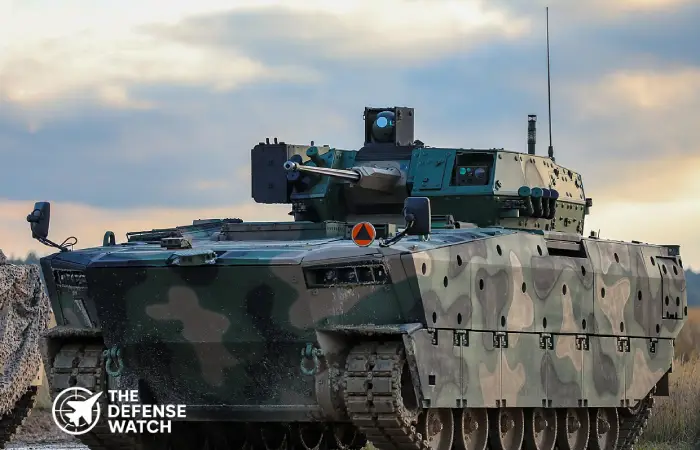
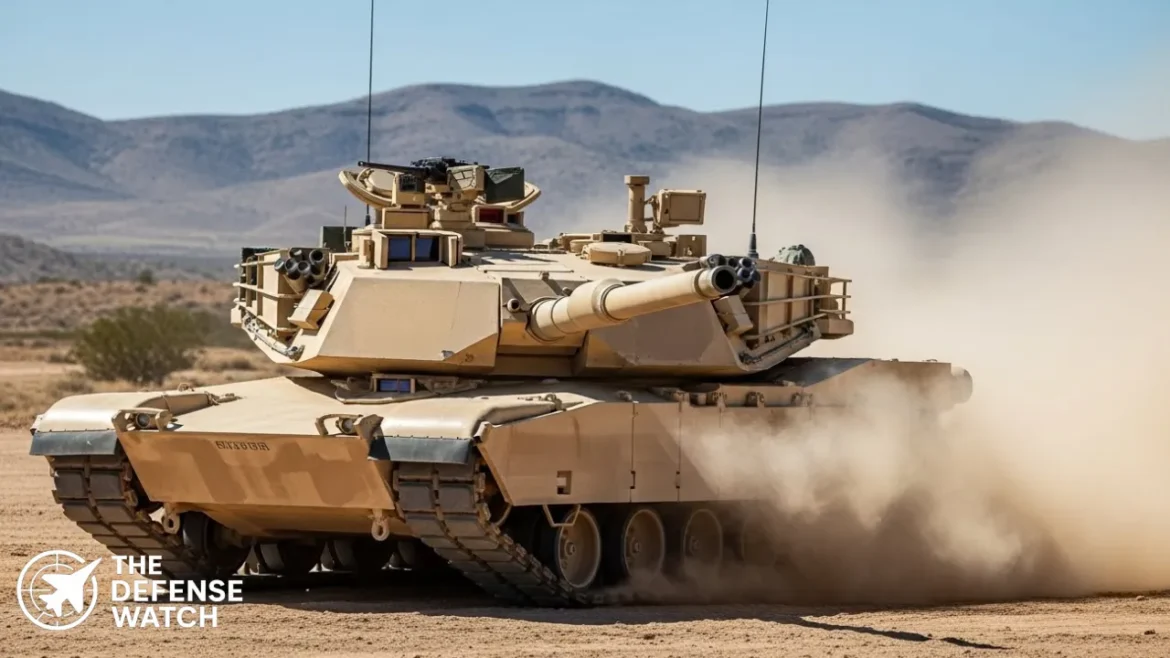
M1 Abrams Tank battlefield performance: The Backbone of U.S. Armored Forces
The M1 Abrams Tank continues to serve as the cornerstone of U.S. Army armored capabilities, decades after its initial deployment. Developed by General Dynamics Land Systems, this Main Battle Tank (MBT) has undergone multiple upgrades to remain relevant on modern battlefields. With its combination of advanced armor, high mobility, and devastating firepower, the Abrams is recognized globally as one of the most capable tanks in service.
The latest variant, the M1A2 SEPv3, features enhancements in crew survivability, digital fire control, and networked battlefield operations. Its 120mm smoothbore main gun allows rapid engagement of armored threats, fortified positions, and personnel targets. Complementary secondary armaments include a 12.7mm heavy machine gun and dual 7.62mm machine guns, ensuring the Abrams can handle both heavy and light targets in diverse combat scenarios.
Performance, Mobility, and Modern Upgrades
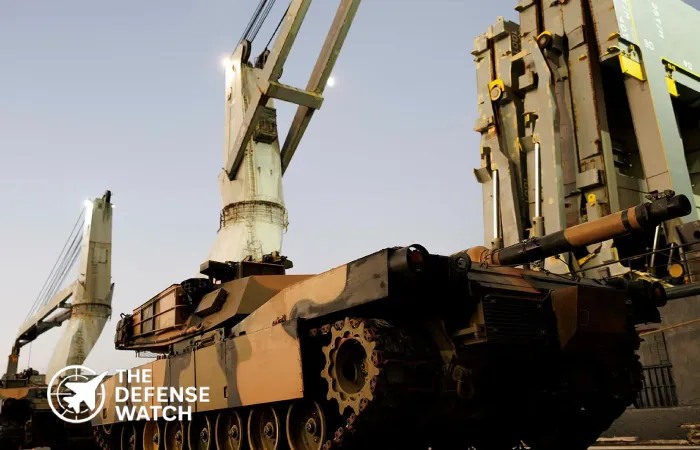
Powered by a 1,500 horsepower gas turbine engine, the M1 Abrams can reach speeds up to 67 km/h on roads and maintain significant off-road mobility at 40 km/h. Its operational range of 425 km allows sustained combat operations without frequent resupply. Modern variants incorporate Trophy Active Protection Systems, upgraded composite armor with depleted uranium layers, and automatic fire suppression systems, making it one of the most survivable MBTs in existence.
The tank’s crew of four – commander, gunner, loader, and driver – benefits from advanced digital systems including thermal imaging, laser rangefinders, and secure battlefield communications. These upgrades allow the Abrams to perform effectively under night and all-weather conditions while maintaining networked battlefield awareness.
Combat Experience and Global Context
The M1 Abrams has proven itself in multiple U.S. and coalition operations, notably in Iraq and Afghanistan, where it excelled in urban and desert warfare environments. Its modernizations reflect lessons learned from these deployments, emphasizing survivability against improvised explosive devices (IEDs), precision-guided munitions, and anti-tank guided missiles.
Analysts note that the M1 Abrams’ combination of firepower, armor protection, and mobility continues to shape U.S. armored doctrine, ensuring that it remains relevant despite advances in unmanned systems, drones, and hybrid warfare tactics. This adaptability also positions the Abrams for future upgrades under the SEPv4 program, which may include artificial intelligence integration for targeting and predictive battlefield analytics.
Strategic Relevance
As U.S. forces focus on near-peer competition and potential high-intensity conflict scenarios, the M1 Abrams Tank will remain central to ground combat strategies. Its ability to operate seamlessly with infantry, artillery, and air support enhances combined arms operations, offering the U.S. Army a decisive edge against armored adversaries.
FAQs
What is the maximum speed of the M1 Abrams Tank?Up to 67 km/h on roads and 40 km/h off-road.
What upgrades distinguish the M1A2 SEPv3 from earlier models?SEPv3 includes enhanced armor, Trophy APS, advanced fire control, and improved battlefield communications.
How many crew members operate the Abrams?Four: commander, gunner, loader, and driver.
What type of main gun does the M1 Abrams use?A 120mm M256 smoothbore main gun.
Has the Abrams seen combat?Yes, in Iraq, Afghanistan, and other coalition operations.
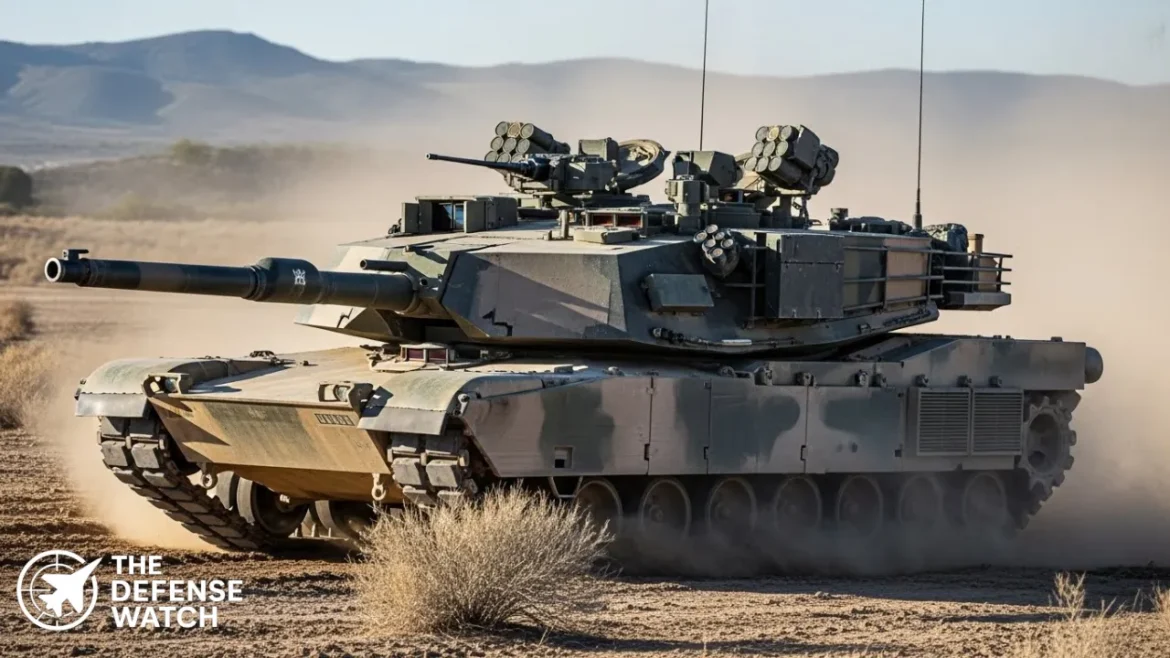
The M1E3 Abrams Tank, the latest iteration of the iconic U.S. main battle tank, represents a significant leap in armored warfare capability. With enhanced protection, advanced targeting systems, and improved mobility, the M1E3 ensures the U.S. Army retains a decisive edge on the modern battlefield. Developed by General Dynamics Land Systems, this upgrade reflects decades of combat experience and technological evolution, keeping the Abrams family at the forefront of armored warfare.
M1E3 Abrams: Evolution of a Battlefield Icon
The Abrams series has been a cornerstone of U.S. armored forces since the early 1980s. The M1E3, building upon the SEPv3 variant, introduces state-of-the-art armor packages including Chobham composite reinforced with depleted uranium and optional reactive armor modules. These enhancements provide exceptional protection against modern anti-tank threats, including kinetic energy penetrators and explosive munitions.
Equipped with the 120 mm M256 smoothbore main gun, the M1E3 delivers lethal precision against both armored and fortified targets. Secondary armaments, such as the 12.7 mm M2HB heavy machine gun and twin 7.62 mm machine guns, bolster the tank’s versatility, allowing it to engage infantry, light vehicles, and aerial threats.
Mobility and Tactical Advantage
Despite its heavy armor, the M1E3 maintains impressive mobility. Powered by a 1,500 hp gas turbine engine, it reaches speeds up to 67 km/h on paved roads and 40 km/h off-road, with a tactical range of 425 km. Advanced torsion bar suspension and cross-drive transmission allow for superior handling in diverse terrains, from urban environments to rugged battlefields.
Modern sensors and electronics, including thermal imaging, night vision, and a computerized fire control system, give commanders a situational awareness advantage. These systems enhance target acquisition, threat tracking, and firing accuracy under any conditions.
Operational Impact and Strategic Context
The M1E3 Abrams has been deployed in multiple theaters, including Iraq and Afghanistan, where it demonstrated resilience and firepower against both conventional and asymmetric threats. The tank’s upgrades are part of the U.S. Army’s ongoing modernization program to maintain battlefield superiority amid rising global armored capabilities from competitors.
From a strategic perspective, the M1E3 strengthens deterrence and provides allies with confidence in interoperability and combat readiness. With SEPv4 upgrades already planned, the tank will continue to integrate cutting-edge electronics, active protection systems, and AI-assisted operational capabilities.
Analysis: What the Upgrades Mean for Modern Armored Warfare
The M1E3 Abrams not only reinforces U.S. armored dominance but also signals a shift toward networked, technology-driven warfare. With enhanced sensors and battlefield management systems, the tank can operate seamlessly with drones, infantry, and artillery, creating a multi-domain battlefield synergy. Analysts note that this integration is crucial as near-peer adversaries invest in advanced anti-tank weapons.
Conclusion
The M1E3 Abrams Tank exemplifies the blend of firepower, protection, and technological sophistication needed in today’s combat environment. Continuous upgrades ensure that it remains an effective tool for U.S. forces, deterring adversaries and supporting operational missions worldwide. As armored threats evolve, the M1E3’s adaptability secures its place as the backbone of U.S. ground forces.
FAQs
What is the main armament of the M1E3 Abrams?The tank is equipped with a 120 mm M256 smoothbore main gun.
How many crew members operate the M1E3?The tank operates with a four-member crew: commander, gunner, loader, and driver.
What is the maximum speed of the M1E3 Abrams?It can reach 67 km/h on roads and 40 km/h off-road.
Which countries operate the Abrams M1 series?The U.S., Egypt, Kuwait, and Poland currently operate variants of the Abrams tank.
What protection systems does the M1E3 feature?Chobham composite armor, optional ERA modules, and active protection systems like Trophy APS.
Saudi Arabia Greenlights 300 U.S.-Made Abrams Tanks
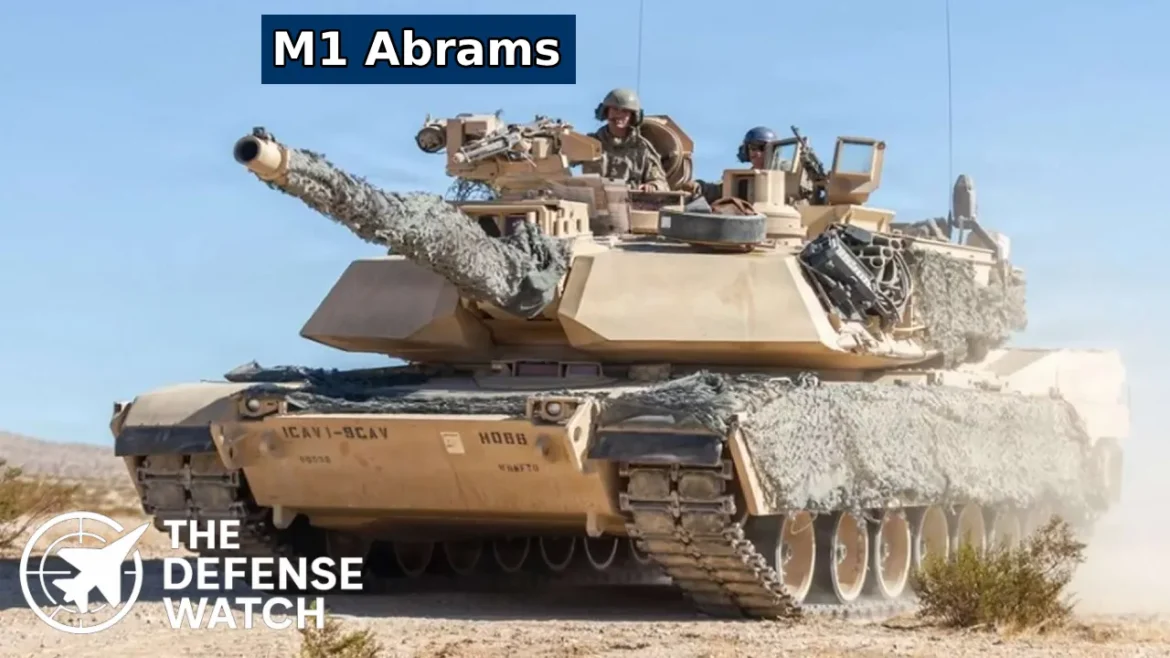
In a sweeping augmentation of its military capabilities, Saudi Arabia has confirmed the acquisition of nearly 300 M1 Abrams main battle tanks under a newly ratified Strategic Defense Agreement (SDA) with the United States, the White House announced on November 18, 2025.
Background: A Deepening of U.S.–Saudi Defense Ties
This announcement comes amid renewed high-level talks between Saudi leaders and the U.S. administration, signaling a major boost in the long-standing defense relationship between the two nations. According to a statement from the White House, the agreement not only includes tank sales but also provisions for F-35 stealth fighters – marking a significant milestone in U.S.-Saudi security cooperation.
The Abrams tanks, manufactured by General Dynamics Land Systems, represent a core component of U.S. armored warfare doctrine and have widespread adoption globally.
Key Deal Details and Strategic Implications
Scale and Purpose
- The confirmed order stands at roughly 300 Abrams tanks, making it one of the largest such sales to Riyadh in recent years.
- According to the White House, the deal “fortifies deterrence across the Middle East” and builds on burden-sharing mechanisms to bring “hundreds of American jobs” into the production chain.
Strategic Defense Agreement
- Under this Strategic Defense Agreement, Saudi Arabia is now formally recognized in a broader security framework with the U.S., allowing for streamlined defense cooperation.
- The pact is seen as a mechanism to deepen military industrial ties, affirm Riyadh’s role as a strategic U.S. partner, and potentially expand future arms sales.
Tank Variant and Capabilities
- While the White House did not specifically name the variant in its announcement, the most likely candidate is the M1A2S “Saudi Abrams”, a version tailored to Riyadh’s needs.
- The M1A2S variant is optimized for desert operations, featuring enhanced thermal sighting systems (second-generation FLIR), robust armor, and mission-management electronics suited to harsh environments.
Historical Context: Saudi Abrams Fleet
- Saudi Arabia already operates a substantial fleet of Abrams tanks. In late 2021, 153 M1A2 Abrams were delivered, upgraded to the M1A2S configuration.
- Previous U.S. Foreign Military Sales (FMS) arrangements also covered spare parts and logistic support under a Cooperative Logistics Supply Support Arrangement (CLSSA). For example, in 2024, Riyadh negotiated a $300 million CLSSA deal for repair parts for Abrams, Bradley fighting vehicles, and other systems.
- The 2016 U.S. State Department–approved sale of 153 M1A1/A2 tank structures to Saudi Arabia (for conversion to M1A2S) also included training, recovery vehicles, and support equipment.
Expert & Policy Perspectives
Defense analysts suggest this deal serves several strategic objectives:
- Burden sharing and industrial cooperation: By anchoring future procurement under the SDA, the U.S. may gain more predictable demand for its defense-industrial base, while Saudi Arabia strengthens its combat capabilities.
- Regional deterrence: The addition of advanced Abrams tanks bolsters Riyadh’s armored force posture in a region marked by simmering tensions, especially given proxy conflicts and rivalries.
- Integration and interoperability: The upgrade to M1A2S standard ensures compatibility with U.S. logistics, training regimes, and support – enhancing cooperation in joint operations or future exercises.
What’s Next: Challenges and Impact
Timeline and Delivery
- The White House did not disclose a specific delivery schedule. Given the scale of the order, deliveries could be phased over several years.
- Integration of the new tanks into Saudi doctrine and logistics could require additional training, infrastructure, and parts sustainment.
Political Considerations
- In Washington, some lawmakers may scrutinize the deal in light of broader human rights debates, export controls, and regional stability concerns.
- For Riyadh, the acquisition strengthens its long-term security architecture and deepens strategic alignment with the United States.
Industrial and Economic Effects
- The deal could generate thousands of U.S. manufacturing jobs, particularly at General Dynamics and its supply chain.
- On the Saudi side, a stronger armored force may spur further investments in maintenance, training, and possibly even co-production or localized assembly in the future.
Conclusion
Saudi Arabia’s confirmation of 300 Abrams tanks under a newly signed Strategic Defense Agreement with the United States marks a major deepening of military ties between Riyadh and Washington. The deal not only underscores the strategic importance of the Kingdom as a key U.S. partner in the Middle East but also bolsters Saudi armored capabilities with one of the world’s most advanced main battle tanks. As delivery and integration progress, both countries could further expand industrial cooperation and cement their shared defense architecture.
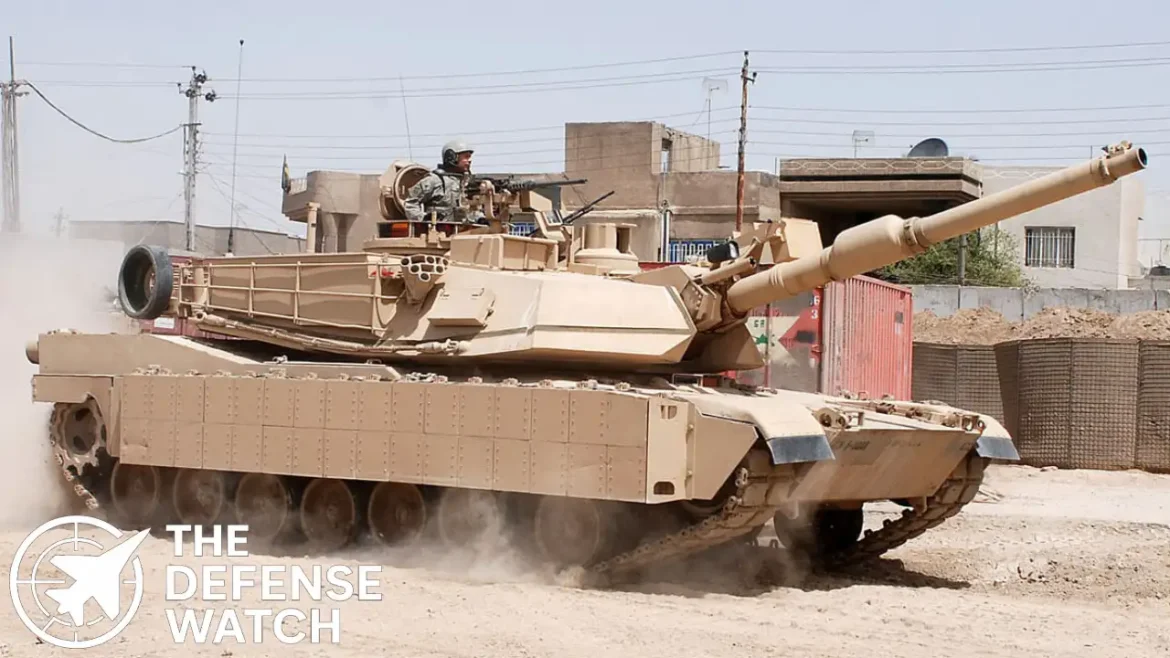
M1 Abrams Tank: Legacy, Upgrades, and the Future of America’s Main Battle Tank
The M1 Abrams tank has served as the backbone of U.S. armored forces for over four decades. First entering service in 1980, it has proven its effectiveness in conflicts from the Persian Gulf to Iraq and Afghanistan. Despite its age, the Abrams continues to undergo major upgrades, ensuring its relevance in a rapidly evolving battlefield shaped by drones, precision weapons, and next-generation armored threats.
Today, the Abrams faces new challenges: peer adversaries like Russia and China are fielding advanced armor, while lightweight anti-tank weapons and loitering munitions threaten heavy formations. The U.S. Army is responding with significant modernization programs to keep the Abrams combat-ready well into the 2030s.
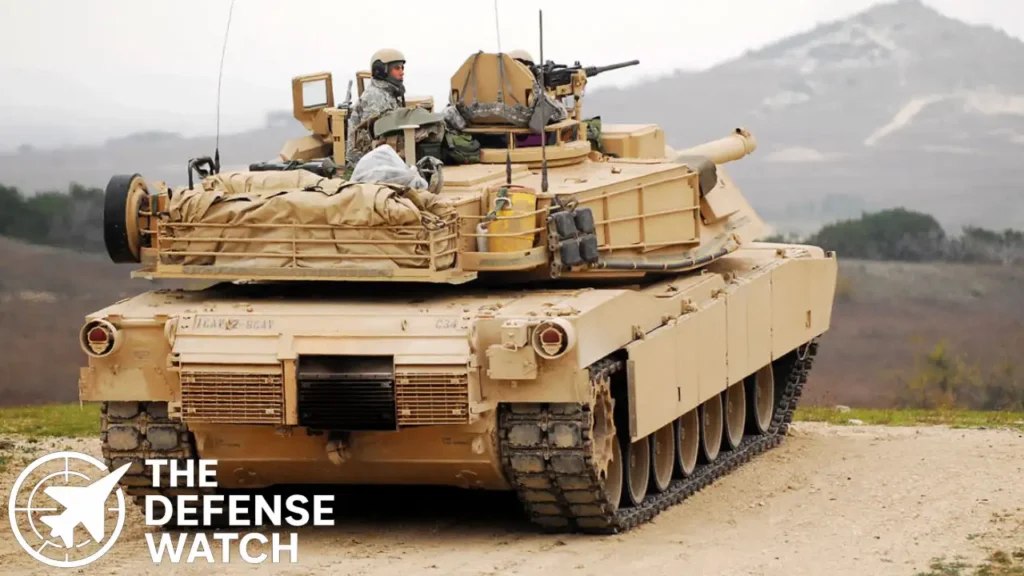
Source: U.S. Army Acquisition Support Center
The Abrams Legacy: From Cold War to Modern Conflicts
Designed at the height of the Cold War, the Abrams combined speed, protection, and firepower. Its 120mm smoothbore cannon, Chobham composite armor, and 1,500-horsepower gas turbine engine set a new global standard for tank warfare.
The Abrams first proved its dominance during the 1991 Gulf War, where it outperformed Soviet-designed T-72 tanks in Iraq. Its battlefield reputation was cemented in the 2003 invasion of Iraq, where it provided decisive armored support in urban combat.
However, those same wars exposed vulnerabilities. Urban warfare and improvised explosive devices (IEDs) highlighted the need for upgraded armor protection, reactive systems, and electronic enhancements.
Modernization Efforts: M1A2 SEPv3 and Beyond
The current production standard, the M1A2 SEPv3 (System Enhancement Package Version 3), represents the most advanced Abrams variant in service. Key upgrades include:
- Improved armor protection against kinetic and chemical energy threats.
- Enhanced power generation to support modern electronics and battlefield networking.
- Upgraded communications systems for joint, multi-domain operations.
- Active protection systems (APS) such as Trophy to counter anti-tank missiles.
The upcoming M1A2 SEPv4, now under development, will further integrate advanced sensors, improved lethality, and next-generation targeting systems.
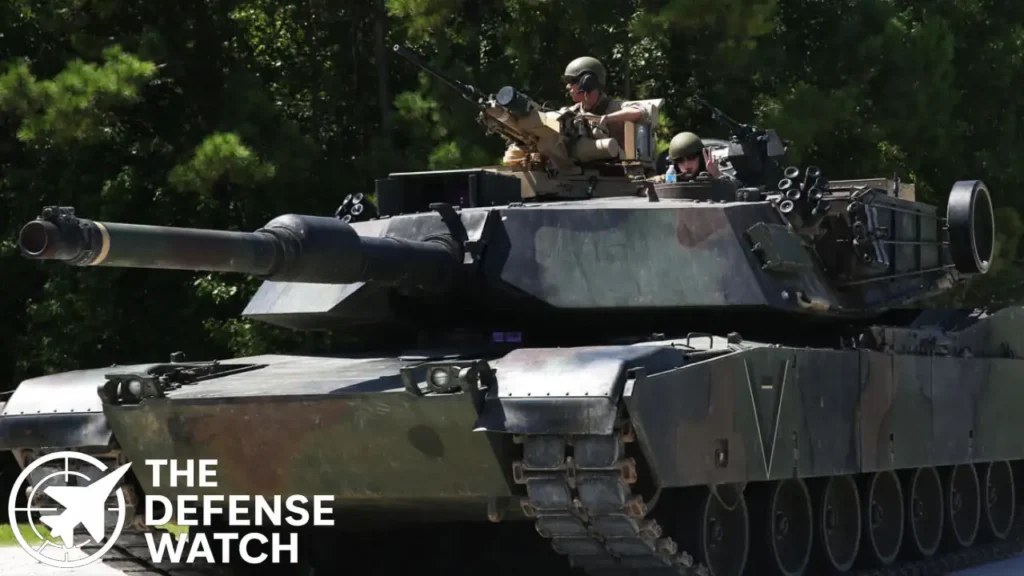
The Abrams in an Era of Drones and Precision Weapons
The war in Ukraine has underscored the vulnerability of heavy armor to drones, precision-guided artillery, and loitering munitions. For the Abrams, survivability will increasingly depend on layered defenses, electronic warfare support, and unmanned teaming.
U.S. Army modernization efforts are exploring integration with robotic combat vehicles, allowing Abrams formations to operate with unmanned scouts and decoys. This shift reflects a broader transition from traditional tank-on-tank warfare to multi-domain operations, where armor must survive in contested air and cyber environments.
Future Outlook: The AbramsX and Next-Generation Armor
General Dynamics Land Systems (GDLS) has unveiled the AbramsX technology demonstrator, a lighter, hybrid-electric concept tank that may shape the future of U.S. armored forces. AbramsX promises:
- Reduced weight for greater mobility and deployability.
- Hybrid-electric propulsion for fuel efficiency and reduced heat signature.
- AI-enabled targeting and crew support systems.
While AbramsX is not yet slated for full production, it reflects the Army’s recognition that the Abrams, despite its legendary record, may need a successor within the next two decades.
Analysis: Can the Abrams Stay Dominant?
The Abrams has continually proven adaptable, evolving from Cold War design to counter-insurgency and now preparing for great-power competition. Yet, its future dominance will depend on how effectively upgrades can counter drones, hypersonic threats, and electronic warfare.
While critics argue that heavy tanks are becoming obsolete in the age of drones, the Abrams remains a critical deterrent. It embodies armored presence, survivability, and firepower—qualities still essential on contested battlefields. The key question for the U.S. Army is whether modernization will keep the Abrams viable, or whether a clean-sheet next-generation design is inevitable.
FAQs
The latest operational version is the M1A2 SEPv3, with the SEPv4 currently in development.
The U.S. Army expects the Abrams to remain in service through the 2030s, with future upgrades extending its life further.
AbramsX is a technology demonstrator showcasing hybrid-electric propulsion, reduced weight, and advanced AI systems as potential features of future tanks.