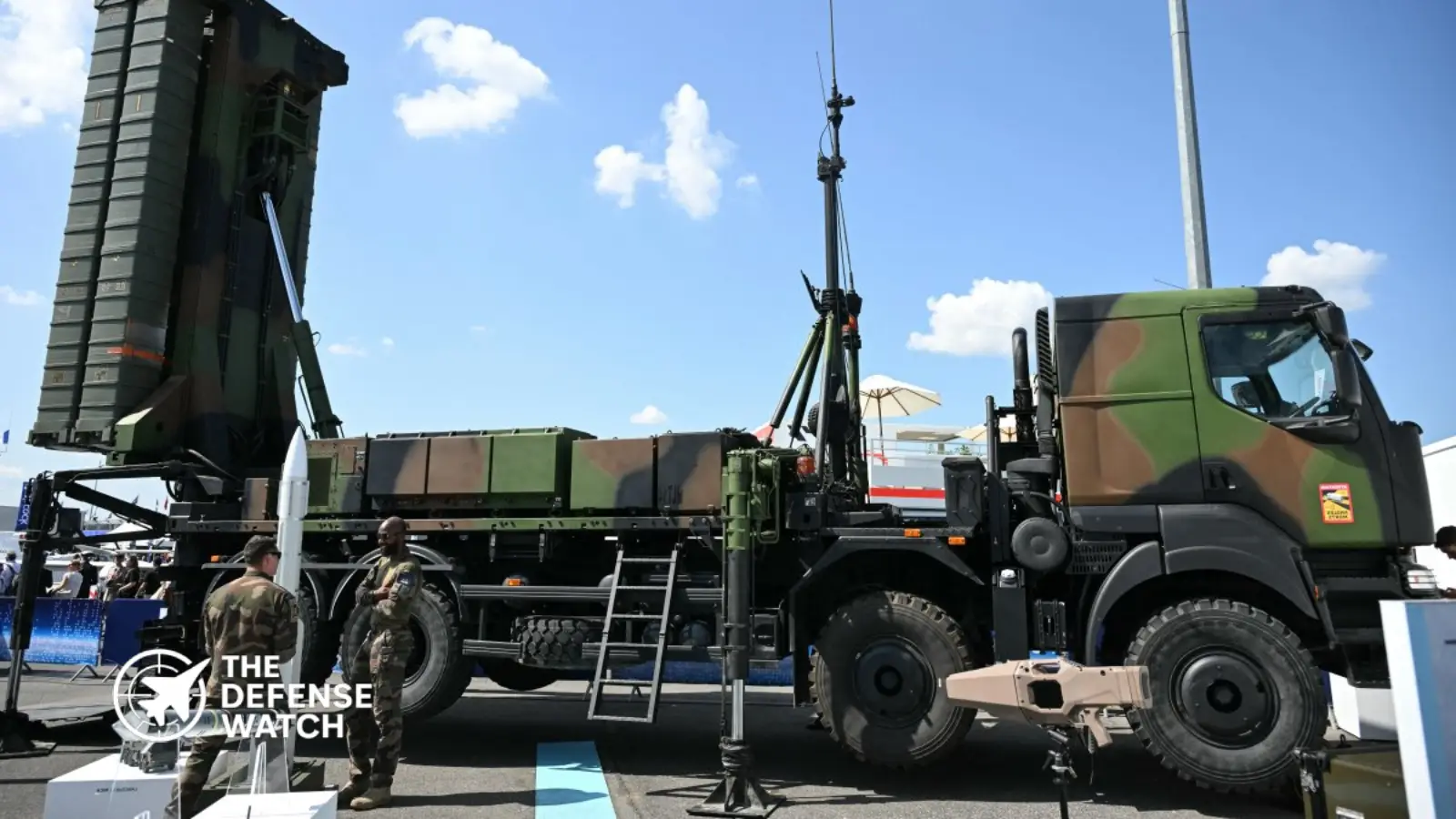
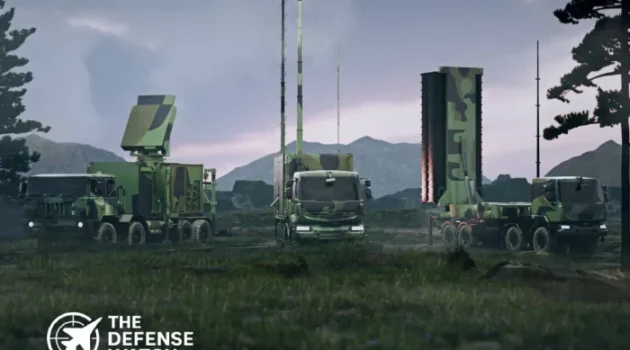
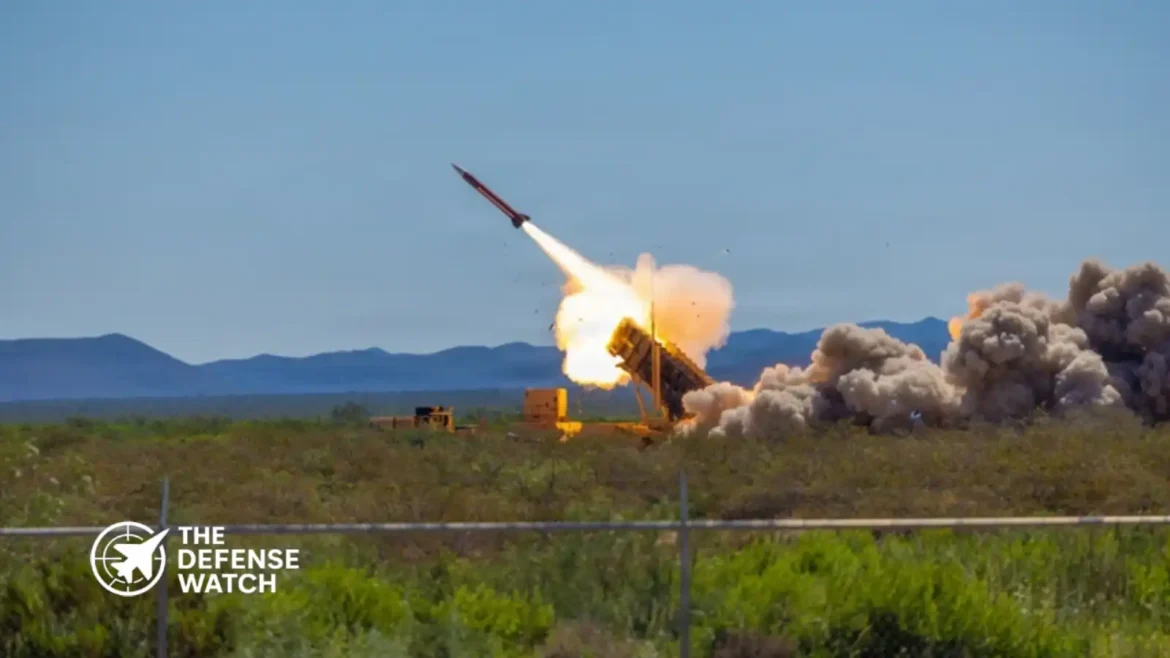
Italy will deploy a SAMP/T air and missile defense system to Türkiye’s Konya province under NATO’s standing defense plans, according to the Turkish Ministry of National Defense. The deployment is designed to strengthen alliance air defense coverage, improve collective deterrence, and reinforce NATO’s integrated air and missile defense posture on its southern flank.
Italy Deploys SAMP/T Air Defense System To Türkiye Under NATO Defense Plan
Italy is preparing to deploy a SAMP/T air defense system to Türkiye as part of NATO’s standing defense plans, marking another example of alliance members contributing strategic air defense assets to strengthen collective security.
According to Türkiye’s Ministry of National Defense, the Italian-operated system will be stationed at the 3rd Main Jet Base Command in Konya. Turkish officials stated that the deployment is intended to reinforce NATO’s air defense architecture and improve allied defensive capabilities in the region.
The announcement comes as NATO continues to emphasize integrated air and missile defense as a core pillar of alliance deterrence amid evolving missile, drone, and airpower threats across Europe, the Black Sea region, and the Middle East.
Why NATO Is Deploying SAMP/T To Konya
Konya hosts one of Türkiye’s most important military aviation facilities and routinely supports NATO exercises, multinational operations, and alliance training activities.
Under the deployment plan, Italy’s SAMP/T battery will provide an additional layer of protection for NATO assets and critical infrastructure while contributing to the alliance’s broader Integrated Air and Missile Defense (IAMD) framework.
The move also reflects NATO’s growing focus on strengthening defensive capabilities across its southern flank, where regional instability, missile proliferation, and the expanding use of armed drones have increased demand for layered air defense systems.
The SAMP/T (Sol-Air Moyenne Portée/Terrestre) is a Franco-Italian ground-based air and missile defense system developed by the Eurosam consortium, which includes MBDA and Thales.
Designed to defend against a broad range of aerial threats, the system can engage:
Combat aircraft
Helicopters
Cruise missiles
Unmanned aerial vehicles (UAVs)
Tactical ballistic missiles
The system employs the Aster family of interceptor missiles and provides 360-degree coverage through advanced radar and fire-control systems. According to publicly available information, SAMP/T is among Europe’s most capable medium- to long-range air defense platforms.
The deployment carries significance beyond a single air defense battery.
NATO has increasingly emphasized multinational air and missile defense cooperation as allies seek to improve readiness against both conventional and emerging threats. In February 2026, alliance members launched additional cooperative initiatives focused on ballistic missile defense, sensor integration, interceptor development, and command-and-control modernization.
Deploying a SAMP/T battery to Türkiye demonstrates NATO’s continued reliance on shared capabilities, allowing member states to provide high-value assets where they can contribute most effectively to collective defense.
For Italy, the mission underscores Rome’s expanding role in alliance security operations and regional air defense efforts. Italy has previously deployed SAMP/T systems abroad in support of NATO and coalition missions, demonstrating the platform’s mobility and expeditionary utility.
Implications For Türkiye’s Air Defense Architecture
The deployment also arrives as Ankara continues efforts to strengthen its national air and missile defense network.
Türkiye has pursued a multi-layered air defense architecture combining indigenous systems with allied capabilities. Recent reports indicate ongoing discussions involving potential acquisition and co-production opportunities related to the SAMP/T system as part of Türkiye’s broader “Steel Dome” air defense initiative.
Although the newly announced deployment is a NATO mission rather than a Turkish acquisition, it offers additional operational experience with advanced European missile defense technologies and further enhances interoperability between Turkish and allied forces.
From a military planning perspective, integrating temporary allied air defense assets into NATO’s command structure helps validate operational procedures, communications networks, and joint engagement concepts that would be critical during a regional crisis.
The SAMP/T has attracted increasing attention across Europe as governments seek modern air and missile defense systems capable of countering increasingly sophisticated threats.
Recent developments include Denmark’s selection of the next-generation SAMP/T NG system and broader discussions among European nations regarding expanded air defense cooperation. The system’s ability to engage ballistic missile threats while remaining fully interoperable with NATO command networks has strengthened its position within Europe’s evolving missile defense architecture.
The deployment to Türkiye further highlights the system’s growing operational footprint across NATO and demonstrates how alliance members are using rotational deployments to strengthen collective air defense coverage.
Italy’s deployment of a SAMP/T battery to Konya represents a practical enhancement of NATO’s integrated air and missile defense posture at a time when air and missile threats continue to evolve.
While the deployment does not fundamentally alter the regional military balance, it reinforces alliance readiness, improves interoperability among NATO members, and provides additional defensive coverage for a strategically important region.
As NATO leaders prepare for upcoming alliance discussions focused on deterrence, burden-sharing, and defense modernization, deployments such as this illustrate how multinational capabilities are increasingly being used to strengthen collective security across the alliance.
Saab has unveiled the new Giraffe AMB D radar at Eurosatory 2026 in Paris, introducing the latest evolution of its long-serving Giraffe Air and Missile Defense radar family. The system combines a redesigned AESA radar array with a modern software-defined architecture to improve detection, tracking, mobility, and upgradeability against evolving airborne threats. The launch reflects growing demand among militaries for adaptable sensors capable of supporting both tactical and strategic air defense missions.
Saab Introduces Giraffe AMB D Radar At Eurosatory 2026
Saab has unveiled the Giraffe AMB D radar during the Eurosatory 2026 defense exhibition in Paris, presenting what the company describes as the next-generation development of its combat-proven Giraffe Airborne and Missile Defense radar family.
The new system builds upon more than two decades of operational experience with the Giraffe AMB platform, which has been fielded by numerous armed forces worldwide for air surveillance, counter-air operations, and air defense missions.
According to Saab, Giraffe AMB D combines a newly designed Active Electronically Scanned Array (AESA) radar with an updated software architecture and modern processing capabilities intended to enhance target detection, tracking accuracy, and operational flexibility.
Carl-Johan Bergholm, Head of Saab’s Surveillance business area, said the radar demonstrates how advances in sensor technology can improve capability while reducing system footprint and deployment requirements.
New AESA Architecture Designed For Greater Flexibility
At the core of the Giraffe AMB D is a redesigned AESA radar array that leverages modern digital processing technologies to expand surveillance performance.
Unlike traditional mechanically scanned systems, AESA radars electronically steer beams at extremely high speeds, allowing operators to detect, track, and classify multiple targets simultaneously while improving resistance to electronic interference.
Saab says the new radar has been engineered to support a broad range of missions across multiple operational environments. These include:
Protection of military bases and critical infrastructure
The software-defined architecture is a significant component of the design philosophy. Rather than relying primarily on hardware upgrades, future capability improvements can be delivered through software updates, reducing lifecycle costs and enabling faster adaptation to emerging threats.
Enhanced Detection And Tracking Performance
While Saab has not publicly disclosed detailed performance specifications for the Giraffe AMB D, the company states that the radar provides extended detection capability and improved target tracking compared with previous configurations.
The combination of upgraded radar hardware and modern signal processing is intended to improve the radar’s ability to maintain accurate tracks across these varied threat categories.
This capability is becoming increasingly important as military forces confront more complex airspaces characterized by drones, loitering munitions, cruise missiles, and conventional aircraft operating simultaneously.
A notable feature of the Giraffe radar family has been its emphasis on mobility, and Saab appears to have maintained that focus with the Giraffe AMB D.
The company says the new system delivers a reduced footprint while preserving operational capability. This approach aligns with lessons emerging from recent conflicts, where fixed radar installations have become increasingly vulnerable to long-range precision strikes.
Mobile radar systems offer several advantages:
Faster deployment and relocation
Improved survivability
Reduced logistical burden
Greater support for expeditionary operations
Enhanced integration with maneuver forces
For NATO and partner nations pursuing dispersed operations concepts, mobile surveillance assets are becoming increasingly important components of integrated air and missile defense architectures.
Why The Giraffe AMB D Matters
The introduction of the Giraffe AMB D comes amid a period of significant investment in air and missile defense across Europe, North America, and the Indo-Pacific.
Recent conflicts have highlighted the growing challenge posed by inexpensive drones operating alongside advanced missiles and conventional aircraft. Air defense networks must now identify and track a wider variety of targets than at any point in recent decades.
This trend is driving demand for sensors capable of handling large volumes of data while maintaining accuracy against increasingly complex threats.
The Giraffe AMB D’s software-defined architecture reflects a broader shift occurring across the defense industry. Militaries are increasingly seeking platforms that can evolve through software enhancements rather than requiring costly hardware replacements every few years.
From an operational perspective, this flexibility may allow armed forces to respond more rapidly to emerging threats, including new drone technologies, electronic warfare tactics, and advanced missile systems.
For NATO members in particular, radar modernization remains a critical priority as alliance planners seek to strengthen integrated air and missile defense networks across Europe. Sensors such as the Giraffe AMB D could play an important role in providing early warning and target tracking information to command-and-control systems and interceptor platforms.
Saab Expands Its Air Surveillance Portfolio
The Giraffe AMB D further expands Saab’s established surveillance portfolio, which includes multiple radar variants designed for land-based air defense, naval applications, and short- to long-range surveillance missions.
The company’s radar systems have been deployed globally and are used by military operators for missions ranging from force protection to national airspace monitoring.
By combining proven operational experience with modern digital technologies, Saab is positioning the Giraffe AMB D as a future-ready solution capable of addressing both current and emerging air defense requirements.
As nations continue to modernize their sensor networks and air defense capabilities, systems offering mobility, upgradeability, and multi-domain awareness are likely to remain central to procurement strategies over the coming decade.
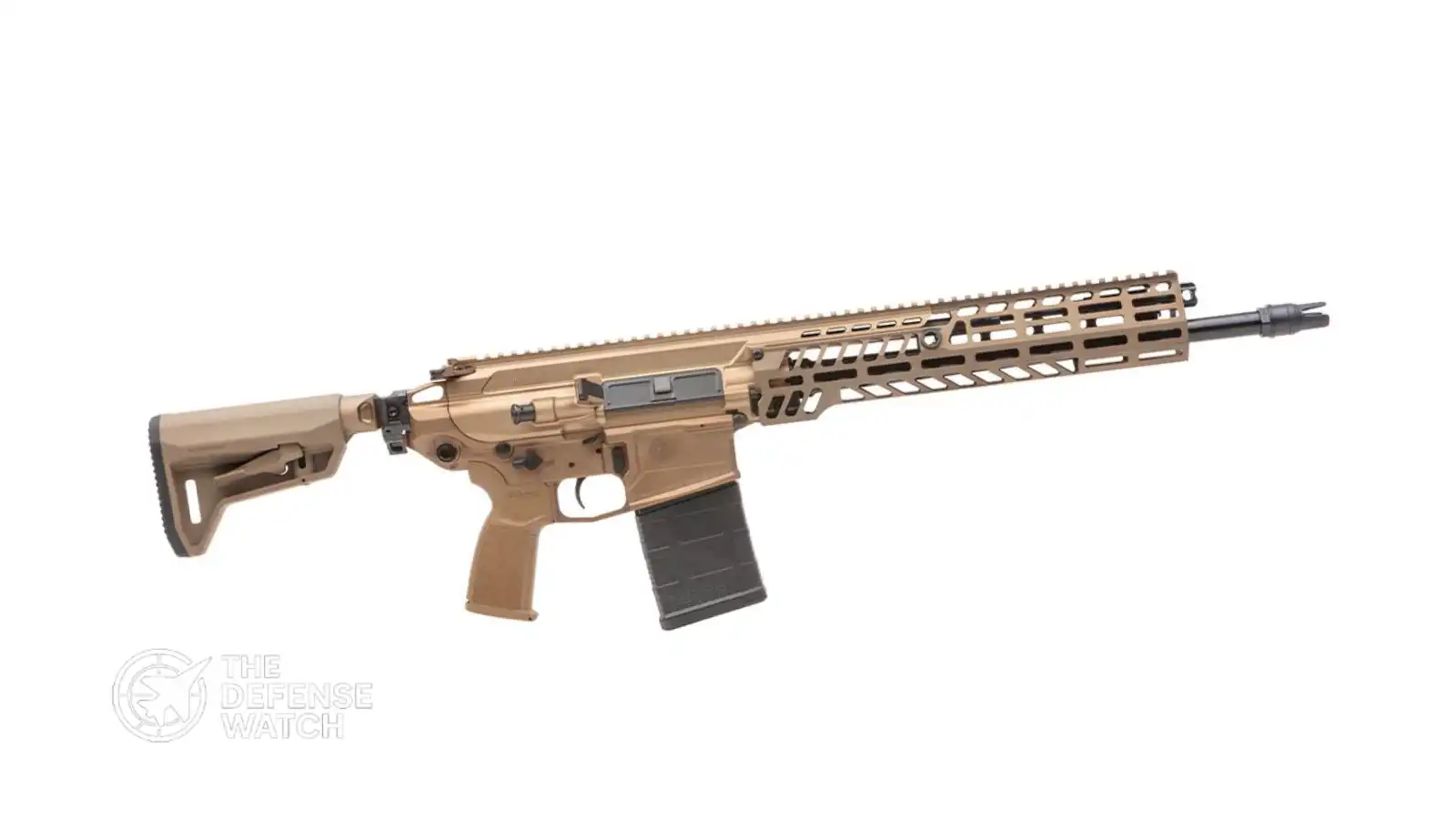
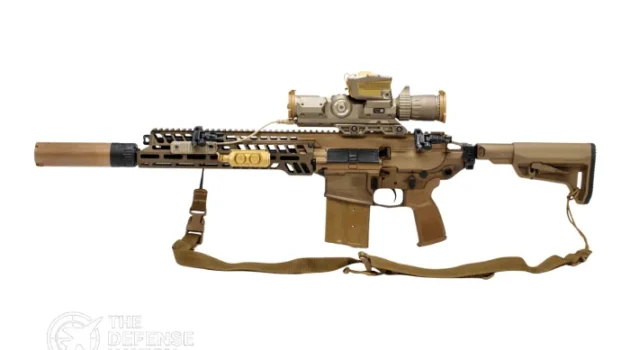
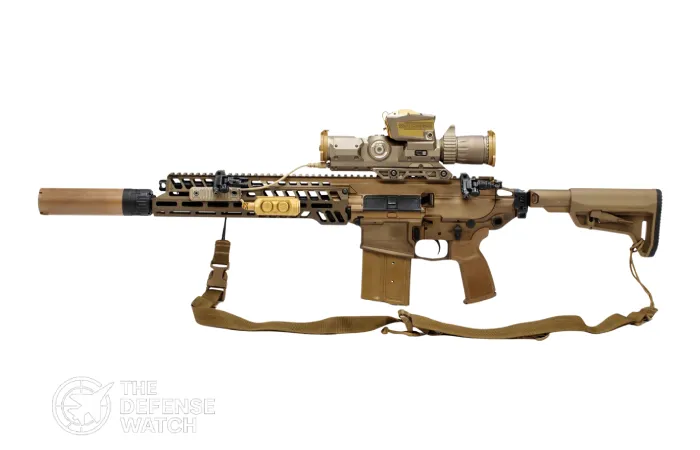
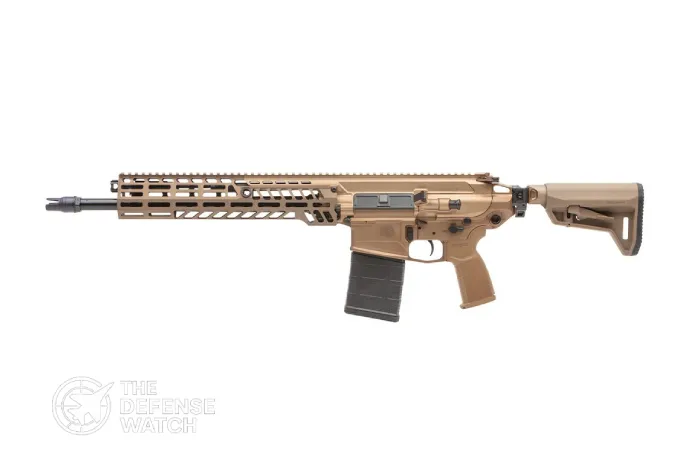
The U.S. Army’s adoption of the XM7 rifle marks the most significant infantry weapons transition since the M16 entered service in the Vietnam era. Combined with new ammunition, optics, suppressors, and fire-control systems, the program aims to increase lethality against modern armored threats while redefining how infantry squads fight on tomorrow’s battlefields.
The U.S. Army is replacing a rifle family that has dominated battlefields for more than half a century.
The XM7 rifle, formerly known as the XM5 during development, is at the center of the Army’s Next Generation Squad Weapon (NGSW) program. It is not simply a replacement for the M4 carbine. It represents a broader shift in how the Pentagon views infantry combat against near-peer adversaries equipped with advanced body armor, drones, electronic warfare systems, and longer-range weapons.
For the first time in decades, the Army is accepting higher weapon weight, increased ammunition costs, and greater logistical complexity in exchange for substantially improved range and terminal performance.
The decision signals a recognition that the battlefield environment of the 2030s will look very different from the counterinsurgency campaigns that shaped U.S. small arms doctrine after 2001.
Technical Analysis: Why The XM7 Rifle Exists
The XM7 rifle was selected alongside the XM250 automatic rifle as part of the NGSW effort led by SIG Sauer. The weapon fires the new 6.8×51mm cartridge, delivering significantly greater energy than the 5.56×45mm NATO round used by the M4 and the M27 Infantry Automatic Rifle.
The Army’s concern was straightforward. Potential adversaries are increasingly fielding advanced body armor capable of reducing the effectiveness of existing intermediate-caliber ammunition at longer ranges.
The XM7 addresses that challenge through a combination of higher chamber pressures, advanced ammunition design, and increased ballistic performance.
Unlike earlier modernization efforts, the program also integrates suppressors and advanced fire-control optics from the outset. The result is a weapon system rather than a standalone rifle.
The increased power of the XM7 comes with tradeoffs. Soldiers carry heavier ammunition and experience stronger recoil than with the M4 platform.
Army planners appear willing to accept those drawbacks because future combat scenarios are expected to involve engagements at longer distances, particularly in Eastern Europe, the Indo-Pacific, and other open terrain environments.
The XM7 is not the first attempt to replace the M4.
The XM8 rifle program emerged in the early 2000s as a lightweight modular weapon derived from the German G36. Despite promising testing results, the project ultimately collapsed amid procurement disputes, changing operational priorities, and concerns about cost versus capability gains.
The XM8 failed largely because it offered evolutionary improvements.
The XM7 survived because it offers a revolutionary increase in lethality.
That distinction matters. Military modernization programs rarely succeed unless they provide a dramatic battlefield advantage that justifies replacing entrenched systems and retraining entire forces.
Rather than pursuing an entirely new cartridge, the Marines expanded use of the M27 Infantry Automatic Rifle, based on the Heckler & Koch HK416 platform. The M27 improved accuracy, reliability, and controllability while retaining NATO-standard 5.56mm ammunition.
The Marine Corps prioritized precision and distributed firepower.
The Army prioritized penetration and range.
These contrasting decisions highlight two different interpretations of future infantry combat. One focuses on enhanced marksmanship within existing logistics networks. The other embraces a new caliber and weapon architecture to overcome emerging battlefield threats.
While the M110 SASS remains valuable for long-range precision engagements, the Army’s modernization effort effectively pushes more firepower down to the squad level. Infantry formations can now engage targets at ranges that previously required specialized marksman rifles.
This shift reflects a broader trend toward distributed lethality across small combat units.
The Insight: Why Gamers And Defense Analysts Should Pay Attention
Military modernization often mirrors concepts familiar to competitive gaming communities.
In tactical shooters, players frequently balance mobility, recoil control, damage output, and engagement range. The XM7 reflects the same tradeoff calculation.
The M4 was comparable to a highly versatile assault rifle build optimized for speed and adaptability.
The XM7 resembles a battle rifle configuration designed to dominate medium and long-range engagements, sacrificing some mobility for greater stopping power.
The comparison is useful because both environments reward optimization around expected threats.
The Army is effectively redesigning its infantry loadout for a different meta.
Future adversaries are expected to wear better armor, operate drones at scale, and engage from longer distances. The XM7 is a direct response to that changing combat environment.
The XM7 is not merely a new rifle. It is a signal that the U.S. Army believes future infantry battles will be fought farther away, against better-protected opponents, and under far more demanding conditions than the wars of the last two decades.
Conclusion & Takeaway
The XM7 rifle represents one of the most ambitious U.S. infantry modernization efforts in generations.
Unlike the cancelled XM8 rifle program, the XM7 delivers a measurable leap in range, penetration, and battlefield effectiveness. Its adoption also reshapes the relationship between traditional service rifles, automatic rifles, and designated marksman weapons such as the M110 SASS.
Whether the program ultimately achieves its long-term goals will depend on operational performance, logistics, and affordability. Yet one reality is already clear.
The era of incremental upgrades is ending. The U.S. Army’s new army rifle is part of a broader transformation that seeks to prepare infantry forces for a battlefield where range, protection, and lethality matter more than ever before.
Finland and Sweden have signed a new agreement to cooperate on the evaluation and development of the Patria TRACKX tracked armored vehicle. The initiative includes Swedish acquisition of five pre-series vehicles for testing and reflects growing Nordic efforts to improve military mobility in Arctic and northern operating environments. The cooperation comes as NATO members increase focus on high-readiness land forces capable of operating in extreme terrain.
Finland And Sweden Advance Patria TRACKX Cooperation
Finland and Sweden have formally expanded defense cooperation around the Patria TRACKX tracked armored vehicle, marking a significant step in Nordic efforts to strengthen mobility capabilities in Arctic and sub-Arctic environments.
According to Sweden’s Defence Materiel Administration (FMV), the two countries signed an Implementing Arrangement under the Common Arctic Mobility (CAM) framework that establishes structured information sharing related to the TRACKX program. The agreement was announced on June 15 and includes the purchase of five TRACKX vehicles for evaluation by the Swedish Armed Forces.
The arrangement allows both countries to exchange data on vehicle performance, operational requirements, technologies, equipment integration, software, maintenance, and lessons learned during testing activities.
FMV Army Materiel Director Jonas Lotsne said Sweden and Finland will jointly evaluate the platform and share operational experience, highlighting the benefits of conducting the assessment together.
What Is The Patria TRACKX?
Patria TRACKX is a new-generation tracked armored vehicle developed by Finnish defense company Patria as part of the European Future Highly Mobile Augmented Armoured Systems (FAMOUS) initiative.
The vehicle was created to provide high mobility in terrain where conventional wheeled armored vehicles face significant limitations. According to Patria, TRACKX is designed for deep snow, marshlands, forested regions, and other demanding environments common across Northern Europe.
Patria states that TRACKX uses a two-track configuration while maintaining mobility levels traditionally associated with larger tracked systems. The vehicle includes a spacious driver and commander compartment and is designed to support a range of mission packages.
At Eurosatory 2026, Patria showcased TRACKX integrated with the company’s NEMO 120 mm turreted mortar system, demonstrating its potential as both a personnel carrier and mobile indirect fire platform.
Strategic Importance For Nordic And NATO Operations
The Finnish-Swedish cooperation extends beyond a simple vehicle evaluation program.
Arctic and northern regions have become increasingly important in NATO planning following Sweden’s accession to the alliance and growing emphasis on reinforcing NATO’s northern flank. Military planners are focusing on how forces can move rapidly across terrain where roads are limited and weather conditions can severely restrict maneuver.
Traditional wheeled armored vehicles offer advantages in logistics and road mobility, but tracked platforms remain critical in deep snow, soft ground, and remote regions. The TRACKX program is intended to address that capability requirement while incorporating modern protection standards and digital systems.
For Finland and Sweden, operating common or closely aligned mobility platforms could simplify training, logistics, sustainment, and cross-border military operations.
The TRACKX vehicle emerged from the European Union-backed FAMOUS project, which focuses on next-generation highly mobile armored systems.
In April 2026, the European Commission approved the third phase of the FAMOUS program. The project received €79 million in EU funding within a total budget of €115 million. Finland remains the lead nation, while Patria serves as industrial coordinator.
The second phase of the project produced the TRACKX platform itself, while the newly approved third phase is intended to continue development and maturation activities.
This European backing highlights broader interest in replacing aging tracked vehicle fleets and developing mobility systems capable of supporting operations in increasingly contested environments.
Northern Europe is receiving increased strategic attention as NATO strengthens deterrence and reinforcement capabilities in the High North. Mobility remains one of the most important operational challenges in the region.
Demand For Tracked Vehicles Is Rising
Recent military operations have highlighted the continued relevance of tracked armored platforms in difficult terrain. While many armies have expanded wheeled vehicle fleets, demand for protected tracked mobility has remained strong.
Nordic Defense Integration Continues To Deepen
Finland and Sweden are increasingly aligning procurement, training, and operational planning. Joint evaluation of TRACKX could provide a model for future collaborative acquisitions and capability development programs.
Implications For The United States And NATO
For U.S. planners, the TRACKX initiative demonstrates how European allies are investing in specialized capabilities tailored to regional operational demands. Enhanced Nordic mobility could strengthen NATO’s ability to conduct rapid reinforcement, sustain dispersed operations, and maintain freedom of maneuver in Arctic conditions.
The program also reflects a broader trend toward multinational defense development efforts, where allied nations share costs, testing data, and operational experience to accelerate capability delivery.
Outlook
The initial Swedish acquisition of five TRACKX vehicles will provide the first substantial opportunity for joint Finnish-Swedish testing under the new cooperation framework. Results from these evaluations could influence future procurement decisions and help determine whether the platform becomes a key element of Nordic Arctic mobility forces.
With the FAMOUS program entering its next development phase and Patria preparing pre-series activities for TRACKX, the vehicle is moving from concept development toward operational assessment at a time when NATO’s northern region is receiving unprecedented strategic attention.
Daimler Truck has launched a new global defense brand, Daimler Truck Defence, as part of a major expansion into military mobility and logistics markets. The company plans to invest hundreds of millions of euros and aims to generate €1 billion in defense-related revenue by 2028, reflecting growing demand for military vehicles worldwide.
Daimler Truck Defence Becomes Central To Military Growth Strategy
Daimler Truck Defence is now at the center of the company’s effort to expand its presence in the global defense market. The German commercial vehicle manufacturer announced on June 15 that it is consolidating its worldwide military activities under a single global brand while investing a mid three digit million euro amount over the coming years to expand development, manufacturing, sales, and support capabilities.
The company has set a target of reaching €1 billion ($1.16 billion) in defense-related revenue by 2028, a significant increase from its current defense business, which already generates revenues in the hundreds of millions of euros annually.
According to Daimler Truck CEO Karin Rådström, the defense sector has become an increasingly important component of the company’s long term growth strategy. The initiative seeks to leverage the company’s global manufacturing footprint, engineering resources, and established logistics networks to serve military customers worldwide.
New Global Brand Unifies Military Vehicle Portfolio
Under the new structure, Daimler Truck Defence will go beyond traditional Mercedes-Benz military trucks and gradually integrate vehicles and technologies from across Daimler Truck’s international portfolio. This includes platforms from brands operating in North America, India, and other global markets.
The move is designed to create a unified defense offering that can support a wide range of military requirements, from tactical logistics and troop transport to specialized mission vehicles and integrated mobility solutions.
Daimler Truck Defence CEO Dennis Kinzelmann said demand for military mobility continues to grow globally, driven by rising defense budgets and military modernization efforts. The company intends to use its global production network and supply chains to deliver vehicles at scale while maintaining flexibility for customer specific requirements.
Expanding Production Capacity For Future Military Orders
A key element of the strategy involves expanding industrial capacity. Daimler Truck said it will increase engineering, manufacturing, sales, and service capabilities to support larger military contracts and fleet programs.
The company’s facilities in Wörth am Rhein, Germany, and Molsheim, France, will serve as the backbone of its European defense production network. These sites already manufacture military variants of commercial truck platforms and are expected to play a major role in future defense programs.
Approximately 1,000 employees currently work within Daimler Truck’s defense activities. The expansion is expected to create additional skilled jobs, particularly at the Wörth facility.
Military Mobility Market Continues To Expand
Daimler Truck’s decision reflects broader trends across Europe and NATO countries, where governments are increasing defense spending in response to changing security conditions and long term military modernization requirements. Growing demand for logistics vehicles, tactical transport platforms, and military support fleets has created new opportunities for manufacturers with large scale industrial capabilities.
Unlike traditional defense primes focused on weapons systems, Daimler Truck specializes in military mobility and logistics, a segment that has gained renewed importance as armed forces seek to improve readiness, sustainment, and operational mobility.
The company’s strategy also highlights a wider trend in Europe’s industrial sector, where major automotive and commercial vehicle manufacturers are increasingly exploring opportunities in defense production amid expanding procurement programs.
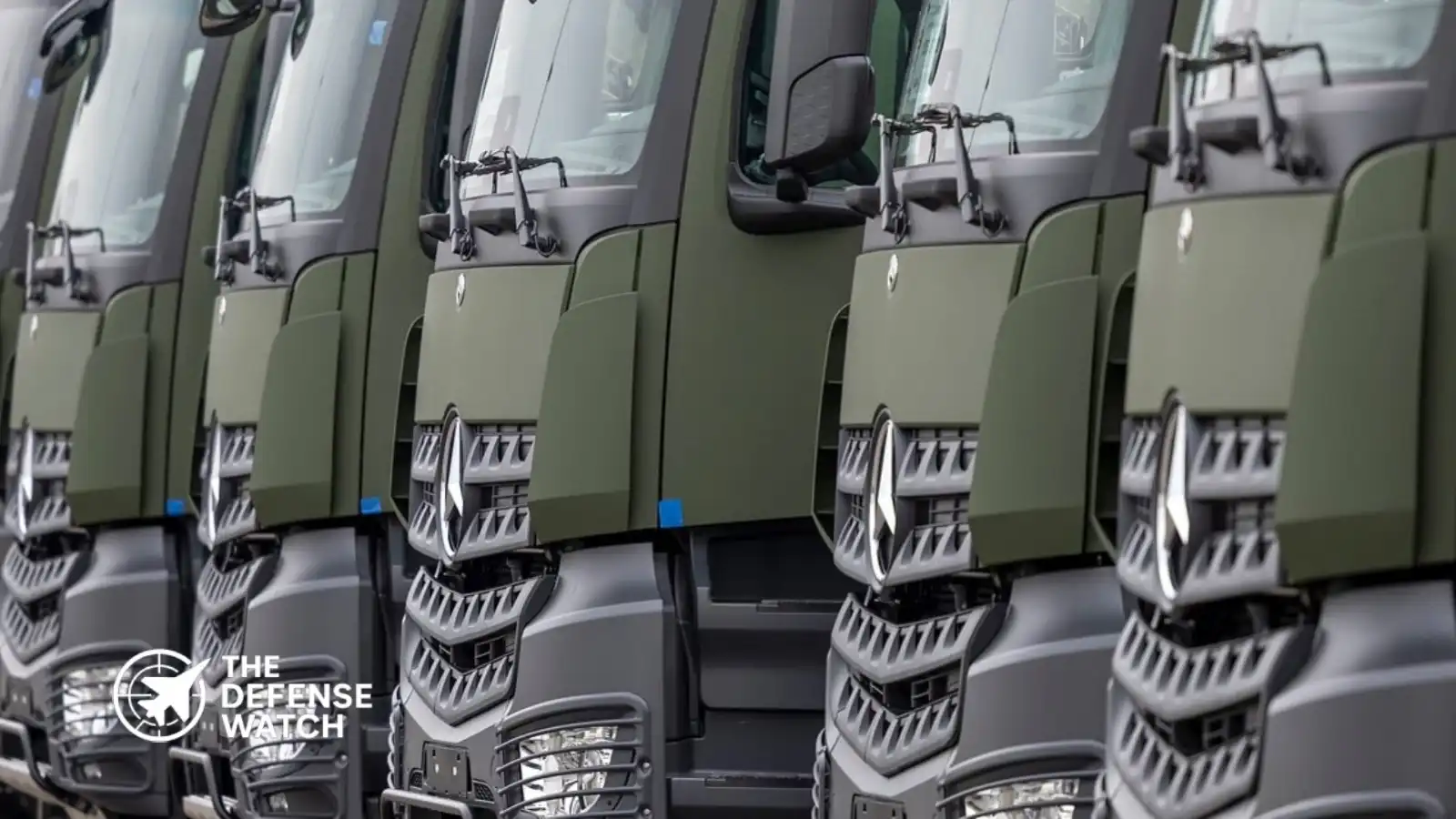
The launch of Daimler Truck Defence coincides with Eurosatory 2026 in Paris, one of the world’s largest defense exhibitions. Daimler Truck is displaying a range of military vehicle platforms, including the Unimog, Zetros, and Arocs, configured for logistics, tactical mobility, air defense support, and other military missions.
The exhibition serves as an opportunity for the company to demonstrate how its expanding portfolio can support evolving military requirements while benefiting from common commercial vehicle technologies and global production capacity.
Daimler Truck’s creation of a dedicated defense brand represents more than a marketing change. It signals a strategic commitment to military mobility as a long term growth sector.
By consolidating defense activities under a single organization, the company can better compete for multinational military contracts, streamline support services, and leverage technologies across multiple vehicle brands. The targeted €1 billion revenue milestone demonstrates that management expects sustained growth in defense procurement over the remainder of the decade.
For armed forces, military logistics vehicles remain a critical but often overlooked capability. Modern operations depend on reliable transportation, supply chains, and mobility platforms that can operate in contested environments. Daimler Truck is positioning itself to capture a larger share of this expanding market as governments continue investing in readiness and force modernization.
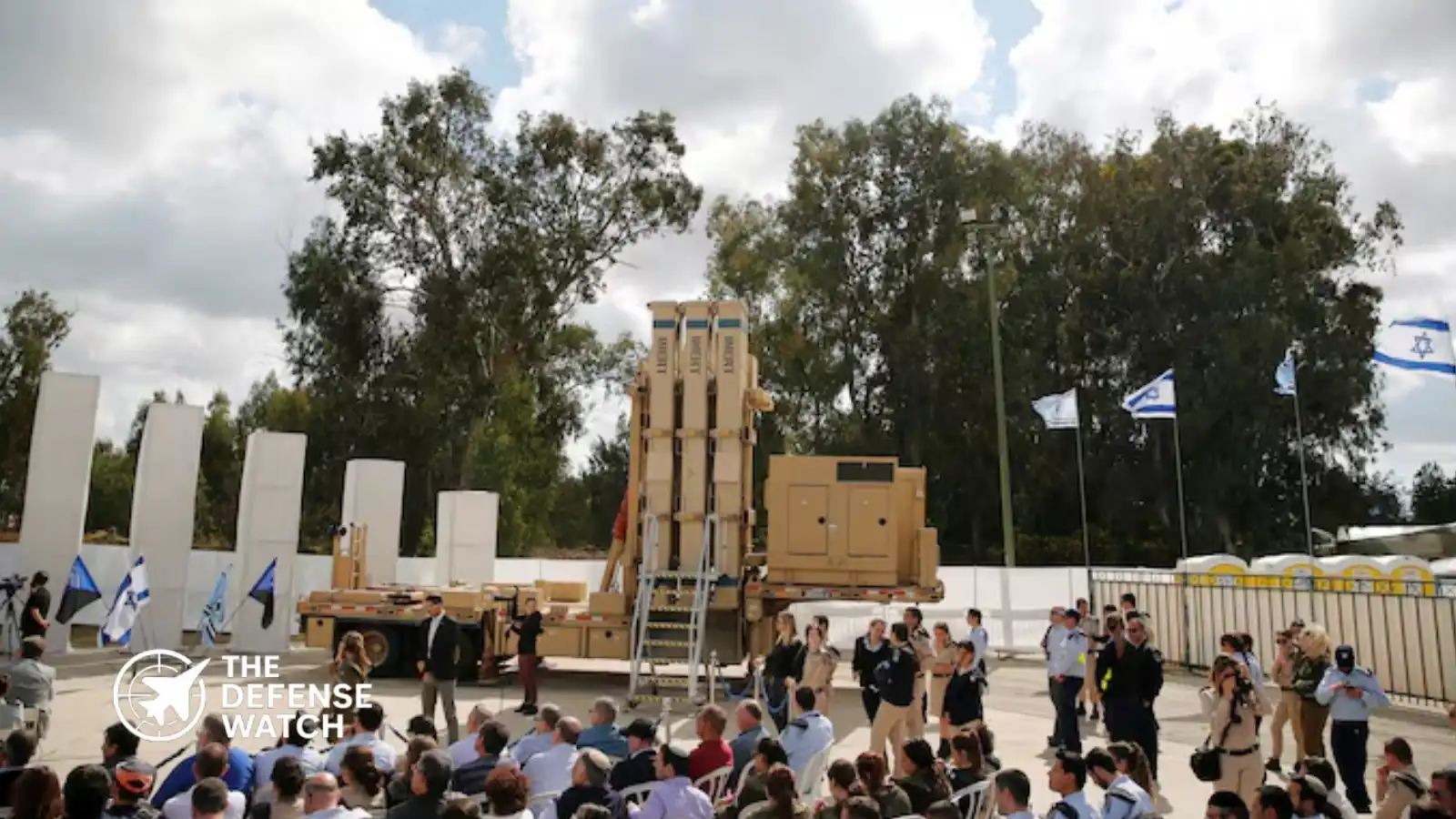
Rafael Advanced Defense Systems is using Eurosatory 2026 in Paris — the world’s largest land defense exhibition, running June 15–19 — to position its combat-tested multilayered air and missile defense architecture as the answer to Europe’s most urgent security gaps. The Israeli firm is presenting Iron Dome, David’s Sling, its Iron Beam directed-energy family, and the Hunter Eagle counter-UAS interceptor, all framed around an integrated, cost-conscious protection model validated by more than 10,000 real-world intercepts. With European defense budgets surging and drone threats proliferating from Ukraine to the English Channel, Rafael’s timing is deliberate and its pitch is credible.
Rafael Targets Europe’s Air Defense Vacuum With Battle-Hardened Systems
Rafael Advanced Defense Systems is presenting air defense and counter-UAS capabilities at Eurosatory 2026, framing its display around an integrated, multilayered approach developed in response to changing operational requirements facing land forces.
The Israeli firm is one of the most heavily watched exhibitors at the Paris show, arriving with a portfolio that has been tested under live-fire conditions no NATO ally’s systems have yet matched in scale or intensity. Following years of high-tempo engagements against rockets, ballistic missiles, cruise missiles, and mass drone swarms over Israeli territory, Rafael is positioning that operational pedigree as the central argument for European procurement.
A Threat Environment That Has Fundamentally Changed
Rafael says the security environment in Europe has shifted because of the spread of unmanned aerial systems, longer-range stand-off threats, and the renewed importance of large-scale land operations. The company says layered air defense and platform survivability have become foundational requirements for protecting maneuvering forces, critical infrastructure, and population centers.
That assessment is not merely a marketing claim. Eurosatory 2026 organizers have noted that missile defense — including against hypersonic threats — is one of the exhibition’s central themes, with European nations confronting the need to field credible broad missile defense architectures for the first time in decades.
The Russia-Ukraine war and the 2025–2026 Israeli-Iranian exchange have both demonstrated that even sophisticated air defense networks can be overwhelmed by saturation tactics. For European planners, the lesson has been pointed: single-layer, single-threat-type defense is no longer adequate.
The Layered Architecture: From Iron Dome to David’s Sling
In air defense, Rafael is presenting a layered architecture that includes Iron Dome and David’s Sling. Iron Dome is described by the company as a multi-mission system that has conducted more than 10,000 combat interceptions over 15 years of operational service, with a success rate well above 90%.
During the peak of Israel’s multi-front confrontations, Iron Dome — alongside David’s Sling, Arrow 3, and Iron Beam — intercepted approximately 86–90% of incoming threats across the entire defense stack.
David’s Sling, jointly developed by the Israeli Missile Defense Organization and the U.S. Missile Defense Agency, with Rafael as prime contractor and Raytheon Missile Systems as subcontractor, is specifically designed to counter rockets, missiles, cruise missiles, aircraft, and UAVs, constituting a central defensive layer within Israel’s multi-layered architecture.
In 2025, David’s Sling underwent a series of successful tests against advanced threats, and several global customers have announced procurement of the system.
Iron Dome supports longer-reach engagements suited for medium-range rocket and artillery threats, while Iron Beam operates at shorter ranges but at dramatically lower marginal cost and significantly higher engagement volume per unit time.
Iron Beam and Directed Energy: The Cost-Curve Solution
The most strategically consequential addition to Rafael’s Eurosatory lineup may be its directed-energy portfolio, which addresses the economic asymmetry that has bedeviled conventional interceptor-based defense.
Formally handed over to the Israel Defense Forces on December 28, 2025, Iron Beam is designed to intercept short-range rockets, artillery shells, mortar bombs, and UAVs at distances of up to 10 kilometers, now serving as the fifth pillar of Israel’s multi-layered air defense architecture. –
Iron Beam became operational with the IDF in 2025, and amid the war against the Iranian regime in March 2026, the system was reportedly used operationally for the first time against rockets launched by Iran-backed Hezbollah from Lebanon — a potential milestone in the combat use of laser-based air defense.
Rafael’s directed-energy portfolio includes Iron Beam, Iron Beam-M, and Lite Beam. Iron Beam is designed to engage distant threats at near-zero cost per interception. Iron Beam-M is a mobile version configured to accompany maneuvering forces and protect strategic sites, while Lite Beam is a compact and lightweight system for mobile and forward-deployed units.
The economic logic is impossible to ignore. At a cost of $40,000–$150,000 per conventional interceptor — and with adversaries deploying drones costing under $1,000 — the cost-exchange ratio is strategically unsustainable at volume. Directed energy breaks that equation fundamentally: once the system is fielded, the marginal cost per engagement trends toward zero. For European governments now confronting drone proliferation from state and non-state actors alike, Iron Beam represents not just a capability upgrade but a fiscal imperative.
Hunter Eagle and the Counter-UAS Portfolio
Below the strategic layer, Rafael is specifically targeting European demand for close-in drone defeat.
Rafael has introduced Hunter Eagle, a compact kinetic interceptor designed to counter the rapidly expanding threat of low-altitude unmanned aircraft on the modern battlefield. First shown publicly at DSEI 2025 and now presented in its serial configuration, the system marks an expansion of Rafael’s layered counter-UAS portfolio.
Hunter Eagle integrates into Rafael’s broader Drone Dome suite, extending the company’s detection-classification-neutralization chain into a hardened kinetic layer. Drone Dome includes electronic-warfare and directed-energy effectors, while Hunter Eagle adds a reusable hard-kill option for drones resistant to jamming or requiring physical destruction.
Rafael is also developing Ghost Hunter, a larger and more powerful interceptor equipped with turbojet engines, an RF radar in the nose, and a payload capacity significantly beyond Hunter Eagle — weighing 50–60 kg at 1.4–1.6 meters in length, with initial deliveries targeted for 2027.
The significance of a VTOL hard-kill interceptor is particularly acute for European requirements. Jamming-resistant, fiber-optic-guided FPV drones — a category that emerged prominently in Ukraine — cannot be reliably neutralized by electronic warfare alone. Kinetic interceptors that are themselves autonomous close that gap.
Rafael says platform survivability now depends on defeating threats including anti-tank guided missiles, loitering munitions, and hostile drones, and the company is showing how multiple complementary layers can protect vehicles and crews against this threat spectrum.rience. In both the Ukraine war and Israeli ground operations in Gaza and Lebanon, armored vehicles without active protection systems proved highly vulnerable to loitering munitions and drone-dropped munitions. Trophy, Rafael’s active protection system already integrated on U.S. M1A2 SEPv3 Abrams tanks, anchors that part of the portfolio — though Rafael did not highlight it separately in the Eurosatory statement.
Why This Matters for European and U.S. Defense Strategy
Rafael’s Eurosatory campaign arrives at an inflection point in European defense spending. NATO members are under sustained pressure to reach and exceed the 2% GDP defense spending target, and air and missile defense has emerged as the most critical near-term gap across the alliance.
The U.S. Army is simultaneously expanding a drone and counter-drone marketplace at Eurosatory, with the goal of reaching 25 allied and partner nations by the end of summer 2026, underpinned by common C-UAS data standards established in a March 2026 U.S.-UK joint declaration.
For U.S. industry and policy interests, Rafael’s European push is a complicating and complementary factor simultaneously. Iron Dome already has deep U.S. co-production: the U.S. Missile Defense Agency maintains a pivotal role in developing and producing Israel’s multi-layered defense systems, including David’s Sling and Arrow, while manufacturing Iron Dome components. A Rafael sale to a European NATO ally carries embedded American industrial content and interoperability with U.S. systems — a feature that smooths procurement politics considerably.
The broader competitive dynamic is notable. European exhibitors at Eurosatory 2026 — including MBDA with its SAMP/T family and Thales with an Iron Dome-like short-range system — are competing for the same budget lines. The Eurosatory organizer noted that both French-Italian SAMP/T and U.S. Patriot batteries are prominent at the show alongside Israeli systems, reflecting a genuinely contested market for European air defense investment.
What Rafael brings that no European competitor can replicate is operational data at scale. More than 10,000 combat intercepts, stress-tested against mass saturation attacks, ballistic threats, and swarm drone tactics, constitute a proof base that no qualification test range can simulate. In a procurement environment where governments are buying for actual war-fighting, not demonstrations, that distinction is Rafael’s most powerful argument.
Israel expects additional European orders for its air and missile defense systems, with at least one contract anticipated within weeks. Israeli officials say growing concerns about Russia’s military capabilities and lessons from the Ukraine war are accelerating procurement decisions across Europe. The trend highlights the continent’s continuing effort to rebuild layered air defense networks after decades of underinvestment.
Israel Air Defense Systems Draw Growing European Interest
Israel air defense systems are attracting increasing attention from European governments seeking stronger protection against missile, drone, and rocket threats.
Speaking on the sidelines of the Berlin Air Show, Moshe Patel, Director of Israel’s Missile Defense Organization, said European demand for Israeli air and missile defense systems continues to rise and that at least one new contract could be signed in the coming weeks. According to Patel, interest is particularly strong among Western European nations seeking to strengthen defenses against evolving security threats linked to Russia’s military capabilities.
Patel declined to identify specific countries involved in ongoing negotiations but indicated that discussions involve significant procurement programs rather than smaller acquisitions. He also suggested additional European nations could announce decisions before the end of 2026.
Arrow, David’s Sling, And Iron Dome Attract Attention
Europe’s interest spans multiple Israeli missile defense systems, each designed to counter different categories of threats.
Germany has already selected the Arrow system, developed by Israel in partnership with the U.S. Missile Defense Agency, to provide protection against intermediate-range ballistic missiles. The system is designed to intercept advanced threats, including missiles similar to Russia’s Oreshnik.
Finland has chosen David’s Sling, a medium-range interceptor designed to defeat ballistic missiles launched from distances between approximately 100 and 200 kilometers. The system fills a critical gap between short-range and strategic missile defense layers.
Patel also confirmed growing European interest in Iron Dome, Israel’s combat-proven short-range air defense system. Originally developed to counter rockets and artillery threats, Iron Dome’s ability to protect cities and critical infrastructure has gained renewed relevance as European militaries assess vulnerabilities exposed by the war in Ukraine.
Ukraine War Continues To Reshape European Defense Priorities
The primary driver behind rising demand remains the ongoing conflict between Russia and Ukraine.
European governments have spent the past several years reassessing air defense capabilities after witnessing the extensive use of ballistic missiles, cruise missiles, drones, and loitering munitions on the Ukrainian battlefield. Military planners increasingly view integrated air and missile defense as a core requirement rather than a niche capability.
Patel stated that developments in Ukraine are the main factor behind current procurement efforts, while European officials are also monitoring missile and drone threats emerging from the Middle East.
This broader threat environment is prompting governments to pursue layered defense architectures capable of addressing multiple threat types simultaneously, from low-cost drones to advanced ballistic missiles.
Europe’s Air Defense Build-Up Accelerates
The anticipated Israeli contracts fit into a wider European effort to rebuild air defense capacity.
Several NATO members have increased defense spending and accelerated procurement programs since Russia’s full-scale invasion of Ukraine. Countries along NATO’s eastern flank have repeatedly called for stronger missile defense coverage following incidents involving Russian drones and airspace violations.
Germany’s European Sky Shield Initiative has emerged as one of the most significant multinational air defense efforts on the continent, bringing together more than 20 participating countries focused on acquiring integrated missile defense capabilities. European manufacturers are also expanding production of systems such as IRIS-T to meet growing demand.
The surge in procurement reflects a broader strategic realization that modern conflicts require persistent protection against a wide spectrum of aerial threats. While combat aircraft remain essential, the Ukraine war has demonstrated that ground-based air defense systems are equally critical for protecting military forces, infrastructure, and civilian populations.
Strategic Implications For Israel And Europe
For Israel, expanding exports of Arrow, David’s Sling, and Iron Dome strengthens defense-industrial ties with European partners while reinforcing its position as a leading supplier of advanced missile defense technology.
For Europe, the growing interest in Israeli systems underscores the urgency of closing capability gaps exposed by the war in Ukraine. Many European nations reduced air defense inventories after the Cold War, assuming large-scale missile threats were unlikely. Recent events have challenged that assumption.
As procurement decisions accelerate, European governments appear increasingly focused on fielding layered air defense networks capable of responding to both current and emerging threats. The expected contracts in the coming weeks could provide another indication of how quickly Europe intends to strengthen those defenses.
General Dynamics Ordnance and Tactical Systems (GDOTS) has completed the first successful firing test of a 4.75-inch solid rocket motor developed in partnership with the U.S. Army Combat Capabilities Development Command Aviation & Missile Center. The test supports the Army’s Direct Support Fires Technology initiative, which aims to deliver affordable, high-volume precision fires while significantly increasing launcher magazine depth for future battlefield operations.
General Dynamics Tests 4.75-Inch Rocket Motor For U.S. Army Direct Support Fires Program
General Dynamics Ordnance and Tactical Systems (GDOTS) has successfully conducted the first industry-led firing test of the U.S. Army’s 4.75-inch solid rocket motor, marking a key milestone in the Army’s effort to field affordable, high-volume precision fires for future conflicts.
The test was conducted on June 17 at GDOTS’ facility in Camden, Arkansas. According to the company, the rocket motor’s performance fell within one percent of analytical predictions, validating both the Army’s design work and the manufacturing approach used by General Dynamics.
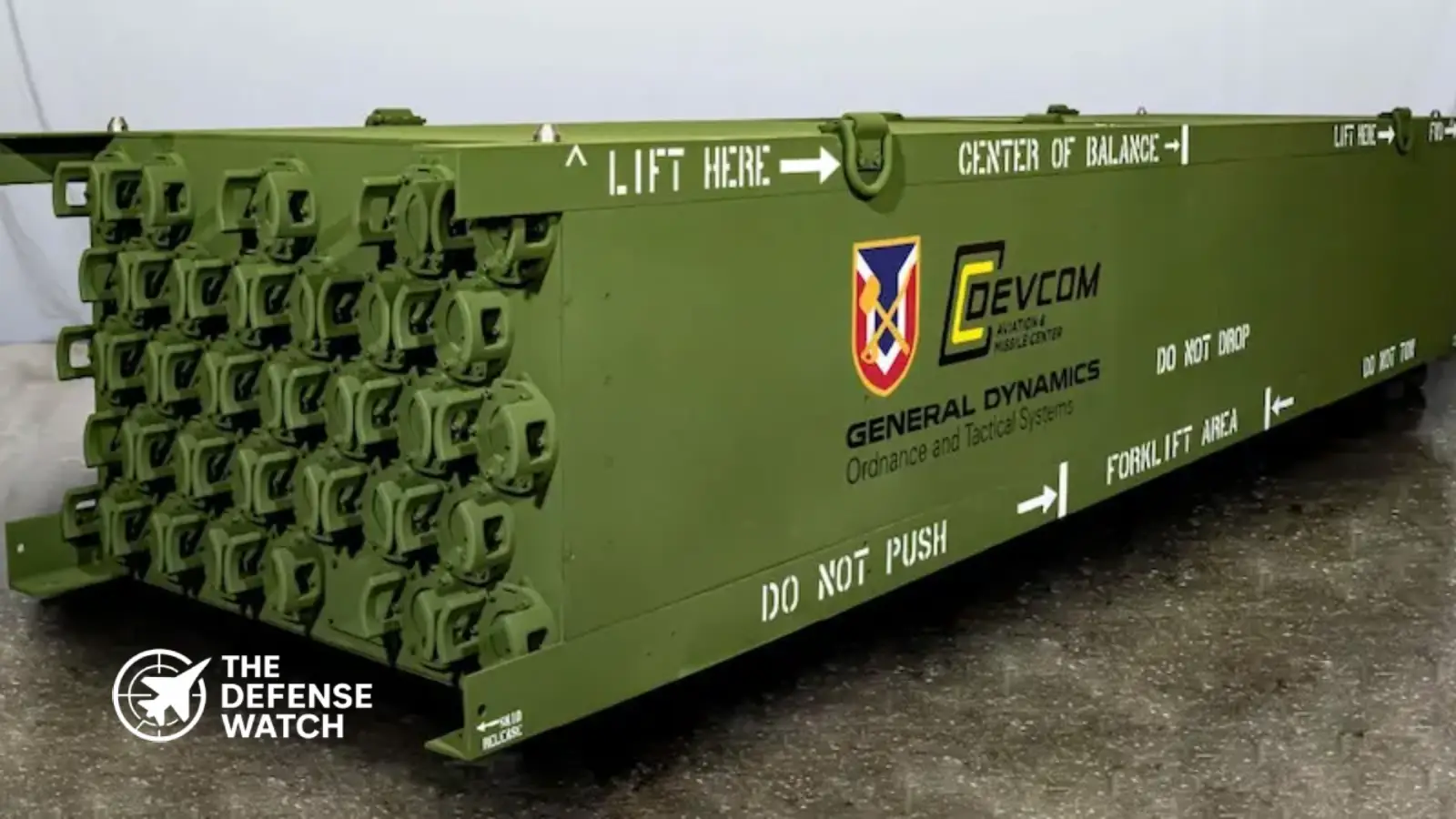
The rocket motor was designed by the U.S. Army Combat Capabilities Development Command (DEVCOM) Aviation & Missile Center and manufactured and tested by GDOTS under the Army’s Direct Support Fires Technology (DSFT) initiative.
What Is The Direct Support Fires Technology Program?
The Direct Support Fires Technology program is part of the Army’s broader modernization effort focused on increasing the volume, responsiveness, and affordability of long-range fires.
According to DEVCOM Aviation & Missile Center documentation, DSFT is intended to provide a scalable rocket capability capable of delivering large numbers of effects on the battlefield while maintaining compatibility with existing launch platforms. The concept emphasizes higher rocket throughput, extended range, and greater battlefield saturation compared with current systems.
The Army has stated that DSFT could enable launch pods carrying up to 30 rockets, dramatically increasing available firepower without requiring entirely new launch vehicles. Current HIMARS launch pods typically carry six Guided Multiple Launch Rocket System (GMLRS) rockets.
The successful firing test represents the first time an industry partner has tested the Army-developed 4.75-inch rocket motor design.
According to General Dynamics, the test achieved performance results within one percent of expected analytical models, a level of accuracy that suggests the design is progressing through development with relatively low technical risk.
Chris Haynes, Senior Vice President and General Manager of General Dynamics Ordnance and Tactical Systems, described the event as an important demonstration of cooperation between industry and government research organizations.
The result provides early evidence that the smaller rocket form factor can deliver the performance required for future tactical artillery applications while remaining compatible with existing production methods.
The significance of the 4.75-inch rocket motor extends beyond a single technology demonstration.
Modern conflicts have highlighted the importance of sustaining large volumes of precision fires over extended periods. The war in Ukraine, along with increasing concerns about potential high-intensity conflicts in the Indo-Pacific, has driven renewed interest in what U.S. defense planners often describe as “affordable mass.
Smaller precision-guided rockets could allow commanders to engage more targets without increasing launcher size or logistics requirements.
The Army’s objective is not simply to reduce rocket size. Instead, the goal is to increase the number of precision effects available to commanders while preserving range, accuracy, and lethality.
Strengthening The U.S. Rocket Motor Industrial Base
The program also reflects a broader Pentagon effort to expand domestic solid rocket motor production capacity.
Demand for rocket motors has increased sharply in recent years as the United States replenishes stocks transferred to allies while preparing for potential future conflicts. Industry capacity has struggled to keep pace with growing demand for missile and rocket propulsion systems.
The Department of Defense has therefore encouraged additional manufacturers to enter the rocket motor market, reducing reliance on a limited number of traditional suppliers.
General Dynamics has already partnered with Lockheed Martin to expand production of solid rocket motors used in precision-guided munitions. Initial efforts have focused on motors for the Guided Multiple Launch Rocket System, with potential expansion into additional missile programs.
Strategic Implications For Future Warfare
The successful test highlights a growing shift in U.S. military thinking.
For more than two decades, precision strike programs largely emphasized increasingly sophisticated and expensive weapons. Recent operational lessons have reinforced the need for both precision and quantity.
A launcher capable of carrying significantly more guided rockets could provide greater battlefield persistence, improved target coverage, and enhanced survivability by reducing the frequency of reload operations.
The concept also aligns with emerging U.S. Army modernization priorities that seek to combine precision engagement with the ability to generate sustained fires against large numbers of targets across distributed battlefields.
If future testing confirms projected performance, the 4.75-inch rocket motor could become a foundational component of next-generation artillery and missile systems designed for large-scale combat operations.
What Comes Next
The successful firing test represents an early but important step in the maturation of the 4.75-inch rocket motor program.
Additional development, qualification, and integration testing will be required before any operational deployment decisions are made. Future testing is expected to evaluate propulsion performance, guidance integration, production scalability, and compatibility with existing launch platforms.
For the Army, the ultimate objective remains clear: deliver greater volumes of affordable precision fires while strengthening the industrial base needed to sustain long-term military readiness.
MBDA and Ukrainian Armor have signed a strategic partnership framework aimed at developing deep strike and counter unmanned aerial system capabilities. The agreement expands European Ukrainian defense industrial cooperation and could lead to joint production programs and future joint ventures focused on advanced military technologies.
MBDA And Ukrainian Armor Deepen Defense Cooperation
MBDA Ukrainian Armor partnership efforts took a significant step forward this week after the European missile manufacturer and the Ukrainian defense company signed a Memorandum of Understanding in Berlin establishing a framework for long term cooperation in advanced defense technologies.
The agreement focuses initially on two critical capability areas: Deep Strike systems and Counter Unmanned Aerial Systems (C UAS). According to both companies, the partnership will explore joint development initiatives, technology sharing, collaborative production programs, and future industrial cooperation.
The memorandum was announced during the ILA Berlin aerospace exhibition, one of Europe’s leading defense and aerospace events. Company representatives described the agreement as the foundation for broader cooperation that may eventually include the creation of a joint venture.
Under the framework agreement, MBDA will contribute expertise gained from decades of missile system development, production, and sustainment programs across NATO and allied nations. The company is one of Europe’s leading producers of precision guided weapons and air defense systems.
Ukrainian Armor brings extensive operational and manufacturing experience gained during Ukraine’s ongoing defense modernization efforts. The company produces armored vehicles, mortar systems, ammunition, artillery munitions, and unmanned systems.
Officials from both companies stated that technology exchange, joint production programs, and innovative defense solutions will form the core of the collaboration. Initial work will focus on capabilities considered essential for modern high intensity warfare.
The emphasis on deep strike capabilities development reflects a broader trend across Europe and NATO as governments seek longer range precision strike options capable of engaging high value targets beyond the immediate battlefield.
Over the past two years, European defense ministries have increased investments in long range missile technologies and precision strike systems amid growing concerns about regional security and the evolving character of warfare. Recent German and European initiatives have similarly highlighted deep precision strike as a priority capability area.
Counter drone technology has become equally important. The widespread use of unmanned aerial systems across modern conflicts has exposed vulnerabilities in traditional air defense architectures and accelerated demand for layered C UAS solutions.
By combining MBDA’s missile and air defense expertise with Ukraine’s extensive operational experience against drone threats, the partnership seeks to address capability gaps that have become increasingly apparent in contemporary combat environments.
The new agreement highlights a broader shift toward deeper integration between European defense manufacturers and Ukraine’s rapidly expanding defense industrial base.
Since 2024, European governments and industry leaders have increasingly supported joint development programs designed to strengthen Ukraine’s domestic production capacity while accelerating innovation through battlefield driven requirements. Recent German Ukrainian defense initiatives have promoted similar collaboration models focused on advanced weapons, autonomous systems, and precision strike technologies.
For MBDA, the partnership provides access to operational insights derived from one of the most technologically dynamic conflict environments in the world. For Ukrainian Armor, cooperation with a major European missile manufacturer could support access to advanced engineering expertise, production methodologies, and future export opportunities.
The agreement also aligns with wider European efforts to expand sovereign defense production capabilities and reduce reliance on external suppliers for critical military technologies.
Looking Ahead
While the memorandum does not announce specific weapon programs or production contracts, it establishes a formal pathway for future cooperation in areas that are increasingly central to modern military planning.
Both companies indicated that Deep Strike and C UAS represent only the initial phase of a broader strategic partnership program, with additional areas of cooperation expected to be announced in the future.
As European defense industries continue to scale production and invest in next generation capabilities, partnerships that combine established industrial expertise with operational battlefield experience are likely to play a growing role in shaping future defense programs.
German defense company Diehl Defence has introduced the IRIS-T SLS MK 4, a new mobile short-range air defense system designed for NATO users. The platform integrates radar, command-and-control, and missile launchers on a single vehicle, improving mobility, responsiveness, and force protection against modern aerial threats.
Diehl Defence Unveils IRIS-T SLS MK 4 Mobile Air Defense System
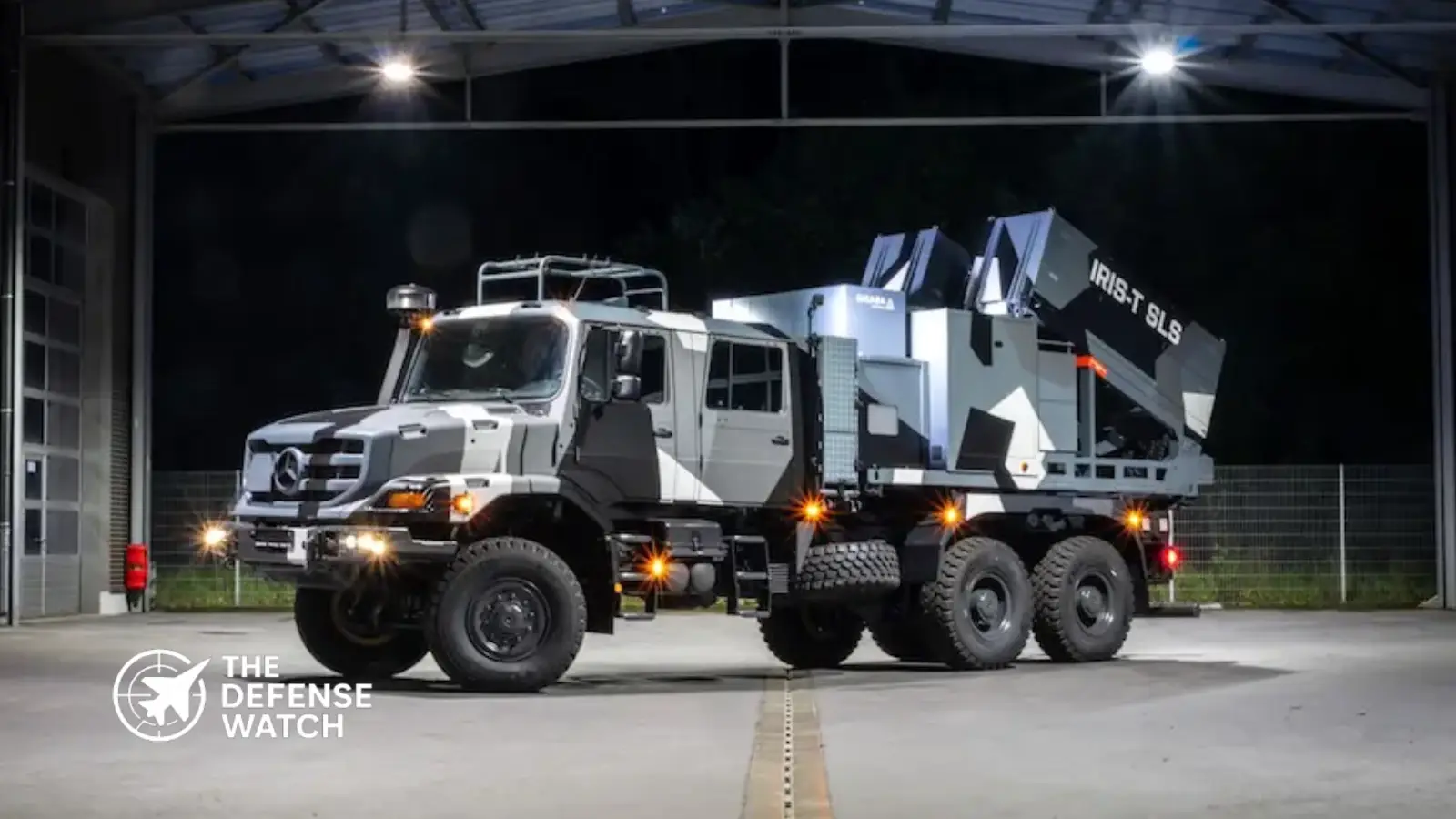
Diehl Defence has revealed the IRIS-T SLS MK 4, the latest version of its short-range ground-based air defense system, ahead of the ILA Berlin Air Show 2026. The new configuration is designed as a highly mobile, all-in-one air defense solution capable of protecting maneuvering forces and critical infrastructure against a growing range of aerial threats.
According to the company, the IRIS-T SLS MK 4 combines surveillance radar, command-and-control functions, and missile launchers on a single vehicle platform. This integrated architecture reduces deployment complexity while enabling rapid reaction times in dynamic battlefield conditions.
The fourth-generation IRIS-T SLS system offers an engagement range of up to 12 kilometers and can intercept targets at altitudes reaching 6 kilometers. It is intended to provide close-range protection against aircraft, helicopters, cruise missiles, drones, and other low-flying threats.
A notable enhancement is the system’s increased missile capacity. The IRIS-T SLS MK 4 carries eight ready-to-fire interceptors, improving its ability to counter multiple threats before requiring reloads. The system also features a high degree of automation, reducing manpower requirements while accelerating target engagement timelines.
Diehl states that the platform retains the combat-proven IRIS-T missile as its primary interceptor. Future upgrades are expected to enable a “fire-on-the-move” capability, allowing missile launches while the vehicle remains in motion. Additional effectors, including counter-drone interceptors such as the CICADA system, can also be integrated depending on customer requirements.
The introduction of the IRIS-T SLS MK 4 reflects growing demand across NATO for highly mobile short-range air defense systems capable of countering drones, loitering munitions, cruise missiles, and low-altitude aircraft.
Recent conflicts have demonstrated that traditional air defense architectures often require additional layers of protection closer to frontline forces. Mobile SHORAD systems are increasingly viewed as essential for protecting maneuvering units against low-cost aerial threats that can evade higher-tier missile defenses.
The IRIS-T SLS MK 4 directly addresses this requirement by consolidating detection, command, and engagement functions into a single platform. This approach reduces logistical burdens and shortens deployment times, making the system suitable for expeditionary and rapidly moving operations.
From an operational perspective, the system fills an important gap between very short-range air defense assets and medium-range systems such as the IRIS-T SLM. NATO members continue to invest heavily in layered air defense architectures, particularly as drone warfare and precision-guided weapons become increasingly prevalent on modern battlefields.
Integration Into Diehl’s Layered Air Defense Architecture
Diehl Defence says the IRIS-T SLS MK 4 is fully integrated into its broader layered air defense portfolio. The company continues to expand the IRIS-T family, which includes the short-range SLS, medium-range SLM, and future long-range SLX variants.
The new MK 4 version has been developed to meet NATO standards and operational requirements while maintaining flexibility for different vehicle platforms and customer-specific configurations. The vehicle-independent design allows users to adapt the system to national military requirements without altering the core combat capabilities.
The unveiling comes amid sustained European investment in air and missile defense capabilities. Demand for the IRIS-T family has increased significantly in recent years, driven by heightened security concerns and lessons learned from ongoing conflicts in Europe. Diehl Defence has previously announced plans to expand production capacity for IRIS-T air defense systems and associated missiles to meet rising international demand.
As NATO nations seek to strengthen protection against drones, cruise missiles, and other airborne threats, systems such as the IRIS-T SLS MK 4 are positioned to play an increasingly important role within future layered air defense networks.