

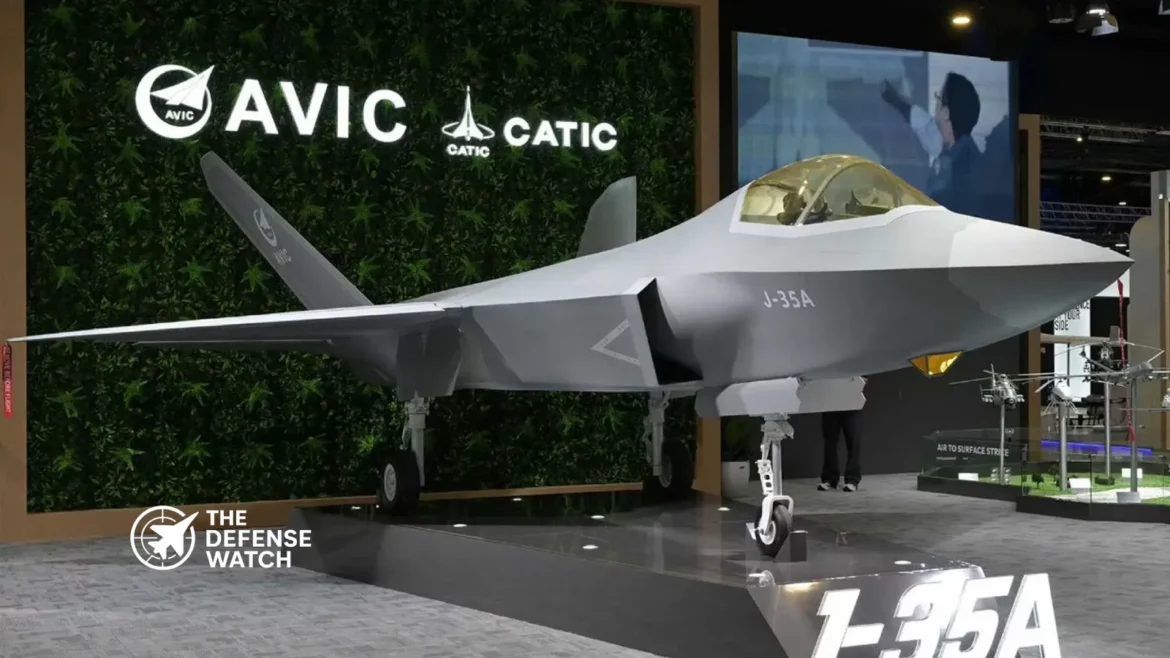
China Reveals Advanced J-35A Stealth Fighter Platform
China’s state-owned Aviation Industry Corporation of China (AVIC) unveiled a detailed scale model of the J-35A stealth fighter at Singapore Airshow 2026, marking the clearest public presentation of the land-based fifth-generation aircraft to date. The February 3-8 exhibition at Changi Exhibition Centre provided international observers with the first comprehensive look at the People’s Liberation Army Air Force (PLAAF) platform designed to complement China’s existing J-20 heavy stealth fighter.
(adsbygoogle = window.adsbygoogle || []).push({});The J-35A represents Beijing’s continued advancement in low-observable combat aircraft technology and signals China’s intent to field a diversified fifth-generation air combat force across multiple mission profiles.
Technical Design and Stealth Characteristics
The scale model displayed at Singapore showcases several hallmark fifth-generation design elements optimized for reduced radar cross-section and enhanced survivability in contested airspace. The aircraft features diverterless supersonic intakes, canted twin vertical stabilizers, and edge-aligned control surfaces that minimize radar returns.
AVIC’s presentation emphasizes the J-35A’s blended fuselage lines and internal weapons bay configuration, which eliminates external stores during combat operations to maintain stealth characteristics. This design philosophy aligns with contemporary multi-domain air combat concepts employed by advanced air forces worldwide.
The platform’s aerodynamic shaping suggests optimization for both air superiority and precision strike missions, with geometry balancing stealth, maneuverability, and payload capacity requirements.
Strategic Role Within PLAAF Modernization
Defense analysts characterize the J-35A as a complementary system to China’s heavier J-20 stealth fighter, potentially offering the PLAAF a more flexible and numerically scalable fifth-generation option for various operational scenarios. The land-based configuration differs from naval variants associated with carrier aviation programs.
Unlike carrier-capable variants that require reinforced structures and specialized landing systems, the J-35A is optimized for conventional runway operations and integration into mainland air defense architectures. This design choice potentially reduces production complexity and maintenance demands compared to navalized versions.
Industry observers note the aircraft is expected to incorporate advanced sensor suites including active electronically scanned array (AESA) radar systems, electro-optical targeting capabilities, and comprehensive sensor fusion architecture designed to support network-centric operations.
Propulsion and Indigenous Technology Development
While AVIC did not release detailed performance specifications during the Singapore exhibition, the J-35A model configuration suggests compatibility with China’s latest-generation indigenous turbofan engines. This reflects Beijing’s ongoing efforts to achieve complete autonomy in high-performance military propulsion systems, reducing dependence on foreign technology suppliers.
(adsbygoogle = window.adsbygoogle || []).push({});The propulsion system development represents a critical component of China’s broader defense industrial modernization strategy, enabling sustained production and operational deployment without external dependencies.
International Exhibition Strategic Messaging
AVIC’s decision to showcase the J-35A at one of Asia’s premier aerospace events carries significant strategic implications. Singapore Airshow attracts senior defense officials and procurement authorities from across the Indo-Pacific region, Middle East, and Africa, providing China with a platform to demonstrate advanced military aviation capabilities to potential partner nations.
The public display signals both program maturity and Beijing’s readiness to position the aircraft as a future option for countries seeking advanced combat aircraft beyond traditional Western suppliers. This export-oriented messaging aligns with China’s expanding defense industrial outreach to developing nations and regional partners.
Fifth-Generation Fighter Ecosystem Integration
The J-35A is designed to operate within China’s evolving networked air combat architecture, integrating with airborne early warning platforms, unmanned systems, and ground-based command nodes. This multi-domain integration approach reflects modern air warfare concepts emphasizing distributed operations and real-time information sharing.
The platform’s sensor fusion capabilities enable coordinated operations with other PLAAF assets, potentially including the heavier J-20 fighter in high-low force structure arrangements similar to those employed by other major air forces.
Regional Security Implications
The J-35A’s development occurs within the broader context of intensifying military modernization across the Indo-Pacific region. Multiple nations are acquiring or developing fifth-generation fighter capabilities, driving regional arms competition and altering established air power balances.
U.S. defense officials have previously noted China’s rapid advancement in stealth aircraft technology as a key factor in Indo-Pacific security planning. The J-35A’s emergence as a mature platform adds another dimension to regional military calculations and alliance defense planning considerations.
Future Development and Deployment Timeline
While official PLAAF deployment timelines remain undisclosed, the Singapore Airshow presentation suggests the J-35A program has progressed beyond initial development phases. Scale model displays at major international exhibitions typically indicate approaching operational deployment or active production preparation.
(adsbygoogle = window.adsbygoogle || []).push({});Defense industry analysts anticipate the PLAAF may pursue substantial J-35A procurement to complement existing fourth-generation fighter fleets and augment the more limited numbers of J-20 heavy fighters in service. This two-platform fifth-generation approach would provide operational flexibility across diverse mission requirements.
Comparative Analysis With Global Competitors
The J-35A enters a competitive global market for fifth-generation fighters dominated by the United States’ F-35 Lightning II family and supplemented by platforms including Russia’s Su-57, South Korea’s KF-21, and Turkey’s KAAN development program.
China’s ability to offer a stealth fighter option independent of Western political constraints may appeal to nations seeking advanced capabilities without alignment conditions or operational restrictions typically associated with U.S. defense exports.
Technology Transfer and Export Potential
Beijing’s historical approach to defense exports includes varying levels of technology transfer and co-production arrangements, particularly with long-term strategic partners. The J-35A’s presentation at Singapore suggests China may pursue similar export strategies with this platform, though specific arrangements would likely depend on recipient nation relationships and strategic alignment.
Export versions of Chinese military aircraft have previously featured modified avionics and weapons integration compared to PLAAF operational variants, a pattern that may continue with any potential J-35A international sales.

Iran Receives First Russian Mi‑28NE Attack Helicopter
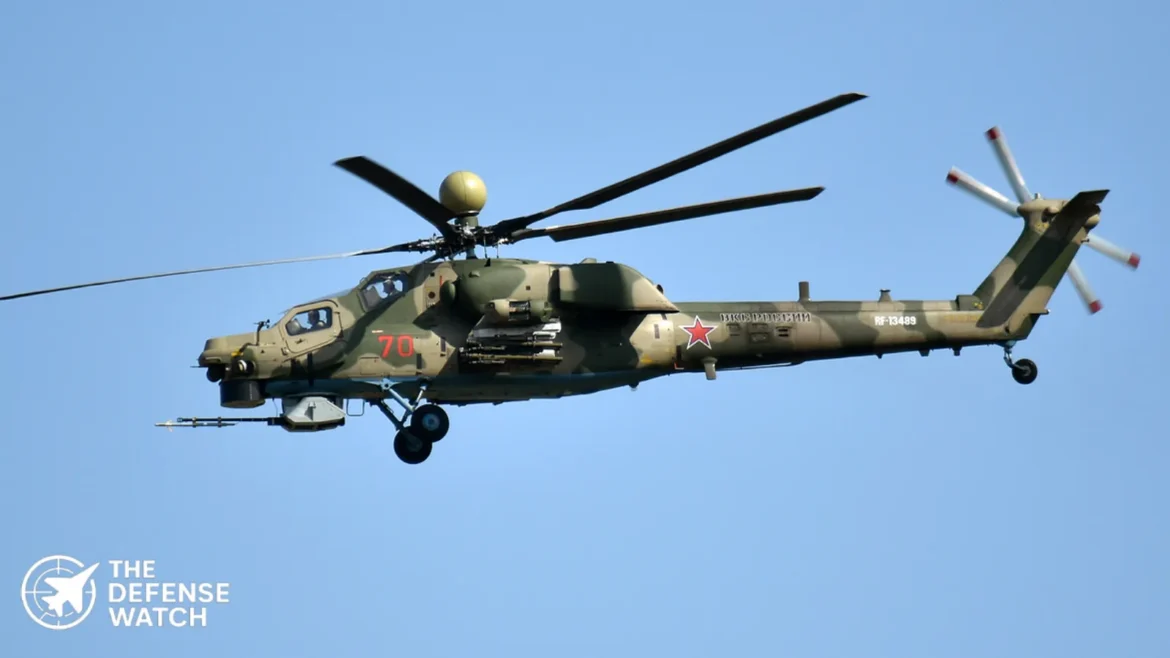
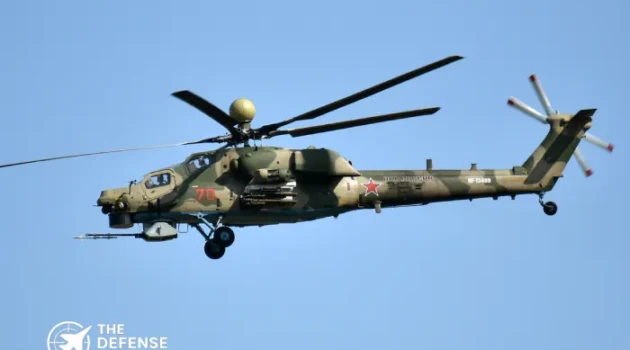
Iran has begun receiving Russian‑built Mi‑28NE Havoc attack helicopters, with the first example confirmed in a Tehran facility, marking the start of deliveries under a long‑planned procurement agreement.
(adsbygoogle = window.adsbygoogle || []).push({});Delivery Confirmation and Visual Evidence
Photographs and open‑source intelligence show a Russian Mi‑28NE attack helicopter in a hangar at the Pars Aerospace Services Company facility in Tehran. The aircraft appears in a desert‑style digital camouflage and was likely transported in a partially disassembled state aboard heavy transport aircraft such as Il‑76s.
Multiple sources and imagery emerging in late January and early February 2026 confirm that Russia has begun operationally delivering at least one Mi‑28NE to Iran.
Background on the Procurement Deal
The acquisition stems from a broader Iranian defense procurement initiative announced in November 2023. Iranian Deputy Defense Minister Brigadier General Mahdi Farahi publicly stated that plans were finalized to introduce Russian Su‑35 fighters, Mil Mi‑28 attack helicopters, and Yak‑130 jet trainers into Iranian army aviation units.
Reports through late 2025 indicated a buildup of Russian Il‑76 heavy transport flights into Iran, widely interpreted by defense analysts as part of the logistics operation for helicopter delivery and related support equipment.
Mi‑28NE Capabilities and Role
The Mi‑28NE is the export variant of Russia’s Mi‑28 attack helicopter, sometimes referred to by its NATO reporting name Havoc. It is a two‑seat, dedicated attack rotorcraft designed for engaging armored targets, personnel, and low‑flying aircraft in all‑weather, day or night operations.
Key systems include a nose‑mounted 30 mm autocannon, multiple hardpoints for guided air‑to‑ground missiles such as the Ataka family, and capacity for rockets and defensive countermeasures. Its armored cockpit and advanced avionics support survival and mission effectiveness in contested environments.
(adsbygoogle = window.adsbygoogle || []).push({});For Iran, fielding the Mi‑28NE represents a significant upgrade from legacy Vietnam‑era AH‑1J Cobras, which remain the core of its helicopter gunship fleet but have suffered attrition and aging systems issues in recent years.
Strategic Context
The initial delivery occurs amid heightened regional security tensions and sustained pressure from the United States and allied partners. The first Mi‑28NE units are currently in inspection and acceptance phases rather than full operational deployment, though the presence of this modern attack helicopter signals a tangible expansion of Iranian army aviation capabilities.
Iran’s acquisition of advanced Russian platforms like the Mi‑28NE forms part of a broader pattern of deepening defense ties with Moscow, reflecting Tehran’s effort to offset sanctions and outdated indigenous systems with strategic imports.

Automatic Air-to-Air Refueling Now Fully Certified on A330 MRTT
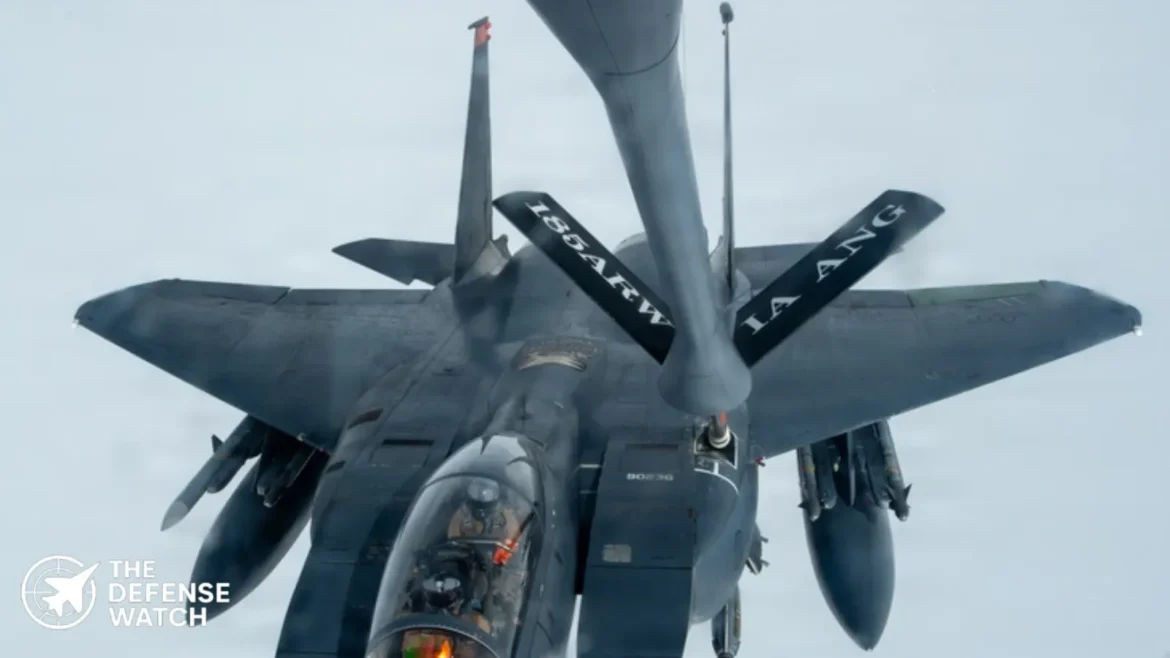
Airbus and Singapore have achieved full certification for the automatic air-to-air refueling (A3R) capability on the Airbus A330 Multi Role Tanker Transport (MRTT), marking a world first in military aviation. Certification was granted by Spain’s National Institute for Aerospace Technology (INTA) after a thorough flight-test and qualification campaign with the Republic of Singapore Air Force (RSAF) and the Defence Science and Technology Agency (DSTA).
The A3R system automates the traditional aerial refueling boom operation, reducing manual workload for air refueling operators while enhancing precision and safety. The full certification covers both daytime and night operations, reflecting rigorous testing across a wide range of mission profiles and receiver aircraft types.
What This Certification Means
The certification confirms the maturity, reliability, and safety of Airbus’s Automatic Air-to-Air Refueling system on the A330 MRTT. It allows the RSAF to conduct automated refueling operations with its fleet of MRTTs operated by 112 Squadron without manual boom control.
Singapore is the first air force in the world to field a fully certified automatic refueling capability on a tanker aircraft. This milestone establishes a benchmark for aerial refuelling automation and may influence future tanker modernization efforts internationally.
How the A3R System Works
Developed under Airbus’s SMART MRTT initiative, the A3R system uses advanced sensors and computer vision to automatically detect and track receiver aircraft and guide the refueling boom into position. The process minimizes the need for direct human input during boom engagement, reducing operator fatigue and enabling more consistent contact with receiver aircraft.
The system is designed to be compatible with multiple receiver platforms. Certification testing included RSAF F-16 and F-15SG fighters alongside the MRTT fleet, validating the system across different aircraft types and operational conditions.
Development and Testing History
Airbus and the RSAF began collaborating on the A3R program in 2020, aiming to bring automated boom refueling into operational service. Earlier milestones included successful daytime certification in 2022 and extensive night operation flight tests, as well as trials that involved hundreds of automatic contacts between the MRTT and various receiver aircraft.
These efforts culminated in the recent certification announcement at the Singapore Airshow 2026, reinforcing Singapore’s role as a leading partner in A3R development and innovation.
Strategic Impact
Automatic aerial refueling offers several operational advantages for air forces:
- Reduced workload and improved safety for refueling operators.
- Greater consistency and precision in boom contact across mission profiles.
- Enhanced flexibility for tanker and receiver formations during sustained operations.
By automating complex refueling tasks, the A3R system can free crew attention for broader situational awareness and mission management.
What Comes Next
With full certification secured, Airbus plans to support A3R retrofit and integration for existing MRTT operators. The company is also exploring ways to incorporate the technology more seamlessly into future tanker variants, including the A330neo-based MRTT Plus platform.
Continued collaboration between Airbus and Singapore could extend the range of certified receiver aircraft and broaden the global adoption of automated refueling capabilities.
Indonesia Signs LOI With Leonardo for M-346 F Block 20
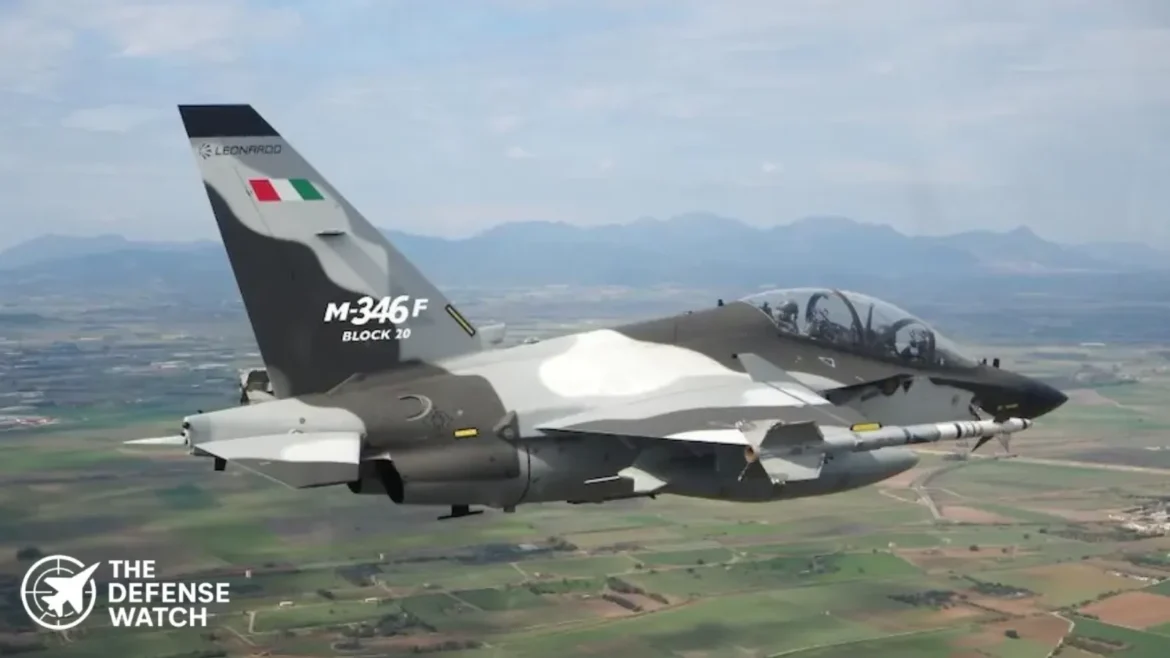
Indonesia and Italian defense company Leonardo have signed a Letter of Intent with PT ESystem Solutions Indonesia and the Ministry of Defence for the M-346 F Block 20 aircraft, aimed at meeting advanced training and light combat roles for the Indonesian Air Force, officials said at the Singapore Airshow 2026.
(adsbygoogle = window.adsbygoogle || []).push({});The agreement follows Jakarta’s selection of the M-346 platform to support operational training and replace ageing trainers in its fleet.
Letter of Intent Details
The LOI outlines cooperation on supply, training, and in-country support for the M-346 F Block 20 variant. It includes provisions for local maintenance, overhaul, pilot training, and workforce development in Indonesia. The parties said they will move toward a full procurement contract.
M-346 F Block 20 Platform Capabilities
The M-346 F Block 20 is the fighter-trainer version of Leonardo’s advanced jet trainer. It pairs pilot training features with light combat capabilities including sensors, weapons systems, and tactical data links. The aircraft’s cockpit has large area displays and advanced avionics, and the Block 20 standard incorporates digital upgrades to enhance mission flexibility.
According to Leonardo, the M-346 series has more than 150,000 flight hours logged and has been selected by some 20 countries worldwide for training and operational roles.
Strategic Context for Indonesia
Indonesia is in a broader phase of modernizing its air force fleet. Advanced trainer and light combat platforms help bridge training gaps and support transition to more capable fighters, while also replacing older types such as the BAE Systems Hawk.
Localizing maintenance and training support can strengthen Indonesia’s defense industrial base and human capital, officials said.
(adsbygoogle = window.adsbygoogle || []).push({});M-346 in the Global Market
The M-346 has been marketed globally as an advanced jet trainer with optional light fighter capability. In December 2025, Leonardo signed a contract with Austria to supply 12 M-346 F Block 20 aircraft under a government-to-government agreement, with deliveries slated from 2028.
Block 20 updates are part of Leonardo’s broader strategy to keep the M-346 competitive with modern training and operational requirements, including advanced avionics, integrated training systems, and enhanced networking capabilities.
What Comes Next
Officials said discussions will now continue toward finalizing a procurement contract. Neither Indonesia nor Leonardo has released specifics on numbers or delivery timelines.

Exercise Point Blank 26 Advances NATO Airpower Integration
Exercise Point Blank 26 brought the Royal Air Force and the United States Air Force together across multiple locations in England to strengthen NATO airpower readiness and operational integration. The large scale training activity focused on tactical proficiency, airpower mobility, and agile combat employment, reflecting how allied air forces expect to operate in a high intensity conflict environment.
The exercise combined fast jet operations, aerial refueling, and airfield support exchanges. It emphasized interoperability between US and UK forces and the ability to rapidly generate combat power from dispersed locations.
Allied Air Forces Train for High Tempo Operations
Exercise Point Blank 26 centered on improving how allied air forces deploy, sustain, and fight together under realistic conditions. RAF and US Air Force personnel operated side by side, sharing procedures for flight operations, maintenance, logistics, and command and control.
A key objective was refining airpower mobility. Tanker aircraft from both nations conducted joint refueling missions to support fighter operations, allowing combat aircraft to extend range and remain on station longer. These missions are essential for sustaining operations in contested environments where access to forward bases may be limited.

Airfield operations were another major focus. Ground crews exchanged best practices on aircraft servicing, rapid turnarounds, and base defense. These skills support NATO concepts that rely on flexibility, speed, and resilience rather than fixed infrastructure.
Agile Combat Employment at the Core
Agile combat employment was a central theme throughout Exercise Point Blank 26. This concept involves operating aircraft from multiple locations, often with smaller teams and limited support, to complicate adversary targeting and maintain combat effectiveness.
RAF and US Air Force units practiced deploying aircraft and personnel across different airfields in England. This included setting up temporary operating locations and sustaining flight operations with reduced footprints.
According to NATO doctrine, agile combat employment is critical for modern air campaigns. It allows allied forces to survive and fight even when traditional bases are under threat from long range missiles, cyber attacks, or electronic warfare.
Exercise Point Blank 26 provided a realistic environment to test these methods in a combined setting, ensuring that US and UK forces can execute them together if required.
F 35 Lightning II Operations Highlight Interoperability
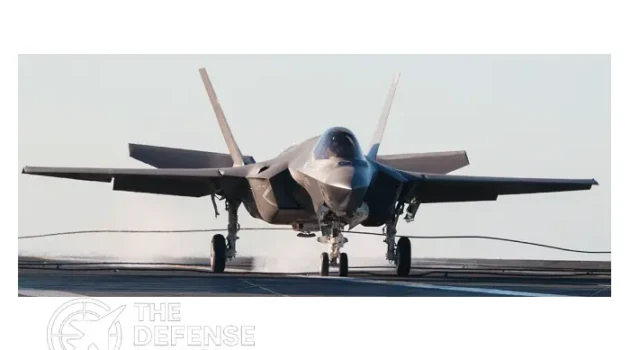
The F 35 Lightning II played a visible role during Exercise Point Blank 26, underscoring its importance to NATO airpower. Both the RAF and US Air Force operate the fifth generation fighter, making it a cornerstone of allied combat aviation.
Training events included F 35 takeoff and recovery operations supported by allied tanker aircraft and shared airfield infrastructure. These activities demonstrated how the aircraft integrates into joint force operations and how allied support elements enable its deployment.

The F 35 brings advanced sensors, data sharing, and stealth characteristics that enhance situational awareness across the force. Exercises like Point Blank 26 allow operators and support crews to refine how these capabilities are employed in coalition scenarios.
Strengthening NATO Readiness and Deterrence
Exercise Point Blank 26 reflects a broader NATO effort to improve readiness and deterrence amid a more contested security environment. Regular combined exercises ensure that allied forces can respond quickly and cohesively to emerging threats.
The United Kingdom remains a key hub for US airpower in Europe, and exercises hosted on British soil reinforce the long standing defense partnership between the two nations. Training together also reduces friction during real world operations by aligning procedures, communications, and expectations.
By focusing on realistic scenarios and modern operational concepts, Exercise Point Blank 26 supports NATO goals of credible deterrence and collective defense.
Strategic Context
Airpower remains a central element of NATO military strategy. The ability to deploy fighters, tankers, and support forces rapidly across the alliance underpins both deterrence and crisis response.
Exercises like Point Blank 26 are not symbolic. They are practical tests of how forces would operate during a real contingency. The emphasis on agile combat employment and joint logistics reflects lessons learned from recent conflicts and evolving threat assessments.
As NATO continues to adapt to new challenges, combined training between the RAF and US Air Force will remain a critical pillar of alliance readiness.


China Hybrid Heavy-Lift UAV First Flight
China’s hybrid heavy-lift UAV, the YH-1000S, completed its maiden flight in southwest China, the developer said Tuesday. The aircraft is described as the world’s first hybrid-powered unmanned cargo aircraft and represents a new class in large UAV logistics and transport.
The YH-1000S, developed by the 11th Research Institute of China Aerospace Science and Technology Corporation, combines an unmanned airframe with a high-power hybrid propulsion system co-developed with a new-energy vehicle partner. Officials say the hybrid setup cuts takeoff and landing distances and boosts payload and range compared with earlier designs.
Platform Overview
The YH-1000S builds on China’s unmanned transport drone efforts. It follows the earlier Caihong YH-1000 aircraft, which had a conventional propulsion system and a payload capacity around 1.2 tons with a range near 1500 kilometers.
According to official statements, the hybrid heavy-lift UAV flew successfully on February 1, 2026, at a test site in Chongqing Municipality. While state media releases do not list detailed performance data, designers highlight the aircraft’s stronger lift, extended range, and shorter takeoff requirements as key improvements enabled by hybrid power.
Technical and Operational Context
Industry sources explain that the blend of conventional and electric components in a hybrid power plant can increase endurance and efficiency, particularly for heavy cargo missions where fuel use and system redundancy matter. The hybrid approach aims to support missions like international logistics, emergency rescue, disaster relief, maritime monitoring, and other long-range transport tasks.
The YH-1000 series, including the non-hybrid predecessor, uses a medium-altitude airframe with twin-engine configuration and cargo-oriented layout. The baseline model demonstrated a 10-hour endurance and ability to fly up to roughly 1500 km while carrying about 1.2 tons of payload in test flights.
This payload and range place it in a higher class than typical medium UAVs, reflecting China’s focus on expanding unmanned logistics capabilities. Developers have described these large drones as airborne cargo platforms that could link cities with remote regions or provide rapid delivery in scenarios where infrastructure is limited.
Strategic and Industry Implications
The first flight of a hybrid heavy-lift UAV adds to a broader trend in large-scale unmanned systems development worldwide. Military and civilian planners are watching expanded cargo UAV use for logistics, disaster aid, and contested environments where traditional routes are risky or unavailable.
For China, the YH-1000S test supports its pursuit of integrated unmanned aircraft capabilities that bridge commercial logistics and defense applications. Hybrid propulsion could help sustain long-distance missions with heavy loads while managing fuel efficiency and operational flexibility.
What’s Next
Further flight testing, system tuning, and regulatory evaluation are expected as part of the development program. Manufacturers and developers typically use early flight results to refine performance, certify airframe systems, and prepare for broader use or export-oriented models.

Trent 1000XE Durability Enhancement Programme at Rolls-Royce Derby
The Trent 1000XE durability enhancement programme was placed in focus as Rolls-Royce hosted the Flightradar24 team at its historic jet engine facility in Derby, England. The visit provided a detailed look inside the company’s core manufacturing and testing site, highlighting how the Trent 1000 engine that powers the Boeing 787 is being improved through targeted component changes and advanced inspection methods.
Rolls-Royce used the visit to outline how its two-phase durability enhancement programme aims to significantly extend time on wing, while also demonstrating how new inspection technologies support reliability and long-term fleet readiness.
Inside the Historic Heart of Rolls-Royce Jet Engines
The Derby site represents the historical foundation of Rolls-Royce’s jet engine business, with decades of continuous development and production. It remains a central hub for design, manufacturing, testing, and inspection of large civil aircraft engines.
During the visit, Flightradar24 was given access to multiple facilities across the site, offering a rare view into how modern widebody engines are assembled, tested, and maintained. Rolls-Royce engineers walked through each stage of the engine lifecycle, from component manufacturing to final inspection, reinforcing Derby’s role as a cornerstone of the company’s global aerospace operations.
Focus on the Trent 1000 and Boeing 787 Fleet
The Trent 1000 engine is one of two powerplant options for the Boeing 787 Dreamliner and remains a key product for Rolls-Royce Civil Aerospace. Earlier variants of the engine experienced durability challenges, particularly affecting hot section components operating under high thermal stress.
Rolls-Royce confirmed that the Trent 1000XE standard incorporates a series of design and material upgrades developed in response to these in-service findings. The durability enhancement programme specifically targets known wear drivers, with the goal of delivering more predictable maintenance intervals for airline operators.
High Pressure Turbine Component Changes
A central technical focus of the Trent 1000XE durability enhancement programme is the replacement and upgrading of High Pressure Turbine components. Rolls-Royce explained that these parts operate in the most extreme temperature and pressure environments within the engine and are critical to overall durability.
By swapping out earlier component designs with improved materials and geometries, Rolls-Royce aims to increase resistance to corrosion fatigue and thermal degradation. The company stated that these changes are a major contributor to the projected increase in time on wing when both phases of the enhancement programme are fully applied.
Two Phases of Durability Enhancements
Rolls-Royce reiterated that the Trent 1000XE durability enhancement programme is being delivered in two structured phases.
The first phase introduces upgraded hardware already in service, addressing immediate durability constraints. The second phase builds on these improvements with further refinements designed to deliver cumulative gains. Together, Rolls-Royce states the upgrades can offer up to three times longer operating intervals compared with earlier Trent 1000 standards, depending on operating environment and utilization.
Advanced Engine Inspection and Boroscoping
In addition to hardware upgrades, Rolls-Royce demonstrated its most advanced engine inspection technologies during the visit. A live demonstration of the company’s boroscoping methods showed how engineers can inspect internal engine components without full disassembly.
This inspection approach allows technicians to closely examine turbine blades, combustor sections, and other critical areas while the engine remains on wing. Rolls-Royce highlighted that improved inspection capability supports earlier detection of wear, more accurate maintenance planning, and reduced disruption for operators.
The company emphasized that inspection technology is a key enabler of durability improvements, complementing physical design changes with better visibility into real-world engine condition.
Manufacturing, Testing, and Continuous Improvement
The tour also covered engine testing processes, including validation steps used to confirm performance and durability before engines return to service. Rolls-Royce stressed that feedback from in-service data is continuously fed back into design and manufacturing decisions.
This closed-loop approach is intended to ensure that lessons learned from global airline operations directly inform future improvements across the Trent engine family.
Industry Transparency and Operator Confidence
By allowing behind-the-scenes access to Flightradar24, Rolls-Royce signaled a continued effort to improve transparency around its civil engine programmes. The aviation tracking platform’s broad professional and enthusiast audience provides a channel for explaining complex engineering changes in a practical, visual way.
For Boeing 787 operators, the Trent 1000XE durability enhancement programme remains a critical factor in long-term fleet planning. Sustained improvements in reliability and inspection efficiency are expected to reduce maintenance burden and support higher aircraft availability as long-haul demand continues to recover.
Air Force Strike Operations Reveal Urgent Need for Tanker Modernization
The U.S. Air Force’s successful execution of Operation Midnight Hammer has illuminated serious capability gaps that could hamper sustained combat operations, with senior military leaders warning that an aging tanker fleet and limited munitions stockpiles present critical vulnerabilities for future long-range strike campaigns.
(adsbygoogle = window.adsbygoogle || []).push({});During the recent Airpower Forum hosted by the Air Force Association’s Mitchell Institute for Aerospace Studies, three-star generals disclosed that while operations like Midnight Hammer and Absolute Resolve demonstrated operational readiness, they also exposed infrastructure limitations that could constrain American airpower in extended conflicts.
Massive Strike Package Highlights Tanker Dependencies
Operation Midnight Hammer deployed 125 aircraft, including seven B-2 Spirit stealth bombers that flew a 36-hour, 12,000-nautical-mile roundtrip mission from Whiteman Air Force Base, Missouri, to strike Iranian targets. The operation required an extensive aerial refueling network, with KC-135 Stratotankers positioned along the entire route to support the bomber strike package.
Lt. Gen. Jason R. Armagost, deputy commander of Air Force Global Strike Command, emphasized that tanker availability represents the first concern when planning such operations. “The first thing I worry about when something like a Midnight Hammer starts to take shape is what does the tanker force looking like, what’s the position of it, and how do we posture in the world to actually do this,” Armagost stated at the January 29 forum.
The current Air Force tanker fleet consists of approximately 500 aircraft, with roughly 375 being KC-135 Stratotankers averaging over 63 years old. This aging infrastructure presents significant operational risks and maintenance challenges for sustained operations.
Planners Prioritize Tanker Procurement
Maj. Claire Randolph, chief of Weapons and Tactics at Air Forces Central and a key planner for recent strike operations, expressed serious concerns about tanker availability constraining future missions. “I worry a lot about the tankers,” Randolph said. “I think—because it’s not sexy, it’s not a weapon, and it’s not a fighter and it’s not a bomber—the tankers are often really left out in this conversation.”
Randolph emphasized that if she controlled procurement priorities, tankers would dominate the acquisition list. “If I were writing our request list for procuring things, probably the first 100 things on the list would be tankers,” she stated.
(adsbygoogle = window.adsbygoogle || []).push({});The Air Force continues purchasing KC-46 Pegasus tankers from Boeing and decided in July 2025 to forgo competition for a bridge tanker, instead buying additional KC-46s. The service is simultaneously exploring next-generation capabilities through the Next-Generation Air Refueling System program, which could potentially incorporate uncrewed technologies.
Boeing’s MQ-25 Stingray, an uncrewed tanker under development for the U.S. Navy, is currently undergoing taxi tests. However, the platform’s size, capacity, range, and speed fall significantly short of Air Force requirements and would require substantial modification to meet USAF operational needs.
Munitions Gaps Threaten Strike Flexibility
Beyond tanker limitations, senior Air Force leaders identified significant gaps in munitions capabilities, particularly for engaging hardened underground targets and mobile surface threats.
During Midnight Hammer, the seven B-2 bombers dropped 14 GBU-57 Massive Ordnance Penetrators (MOPs), the world’s largest air-delivered bombs. Each MOP contains a 5,740-pound warhead encased in steel, designed to detonate approximately 200 feet underground. While purpose-built for deeply buried targets, public records suggest as few as 20 MOPs were procured, raising questions about stockpile adequacy.
“Hard, deeply buried targets are critical,” Randolph warned. “If our adversaries are learning anything from our operations, they’re starting to put more things underground, and the Earth is a pretty difficult thing to penetrate.”
North Korea and other potential adversaries have increasingly buried critical facilities deep underground as protection against air strikes, necessitating more advanced bunker-busting munitions.
Stand-Off Weapons Require Greater Range Options
Air Force planners also identified a critical capability gap in medium-range standoff weapons for engaging mobile surface targets. Current options present a significant range disparity: Joint Direct Attack Munitions (JDAMs) travel approximately 40 miles, while the GBU-53 StormBreaker (Small Diameter Bomb II) extends to 46 miles. By contrast, the AGM-158 Joint Air-to-Surface Standoff Missile (JASSM) can attack targets from over 500 miles away.
“We don’t have a lot of things that fit in well there, which is a huge problem,” Randolph explained. Surface mobile targets are really difficult, because you can’t just use 240 SDBs to go kill a bunch of surface-to-air missiles if you don’t know where they are or if that weapon is slow and easily detected and shut down by adversaries.
Lt. Gen. Armagost noted that early B-2 configurations prioritized carrying 80 500-pound JDAMs rather than 240 GBU-39 Small Diameter Bombs I, despite the SDB reaching initial operating capability in 2006. “I don’t think anybody at the time was envisioning why you would ever need to carry more of something [than] for 80 targets,” Armagost said.
Strategic Implications for Deterrence
The capability gaps revealed by Midnight Hammer carry significant implications for American strategic deterrence. Armagost emphasized that possessing diverse standoff and penetrating munitions enhances deterrent credibility.
“You have to have proof you can gain access to hold any target at risk, keep it at risk, and then carry out orders that provide options that can happen from standoff and can happen from penetrating,” Armagost stated. “But in combination, those things are incredibly powerful.”
(adsbygoogle = window.adsbygoogle || []).push({});Operation Absolute Resolve, conducted six months after Midnight Hammer, demonstrated continued operational readiness when B-1B Lancer bombers, F-35s, F-22s, tankers, and support aircraft successfully captured Venezuelan former president Nicolás Maduro and his wife.
Lt. Gen. Scott L. Pleus, Air Force Director of Staff, highlighted these operations as proof of exceptional readiness. “Operation Midnight Hammer, Absolute Resolve—that is a definition of readiness,” Pleus said. “We do things in the United States Air Force that no other country can do.”
Budget and Acquisition Considerations
The lessons from recent strike operations will influence investment decisions, training priorities, and planning for years ahead, affecting aircraft procurement numbers, munitions requirements, and fleet composition decisions.
During the Cold War, the Air Force originally planned to acquire 100 B-2 bombers and approximately 400 B-1s. However, post-Cold War budget constraints severely reduced those numbers. Currently, the Air Force plans to procure 100 B-21 Raider next-generation stealth bombers, though some defense experts have advocated doubling that figure.
The aging KC-135 fleet, combined with limited KC-46 production rates, presents ongoing challenges for maintaining the aerial refueling capacity required for sustained long-range strike operations against peer competitors in contested environments.
Munitions stockpile depth and diversity remain critical concerns as adversaries continue developing countermeasures and hardening critical infrastructure against conventional strikes.
Conclusion
While Operations Midnight Hammer and Absolute Resolve demonstrated exceptional Air Force capabilities and readiness, they simultaneously revealed infrastructure vulnerabilities that could constrain sustained combat operations. Senior military leaders emphasize that addressing tanker fleet modernization and munitions diversity represents essential priorities for maintaining America’s strategic strike advantage against sophisticated adversaries.
(adsbygoogle = window.adsbygoogle || []).push({});The Air Force continues working with Congress and defense industry partners to address these capability gaps through ongoing procurement programs and next-generation technology development, recognizing that global power projection depends on robust aerial refueling networks and flexible munitions options.
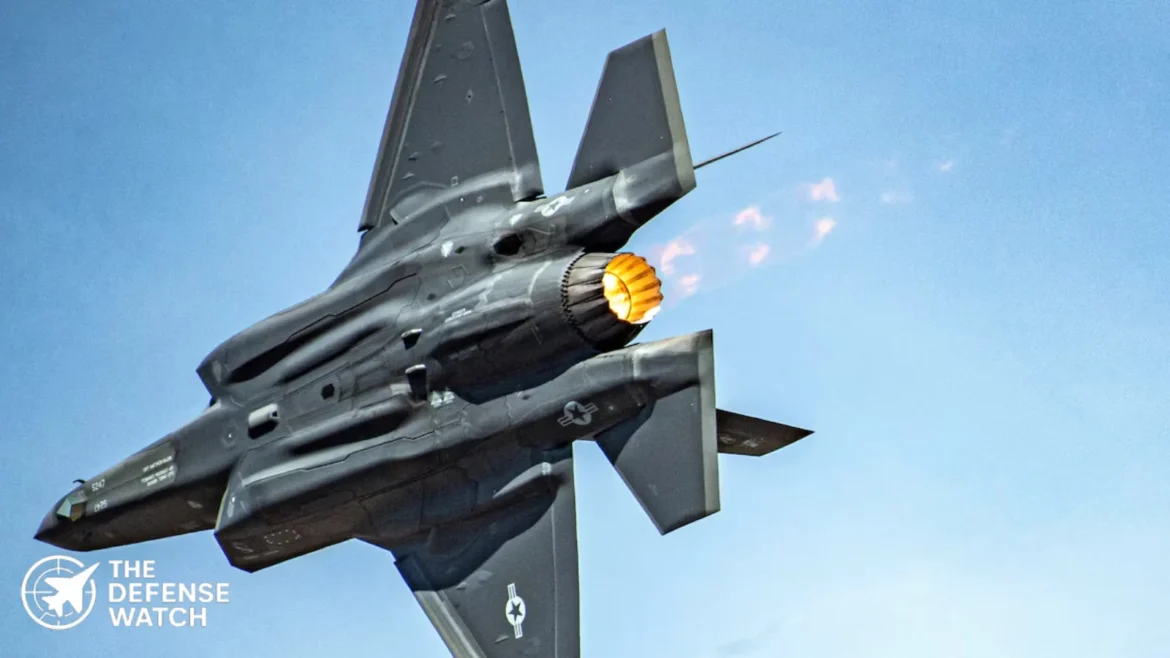
UK Denies F 35 Kill Switch Claims
The UK has rejected claims that the United States can remotely disable allied F 35 fighter jets, pushing back against what it describes as persistent misinformation surrounding the aircraft’s software and logistics systems.
The denial follows renewed debate over whether Washington retains the ability to ground or neutralize foreign operated F 35 Lightning II aircraft through software control, data access, or sustainment mechanisms. The issue has resurfaced amid rising global concerns over defense sovereignty, export controls, and the increasing role of software in modern combat aircraft.
According to a UK Defence Journal report, British officials have stated that there is no kill switch embedded in the F 35 that allows the United States to remotely deactivate aircraft operated by partner nations.
What Sparked the Kill Switch Debate
Claims about a so called F 35 kill switch have circulated for years, often reappearing during periods of geopolitical tension involving US allies or export customers. Critics argue that because the F 35 relies heavily on US managed software, mission data, and sustainment networks, Washington could theoretically restrict aircraft availability during a political dispute.
The debate has intensified as countries reassess reliance on US defense systems, particularly those involving cloud based logistics, encrypted mission data files, and continuous software updates.
The F 35 program involves more than a dozen partner nations, including the United Kingdom, Italy, Japan, Australia, and several NATO allies. All variants of the aircraft depend on a common digital backbone that supports maintenance planning, mission preparation, and system upgrades.
UK Government Response
In response to the claims, UK defense officials emphasized that the F 35 does not contain a remote disable mechanism. They stated that while the aircraft relies on US developed systems, operational control of UK F 35s remains with the Royal Air Force and Royal Navy.
British officials acknowledged that the aircraft depends on US supplied software updates and mission data, but stressed that this does not equate to an ability for the United States to switch off allied jets at will.
The UK position mirrors previous statements from the US Department of Defense and Lockheed Martin, both of which have consistently denied the existence of any kill switch functionality.
Understanding F 35 Software Dependence
The F 35 is often described as a flying computer. Its combat effectiveness depends on millions of lines of software code that manage sensors, weapons integration, electronic warfare, and data fusion.
Key systems include mission data files that define threat libraries and sensor behavior, as well as sustainment platforms that manage spare parts, maintenance schedules, and system health monitoring.
Historically, these systems were managed through the Autonomic Logistics Information System, later replaced by the Operational Data Integrated Network. Both systems are US controlled, although partner nations increasingly operate sovereign data environments connected to the wider network.
This architecture has fueled concerns that access to updates or data could be restricted during a diplomatic crisis, even without a direct kill switch.
Sovereignty Versus Interoperability
Defense analysts note that the real issue is not a hidden kill switch, but the balance between sovereignty and interoperability.
Modern multinational weapons programs are designed to ensure seamless cooperation among allies. This requires shared standards, common software baselines, and centralized update processes.
In practice, this means that no F 35 operator can fully modify or independently sustain the aircraft without US involvement. However, analysts argue this is a known and accepted trade off that enables coalition operations, shared logistics, and lower long term costs.
The UK has invested heavily in sovereign mission data reprogramming capabilities, allowing it to tailor threat libraries for its own operational needs while remaining within the broader F 35 ecosystem.
Why the Claims Persist
Despite repeated official denials, kill switch claims continue to circulate due to several factors.
First, the increasing role of software in weapons systems makes external control seem more plausible to the public. Second, export restrictions and past arms embargoes reinforce the perception that suppliers retain ultimate leverage. Third, online misinformation and oversimplified reporting often blur the distinction between logistical dependence and operational control.
Defense experts emphasize that grounding aircraft through spare parts denial or software update suspension is fundamentally different from remotely disabling jets already in service.
Implications for Allies and Buyers
For current and prospective F 35 operators, the debate underscores broader questions about digital dependence in next generation weapons systems.
Countries such as Canada, Germany, and Finland have all faced domestic scrutiny over reliance on US controlled platforms. Similar concerns have emerged in discussions around unmanned systems, missile defense networks, and space based assets.
The UK stance suggests that while dependence exists, it does not equate to loss of control. London continues to frame the F 35 as a cornerstone of its combat air strategy and a critical enabler of NATO operations.
Program Reality Check
With more than one thousand F 35s delivered globally and the aircraft actively deployed in combat and deterrence missions, no evidence has emerged to support claims of a remote disable function.
Instead, experts point to governance agreements, contractual frameworks, and alliance politics as the real mechanisms that shape how advanced military systems are used.
As defense platforms become more networked and software driven, transparency and public understanding will remain essential to maintaining trust in multinational programs.
War Department Launches Competitive Trials for Mass-Production Drone Program
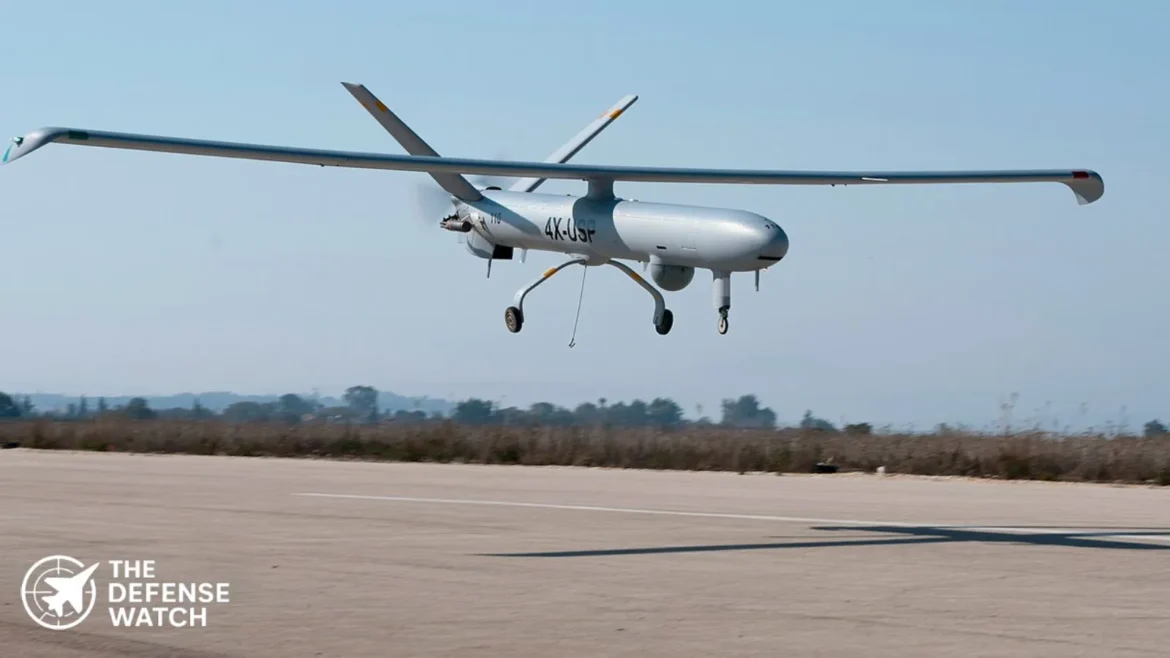
The War Department announced February 3 that 25 defense contractors have been invited to compete in Phase I of the Drone Dominance Program, a $1.1 billion acquisition initiative designed to rapidly field low-cost, weaponized unmanned aerial systems at unprecedented scale.
(adsbygoogle = window.adsbygoogle || []).push({});The announcement marks the operational launch of Secretary of War Pete Hegseth’s cornerstone acquisition reform effort, which aims to equip U.S. combat units with hundreds of thousands of one-way attack drones by 2027. The program represents a fundamental shift in Pentagon procurement philosophy, prioritizing speed, competitive evaluation by warfighters, and iterative development cycles measured in months rather than years.
Gauntlet Evaluation Begins February 18
Phase I evaluations will commence February 18 at Fort Benning, Georgia, where military operators will directly fly and assess vendor systems during what the War Department has designated “the Gauntlet.” The hands-on evaluation process places warfighters at the center of procurement decisions, allowing soldiers to test drone capabilities in realistic operational scenarios.
The Gauntlet will conclude in early March, when approximately $150 million in prototype delivery orders will be awarded to successful vendors. Deliveries are scheduled to begin shortly thereafter and continue over the following five months, enabling rapid fielding of proven systems.
Acquisition Reform in Action
The Drone Dominance Program operationalizes Hegseth’s July 2025 memorandum “Unleashing U.S. Military Drone Dominance,” which established clear acquisition priorities centered on lethality, speed, and scale. The program structure includes four phases totaling $1.1 billion in planned expenditures, with unit prices decreasing and production volumes increasing across successive phases.
“Drone dominance is a process race as much as a technological race,” Hegseth wrote in the memorandum. “We are buying what works—fast, at scale, and without bureaucratic delay. Lethality will not be hindered by self-imposed restrictions.”
The program structure sends what officials describe as a clear demand signal to the defense industrial base, combining substantial funding commitments with compressed development timelines. By placing operational military personnel in direct evaluation roles, the War Department aims to bypass traditional acquisition bureaucracy while ensuring fielded systems meet actual warfighter requirements.
Twenty-Five Vendors Advance to Competition
The War Department selected 25 companies to participate in Phase I trials, representing a mix of established defense contractors, technology startups, and specialized drone manufacturers. The vendor list includes both domestic firms and international partners, notably including Ukrainian Defense Drones Tech Corp, reflecting lessons learned from ongoing conflicts where small unmanned systems have proven tactically decisive.
(adsbygoogle = window.adsbygoogle || []).push({});Phase I Gauntlet participants (alphabetically):
- ANNO.AI, Inc.
- Ascent Aerosystems Inc.
- Auterion Government Solutions Inc.
- Dzyne Technologies, LLC
- Ewing Aerospace LLC
- Farage Precision, LLC
- Firestorm Labs, Inc.
- General Cherry Corp.
- Greensight Inc.
- Griffon Aerospace, Inc.
- Halo Aeronautics, LLC
- Kratos SRE, Inc.
- ModalAI, Inc.
- Napatree Technology LLC
- Neros, Inc.
- Oksi Ventures, Inc.
- Paladin Defense Services LLC
- Performance Drone Works LLC
- Responsibly Ltd.
- Swarm Defense Technologies, LLC
- Teal Drones Inc.
- Ukrainian Defense Drones Tech Corp.
- Vector Defense, Inc.
- W.S. Darley & Co.
- Xtend Reality Inc.
The diverse vendor list reflects the War Department’s strategy of maintaining competitive pressure while sourcing innovative technologies from both traditional and non-traditional defense suppliers.
Program Structure and Timeline
The Drone Dominance Program’s four-phase structure is designed to progressively increase production capabilities while driving down unit costs through competition and economies of scale. Phase I focuses on rapid prototyping and initial deliveries, with subsequent phases scaling production to industrial quantities.
According to the War Department, the program will field hundreds of thousands of weaponized one-way attack drones by 2027, representing a significant expansion of U.S. military unmanned capabilities. The systems are intended to provide tactical commanders with expendable precision strike options that can be deployed at scale without risking manned aircraft or personnel.
(adsbygoogle = window.adsbygoogle || []).push({});The program is jointly sponsored by the Office of the Secretary of War and executed through a tri-organizational structure including the Defense Innovation Unit, the Test Resource Management Center, and Naval Surface Warfare Center Crane Division. This organizational approach combines acquisition expertise, test evaluation capabilities, and technical program management.
Strategic Context
The Drone Dominance Program emerges from broader strategic assessments highlighting the increasing importance of unmanned systems in modern warfare. Recent conflicts have demonstrated the tactical effectiveness of low-cost attack drones, particularly in contested environments where traditional air assets face sophisticated air defense networks.
Hegseth has positioned rapid technology adoption and procurement reform as core departmental priorities since taking office. The Drone Dominance Program exemplifies this approach by compressing traditional acquisition timelines, emphasizing competitive evaluation, and prioritizing operational capability over bureaucratic process.
The program’s emphasis on one-way attack systems reflects doctrinal shifts toward accepting higher attrition rates for unmanned platforms in exchange for increased operational tempo and reduced risk to personnel. By fielding these systems at scale, the War Department aims to provide tactical commanders with new operational options while complicating adversary defensive planning.
Industry and Budget Implications
The $1.1 billion total program value represents a significant investment in unmanned systems manufacturing capacity. The competitive structure, with multiple vendors potentially receiving contracts across four phases, is designed to maintain innovation pressure while building redundant production capabilities across the industrial base.
The program’s compressed timeline and iterative structure may establish new precedents for Pentagon acquisition practices, particularly for rapidly evolving technologies where traditional multi-year development cycles risk obsolescence before fielding.
(adsbygoogle = window.adsbygoogle || []).push({});Funding for the program has been allocated and appropriated, according to the War Department announcement, removing a typical source of acquisition delays and providing vendors with confidence in contract execution timelines.
The February 18 start date for Gauntlet evaluations places the program on a rapid operational schedule, with initial contract awards expected within approximately two weeks of evaluation completion. This accelerated timeline reflects the program’s emphasis on speed as a competitive advantage in technology adoption.