Strategic Analysis: Air Force Requires Expanded Sixth-Generation Fleet for Sustained Combat Operations
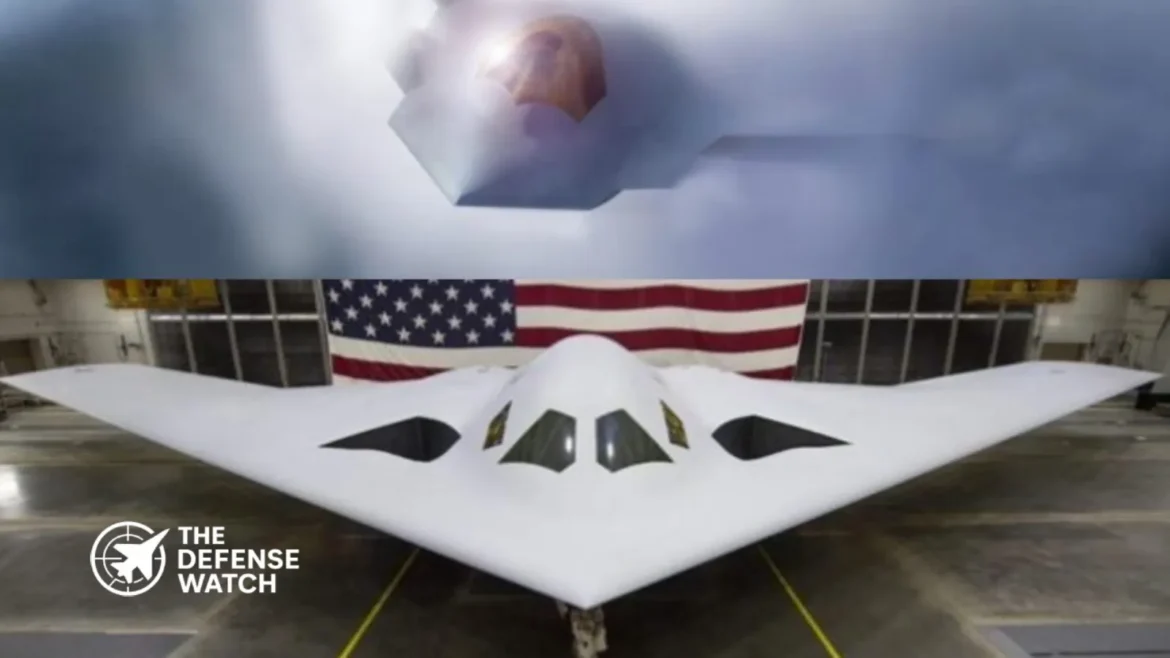
The U.S. Air Force needs at least 200 B-21 Raider stealth bombers and 300 F-47 next-generation fighters to effectively deny adversary sanctuaries during major conflict with China, according to a new Mitchell Institute for Aerospace Studies report released February 4, 2026. The recommendation represents nearly double current procurement targets and highlights critical gaps in America’s long-range strike capabilities.
(adsbygoogle = window.adsbygoogle || []).push({});Authors Heather Penney and retired Colonel Mark A. Gunzinger argue in their report “Strategic Attack: Maintaining the Air Force’s Capacity to Deny Enemy Sanctuaries” that existing plans for 100 B-21s and 185 F-47s constitute a raid force rather than a campaign force capable of sustained operations.
The analysis addresses a fundamental strategic challenge: how to strike high-value targets deep inside mainland China during a potential Taiwan invasion while maintaining nuclear deterrence and homeland defense capabilities.
Current Procurement Falls Short of Operational Requirements
The Air Force’s current procurement strategy primarily replaces aging B-1 Lancers and F-22 Raptors rather than expanding overall strike capacity. This approach leaves the service ill-equipped for protracted conflict against peer adversaries with extensive air defense networks and strategic depth.
Penney told defense reporters during a February briefing that budgetary constraints, not operational needs, drive current acquisition numbers. The result is insufficient aircraft to sustain pressure against adversary command centers, air bases, missile sites, and logistics nodes throughout an extended campaign.
The recommended fleet size accounts for multiple simultaneous demands on Air Force assets. Some B-21s must remain committed to nuclear deterrence missions under Strategic Command. Other aircraft need positioning for homeland defense. Additional platforms serve as operational reserves to replace combat losses. Only after accounting for these requirements can planners determine how many aircraft are available for deep strike operations against China.
(adsbygoogle = window.adsbygoogle || []).push({});Penney explained that 200 B-21 bombers provides enough capacity for nuclear deterrence hold-back requirements, credible strikes against Chinese centers of gravity, and adequate attrition reserves for prolonged conflict. The calculation assumes realistic loss rates in heavily contested airspace and the need to generate sustained sortie rates over weeks or months rather than single raid operations.
Inside-Out Operations Against Chinese Sanctuaries
The Mitchell Institute report emphasizes that B-21 and F-47 aircraft working together can penetrate adversary airspace and fight “from the inside out” rather than relying exclusively on stand-off weapons launched from safe distances. This operational concept allows strikes against time-sensitive targets, mobile systems, and hardened facilities that long-range missiles struggle to engage effectively.
Historical precedent supports this approach. In World War II and Operation Desert Storm, long-range penetrating strikes disrupted enemy war production, severed supply lines, and accelerated conflict termination. Conversely, self-imposed restrictions against striking North Korean and North Vietnamese sanctuaries during those conflicts allowed adversaries to regenerate forces, train replacements, and sustain operations indefinitely.
Ukraine’s current war against Russia demonstrates similar dynamics. Russian forces operate from sanctuaries beyond Ukrainian strike range, complicating Kyiv’s ability to disrupt logistics, destroy reserve formations, or threaten Moscow’s military-industrial base. Western restrictions on Ukrainian use of long-range weapons effectively create safe havens where Russia can marshal resources without fear of attack.
(adsbygoogle = window.adsbygoogle || []).push({});The Mitchell analysts argue that denying China comparable sanctuaries requires sufficient penetrating aircraft to strike targets throughout mainland China, not just along the Taiwan Strait. This capability would force Beijing to disperse forces, divert resources to air defense, and confront the possibility that escalation brings the war to Chinese territory.
Stand-Off Versus Stand-In Force Mix Debate
The report challenges assumptions that the Air Force should invest primarily in stand-off weapons and the sensors required to guide them against distant targets. While acknowledging the value of long-range precision strikes, Penney and Gunzinger contend that stand-off approaches alone cannot generate sufficient pressure against a peer adversary with China’s strategic depth and air defense capabilities.
Current Air Force combat aircraft are weighted toward earlier-generation non-stealthy bombers and fighters that cannot survive in contested airspace. Without substantial increases in next-generation stealth platforms, these legacy forces would need to close thousands of long-range kill chains over hundreds of hours in peer conflict—a requirement that exceeds Air Force capacity even with aggressive stand-off weapon procurement.
Stand-off weapons also carry significant cost and technical limitations. The Army’s Dark Eagle Long-Range Hypersonic Weapon costs upward of $40 million per shot, meaning just 25 strikes would consume $1 billion in munitions alone. Long-range kill chains present broad attack surfaces vulnerable to adversary electronic warfare, cyber operations, and kinetic strikes against supporting sensors and communications networks.
(adsbygoogle = window.adsbygoogle || []).push({});Penetrating stealth aircraft bring complementary advantages. They carry heavier payloads than missiles, operate across intercontinental distances, and adapt targeting in real-time based on battlefield observations. Pilots can identify and exploit emerging opportunities, shift focus between target sets, and make decisions inside the adversary’s decision cycle in ways that pre-planned missile salvos cannot replicate.
Transition Strategy and Interim Capabilities
Given that expanded B-21 and F-47 production could require a decade or longer to complete, the Mitchell Institute recommends several interim measures to preserve deep strike capacity during the transition.
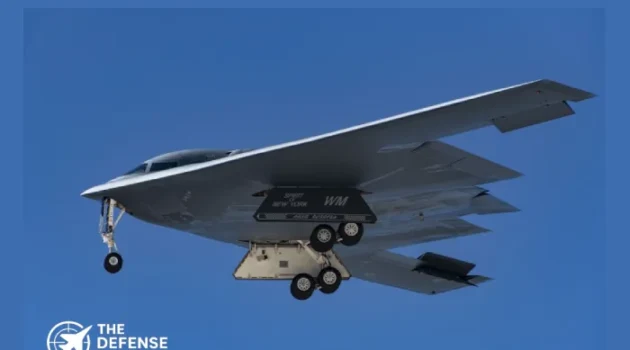
First, the Air Force should not retire any B-2 Spirit bombers despite their high operating costs. The 20-aircraft B-2 fleet represents America’s only operational platform capable of striking hardened targets deep inside adversary territory while evading advanced air defenses. Maintaining these bombers preserves critical capabilities while B-21 production ramps up.
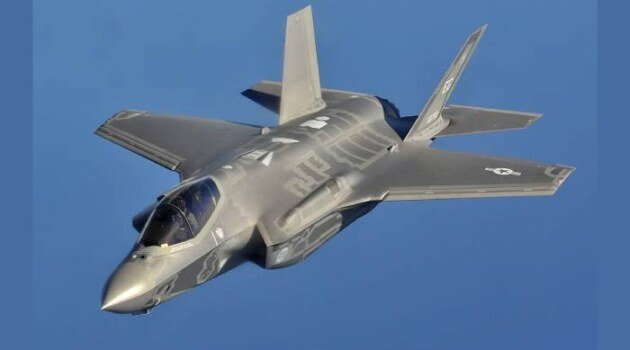
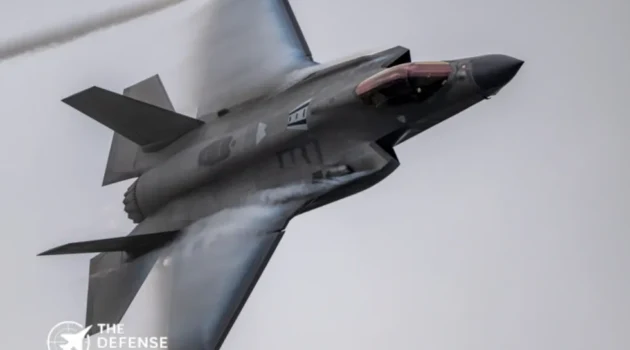
Second, the service should increase F-35 Lightning II procurement to bolster fifth-generation strike capacity. While the F-35 lacks the F-47’s range and air superiority focus, its stealth characteristics, advanced sensors, and data fusion capabilities enable operations in contested environments. Additional F-35s would supplement aging F-22 Raptors until sufficient F-47s become available.
(adsbygoogle = window.adsbygoogle || []).push({});These recommendations run counter to current Air Force budget proposals that reduce F-35 procurement in favor of F-47 development funding. The fiscal 2026 budget request cut F-35 orders from 74 to 47 aircraft while allocating $3.5 billion for the F-47 program. The Mitchell analysis suggests this trade-off creates unnecessary near-term risk by reducing proven fifth-generation capacity before sixth-generation replacements reach operational status.
Fiscal Realities and Strategic Choices
Rough estimates place the cost of an additional 100 B-21s and 115 F-47s north of $100 billion over the production run. This represents a substantial investment even within defense budgets approaching $900 billion annually. However, the Mitchell Institute authors argue these costs should be weighed against alternatives and strategic risks.
Stand-off weapons, while cheaper per unit than aircraft, require massive inventories to sustain campaign-level operations. Hypersonic missiles at $40 million each, advanced cruise missiles at $2-4 million, and supporting sensor networks add up quickly when engaging hundreds or thousands of targets. Aircraft, by contrast, are reusable assets that generate value across decades of service.
More fundamentally, Penney emphasized that insufficient strike capacity carries strategic costs beyond dollar figures. An adversary sanctuary allows China to operate freely from mainland bases, complicating American operational planning and potentially emboldening Beijing to believe it can weather limited U.S. strikes without facing existential threats to its war-making capacity.
President Trump’s proposed $1.5 trillion defense budget for fiscal 2027 could potentially accommodate expanded aircraft procurement, though competing priorities for naval shipbuilding, missile defense, space systems, and other modernization programs create difficult trade-offs. The administration must weigh sixth-generation aircraft investments against alternatives including Columbia-class ballistic missile submarines, next-generation destroyers, and ground-based strategic deterrent intercontinental ballistic missiles.
B-21 Raider Development and Production Status
The B-21 Raider represents the Air Force’s first new bomber in over three decades and the nation’s first true sixth-generation aircraft to reach flight test. Northrop Grumman designed the platform around open-architecture principles enabling rapid integration of emerging sensors, weapons, and countermeasures as technology evolves.
(adsbygoogle = window.adsbygoogle || []).push({});Three B-21s currently conduct flight tests at Edwards Air Force Base in California, with the program progressing toward planned operational capability by 2027. The bomber costs approximately $692 million per aircraft in fiscal 2022 dollars—substantially less than the $2 billion unit cost for the B-2 Spirit it replaces.
The B-21 carries both nuclear and conventional weapons and features optional-manning capability for certain missions. Its advanced stealth characteristics reportedly provide significant improvements over the already highly-survivable B-2, though specific performance details remain classified.
Production plans call for at least 100 aircraft, with Northrop Grumman establishing manufacturing facilities at Air Force Plant 42 in Palmdale, California. The company has stated it can increase production rates if the government provides adequate funding, suggesting the industrial base could support the Mitchell Institute’s recommended expansion to 200 aircraft.
F-47 Next Generation Air Dominance Program
The F-47, officially designated Next Generation Air Dominance, won contract award to Boeing in a competition against Lockheed Martin. Air Force Chief of Staff General David W. Allvin has indicated the program targets initial operational capability within the 2025-2029 timeframe, though specific dates remain classified.
The F-47 emphasizes air superiority missions against advanced adversary fighters and air defenses while incorporating deep strike capabilities. It reportedly features significantly greater range than the F-22 Raptor, enabling operations across Pacific distances without extensive tanker support. The aircraft also integrates advanced sensors and will control Collaborative Combat Aircraft—autonomous loyal wingman drones that extend the manned fighter’s reach and lethality.
Current procurement plans call for 185 F-47s to replace retiring F-22 Raptors and supplement F-35 Lightning IIs. The Mitchell Institute recommendation for 300 aircraft would expand this force by 62 percent, providing greater capacity for simultaneous operations across multiple theaters while maintaining homeland defense commitments.
Air Force officials have characterized the F-47 as a “family of systems” rather than a single platform, emphasizing its role as quarterback for collaborative combat aircraft, long-range sensors, and distributed networks. This systems-of-systems approach distributes capabilities across multiple assets, complicating adversary targeting and improving survivability through redundancy.
Broader Fighter Force Structure Challenges
The Mitchell Institute recommendations align with official Air Force assessments identifying substantial fighter shortfalls. A 10-year force structure plan submitted to Congress indicates the service needs 1,558 combat-coded fighter aircraft—nearly 300 more than the current estimated inventory of 1,271 in fiscal 2026.
This gap reflects decades of declining procurement budgets, extended service life programs that prolong aging aircraft rather than replacing them, and higher-than-anticipated attrition rates. The average Air Force fighter is now over 30 years old, with many airframes approaching or exceeding their designed service lives.
(adsbygoogle = window.adsbygoogle || []).push({});Maintenance challenges compound the numerical shortfall. Aging aircraft require more intensive sustainment, reducing availability rates and driving up operating costs. Parts shortages and maintainer shortfalls further degrade readiness, with Air Combat Command recently identifying spare parts as the top unfunded priority if additional resources become available.
Strategic Implications for China Deterrence
The recommended expansion of B-21 and F-47 fleets would substantially enhance American deterrence in the Indo-Pacific region. By demonstrating the capability to strike targets throughout mainland China, the United States would complicate Beijing’s planning for Taiwan contingencies and increase the costs and risks of aggression.
(adsbygoogle = window.adsbygoogle || []).push({});Chinese military planners currently assume they can operate freely from mainland bases beyond the range of most U.S. strike systems. American fighters lack the range to reach deep into China from forward bases. Bombers face increasingly sophisticated air defenses approaching Chinese airspace. Stand-off weapons carry limited inventories that could be exhausted early in sustained conflict.
A force of 200 B-21s and 300 F-47s would alter this calculus. China would need to defend a vastly expanded target set including air bases, command centers, logistics hubs, and missile sites across its territory. Air defenses optimized for protecting coastal regions would require extension hundreds of miles inland. Resources dedicated to offensive operations against Taiwan would need reallocation to defensive missions protecting the mainland.
This sanctuary denial capability could prove decisive in crisis escalation dynamics. If Beijing believed that attacking Taiwan would bring the war to Chinese territory with significant economic and political costs, deterrence strengthens. Conversely, if Chinese leaders assess they can conduct operations from safe havens beyond American reach, the incentives for restraint diminish.
Allied Implications and Burden Sharing
The report’s recommendations also carry implications for allied burden-sharing and combined operations. Japan, South Korea, and Australia have all invested in F-35 procurement to enhance interoperability with U.S. forces. Additional American investment in sixth-generation penetrating aircraft would maintain technological overmatch while potentially opening opportunities for allied participation in F-47 production or collaborative combat aircraft development.
(adsbygoogle = window.adsbygoogle || []).push({});However, the scale of investment required may also prompt questions about allied contributions to collective defense. If the United States procures 200 B-21s and 300 F-47s primarily for Pacific contingencies, allies in the region could face pressure to increase their own defense spending and capabilities rather than relying exclusively on American power projection.
European NATO allies face similar dynamics as the alliance confronts renewed Russian aggression and debates force structure requirements for high-intensity conflict. American decisions about bomber and fighter procurement for Pacific scenarios will influence NATO force planning and potentially affect how the U.S. balances commitments across theaters.
Canada Reviews Major F-35 Purchase as U.S. Relations Deteriorate
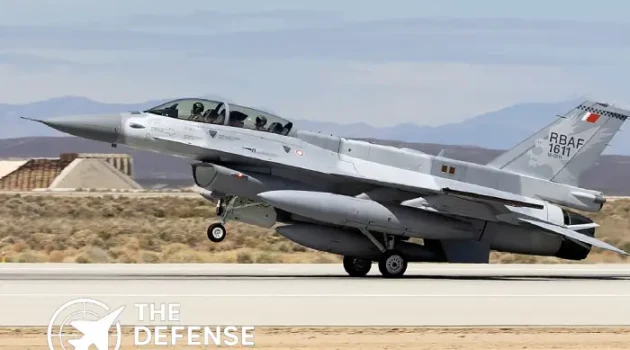
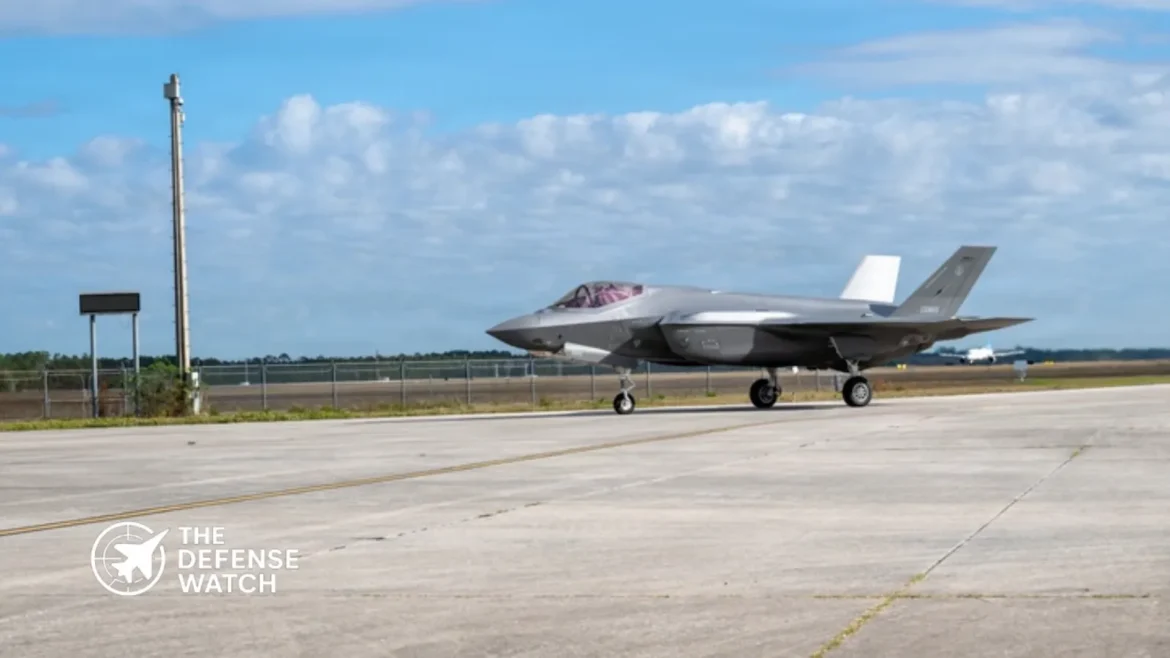
Canada is actively reevaluating its planned purchase of F-35A Lightning II fighters, with officials confirming the government remains legally committed to the first 16 aircraft while reviewing options for the remaining 72 jets. The reassessment comes as trade tensions with Washington escalate under President Trump’s return to office.
(adsbygoogle = window.adsbygoogle || []).push({});Defence Minister Bill Blair confirmed that while the contract for the first 16 F-35s remains in place, Prime Minister Mark Carney has directed the Canadian Armed Forces to determine whether the existing agreement represents the best investment for Canada’s defense needs in the current geopolitical environment.
The review marks the latest chapter in Canada’s decades-long effort to replace its aging CF-18 Hornet fleet, a procurement process that has become one of the most politically contentious defense decisions in Canadian history.
Contract Status and Financial Implications
Canada initially signed a contract valued at CAD 19 billion (USD 14.2 billion at signing) in 2023 for 88 F-35A aircraft. The first stealth fighters under this order are scheduled for delivery in 2026, with initial aircraft arriving at Luke Air Force Base in Arizona for pilot training.
However, total program costs have exceeded CAD 27 billion when including delivery delays and full operational capability requirements. The U.S. Government Accountability Office revealed in September 2025 that the Block 4 upgrade—the version Canada intends to acquire—is now USD 6 billion over budget and five years behind schedule.
Only funding for the initial 16 aircraft has been legally committed, leaving the remaining 72 jets subject to ongoing government review.
Swedish Alternative Gains Momentum
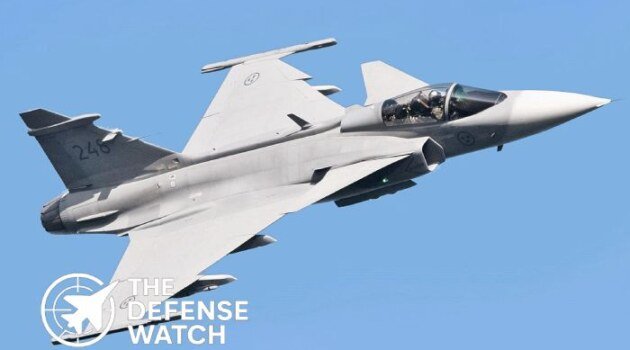
Sweden’s Saab has intensified its campaign to offer Canada an alternative procurement path. Saab submitted a bid for 72 JAS 39 Gripen multirole fighters paired with six GlobalEye airborne surveillance aircraft, positioning the package as an industrial benefits opportunity.
Saab claims the Gripen package would create 10,000 jobs in Canada through domestic assembly and sustainment partnerships, leveraging Canadian aerospace manufacturing capabilities. The Swedish proposal emphasizes local production, intellectual property transfer, and reduced dependence on U.S. supply chains for maintenance and upgrades.
Under Saab’s proposal, final assembly would occur in Canada, with maintenance performed domestically rather than requiring aircraft to return to U.S. facilities for major overhauls—a requirement of the F-35 program.
Capability Assessment and Operational Considerations
Despite the political momentum behind alternative options, leaked Canadian military evaluation documents show the F-35 significantly outperformed the Gripen E across all assessment categories. The F-35 achieved an average score of 95 percent compared to the Gripen E’s 33 percent, with particularly low marks for the Swedish fighter in mission performance and upgradability.
(adsbygoogle = window.adsbygoogle || []).push({});The Royal Canadian Air Force’s technical assessment underscored the F-35’s advantages in stealth, sensor fusion, network-centric warfare capabilities, and Arctic operations—critical factors for Canada’s vast northern territories and NORAD responsibilities.
Canadian NORAD commanders have stated they need pilots to have overmatch against high-end threats, emphasizing capability requirements over political considerations. However, they have also clarified that fighter procurement decisions remain with the civilian government.
NORAD and U.S. Pressure
U.S. Ambassador to Canada Pete Hoekstra warned that if Ottawa does not proceed with the full F-35 complement, NORAD would need to be altered. Hoekstra indicated the United States might need to fly its own F-35s more frequently into Canadian airspace to fill capability gaps.
The ambassador’s comments have drawn criticism from Canadian defense analysts who argue such pressure tactics may backfire. Andrea Charron, director of the Centre for Defence and Security Studies at the University of Manitoba, suggested the approach achieves the opposite of its intended effect.
NORAD has historically operated with different aircraft types on both sides of the border, though current integration levels favor interoperable platforms. The binational aerospace defense agreement relies on shared sensors, communication systems, and coordinated response capabilities to defend North American airspace.
Mixed Fleet Considerations
Canadian defense planners are reportedly considering a mixed fighter fleet consisting of no more than 40 F-35A stealth jets paired with up to 80 Gripen E fighters, according to recent reporting citing unnamed defense sources.
Such an approach would address political pressure to diversify defense partnerships while maintaining some fifth-generation capability. However, operating multiple platforms creates logistical strains, requiring separate mechanical expertise, distinct supply chains, and parallel training programs.
The Royal Canadian Air Force has historically resisted mixed fleet operations due to cost and complexity concerns, though it did operate multiple fighter types until the 1980s CF-18 consolidation.
Industrial Benefits and Economic Factors
Canadian companies have received contracts valued at USD 490 million from 2002 to 2012 through F-35 program participation, with total potential estimated value ranging from USD 4.8 billion to USD 6.8 billion through supply chain participation.
(adsbygoogle = window.adsbygoogle || []).push({});This existing industrial relationship complicates any decision to shift toward alternative aircraft. Canada’s participation in the F-35 program provides domestic companies opportunities to bid for international F-35 contracts, though these benefits are not guaranteed.
Saab’s offer includes guaranteed economic benefits for Canadian industry, potentially addressing concerns about industrial sovereignty and domestic aerospace sector development.
Geopolitical Context
The F-35 reassessment stems directly from rapidly deteriorating relations between Washington and Ottawa following President Trump’s renewed tariff threats and contentious trade negotiations.
Vincent Rigby, former national security adviser to the Trudeau government, stated that U.S. rhetoric has forced Canadian policymakers to rethink defense ties. The review reflects broader Canadian concerns about Washington’s reliability as a security partner under the Trump administration.
Prime Minister Carney has indicated he held discussions with French and British officials about potential F-35 alternatives signaling willingness to explore European defense partnerships as part of Canada’s strategic hedging approach.
Timeline and Decision Process
The formal review was initially expected to conclude by late September 2025, but no decision has been announced. Department of National Defence officials declined to provide a specific timeline for completion, stating only that the review is progressing in a timely manner.
Canadian Armed Forces personnel attended a ceremony at Lockheed Martin’s Texas facility in early February 2026 to mark the imminent delivery of the first F-35, indicating continued program momentum despite the ongoing political review.
Canada’s first F-35s are scheduled for delivery to Luke Air Force Base in 2026, with the first 10 pilots beginning training this year. Initial aircraft would arrive in Canada by late 2028, operating from temporary facilities while permanent infrastructure is completed by 2030-2031.
Strategic Implications
The Canadian review represents a potential inflection point for international F-35 partnerships. Canada is officially the first customer to openly reevaluate its F-35 order in the Trump era, raising questions about whether other nations may follow suit.
Any decision to reduce F-35 orders would send a significant foreign policy signal regarding Canada’s defense alignment and willingness to diversify security partnerships beyond traditional U.S. dependence.
However, the technical capabilities gap between fourth and fifth-generation fighters, combined with existing Canadian industrial participation in the F-35 program, creates substantial pressure to maintain the original procurement plan despite political considerations.
The outcome of Canada’s F-35 review will likely shape North American defense cooperation and bilateral relations for decades, setting precedents for how middle-power allies navigate defense procurement amid great power competition and alliance uncertainty.

Taiwan and Kratos Complete Jet-Powered Attack Drone Test
Taiwan has successfully tested the jet-powered Mighty Hornet IV attack drone as part of a defense partnership with U.S. firm Kratos Defense & Security Solutions, aimed at boosting the island’s unmanned strike capabilities against growing Chinese military pressure. The test at Kratos’ Oklahoma City facility validated integration of a Taiwanese mission payload and marked a key step in accelerating collaborative defense work.
Joint Effort on a Low-Cost Attack UAV
The U.S. contractor and Taiwan’s National Chung-Shan Institute of Science and Technology (NCSIST) said engineers worked together in the recent test, which Kratos described as a milestone for bilateral cooperation. Taiwan is seeking systems that can be produced in numbers, are affordable, and can serve as deterrent and operational assets in the event of conflict.
The drone under development, known as the Mighty Hornet IV or Chien Feng IV in Taiwan, is based on a modified target drone design and is being shaped into a cruise missile-like weapon with high speed and range. This reflects Taipei’s emphasis on unmanned systems suited for stand-off strike roles.
Strategic Context: Rising Pressure from China
China has increased military activity near Taiwan, sending warplanes, ships and drones into the airspace and waters around the island. Taiwan’s defense officials say this activity is part of so-called grey zone tactics aimed at wearing down the island’s defenses and public resilience.
Reuters reported that the number of detected Chinese military aircraft operating near Taiwan rose by about 23 percent in 2025 compared with the previous year. Taiwan’s defense ministry sees enhanced drone capability as part of a broader response to these trends.
US-Taiwan Defense Technology Collaboration
The Kratos effort is one element of expanding defense ties between Washington and Taipei. Taiwan has sought U.S. collaboration on multiple fronts, including arms sales and joint development of systems that can be rapidly fielded and produced. These efforts reflect Taipei’s focus on bolstering its asymmetric defense posture.
In their statement, NCSIST officials framed the partnership as helping shorten development timelines for capabilities that meet Taiwan’s needs for rapid countermeasures and long-range preemptive strike options.
Mighty Hornet IV: Capabilities and Role
Industry reporting indicates the Mighty Hornet IV is being developed as a high-speed, low-cost UAV capable of sustained stand-off missions. It leverages a baseline design from a target drone adapted to serve as an attack platform. Early data suggests it could operate at speeds up to about Mach 0.8 and at altitudes above 35,000 feet.
Officials from both Kratos and Taiwan stress the importance of large numbers of such systems in shaping future operational concepts, including saturating potential adversary defenses and complicating targeting.
Broader UAV Development Trends for Taiwan
Taiwan’s wider unmanned systems push includes both foreign procurement of U.S.-made drones and expansion of its domestic production base. This reflects lessons from recent conflicts and a desire to build resilient, distributed strike and surveillance capabilities.
Defense analysts note that achieving scale remains a strategic goal, given Taiwan’s aim to match the pace of technological change and ensure its forces can operate effectively in a contested environment.
Marines Equip Viper Helicopters with Long-Range Strike Weapons
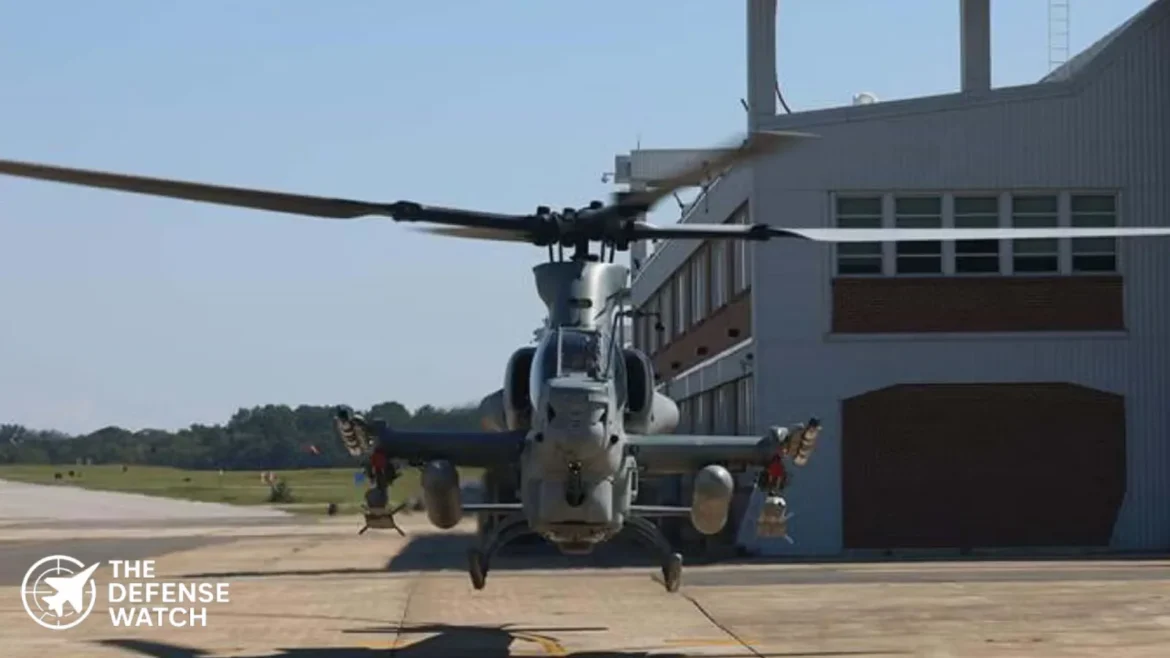
The US Marine Corps is moving to arm its AH-1Z Viper attack helicopters with long-range precision strike weapons under a new contract awarded by the US Navy’s Naval Air Systems Command (NAVAIR). The move marks a significant expansion of attack helicopter strike capability beyond the limits of existing systems like Hellfire and JAGM missiles.
(adsbygoogle = window.adsbygoogle || []).push({});Short-range rocket-launched missiles such as AGM-114R Hellfire and the Joint Air-to-Ground Missile (JAGM) typically operate at distances measured in tens of miles. The new systems aim to extend helicopter-launched strike reach to more than 200 nautical miles, giving Marines a striking option from outside many integrated air defenses.
L3Harris Wins Precision Attack Strike Munition Contract
On January 30, 2026, NAVAIR awarded L3Harris Technologies an $86.2 million contract under the Precision Attack Strike Munition (PASM) program to develop, test and deliver the Red Wolf long-range launched effects vehicle for Marine Corps rotary-wing platforms. The award was issued using Other Transaction Authority, a faster contracting method designed for prototyping and rapid capability maturation.
Under the agreement, L3Harris will supply missiles, support equipment, manuals, and training packages. Deliveries are expected to be completed by the end of fiscal 2027. While the total contract value is public, specific production quantities have not been disclosed.
What Red Wolf Brings to Marine Helicopters
Red Wolf is a launched effects vehicle intended to give the Marines’ AH-1Z Viper a true long-range precision strike option. Company and Pentagon sources say the system can engage targets at distances greater than 200 nautical miles with both kinetic and non-kinetic payloads. This is a substantial step beyond legacy helicopter missiles, which are typically limited to ranges under about 20 miles.
The PASM family, sometimes referred to as the “Wolf Pack,” includes the Red Wolf missile for kinetic strikes and the Green Wolf variant for electronic warfare and sensor disruption missions. Both are designed to operate in expeditionary and maritime environments, with Marines seeking a mix of effects while supporting carrier strike groups or amphibious operations.
Images released with the latest updates show the missiles mounted on AH-1Z Viper stub wings during testing, highlighting how these systems fit into the existing helicopter architecture without major airframe changes.
Context and Operational Impact
Marine Corps aviation leaders have long sought ways to extend rotary-wing strike power well beyond the short engagement envelopes of existing weapons. Tests dating back to 2024 showed prototypes of long-range attack missiles, sometimes described generically as Long-Range Attack Missiles (LRAM), being fired from AH-1Z platforms during live exercises.
(adsbygoogle = window.adsbygoogle || []).push({});The capability aligns with broader Pentagon efforts to provide distributed and affordable precision fires that can work inside complex anti-access/area-denial environments, especially in the Indo-Pacific region where extended reach is a priority.
The longer reach also offers new options for littoral strike and anti-surface warfare, giving Marine helicopter units a role in shaping battlespaces far from traditional close support tasks.
What Comes Next
With the Red Wolf now moving from demonstration to an acquisition program, Marines plan to integrate the weapons into operational units over the next several years. Formal fielding by 2027 means training, doctrine updates, and potential future upgrades will be key to unlocking the full capability.
Patria, Pratt and Whitney Expand Finland F 35 Engine Assembly Capability
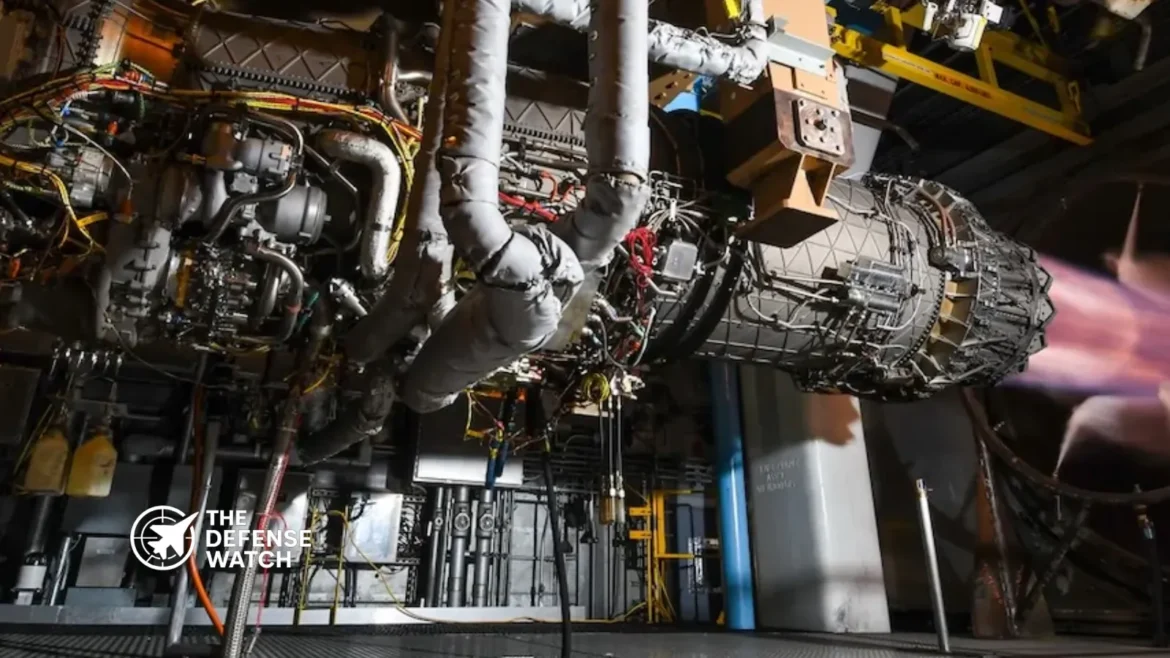
Patria and Pratt and Whitney have finalized an agreement enabling final assembly of the F135 engine in Finland for the country’s F 35 Lightning II fleet, a move that significantly expands domestic sustainment capacity for the Finland F 35 program.
(adsbygoogle = window.adsbygoogle || []).push({});The agreement supports Finland’s HX Fighter Program and reinforces national security of supply by ensuring critical propulsion system expertise remains available within the country throughout the F 35 lifecycle.
The announcement was confirmed by Patria and Pratt and Whitney, an RTX business, as part of broader industrial cooperation tied to Finland’s acquisition of 64 F 35A fighters.
Strengthening Finland’s F 35 Sustainment Ecosystem
Under the agreement, Patria will perform final assembly operations for the F135 engine, the sole powerplant for all variants of the F 35 Lightning II. The work will be carried out at Patria facilities in Finland and will support both operational readiness and long term sustainment of the Finnish Air Force’s future fighter fleet.
The F135 engine is one of the most powerful fighter engines ever produced and is central to the F 35’s performance, survivability, and mission flexibility. Local final assembly capability reduces reliance on external supply chains and improves resilience during crisis or high operational tempo scenarios.
Pratt and Whitney has emphasized that distributed sustainment across partner nations is a core element of the global F 35 enterprise, ensuring fleet availability while lowering long term operating risk.
Role of Patria in Finland’s Defense Industrial Base
Patria already plays a major role in Finland’s defense aviation ecosystem, with decades of experience in aircraft maintenance, repair, and overhaul. The addition of F135 engine final assembly further expands its technical portfolio and positions the company as a critical node within the global F 35 sustainment network.
According to Patria, the agreement will create high skill jobs and deepen domestic expertise in advanced propulsion systems. The company has also highlighted the importance of knowledge transfer and long term workforce development associated with the Finland F 35 engine assembly program.
This effort aligns with Finland’s broader defense industrial policy, which prioritizes sovereignty, readiness, and secure access to essential military capabilities.
Pratt and Whitney’s Global F135 Sustainment Strategy
Pratt and Whitney continues to expand its international sustainment footprint as the global F 35 fleet grows. More than a dozen countries now operate or have ordered the aircraft, with global flight hours increasing steadily year over year.
(adsbygoogle = window.adsbygoogle || []).push({});The company views partner nation industrial participation as essential to sustaining the fleet at scale. Final assembly and maintenance work performed outside the United States helps balance workload, improve turnaround times, and strengthen allied interoperability.
The Finland agreement complements other regional F135 sustainment hubs across Europe and the Asia Pacific, reinforcing the resilience of the overall F 35 propulsion enterprise.
Finland’s HX Program and Strategic Context
Finland selected the F 35A Lightning II in 2021 to replace its aging F A 18 Hornet fleet, citing survivability, sensor fusion, and alliance interoperability as key decision factors. The HX Fighter Program represents one of the largest defense procurements in Finnish history.
The inclusion of F135 engine final assembly in Finland supports Helsinki’s requirement for national security of supply, particularly given the country’s geographic proximity to Russia and its recent accession to NATO.
Ensuring domestic access to propulsion system expertise reduces operational risk and enhances Finland’s ability to sustain high readiness levels independently if required.
Implications for NATO and Regional Defense
Finland’s growing role in F 35 sustainment has broader implications for NATO’s northern flank. As more European allies field the F 35, distributed sustainment capabilities improve collective readiness and reduce single point dependencies.
(adsbygoogle = window.adsbygoogle || []).push({});Local F135 engine assembly also supports rapid recovery of aircraft during extended operations, contributing to alliance air power resilience in the Baltic and Arctic regions.
Timeline and Next Steps
Patria and Pratt and Whitney have not disclosed detailed timelines for initial assembly operations, but the work is expected to align with Finland’s F 35 delivery schedule later this decade.
Preparatory investments in facilities, tooling, and workforce training are already underway as part of the broader industrial participation package associated with the HX program.
Once operational, the Finland F 35 engine assembly capability will remain in place throughout the aircraft’s projected service life, which extends well into the 2060s.
Eurofighter Secures Major Contract for Advanced Aerodynamic Enhancement
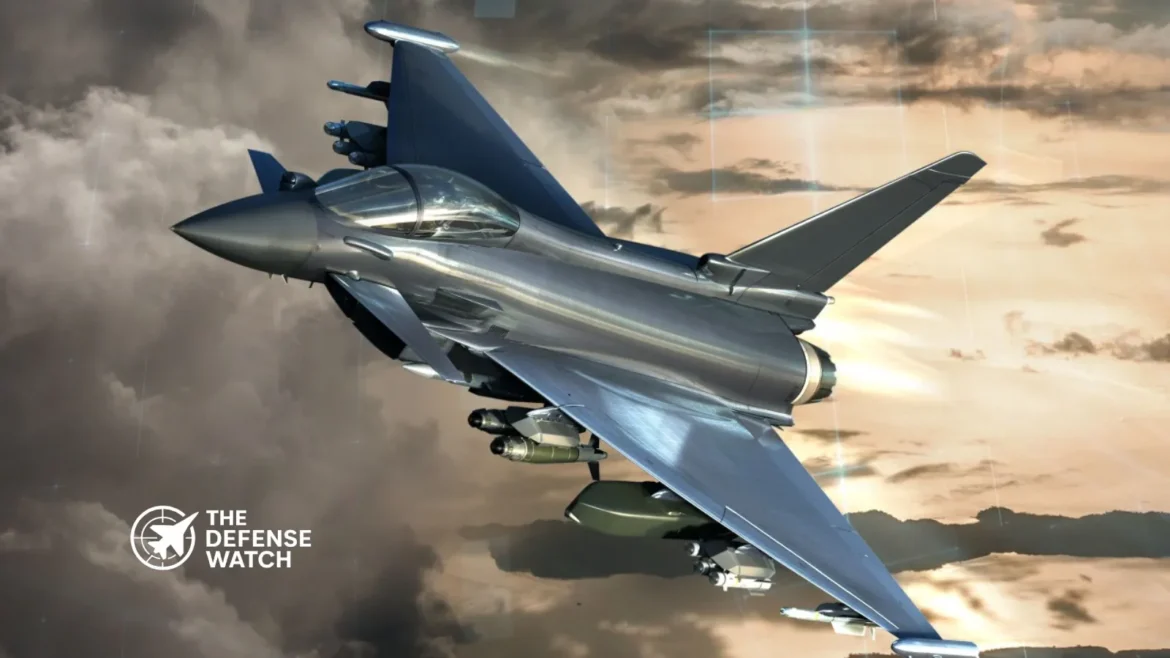
The NATO Eurofighter and Tornado Management Agency (NETMA) has officially signed a contract with Eurofighter GmbH to advance the Aerodynamic Modification Kit (AMK), representing a significant milestone in the ongoing modernization of the Eurofighter Typhoon fleet. The Eurofighter Aerodynamic Modification Kit is designed to substantially enhance the aircraft’s maneuverability and combat effectiveness through comprehensive aerodynamic improvements.
(adsbygoogle = window.adsbygoogle || []).push({});According to official statements from Eurofighter, the newly signed agreement enables the progression of the AMK program, which aims to integrate advanced aerodynamic features onto the multi-role fighter platform. The contract signing demonstrates continued commitment from the four partner nations—Germany, Italy, Spain, and the United Kingdom—to maintain the Typhoon’s competitive edge in modern air combat scenarios.
Understanding the Aerodynamic Modification Kit
The NETMA Eurofighter AMK contract focuses on developing and implementing fuselage-mounted strakes and leading-edge root extensions that significantly improve the aircraft’s aerodynamic performance. These modifications are specifically engineered to enhance agility during close-range combat scenarios and improve overall handling characteristics across the flight envelope.
Industry sources indicate the Aerodynamic Modification Kit will provide measurable improvements in lift generation, vortex control, and sustained turn rates—critical parameters for air superiority operations. The AMK builds upon the Typhoon’s already formidable aerodynamic design, which features a delta-wing canard configuration optimized for high maneuverability.
The contract represents a continuation of efforts to ensure Eurofighter Typhoon fighters remain technologically relevant amid evolving threat environments. Defense analysts note that aerodynamic enhancements complement ongoing avionics and weapons system upgrades already underway across the Typhoon fleet.
Strategic Importance for European Air Power
The Typhoon fighter jet upgrades under the AMK program align with broader European defense modernization priorities. With over 550 Eurofighter Typhoons delivered to eight nations, the platform serves as a cornerstone of European air defense capabilities. The AMK contract ensures these aircraft can effectively counter advanced adversary fighters well into the 2030s and beyond.
NETMA, which manages procurement and support for the Eurofighter program on behalf of partner nations, emphasized that the contract reflects collaborative commitment to maintaining operational superiority. The agency coordinates acquisition activities for Germany’s Luftwaffe, Italy’s Aeronautica Militare, Spain’s Ejército del Aire, and the United Kingdom’s Royal Air Force.
Germany currently operates approximately 140 Eurofighter Typhoons, while the United Kingdom fields around 160 aircraft. Italy and Spain maintain fleets of approximately 96 and 73 aircraft respectively. Additional export customers including Saudi Arabia, Austria, Kuwait, Oman, and Qatar also operate the platform.
Technical Development and Testing Timeline
While specific contract values and delivery schedules remain undisclosed, the Eurofighter combat capabilities enhancement program typically follows a structured development pathway. Initial design work and wind tunnel testing precede flight testing and eventual fleet integration.
Previous Eurofighter upgrade contracts have demonstrated timelines ranging from 24 to 48 months from contract signature to initial operational capability, depending on modification complexity. The AMK program is expected to follow similar development protocols, with prototype testing likely preceding any fleet-wide installation campaign.
Eurofighter GmbH, headquartered in Munich, Germany, serves as the industrial prime contractor for the program. The company coordinates work share among the four partner nations’ aerospace industries: BAE Systems (United Kingdom), Airbus Defence and Space (Germany and Spain), and Leonardo (Italy).
Broader Context of Fighter Aircraft Modernization
The European fighter aircraft modernization effort extends beyond aerodynamic improvements. Concurrent upgrade programs address radar systems, electronic warfare capabilities, weapons integration, and cockpit systems. The AMK contract complements these parallel initiatives to deliver a comprehensively enhanced platform.
Recent years have seen increasing emphasis on extending the operational lifespan of fourth-generation fighters like the Typhoon while next-generation platforms remain in development. The Future Combat Air System (FCAS), a joint French-German-Spanish program, and the UK-led Tempest initiative represent long-term replacements but won’t achieve operational status until the 2030s at earliest.
This timeline necessitates continuous Typhoon improvements to bridge the capability gap. Aerodynamic enhancements provide cost-effective performance gains without requiring extensive structural redesign or entirely new aircraft acquisitions.
Industry and Defense Community Response
Defense industry observers view the NETMA Eurofighter AMK contract as confirmation of sustained investment in the Typhoon platform despite economic pressures facing European defense budgets. The signing demonstrates political will among partner nations to fund modernization rather than accept capability degradation.
(adsbygoogle = window.adsbygoogle || []).push({});Aviation Week has previously reported that aerodynamic modifications can deliver substantial performance improvements at relatively modest cost compared to entirely new aircraft development. The AMK approach allows partner nations to maximize return on existing platform investments.
Competitor platforms including the Dassault Rafale, Boeing F-15EX, and Lockheed Martin F-35 continue advancing their own capabilities, creating competitive pressure for Typhoon operators to pursue continuous improvement. The AMK program helps ensure the Eurofighter remains operationally relevant in this contested environment.
Implications for Allied Air Forces
For U.S. defense planners and NATO strategists, European fighter aircraft modernization directly impacts alliance air power availability and interoperability. Enhanced Eurofighter Typhoon capabilities strengthen collective defense posture, particularly given the aircraft’s significant presence across European NATO members.
The United States maintains close cooperation with European allies on air combat doctrine, training, and operations. Improved Typhoon performance enhances potential coalition operations and burden-sharing arrangements within the alliance framework.
Joint exercises including Red Flag, Ramstein Apex, and various NATO air policing rotations regularly involve Eurofighter Typhoons operating alongside U.S. Air Force assets. Platform capability improvements benefit overall alliance readiness and effectiveness in these collaborative contexts.
Looking Ahead
The Eurofighter Aerodynamic Modification Kit contract represents one element in a comprehensive modernization roadmap extending through the 2030s. Partner nations continue evaluating additional enhancement opportunities including improved sensors, advanced weapons integration, and network-centric warfare capabilities.
(adsbygoogle = window.adsbygoogle || []).push({});As geopolitical tensions persist and air combat technology rapidly evolves, sustained investment in proven platforms like the Typhoon provides European nations with credible deterrent capabilities while next-generation systems mature. The AMK program demonstrates pragmatic balancing of near-term readiness requirements against long-term modernization objectives.
Defense industry sources anticipate additional contract announcements in coming months as various Typhoon upgrade initiatives progress through development phases. The AMK program will likely serve as a template for collaborative modernization approaches across the four-nation partnership.
Turkish-Saudi Defense Partnership Eyes Kaan Fighter Jet Investment
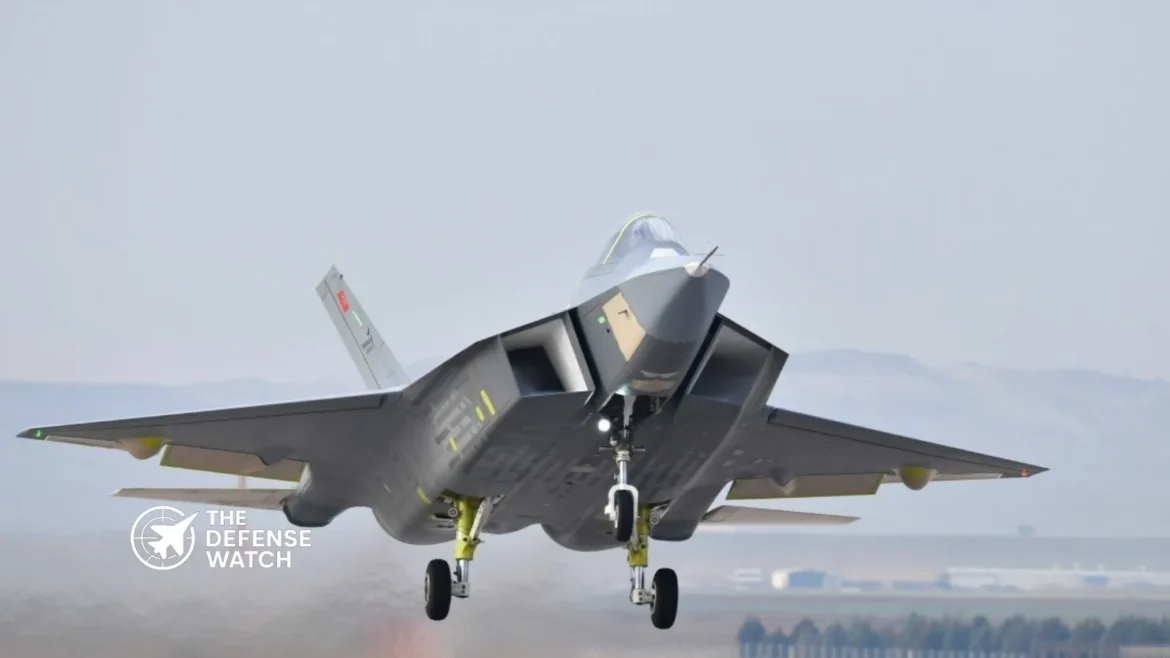
The Kaan fifth-generation fighter jet could become the centerpiece of expanded defense cooperation between Turkey and Saudi Arabia, according to Turkish President Recep Tayyip Erdogan. Speaking to reporters on February 5, 2026, during his return from Cairo, Erdogan indicated that the homegrown stealth aircraft has attracted significant interest from Riyadh and that a joint investment partnership could materialize in the near future.
(adsbygoogle = window.adsbygoogle || []).push({});“We have received a lot of positive feedback on Kaan,” Erdogan stated, according to Anadolu Agency. “There is a joint investment with Saudi Arabia in this area, and we can implement this partnership at any moment.”
The announcement follows Erdogan’s two-day diplomatic tour to Saudi Arabia and Egypt, where defense industry cooperation featured prominently in bilateral discussions. Both Ankara and Riyadh signed what Erdogan described as “major” defense industry cooperation agreements, with Turkey expressing determination to expand these partnerships further.
Kaan: Turkey’s Indigenous Fifth-Generation Fighter
The Kaan fighter jet, developed by Turkish Aerospace Industries (TAI), represents Turkey’s most ambitious aerospace project to date. First publicly unveiled in 2023, the aircraft completed its maiden test flight in early 2024 and is scheduled to enter serial production in 2028.
Erdogan emphasized the strategic significance of the program beyond its military applications. Kaan is not just a fighter jet,” the Turkish president asserted. “Kaan is a symbol of Turkey’s engineering capabilities and independent defense will.
The fifth-generation stealth aircraft incorporates advanced avionics, low-observable technology, and modern weapons systems designed to compete with established platforms like the F-35 Lightning II and European fighter programs. Turkey’s development of the Kaan accelerated following Ankara’s removal from the F-35 program in 2019.
Growing Defense Ties Between Ankara and Riyadh
Turkey-Saudi Arabia defense cooperation has strengthened significantly in recent years as both nations pursue greater strategic autonomy and regional influence. The potential partnership on the Kaan program would mark the latest development in expanding bilateral defense ties.
During his visit to Saudi Arabia, Erdogan highlighted alignment between Turkey’s “Century of Turkey” vision and Saudi Arabia’s Vision 2030 development program. Beyond defense, the countries signed an energy agreement worth approximately $2 billion to construct two solar power plants in Turkey’s Sivas and Karaman provinces, with a combined capacity of 2,000 megawatts.
“We have deep-rooted relations with Saudi Arabia that have cultural and historical dimensions,” Erdogan said. The progress our country has made in the field of defense industry is being followed with interest by Saudi Arabia, as it is by the whole world.
International Market for Turkish Defense Systems
The potential Saudi investment in the Kaan fighter jet would follow Indonesia’s commitment to purchase up to 48 aircraft under an agreement signed by TAI in June 2024. The Indonesian deal makes the Southeast Asian nation the first confirmed international customer for the advanced fighter.
Turkey’s defense industry has experienced rapid growth over the past decade, with domestically produced systems gaining international recognition. Turkish-made Bayraktar TB2 unmanned aerial vehicles have seen operational success in multiple conflicts, while naval platforms and armored vehicles have attracted buyers across Africa, the Middle East, and Asia.
We are primarily focused on meeting our own needs in the defense industry,” Erdogan explained. “In addition, we also strive to meet the needs of our friends and brothers. We are signing important cooperation agreements with Saudi Arabia in the field of defense industry and we are determined to develop this further.”
Regional Defense Dynamics
The expanding Turkey-Saudi Arabia defense cooperation reflects broader shifts in Middle Eastern security arrangements. Both nations have positioned themselves as major military and economic powers pursuing independent defense capabilities and regional leadership.
(adsbygoogle = window.adsbygoogle || []).push({});Turkey has invested heavily in indigenous defense production, reducing reliance on Western suppliers while building export markets. The country’s defense and aerospace sectors have achieved global recognition, with products ranging from armored vehicles and naval vessels to sophisticated electronic warfare systems and precision-guided munitions.
Saudi Arabia, meanwhile, seeks to diversify its defense procurement and develop domestic military industries under Vision 2030. Riyadh has historically relied on American and European suppliers but is increasingly exploring partnerships with emerging defense producers including Turkey, South Korea, and others.
Strategic Implications
A joint Turkish-Saudi investment in the Kaan program could accelerate development timelines, share production costs, and create new export opportunities. For Turkey, Saudi financial backing would provide additional resources for a capital-intensive program. For Saudi Arabia, partnership in a fifth-generation fighter program aligns with ambitions to develop indigenous aerospace capabilities.
The cooperation also signals potential coordination between two NATO partners (Turkey) and key U.S. regional allies (Saudi Arabia) on advanced military technology, independent of traditional Western suppliers.
Erdogan’s comments suggest negotiations are advanced, though specific details regarding investment amounts, production sharing, or technology transfer arrangements have not been disclosed. Turkish officials have indicated that formal announcements could follow pending finalization of technical and financial terms.
Looking Ahead
With serial production scheduled to begin in 2028, the Kaan program is entering a critical phase. Securing additional international partners and customers will be essential for program sustainability and export success.
(adsbygoogle = window.adsbygoogle || []).push({});Turkey’s growing defense cooperation with both Saudi Arabia and Egypt, underscored by Erdogan’s recent diplomatic tour, suggests Ankara is positioning itself as a key defense supplier to Middle Eastern nations seeking alternatives to traditional suppliers.
As global defense markets evolve and regional powers pursue greater self-sufficiency, partnerships like the potential Turkish-Saudi collaboration on the Kaan fighter jet may represent a new model for defense cooperation among emerging military powers.
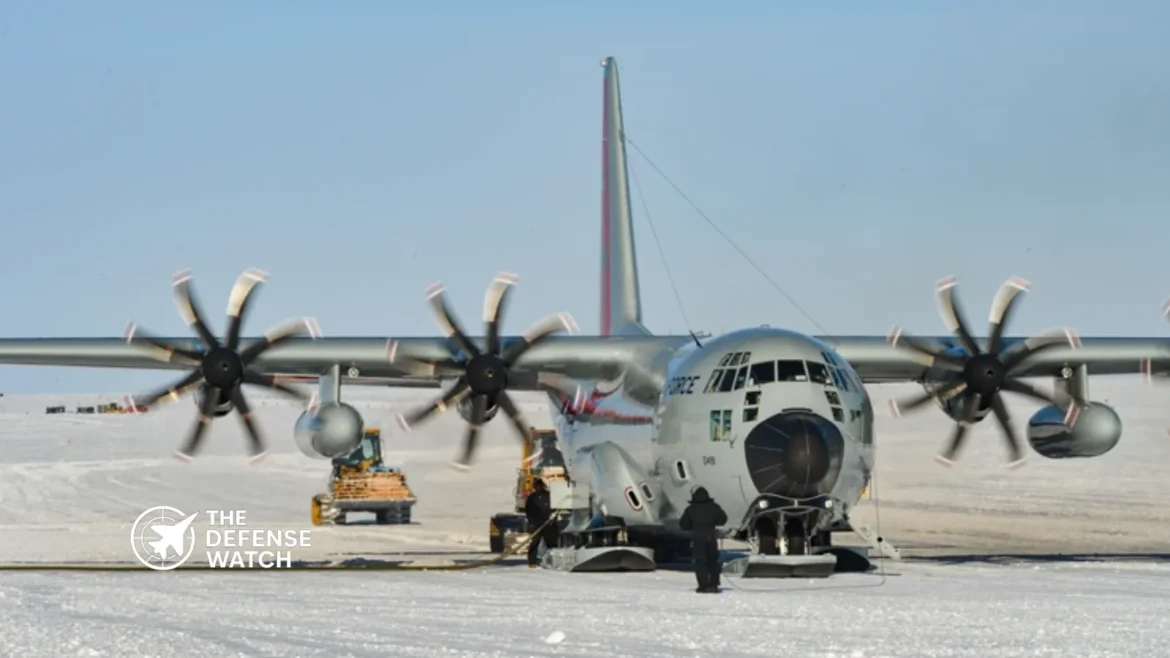
The RAF Antarctic mission has reinforced UK Chile cooperation by delivering personnel and equipment in support of operations on the southern continent. The flight, conducted by the Royal Air Force in coordination with Chilean partners, highlights the growing role of military aviation in sustaining Antarctic presence while strengthening defense relationships between London and Santiago.
According to reporting by UK Defence Journal and official statements from the UK Ministry of Defence, the mission focused on logistical support rather than combat activity, aligning with international agreements governing Antarctic operations.
Strategic Context of the RAF Antarctic Mission
The RAF Antarctic mission forms part of a wider UK effort to maintain reliable access to Antarctica, a region critical for scientific research, climate monitoring, and international cooperation. The United Kingdom has maintained a continuous Antarctic presence for decades, primarily through the British Antarctic Survey, with military aviation providing essential lift capability.
Chile plays a central role in Antarctic logistics due to its geographic proximity and established infrastructure. Cooperation between the RAF and the Chilean Air Force allows both nations to operate more efficiently in extreme environments where weather, distance, and limited infrastructure create persistent challenges.
Authoritative sources including the UK Ministry of Defence have emphasized that such missions are routine but strategically important, ensuring continuity of research and adherence to international obligations.
Aircraft and Capabilities Used
The mission was conducted using RAF transport aircraft optimized for long range and austere environment operations. While specific aircraft details were not fully disclosed, the RAF regularly employs platforms such as the A400M Atlas and C 130 variants for polar logistics.
These aircraft provide key advantages for Antarctic missions:
• Long range endurance suitable for intercontinental flights
• Ability to operate from semi prepared or icy runways
• High payload capacity for personnel, fuel, and scientific equipmentThe operation also demonstrated interoperability with Chilean facilities, including shared planning, ground support, and coordination procedures.
UK Chile Defense and Aviation Cooperation
UK Chile cooperation in Antarctica reflects a broader defense relationship that includes training exchanges, professional military education, and joint exercises. Chile has extensive experience operating in polar conditions and maintains multiple Antarctic bases, making it a valuable partner for allied nations with research and logistical interests in the region.
For the UK, cooperation with Chile enhances operational resilience while reducing costs and risks associated with unilateral operations in extreme environments. For Chile, collaboration with a NATO member reinforces international partnerships and technical exchange.
Defense analysts note that these activities remain consistent with the Antarctic Treaty System, which promotes peaceful use, scientific cooperation, and transparency.
Importance of Antarctica for Defense and Security Planning
While Antarctica is governed by strict international agreements, defense planners increasingly view polar logistics as a test bed for operating in extreme conditions. Skills developed during Antarctic missions translate directly to humanitarian assistance, disaster response, and high latitude operations elsewhere.
The RAF Antarctic mission demonstrates the service’s ability to project air mobility across vast distances, coordinate with foreign partners, and sustain operations in some of the harshest conditions on Earth.
Official Statements and Sources
The UK Ministry of Defence confirmed that the mission supported cooperative Antarctic activity and reinforced bilateral ties with Chile. Chilean defense authorities echoed the emphasis on logistics and scientific support, noting the value of shared expertise in polar aviation.
UK Defence Journal reported that the mission represents a continuation of established cooperation rather than a new policy shift, underscoring stability and predictability in UK Antarctic engagement.
Outlook for Future Antarctic Cooperation
Looking ahead, UK Chile cooperation in Antarctica is expected to continue as both nations maintain commitments to scientific research and responsible presence on the continent. Military aviation will remain a key enabler, particularly as climate conditions place greater demands on logistics and infrastructure.
The RAF Antarctic mission serves as a practical example of how defense capabilities support broader national objectives without undermining the peaceful framework governing Antarctica.
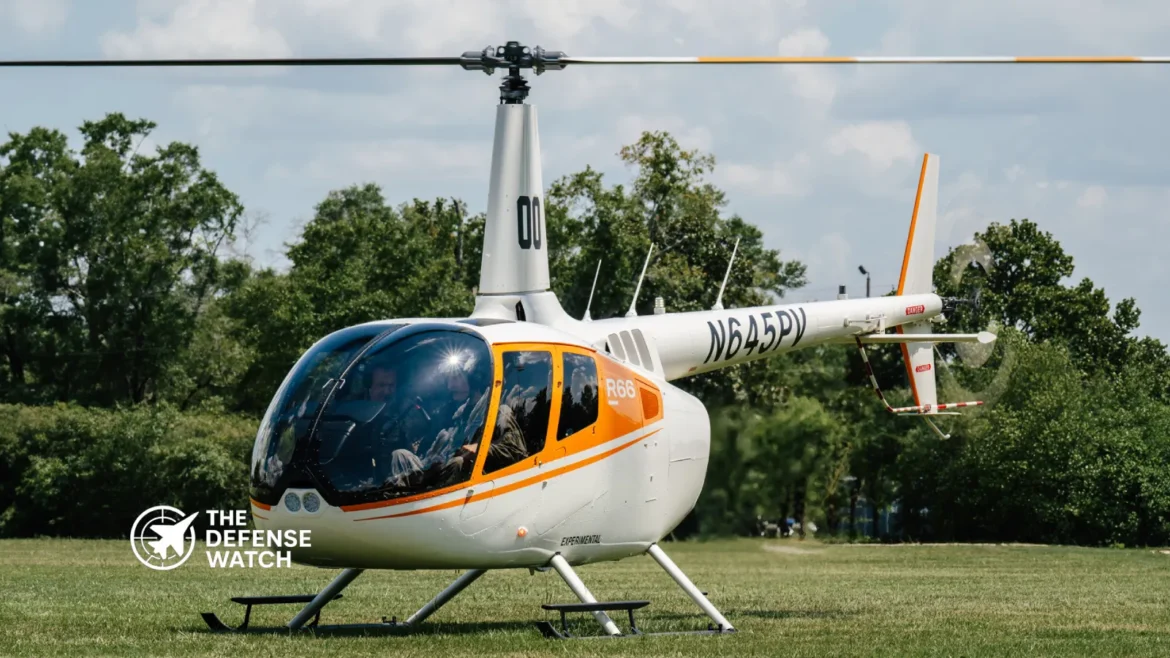
Lockheed Martin has been selected to advance to Phase III of the U.S. Army’s Flight School Next competition, marking a significant milestone in the service’s effort to modernize its Initial Entry Rotary-Wing training program. The defense contractor announced February 4 that it has partnered with Robinson Helicopter Company to provide the R66 NxG helicopter as the primary training platform for the Army’s next-generation aviator pipeline. The move positions Lockheed Martin as a frontrunner in reshaping how the Army trains its helicopter pilots, leveraging proven commercial aviation technology adapted for military instruction.
Phase III Selection Validates Training System Approach
The Army’s decision to move Lockheed Martin forward in the Flight School Next competition reflects confidence in the company’s comprehensive training solution. According to company officials, Lockheed Martin is competing as the prime training systems integrator, responsible for designing, delivering, and operating the entire IERW Flight School Next enterprise.
We are grateful for the Army’s confidence in our Flight School Next solution to move on to Phase III,” said Todd Morar, vice president of Air and Commercial Solutions at Lockheed Martin. “For years we have been refining a comprehensive solution that aligns with the Army’s vision for a modern, affordable and high-quality training pipeline that will produce fundamentally better aviators.”
The Flight School Next program represents the Army’s initiative to overhaul its rotary-wing pilot training system, which has remained largely unchanged for decades. The service seeks to modernize training methods, reduce costs, and increase throughput while maintaining or improving aviator quality.
Robinson R66 NxG Selected as Training Platform
Lockheed Martin’s selection of the Robinson R66 NxG helicopter represents a departure from traditional military training aircraft. Robinson Helicopter Company, recognized as the world’s leading manufacturer of civil helicopters, will provide a fleet of R66 NxG aircraft along with spare parts, technical support, and dedicated training services.
The R66 NxG builds on Robinson’s proven commercial R66 airframe while incorporating modern upgrades specifically tailored for Army aviator training requirements. The selection emphasizes cost-effectiveness and reliability—two critical factors as the Army seeks to expand its pilot production capacity within budget constraints.
“Our selection of Robinson brings a safe, proven and innovative platform to the table,” Morar stated. “We are fully committed to getting this right for the Army—investing the time, expertise and technology needed to accelerate IERW training and ensure aviators are prepared for their next mission.”
David Smith, president and CEO of Robinson Helicopter Company, emphasized the platform’s alignment with Army requirements. “The R66 offers a modern, American-made solution that ensures readiness at a fraction of the current cost,” Smith said. “Its simple, responsive flight characteristics are crucial for mastering the fundamental stick-and-rudder skills necessary for any situation, ensuring we can support the Army’s stringent criteria for Flight School Next.”
Comprehensive Training System Integration
Lockheed Martin’s Flight School Next proposal extends beyond aircraft provision to encompass a complete training ecosystem. The company’s responsibilities include training system architecture, performance monitoring, supply-chain management, and delivery of advanced modeling and simulation supporting both live-flight and synthetic training environments.
This approach mirrors successful international programs Lockheed Martin has delivered, including the U.K. Military Flight Training System, Australia’s AIR5428 Pilot Training System, and Singapore’s Basic Wings Course. These programs demonstrate the company’s capability to produce proficient aviators in required quantities at controlled costs—objectives that align directly with the Army’s Flight School Next goals.
The integration of advanced simulation technology represents a key component of the modernized training pipeline. By blending live-flight instruction with high-fidelity synthetic environments, the Army aims to maximize training efficiency while reducing operational costs and environmental impacts associated with traditional flight training.
Industry Context and Competition
The Flight School Next competition has attracted significant industry attention as the Army seeks to address pilot production challenges. Current training systems face capacity constraints and aging infrastructure that limit the service’s ability to meet growing demand for rotary-wing aviators across multiple platforms, including the UH-60 Black Hawk, AH-64 Apache, and future vertical lift aircraft.
Phase III of the competition represents a critical juncture where competing contractors must demonstrate their ability to deliver comprehensive training solutions that meet rigorous Army performance standards. The selection process evaluates factors including training effectiveness, cost, schedule, and industrial base sustainability.
Lockheed Martin’s advancement to Phase III, combined with its Robinson partnership announcement, signals the company’s readiness to move forward with detailed system development and demonstration activities. The contractor’s existing portfolio of training systems provides a foundation of relevant experience that may prove advantageous as the competition progresses.
Strategic Implications for Army Aviation
The Flight School Next program carries strategic importance for Army aviation readiness. Efficient, effective pilot training directly impacts the service’s ability to maintain operational capability across its rotary-wing fleet. Modernizing the training pipeline could enable the Army to increase pilot production, reduce training timelines, and improve aviator proficiency entering operational units.
The selection of a commercial helicopter derivative as the training platform reflects broader trends in military aviation toward leveraging mature civil technologies where appropriate. This approach can reduce development risk, lower acquisition costs, and benefit from established supply chains and maintenance infrastructure.
Industry analysts note that successful implementation of Flight School Next could serve as a model for other aviation training modernization efforts across the Department of Defense. The program’s emphasis on simulation integration, performance-based contracting, and comprehensive systems integration represents contemporary approaches to military training transformation.
Next Steps in Competition
With Phase III selection confirmed, Lockheed Martin will proceed with detailed demonstration and validation activities under Army oversight. The service will evaluate competitor proposals across multiple criteria before making final source selection decisions.
The timeline for final contract award remains subject to Army program office decisions and budgetary considerations. However, the urgency of addressing pilot production shortfalls suggests the service will maintain momentum toward implementation.
For Lockheed Martin and Robinson Helicopter, Phase III represents an opportunity to prove their integrated solution can meet Army requirements while delivering promised cost and performance benefits. The partnership between a major defense prime and a leading commercial helicopter manufacturer creates a unique value proposition emphasizing proven technology, affordability, and industrial capability.
Algeria’s Su-35 Acquisition Now Visually Confirmed
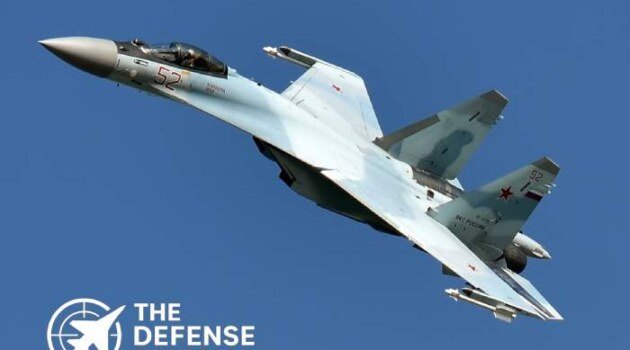
A photograph published in early February 2026 provides the first visual confirmation that Algeria has begun receiving Russian-built Sukhoi Su-35 multirole fighter aircraft. The image, circulated on the Force DZ Forum, shows an Su-35 on the ground bearing Algerian Air Force roundels on its vertical tail, ending years of speculation about the pending transfer.
(adsbygoogle = window.adsbygoogle || []).push({});Neither Algerian defense officials nor Moscow have publicly acknowledged the delivery. However, the visual evidence has already prompted renewed scrutiny from U.S. policymakers regarding Algeria’s expanding military relationship with Russia and potential sanctions under the Countering America’s Adversaries Through Sanctions Act (CAATSA).
The confirmation follows earlier reporting in March 2025 indicating that the Algerian Air Force had begun operating the Su-35 from Oum Bouaghi Air Base. Algeria now appears positioned to become one of the few foreign operators of the advanced fighter, joining Russia and China.
Strategic Context: From Egypt to Algeria
Reports indicate that at least some aircraft delivered to Algeria were originally manufactured for Egypt, which ordered the Su-35 in 2018 but withdrew under Western economic and political pressure. These airframes were subsequently redirected, with discussions about potential transfer to Iran not materializing before Tehran confirmed its own separate Su-35 purchase in January 2025.
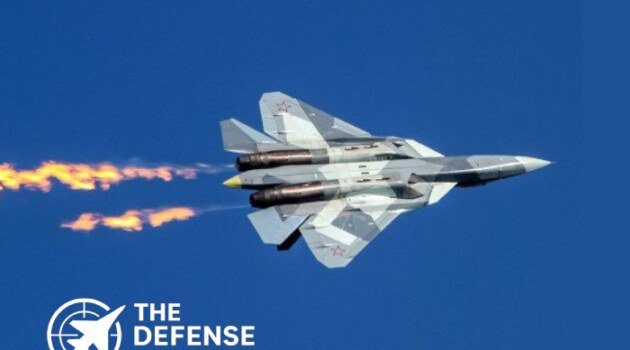
For Algeria, the Su-35 acquisition represents less of a standalone procurement and more of a bridging capability. Defense analysts suggest the decision is linked to delays in Su-57 production schedules, positioning the Su-35 as an interim solution that maintains operational readiness while awaiting next-generation fighter capabilities.
This procurement logic aligns with Algeria’s broader strategic requirements: maintaining credible air superiority is essential for deterrence across the Maghreb region and signals strategic autonomy toward both regional rivals and external powers.
Technical Capabilities: Advanced 4++ Generation Platform
The Su-35 represents a significant evolution from earlier Flanker variants. Rooted in the Su-27M development line and incorporating lessons from the thrust-vectoring Su-37 demonstrator, the aircraft features several advanced characteristics:
Propulsion and Performance
- Twin AL-41F-1S turbofan engines with thrust vectoring
- Maximum speed approximately Mach 2.25
- Combat radius exceeding 1,600 km
- Ferry range up to 3,600 km with external tanks
- 9-g maneuvering capability for high-intensity air combat
Avionics and Sensors
- Irbis-E passive electronically scanned array (PESA) radar with detection ranges exceeding 350 km
- Secondary radar arrays in wing roots for improved detection geometry
- Fully digital glass cockpit
- Advanced electronic warfare suite
Weapons Integration
- 30mm GSh-30-1 cannon
- R-77 and R-73 air-to-air missiles
- Kh-31 and Kh-59 air-to-surface missiles
- KAB-500 and KAB-1500 precision-guided munitions
- Payload capacity exceeding 8,000 kg across 14 hardpoints
The airframe incorporates increased use of lightweight composite materials, reinforced internal structures, and removes the canards seen on Su-30MKI configurations, relying instead on thrust-vectoring for extreme agility without aerodynamic penalties.
Integration with Existing Fleet
The Algerian Air Force currently operates more than 70 Su-30MKA fighters acquired from 2006, which form the backbone of the nation’s combat aviation. The Su-30MKA itself is a mature platform featuring phased array radar and thrust-vectoring engines, supporting air defense, strike, and reconnaissance missions.
The Su-35 represents a logical extension of this Russian-origin ecosystem, integrating seamlessly with existing training programs, tactical doctrines, weapons systems, and sustainment infrastructure. Some reports suggest Algeria may consider upgrading portions of its Su-30MKA fleet using Su-35-derived components such as engines or radar systems, reducing logistical fragmentation while incrementally improving overall fleet performance.
Operational Impact on Regional Air Power Balance
The Su-35 integration fundamentally changes Algeria’s ability to structure air operations. The fighter’s long-range detection and engagement capabilities support layered air defense extending beyond national borders, including forward combat air patrols designed to intercept threats earlier and under more favorable conditions.
Key operational advantages include:
Extended Reach: Long-range radar performance and passive detection channels enable engagement shaping before visual range encounters
Escort Capability: Advanced fighters can sanitize corridors and pressure opposing aircraft operating from standoff distances
(adsbygoogle = window.adsbygoogle || []).push({});Deterrence Value: The aircraft complicates adversary assumptions about survivability, response time, and freedom of action in contested airspace
Multi-Role Flexibility: Weapons carriage options and sensor suite enable tailored loadouts for defensive counter-air, maritime strike support, or deep interdiction missions
In the Maghreb context, these capabilities matter significantly for deterrence calculations, as they alter the strategic calculus for potential adversaries throughout North Africa and the Mediterranean.
U.S. Concerns and CAATSA Implications
The visual confirmation has drawn immediate attention in Washington. During testimony before the Senate Foreign Relations Committee, Robert Palladino, head of the State Department’s Bureau of Near Eastern Affairs, stated that U.S. authorities view the reports with concern and are assessing them seriously.
Palladino explicitly referenced CAATSA, the U.S. legal framework designed to impose costs on certain defense transactions involving Russia. He noted that deals of this nature can trigger sanctions decisions, while emphasizing that the United States continues to work with the Algerian government where interests align, often through private diplomatic channels.
The warning is calibrated but direct: fighter acquisitions from Russia are not treated as neutral procurement decisions by Washington.
Strategic Dilemma: Capability vs. Consequences
For Algeria, the Su-35 acquisition creates a familiar strategic dilemma. Russian combat aircraft offer performance and delivery pathways that many customers find attractive, but they come with secondary effects across multiple domains:
Financial Implications: Potential banking restrictions, insurance complications, and currency exchange limitations under sanctions regimes
Sustainment Challenges: Aircraft require ongoing support including training pipelines, spare parts ecosystems, munitions stockpiles, depot-level maintenance arrangements, and contractor support
Future Modernization: Sanctions environments can complicate avionics upgrades or integration of non-Russian weapons systems
Diplomatic Costs: CAATSA implementation could affect broader cooperation areas including counterterrorism coordination, Mediterranean security, and regional crisis management
At the same time, the visible presence of an Su-35 bearing Algerian markings demonstrates that Moscow’s defense exports retain significant traction despite Western isolation efforts. The platform sustains Russian influence through systems that can measurably reconfigure regional military balances while tightening the connection between procurement decisions and strategic alignment.
Regional Security Implications
Algeria’s Su-35 acquisition occurs within a complex regional security environment. The nation faces ongoing counterterrorism challenges in the Sahel, maintains territorial disputes with Morocco over Western Sahara, and seeks to project influence across North Africa and the Mediterranean.
The advanced fighter capability provides Algeria with several strategic advantages:
Air Superiority: Establishes credible deterrence against regional competitors Border Security: Enhanced surveillance and rapid response capabilities across extensive territory Energy Infrastructure Protection: Secures critical oil and gas installations Counter-Terrorism: Supports intelligence, surveillance, and reconnaissance operations
(adsbygoogle = window.adsbygoogle || []).push({});However, the Russian procurement also signals Algeria’s resistance to Western pressure on defense acquisition decisions, reinforcing its non-aligned foreign policy stance despite potential economic consequences.
Looking Ahead: Transition to Fifth Generation?
The Su-35 may represent a transitional capability for Algeria. Persistent speculation surrounds potential future acquisition of the Su-57 fifth-generation fighter, with the Su-35 serving as an interim solution maintaining operational readiness during Su-57 production delays.
This phased approach would allow Algeria to:
- Maintain continuous air superiority capability
- Develop expertise with advanced Russian systems
- Prepare infrastructure and training for next-generation platforms
- Sustain strategic relationships with Moscow
The question remains whether CAATSA sanctions will meaningfully alter Algeria’s defense procurement trajectory or simply solidify its orientation toward non-Western suppliers.
Conclusion
The visual confirmation of Algeria’s Su-35 acquisition marks a significant milestone in North African military aviation and regional power dynamics. The advanced fighter substantially enhances Algeria’s air combat capabilities while potentially exposing the nation to U.S. sanctions under CAATSA.
As Algeria integrates these aircraft into its operational fleet, the strategic implications will extend beyond military capability to encompass diplomatic relations, regional security calculations, and the broader competition between Western and Russian influence in North Africa.
The coming months will reveal whether Washington follows through on sanctions warnings and how Algeria navigates the complex intersection of military modernization requirements and international political pressures.