Thailand Moves to Buy Eight More Gripen E/F Fighters in Single Procurement
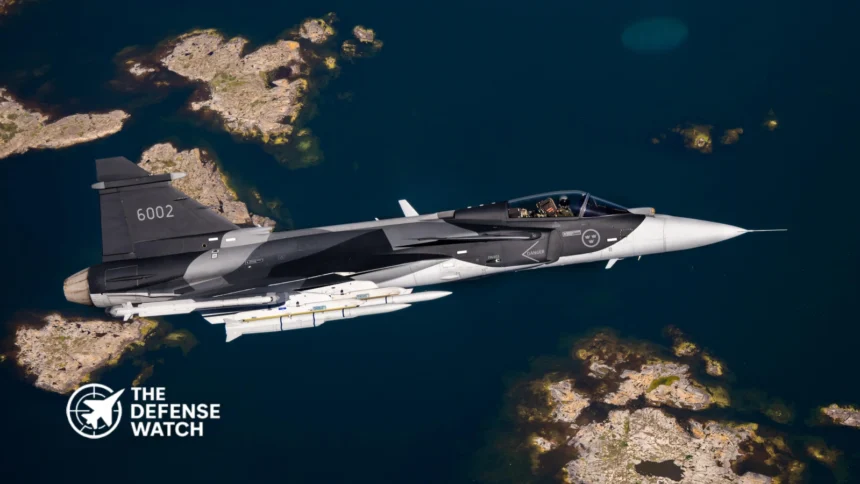
Thailand is preparing to accelerate its Saab Gripen E/F fighter acquisition by combining two planned procurement phases into a single purchase of eight aircraft. The Royal Thai Air Force (RTAF) says the revised approach is intended to reduce the risk of a fighter capability gap as older F-16 aircraft approach retirement.
An RTAF spokesperson confirmed the revised procurement plan to Janes on November 26, 2026. Under the proposal, the service would acquire the remaining eight fighters together rather than purchasing them in two separate batches of four.
Budget preparation is scheduled for 2027, with the project expected to begin in 2028. The proposal has not yet become a signed contract or an approved additional aircraft order.
The eight aircraft would join four Gripen E/F fighters already ordered from Sweden in August 2025, bringing the planned fleet to 12 aircraft for a squadron tasked with replacing older F-16A/B Fighting Falcons.
Why Thailand Wants to Bring Forward the Purchase
The procurement change is closely connected to the Royal Thai Air Force’s fighter replacement schedule.
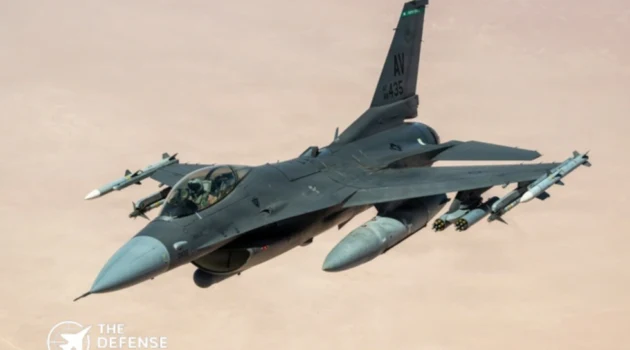
Thailand plans to replace its aging F-16A/B aircraft operated by 102 Squadron, Wing 1, at Korat Royal Thai Air Force Base in Nakhon Ratchasima.
According to the RTAF’s earlier procurement roadmap, the remaining eight aircraft were originally divided between two phases:
- Phase 2: Four aircraft, planned for 2028 to 2032.
- Phase 3: Four aircraft, planned for 2030 to 2034.
Combining these phases would bring forward the start of the third phase by approximately two years, according to Janes.
The earlier schedule aimed to have eight Gripen E/F fighters in service by 2032 and complete the 12-aircraft acquisition by 2034. The revised proposal seeks to reduce the time between the arrival of the new fighters and the retirement of older F-16s.
The timing is important because the first four Gripen E/F aircraft are expected to begin arriving in 2029, while F-16 retirements are planned from 2028. This creates a transition period in which Thailand must manage its available fighter numbers, training pipeline and operational readiness.
The First Four Fighters Are Already Under Contract
Thailand’s initial Gripen E/F procurement moved beyond aircraft selection in August 2025.
On August 25, Saab announced that it had received an order from the Swedish Defence Materiel Administration (FMV) for four aircraft for Thailand. The contract was valued at approximately SEK 5.3 billion.
The package includes:
- Three single-seat Gripen E fighters.
- One two-seat Gripen F fighter.
- Associated equipment.
- Training.
- Support and logistical provisions.
Saab stated that deliveries under the initial contract would take place between 2025 and 2030. The agreement also includes a long-term industrial offset package involving technology transfer and cooperation with Thai industry.
The distinction between the first and proposed purchases is important. The four-aircraft order is contracted, while the additional eight remain subject to budget preparation and government approval.
Thailand initially selected the Gripen E/F in June 2025. Saab confirmed the selection but clarified at the time that it had not yet received an order. The formal contract followed in August.
Why the Gripen Fits Thailand’s Existing Fighter Structure
Thailand is not starting a new relationship with the Swedish aircraft manufacturer.
The RTAF has operated Gripen C/D fighters since 2011. Its existing fleet comprises 11 aircraft, providing the service with experience in operating the Gripen family, maintaining its support infrastructure and training pilots for the aircraft.
The new Gripen E/F represents a more modern generation of the platform, rather than a completely unfamiliar aircraft entering Thai service.
The procurement also allows Thailand to retain an established relationship with Saab and Sweden while expanding its domestic defense-industrial cooperation.
The selection process previously considered the Gripen E/F against Lockheed Martin’s F-16 Block 70/72. According to the RTAF, its assessment included operational capability, continuity with existing aircraft and opportunities for industrial collaboration.
For Thailand, these factors extend beyond the aircraft’s flight performance. A fighter fleet requires trained personnel, spare parts, maintenance facilities, software support, weapons integration and sustained funding throughout its operational life.
Maintaining an existing Gripen infrastructure could reduce some transition requirements compared with introducing an entirely different aircraft family. However, the E/F variant will still require investment in training, equipment and maintenance arrangements.
A Larger Industrial Package Is Part of the Proposal
The financial and industrial dimensions are also important to the proposed acquisition.
According to The Nation’s November 25 reporting, Air Chief Marshal Sakesan Kantha outlined an overall Gripen program valued at approximately 60 billion Thai baht.
The air force chief also discussed 10 additional economic offset measures. He expects the benefits to Thailand to exceed the overall program value, although the specific projects and their financial contributions have not been publicly detailed.
The proposal has already been discussed with Prime Minister Anutin Charnvirakul, while an air force committee is preparing more detailed budget information.
The offset arrangements matter because Thailand is seeking more than imported aircraft. Technology transfer, industrial cooperation and domestic technical capabilities could support local participation in the fighter fleet’s maintenance and long-term sustainment.
However, expected economic benefits should not be confused with guaranteed savings or direct reductions in aircraft acquisition costs. The value of the proposed offsets will depend on their implementation and measurable results.
The Procurement Is Part of a Wider Fighter Modernization Plan
The Gripen acquisition is one element of Thailand’s longer-term effort to maintain three frontline fighter squadrons.
The Royal Thai Air Force White Paper 2024 identifies a fighter replacement project for the F-16 fleet assigned to 102 Squadron at Wing 1, Korat. It originally outlined an acquisition of 12 to 14 aircraft, including associated weapons, spare parts, training equipment and ground support systems.
The same document identifies a separate fighter replacement requirement for aircraft assigned to 403 Squadron at Wing 4, Takhli, with planning extending into the 2037 to 2046 period.
Air Chief Marshal Sakesan has also indicated that the service will need to consider replacement options for another fighter squadron within approximately five years. The F-35 remains among the aircraft being considered, although no selection has been announced.
This distinction matters. The Gripen purchase addresses one specific F-16 replacement requirement. It does not establish that Thailand has selected the Gripen for its entire future fighter fleet.
What the Accelerated Schedule Could Mean
Combining the remaining eight aircraft into one procurement project could simplify the acquisition process and help the RTAF plan its future squadron structure around a larger, more consistent fleet.
However, an earlier procurement decision does not automatically mean earlier operational availability.
Thailand will still need to complete budget approval, contract negotiations, aircraft production, delivery, pilot conversion training and the establishment of the necessary maintenance and logistical support.
The existing four-aircraft contract provides an initial foundation, but the additional eight fighters will require a separate procurement decision.
The central challenge is therefore not simply purchasing enough aircraft. It is ensuring that the new Gripen fleet becomes operational before the retirement of older F-16s creates a significant reduction in available combat aircraft.
For Thailand, the proposed eight-aircraft acquisition is an attempt to manage that transition while maintaining its planned three-squadron fighter structure. Whether the accelerated timetable can be achieved will depend on funding, government approval and the eventual delivery schedule.

Enjoying our coverage?
Make The Defense Watch a preferred source on Google to see more of our geopolitical and defense insights when relevant to you.