Serbian MiG-29 Fighter Crashes Near Belgrade, Killing Pilot
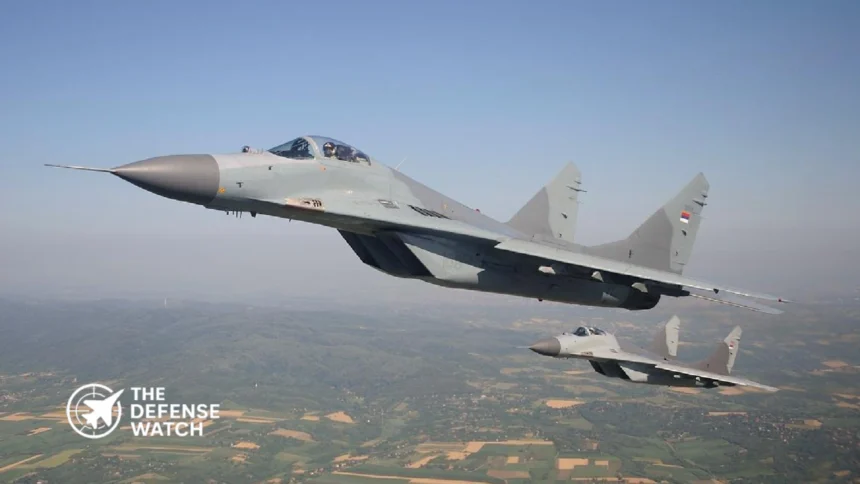
A Serbian Air Force MiG-29 fighter crashed near Stara Pazova, northwest of Belgrade, on November 17, 2026, killing its pilot and prompting two separate military investigations into the accident.
The aircraft belonged to the 204th Air Brigade of the Serbian Armed Forces. Serbia’s Ministry of Defence confirmed that Major Goran Bulajić died in the crash, which occurred at approximately 8:45 a.m. local time.
The accident raises questions about the condition and continued operation of Serbia’s Soviet-designed fighter fleet as the country prepares to introduce French-built Dassault Rafale aircraft into its air force.
What Happened Near Stara Pazova?
According to the Serbian Ministry of Defence, the MiG-29 went down in the vicinity of Stara Pazova, an area northwest of the capital.
Military police arrived at the crash site, and the competent prosecutor was notified. The ministry did not disclose the aircraft’s identification number, its mission, or the circumstances immediately preceding the accident.
Major Bulajić was born in Belgrade on March 25, 1973, and had served in the Serbian Armed Forces since 1996. He was 53 years old and is survived by two children, according to the ministry.
The Serbian defence leadership also issued condolences following his death.
At the time of the ministry’s announcement, authorities had not published a preliminary explanation for the accident. There was also no confirmed public information establishing whether mechanical failure, environmental conditions, or another factor contributed to the crash.
Two Investigations Launched
Serbia has established two separate investigative bodies to examine different aspects of the accident.
The first commission will investigate the circumstances surrounding the crash and determine whether there was any responsibility within the military organisation.
A separate expert commission from the Serbian Air Force has been tasked with establishing the technical cause of the accident.
The involvement of both bodies is important because an aircraft accident investigation must establish not only what happened but also whether operational procedures, maintenance practices, technical condition, or other factors contributed to the loss.
However, these remain areas for investigators to examine, not established explanations for this particular crash.
The ministry has not released findings, and no preliminary technical assessment has been made public.
Serbia’s MiG-29 Fleet Faces a Generational Transition
The crashed aircraft was part of Serbia’s MiG-29 fleet, which has served as the backbone of the country’s fighter aviation capability for decades.
The MiG-29, developed by the Soviet Union’s Mikoyan design bureau, was originally designed as a twin-engine air-superiority fighter. Its operational role includes intercepting hostile aircraft and defending national airspace.
Serbia expanded and modernised its fleet through military equipment transfers from Russia and Belarus.
In a September 2020 announcement, Serbia’s Ministry of Defence stated that the Serbian Armed Forces had 14 MiG-29 aircraft. The ministry described the fleet as including aircraft received from Russia in 2017 and additional aircraft donated by Belarus in 2019, which underwent modernisation work.
That figure is a historical official fleet disclosure, not confirmation of how many aircraft remain operational in November 2026.
The age and maintenance requirements of the aircraft are relevant to the investigation, but the age of the fleet alone does not establish the cause of this accident.
Rafale Acquisition Will Reshape Serbia’s Fighter Force
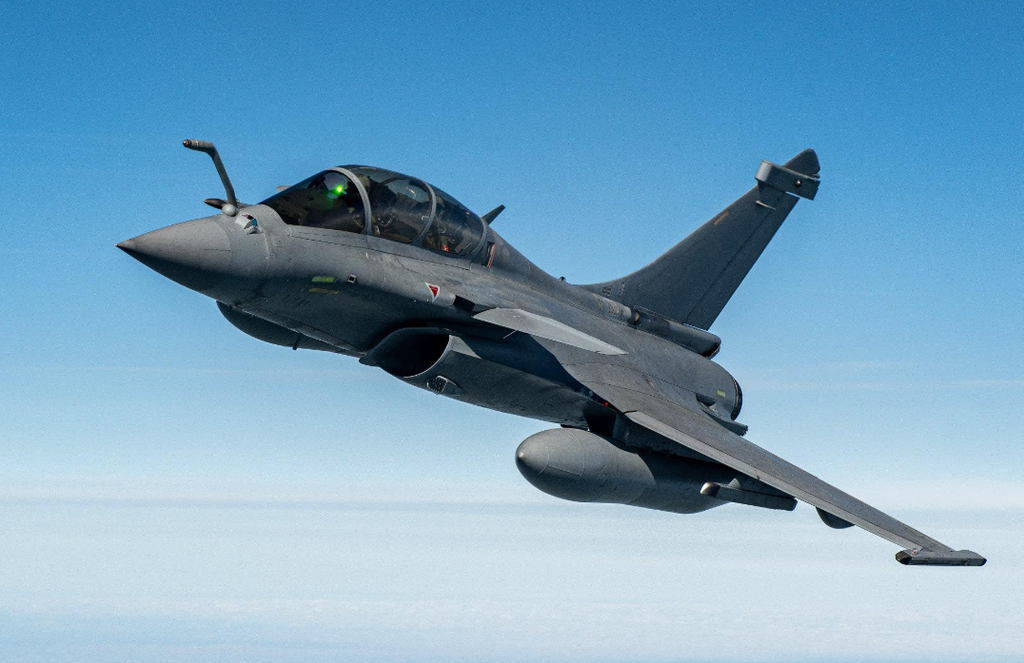
Serbia is already preparing for a major change in its combat aviation inventory through the acquisition of French Dassault Rafale fighters.
On August 29, 2024, Serbia signed a contract with Dassault Aviation for 12 new Rafale aircraft, together with associated equipment and services.
Serbia’s Ministry of Defence announced a total contract value of €2.7 billion.
The acquisition introduces a Western-designed multirole fighter into a fleet historically dependent on Soviet and Russian-origin aircraft.
The Rafale offers a different aircraft architecture, avionics environment, weapons integration framework, and maintenance ecosystem from the MiG-29. Its introduction will therefore require training, technical infrastructure, logistics arrangements, and integration work beyond simply receiving the aircraft.
The transition will also require Serbia to maintain sufficient fighter availability while preparing personnel and facilities for the new platform.
Reuters reported that deliveries were scheduled to begin in 2028. The Serbian government has not publicly established that the November 17 crash will accelerate the retirement of the remaining MiG-29 aircraft.
What the Crash Means for Serbian Air Force Readiness
The loss of a fighter aircraft and an experienced pilot is a serious operational setback, particularly for an air force maintaining a relatively small combat aircraft inventory.
However, the immediate effect on Serbia’s overall air defence readiness cannot be established from the information currently available.
The number of operational MiG-29s before the accident, the availability of reserve aircraft, and the current maintenance status of the fleet have not been disclosed in the ministry’s crash statement.
There is also no public evidence that the accident involved a broader fleet-wide technical problem.
For Serbia, the more immediate priority will be determining the cause of the crash and identifying whether any corrective measures are necessary for the remaining aircraft.
The investigation could provide important information about aircraft maintenance, operating procedures, and pilot safety. Until its findings are released, attributing the accident to the MiG-29’s age, a technical defect, or pilot error would be premature.
The investigation into the loss of Major Bulajić and the aircraft remains the central issue. Serbia’s planned Rafale introduction provides longer-term context, but it does not explain what happened near Stara Pazova.