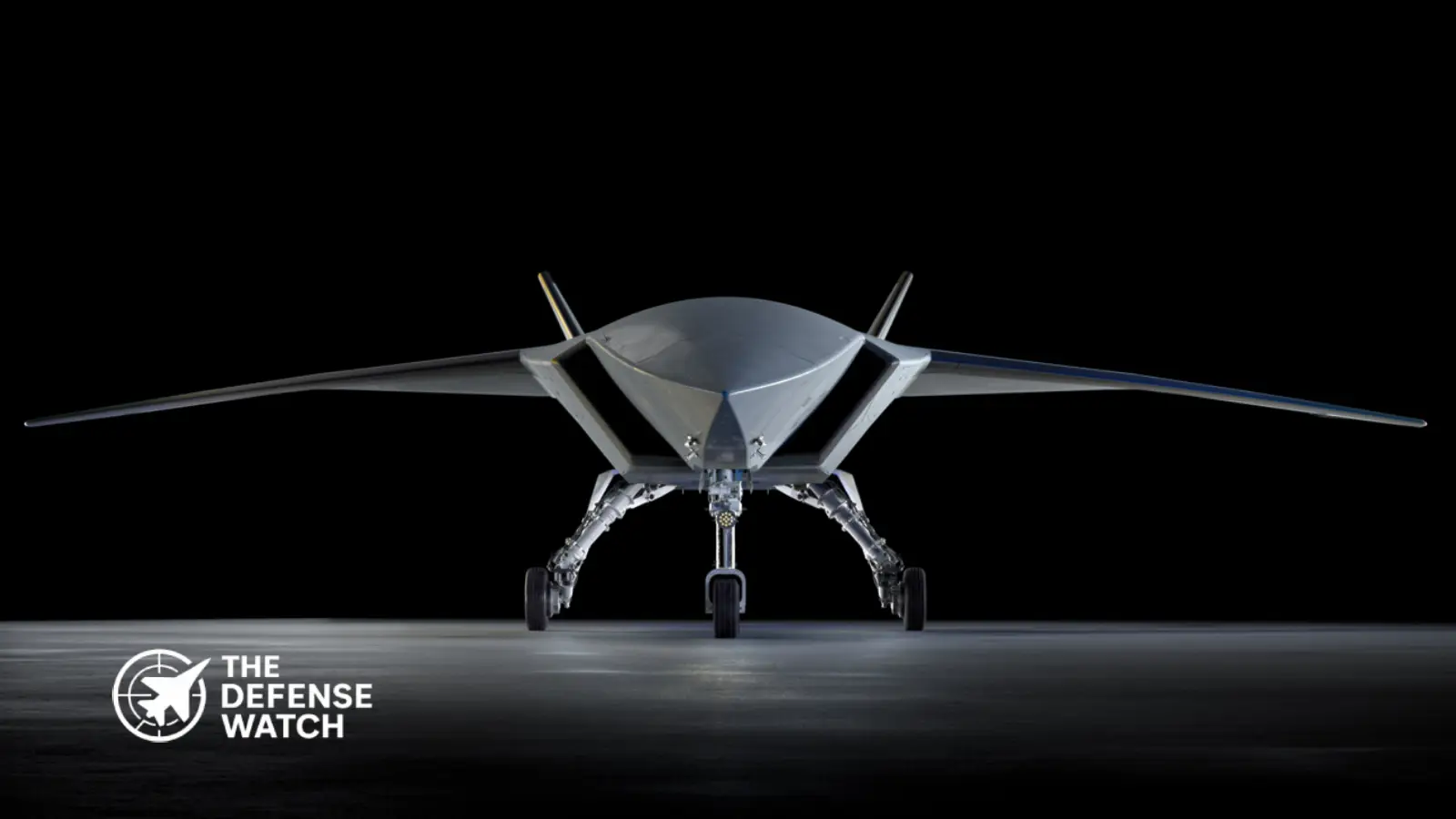
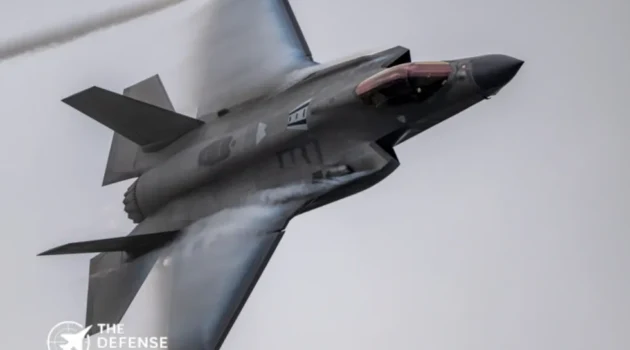
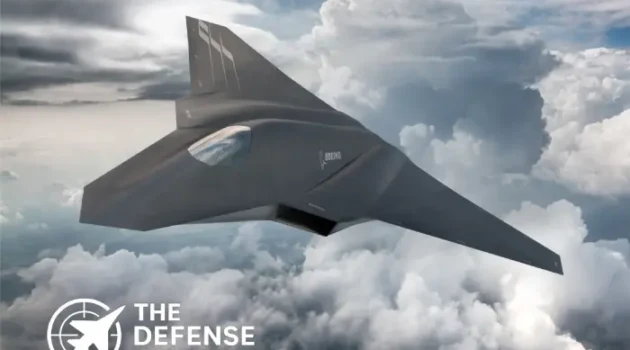
Boeing has unveiled a significantly upgraded MQ-28 Ghost Bat collaborative combat aircraft, adding larger wings, internal weapons stations, and extended operational range.
The enhancements strengthen the platform’s ability to support crewed aircraft, carry additional payloads, and meet growing demand for autonomous combat aircraft among allied air forces.
Boeing MQ-28 Ghost Bat Upgrade Expands Combat Reach
Boeing’s MQ-28 Ghost Bat collaborative combat aircraft has received a major capability upgrade aimed at increasing range, payload capacity, and mission flexibility as global militaries accelerate investment in autonomous air combat systems.
The company unveiled the latest enhancements during the ILA Berlin Air Show 2026, presenting a roadmap that significantly expands the aircraft’s operational capabilities while preserving its role as a force multiplier for crewed fighter aircraft.
Developed in partnership with the Royal Australian Air Force (RAAF), the MQ-28 Ghost Bat is designed to operate alongside manned aircraft, conducting missions that include intelligence gathering, electronic warfare, air combat support, and strike operations.
According to Boeing, the upgraded configuration introduces a wing that is more than 25 percent larger than previous variants, allowing the aircraft to carry an additional 2,000 pounds of fuel, mission payloads, or stores. The increase provides operators greater flexibility to balance endurance and combat loadouts based on mission requirements.
One of the most significant additions is the introduction of internal weapons stations.
The upgraded MQ-28 can now be configured to carry up to two AIM-120 AMRAAM air-to-air missiles or four Small Diameter Bombs internally. By carrying weapons inside the airframe rather than on external hardpoints, the aircraft can retain lower observable characteristics while expanding its combat role.
Another notable enhancement is the addition of beyond-line-of-sight communications capability.
This allows operators to control and coordinate MQ-28 missions over significantly greater distances than earlier configurations, expanding operational flexibility in large theaters such as the Indo-Pacific.
The capability is particularly important for collaborative combat aircraft, which are expected to operate alongside advanced fighters, airborne early warning aircraft, and other networked platforms across dispersed battlespaces.
As air forces increasingly emphasize distributed operations, secure long-range connectivity has become a key requirement for future autonomous systems.
Military planners view autonomous wingmen as a cost-effective way to increase combat mass without procuring large numbers of expensive crewed aircraft. These systems can perform reconnaissance, electronic attack, decoy missions, and strike operations while reducing risk to pilots.
The MQ-28 has emerged as one of the most mature programs in this rapidly evolving sector. Boeing and the RAAF have already completed extensive flight testing, including autonomous teaming demonstrations, operational deployments, and missile firing trials.
The platform has also undergone radar cross-section validation testing to verify its survivability characteristics in contested environments.
From a strategic perspective, the latest upgrades indicate Boeing is positioning the Ghost Bat not only for Australian requirements but also for a growing international market. Germany has shown interest in collaborative combat aircraft concepts, and Boeing recently expanded its industrial partnerships in Europe to support future opportunities.
Modern air warfare increasingly depends on a combination of crewed and uncrewed systems operating as an integrated force. Larger payload capacity, longer endurance, internal weapons carriage, and improved connectivity directly enhance the aircraft’s ability to perform that role.
Rather than serving solely as a reconnaissance platform, the upgraded Ghost Bat moves closer to becoming a true combat asset capable of contributing meaningful firepower while supporting manned aircraft in high-threat environments.
As air forces prepare for future conflicts involving advanced air defenses and long-range engagements, collaborative combat aircraft such as the MQ-28 are expected to play an increasingly central role in force structure planning.
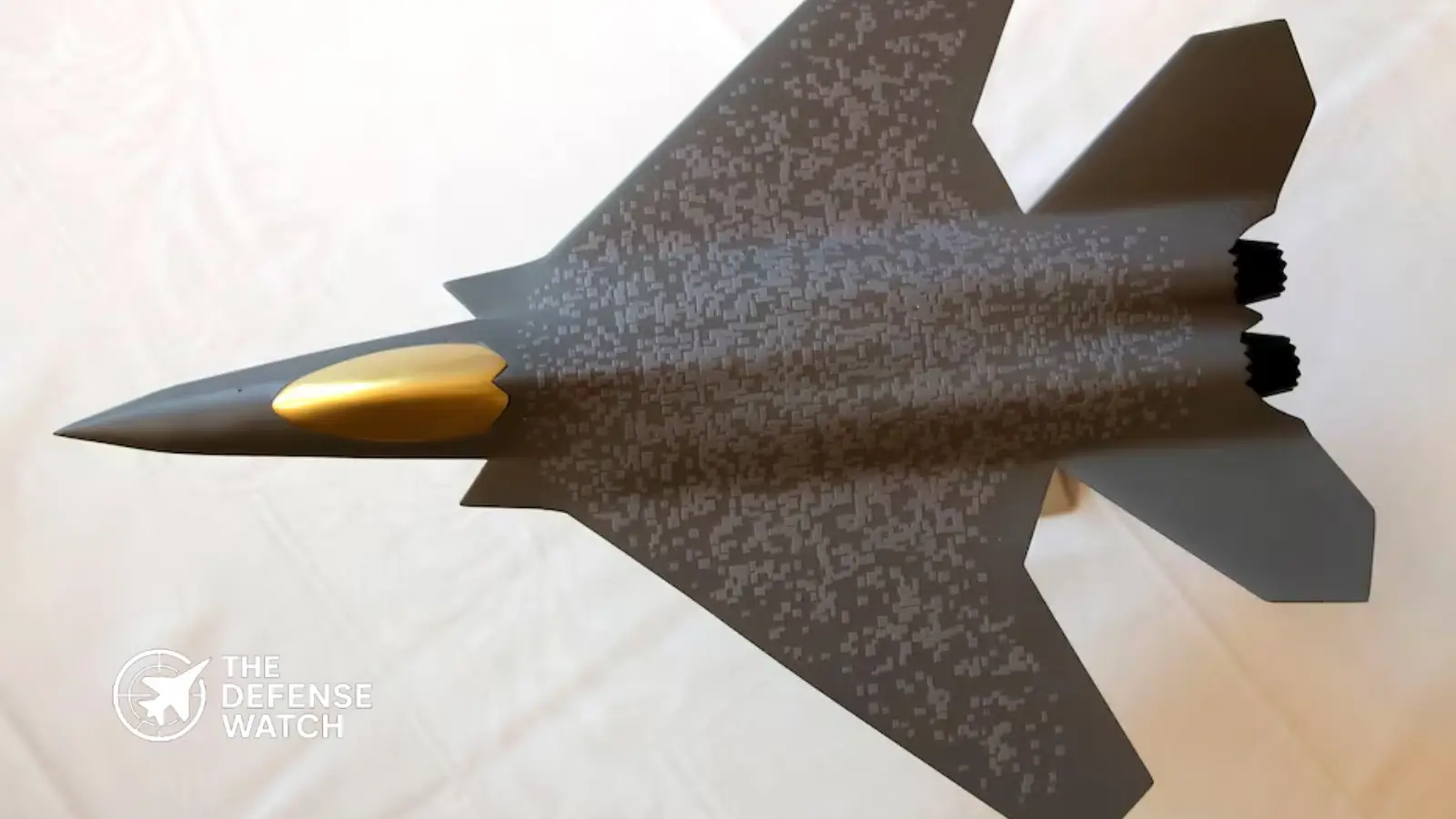
Airbus is increasingly looking toward Saab as a potential strategic partner after the collapse of the Franco-German Future Combat Air System (FCAS) fighter program. The development could reshape Europe’s sixth-generation combat aircraft landscape and influence future defense industrial cooperation across the continent.
According to Reuters, Airbus has been holding exploratory discussions with Swedish defense company Saab for at least six months. The talks have accelerated as France and Germany officially acknowledged that disagreements between industrial partners had become impossible to resolve within the FCAS fighter effort.
The FCAS program was originally designed to deliver a sixth-generation combat aircraft alongside advanced drones, networking systems, and a combat cloud architecture for France, Germany, and Spain. However, disputes over leadership and industrial responsibilities between Airbus and Dassault Aviation repeatedly delayed progress.
Saab, best known for producing the Gripen fighter aircraft, is increasingly viewed as a credible partner for Airbus as Europe reassesses its next-generation combat aviation strategy.
Reuters reported that improved defense relations between Germany and Sweden have helped create momentum for deeper industrial cooperation. Airbus and Saab have already collaborated on unmanned technologies, providing a foundation for broader future projects.
Unlike larger multinational programs, Saab brings extensive experience in fighter design, systems integration, and defense innovation while maintaining a relatively flexible industrial structure. Sweden also remains one of the few European nations with an active domestic fighter aircraft development capability.
Saab has publicly stated that any future partnership would ultimately depend on political decisions, while maintaining an open approach toward collaboration with defense industry partners.
While the Airbus Saab partnership appears to be gaining momentum, Airbus has not committed exclusively to a Swedish path.
Reuters reported that Airbus has also maintained high-level contacts related to the separate Global Combat Air Programme (GCAP), the multinational sixth-generation fighter initiative involving the United Kingdom, Italy, and Japan.
Industry executives have indicated that multiple partnership models remain under consideration as Germany seeks to preserve its role in future combat aircraft development. Airbus Defence and Space CEO Michael Schoellhorn recently acknowledged Saab as a potential partner while emphasizing that other options remain available.
Strategic Implications For European Air Power
The collapse of FCAS represents a major setback for European defense cooperation. Analysts note that the program’s failure highlights the challenges of aligning military requirements, industrial interests, and national priorities across multiple countries.
From a strategic perspective, the Airbus Saab partnership could offer Germany and Sweden an opportunity to preserve critical fighter aircraft expertise while avoiding some of the governance challenges that affected FCAS.
However, significant questions remain. Future combat aircraft programs require substantial financial investment, advanced propulsion technologies, sophisticated sensor integration, and long-term political commitment. Any new partnership would also need to address export policies, operational requirements, and production responsibilities.
A key consideration will be whether Europe ultimately converges around a smaller number of sixth-generation fighter programs or continues pursuing multiple competing initiatives, including France’s independent path, GCAP, and any future Airbus-Saab effort.
What Happens Next
The expected formal separation between Airbus and Dassault regarding the fighter component of FCAS could create greater freedom for Airbus to pursue alternative partnerships. Meanwhile, Germany continues to evaluate options for maintaining a domestic industrial role in next-generation combat aviation.
Although the FCAS fighter aircraft effort appears to have reached its end, elements of the broader program, including combat cloud networking systems and collaborative combat drone technologies, may continue under separate cooperative arrangements.
Rather than pursuing highly complex multinational programs with overlapping industrial interests, future partnerships may favor smaller coalitions built around complementary capabilities and clearer leadership structures.
If Airbus and Saab deepen their cooperation, the partnership could combine Germany’s industrial scale with Sweden’s fighter aircraft expertise, potentially creating a new center of gravity within Europe’s combat aviation sector. However, success will depend on whether political leaders can align long-term funding and operational requirements more effectively than previous multinational fighter efforts.
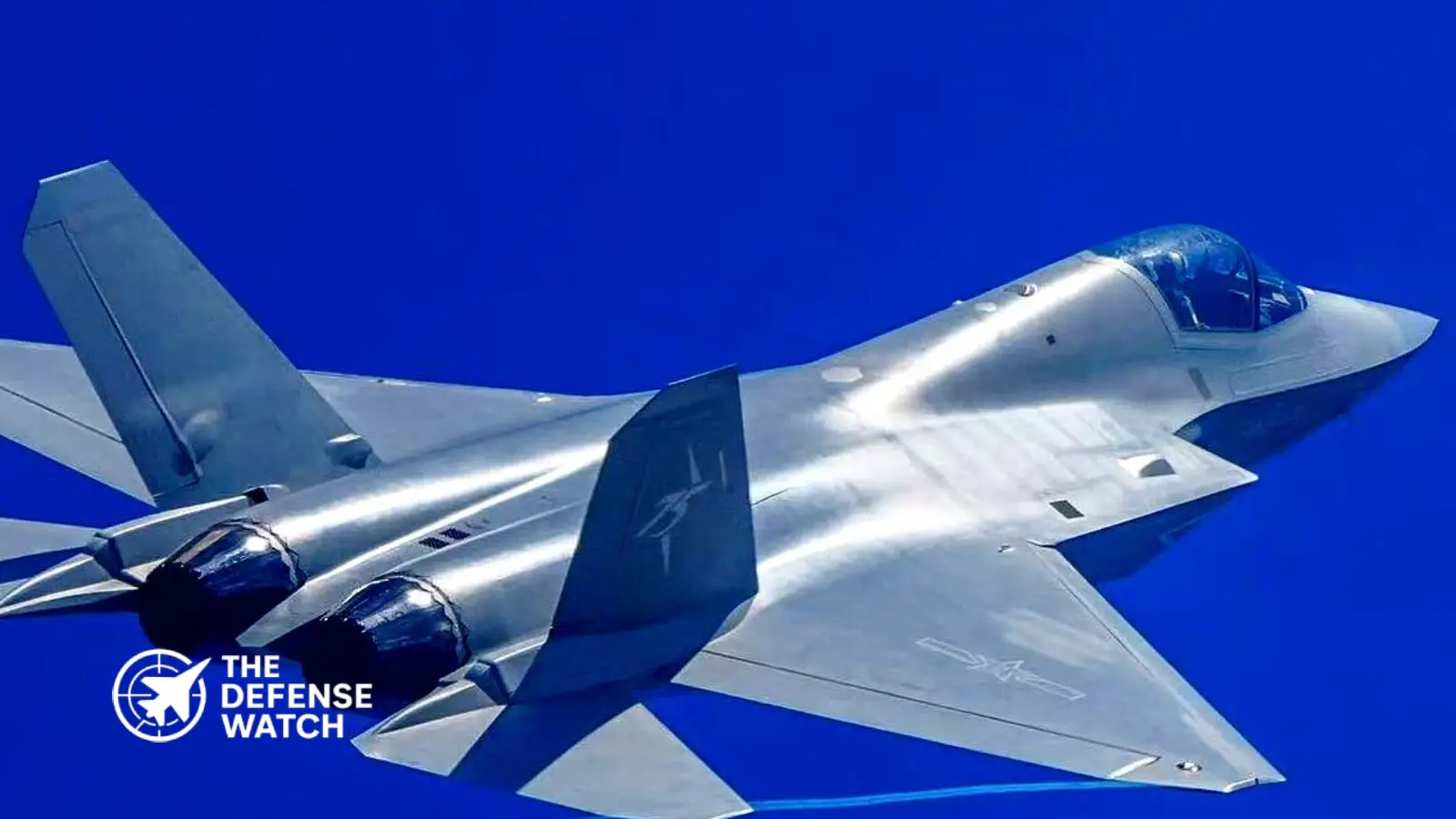
Pakistan is poised to become the first foreign customer of China’s J-35 stealth fighter, according to multiple defense reports and recent government statements. The move would provide the Pakistan Air Force with access to fifth-generation combat aircraft while highlighting China’s growing role as an exporter of advanced military aviation technology.
Multiple defense publications and regional media reports indicate that Islamabad is moving forward with plans to acquire up to 40 Chinese-built J-35 fighter aircraft, potentially making Pakistan the first overseas operator of China’s latest fifth-generation stealth platform. Recent statements linked to Pakistani government channels have also referenced the proposed transfer of J-35 fighters alongside other advanced Chinese defense systems.
While detailed contract terms and delivery schedules have not been publicly disclosed by either Beijing or Islamabad, the growing volume of official and semi-official reporting suggests that discussions have progressed beyond early speculation.
Designed with low-observable characteristics, internal weapons bays, advanced sensors, and networked combat capabilities, the aircraft is intended to perform both air superiority and
Recent footage aired by Chinese state media showed what analysts identified as the export-oriented J-35AE variant carrying Aviation Industry Corporation of China (AVIC) markings rather than People’s Liberation Army Air Force insignia. Defense analysts interpreted the appearance as a signal that Beijing is actively preparing the aircraft for foreign customers.
The emergence of the J-35AE is particularly noteworthy because it demonstrates China’s intention to compete in the global market for advanced combat aircraft, a sector traditionally dominated by the United States and, to a lesser extent, European manufacturers.
Pakistan has long been China’s most important defense partner and already operates several major Chinese-built systems, including the JF-17 Thunder and J-10CE fighter aircraft.
The reported J-35 acquisition would represent the next phase of that partnership. From an operational perspective, the aircraft would provide the Pakistan Air Force with access to stealth capabilities that have not previously existed within its inventory.
Becoming the first foreign operator is also strategically significant for China.
Defense exports serve as both an economic and geopolitical tool. Successfully delivering a fifth-generation fighter to an overseas customer would demonstrate confidence in China’s aerospace industry and could help open additional export opportunities across Asia, the Middle East, and Africa.
This aspect of the deal may ultimately prove as important as the aircraft itself.
The potential introduction of the Pakistan J-35 stealth fighter would inevitably draw attention across South Asia.
India continues to modernize its fighter fleet through a combination of imported and indigenous programs, including the Rafale and the Advanced Medium Combat Aircraft (AMCA) project. The arrival of a fifth-generation Chinese-built fighter in Pakistan would add a new dimension to the region’s evolving air power balance.
However, it is important to separate confirmed facts from speculation.
Although reports have referenced possible aircraft numbers and delivery timelines, neither China nor Pakistan has publicly released a comprehensive acquisition roadmap. Some earlier claims regarding deliveries were later challenged due to a lack of official evidence, highlighting the need for caution when assessing timelines and operational readiness.
China’s Growing Defense Export Ambitions
The J-35 program also reflects a broader trend within China’s defense industry.
Over the past decade, Beijing has steadily expanded exports of military aircraft, drones, missile systems, and air defense platforms. The reported J-35 export effort represents the highest-profile example yet of China’s attempt to enter the elite market for stealth combat aircraft.
If Pakistan formally receives the aircraft, China would achieve a milestone that few nations have reached: exporting an operational fifth-generation fighter to a foreign military customer.
For global defense markets, that development could reshape future competition in advanced military aviation.
Outlook
Although questions remain regarding contract details, financing, production schedules, and delivery timelines, the available reporting points toward a significant expansion of China-Pakistan defense cooperation centered on the J-35 stealth fighter.
Should the acquisition proceed as reported, Pakistan would become the first foreign customer for China’s fifth-generation fighter program, while Beijing would secure a landmark export success for one of its most advanced aerospace platforms.
The coming months will likely provide greater clarity on procurement milestones, training arrangements, and the timeline for the aircraft’s eventual entry into Pakistan Air Force service.
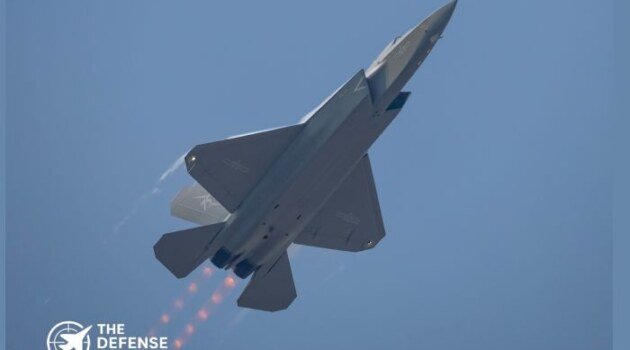
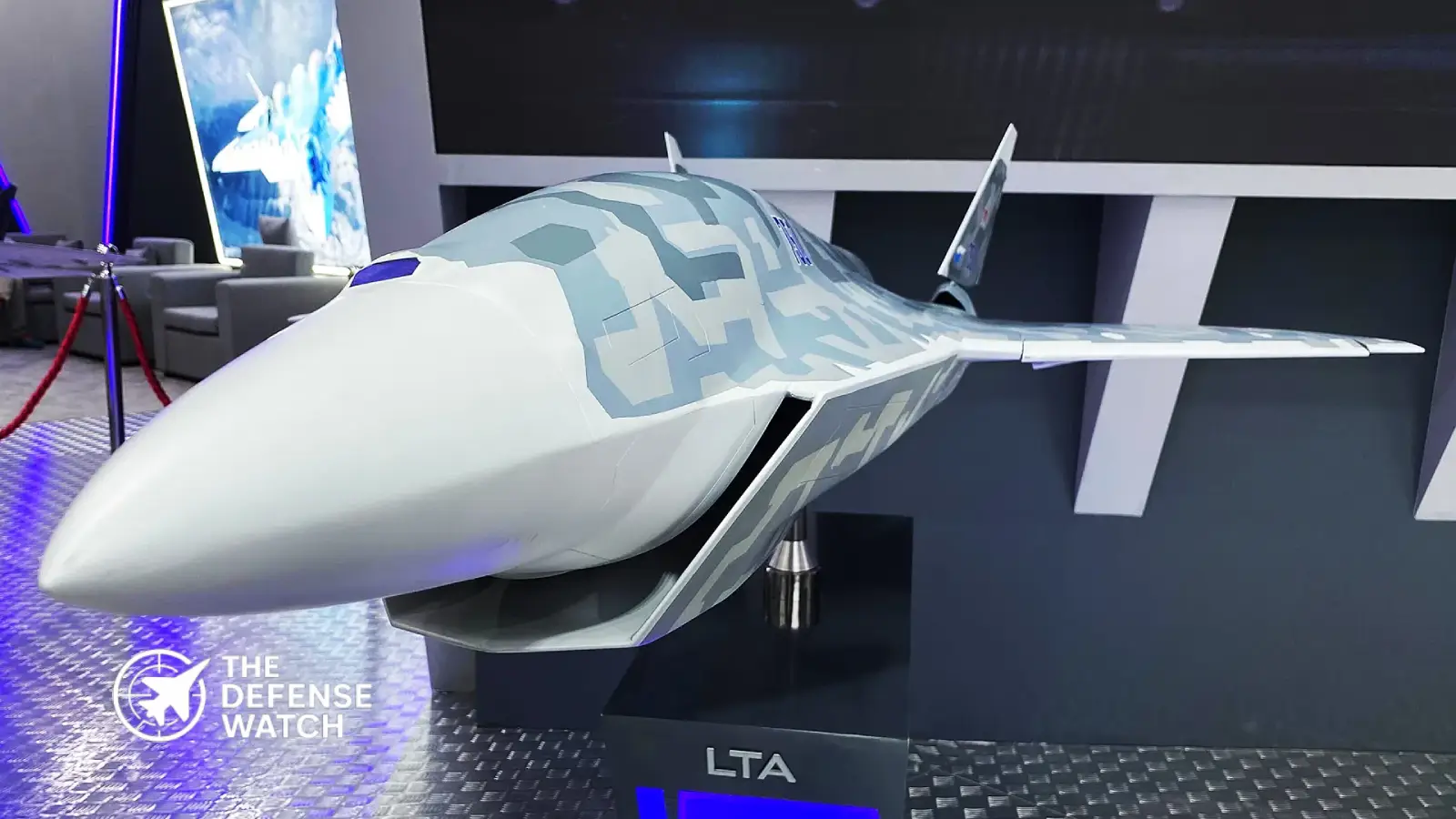
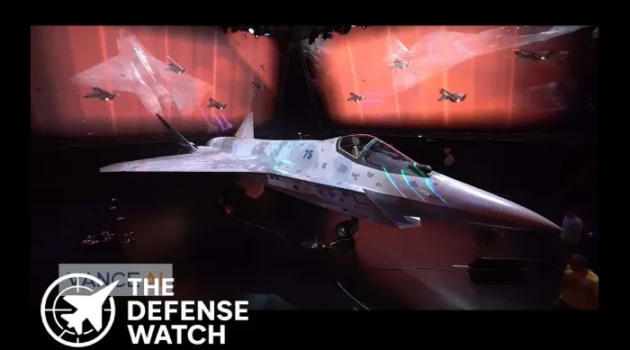
Russia has confirmed that construction of the first flyable prototype of the Su-75 Checkmate has begun, marking the most significant development in the fighter program since its unveiling in 2021. The milestone signals Moscow’s continued effort to field a lower-cost fifth-generation combat aircraft that could complement the Su-57 while targeting export customers seeking a stealth-capable fighter.
Russia Begins Construction of Su-75 Checkmate Prototype
Russia’s Su-75 Checkmate fighter program has entered a new phase after officials confirmed that construction of the aircraft’s first prototype is now underway.
The announcement came from United Aircraft Corporation (UAC) Chief Executive Officer Vadim Badekha, who stated that work on the Su-75 had progressed to the prototype assembly stage. The disclosure was reported by Russian state news agency TASS and subsequently confirmed by multiple defense media outlets.
The development represents the first tangible evidence that the Checkmate program is moving beyond concept demonstrations and static displays that have defined much of its public history since its debut at the 2021 MAKS Air Show.
According to UAC, the aircraft is being developed for both domestic military requirements and potential international customers. The company continues to emphasize the fighter’s single-engine configuration as a key factor in reducing acquisition and operating costs compared with larger twin-engine platforms.
What Is the Su-75 Checkmate?
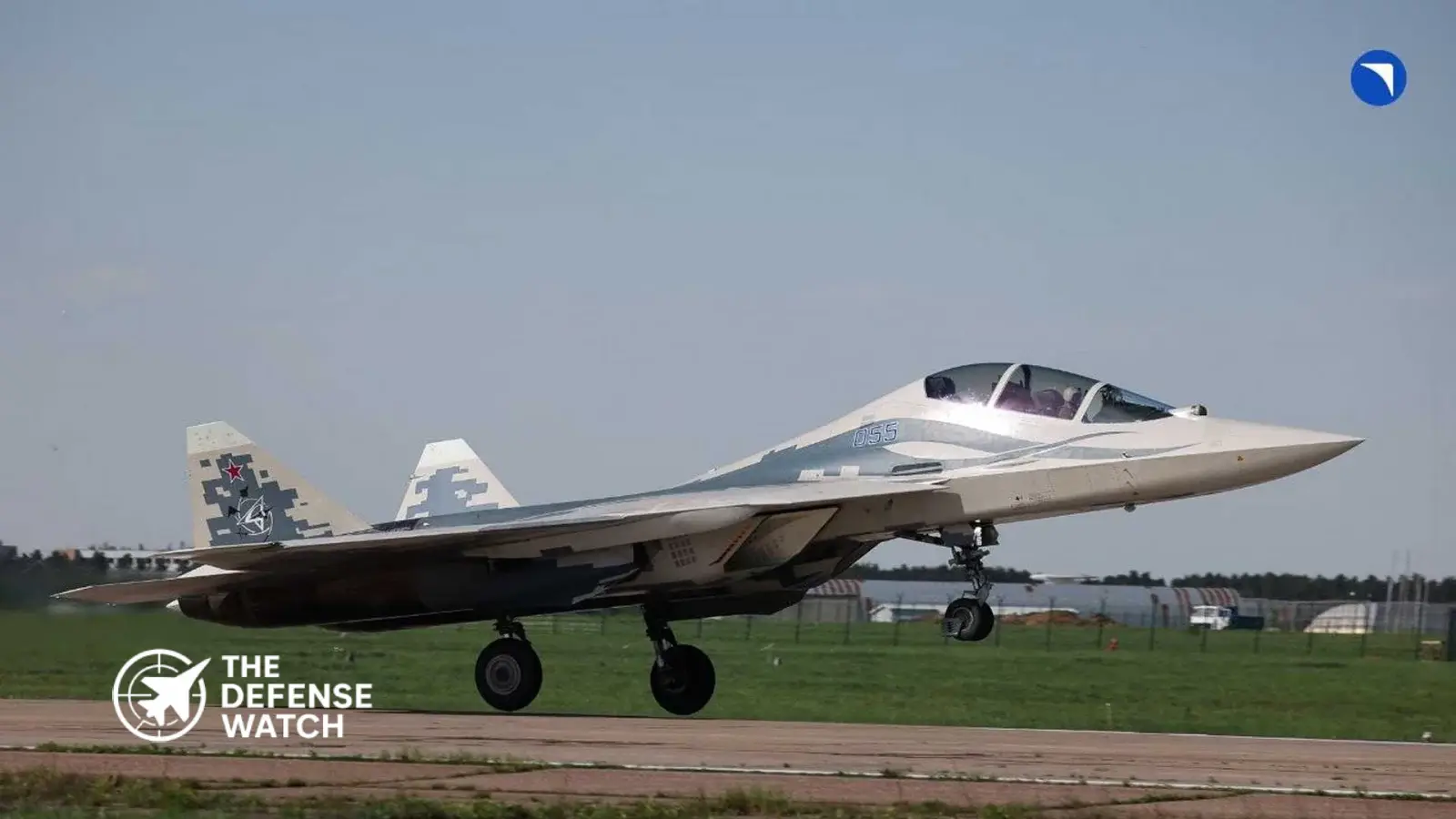
The Su-75 Checkmate is a proposed fifth-generation light tactical fighter developed by Sukhoi under Russia’s broader military aviation modernization effort.
Unlike the twin-engine Su-57, the Checkmate adopts a single-engine layout intended to provide a lower-cost stealth aircraft while retaining many features associated with modern fifth-generation fighters. The aircraft is expected to perform both air-to-air and air-to-ground missions.
Russian officials have positioned the aircraft as a potential replacement for aging fourth-generation fighters while also serving as a more affordable alternative for export markets that may be unable to acquire higher-priced Western stealth aircraft.
Defense analysts have observed modifications to the rear fuselage, wing root geometry, and aerodynamic surfaces. These changes suggest ongoing efforts to refine the aircraft’s low-observable characteristics, aerodynamic performance, and manufacturability before the start of formal flight testing.
The latest prototype reportedly incorporates lessons learned from years of design refinement as well as advances derived from Russia’s broader fifth-generation aviation programs.
The start of prototype construction is significant because the Su-75 has experienced repeated schedule adjustments since its unveiling.
Initial plans envisioned a first flight several years earlier, but funding pressures, industrial challenges, sanctions-related constraints, and shifting production priorities delayed progress. Russian aerospace manufacturers have simultaneously been tasked with increasing production of existing combat aircraft, including the Su-34, Su-35S, and Su-57.
For defense planners, moving from a display model to a flyable prototype represents a critical transition. It allows engineers to begin validating aerodynamic performance, flight control systems, propulsion integration, and stealth-related design features under real operating conditions.
Without prototype testing, projected performance figures remain theoretical.
Strategic Implications for Russia’s Airpower Modernization
The Russian Aerospace Forces currently rely heavily on twin-engine fighters such as the Su-30SM, Su-35S, and Su-57. While these aircraft provide significant combat capability, they are generally more expensive to acquire and operate than single-engine alternatives.
A successful Checkmate program could provide Moscow with a lighter and potentially more affordable platform for missions that do not require the full capabilities of heavier aircraft.
From an export perspective, the aircraft is equally important.
Historically, Soviet and Russian manufacturers achieved substantial export success with relatively affordable combat aircraft. The Checkmate is intended to reestablish Russia’s presence in the market segment increasingly dominated by advanced Western and Chinese designs.
Technical and Industrial Challenges Remain
Despite the prototype milestone, significant hurdles remain before the aircraft can enter operational service.
The program must still complete ground testing, systems integration, engine validation, flight trials, weapons certification, and low-rate production preparations. These phases traditionally require several years even under favorable industrial conditions.
Questions also remain regarding production timelines, procurement volumes, and export commitments. Publicly available information indicates that no large-scale domestic or foreign orders have yet been confirmed.
In addition, modern fifth-generation fighter development requires advanced avionics, sensors, software integration, and manufacturing capabilities that are among the most demanding challenges in aerospace engineering.
The prototype phase will therefore serve as the first meaningful indicator of whether the Checkmate can transition from a long-promised concept into an operational combat aircraft.
Outlook
The beginning of prototype construction marks the most concrete progress achieved by the Su-75 Checkmate program since its public unveiling nearly five years ago.
While major testing and certification milestones remain ahead, the move demonstrates that Russia continues to invest in a lighter fifth-generation fighter intended to complement the Su-57 and compete in the international combat aircraft market.
Whether the Checkmate ultimately achieves operational service and export success will depend on its performance during upcoming testing campaigns, industrial production capacity, and future customer demand.
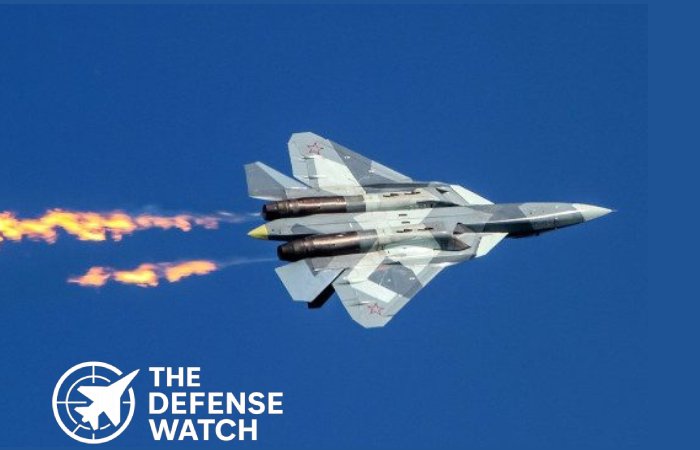
Russian President Vladimir Putin has said Moscow remains open to supplying and jointly developing the Su-57 fighter aircraft with India. His remarks revive discussion of a potential India-Russia fifth-generation fighter partnership years after New Delhi withdrew from the original joint development effort. The statement comes as India evaluates future combat aviation requirements and seeks to expand its indigenous aerospace capabilities.
Putin Reopens Door To Su-57 Cooperation With India
Su-57 fighter jet cooperation between Russia and India has returned to the spotlight after Russian President Vladimir Putin publicly stated that Moscow remains prepared to work with New Delhi on the aircraft’s future development and procurement.
Speaking about the history of the program, Putin noted that Russia had previously proposed a joint effort with India to develop fifth-generation fighter technology. According to his remarks, India chose not to participate at that stage, preferring to observe the aircraft’s development before making a future decision.
As far as the Su-57 goes, at one point we proposed to our Indian friends to work together on this technology,” Putin said. “The aircraft could have been our joint project. We built it independently, but we are ready to work with India in this field, to supply this aircraft and to keep developing it.”
Background Of The India-Russia Fifth-Generation Fighter Program
The comments reference the long-running Fifth Generation Fighter Aircraft (FGFA) initiative, which emerged from cooperation between India and Russia during the late 2000s.
The project was based on technology derived from Russia’s Su-57 stealth fighter, formerly known as the PAK FA program. India was expected to contribute funding and participate in development activities while gaining access to advanced fighter technologies.
However, concerns regarding cost, technology transfer, aircraft performance requirements, and program timelines led India to gradually distance itself from the initiative. By 2018, reports indicated that New Delhi had effectively suspended participation while continuing to monitor the platform’s progress.
Since then, Russia has continued development and production of the Su-57 independently.
Why The Timing Matters
Putin’s remarks come at a notable moment for India’s military aviation modernization efforts.
The Indian Air Force continues to face pressure to maintain combat squadron strength while simultaneously pursuing indigenous aerospace programs. New Delhi is investing heavily in the Advanced Medium Combat Aircraft (AMCA), an indigenous stealth fighter designed to provide India with a domestically developed fifth-generation capability.
At the same time, India continues to evaluate options for bridging future capability gaps as older aircraft retire and regional military competition intensifies.
Russia’s renewed offer appears aimed at positioning the Su-57 fighter jet as a potential option within that broader modernization landscape.
While Putin characterized the aircraft as the world’s best fifth-generation fighter, such assessments remain subjective and are often debated among defense analysts. Independent evaluations typically compare the Su-57 against other fifth-generation platforms based on stealth characteristics, sensor integration, networking capabilities, weapons integration, survivability, and operational maturity.
Su-57 Program Continues To Expand
The Russian stealth fighter remains one of Moscow’s flagship aerospace programs.
Russia has continued deliveries of serial-production Su-57 aircraft to its Aerospace Forces while promoting the platform to international customers. The aircraft is designed to combine reduced radar observability, advanced avionics, high maneuverability, long-range weapons employment, and multi-role mission capabilities.
Moscow has increasingly highlighted export opportunities for the platform as part of its broader defense industry strategy.
Potential cooperation with India would represent a significant development due to the scale of India’s defense market, its longstanding military relationship with Russia, and the possibility of industrial participation beyond simple aircraft procurement.
Putin’s comments underscore Russia’s continued interest in maintaining deep defense-industrial ties with India despite New Delhi’s efforts to diversify military suppliers over the past decade.
For Moscow, a renewed partnership involving the Su-57 fighter jet could strengthen one of its most important defense relationships and potentially support future aircraft production and development efforts.
For India, any decision involving advanced fighter acquisition would need to balance immediate operational requirements, domestic aerospace ambitions, technology transfer considerations, long-term sustainment costs, and strategic autonomy objectives.
No new agreement, negotiations, or procurement decision was announced alongside Putin’s remarks. However, the statement clearly signals that Russia remains willing to reopen discussions surrounding the fifth-generation fighter program should India choose to pursue them.
Defense Analysis
Putin’s statement is significant less because it announces a new deal and more because it publicly reopens a pathway that many observers considered dormant.
The timing suggests Russia is actively seeking opportunities to expand defense cooperation with key partners while promoting the Su-57 fighter jet internationally. For India, the proposal arrives as the country balances near-term fighter requirements against long-term indigenous development goals.
Whether New Delhi revisits the concept will likely depend on how decision-makers assess the aircraft’s operational maturity, technology-sharing prospects, industrial benefits, and compatibility with India’s broader defense modernization strategy.
At present, Putin’s remarks should be viewed as a renewed offer rather than evidence of an imminent procurement decision.
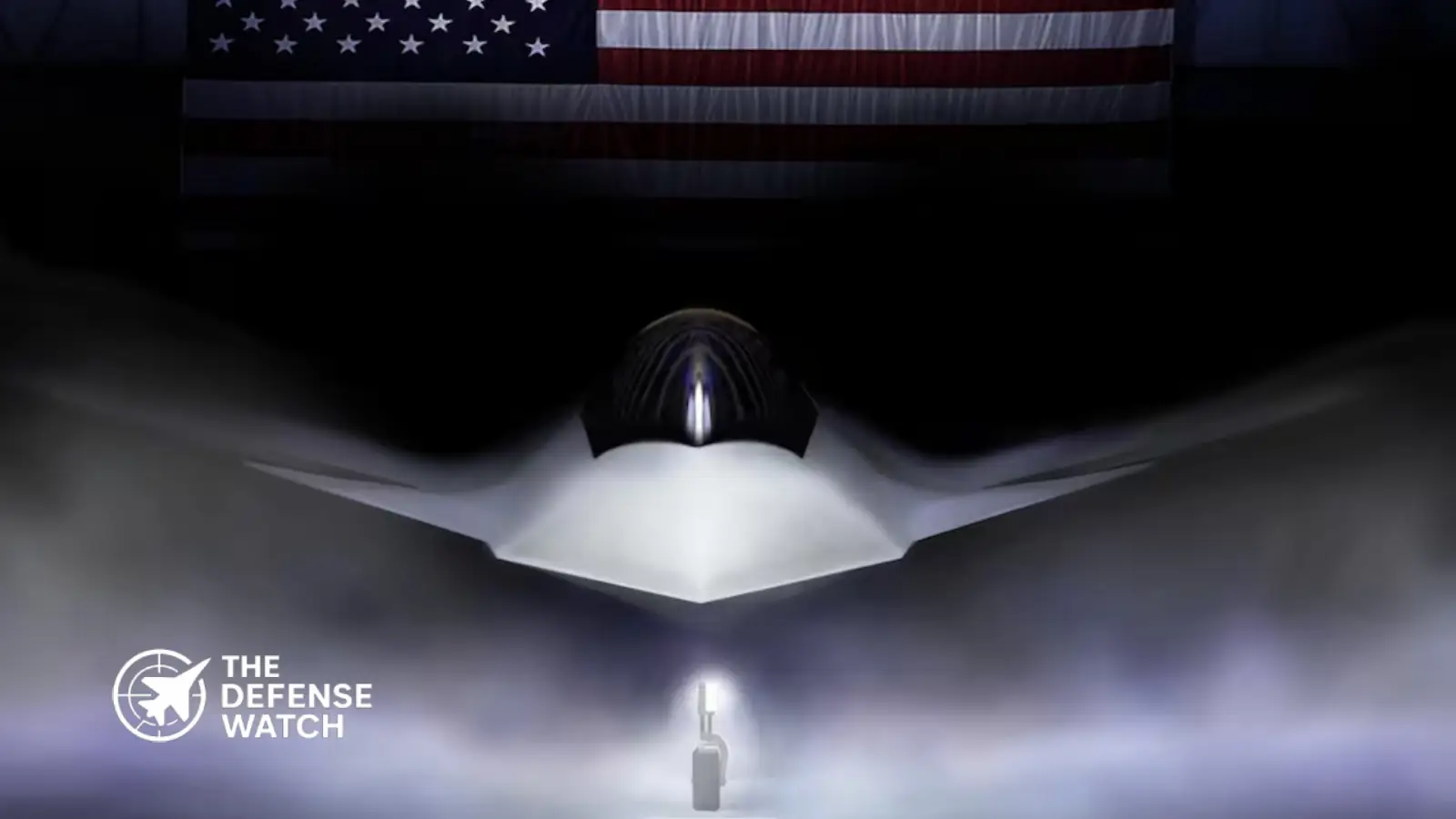
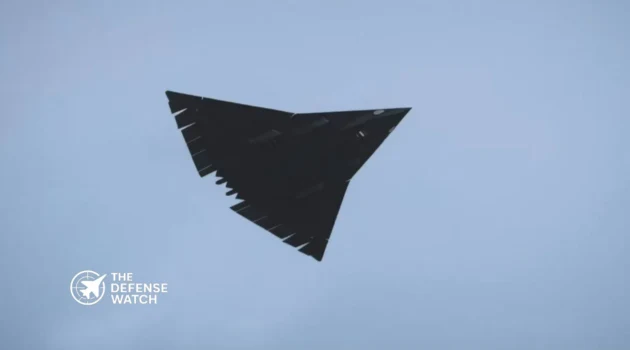
A newly released thermal image captured near Area 51 appears to show an unidentified aircraft with a configuration unlike any publicly known military aircraft.
While no official confirmation exists, the sighting has renewed interest in the U.S. Air Force’s Next Generation Air Dominance (NGAD) efforts and ongoing classified flight testing at Groom Lake.
Unidentified Aircraft Near Area 51 Draws Attention From Aviation Observers
A potential next-generation fighter aircraft has become the focus of aviation and defense discussions after thermal imagery captured near Area 51 revealed a previously unseen aircraft design.
The image appears to show an aircraft operating near Groom Lake, Nevada, the highly classified test facility commonly known as Area 51. The aircraft was recorded using thermal imaging equipment and exhibits a planform that does not match any publicly acknowledged U.S. military aircraft.
The sighting comes at a time of growing interest in America’s future combat aviation programs, particularly following the U.S. Air Force’s selection of Boeing to develop the F-47 under the Next Generation Air Dominance (NGAD) initiative.
Analysis of the thermal image indicates several unusual design characteristics.
Observers noted what appears to be a cranked-kite wing layout combined with prominent forward canards and a tailless or near-tailless configuration. Such design elements are commonly associated with efforts to reduce radar signatures while improving aerodynamic efficiency and range.
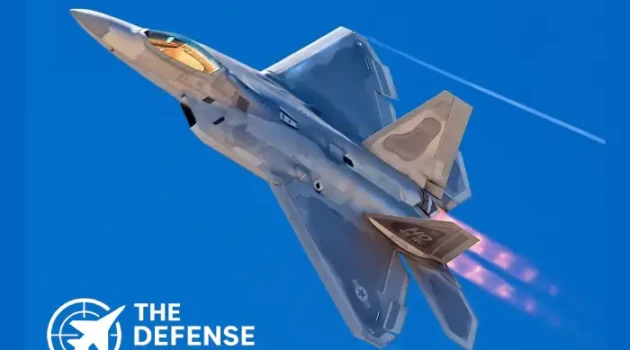
The aircraft’s shape differs significantly from existing operational platforms such as the F-35 Lightning II, F-22 Raptor, and B-21 Raider.
Importantly, no official U.S. government agency has identified the aircraft or confirmed its existence.
The image alone does not provide sufficient evidence to determine whether the platform is a technology demonstrator, experimental aircraft, or part of a classified operational development effort.
Area 51 Remains Central To Advanced U.S. Flight Testing
Area 51 has historically served as the testing ground for some of America’s most significant aerospace programs.
The facility hosted development activities linked to aircraft such as the Lockheed U-2, Lockheed A-12, and Lockheed F-117 Nighthawk before their public disclosure.
Because of that history, sightings of unusual aircraft operating around Groom Lake often attract significant scrutiny from defense analysts and aviation enthusiasts.
Earlier in 2026, another unexplained triangular aircraft, described by observers as “Dorito-shaped,” was reportedly recorded in the same region, further fueling speculation about ongoing classified aviation programs.
The U.S. Air Force has previously disclosed that experimental NGAD demonstrators have already flown, suggesting advanced technologies are undergoing testing well before operational aircraft enter service. However, officials have released very few details regarding the appearance, configuration, or performance characteristics of those demonstrators.
This context makes the latest sighting noteworthy, even if identification remains impossible.
Aviation analysts caution that advanced aerospace programs often rely on multiple prototype and demonstrator aircraft before a final production design emerges. As a result, an aircraft operating near Area 51 may not necessarily represent a future operational fighter in its final form.
That distinction is particularly important as the United States competes with rapidly advancing aerospace programs in countries such as China, where several next-generation combat aircraft concepts have recently emerged in public imagery.
Why The Sighting Matters
Whether the aircraft is linked to NGAD, another classified Air Force initiative, or an experimental technology program, the sighting underscores a broader reality: advanced aerospace development continues largely outside public view.
The United States is investing heavily in future air dominance technologies, including stealth, advanced propulsion, artificial intelligence integration, sensor fusion, and manned-unmanned teaming concepts. Programs supporting those objectives require extensive testing, much of which occurs at secure facilities such as Groom Lake.
The newly released thermal image does not provide definitive answers. However, it offers a rare glimpse into an environment where future generations of military aircraft are often developed years before official acknowledgement.
For now, the aircraft remains unidentified, but its appearance has once again highlighted Area 51’s continuing role at the forefront of American aerospace innovation.
Executive Summary: The world’s first sixth-generation fighter jets have moved from classified skunkworks to funded, contracted, test-flying reality — and three distinct programs are now vying to define the future of air combat. The U.S. F-47 leads on funding at nearly $8.5 billion cumulative, China’s J-36 and J-50 are flight-testing simultaneously, and the UK-Italy-Japan GCAP has just awarded a £686 million development contract. Whoever fields a combat-ready platform first will set the technological and strategic baseline for the next 50 years of aerial warfare.
Three sovereign powers are simultaneously constructing the most lethal, autonomous, and stealthy combat aircraft in history. None of them plan to wait for the others to finish.
As of mid-2026, the United States’ Boeing-built F-47 has accumulated nearly $8.5 billion in cumulative programmatic funding and is targeting first flight in 2028. China’s two competing prototypes — the J-36 and J-50 — completed their first flight tests in late 2024 and have accelerated through multiple prototype iterations since. The UK-Italy-Japan Global Combat Air Programme (GCAP) just contracted Edgewing, a newly formed tri-national industrial consortium, for £686 million (~$908 million) to formally begin detailed design work. Europe’s Franco-German FCAS, by contrast, is sinking under workshare disputes and may not produce a demonstrator before the mid-2030s.
The gap between the front-runners and the stragglers isn’t just programmatic. It’s strategic.
Technical Analysis: What Makes a “Sixth-Generation” Fighter Different From the F-35
The term “sixth generation” isn’t a marketing tier. It describes a genuinely new doctrine of air combat — one where the crewed fighter is not the primary weapon, but the command node of a broader, AI-managed kill web.
Every major program converges on five defining characteristics:
1. Manned-Unmanned Teaming (MUM-T) The F-47 is explicitly designed to operate alongside Collaborative Combat Aircraft (CCAs) — autonomous drones controlled from the cockpit capable of electronic warfare, ISR, SEAD (Suppression of Enemy Air Defenses), and kinetic strikes. The Pentagon’s logic: one F-47 paired with two CCAs may provide more combat-relevant capability than two or three F-35s at comparable lifecycle cost.
2. Adaptive Cycle Engines Next-generation propulsion isn’t just about thrust. Adaptive cycle engines (like GE Aerospace’s XA100) can switch operating modes mid-flight — high-bypass for fuel economy at cruise, low-bypass for supercruise and afterburner for combat. The F-47 is targeting Mach 1.8+ supercruise without afterburner, extending combat radius dramatically over the F-22.
3. Embedded, All-Spectrum Stealth Fifth-generation stealth (F-22, F-35) was primarily radar-cross-section (RCS) management. Sixth-generation platforms extend this to infrared signature reduction, acoustic masking, electronic emission control (EMCON), and low-probability-of-intercept radar systems. The J-36’s tailless flying-wing configuration — no vertical stabilizers — reduces RCS in the rear hemisphere where legacy fighters are most vulnerable.
4. On-Board AI for Sensor Fusion The GCAP program describes its aircraft not as a fighter in the traditional sense but as a “super-connected, supercomputing command node.” Processing data from distributed sensors, networked CCAs, space-based ISR, and legacy platforms in real time requires on-board AI that no current production fighter possesses.
5. Directed-Energy Weapons Integration Laser and high-power microwave (HPM) weapons are structural design requirements, not retrofits. The airframes are being engineered from the outset to accommodate power generation and thermal management for directed-energy payloads that defeat both missiles and drone swarms.
Program Breakdown: The F-47, GCAP, and China’s Twin Track
United States: F-47 (NGAD)
Boeing won the Next Generation Air Dominance contract on March 21, 2025, defeating Lockheed Martin and Northrop Grumman after a classified fly-off that reportedly began with initial demonstrator flights in 2020. The designation “F-47” is a deliberate historical callback to the P-47 Thunderbolt — a rugged, high-output multi-role fighter that dominated every theater of World War II.
The Air Force’s FY2026 budget request allocated $5 billion in new baseline discretionary funding for the F-47, with an additional $900 million in reconciliation funding. Combined with prior allocations, the program has received approximately $8.5 billion by end of FY2026. The first prototype article is currently in production, with Air Force Chief of Staff Gen. David Allvin confirming in September 2025 that Boeing had already begun manufacturing the first physical article months after contract award. Target: first flight 2028, initial operational capability 2029, initial fielding in the early 2030s.
One program complexity that is now openly discussed: the F-47 may be an “Increment 1” design — the first in a family of iteratively improved variants, rather than a single fixed-design production run. This “spiral development” approach mirrors how the F-16 evolved through Blocks 15, 40, 52, and beyond, but at a far higher baseline capability level.
The U.S. Navy’s parallel F/A-XX carrier-based program was effectively put on ice in FY2026 to concentrate funding on the F-47. Congress moved to restore F/A-XX funding in January 2026, but the program’s timeline remains uncertain.
United Kingdom, Italy, Japan: GCAP (Global Combat Air Programme)
Formally launched in December 2022, GCAP is the most geopolitically significant multinational defense program in a generation. In June 2025, BAE Systems (UK), Leonardo (Italy), and Japan Aircraft Industrial Enhancement formed Edgewing — a purpose-built joint venture — to lead design and development. The £686 million Edgewing contract, awarded in early 2026, marks the program’s transition from concept to funded development.
The target service entry date is 2035. The airframe is described as a tailless delta-wing with Rolls-Royce/IHI co-developed engines. Each nation will integrate its own sensors, radar, and weapons — Japan’s active electronically scanned array (AESA) radar technology is considered one of the program’s key technical differentiators, while BAE’s Digital Design and Manufacturing capabilities are providing the industrial backbone. GCAP explicitly builds on work done under the UK’s Tempest program, including new-generation integrated avionics, digital twin manufacturing, and AI-assisted cockpit design.
Italy’s Defense Minister Guido Crosetto has publicly pushed back at proposals to slow or dilute the Italian industrial workshare, calling any such move “madness” — a signal that the political cohesion that has doomed the Franco-German FCAS is, so far, holding for GCAP.
China: J-36 and J-50 (Parallel Track Development)
China is the only nation simultaneously flight-testing two distinct sixth-generation prototype programs. The U.S. Department of War confirmed in December 2025 that both aircraft completed initial flight tests in late 2024.
The J-36, attributed to Chengdu Aircraft Corporation (CAC), features a large tailless diamond-wing flying configuration with an estimated MTOW of 50–55+ tons, three engines, and deep stealth shaping. Its physical dimensions suggest an emphasis on range, payload, and long-duration maritime patrol — making it a credible anti-access/area-denial asset against U.S. carrier strike groups operating in the South China Sea and Western Pacific.
The J-50, attributed to Shenyang Aircraft Corporation (SAC), is more compact, twin-engine, and still tailless. Based on images circulated in 2025 and early 2026, its delta-wing layout with seamless fuselage blending and large internal weapons bays suggest a multi-mission, carrier-capable design. The J-50 was publicly acknowledged during China’s September 3, 2025 military parade as among Beijing’s “sixth-generation” platforms.
By October 2025, a second J-36 prototype appeared with substantial design revisions — redesigned serrated exhausts resembling 2D thrust-vectoring nozzles, revised DSI side intakes, and a new main landing gear layout. The pace of prototype iteration demonstrates an industrial design-to-flight velocity that caught Western analysts off guard. China’s declared goal is to field operational sixth-generation fighters before 2030 — a timeline most Western defense establishments consider aggressive but no longer implausible.
Europe: FCAS (Futura Combat Air System) — The Stalled Program
The Franco-German-Spanish FCAS represents what happens when defense industrial politics override operational urgency. Despite enormous projected contract value, the program has been mired in workshare disputes between Dassault (France), Airbus (Germany/Spain), and Indra (Spain). As of 2026, no demonstrator has flown. Timeline projections have slipped to 2045 and beyond in some assessments. The ongoing Franco-German rift threatens to collapse the program in its current form entirely.
The operational consequences of FCAS slipping are not abstract. If Germany — the program’s second-largest contributor — pivots toward GCAP or purchases an F-47 variant, the European sovereign air combat industrial base fragments in ways that would take decades to repair.
Data Block: Sixth-Generation Fighter Program Comparison (2026)
Carrier-based; Congress working to restore funding
The Strategic Insight: Why “First Look, First Shot” Is No Longer Enough
For 30 years, the defining mantra of U.S. air superiority was first look, first shot — the ability to detect, track, and engage any adversary before they could detect you. The F-22 and F-35 were engineered to own that advantage decisively.
Sixth-generation doctrine abandons the linear logic of individual aircraft superiority. What replaces it is network kill web management — the ability for a single crewed platform to orchestrate a distributed swarm of autonomous systems across multiple domains simultaneously.
This is where the gaming and esports analogy holds genuine analytical weight. The shift from fifth- to sixth-generation air combat architecture closely mirrors the shift in competitive strategy gaming from individual mechanical skill (the F-22 model) to real-time resource management across multiple agents (the F-47 model). The best competitive StarCraft II players are not the ones with the fastest reflexes in a single engagement — they’re the ones who can maintain optimal decision-making across 12 simultaneous production queues, scout movements, and combat theaters. The F-47 pilot operating three CCAs in a denied-access environment faces an analogous cognitive architecture challenge.
The U.S. Air Force’s answer to the cognitive load problem is AI-enabled automation — shifting sensor fusion, threat classification, and CCA tasking to on-board systems so the human pilot focuses exclusively on decision authorization. Not execution. Authorization.
China’s dual-track development strategy reflects a different doctrinal answer to the same question. By pursuing two distinct platforms simultaneously — one optimized for range and maritime strike (J-36), one for carrier operations and multi-mission flexibility (J-50) — Beijing is hedging against single-point design failures while accelerating its overall development velocity. This mirrors China’s broader industrial strategy: parallel competition between Chengdu and Shenyang, the same way Silicon Valley runs competing internal teams on the same product.
“Standing still is not an option. The ‘first look, first shot’ advantage must be maintained through continuous advancement — and that now means continuous advancement not of individual aircraft, but of the entire networked kill system those aircraft command.” — U.S. Air Force strategic framing on NGAD/F-47, as summarized across USAF budget and doctrine documents, 2025–2026
Conclusion: The Decade That Decides Air Dominance for 50 Years
The 2026–2035 window is the decisive decade. Every program on this list that produces a combat-ready aircraft by the mid-2030s will set the baseline that every air force on earth must answer for the next half century. Every program that misses will face a generation of technological and strategic subordination to those that didn’t.
The F-47 has the funding advantage and the most mature industrial execution. GCAP has the geopolitical coherence and some of the most technically capable industrial partners in the world. China’s J-36 and J-50 have demonstrated a prototype velocity and design iteration speed that no Western program has matched since the Cold War.
FCAS has a budget request and a political dispute.
When the first F-47 lifts off from Edwards Air Force Base in 2028, it will not just be the most advanced fighter jet ever flown. It will be a timer. Every nation watching that flight will have to calculate how far behind they are — and whether the gap is still closeable.
The test marks a key step toward giving the F-35B a longer-range precision strike option designed for contested air defense environments.
Executive Summary: Lockheed Martin and UK industry partners have completed the first flight test of the F-35B Lightning II carrying the SPEAR 3 precision strike missile. The milestone supports the United Kingdom’s effort to field a long-range stand-off weapon optimized for high-threat combat environments.
F-35B SPEAR 3 Integration Advances UK Strike Capability
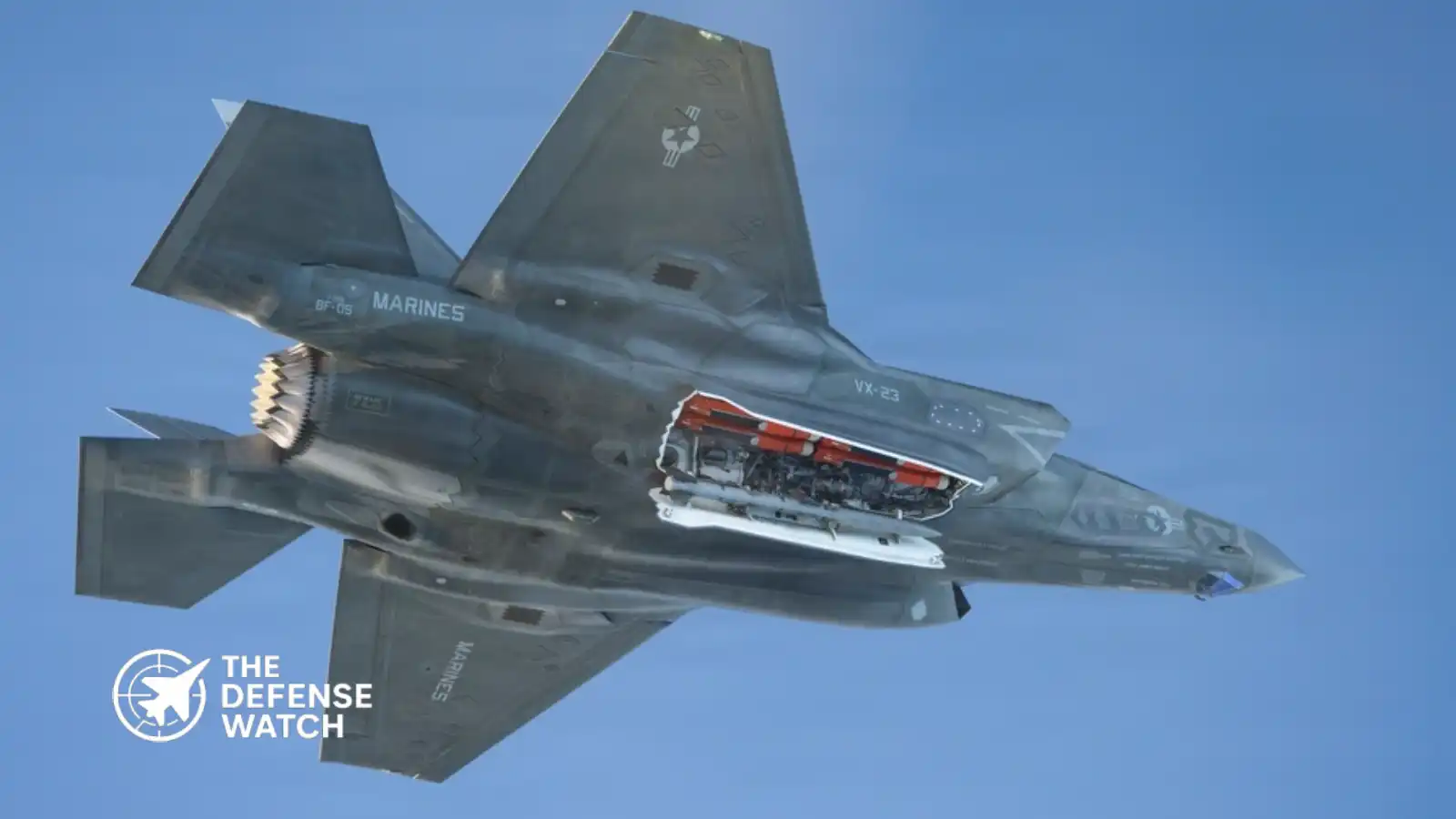
The F-35B SPEAR 3 missile integration program reached a major milestone after the aircraft completed its first flight carrying the MBDA-developed precision strike weapon. The test was conducted as part of the continuing effort to integrate advanced air-to-surface capabilities onto the fifth-generation fighter.
The flight marks the first time the F-35B has flown with the SPEAR 3 missile configuration.
The integration effort is being led in cooperation with the United Kingdom Ministry of Defence and European missile manufacturer MBDA. The weapon is intended to provide the F-35B with a compact stand-off strike capability capable of engaging defended targets at extended ranges.
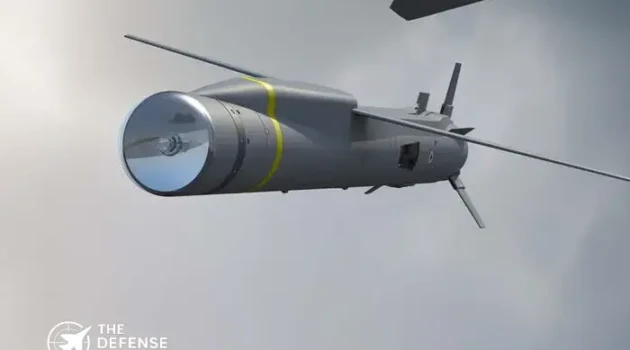
SPEAR 3, short for Select Precision Effects At Range Capability 3, is a network-enabled miniature cruise missile developed primarily for the Royal Air Force. The weapon combines low collateral damage targeting with stand-off range and multi-target engagement capability.
The missile uses a turbojet propulsion system rather than a traditional rocket motor, allowing greater range and flexible attack profiles. It is also designed to operate in electronically contested environments, an increasingly important requirement as air defense systems become more advanced.
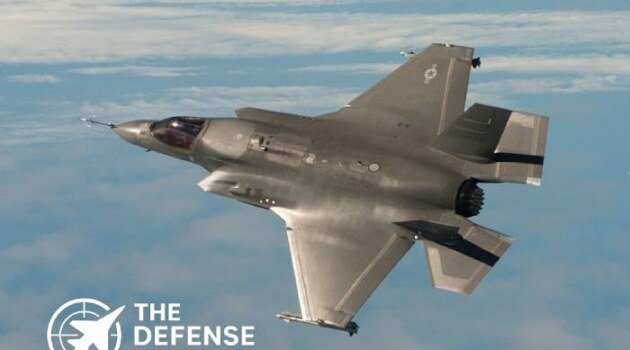
The F-35B already operates as a multirole platform with stealth, sensor fusion, and electronic warfare capabilities. Integrating SPEAR 3 could significantly improve its ability to conduct precision strikes against mobile air defenses, command nodes, and hardened targets without entering heavily defended zones.
That capability has growing relevance as NATO air forces prepare for potential operations against integrated air defense networks fielded by near-peer competitors.
Strategic Importance For The United Kingdom
The United Kingdom remains one of the leading international partners in the F-35 program and operates the short takeoff and vertical landing F-35B variant through both the Royal Air Force and Royal Navy.
Britain’s carrier strike strategy relies heavily on the F-35B operating from the Queen Elizabeth-class aircraft carriers. Adding SPEAR 3 to the platform would provide UK carrier air wings with a longer-range strike option against time-sensitive and defended targets.
The integration effort also supports Britain’s broader defense modernization plans focused on deep precision fires, networked warfare, and survivable air combat systems.
Unlike larger cruise missiles, SPEAR 3’s compact size allows multiple weapons to be carried internally, potentially increasing strike density during combat operations while maintaining stealth performance.
This reflects a wider trend among Western air forces seeking smaller, networked precision weapons capable of operating in high-threat environments where survivability is critical.
Broader NATO And Industrial Implications
The F-35B SPEAR 3 missile program also highlights the growing role of multinational defense cooperation within NATO. The aircraft itself is produced by Lockheed Martin, while the missile is developed by MBDA with substantial British industry participation.
The successful flight test demonstrates continued progress in integrating European-made weapons onto the U.S.-built stealth fighter platform. That interoperability is strategically important as allied nations seek to maintain operational flexibility across joint missions.
The integration may also strengthen export prospects for SPEAR 3 among existing and future F-35 operators looking for compact stand-off precision weapons.
Analysts have increasingly noted that future air campaigns will likely depend on stealth aircraft carrying larger numbers of network-enabled munitions rather than relying solely on a small number of expensive long-range cruise missiles.
SPEAR 3 fits within that operational concept by combining reduced size with precision guidance and extended reach.
Testing And Future Development
The recent flight represents an early but important phase in the broader weapons integration campaign. Additional testing will likely focus on environmental performance, weapons separation, guidance validation, and live-fire demonstrations before operational deployment.
Neither Lockheed Martin nor the UK Ministry of Defence disclosed a formal operational fielding timeline. However, the milestone indicates steady progress toward bringing the capability into frontline service.
The F-35 program continues to expand its weapons portfolio as partner nations seek greater flexibility for regional deterrence and expeditionary operations.
As air defense systems evolve, stand-off precision strike weapons like SPEAR 3 are expected to play an increasingly central role in NATO combat aviation planning.
Executive Summary: Russia has revealed the Su-57D, a new twin-seat variant of its Su-57 stealth fighter reportedly designed to coordinate unmanned combat aerial systems during future operations. The development reflects Moscow’s increasing focus on manned-unmanned teaming, long-range strike coordination, and next-generation aerial warfare concepts.
Su-57D Twin-Seat Stealth Fighter Marks New Phase In Russian Air Combat Development
The Su-57D twin-seat stealth fighter represents a significant evolution of Russia’s fifth-generation combat aircraft program. The aircraft completed its first flight and is expected to support future drone coordination missions alongside traditional fighter operations.
The new configuration introduces a second cockpit seat to the existing Su-57 platform, a move that could improve mission management during complex operations involving multiple unmanned aerial systems. Russian defense planners have increasingly emphasized manned-unmanned teaming as modern air warfare shifts toward networked combat environments.
The Su-57D appears intended to support that transition.
Russia Expands Focus On Drone-Controlled Air Operations
Russian military modernization efforts have accelerated since the widespread operational use of drones in conflicts across Eastern Europe and the Middle East. Combat experience has demonstrated the growing importance of unmanned systems for reconnaissance, electronic warfare, strike coordination, and decoy missions.
The Su-57D twin-seat stealth fighter may serve as a command-and-control platform capable of directing loyal wingman drones or coordinating multiple unmanned aircraft during combat missions.
Russian state defense industry officials have previously discussed integrating advanced artificial intelligence, sensor fusion, and unmanned teaming technologies into future tactical aviation programs. The addition of a second crew member aligns with approaches already explored by other major aerospace powers.
The United States, for example, is advancing Collaborative Combat Aircraft programs designed to operate alongside crewed fighters such as the F-35 Lightning II and F-22 Raptor.
China has also increased investment in manned-unmanned teaming concepts tied to next-generation air dominance initiatives.
Twin-Seat Design Could Improve Mission Coordination
The original Su-57 was designed primarily as a single-seat stealth multirole fighter focused on air superiority and strike operations. Adding a second operator may reduce pilot workload during missions involving large amounts of sensor data and drone coordination tasks.
Modern combat aircraft increasingly function as airborne command nodes rather than traditional standalone fighters. In these environments, pilots must manage radar systems, electronic warfare suites, targeting data, communication networks, and unmanned assets simultaneously.
A dedicated weapons systems officer or mission operator can improve operational effectiveness during high-intensity engagements.
The Su-57D twin-seat stealth fighter could therefore provide Russia with a platform optimized for future distributed air operations.
While Russian officials have not released full technical details, analysts expect the aircraft to retain many of the baseline Su-57’s characteristics, including low observable shaping, supercruise capability, and advanced avionics.
Su-57 Program Continues Amid Production Challenges
The broader Su-57 program has faced delays and production limitations since its inception. Russia originally intended the aircraft to compete directly with Western fifth-generation fighters, but serial production has progressed more slowly than anticipated.
Sanctions, supply chain restrictions, and the operational demands of the war in Ukraine have complicated procurement timelines for multiple Russian aerospace programs.
Despite these constraints, Moscow continues investing in advanced combat aviation technologies viewed as strategically important for long-term force modernization.
The unveiling of the Su-57D suggests Russia remains committed to evolving the platform beyond its original air superiority role.
Russian industry has also promoted the aircraft for export, although international sales remain limited compared to competing Western and Chinese systems.
Manned-Unmanned Teaming Becoming Central To Air Warfare
The development of the Su-57D reflects a broader global trend reshaping military aviation doctrine. Air forces increasingly see unmanned systems as force multipliers capable of extending operational reach while reducing risks to human pilots.
Future combat aircraft are expected to operate within interconnected ecosystems that combine crewed fighters, autonomous drones, electronic warfare assets, and space-based intelligence systems.
In this environment, stealth fighters may function as tactical commanders directing distributed networks of unmanned platforms.
The Su-57D twin-seat stealth fighter appears designed with that operational model in mind.
Its emergence also highlights how rapidly drone warfare lessons are influencing next-generation aerospace development worldwide.
Strategic Implications For Regional Air Power
Russia’s continued investment in advanced tactical aviation comes as NATO members expand their own fifth-generation fleets and drone integration programs. European states are also accelerating sixth-generation fighter initiatives, including multinational future combat air system projects.
The Su-57D could help Russia maintain relevance in future air combat competition by improving interoperability between crewed and unmanned systems.
However, questions remain regarding production scale, operational readiness, and the maturity of supporting drone technologies tied to the aircraft.
Without large-scale deployment of advanced loyal wingman drones, the Su-57D’s full operational concept may remain limited in the near term.
Still, the program signals an important doctrinal shift within Russian aerospace strategy.
Executive Summary: The global F-35 fleet is expected to see a temporary decline in aircraft availability as operators address a growing backlog of corrosion repairs. Defense officials say the effort is necessary to improve long-term readiness and sustainment performance for the stealth fighter program.
The F-35 availability rate is expected to decline in the near term as maintenance crews work through a backlog of corrosion-related repairs affecting the stealth fighter fleet. The issue, discussed by defense officials and sustainment leaders, highlights the ongoing challenge of maintaining fifth-generation aircraft designed for high-tempo operations in demanding environments.
The maintenance effort is focused on clearing accumulated corrosion cases that have developed across portions of the multinational F-35 fleet. The temporary reduction in aircraft readiness is expected as more jets are pulled from operational service for inspections and repair work.
The F-35 program remains one of the largest and most complex military aviation programs in the world, with aircraft operated by the United States and multiple allied nations. The platform serves in conventional takeoff, short takeoff and vertical landing, and carrier-based configurations across different branches and partner air forces.
Corrosion Challenges Continue To Affect Advanced Stealth Aircraft
Corrosion has long been a concern for modern military aircraft, particularly stealth platforms operating in maritime and humid environments. The F-35’s low observable coatings, advanced materials, and tightly integrated systems require specialized maintenance processes that can increase repair timelines compared with legacy aircraft.
Naval aviation environments create additional stress on airframes due to salt exposure and high-moisture operating conditions. Carrier-based aircraft, including the F-35C, face particularly demanding sustainment requirements because of continuous exposure to corrosive sea air.
While corrosion repair programs can reduce short-term availability rates, analysts note that delaying such work would likely create larger sustainment problems later in the aircraft’s lifecycle. The current maintenance push appears aimed at preventing deeper structural or systems-related issues from emerging over time.
Sustainment Costs Remain Under Pressure
The F-35 program has faced continued scrutiny over sustainment costs and fleet readiness metrics. Although the aircraft provides advanced sensor fusion, stealth capabilities, and networked warfare functions, operators have consistently pushed for lower maintenance burdens and improved mission capable rates.
The Pentagon and partner nations have invested heavily in improving supply chain efficiency, spare parts availability, and depot-level maintenance capacity. However, the growing size of the global fleet has increased demand on sustainment infrastructure.
Lockheed Martin, prime contractor for the F-35 program, has previously stated that improving aircraft availability remains a key objective. Efforts have included software upgrades, predictive maintenance initiatives, and modifications intended to reduce downtime.
The temporary availability decline linked to corrosion repairs underscores a broader reality facing modern air forces. Advanced combat aircraft require increasingly sophisticated maintenance ecosystems to sustain operational readiness over decades of service.
Operational Impact Expected To Be Temporary
Defense officials reportedly expect the reduction in F-35 availability to be temporary as the maintenance backlog is addressed. Once repair cycles stabilize, fleet readiness levels could improve due to fewer unresolved sustainment issues remaining in the system.
Several allied operators continue expanding their F-35 fleets despite sustainment concerns. Nations across NATO and the Indo-Pacific view the aircraft as a central component of future air combat capability and coalition interoperability.
The F-35 remains heavily deployed in deterrence operations, air policing missions, carrier strike group operations, and joint exercises. Its role in modern military planning means sustainment performance will remain under close observation by defense ministries and lawmakers.
The F-35 availability decline tied to corrosion repairs is significant because readiness rates directly influence force projection and operational planning. Air forces depend on predictable aircraft availability for training, deployments, and contingency operations.
Addressing corrosion issues now may strengthen long-term fleet health, even if it creates temporary operational strain. Defense planners increasingly view sustainment resilience as a critical factor in maintaining combat capability during extended periods of geopolitical tension.
For allied operators, the situation also reinforces the importance of building domestic maintenance and repair infrastructure capable of supporting advanced stealth aircraft independently.