

Executive Summary:
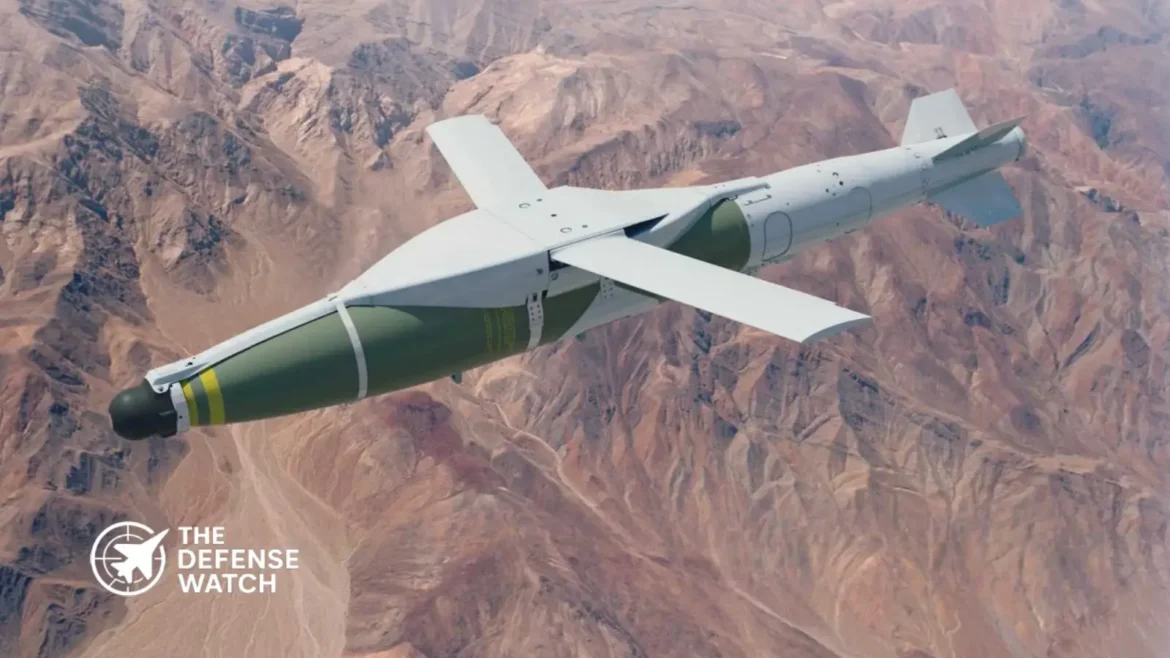
The United States has approved a $373 million sale of 1,500 JDAM-ER precision guidance kits to Ukraine. The package will significantly enhance Ukraine’s ability to conduct long-range, accurate strikes against Russian positions. The move reflects continued Western efforts to strengthen Kyiv’s stand-off strike capability in a protracted conflict.
U.S. Expands Ukraine’s Precision Strike Arsenal
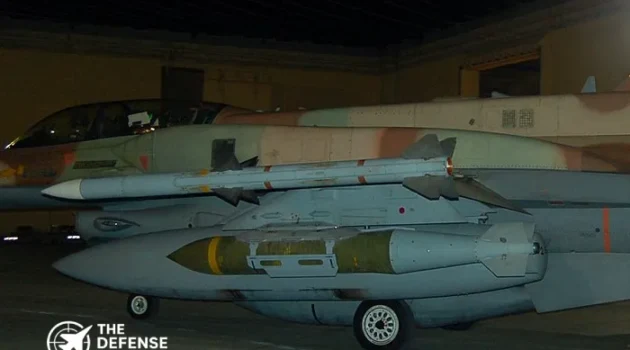
The United States has authorized the transfer of 1,500 Joint Direct Attack Munition-Extended Range (JDAM-ER) kits to Ukraine in a deal valued at $373 million. The systems, produced by Boeing, convert conventional unguided bombs into precision-guided munitions with extended range.
This latest package builds on earlier deliveries of standard JDAM kits and reflects a shift toward longer-range strike solutions. Ukrainian forces have increasingly relied on Western-supplied precision weapons to offset Russia’s numerical advantages in artillery and airpower.
What is JDAM-ER and Why It Matters
The JDAM-ER enhances legacy bombs by adding a GPS guidance system and deployable wings, extending their reach far beyond standard free-fall munitions.
Key Technical Advantages
- Extended Range: Up to 72 km, depending on launch conditions
- High Accuracy: GPS guidance enables strikes within a few meters of target
- Cost Efficiency: Converts existing bomb stockpiles into precision weapons
- All-Weather Capability: Operates in adverse weather conditions
- Stand-off Capability: Allows aircraft to strike without entering high-risk air defense zones
JDAM-ER vs Legacy Unguided Bombs
Feature JDAM-ER Unguided Bombs Range Up to 72 km Limited (free-fall only) Payload Standard bomb compatibility Standard bomb payload Status Operational in Ukraine Legacy systems Key Technology GPS guidance + glide wings None Operational Impact on the Battlefield
The integration of JDAM-ER kits will allow Ukraine to strike logistics hubs, command centers, and fortified positions at greater distances. This reduces exposure of Ukrainian aircraft to Russian air defense systems, a critical factor in contested airspace.
Ukrainian aircraft, including Soviet-era platforms adapted for Western munitions, have already demonstrated the ability to deploy JDAM systems effectively. The ER variant further enhances this capability by increasing stand-off range.
Strategic Context: Shifting Toward Stand-Off Warfare
The delivery comes amid continued fighting in the Russia-Ukraine War, where both sides are investing heavily in precision strike and counter-air defense capabilities.
For the United States, this package underscores a broader strategy:
- Strengthen Ukraine’s deep-strike capability
- Reduce reliance on short-range artillery duels
- Increase pressure on Russian rear-area infrastructure
JDAM-ER also fills a capability gap between traditional artillery and more advanced systems such as cruise missiles, offering a scalable and cost-effective strike option.
Broader Implications for Air Warfare
The deployment of JDAM-ER highlights a growing trend in modern warfare: adapting legacy platforms with precision technology. Instead of relying solely on expensive missiles, militaries are increasingly upgrading existing munitions for greater efficiency and reach.
As the conflict evolves, the emphasis on precision, range, and survivability is likely to intensify, making systems like JDAM-ER central to future air combat operations.
Zelenskiy Erdogan Istanbul Talks Reflect Renewed Diplomatic Push
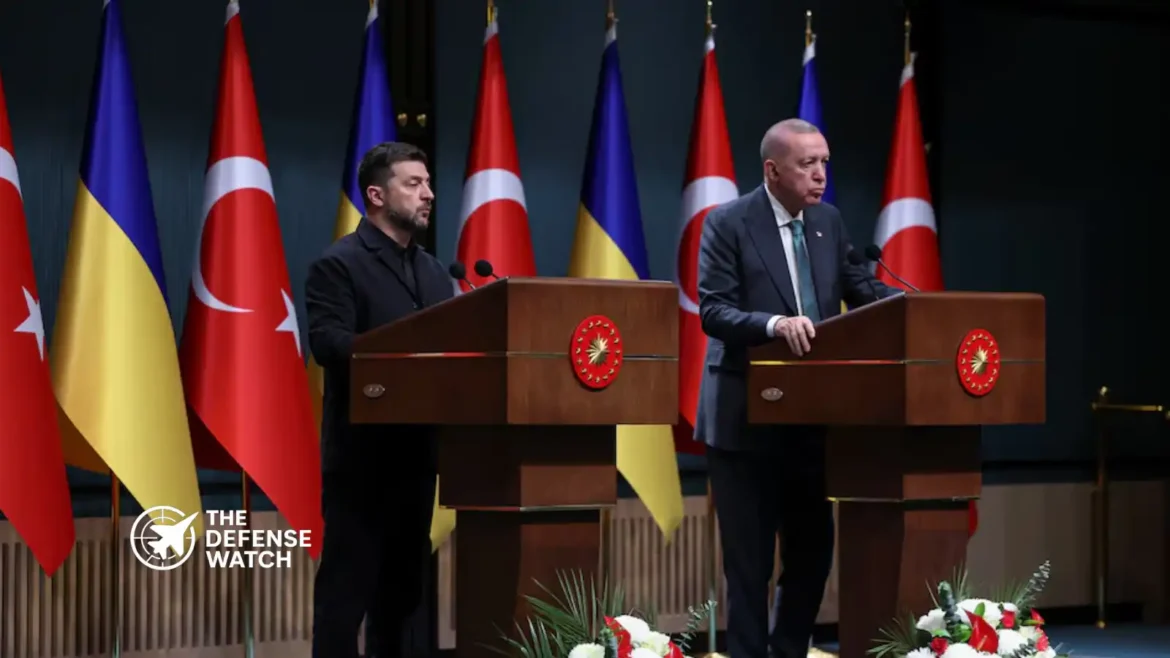
The Zelenskiy Erdogan Istanbul talks mark a renewed diplomatic effort by Ukraine as the conflict with Russia remains unresolved and pressure mounts on multiple fronts. Ukrainian President Volodymyr Zelenskiy’s visit to Turkey underscores Kyiv’s continued search for viable negotiation channels, even as military operations persist.
According to Reuters, Zelenskiy’s meeting with Turkish President Recep Tayyip Erdogan in Istanbul focuses on key issues including regional security, the Black Sea grain corridor, and potential frameworks for future negotiations. Turkey has maintained a unique position throughout the conflict, balancing ties with both Ukraine and Russia while offering itself as a mediator.
This meeting reflects a broader strategic calculation by Ukraine. While battlefield dynamics remain critical, diplomatic engagement is increasingly seen as necessary to shape long-term outcomes.
- Ukrainian President Volodymyr Zelenskiy arrived in Istanbul for talks with Turkish President Recep Tayyip Erdogan.
- Turkey continues to position itself as a mediator between Ukraine and Russia.
- Discussions are expected to focus on security, grain exports, and potential negotiation frameworks.
- The meeting comes amid ongoing battlefield pressure and stalled peace efforts.
- Ankara seeks to expand its diplomatic role in regional conflict resolution.
Turkey’s Role As A Strategic Mediator
Turkey’s involvement in the Zelenskiy Erdogan Istanbul talks is consistent with its ongoing efforts to act as a diplomatic bridge. Ankara previously facilitated agreements such as the Black Sea grain initiative, which allowed Ukrainian agricultural exports to reach global markets despite wartime disruptions.
Turkey’s geographic position and political relationships give it leverage that few other NATO members possess. Unlike many Western nations, Ankara maintains open communication channels with Moscow. This creates opportunities for dialogue that might not be possible elsewhere.
From a defense and geopolitical perspective, Turkey’s mediation efforts also align with its broader ambition to assert regional influence. By positioning itself as an indispensable intermediary, Ankara strengthens its role in both NATO and Eurasian security dynamics.
Diplomatic Timing Amid Battlefield Pressures
The timing of the Zelenskiy Erdogan Istanbul talks is significant. Ukraine continues to face sustained military pressure, while Western support remains critical but increasingly scrutinized. At the same time, Russia has shown limited willingness to engage in meaningful negotiations under current conditions.
This creates a complex environment where diplomacy must operate alongside ongoing military operations. Zelenskiy’s engagement with Erdogan suggests Kyiv is keeping diplomatic options open without signaling any immediate shift away from its core war objectives.
In practical terms, such talks can serve multiple purposes:
- Reinforcing international support
- Exploring humanitarian or economic agreements
- Testing potential negotiation pathways
Even if immediate breakthroughs are unlikely, maintaining dialogue channels is strategically important.
Grain Corridor And Economic Security
One of the central topics in the Zelenskiy Erdogan Istanbul talks is expected to be the Black Sea grain corridor. This initiative has been critical in stabilizing global food markets, particularly for countries dependent on Ukrainian exports.
Disruptions to the corridor have previously led to spikes in food prices and heightened global concern. Turkey’s role in facilitating and monitoring these agreements has been widely recognized.
Strategic Implications For Regional Security
The Zelenskiy Erdogan Istanbul talks also carry broader implications for regional security. The Black Sea remains a contested space, with naval activity, drone operations, and missile strikes shaping the operational environment.
Turkey’s influence in the region, combined with its control over the Bosporus and Dardanelles straits, gives it a critical role in managing maritime dynamics. Any diplomatic progress involving Ankara could have downstream effects on naval operations and freedom of movement in the region.
From a defense standpoint, this highlights the intersection of diplomacy and military strategy. Control of key geographic chokepoints and the ability to broker agreements can directly impact operational realities.
Analysis: Diplomacy As A Complement To Military Strategy
The Zelenskiy Erdogan Istanbul talks illustrate a broader trend in modern conflict, where diplomacy and military operations are deeply interconnected. While battlefield outcomes remain decisive, diplomatic engagements shape the strategic environment in which those outcomes are interpreted.
Ukraine’s approach reflects a dual-track strategy:
- Sustain military resistance
- Expand diplomatic engagement
Turkey, meanwhile, leverages its intermediary role to enhance its geopolitical standing. This creates a mutually beneficial dynamic, even if immediate conflict resolution remains unlikely.
Importantly, such meetings also serve signaling purposes. They demonstrate to allies, adversaries, and neutral states that Ukraine remains actively engaged on all fronts, not solely reliant on military solutions.
Outlook
While the Zelenskiy Erdogan Istanbul talks are unlikely to produce immediate breakthroughs, they represent a استمرار of diplomatic momentum in a protracted conflict. The involvement of Turkey adds a layer of complexity and opportunity, given its unique position between East and West.
Future developments will depend on several factors:
- Willingness of Russia to engage in mediated talks
- Stability of key agreements such as the grain corridor
For now, the meeting underscores a simple reality. Even in high-intensity conflict, diplomacy remains an essential tool of statecraft.
NATO Chief Says Europe Can’t Defend Itself Without U.S Support
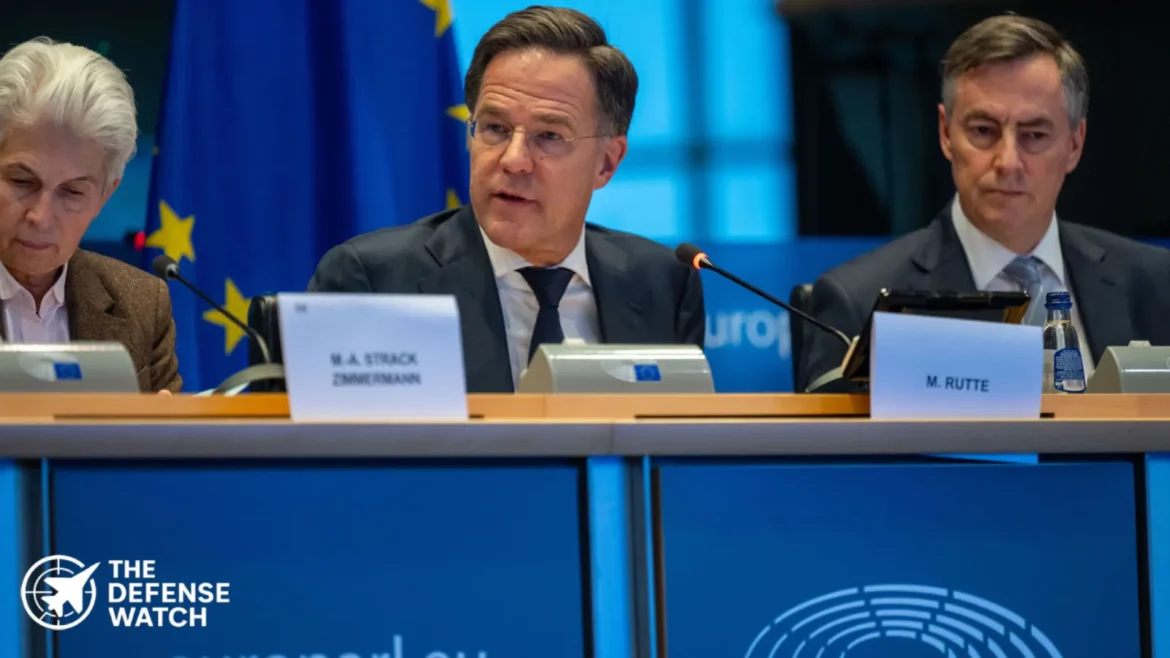
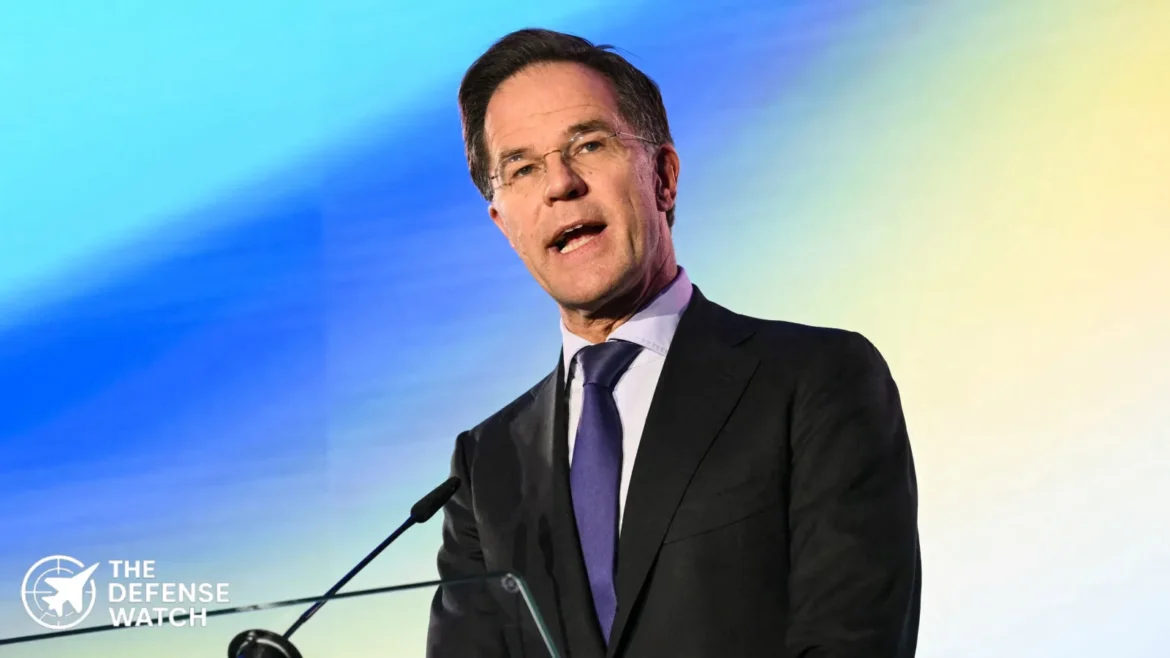
BRUSSELS — NATO Secretary General Mark Rutte told members of the European Parliament’s Security and Defence Committee on January 26 that Europe cannot defend itself without the United States and stressed continued support for Ukraine as Russian attacks persist. Rutte’s remarks underscored the central role of transatlantic defence cooperation and NATO-EU military coordination.
Rutte said that even with increased European defence spending, the continent would not be able to stand alone against major security threats without U.S military capabilities, including nuclear deterrence, and that the United States and Europe “need each other” to effectively deter aggression and protect shared security interests.
Transatlantic Defence Emphasis
Addressing lawmakers in Brussels, Rutte rejected arguments for full European defence autonomy, saying that even meeting NATO’s new defence spending targets would not substitute for U.S support. “If anyone thinks here that the European Union or Europe as a whole can defend itself without the U.S., keep on dreaming,” Rutte said.
Defence leaders and analysts have highlighted that U.S contributions — both conventional and nuclear — remain critical to NATO’s deterrence strategy, especially as European members push to strengthen their armed forces and defence industries. This fits with NATO’s long-standing collective defence commitments under Article 5 of the Washington Treaty.
Ukraine Support Remains Central
Rutte also detailed NATO’s coordinated support for Ukraine, including military aid prioritised through the NATO Prioritised Ukraine Requirements List (PURL) and multilateral initiatives with European partners. He said U.S military hardware and supplies remain vital to Kyiv’s defence against continued Russian missile assaults.
He urged European leaders to ensure flexibility in how financial and military assistance is used to meet Ukraine’s urgent needs, including air defence interceptors to protect cities such as Kyiv and Kharkiv.
Rutte’s comments come as NATO and EU capitals seek to balance long-term defence production and capability improvements with immediate battlefield requirements in Ukraine.
Defence Spending and Strategic Reality
NATO allies agreed at the June 2025 summit in The Hague on a framework to increase defence spending toward a combined 5 percent of GDP by 2035, a target aimed at strengthening the alliance’s collective capabilities. Rutte reiterated that even reaching such targets would not enable Europe to achieve full, independent defence capabilities without U.S support.
Officials say this shared defence investment is key to addressing gaps in air defence, long-range strike, and other high-end capabilities that European forces currently lack.
EU-NATO Cooperation
At the session, Rutte also stressed the importance of NATO-EU cooperation on defence planning, capability development, and military logistics. He said close alignment of efforts would help improve interoperability, speed production, and reinforce deterrence across both organisations.
Lawmakers pressed him on how best to deepen cooperation, particularly in areas where EU procurement and NATO planning can be better integrated to support Ukraine and broader security needs.
NATO Confirms Russia Losing Up to 25,000 Soldiers Per Month in Ukraine
NATO Secretary General Mark Rutte stated that Russia is suffering extraordinary personnel losses during its ongoing war in Ukraine. Speaking at the Global Europe conference in Brussels on January 13, 2026, Rutte estimated that 20,000 to 25,000 Russian soldiers are killed each month.
Rutte emphasized that these losses result from Ukraine’s sustained defensive operations, describing the situation as unsustainable for Moscow. He compared the current conflict to the Soviet Union’s decade-long war in Afghanistan during the 1980s, noting that Moscow is now losing in a single month what took ten years in Afghanistan.
NATO officials highlighted that the high casualty rate underlines the intensity and cost of Russia’s military campaign in Ukraine. The statement also reflects the ongoing challenges Russia faces in maintaining its operational strength amid Ukrainian counterattacks.
The alliance reiterated the importance of monitoring the situation as the conflict continues, stressing that Russia’s losses could have long-term implications for its military capacity. Previous reports also highlighted the impact of Russian strikes on Ukraine’s infrastructure, alongside the use of advanced weaponry like the Oreshnik missile.
Rutte’s remarks provide a rare NATO assessment of Russian personnel losses, offering insight into the human toll of the conflict and reinforcing the strategic significance of Ukraine’s defensive efforts.
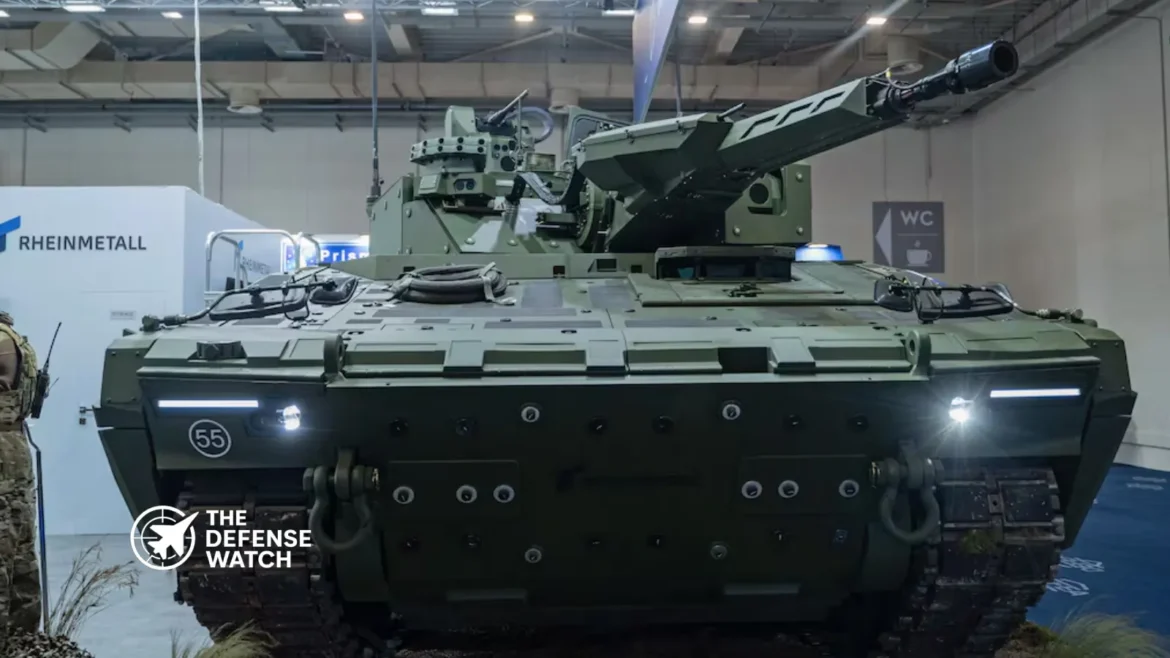
Ukraine is set to receive its first Lynx KF41 infantry fighting vehicles in early 2026 after Rheinmetall and the German government finalized a delivery contract in December 2025. The next-generation IFVs are funded by Berlin and tailored to Ukrainian requirements.
Germany Funds Initial Lynx KF41 Batch
Rheinmetall announced that Germany will finance the delivery of five Lynx KF41 infantry fighting vehicles to Ukraine under a contract signed late last year. The order is valued in the mid-double-digit million euro range.
The first systems are expected to arrive in Ukraine in the coming weeks, marking the start of what Rheinmetall describes as a broader procurement plan for the platform.
Vehicle Details and Configuration
The Lynx KF41 IFVs destined for Ukraine will feature a two-person Lance turret and a configuration specified by Ukrainian forces following extensive testing.
The KF41 is designed with modular electronics and protection systems and offers a balance of mobility, protection, and firepower for frontline mechanized units. It belongs to a family of tracked IFVs developed to meet modern combat demands.
Future Procurement and Production Plans
Rheinmetall has signaled that the initial five vehicles are part of a larger effort to equip Ukraine with next-generation mechanized platforms. Future phases could include additional batches and localized production in Ukraine.
The delivery follows earlier evaluation work, including the provision of a single Lynx for testing and comparison with other Western IFVs.
Context of Support
Germany has been a significant supporter of Ukraine’s military since the full-scale invasion began in 2022, providing funding and equipment to strengthen Ukraine’s defensive capabilities.
Russia Arms Shahed Drones with Anti-Aircraft Missile Capability
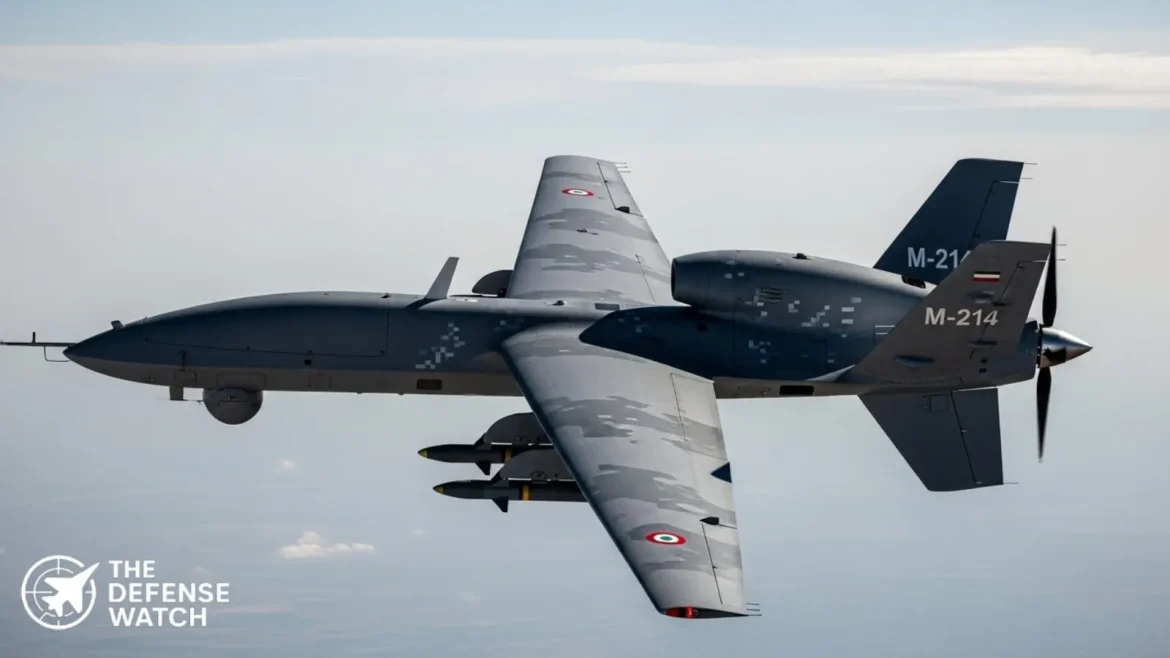
Russia has modified Shahed-type one-way attack drones to carry an anti-aircraft missile, marking a notable shift in how Moscow employs low-cost unmanned aerial vehicles in the Ukraine war. This change could pose new challenges for Ukrainian air defenses and aircraft tasked with intercepting kamikaze drones.
Photos circulating on social media show a Shahed-136 style UAV fitted with a man-portable air defense system, or MANPADS, mounted on the drone’s dorsal forward section instead of its usual explosive warhead.
The drone appears equipped with a camera and radio modem, enabling operators to guide and launch the missile remotely from Russian territory, according to Ukrainian officials who verified the images.
Russia now manufactures a domestic version of Iran’s propeller-driven Shahed-136, designated the Geran-2.
What This Means for the Battlefield
The adaptation suggests Russian forces are seeking ways to counter Ukrainian fixed-wing and rotary-wing aircraft that have been used to shoot down slow-moving Shahed/Geran attack UAVs. Traditional MANPADS and mounted missiles use infrared guidance, meaning the drone does not need advanced onboard sensors or power to operate the missile seeker.
Ukraine has relied on fighters like Mirage 2000s and Soviet-era MiG-29s, and helicopters with machine guns, to counter waves of attack drones.
By arming disposable UAVs with air-to-air capability, Russian units may be trying to force changes in interception tactics by Ukrainian pilots who until now did not face airborne threats from these low-cost platforms.
Wider Context
Images and reports of weaponized Shaheds surfaced amid a series of drone evolution developments in this conflict. Independent open-source analyses have identified modifications, including versions armed with air-to-air missiles such as the Soviet-era R-60.
Adding anti-air capability to one-way attack UAVs reflects ongoing adaptation by Russian forces to exploit inexpensive unmanned systems in layered roles on the battlefield.
Operational Challenges
If confirmed, this shift may force Ukraine to adjust how it allocates air defense resources. Ground-based missiles might be saved for higher-end cruise or ballistic threats while aircraft and helicopters focus on drone interception.
Ukrainian military officials are closely monitoring these developments and assessing impacts on aerial operations in the conflict.
French SAMP/T NG Live-Fire Success Spurs Ukraine Deployment Talk
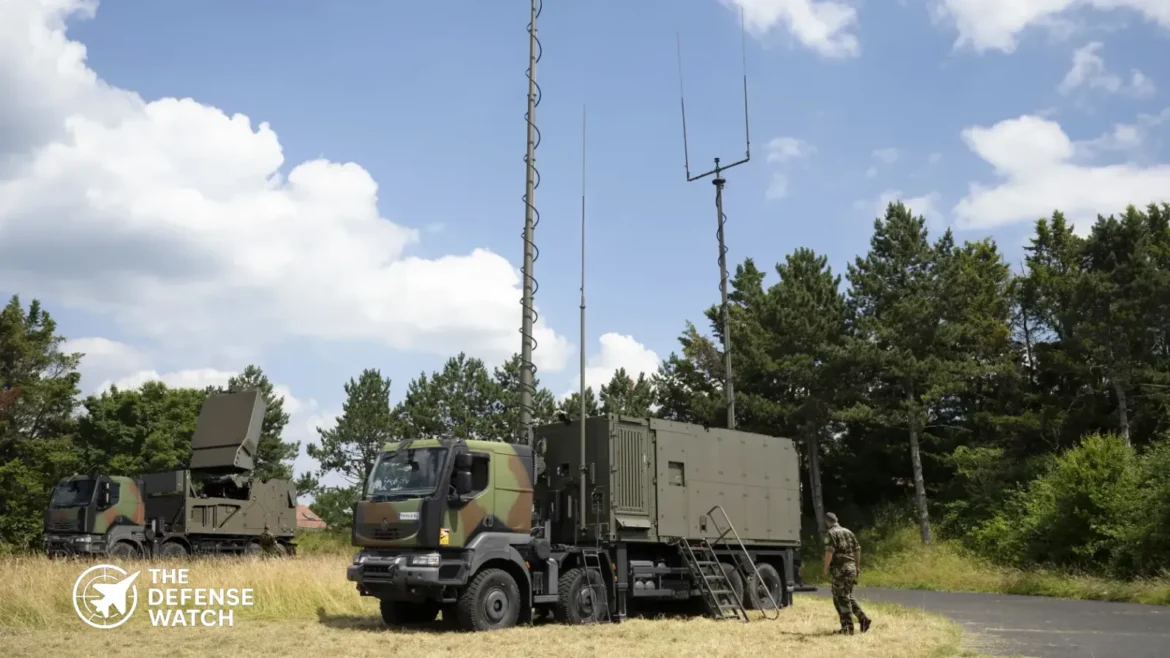
France’s next-generation SAMP/T NG air defense system completed its first live fire test in December 2025, validating core elements of the upgraded system and prompting renewed discussion about potential deployment to Ukraine in 2026, according to a French defense announcement.
(adsbygoogle = window.adsbygoogle || []).push({});The December 22 firing at the DGA Essais de Missiles range in Biscarrosse, southwest France, paired SAMP/T NG’s new engagement module with its Ground Fire radar in a live demonstration of target engagement. The trial is part of a qualification campaign ahead of planned service entry in 2026 for French and Italian armed forces.
Thales, the system’s radar and sensor lead, highlighted the test as a key step toward operational capability. First deliveries of SAMP/T NG units are slated for 2026 under existing Eurosam development schedules.
French President Emmanuel Macron has said the new system could be deployed initially in Ukraine once it enters service, a position amplified by French government and industry channels. Observers note that this would follow Ukraine’s ongoing use of existing SAMP/T systems supplied by France.
What SAMP/T NG Brings
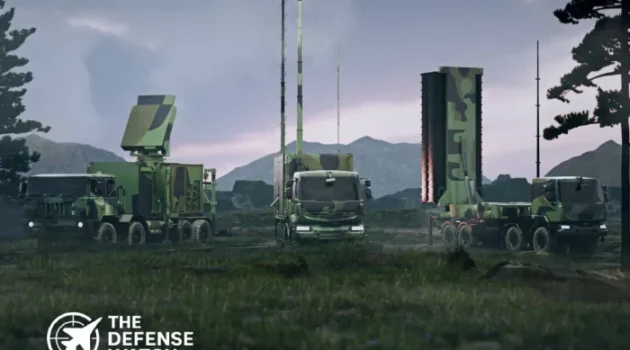
The SAMP/T NG system is the latest evolution of the Franco-Italian surface-to-air missile family managed by the Organization for Joint Armament Cooperation (OCCAR). It builds on the SAMP/T baseline with a new multi-function engagement module, a 360-degree Ground Fire AESA radar, and advanced Aster interceptors.
SAMP/T NG is designed to engage aircraft, cruise missiles, drones, and theatre-class ballistic threats at extended ranges. It integrates launchers with multiple ready-to-fire Aster missiles and can operate both standalone and as part of an integrated air and missile defense network.
(adsbygoogle = window.adsbygoogle || []).push({});Earlier tests of the Aster 30 B1NT missile, the primary interceptor for SAMP/T NG, showed enhanced reach and engagement performance, supporting qualification efforts.
Ukraine and Future Deliveries
Ukraine currently fields older SAMP/T systems supplied by France. These have contributed to Ukraine’s layered air defense alongside Western counterparts.
Under a 2025 bilateral defense agreement, France committed to delivering next-generation SAMP/T NG systems to Ukraine once they enter production. French officials and Ukrainian sources anticipate initial deliveries in 2026.
The exact timing and numbers of systems for Ukraine have not been confirmed publicly by French defense authorities. Delivery schedules will depend on successful qualification, production ramp-up, and political approval.

Poland Scrambles Aircraft After Russian Strike
WARSAW Poland scrambled its own and allied military jets early on December 23, 2025 after Russia carried out airstrikes in western Ukraine close to the Polish border. The Polish armed forces said they also placed radar and air‑defense systems on high alert to protect the country’s airspace.
The military described the actions as preventive, meant to secure the skies near areas threatened by the conflict.
What Happened
On Tuesday morning Polish and NATO aircraft were sent into the air. Ground‑based air defense and radar systems were set to heightened readiness. Poland’s Operational Command said these steps were aimed at defending Polish airspace, especially in regions close to the border with Ukraine where Russian strikes were reported.
Russia’s attacks included missiles and drones targeting locations in western Ukraine. Ukrainian officials reported explosions and alerts across parts of the country.
Official Statements
Poland’s operational command said on social media that “fighter jets were scrambled, and ground‑based air‑defense and radar reconnaissance systems were put on heightened readiness.” The command emphasized these measures were protective, not offensive.
No official Russian comment was reported shortly after Poland’s announcement.
Background
Poland is a member of NATO, a military alliance that commits members to defend each other against attacks. That makes threats near its border especially sensitive. Russia’s ongoing war in Ukraine has increased military activity near Poland, prompting tighter airspace monitoring.
Poland and its allies regularly conduct patrols along the eastern flank of NATO and use jets and radar systems to watch for potential threats. This is part of wider alliance efforts to prevent accidental or deliberate violations of member countries’ airspace.
Why It Matters
Russia’s strikes in Ukraine have been pushing the conflict closer to NATO territory. Poland shares a long border with Ukraine, and any spillover could trigger wider tensions. Scrambling jets and raising alert levels shows how seriously Warsaw treats airspace security.
Such moves also send a message that NATO is watching and ready to act if threats move closer to alliance members.
Reactions
There were no immediate statements from Russian officials about Poland’s response. Independent observers say scrambling jets is a routine defensive move under these conditions. It is meant to reassure the public and deter any accidental incursions into allied airspace.
Ukraine’s leaders have been urging stronger support from NATO partners as Russian attacks continue. This event highlights ongoing concerns about regional security and the risk of conflict spreading.
Sweden Starts Testing Kreuger 100 Interceptor Drone
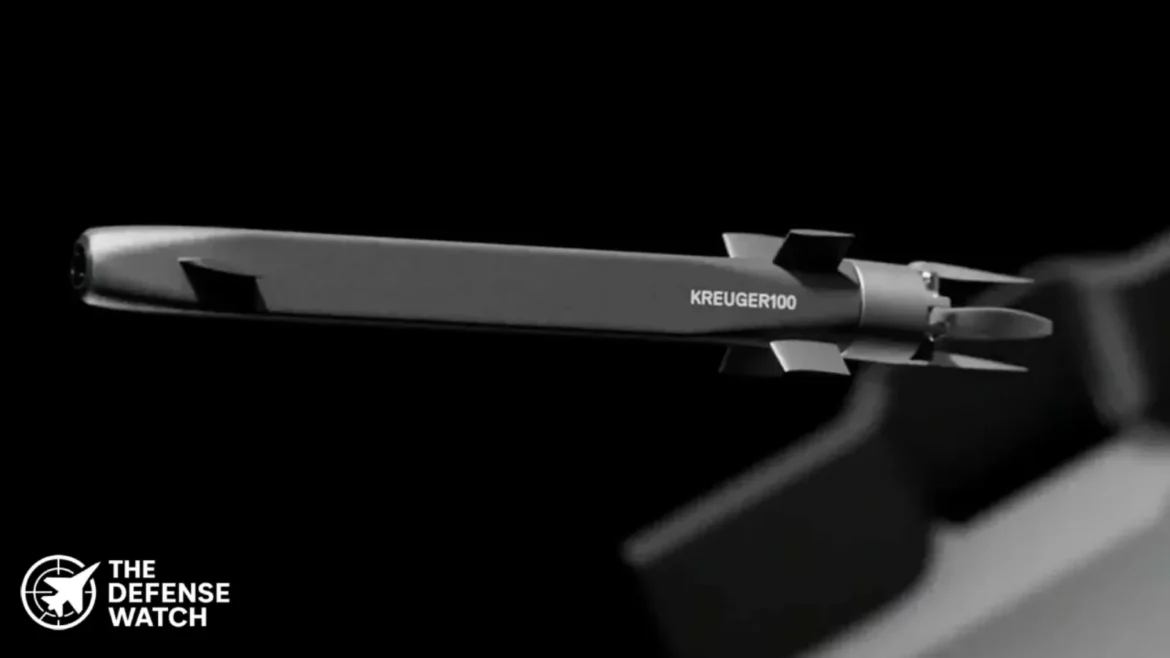
Sweden’s defense technology company Nordic Air Defense said it will begin flight tests of the Kreuger 100 interceptor drone in winter 2025 before sending the system to Ukraine for field trials. The tests are planned ahead of operational use against Shahed‑type attack drones in the Ukraine conflict.
Nordic Air Defense confirmed in an interview with Defender Media that winter flight testing of the Kreuger 100 interceptor drone will take place in Sweden. After these tests, the company plans to ship units to Ukraine for trials where they could engage Shahed‑style attack drones.
The tests follow a broader trend in air defense toward using interceptor drones to counter large numbers of low‑cost aerial threats.
Dominic Surano, Director of Special Projects at Nordic Air Defence, outlined the sequence: winter flight testing first, then shipping systems to Ukraine for operational trials. Surano said the company will adjust the design based on user feedback from the field.
The company frames the Kreuger 100 as part of a larger 2025 trend toward interceptor drones becoming central to counter‑drone strategy.
The Kreuger 100 is a lightweight battery‑powered interceptor designed to counter small and medium drones before they reach their targets. It uses a software‑driven flight control system and pulsed propulsion to reduce cost and complexity compared with traditional missiles or interceptors.
In civilian settings, these systems can protect critical sites like airports and other infrastructure. They rely on infrared tracking to detect and engage aerial threats in varied conditions.
Sweden’s Nordic Air Defense has attracted investor support for this platform and related technologies, positioning itself as a developer of scalable defensive systems.
Low‑cost attack drones such as the Shahed series have become a prominent threat in the Ukraine conflict. Countries and companies worldwide are seeking ways to defeat swarms of cheap drones without relying solely on expensive traditional air defense missiles.
Ukraine has also signalled its intent to expand interceptor drone production. Its leadership issued orders to reach large daily outputs of interceptor drones to defend against frequent attacks.
Sweden’s testing and potential deployment of the Kreuger 100 reflects both technological innovation and the practical need for affordable counter‑drone systems in active conflict zones.
Independent defense analysts note interceptor drones are gaining interest as armies look for scalable solutions to neutralise low‑cost threats. Expert coverage suggests systems like the Kreuger 100 could offer new options for nations facing large numbers of small aerial targets.
Opposing military forces have not publicly commented on Sweden’s testing or the planned deployment to Ukraine at this stage.
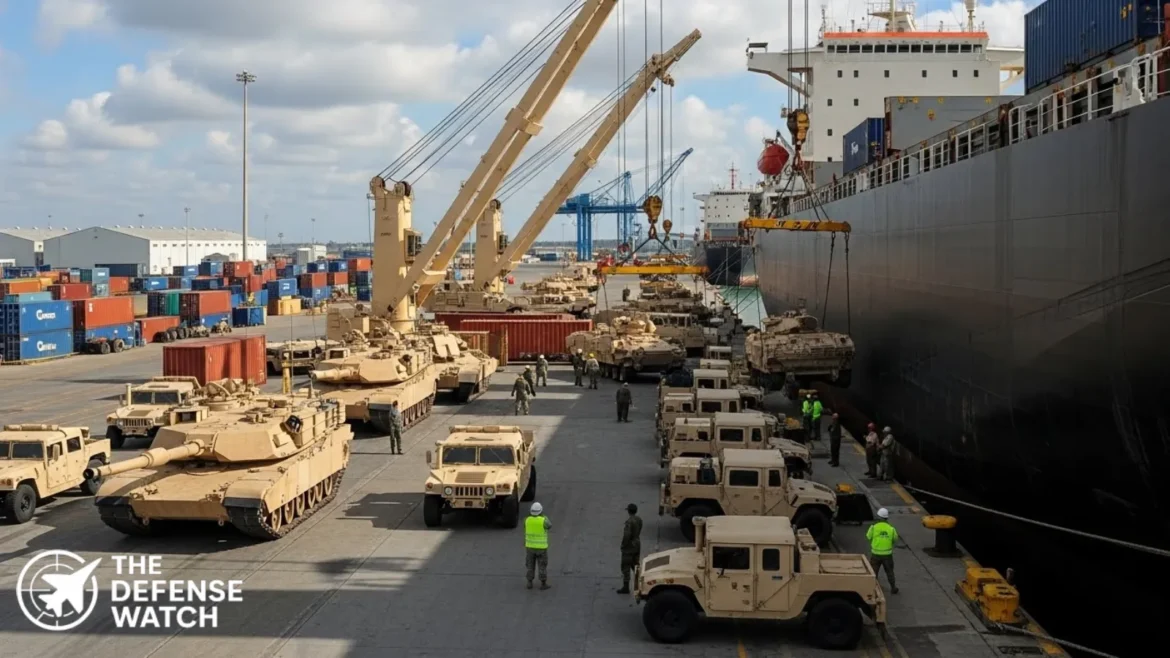
Ukraine is set to receive roughly 5 billion in weapons and military equipment by the end of 2025 through the Prioritized Ukraine Requirements List program, NATO Deputy Secretary General Radmila Šekerinska said in a December 12 interview with Ukrainian public broadcaster Suspilne. The deliveries will focus on air defense systems, ammunition and critical spare parts, with logistics operating around the clock via hubs in Poland and Romania.
What the PURL Program Is
The Prioritized Ukraine Requirements List (PURL) mechanism was established in mid-2025 to help coordinate arms transfers to Ukraine from U.S. military stockpiles, funded by NATO members and partner countries. Under PURL, Ukraine identifies its most urgent requirements, and participating nations fund the purchase of weapons from U.S. reserves. Once funds are committed, the U.S. ships the equipment to buying countries, which then transfer it to Ukraine.
The initiative became operational after a shift in U.S. policy in 2025, when direct U.S. military aid to Kyiv was paused. NATO allies stepped in to fill the gap by pooling funds to buy U.S.-made weapons for Ukraine under PURL. More than 20 countries have joined the program, including non-NATO partners Australia and New Zealand.
Weapons and Equipment Focus
NATO and partner nations are directing PURL funding toward items Ukrainian forces urgently need on the battlefield. The largest share of the 5 billion in planned deliveries will be air defense systems, ammunition and essential spare parts. According to Šekerinska, the bulk of air defense equipment reaching Ukraine is coming through PURL, and that capability remains a top priority as Russian forces continue sustained attacks on Ukrainian infrastructure and population centers.
PURL deliveries are coordinated through established logistics hubs in Poland and Romania, where equipment from U.S. stockpiles is sorted and forwarded to Ukraine. European allies and Canada provide most of the funding for these packages, with contributions from other partners as well.
Scale and Participation
Several NATO members have announced specific PURL contributions this year. Northern European and Baltic allies agreed to fund a joint 500 million package of U.S.-sourced equipment for Ukraine. Other groups of countries have pledged similar amounts to support air defense and munitions deliveries through the initiative.
These combined efforts reflect a broader trend of allied collaboration on Ukraine’s defense needs. By early December, partner countries had contributed more than 4 billion in equipment and munitions procurement under PURL, with more pledges expected before year’s end.
Logistics and Operations
NATO officials say the PURL logistics network operates continuously to keep supplies flowing. Equipment moves from U.S. military stockpiles to forward hubs in Europe, then onward to frontline units in Ukraine. The system is designed for speed and flexibility, though it depends on partner funding and the pace of U.S. production and replenishment of stockpiles.
The emphasis on air defense reflects persistent threats from Russian missile and drone strikes, particularly against critical infrastructure. NATO and partners have acknowledged that Ukraine still needs additional systems and ammunition beyond the current 5 billion plan, prompting calls to sustain and expand production.
Context and Strategic Importance
The PURL program supplements other allied aid mechanisms and underscores broader Western support for Ukraine’s defense. It represents an innovative way to deliver U.S.-made weapons to Ukraine while sharing financial responsibility among NATO and partner countries.
As the conflict continues into its fourth year, air defense remains a key priority for Kyiv. Allied support through PURL aims to help Ukraine protect its territory and population against aerial threats, and to sustain frontline operations.
What’s Next
With the end of 2025 approaching, NATO officials expect the final PURL deliveries to meet the 5 billion target. Beyond that, members are discussing future contributions and mechanisms to continue supporting Ukraine’s defense needs into 2026 and beyond, including ramping up allied production of air defense systems and munitions.