Russian Air Defences Neutralize Eight Drones Heading to Moscow
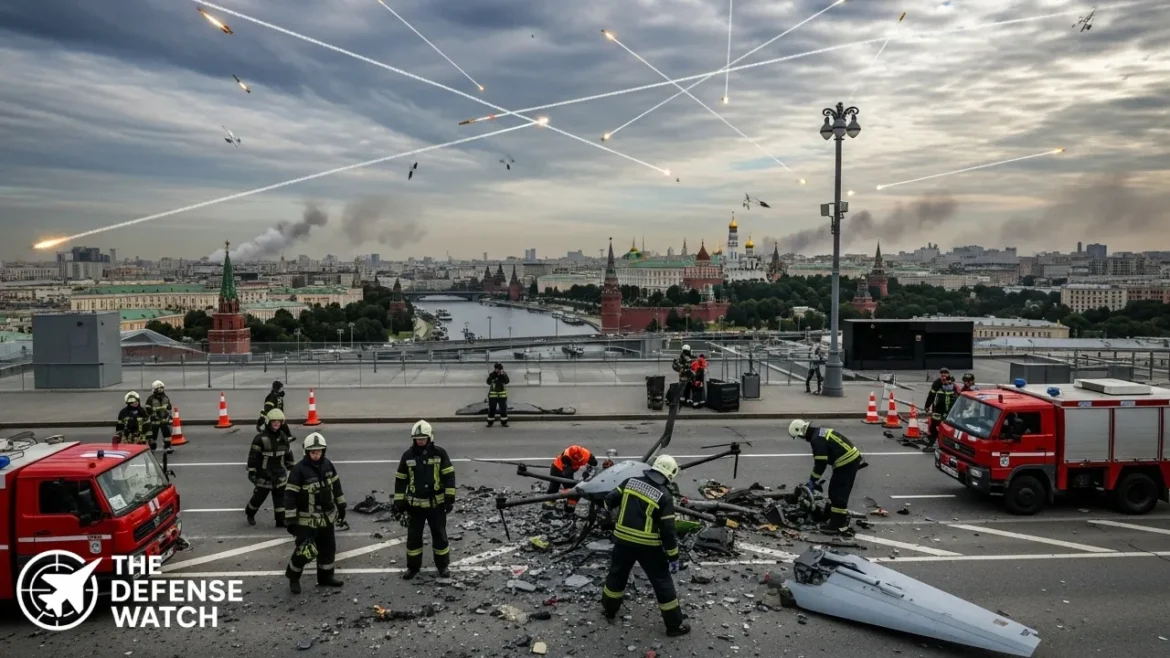
Russian air defense systems shot down eight drones en route to Moscow, the city’s mayor, Sergei Sobyanin, said Monday, following a major drone strike on nearby critical infrastructure the day before.
Background: The Shatura Power Station Strike
The drone intercepts come just one day after Ukrainian drones struck a power and heat station in the Moscow region. The targeted facility, the Shatura Power Station, is approximately 120 km east of central Moscow and provides electricity and heating to nearby towns. According to regional authorities, the strike triggered a fire and forced the activation of backup power and mobile heating systems for affected residents.
Details on the Drone Intercepts
- Mayor’s Statement: Moscow Mayor Sergei Sobyanin said in a public statement that eight incoming drones were successfully shot down by air defense units.
- Emergency Response: He added that emergency services are working at the sites where debris fell.
- Defense Ministry’s Report: Earlier, Russia’s Defense Ministry reported that ten Ukrainian drones had been intercepted across three regions — Moscow, Kaluga, and Bryansk.
- Airport Disruptions: In response to the threat, flight restrictions were imposed on Moscow’s three main airports. According to some reports, the curbs were lifted shortly afterward.
Context: Growing Drone Threats Over Moscow
This is not an isolated incident. In recent months, Moscow has reported multiple drone intercepts:
- In May 2025, Sobyanin said three drones were downed, prompting temporary suspensions at several airports.
- In March 2025, authorities claimed to have shot down four drones, with some debris reportedly damaging a residential building.
- In late September, a separate drone strike resulted in two civilian fatalities in the Moscow region.
These recurring incidents show an ongoing pattern: Moscow remains a target for long-range drone operations, and its air defenses are regularly called into action.
Strategic Implications
- Escalation Risk: The recent spike in drone activity close to Moscow raises the risk of more ambitious or destructive strikes by Ukraine—or by proxy actors—aiming to challenge Russian airspace security.
- Air Defence Strain: Repeated drone waves tax Moscow’s air defence networks and emergency response capacity. Each intercept involves not just missile systems but also the mobilization of rescue and investigation teams.
- Infrastructure Vulnerability: Targeting power and heat infrastructure, especially in sub-zero conditions, can have outsized effects on civilian populations and potentially disrupt both daily life and strategic logistics.
- Psychological Impact: Even if intercepted, drone incursions near the capital may erode perceptions of invulnerability and escalate domestic political and security debates within Russia.
- Diplomatic Significance: The timing — coming after a high-profile attack on energy infrastructure — may factor into broader geopolitics, particularly if drone strikes are leveraged in future ceasefire or peace negotiations.
What Comes Next
- Authorities will likely increase air defence readiness around Moscow and key infrastructure sites, especially power generation and heating facilities.
- Russia may publicly emphasize these intercepts to underscore its defensive capabilities and deter further drone incursions.
- Analysts will closely watch whether Ukraine (or other actors) continues pushing drone operations deeper into Russian territory, and whether these activities influence negotiations or retaliatory escalations.
Trump’s 28-Point Peace Plan Demands Ukraine Surrender Land and NATO Goals
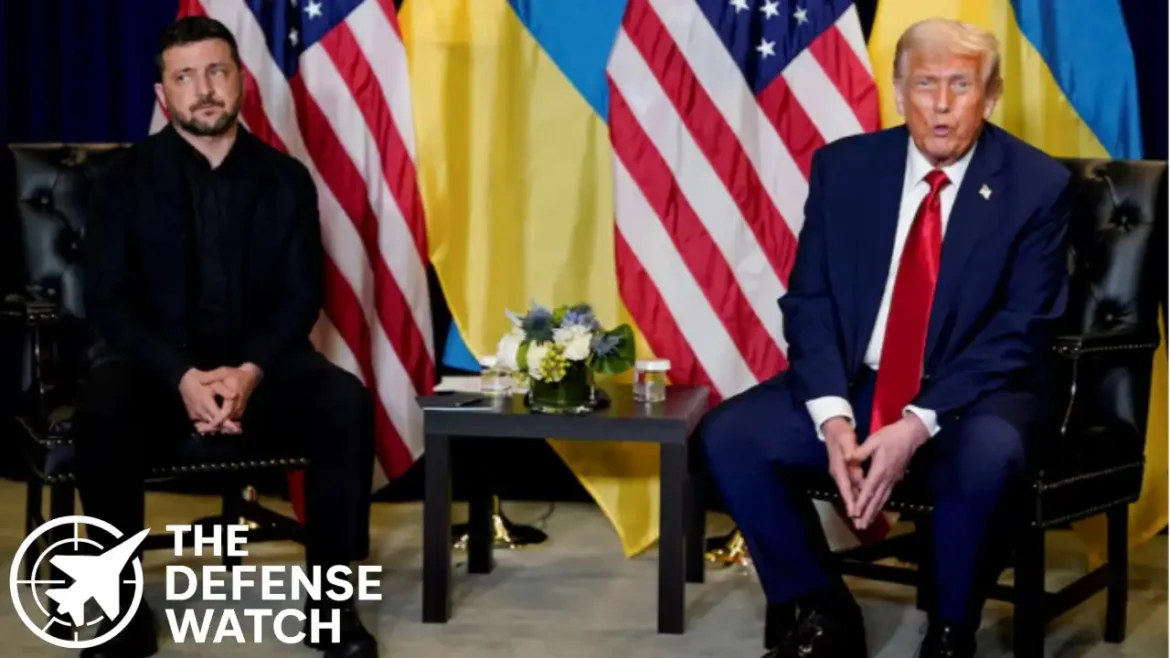
A controversial 28-point “peace plan” reportedly orchestrated by former U.S. President Donald Trump has surfaced, calling on Ukraine to make sweeping concessions that critics say amount to a de facto surrender. The proposal, presented to Kyiv by a U.S. delegation, would require Ukraine to cede territory, reduce its military, renounce NATO membership permanently, and accept limited security guarantees — raising alarm in Ukraine and across Europe.
Background
The draft framework was reportedly handed to Ukrainian President Volodymyr Zelenskyy by U.S. Army Secretary Daniel Driscoll, acting as an envoy for Trump. According to media reports, the plan was developed with input from Trump’s special envoy Steve Witkoff and Russian sovereign wealth official Kirill Dmitriev.
This proposal comes amid mounting criticism in Kyiv and among Western allies, who say it disproportionately favors Moscow and undermines Ukrainian sovereignty.
Key Provisions of the Plan
According to the leaked 28-point draft (as reported by Sky News, National Security Journal, and others), the proposal includes the following major terms:
- Territorial concessions: Ukraine would cede land in the east — including areas not fully controlled by Russia — and freeze the front lines in regions such as Kherson and Zaporizhzhia.
- Military reductions: The size of Ukraine’s armed forces would be capped at 600,000 personnel, down from roughly 800,000–900,000.
- Renunciation of NATO: Kyiv would amend its constitution to permanently rule out NATO membership. NATO in turn would amend its own statutes, barring Ukraine from future accession.
- No foreign troops or long-range weapons: The draft would prohibit NATO or U.S. troops from being stationed in Ukraine and restrict certain classes of weapons.
- Security guarantees: Ukraine would receive “reliable security guarantees” from the United States, though the language remains vague.
- Economic terms: Frozen Russian assets (reportedly around $100 billion) would be used for Ukrainian reconstruction, with Washington playing a central role and potentially sharing in the profits.
- Sanctions relief: Sanctions on Russia would be gradually eased, and Moscow would gain a pathway to rejoin global economic institutions, including a potential return to the G8.
- Domestic governance: The plan proposes that Ukraine hold national elections within 100 days.
Reactions from Kyiv and Europe
Ukrainian officials have strongly rejected the plan. A senior security official told DAWN that the terms resemble surrender, particularly the territorial demands and restrictions on NATO membership. President Zelenskyy has acknowledged receipt of the proposal, saying his government will assess it “honestly and swiftly,” but has also warned of grave consequences.
During a televised address, Zelenskyy framed the situation in stark terms: “Now the pressure on Ukraine is one of the heaviest. We can face a difficult choice — either losing our dignity, or risking the loss of a major partner.”
European leaders have also expressed deep concern. German and Polish ministers have cautioned that any deal allowing Russia to consolidate territorial gains could undermine long-term European security. Meanwhile, EU Foreign Policy Chief Kaja Kallas has emphasized that Europe must be involved in any credible peace process.
Expert Analysis
Chatham House, a leading think tank in London, has issued an early assessment of the plan. Analysts including Orysia Lutsevych and Keir Giles argue that the proposal appears heavily tilted toward Russian objectives, effectively transforming Moscow’s war aims into a Western-endorsed settlement.
They warn that limiting Ukraine’s military strength and precluding future NATO admission would leave the country vulnerable to renewed aggression. According to Marc Weller, a professor of international law at Chatham House, the constitutional amendment to forbid NATO membership raises serious questions about Ukrainian sovereignty and legal continuity.
U.S. Perspective
On the U.S. side, proponents of the peace plan—including Secretary of State Marco Rubio—argue that difficult but mutual concessions are necessary for a durable settlement. Rubio has defended the effort as a pragmatic path to ending the bloodshed. Meanwhile, the White House has portrayed Trump’s initiative as a push for a “lasting and durable peace,” blaming both Russia and Ukraine for rejecting previous compromise offers.
What Happens Next
Diplomatic talks are reportedly underway in Geneva, where U.S. and Ukrainian delegations have met to discuss revisions to the proposal. However, key European partners have also tabled a competing framework. According to The Guardian, the European alternative calls for negotiations over territory only after a ceasefire, and notably does not demand that Ukraine forgo NATO membership.
Chatham House analysts warn that if Ukraine accepts a deal resembling the Trump plan, it could set a dangerous precedent: “This is not just a peace deal,” they argue, “but a mechanism for permanently weakening Ukraine’s sovereignty.”
Impact and What’s Next
If adopted, the plan could reshape the geopolitical order in Europe: granting Moscow de facto control over contested Ukrainian regions, weakening Kyiv’s military posture, and disincentivizing NATO integration. It could also fracture transatlantic unity, as European powers reject a U.S.-led process that sidelines both Kyiv’s interests and European security architecture.
For Ukraine, the stakes could not be higher. Accepting the draft risks deep domestic backlash and long-term vulnerability. Rejecting it could strain relations with Washington at a time when military and financial support remain vital.
The coming days — including further Geneva talks, European counterproposals, and Kyiv’s public response — will be critical in determining whether this peace plan marks a turning point or deepens existing divides.
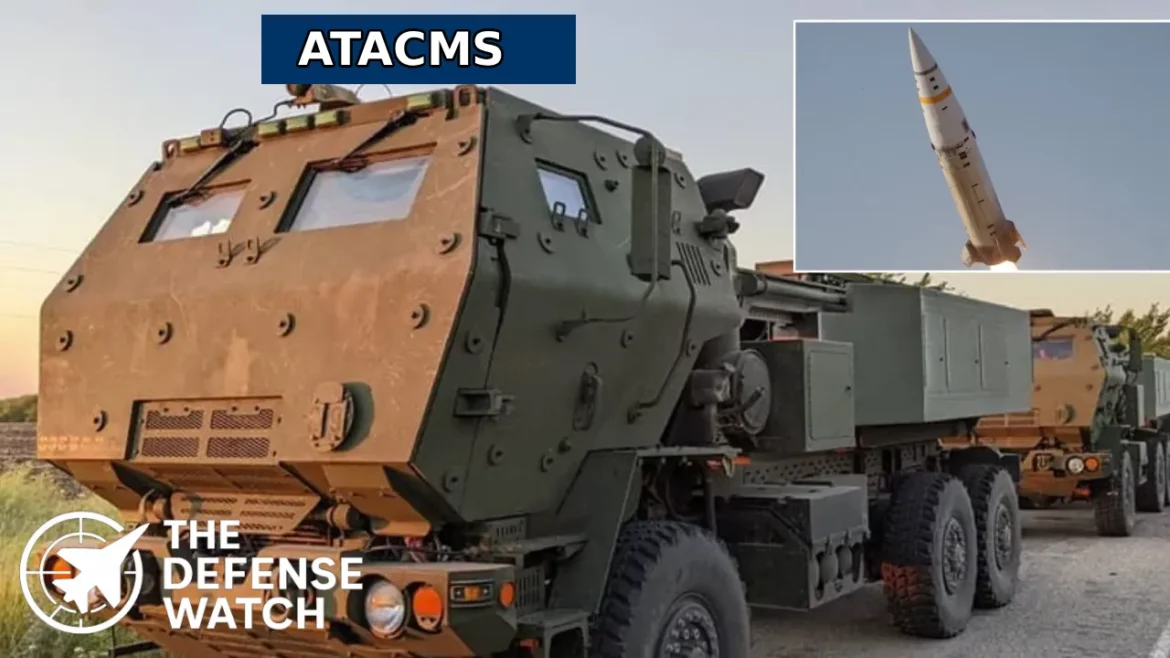
Ukraine has confirmed launching strikes into Russian territory using U.S.-supplied ATACMS missiles, marking a new chapter in Kyiv’s long-range strike capabilities. The announcement came after months of Pentagon-imposed restrictions that had previously limited Ukraine’s use of these advanced tactical missiles. Ukrainian officials disclosed that the strikes targeted critical military infrastructure deep inside Russia, signaling a significant escalation in the ongoing conflict.
Background
The ATACMS (Army Tactical Missile System) is a U.S.-developed surface-to-surface missile capable of striking targets up to 300 kilometers away with high precision. Since the onset of Russia’s invasion of Ukraine in 2022, the U.S. has provided a range of military assistance to Kyiv, including artillery, drones, and precision-guided munitions. However, ATACMS deliveries were initially restricted due to concerns about escalating the conflict into Russian territory. Pentagon sources had previously indicated that providing Ukraine with these long-range capabilities would be closely monitored to avoid direct confrontation.
Details of the Strikes
According to Ukrainian Defense Ministry officials, the strikes targeted ammunition depots and command centers located deep inside Russian territory, although specific locations were not disclosed for operational security reasons. The use of ATACMS marks the first confirmed deployment of U.S.-supplied tactical missiles in direct operations across the Russian border.
A Ukrainian military spokesperson stated, “These strikes demonstrate Ukraine’s growing capability to disrupt enemy operations beyond the immediate frontlines. ATACMS provides us with the precision and reach necessary to strike high-value targets safely.”
U.S. officials have confirmed the provision of ATACMS systems but emphasized that their use by Ukraine remains subject to ongoing coordination to minimize escalation risks. Analysts note that the strikes could have strategic and psychological impacts, demonstrating Kyiv’s ability to hit targets previously considered out of reach.
Expert Perspective
Defense analysts suggest that Ukraine’s deployment of ATACMS could alter operational calculations for both sides. “The introduction of long-range tactical missiles changes the battlefield dynamics. Russia must now consider vulnerabilities deep in its rear areas,” said Dr. Karen Thompson, a senior analyst at the Center for Strategic Defense Studies.
However, experts also caution that the increased range of strikes carries potential risks of escalation. Maintaining control over target selection and ensuring precise intelligence are critical to minimizing unintended consequences.
Impact and What’s Next
The confirmed use of ATACMS by Ukraine indicates an evolution in the conflict’s trajectory, highlighting Kyiv’s growing reliance on U.S. technological support to extend its strike capability. It also underscores the Pentagon’s continued strategic role in balancing military aid with broader geopolitical considerations.
Observers anticipate that additional missile systems and precision-guided munitions could follow in the coming months, potentially reshaping operational strategies across the conflict. The strikes serve as both a tactical advantage and a message of capability to Moscow, signaling that Ukrainian forces are increasingly able to project power beyond frontline engagements.
Ukraine’s National Guard Urges Expansion of Drone Use as Winter Looms
KIEV, Ukraine — Ukraine’s National Guard is calling for a major ramp-up in drone deployment and more coordinated tactics, warning that denser coverage and better coordination are critical to halting Russian foot infiltration, particularly as winter approaches, National Guard head Oleksandr Pivnenko told Reuters.
Background: Drone Warfare Shapes Modern Battlefield
Since Russia’s full-scale invasion in February 2022, unmanned aerial vehicles (UAVs) have become central to combat operations on both sides. Drones are not only used for reconnaissance but also for strikes, surveillance, and close support across Ukraine’s 1,200 km front lines.
As the war has evolved, so too have tactics. According to Pivnenko, Russian forces increasingly move in small, dispersed groups and rely on drones for cover and target acquisition — a strategy that complicates defensive efforts. In addition, winter conditions could worsen movement challenges in the field, making drone coverage even more critical.
Key Details: Calls for More Drones, Better Coordination
- Drone Parity, But Manpower Imbalance: Pivnenko said Ukraine and Russia now have “parity in drones in key battlefield areas,” but Russia retains a significant manpower advantage.
- Weather Concerns: The onset of late autumn and early winter — characterized by wet soils and muddy terrain — will make movement harder. Pivnenko warned that without effective drone coverage, Russian troops could exploit infiltration routes on foot.
- Infiltration Risk: “We need to stop the enemy more as they approach on foot,” he said. If Ukrainian units carry out their tasks “with greater density on the front line … and the enemy infiltrates less deeply, it will be better for us.”
- Tiered Drone Operations: Pivnenko proposed a layered structure for drone operations — assigning different units to distinct operational “layers” so that teams operating close to the contact line don’t overlap or interfere with those further back.
- Structural Reforms: Since his appointment in 2023, Pivnenko has overseen a shift in the National Guard’s organization — moving from brigade- to corps-based commands, aiming to improve coordination, control, and responsiveness.
- Promoting Young Commanders: He highlighted the importance of empowering younger, more dynamic officers. “Young commanders … are more decisive … to change something in the situation in general,” Pivnenko said. Reuters
Strategic Analysis: Why This Matters
Pivnenko’s comments highlight a critical challenge for Ukraine: while it has built up a substantial drone capacity, the effectiveness of its unmanned systems is not just a function of quantity. Coordination, command structure, and tactical flexibility all matter — especially under harsh environmental conditions.
Winter can dramatically shift battlefield dynamics. As terrain becomes trickier and movement slows, the importance of persistent reconnaissance, rapid response, and layered drone coverage grows. Without tighter drone tactics, the risk of enemy infiltration increases, Pivnenko warns.
These remarks also come amid a broader technological race in the drone domain. Ukrainian military leaders have emphasized that interceptor drones — used to counter Russian Shahed and Geran UAVs — are a key component of layered air defense. Meanwhile, Ukraine’s unmanned systems forces have expressed concern that NATO armies remain ill-prepared for the demands of modern drone warfare.
Furthermore, Ukraine’s military command sees drone warfare as a long-term asymmetric advantage. Pivnenko’s push for denser coverage and structured drone “layers” aligns with larger efforts to institutionalize drone operations within command hierarchies — a sign that unmanned systems are no longer a supplementary asset but a backbone of Ukrainian defense.
Expert / Policy Perspective
Defense analysts note that Ukraine’s emphasis on drone density and coordination reflects hard-earned lessons from years of high-tempo, drone-heavy combat. The proliferation of small strike UAVs, FPV drones, and interceptors has reshaped how both sides fight.
Vadym Sukharevskyi, head of Ukraine’s Unmanned Systems Forces, has warned that NATO militaries are not yet prepared for the scope of drone warfare, urging allies to invest in AI-enabled targeting, ground drones, and other technologies.
At the same time, analysts emphasize the importance of doctrine and training. High drone numbers alone may not suffice; efficient command and control, tiered deployment strategies, and adaptive tactics are increasingly proving essential for battlefield success.
What’s Next: Implications & Outlook
Pivnenko’s call comes at a critical moment as Ukrainian forces brace for winter. If implemented, denser and more coordinated drone deployment could blunt Russian infiltration, protect defensive lines, and reduce the risk posed by foot-borne enemy advances.
However, realizing this vision will require continued investment in drones, training, and command reform. Ukraine will likely press its allies for further support — especially for interceptor systems, sensors, and command platforms.
On a broader level, Pivnenko’s remarks underscore how unmanned warfare is now a central pillar of Ukraine’s defense strategy. As both sides refine their drone tactics, the conflict continues to serve as a testing ground for next-generation UAV warfare — with lessons that may shape military doctrine globally.
What Happened
A recent BBC report alleges that Pakistan sold 155 mm artillery shells to Ukraine via contracts worth $364 million, involving two U.S. companies: Global Military and Northrop Grumman. The report claims these deals were signed in August 2022 and subsequently carried out via deliveries that involved British military cargo flights. Pakistan’s Foreign Office, however, strongly denies the claims, reiterating its formal stance of “strict neutrality” in the Russia-Ukraine war.
Background
The allegations appear in a BBC Urdu investigative report, which draws on U.S. Federal Procurement Data System documentation. According to the report:
- A $232 million contract was awarded to Global Military.
- A $131 million contract went to Northrop Grumman.
- Both agreements reportedly expired in October 2023.
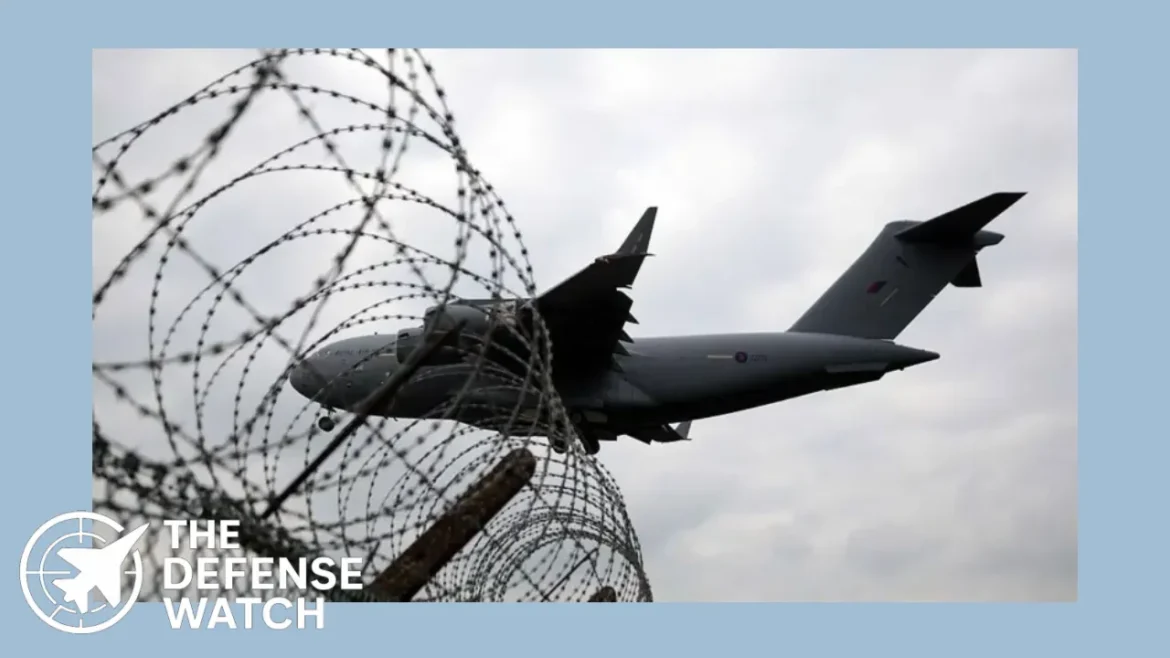
- The munitions were allegedly transported from Nur Khan Air Base in Pakistan, flown by a British military transport aircraft that made multiple stops in Cyprus and Romania on its way to Ukraine.
Pakistan’s Foreign Office and its Defense Ministry, meanwhile, have firmly rejected the report.
Why It Matters
If validated, these arms sales would represent a serious challenge to Pakistan’s declared neutrality in the Russia-Ukraine war. More broadly:
- Geopolitical Risk: The deal could strain Pakistan’s diplomatic balancing — potentially undermining relations with Russia or raising questions about its broader security policies.
- Defense Export Implications: Pakistan is increasingly seen as an emerging defense exporter. This report could raise transparency and compliance concerns about its defense export regime.
- Trust & Credibility: For Western partners and Pakistan’s own regional allies, allegations of clandestine arms transfers complicate its credibility as a responsible defense actor.
Expert Perspective
Defense analysts note that while the BBC report draws on public procurement data, independent verification remains a challenge. U.S.-based security experts observe:
- U.S. defense sales to Pakistan are typically subject to rigorous export controls. If the report is accurate, it raises questions about oversight gaps in the contracting process.
- The timing of the contracts — August 2022 — coincides with a period of intense fighting in Ukraine, which could suggest deliberate risk-taking by Pakistani actors.
- On the other hand, Pakistani analysts argue that such transactions may have been structured in a way to obscure end-use, a tactic sometimes used in global arms trade to preserve plausible deniability.
Policy-wise, some experts warn of potential fallout: Western countries may demand tighter export monitoring, while Russia could perceive Pakistan’s role as adversarial, potentially diminishing Islamabad’s value as a regional balancer.
What’s Next
- Independent verification: Observers and governments will likely press for detailed audits of procurement and logistics records.
- Diplomatic fallout: Depending on the outcome, Pakistan may face greater diplomatic scrutiny, especially from major powers invested in European security.
- Defense posture recalibration: Islamabad might further tighten its export regulatory regime to avoid reputational damage and maintain alliances.
- Strategic signaling: Pakistan’s response could shape how future defense cooperation deals — both civilian and military — are negotiated.
Ukrainian Innovation Against Hypersonic Threats
Ukraine has reportedly developed a novel countermeasure against one of Russia’s most advanced weapons: the Kh-47M2 Kinzhal hypersonic missile. Ukrainian military sources reveal that the Lima electronic warfare (EW) system is capable of jamming the missile’s satellite navigation guidance by transmitting a patriotic Ukrainian anthem, “Our Father Is Bandera.” This approach disrupts the missile’s trajectory, forcing it off course and reducing the risk to civilian and military targets.
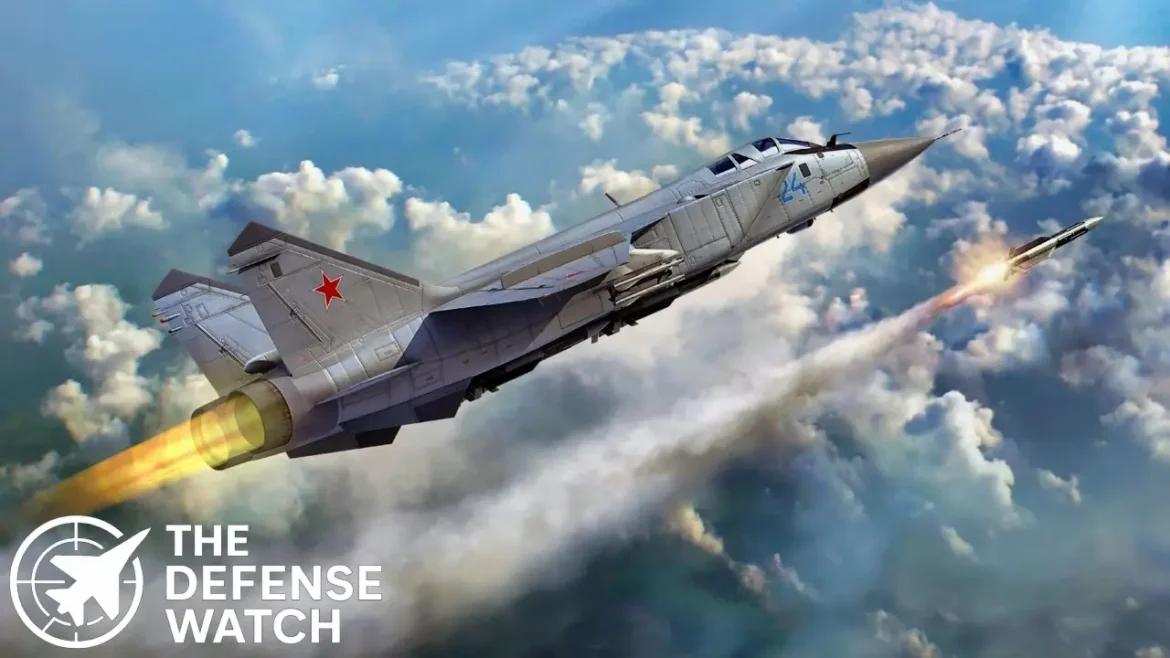
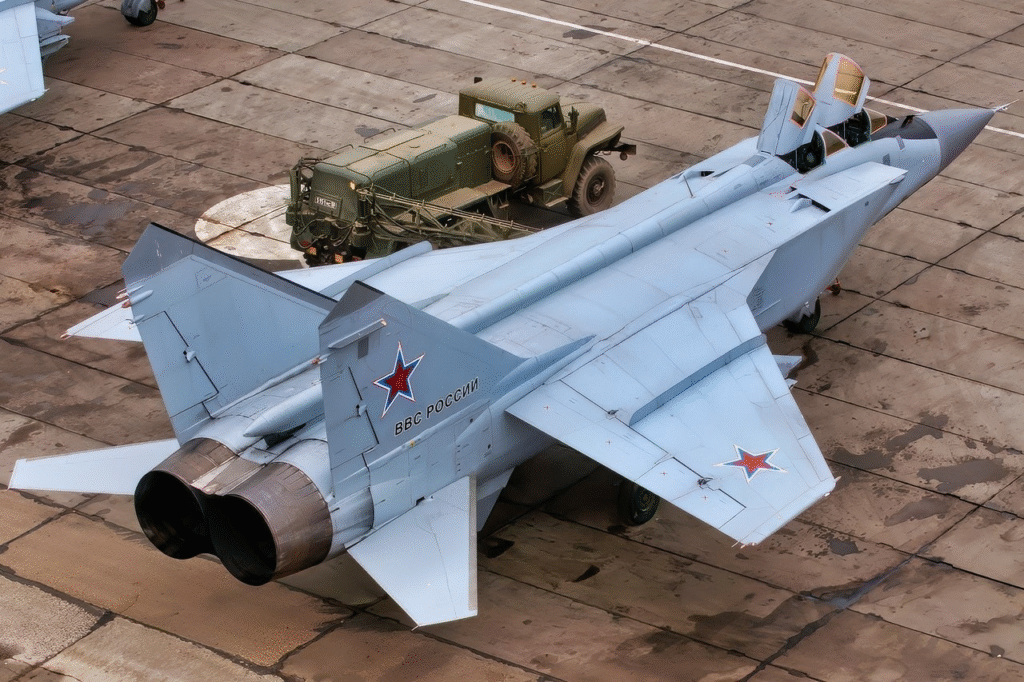
The Kinzhal, a Mach 10 air-launched derivative of the Iskander-M ballistic missile, is known for its extreme speed and maneuverability. Launched from modified MiG-31K or Tu-22M3 aircraft, the missile carries a 1,000-pound warhead and can strike targets up to 300 miles away. Its high velocity and terminal-phase evasive maneuvers—dives and lateral shifts—have significantly challenged Ukraine’s air defense, particularly Patriot missile batteries.
Russian Tactics to Evade Interception
Recent modifications to the Kinzhal’s flight profile have lowered its interception rate around Kyiv from approximately 37% in August to just 6% in September. Russian forces have employed complex maneuvers, including abrupt pull-downs and lateral jinks, often embedded in mixed missile salvos. Slower missiles in these salvos mask the hypersonic Kinzhal, making radar tracking and target prioritization more difficult for Ukrainian defenders.
Lima EW: A Creative Electronic Defense
Ukraine’s Lima EW system, initially designed to counter Russian guided bombs, has proven adaptable against the hypersonic threat. By injecting nonstandard navigational data in the form of music, the system corrupts satellite guidance signals, effectively “spoofing” the missile. Operators report that Lima’s performance surpasses that of comparable foreign systems, reflecting Ukraine’s ability to leverage asymmetric tactics against technologically superior adversaries.

MiG-31 Russian Air Force. Image Credit: Creative Commons. Strategic and Technological Implications
The use of musical payloads in electronic warfare highlights a broader trend in modern conflict: combining digital deception with traditional defense measures. For U.S. and NATO planners, Ukraine’s success illustrates the growing importance of EW capabilities in countering high-speed hypersonic threats, which conventional missile defense systems struggle to intercept. Lima’s effectiveness may inform future research into low-cost, agile electronic countermeasures capable of disrupting advanced missile guidance.
Moreover, the incident underscores the vulnerability of even sophisticated missile systems to adaptive countermeasures. As hypersonic technology proliferates globally, the development of complementary electronic and cyber defenses will be crucial to maintaining strategic stability.
Conclusion: Forward-Looking Defense Considerations
Ukraine’s innovative approach to neutralizing Kinzhal missiles demonstrates that creative electronic warfare can alter the balance against cutting-edge threats. For U.S. defense planners, investing in agile EW solutions alongside kinetic interceptors will be essential in preparing for the next generation of hypersonic weapons. Lima’s performance may signal a shift toward integrating asymmetric countermeasures as standard practice in modern air defense.
Ukraine Sets Sights on U.S. Arms and Drone Deal Talks
Ukraine has announced plans for a visit to the United States in the coming weeks to negotiate large-scale arms procurements and a drone production agreement with U.S. participation, according to Ukrainian President Volodymyr Zelenskiy.
During his recent U.S. trip tied to the U.N. General Assembly, Zelenskiy shared that Kyiv has compiled a “Mega Deal” request of approximately $90 billion in U.S. weapons. Concurrently, Ukraine is pushing a “Drone Deal,” under which U.S. firms would purchase drones produced in Ukraine, bolstering domestic production capacity.
Zelenskiy emphasized that technical working groups have begun initial work on the drone component. He also reiterated that Ukraine currently operates a Patriot missile defense system acquired from Israel and expects delivery of two additional systems this autumn.
Air defense continues to be a top priority, with Russia recently escalating drone and missile barrages. Ukraine has responded by launching drone strikes against Russian energy infrastructure—signaling a strategy of retaliation that blurs offense and defense.
Background: Ukraine’s Drone Ecosystem & Defense Gaps
Since Russia’s full-scale invasion in 2022, Ukraine has rapidly built a domestic drone industry. Hundreds of small- and medium-scale firms reportedly produce millions of drones for reconnaissance and strike roles. Nonetheless, that decentralized ecosystem lacks the capital to scale to wartime industrial levels alone.
Ukraine has depended heavily on Western military support for heavy systems—air defense, artillery, and missiles—and has limited capacity to supply those itself. A high-end arms deal with the U.S. aims to fill strategic gaps.
Recent months have seen intensifying Russian drone and missile attacks on Ukrainian cities and infrastructure, pressuring Kyiv to fortify its defenses. The addition of Patriot systems—and the promise of more—is part of that effort.
What Ukraine Intends: Mega Deal + Drone Deal
- Mega Deal (≈ $90 billion): A sweeping request by Ukraine for U.S. weaponry. While the precise mix is not yet public, it may include missiles, air-defense systems, long-range fires, and support systems.
- Drone Deal: A strategic pivot toward cooperation in drone manufacturing—U.S. firms would source UAVs directly from Ukrainian developers. Zelenskiy described ongoing technical working groups addressing that deal.
- Air defense emphasis: Ukraine is already fielding one Patriot system, with plans to receive two more this fall. That signals Ukraine’s continued focus on protecting cities and critical sites.
Analysis: Implications for U.S. Defense, Global Strategy, and Tech Trends
1. U.S. defense industrial base leverage
If the Mega Deal and drone collaboration proceed, American defense firms could gain new contracts and partnerships—potentially integrating Ukrainian drone tech into U.S. supply chains. That can stimulate U.S. OEMs (original equipment manufacturers) especially in unmanned systems, counter-UAV, propulsion, and sensor domains.
2. Scaling asymmetric warfare capabilities
Ukraine’s push to export drone production models reflects a broader shift: war is increasingly mediated through unmanned systems. The U.S. may gain access to low-cost, agile drone systems tested in combat, which can inform future procurement and doctrine.
3. Strategic signaling to Russia and allies
A robust U.S.–Ukraine deal would send a signal that American support is enduring. That may deter further escalation. Conversely, Russia may double down on countermeasures—cyber, EW (electronic warfare), missile suppression, etc.
4. Alliance burden-sharing and industrial diplomacy
By anchoring Ukraine’s procurement with U.S. industry, Washington would more deeply entwine Kyiv’s defense posture with U.S. strategic interests—a classic model of defense diplomacy. It also raises questions of how other allies (European, NATO) will coordinate or compete in supplying Ukraine.
5. Risks and constraints
- Congressional hurdle: U.S. Congress must approve major defense funding. A $90 billion request may face political headwinds.
- Execution risk: Ukrainian industry scale-up is not trivial—export controls, quality assurance, supply chain security, and integration standards pose hurdles.
- Escalation risk: Russia could see such deals as escalation and respond with intensified attacks, possibly targeting missile production sites or supply lines.
Forward Outlook
If Washington approves the Mega Deal and partners on the Drone Deal, we may see a transformation in how Ukraine—and by extension U.S. allies—mobilize drone warfare at scale. Embedded manufacturing, co-production, and battlefield-proven systems may become the new model.
Over the next few months, key developments to watch will include:
- U.S. budget and congressional approval of major defense assistance packages
- Detailed procurement lists and technology transfer terms
- Capability demonstrations or pilot production runs under the Drone Deal
- Russian counterresponses, particularly in cyber or escalation domains
For U.S. defense planners, the Ukraine–U.S. deal could become a template: leveraging war-tested foreign systems, co-developing with conflict-zone innovators, and anchoring allies’ security via industrial integration.
Older Posts