Zumwalt-Class Combat System Gets Fresh U.S. Navy Investment
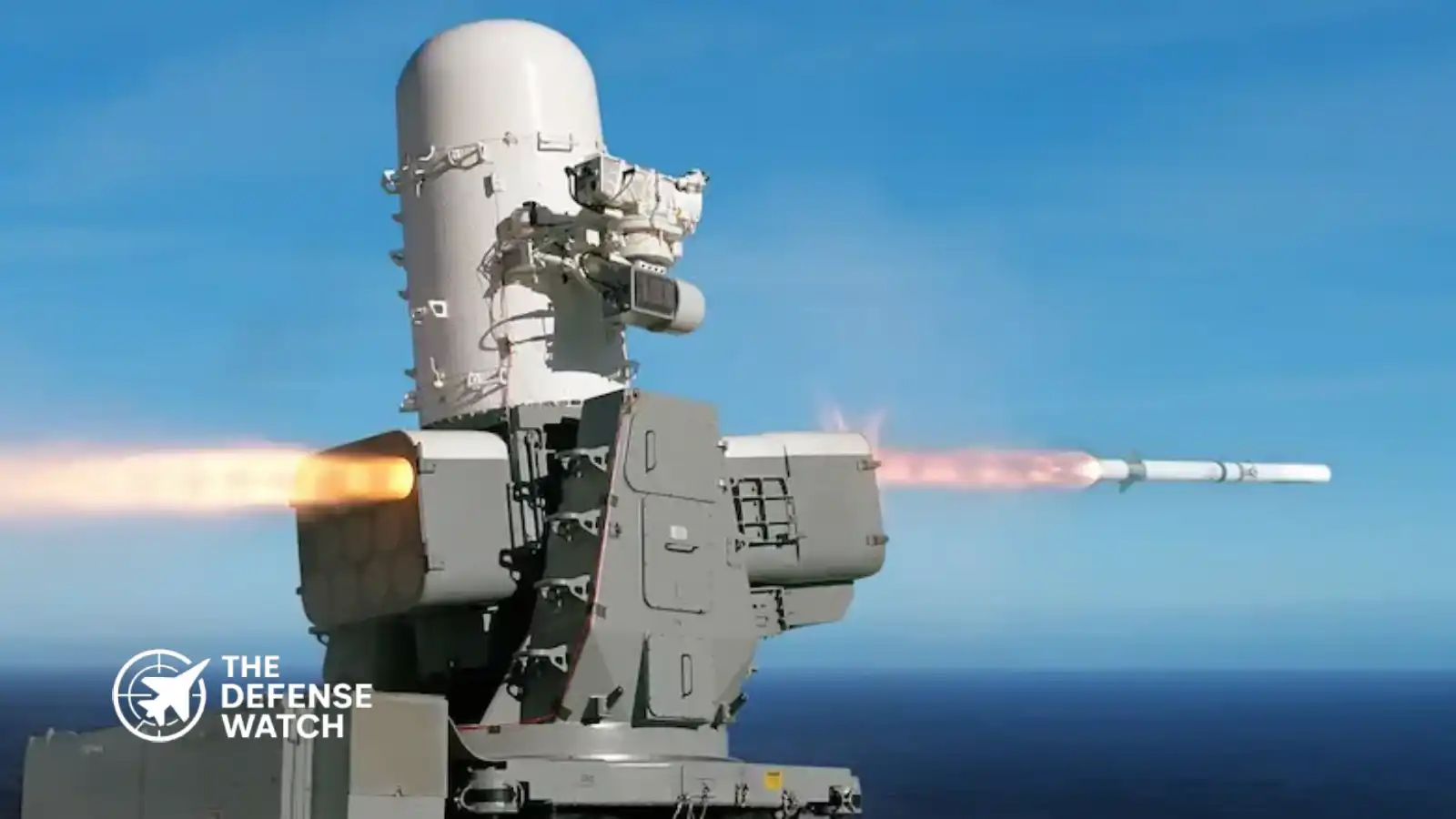
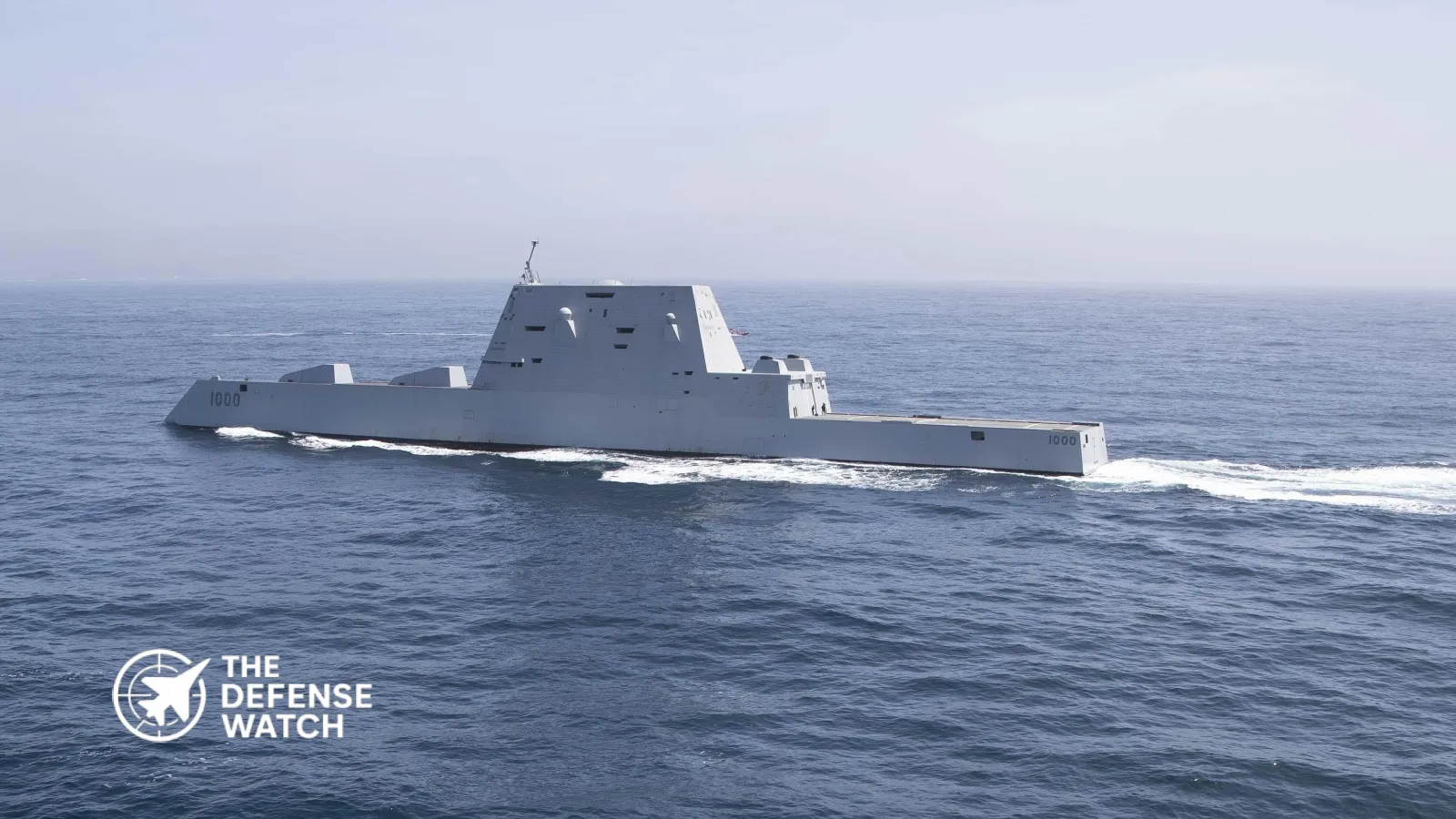
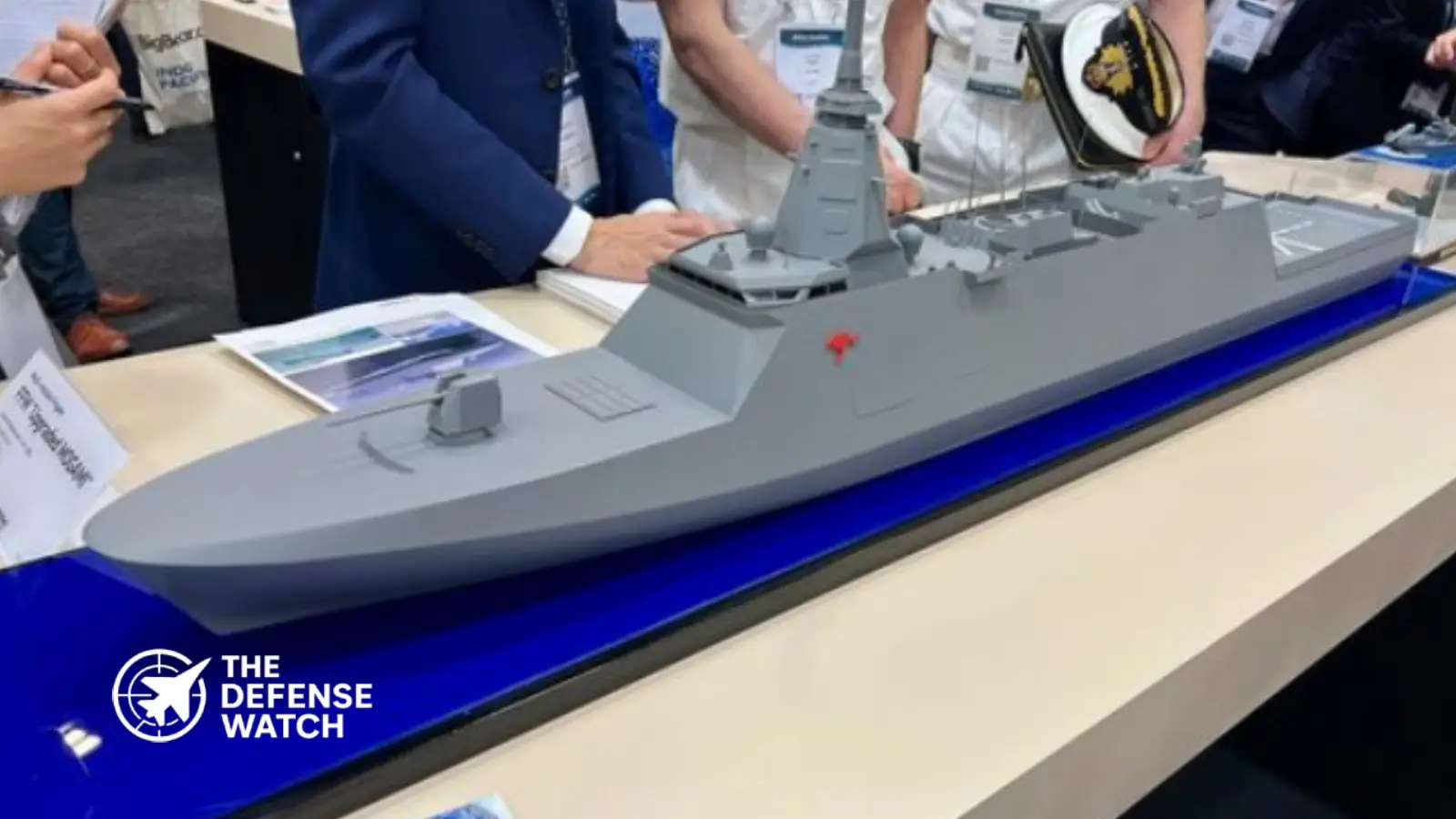
The Zumwalt-class combat system is receiving another major funding injection after the U.S. Navy awarded Raytheon Missiles and Defense a $213.4 million contract modification to continue upgrades and sustainment work for the fleet’s mission systems. The award underscores Washington’s effort to preserve and expand the combat value of one of its most technologically ambitious surface combatant programs.
- Raytheon received a $213.4 million Navy contract modification for Zumwalt-class mission systems.
- Work covers installation, integration, testing, maintenance, corrections, and modernization.
- Upgrades support the Navy’s push to make Zumwalt destroyers more operationally relevant.
- Work runs across six U.S. states and is scheduled for completion by April 2027.
- Contract signals continued long-term investment in high-end surface warfare capabilities.
The Big Picture
The U.S. Navy is balancing two priorities at once: expanding fleet size while modernizing existing high-end warships for contested maritime operations. That strategy has become more urgent as the Indo-Pacific theater grows more competitive and long-range anti-ship missile threats continue to spread.
The three-ship Zumwalt-class destroyer program has often been debated because of its cost and reduced production run. Yet the vessels still offer unique advantages, including stealth shaping, integrated power generation, and large onboard capacity for future weapons or sensors. Continued investment suggests the Navy intends to extract maximum operational value from those advantages rather than treat the class as a niche experiment.
What’s Happening
According to the U.S. Department of Defense contract announcement, Raytheon will perform work supporting combat system installation, integration, development, testing, correction, maintenance, and modernization of Zumwalt-class mission systems.
The workshare includes:
- Portsmouth, Rhode Island (39%)
- Tewksbury, Massachusetts (32%)
- Pascagoula, Mississippi (14%)
- Nashua, New Hampshire (9%)
- San Diego, California (5%)
- Fort Wayne, Indiana (1%)
The contract is expected to run through April 2027.
Funding comes from multiple Navy accounts, including operations and maintenance, shipbuilding and conversion, procurement, and research and development. That mix indicates both near-term fleet sustainment and longer-term capability growth.
Why It Matters
Combat systems are the core of a modern destroyer. They connect sensors, command networks, weapons, electronic warfare tools, and targeting data into a single fighting architecture. Without constant software and hardware updates, even advanced hulls lose relevance quickly.
For the Zumwalt fleet, modernization is especially important because these ships were designed with significant growth margins. Their power generation and internal volume make them suitable candidates for future systems that require more electricity, cooling, or computing capacity.
That means the Zumwalt-class combat system can evolve faster than many legacy destroyers if funding remains steady.
Strategic Implications
The Navy increasingly needs distributed lethality, meaning more ships able to strike targets at range and operate independently in contested waters. Upgraded Zumwalt destroyers can support that concept by acting as stealthier surface strike platforms with advanced sensor integration.
The ships may also complement the larger Arleigh Burke-class destroyer fleet rather than replace it. Burkes provide numbers and proven versatility. Zumwalts can offer specialized high-end capability, especially in environments where lower radar signature and extra power capacity matter.
This contract also supports the U.S. industrial base across several states, sustaining engineering and naval combat system expertise that remains strategically valuable.
Competitor View
China and Russia closely track U.S. naval modernization, particularly programs involving long-range strike and advanced surface warfare networks. Continued upgrades to the Zumwalt class signal that the United States is not abandoning expensive but potentially high-payoff naval technologies.
Competitors may also view the decision as evidence that the Navy is preparing select premium platforms for future weapons integration, including next-generation missiles or energy-intensive systems.
Capability Gap
The Zumwalt program originally centered on land attack missions, but strategic needs shifted toward maritime competition against peer navies. That left a mission gap the Navy has been working to close.
Modernizing the Zumwalt-class combat system helps reposition the ships toward surface warfare and multi-domain operations. However, limitations remain. Only three hulls exist, which constrains fleet-wide impact, logistics efficiency, and deployment availability.
What To Watch Next
Several milestones will determine whether the modernization effort delivers full value:
- Integration of newer missile and sensor packages
- Software updates tied to joint force networks
- Readiness rates for all three ships
- Potential deployment patterns in the Pacific
- Future directed-energy or hypersonic weapon compatibility
The Bottom Line
The $213 million Raytheon award shows the U.S. Navy still sees the Zumwalt class as a valuable future combat asset rather than a legacy procurement problem.
Raytheon LTAMDS Contract Expands Army Air Defense Modernization
The Raytheon LTAMDS contract marks another major step in the U.S. Army’s effort to modernize air and missile defense forces against increasingly advanced threats, including cruise missiles, ballistic missiles, drones, and saturation attacks.
The Department of Defense announced that Raytheon Missiles and Defense, based in Andover, Massachusetts, was awarded a $904.6 million modification to an existing production contract. The funding covers low-rate initial production of five Lower Tier Air and Missile Defense Sensor (LTAMDS) units, plus six spare systems, along with production hardware, software integration, documentation, and related support services.
Following the latest award, the total contract ceiling has grown to $5.36 billion, highlighting the scale and long-term importance of the program.
- Raytheon Missiles and Defense received a $904.6 million contract modification for LTAMDS production.
- The award supports five LTAMDS units and six spare systems for the U.S. Army.
- Total cumulative contract value now stands at $5.36 billion.
- $725.9 million in Fiscal Year 2026 Army missile procurement funds were obligated immediately.
- Work will be completed in Andover, Massachusetts, by Aug. 29, 2031.
What Is LTAMDS And Why It Matters
LTAMDS is the Army’s next-generation radar designed to replace or complement legacy Patriot radar systems. Unlike older radars with a narrower field of view, LTAMDS delivers 360-degree coverage, allowing forces to detect and track threats approaching from multiple directions.
That capability is increasingly important as adversaries field maneuvering missiles, low-flying drones, and swarm tactics intended to exploit radar blind spots.
Raytheon developed LTAMDS to integrate into the Army’s broader Integrated Air and Missile Defense (IAMD) architecture. In practical terms, that means the radar can feed targeting and tracking data to interceptors and command networks faster than older standalone systems.
Why This Contract Is Significant
This latest Raytheon LTAMDS contract is not just another procurement notice. It signals that the Army is moving deeper into fielding mode after years of development and testing.
Low-rate initial production typically means the military is transitioning from prototypes to operational systems while refining manufacturing processes. Ordering five additional units suggests confidence in the platform and growing urgency to deploy it.
That matters because the U.S. military has placed renewed emphasis on air defense after observing missile and drone warfare in Ukraine, the Middle East, and the Indo-Pacific.
Industrial Base And Production Outlook
Work will take place in Andover, Massachusetts, one of Raytheon’s core missile defense manufacturing hubs, with completion scheduled for Aug. 29, 2031.
The long timeline reflects the complexity of radar production, which includes advanced gallium nitride electronics, sensor arrays, software integration, and military qualification testing.
For the U.S. defense industrial base, multi-year radar production helps sustain skilled engineering and manufacturing jobs while preserving capacity for future missile defense programs.
Funding Details
The Army obligated $725.9 million in Fiscal Year 2026 Missile Procurement funds at the time of award. That immediate funding commitment suggests LTAMDS remains a protected modernization priority even amid broader Pentagon budget pressure.
With one bid received through an online solicitation, the contract also reflects the specialized nature of advanced radar production, where only a limited number of firms can meet requirements at scale.
Strategic Outlook
The LTAMDS missile defense system is expected to become a core element of U.S. Army layered defense networks over the next decade. As threats evolve, sensors often determine battlefield success before interceptors are launched.
That makes radar modernization one of the most critical, though less visible, parts of military readiness.
For Raytheon, the new award strengthens its position as a leading supplier of U.S. integrated air and missile defense systems. For the Army, it accelerates the shift toward faster, wider, and more survivable sensing capabilities.
Raytheon SDB II Contract Expands Precision Strike Arsenal
The Raytheon SDB II contract marks a significant expansion in U.S. and allied precision strike capabilities, with a not-to-exceed value of $708.9 million awarded by the U.S. Air Force.
The contract covers production Lot 12 of the Small Diameter Bomb Increment II, along with associated test equipment, containers, and spares. Work will be carried out in Tucson, Arizona, and is scheduled for completion by March 6, 2030, according to the U.S. Department of Defense.
Managed by the Air Force Life Cycle Management Center at Eglin Air Force Base, Florida, the award reflects continued demand for advanced precision-guided munitions amid evolving operational requirements.
- Raytheon awarded a $708.9 million contract for SDB II production Lot 12 and test equipment.
- Work will be performed in Tucson, Arizona, with completion expected by March 2030.
- Contract includes munitions, containers, spares, and test equipment.
- Program supports Foreign Military Sales to eight allied nations across Europe and Asia.
- The award was issued as a sole-source contract by the U.S. Air Force.
Multi-Nation Demand Drives Production Scale
A key feature of the Raytheon SDB II contract is its strong international component. The program includes Foreign Military Sales to Belgium, Canada, Finland, Germany, Italy, Norway, the Republic of Korea, and Switzerland.
This broad participation underscores the growing reliance among allied nations on precision, network-enabled weapons that can operate effectively in contested environments.
From an operational standpoint, the SDB II, also known as the GBU-53/B StormBreaker, offers multi-mode guidance, enabling engagement of moving targets in adverse weather conditions. Its integration across multiple platforms enhances interoperability among NATO and partner air forces.
The inclusion of multiple allied buyers also helps sustain production economies of scale, lowering unit costs while ensuring long-term supply chain stability.
Funding Structure Reflects Multi-Year Procurement Strategy
The contract’s funding breakdown highlights a layered procurement approach across fiscal years. Initial obligations include:
- $128.2 million in FY2026 missile procurement funds
- $31.5 million in FY2026 weapons procurement
- $5.29 million in FY2025 procurement funding
- $1.87 million in operations and maintenance funds
- $171.5 million in Foreign Military Sales contributions
This diversified funding structure reflects both U.S. military requirements and partner nation commitments, ensuring steady production flow over the contract period.
Strategic Context: Precision Weapons in High-Density Conflict
The Raytheon SDB II contract comes at a time when precision-guided munitions are central to modern air warfare doctrine. Conflicts in recent years have highlighted the importance of weapons capable of striking mobile targets with minimal collateral damage.
Compared to legacy systems, the SDB II provides enhanced flexibility through its tri-mode seeker, combining radar, infrared imaging, and semi-active laser guidance. This allows operators to engage targets in GPS-denied or electronically contested environments.
From a strategic perspective, expanding SDB II production aligns with broader U.S. efforts to maintain a technological edge against near-peer adversaries. The weapon’s ability to support stand-off engagement reduces risk to manned aircraft while increasing mission effectiveness.
For allied nations, participation in the program ensures access to a proven, interoperable capability that can be integrated into existing air platforms without significant modification.
Sole-Source Award Raises Industrial Base Considerations
The contract was issued as a sole-source acquisition, reflecting Raytheon’s position as the primary manufacturer of the SDB II system.
While sole-source awards can streamline procurement timelines and ensure consistency in production, they also highlight ongoing challenges within the defense industrial base. Maintaining competition and resilience in munitions manufacturing remains a priority for the Pentagon, particularly as global demand for precision weapons continues to rise.
However, given the technical complexity of the SDB II and its established production line, a sole-source approach is consistent with past procurement decisions for advanced munitions programs.
Operational Impact Through 2030
With production extending through 2030, the Raytheon SDB II contract ensures sustained availability of a critical precision strike capability for both U.S. and allied forces.
The program supports not only inventory replenishment but also long-term modernization goals, particularly as air forces transition toward network-centric and multi-domain operations.
As demand for precision engagement grows across multiple theaters, the SDB II is positioned to remain a key component of Western airpower strategies.
U.S. Tomahawk Missile Stockpile Faces Pressure After Record Expenditure in Iran Campaign
The United States has fired at least 850 Tomahawk long-range cruise missiles in just over one month of Operation Epic Fury, the joint U.S.-Israeli military campaign against Iran — a figure that marks the highest single-campaign expenditure of the weapon in its four-decade operational history. The burn rate has prompted serious concern among Pentagon planners and defense analysts, not primarily over the current conflict, but over what depletion means for U.S. deterrence commitments elsewhere — most critically in the Indo-Pacific.
- The U.S. has launched at least 850 Tomahawk cruise missiles in just over one month of Operation Epic Fury, the joint U.S.-Israeli campaign against Iran — the highest expenditure rate in any single conflict in the missile’s operational history.
- The Center for Strategic and International Studies (CSIS) estimates the U.S. retains roughly 3,000 Tomahawks, meaning the current campaign has consumed approximately 28% of the total estimated inventory.
- Each Tomahawk Block V costs approximately $3.5 million and carries a 1,000-pound warhead with a range exceeding 1,000 miles — making it one of the most capable and expensive conventional strike weapons in the U.S. arsenal.
- Raytheon secured a contract in February 2026 to build thousands of additional missiles, including Tomahawks, but analysts estimate it will take two to three years to replenish current expenditures at existing production rates.
- The Maritime Strike Tomahawk (MST) variant, capable of engaging surface ships, has reportedly been employed in Operation Epic Fury and represents a critical capability for any future conflict in the Indo-Pacific.
The Big Picture
The Tomahawk Land Attack Missile has served as the backbone of U.S. long-range conventional strike capability since the 1991 Gulf War. Its combination of standoff range, precision, and launch flexibility — from surface ships and submarines — has made it the weapon of choice for opening salvos against defended targets.
The missile has been upgraded continuously over time, with the Block V being the current operational version. That iterative modernization has kept the Tomahawk relevant across decades of conflict, but it has not solved the fundamental problem of industrial production capacity. Building a Tomahawk is not like producing small arms or even artillery rounds. It requires precision manufacturing, sophisticated guidance systems, and a supply chain that cannot be surged overnight.
The Iran campaign has forced that structural constraint into the open at a strategically inconvenient moment.
What’s Happening
The Washington Post reported that the U.S. launched at least 850 Tomahawks in the first month of Operation Epic Fury, a rate far exceeding the missile’s use in any previous conflict, according to a CSIS assessment by analysts Mark Cancian and Chris Park.
While the Department of Defense does not publicly disclose precise Tomahawk inventory figures, CSIS estimates the U.S. retains approximately 3,000 missiles. That estimate, if accurate, means the Iran campaign has already consumed roughly one-quarter to one-third of the total U.S. cruise missile stockpile in approximately 30 days of combat.
Tomahawks were employed heavily during the early stages of Epic Fury, until the United States and Israel had suppressed what remained of Iran’s air defense network. Once air superiority was established, the rate of Tomahawk use declined — not to zero, but significantly — as shorter-range, cheaper munitions became viable.
The cost differential is stark. A Tomahawk costs approximately $3.5 million per unit and carries a range of 1,000 miles. A JDAM — a precision guidance kit fitted to an unguided bomb — costs around $80,000 and delivers comparable accuracy and explosive effect at a range of roughly 20 miles. Once the threat environment permits, the operational calculus shifts decisively toward cheaper alternatives.
Why It Matters
The immediate operational concern is manageable. According to CSIS analyst Mark Cancian, the U.S. has sufficient Tomahawks and other precision munitions to sustain Operation Epic Fury. The more serious issue is the second and third-order effect on global deterrence posture.
The strategic concern centers on the effect of stockpile depletion on other theaters, particularly Ukraine and the Western Pacific, where a potential conflict with China looms as the primary pacing threat. Defense strategists warn that degraded inventories weaken the U.S. ability to deter — or fight — a conflict in the Indo-Pacific, where standoff precision strike is not a supporting capability but a central pillar of warfighting strategy.

Image : U.S. Central Command The Tomahawk’s role in a Taiwan contingency is not hypothetical. U.S. war planners have long relied on the missile’s ability to hold Chinese naval and ground forces at risk from beyond the reach of China’s formidable anti-access/area denial (A2/AD) defenses. Burning through that inventory against Iran — even in a justified and necessary campaign — directly degrades the depth of that deterrent.
Strategic Implications
The Maritime Strike Tomahawk, a relatively new variant capable of engaging moving surface targets, represents a particularly valuable asset in any Indo-Pacific conflict scenario. In the event of a Chinese invasion of Taiwan, the ability to strike naval vessels at standoff range would be operationally significant. Reports suggest this variant has seen employment in Operation Epic Fury, which, while providing real-world validation of the system, simultaneously draws down an inventory that took years to build.
The parallel Patriot missile situation reinforces the broader concern. CSIS estimated the U.S. entered the Iran conflict with approximately 4,000 Patriot interceptors. After roughly one month of combat, approximately 1,000 have been expended — about one quarter of the total inventory — with the U.S. producing around 600 Patriots annually, split equally between domestic and allied requirements.
The combined drawdown of Tomahawks and Patriots across a single theater engagement illustrates a systemic vulnerability: the U.S. defense industrial base, despite years of effort, has not achieved the production surge capacity required to sustain simultaneous high-intensity operations in multiple theaters. This is not a new problem — it has been documented in DoD reports and congressional testimony for years — but Operation Epic Fury is now providing the most consequential real-world stress test that vulnerability has ever faced.
Competitor View
China’s military planners will draw careful conclusions from Operation Epic Fury’s opening phase. The expenditure of 850-plus Tomahawks in approximately 30 days — well above any historical precedent — provides Beijing with invaluable empirical data on U.S. sustained strike capacity, consumption rates, and the industrial constraints limiting rapid replenishment.
Chinese strategists have long studied U.S. precision strike dependencies. The People’s Liberation Army Rocket Force (PLARF) has developed its own extensive land-attack and anti-ship cruise missile arsenal partly to offset U.S. standoff advantages and partly to impose a cost-exchange calculus that favors attrition of American stockpiles. Seeing that calculus play out in real time — even in a different theater — will inform Chinese assessments of how long the U.S. could sustain high-intensity operations in a Taiwan contingency.
Russia and Iran’s other strategic partners will similarly note the constraints revealed by Epic Fury, potentially calculating that a protracted conflict could erode U.S. conventional strike depth faster than the American defense industry can reconstitute it.
What To Watch Next
Raytheon secured a contract in February 2026 to produce thousands of additional missiles, including Tomahawks. Defense Secretary Hegseth has conducted an “Arsenal of Freedom” tour of defense manufacturing facilities, emphasizing the need to accelerate production rates. The effort reflects bipartisan recognition of the stockpile problem, with groundwork laid during the Biden administration and continued under the current Pentagon leadership.
According to Cancian, replacing the 850 to 1,000 Tomahawks already expended in Epic Fury will require two to three years at current production rates. That timeline assumes no further major escalation and no additional high-intensity campaigns drawing on the same stockpile — assumptions that are far from guaranteed given the current geopolitical environment.
Congressional appropriators will face growing pressure to fund accelerated production contracts. The key decision point is whether Congress will authorize multi-year procurement agreements that provide Raytheon with sufficient long-term demand signal to invest in production line expansion. Without such commitments, manufacturers cannot justify the capital expenditure required to meaningfully increase output.
Capability Gap
The Tomahawk stockpile situation exposes a structural gap between U.S. operational demand in sustained high-intensity conflict and the industrial throughput required to match that demand. The missile’s 1,000-mile standoff range is effectively irreplaceable in contested environments where aircraft cannot safely operate — a scenario that applies directly to early-phase operations against advanced adversaries.
No currently fielded U.S. munition replicates the Tomahawk’s combination of range, payload, precision, and in-flight retargeting capability at comparable cost efficiency relative to its operational effect. The Joint Air-to-Surface Standoff Missile (JASSM) family provides some complementary capability but is air-launched and faces its own inventory constraints.
The deeper problem is structural: the U.S. military spent decades optimizing for technological overmatch and relatively low-volume precision strike, without building the industrial surge capacity required for prolonged peer or near-peer conflict. Operation Epic Fury is not that conflict, but it is demonstrating, in real time, what the industrial shortfall looks like under conditions far less demanding than a full-scale Taiwan contingency would impose.
The Bottom Line
The Tomahawk stockpile pressure revealed by Operation Epic Fury is not simply a logistics challenge — it is a strategic warning that the U.S. defense industrial base must be restructured for sustained high-intensity warfare before, not after, a crisis in the Indo-Pacific forces the issue.
¦ KEY FACTS AT A GLANCE- Raytheon completed a $115 million expansion of its Alabama missile integration facility.
- The facility supports integration and assembly of advanced precision-guided missiles.
- Expansion strengthens U.S. and allied missile supply chains amid rising global demand.
- Investment reflects long-term Pentagon focus on industrial base resilience and surge capacity.
- Facility enhances production scalability for high-demand systems like air defense and strike missiles.
Raytheon Alabama Missile Integration Facility Expansion
The Raytheon Alabama missile integration facility expansion marks a significant step in strengthening U.S. missile production capacity, with a $115 million investment aimed at accelerating assembly and delivery of advanced weapons systems.
The Big Picture
The United States is actively rebuilding its defense industrial base to meet sustained demand for precision weapons. High consumption rates in recent conflicts, combined with rising tensions in the Indo-Pacific and Europe, have exposed limits in existing production capacity.
Missile systems such as air defense interceptors, precision strike munitions, and long-range weapons now sit at the center of U.S. deterrence strategy. The Department of Defense has prioritized expanding manufacturing throughput, reducing bottlenecks, and ensuring rapid replenishment capability.
Raytheon, a business unit of RTX Corporation, plays a central role in this effort. Its investment in Alabama reflects a broader industry shift toward scalable, high-rate production.
What’s Happening
Raytheon has completed a $115 million expansion of its missile integration facility in Alabama, according to an official company announcement released in March 2026.
The upgraded site focuses on the integration phase of missile production, where key components such as guidance systems, propulsion units, and warheads are assembled into operational weapons. This stage is often the most complex and time-sensitive part of the manufacturing process.
The expansion adds new production lines, advanced tooling, and modernized workflows designed to increase throughput and improve efficiency. The facility supports a range of missile programs used by the U.S. military and allied partners.
Raytheon officials stated the investment will help meet growing demand while improving delivery timelines for critical systems.
Why It Matters
Missile demand has surged across multiple theaters. The U.S. has transferred large quantities of air defense and precision strike systems to allies while maintaining its own readiness requirements.
Production constraints have become a strategic concern. Integration facilities like the one in Alabama often determine how quickly finished systems can reach operational units.
The Raytheon Alabama missile integration facility expansion directly addresses this bottleneck. By increasing integration capacity, the company can move partially completed components into deployable systems at a faster rate.
This capability is especially important for systems that rely on complex electronics and multi-domain integration, where delays can ripple across the entire supply chain.
Strategic Implications
The expansion strengthens U.S. military readiness by enabling faster replenishment of key missile inventories. It also improves surge capacity in the event of a prolonged conflict.
A more resilient industrial base supports deterrence by signaling that the United States can sustain high-intensity operations over time. This has direct implications for both NATO commitments and Indo-Pacific force posture.
The investment also reinforces domestic manufacturing. By expanding production within the United States, Raytheon reduces reliance on external suppliers and mitigates supply chain vulnerabilities.
For allied nations, increased U.S. production capacity translates into more reliable access to advanced weapons systems, particularly in air defense and precision strike roles.
Competitor View
China has placed heavy emphasis on scaling its own missile production capabilities, particularly for long-range precision strike systems and anti-access strategies. Beijing is likely to view U.S. industrial expansion as part of a broader effort to sustain military advantage.
Russia, facing constraints from sanctions and wartime attrition, may interpret the expansion as evidence of Western industrial depth. Increased U.S. production capacity highlights the gap between NATO and Russian defense manufacturing output.
Regional actors such as Iran also monitor U.S. missile production trends, particularly in relation to air defense systems that could counter their missile and drone capabilities.
What To Watch Next
Raytheon’s next steps will likely focus on ramping up production rates and integrating additional missile programs into the expanded facility.
Key indicators include:
Production output increases over the next 12 to 24 months
New contracts from the U.S. Department of Defense and allied customers
Integration of emerging missile technologies into the facilityThe Pentagon’s continued funding for munitions production will also shape how quickly facilities like this reach full operational capacity.
Capability Gap
The expansion addresses a critical gap in U.S. defense manufacturing, limited integration capacity for complex missile systems.
While the U.S. maintains advanced design and development capabilities, scaling production has proven more difficult. Integration facilities require specialized infrastructure and skilled labor, which cannot be expanded overnight.
However, the investment does not fully eliminate constraints. Supply chain dependencies, particularly in electronics and propulsion components, remain potential limiting factors.
The Bottom Line
Raytheon’s Alabama expansion strengthens the backbone of U.S. missile production, improving readiness and ensuring the ability to sustain high-demand operations.
¦ KEY FACTS AT A GLANCE- Raytheon received a $773.5 million contract modification for AN/TPY-2 radar development.
- The total contract ceiling increased from $1.47 billion to $2.24 billion.
- The ordering period has been extended by three years to October 31, 2030.
- Work focuses on research and development support for the AN/TPY-2 missile defense radar.
- The Missile Defense Agency in Huntsville, Alabama, is the contracting authority.
Raytheon AN/TPY-2 Radar Contract Expanded to Strengthen U.S. Missile Defense
The Raytheon AN/TPY-2 radar contract has been expanded by $773.5 million under a modification issued by the U.S. Missile Defense Agency, raising the total ceiling to $2.246 billion and extending the program through 2030.
The award, granted to Raytheon, modifies an existing indefinite-delivery, indefinite-quantity agreement focused on advancing the Army Navy Transportable Radar Surveillance Control Model-2, commonly known as the AN/TPY-2 radar.
According to the Department of Defense contract announcement, the update extends the ordering period from October 30, 2027, to October 31, 2030, ensuring continued development of one of the United States’ most critical missile tracking systems.
Sustained Investment in Missile Defense Architecture
The Raytheon AN/TPY-2 radar contract reflects a sustained U.S. investment in layered ballistic missile defense, particularly as threat environments evolve in both the Indo-Pacific and Middle East regions.
The AN/TPY-2 radar plays a central role in the Terminal High Altitude Area Defense system and broader missile defense networks. It is designed to detect, track, and discriminate ballistic missile threats at long ranges, providing high-resolution data to interceptors and command systems.
By extending the contract, the Missile Defense Agency ensures continued modernization of radar capabilities, including software upgrades, sensor improvements, and integration with next-generation missile defense architectures.
This type of long-term contracting also allows for iterative development, where incremental upgrades can be tested and fielded without requiring entirely new procurement programs.
Strategic Role of AN/TPY-2 Radar
The AN/TPY-2 radar is widely deployed across U.S. and allied territories, supporting forward-based missile defense operations. Its ability to operate in both terminal mode and forward-based mode gives commanders flexibility in responding to regional threats.

Image : RTX In forward-based deployments, the radar provides early tracking data that enhances intercept opportunities for systems such as THAAD and Aegis Ballistic Missile Defense. In terminal mode, it supports endgame interception by refining targeting data.
The continued expansion of the Raytheon AN/TPY-2 radar contract suggests the Pentagon sees ongoing value in upgrading existing radar infrastructure rather than replacing it outright. This approach aligns with broader U.S. defense strategy, which emphasizes networked systems and sensor integration.
Contract Growth Signals Long-Term Demand
The increase in contract ceiling from $1.472 billion to $2.246 billion highlights both rising costs and expanding scope. Development contracts of this nature typically cover a mix of engineering, testing, sustainment, and capability enhancements.
The three-year extension indicates that radar development timelines are being adjusted to align with evolving operational requirements and emerging threats, including hypersonic glide vehicles and more sophisticated ballistic missile systems.
From an industry perspective, this reinforces Raytheon’s position as a key supplier in the missile defense sector. The company has long been associated with radar systems, interceptors, and integrated air and missile defense solutions.
Broader Implications for U.S. Defense Posture
The expansion of the Raytheon AN/TPY-2 radar contract comes at a time when the United States is refining its missile defense posture to address increasingly complex threats.
Recent defense strategies have emphasized sensor networks, data fusion, and real-time tracking capabilities. Radars like the AN/TPY-2 are critical nodes in this architecture, feeding data into command and control systems that coordinate intercept operations.
By continuing investment in proven systems, the Pentagon avoids capability gaps while new technologies are developed. This layered approach ensures that existing systems remain effective even as next-generation solutions are introduced.
KEY FACTS AT A GLANCE- The Javelin Joint Venture — a partnership between Lockheed Martin and Raytheon — is executing a structured production ramp targeted for completion later in 2026, following 8–10 months of coordinated supplier preparation.
- The Javelin supply chain spans nearly 100 part-level suppliers and 25 major subcontractors, covering propulsion, guidance electronics, and critical subcomponents.
- AI-driven demand forecasting tools are being deployed across key suppliers, shifting planning from reactive order management to a shared demand horizon model.
- The program is pursuing dual-source qualification for high-risk components to guard against single-point supply failures tied to export restrictions or raw material scarcity.
- Lead-time targets aim to keep all essential parts under 52 weeks, with on-hand stock of energetic and high-value items maintained as a buffer against supplier capacity fluctuations.
Javelin Missile Production Ramp Targets Full-Rate Output as Demand Strains Western Arsenal Capacity
The Javelin missile production ramp is entering its most critical phase, with Lockheed Martin and Raytheon completing the foundational supplier investment needed to sustain accelerated manufacturing output later in 2026. The effort, disclosed by the Javelin Joint Venture (JJV) on March 26, reflects a deliberate, multi-year industrial campaign to transform a mature but conservatively scaled production base into one capable of meeting persistent wartime-level demand.
The Big Picture
Russia’s invasion of Ukraine shattered long-held assumptions about Western munitions stockpiles and production capacity. The Javelin — the premier man-portable, fire-and-forget anti-tank guided missile in the U.S. and allied arsenals — emerged as a signature weapon of the conflict. Thousands of systems were transferred to Ukraine, drawing down U.S. Army and allied inventories far faster than existing production lines could replenish them.

Image : Lockheed Martin That inventory depletion triggered urgent calls from the Pentagon and Capitol Hill to accelerate missile production across the board. The Javelin ramp is part of that broader push, one that spans dozens of programs and reflects a fundamental reckoning: the U.S. defense industrial base had optimized for cost efficiency and steady-state procurement, not the surge demands of peer or near-peer conflict.
What’s Happening
Lockheed Martin announced on March 26, 2026, that the Javelin supply chain has completed its non-recurring engineering (NRE) work, including additional tooling, test sets, and in some cases expanded floor space, creating the foundation for a full production ramp expected to begin later this year.
The effort engaged nearly 100 part-level suppliers and 25 major subcontractors, each spending eight to ten months completing required updates to achieve the increased production output.
Rich Liccion, vice president and Lockheed Martin Javelin program director, stated that early supplier engagement and strategic capacity investment allowed the program to increase production while maintaining the quality standards expected by global customers.
Jenna Hunt Frazier, JJV president and Javelin program director at Raytheon, noted that the program is adopting advanced technologies including automation and AI-driven forecasting to enhance efficiency and build a future-ready supply chain.
The ramp applies across the full Javelin industrial ecosystem — from propulsion hardware suppliers to guidance electronics manufacturers to smaller component vendors. Each element of that chain had to grow in parallel, since a bottleneck at any tier can halt final assembly regardless of how much capacity exists elsewhere.
Why It Matters
The Javelin production ramp represents more than a manufacturing milestone. It signals that the U.S. defense industrial base is beginning to execute — not just plan — the transition to higher-rate production that senior Pentagon officials have been demanding since 2022.
AI forecasting tools deployed across key suppliers now give those vendors real-time insight into the program’s demand profile, shifting planning discussions from reactive order management to a shared demand horizon model. That shift is strategically significant. Traditional defense procurement often kept suppliers operating in information silos, receiving purchase orders with little forward visibility. Moving to a shared demand horizon enables suppliers to plan capital expenditures, workforce hiring, and material procurement months earlier — compressing lead times and reducing the risk of cascading delays.
The ramp has also generated interest in automation upgrades across the supplier base, with capital funding being routed into staging facilities and refined production line layouts to lift throughput while improving yield.
These investments point toward a structural improvement in production efficiency, not just a temporary surge. That distinction matters: temporary surges are vulnerable to reversal when budget pressures return, while structural improvements alter the baseline capacity of the industrial base.
Strategic Implications
The Javelin is fielded by more than 20 nations and remains the dominant close-combat anti-armor system in NATO and allied arsenals. Its production rate directly affects the readiness posture of U.S. ground forces and the capacity to support partner nations in contested environments.
Sustaining a credible Javelin stockpile is not merely a logistics question — it is a deterrence signal. Adversaries planning armored offensives factor in the availability of effective anti-armor munitions when assessing the cost of military action. A demonstrated U.S. and allied ability to produce and sustain Javelin inventories at high rates degrades that calculus.
To guard against supply chain fragility, the JJV is pursuing dual-source qualification for higher-risk components, which guards against single-point failures triggered by export limitations or raw material scarcity. This is a direct response to the supply chain lessons of recent years, when over-reliance on single suppliers — sometimes in geopolitically sensitive locations — proved to be an operational liability.
The lead-time target of under 52 weeks for all essential parts is equally important. A 12-month or longer lead time on a critical component effectively means that today’s procurement decisions determine production output a year from now. Compressing that window gives program managers and DoD planners significantly more flexibility to respond to emerging demand.
Competitor View
Russia and China have closely monitored the degradation of Western munitions stockpiles since 2022. Russian military planners, in particular, observed that sustained high-intensity conflict rapidly exhausted anti-tank guided missile reserves that NATO planners had considered adequate. That observation reinforced a Russian assumption that Western democracies lack the industrial endurance for prolonged high-tempo conflict.
The Javelin production ramp directly challenges that assumption. A demonstrated capacity to surge missile output and replenish inventories at scale narrows the window in which an adversary could exploit a munitions deficit. China’s defense planners, watching closely as they model potential contingencies in the Indo-Pacific, will note whether the U.S. industrial base can actually deliver on announced production increases — or whether those announcements remain aspirational.
Iran and its regional proxies, which have faced Javelin-equipped adversaries and supported forces engaged by Javelin users, also track Western missile production capacity as an input to their own operational planning.
What to Watch Next
The JJV has indicated that the accelerated production rate is targeted for achievement later in 2026. Several milestones will determine whether that target is met on schedule.
First, the transition from NRE completion to sustained rate production requires that all 100-plus suppliers begin delivering subcomponents at increased volumes without quality escapes or schedule slippage. Any tier-two or tier-three supplier bottleneck could ripple upstream and compress final assembly throughput.
Second, the effectiveness of AI-driven demand forecasting tools will be tested as actual orders flow against projected demand profiles. If those tools perform as intended, they should reduce the order-versus-forecast friction that has historically caused inefficiency and reactive procurement across the defense supply base.
Third, dual-source qualification for high-risk components — a critical resilience measure — requires time, testing, and investment. Progress on that effort will be a key indicator of the JJV’s long-term supply chain health.
Finally, future Javelin model variants will stress the supply chain in new ways. A production base configured for a current variant may require additional NRE investment to accommodate design changes. How the JJV manages that transition will test whether the current ramp investment has built genuine adaptability or simply expanded capacity for a fixed configuration.
Capability Gap
The Javelin ramp addresses a documented and publicly acknowledged shortfall in U.S. and allied anti-armor munitions inventories. Beyond replenishing stocks depleted by Ukraine transfers, it also fills a longer-term gap: the U.S. defense industrial base had not designed its missile production infrastructure for sustained high-tempo conflict.
Realistic limitations remain. Even with the ramp, Javelin production competes for supplier capacity with other high-volume programs, as the JJV itself acknowledged. Suppliers supporting multiple defense programs simultaneously face collective bandwidth constraints that no single program can fully resolve. The broader challenge — rationalizing and expanding the defense industrial base across dozens of programs — exceeds what any individual production ramp can accomplish.
Additionally, raw material availability and export control dynamics for certain electronic components remain structural risks. Dual-sourcing mitigates but does not eliminate those vulnerabilities, particularly for advanced guidance components that depend on specialized materials or manufacturing processes with limited global supply.
The Bottom Line
The Javelin Joint Venture’s supply chain overhaul represents the most concrete evidence yet that the U.S. defense industrial base is translating post-Ukraine urgency into actual production capacity — a development with direct implications for NATO readiness, allied deterrence, and adversary planning calculations.
¦ KEY FACTS AT A GLANCE- Raytheon awarded $40.2M base contract for OTH radar operations and maintenance.
- Contract supports relocatable over-the-horizon radar at Navy surveillance centers.
- Enhances long-range maritime domain awareness and early warning capability.
- Total value could reach $212.1M if all options exercised through 2031.
- Work spans multiple U.S. and Puerto Rico locations.
Raytheon OTH Radar Contract Strengthens U.S. Navy Surveillance Network
The Raytheon OTH radar contract marks a significant investment in sustaining the U.S. Navy’s long-range surveillance capabilities, with Raytheon Co. awarded a $40.25 million cost-plus-fixed-fee contract for operations and maintenance services.
The contract supports the relocatable over-the-horizon radar system at the Forces Surveillance Support Center in Chesapeake, a key node in the Navy’s maritime monitoring architecture.
The Big Picture
The U.S. Navy continues to prioritize persistent, wide-area surveillance as part of broader efforts to counter emerging maritime threats and enhance domain awareness.
Over-the-horizon radar systems play a central role in detecting targets at ranges far beyond conventional line-of-sight sensors. These systems use high-frequency radio waves that bounce off the ionosphere, allowing operators to monitor vast ocean areas, including potential adversary movements.
This contract aligns with ongoing U.S. military modernization efforts focused on sensor integration, distributed operations, and early warning capabilities, particularly in contested maritime environments.
What’s Happening
The Naval Supply Systems Command Fleet Logistics Center in Philadelphia awarded the contract following a competitive procurement process conducted through Sam.gov.
Raytheon will provide operations and maintenance services for the relocatable over-the-horizon radar system. The contract includes:
- A one-year base period running through April 2027
- Four optional one-year extensions
- A potential total value of $212.1 million if all options are exercised through April 2031
Work will take place across multiple locations, including:
- Chesapeake (48 percent)
- Freer and Premont (20 percent combined)
- New Kent (9 percent)
- Juana DÃaz and Vieques (18 percent combined)
- Dallas and Fairfax (5 percent combined)
The Navy obligated $1 million in fiscal 2026 operations and maintenance funding at the time of award.
Why It Matters
Sustaining over-the-horizon radar capability is critical for maintaining persistent surveillance over large maritime areas, especially in regions where satellite coverage or airborne ISR assets may be limited or contested.
Unlike traditional radar systems, OTH radars can detect aircraft and surface vessels at distances exceeding 1,000 nautical miles. This provides early warning and enhances tracking of potential threats, including long-range missile launches and naval movements.
The contract ensures system readiness, reliability, and continuous operation, which are essential for real-time decision-making in naval operations.
Strategic Implications
Reliable OTH radar coverage directly strengthens U.S. military readiness by improving situational awareness across key maritime approaches.
The distributed nature of the system, with multiple operating sites, supports resilience against disruption or attack. It also allows the Navy to maintain coverage across both Atlantic and Gulf regions.
This capability contributes to layered defense architectures by complementing satellite surveillance, airborne ISR platforms, and ship-based sensors.
Competitor View
China and Russia have both invested heavily in over-the-horizon radar technologies as part of their anti-access and area denial strategies.
Sustained U.S. investment signals continued emphasis on long-range detection and early warning. Competitors may interpret this contract as part of a broader effort to reinforce maritime surveillance coverage and close potential detection gaps.
OTH radar systems also provide strategic transparency, making it more difficult for adversaries to operate undetected in key maritime zones.
What To Watch Next
Future developments will likely focus on integration with other sensor networks and command systems.
Key areas to monitor include:
- Integration with joint all-domain command and control frameworks
- Potential upgrades to radar processing and signal analysis capabilities
- Expansion of relocatable radar deployments to other regions
Funding decisions in upcoming defense budgets will also indicate whether the Navy plans to expand or modernize its OTH radar fleet.
Capability Gap
The Raytheon OTH radar contract addresses a critical gap in persistent long-range surveillance that cannot be fully covered by satellites or aircraft alone.
While satellites provide global coverage, they can face limitations such as revisit rates and vulnerability to counter-space measures. Airborne platforms offer flexibility but require significant operational resources.
OTH radar fills this gap by providing continuous, ground-based monitoring over vast distances.
However, these systems can face limitations in resolution and target discrimination compared to closer-range sensors, which makes integration with other ISR assets essential.
The Bottom Line
The Raytheon OTH radar contract ensures sustained long-range surveillance capability, reinforcing the U.S. Navy’s ability to detect and track threats across vast maritime regions.
KEY FACTS AT A GLANCE- Raytheon has completed expansion of its missile integration facility in Huntsville, Alabama.
- The $115 million project added about 26,000 square feet of production and integration space.
- The facility supports U.S. missile defense programs including the Standard Missile family and Glide Phase Interceptor.
- The expansion increases production capacity by more than 50 percent and adds roughly 185 jobs.
- The project strengthens U.S. missile defense manufacturing amid rising demand for advanced interceptors.
Raytheon Alabama Missile Integration Facility Expansion
The Raytheon Alabama missile integration facility expansion marks a significant step in strengthening the United States’ missile production capacity as demand for advanced air and missile defense systems continues to grow.
Raytheon, a business unit of RTX, completed the expansion of its Redstone Missile Integration Facility in Huntsville, Alabama, adding roughly 26,000 square feet of new production space and increasing the site’s integration capacity by more than 50 percent. The $115 million investment aims to accelerate delivery of critical missile defense systems for the U.S. military and allied partners.
The Huntsville facility serves as a final integration hub for several major U.S. missile programs operated by the U.S. Navy, the Missile Defense Agency, and other defense customers.
The Big Picture
U.S. defense planners have increasingly emphasized expanding the industrial base that supports missile production. Rising demand for interceptors and air defense systems has exposed capacity constraints across the U.S. defense manufacturing sector.
Recent conflicts and emerging threats, particularly hypersonic weapons and advanced cruise missiles, have pushed the Pentagon to accelerate missile procurement programs. These trends have forced defense contractors to expand production infrastructure to meet both U.S. and allied demand.
The Raytheon Alabama missile integration facility expansion reflects a broader effort by the U.S. Department of Defense to scale up missile defense manufacturing. Huntsville has become one of the most important hubs in this ecosystem, often called the center of U.S. missile defense development.
Multiple government agencies and contractors operate major programs in the region, including the Missile Defense Agency, NASA’s Marshall Space Flight Center, and several large defense contractors.
What’s Happening
Raytheon originally opened the Redstone Missile Integration Facility in 2012. The site integrates multiple missile systems before delivery to military customers.
The newly completed expansion increases production floor space by more than half and adds approximately 185 new jobs, bringing Raytheon’s workforce in Alabama to more than 2,200 employees.
The facility integrates multiple variants of the Standard Missile family, including:
- Standard Missile 3
- Standard Missile 6
These interceptors form a core component of U.S. naval missile defense architecture. They support missions ranging from ballistic missile interception to advanced air defense.
The facility will also support development and integration work for the Glide Phase Interceptor program, a next generation system designed to defeat hypersonic glide vehicles.
The Glide Phase Interceptor is expected to become one of the most important future missile defense capabilities for the United States and its allies.
Why It Matters
Expanding missile integration capacity directly addresses one of the Pentagon’s biggest challenges, scaling production of complex missile systems.
Missile defense programs require sophisticated integration work that combines guidance systems, propulsion units, warheads, and sensor packages into operational interceptors. Integration facilities like the one in Huntsville represent the final step before systems are delivered to military units.
Increasing this capacity allows Raytheon to shorten production timelines and deliver more systems to operational forces.
This matters at a time when the United States is replenishing interceptor inventories while simultaneously developing new systems designed to counter emerging threats.
The expansion also strengthens supply chain resilience. The defense industrial base has struggled in recent years with production bottlenecks and limited manufacturing capacity for advanced weapons.
By expanding integration infrastructure, Raytheon is positioning itself to support larger procurement orders expected from the U.S. Navy and Missile Defense Agency.
Strategic Implications
Missile defense remains a central element of U.S. deterrence strategy.
Standard Missile interceptors deployed aboard Aegis destroyers and cruisers provide a layered defense against ballistic missiles, cruise missiles, and aircraft. Increasing the rate at which these interceptors can be produced improves fleet readiness.
The addition of Glide Phase Interceptor production capability also signals a shift toward counter hypersonic defense.
Hypersonic glide vehicles travel at extreme speeds while maneuvering unpredictably during flight. Traditional missile defense systems struggle to intercept these weapons during the boost or terminal phases.
The Glide Phase Interceptor aims to engage these threats during their glide phase, a critical but technically challenging window.
By expanding the Huntsville facility, Raytheon is aligning its production capacity with this next generation mission set.
Competitor View
Strategic competitors such as China and Russia closely monitor U.S. missile defense infrastructure developments.
Both countries are rapidly expanding their own missile arsenals, including hypersonic weapons and advanced ballistic missile systems.
In response, U.S. missile defense modernization aims to maintain credible deterrence by improving interception capabilities and increasing available interceptor inventories.
Expanded manufacturing capacity signals to competitors that the United States intends to sustain large scale missile defense deployments while developing new technologies to counter emerging threats.
What To Watch Next
Several developments will determine how the expanded facility shapes future missile defense capabilities.
First, the Glide Phase Interceptor program remains in early development. Testing and design validation over the next several years will determine production timelines.
Second, procurement decisions by the U.S. Navy and Missile Defense Agency will influence how quickly interceptor production ramps up.
Third, allied demand for missile defense systems is increasing. Many U.S. partners rely on American produced interceptors for integrated air and missile defense architectures.
As a result, the Huntsville facility may play an increasingly important role in supporting both U.S. and allied missile defense networks.
Capability Gap
The Raytheon Alabama missile integration facility expansion addresses a clear operational gap.
The U.S. military requires larger inventories of missile interceptors to counter expanding missile threats from peer and regional adversaries.
However, missile production has historically been constrained by limited industrial capacity and complex manufacturing requirements.
Expanding integration infrastructure helps close this gap by enabling faster assembly, testing, and delivery of advanced missile systems.
That said, scaling missile production still depends on broader supply chain performance, including propulsion systems, guidance electronics, and specialized materials.
Integration capacity alone cannot fully eliminate production bottlenecks across the defense industrial base.
The Bottom Line
Raytheon’s expanded Huntsville facility strengthens the U.S. missile defense industrial base and supports the next generation of interceptor programs.
KEY FACTS AT A GLANCE¦ KEY FACTS AT A GLANCE- The Missile Defense Agency awarded Raytheon a contract modification worth $1.36 billion for SM-3 Block IB interceptor production.
- The contract includes 23 additional SM-3 Block IB All-Up Rounds, bringing the total order to 78 interceptors.
- Funding also supports restarting the SM-3 Block IB production line after a pause in manufacturing.
- Work will take place in Tucson, Arizona and Huntsville, Alabama with completion expected by May 2030.
- The expanded contract raises the total value of the broader program to more than $3.31 billion.
SM-3 Block IB Missile Production Restarts Under Major Raytheon Contract
The SM-3 Block IB missile program is receiving renewed investment after the Missile Defense Agency awarded Raytheon a contract modification worth $1.36 billion to produce additional interceptors and restart a previously paused production line.
The contract modification definitizes two earlier undefinitized contract actions and funds the procurement of 23 additional Standard Missile-3 Block IB All-Up Rounds (AURs). Once delivered, the total number of interceptors under the contract will reach 78 missiles.
The award increases the total value of the broader contract to approximately $3.31 billion, according to the U.S. Department of Defense.
The Big Picture
Ballistic missile defense remains a central element of U.S. military strategy as the United States faces expanding missile threats from countries such as China, Russia, Iran, and North Korea.
The Standard Missile-3 interceptor family forms a critical layer of the U.S. Navy’s sea-based ballistic missile defense architecture. Deployed aboard Aegis-equipped destroyers and cruisers, SM-3 interceptors destroy short- and intermediate-range ballistic missiles during the midcourse phase of flight outside the Earth’s atmosphere.

Image : RTX The renewed investment in the SM-3 Block IB missile comes as the United States continues expanding its integrated missile defense network, which includes naval interceptors, ground-based interceptors, and advanced radar systems.
The contract also reflects growing demand for interceptors as the Pentagon seeks to maintain sufficient stockpiles while supporting allies that operate Aegis ballistic missile defense systems.
What’s Happening
The Missile Defense Agency (MDA) awarded the contract modification to Raytheon in Tucson, Arizona, under an existing agreement for SM-3 Block IB interceptor production.
The modification definitizes two earlier contract actions and adds funding for additional missiles.
Key details include:
- Contract value of modification: $1,365,912,456
- Total contract value after modification: $3,314,625,961
- Additional interceptors: 23 SM-3 Block IB All-Up Rounds
- Total missiles under contract: 78
- Completion timeline: May 2030
The contract also includes one-time costs to restart the SM-3 Block IB production line, which had previously slowed as newer missile variants entered development.
Production work will take place in Tucson, Arizona, where Raytheon manufactures missile systems, and Huntsville, Alabama, a major U.S. missile defense engineering hub.
Funding comes from fiscal year 2024 and fiscal year 2025 procurement budgets, which fully finance the effort at the time of award.
Why It Matters
Restarting SM-3 Block IB missile production highlights a key challenge in modern missile defense: maintaining sufficient interceptor inventories while developing newer systems.
Even as the United States moves forward with advanced variants such as the SM-3 Block IIA, existing interceptors remain operationally relevant. Many naval vessels and allied missile defense networks still rely on the Block IB configuration.
Reopening a production line ensures the U.S. military can replenish interceptor stocks that may be used during testing, operational deployments, or contingency scenarios.
Missile defense planners increasingly emphasize inventory depth because ballistic missile defense interceptors are single-use weapons. Once launched, they cannot be recovered or reused.
This reality requires sustained production capacity to maintain readiness.
Strategic Implications
The SM-3 Block IB missile plays a central role in the Navy’s Aegis Ballistic Missile Defense system, which provides mobile protection against regional missile threats.
Aegis destroyers deployed in regions such as the Indo-Pacific, Europe, and the Middle East rely on SM-3 interceptors to counter potential ballistic missile attacks.
Increasing interceptor inventory strengthens several aspects of U.S. defense posture:
• Protection of forward-deployed forces
• Defense of allied territories
• Reinforcement of naval ballistic missile defense patrolsThe restart of production also reinforces the industrial base supporting missile defense systems. Maintaining manufacturing capacity for complex interceptors remains a strategic priority for the Pentagon.
Missile defense systems often require specialized components and long production timelines, making supply chain continuity essential.
Competitor View
Strategic competitors closely monitor developments in U.S. missile defense capabilities.
China and Russia have both criticized U.S. interceptor programs, arguing that expanding missile defense systems could undermine strategic deterrence by reducing the effectiveness of adversary missile forces.
Regional actors such as Iran and North Korea also track improvements to U.S. and allied missile defense networks.
While the SM-3 Block IB missile focuses primarily on regional ballistic missile threats rather than intercontinental weapons, expanded interceptor inventories complicate the planning of missile-based strike strategies.
For U.S. allies operating Aegis-equipped ships or missile defense installations, additional interceptors strengthen deterrence by increasing the likelihood that missile attacks could be intercepted.
What To Watch Next
Several developments will shape the future of the SM-3 interceptor program in the coming years.
Production ramp-up will begin as Raytheon restarts the Block IB manufacturing line. Deliveries will continue through the end of the decade, with completion scheduled for May 2030.
At the same time, the Pentagon continues deploying the more advanced SM-3 Block IIA interceptor, developed jointly with Japan.
The coexistence of multiple interceptor variants suggests the Navy will continue using a layered missile defense approach, combining different interceptor types optimized for varying threat ranges and engagement scenarios.
Missile defense planners are also studying next-generation interceptors and improvements to sensor networks that guide interceptors toward incoming targets.
Capability Gap
The restart of SM-3 Block IB missile production addresses a practical capability gap in interceptor availability.
Ballistic missile defense operations require a large number of interceptors to maintain effective coverage across multiple regions.
Operational planning often assumes that several interceptors may be required to ensure the successful interception of a single incoming missile.
Maintaining interceptor inventory therefore becomes a critical component of overall defense readiness.
At the same time, the Block IB interceptor has limitations compared with newer variants. Its engagement envelope is smaller than the SM-3 Block IIA, and it focuses primarily on short- and intermediate-range ballistic missile threats.
Despite those limits, the missile remains a reliable component of the Aegis missile defense architecture.
The Bottom Line
The United States is expanding SM-3 Block IB missile production to reinforce interceptor inventories and sustain a critical layer of sea-based ballistic missile defense.