(adsbygoogle = window.adsbygoogle || []).push({});Executive Summary
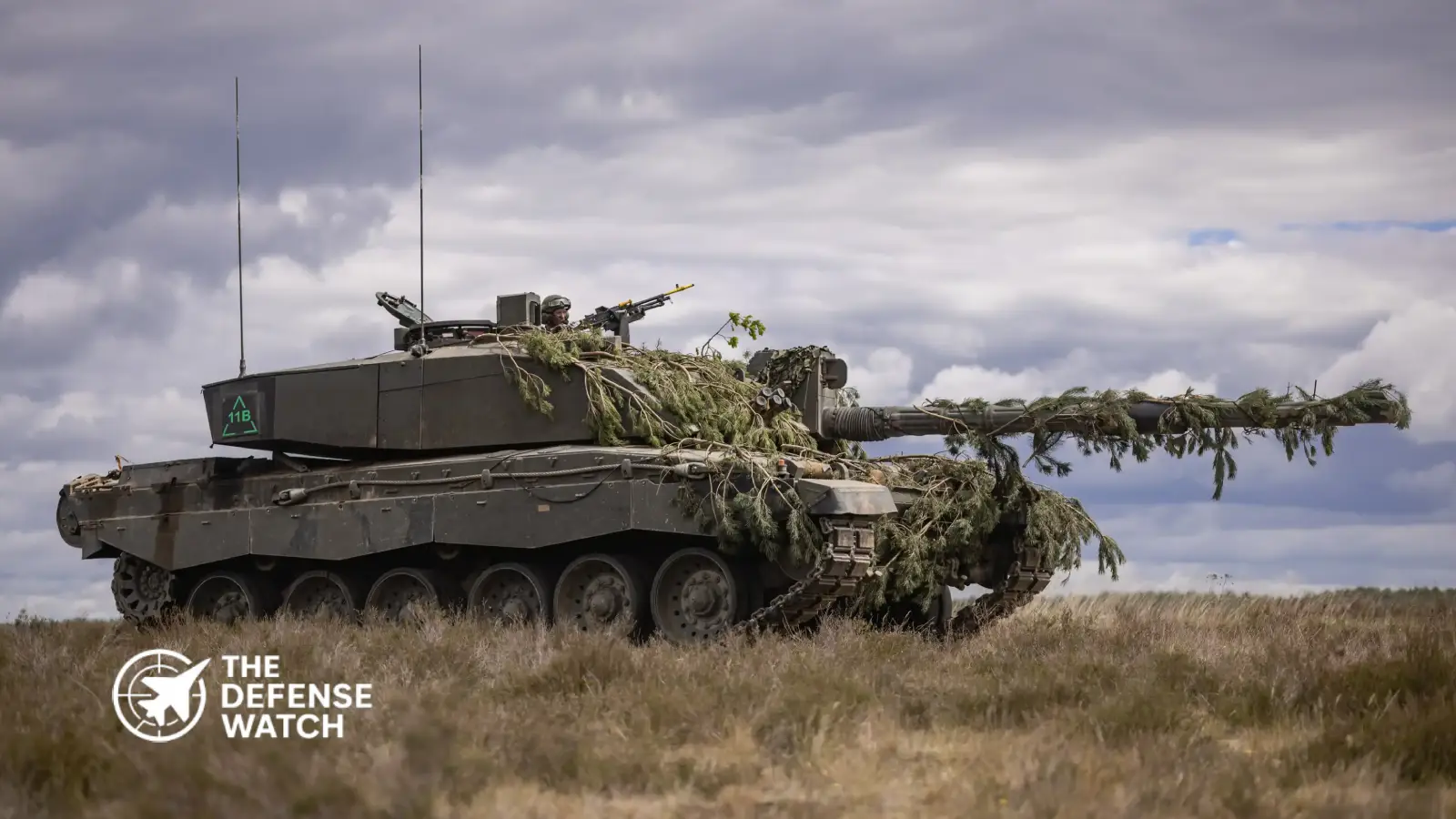
British Challenger 2 tanks and approximately 1,500 UK troops participated in Exercise Spring Storm in Estonia, operating close to the Russian border. The deployment highlights NATO’s continued effort to strengthen deterrence and rapid reinforcement capabilities along its eastern flank amid ongoing regional security concerns.
British Challenger 2 Tanks Train Near Russian Border During Major NATO Exercise
British Challenger 2 tanks have taken part in a large-scale NATO exercise in Estonia, demonstrating the United Kingdom’s ability to rapidly deploy armored forces to the alliance’s eastern frontier.
The exercise, known as Spring Storm (Kevadtorm), involved around 1,500 British troops from the UK’s 4th Brigade alongside Estonian and allied forces. Training activities occurred in southeastern Estonia, less than 25 kilometers from the Russian border, making it one of the most strategically significant military drills conducted by NATO members in the region this year.
Images released by the UK Ministry of Defence showed Challenger 2 main battle tanks being transported into the operational area before conducting maneuver exercises under simulated combat conditions. The training scenario centered on defending Estonian territory against a mock cross-border incursion by a hostile neighboring state.
Strengthening NATO’s Forward Land Force
The exercise forms part of NATO’s evolving Forward Land Force concept, designed to reinforce the alliance’s eastern flank following Russia’s 2022 invasion of Ukraine.
Under the framework, multinational combat formations are stationed in frontline NATO states while larger reinforcement units remain at high readiness for rapid deployment if required. For the United Kingdom, this includes maintaining a permanent military presence in Estonia while preparing additional forces capable of deploying quickly during a crisis.
(adsbygoogle = window.adsbygoogle || []).push({});Exercise Spring Storm provided an opportunity to rehearse these reinforcement procedures, testing the movement of heavy armor, logistics networks, command structures, and multinational coordination under realistic field conditions.
Operation Cabrit Remains Central To UK Commitment
British forces have maintained a continuous presence in Estonia since 2017 through Operation Cabrit, the UK’s contribution to NATO’s enhanced Forward Presence mission.
The mission was established after Russia’s 2014 annexation of Crimea and aims to reassure NATO allies located along the alliance’s eastern borders. The United Kingdom serves as the lead nation for the multinational battlegroup stationed at Tapa, Estonia.
Estonia occupies a strategically important position within NATO due to its direct border with Russia. As a result, military exercises conducted there carry particular significance for alliance planning and deterrence efforts.
Why The Exercise Matters
Beyond routine military training, Spring Storm reflects broader changes in NATO force posture across Europe.
Since 2022, NATO members have increased investments in readiness, pre-positioned equipment, and rapid deployment capabilities. Exercises involving heavy armor remain particularly important because they test the alliance’s ability to move combat power quickly across national borders and integrate multinational forces into a unified command structure.
The deployment of Challenger 2 tanks also underscores the continuing relevance of armored forces despite the growing prominence of drones, electronic warfare systems, and precision-guided munitions seen in the Ukraine conflict.
From a strategic perspective, conducting realistic defensive exercises close to NATO’s eastern frontier serves both military and political objectives. Militarily, it validates readiness and interoperability. Politically, it signals alliance cohesion and commitment to collective defense obligations under Article 5.
(adsbygoogle = window.adsbygoogle || []).push({});NATO’s Eastern Flank Remains A Priority
The latest exercise comes amid continued military activity across NATO’s northern and eastern regions. The alliance has steadily expanded training programs, force rotations, and readiness initiatives in countries bordering Russia as part of a long-term deterrence strategy.
For the United Kingdom, participation in Spring Storm reinforces its role as one of NATO’s leading contributors to collective defense in the Baltic region. The exercise demonstrated not only the deployment of British Challenger 2 tanks but also the broader ability of UK forces to integrate rapidly with allied units in a potential high-intensity conflict environment.
Executive Summary:
U.S. Marines have conducted urban raid training focused on preparing small units for high-intensity combat in dense, complex environments. The drills emphasize rapid movement, close-quarters engagement, and coordinated assaults under realistic battlefield conditions. The exercise reflects a broader shift toward distributed operations and urban warfare readiness.
U.S. Marines Urban Raid Training for High-Intensity Combat Operations
U.S. Marines are intensifying urban raid training to improve readiness for high-intensity combat operations in dense city environments. The drills are designed to test how small units move, clear structures, and coordinate under pressure in conditions that mirror modern battlefield challenges.
The training reflects a growing focus inside the Marine Corps on operating in complex terrain where visibility is limited, threats emerge from multiple directions, and speed of decision making is critical.
Urban Combat Focus in Modern Marine Training
The latest exercise centers on close-quarters battle skills and coordinated team movement through built-up environments. Marines rehearse room clearing, building entry, and rapid target identification under simulated combat stress.
According to U.S. Marine Corps training doctrine and recent exercise reporting, these drills are part of a wider push to improve combat effectiveness in urban terrain where traditional formations are less effective and small-unit leadership becomes central.
The focus on urban raid training comes as global military planners increasingly expect future conflicts to involve populated areas, requiring forces to balance speed, precision, and restraint in dynamic environments.
High-Intensity Combat Preparation and Tactical Adaptation
The Marine Corps is adapting its training to reflect high-intensity combat conditions where threats may include drones, indirect fire, and well-prepared defensive positions inside urban structures.
Exercises emphasize:
- Rapid insertion and movement through confined spaces
- Coordinated entry teams and fire discipline
- Communication under disrupted conditions
- Decision making under time pressure
These elements are intended to build resilience in units expected to operate in contested environments where situational awareness can degrade quickly.
Distributed Operations and Small Unit Emphasis
A key element of the training is the shift toward distributed operations. Instead of relying on large formations, Marines increasingly train in smaller, more flexible units capable of independent action.
This approach supports broader Marine Corps modernization concepts such as Expeditionary Advanced Base Operations and distributed maritime operations, which prioritize mobility and survivability across dispersed locations.
The urban raid framework fits into this model by preparing units to operate independently in complex terrain while maintaining coordination with larger task forces.
Strategic Context and Global Relevance
Urban warfare training is not limited to counterterrorism scenarios. Military analysts note that potential peer or near-peer conflicts could involve heavily urbanized environments where conventional maneuver warfare is constrained.
Recent U.S. and NATO training patterns show increased emphasis on:
- Urban assault coordination with allies
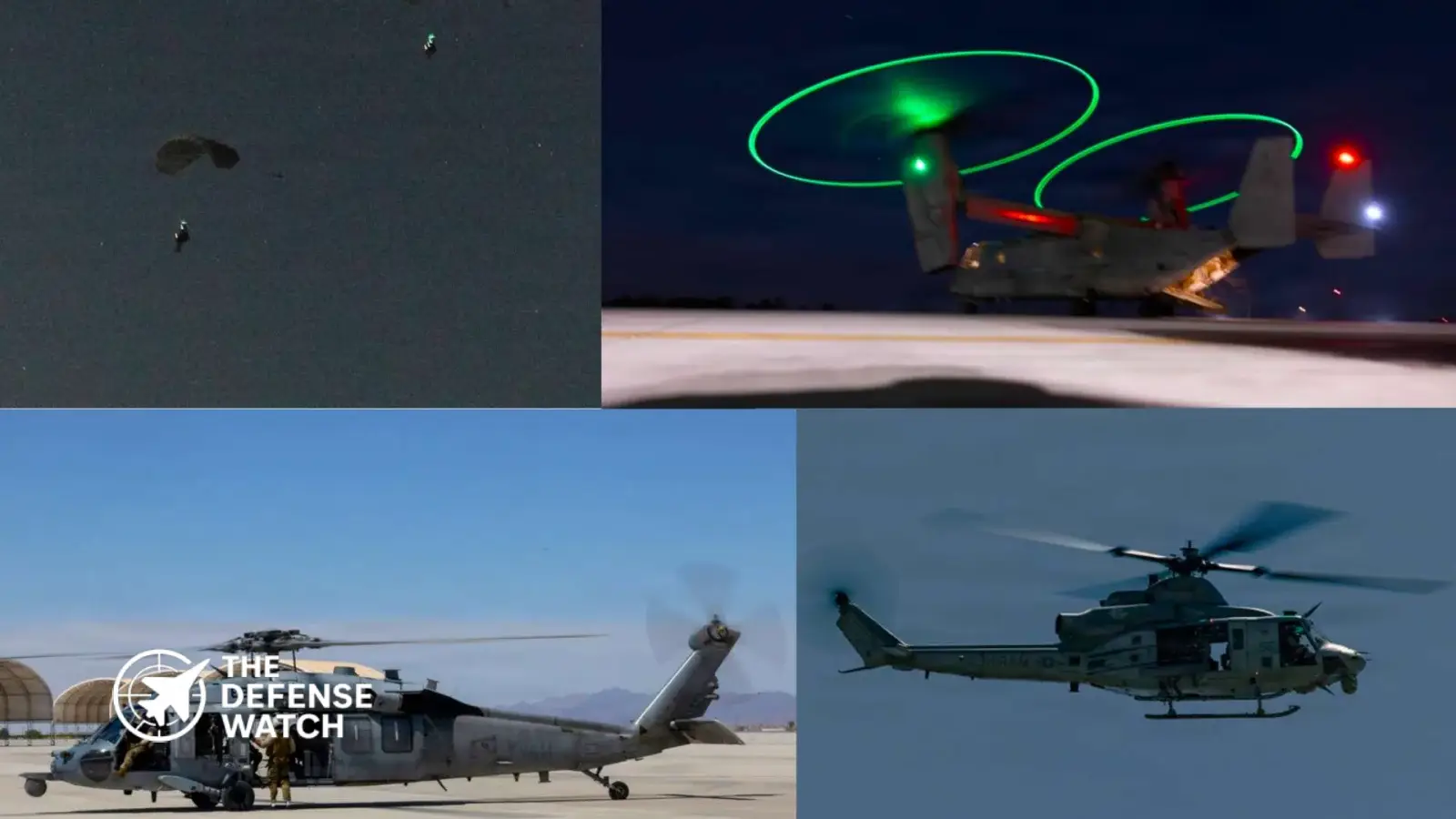
- Integration of aviation and ground elements
- Rapid evacuation and casualty response drills
- Multi-domain awareness in dense terrain
These developments reflect a broader recognition that future combat environments may be fast moving, fragmented, and heavily reliant on small-unit execution.
Operational Impact
The continued focus on urban raid training highlights a shift in readiness priorities. The Marine Corps is building capability for environments where control of terrain depends less on large-scale advances and more on localized tactical success.
In practical terms, this means Marines are preparing for scenarios where buildings, streets, and tight urban corridors become primary combat zones rather than secondary terrain.
Executive Summary:
The United States Army and the Armed Forces of the Philippines have officially launched Exercise Salaknib 2026 at Fort Magsaysay. The annual training event focuses on interoperability, combat readiness, and multinational coordination as security concerns continue to shape the Indo-Pacific operating environment.
U.S. Army Expands Salaknib 2026 Exercise As Indo-Pacific Security Pressures Rise
The Salaknib 2026 military exercise has formally begun in the Philippines, bringing together U.S. and Philippine Army forces for one of their most significant annual bilateral training events.
The opening ceremony took place at Fort Magsaysay, a major Philippine military training facility that has become a central hub for increasingly complex joint exercises between Washington and Manila. According to the U.S. Army, Salaknib remains a cornerstone of the long-standing alliance between the two countries and is designed to improve operational coordination, readiness, and combined combat capabilities.
Military leaders from both nations emphasized the exercise’s role in strengthening interoperability across a range of operational scenarios, from conventional combat operations to multidomain missions involving land, air, cyber, and logistics elements.
Growing Scale And Complexity
Salaknib 2026 forms part of a broader cycle of U.S.-Philippine military engagement that also includes the larger Balikatan exercises. In recent years, both events have expanded significantly in scope as the two allies deepen defense cooperation across the Indo-Pacific region.
This year’s activities include realistic field training, command-and-control exercises, live-fire events, logistics operations, and multinational participation. Elements of the Joint Pacific Multinational Readiness Center Exportable (JPMRC-X) program have also been integrated into the exercise, allowing troops to train in complex operational environments that simulate modern battlefield conditions.
According to U.S. Army statements, the second phase of Salaknib 2026 involved forces from multiple partner nations operating alongside American and Philippine troops across Northern Luzon. Training focused on combined maneuver operations, rapid deployment, sustainment, and multidomain coordination.
The exercise reflects a broader trend within U.S. Indo-Pacific strategy, where allied forces are increasingly training together in realistic operational settings rather than conducting limited symbolic drills.
Strategic Importance In The Indo-Pacific
The launch of Salaknib 2026 comes amid heightened security competition across the Indo-Pacific.
While U.S. and Philippine officials consistently state that the exercise is not directed at any specific country, the growing scale of regional military activities reflects concerns over maritime security, freedom of navigation, and crisis response capabilities.
The Philippines occupies a strategically important position along key sea lanes and near several contested areas of the South China Sea. As a result, Manila has accelerated defense modernization efforts while expanding security cooperation with treaty allies and regional partners.
Recent exercises have featured increasingly advanced capabilities, including HIMARS rocket artillery, integrated air and missile defense activities, anti-armor operations, and multinational maritime drills. Reports from this year’s exercise cycle also highlighted the presence of emerging battlefield technologies, including unmanned systems and expeditionary support capabilities.
Another notable development occurred during related exercises earlier this year when U.S. forces reportedly conducted the first Tomahawk missile launch from the Philippines using the Army’s Typhon Mid-Range Capability system, underscoring the growing sophistication of U.S. force posture in the region.
Beyond Bilateral Training
One of the most significant aspects of Salaknib 2026 is its evolution beyond a purely bilateral event.
Japanese participation has continued to expand, while other regional and international partners have increasingly joined associated exercises throughout the Philippines. Military planners view these activities as essential for building interoperability among allied and partner forces that may be required to operate together during future contingencies.
The JPMRC-X component, in particular, allows units from different nations to conduct force-on-force training under demanding conditions that replicate operational challenges across the Indo-Pacific theater. U.S. Army officials described the exercise as an opportunity to refine multidomain tactics and strengthen coalition readiness.
Defense Cooperation Continues To Deepen
The continued expansion of Salaknib demonstrates how defense cooperation between Washington and Manila has evolved beyond traditional alliance management into a more operationally focused partnership.
For the Philippine Army, participation provides access to advanced training methodologies, emerging technologies, and multinational operational experience. For the United States, the exercise supports broader efforts to maintain a credible forward presence and strengthen regional partnerships across the Indo-Pacific.
As regional security dynamics continue to evolve, military exercises such as Salaknib 2026 are increasingly viewed as practical tools for improving readiness, enhancing deterrence, and ensuring allied forces can operate together effectively during potential crises.
Executive Summary:
L3Harris Technologies evaluated its VAMPIRE counter drone system during the Balikatan 2026 military exercise in the Philippines. The deployment reflects growing U.S. and allied focus on counter unmanned aerial systems capabilities in the Indo Pacific amid expanding regional drone threats.
L3Harris VAMPIRE Counter Drone System Tested During Balikatan 2026
The L3Harris VAMPIRE counter drone system was evaluated during the multinational Balikatan 2026 exercise in the Philippines, highlighting growing emphasis on counter unmanned aerial systems across the Indo Pacific theater.
Balikatan, one of the largest annual military exercises between the United States and the Philippines, has increasingly focused on integrated air defense, maritime security, and distributed battlefield operations. The inclusion of the VAMPIRE system underscores how rapidly counter drone technologies are becoming central to modern military planning.
According to information released by L3Harris Technologies and defense industry reporting, the VAMPIRE platform was assessed in operational scenarios designed to counter emerging unmanned aerial threats.
Mobile Counter Drone Capability Gains Attention
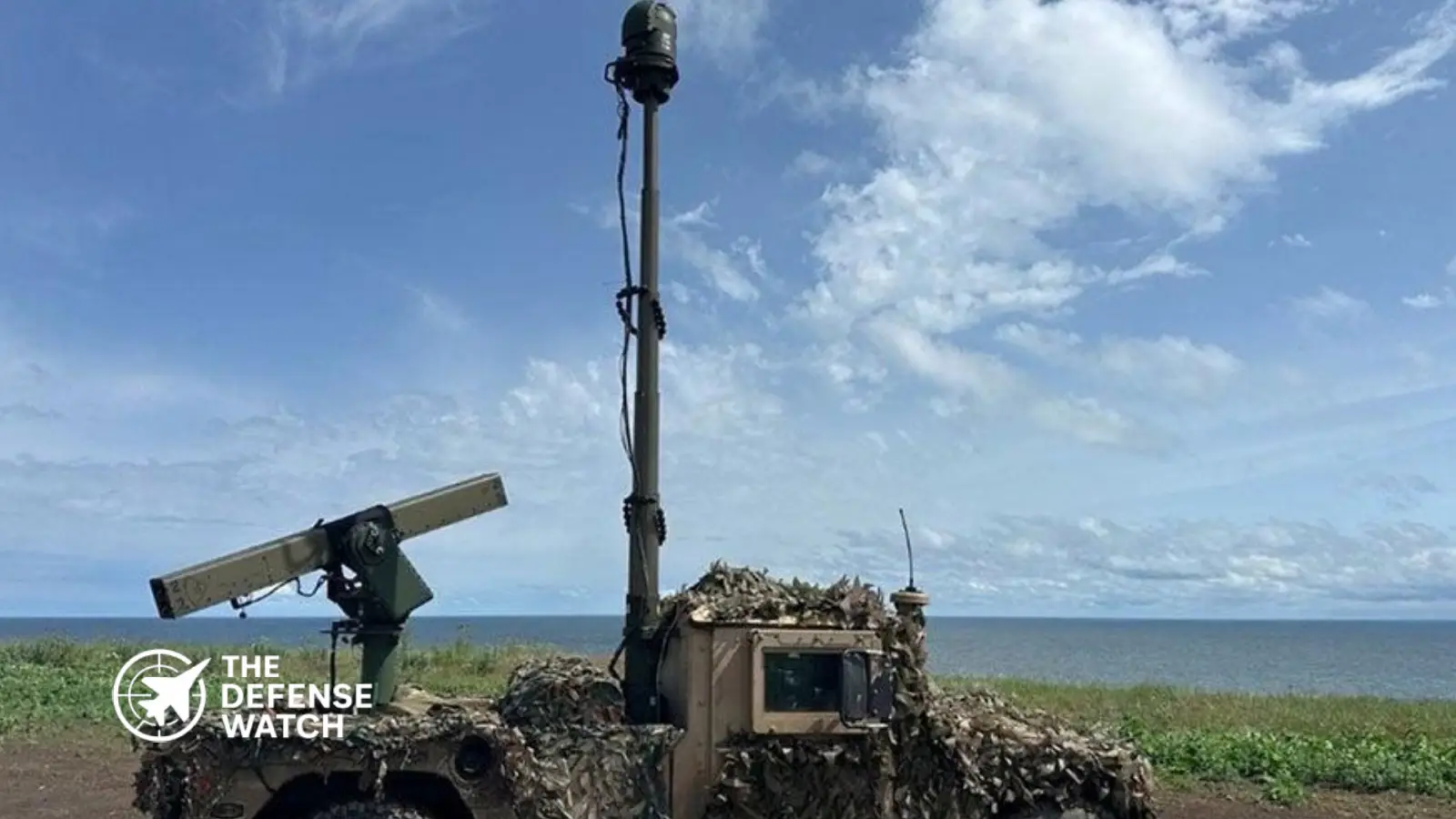
The VAMPIRE system, short for Vehicle Agnostic Modular Palletized ISR Rocket Equipment, is designed as a lightweight and rapidly deployable counter UAS platform. The system can be mounted on various tactical vehicles and integrates electro optical and infrared targeting sensors with precision guided munitions.
A major advantage of the VAMPIRE counter drone system is its modular architecture. The platform does not require a dedicated armored vehicle or extensive integration timeline, allowing forces to rapidly field counter drone capability using existing vehicle fleets.
The system typically employs Advanced Precision Kill Weapon System rockets, commonly known as APKWS, to engage unmanned aerial systems and low altitude threats. This gives operators a relatively low cost intercept option compared with larger surface to air missile systems.
Military planners increasingly view such systems as essential due to the widespread use of drones in conflicts across Eastern Europe and the Middle East. Small and inexpensive UAVs have demonstrated the ability to threaten armored formations, logistics hubs, and naval assets, forcing militaries to adapt quickly.
Why Balikatan 2026 Matters
The evaluation of the VAMPIRE counter drone system during Balikatan 2026 carries broader strategic significance beyond a routine capability demonstration.

The Indo Pacific region has seen accelerating military modernization efforts, including expanded drone development programs by regional powers. U.S. defense planners and allied militaries are now prioritizing distributed air defense systems capable of operating across island chains and austere environments.
Balikatan has evolved into a major platform for testing expeditionary warfare concepts and interoperability between allied forces. The exercise regularly includes live fire drills, maritime security operations, and integrated command and control activities.
By incorporating mobile counter drone systems into the exercise, participating forces are addressing one of the fastest growing battlefield threats. Drone warfare has shifted from a niche capability to a core operational challenge in only a few years.
The Philippines has also increased defense cooperation with the United States amid rising regional tensions in the South China Sea. Expanding access agreements and combined military exercises reflect broader efforts to strengthen deterrence and improve readiness.
VAMPIRE Adds Flexibility To Layered Air Defense
The VAMPIRE counter drone system fills an important gap between small arms based drone defense and larger strategic air defense systems.
Traditional high end missile defense platforms are often costly to operate against low cost drones. Systems like VAMPIRE provide a more flexible and scalable response option for frontline units and expeditionary forces.
Its palletized design allows operators to transport and install the system quickly, which could prove valuable in dispersed Indo Pacific operations where mobility and rapid repositioning are critical.
Another factor driving interest in mobile counter drone systems is the increasing use of swarm tactics and low flying UAVs that can evade traditional radar coverage. Modular platforms equipped with electro optical targeting systems offer commanders additional engagement options in complex operational environments.
L3Harris has continued expanding its role in counter UAS technologies as Western militaries accelerate procurement of layered air defense capabilities.
Growing Demand For Counter UAS Systems
The global market for counter drone systems has expanded sharply following lessons observed in Ukraine, the Red Sea, and other active conflict zones. Militaries are now investing heavily in systems capable of detecting, tracking, jamming, or kinetically intercepting drones.
The VAMPIRE counter drone system represents part of a wider shift toward adaptable and lower cost defensive solutions that can be deployed rapidly without extensive infrastructure requirements.
For Indo Pacific forces, mobility remains especially important due to the region’s geography. Systems that can operate from remote islands, temporary bases, or mobile formations are increasingly valued as militaries prepare for contested logistics and distributed operations.
Balikatan 2026 provided an opportunity to evaluate how such systems perform within allied operational frameworks and under realistic field conditions.
Belarus has intensified military readiness activities tied to tactical nuclear weapons, signaling deeper integration with Russia’s regional deterrence strategy.
Executive Summary:
Belarus announced new nuclear weapons readiness drills involving its armed forces, according to the country’s defense ministry. The exercises reflect growing military coordination between Minsk and Moscow as regional security tensions with NATO continue to intensify across Eastern Europe.
Belarus Nuclear Weapons Drills Highlight Expanding Regional Deterrence Posture
Belarus nuclear weapons drills entered a new phase on Monday after the Belarusian defense ministry confirmed that military units had conducted exercises linked to tactical nuclear weapons readiness.
The announcement comes amid continued geopolitical friction between Russia and NATO following prolonged instability across Eastern Europe and ongoing military competition near NATO’s eastern flank.
Belarus has increasingly aligned its defense posture with Moscow since Russia began deploying tactical nuclear weapons to Belarusian territory in 2023. The latest drills appear intended to reinforce operational coordination, command readiness, and strategic signaling to Western governments monitoring regional force movements.
According to the Belarusian defense ministry, the exercises involved military personnel responsible for handling systems associated with tactical nuclear operations. Specific details regarding force composition, weapons platforms, or deployment locations were not publicly disclosed.
Tactical Nuclear Integration Between Belarus And Russia Continues
The Belarus nuclear weapons drills underscore how Minsk has become more integrated into Russia’s broader nuclear deterrence architecture.
Russian President Vladimir Putin previously confirmed that Moscow had transferred tactical nuclear weapons to Belarus under a bilateral security arrangement. The move marked the first deployment of Russian nuclear weapons outside Russian territory since the collapse of the Soviet Union.
Belarusian President Alexander Lukashenko has repeatedly framed the deployments as necessary for national defense and deterrence against what Minsk describes as growing Western military pressure.
Military analysts view the continued exercises as part of a broader effort to normalize nuclear readiness operations within Belarusian force structures. While tactical nuclear weapons are generally designed for battlefield use rather than long range strategic deterrence, their deployment can significantly alter regional security calculations.
The drills also reinforce Belarus’ role as a forward operating area for Russian military planning in Eastern Europe.
NATO Monitoring Regional Military Activity Closely
NATO officials have consistently monitored Russian and Belarusian military exercises for signs of escalation or changes in nuclear posture.
Although Western governments have not indicated evidence of imminent nuclear use, defense planners continue to track tactical nuclear deployments because of their potential impact on crisis stability and rapid escalation scenarios.
The latest Belarus nuclear weapons drills are likely to increase concerns among neighboring NATO member states including Poland, Lithuania, and Latvia, all of which border either Belarus or Russia’s Kaliningrad enclave.
Since 2022, NATO has expanded force rotations, air policing missions, and forward troop deployments across Eastern Europe. Several alliance members have also accelerated investments in missile defense systems, long range fires, and rapid response capabilities.
The renewed exercises in Belarus may further reinforce arguments within NATO for maintaining elevated readiness levels along the alliance’s eastern frontier.
Tactical Nuclear Weapons Remain Central To Russian Military Doctrine
Russia continues to emphasize tactical nuclear capabilities within its military doctrine as part of its broader deterrence strategy.
Unlike strategic nuclear weapons, which are designed for large scale intercontinental warfare, tactical nuclear weapons are intended for battlefield or theater level operations. These systems can include short range ballistic missiles, aircraft delivered munitions, and artillery based nuclear payloads.
Defense experts note that ambiguity surrounding deployment patterns and operational thresholds can complicate crisis management during periods of heightened confrontation.
Belarus’ involvement in nuclear readiness drills also reflects Moscow’s effort to distribute operational complexity across allied territory while demonstrating military cohesion with partner states.
At the same time, the exercises serve a political purpose by signaling resilience against Western sanctions and diplomatic isolation.
Strategic Messaging And Regional Implications
The timing of the Belarus nuclear weapons drills is significant as military competition between Russia and NATO continues to evolve.
Belarus has steadily expanded joint military activities with Russia over the past several years, including integrated air defense operations, joint exercises, and logistical support arrangements.
The latest drills are unlikely to immediately alter the military balance in Europe. However, they contribute to a broader environment of strategic pressure, signaling, and deterrence competition that continues to shape regional defense planning.
For NATO, the exercises reinforce concerns about maintaining credible deterrence while avoiding unintended escalation. For Belarus and Russia, the drills project military coordination and strategic continuity despite sustained international pressure.
The long term effect may be a further normalization of nuclear related military activity near NATO territory, increasing the importance of intelligence monitoring, crisis communication channels, and regional force readiness.
Executive Summary:
U.S. Army paratroopers recently integrated drone systems into nighttime live-fire operations during a historic company-level exercise. The training highlighted the Army’s growing focus on combining unmanned systems, reconnaissance, and airborne infantry tactics to improve battlefield awareness and combat coordination.
Army Paratroopers Integrate Drones Into Night Operations
The U.S. Army is continuing to expand its use of unmanned systems across frontline combat formations, with Army paratroopers integrating drones into complex nighttime live-fire operations during a recent large-scale exercise.
According to the official report published by the U.S. Army, the exercise marked a significant milestone for airborne infantry forces as troops combined small unmanned aerial systems, reconnaissance capabilities, and coordinated live-fire maneuvers under low-visibility conditions.
The event involved paratroopers conducting synchronized assaults while using drones to improve battlefield awareness, identify targets, and support command decision-making during the exercise. Army leaders said the training reflects the service’s broader modernization effort focused on integrating emerging battlefield technologies into conventional combat units.
Expanding Drone Integration Across Infantry Units
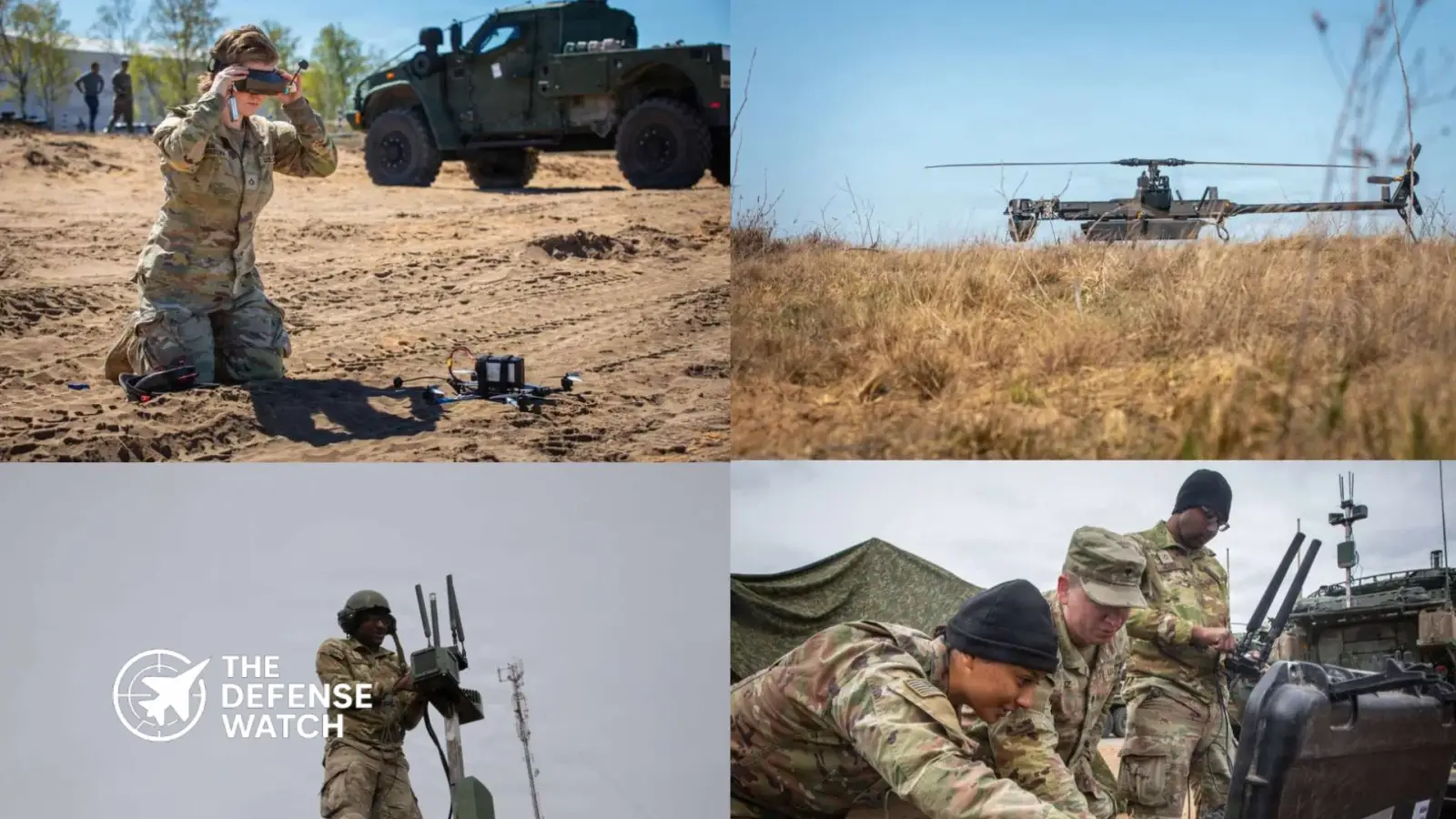
The Army has increasingly emphasized drone integration at the tactical level following lessons observed from modern conflicts in Eastern Europe and the Middle East. Small drones are now viewed as essential battlefield tools for reconnaissance, surveillance, targeting support, and force protection.

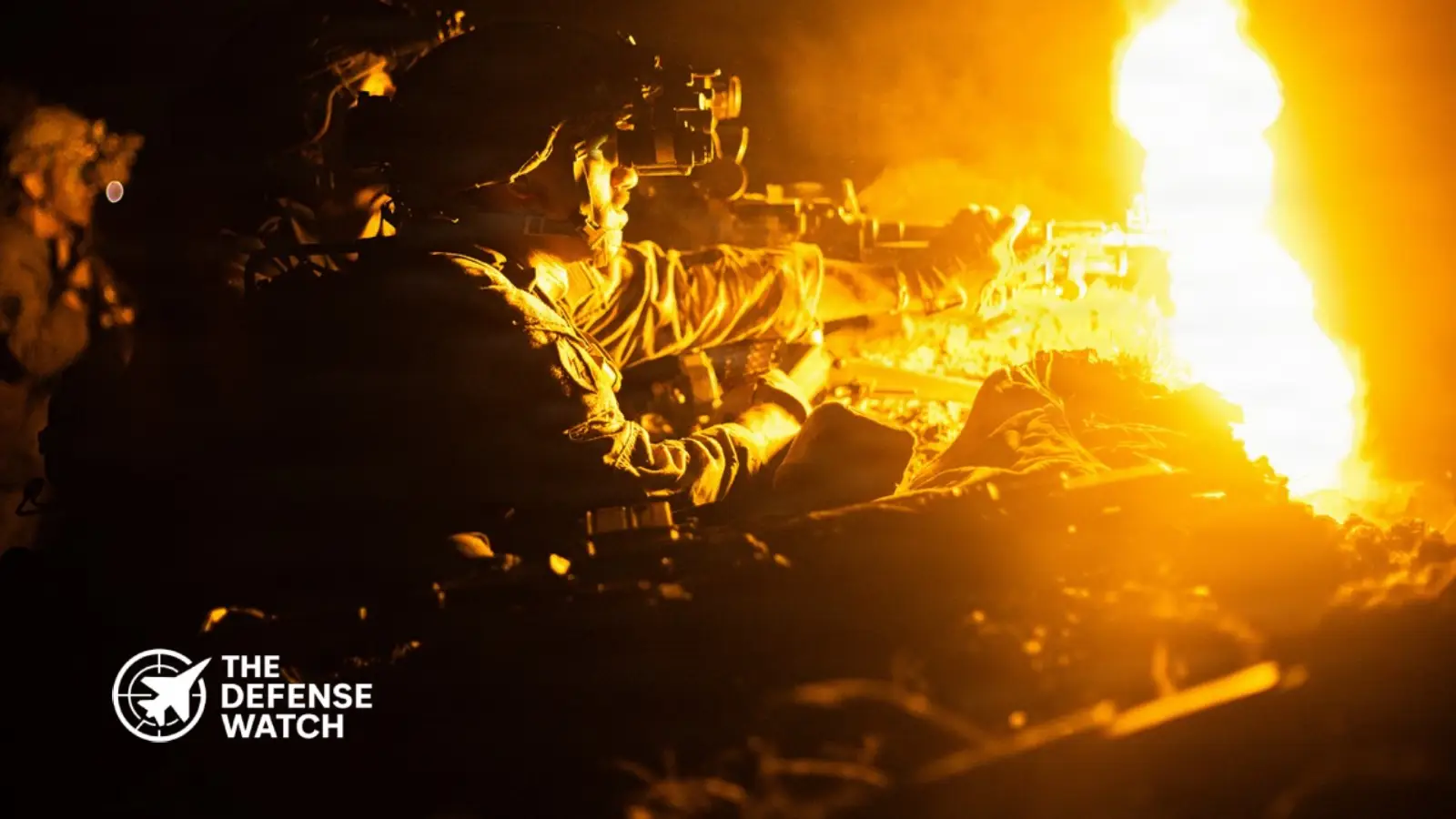
Army paratroopers assigned to the 2nd Infantry Brigade Combat Team, 11th Airborne Division, engage targets during a nighttime company live-fire exercise at Joint Base Elmendorf-Richardson, Alaska, May 7, 2026. The exercise integrated live fires, trench clearing and small unmanned aerial systems to strengthen battlefield coordination and lethality in arctic conditions. (Image Source : DoW)
During the exercise, drone operators worked directly alongside infantry formations, helping commanders monitor troop movements and identify simulated enemy positions during nighttime operations. Integrating drones into live-fire events allows soldiers to train in conditions that more closely resemble modern combat environments.
The Army has accelerated efforts to push unmanned systems down to smaller units, including platoons and companies, rather than limiting drone operations to specialized reconnaissance elements. This shift reflects a growing recognition that battlefield awareness and rapid intelligence collection are increasingly critical during dispersed operations.
Army officials involved in the exercise noted that night operations remain one of the most demanding environments for airborne and infantry forces. Combining drones with thermal imaging, night vision equipment, and coordinated fires improves operational effectiveness while reducing uncertainty during fast-moving engagements.
Why Night Operations Matter
Night combat remains a core advantage for U.S. military forces, particularly airborne and special operations units. Training exercises that integrate drones into low-light engagements help refine communication procedures, command coordination, and target acquisition.
The recent live-fire event demonstrated how drone feeds can support real-time battlefield decisions during high-pressure operations. In modern warfare, even small commercial-style unmanned systems can significantly influence tactical awareness and operational tempo.
The Army’s emphasis on drone-enabled night warfare also reflects broader Pentagon concerns regarding future conflicts involving technologically capable adversaries. Military planners increasingly expect future combat environments to involve electronic warfare threats, contested communications, and persistent aerial surveillance.
As a result, training exercises are evolving beyond traditional infantry tactics and now incorporate networked sensors, unmanned systems, and distributed battlefield intelligence.
Historic Company-Level Live-Fire Exercise
Army officials described the training event as a historic company live-fire exercise because of the scale and integration of multiple battlefield systems operating simultaneously at night.
Paratroopers conducted coordinated maneuvers supported by reconnaissance drones while executing live-fire engagements in a realistic combat environment. The exercise also reinforced interoperability between drone operators, infantry squads, and command elements.

An Army paratrooper assigned to the 2nd Infantry Brigade Combat Team, 11th Airborne Division, provides security while soldiers engage targets during a company live-fire exercise at Joint Base Elmendorf-Richardson, Alaska, May 7, 2026. The training tested the unit’s ability to conduct coordinated live-fire operations in a realistic combat environment. ((Image Source : DoW)
The Army has spent the past several years redesigning training programs to better prepare soldiers for multi-domain operations. These efforts include combining infantry maneuver, electronic warfare awareness, unmanned aerial reconnaissance, and rapid targeting procedures into single operational scenarios.
Military analysts note that integrating drones directly into airborne formations could provide significant operational advantages during expeditionary deployments or rapid-response missions. Airborne units often operate with limited support immediately after insertion, making organic reconnaissance assets especially valuable.
Drone Warfare Lessons Continue To Shape U.S. Strategy
The rapid evolution of drone warfare globally has accelerated military modernization programs across NATO and allied nations. Conflicts in Ukraine and the Middle East have demonstrated how relatively inexpensive drones can provide tactical intelligence, direct artillery fire, and disrupt troop movements.
The U.S. Army has responded by increasing investment in counter-drone systems, tactical reconnaissance drones, and autonomous battlefield technologies. Exercises like this allow operational units to test how unmanned systems perform under realistic battlefield conditions.
In addition to reconnaissance roles, future Army drone integration efforts may include electronic warfare support, autonomous resupply missions, and enhanced targeting coordination.
The Army has repeatedly stated that adaptability and rapid technology integration will remain essential for maintaining battlefield overmatch against near-peer competitors.
Operational Analysis
The integration of drones into company-level airborne exercises signals a broader doctrinal transition within the U.S. Army. Rather than treating drones as specialized support assets, the service is increasingly embedding unmanned systems directly into frontline combat formations.
This shift has operational implications beyond reconnaissance. Real-time drone surveillance improves unit survivability, shortens targeting cycles, and enhances command flexibility during complex engagements, especially at night.
The exercise also reflects how the Army is adapting to lessons from contemporary conflicts where inexpensive drones have changed tactical decision-making at every level of warfare. Units that can rapidly process aerial reconnaissance data and coordinate fires possess a measurable battlefield advantage.
For airborne formations, which traditionally operate in isolated and fast-moving environments, organic drone support may become as critical as communications and night vision equipment in future deployments.
Executive Summary:
The U.S. Army used the African Lion 26 exercise in Morocco to test autonomous combat systems, including robotic ground vehicles and AI-enabled battlefield technologies. The drills demonstrated Washington’s growing focus on integrating unmanned systems into future combat operations while strengthening interoperability with allied forces.
U.S. Army Tests Autonomous Combat Systems During African Lion 26
The U.S. Army autonomous combat systems program took a major step forward during the African Lion 26 multinational exercise in Morocco, where American forces evaluated robotic and AI-enabled battlefield technologies under realistic operational conditions.
African Lion 26, led by the United States Africa Command (AFRICOM), is one of the largest military exercises conducted on the African continent. The annual event brings together U.S. troops and partner nations to improve interoperability, readiness, and regional security cooperation.
This year’s exercise placed a strong emphasis on autonomous warfare technologies, reflecting the Pentagon’s accelerating effort to modernize ground combat operations amid growing global competition with near-peer adversaries.
Autonomous Systems Take Center Stage
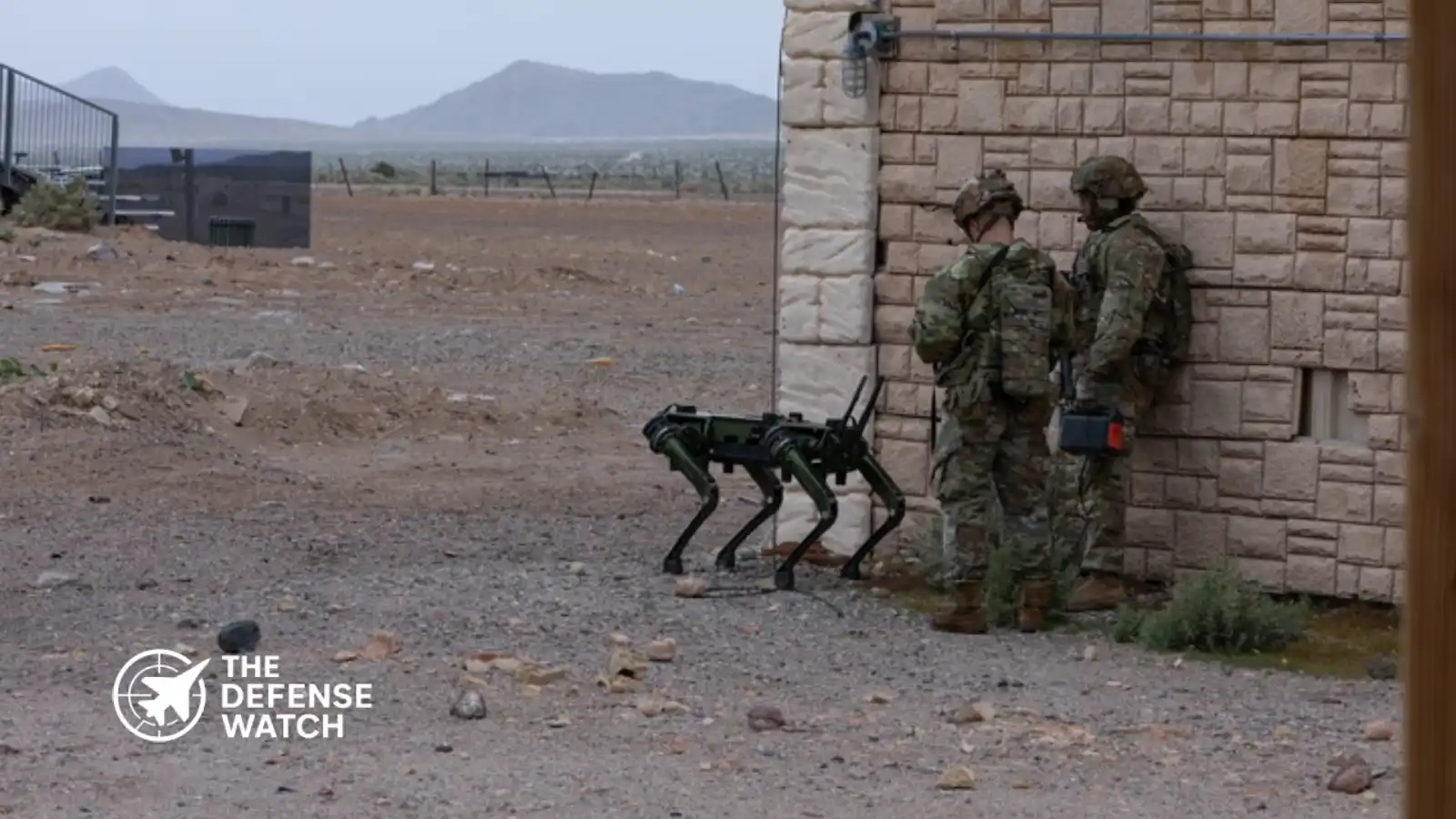
According to reports from the exercise, U.S. forces deployed multiple autonomous combat systems designed to support reconnaissance, logistics, surveillance, and battlefield coordination missions.
The systems reportedly included unmanned ground vehicles (UGVs), autonomous reconnaissance platforms, and AI-assisted command-and-control technologies capable of operating in contested environments.

Military planners increasingly view autonomous systems as critical tools for reducing troop exposure, improving battlefield awareness, and sustaining operational tempo during high-intensity conflicts.
The U.S. Army has spent several years testing robotic systems through initiatives such as Project Convergence and the Army Futures Command modernization strategy. African Lion 26 provided another opportunity to evaluate how these technologies perform alongside multinational partner forces in desert and semi-arid terrain conditions similar to potential future operational theaters.
Why Morocco Matters Strategically
Morocco has become an increasingly important defense partner for the United States in North Africa. Its geographic position near the Mediterranean, Atlantic approaches, and Sahel region makes it strategically valuable for NATO and AFRICOM operations.
Testing autonomous combat systems in Morocco offers operational advantages because the terrain closely resembles environments where future expeditionary missions could occur. The exercise also allows U.S. commanders to study how AI-enabled systems function under extreme heat, dust, and long-range maneuver conditions.
The growing use of autonomous platforms also reflects broader shifts in global military doctrine. Armed forces worldwide, including China and Russia, are rapidly investing in AI-assisted warfare capabilities, autonomous drones, and robotic combat support systems.
For the Pentagon, exercises like African Lion 26 are not only about regional security cooperation. They also serve as large-scale experimentation environments for next-generation military technologies.
AI And Battlefield Integration
One of the most significant aspects of the exercise was the integration of AI-driven battlefield management systems with autonomous platforms.
Modern military operations increasingly depend on rapid sensor-to-shooter decision cycles. Autonomous systems can process battlefield data faster than traditional human-operated systems, enabling commanders to identify threats and coordinate responses more efficiently.
However, the operational deployment of AI-enabled combat systems continues to raise doctrinal and ethical questions. Defense analysts have warned that military organizations must balance automation with human oversight, particularly in lethal decision-making scenarios.
The U.S. Department of Defense has repeatedly stated that autonomous weapons systems will remain subject to human judgment and command authority.
African Lion 26 therefore represents both a technology demonstration and a practical test of how human operators interact with increasingly autonomous battlefield tools.
Growing Role Of Multinational Exercises
Large-scale exercises like African Lion have evolved beyond conventional training events. They now function as strategic laboratories for testing interoperability among allied militaries using advanced technologies.
The integration of autonomous systems into multinational exercises also helps partner nations better understand future battlefield concepts likely to dominate military operations over the next decade.
For AFRICOM, the exercise supports broader goals of regional stability while reinforcing U.S. influence across Africa amid expanding Russian and Chinese activity on the continent.
The U.S. Army autonomous combat systems showcased during African Lion 26 indicate that future military operations will likely feature a combination of human soldiers, robotic support vehicles, AI-enabled sensors, and unmanned aerial systems operating as integrated battlefield networks.
Analysis: A Broader Pentagon Modernization Push
The timing of the African Lion 26 autonomous systems testing aligns with the Pentagon’s broader modernization agenda focused on preparing for large-scale, technology-driven conflicts.
Recent conflicts in Ukraine and the Middle East have demonstrated the growing importance of drones, AI-assisted targeting, electronic warfare, and autonomous reconnaissance systems in modern combat.
The U.S. Army appears increasingly focused on ensuring its forces can operate in highly contested environments where traditional communications and logistics networks may be disrupted.
Autonomous systems offer several advantages in such scenarios, including persistent surveillance, reduced manpower requirements, and enhanced operational flexibility.
Still, significant challenges remain. Autonomous combat platforms require secure communications, resilient software architectures, and protection against cyber and electronic warfare attacks. Any vulnerabilities in those systems could create operational risks during real-world deployments.
African Lion 26 provided the Army with valuable operational data that could influence future procurement programs, doctrine development, and battlefield integration strategies.
Executive Summary:
U.S. and U.K. forces conducted the Flytrap 5.0 counter-drone exercise to test and refine integrated air defense concepts against unmanned aerial threats. The drills aim to strengthen NATO’s eastern flank by improving detection, tracking, and neutralization of low-cost drones. The exercise reflects a growing need to counter massed UAV attacks observed in recent conflicts.
Overview of Flytrap 5.0 Counter-Drone Exercise
The Flytrap 5.0 exercise, held in 2026, brought together U.S. and U.K. military units to evaluate advanced counter-UAS (C-UAS) systems under realistic operational conditions. Conducted along NATO’s eastern flank, the exercise focused on defending forward-deployed forces against increasingly sophisticated and low-cost drone threats.
The drills emphasized integration across multiple domains, combining radar, electronic warfare, and kinetic interceptors into a unified defensive network. This layered approach reflects NATO’s shift toward adaptable, scalable air defense systems capable of addressing both high-end and asymmetric threats.
Key Objectives and Operational Focus
Enhancing Detection and Tracking Capabilities
Modern drones often operate at low altitude with small radar signatures. Flytrap 5.0 tested:
- Advanced short-range radar systems for low-observable UAV detection
- Passive sensors and RF detection tools for non-emitting targets
- AI-assisted tracking for improved target classification
Integrating Electronic Warfare Solutions
Electronic warfare (EW) played a central role in neutralizing drone swarms:
- Jamming of GPS and communication links
- Cyber intrusion techniques to disrupt UAV control systems
- Soft-kill options to reduce reliance on costly interceptors
Validating Kinetic Interception Systems
While EW is effective, kinetic solutions remain essential:
- Short-range air defense (SHORAD) missiles
- Rapid-fire gun systems with programmable ammunition
- Directed energy weapons under evaluation
Comparison: Modern C-UAS vs Legacy Air Defense Systems
| System Type | Range | Payload Capability | Status | Key Technology |
|---|---|---|---|---|
| Legacy SHORAD Systems | 5–15 km | Limited vs small UAVs | Operational | Radar-guided missiles |
| Modern C-UAS (Flytrap 5.0) | 0–10 km (layered) | Optimized for small drones | Active Testing | AI tracking, EW jamming, sensor fusion |
| Directed Energy Systems | <5 km | Effective vs swarms | Emerging | High-energy lasers |
Technical Advantages Demonstrated
Flytrap 5.0 highlighted several improvements over legacy systems:
- Layered defense architecture combining soft and hard kill options
- Reduced cost per engagement against low-value drone threats
- Faster response times through automated detection and tracking
- Greater interoperability between allied forces
- Scalability to counter swarm attacks
Strategic Context: NATO’s Eastern Flank and Drone Warfare
The exercise reflects lessons learned from recent conflicts where drones have played a decisive role. Low-cost UAVs have proven capable of:
- Overwhelming traditional air defenses
- Conducting reconnaissance and precision strikes
- Disrupting logistics and command networks
For NATO, the eastern flank represents a critical area where such threats could emerge rapidly. Flytrap 5.0 supports the alliance’s broader effort to modernize air defense doctrine, shifting from platform-centric systems to networked, adaptive defense ecosystems.
The integration of U.S. and U.K. capabilities also underscores the importance of interoperability in coalition operations. Standardized procedures and shared technologies are essential for rapid response in contested environments.
Implications for Future Air Defense Doctrine
Flytrap 5.0 is expected to influence NATO doctrine in several ways:
- Greater emphasis on counter-UAS specialization within air defense units
- Increased investment in electronic warfare and AI-enabled systems
- Development of cost-effective interception strategies
- Expansion of joint training exercises across allied nations
As drone technology continues to evolve, NATO’s ability to adapt its defensive posture will be critical to maintaining operational superiority.
- The British Army conducted its largest parachute jump exercise in over a decade.
- Hundreds of airborne troops were deployed in a coordinated mass drop operation.
- The exercise tested rapid deployment, coordination, and operational readiness.
- Aircraft and airborne units operated jointly to simulate real-world combat insertion.
- The drill reflects renewed emphasis on high-readiness forces amid evolving security challenges.
British Army Parachute Jump Signals Renewed Focus On Rapid Deployment
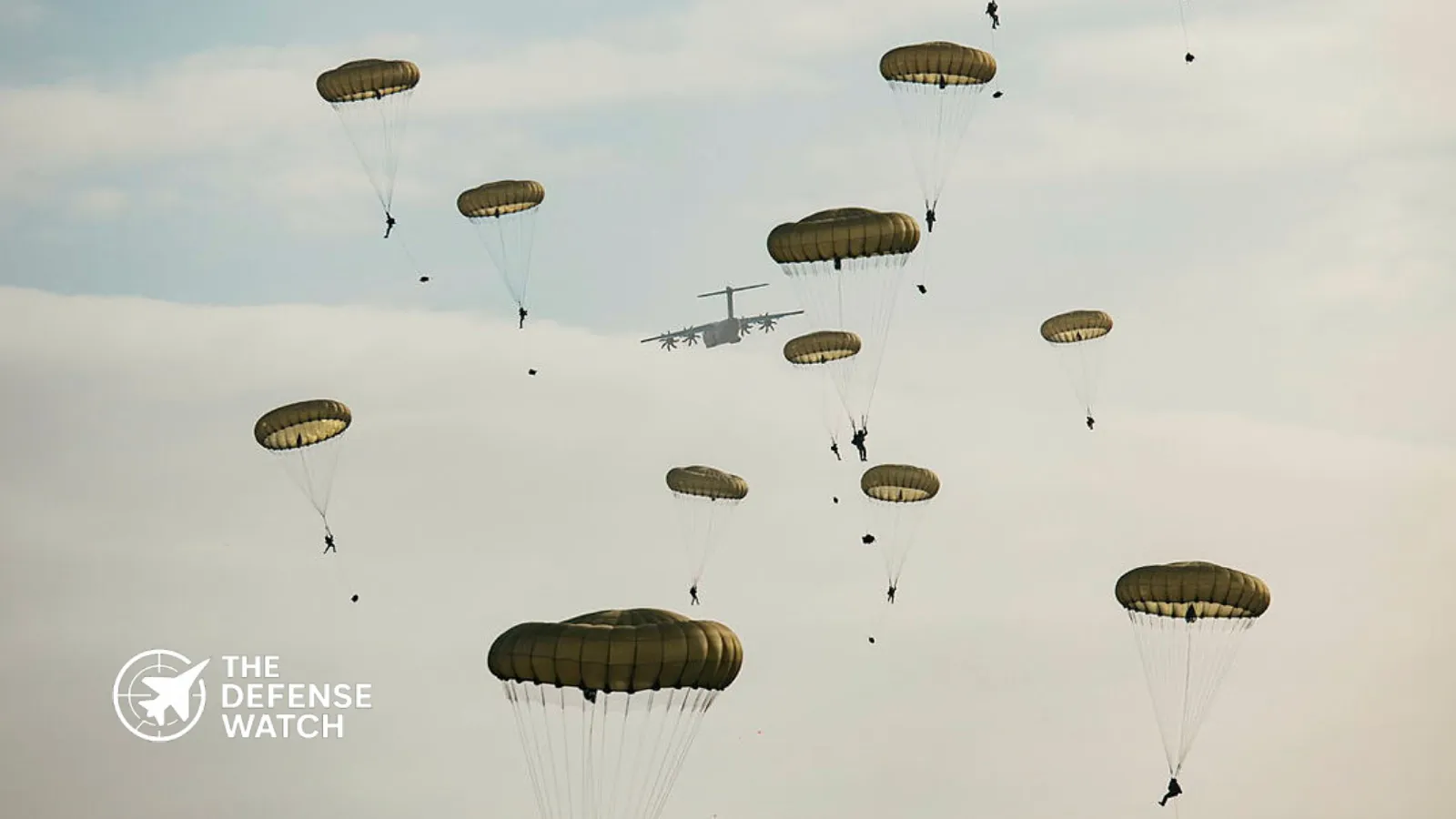
The British Army parachute jump conducted recently marks the largest airborne operation by the British Army in more than a decade, underscoring a renewed emphasis on rapid deployment capabilities and high-readiness forces.
Hundreds of paratroopers took part in a coordinated mass drop, designed to simulate real-world combat insertion scenarios. The exercise brought together airborne infantry, transport aircraft, and support elements in a synchronized operation aimed at testing operational readiness under realistic conditions.
This large-scale British Army parachute jump reflects a broader shift within UK defense planning, where speed, flexibility, and expeditionary capability are becoming increasingly central.
Scale And Coordination Highlight Operational Readiness
The exercise involved a complex airborne assault scenario, with troops deploying from military transport aircraft in rapid succession. Such operations require precise timing, coordination between air and ground elements, and the ability to establish a foothold immediately upon landing.
Airborne forces are typically among the first units deployed in a crisis. Their ability to insert behind enemy lines or secure key terrain quickly makes them a critical component of modern military strategy.
By conducting its largest British Army parachute jump in years, the UK is demonstrating that it retains the capability to deploy significant combat power at short notice. This is particularly relevant in scenarios where forward basing is limited or access is contested.
Strategic Context: Why Airborne Forces Matter Again
The renewed focus on airborne operations comes amid shifting geopolitical dynamics and increased emphasis on rapid response forces across NATO. Countries are investing more in units that can deploy quickly without relying on established infrastructure.
For the UK, airborne forces serve as a key element of its global response posture. They can be deployed independently or as part of a larger coalition force, supporting missions ranging from deterrence to high-intensity conflict.
The scale of this British Army parachute jump suggests that planners are preparing for scenarios where early entry forces must operate in contested environments. This includes potential operations in Eastern Europe, the High North, or other regions where rapid insertion could be decisive.
Operational Lessons And Capability Development
Large-scale exercises like this are not just demonstrations. They are critical for identifying gaps in capability and improving coordination across units.
Key areas likely assessed during the operation include:
- Aircraft loading and deployment efficiency
- Paratrooper dispersion and landing accuracy
- Communication between airborne and ground units
- Speed of assembling combat-ready formations after landing
These lessons feed directly into future doctrine and training cycles, ensuring that airborne units remain effective in modern combat environments.
The British Army parachute jump also highlights the importance of maintaining interoperability with allies. Airborne operations often involve multinational forces, particularly within NATO frameworks.
Air Mobility And Force Projection
Airborne operations depend heavily on transport aircraft and logistical support. While the exercise details did not specify all platforms involved, such operations typically rely on assets from the Royal Air Force, including heavy-lift and tactical transport aircraft.
This integration of air and land forces is essential for force projection. It allows the UK to respond quickly to emerging threats without the need for prolonged deployment timelines.
In practical terms, the ability to conduct a large British Army parachute jump enhances the UK’s credibility as a rapid reaction force contributor within NATO and other alliances.
What This Means For Future Operations
The scale and execution of this operation indicate that airborne forces remain a priority within UK defense strategy. While modern warfare increasingly includes cyber and space domains, traditional capabilities like airborne insertion continue to play a vital role.
This exercise sends a clear signal that the UK is investing in readiness and operational flexibility. It also demonstrates the continued relevance of airborne forces in scenarios where speed and surprise are critical.
As global security challenges evolve, the ability to deploy forces quickly and effectively will remain a key determinant of military effectiveness. The British Army parachute jump serves as a reminder that even long-established capabilities are being adapted to meet modern demands.
- ► Shield AI’s V-BAT operated during NATO’s HEIMDALL 26 exercise in northern Norway from February 17 to 26.
- ► The exercise was hosted by NATO’s Center of Excellence for Cold Weather Operations.
- ► V-BAT conducted ship-based VTOL operations from the Norwegian Coast Guard vessel KV Olav Tryggvason.
- ► Flights were performed in Arctic winter conditions without aircraft modifications.
- ► ISR data from V-BAT was integrated into NATO-aligned command and control networks.
Shield AI V-BAT Arctic ISR operations during NATO’s HEIMDALL exercise mark a practical step forward in how the alliance approaches surveillance in the High North. The demonstration was not about unveiling new hardware. It was about showing that existing unmanned systems can function as reliable, ship-based ISR assets in one of the most demanding environments NATO forces face.
(adsbygoogle = window.adsbygoogle || []).push({});That distinction matters. Arctic security has shifted from a niche concern to a core planning issue for NATO navies and joint forces.
Why HEIMDALL Matters For NATO Now
HEIMDALL was designed to validate NATO’s Arctic experimentation arena, not to showcase single platforms. The focus was on manned-unmanned teaming, data sharing, and integration into the Federated Mission Network and multi-domain operations.
The High North is no longer permissive. Russian naval patrols, long-range sensors, and submarine activity have increased across the Barents and Norwegian Seas. At the same time, allied forces operate from dispersed bases with limited infrastructure.
An unmanned aircraft that can launch from small vessels, survive extreme cold, and feed ISR directly into alliance networks addresses a real operational gap. That is the context in which Shield AI brought V-BAT to Norway.
Operational Impact Of V-BAT In Arctic Maritime ISR
From an operational standpoint, the most important outcome was not endurance or sensor payload. It was reliability.
V-BAT flew from land and from a Norwegian Coast Guard ship without changes to configuration. Arctic operations often require heaters, modified fuels, or specialized maintenance cycles. The absence of those requirements lowers the barrier to deployment.

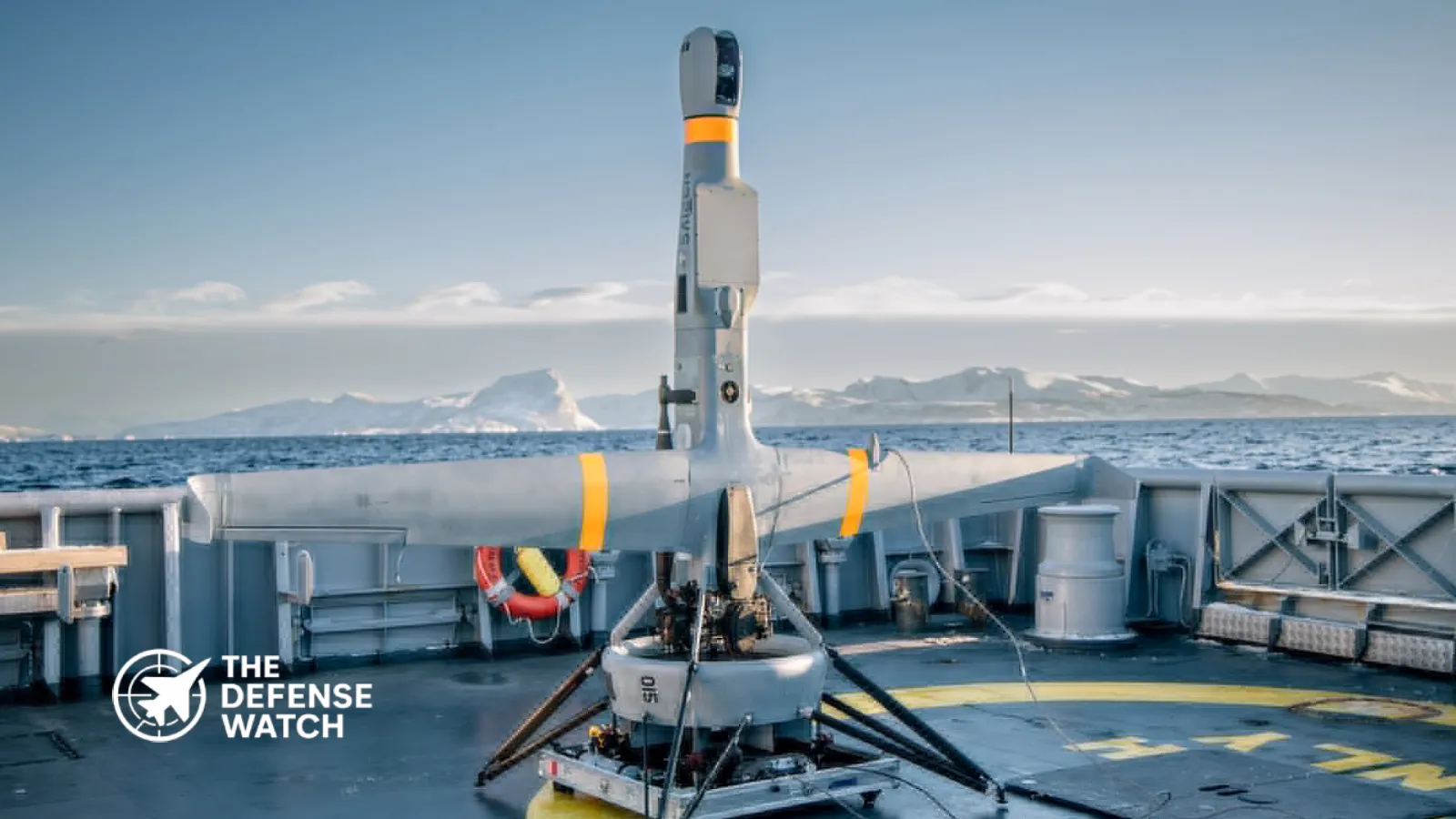
Image : Shield AI Ship-based VTOL operations from KV Olav Tryggvason demonstrated a key advantage over fixed-wing UAVs that need runways or launch systems. For patrol vessels, logistics ships, and amphibious platforms, deck space is limited. A small VTOL system extends surveillance without changing ship design.
Night and day ISR, electro-optic, infrared, and synthetic aperture radar use also point to flexibility. In Arctic winter, long periods of darkness reduce the usefulness of traditional visual surveillance. Persistent unmanned coverage becomes essential.
How V-BAT Compares To Other NATO ISR Options
Within NATO inventories, Arctic ISR usually relies on crewed maritime patrol aircraft, helicopters, and a limited number of larger UAVs. Systems like ScanEagle or Puma offer tactical coverage but are constrained in endurance and payload.
V-BAT sits in a middle ground. It is smaller and cheaper than Class II or III drones but offers far longer endurance than most ship-launched systems. Its ducted fan design improves safety on crowded decks, an issue that has limited wider UAV use aboard surface combatants.

Image : Shield AI European alternatives exist, but many still depend on catapult launch or recovery nets. That complicates use in high sea states. V-BAT’s vertical recovery is a practical advantage in the North Atlantic and Arctic waters.
Alliance And Industrial Implications
For NATO, the real takeaway is interoperability. During HEIMDALL, V-BAT functioned as an ISR node inside a multinational architecture. Data flowed to forces ashore and at sea.
That aligns with NATO’s push toward distributed sensing rather than a few high-value platforms. Smaller unmanned systems reduce risk and expand coverage.
From an industry angle, Shield AI positions itself not as a niche UAV maker but as a provider of deployable autonomy that fits alliance standards. The fact that the aircraft worked with Norwegian forces and NATO networks strengthens its case in European procurement discussions.

Image : Shield AI Statements from Shield AI leadership, including Brandon Tseng, emphasize expeditionary use. That message resonates with smaller navies that cannot afford large UAV fleets but still need persistent ISR.
Regional Security Context In The High North
The Arctic is becoming a zone of routine military presence rather than occasional patrols. Norway’s role is central, acting as NATO’s frontline state in the region.
Unmanned ISR launched from coast guard or naval vessels allows continuous monitoring of sea lines, choke points, and remote coastal areas. It also supports allied reinforcement planning by improving situational awareness during crises.
For Russia, the spread of low-cost, persistent ISR complicates concealment and movement. For NATO, it strengthens early warning without escalating force posture.
What Happens Next
HEIMDALL was an experiment, but it sets conditions for follow-on decisions. Expect more NATO exercises to include ship-based UAVs as standard assets rather than add-ons.
Procurement paths may follow. Smaller allies could prioritize systems that require minimal infrastructure and training. Larger navies may integrate them as supplements to crewed aviation.
(adsbygoogle = window.adsbygoogle || []).push({});For Shield AI, the next test will be sustained deployments, not exercises. Cold weather proof points matter most when systems stay forward for months, not weeks.
Strategic Assessment
V-BAT’s performance during HEIMDALL does not shift the military balance on its own. But it signals a broader change in how NATO approaches Arctic deterrence.
Distributed unmanned ISR reduces reliance on vulnerable high-end platforms. It improves resilience in contested environments and supports alliance cohesion through shared data.
Budget pressures across NATO favor systems that deliver coverage without heavy support tails. That reality benefits small VTOL UAVs with long endurance.
The escalation risk remains limited. ISR systems are defensive by nature. However, their presence tightens surveillance nets, reducing freedom of movement for potential adversaries.
In the High North, awareness is deterrence. HEIMDALL showed NATO is investing in both.