Executive Summary:
The UK-led HMS Prince of Wales Carrier Strike Group has arrived in Norway as part of NATO operations focused on Arctic and High North maritime security. The deployment reinforces allied naval presence near strategically important northern sea lanes amid increasing regional military activity.
HMS Prince Of Wales Carrier Strike Group Arrives In Norway
The UK HMS Prince of Wales Carrier Strike Group has entered Norwegian waters to support NATO maritime security operations in the High North, underscoring the alliance’s increasing focus on Arctic deterrence and regional naval readiness.
Report, the deployment forms part of a broader NATO effort to maintain freedom of navigation, improve interoperability among allied naval forces, and reinforce collective defense capabilities in northern Europe.
The arrival of the British carrier strike group comes at a time when Arctic and North Atlantic security dynamics continue to evolve. NATO members have expanded military coordination in the region following heightened strategic competition and increased military activity across the High North maritime domain.
Strategic Importance Of Norway And The High North
Norway remains one of NATO’s most strategically important northern flank states due to its proximity to the Arctic Ocean, Barents Sea, and North Atlantic maritime routes. The country regularly hosts allied naval and air operations designed to improve cold-weather warfare readiness and maritime domain awareness.
The deployment of HMS Prince of Wales demonstrates the Royal Navy’s ability to project power into northern waters while operating alongside NATO partners under challenging environmental conditions. Carrier strike operations in the Arctic require extensive coordination involving naval aviation, anti-submarine warfare assets, logistics vessels, and escort warships.
Military analysts increasingly view the High North as a critical operational theater because of expanding shipping routes, undersea infrastructure concerns, and the strategic importance of Arctic access points. NATO has steadily increased surveillance and joint exercises in response to these developments.
Composition Of The Carrier Strike Group
The HMS Prince of Wales Carrier Strike Group includes escort destroyers, frigates, support vessels, and embarked air assets designed to conduct multi-domain operations. The carrier serves as the centerpiece of the deployment and provides NATO with a mobile sea-based airpower platform capable of supporting intelligence, surveillance, reconnaissance, and strike operations.
The British aircraft carrier can operate the Lockheed Martin F-35B Lightning II, which gives the strike group advanced fifth-generation combat aviation capability. The integration of carrier aviation with NATO maritime forces improves the alliance’s ability to conduct coordinated operations across the North Atlantic and Arctic regions.
The deployment also highlights continued UK investment in carrier-enabled expeditionary operations. Since returning to carrier strike capability, the Royal Navy has used HMS Prince of Wales and its sister ship, HMS Queen Elizabeth, to support NATO missions, multinational exercises, and Indo-Pacific deployments.
NATO Maritime Security And Deterrence
NATO’s maritime posture in northern Europe has become increasingly important as allied nations seek to secure critical sea lanes and protect regional infrastructure. The alliance has prioritized anti-submarine warfare, integrated air and missile defense, and maritime surveillance across the North Atlantic.
The presence of the HMS Prince of Wales Carrier Strike Group in Norway contributes to NATO’s layered deterrence strategy by demonstrating rapid deployment capability and sustained multinational naval coordination.
Beyond military signaling, the deployment also supports operational integration among allied navies. Joint operations in the High North allow NATO forces to refine command structures, communications interoperability, and Arctic logistics support under real-world conditions.
The Royal Navy’s participation aligns with broader NATO modernization initiatives focused on readiness, mobility, and forward presence. These missions are increasingly viewed as essential for maintaining stability in strategically contested maritime regions.
Growing Focus On Arctic Security
The Arctic region has gained strategic importance due to climate-driven access changes, expanding economic interests, and evolving geopolitical competition. NATO members have responded by strengthening military cooperation and increasing exercises in northern waters.
Carrier operations in the Arctic environment also provide valuable operational experience for naval aviation units and maritime commanders. Extreme weather, limited daylight periods, and complex sea conditions present unique challenges that directly influence mission planning and force sustainment.
The UK’s deployment to Norway reflects a wider allied effort to maintain credible maritime power projection capabilities across Europe’s northern approaches. It also reinforces NATO’s commitment to collective defense and regional stability in the High North.
The deployment spotlights how sustainment gaps can shape frontline carrier capability even before combat begins
Executive Summary: The Royal Navy deployed HMS Prince of Wales while facing reported constraints in F35 spare parts availability. The situation highlights ongoing challenges in sustaining carrier air wing readiness during extended operations. It also raises broader questions about logistics resilience in modern naval aviation.
The F35 spare parts shortage affecting UK carrier operations has drawn attention to the sustainment side of naval aviation rather than frontline combat performance. According to reporting from UK Defence Journal, HMS Prince of Wales sailed with limited availability of critical spare components for its embarked F35B fleet, creating potential constraints on sustained flight operations.
While the carrier strike group remains fully operational, the issue underscores a recurring reality in modern expeditionary warfare. High end platforms depend not only on procurement but on continuous global logistics support that can keep aircraft mission ready over long deployments.
Carrier Readiness and Supply Chain Pressure
HMS Prince of Wales represents the Royal Navy flagship for carrier strike operations, designed to operate the F35B variant of the F35 Lightning II multirole fighter. In theory, the combination delivers a highly flexible fifth generation air wing capable of strike, reconnaissance, and maritime support missions.
In practice, sustaining that capability depends heavily on spare parts availability, engine components, avionics modules, and low observable materials support. When inventories are constrained, aircraft availability rates can decline even if the platform itself is fully mission capable on paper.
The F35 spare parts shortage has therefore become a central factor in how often aircraft can actually fly during deployment cycles. Each sortie consumes components that must be rapidly replaced through a tightly coordinated global supply chain.
Why Spare Parts Matter More Than Aircraft Numbers
Modern carrier aviation is not only about how many jets are assigned to a ship. It is about how many are ready to fly at any given moment. The F35 Lightning II ecosystem is highly integrated, meaning that even minor component shortages can ripple through readiness rates.
Key dependencies include:
- Engine module turnaround times
- Low observable coating maintenance
- Sensor and avionics replacement cycles
- Software update integration hardware
- Tire, brake, and airframe wear components
When any of these categories face delays, aircraft availability can fall below planned levels. This is especially critical on a carrier deployment, where onboard storage is limited and resupply depends on scheduled logistics links.
Operational Impact on Carrier Strike Groups
Carrier strike groups are designed for sustained forward presence, often operating far from home support infrastructure. For the Royal Navy, HMS Prince of Wales serves as a central node for power projection, NATO operations, and joint exercises.
However, the F35 spare parts shortage introduces operational friction. While mission capable aircraft can still fly, planners may need to adjust sortie generation rates, prioritize mission types, or extend maintenance intervals between flights.
This does not necessarily reduce combat effectiveness in the short term. Instead, it creates constraints on tempo and endurance, two factors that are critical during prolonged deployments or crisis response scenarios.
Strategic Context and Alliance Considerations
The UK operates the F35 program as part of a wider multinational supply network led by the United States and partner nations. This structure offers scale advantages but also introduces competition for limited spares during high demand periods.
In recent years, global F35 fleet expansion has accelerated, increasing pressure on depot level maintenance capacity and spare production timelines. The result is a system where operational readiness is closely tied to industrial throughput.
For NATO carriers, including the Royal Navy, this means that readiness is not solely a national issue. It is shaped by shared production pipelines and multinational logistics coordination.
Analysis: What This Means for Future Carrier Deployments
The situation involving HMS Prince of Wales highlights a broader challenge in modern naval aviation. Fifth generation carriers are only as effective as the sustainment systems behind them.
Three key implications stand out:
First, logistics planning is becoming as important as platform acquisition. Carrier groups require pre positioned supply strategies that anticipate long duration deployments.
Second, spare parts stockpiles are now strategic assets. Shortages can directly influence deterrence posture even without combat engagement.
Third, allied interoperability is increasing dependency on shared industrial capacity. This creates efficiency but also vulnerability when demand spikes.
The F35 spare parts shortage does not indicate a failure of the platform itself. Instead, it reflects the complexity of maintaining advanced stealth aircraft at scale while simultaneously expanding global fleets.
Broader Implications for the F35 Program
The F35 Lightning II remains one of the most widely deployed fifth generation fighters in the world. Its performance and versatility are not in question, but sustainment continues to be a central planning challenge for operators.
For carrier based variants like the F35B, the issue is even more pronounced due to the demanding environment of shipborne operations. Saltwater exposure, constant launch and recovery cycles, and limited onboard storage all increase maintenance pressure.
As more carriers integrate the F35, spare parts demand is expected to grow further. This makes supply chain resilience a key factor in future procurement decisions.
A Spanish Guardia Civil vessel reportedly came close to a British nuclear submarine entering Gibraltar, drawing criticism and underscoring ongoing maritime friction.
Executive Summary:
A Spanish Guardia Civil vessel reportedly made a close, hazardous approach to the British nuclear-powered submarine HMS Anson as it entered Gibraltar on May 14, officials and observers said. The incident draws attention to recurring tensions over waters around the British Overseas Territory amid longstanding sovereignty disputes.
British Report Spanish Vessel ‘Dangerous’ Close To Submarine At Gibraltar
The Royal Navy’s latest port call in Gibraltar was overshadowed by a reported close approach by a Spanish Guardia Civil patrol vessel to the British nuclear-powered attack submarine HMS Anson, according to observers and social media posts.
Images shared locally show a fast patrol craft moving near the funnel of HMS Anson while the submarine was being escorted into Gibraltar harbour by tugs and Royal Navy Police craft. One Gibraltar-based observer described the vessel’s proximity to the security cordon and near the harbour wall as “reckless, unprofessional, dangerous.”
King’s Harbour Master Gibraltar, the port authority responsible for the harbour and surrounding waters, maintains strict safety zones around visiting warships, including submarines, to protect crew and port infrastructure. Any vessel breaching these security perimeters would be taken seriously by harbour and Royal Navy authorities.
Incident In Context Of UK-Spain Maritime Friction
The episode comes amid persistent friction between British and Spanish authorities over sovereignty and maritime rights around Gibraltar. Spain does not recognise British jurisdiction over the surrounding waters, and confrontations or close approaches by Spanish vessels have been reported repeatedly in recent years.
British protest notes and diplomatic demarches have followed earlier incursions and disputes. In other reported cases, Spanish authorities have countered that their patrols operate within waters they consider Spanish, reflecting the unresolved territorial dispute stemming from historical claims.
Strategic Significance Of Gibraltar Port Calls
Gibraltar continues to serve as a key anchorage and staging point for allied submarines and surface vessels transiting between the Atlantic and Mediterranean. Just days earlier the U.S. Navy’s Ohio-class ballistic missile submarine made a port call at Gibraltar without incident, illustrating the territory’s strategic role.
The presence of a contemporary Royal Navy nuclear submarine reinforces Gibraltar’s importance for NATO operations and underlines the need for clear protocols and respect for security zones when submarines enter and exit harbour.
Safety And Diplomatic Implications
Submarines, particularly nuclear-powered attack boats like HMS Anson, demand rigorous safety measures during harbour movements. Unauthorised approaches by fast patrol vessels can pose risks to personnel and equipment, and carry diplomatic weight in an already sensitive environment.
The United Kingdom Ministry of Defence and Gibraltar government had not issued statements at the time of reporting, leaving open questions about formal protest or follow-up measures.
Executive Summary: A British aircraft carrier has arrived in Norway as part of NATO maritime operations in the North Atlantic region. The deployment supports joint training and strengthens allied naval coordination in northern waters. It reflects growing emphasis on Arctic and high north security planning.
British Aircraft Carrier Arrives In Norway Strengthening NATO Maritime Posture
British aircraft carrier Norway deployment highlights continued NATO efforts to reinforce maritime readiness in the North Atlantic and Arctic approaches. The arrival of the carrier strike group underscores coordinated allied operations focused on training, deterrence, and interoperability in northern waters.
The deployment involves a Royal Navy carrier strike group operating alongside Norwegian forces and NATO allies. The activity reflects an increasing pattern of allied naval presence in strategically sensitive regions, where sea lines of communication and Arctic access routes remain central to defense planning.
Strategic Context of the Deployment
British aircraft carrier Norway deployment comes at a time when NATO members are expanding their operational focus toward northern Europe and the Arctic region. Cold weather training environments and complex maritime geography make Norway a key partner for allied naval exercises.
The Royal Navy carrier strike group typically integrates a carrier, destroyers, frigates, and support vessels, along with embarked air wings. This structure allows for flexible response options across air defense, maritime patrol, and strike missions during joint operations.
Norwegian waters provide access to deep-water training areas and Arctic operating conditions that are difficult to replicate elsewhere in Europe. These conditions are critical for testing readiness in environments where weather, ice, and limited infrastructure can affect operations.
Role of Carrier Strike Group Operations
NATO carrier strike group operations are designed to enhance interoperability among allied navies and air forces. The presence of a carrier allows for sustained air operations far from home bases, supporting both defensive and training missions.
In the Norwegian theater, these operations typically focus on:
Joint air patrol coordination
Anti submarine warfare training
Maritime domain awareness drills
Integrated air defense exercises
Logistics and replenishment operations
The British carrier deployment also enables embarked aircraft to operate in coordination with Norwegian F35 fleets and other NATO air assets, improving shared tactics and communication systems across allied platforms.
Northern Flank Security and NATO Priorities
The North Atlantic and Arctic regions are increasingly central to NATO planning. British aircraft carrier Norway deployment fits into broader efforts to maintain presence and readiness in areas where maritime routes are strategically important.
Key concerns in the region include:
Protection of sea lanes connecting the Atlantic and Arctic
Monitoring of submarine activity in northern waters
Rapid reinforcement capability for northern Europe
Coordination between Nordic NATO members
Norway plays a central role due to its geography and extensive coastline facing the North Atlantic. Its infrastructure supports allied naval operations and provides staging points for training exercises involving carrier strike groups.
Royal Navy Carrier Capability in Focus
The Royal Navy carrier strike group is built around modern carrier aviation and integrated command systems. These capabilities allow it to operate as a mobile airbase, supporting a range of missions without reliance on fixed infrastructure.
Core elements include:
F35B short takeoff and vertical landing aircraft
Maritime helicopters for anti submarine operations
Surface escorts for protection and area control
Replenishment vessels for sustained deployment
This configuration allows the carrier to operate across multiple domains, including air defense, surface warfare, and intelligence gathering, making it a central asset in NATO naval exercises.
NATO Interoperability and Training Value
One of the main objectives of British aircraft carrier Norway deployment is improving interoperability between allied forces. Training in Norwegian waters allows multiple NATO members to operate in a shared environment under realistic conditions.
Exercises in the region often include coordinated strike planning, airspace deconfliction, and joint maritime surveillance. These activities help align procedures across different platforms and national doctrines.
The presence of a carrier strike group also provides a command and control hub, enabling large scale coordination across air and sea assets during multinational exercises.
Regional and Geopolitical Implications
While the deployment is framed as routine training, it also reflects broader geopolitical shifts in Europe’s security environment. NATO has increased its focus on northern defense planning, especially following expanded cooperation among Nordic countries.
British aircraft carrier Norway deployment signals continued emphasis on forward presence and allied visibility in strategic maritime corridors. It also reinforces deterrence through regular rotation of high value naval assets in the region.
Expert Analysis and Defense Perspective
From a defense planning standpoint, carrier deployments to Norway provide measurable advantages in readiness testing. Cold weather operations, long range coordination, and multi domain integration are all stress tested in the North Atlantic environment.
Such deployments also highlight the evolving role of carriers. Rather than purely power projection platforms, modern carrier strike groups increasingly function as integrated command nodes within NATO force structures.
The operational experience gained in Norway contributes to refining tactics for distributed maritime operations, where smaller units operate across wide geographic areas while remaining networked through shared command systems.
Conclusion
British aircraft carrier Norway deployment reinforces NATO’s focus on maritime readiness and northern security coordination. The operation demonstrates continued allied investment in joint training, interoperability, and sustained presence in strategically important waters.
As NATO adapts to evolving security challenges in the North Atlantic, carrier strike group operations are likely to remain a key component of multinational exercises and deterrence planning.
Executive Summary:
Malaysia has sharply criticized Norway’s decision to revoke export approvals for Naval Strike Missiles intended for the Royal Malaysian Navy’s Littoral Combat Ship program. Kuala Lumpur says the move threatens operational readiness, complicates ongoing naval modernization efforts, and could damage confidence in European defense suppliers.
Malaysia Norway Missile Dispute Raises Pressure On Naval Modernization
Malaysia’s dispute with Norway over suspended missile exports has escalated into a wider defense and diplomatic issue, highlighting growing risks tied to global arms export controls and long-term military procurement programs.
Prime Minister Anwar Ibrahim publicly condemned Norway’s decision to revoke export approvals for the Naval Strike Missile (NSM) system procured for Malaysia’s Littoral Combat Ship (LCS) fleet. The Malaysian government described the move as unilateral and unacceptable after the export suspension reportedly came only days before scheduled missile deliveries in March.
The missile system was supplied by Kongsberg Defence & Aerospace under a contract signed in 2018 to arm Malaysia’s future surface combatants. Norway’s Foreign Affairs Ministry said the licenses were revoked due to tighter export controls related to specific technologies.
Malaysia’s government has since indicated it is exploring both diplomatic engagement and possible legal action.
Littoral Combat Ship Program Faces Another Blow
The suspended missile deliveries add fresh uncertainty to Malaysia’s troubled Littoral Combat Ship program, one of Southeast Asia’s most delayed naval modernization efforts.
The LCS project began in 2011 with plans for six warships at an estimated cost of 6 billion ringgit. Years of delays, cost overruns, and management issues forced the Malaysian government to restructure the project in 2023, reducing the planned fleet to five vessels.
Malaysia’s first LCS vessel was originally expected to enter service in August 2026 but has already been delayed until at least December because of equipment delivery issues and ongoing technical rework.
The NSM was intended to serve as a core anti-ship weapon for the new fleet. Malaysian officials also confirmed the missiles were planned for use aboard the frigates KD Jebat and KD Lekiu.
The Naval Strike Missile is regarded as one of the world’s most capable sea-skimming anti-ship missiles, offering precision maritime strike capability at ranges exceeding 300 kilometers. Its combination of stealth shaping, autonomous targeting, and high survivability has made it a popular choice among NATO and allied navies.
Why The Norway Missile Export Halt Matters
The dispute carries implications beyond Malaysia’s immediate procurement challenges.
Malaysia’s leadership warned the export suspension could affect broader perceptions of European defense suppliers as reliable long-term strategic partners. Prime Minister Anwar Ibrahim stated that signed defense contracts should remain dependable regardless of shifting political conditions.
The case also reflects a wider trend in global defense trade where export controls increasingly intersect with geopolitical risk assessments, alliance considerations, and technology security concerns.
Norway has not publicly detailed the exact technologies involved in the revised restrictions. However, tighter controls on advanced missile systems have become more common across Europe amid growing security concerns related to technology transfer and regional strategic competition.
For Malaysia, the timing is particularly sensitive. Kuala Lumpur has sought to strengthen maritime deterrence capabilities as tensions continue across the South China Sea and broader Indo-Pacific region.
The interruption may now force Malaysia to reassess future missile procurement options, including potential alternatives from Turkey, South Korea, France, or other suppliers if the Norwegian restrictions remain in place.
Diplomatic Fallout Could Affect Future Defense Procurement
The disagreement may also influence how Southeast Asian governments evaluate defense diversification strategies in the coming years.
Many regional militaries traditionally balance procurement between Western, Asian, and domestic suppliers to avoid overdependence on a single source. Malaysia itself operates a highly mixed inventory sourced from Europe, Russia, the United States, South Korea, and China.
Analysts note that sudden export restrictions can create operational vulnerabilities for countries relying on foreign-made weapons integrated into long-term modernization programs. Delays involving missiles, radars, or combat systems can ripple across entire shipbuilding schedules and training pipelines.
Malaysia’s response suggests Kuala Lumpur intends to push aggressively for either a reversal of the export decision, compensation mechanisms, or alternative arrangements to preserve the combat readiness of its future fleet.
Norwegian officials have meanwhile said they remain open to dialogue with Malaysian authorities.
Regional Security Implications
The Malaysia Norway missile dispute arrives during a period of intensified naval modernization across Southeast Asia.
Regional navies are investing heavily in anti-ship missiles, maritime surveillance systems, and advanced frigates as competition increases in contested waters. Countries including Indonesia, the Philippines, Singapore, and Vietnam are all expanding maritime defense capabilities.
Malaysia’s LCS fleet was intended to become a cornerstone of the Royal Malaysian Navy’s future surface warfare capability. Any prolonged disruption to its primary anti-ship weapon package could temporarily weaken planned force modernization timelines.
The issue also highlights how defense supply chains have become increasingly vulnerable to political decisions made far from the operational theater where the systems are ultimately deployed.
Executive Summary:
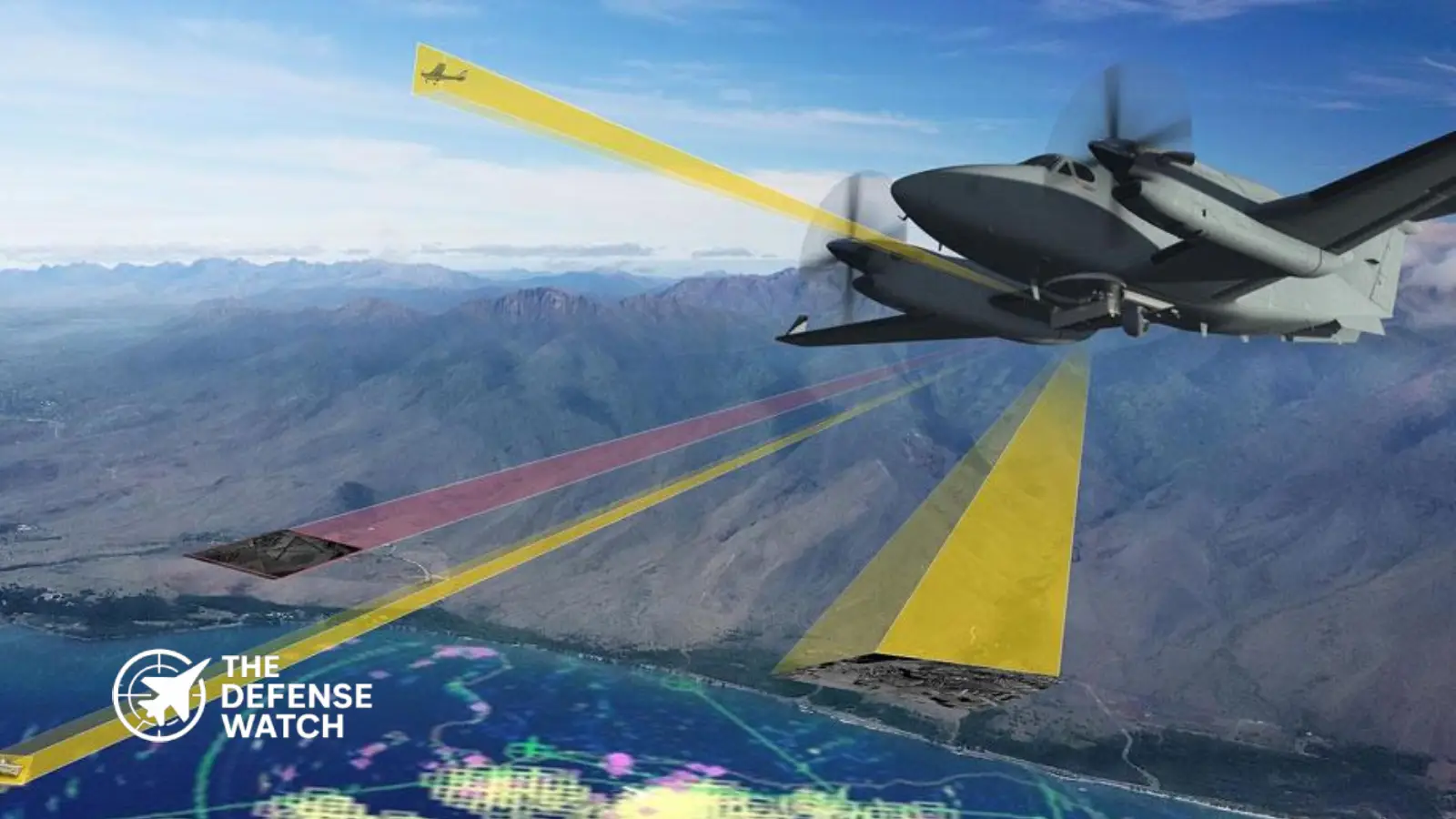
BAE Systems has secured a $12.56 million U.S. Navy contract to develop an advanced sonobuoy system under the UnderSea Advantage Block Upgrade program. The effort combines BAE’s new sonar technology with sonobuoy components from Sparton to enhance anti-submarine warfare capabilities while retaining compatibility with standard deployment systems.
BAE Systems Advances U.S. Navy Undersea Warfare Capability
BAE Systems has received a cost-plus-fixed-fee contract from the Office of Naval Research to develop and demonstrate an advanced sonar-equipped sonobuoy for the U.S. Navy’s UnderSea Advantage Block Upgrade (USABU) Future Naval Capability program.
The contract, valued at approximately $12.56 million, covers a 40-month base period along with optional extension periods. Work is scheduled to continue through September 2029.
The program focuses on integrating BAE Systems’ next-generation sonar technology into existing sonobuoy hardware supplied by Sparton. The goal is to create a more capable anti-submarine warfare sensor while preserving compatibility with the Navy’s standard A-size sonobuoy deployment format.
The work will primarily take place in Merrimack, New Hampshire, where BAE Systems Information & Electronic Systems Integration Inc. is based, alongside operations in DeLeon Springs, Florida.
Why The Sonobuoy Upgrade Matters
The new USABU-related effort reflects the growing importance of undersea warfare as global naval competition intensifies. Modern submarines are becoming quieter, more difficult to detect, and increasingly capable of operating in contested maritime regions.
Sonobuoys remain a critical component of the U.S. Navy’s anti-submarine warfare network. Deployed from maritime patrol aircraft, helicopters, and other platforms, these expendable sensors detect and track underwater acoustic signatures.
By maintaining compatibility with the standard A-size launch package, the Navy avoids the need for major aircraft or launcher modifications. This approach could accelerate operational integration while reducing logistics and sustainment costs.
The contract also highlights the Pentagon’s broader emphasis on incremental modernization. Instead of replacing entire systems, the Navy continues to pursue upgrades that improve sensing capability while leveraging existing infrastructure and deployment methods.
Focus On Advanced Acoustic Detection
According to the contract announcement, the project will culminate in an at-sea demonstration in which the prototype sonobuoy collects acoustic data under operational conditions.
That test phase will be especially important because undersea sensing performance is heavily influenced by environmental variables such as water temperature, salinity, ocean depth, and background noise.
The integration of improved sonar processing technology into a compact sonobuoy package suggests the Navy is seeking higher sensitivity and more effective target discrimination against increasingly sophisticated submarine threats.
While specific technical details remain undisclosed, the effort aligns with wider U.S. defense priorities centered on distributed maritime sensing and enhanced undersea domain awareness.
Navy Continues Investment In Undersea Superiority
The U.S. Navy has consistently prioritized anti-submarine warfare modernization amid growing submarine activity from near-peer competitors, particularly in the Indo-Pacific and North Atlantic regions.
Programs such as the UnderSea Advantage Block Upgrade initiative are designed to ensure the Navy maintains an edge in underwater detection and tracking. Enhanced sonobuoys can support maritime patrol aircraft fleets including the Boeing P-8 Poseidon and shipborne helicopter operations across multiple theaters.
The latest contract also demonstrates continued collaboration between prime defense contractors and specialized electronics firms to accelerate technology insertion into operational naval systems.
Fiscal Year 2025 and 2026 Navy research, development, test, and evaluation funds totaling more than $2.25 million were obligated at the time of award.
The contract was competitively procured through the Navy and Marine Corps Long Range Broad Agency Announcement process managed by the Office of Naval Research in Arlington, Virginia.
Strategic Analysis
The BAE Systems sonobuoy upgrade effort illustrates a broader shift toward scalable undersea sensing solutions rather than large standalone platforms alone.
As underwater threats diversify, the Navy increasingly requires distributed detection networks capable of covering wider maritime areas at lower operational cost. Advanced sonobuoys offer a relatively low-cost method to expand surveillance reach while complementing submarines, surface combatants, and maritime patrol aircraft.
The emphasis on fitting advanced technology into legacy deployment dimensions is also strategically significant. Maintaining compatibility with existing launch systems reduces transition risk and allows the Navy to field upgraded capability faster during a period of heightened maritime competition.
In operational terms, improvements in acoustic detection and processing can strengthen the Navy’s ability to track quiet submarines operating near critical sea lanes and carrier strike groups.
Executive Summary:
The United Kingdom and France are advancing a multinational naval coalition to secure commercial shipping through the Strait of Hormuz amid rising regional tensions. Australia has confirmed support for the mission with an E-7A Wedgetail surveillance aircraft, while Britain is deploying HMS Dragon to the Middle East.
UK And France Expand Strait Of Hormuz Naval Mission
The Strait of Hormuz naval mission moved closer to operational deployment this week as the United Kingdom and France hosted a multinational defense meeting focused on protecting commercial shipping in the Gulf region.
British Defence Secretary John Healey and French Armed Forces Minister Catherine Vautrin jointly led the virtual conference, which included representatives from more than 40 countries discussing military contributions for a European-led maritime coalition.
The initiative comes amid increasing concern over shipping security in the Strait of Hormuz, a strategic chokepoint that handles a significant portion of global oil and liquefied natural gas exports. Iranian officials have warned against expanded foreign naval activity in the area, increasing geopolitical pressure around the proposed mission.
Britain confirmed that the Royal Navy will deploy the Type 45 destroyer HMS Dragon to the Middle East as part of advance planning for coalition operations. According to the UK Ministry of Defence, the deployment is intended to ensure readiness for future escort, surveillance, and maritime protection missions once coalition conditions are finalized.
Australia Commits E-7A Wedgetail Support
Australia formally joined the emerging coalition on Wednesday, adding airborne surveillance capability to the operation.
Australian Defence Minister Richard Marles confirmed that Canberra would support the mission using an Boeing E-7A Wedgetail aircraft already operating in the region.
The E-7A Wedgetail provides airborne command-and-control, long-range radar surveillance, and maritime tracking capabilities. Its inclusion strengthens the coalition’s ability to monitor commercial shipping traffic and detect potential threats across busy Gulf transit corridors.
Australia’s participation also highlights growing coordination between Indo-Pacific and European security partners on maritime stability issues beyond their immediate regions. Canberra has increasingly expanded its defense engagement in Middle Eastern maritime security operations over the past decade, particularly in support of freedom of navigation and commercial shipping protection.
European-Led Coalition Reflects Strategic Shift
The coalition effort originated during an April 17 summit in Paris hosted by French President Emmanuel Macron and British Prime Minister Keir Starmer.
At that meeting, leaders from 51 countries discussed establishing what officials described as an independent and strictly defensive multinational maritime mission. The stated objectives included:
- Protecting merchant shipping
- Reassuring commercial operators
- Conducting mine countermeasure operations
- Supporting maritime surveillance
Unlike previous U.S.-led Gulf security frameworks, the new initiative positions European powers as the central organizing force behind maritime protection efforts in the Strait of Hormuz.
That distinction carries strategic significance. European governments appear increasingly focused on demonstrating autonomous security coordination capabilities while maintaining operational interoperability with NATO partners and regional allies.
The mission’s defensive framing is also notable. Officials from both London and Paris have emphasized that the coalition is intended to prevent escalation while preserving international shipping access through one of the world’s most strategically sensitive waterways.
HMS Dragon Deployment Signals Operational Readiness
The deployment of HMS Dragon provides the coalition with advanced air-defense and maritime surveillance capability at an early stage.
The Type 45 destroyer is equipped with the Sea Viper air-defense system, designed to intercept aircraft and missile threats at long range. The platform also supports maritime security operations, escort missions, and integrated coalition command tasks.
For the Royal Navy, the deployment demonstrates Britain’s continued focus on maintaining a persistent maritime security presence east of Suez, particularly in areas affecting global trade and energy markets.
Operationally, naval escorts and airborne surveillance assets such as the Wedgetail are likely to become central components of coalition activity if tensions around Gulf shipping continue to rise.
The mission may also require mine countermeasure vessels, maritime patrol aircraft, and intelligence-sharing infrastructure to sustain long-term operations in the region.
Maritime Security Concerns Continue To Grow
The Strait of Hormuz remains one of the world’s most strategically important maritime chokepoints. Roughly one-fifth of globally traded petroleum passes through the narrow waterway connecting the Persian Gulf to the Arabian Sea.
Any disruption to commercial traffic can rapidly affect global energy prices, shipping insurance costs, and regional military stability.
Western governments have increasingly prioritized maritime domain awareness and convoy protection following repeated incidents involving commercial tankers and regional proxy activity in Gulf waters over recent years.
The latest coalition effort reflects a broader trend toward multinational maritime security frameworks designed to deter interference with commercial shipping while avoiding direct escalation with regional actors.
Defense analysts also note that the growing use of surveillance aircraft, drones, and networked naval operations highlights how maritime security missions are evolving into highly integrated multinational operations combining air, sea, and intelligence assets.
Strategic Implications For NATO And Regional Security
The UK-France initiative demonstrates how European powers are seeking greater leadership roles in maritime security operations beyond the European theater.
For NATO members, the operation offers an opportunity to strengthen coalition interoperability while addressing a critical global trade security issue. It also reinforces Britain and France’s status as Europe’s leading expeditionary naval powers following years of increased investment in carrier strike groups, maritime surveillance, and regional force projection.
Australia’s participation further broadens the coalition’s geopolitical footprint and underscores deepening security alignment between European and Indo-Pacific partners.
As planning continues, the coalition’s next challenge will be translating political commitments into a sustainable operational structure capable of maintaining persistent maritime security coverage in a high-risk environment.
Executive Summary:
British defense contractor Babcock has booked a £140 million ($190 million) charge tied to the Royal Navy’s Type 31 frigate program. The additional losses stem from inflation, design revisions, and costly rework during late-stage ship construction, highlighting growing pressure on fixed-price naval contracts.
Babcock Type 31 Frigate Program Faces New Financial Pressure
The Babcock Type 31 frigate program has suffered another major financial setback after the British defense company announced a £140 million ($190 million) charge linked to the Royal Navy contract.
The company disclosed the loss during its fiscal 2026 trading update on May 13, saying higher-than-expected rework costs during the outfitting phase of the ships had significantly increased expenses. Despite the setback, Babcock maintained its fiscal 2027 financial outlook.
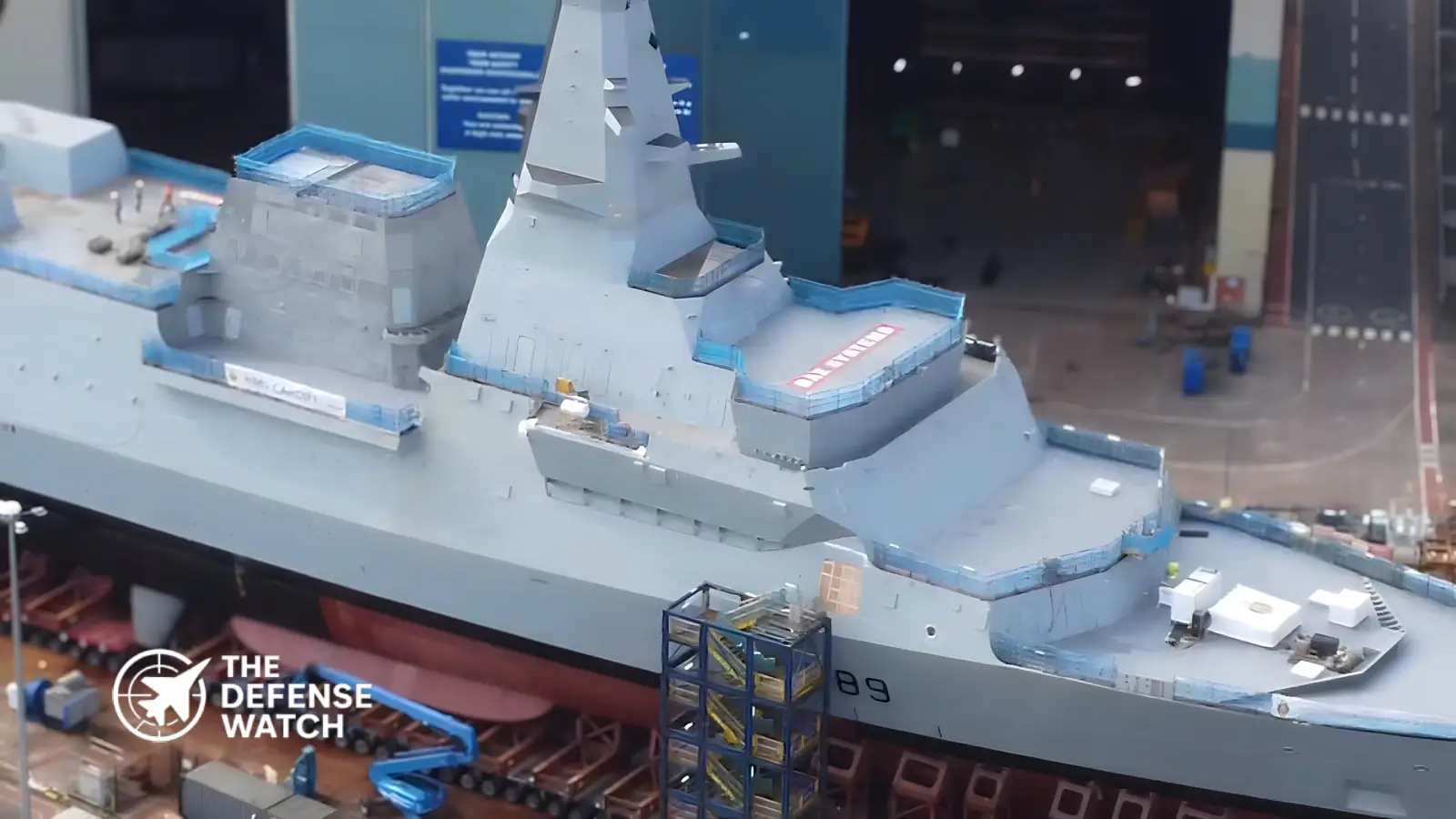
Babcock originally secured the fixed-price Type 31 contract in 2019 to build five Inspiration-class frigates for the Royal Navy under a £1.25 billion agreement. The program was designed to deliver lower-cost general-purpose warships intended to replace aging Type 23 frigates while preserving British shipbuilding capacity.
However, inflationary pressures and engineering changes have steadily increased program costs over the past several years. Reuters reported that cumulative losses tied to the contract have now exceeded £300 million.
Design Changes And Rework Drive Costs Higher
According to Babcock, the latest charge was largely caused by complex rework occurring late in the construction cycle.
The company said changes to ship design requirements, combined with the long-term impact of earlier out-of-sequence build activity, created additional engineering burdens during outfitting and commissioning. Rework at advanced stages of assembly is significantly more expensive because systems integration and compartment access become increasingly constrained as ships near completion.
This reflects a broader challenge facing naval shipbuilders globally. Fixed-price defense contracts can become financially risky when inflation, supply chain instability, or evolving military requirements force repeated design modifications after production has already begun.
The Type 31 program was initially promoted as a more affordable alternative to the Royal Navy’s larger and more heavily armed Type 26 frigates. Yet the growing financial losses now raise questions about whether aggressive cost targets were realistic for a modern warship program operating in an increasingly unstable industrial environment.
Type 31 Frigates Remain Central To Royal Navy Modernization
Despite the financial strain, the Type 31 frigate remains a key part of the Royal Navy’s future surface fleet strategy.
The five-ship class is based on Babcock’s Arrowhead 140 design and is intended to perform maritime security, escort, interdiction, and global deployment missions. The vessels are expected to support NATO operations, freedom of navigation patrols, and overseas presence missions across the Indo-Pacific, North Atlantic, and Middle East.
Construction activity at Rosyth shipyard has continued to advance throughout 2025 and 2026. HMS Venturer, the lead ship in the class, is progressing through final outfitting, while HMS Active was recently floated out earlier this year. Additional ships are also moving through modular construction phases.
The Royal Navy still views the Type 31 as essential for maintaining fleet numbers as older Type 23 frigates retire faster than replacement warships enter service.
Wider Implications For Defense Shipbuilding
The financial difficulties surrounding the Babcock Type 31 frigate program also illustrate wider pressures affecting Western naval procurement.
Shipbuilders across Europe and North America are confronting rising labor costs, material inflation, supply chain disruptions, and increasingly complex digital combat system integration requirements. Programs signed under fixed-price terms before the global inflation surge of the early 2020s have become particularly vulnerable.
For the UK defense sector, the Type 31 program carries additional strategic significance because it supports sovereign shipbuilding capabilities and export ambitions. The Arrowhead 140 design has already influenced international frigate competitions and export discussions with allied navies.
Babcock’s latest charge may therefore intensify debate inside Britain’s Ministry of Defence over how future naval contracts should balance affordability, industrial stability, and operational capability.
At the same time, the company emphasized that its broader business performance remains strong, particularly across its nuclear and aviation divisions. Babcock reported revenue growth to approximately £5.27 billion for fiscal 2026 despite the Type 31 losses.
Program Delays Could Affect Royal Navy Fleet Planning
Although Babcock did not formally revise delivery schedules, industry observers expect the rework issues could place additional pressure on timelines for the lead vessels.
Some British defense analysts have already suggested that HMS Venturer may enter operational service later than originally planned. Earlier expectations envisioned the first ship entering Royal Navy service years ago, but ongoing redesign work and integration challenges have slowed progress.
Any prolonged delay would further complicate Royal Navy force generation planning at a time when Britain faces increasing operational demands in Europe, the North Atlantic, and Indo-Pacific theaters.
Still, the Type 31 frigates are expected to remain an important pillar of British maritime strategy for decades once operational.
Executive Summary:
Swedish defense company Saab and Poland’s Polska Grupa Zbrojeniowa (PGZ) have signed a strategic naval cooperation agreement focused on submarines, surface vessels, and underwater systems. The partnership reflects growing European efforts to strengthen maritime security and industrial cooperation in the Baltic region amid rising regional defense pressures.
Saab And PGZ Naval Cooperation Expands European Maritime Defense Ties
Swedish defense company Saab and Poland’s state-owned defense group PGZ have signed a strategic naval cooperation agreement covering submarines, surface vessels, and underwater systems, marking a significant step in regional maritime defense cooperation.
The agreement, announced by Saab and reported by Defence Industry Europe, aims to deepen industrial collaboration between Sweden and Poland as NATO members continue expanding naval readiness in Northern and Eastern Europe.
The cooperation framework includes potential collaboration in naval platforms, underwater technologies, maintenance, and future modernization programs. Both companies indicated that the partnership is intended to support long-term capability development for regional maritime security operations.
Strategic Focus On Submarines And Underwater Warfare
A major focus of the Saab and PGZ agreement centers on submarine capabilities and underwater warfare systems. Saab is widely recognized for its submarine expertise through the development of the A26 Blekinge-class submarine program and advanced underwater technologies.
Saab has increasingly positioned itself as a key European supplier of naval systems, particularly in anti-submarine warfare, underwater surveillance, and maritime combat systems.
Meanwhile, Polska Grupa Zbrojeniowa continues expanding Poland’s domestic naval industrial base as Warsaw accelerates military modernization efforts across multiple domains.
The partnership could support Poland’s broader naval modernization plans, including future submarine procurement efforts and expanded indigenous shipbuilding capabilities. Although no procurement contract or financial value was disclosed, the agreement establishes a framework for future industrial and operational cooperation.
Baltic Security Environment Driving Maritime Cooperation
The Saab PGZ naval cooperation agreement comes amid heightened security concerns across the Baltic Sea region following Russia’s continued military activities near NATO borders and growing emphasis on maritime infrastructure protection.
European governments have increased investments in naval defense, anti-submarine warfare, and underwater monitoring capabilities after a series of incidents involving critical undersea infrastructure in the Baltic and North Sea regions over the past several years.
For Poland, maritime security has become increasingly important as the country modernizes its armed forces and expands defense spending. Warsaw has launched multiple modernization programs focused on air defense, armored forces, missile systems, and naval assets.
Sweden’s accession to NATO has also reshaped regional defense dynamics. Stockholm now plays a more integrated role in alliance maritime operations across Northern Europe, particularly in the Baltic Sea theater.
The Saab and PGZ partnership reflects a broader trend of European defense industrial cooperation designed to reduce reliance on non-European suppliers while improving interoperability among NATO members.
Industrial Cooperation Could Support Future Naval Programs
The agreement may create opportunities for future collaboration on naval shipbuilding, sustainment programs, combat management systems, and underwater technologies.
Saab has extensive experience integrating advanced naval combat systems onto surface combatants and submarines. The company’s portfolio includes naval radar systems, underwater sensors, torpedoes, and command-and-control solutions used by several NATO and partner nations.
PGZ, which oversees a large network of Polish defense companies, has sought greater participation in domestic and international naval programs. The group has played a central role in supporting Poland’s shipbuilding and defense manufacturing sectors.
While details remain limited, the cooperation framework suggests both companies are preparing for long-term collaboration tied to regional maritime modernization requirements.
Defense analysts view such partnerships as increasingly important as European states seek to accelerate procurement timelines, improve supply chain resilience, and strengthen domestic industrial capacity.
Growing European Defense Integration
The Saab PGZ naval cooperation agreement also highlights the growing importance of cross-border European defense partnerships amid rising geopolitical uncertainty.
Since Russia’s invasion of Ukraine, European NATO members have expanded defense spending and prioritized collaborative industrial projects to improve readiness and reduce capability gaps.
Naval defense has become a particularly important area of focus due to increased activity in the Baltic Sea, Arctic approaches, and North Atlantic maritime corridors.
The cooperation between Saab and PGZ aligns with broader NATO objectives aimed at improving regional deterrence, strengthening maritime domain awareness, and enhancing allied operational integration.
Although the agreement does not yet include confirmed production programs or platform acquisitions, it establishes a strategic foundation that could influence future naval procurement decisions in the region.
Why The Saab PGZ Partnership Matters
The agreement demonstrates how European defense companies are increasingly aligning industrial capabilities with evolving NATO operational requirements.
For Saab, the partnership strengthens its position in Central and Eastern European defense markets while expanding opportunities for naval cooperation with Poland.
For PGZ, the agreement offers access to advanced naval technologies and operational expertise at a time when Poland is rapidly modernizing its military forces.
The partnership also reinforces the strategic importance of the Baltic region, where maritime security, underwater infrastructure protection, and anti-submarine warfare are becoming central priorities for NATO planners.
As European governments continue increasing defense investments, partnerships such as the Saab PGZ agreement are likely to play a larger role in shaping future naval modernization programs across the continent.
Executive Summary:
The United Kingdom has announced a major military contribution to a multinational mission aimed at protecting shipping through the Strait of Hormuz. The deployment includes Royal Navy destroyer HMS Dragon, Typhoon fighter jets, autonomous mine-hunting systems, and counter-drone capabilities as tensions in the Gulf continue to disrupt global trade and energy markets.
UK Expands Strait Of Hormuz Security Mission
The UK Strait of Hormuz mission marks one of Britain’s most significant recent military commitments in the Middle East, combining naval, air, and autonomous systems to protect one of the world’s most strategically important waterways.
During a virtual summit involving representatives from more than 40 nations, UK Defence Secretary John Healey confirmed Britain would contribute Typhoon fighter aircraft, advanced drone systems, mine-clearance specialists, and the Royal Navy destroyer HMS Dragon to a future multinational maritime security operation.
The Strait of Hormuz remains critical to global energy markets, with roughly one-fifth of the world’s oil shipments passing through the narrow maritime corridor. Continued regional instability and threats to commercial shipping have increased insurance costs, disrupted tanker routes, and intensified pressure on Western governments to guarantee freedom of navigation.
HMS Dragon And Typhoon Jets At The Center Of UK Deployment
The centerpiece of the British deployment is the Royal Navy Type 45 destroyer HMS Dragon, which is already moving toward the Middle East following additional mission preparation and systems calibration. The destroyer will be prepared for potential operations tied to maritime security in the Strait of Hormuz.
HMS Dragon carries the Sea Viper air defense system, designed to counter aircraft, missiles, and drone threats. Its deployment reflects growing concern over the use of unmanned systems and asymmetric maritime tactics in the Gulf region.
Alongside the destroyer, Britain is deploying Royal Air Force Typhoon fighter jets for air patrol operations over the strait. The aircraft have previously operated in Middle East missions and are expected to provide rapid-response air cover and surveillance support.
The UK government also confirmed new funding worth £115 million for autonomous mine-hunting and counter-drone systems. The package includes the Royal Navy’s Beehive modular system and Kraken autonomous drone boats designed to identify and neutralize maritime threats.
Why The Strait Of Hormuz Matters
The Strait of Hormuz remains one of the most contested maritime choke points in the world. Any prolonged disruption immediately affects global oil prices, shipping rates, and regional security calculations.
British officials described the upcoming multinational operation as defensive and focused solely on protecting commercial shipping. London also stressed the mission would operate independently while coordinating with allies and regional stakeholders.
The deployment also highlights how Western militaries are increasingly integrating autonomous technologies into naval operations. Mine-hunting drones, unmanned surface vessels, and counter-drone systems are becoming central tools for maritime security missions where traditional naval assets face persistent asymmetric threats.
From a strategic perspective, the mission demonstrates Britain’s continued effort to maintain relevance in Gulf security operations despite pressure on Royal Navy fleet numbers and defense resources. The use of unmanned systems allows the UK to expand operational capability without relying solely on larger surface combatants.
Growing Multinational Coordination
The UK and France have emerged as leading European contributors to the proposed maritime mission, while several allied nations are expected to provide surveillance, logistics, and naval support. Reuters reported that more than 1,000 British personnel are already stationed across the region supporting existing defensive operations, including counter-drone units and fast jet squadrons.
The British deployment comes as governments across Europe and the Gulf attempt to stabilize shipping lanes while avoiding further escalation in the wider regional conflict.
Defense analysts note that the operation could become an important test case for future coalition maritime security missions centered around unmanned systems, distributed surveillance, and integrated air defense networks.
Strategic Analysis
The UK Strait of Hormuz mission reflects a broader shift in modern naval strategy. Rather than relying only on large carrier groups or traditional mine countermeasure vessels, Britain is emphasizing hybrid naval operations built around drones, autonomous boats, and networked air defense systems.
That approach offers several operational advantages. Autonomous systems can remain deployed longer, reduce risks to personnel, and provide persistent surveillance in congested maritime environments. For the Royal Navy, the mission also provides an opportunity to validate new technologies under real-world operational conditions.
At the same time, the deployment underscores the continuing importance of the Gulf region to NATO-aligned maritime strategy. Even limited disruptions in the Strait of Hormuz can rapidly affect global energy markets, making freedom of navigation operations a strategic priority for Western governments.