

Executive Summary
The U.S. Army has tested a next generation battlefield network designed to connect AH 64 Apache helicopters directly with ground forces in real time. The effort aims to improve targeting, situational awareness, and combat coordination across multi domain operations as the Army modernizes for future high intensity conflicts.
U.S. Army Advances Battlefield Networking With Apache Integration
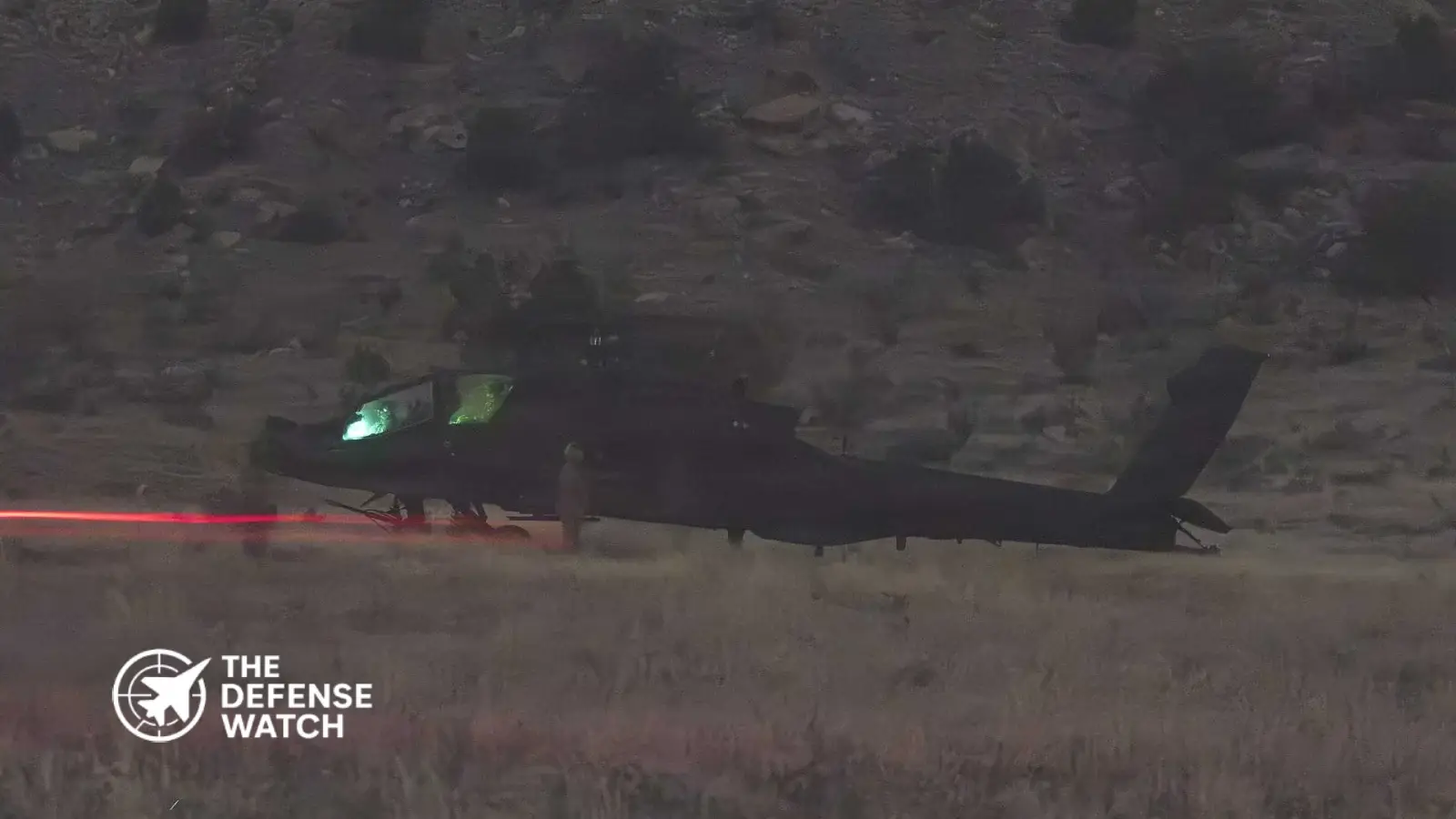
The U.S. Army battlefield network modernization effort took another step forward after the service tested a new communications architecture linking AH 64 Apache attack helicopters with ground combat forces.
The demonstration focused on improving real time information sharing between aviation units and soldiers operating on the ground. The initiative reflects the Army’s broader push toward integrated multi domain warfare and faster battlefield decision making.
The testing effort centered on enabling Apache crews to exchange operational data directly with tactical ground units, reducing delays in identifying threats and coordinating combat actions. The Army continues to prioritize resilient battlefield communications as modern conflicts increasingly depend on rapid data transmission and network survivability.
Why The Battlefield Network Matters
The U.S. Army battlefield network has become a core pillar of the service’s modernization strategy. Future combat operations are expected to involve highly contested electromagnetic environments where communications systems may face jamming, cyber attacks, and degraded connectivity.
By integrating airborne and ground assets into a unified network, commanders can shorten sensor to shooter timelines and improve operational awareness across dispersed formations. In practical terms, this allows Apache helicopter crews to identify threats, transmit targeting data, and coordinate with troops on the ground more efficiently.
The Army has repeatedly emphasized that future warfare will require seamless coordination between manned aircraft, drones, artillery systems, armored units, and command elements. The latest network testing appears designed to support that broader operational concept.
The AH 64 Apache remains one of the Army’s primary attack helicopter platforms. Built for reconnaissance, close air support, and anti armor missions, the aircraft continues to receive upgrades focused on sensors, weapons integration, and digital connectivity.
Multi Domain Operations Drive Army Modernization
The Army’s modernization strategy increasingly revolves around Multi Domain Operations, often referred to as MDO. The doctrine focuses on synchronizing military capabilities across land, air, sea, cyber, and space domains to counter technologically advanced adversaries.
Integrated battlefield networking plays a critical role in that concept. Without secure and reliable communications, forces may struggle to coordinate precision strikes, electronic warfare activities, or intelligence sharing during high intensity combat.
The latest testing effort also aligns with the Army’s broader investments in command and control modernization. Programs tied to tactical data sharing, artificial intelligence assisted targeting, and resilient communications infrastructure have received increased attention in recent years.
Analysts note that lessons learned from conflicts in Eastern Europe and the Middle East continue to influence U.S. military modernization priorities. The importance of rapid battlefield intelligence distribution, drone integration, and survivable communications networks has become increasingly clear in modern combat operations.
Apache Helicopters Remain Central To Army Combat Operations
The AH 64 Apache continues to serve as a critical component of U.S. Army aviation forces. The aircraft has undergone multiple upgrades since entering service, including improved radar systems, enhanced targeting capabilities, and expanded networking functions.
The latest battlefield network testing demonstrates how the Army is seeking to evolve the Apache beyond its traditional attack role into a more connected battlefield node capable of sharing intelligence across the force.
The service has also explored integrating manned and unmanned teaming concepts, allowing Apache crews to work alongside drones for reconnaissance and targeting support. Combining those capabilities with advanced networking systems could significantly expand operational flexibility during future combat scenarios.
Defense officials have consistently argued that data connectivity and decision speed will be decisive factors in future conflicts against peer adversaries. As a result, networking upgrades are increasingly viewed as equally important as weapons modernization.
Strategic Implications For Future Warfare
The U.S. Army battlefield network initiative reflects a wider Pentagon effort to create interconnected combat ecosystems capable of operating under contested conditions.
Modern military operations increasingly depend on distributed sensors, real time intelligence, and rapid targeting cycles. Linking helicopters, armored vehicles, infantry units, and command centers through resilient networks could provide operational advantages in future conflicts.
The Army’s latest testing also underscores the growing overlap between aviation modernization and digital warfare capabilities. Platforms are no longer evaluated solely by firepower or survivability, but also by their ability to collect, process, and distribute data across the battlefield.
While the Army has not released full technical details regarding the network architecture tested, the demonstration signals continued momentum behind next generation command and control initiatives.



Executive Summary:
Anduril Industries has announced a $5 billion Series H funding round aimed at expanding production of autonomous military systems and AI-enabled defense technologies. The investment underscores growing Pentagon and investor interest in scalable defense manufacturing and software-defined warfare capabilities.
Anduril Series H Funding Signals Major Expansion In Defense Manufacturing
Anduril Industries announced a $5 billion Series H funding round, marking one of the largest capital raises by a U.S. defense technology company in recent years. The company said the investment will support expansion of manufacturing infrastructure, development of autonomous military systems, and scaling of AI-driven defense capabilities.
According to the company, the funding round values Anduril at approximately $30.5 billion and reflects increasing demand for rapidly deployable defense technologies amid evolving global security challenges.
The latest raise comes as the U.S. Department of Defense continues prioritizing autonomous systems, artificial intelligence, and resilient industrial capacity under broader modernization initiatives.
Autonomous Defense Systems Drive Investor Interest
Anduril has positioned itself as a major player in autonomous defense systems, particularly in areas including unmanned aerial systems, counter-drone technologies, autonomous underwater vehicles, and AI-enabled command-and-control software.
The company stated that proceeds from the Series H raise will be used to scale production and accelerate delivery timelines for defense customers. A key focus includes expansion of manufacturing capabilities tied to autonomous platforms and software-defined military systems.
The funding announcement also highlights broader shifts within the U.S. defense sector. Traditional procurement timelines are increasingly being challenged by demand for faster innovation cycles, modular systems, and commercially derived technologies.
Unlike legacy defense primes that often rely on lengthy acquisition programs, Anduril has built its business model around rapid development and vertically integrated production. That strategy has attracted growing attention from both defense agencies and private investors seeking exposure to defense technology modernization.
Growing Pentagon Focus On AI And Autonomous Warfare
The Anduril Series H funding round aligns with wider Pentagon efforts to integrate artificial intelligence and autonomous capabilities across military operations.
Recent U.S. defense strategies have emphasized unmanned systems for surveillance, strike missions, logistics support, maritime operations, and air defense. Programs linked to attritable drones, autonomous sensors, and AI-enabled targeting continue receiving significant investment from the Department of Defense.
Anduril has already secured multiple U.S. military contracts tied to border security systems, counter-UAS technologies, loitering munitions, and autonomous surveillance platforms.
Its flagship software platform, Lattice, is designed to integrate sensor networks and autonomous systems into a unified operational picture. The company argues that software-centric architectures will play a central role in future battlefield operations.
The funding announcement also arrives amid increasing geopolitical competition involving the United States, China, and Russia, where defense planners are accelerating investments in autonomous warfare and advanced military technologies.
Manufacturing Capacity Becomes Strategic Priority
One of the most significant aspects of the funding round is its emphasis on industrial scale.
Defense analysts have increasingly warned that Western defense industrial capacity remains constrained for sustained high-volume production during prolonged conflicts. The war in Ukraine has amplified concerns surrounding munitions production, supply chain resilience, and manufacturing throughput.
Anduril’s expansion plans appear designed to address those concerns through highly automated production facilities capable of rapidly manufacturing autonomous systems at scale.
The company has previously announced investments in advanced production facilities intended to accelerate manufacturing for drones, underwater systems, and autonomous weapons.
This reflects a broader trend across the defense sector, where manufacturing speed is becoming nearly as important as technological sophistication.
Strategic Implications For The U.S. Defense Sector
The size of the Anduril Series H funding round demonstrates how venture-backed defense firms are becoming increasingly influential within the U.S. military technology ecosystem.
Historically, defense procurement has been dominated by large prime contractors. However, companies focused on software, autonomy, and rapid iteration are gaining larger roles as defense agencies seek adaptable and lower-cost systems.
The funding could also intensify competition within the autonomous defense market, particularly in areas involving AI-enabled drones, collaborative combat aircraft, maritime autonomy, and counter-UAS networks.
From a strategic perspective, the investment signals continued confidence in defense technology startups despite broader economic uncertainty affecting parts of the venture capital sector.
For the Pentagon, partnerships with firms capable of rapidly scaling autonomous defense production may become increasingly important as military planners prepare for high-intensity conflict scenarios requiring large quantities of affordable autonomous systems.
Executive Summary:
Belgian defense technology company IDDEA has introduced an offline artificial intelligence system designed to identify military equipment in real time on the battlefield. The platform aims to support troops operating in electronically contested environments where internet access and cloud connectivity may be unavailable.
Belgium Introduces Offline AI Battlefield Identification Capability
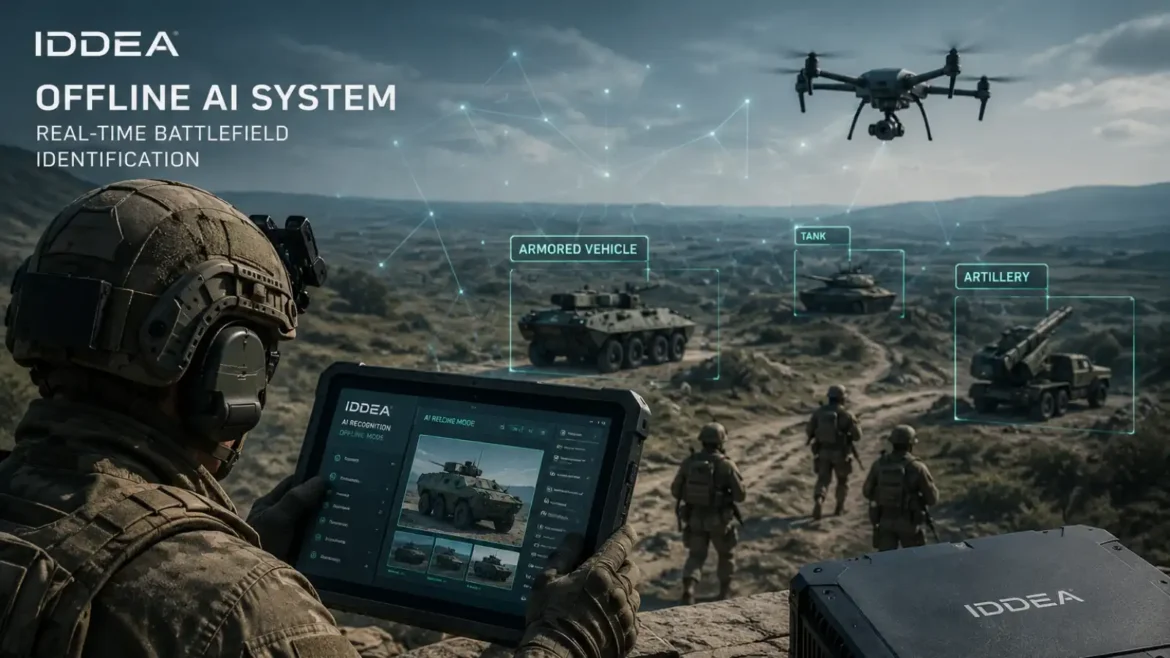
Belgium-based defense technology company IDDEA has unveiled a new offline AI battlefield identification system designed to recognize military vehicles and equipment in real time during combat operations.
The platform uses onboard artificial intelligence algorithms to analyze and classify military assets without relying on cloud infrastructure or internet connectivity. The capability is intended for use in high-intensity operational environments where communications networks may be degraded, jammed, or completely unavailable.
The announcement reflects a broader shift across NATO and allied defense sectors toward edge-based AI systems capable of operating independently in contested electromagnetic environments.
Designed For Contested And Disconnected Battlefields
The offline AI battlefield identification system is built to support frontline troops, reconnaissance teams, unmanned systems operators, and command units requiring rapid target recognition under battlefield conditions.
Modern conflicts, particularly in electronically contested theaters, have highlighted the vulnerability of cloud-dependent systems. Military forces increasingly face GPS disruption, communications jamming, and cyber attacks targeting data links and centralized networks.
By processing data locally, IDDEA’s system reduces dependency on remote servers and external communications infrastructure. This allows battlefield units to continue identifying vehicles, armored platforms, artillery systems, and other military assets even during electronic warfare operations.
The company stated that the platform can operate on compact computing hardware integrated into tactical vehicles, drones, observation posts, or mobile command systems.
Growing Demand For Edge AI In Defense Operations
The introduction of offline AI battlefield identification technology comes as defense organizations accelerate investment in edge computing and autonomous battlefield analytics.
The war in Ukraine and other recent conflicts have demonstrated the operational value of rapid sensor-to-shooter decision cycles. Militaries are seeking technologies that can shorten identification times while reducing the cognitive burden on operators.
Unlike traditional AI architectures that rely heavily on cloud computing resources, edge AI systems process information directly at the tactical level. This reduces latency and enables faster responses in dynamic combat scenarios.
The move also aligns with wider NATO modernization priorities focused on resilient command-and-control networks, distributed sensing, and AI-enabled operational awareness.
Analysts note that battlefield identification remains one of the most critical challenges in modern warfare, particularly in environments crowded with drones, armored vehicles, decoys, and mixed civilian infrastructure.
AI Identification Systems Becoming Core Military Capability
Defense companies across Europe and North America are increasingly developing AI-powered recognition tools capable of identifying vehicles, aircraft, naval assets, and troop formations from sensor feeds.
These systems often combine computer vision, machine learning, thermal imaging analysis, and pattern recognition technologies to classify targets from live battlefield data.
IDDEA’s offline approach may offer advantages for expeditionary and forward-deployed forces operating in denied environments where satellite communications or secure networks cannot be guaranteed.
The platform could also support unmanned aerial vehicles and autonomous reconnaissance systems by enabling onboard processing without requiring continuous remote connectivity.
As militaries integrate larger numbers of autonomous platforms into operational structures, AI-based recognition systems are expected to become a central component of future battlefield management architectures.
Strategic Implications For NATO And European Defense
The unveiling of Belgium’s offline AI battlefield identification system highlights Europe’s growing role in defense AI development amid rising geopolitical tensions and increased military modernization spending.
European defense firms are under pressure to deliver sovereign technologies that reduce reliance on external infrastructure and strengthen operational resilience.
For NATO forces, offline AI capabilities may prove especially important during operations involving electronic warfare threats from peer adversaries capable of disrupting communications and satellite networks.
The development also reflects a broader transition toward distributed intelligence models in military operations, where frontline units can process and act on information independently rather than relying solely on centralized command systems.
While details regarding deployment timelines, operational testing, or procurement plans were not disclosed, the system demonstrates continued momentum in AI-enabled military technologies designed for real-world combat conditions.
Original Analysis: Why Offline AI Matters In Future Warfare
The significance of IDDEA’s system is not simply the use of AI itself, but the decision to prioritize offline operation. Many commercial AI systems remain dependent on cloud connectivity, which creates a critical vulnerability in military environments.
In modern peer-level conflicts, communications infrastructure is likely to become an immediate target. Satellite disruption, cyber attacks, spectrum denial, and electronic jamming can isolate frontline units within hours of combat initiation.
An offline AI battlefield identification platform directly addresses this operational reality.
The concept also aligns with emerging military doctrine emphasizing distributed lethality, decentralized decision-making, and autonomous battlefield sensing. Instead of sending raw sensor data to remote servers for processing, future forces are increasingly expected to process intelligence at the edge.
This reduces both response times and network exposure.
Another important aspect is scalability. Compact offline AI systems can potentially be integrated across drones, armored vehicles, infantry systems, and reconnaissance platforms without requiring permanent network infrastructure.
That flexibility could make such systems especially valuable for NATO rapid deployment forces and expeditionary units operating in austere environments.

Executive Summary:
The Pentagon has selected five military installations for a new anti-drone pilot program focused on directed-energy weapons and advanced counter-UAS technologies.
The initiative reflects growing concern over unauthorized drone activity near critical US military infrastructure and aims to accelerate operational deployment of laser and microwave defenses.
Pentagon Expands Anti-Drone Pilot Program Across US Bases
The Pentagon’s new anti-drone pilot program marks one of the most significant homeland defense counter-UAS initiatives launched by the Department of Defense in recent years. The effort will introduce advanced directed-energy systems, including high-energy lasers and high-powered microwave technologies, at five military installations across the United States.
Joint Interagency Task Force 401 (JIATF-401), an Army-led organization established in 2025 to coordinate domestic counter-drone operations, selected the following bases for the pilot effort:
- Fort Huachuca, Arizona
- Fort Bliss, Texas
- Naval Base Kitsap, Washington
- Grand Forks Air Force Base, North Dakota
- Whiteman Air Force Base, Missouri
According to the Department of Defense, the selected sites were chosen to support operational testing across multiple environments and mission profiles, including southern border security missions and strategic infrastructure protection.
Brig. Gen. Matt Ross, director of JIATF-401, described unlawful drone activity as a growing homeland defense challenge and emphasized that no single system can fully solve the threat. The Pentagon instead plans to integrate multiple technologies into a layered defense architecture.
Directed-Energy Weapons Move Closer To Operational Deployment
The anti-drone pilot program highlights how rapidly directed-energy weapons are transitioning from experimental systems to deployable operational tools.
Unlike traditional kinetic interceptors, directed-energy systems use concentrated electromagnetic energy to disable or destroy drones. High-energy lasers can physically damage drone structures or sensors, while microwave systems can disrupt onboard electronics and communications.
The Pentagon has increasingly prioritized these technologies because small unmanned aerial systems are becoming cheaper, more accessible, and harder to defeat using conventional air defense weapons. Low-cost commercial drones can now conduct reconnaissance, electronic surveillance, or even carry explosive payloads.
This challenge has become especially visible in conflicts such as Ukraine, where inexpensive drones have reshaped battlefield tactics and exposed vulnerabilities in conventional air defense systems. The US military has accelerated counter-UAS modernization efforts partly in response to lessons learned from those operations.
The pilot program also reflects broader Pentagon concerns about domestic drone incursions near sensitive military facilities. A January 2026 Pentagon Inspector General report warned that inconsistent counter-drone policies were leaving some US installations vulnerable to unauthorized UAV activity.
Why These Five Bases Matter
Each selected installation offers unique operational conditions for testing advanced anti-drone systems.
Fort Bliss And Fort Huachuca
The two southwestern bases sit near the US-Mexico border, where the Department of Defense and federal agencies have reported increasing drone activity tied to surveillance, smuggling, and unauthorized airspace incursions.
Testing directed-energy systems in border regions allows the Pentagon to evaluate counter-UAS operations in crowded and sensitive civilian airspace environments.
Naval Base Kitsap
Naval Base Kitsap supports strategic US Navy assets, including ballistic missile submarines and aircraft carrier operations. Protecting maritime infrastructure from drone surveillance or attack has become an increasing concern for military planners.
Grand Forks Air Force Base
Grand Forks has emerged as a major hub for unmanned aviation and drone operations research. The installation already hosts advanced UAS programs and airspace integration initiatives, making it a logical location for expanded counter-drone testing.
Whiteman Air Force Base
Whiteman Air Force Base, home to the B-2 Spirit stealth bomber fleet, represents one of the Air Force’s most sensitive strategic installations. Deploying anti-drone systems there highlights Pentagon concerns about protecting high-value assets against low-cost aerial threats.
FAA Coordination Remains Critical
One of the major challenges facing the anti-drone pilot program is safely operating directed-energy systems in domestic airspace.
Earlier Pentagon and Federal Aviation Administration testing at White Sands Missile Range in New Mexico sought to validate that directed-energy counter-UAS systems could operate safely near civilian aviation corridors.
Those concerns intensified after anti-drone laser operations near El Paso reportedly contributed to temporary FAA airspace closures earlier this year.
As a result, future deployment plans will require extensive coordination between military operators, installation commanders, and federal aviation authorities.
Analysis: A Strategic Shift In Homeland Defense
The Pentagon’s anti-drone pilot program signals a broader strategic shift in how the US military approaches homeland defense.
For years, counter-UAS capabilities were largely viewed as niche battlefield systems designed for overseas deployments. That assumption has changed rapidly as drones become increasingly common near domestic military facilities, ports, airfields, and critical infrastructure.
The selection of geographically diverse installations suggests the Defense Department is preparing for long-term integration of directed-energy systems into routine base defense operations rather than treating them as temporary experimental technologies.
The initiative also reflects growing urgency inside the Pentagon to accelerate acquisition timelines. Traditional air defense systems remain expensive and often inefficient against mass-produced drones that can cost only a few thousand dollars.
Directed-energy systems offer a potentially lower-cost engagement option, particularly against drone swarms and persistent low-altitude threats. However, questions remain about operational reliability, weather limitations, power generation requirements, and scalability during large saturation attacks.
Even so, the pilot program demonstrates that counter-UAS modernization is now becoming a central component of US homeland defense planning rather than a secondary capability.

Executive Summary:
Saab has introduced the Barracuda Poncho, a new lightweight camouflage solution designed to shield soldiers from thermal and UAV-based detection. The system expands Saab’s Barracuda camouflage portfolio as armed forces increasingly adapt to persistent drone surveillance on modern battlefields.
Saab Reveals Barracuda Poncho Camouflage System
Saab has unveiled the Barracuda Poncho, a new multispectral camouflage solution intended to improve soldier survivability against modern battlefield surveillance systems, particularly unmanned aerial vehicles (UAVs) equipped with thermal sensors.
The announcement comes as military forces worldwide continue adapting to rapidly evolving reconnaissance threats driven by drones, thermal imaging systems, and advanced battlefield sensors. Saab said the new poncho is designed to conceal individual soldiers across multiple environments while maintaining mobility and operational flexibility.
The Barracuda Poncho will be displayed at the Eurosatory 2026 defense exhibition in Paris.
Designed For Modern Battlefield Detection Threats
According to Saab, the Barracuda Poncho is intended to provide visual and thermal protection across woodland, rocky desert, and arctic environments. The system is part of Saab’s broader Barracuda family of camouflage and signature management technologies already used by military forces globally.
The lightweight design, weighing slightly above one kilogram, allows soldiers to wear and rapidly deploy the camouflage layer without significantly reducing movement or combat effectiveness.
A key feature of the system is its reversible configuration, enabling separate day and night operational modes. Saab stated that the poncho offers enhanced thermal protection during nighttime operations, when thermal imaging devices and drone-mounted infrared sensors are often most effective.
The company also developed a specialized arctic version designed to reduce visibility against ultraviolet detection systems commonly used in snow-covered environments.
Henning Robach, head of Saab’s Barracuda business unit, said the product responds directly to the growing prevalence of UAV-based surveillance on current battlefields.
He noted that soldiers can become exposed even during brief movement outside protected positions or vehicles, particularly under persistent drone observation.
Growing Importance Of Multispectral Camouflage
The launch reflects a wider shift in military modernization priorities as armed forces place greater emphasis on signature management technologies. Recent conflicts, particularly in Eastern Europe and the Middle East, have demonstrated how commercially available drones and military-grade UAVs can rapidly identify troop positions through thermal and visual signatures.
Traditional camouflage systems designed primarily for visual concealment are increasingly viewed as insufficient against modern sensor networks that combine infrared imaging, thermal optics, radar, and AI-assisted target recognition.
The Barracuda Poncho appears aimed at addressing that operational gap by extending multispectral concealment down to the individual soldier level rather than focusing solely on vehicles or fixed positions.
Saab’s existing Barracuda product line already includes camouflage systems for armored vehicles, shelters, and static military infrastructure. The new wearable solution expands the company’s approach toward dismounted infantry operations, where mobility and rapid concealment are critical.
UAV Surveillance Driving Infantry Adaptation
The increasing role of drones in modern warfare continues reshaping infantry tactics and equipment requirements. Small UAVs capable of live reconnaissance have significantly reduced the ability of troops to move undetected in open terrain.
Thermal imaging systems mounted on drones have further complicated concealment efforts, especially during nighttime operations. This has created growing demand for lightweight signature reduction systems that can be carried and quickly deployed by individual soldiers.
The Barracuda Poncho enters a defense market where several NATO and partner nations are actively evaluating next-generation camouflage technologies for infantry modernization programs.
Its introduction ahead of Eurosatory 2026 also positions Saab within a broader industry trend focused on survivability solutions linked to electronic warfare, counter-UAV operations, and multispectral concealment.
Saab Expands Signature Management Portfolio
Saab has continued investing in battlefield survivability technologies alongside its broader defense portfolio that includes combat aircraft, radar systems, naval platforms, and electronic warfare capabilities.
The company’s Barracuda division specializes in signature management solutions intended to reduce detection across visible, infrared, radar, and other sensor spectrums.
As battlefield transparency increases through drones and persistent surveillance systems, camouflage technologies are becoming more integrated into wider military modernization strategies rather than remaining a niche capability.
The introduction of the Barracuda Poncho highlights how infantry survivability requirements are evolving alongside the rapid expansion of UAV reconnaissance and thermal detection technologies.
Executive Summary:
The U.S. Air Force is seeking to expand its EA-37B Compass Call fleet from 10 to 19 aircraft as electronic warfare becomes increasingly critical in modern conflict. The move reflects growing concerns over contested electromagnetic environments and the need to maintain operational advantages against peer adversaries.
U.S. Air Force Seeks Major EA-37 Electronic Warfare Expansion
The U.S. Air Force’s planned expansion of the EA-37 electronic attack fleet signals a broader shift toward electromagnetic warfare as a core operational requirement for future conflicts.
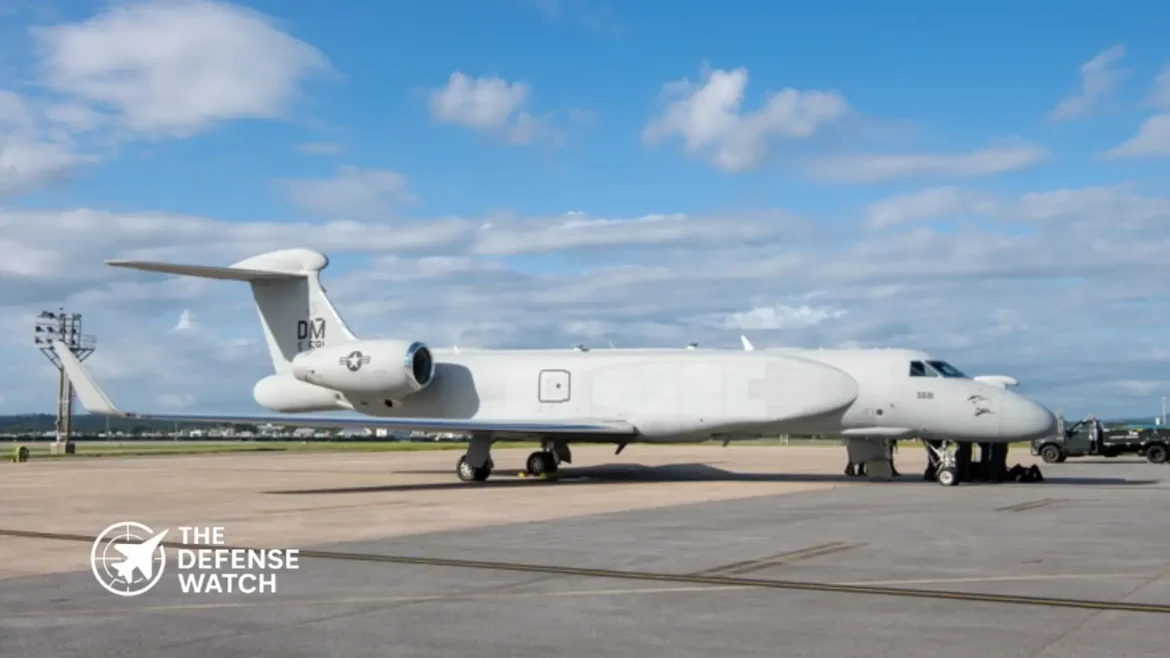
Air Force officials now want to increase the planned EA-37B Compass Call fleet from 10 aircraft to 19. The platform is designed to replace the aging EC-130H Compass Call fleet, which has served for decades in airborne electronic attack missions.
The EA-37B is based on the Gulfstream G550 business jet platform and integrates advanced jamming and electronic attack systems intended to disrupt enemy communications, radar, and command networks.
The proposed fleet expansion comes as the Pentagon places increasing emphasis on electronic warfare capabilities across potential high-end conflict scenarios, particularly in the Indo-Pacific and Europe.
Why The EA-37 Matters
The EA-37B Compass Call is expected to provide improved survivability, longer range, and reduced operating costs compared to the older EC-130H aircraft.
Unlike the turboprop-powered EC-130H, the jet-powered EA-37B offers faster transit speeds and greater operational flexibility. The aircraft is being developed by BAE Systems and L3Harris Technologies under the Compass Call modernization effort.

Image : U.S. Air Force Electronic attack aircraft play a critical role in suppressing enemy air defenses, degrading battlefield communications, and supporting strike packages during contested operations. Modern military operations increasingly depend on uninterrupted access to the electromagnetic spectrum, making airborne jamming assets more strategically valuable.
The Air Force’s decision to reconsider the fleet size also reflects lessons observed from ongoing conflicts where electronic warfare, drones, and network disruption have become central battlefield factors.
Growing Demand For Electromagnetic Warfare
Senior Air Force leaders have repeatedly warned that the electromagnetic spectrum is now a heavily contested domain.
Potential adversaries including China and Russia continue investing in advanced radar systems, integrated air defenses, cyber-electromagnetic operations, and long-range sensing networks. In such environments, aircraft capable of disrupting enemy command and control systems become increasingly important.
The EA-37B is expected to support joint force operations by enabling strike aircraft, bombers, and intelligence platforms to operate more effectively in hostile airspace.
The Air Force originally planned for a smaller fleet partly because of budget pressures and assumptions about future operational requirements. However, growing concerns about pacing threats and operational tempo appear to be driving reassessments inside the service.
Transition From The EC-130H Fleet
The retirement of the EC-130H Compass Call fleet has been ongoing for several years as the Air Force transitions toward the newer platform.
The legacy aircraft proved valuable during operations in Iraq, Afghanistan, and other counterinsurgency campaigns where electronic attack missions were used to disrupt insurgent communications and remote detonation systems.
However, future conflicts against technologically advanced adversaries require faster and more survivable platforms capable of operating in highly contested environments.
The EA-37B addresses several of those concerns through improved altitude performance, reduced maintenance demands, and updated mission systems.
Air Force officials have also emphasized that modern electronic warfare is no longer a niche support capability. Instead, it is becoming an integrated component of air dominance and joint operations planning.
Strategic Implications
The move to nearly double the EA-37 fleet reflects a wider Pentagon effort to rebuild electronic warfare capacity after years of focus on counterterrorism operations.
The U.S. military is increasingly prioritizing capabilities that can survive in denied environments, disrupt enemy sensor networks, and support distributed operations across large theaters.
For the Air Force, the EA-37B represents part of a larger modernization effort that includes next-generation fighters, collaborative combat aircraft, long-range weapons, and advanced networking systems.
Electronic attack platforms may also become increasingly important for coalition operations, particularly as NATO and Indo-Pacific allies seek stronger interoperability in contested spectrum environments.
While budget approval and procurement timelines remain subject to congressional review, the Air Force’s revised requirement signals that electronic warfare aircraft are regaining prominence in U.S. defense planning.



Executive Summary:
Ukraine has deployed an AI-powered anti-drone turret designed to intercept Russian fiber-optic FPV drones that are resistant to electronic jamming. The system represents a new layer in Kyiv’s evolving short-range air defense network as both sides accelerate autonomous drone warfare on the battlefield.
Ukraine Deploys AI Turret To Counter Fiber-Optic Drones
Ukraine’s defense forces have begun deploying an AI-powered turret system designed to intercept Russian fiber-optic FPV drones, marking a significant shift in the country’s battlefield air defense strategy.
The announcement was made by Mykhailo Fedorov, Ukraine’s First Deputy Prime Minister and Minister of Digital Transformation, who said the system is already operating in combat zones with frontline units.
According to Fedorov, the AI turret was developed by a company participating in the Brave1 defense technology initiative. The platform was established to accelerate military innovation and rapidly field emerging battlefield technologies for Ukrainian forces.
The system is intended to counter one of the fastest-growing threats in the war, fiber-optic first-person-view drones that operate through physical cable connections rather than radio signals.
Unlike conventional FPV drones, fiber-optic drones are largely immune to electronic warfare systems that rely on radio-frequency jamming. That capability has created a major operational challenge for Ukrainian forces, especially along logistics routes and rear-area supply corridors.
Fedorov said soldiers from the K-2 Brigade became the first Ukrainian operators to use the AI-powered turret in combat operations. More than ten systems have reportedly been deployed across priority sectors of the front.
AI Turret Designed For Autonomous Drone Intercepts
The AI turret functions as a semi-autonomous close-range air defense system.
According to Ukrainian officials, the turret independently detects incoming drones, tracks their movement, and calculates intercept trajectories. Human involvement is limited to target confirmation, with the operator authorizing engagement by pressing a single button.
The system is part of what Ukrainian officials describe as a broader “small air defense” architecture intended to protect frontline positions from low-cost unmanned aerial threats.
The emergence of fiber-optic FPV drones has complicated traditional battlefield defenses. Electronic warfare systems that once proved highly effective against standard quadcopters and radio-controlled FPV drones are less effective against cable-guided systems because there is no radio signal to disrupt.
Russia began deploying longer-range fiber-optic drones in late 2025, according to Ukrainian officials. Some variants reportedly operate at distances of up to 50 kilometers while maintaining secure communication links with operators.
That capability has increased pressure on Ukrainian logistics networks, troop movements, and forward resupply operations.
Fiber-Optic Drones Are Changing Battlefield Dynamics
The deployment of fiber-optic FPV drones represents a broader evolution in unmanned warfare.
Traditional electronic warfare has become one of the defining features of the Russia-Ukraine conflict, with both sides heavily investing in jamming systems, spoofing technologies, and signal disruption capabilities. However, fiber-optic drones bypass many of those defenses entirely.
The drones carry ultra-thin fiber cables that spool behind them during flight, maintaining uninterrupted communication between the drone and its operator.
That creates several tactical advantages:
- Immunity to radio-frequency jamming
- Reduced vulnerability to signal interception
- More stable control in contested electromagnetic environments
- Greater precision during terminal attack phases
The downside is physical range limitation and the risk of cable breakage, but battlefield demand for resilient strike drones has pushed both Russia and Ukraine to explore the technology aggressively.
The trend also reflects a broader global shift toward autonomous and AI-assisted counter-drone systems.
AI And Automation Becoming Central To Counter-UAS Warfare
Ukraine’s AI turret deployment highlights how rapidly counter-UAS warfare is evolving from manual targeting toward machine-assisted engagement systems.
Low-cost FPV drones have already transformed battlefield economics. A relatively inexpensive drone can threaten armored vehicles, artillery systems, supply trucks, and infantry positions. Defending against large volumes of drones using conventional missile-based air defense systems is often financially unsustainable.
As a result, militaries are increasingly investing in automated short-range interception systems capable of identifying and neutralizing drones quickly and at lower cost.
The Ukrainian system appears designed specifically for rapid reaction against low-altitude FPV threats, particularly in environments saturated with electronic warfare activity.
The operational concept also mirrors developments in other conflict zones, including the Middle East, where non-state actors such as Hezbollah have increasingly used cable-guided and hard-to-jam unmanned systems.
For Ukraine, the challenge is not only technological but industrial. Scaling production fast enough to counter growing Russian drone volumes remains critical.
Fedorov indicated Ukraine intends to expand manufacturing and increase deployments of the AI turret system as part of a wider layered defense network.
Why The System Matters
The deployment underscores a broader battlefield reality emerging from the war in Ukraine: electronic warfare alone is no longer sufficient against next-generation FPV threats.
As drones become more autonomous, resistant to jamming, and increasingly networked, militaries are being forced to combine AI targeting, kinetic interception, and layered air defense concepts into integrated battlefield protection systems.
Ukraine’s AI turret may represent an early operational example of that transition.
Its effectiveness at scale will likely influence future counter-drone development programs well beyond the Russia-Ukraine conflict.
Lockheed Martin Unveils AI Fight Club™ To Revolutionize Defense AI Development For National Security
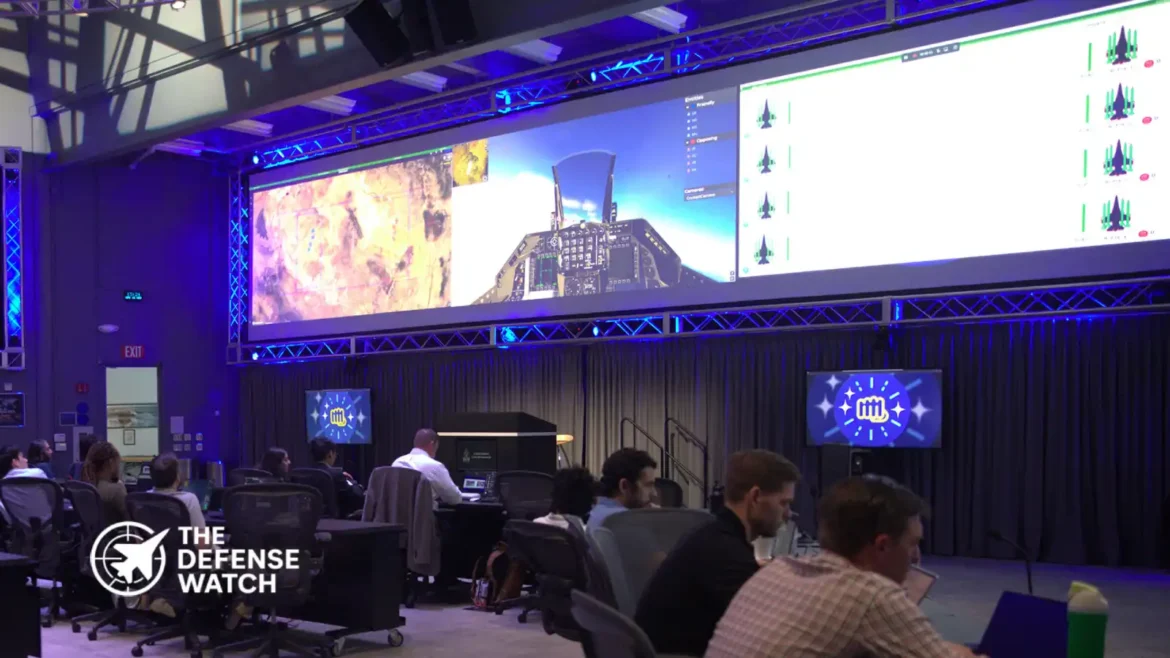
Executive Summary: Lockheed Martin’s AI Center (LAIC) has launched its inaugural AI Fight Club™ — a groundbreaking program that pits AI agents against each other in synthetic aerial combat environments to validate their performance at unprecedented scale. In a single month of testing, the program simulated the equivalent of 114 years of real-world flight tests. The initiative marks a critical shift in how U.S. defense contractors are developing, testing, and deploying artificial intelligence for military operations.
Lockheed Martin Launches AI Fight Club™ To Stress-Test Defense AI At National Security Scale
Lockheed Martin has taken a decisive step in military artificial intelligence development with the launch of its AI Fight Club™ — an initiative designed to develop, evaluate, and validate AI systems under realistic combat conditions before they ever reach the battlefield.
The program, run by the Lockheed Martin AI Center (LAIC), represents one of the most ambitious AI testing frameworks in the U.S. defense industry to date. It directly addresses one of the most critical questions in modern warfare: how do you trust an AI system when lives are on the line?
What Is the AI Fight Club™?
The AI Fight Club™ is a groundbreaking initiative that brings together industry collaborators and Lockheed Martin’s business areas to develop and test AI capabilities in a joint all-domain operations synthetic environment.
The concept is straightforward but powerful: pit AI agents against each other in simulated tactical scenarios, capture detailed performance data, and use those insights to refine the systems — all without risking aircraft, personnel, or mission-critical assets.
During the inaugural event, Lockheed Martin collaborated with teams from Ansys Government Initiatives (AGI) and ATG to execute a series of virtual 4 vs. 4 aerial mission scenarios, with five unique AI agent teams engaging each other in real-time battles as the audience observed.
The format mirrors competitive red-team/blue-team exercises familiar to the Pentagon, but conducted entirely in simulation — at a pace and scale that physical testing could never match.
The Cogniverse™: A Synthetic Proving Ground
Central to the AI Fight Club™ is Lockheed Martin’s proprietary simulation platform known as the Cogniverse™.
Within the Cogniverse™ — the synthetic environment that enables the AI Fight Club proving ground — AI agents and systems are tested in a highly realistic and dynamic environment, simulating the complexity of tactical air combat. lockheedmartin
This kind of high-fidelity synthetic testing is increasingly critical as defense AI programs scale. Real-world testing of AI in military contexts is constrained by cost, logistics, safety regulations, and sheer time. The Cogniverse™ eliminates those barriers.
The use of synthetic environments for AI validation is aligned with broader Department of Defense priorities, including DARPA’s long-running investments in autonomous systems testing and the DoD’s AI Adoption Strategy, which emphasizes responsible and validated deployment of AI across warfighting domains.
114 Years of Testing in One Month
Perhaps the most striking data point from the AI Fight Club™’s inaugural run is its scale.
In just one month of testing alone, Lockheed Martin’s Skunk Works® AI Fight Club team and others ran the equivalent of 114 years’ worth of tests, which would have cost more than $540 trillion and expended 18 million aircraft.
That figure reframes what’s possible in defense AI development. Traditional flight test programs are measured in sorties, hours, and years. This initiative compresses that timeline to weeks — while generating exponentially more data.
For context, the U.S. Air Force’s entire operational fleet is approximately 5,000 aircraft. The AI Fight Club™ simulated the consumption of 18 million aircraft equivalents in 30 days. The cost savings and data density are, by any measure, transformational.
Strategic Implications for the Warfighter
The operational payoff of this testing framework is direct.
The data gathered from these simulations is critical in developing AI solutions that can enhance speed, accuracy, and decision-making for military operations.
For the warfighter — the pilot, the commander, the systems operator — that means AI tools backed by validated performance data rather than theoretical models. In modern contested environments, where decisions are made in fractions of a second against adversaries wielding peer or near-peer capabilities, that validation matters enormously.
Warfighters will have cutting-edge tools to facilitate informed decisions in high-pressure situations, multiplying their effectiveness — and they will be able to rely on AI systems that have been thoroughly tested and validated, giving them a critical edge in complex, high-pressure environments: an AI-enhanced force multiplier.
The force multiplier framing is deliberate and significant. U.S. defense planners have long sought to offset potential adversary numerical advantages — in aircraft, missiles, or personnel — through technological superiority. AI Fight Club™ is essentially building and validating that edge in simulation before it is needed in reality.
Expanding to Multi-Domain Operations
The AI Fight Club™’s current focus is tactical air combat, but Lockheed Martin has signaled a significantly broader ambition.
As the AI Fight Club initiative continues to evolve, future scenarios will expand to include other platforms and multiple domains.
That expansion path — from air to sea, land, space, and cyber — aligns with the Joint All-Domain Operations (JADO) framework that underpins current U.S. military doctrine. The ability to test AI agents across all warfighting domains within a single synthetic environment would give Lockheed Martin, and by extension U.S. defense planners, an unparalleled development and validation tool.
This also positions Lockheed Martin competitively against other major primes. Rivals such as Northrop Grumman, Raytheon, and General Dynamics are all deepening AI investments, and several companies — including Shield AI and Anduril — have built their entire business models around autonomous military systems. The AI Fight Club™ gives Lockheed Martin a structured, repeatable, and scalable methodology to prove AI performance that pure software-first companies may lack.
Responsible AI at the Core
Developing AI for life-or-death decisions demands more than performance benchmarks — it demands trust. Lockheed Martin’s approach appears deliberately structured to address this.
By running thousands of simulation cycles, capturing granular performance data, and stress-testing AI agents against adversarial counterparts, the AI Fight Club™ generates the kind of evidence-based validation record that both internal engineering teams and government customers require for responsible AI deployment. That aligns with the DoD’s AI Ethical Principles, which include reliability, governability, and traceability.
Through data capture and deep analyses, the AI Fight Club team was able to thoroughly evaluate how each team performed as they would have in the real world.
That documentation and traceability — knowing exactly how an AI system behaved under specific conditions — is not just good engineering. It is increasingly a regulatory and contractual requirement for defense AI programs.
Bottom Line
The AI Fight Club™ is more than a headline-grabbing concept. It is a sophisticated, large-scale answer to one of defense technology’s hardest problems: how to develop, test, and trust AI systems fast enough to matter in a rapidly evolving threat environment.
By compressing years of testing into weeks, generating performance data at a scale impossible in the physical world, and designing a methodology extensible across all warfighting domains, Lockheed Martin has established a framework that may define the standard for defense AI validation in the years ahead.
The next generation of air superiority may not be won by the fastest jet — but by the most reliably tested AI behind the controls.

Pentagon AI Agreements Signal Strategic Shift In Military Modernization
The Pentagon AI agreements mark a significant step in reshaping how the U.S. military integrates advanced technology into its operational framework. According to reporting from Reuters, the U.S. Department of Defense has formalized partnerships with several leading artificial intelligence firms, aiming to accelerate adoption across critical defense functions.
The initiative reflects a broader push to align military capabilities with the rapid pace of commercial AI innovation. Defense officials see these agreements as essential to maintaining a technological edge in an increasingly contested global security environment.
- The Pentagon reached agreements with leading artificial intelligence companies to expand defense applications of AI.
- The initiative focuses on accelerating AI deployment across military operations, logistics, and intelligence analysis.
- Partnerships aim to leverage commercial innovation to strengthen U.S. technological superiority over rivals.
- The move reflects growing urgency amid global competition in military AI development, particularly with China.
- Officials emphasize safeguards, ethical use, and operational reliability in deploying AI systems.
Unlike earlier efforts that relied heavily on internal development, the Pentagon is now leaning more on private sector expertise. This approach signals a shift toward faster, scalable solutions that can be deployed across multiple domains, including intelligence, logistics, and battlefield decision-making.
Expanding AI Across Military Operations
Under the new Pentagon AI agreements, artificial intelligence is expected to play a growing role in operational planning and execution. Key areas of focus include data analysis, predictive maintenance, and autonomous systems support.
AI tools can process vast amounts of sensor and intelligence data far faster than human analysts. This capability is increasingly critical as modern warfare generates massive data streams from satellites, drones, and electronic surveillance systems.
In logistics, AI-driven systems are expected to improve supply chain efficiency and readiness. Predictive analytics can identify potential equipment failures before they occur, reducing downtime and enhancing operational availability.
From a strategic perspective, these improvements translate into faster decision cycles and greater operational agility. That advantage is particularly important in high-intensity conflict scenarios where speed and accuracy can determine outcomes.
Strategic Context: Competition With China
The timing of these Pentagon AI agreements is closely tied to intensifying competition with China, which has made artificial intelligence a central pillar of its military modernization strategy.
U.S. defense officials have repeatedly warned that maintaining leadership in AI is critical to national security. China’s investments in AI-enabled systems, including autonomous platforms and surveillance technologies, have raised concerns about a potential capability gap.
By partnering with leading AI companies, the Pentagon aims to close that gap and ensure continued dominance in emerging technologies. The strategy also reflects lessons learned from past acquisition programs, where slow procurement processes limited the speed of innovation.
This new model emphasizes agility and collaboration, allowing the military to adopt cutting-edge technologies as they evolve.
Balancing Innovation With Risk
While the Pentagon AI agreements highlight a strong push toward innovation, they also raise important questions about risk management and ethical use.
Defense officials have stressed that all AI systems developed under these partnerships will adhere to strict guidelines. These include ensuring human oversight in critical decision-making processes and maintaining transparency in how AI systems operate.
Reliability is another key concern. Military applications demand systems that can perform under extreme conditions, with minimal margin for error. As a result, testing and validation will be central to the rollout of AI-enabled capabilities.
There is also ongoing debate about the role of autonomous systems in combat. While AI can enhance decision-making, policymakers continue to draw clear boundaries around its use in lethal operations.
Industry Collaboration And Innovation Pipeline
A core advantage of the Pentagon AI agreements lies in access to the commercial innovation pipeline. Leading technology firms are investing billions in AI research and development, often outpacing government-funded programs.
By leveraging these resources, the Pentagon can accelerate capability development without bearing the full cost of innovation. This approach also allows for faster iteration and deployment of new technologies.
The collaboration is expected to create a feedback loop, where military requirements shape commercial development, and commercial breakthroughs enhance defense capabilities.
However, integrating commercial technology into military systems presents challenges. These include cybersecurity risks, compatibility issues, and the need to adapt civilian tools for combat environments.
Operational Impact And Future Outlook
The long-term impact of the Pentagon AI agreements will depend on how effectively the military can integrate AI into its existing force structure. Early gains are likely to be seen in support functions such as intelligence analysis and logistics.
Over time, AI could play a more direct role in operational decision-making, particularly in areas like cyber defense and electronic warfare.
The agreements also signal a broader transformation in how the Pentagon approaches technology acquisition. By prioritizing speed and collaboration, the department is adapting to a rapidly changing technological landscape.
This shift could redefine military innovation in the years ahead, setting a precedent for how governments engage with the private sector in high-tech domains.
Northrop Grumman Electronic Warfare Cooperation Gains Momentum
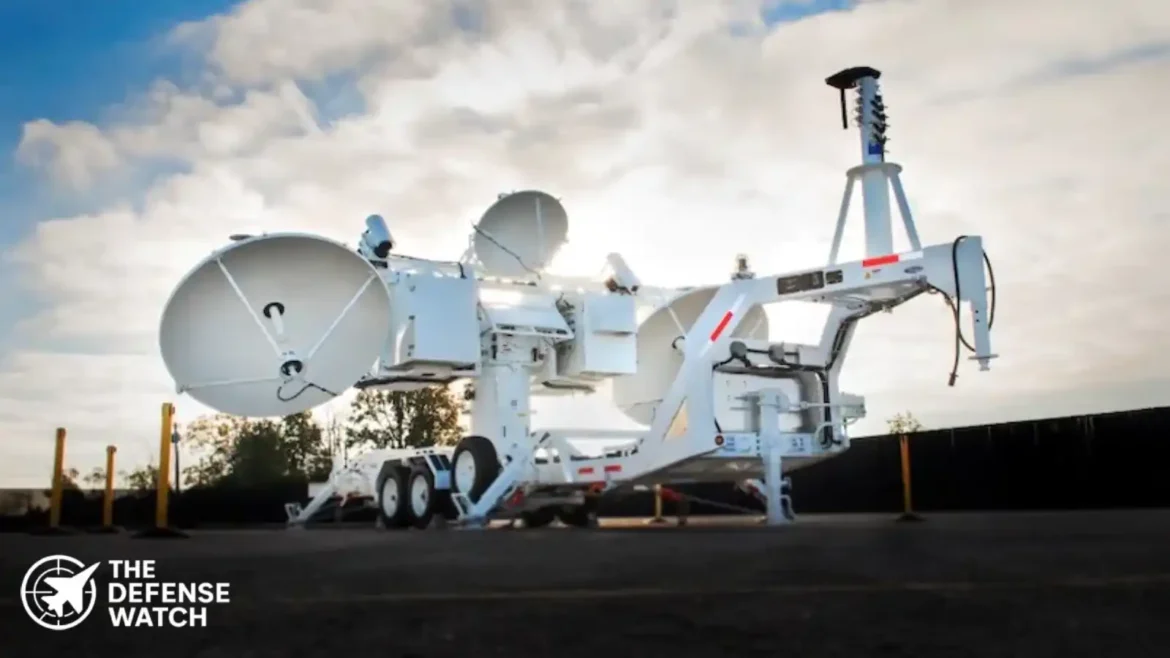
Northrop Grumman electronic warfare cooperation with Japan is gaining new attention as Tokyo accelerates military modernization in response to a more contested Indo-Pacific security environment.
Representatives from Northrop Grumman discussed potential cooperation opportunities with Japanese defense stakeholders focused on electronic warfare capabilities. The talks come as Japan seeks stronger deterrence, improved resilience, and better interoperability with U.S. forces.
- Northrop Grumman held discussions with Japanese officials and industry leaders on electronic warfare cooperation.
- Talks focused on strengthening defenses against emerging airborne, maritime, and missile threats.
- Japan is rapidly increasing defense spending and investing in advanced standoff and counterstrike capabilities.
- Electronic warfare systems can disrupt radars, sensors, communications, and guided weapons.
- Cooperation highlights growing U.S.-Japan focus on high-end deterrence in the Indo-Pacific.
Electronic warfare, often shortened to EW, includes technologies used to detect, jam, deceive, or protect against hostile radars, communications, navigation signals, and targeting networks. In modern conflict, control of the electromagnetic spectrum can be as important as air or sea superiority.
Why Japan Is Prioritizing Electronic Warfare
Japan has announced major long-term defense spending increases and has shifted from a primarily homeland defense model toward broader deterrence and strike readiness.
That includes investment in:
- Long-range precision strike systems
- Integrated air and missile defense
- Intelligence, surveillance, and reconnaissance networks
- Space and cyber resilience
- Electronic warfare platforms and sensors
This shift reflects concerns over regional missile inventories, gray-zone coercion, and the rapid pace of military technology development across the Indo-Pacific.
Electronic warfare is especially relevant for Japan because of its geographic position. As an island nation with major sea lanes, forward air bases, and dense civilian communications infrastructure, the ability to defend networks while degrading adversary sensors is increasingly critical.
What Northrop Grumman Brings To The Table
Northrop Grumman is one of the United States’ leading defense technology firms with deep experience in electronic warfare, airborne sensors, mission systems, stealth integration, and command-and-control networks.
Its portfolio includes systems for aircraft survivability, radar warning, signal intelligence, and advanced jamming. The company also plays a central role in major U.S. military programs including strategic bombers, missile defense, and next-generation aircraft.
For Japan, partnering with experienced U.S. firms can reduce development timelines and improve interoperability with allied forces already operating similar systems.
Strategic Meaning Beyond Technology
This cooperation is not only about hardware. It signals a broader U.S.-Japan effort to prepare for conflicts where cyber operations, long-range fires, drones, and network disruption occur simultaneously.
In a future crisis, forces that lose access to sensors, GPS, secure communications, or radar coverage can be severely constrained. That is why electronic warfare is now central to military planning.
Japan’s Self-Defense Forces have historically emphasized high-quality conventional platforms such as destroyers, submarines, and fighter aircraft. The next stage of modernization is increasingly about software, sensors, data links, spectrum control, and survivability.
That makes Northrop Grumman electronic warfare cooperation strategically important, even if no formal procurement announcement has yet been made.
Industrial Benefits For Japan
Cooperation could also support Japan’s defense industrial base through licensed production, subsystem integration, maintenance work, or joint research.
Tokyo has placed growing emphasis on domestic manufacturing capacity and supply chain resilience. Programs that combine U.S. technology with Japanese production capability are often politically and operationally attractive.
If structured effectively, such partnerships can create faster sustainment cycles, local expertise, and stronger readiness during prolonged contingencies.
Outlook
No contract details or program values were publicly disclosed in the reported discussions. However, the timing is notable. Regional militaries are investing heavily in drones, precision weapons, and sensor networks, all of which increase the importance of electronic warfare.
For that reason, Northrop Grumman electronic warfare cooperation with Japan may become one of the quieter but more significant defense developments in the Indo-Pacific over the coming years.