

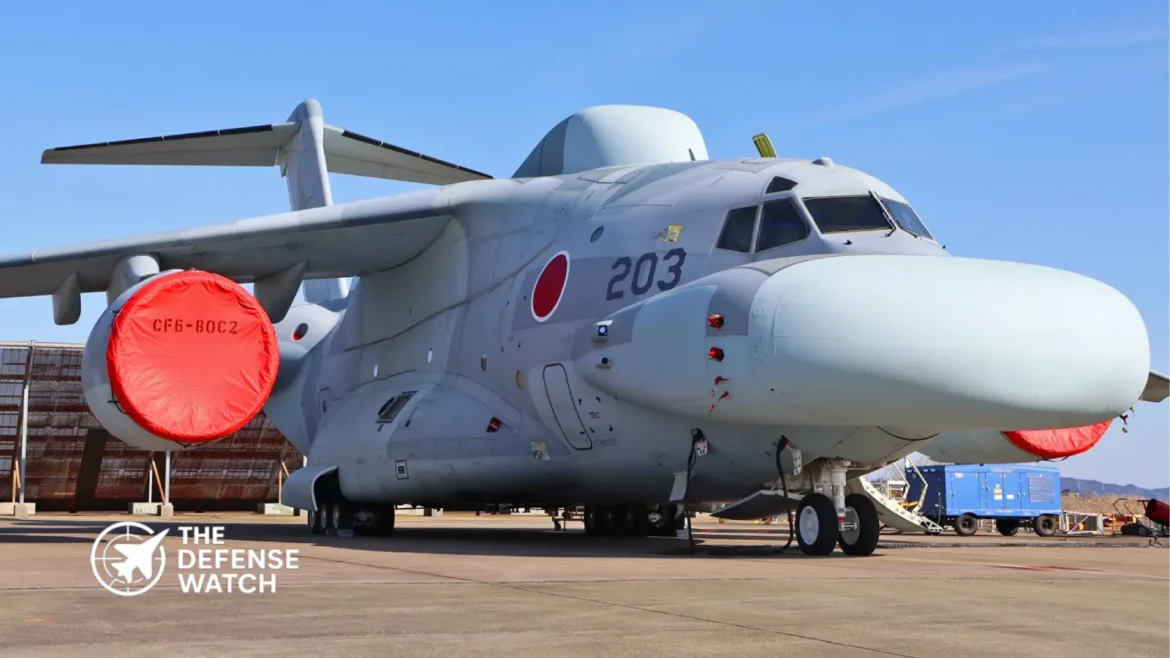
- Japan’s EC-2 electronic warfare jet has successfully completed its first flight.
- The aircraft is designed to jam enemy radar and communications from long range.
- EC-2 enables standoff electronic attack without entering contested airspace.
- The platform supports Japan’s expanding electronic warfare and network disruption capabilities.
- The development aligns with broader regional focus on electromagnetic spectrum dominance.
Japan EC-2 Electronic Warfare Jet Completes First Flight
The Japan EC-2 electronic warfare jet has completed its first flight, marking a significant step in strengthening Japan’s airborne electronic attack capabilities.
The aircraft is designed to conduct long-range jamming missions, targeting enemy radar systems and communications networks while remaining outside hostile airspace. This standoff capability reflects a growing emphasis on survivability and spectrum dominance in modern air operations.
According to defense reporting and aviation sources, the EC-2 represents a next-generation evolution in Japan’s electronic warfare fleet, supporting both defensive and offensive electromagnetic operations.
Standoff Jamming and Survivability at the Core
A key feature of the EC-2 is its ability to disrupt adversary systems without crossing into heavily defended zones. This reduces exposure to surface-to-air missile systems and advanced fighter threats.
Modern electronic warfare increasingly prioritizes range and precision. By operating at a distance, the EC-2 can degrade enemy situational awareness before kinetic operations begin.
This concept aligns with broader trends seen in U.S. and allied forces, where platforms such as the EA-18G Growler emphasize stand-in and stand-off jamming combinations. Japan’s EC-2 appears focused primarily on the latter, providing a safer and persistent electronic attack layer.
Role in Japan’s Expanding EW Doctrine
The introduction of the EC-2 comes as Japan continues to invest in electronic warfare as part of its evolving defense posture.
Over the past decade, the country has shifted toward integrated multi-domain operations, combining cyber, space, and electromagnetic spectrum capabilities. Electronic warfare aircraft like the EC-2 play a central role in this shift by:
- Disrupting enemy command and control networks
- Blinding radar systems during air operations
- Supporting joint force coordination
This reflects a broader recognition that future conflicts will depend heavily on control of the electromagnetic spectrum, not just air superiority in the traditional sense.
Regional Context and Strategic Implications
The EC-2’s first flight takes place amid rising competition in the Indo-Pacific region. Several regional powers are rapidly advancing their own electronic warfare and countermeasure systems.
Aircraft capable of long-range jamming provide a strategic advantage by shaping the battlefield before direct engagement. They can delay detection, confuse targeting systems, and reduce the effectiveness of integrated air defense networks.
For Japan, this capability strengthens deterrence by complicating adversary planning. It also enhances interoperability with allied forces, particularly the United States, which places significant emphasis on electronic attack in joint operations.
Technology and Platform Evolution
While detailed specifications remain limited, the EC-2 is expected to incorporate advanced electronic support and attack systems, including:
- Wideband jamming technologies
- Signals intelligence collection systems
- Networked electronic attack coordination
Such systems allow operators to detect, identify, and disrupt multiple threats simultaneously.
Compared to older platforms, newer electronic warfare aircraft are more software-driven, enabling faster updates and adaptability against evolving threats.
Analysis: Why the EC-2 Matters
The significance of the EC-2 goes beyond a single aircraft milestone.
First, it highlights a shift toward non-kinetic warfare capabilities. Modern militaries are investing heavily in tools that can disable or degrade enemy systems without firing a shot.
Second, it reflects changing risk calculations. Operating outside contested airspace reduces losses while still achieving operational effects.
Third, it underscores the growing importance of electronic warfare in the Indo-Pacific, where dense air defense environments make traditional penetration missions more challenging.
In this context, the EC-2 is not just a support platform. It is a frontline enabler of air and joint operations.
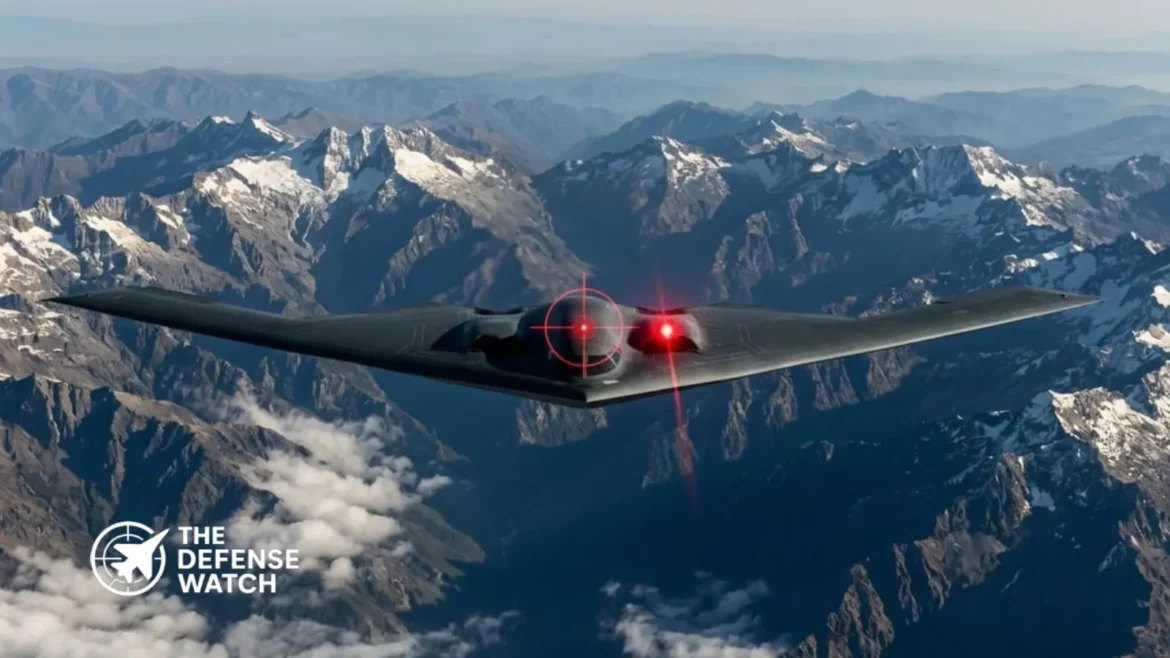
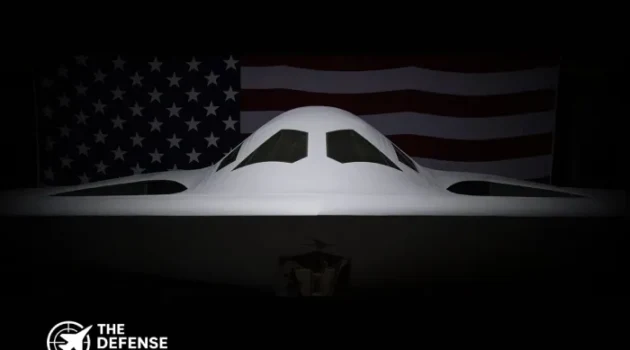
- Chinese firm claims detection of B-2 Spirit signal emissions over Iran.
- System uses AI to analyze radio frequency patterns and operational behavior.
- Highlights growing importance of passive detection and electronic intelligence.
- Detection reportedly linked to US military activity during a regional operation.
- Raises questions but does not confirm compromise of stealth aircraft survivability.
Chinese AI B-2 Spirit Signal Detection Raises New Questions
The B-2 Spirit signal detection claim by a Chinese defense firm has drawn attention to evolving electronic warfare capabilities, particularly the use of artificial intelligence to analyze radio frequency emissions from stealth aircraft.
Chinese company Jingan Technology stated that its system intercepted radio signals associated with a B-2 Spirit operated by Northrop Grumman during a mission linked to activity over Iran. The firm said the aircraft used call signs “Petro 41” through “Petro 44” during part of the operation.
The Big Picture
Stealth technology has long underpinned US air superiority, allowing aircraft like the B-2 to evade radar detection and penetrate contested airspace. However, modern military competition is shifting toward multi-domain sensing, where passive detection methods and AI-driven analytics play an increasing role.
The United States has invested heavily in low observable platforms, while competitors such as China focus on counter-stealth systems, including long wavelength radar, infrared tracking, and electronic intelligence.
This claim reflects a broader trend. Military powers are now targeting the electromagnetic spectrum itself rather than relying solely on traditional radar.
What’s Happening
Jingan Technology reported that its system detected radio frequency emissions linked to a B-2 mission. According to the company:
- The system captured signal activity associated with US aircraft operations
- AI algorithms analyzed patterns in communications and movement
- The platform reconstructed operational sequences and identified early indicators of military buildup
The firm described the detected activity as part of a large-scale US military presence in the Middle East, though it did not provide independent verification or technical details.
No official confirmation has been issued by the US Department of Defense.
Why It Matters
The significance of this B-2 Spirit signal detection claim lies in the distinction between stealth and emissions control.
Stealth aircraft reduce radar cross-section, but they can still emit signals through:
- Communications systems
- Data links
- Navigation equipment
If those emissions are detected and analyzed, adversaries may gain insight into operations without directly tracking the aircraft via radar.
AI adds a new dimension. Instead of identifying a single signal, modern systems correlate multiple data points across time, building a broader operational picture.
Strategic Implications
Electronic warfare is becoming central to modern conflict. Even if stealth aircraft remain difficult to track physically, their electronic footprint can create vulnerabilities.
This development suggests three key implications:
First, passive detection networks are gaining importance. Systems that listen rather than emit signals are harder to counter.
Second, AI enables faster processing of complex datasets. This shortens the time between detection and actionable intelligence.
Third, operational security becomes more critical. Managing emissions is now as important as reducing radar visibility.
However, the claim does not indicate that the B-2 was tracked continuously or targeted. Detecting signals is not the same as achieving fire-control quality tracking.
Competitor View
Chinese analysts often emphasize “system-of-systems” warfare, where data integration across sensors creates a comprehensive battlefield picture. This claim aligns with that approach.
Russia has also invested in electronic intelligence and counter-stealth radar systems, particularly for integrated air defense networks.
Iran, which operates layered air defense systems, may view such capabilities as a way to offset US technological advantages, especially in contested airspace scenarios.
Still, none of these perspectives confirm a fundamental erosion of US stealth capabilities.
What To Watch Next
Future developments will likely focus on:
- Integration of AI into electronic warfare platforms
- Expansion of passive sensor networks
- US efforts to enhance emissions control and secure communications
The Pentagon continues to invest in next-generation stealth platforms such as the B-21 Raider, which reportedly includes improved electronic signature management.
Capability Gap
This development highlights a gap between traditional stealth design and modern electromagnetic spectrum threats.
Stealth aircraft were optimized to defeat radar, not necessarily large-scale AI-driven signal analysis.
However, limitations remain:
- Signal detection depends on emissions being present
- Encrypted or low probability of intercept communications reduce exposure
- Detection does not equal targeting capability
These factors suggest that while the threat is evolving, it does not render stealth obsolete.
The Bottom Line
Chinese claims of B-2 Spirit signal detection reflect advances in AI-driven electronic warfare, but they do not signal the end of US air superiority.
- The Pentagon is seeking a standardized system to test whether AI models perform as intended before operational use.
- The framework would simulate real battlefield conditions, including degraded networks and adversarial cyber attacks.
- The initiative reflects growing reliance on artificial intelligence for military planning, intelligence, and decision support.
- The Defense Innovation Unit and the Office of the Director of National Intelligence are seeking industry proposals.
- The effort aims to create a neutral evaluation architecture that works across AI vendors and defense contractors.
Pentagon AI Model Evaluation System Aims To Strengthen Military AI Reliability
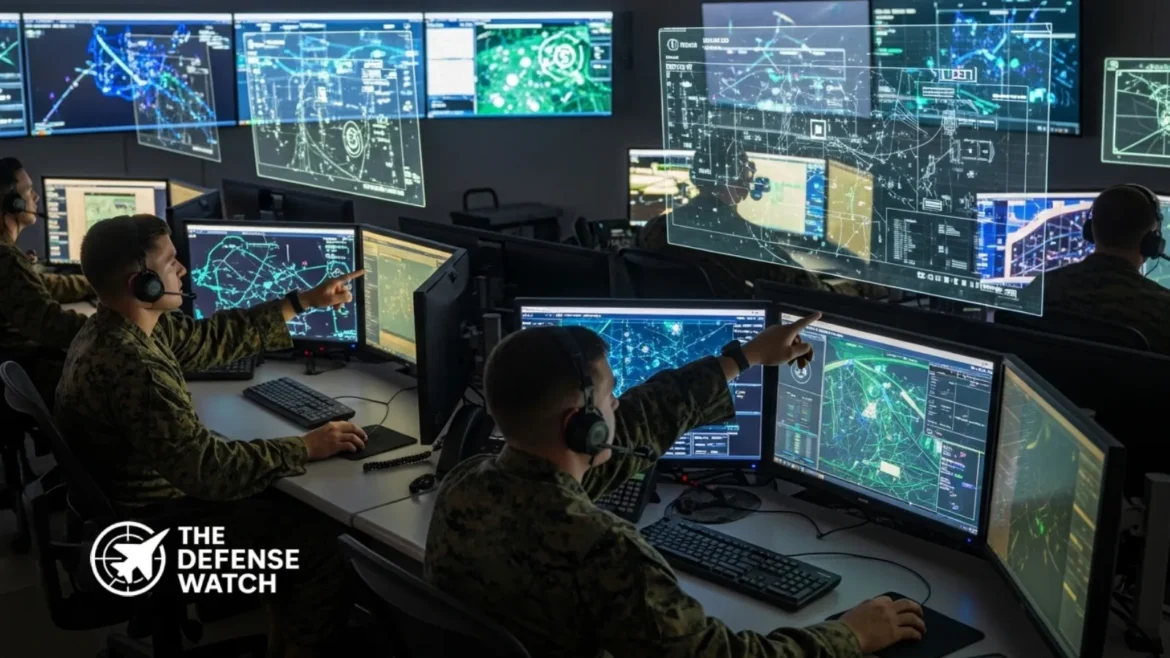
The Pentagon AI model evaluation system initiative reflects the U.S. Department of Defense’s effort to ensure artificial intelligence systems perform reliably before they are deployed in military missions.
The Defense Innovation Unit (DIU), working alongside the Office of the Director of National Intelligence, is seeking proposals for a standardized testing framework capable of evaluating AI models against mission-specific benchmarks. The system would help determine whether AI tools operate as expected under operational conditions and alongside human operators.
Defense officials say the initiative is necessary as artificial intelligence becomes more deeply integrated into military operations ranging from intelligence analysis to logistics and battlefield decision support.
The Big Picture
The Pentagon has accelerated its adoption of artificial intelligence across multiple operational domains as part of broader U.S. military modernization efforts.
Programs such as Project Maven, which uses machine learning to analyze intelligence imagery and video data, demonstrate how AI can help process vast amounts of battlefield information and assist analysts.
More recently, the Defense Department has expanded access to commercial AI tools through platforms designed to support both classified and unclassified workflows. AI is increasingly used for data analysis, planning support, cyber defense, and operational logistics.
However, military leaders face a critical challenge: verifying that AI systems behave predictably under real-world conditions. Unlike traditional software, many AI models rely on probabilistic outputs and large training datasets, which can produce unexpected results if not rigorously tested.
A standardized evaluation system is intended to address that gap.
What’s Happening
The Pentagon’s Defense Innovation Unit has issued an “Area of Interest” announcement seeking technologies capable of evaluating AI systems before they are deployed to users.
Officials envision a testing “harness” with a modular architecture that can evaluate any AI model developed by government agencies or private contractors.
The system would perform several critical functions:
- Measure whether AI models meet mission requirements
- Test performance under operational stress conditions
- Evaluate human-AI collaboration in decision-making
- Conduct automated red teaming to identify vulnerabilities
Testing would also simulate degraded communications, incomplete data environments, and adversarial interference, conditions that frequently occur in real combat operations.
The framework must produce results that military decision-makers can easily interpret, including measurable benchmarks that define acceptable performance levels.
Importantly, the Pentagon emphasized that the evaluation system should remain vendor-neutral and avoid giving advantages to specific AI architectures or technology providers.
Why It Matters
Artificial intelligence is moving rapidly from experimental technology to operational capability across the U.S. military.
Commanders increasingly rely on automated systems for intelligence analysis, predictive logistics, mission planning, and cyber defense. These systems can process information at speeds far beyond human analysts, enabling faster operational decisions.
Yet reliability remains a central concern.
AI models can behave unpredictably when exposed to unfamiliar scenarios, biased datasets, or adversarial manipulation. In a military context, such failures could affect targeting decisions, operational planning, or battlefield awareness.
A standardized evaluation framework would provide the Defense Department with a structured method to validate AI performance before deployment.
This approach mirrors traditional military testing processes used for aircraft, weapons systems, and sensors.
Strategic Implications
The Pentagon’s effort to build a Pentagon AI model evaluation system reflects a broader shift toward institutionalizing AI assurance within defense acquisition.
Reliable AI systems could accelerate decision-making across joint operations, enabling faster analysis of intelligence data and improving coordination between military units.
Testing frameworks also help address concerns about trust in automated systems. Commanders must understand when AI recommendations are reliable and when human oversight is necessary.
Standardized evaluation tools could therefore play a central role in future command-and-control systems that integrate AI into operational planning.
The initiative also supports the Pentagon’s broader push to integrate commercial technology into defense programs while maintaining rigorous security and reliability standards.
Competitor View
Strategic competitors such as China and Russia closely monitor U.S. military AI development.
China has invested heavily in military AI research, including decision-support algorithms and autonomous systems designed to support command networks and battlefield analysis.
Russia has likewise explored AI applications in electronic warfare, autonomous vehicles, and military robotics.
A structured evaluation framework may strengthen the credibility and reliability of U.S. AI-enabled military systems. Reliable testing and verification processes could give U.S. forces greater confidence in AI-supported operations.
At the same time, the Pentagon’s emphasis on human-AI collaboration reflects Western defense doctrine that prioritizes human control over lethal force decisions.
What To Watch Next
Industry proposals for the AI evaluation framework are due in late March, marking the first phase of the initiative.
Next steps may include:
- Prototype testing platforms
- Integration with military AI programs
- Validation trials using operational data
- Expansion across multiple defense agencies
If successful, the testing framework could become a standard requirement for AI systems entering the Department of Defense acquisition pipeline.
Such systems may eventually support evaluations for intelligence tools, autonomous platforms, and future command-and-control networks.
Capability Gap
The initiative addresses a fundamental challenge in military AI deployment: verifying that machine learning systems behave reliably in unpredictable operational environments.
Traditional software testing methods often fail to capture how AI models respond to incomplete data, adversarial manipulation, or rapidly changing conditions.
Without rigorous evaluation frameworks, defense leaders risk deploying AI systems that may perform well in laboratory environments but fail under battlefield stress.
The proposed testing harness aims to close that gap by replicating operational conditions and assessing both technical performance and human-machine collaboration.
However, challenges remain. AI evaluation metrics are still evolving, and defining reliable performance thresholds across different mission types remains complex.
The Bottom Line
The Pentagon’s effort to build a Pentagon AI model evaluation system highlights a critical step toward ensuring that artificial intelligence can be safely and reliably integrated into future military operations.

- Polish defense company WB Group has partnered with AI developer Applied AGI to integrate artificial intelligence into UAV systems.
- The collaboration focuses on enhancing autonomy, mission planning, and real time battlefield data processing.
- AI integration could significantly improve ISR capabilities and operational efficiency for modern military forces.
- The partnership aligns with growing global investment in autonomous and AI driven defense technologies.
- AI enabled UAV systems are becoming a critical element in modern military reconnaissance and precision operations.
WB Group AI Enabled UAV Development Signals Growing Role Of Artificial Intelligence In Military Drones
The WB Group AI enabled UAV initiative marks a new step in the integration of artificial intelligence into unmanned aerial systems. Polish defense manufacturer WB Group has partnered with technology firm Applied AGI to develop AI powered capabilities designed to enhance autonomy, mission effectiveness, and data analysis for military drone operations.
The collaboration reflects a broader shift across the defense sector toward advanced software driven systems capable of operating in complex battlefield environments with minimal human intervention.
The Big Picture
Artificial intelligence has rapidly emerged as a core technology in modern military modernization programs. Armed forces across NATO and other allied nations are investing heavily in AI driven systems that can process large volumes of sensor data, support faster decision making, and improve operational efficiency.
Unmanned aerial systems are particularly suited to this transformation. Drones generate large amounts of surveillance and reconnaissance data during missions, often overwhelming human operators. AI powered tools can automate much of this analysis while enabling faster identification of targets, threats, or patterns of activity.
For European defense companies such as WB Group, integrating AI into drone platforms also supports NATO efforts to strengthen technological competitiveness and operational readiness.
What Is Happening
WB Group and Applied AGI announced a partnership focused on integrating artificial intelligence into unmanned aerial systems and related defense technologies.
WB Group is a well established Polish defense manufacturer known for developing advanced unmanned systems, communications equipment, and battlefield management technologies. Its drone portfolio includes the widely deployed Warmate loitering munition and the FlyEye reconnaissance UAV.
Applied AGI specializes in advanced artificial intelligence software designed to support autonomous decision making and complex data analysis.
The collaboration aims to combine WB Group’s experience in UAV design and operational deployment with Applied AGI’s AI expertise to create next generation drone capabilities.
The partners intend to develop software solutions that can improve:
Autonomous flight control
Mission planning and task execution
Real time intelligence processing
Sensor data analysis
These capabilities could allow UAV systems to perform missions with reduced operator workload while increasing the speed and accuracy of battlefield information processing.
Why It Matters
Artificial intelligence is transforming how militaries operate unmanned systems.
Traditional drones rely heavily on human operators to analyze sensor feeds, identify targets, and make tactical decisions. This approach limits the number of systems that operators can control simultaneously and slows the flow of intelligence to commanders.
AI enabled UAV systems can partially automate these tasks. Machine learning algorithms can detect objects, track targets, and identify unusual patterns across video feeds and sensor data.
This capability becomes especially valuable during high intensity operations where speed and situational awareness are critical.
The WB Group Applied AGI partnership also highlights the growing importance of software in modern defense technology. Hardware platforms such as drones are increasingly defined by the software systems that control them.
Strategic Implications
The development of AI driven UAV capabilities could strengthen operational effectiveness for militaries using WB Group platforms.
Autonomous functions can improve mission endurance and allow smaller teams to control larger drone fleets. This capability is particularly relevant for reconnaissance missions, border surveillance, and precision strike operations.
For NATO members and partner countries, enhanced drone autonomy may support distributed operations where forces operate across multiple locations while maintaining situational awareness.
AI enabled systems can also improve resilience in contested environments. Automated data processing allows operators to focus on strategic decisions rather than routine analysis tasks.
The partnership also reflects a broader trend among European defense firms seeking to expand their software capabilities in response to evolving battlefield requirements.
Competitor View
Major military powers are closely monitoring developments in AI powered military systems.
China has invested heavily in autonomous drone technologies and swarm capabilities as part of its military modernization strategy. Russia has also explored AI integration in unmanned systems, particularly in reconnaissance and loitering munition roles.
The United States continues to advance artificial intelligence initiatives through programs supported by the US Department of Defense and the Defense Advanced Research Projects Agency (DARPA).
European defense firms therefore face increasing pressure to develop competitive AI capabilities. Partnerships between hardware manufacturers and AI specialists offer one path to accelerate innovation.
What To Watch Next
Several milestones will determine the long term impact of the WB Group AI enabled UAV effort.
The first key step will involve integrating Applied AGI software into operational drone platforms. This stage typically requires extensive testing to validate reliability and mission performance.
Future development phases may include:
AI assisted target recognition
Autonomous mission coordination
Advanced swarm control technologies
Improved sensor fusion capabilities
Successful integration could lead to upgrades for existing WB Group systems as well as entirely new UAV platforms designed around AI driven operations.
Capability Gap
Modern battlefields produce vast amounts of data from sensors, surveillance systems, and unmanned platforms.
Human operators alone cannot analyze all this information in real time. This gap creates delays in intelligence processing and decision making.
AI enabled UAV systems aim to close this gap by automating data analysis and improving information flow between drones and command centers.
However, AI systems still face limitations. They require large training datasets and must operate reliably in complex environments where sensor inputs may be degraded by electronic warfare or weather conditions.
Ensuring secure and trustworthy AI decision making will remain a key challenge for defense developers.
The Bottom Line
The WB Group AI enabled UAV partnership with Applied AGI highlights how artificial intelligence is becoming a central driver of next generation military drone capabilities.

- ► SWARM Biotactics says its cybernetic insect swarms completed field testing in Germany.
- ► The systems are reportedly in operational use with NATO customers, including the German Armed Forces.
- ► Development from concept to deployment took approximately one year.
- ► The platform integrates live insects with micro electronics for reconnaissance roles.
- ► The capability reflects growing NATO interest in micro scale intelligence and surveillance systems.
NATO Intelligence From Germany Signals Operational Shift In Micro Drone Warfare
NATO intelligence from Germany indicates that cybernetic insect swarms developed by German firm SWARM Biotactics have completed field testing and transitioned into operational use with NATO customers, including the German Armed Forces.
The Germany based company announced that its bio robotic reconnaissance platform progressed from concept design to fielded capability in roughly one year, an unusually rapid development cycle for a defense system involving both robotics and live biological components.
While technical details remain limited, the development marks a notable step in micro drone warfare and close range intelligence collection.
From Concept To Operational Capability In One Year
According to statements released by SWARM Biotactics, the company successfully transitioned its cybernetic insect swarms from early design to operational employment within approximately twelve months. For defense programs, particularly those integrating biological systems with embedded electronics, that timeline is compressed.
The firm has previously described its approach as combining live insects with lightweight control modules, sensors, and secure communications links. The insects function as highly mobile micro platforms capable of entering confined spaces that conventional drones cannot access.
If confirmed at scale, this would represent one of the first operational uses of bio robotic systems within a NATO military framework.
Defense ministries across Europe have accelerated investment in small unmanned systems since the war in Ukraine highlighted the tactical impact of low cost drones. According to open source reporting and NATO procurement trends, member states have prioritized reconnaissance platforms that are smaller, cheaper, and harder to detect.
NATO Intelligence And The Micro Drone Race
The emergence of cybernetic insect swarms fits within a broader shift in NATO intelligence collection doctrine. Traditional ISR platforms, including medium altitude UAVs and crewed aircraft, provide strategic and operational coverage. However, they are less suited for indoor reconnaissance, tunnel systems, or dense urban terrain.
Micro drones attempt to close that gap.
In recent years, the U.S. Defense Advanced Research Projects Agency and European defense labs have explored insect scale robotics. What differentiates the SWARM Biotactics announcement is the claim of operational use with the German Armed Forces.
Berlin has steadily expanded funding for unmanned and autonomous systems as part of its post 2022 defense modernization push. Following Russia invasion of Ukraine, Germany launched a 100 billion euro special defense fund to accelerate procurement across air, land, and cyber domains.
While the company did not disclose contract values or deployment locations, the reference to NATO customers suggests the technology may be integrated into intelligence, special operations, or force protection units.
Operational Use Raises Strategic And Ethical Questions
The operational deployment of cybernetic insect swarms introduces both tactical advantages and policy considerations.
From a military standpoint, micro scale reconnaissance offers several clear benefits:
• Reduced detectability compared to conventional quadcopters
• Ability to infiltrate enclosed spaces
• Lower acoustic and radar signatures
• Potential for distributed swarm intelligence
However, the fusion of biological organisms and electronic control systems raises regulatory and ethical questions. NATO members operate under strict legal frameworks governing new weapons technologies. Any operational use would likely undergo legal review to ensure compliance with international humanitarian law.
There are also technical vulnerabilities. Small platforms face power limitations, signal interference risks, and environmental constraints. Adversaries investing heavily in electronic warfare could target control links or attempt to disrupt swarm coordination.
Still, the pace of innovation suggests NATO nations view micro autonomous systems as an essential component of future battlefield awareness.
Germany Position In Emerging Defense Tech
Germany has historically been strong in robotics, engineering, and industrial manufacturing. Companies such as Rheinmetall and Airbus Defence and Space have expanded into autonomous systems, loitering munitions, and AI enabled platforms.
The reported operationalization of SWARM Biotactics cybernetic insect swarms reflects a broader ecosystem of defense innovation in Germany.
It also aligns with NATO emphasis on multi domain operations, where small, networked systems feed real time data into larger command architectures.
If the system proves reliable, it could influence procurement decisions across allied nations seeking discreet ISR capabilities in urban warfare, counterterrorism, and hybrid conflict environments.
What Comes Next
Key unknowns remain. The company has not detailed production scale, cost per unit, endurance, or sensor payload capacity. It is also unclear whether the insects operate fully autonomously or rely on remote human control.
For now, the announcement signals that NATO intelligence from Germany is moving beyond conventional drones toward biologically integrated micro platforms.
As modern battlefields become denser, more contested, and electronically saturated, the demand for hard to detect reconnaissance assets will likely grow.
The transition from concept to operational use in one year suggests defense customers are willing to experiment rapidly when battlefield requirements demand it.
- ► Lockheed Martin is transitioning Flying Tactical AI from simulation and classroom environments into operational aircraft.
- ► The system is designed to assist pilots with tactical decision making in complex, high threat environments.
- ► AI models were trained and validated using digital simulations before flight integration.
- ► The development aligns with U.S. Department of Defense priorities for autonomy and human machine teaming.
- ► The move signals continued investment in AI enabled combat aircraft modernization.
Flying Tactical AI Moves From Simulation To Operational Cockpits
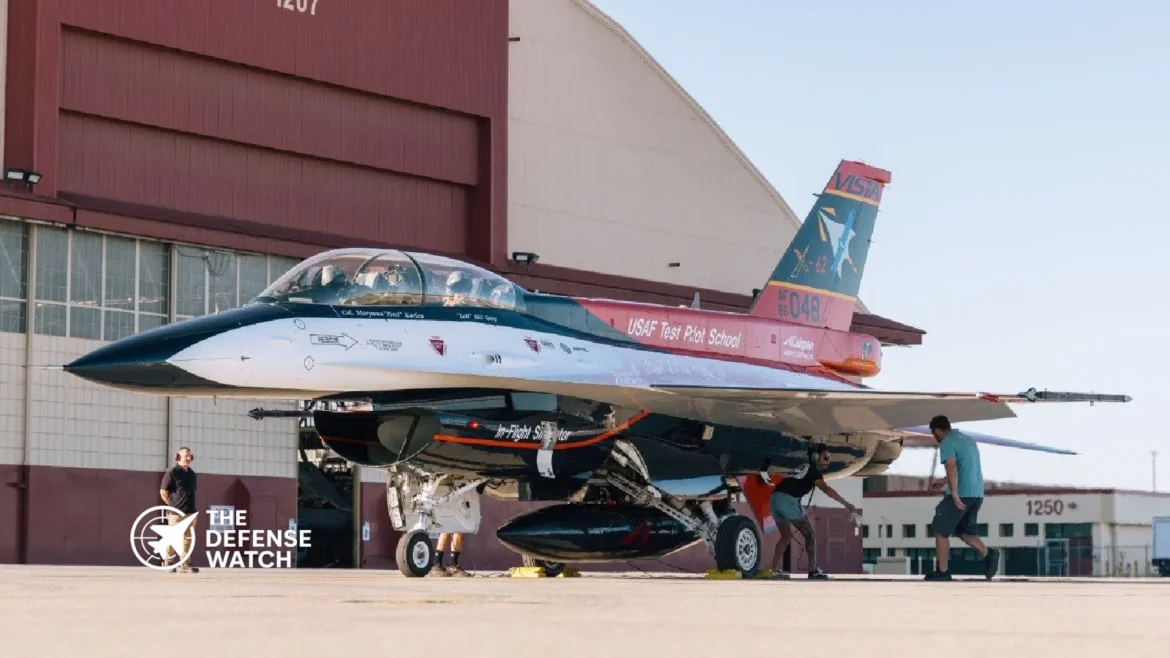
Flying Tactical AI is moving from classroom development into operational cockpits, according to new details released by Lockheed Martin, marking another step in the U.S. military’s push to embed artificial intelligence directly into combat aircraft.
The company outlined how its tactical AI systems, initially developed and refined in simulation environments and digital classrooms, are now being integrated into live flight environments. The effort reflects a broader Pentagon strategy to accelerate autonomy and decision support tools across air combat platforms.
Lockheed Martin said the transition demonstrates the maturity of its AI development pipeline, moving from academic modeling and pilot training environments into real aircraft systems designed for contested operations.
From Digital Classroom To Combat Environment
Lockheed Martin described Flying Tactical AI as a system built to assist aircrews in real time tactical scenarios. The company emphasized that early development focused on digital environments, including simulated air combat exercises and virtual mission rehearsals.
By using high fidelity models, engineers trained the AI to recognize threats, recommend maneuvers, and process battlefield data at machine speed. According to the company, this approach allowed developers to refine algorithms in controlled settings before exposing them to live flight conditions.
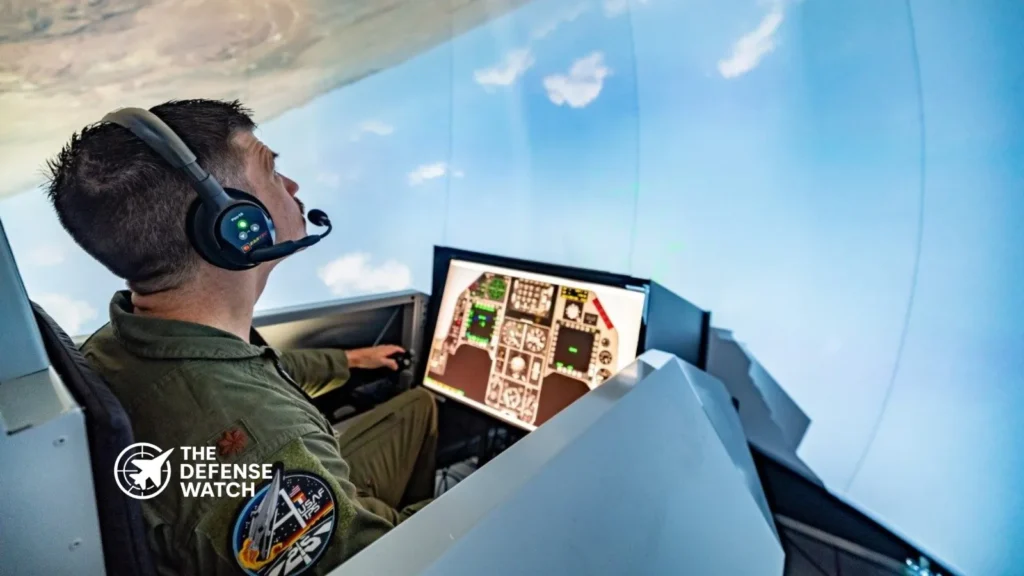
This transition from classroom to cockpit reflects a methodical development process. Simulation first. Validation second. Flight integration last.
That layered approach mirrors the broader U.S. Department of Defense emphasis on digital engineering and model based systems development, a strategy aimed at shortening acquisition timelines while reducing operational risk.
What Flying Tactical AI Actually Does
Flying Tactical AI is designed to function as a decision support tool rather than a replacement for pilots. Lockheed Martin said the system can process large volumes of sensor data and provide tactical recommendations during complex engagements.
In modern air combat, pilots must absorb data from radar, infrared sensors, electronic warfare systems, datalinks, and off board assets. The volume of information can overwhelm even experienced crews. AI based systems aim to filter, prioritize, and present relevant options in seconds.
That capability is especially relevant for fifth generation and future sixth generation aircraft, where sensor fusion already plays a central role. Integrating Flying Tactical AI builds on that architecture by adding predictive and adaptive elements to mission execution.
The U.S. Air Force and Navy have both signaled that future air dominance concepts will rely heavily on human machine teaming, including collaborative combat aircraft and autonomous systems operating alongside crewed fighters. Flying Tactical AI fits squarely within that trajectory.
Alignment With Pentagon Autonomy Strategy
The development comes as the Department of Defense accelerates adoption of artificial intelligence across operational domains. Senior defense officials have repeatedly highlighted autonomy as a force multiplier, particularly in contested environments where reaction time is critical.
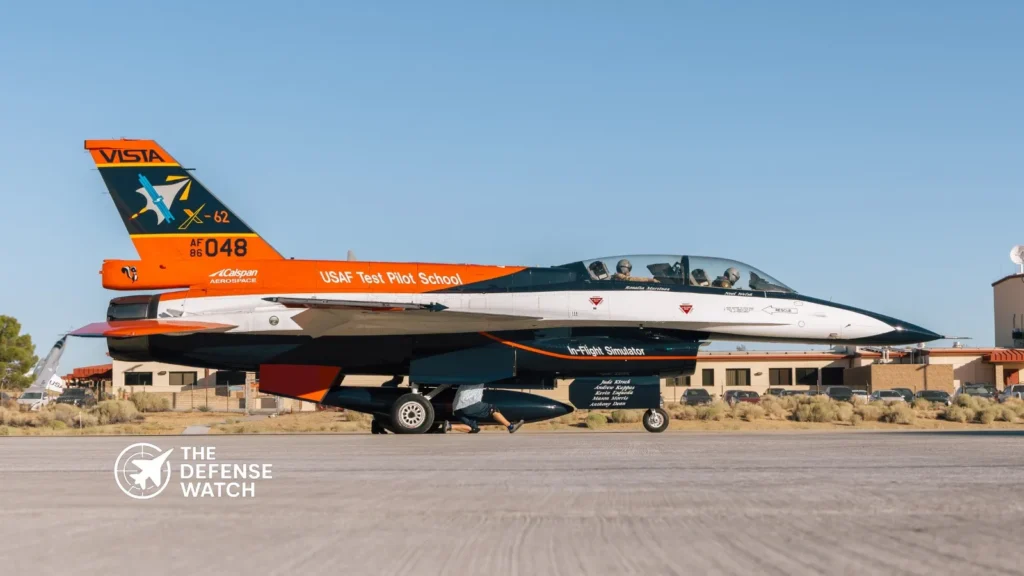
Programs such as the Air Force push for collaborative combat aircraft and broader Joint All Domain Command and Control initiatives underscore this shift. While Lockheed Martin did not detail specific aircraft platforms in its feature, the company is a prime contractor on programs including the F 35 and advanced tactical aircraft projects.
Embedding Flying Tactical AI into cockpit systems could support future upgrades across multiple fleets, depending on service requirements and certification pathways.
From a strategic perspective, the integration of AI into tactical aviation is not just about automation. It is about compressing decision cycles. In high end conflict scenarios, the side that processes information faster and acts decisively gains a measurable advantage.
Risks, Testing, And Certification Challenges
Despite the progress, integrating Flying Tactical AI into operational aircraft presents technical and regulatory hurdles.
Flight certification standards for safety critical systems are stringent. Any AI driven tool must demonstrate reliability, transparency in decision logic, and compatibility with existing avionics. There are also cybersecurity considerations, particularly for systems that interface with mission data networks.
Lockheed Martin indicated that its structured development path, beginning in classroom and simulation environments, is designed to mitigate those risks. Gradual exposure to live flight testing allows engineers to validate system behavior under real world conditions.
For military operators, trust in the system is just as important as technical performance. Pilots must understand how recommendations are generated and retain final authority over tactical decisions.
Strategic Implications For U.S. Airpower
Flying Tactical AI represents more than a software upgrade. It signals how combat aviation is evolving.
Future air combat will likely involve smaller formations of crewed aircraft supported by autonomous platforms, advanced sensors, and networked effects. In that context, AI driven tactical tools could help maintain situational awareness across distributed operations.
If successfully fielded, Flying Tactical AI could contribute to reducing pilot workload, improving reaction time, and enhancing survivability in high threat environments. It also supports long term modernization goals centered on adaptability and rapid software updates rather than purely hardware driven upgrades.
For U.S. defense planners, the shift from classroom to cockpit marks a tangible milestone. It demonstrates that AI is moving beyond experimentation and into operational aviation ecosystems.
SpaceX To Compete In Pentagon Autonomous Drone Tech Contest
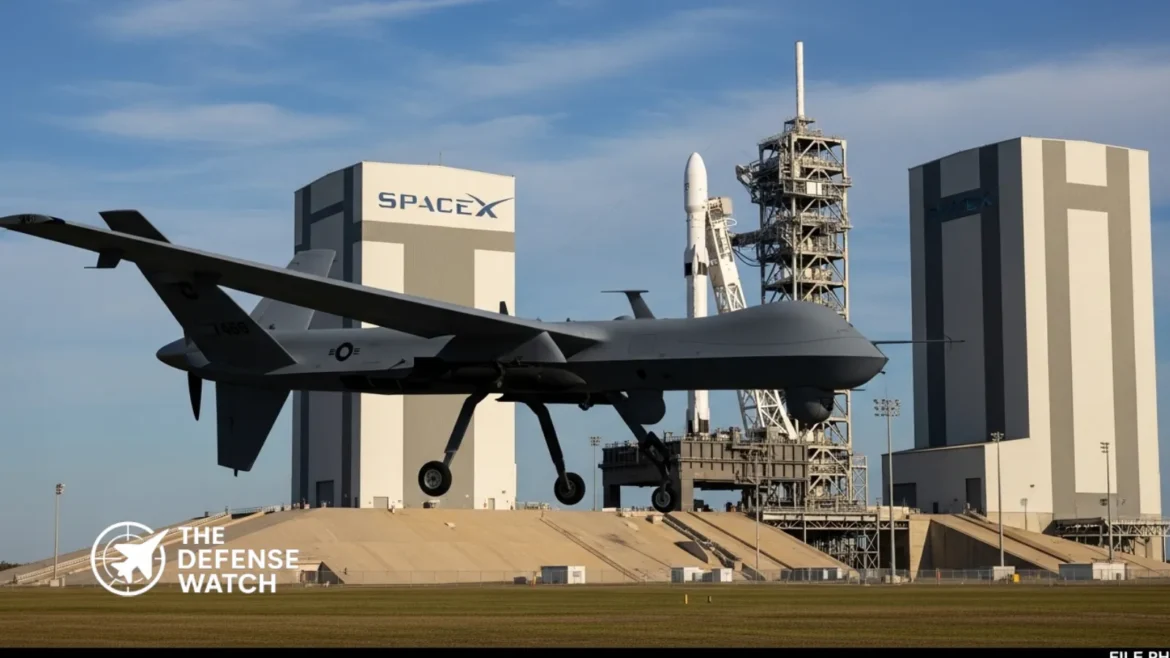
SpaceX will compete in a Pentagon autonomous drone tech contest, marking a notable expansion of the company’s role in U.S. defense innovation, according to a Feb. 16 report by Reuters citing Bloomberg.
The competition centers on advancing autonomous drone capabilities for U.S. military applications. It is part of a broader Defense Department push to accelerate artificial intelligence and unmanned systems across the services.
Pentagon Focus On Autonomous Systems
The U.S. Department of Defense has steadily increased investment in autonomous technologies as part of its modernization strategy. Officials have emphasized the need for low cost, scalable unmanned systems that can operate with minimal human intervention in contested environments.
While specific program details were not disclosed publicly, the contest aims to field advanced autonomous drone technology capable of operating in complex battlefield scenarios. The initiative aligns with Pentagon efforts to counter peer competitors by integrating AI driven systems across air, land, sea, space, and cyber domains.
The Defense Department has repeatedly highlighted autonomous systems as a key pillar of its force design. Programs under the Pentagon’s innovation offices have sought to reduce acquisition timelines and encourage participation from nontraditional defense companies.
SpaceX Expands Defense Footprint
SpaceX, formally known as SpaceX, has primarily focused on launch services and satellite communications. Through its Starlink satellite network, the company has already demonstrated relevance in military operations by providing resilient communications in conflict zones.
Participation in a Pentagon autonomous drone tech contest would extend SpaceX’s involvement beyond launch and space services into unmanned aerial systems and defense AI.
The move reflects a broader trend of commercial space and technology firms entering the defense market. Silicon Valley and aerospace startups have increasingly partnered with the Pentagon to develop AI enabled platforms, autonomous vehicles, and networked warfare capabilities.
Strategic Context
Autonomous drone development has become a central feature of modern military strategy. Recent conflicts have underscored the operational impact of unmanned aerial vehicles for intelligence, surveillance, reconnaissance, and strike missions.
The Pentagon’s emphasis on autonomous drone technology also aligns with congressional directives to strengthen U.S. industrial capacity in advanced defense sectors. Lawmakers have pressed for faster fielding of systems that can operate in highly contested environments, particularly in the Indo Pacific and European theaters.
By opening competitions to commercial players, the Defense Department seeks to leverage private sector innovation while maintaining strict security and performance standards.
Industry Competition Expected
The Pentagon autonomous drone tech contest is expected to draw interest from established defense contractors as well as emerging technology firms. Major aerospace and defense companies have invested heavily in AI enabled drones and collaborative combat aircraft concepts.
SpaceX’s entry into the contest introduces a company with deep engineering resources, rapid development cycles, and vertically integrated manufacturing capabilities. However, it will compete against firms with longstanding experience in military aircraft and unmanned systems.
The Reuters report did not specify a timeline for contract awards or testing phases. Further details are likely to emerge as the Defense Department advances the competition process.
Broader Implications
The inclusion of SpaceX in a Pentagon autonomous drone tech contest signals continued convergence between commercial aerospace innovation and national security priorities.
As the U.S. military adapts to evolving threats, autonomous drone systems are expected to play a growing role in distributed operations and force projection. The contest underscores Washington’s commitment to accelerating AI integration across the defense enterprise.
For SpaceX, participation represents a strategic step deeper into the defense technology sector. For the Pentagon, it highlights an effort to harness commercial ingenuity to maintain technological advantage.
Lockheed Martin Introduces Next-Generation Undersea Warfare Platform
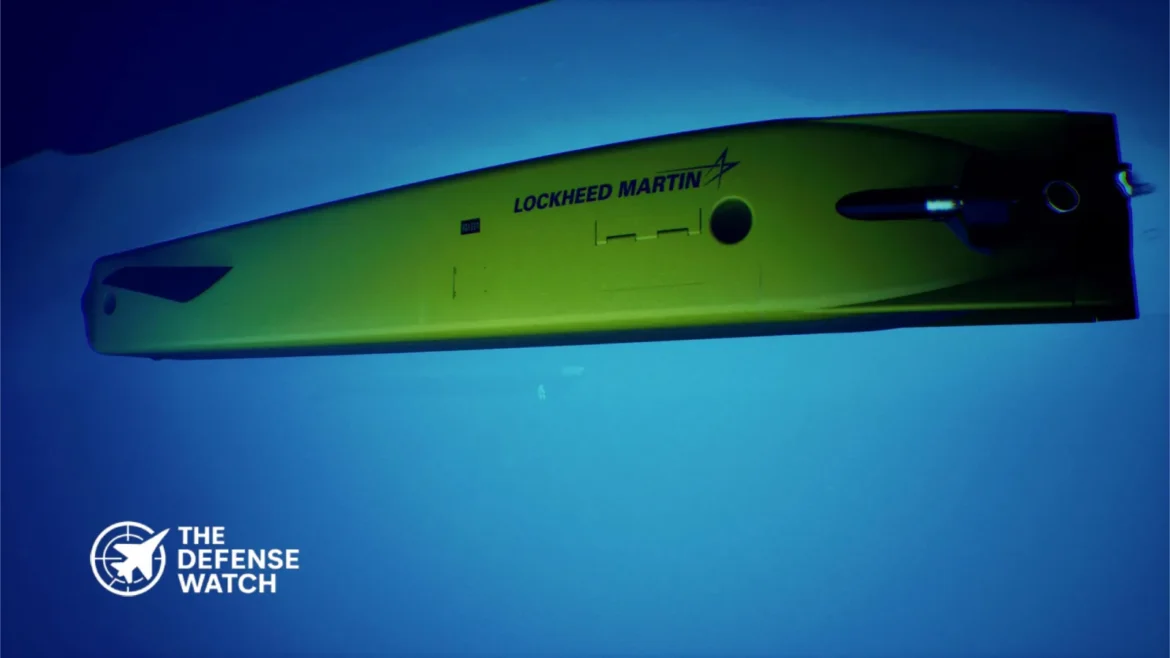
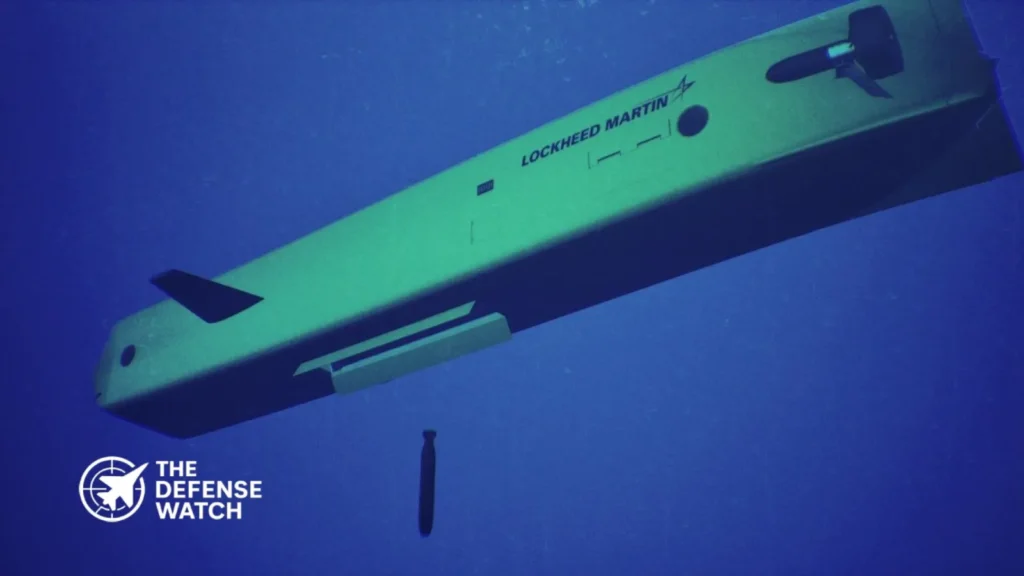
Lockheed Martin announced the Lamprey Multi-Mission Autonomous Undersea Vehicle (MMAUV) on February 9, 2026, introducing a transformative platform designed to enhance U.S. Navy undersea warfare capabilities. The internally-funded system represents a significant advancement in autonomous maritime technology, combining novel charging mechanisms with flexible mission capabilities.
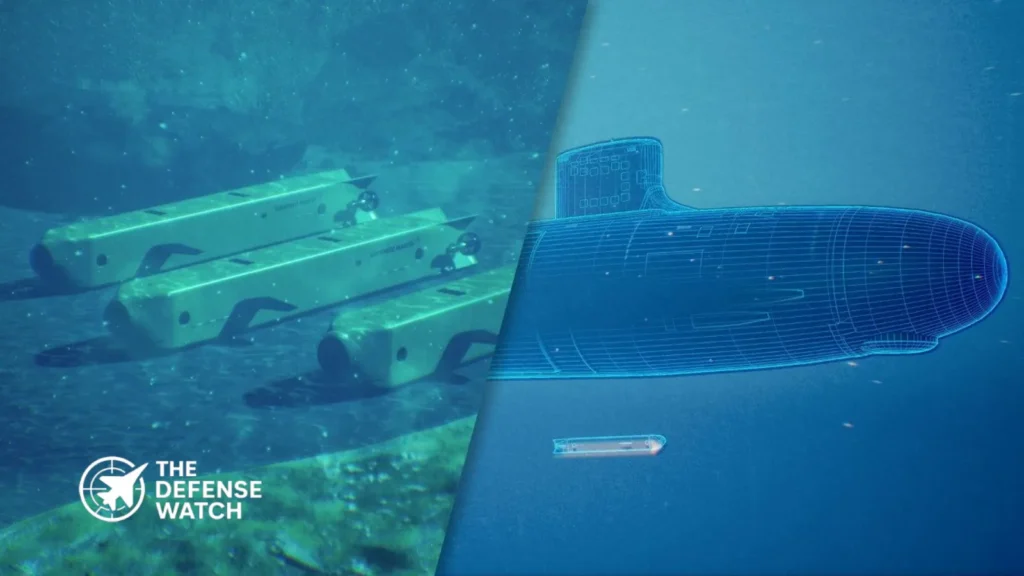
The Lamprey MMAUV employs a parasitic attachment system that enables the vehicle to dock onto host submarines or surface vessels without requiring modifications to the carrier platform. Once attached, the system utilizes built-in hydrogenators to recharge its batteries during transit, arriving in theater with full operational capacity. This approach addresses a critical challenge in unmanned undersea vehicle deployment: maintaining operational range while preserving stealth and reducing logistical footprint.
Paul Lemmo, vice president and general manager of Sensors, Effectors & Mission Systems at Lockheed Martin, emphasized the platform’s rapid development timeline. The company’s internal funding structure enabled accelerated iteration cycles, allowing engineers to deliver a multi-mission system capable of autonomous detection, disruption, deception, and engagement operations.
Technical Capabilities And Mission Profiles
The Lamprey MMAUV features an open-architecture payload bay designed for mission-specific configuration. Operators can deploy anti-submarine torpedoes, unmanned aerial vehicle launchers, or specialized sensors depending on operational requirements. This modular approach enables rapid mission reconfiguration without extensive platform modifications.
The system supports two primary mission categories: Assured Access and Sea Denial. Assured Access operations include intelligence collection, persistent surveillance, and precision strike capabilities. Sea Denial missions encompass electronic disruption, decoy deployment, and kinetic engagement against maritime threats.
The vehicle’s autonomous capabilities extend beyond basic navigation. The Lamprey MMAUV can execute multi-intelligence collection, perform targeting operations, and deploy equipment to seafloor locations. These capabilities position the platform as a force multiplier for conventional submarine and surface operations in contested maritime environments.
Strategic Implications For Naval Operations
The Lamprey MMAUV addresses evolving challenges in undersea warfare, particularly in regions where traditional platforms face increasing counter-detection risks. By providing persistent autonomous presence at reduced operational costs compared to manned platforms, the system enables commanders to maintain area awareness and denial capabilities in high-threat environments.
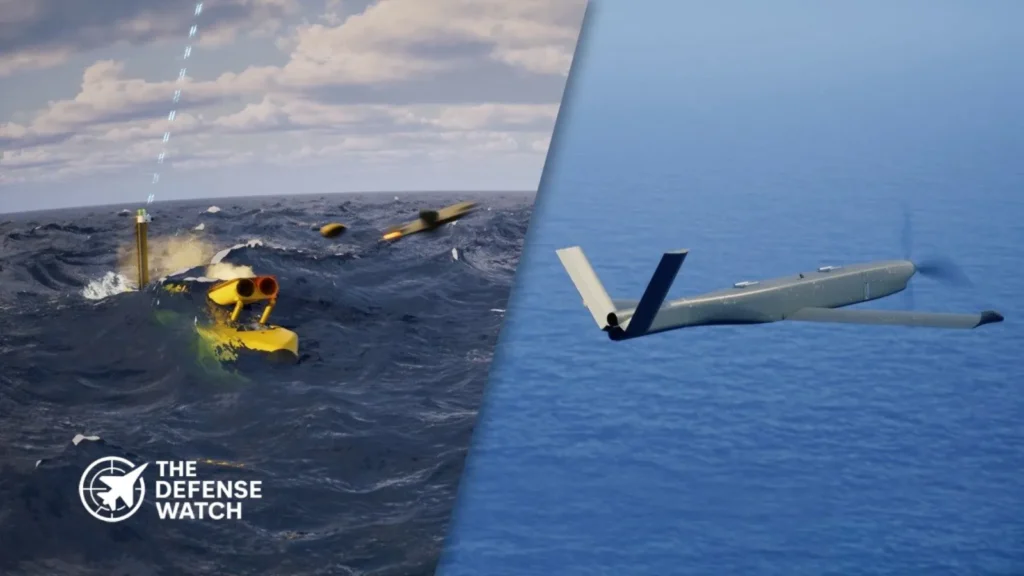
The platform’s parasitic charging mechanism eliminates the need for dedicated support infrastructure in forward operating areas. Host platforms can transport multiple vehicles without significant modifications, enabling scalable deployment based on mission requirements. This capability proves particularly valuable in denied or contested waters where traditional refueling and maintenance operations pose unacceptable risks.
Lockheed Martin’s development leverages decades of undersea domain expertise, including work on submarine systems, acoustic sensors, and autonomous navigation technologies. The company has not disclosed specific performance parameters such as maximum range, depth ratings, or payload capacity, consistent with classification considerations for advanced military systems.
Dual-Mode Operations Enhance Tactical Flexibility
The Lamprey MMAUV’s ability to transition between Assured Access and Sea Denial configurations provides operational commanders with tactical flexibility. In Assured Access mode, the vehicle operates as a stealthy intelligence platform, gathering data and maintaining surveillance in areas where traditional intelligence assets cannot safely operate. The precision strike capability enables rapid response to emerging threats without exposing manned platforms.
Sea Denial operations leverage the platform’s electronic warfare systems and decoy capabilities. By deploying countermeasures and electronic disruption systems, the Lamprey MMAUV can complicate adversary targeting solutions and create tactical ambiguity. The kinetic attack capability provides commanders with a responsive strike option that minimizes risk to manned assets.
Development Timeline And Acquisition Status
Lockheed Martin developed the Lamprey MMAUV through internal research and development funding, bypassing traditional government acquisition timelines. This approach enabled rapid prototyping and testing without the regulatory oversight typical of Navy-funded programs. The company has not announced any current Navy contracts for production systems, though the platform’s capabilities align with stated service requirements for unmanned undersea vehicles.
The U.S. Navy has prioritized unmanned systems development as part of its distributed maritime operations concept. Service leaders have emphasized the need for affordable, expendable platforms capable of operating in high-threat environments where manned submarines face increased risk. The Lamprey MMAUV appears positioned to address these requirements, though formal evaluation and testing by Navy operators will determine actual procurement decisions.
Lockheed Martin has established a dedicated information portal at lockheedmartin.com/mmauv for additional technical details and capability demonstrations. The company announced the platform at its Palm Beach, Florida facility, which serves as a hub for maritime systems development and testing.
Industry Context And Competitive Landscape
The unveiling of the Lamprey MMAUV occurs amid intensifying global competition in undersea warfare technology. Multiple defense contractors are developing large displacement unmanned undersea vehicles capable of extended endurance operations. Boeing’s Orca Extra Large Unmanned Undersea Vehicle, currently under development for the Navy, represents a comparable platform with different technical approaches.
International competitors are also advancing autonomous undersea capabilities. Allied nations including Australia, the United Kingdom, and Japan have active development programs for unmanned maritime systems. China has demonstrated various unmanned underwater vehicles in recent years, though specific capabilities remain difficult to assess through open sources.
The Lamprey MMAUV’s parasitic charging system represents a distinct technical approach that differentiates it from competing platforms. Traditional unmanned undersea vehicles typically rely on onboard battery capacity or require surface charging operations. The ability to recharge while attached to host platforms extends operational range and reduces detectability during mission execution.
Future Development And Allied Integration
Lockheed Martin has positioned the Lamprey MMAUV as available to allied nations, consistent with U.S. export policy for undersea warfare systems. Integration with allied naval forces would require Foreign Military Sales approval and potential technology transfer agreements. The modular payload design may facilitate integration with allied weapons systems and sensors, though specific international partnerships have not been announced.
The company’s emphasis on open architecture suggests potential for capability growth through software updates and payload modifications. As threat environments evolve, operators could adapt the platform’s mission packages without extensive hardware redesign. This approach aligns with Navy preferences for upgradeable systems capable of maintaining relevance across multi-decade service lives.

War Department Announces Major AI Platform Expansion
The Department of War announced February 9, 2026, a partnership with OpenAI to integrate ChatGPT into its GenAI.mil enterprise artificial intelligence platform, expanding advanced AI capabilities to all 3 million department personnel. The integration represents a significant milestone in the military’s push to become an “AI-first” warfighting force.
(adsbygoogle = window.adsbygoogle || []).push({});GenAI.mil, the department’s unified AI environment launched in December 2025, has surpassed one million unique users across all military services in just two months of operation. The platform maintains a 100% uptime record since deployment and has been adopted by the Army, Navy, Air Force, Space Force, and Marine Corps as their preferred generative AI solution.
“This partnership will make OpenAI’s advanced large language models readily available to all 3 million Department personnel,” according to the official War Department release. “ChatGPT will be made available to enhance mission execution and readiness, delivering reliable capabilities to the joint force.”
Platform Integration Follows AI Acceleration Strategy
The OpenAI integration directly executes the War Department’s Artificial Intelligence Acceleration Strategy released in January 2026 and implements President Trump’s White House AI Action Plan mandate. Secretary of War Pete Hegseth announced the acceleration strategy on January 9, 2026, directing the department to become an “AI-first” warfighting force across all components.
The AI Acceleration Strategy establishes seven Pace-Setting Projects designed to unlock critical foundational enablers for military AI deployment. These projects focus on warfighting capabilities, intelligence operations, and enterprise mission areas, with aggressive timelines and designated program leaders reporting monthly progress to the Deputy Secretary of War.
According to DefenseScoop reporting, the platform’s adoption is “accelerating operational tempo and sharpening the decision superiority” of users across the department. Comprehensive training programs continue rolling out to ensure all personnel can effectively integrate AI capabilities into daily workflows.
Multiple Frontier AI Vendors Support Platform
GenAI.mil launched initially with Google’s Gemini for Government products as its first integrated AI models. The platform provides specialized versions of commercial AI tools approved to handle Controlled Unclassified Information at Impact Level 5 security certification.
(adsbygoogle = window.adsbygoogle || []).push({});The War Department awarded $200 million contracts to four frontier AI companies in 2025: OpenAI, Google, Anthropic, and xAI. These agreements enable majority department personnel access to advanced commercial generative AI capabilities, including large language models, agentic AI workflows, and cloud-based infrastructure.
xAI’s Grok models from the Elon Musk-led company were announced for GenAI.mil integration in December 2025, with deployment targeted for early 2026. The platform will provide users access to real-time global insights from the X platform alongside AI model capabilities, according to War Department officials.
OpenAI announced its “OpenAI for Government” initiative alongside the department contract, with a pilot program through the Chief Digital and Artificial Intelligence Office. The company stated the partnership will help identify and prototype frontier AI applications for administrative operations, healthcare delivery, program acquisition data analysis, and proactive cyber defense.
Service-Wide Adoption Accelerates Implementation
Five of six military services have formally designated GenAI.mil as their enterprise AI platform, with only the Coast Guard maintaining separate systems. The Coast Guard, which falls under Department of Homeland Security authority rather than Department of War, continues developing its “Ask Hamilton” internal AI tool while providing personnel access to GenAI.mil.
The Marine Corps issued a force-wide message in January 2026 announcing GenAI.mil as its enterprise solution. The Army, Space Force, and Air Force proclaimed themselves “AI-first” organizations embracing the new platform through official communications in recent weeks.
The Navy confirmed full alignment with the Pentagon’s AI-first strategy. “The department has designated GenAI as the mandated platform for mission owners and all Department of the Navy users,” a Navy spokesperson stated to DefenseScoop.
(adsbygoogle = window.adsbygoogle || []).push({});The Air Force announced it will sunset NIPRGPT, its previous generative AI chatbot, in favor of GenAI.mil adoption. The Army will maintain some access to preexisting frontier AI models alongside the new platform for specialized applications.
Strategic Context And Implementation Timeline
The War Department’s AI push reflects broader administration priorities around artificial intelligence development and deployment. The Trump administration has emphasized matching the pace of adversaries like China in AI capabilities while reversing restrictions on high-end chip exports to enhance domestic AI development.
Secretary Hegseth’s January 2026 speech at SpaceX’s Starbase facility outlined drastic reforms to Pentagon technology enterprise and innovation ecosystems. The reorganization unified six execution organizations under Undersecretary for Research and Engineering Emil Michael, serving as Chief Technology Officer.
“We must transform how the department fights, buys, and builds,” Hegseth stated in the AI Acceleration Strategy memorandum. “Speed defines victory in the AI era, and the War Department will match the velocity of America’s AI industry.”
The strategy directs the Chief Digital and Artificial Intelligence Office to ensure vendors’ latest AI models become available within 30 days of public release as a primary procurement criterion. This represents a sharp departure from previous timelines that took 18 months to make GPT-4 available in Azure Government Top Secret cloud environments.
Data Access And Infrastructure Expansion
The AI Acceleration Strategy mandates comprehensive data availability across all classification levels to support AI training and analysis. Military departments and components must deliver federated data catalogs to the Chief Digital and Artificial Intelligence Office within 30 days, with authority granted to direct data release to cleared users with valid purposes.
(adsbygoogle = window.adsbygoogle || []).push({});The department is investing substantial resources in expanding AI compute infrastructure from data centers to edge deployments. These investments aim to provide the computational power necessary to run advanced AI models across global military operations.
The strategy emphasizes competition by small teams with transparent metrics rather than centralized planning, mirroring the commercial AI ecosystem that has driven American AI leadership. Continuous field experimentation will measure success, putting AI capabilities directly in operators’ hands for real-world testing.
Security And Responsible AI Considerations
While the War Department press release announcing the OpenAI partnership did not address specific security concerns related to military ChatGPT adoption, the platform operates under Impact Level 5 security certification for handling Controlled Unclassified Information.
The AI Acceleration Strategy redefines “responsible AI” for military applications as “objectively truthful AI capabilities employed securely and within the laws governing the activities of the department.” The strategy mandates incorporating “any lawful use” language into AI service contracts within 180 days.
This approach applies the same legal standards governing use of force in general to AI systems, rather than requiring special higher standards for autonomy in warfare. The strategy explicitly rejects AI models incorporating “ideological tuning” that officials believe interferes with providing objectively truthful responses to user prompts.
Critics have raised concerns about rapidly deploying still-maturing AI technologies that can produce factually inaccurate outputs known as “hallucinations.” However, department leadership has prioritized speed and removing bureaucratic barriers over extended testing cycles.
Industry And Congressional Reaction
Defense industry analysts view the GenAI.mil expansion as signaling significant opportunities for both traditional defense contractors and non-traditional technology companies. The unified platform approach reduces fragmentation that previously hindered military AI adoption across different services and agencies.
(adsbygoogle = window.adsbygoogle || []).push({});Mike Brown, former Defense Innovation Unit director, told Air & Space Forces Magazine that previous innovation organizations “had 1,000 flowers bloom, and it became confusing.” The restructuring under unified leadership provides rational design to previously unwieldy ecosystems.
Congressional oversight of AI deployment continues through provisions in the Fiscal Year 2026 National Defense Authorization Act. Section 1513 requires development of risk-based frameworks for cybersecurity and physical security standards relating to certain AI systems. Section 1533 mandates cross-functional teams developing compliance frameworks for ethical principles in AI model development and procurement.
The department’s approach to implementing these requirements favors speed and fewer constraints on use, according to legal analysis from Inside Government Contracts. How this intersects with Congressional intent for ethical AI frameworks remains an area for continued monitoring.
Future Developments And Timeline
Initial OpenAI ChatGPT demonstrations within GenAI.mil are expected within the coming weeks as integration proceeds. Pace-Setting Projects under the AI Acceleration Strategy require monthly progress demonstrations to senior leadership, with initial showings scheduled for July 2026.
Each military department, combatant command, and defense agency must identify at least three priority projects to “fast-follow” the Pace-Setting Projects within 30 days of the strategy release. These projects will leverage the AI enablers—infrastructure, data, models, policies, and talent—developed through the initial seven projects.
(adsbygoogle = window.adsbygoogle || []).push({});The department continues recruiting top American AI talent through initiatives including the Office of Personnel Management’s “Tech Force” program. Each component must provide AI hiring and talent development plans to the Under Secretary of War for Personnel and Readiness for approval within specified timelines.
As the platform expands to include multiple frontier AI vendors’ latest models, the War Department aims to establish decision superiority and warfighting advantage through comprehensive AI integration across all mission areas from strategic planning to tactical execution.

Israel Azerbaijan artificial intelligence MOU cooperation took a new step forward today as Israel and Azerbaijan signed a Memorandum of Understanding focused on artificial intelligence development and collaboration. The agreement is positioned as part of Israels broader national strategy to expand its leadership role in artificial intelligence, while also strengthening strategic ties with Azerbaijan in emerging technologies relevant to defense, security, and state modernization.
Officials from both governments confirmed the signing, describing the MOU as a framework for deeper institutional cooperation, knowledge sharing, and joint initiatives in artificial intelligence across civilian and security related domains.
Israel Azerbaijan Artificial Intelligence MOU Explained
The newly signed Israel Azerbaijan artificial intelligence MOU establishes a formal mechanism for cooperation between government institutions, research bodies, and technology ecosystems in both countries. While detailed technical annexes have not been made public, officials indicated the agreement focuses on applied artificial intelligence, innovation policy coordination, and workforce development.
According to Israeli government statements, the MOU aligns with national efforts to integrate artificial intelligence into public services, defense planning, and industrial competitiveness. For Azerbaijan, the agreement supports Baku’s ongoing push to modernize state capabilities, including digital governance and security related technologies.
The MOU does not announce specific weapons programs or classified military projects. Instead, it creates a policy and cooperation framework that can support future joint initiatives, including those relevant to defense technology and national security applications.
Strategic Context for Israel
Israels leadership has repeatedly identified artificial intelligence as a strategic national priority. The government has promoted AI as a foundational technology for economic growth, military effectiveness, and technological sovereignty.
Officials described the Israel Azerbaijan artificial intelligence MOU as a continuation of these objectives, emphasizing international cooperation with trusted partners. Israels defense sector already integrates AI into areas such as intelligence analysis, command and control systems, cyber defense, and autonomous platforms.
By expanding cooperation with Azerbaijan, Israel broadens its network of international AI partnerships beyond traditional Western allies, reinforcing its role as a global hub for applied artificial intelligence and defense innovation.
Azerbaijan’s Interest in AI and Defense Modernization
Azerbaijan has invested heavily in defense modernization and digital transformation over the past decade. The country has pursued advanced capabilities in intelligence, surveillance, and command systems, often emphasizing technology driven efficiency and automation.
The Israel Azerbaijan artificial intelligence MOU supports these objectives by enabling access to Israeli expertise in AI research, startup ecosystems, and applied defense technologies. Azerbaijani officials have framed artificial intelligence as a key enabler for future economic diversification and security resilience.
Israel is already one of Azerbaijan’s most important defense technology partners, particularly in unmanned systems, sensors, and electronic warfare related equipment. The AI agreement adds a policy level structure to this long standing relationship.
Implications for Defense Technology Cooperation
While the MOU is framed broadly, artificial intelligence has clear relevance for defense and security cooperation. AI applications increasingly underpin modern military systems, including decision support tools, predictive maintenance, autonomous platforms, and intelligence fusion.
The Israel Azerbaijan artificial intelligence MOU may facilitate joint research programs, academic exchanges, and pilot projects that indirectly support defense modernization without transferring classified systems. Such arrangements are common in international AI cooperation agreements, allowing governments to explore dual use technologies under civilian frameworks.
Defense analysts note that AI policy cooperation often precedes deeper technical collaboration, especially in areas such as cyber defense, space data processing, and electronic warfare support systems.
Geopolitical and Regional Significance
The agreement also carries geopolitical weight. Israel and Azerbaijan maintain close diplomatic and security ties, rooted in shared strategic interests and long term cooperation. Formalizing AI collaboration signals trust at the policy level, particularly in a domain increasingly viewed as critical to national power.
From a regional perspective, the Israel Azerbaijan artificial intelligence MOU highlights the growing role of emerging technologies in shaping defense partnerships across the Middle East and Eurasia. Governments are increasingly focusing on software driven capabilities rather than traditional platform centric modernization alone.
The timing of the agreement underscores a broader trend of states seeking resilient technology partnerships amid global competition over artificial intelligence leadership.
Alignment With National AI Strategies
Israeli officials linked the MOU to national flagship goals aimed at positioning Israel among the world’s leading AI nations. These efforts include investments in compute infrastructure, talent development, and regulatory frameworks to support responsible AI deployment.
Azerbaijan has similarly outlined digital development strategies that emphasize smart government, data driven decision making, and advanced security technologies. The Israel Azerbaijan artificial intelligence MOU provides a bilateral channel to align elements of these national strategies.
Both sides emphasized cooperation rather than dependency, highlighting mutual benefit and shared development rather than one directional technology transfer.
What Comes Next
The MOU itself is a framework agreement rather than an operational contract. Implementation will likely depend on follow on working groups, project specific agreements, and institutional partnerships.
Observers expect initial cooperation to focus on policy exchange, academic collaboration, and applied research programs. Any defense related applications would likely proceed cautiously and within existing export control and security frameworks.
For defense and aerospace stakeholders, the Israel Azerbaijan artificial intelligence MOU is a signal of continued convergence between digital technologies and national security planning.