Hegseth Orders Military Pay System Overhaul, Pentagon Plans $216.5 Million Modernization
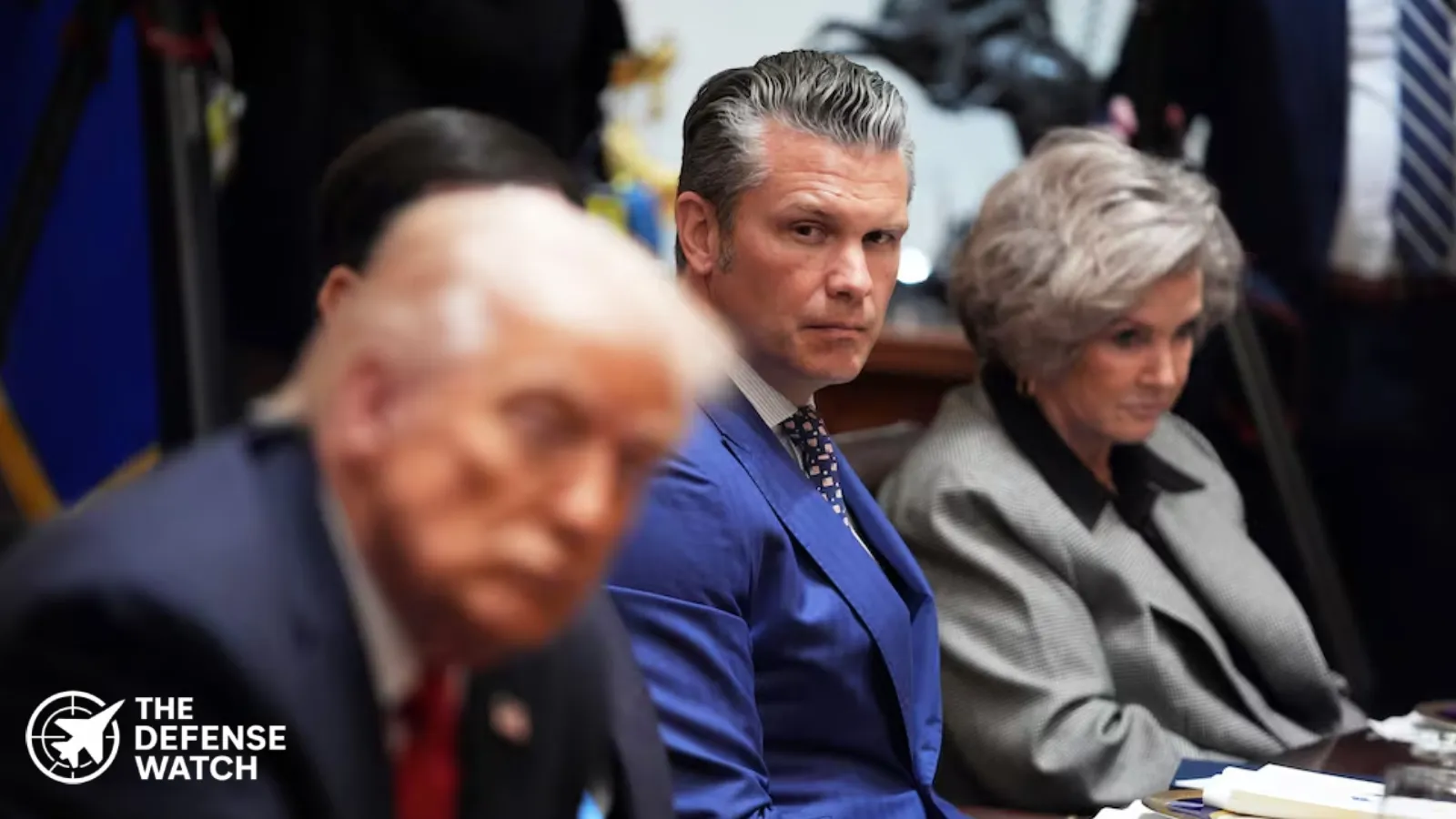
U.S. Secretary of War Pete Hegseth has directed a comprehensive modernization of the military pay system, placing greater emphasis on ensuring service members receive their salaries and benefits while the Pentagon resolves administrative errors.
The initiative, called Warrior Pay Modernization, is intended to address longstanding problems involving delayed payments, manual processing, outdated technology and backlogs in military payroll administration.
According to the U.S. Department of War announcement published on November 25, 2026, Hegseth assigned Pentagon Comptroller Jules W. Hurst III responsibility for leading the transformation. The directive was initiated through a November 13 memorandum titled Modernizing Total Force Pay.
The order establishes a central principle for handling payroll disputes: service members should continue receiving their earned pay while the department investigates discrepancies and corrects administrative records.
The initiative is an administrative modernization program rather than a change to military compensation rates. Its eventual impact will depend on how quickly the Pentagon can replace legacy processes and integrate the new capabilities across the military services.
Why the Pentagon Wants to Replace Its Existing Pay Processes
The existing military pay process relies on legacy systems and administrative procedures that can require significant manual intervention.
In remarks accompanying the initiative, Hegseth identified a growing backlog of pay-related problems, delayed benefits and payment errors. He also described the existing process as dating back to 2009.
For military personnel, payroll problems can affect more than routine monthly payments. Errors involving allowances, duty assignments, personnel status, deployments and changes in service can create financial uncertainty for individuals and their families.
The Pentagon’s proposed approach changes how disputed payments are handled. Rather than automatically withholding a service member’s normal pay while an administrative issue is investigated, the department intends to prioritize payment and resolve the underlying discrepancy separately.
This approach could reduce the financial consequences of administrative mistakes, although it will require reliable procedures for identifying incorrect payments and recovering amounts when necessary.
The challenge is particularly important for personnel serving away from their home installations, where resolving payroll discrepancies can involve multiple administrative offices.
What the Warrior Pay Modernization Initiative Will Change
The directive gives the Defense Finance and Accounting Service (DFAS) a central role in modernizing the Defense Joint Military Pay System (DJMS).
The publicly described modernization priorities include two major technology changes.
1. Mobile access to military pay services
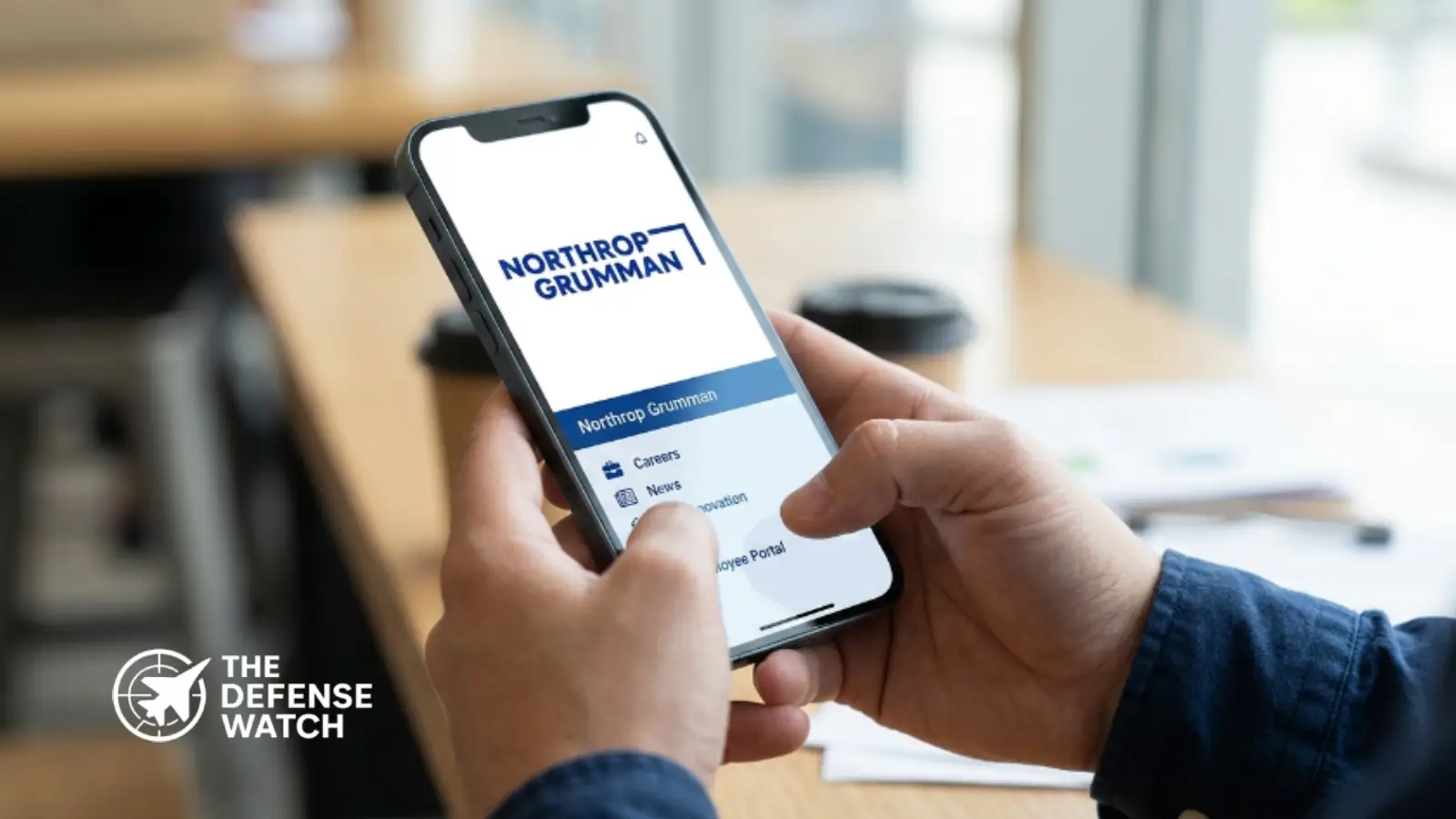
The Pentagon intends to introduce a globally accessible, phone-based application through which service members can review pay information and submit requests for assistance.
A mobile interface could make it easier for personnel to access payroll information without relying on traditional administrative channels.
It could also improve communication between service members and the offices responsible for resolving payment problems.
However, the department has not publicly established a release date, detailed application specifications or the full range of services that will be available through the platform.
2. Cloud-based joint military pay system
The second priority is transforming military payroll administration into a cloud-based, self-service system.
The objective is to improve how military pay information is processed and accessed across the services.
A more unified system could reduce duplicated administrative work and improve coordination between personnel management and payroll functions.
It would also support the longer-term objective of creating a consistent pay administration framework for active-duty personnel, reservists and other eligible beneficiaries.
The Pentagon has not yet provided a complete implementation schedule or identified the specific technology providers involved.
The $216.5 Million Budget Behind the Modernization
The initiative also has a significant financial dimension.
The Department of War’s fiscal year 2027 budget justification, published in April 2026, identifies $216.5 million in requested funding for military pay modernization through DFAS.
The funding is specifically associated with modernizing the Defense Joint Military Pay System.
The budget document outlines a broader technical approach that goes beyond introducing a mobile application.
Its planned activities include:
- Updating existing DJMS capabilities to address backlogged pay requirements.
- Reducing manual processing and improving the completeness of legacy software code.
- Converting legacy COBOL programming into modern technologies, including Java.
- Introducing modern interface technologies, including potential applications of agentic artificial intelligence.
- Improving the architecture used to manage data connected to military payroll.
These activities indicate that the Pentagon is addressing the underlying payroll infrastructure, not simply developing a new user interface.
The $216.5 million figure is a budget request identified in the FY2027 justification. It should not be interpreted as a newly awarded technology contract or confirmed expenditure resulting from Hegseth’s November directive.
The same budget document also identifies a broader DFAS modernization effort involving the Total Force Pay business line, which is intended to consolidate and standardize pay applications and customer-service channels.
Why Replacing Legacy Payroll Technology Matters
Military payroll is a complex administrative function involving personnel records, service status, compensation rules, financial institutions and government accounting systems.
Modernizing one part of this infrastructure without addressing its connections to other systems could leave many of the existing problems unresolved.
For example, a payroll platform must receive accurate personnel information before it can calculate the correct payment. If a service member’s assignment, status or eligibility information is outdated, a technically modern payroll system could still produce an incorrect result.
This makes integration between human resources and financial management systems a central part of the modernization effort.
The FY2027 DFAS budget document specifically identifies the need to modernize the military pay engine and create a more unified system for processing compensation across the military departments.
It also describes the use of modern data architecture to improve the handling of information that supports payroll operations.
The proposed transition from COBOL to Java is particularly relevant because legacy programming environments can make software maintenance and integration more difficult.
However, replacing established code in a payroll system requires careful testing. Errors in compensation calculations can affect large numbers of personnel, making reliability and data validation essential throughout the transition.
What the Initiative Means for Military Readiness
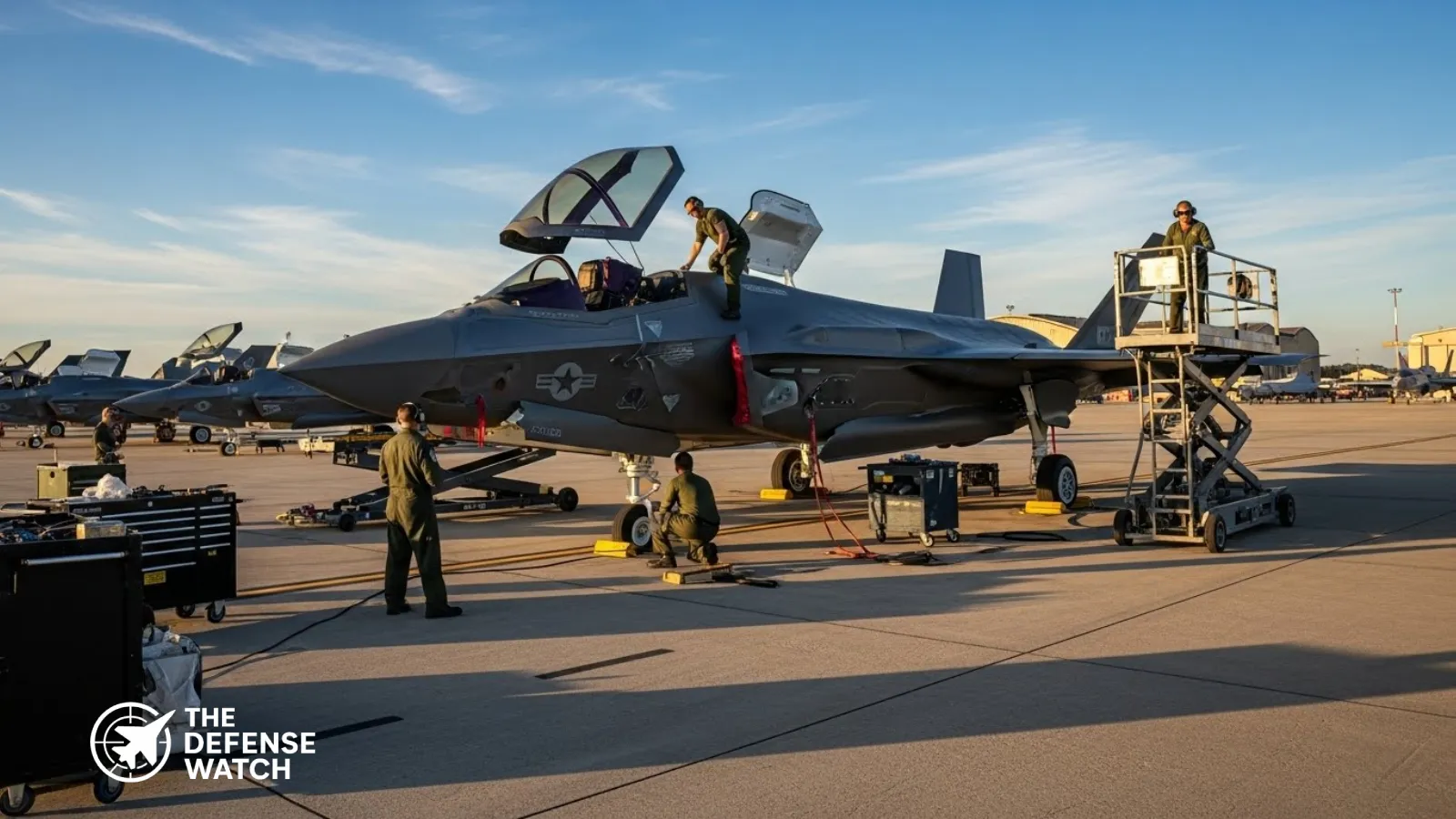
Military pay administration is not normally considered a combat capability, but it supports the personnel infrastructure required to sustain an operational force.
Service members must be able to concentrate on training, deployments and assigned duties without unnecessary financial uncertainty caused by administrative failures.
A more dependable payroll system could also improve personnel retention and confidence in military administration.
The DFAS FY2027 budget justification explicitly connects timely and accurate military compensation with the department’s ability to attract and retain personnel.
The potential benefits extend across the active and reserve components. A unified approach could also improve the transition of personnel into retirement and, where applicable, subsequent civilian employment within the department.
Nevertheless, technology alone will not resolve every payroll problem.
Accurate personnel records, consistent administrative procedures, cybersecurity protections and coordination between military departments will remain essential.
The proposed cloud infrastructure will also need appropriate access controls and safeguards for sensitive personal and financial information.
For a system handling compensation information for military personnel worldwide, security and availability must be treated as operational requirements rather than secondary software features.
Modernization Still Faces Implementation Questions
Hegseth’s directive establishes the Pentagon’s priorities, but several important details remain unclear.
The department has not publicly provided a comprehensive deployment schedule, detailed transition milestones or a confirmed date for the mobile application’s availability.
It has also not explained how the new platform will interact with every existing military personnel and payroll system.
The transition will require coordination between DFAS, the military departments and the organizations responsible for maintaining personnel records and financial information.
There is also an important distinction between improving access to payroll information and fixing the underlying administrative processes that generate payment errors.
A mobile application may make it easier to report a problem, but the actual improvement will depend on how efficiently the department can investigate and resolve it.
The Pentagon’s stated priority of paying service members while disputes are investigated is therefore an important policy change. Its practical effectiveness will depend on the procedures and financial controls introduced to implement it.
For now, Warrior Pay Modernization represents a broad effort to address an often-overlooked part of military readiness: the financial administration supporting the people who operate the force.
Enjoying our coverage?
Make The Defense Watch a preferred source on Google to see more of our geopolitical and defense insights when relevant to you.