Saab Pitches Comprehensive Industrial Plan for Gripen E Production in India
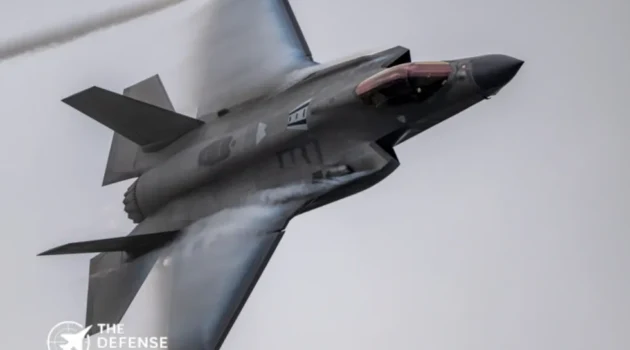
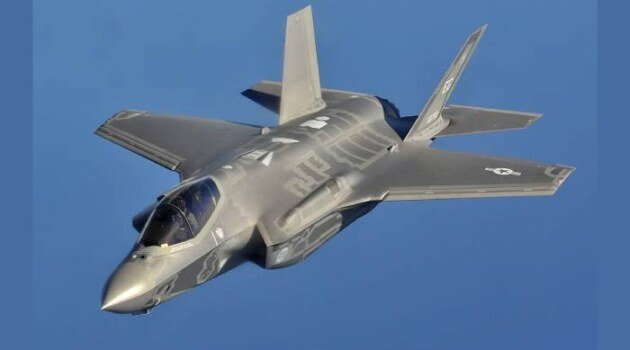
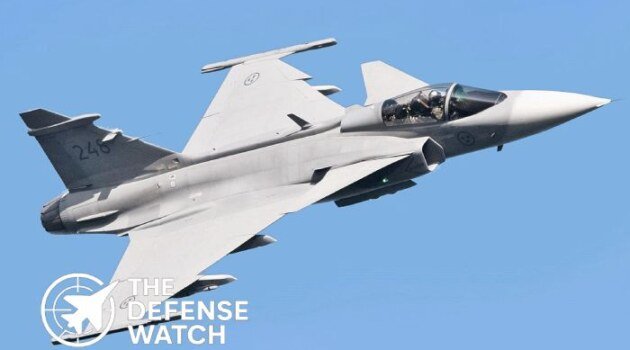
Swedish defense manufacturer Saab AB has formally offered the Gripen E multirole fighter jet to the Government of India, presenting a comprehensive industrial partnership that extends beyond aircraft sales to include design, production, and long-term sustainment capabilities across India’s defense manufacturing sector.
Speaking at the Singapore Airshow on February 9, 2026, Mikael Franzén, Saab’s Chief Marketing Officer for Gripen and Vice President of Business Area Aeronautics, revealed that the proposal involves more than 300 tier 1, tier 2, and tier 3 companies, including micro, small, and medium enterprises throughout India. According to Franzén, deliveries could commence as early as the third year following contract signature, with aircraft initially manufactured in Sweden before production rapidly transitions to Indian facilities.
The offer comes at a critical time for the Indian Air Force, which currently operates well below its authorized strength of 42 squadrons. The IAF’s existing fleet includes Dassault Rafale, HAL Tejas, Sukhoi Su-30MKI, upgraded MiG-29, Mirage 2000, and Jaguar aircraft, but retirements of older platforms such as the MiG-21 have outpaced new inductions.
Strategic Positioning Between Rafale and Tejas
Saab positions the Gripen E as a complementary platform that fills the operational gap between India’s heavyweight Rafale fighters and the domestically produced Tejas light combat aircraft. Franzén emphasized that the Gripen E could be inducted quickly and in larger numbers compared to heavier twin-engine fighters, directly addressing the IAF’s numerical deficiency while reducing operational pressure on higher-cost assets during routine air defense and tactical missions.
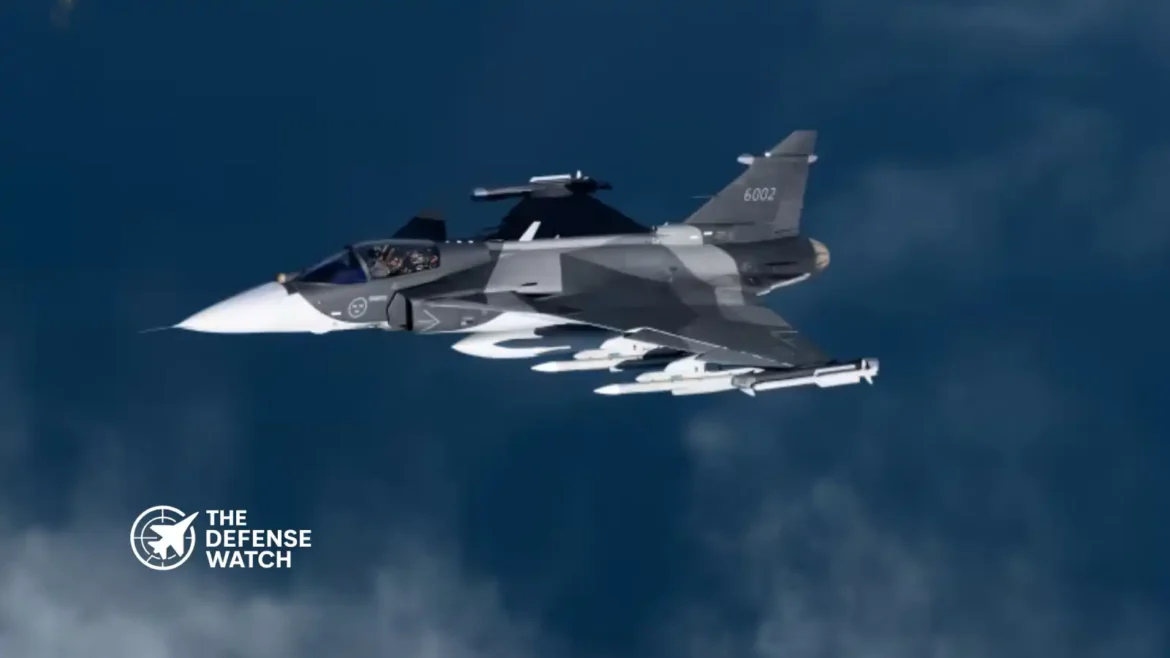
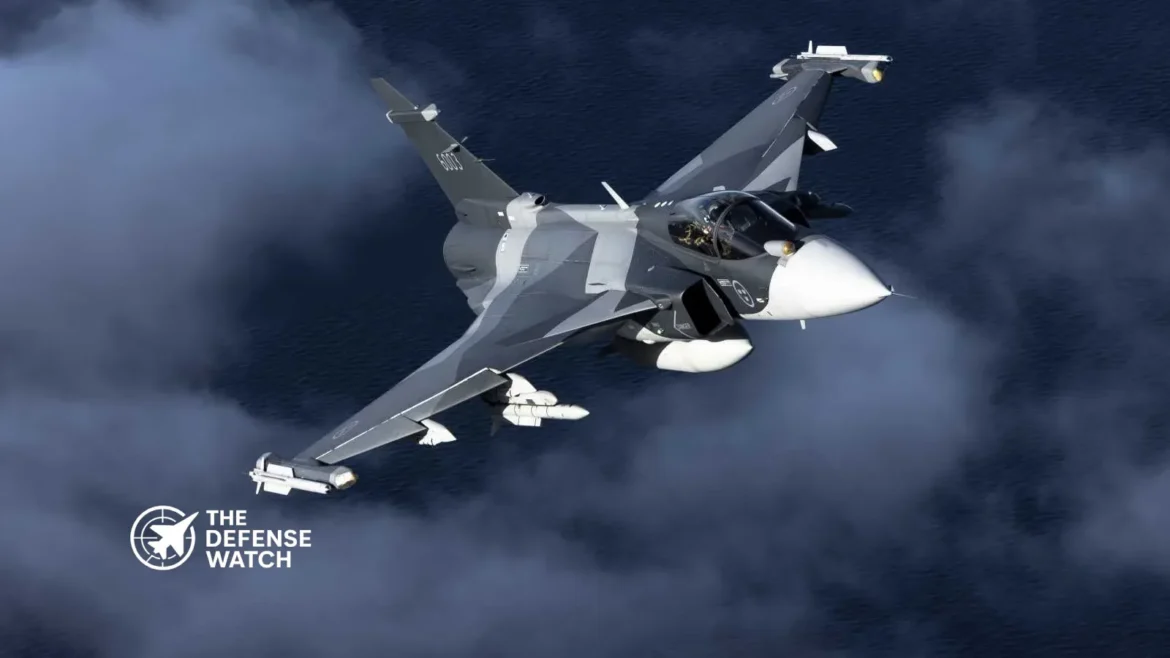
The Gripen E represents a medium-weight, single-engine fighter with a maximum takeoff weight of 16,500 kg. Powered by the General Electric F414G turbofan engine producing 98 kN of thrust, the aircraft achieves speeds exceeding Mach 2 and features ten external hardpoints capable of carrying a diverse weapons loadout including Meteor beyond-visual-range missiles and IRIS-T short-range air-to-air missiles.
Advanced Sensor Fusion and Software Autonomy
The Gripen E integrates several advanced systems that distinguish it from competitors in the Indian procurement landscape. The aircraft features the Raven ES-05 active electronically scanned array radar mounted on a repositionable swashplate, providing expanded field of regard. This radar works in conjunction with an infrared search and track system and an internal electronic warfare suite to deliver 360-degree spherical coverage.
A significant technological differentiator highlighted by Saab is the aircraft’s modular mission system architecture, which separates mission-critical software from flight-critical systems. According to Saab, this design allows operators to develop, qualify, and certify their own mission software—including electronic warfare logic and artificial intelligence functions—without manufacturer involvement. This capability contrasts with platforms where upgrade cycles remain tightly controlled by original equipment manufacturers.
The Gripen E recently completed its first artificial intelligence-controlled flight, demonstrating the platform’s potential for integrating national AI software directly into the avionics core. For the Indian Air Force, this could enable autonomous capability development aligned with indigenous defense initiatives without prolonged fleet grounding due to foreign certification schedules.
Austere Basing and Rapid Turnaround Capabilities
Unlike conventional fighters optimized for established air base infrastructure, the Gripen E is specifically engineered for dispersed operations from unprepared bases, highways, and short airstrips. Saab states the aircraft can be refueled and rearmed for air-to-air missions in under 15 minutes with minimal ground crew requirements, with general combat turnaround times ranging from 15 to 25 minutes.
This austere basing capability aligns with distributed operations concepts and provides operational resilience against potential adversary strikes on fixed air bases. The design also incorporates extreme climate tolerance, addressing India’s diverse operational environments from high-altitude Himalayan sectors to tropical coastal regions.
The airframe measures 15.2 meters in length with an 8.6-meter wingspan and is equipped with a Mauser BK 27mm internal cannon on single-seat variants. The aircraft’s certified maneuvering limit extends to +9g, supporting high-performance air combat maneuvering.
Addressing India’s Fighter Fleet Challenges
India’s procurement challenges extend beyond simple aircraft acquisition. The IAF has sought assistance from Oman and Ecuador to maintain its aging Jaguar strike aircraft fleet, and recently signed an agreement with a U.S. company to modernize approximately 100 Russian-origin MiG-29 fighters. Simultaneously, India continues evaluating options for fifth-generation stealth fighters, including the indigenous Advanced Medium Combat Aircraft (AMCA), Lockheed Martin’s F-35, and Russia’s Su-57.
The Gripen E proposal addresses multiple challenges simultaneously: expanding the number of mission-ready fighters available to squadron commanders, establishing scalable domestic production infrastructure to rebuild squadron strength, and providing a technology platform capable of long-term modernization with minimal foreign dependency.
The industrial partnership proposed by Saab would create multi-tier supply chains incorporating Indian companies across design, manufacturing, and sustainment activities. This approach mirrors India’s “Make in India” defense manufacturing objectives while potentially accelerating technology transfer beyond traditional offset arrangements.
Interoperability and Network-Centric Operations
The Gripen E’s avionics suite supports multi-sensor data fusion and networked operations through integrated communication systems including Link 16, national tactical data links, and IFF Mode 5 identification. The cockpit features a wide-area display and helmet-mounted display system presenting fused sensor data to support pilot decision-making in complex operational environments.
These capabilities enable interoperability with joint and allied forces, a consideration for the IAF given India’s growing defense partnerships with the United States, France, Israel, and other nations. The platform’s modular architecture also supports integration of indigenous sensors, weapons, and electronic warfare systems developed by India’s Defense Research and Development Organisation (DRDO) and private sector partners.
Timeline and Production Transition
According to Saab, the proposed timeline includes initial deliveries from Swedish production facilities beginning in the third year following contract signature, followed by a rapid transition to Indian manufacturing. The company has not disclosed specific annual production rates or total order quantities under discussion with Indian authorities.
The IAF’s current procurement planning includes ongoing induction of Rafale fighters under existing contracts, continued production of Tejas Mk1A variants by Hindustan Aeronautics Limited, and development of the more capable Tejas Mk2. Whether the Gripen E proposal will advance to formal competition or direct negotiation remains undisclosed by Indian defense officials.
Industry observers note that any major fighter acquisition must navigate India’s defense procurement procedures, including technical evaluations, life-cycle cost assessments, and technology transfer negotiations. Previous competitions for medium multirole combat aircraft have encountered delays and revisions, suggesting extended timelines before final contract decisions.
The Gripen E currently serves with the Swedish and Brazilian air forces, with Thailand having placed orders for the type. Saab continues marketing the platform to additional customers seeking modern multirole capabilities with lower acquisition and operating costs compared to twin-engine heavyweight fighters.
Saab Gripen E/F Production Ramps With Brazil Assembly Line
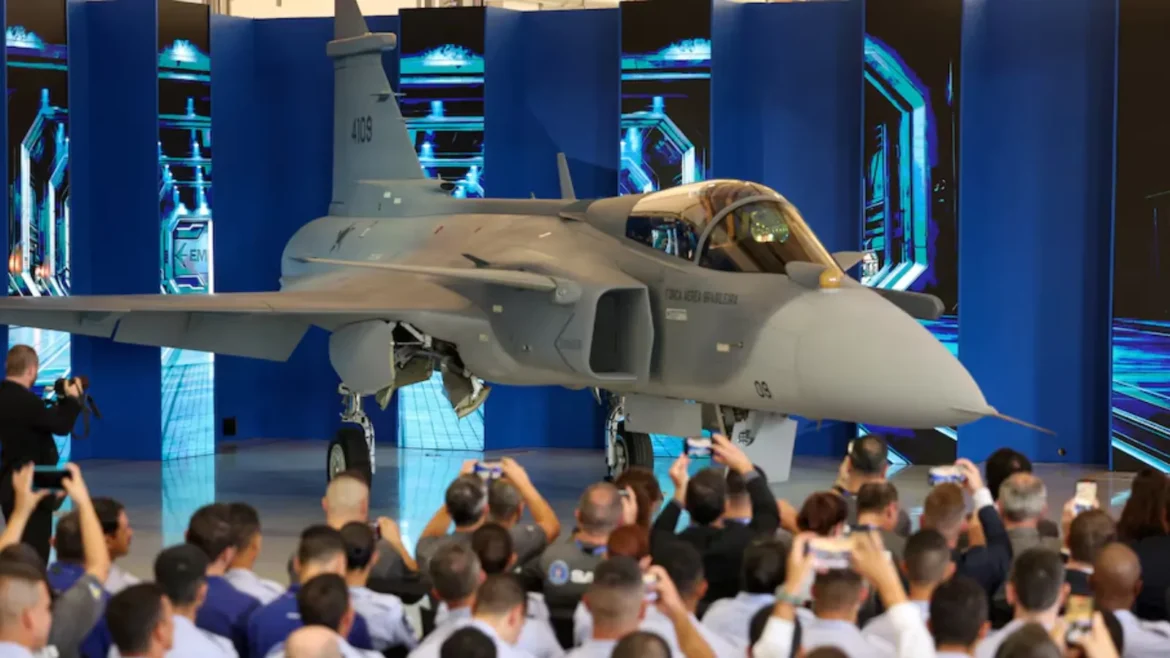
Saab’s target to build 36 Gripen E/F fighters per year marks a major shift in production capacity for one of the world’s key light combat aircraft programmes. The Swedish defence firm is boosting output as its Brazilian assembly line prepares to deliver its first aircraft to the Brazilian Air Force (FAB) this year.
The plan was outlined at the Singapore Airshow where Saab’s marketing lead for the Gripen programme said the company is investing heavily to raise production capacity. The goal is to reach a steady annual rate of 36 aircraft, reflecting both existing orders and potential future contracts.
Brazil Becomes First Latin American Fighter Producer
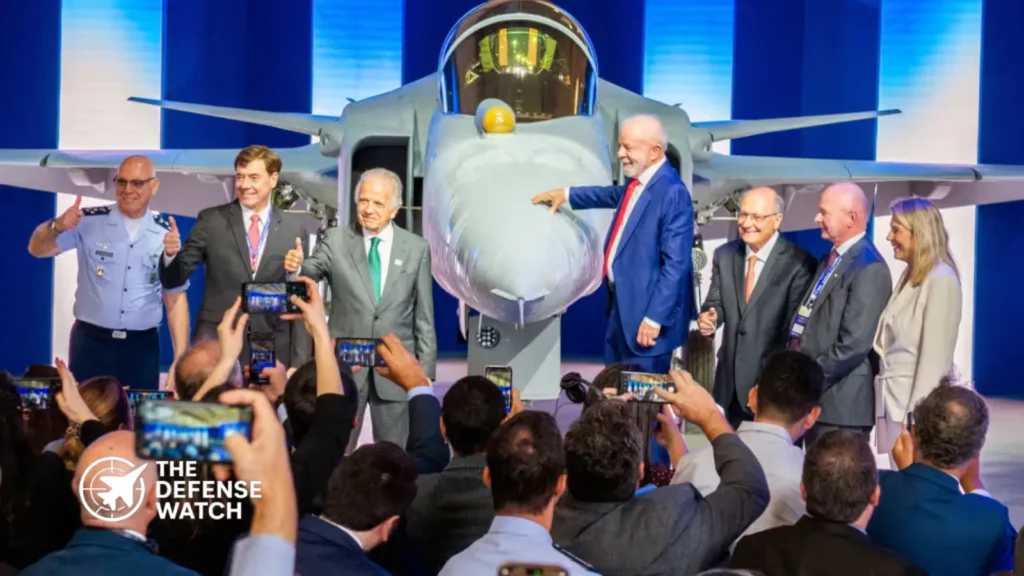
Saab and Brazilian partner Embraer established a final assembly line in Gavião Peixoto, São Paulo State, where the first locally assembled Gripen will be delivered in early 2026. This facility will handle final assembly for a portion of Brazil’s 36-aircraft order, under a broad tech transfer agreement between the two companies.
The Brazil line is the only Gripen final assembly site outside Sweden and represents a major milestone in Brazil’s aerospace sector. Embraer’s workforce has been trained in Sweden and will complete fighter assembly, functional testing and production flights prior to delivery.
Growing Global Demand for Gripen E/F
Brazil is the launch customer for the F-39 designation of the Gripen E/F, but the production increase is linked to wider international interest. Saab cites firm orders and ongoing opportunities in markets including Sweden, Colombia, and Thailand as underpinning the need for greater output.
Other countries have expressed interest in the aircraft as a cost-effective alternative to heavier jets, and Saab has discussed production options in Canada, potentially duplicating the Brazil model of local assembly.
Production Challenges and Delivery Timeline
Aircraft programmes of this scale often face schedule pressures. Independent reporting suggests Brazil’s deliveries, originally expected to finish in the mid-2020s, may now extend to around 2032 given contractual changes and budgetary factors.
So far Brazil has received several Swedish-built Gripen Es, with the locally assembled jets soon to join the fleet. Fifteen of the 36 jets are slated for assembly at the Brazilian line, with the balance completed in Sweden.
Strategic Context for Saab and Global Air Forces
The effort to scale Gripen production comes against a backdrop of shifting global fighter markets. Non-US manufacturers such as Saab are gaining traction as some customers seek alternatives to traditional suppliers amid changing geopolitical currents.
For the Brazilian Air Force, the F-39 fleet is central to its modernisation drive, replacing older jets and providing a multi-role capability. The expansion of production throughput could give Saab a competitive edge in future international tenders.
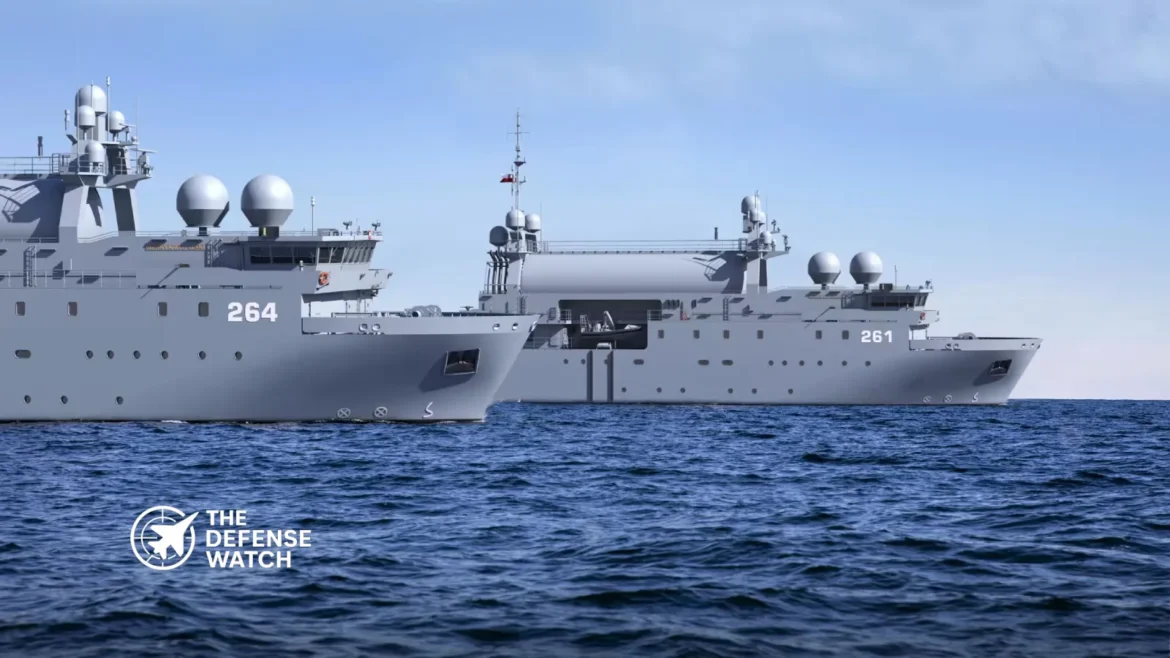
Saab has launched Poland’s second Polish SIGINT ship ORP Henryk Zygalski, advancing Warsaw’s maritime intelligence assets under the Delfin program.
Saab held a ceremony in Gdańsk on January 14 2026 to mark the launch of the second and final signals intelligence (SIGINT) vessel built for the Polish Navy under the Delfin program.
Program Context and Industry Roles
The vessel ORP Henryk Zygalski follows the first SIGINT ship ORP Jerzy Różycki, launched in July 2025. Saab serves as prime contractor, with Remontowa Shipbuilding constructing the hulls and Polish firm MMC contributing design support.
Saab is responsible for integrating the mission systems that will enable the ships to collect electronic intelligence across the maritime spectrum as part of their SIGINT role.
Capabilities and Next Steps
Strategic Context
The launch underlines ongoing cooperation between Swedish and Polish defense industries and reflects broader Baltic security concerns.
Sweden Orders Saab Trackfire Remote Weapon Station
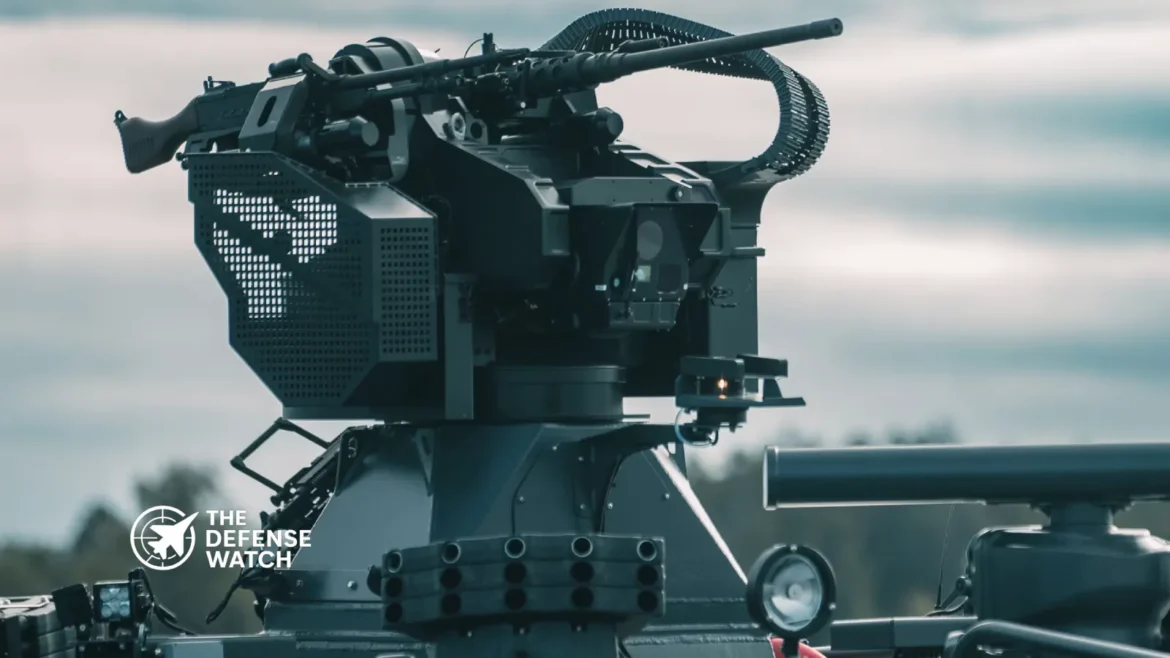
Sweden’s Defence Materiel Administration (FMV) has awarded Saab a contract for the Trackfire Remote Weapon Station (RWS), the company confirmed in a press release. The order, valued at about SEK1.5 billion, was booked in the fourth quarter of 2025 with deliveries scheduled from 2026 through 2028 for the Swedish Army and Amphibious Battalion 2030 program.
Contract Details and Purpose
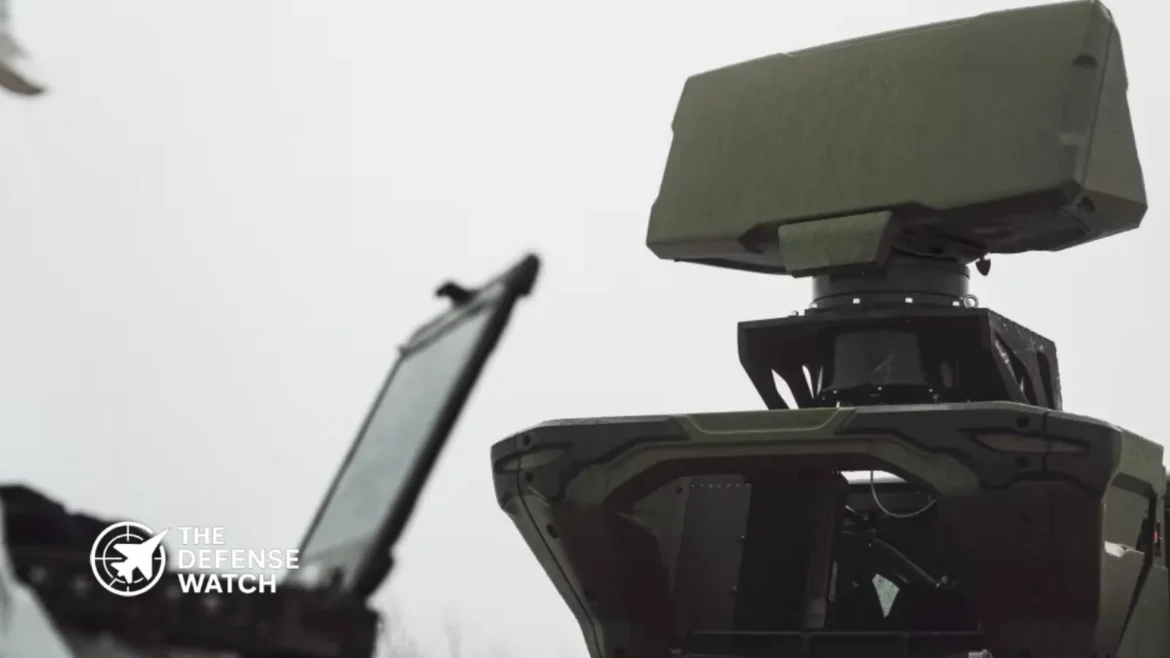
The FMV award covers Saab’s Trackfire RWS family, including the newer Trackfire ARES (Aerial Response) variant equipped with a 30×113 mm M230LF Bushmaster chain gun as its main weapon. The configuration is designed to offer effective counter-drone (C-UAS) capability alongside traditional fire roles.
Saab says the fully stabilized remote station provides precision engagement on the move, whether mounted on land vehicles, naval vessels, or in fixed defense positions. The company did not list specific platform integrations but past deployments have included patrol craft and armored vehicles.
Role in Swedish Force Modernization
FMV’s acquisition aligns with Sweden’s broader push to modernize its ground and littoral forces under initiatives like the Amphibious Battalion 2030 effort. The program aims to enhance the operational effectiveness and flexibility of amphibious units within the Swedish Armed Forces.
Carl-Johan Bergholm, head of Saab’s business area Surveillance, said the selection of Trackfire reflects Saab’s commitment to meet evolving defense requirements and support future capabilities.
System Capabilities
Trackfire RWS is a stabilized, remotely operated system featuring integrated sensors and fire control. It supports multiple weapon types and offers precision engagement while on the move. The ARES configuration adds focused air response capability that may strengthen point defense against unmanned threats.
Poland Approves Saab A26 Submarine Acquisition
WARSAW — The Polish Ministry of National Defense has officially selected Sweden’s Saab A26 Blekinge-class submarine to fulfill its naval modernization ambitions, a move aimed at enhancing Warsaw’s deterrence posture in the Baltic Sea. The decision, announced on Nov. 26, follows a competitive evaluation involving six European and Asian contenders. Poland intends to procure three A26 submarines under its Orka program, with the contract expected to be finalized by year’s end.
“This is a great day for the security of the Polish state, a great day for the Polish Navy,” said Deputy Prime Minister and Defense Minister Władysław Kosiniak-Kamysz. “We are finalizing our promise, fulfilling what we have declared. Poland will acquire three submarines under the Orka program. This decision builds a new security architecture in the Baltic Sea.”
Background: Modernization and Strategic Necessity
Poland’s naval forces have relied on a single, aging Soviet-designed Kilo-class submarine, the ORP Orzel. The selection of the A26 aligns with Warsaw’s broader naval modernization program, driven in part by regional tensions following Russia’s invasion of Ukraine.
The Orka program also envisions equipping the new submarines with cruise missile capabilities, significantly enhancing Poland’s deterrence potential. A “gap-filler” submarine is planned for delivery in 2027 to train crews ahead of the A26’s operational entry in 2030.
European Union support is a key component of the procurement strategy, with Warsaw leveraging loans from the EU’s SAFE program, totaling €43.7 billion ($50.7 billion) for arms purchases.
Saab A26 Submarine: Advanced Capabilities
The A26 is marketed as a fifth-generation submarine optimized for stealth in the Baltic environment. Saab emphasizes the vessel’s very low acoustic and magnetic signatures, positioning it among the hardest-to-detect submarines globally.
“Saab’s offer, featuring submarines tailored for the Baltic Sea, is the right choice for the Polish people. It will significantly enhance the operational capability of the Polish Navy and benefit the Polish economy,” said Saab President and CEO Micael Johansson.
Poland’s defense industry will play a role in the program through collaboration with PGZ Naval Shipyard, an arm of the state-run Polska Grupa Zbrojeniowa (PGZ). The degree of domestic industrial participation and overall program cost are still being finalized, with analysts noting that initial estimates may increase.
Procurement Timeline and Strategic Implications
Polish delegations assessed submarine offers from Sweden, France, Germany, Italy, Spain, and South Korea. Saab’s readiness to cooperate with local defense industries reportedly influenced the final selection.
The government anticipates signing the procurement contract with Sweden in the coming weeks. The first of three A26 submarines is expected to enter service by 2030, though delivery delays experienced in Sweden may affect the timeline.
Analysts suggest that this acquisition strengthens NATO’s northern flank and underscores Poland’s commitment to enhancing its maritime defense. The A26’s advanced stealth and missile capabilities will provide Warsaw with a credible deterrent against regional threats.
Expert Perspective
A Polish defense analyst noted: “The A26 acquisition is a clear signal of Poland’s strategic intent in the Baltic. While the cost and domestic involvement remain to be clarified, the submarines will considerably improve operational readiness and deterrence.”
The procurement also reflects Warsaw’s preference for EU-based defense partnerships, supporting industrial cooperation and long-term regional security.
Closing: Next Steps
Poland’s selection of the Saab A26 marks a pivotal step in the modernization of its naval forces. The upcoming contract finalization, local industrial integration, and phased delivery of the submarines will be key milestones to watch. With the first vessel planned for 2030, the A26 program is poised to redefine the Polish Navy’s operational capabilities in the Baltic region.
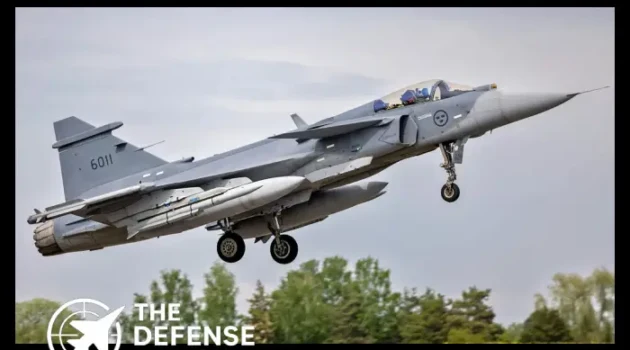
On 20 October 2025, Swedish Air Force (SwAF) formally accepted into operational service the first of its ordered Saab JAS 39 Gripen E multirole fighter aircraft. The hand-over ceremony took place at the Skaraborg Wing (F 7) at Såtenäs air base, with officials from the Swedish Defence Materiel Administration (FMV), SwAF leadership and manufacturer Saab AB in attendance.
The aircraft marks the first new-build generation of this type for Sweden: although Brazil has previously received Gripen E jets, this is the first operational delivery to the country of origin.
Sweden has ordered 60 Gripen E units, though it will retain a portion of its older Gripen C/D fleet in parallel for a “relatively long period of time”.
Technological Advancements and Capabilities
The Gripen E represents what Swedish authorities describe as “in all essential respects a completely new aircraft”. Compared to the earlier C/D variants, major upgrades include:
- A more powerful engine: the GE F414-GE-39E afterburning turbofan, giving increased thrust.
- An AESA (active electronically scanned array) radar and IRST (infrared search and track) system, improving sensor suite and situational awareness.
- Ten hardpoints for weapon carriage (increased from earlier versions) and expanded fuel capacity (~30 % more) for longer range.
- Advanced electronic warfare/self-protection systems and an open mission system architecture enabling future upgrades.
SwAF noted that the platform is designed for operations in a “contested environment” — one where the airspace cannot be fully controlled. SwAF also emphasized that despite the upgrades, the Gripen E retains the “easy to fly and maneuver” qualities of the earlier variants, assisting pilot transition.
Strategic Context for Sweden
The induction of the Gripen E underpins Sweden’s broader shift in defense posture in the face of growing regional tensions, especially in the Baltic and Northern European theatre. With its 2024 accession to NATO and an intensified focus on territorial defence and air sovereignty, the Swedish Air Force is modernizing at pace.
In addition, Sweden is already studying the next generation of fighter systems, including options for manned/unmanned systems, with industrial concepts underway.Analysis: Meaning for U.S. Defense and Global Security
For U.S. defense observers, the Swedish induction of the Gripen E offers several meaningful insights:
1. Alliance air-power interoperability and burden-sharing
As Sweden integrates more capable combat aircraft alongside NATO operations, U.S. and allied forces benefit from stronger northern flank deterrence. Enhanced Swedish capabilities mean less burden on U.S. or allied assets in the Nordic/Baltic region.
2. Emergence of “4.5-generation” flexible fighters
The Gripen E is not stealth-fifth-generation, but represents a cost-effective, advanced air-superiority and multirole fighter with modern sensors and networked capabilities. For U.S. technology trend watchers, it underscores that smaller nations are opting for modern yet more affordable platforms rather than solely relying on U.S. fifth-generation jets.
3. Export dynamics and industrial base competition
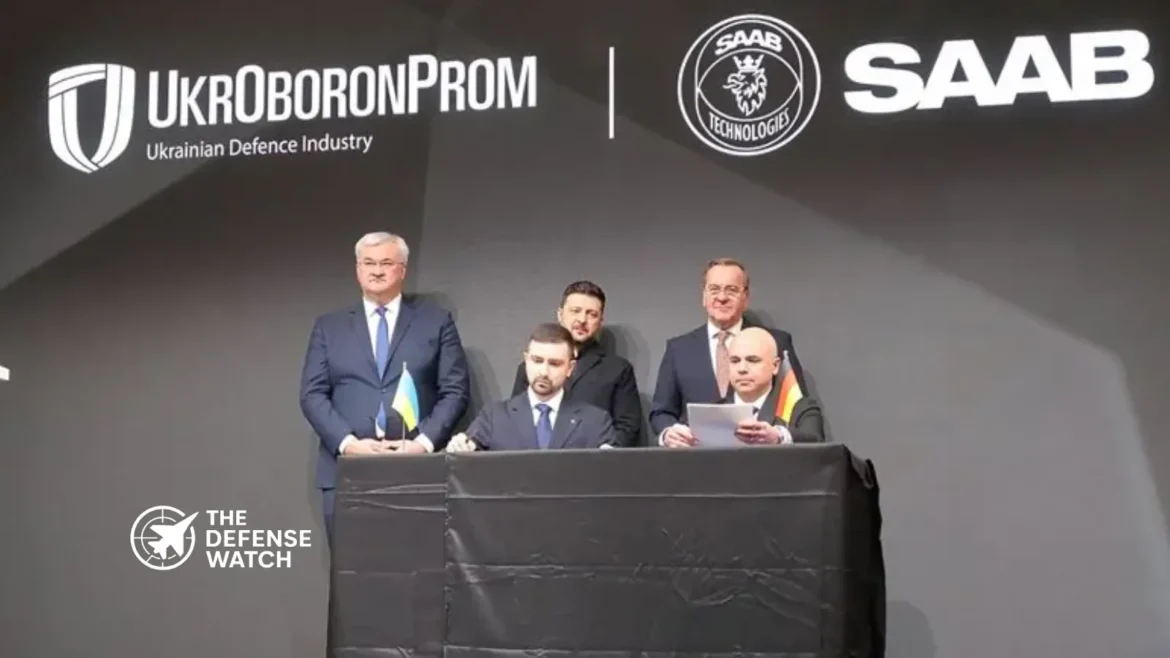
With Sweden positioning Gripen E for export (recent orders by Brazil, Thailand, Colombia; LoI with Ukraine) U.S. defense firms and policymakers should monitor how this platform competes in global markets, influences supply-chain partnerships, and affects U.S. export strategy.
4. Contested-environment mindset in air operations
Sweden’s emphasis that the new jet is built for a “contested environment” speaks to broader shift in air warfare doctrine—dispersed operations, degraded control of airspace, contested ISR and EW. For U.S. planners, this reflects an environment increasingly shared by peer adversaries and allied air forces.Conclusion: What’s Next?
The delivery of the first Gripen E marks a significant step for Swedish air-power. Over the coming years Sweden will ramp production and integrate the fleet, concurrently operating the earlier C/D variants. On the export front, potential deals (notably with Ukraine) could elevate the Gripen line’s global footprint. For the U.S., Swedish capability enhancement bolsters allied deterrence, presents competitive industrial dynamics, and underscores evolving fighter-force design concepts that imply the next moves in air-systems architecture. Observers should watch subsequent Gripen E deliveries, how Sweden fields them operationally (possible Arctic/ Baltic scenarios), and how this intersects with U.S. air-power strategy through 2030.