

Executive Summary:
Air Force Global Strike Command conducted an operational test launch of an unarmed Minuteman III intercontinental ballistic missile from Vandenberg Space Force Base, California. The launch demonstrated the continued readiness, reliability, and effectiveness of the United States’ nuclear deterrent as the Pentagon advances modernization efforts under the Sentinel ICBM program.
Air Force Global Strike Command Conducts Minuteman III ICBM Test Launch
The Minuteman III ICBM remains a central pillar of the United States’ nuclear deterrence strategy, and the latest test launch by the U.S. Air Force highlighted the system’s continuing operational readiness.
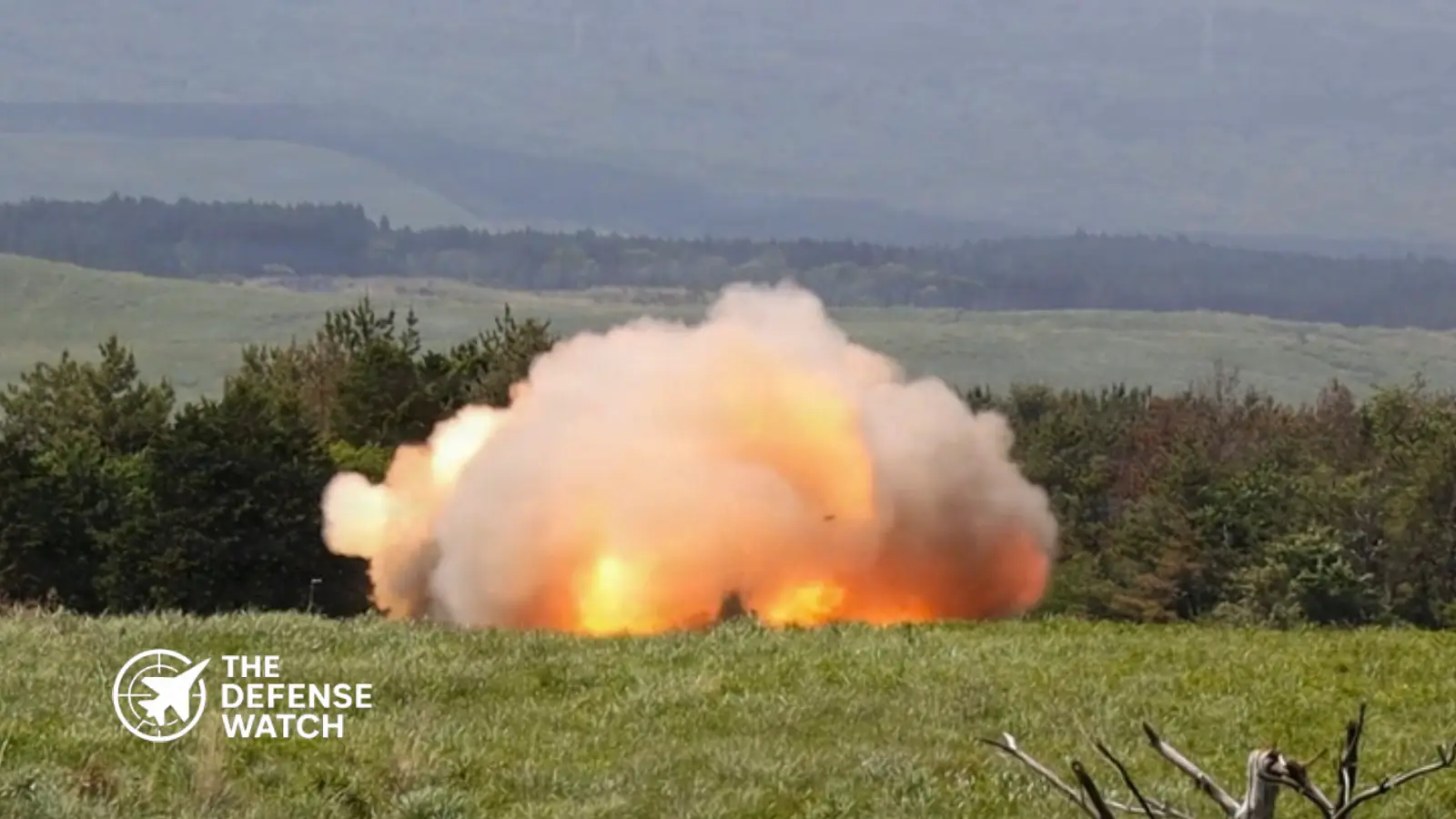
Air Force Global Strike Command, working alongside Space Launch Delta 30, launched an unarmed Minuteman III intercontinental ballistic missile from Vandenberg Space Force Base in California. The missile traveled approximately 4,200 miles to the Ronald Reagan Ballistic Missile Defense Test Site at Kwajalein Atoll in the Marshall Islands.
According to the U.S. Air Force, the test was not conducted in response to current world events. Officials stated the launch was part of routine and periodic activities designed to validate the reliability, accuracy, and effectiveness of the nation’s strategic deterrent force.
The launch involved missile crews, maintainers, helicopter operators, security personnel, and technical teams across multiple commands, demonstrating the operational coordination required to sustain the U.S. nuclear enterprise.
Strategic Deterrence Remains A Core U.S. Defense Priority
The Minuteman III ICBM force forms one leg of the U.S. nuclear triad alongside ballistic missile submarines and strategic bombers. Operated by Air Force Global Strike Command, the land-based missile force provides rapid-response nuclear capability intended to deter large-scale conflict and strategic aggression.
The latest launch comes as Washington continues to emphasize nuclear modernization amid growing geopolitical competition involving Russia and China. U.S. defense officials have repeatedly warned that aging strategic systems must remain credible and survivable while replacement programs are developed and fielded.
Although the Minuteman III first entered service in the early 1970s, the missile has undergone continuous upgrades involving propulsion, guidance, command-and-control systems, and reentry vehicle modernization. These efforts have extended the missile’s operational life far beyond its original design timeline.
Military officials argue that recurring test launches are essential for validating the aging system’s performance and ensuring confidence in the strategic deterrence mission.
Minuteman III Supports U.S. Nuclear Readiness Until Sentinel Arrives
However, the Sentinel program has faced cost growth and schedule pressures, increasing the importance of sustaining the current Minuteman III force over the coming years.
This operational reality places additional focus on test launches such as the one conducted from Vandenberg Space Force Base. These missions provide engineers and military planners with valuable performance data while also signaling continued strategic readiness to allies and adversaries alike.
The Air Force plans to eventually replace the Minuteman III fleet with the LGM-35A Sentinel, formerly known as the Ground Based Strategic Deterrent program. Sentinel is expected to deliver improved survivability, cybersecurity protection, command-and-control integration, and long-term sustainment capability.
The United States currently maintains approximately 400 deployed Minuteman III missiles across bases in Montana, North Dakota, and Wyoming. The missiles are maintained on constant alert status under U.S. Strategic Command oversight.
Vandenberg Continues To Play Key Role In Strategic Missile Testing
Air Force Global Strike Command and Vandenberg Space Force Base have long played critical roles in America’s strategic weapons testing infrastructure.
Vandenberg’s location along the Pacific coast allows the U.S. military to safely conduct long-range missile tests over open ocean corridors toward the Marshall Islands. The range architecture supports ballistic missile testing, missile defense evaluations, and space launch operations.
The latest Minuteman III launch also reflects the broader integration of Air Force and Space Force operations in strategic deterrence and missile tracking missions.
Defense analysts note that regular test launches provide both technical assurance and strategic messaging. By publicly announcing such operations, the Pentagon reinforces transparency regarding routine nuclear readiness activities while demonstrating that the U.S. deterrent remains operational and credible.
Growing Nuclear Competition Shapes Modernization Efforts
The test launch occurred amid accelerating nuclear modernization programs worldwide. Russia continues fielding updated strategic missile systems, while China is rapidly expanding its nuclear arsenal and missile infrastructure.
In response, the Pentagon has prioritized modernization across all three components of the nuclear triad. Alongside Sentinel development, the United States is also advancing the Columbia-class ballistic missile submarine program and the B-21 Raider stealth bomber initiative.
Senior defense leaders have repeatedly argued that maintaining a safe, secure, and effective nuclear deterrent remains essential to preventing large-scale war between nuclear-armed powers.
The Minuteman III test therefore represents more than a technical exercise. It reflects the broader strategic posture of the United States as it balances current deterrence requirements with long-term modernization goals.

Executive Summary:
The Royal Navy is accelerating its focus on uncrewed and autonomous systems after the UK’s First Sea Lord stated that drones are now dominant and decisive in modern warfare. The comments reflect a broader strategic shift driven by lessons from conflicts in Ukraine and the Red Sea, where low-cost drones have challenged traditional naval operations.
Royal Navy Drone Warfare Strategy Gains Urgency
The Royal Navy drone warfare strategy is moving to the center of Britain’s maritime modernization efforts after senior naval leadership warned that the character of war at sea is changing rapidly.
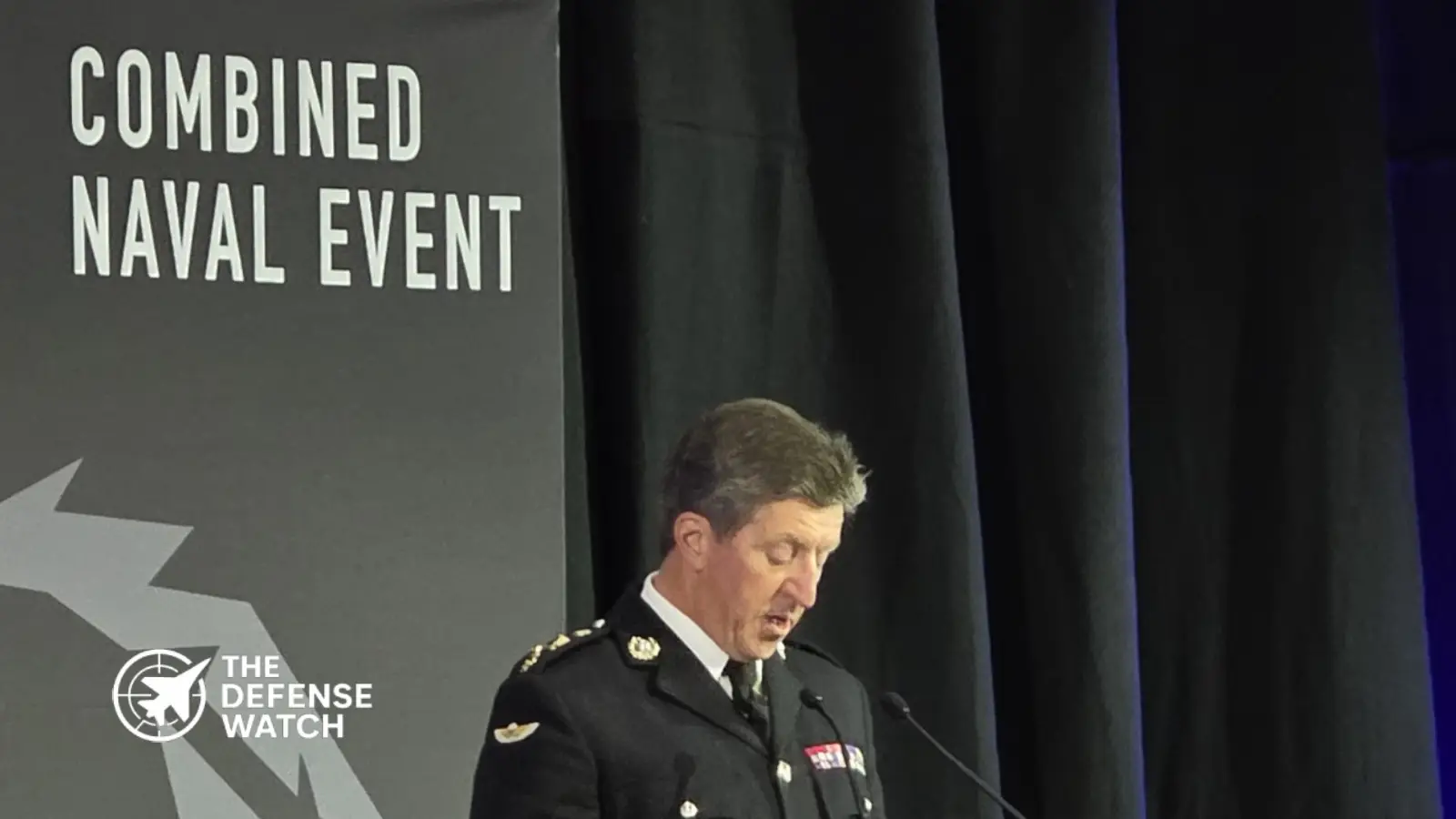
According to remarks by the UK’s First Sea Lord, Admiral Sir Ben Key, drones and autonomous systems are no longer supporting assets but increasingly decisive tools in combat operations. The comments, reflect growing concern among Western militaries over the speed at which uncrewed systems are reshaping naval warfare.
The statement comes as the United Kingdom continues to invest in autonomous maritime technologies, artificial intelligence-enabled surveillance platforms, and uncrewed surface and underwater vessels designed to support fleet operations in contested environments.
Lessons From Ukraine And The Red Sea
British defense planners are closely studying the operational impact of drones in both the Russia-Ukraine war and attacks on commercial shipping in the Red Sea.
In Ukraine, maritime drones have repeatedly targeted Russian naval assets in the Black Sea, forcing Moscow to adapt fleet operations and increase harbor defenses. Low-cost uncrewed systems have demonstrated an ability to threaten larger and more expensive warships, altering long-standing assumptions about naval power projection.
Similarly, Houthi attacks in the Red Sea using drones and missiles have pushed Western naval forces into sustained air and missile defense operations. The operational tempo has highlighted the growing challenge posed by inexpensive autonomous or remotely operated systems against conventional fleets.
Admiral Key’s remarks indicate that the Royal Navy sees these developments as more than temporary battlefield trends. Instead, British naval leadership appears to view autonomous systems as a permanent feature of future maritime conflict.
Royal Navy Expanding Autonomous Capabilities
The Royal Navy has already launched multiple programs focused on autonomous and uncrewed operations.
These efforts include testing uncrewed mine countermeasure systems, autonomous underwater vehicles, and intelligence, surveillance, and reconnaissance platforms. The service has also explored integrating drones with carrier strike groups led by the aircraft carrier HMS Queen Elizabeth.
The UK Ministry of Defence has increasingly emphasized experimentation through initiatives such as the NavyX innovation program, which aims to accelerate the adoption of emerging maritime technologies.
British defense officials argue that autonomous systems can provide several operational advantages, including:
- Reduced risk to personnel
- Lower operating costs
- Greater persistence during surveillance missions
- Faster intelligence collection
- Expanded reach in contested areas
The Royal Navy is also examining how artificial intelligence and machine learning can improve target identification, operational planning, and autonomous coordination between platforms.
Shift In Naval Warfare Doctrine
The First Sea Lord’s warning also points to a broader doctrinal shift among NATO navies.
Traditional naval power has long centered on high-value assets such as destroyers, submarines, and aircraft carriers. However, the growing effectiveness of drones is forcing military planners to reconsider fleet composition and survivability.
Analysts increasingly believe future naval warfare will involve layered networks of crewed and uncrewed systems operating together. Rather than replacing warships entirely, drones are expected to expand reconnaissance coverage, support strike operations, and overwhelm enemy defenses through mass deployment.
This shift mirrors broader trends across NATO militaries, where autonomous systems are becoming central to modernization planning.
The United States Navy has also accelerated work on uncrewed surface vessels and autonomous underwater systems as part of its distributed maritime operations strategy. Likewise, European allies are expanding investment in naval drones and AI-enabled defense systems.
Cost Pressures And Strategic Competition
The rapid rise of drone warfare also presents economic and strategic challenges.
Modern destroyers and frigates can cost billions of dollars to build and maintain, while relatively inexpensive drones may be capable of threatening them through swarm attacks or precision strikes. This cost imbalance is driving militaries to seek more scalable and flexible defense solutions.
For the United Kingdom, the challenge is especially important as London attempts to modernize its armed forces while operating under long-term budget pressures.
The Royal Navy must balance investments in major surface combatants, submarines, and carrier operations with the need to rapidly field autonomous systems capable of responding to emerging threats.
At the same time, Britain faces increasing maritime competition from rivals investing heavily in unmanned technologies and anti-access capabilities.
Maritime Security Implications
The growing use of drones at sea is expected to reshape maritime security operations well beyond traditional naval combat.
Autonomous systems are already being used for:
- Maritime surveillance
- Port security
- Mine detection
- Anti-submarine warfare
- Logistics support
- Intelligence gathering
As these systems become more capable, navies may increasingly rely on mixed human-machine task groups to maintain operational coverage across vast maritime regions.
For NATO members, interoperability between allied autonomous systems is also becoming a growing priority.
The Royal Navy’s latest messaging suggests Britain intends to remain actively involved in shaping that future operating model.
Strategic Outlook
The Royal Navy drone warfare strategy reflects a wider recognition that autonomous systems are changing the balance between cost, survivability, and combat effectiveness in maritime operations.
Admiral Key’s remarks underscore how quickly defense institutions are adapting to lessons emerging from active conflicts. While traditional warships will remain central to naval power, uncrewed systems are increasingly viewed as essential to maintaining operational advantage in contested waters.
The pace of that transformation is likely to accelerate as drone technologies become cheaper, more autonomous, and more integrated into frontline military planning.
The case adds to growing U.S. scrutiny of academic research ties connected to China’s military drone sector.
Executive Summary:
U.S. federal investigators have accused a former University of Michigan research scholar of concealing ties to a Chinese drone company allegedly linked to the People’s Liberation Army. The case reflects growing American concern over research security, academic partnerships, and the transfer of dual-use aerospace technologies tied to China’s military modernization.
Former University Of Michigan Researcher Accused Of Concealing Chinese Military Drone Links
A former University of Michigan researcher is facing federal accusations after U.S. authorities alleged he concealed involvement with a Chinese military drone company while working and traveling in the United States.
According to a criminal complaint, Chinese national Chuan Wang allegedly misrepresented his employment history and denied involvement in military drone development connected to the People’s Republic of China.
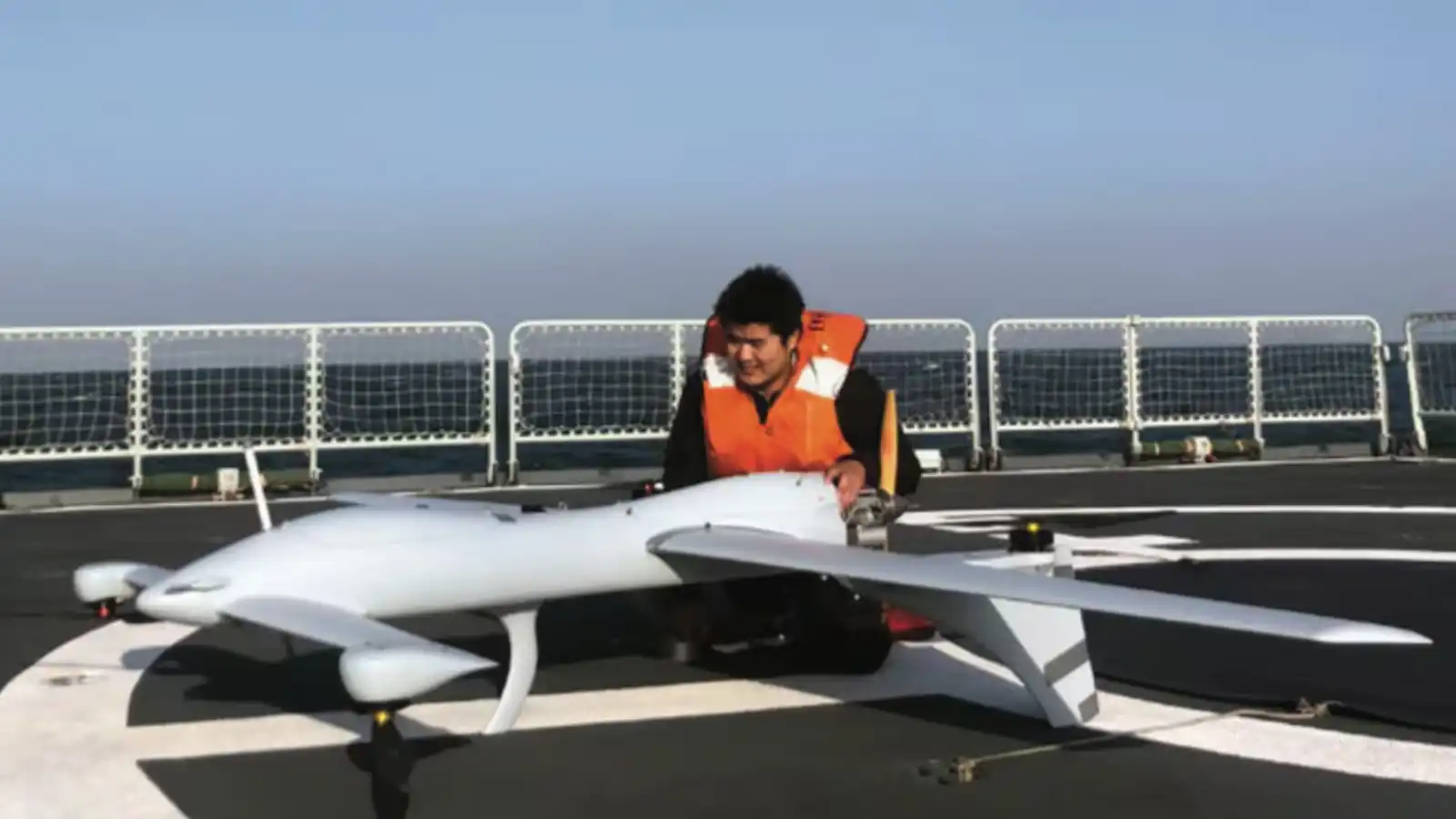
Federal investigators claim Wang co-founded Tianxun Chuangxin Technology, a company described in court filings as a manufacturer of unmanned aerial vehicles and drones supporting the Chinese military. Authorities allege Wang falsely denied participation in military-related aerospace projects during questioning by U.S. Customs and Border Protection officers in 2023.
The case is the latest example of heightened U.S. scrutiny surrounding Chinese-linked academic researchers, aerospace technology transfers, and dual-use drone innovation.
Federal Investigation Focused On Drone Development
Investigators say Wang initially entered the United States in 2012 under a J-1 research visa to conduct aerospace research at the University of Michigan. Court documents indicate his stated research involved aeroelastic wing design and radio-controlled aircraft development.
Authorities later alleged that Wang’s professional background and company affiliations changed repeatedly in visa-related filings over several years. According to investigators, those records included references to engineering and technology firms connected to UAV development in China.
The FBI investigation reportedly intensified after Wang was interviewed at Detroit Metropolitan Airport while preparing to board a flight to China in July 2023. During the interview, investigators said Wang provided inconsistent answers regarding Tianxun and his engineering work. Federal agents later seized and reviewed his mobile phone.
According to the complaint, investigators discovered thousands of files allegedly related to drone design, manufacturing, and sales. Authorities also cited online promotional materials and Chinese-language articles describing Wang as a co-founder of a drone manufacturer serving Chinese military customers.
One message referenced in the complaint allegedly showed confirmation of a payment tied to a bureau associated with the Chinese military.
As of publication, Wang had reportedly not yet been arraigned on charges related to making false statements to federal investigators.
Growing U.S. Concern Over Academic Research Security
The investigation comes amid broader concerns in Washington about the transfer of sensitive aerospace, AI, and drone-related research through academic channels.
In recent years, U.S. lawmakers, intelligence officials, and defense agencies have increasingly warned about China’s military-civil fusion strategy, which seeks to integrate civilian technological innovation into military modernization programs.
The Pentagon and Congress have expanded oversight of federally funded university research, particularly involving artificial intelligence, aerospace engineering, unmanned systems, and advanced materials.
The University of Michigan has faced multiple federal investigations and criminal cases involving Chinese nationals since 2023. Several previous cases involved allegations ranging from unauthorized photography of military facilities to biological material smuggling investigations.
While many U.S. officials argue stronger research security measures are necessary, critics have also warned against broad profiling of Chinese researchers and academics.
The debate reflects a wider policy challenge facing American universities and defense agencies: balancing open scientific collaboration with national security concerns tied to emerging technologies.
Why Drone Technology Remains A Strategic Concern
The allegations surrounding Chinese military drone ties arrive as unmanned systems continue to reshape modern warfare and intelligence operations.
China has rapidly expanded its domestic drone industry over the past decade, producing both commercial and military UAV platforms for surveillance, reconnaissance, electronic warfare, and strike missions. Chinese drone manufacturers have also become major exporters across Asia, Africa, and the Middle East.
U.S. defense officials increasingly view advanced drone technologies, including autonomous navigation, AI-assisted targeting, anti-jamming systems, and long-endurance UAV designs, as strategically sensitive areas vulnerable to technology transfer.
Academic aerospace research involving lightweight airframes, flight controls, propulsion systems, and autonomous operations often carries dual-use implications, meaning technologies developed for civilian applications can also support military systems.
That overlap has placed universities under greater pressure to strengthen disclosure requirements, foreign funding transparency, and vetting procedures for international research partnerships.
Broader Implications For U.S.-China Competition
The Wang investigation highlights the increasingly confrontational environment surrounding U.S.-China technological competition.
Washington has expanded export controls, tightened investment restrictions, and increased scrutiny of Chinese-linked research activity tied to advanced aerospace, semiconductors, artificial intelligence, and defense technologies.
At the same time, U.S. defense officials remain concerned that China’s military modernization strategy relies heavily on acquiring foreign expertise and dual-use innovation through commercial, academic, and civilian channels.
The case may further intensify calls for tighter oversight of university research programs connected to sensitive aerospace and drone technologies.
For defense planners, the issue extends beyond one individual investigation. It reflects a broader struggle over who controls the next generation of autonomous systems, military AI, and advanced unmanned aerial capabilities.
Executive Summary
The U.S. Army has tested a next generation battlefield network designed to connect AH 64 Apache helicopters directly with ground forces in real time. The effort aims to improve targeting, situational awareness, and combat coordination across multi domain operations as the Army modernizes for future high intensity conflicts.
U.S. Army Advances Battlefield Networking With Apache Integration
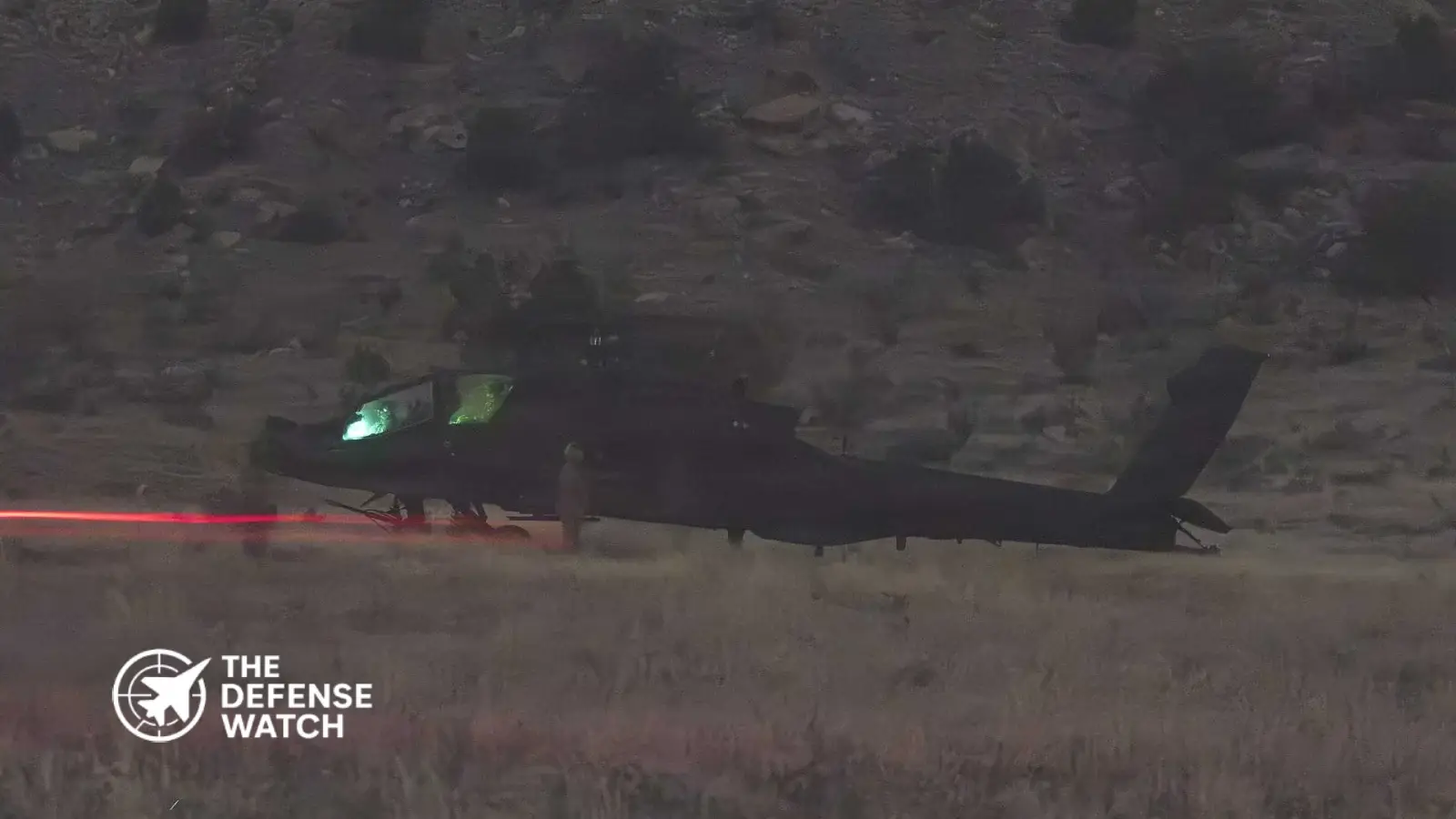
The U.S. Army battlefield network modernization effort took another step forward after the service tested a new communications architecture linking AH 64 Apache attack helicopters with ground combat forces.
The demonstration focused on improving real time information sharing between aviation units and soldiers operating on the ground. The initiative reflects the Army’s broader push toward integrated multi domain warfare and faster battlefield decision making.
The testing effort centered on enabling Apache crews to exchange operational data directly with tactical ground units, reducing delays in identifying threats and coordinating combat actions. The Army continues to prioritize resilient battlefield communications as modern conflicts increasingly depend on rapid data transmission and network survivability.
Why The Battlefield Network Matters
The U.S. Army battlefield network has become a core pillar of the service’s modernization strategy. Future combat operations are expected to involve highly contested electromagnetic environments where communications systems may face jamming, cyber attacks, and degraded connectivity.
By integrating airborne and ground assets into a unified network, commanders can shorten sensor to shooter timelines and improve operational awareness across dispersed formations. In practical terms, this allows Apache helicopter crews to identify threats, transmit targeting data, and coordinate with troops on the ground more efficiently.
The Army has repeatedly emphasized that future warfare will require seamless coordination between manned aircraft, drones, artillery systems, armored units, and command elements. The latest network testing appears designed to support that broader operational concept.
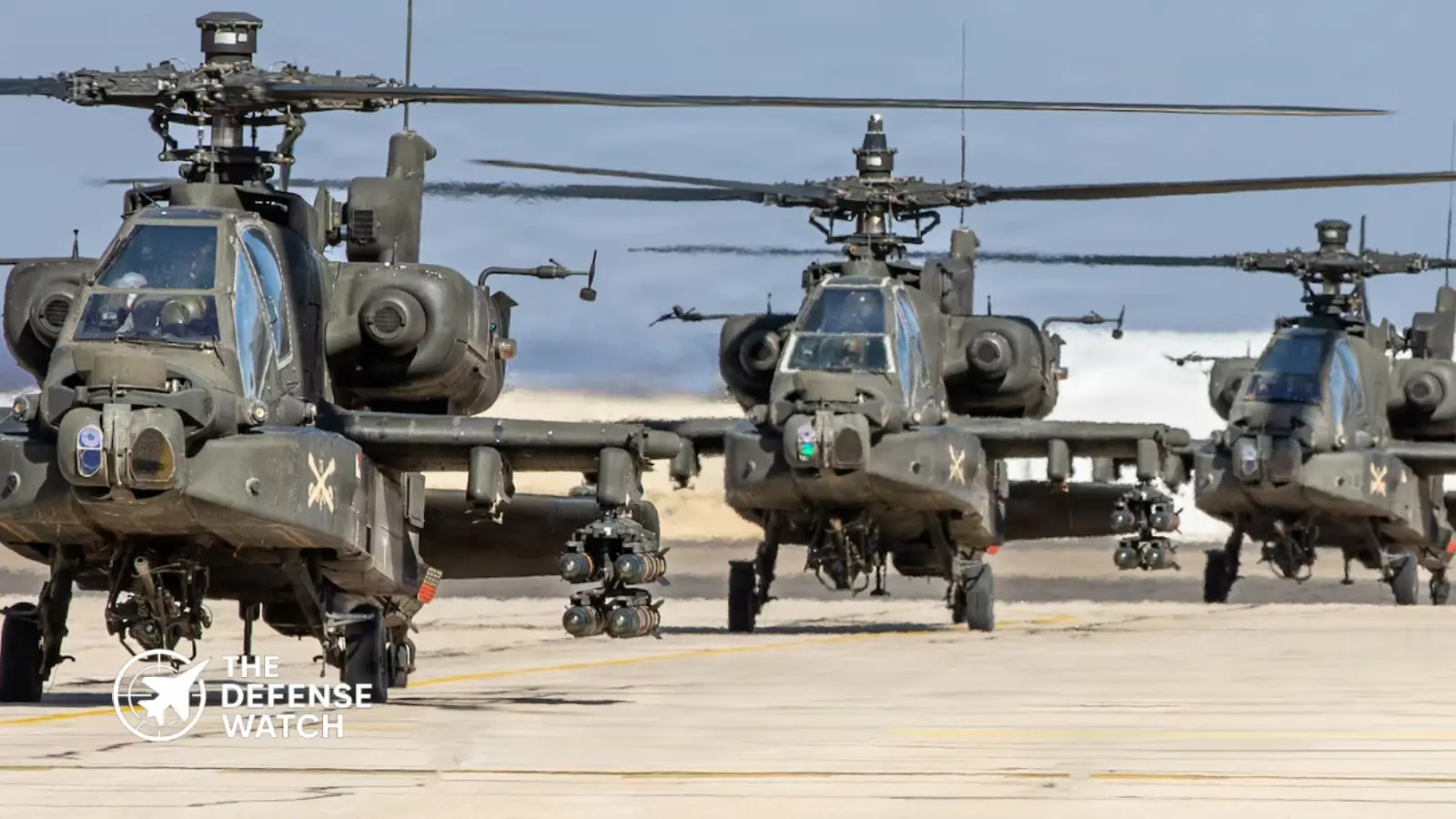
The AH 64 Apache remains one of the Army’s primary attack helicopter platforms. Built for reconnaissance, close air support, and anti armor missions, the aircraft continues to receive upgrades focused on sensors, weapons integration, and digital connectivity.
Multi Domain Operations Drive Army Modernization
The Army’s modernization strategy increasingly revolves around Multi Domain Operations, often referred to as MDO. The doctrine focuses on synchronizing military capabilities across land, air, sea, cyber, and space domains to counter technologically advanced adversaries.
Integrated battlefield networking plays a critical role in that concept. Without secure and reliable communications, forces may struggle to coordinate precision strikes, electronic warfare activities, or intelligence sharing during high intensity combat.
The latest testing effort also aligns with the Army’s broader investments in command and control modernization. Programs tied to tactical data sharing, artificial intelligence assisted targeting, and resilient communications infrastructure have received increased attention in recent years.
Analysts note that lessons learned from conflicts in Eastern Europe and the Middle East continue to influence U.S. military modernization priorities. The importance of rapid battlefield intelligence distribution, drone integration, and survivable communications networks has become increasingly clear in modern combat operations.
Apache Helicopters Remain Central To Army Combat Operations
The AH 64 Apache continues to serve as a critical component of U.S. Army aviation forces. The aircraft has undergone multiple upgrades since entering service, including improved radar systems, enhanced targeting capabilities, and expanded networking functions.
The latest battlefield network testing demonstrates how the Army is seeking to evolve the Apache beyond its traditional attack role into a more connected battlefield node capable of sharing intelligence across the force.
The service has also explored integrating manned and unmanned teaming concepts, allowing Apache crews to work alongside drones for reconnaissance and targeting support. Combining those capabilities with advanced networking systems could significantly expand operational flexibility during future combat scenarios.
Defense officials have consistently argued that data connectivity and decision speed will be decisive factors in future conflicts against peer adversaries. As a result, networking upgrades are increasingly viewed as equally important as weapons modernization.
Strategic Implications For Future Warfare
The U.S. Army battlefield network initiative reflects a wider Pentagon effort to create interconnected combat ecosystems capable of operating under contested conditions.
Modern military operations increasingly depend on distributed sensors, real time intelligence, and rapid targeting cycles. Linking helicopters, armored vehicles, infantry units, and command centers through resilient networks could provide operational advantages in future conflicts.
The Army’s latest testing also underscores the growing overlap between aviation modernization and digital warfare capabilities. Platforms are no longer evaluated solely by firepower or survivability, but also by their ability to collect, process, and distribute data across the battlefield.
While the Army has not released full technical details regarding the network architecture tested, the demonstration signals continued momentum behind next generation command and control initiatives.


Executive Summary:
Britain participated in a multinational nuclear security mission in Venezuela alongside the International Atomic Energy Agency (IAEA) and regional partners. The effort focused on improving preparedness against radiological and nuclear security threats while reinforcing international cooperation in Latin America.
Britain Nuclear Security Mission Highlights International Cooperation
The Britain nuclear security mission in Venezuela marks another example of growing international coordination on radiological and nuclear security preparedness. The mission, supported by the International Atomic Energy Agency, brought together experts from several countries to assess emergency response capabilities and strengthen operational coordination.
British specialists joined counterparts in Venezuela as part of a broader effort to improve regional resilience against potential nuclear or radiological incidents.
The exercise reportedly focused on evaluating procedures related to detection, response coordination, information sharing, and protection of critical infrastructure linked to radiological materials. Such missions are increasingly viewed as essential components of international security cooperation, particularly as governments seek to reduce vulnerabilities tied to illicit trafficking and unauthorized use of radioactive substances.
Why Nuclear Security Missions Matter
While Venezuela does not possess nuclear weapons, the country participates in international frameworks designed to secure radioactive sources used in medicine, research, and industrial sectors. These materials can pose significant security risks if improperly handled or acquired by criminal organizations.
The IAEA has expanded its global engagement in recent years to help countries strengthen safeguards, improve regulatory systems, and train emergency response personnel. Britain’s participation reflects London’s continuing role in supporting international nonproliferation and nuclear security initiatives beyond Europe.
The United Kingdom has long maintained close cooperation with the IAEA through technical assistance programs, nuclear safeguards expertise, and counterproliferation initiatives. British specialists frequently contribute to multinational exercises designed to test readiness for radiological emergencies and cross-border security incidents.
From a geopolitical perspective, the mission is notable because it involved engagement in Latin America at a time when international security cooperation in the region is becoming more complex. Governments across the Americas are increasingly focused on combating transnational crime networks that could exploit weaknesses in border security or hazardous material controls.
Regional Security And Strategic Implications
The Venezuela nuclear security exercise also highlights how nuclear security has evolved beyond traditional state-to-state deterrence concerns. Modern nuclear security planning now places greater emphasis on protecting civilian-use radioactive materials, securing transportation networks, and improving intelligence sharing.
For Western governments, including the United Kingdom, participation in these exercises serves multiple purposes. It supports international stability, reinforces diplomatic engagement, and demonstrates commitment to global nonproliferation standards.
The mission additionally underscores the importance of technical diplomacy. Even amid broader geopolitical tensions, nuclear safety and radiological protection remain areas where international organizations continue to encourage cooperation among diverse governments.
Analysts note that multinational exercises help establish operational familiarity between agencies before a real-world crisis occurs. That preparation can significantly improve response speed and reduce confusion during an emergency involving hazardous materials.
The Britain nuclear security mission may also reflect broader efforts by Western partners to maintain influence and engagement across Latin America through technical and security cooperation rather than solely through military deployments.
IAEA Continues Expanding Global Nuclear Security Programs
The International Atomic Energy Agency has steadily expanded its nuclear security activities over the past decade. These programs include training exercises, cyber protection for nuclear facilities, border monitoring systems, and support for member states handling radioactive materials.
The organization has repeatedly warned that radiological threats remain a global concern, particularly as non-state actors continue seeking access to hazardous materials that could be used in disruptive attacks or criminal activities.
Britain’s involvement in the Venezuela mission aligns with wider Western support for the IAEA’s technical cooperation agenda. London continues to position itself as a major contributor to international nuclear governance, particularly following renewed global focus on strategic stability and nuclear risk reduction.
Although the mission was not military in nature, it demonstrates how security cooperation increasingly overlaps with diplomatic, technical, and emergency response domains. That trend is likely to continue as governments place greater emphasis on resilience against unconventional threats.
Strategic Analysis
The Britain nuclear security mission illustrates a broader shift in how governments approach global security challenges. Nuclear preparedness is no longer limited to strategic weapons programs or major military powers. Instead, attention is increasingly directed toward protecting civilian nuclear infrastructure, preventing illicit trafficking, and ensuring rapid multinational coordination during emergencies.
For the United Kingdom, participation in these exercises supports several strategic objectives simultaneously. It reinforces Britain’s role within international security institutions, strengthens technical partnerships abroad, and maintains operational expertise among British nuclear specialists.
The exercise also demonstrates the growing relevance of soft-security engagement in geopolitically sensitive regions. Technical cooperation missions often provide governments with channels for diplomatic engagement that remain viable even when broader political relations are strained.
As nuclear security concerns evolve, multinational preparedness missions are expected to remain an important element of international stability efforts.
Executive Summary:
U.S. Central Command chief Adm. Brad Cooper told Congress that Operation Epic Fury severely degraded Iran’s missile, naval, and drone capabilities in under 40 days. The campaign also strengthened military coordination between the United States and key Middle Eastern partners, including Saudi Arabia, Qatar, and the UAE.
Operation Epic Fury Reshaped CENTCOM’s Iran Strategy
Operation Epic Fury has become the centerpiece of current U.S. military operations in the Middle East, with senior Pentagon leaders claiming the campaign significantly weakened Iran’s ability to threaten regional stability.
Speaking before the Senate Armed Services Committee in Washington, Brad Cooper said U.S. Central Command forces achieved their operational objectives in less than 40 days. According to Cooper, the campaign targeted Iran’s ability to project military power beyond its borders and reduced threats against U.S. forces and regional allies.
The CENTCOM commander stated that Iran’s conventional missile capacity has been heavily degraded following sustained U.S. operations. He referenced large-scale Iranian missile attacks against Israel in April and October of last year, arguing Tehran no longer retains the same operational scale or launch capacity.
According to Cooper, approximately 90% of Iran’s defense industrial base connected to missile, drone, and naval production has been destroyed or rendered ineffective. He also assessed that Iran’s navy could require between five and ten years to rebuild its operational capabilities.
The remarks represent one of the most detailed public U.S. military assessments so far regarding the impact of Operation Epic Fury.
Missile, Drone, And Naval Infrastructure Targeted
A central objective of Operation Epic Fury was to support Washington’s long-standing position that Iran must not obtain a nuclear weapon capability.
To achieve that, U.S. operations focused on degrading multiple pillars of Iran’s military infrastructure simultaneously. Cooper said CENTCOM targeted ballistic missile production facilities, naval assets, and drone manufacturing networks while also disrupting the industrial capacity needed to regenerate those systems.
The campaign appears designed not only to reduce Iran’s near-term strike capability but also to complicate long-term reconstitution efforts.
Iran’s missile and drone programs have long been viewed by U.S. and Israeli defense planners as key components of Tehran’s regional deterrence posture. Over the past decade, Iran invested heavily in ballistic missiles, cruise missiles, unmanned aerial systems, and fast-attack naval platforms capable of operating across the Persian Gulf and broader Middle East theater.
By targeting industrial infrastructure rather than solely operational launch systems, Operation Epic Fury reflects a broader strategic approach focused on long-term degradation rather than temporary battlefield disruption.
That approach aligns with evolving U.S. operational doctrine emphasizing persistent effects on adversary force generation capacity.
Proxy Networks Face Major Disruption
Beyond Iran’s conventional military assets, CENTCOM also assessed that Tehran’s regional proxy ecosystem suffered major setbacks during the operation.
Cooper told lawmakers that Iranian support channels to groups including Hamas, Hezbollah, and the Houthis have effectively been disrupted.
For years, Iran relied on a network of partner militias and armed groups to expand influence across the Middle East while maintaining plausible deniability. Those proxy forces have been central to conflicts in Gaza, Lebanon, Syria, Iraq, and Yemen.
According to the CENTCOM assessment, current intelligence indicates no active flow of weapons or equipment from Iran to these organizations.
If sustained, that disruption could significantly alter regional security calculations. Iranian proxy groups have historically depended on missile components, drones, funding, training, and logistical support routed through regional smuggling networks.
However, analysts note that such networks are often adaptive and decentralized. While major supply chains may be disrupted, rebuilding covert logistics channels could remain a long-term challenge for regional security forces.
Regional Partnerships Expanded During The Campaign
A major theme during Cooper’s testimony was the role played by U.S. military partners across the Middle East during Operation Epic Fury.
The CENTCOM commander highlighted the operational contributions of the United Arab Emirates, Bahrain, Kuwait, Qatar, and Saudi Arabia.
According to Cooper, those nations not only defended their own territory during the operation but also actively supported American forces operating in the region.
He additionally credited the Jordan and the Israel for close operational coordination.
The operation highlighted the growing importance of integrated regional air and missile defense cooperation among U.S. allies and partners. Over recent years, CENTCOM has pushed for greater interoperability between Gulf states, Israel, and U.S. military systems to counter evolving missile and drone threats.
Operation Epic Fury appears to have accelerated that trend.
The campaign also demonstrated how coalition-based defense architectures are becoming increasingly important in modern regional conflicts, particularly as Iran and its affiliated groups rely heavily on asymmetric warfare tactics.
Strategic Implications For U.S. Middle East Posture
The broader strategic significance of Operation Epic Fury extends beyond the immediate military effects described by CENTCOM leadership.
The operation signals continued U.S. willingness to conduct large-scale military campaigns aimed at degrading adversary infrastructure across multiple domains simultaneously. It also reinforces Washington’s focus on maintaining deterrence credibility in the Middle East despite broader global security pressures involving Europe and the Indo-Pacific.
At the same time, the operation underscores how regional partnerships remain central to U.S. force posture in the CENTCOM theater.
For Pentagon planners, maintaining access, logistics, intelligence sharing, and integrated air defense cooperation with Gulf states remains critical to sustaining operational reach across the region.
While U.S. officials describe the operation as highly successful, long-term strategic outcomes will likely depend on whether Iran can rebuild portions of its military-industrial infrastructure and restore influence through proxy networks over time.
For now, however, CENTCOM leadership is presenting Operation Epic Fury as one of the most consequential regional military campaigns conducted by U.S. forces in recent years.

Pentagon Launches ‘Calculated Risk’ Culture to Transform Weapons Buying
The U.S. Department of Defense has unveiled a major overhaul of its acquisition system, introducing a “calculated risk” culture aimed at accelerating weapons procurement and empowering acquisition leaders to make faster, mission-focused decisions.
Senior officials said the initiative is part of a wider effort to shift from a compliance-heavy bureaucracy to one that rewards informed risk-taking and flexibility. The policy reform, announced Monday, reflects the Pentagon’s growing recognition that rigid processes often delay urgently needed technologies.
Background: A Push to Modernize Procurement
The Pentagon’s acquisition system has long faced criticism for inefficiency and excessive oversight, with weapons programs frequently suffering from years-long delays and cost overruns.
This reform is part of the department’s continuing attempt to modernize its acquisition framework to respond to evolving threats and rapid technological change. The initiative draws lessons from recent procurement challenges, including emerging hypersonic systems, next-generation aircraft, and integrated command-and-control programs that struggled to transition from development to fielding.
Empowering Portfolio Acquisition Executives
A central feature of the reform is the creation of Portfolio Acquisition Executives (PAEs)—senior officials who will oversee groups of programs rather than single projects.
These executives will have greater authority to shift budgets and modify requirements within their portfolios, allowing them to redirect resources to the most urgent priorities.
Michael Duffey, the Pentagon’s Under Secretary for Acquisition and Sustainment, described the change as a move toward “delegating decision authority to those closest to the mission.”
“We’re emphasizing speed, not mandating it,” Duffey said. “Program leaders must have the judgement to know when 85 percent capability delivered now is better than 100 percent delivered too late.”
From Compliance to Calculated Risk
The DoD’s new approach replaces rigid compliance with a culture of calculated risk-taking.
In practical terms, program managers will be encouraged to accept partial capability—what Duffey referred to as “the 85 percent solution”—if it means faster delivery of weapons to the field.
This shift also empowers leaders to use more flexible contracting tools, such as Other Transaction Authorities (OTAs), and streamlines reporting requirements for smaller programs.
Legislative Support: SPEED and FoRGED Acts
Two legislative measures—the SPEED Act (HR 3838) and the FoRGED Act (S 5618)—have been incorporated into the upcoming National Defense Authorization Act (NDAA).
These acts are designed to cut red tape in procurement, allowing acquisition executives to bypass traditional regulatory hurdles for smaller or emerging technologies. They also authorize broader experimentation with rapid prototyping, digital engineering, and commercial off-the-shelf technologies.
Together, these legislative updates form the backbone of the Pentagon’s new acquisition doctrine, institutionalizing a faster, more adaptive system that mirrors private-sector innovation cycles.
Industry and Policy Perspectives
Industry advocates, including the Aerospace Industries Association (AIA), have long pressed the Pentagon to reform its acquisition regulations. In June 2025, AIA urged the removal of more than 50 redundant requirements that delay contract execution and discourage smaller suppliers from competing.
Policy analysts see the Pentagon’s reform as an acknowledgment that the United States can no longer afford decade-long acquisition timelines in an era defined by rapid technological evolution and near-peer competition.
By allowing acquisition leaders to make risk-based decisions, the DoD aims to bridge the capability gap faster—particularly in domains such as space, electronic warfare, and missile defense—where adversaries like China and Russia are advancing quickly.
Leadership Continuity and Accountability
The reform also emphasizes leadership continuity, calling for program executives to remain in their positions longer to ensure consistent oversight and accountability.
Historically, frequent personnel changes in acquisition management have led to fragmented decision-making and inconsistent program direction. Retaining experienced leaders for extended tenures aims to improve execution stability and performance outcomes.
What Comes Next
The success of this reform will hinge on implementation. Analysts expect the Pentagon to begin applying its “calculated risk” model across select pilot programs in early 2026, focusing on mid-tier weapons systems where flexibility can yield faster results without jeopardizing major investments.
The DoD will also monitor whether acquisition executives use their new authorities effectively—and whether the new model genuinely accelerates fielding timelines without inflating costs or compromising quality.
If successful, this policy could mark the most significant shift in U.S. weapons procurement culture in decades, potentially redefining how the Pentagon manages innovation, oversight, and delivery across its multibillion-dollar acquisition portfolio.