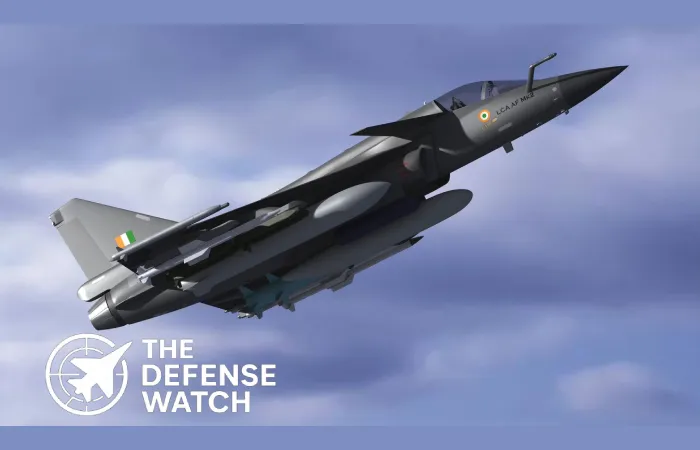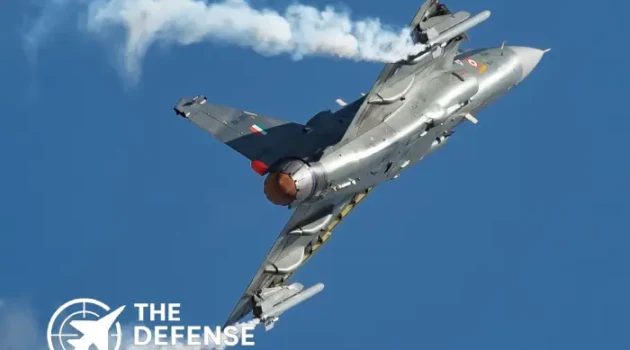
On November 21, 2025, an Indian Air Force (IAF) HAL Tejas light combat aircraft crashed during a demonstration flight at the Dubai Air Show, according to multiple media reports. The incident occurred around 2:10 PM local time at Al Maktoum International Airport, drawing onlookers as a plume of thick black smoke rose from the crash site.
The IAF confirmed the crash, stating that the pilot sustained fatal injuries. A court of inquiry has been constituted to determine the cause of the accident.
Background: The Tejas Fleet and Program
The LCA Tejas, developed by Hindustan Aeronautics Limited (HAL) in partnership with the Aeronautical Development Agency (ADA), is a lightweight, single-engine multirole fighter.
- It is central to India’s “Make in India” defense strategy, intended to reduce reliance on foreign fighters.
- Previous Tejas variants, like the Mk-1A, include upgrades such as AESA radar, advanced electronic warfare suites, and aerial refueling capability.
- In September 2025, India reportedly placed fresh orders with HAL for 97 Tejas jets, with deliveries expected to begin in 2027.
Preceding Controversy: Oil Leak Claims Debunked
Just days prior, social media circulated videos claiming a Tejas Mk-1 was leaking oil during the airshow.
- India’s Press Information Bureau (PIB) countered these claims, clarifying that the footage showed routine drainage of condensed water from the aircraft’s Environmental Control System (ECS) and On-Board Oxygen Generating System (OBOGS), especially common in humid environments.
- The Ministry of Defence described the leak narrative as “misleading” and “propaganda-driven.”
Analysis: Implications for Defense and Global Aerospace
1. Impact on India’s Aerospace Credibility
The Tejas crash during a high-profile international show is a major blow to India’s effort to market the aircraft to global customers. The incident could fuel reluctance among potential buyers, undermining export ambitions.
2. Safety and Reliability Spotlight
While the PIB dismissed earlier leak allegations as routine, the crash now raises serious questions about flight safety—especially for aerobatic maneuvers. If investigation finds design or maintenance flaws, it could trigger further scrutiny over HAL’s quality control and the Tejas’ reliability.
3. Export Strategy Risks
The Tejas is an important part of India’s defense export push. A public crash at an international trade show could erode confidence among foreign partners and delay or cancel pending deals.
4. Risk Management for International Airshows
Air show demonstration flights are inherently risky, and this accident underscores how live demonstrations expose manufacturers and air forces to reputational hazards. West-aligned defense buyers often compare such mishaps against Western platforms with proven track records.
5. Regional Security Implications
India continues to invest in the Tejas amid strategic competition with rivals like China and Pakistan. A crash raises concerns about sustainability of indigenous platforms and may pressure India to accelerate modernization or rely more on imported jets.
Conclusion: What Comes Next
India’s Tejas crash at the Dubai Air Show marks a tragic and potentially pivotal moment for its indigenous fighter program. The court of inquiry now underway will be closely watched by both domestic and international stakeholders. Depending on the outcome, this could prompt a reassessment of Tejas’s export viability, lead to engineering or training reforms, or influence India’s broader aerospace strategy.
Looking ahead, if the probe reveals systemic issues, India may need to bolster its quality assurance, pilot training, and safety protocols to reassure both its air force and prospective customers. On the other hand, a clear technical explanation and transparent findings could help mitigate reputational damage and preserve the Tejas program’s momentum.
What Happened: Tejas Crashes During Dubai Airshow Performance
During a demonstration flight at the Dubai Airshow 2025, an Indian HAL Tejas light combat aircraft crashed, according to reports. The incident occurred at approximately 14:10 local time over Al Maktoum International Airport, where the biennial air show is being held.
Eyewitnesses at the event saw black smoke rising from the crash site, prompting emergency sirens and evacuation of nearby spectators. As of now, there is no confirmed information on whether the pilot ejected safely.
The Indian Air Force has acknowledged the crash.
Controversy: Oil Leak Claims Debunked by Indian MoD
Prior to the crash, social media circulated videos claiming that the Tejas Mk1 had suffered an oil leakage while ground-parked at the airshow.
India’s Ministry of Defence (MoD), via its Press Information Bureau (PIB) Fact Check unit, strongly refuted these claims. The MoD stated the fluid seen in the videos was condensed water, not oil, being intentionally drained from the Tejas’ Environmental Control System (ECS) and On-Board Oxygen Generating System (OBOGS) — normal procedures in high-humidity environments like Dubai.
According to the PIB, the leaking narrative was “deliberately pushed … to undermine the fighter’s proven technical reliability.”
Dubai Airshow 2025: Strategic Showcase for India
The Dubai Airshow is one of the world’s premier aerospace trade fairs, held biennially at Al Maktoum Airport. Wikipedia Billed as a high-profile platform, the 2025 event spans November 17–21 and attracts major global aerospace and defense players.
India’s participation has been particularly ambitious. Alongside the Tejas, the Suryakiran Aerobatic Team has flown displays, and India’s pavilion highlights capabilities from HAL, DRDO, and other firms in its push for defense exports and technological diplomacy.
Analysis: Implications for Defense, Diplomacy & Reputation
1. Operational Risks of Aerobatic Display Missions
Airshows inherently carry risk, especially when combat aircraft perform demonstration flights. The Tejas crash underscores how even mature platforms can face performance issues or pilot error in high-stress, low-margin environments.
For U.S. and allied defense observers, this incident may reinforce the value of thorough risk mitigation when deploying aircraft for public demonstrations. Lessons from this crash could influence how display teams structure their safety protocols, emergency ejection training, and pre-flight checks.
2. Strategic Setback for India’s Export Ambitions
India has been marketing the Tejas LCA to several international customers. A high-profile crash at a major global airshow could damage its reputation, potentially undermining confidence among potential buyers and partners. Given that part of India’s aerospace diplomacy strategy heavily relies on showcasing Tejas in such venues, this incident poses reputational risk.
3. Misinformation Challenges & Information Warfare
The rapid spread of “oil-leak” claims — and the MoD’s forceful rebuttal — highlights how disinformation and propaganda landscapes can directly affect defense narratives. For international defense analysts, the episode is a reminder: technical events can be manipulated as soft-power tools.
This incident also emphasizes the importance of official fact-check units (like PIB) in countering misinformation and protecting the credibility of defense platforms.
4. Impact on Global Aviation Safety Standards
Each crash at a major show tends to prompt scrutiny of safety standards across the event. Regulators and event organizers may respond by reviewing their risk frameworks, flight envelope rules for demonstration aircraft, and emergency response planning. The U.S. aerospace industry, deeply integrated in global airshow circuits, is likely to closely monitor the investigation’s outcome.
What’s Next: Investigation & Long-Term Impact
Investigation teams are already on the ground at Al Maktoum Airport. They will likely examine flight data recorders, maintenance logs, and airframe integrity to determine the cause of the crash.
If the cause turns out to be a technical malfunction, it could trigger redesign or retrofits. If pilot error or human factors are responsible, India’s air display protocols may undergo revisions.
From a bigger-picture perspective, the incident could slow Tejas’ export momentum — or spur reforms that make the platform more resilient. In either case, the fallout will be closely watched by international markets, including the U.S., as nations judge both the reliability and perceived stability of India’s aerospace sector.
Conclusion:
The crash of India’s HAL Tejas at Dubai Airshow 2025 is a sobering moment in what has otherwise been a showcase for India’s aerospace ambitions. Beyond immediate safety concerns, the incident raises deeper questions about the risk landscape for demonstration flights, the resilience of the Tejas program, and how nations manage defense reputations in the face of misinformation. As investigations proceed, the outcome could have lasting implications for India’s export strategy, airshow safety norms, and the credibility of one of its signature indigenous platforms.
India Inaugurates Nyoma Air Base in Ladakh, Strengthening High-Altitude Response Near LAC
India officially inaugurated the Nyoma Air Base in eastern Ladakh on November 12, with Air Chief Marshal Vivek Ram Chaudhari landing a C-130J Super Hercules to mark its operational status. The new facility significantly enhances India’s high-altitude airlift, surveillance, and rapid-response capability along the Line of Actual Control (LAC) with China.
The forward air base, situated at over 13,000 feet, is now one of the world’s highest military-grade runways capable of handling medium-lift and tactical aircraft. Its activation represents a major infrastructure upgrade in a region that has witnessed heightened military tensions since the 2020 border standoff.
Background: A Strategic Asset in a Sensitive Theater
Nyoma has long existed as an Advanced Landing Ground (ALG), used primarily for helicopter operations and occasional fixed-wing landings. However, following the 2020 Galwan Valley clashes and the prolonged military standoff with China, the Indian government approved its expansion into a full-scale operational air base.
The Border Roads Organisation (BRO) began constructing the 2.7-km paved runway in 2023, designed to support transport aircraft, logistics missions, unmanned systems, and potentially even fighter operations under favorable conditions. Its proximity—less than 50 kilometers—to the LAC gives India a major logistical advantage, allowing faster deployment across eastern Ladakh’s rugged terrain.
The Nyoma Air Base therefore becomes a critical component of India’s ongoing efforts to enhance operational readiness along a disputed border region where China has built extensive dual-use infrastructure, including airfields, roads, and PLA support bases.
Operational Details and Significance
During the inauguration event, Air Chief Marshal Chaudhari highlighted Nyoma’s strategic value, stating that the base “represents a major leap in our ability to operate in high-altitude environments and respond swiftly to any security challenges in the region.”
Nyoma Air Base’s completion provides several key operational benefits:
Enhanced Airlift and Supply Chains
The ability to land C-130J aircraft allows for rapid transport of troops, equipment, medical supplies, drones, and surveillance gear. This reduces reliance on long and vulnerable road convoys.
Improved ISR and Surveillance
The base will likely support UAV operations such as the Heron TP and other long-endurance platforms critical for monitoring PLA movements across the LAC.
Support for Fighter Deployments
While Nyoma is not expected to host fighters permanently due to extreme altitude constraints, the upgraded runway can support limited operations, enhancing flexibility during contingencies.
Year-Round Operational Capability
The new runway and associated infrastructure allow sustained operations even during harsh winters, where temperatures can fall below –20°C.
BRO Director General Lt. Gen. Raghu Srinivasan noted that constructing a high-altitude airfield under extreme weather conditions was a “significant engineering challenge,” but essential to strengthening India’s defensive posture.
Regional Context: India-China Military Dynamics
India’s activation of the Nyoma Air Base comes amid continuing negotiations with China over disengagement and de-escalation along the LAC. Despite multiple rounds of military talks, both sides maintain substantial troop deployments in Ladakh, supported by armor, air defense assets, and close air-support capabilities.
China’s own high-altitude airfields—such as Ngari Gunsa and additional infrastructure across Tibet—provide the People’s Liberation Army (PLA) with strategic depth. Nyoma’s operationalization helps balance this capability by reducing India’s response times and enhancing forward presence.
Defense analysts view the new air base as part of India’s broader strategy to improve border infrastructure, including roads, tunnels, bridges, and logistics nodes in the Himalayas. Over 60 major projects have been inaugurated since 2021 to strengthen India’s access and mobility in high-altitude sectors.
Expert Perspectives
Defense analyst Dr. Abhinav Gupta told TheDefenseWatch.com that Nyoma Air Base is “a transformational asset that fills a long-standing operational gap in India’s Ladakh theater.”
“In a high-altitude conflict scenario, logistics and air mobility determine the tempo of operations. Nyoma ensures that India can sustain forward deployments more effectively and counter any rapid mobilization by the PLA,” he said.
Former IAF officials have also indicated that the base could support a wide range of platforms, including special operations aircraft, UAVs, and rotary-wing assets, all critical for high-altitude missions.
What’s Next: Future Expansion and Integration
India is expected to further integrate Nyoma into its wider surveillance and defense network. Key developments anticipated in the coming years include:
- Expansion of hardened shelters and logistics storage.
- Deployment of advanced UAV systems for persistent ISR coverage.
- Integration with satellite communications and secure data links.
- Improved accommodation for rapid reinforcement units.
- Potential for additional runway extensions or secondary strips.
The air base is also expected to support humanitarian missions, disaster relief, and emergency evacuations—functions vital in a region prone to extreme weather and limited connectivity.
Conclusion
The inauguration of the Nyoma Air Base marks a significant milestone in India’s high-altitude military infrastructure development. Its operationalization enhances India’s capability to conduct rapid airlift, sustained surveillance, and timely response across eastern Ladakh—a theater central to India-China boundary tensions.
As India continues modernizing its border infrastructure and expanding its airpower reach, Nyoma will play a pivotal role in shaping the strategic balance along the LAC.
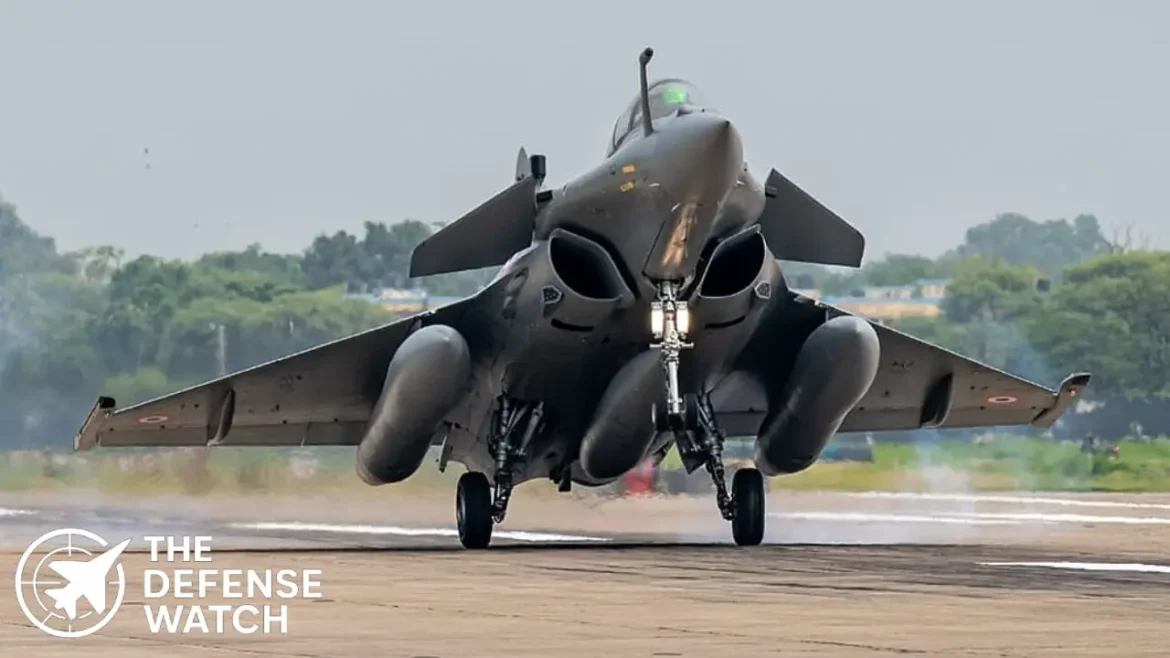
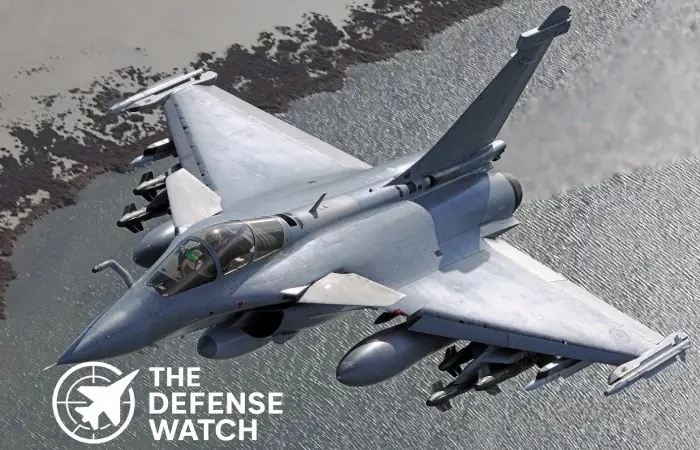
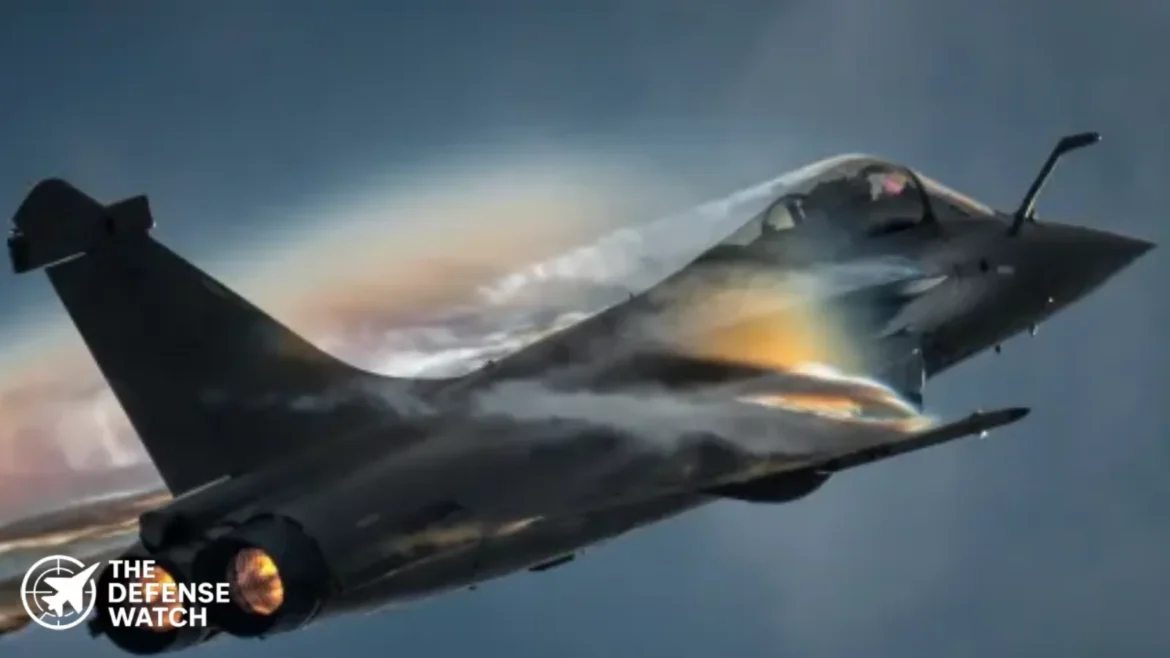
India is advancing plans to acquire 114 additional Rafale jets from France as part of a strategic push to bolster its air capability and modernize its fleet. Announced on 11 November 2025, the proposed deal represents one of the largest single-platform fighter acquisitions in the country’s history.
Background: why India is moving now
The Indian Air Force (IAF) has been operating below sanctioned strength of 42.5 squadrons, with current estimates placing it at 29–31 squadrons, largely due to the retirement of older aircraft such as the MiG-21. India’s decision to enlarge its Rafale fleet comes amidst increasing strategic competition with neighboring states, including the Pakistan Air Force and the People’s Liberation Army Air Force (PLAAF). Reports of Pakistan acquiring advanced air-to-air missiles and fighters from China have accelerated Indian urgency to maintain technological edge.
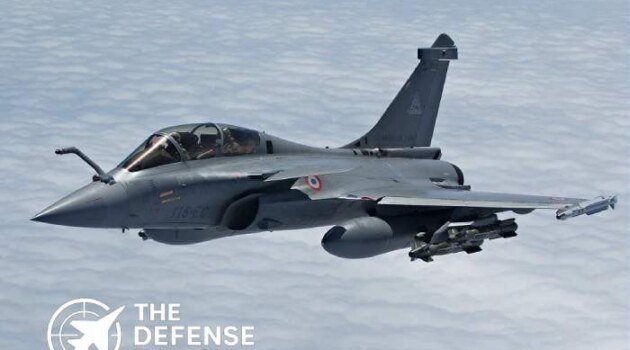
India already operates 36 Rafales delivered between 2020 and 2022. Familiarity with the platform gives France’s Dassault Aviation an edge in the negotiations.

Details of the Deal: What’s on the Table
The proposed procurement of 114 Rafales is linked to India’s Multi-Role Fighter Aircraft (MRFA) program under a government-to-government (G2G) framework.
Key elements under discussion:
- The Rafale F4 variant is the likely candidate for India, offering advanced sensor-fusion, electronic warfare, and long-range missile integration.
- India is seeking significant localization: the deal would include manufacturing, assembly and component production in India under the “Make in India” initiative.
- A major sticking point is access to source-code level control and modular mission computer integration. India wants to integrate its own weapons (such as the Astra air-to-air missile) and sensor suites, while France is reluctant to fully grant source-code access citing industrial and security concerns.
- The deal would build on existing industrial linkages: earlier agreements saw Dassault and India’s Tata Advanced Systems (TASL) set up production of Rafale fuselage in Hyderabad – the first time such manufacturing would take place outside France.
Strategic Implications
The incoming fleet would enhance India’s capability for both air-superiority and strike roles, with extended range and weapon integration that can operate in high-altitude and maritime theatres. The Rafale brings proven integration with missiles such as the Meteor air-to-air and SCALP/Storm Shadow cruise missile for deep-strike roles.
Dassault Rafale Fighter Jet – Full Specifications
- Generation: 4.5th
- Maximum Speed: Mach 1.8
- No. of Engines: 2
- Radar Range: 200+ km
Expert/Policy Perspective
Analysts note that the robustness of the deal lies not just in aircraft numbers but in what they enable: securing India’s two-front conflict doctrine (against China and Pakistan), strengthening industrial autonomy, and deepening defense cooperation with France.
One senior IAF official told Defense Security Asia: “The absence of source-code access represents a significant obstacle to India’s broader defense modernization agenda.”
Policy-makers in New Delhi view this acquisition as a force-multiplier: it addresses immediate squadron shortfall while positioning the domestic defense-industrial complex for future exports and maintenance hubs. On the French side, Dassault sees this as an export milestone and opportunity to embed deeper technology transfer and long-term service agreements.Closing: Impact and What’s Next
The acquisition of 114 Rafales would mark a turning point in India’s air combat capability and shape South Asian air-power balances for decades. The deal, if finalized, will accelerate squadron strength, enhance deterrence, and underpin India’s industrial ambitions.
Next steps include the Indian government’s Approval of Necessity (AoN) by the Defense Acquisition Council (DAC) expected by late 2025, followed by contract negotiations, fly-away deliveries, and local assembly ramp-up. Delays or failure to resolve key issues such as software access could push India to alternatives, but current momentum suggests the Rafale remains front-runner.
India’s neighborhood will pay close attention: Pakistan and China are likely to adjust their force-modernization strategies accordingly. For India, this is not simply an aircraft purchase — it is a strategic investment in future deterrence and industrial self-reliance.
A noted Chinese defence analyst has publicly criticised recent assessments claiming that the Indian Air Force (IAF) now surpasses the People’s Liberation Army Air Force (PLAAF) in overall capability. The comments come after the World Directory of Modern Military Aircraft (WDMMA) ranking placed India third globally—with a TruVal Rating (TVR) of 69.4, ahead of China at 63.8. In Beijing, the reaction has been dismissive of the ranking and sceptical of the underlying methodology.
Background
According to the WDMMA ranking, the IAF—which operates approximately 1,716 aircraft—scored higher than the PLAAF in the TVR, despite China’s larger overall inventory. The TVR metric takes into account not just fleet size but also aircraft mix, logistics, modernization, training and domestic aerospace-industry capability. Chinese media outlets, including state-affiliated commentary, have challenged the validity of the ranking and suggested that “paper rankings” do not equate to actual combat capability.
Details of the Reaction
In an article titled “Why China Is Rattled at India’s Rise in Global Air Power Rankings”, defence-industry commentator Ravi Shankar noted that Beijing’s annoyance reflects the erosion of the PLAAF’s self-image as Asia’s air-power benchmark. Chinese official commentary described the ranking as “meaningless” and cautioned that such comparisons may lead to “dangerous miscalculations”. The crux of the critique is that while the IAF may present strength in balance and modernization, this does not necessarily translate into direct superiority in a scenario involving the PLAAF’s larger fleet, advanced platforms and integrated systems.
One Chinese analyst stated that: “Militaries should be assessed on real combat performance rather than paper strength.” This aligns with broader Chinese commentary that emphasizes operational experience, tested systems and integrated networked warfare over statistical indices.
Meanwhile, the WDMMA data underpinning the claim highlights that although China possesses a larger total number of military aircraft (5,357) compared with India’s 2,488 across services, the IAF’s strength in component balance boosted its TVR. Specifically, India’s mix — roughly 31.6 % fighters, 29 % helicopters and 21.8 % trainers — was cited as evidence of a more balanced air-force structure. In contrast, China’s proportion of fighters was higher, but its fleet reportedly showed less balance in special-mission, training and transport assets.
Expert/Policy Perspective
From a strategic perspective, the Chinese reaction underscores concerns in Beijing that an elevated Indian air-power ranking may shift regional perceptions and influence coalition building in the Indo-Pacific. As one policy observer noted, placing India ahead of China in air-force rankings “suggests a recalibration in Asia’s balance of air power”.
Another viewpoint emphasises that such rankings, while useful for external audiences, must be treated with caution. According to the WDMMA itself, unmanned aerial vehicles (UAVs) are currently not fully accounted for in its methodology — a potential limitation especially given China’s significant UAV development. Therefore, analysts in Beijing argue that the PLAAF’s broader integration with unmanned assets, long-range strike systems and networked command and control may not be fully reflected in the TVR.
In New Delhi, Indian officials have welcomed recognition of the IAF’s progress but emphasised the need to continue modernization, increase squadron strength and develop indigenous platforms. Analysts in India stress that surpassing China in rankings does not remove the need for further capability expansion and readiness.
Impact and What’s Next
The Chinese defence analyst’s commentary signals that even as New Delhi celebrates its rising air-power ranking, Beijing is carefully managing narrative and perception. The conversation is not simply about numeric ranking but about strategic signalling: a publicly elevated ranking for the IAF may influence procurement decisions, alliance flows and regional deterrence postures.
For India, the challenge remains to convert improved rankings into tangible operational readiness — maintaining squadron numbers, accelerating induction of new fighters, and expanding logistics and sustainment infrastructure. For China, the message is clear: Beijing will continue emphasising operational depth, integrated systems and combat-proven capabilities rather than relying solely on rankings.
In the broader regional context, this development may drive both countries to accelerate modernization, sharpen training, and invest more heavily in next-generation air-power assets and allied interoperability. Observers will watch closely whether the IAF can maintain momentum and whether the PLAAF responds with visible shifts to modernisation, force posture or public assessments of capability.