


(adsbygoogle = window.adsbygoogle || []).push({});Executive Summary:
General Atomics AeroTec Systems has announced the first customer for its new Do228 NXT aircraft, marking a major milestone for the program. The launch customer, an unnamed humanitarian organization, will use the aircraft for special mission and relief operations, with delivery scheduled for early 2027. The deal provides an early validation of the platform’s operational flexibility and market potential.
General Atomics Secures First Do228 NXT Customer For Humanitarian Operations
General Atomics AeroTec Systems (GA-ATS) has announced the first customer for its Do228 NXT aircraft, a significant step forward for the German-built multi-role turboprop program. The launch customer is a non-governmental organization (NGO) engaged in humanitarian operations that has requested anonymity due to operational considerations. The aircraft is expected to be delivered in early 2027.
The announcement comes only weeks after the Do228 NXT completed its first flight and days after its official public rollout in Oberpfaffenhofen, Germany. The rapid progression from flight testing to securing a launch customer highlights growing confidence in the aircraft’s capabilities and mission adaptability.
(adsbygoogle = window.adsbygoogle || []).push({});A Platform Designed For Challenging Missions
According to GA-ATS, the Do228 NXT will be configured specifically for humanitarian and special mission operations. While the company has not disclosed detailed mission equipment, it stated that the aircraft will incorporate technologies supporting situational awareness, communications, mission coordination, and response operations in demanding environments.
The Do228 NXT builds on the legacy of the Dornier 228, an aircraft with decades of service across passenger transport, cargo logistics, maritime surveillance, medical evacuation, and disaster relief missions. The latest variant introduces upgraded avionics, a modernized cockpit and cabin, enhanced mission systems, and improvements throughout the supply chain aimed at reducing operational costs and increasing reliability.
Powered by two Honeywell TPE331-10 turboprop engines, the aircraft retains the Dornier platform’s well-known short takeoff and landing (STOL) performance, allowing operations from austere airstrips and remote locations where humanitarian organizations frequently operate.
(adsbygoogle = window.adsbygoogle || []).push({});Why The First Customer Matters
Securing a launch customer is often one of the most important milestones for a newly developed aircraft program. For the Do228 NXT, the agreement provides early market validation at a time when governments, humanitarian agencies, and security organizations are seeking versatile aircraft capable of performing multiple missions without requiring large logistical footprints.
Unlike many modern aircraft programs that initially focus on military procurement, the Do228 NXT’s first customer comes from the humanitarian sector. This demonstrates the platform’s flexibility and suggests that operators see value in its ability to transition between disaster response, medical evacuation, surveillance, transport, and logistics missions.
The choice of a humanitarian operator is also notable because such organizations often prioritize operational reliability, low operating costs, and the ability to access remote regions. Those requirements closely align with the aircraft’s STOL design and multi-role mission architecture.
(adsbygoogle = window.adsbygoogle || []).push({});Part Of A Broader General Atomics Strategy
The customer announcement arrives during a period of renewed investment by General Atomics in European aerospace manufacturing. Following the acquisition of the Oberpfaffenhofen facility and the Dornier 228 program in 2021, GA-ATS restarted production and developed the Do228 NXT as a next-generation evolution of the proven platform.
The company has positioned the aircraft for civil, government, military, and special mission operators. Industry observers view the program as an effort to fill a niche between larger transport aircraft and smaller utility platforms, particularly in missions requiring flexibility, endurance, and access to remote operating locations.
(adsbygoogle = window.adsbygoogle || []).push({});Market Outlook
Demand for special mission aircraft continues to grow as governments and humanitarian organizations face increasingly complex disaster response, border security, environmental monitoring, and emergency medical support requirements.
The Do228 NXT enters a market where versatility often outweighs speed or payload capacity. Its ability to support multiple mission sets from a single airframe could make it attractive to operators with limited budgets but diverse operational demands.
With its first customer now secured and deliveries expected to begin in 2027, the Do228 NXT program has moved beyond the demonstration phase and into the commercial execution stage. Future orders from government agencies, humanitarian organizations, and security operators will likely determine how significant a role the aircraft plays in the global special mission aviation market.

(adsbygoogle = window.adsbygoogle || []).push({});Executive Summary:
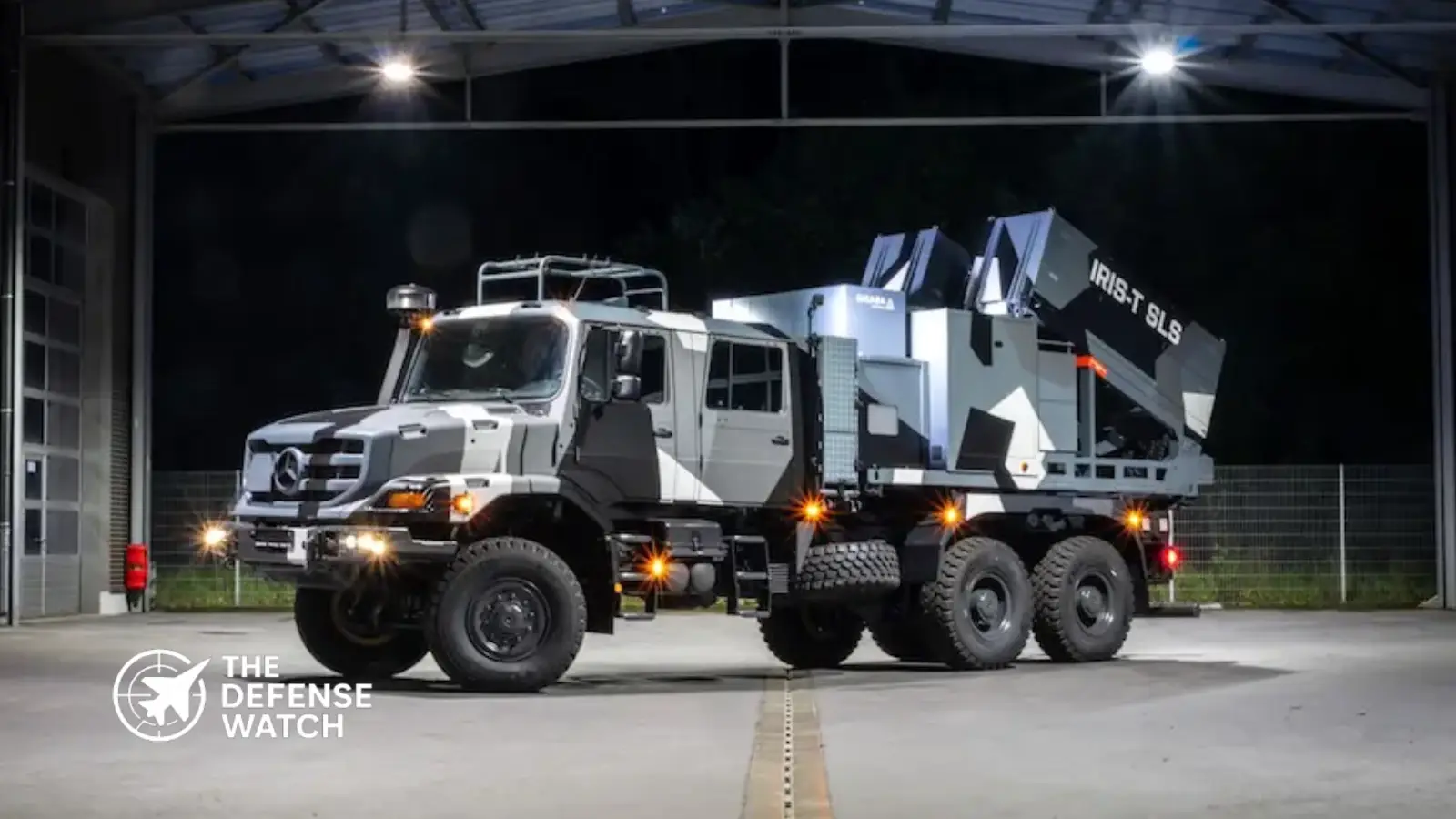
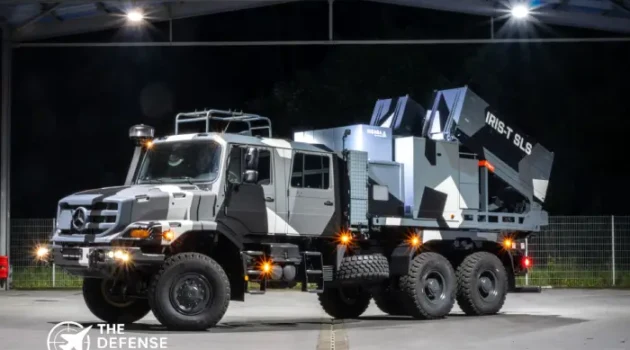
German defense company Diehl Defence has introduced the IRIS-T SLS MK 4, a new mobile short-range air defense system designed for NATO users. The platform integrates radar, command-and-control, and missile launchers on a single vehicle, improving mobility, responsiveness, and force protection against modern aerial threats.
Diehl Defence Unveils IRIS-T SLS MK 4 Mobile Air Defense System
Diehl Defence has revealed the IRIS-T SLS MK 4, the latest version of its short-range ground-based air defense system, ahead of the ILA Berlin Air Show 2026. The new configuration is designed as a highly mobile, all-in-one air defense solution capable of protecting maneuvering forces and critical infrastructure against a growing range of aerial threats.
According to the company, the IRIS-T SLS MK 4 combines surveillance radar, command-and-control functions, and missile launchers on a single vehicle platform. This integrated architecture reduces deployment complexity while enabling rapid reaction times in dynamic battlefield conditions.
- (adsbygoogle = window.adsbygoogle || []).push({});
Key Capabilities Of The IRIS-T SLS MK 4
The fourth-generation IRIS-T SLS system offers an engagement range of up to 12 kilometers and can intercept targets at altitudes reaching 6 kilometers. It is intended to provide close-range protection against aircraft, helicopters, cruise missiles, drones, and other low-flying threats.
A notable enhancement is the system’s increased missile capacity. The IRIS-T SLS MK 4 carries eight ready-to-fire interceptors, improving its ability to counter multiple threats before requiring reloads. The system also features a high degree of automation, reducing manpower requirements while accelerating target engagement timelines.
Diehl states that the platform retains the combat-proven IRIS-T missile as its primary interceptor. Future upgrades are expected to enable a “fire-on-the-move” capability, allowing missile launches while the vehicle remains in motion. Additional effectors, including counter-drone interceptors such as the CICADA system, can also be integrated depending on customer requirements.
(adsbygoogle = window.adsbygoogle || []).push({});Why The System Matters For NATO
The introduction of the IRIS-T SLS MK 4 reflects growing demand across NATO for highly mobile short-range air defense systems capable of countering drones, loitering munitions, cruise missiles, and low-altitude aircraft.
Recent conflicts have demonstrated that traditional air defense architectures often require additional layers of protection closer to frontline forces. Mobile SHORAD systems are increasingly viewed as essential for protecting maneuvering units against low-cost aerial threats that can evade higher-tier missile defenses.
The IRIS-T SLS MK 4 directly addresses this requirement by consolidating detection, command, and engagement functions into a single platform. This approach reduces logistical burdens and shortens deployment times, making the system suitable for expeditionary and rapidly moving operations.
From an operational perspective, the system fills an important gap between very short-range air defense assets and medium-range systems such as the IRIS-T SLM. NATO members continue to invest heavily in layered air defense architectures, particularly as drone warfare and precision-guided weapons become increasingly prevalent on modern battlefields.
(adsbygoogle = window.adsbygoogle || []).push({});Integration Into Diehl’s Layered Air Defense Architecture
Diehl Defence says the IRIS-T SLS MK 4 is fully integrated into its broader layered air defense portfolio. The company continues to expand the IRIS-T family, which includes the short-range SLS, medium-range SLM, and future long-range SLX variants.
The new MK 4 version has been developed to meet NATO standards and operational requirements while maintaining flexibility for different vehicle platforms and customer-specific configurations. The vehicle-independent design allows users to adapt the system to national military requirements without altering the core combat capabilities.
(adsbygoogle = window.adsbygoogle || []).push({});Growing Demand For European Air Defense Systems
The unveiling comes amid sustained European investment in air and missile defense capabilities. Demand for the IRIS-T family has increased significantly in recent years, driven by heightened security concerns and lessons learned from ongoing conflicts in Europe. Diehl Defence has previously announced plans to expand production capacity for IRIS-T air defense systems and associated missiles to meet rising international demand.
As NATO nations seek to strengthen protection against drones, cruise missiles, and other airborne threats, systems such as the IRIS-T SLS MK 4 are positioned to play an increasingly important role within future layered air defense networks.

(adsbygoogle = window.adsbygoogle || []).push({});Executive Summary:
General Atomics AeroTec Systems has officially unveiled the Do228 NXT, a next-generation evolution of the Dornier 228 aircraft built in Germany. The platform combines updated avionics, mission systems integration, and proven short takeoff and landing performance to serve military, government, and civilian operators worldwide. The rollout marks a significant milestone for German aircraft manufacturing and the revival of series production of a well-established utility aircraft.
Do228 NXT Marks New Chapter For German Aircraft Production
The Do228 NXT aircraft was officially unveiled by General Atomics AeroTec Systems (GA-ATS) during a rollout ceremony at the company’s Oberpfaffenhofen facility in Germany, presenting the next-generation version of the long-serving Dornier 228 platform to international customers and industry stakeholders.
According to GA-ATS, the event represents one of the few recent introductions of a newly manufactured aircraft series produced in Germany. The company positions the aircraft as a versatile platform capable of supporting civilian, military, government, and special mission requirements.
The unveiling follows the successful first flight of the Do228 NXT demonstrator on May 2, 2026, a milestone achieved nearly 45 years after the original Do228 first entered service. The aircraft’s development also reflects the re-establishment of aircraft production capabilities at the Oberpfaffenhofen site following General Atomics’ acquisition and modernization efforts over the past several years.
(adsbygoogle = window.adsbygoogle || []).push({});Designed For Military, Government, And Commercial Missions
The Do228 NXT aircraft builds upon the operational reputation of the original Dornier 228, which earned widespread adoption for utility transport, surveillance, maritime patrol, and special mission operations.
The latest variant incorporates a modernized cockpit, upgraded avionics architecture, expanded communications capabilities, and enhanced mission equipment integration options. Operators can configure the aircraft with surveillance sensors, radar systems, electro-optical payloads, and other specialized mission equipment depending on operational requirements.
GA-ATS has emphasized the aircraft’s flexibility across a broad range of missions, including:
- Maritime surveillance
- Border security operations
- Environmental monitoring
- Disaster response
- Passenger transport
- Cargo transport
- Medical evacuation
- Paratrooper operations
The platform’s ability to support both civilian and defense missions makes it attractive for nations seeking cost-effective multi-role aviation assets rather than dedicated fleets for individual tasks.
(adsbygoogle = window.adsbygoogle || []).push({});STOL Capability Remains A Key Advantage
One of the most important features retained in the Do228 NXT is the aircraft’s short takeoff and landing (STOL) capability.
Powered by twin Honeywell TPE331-10 turboprop engines, each producing approximately 776 shaft horsepower, the aircraft is designed to operate from short and austere airstrips, including unprepared surfaces where larger aircraft may face restrictions.
This capability remains highly relevant for military and government operators conducting missions in remote regions, island territories, Arctic environments, or areas with limited aviation infrastructure.
In an era when many nations are focusing on distributed operations and resilient logistics networks, aircraft capable of operating from small forward locations offer practical advantages. The Do228 NXT enters a market where flexibility and operating efficiency often outweigh the need for larger, more expensive platforms.
(adsbygoogle = window.adsbygoogle || []).push({});Strategic Importance Beyond The Aircraft
Beyond the technical aspects of the program, the Do228 NXT carries broader significance for Europe’s aerospace sector.
The rollout demonstrates the continuation of aircraft manufacturing in Germany and highlights ongoing investment in specialized aviation platforms despite increasing competition from larger aerospace programs. The project also reflects General Atomics’ growing industrial footprint in Europe through its German subsidiary.
For defense customers, the aircraft fills a niche between light utility aircraft and larger maritime patrol or intelligence platforms. Many governments continue to seek affordable solutions for surveillance, transport, and homeland security missions, areas where the Do228 family has historically performed well.
The timing of the unveiling is also notable as European governments continue investing in defense modernization, border security, maritime domain awareness, and disaster response capabilities. Multi-role aircraft that can be adapted across several mission sets may become increasingly attractive amid budget pressures and evolving operational demands.
(adsbygoogle = window.adsbygoogle || []).push({});International Debut Ahead
The Do228 NXT demonstrator is scheduled to make its global public debut at the ILA Berlin Air Show 2026, where military, government, and commercial customers will have an opportunity to evaluate the aircraft firsthand. The company is also expected to showcase the platform internationally during upcoming industry events, including the Farnborough Airshow.
As flight testing continues, GA-ATS aims to demonstrate the aircraft’s performance characteristics and mission adaptability to potential customers worldwide.

Executive Summary:
Otokar has completed its acquisition of Romanian manufacturer Automecanica, securing a local production base for the Cobra II armored vehicle program. The move supports Romania’s military modernization effort and strengthens defense manufacturing capacity on NATO’s eastern flank.
Otokar Completes Automecanica Acquisition To Expand Cobra II Production
The Otokar Cobra II Romania program has entered a new phase after Turkish defense company Otokar completed its acquisition of Romanian vehicle manufacturer Automecanica. The transaction clears the way for large scale local production of Cobra II 4×4 armored vehicles in Romania under one of Eastern Europe’s largest recent land systems procurement programs.
Romanian authorities approved Otokar’s purchase of approximately 96.77% of Automecanica’s shares in a deal valued at around €85 million. The acquisition gives Otokar direct control of the Mediaș production facility that will manufacture the majority of Romania’s future Cobra II fleet.
The development marks a significant milestone for both Otokar and Romania’s defense industrial base, transforming the Turkish manufacturer from an exporter into a defense producer with manufacturing operations inside the European Union.
Major Contract Drives Local Manufacturing
The acquisition is closely tied to Romania’s contract for 1,059 Cobra II armored vehicles, signed in late 2024 and valued at approximately €857 million. Under the agreement, the first batch of vehicles is produced in Türkiye, while the majority will be assembled and manufactured in Romania.
According to Otokar, more than 270 Cobra II vehicles have already been delivered from Turkish production lines to the Romanian Armed Forces. The remaining vehicles are scheduled to be produced locally at the Mediaș facility.
The Cobra II platform is available in multiple mission variants, including armored personnel carrier, anti-tank vehicle, mortar carrier, command and control vehicle, reconnaissance platform, and medical evacuation configuration. This flexibility was a key factor in Romania’s procurement strategy as it seeks to modernize its tactical vehicle fleet.
First Romanian-Built Cobra II Already Unveiled
A major indicator of the program’s progress came during the Black Sea Defense & Aerospace (BSDA) 2026 exhibition in Bucharest, where Otokar displayed the first Cobra II produced in Romania. The vehicle rolled off the production line at the Mediaș facility ahead of the planned start of serial production.
Otokar stated that full assembly operations are scheduled to begin during 2026, supported by technology transfer, workforce training, and local industrial integration efforts. The facility is equipped to perform the complete production cycle, including metal fabrication, welding, painting, assembly, and testing.
The Mediaș plant covers approximately 140,000 square meters and employs more than 250 workers and technical staff. The site has been upgraded to meet NATO production standards required for serial armored vehicle manufacturing.
Why The Acquisition Matters
Beyond vehicle deliveries, the acquisition reflects a broader trend across Europe toward localized defense production and supply chain resilience.
For Romania, local Cobra II production supports domestic industrial development, workforce growth, and long term sustainment capabilities. Producing vehicles within the country reduces dependence on external suppliers while ensuring maintenance and future upgrades can be conducted locally.
For Otokar, the deal provides a permanent manufacturing footprint inside the European Union at a time when European governments are increasing defense spending and seeking closer industrial cooperation among NATO members. The company has also indicated that Romania could serve as a strategic hub for managing future European defense programs.
The move aligns with wider NATO efforts to strengthen defense production capacity along the alliance’s eastern flank, where concerns over regional security and military readiness continue to drive procurement and modernization programs.
Strategic Impact For NATO’s Eastern Flank
The Cobra II production initiative highlights how defense contracts increasingly combine procurement with industrial participation requirements. Rather than simply importing military equipment, Romania is securing manufacturing expertise, technical know how, and long term production capabilities.
As local assembly ramps up, the program is expected to become one of the most significant armored vehicle manufacturing efforts currently underway in Eastern Europe. With more than 1,000 vehicles planned, the Cobra II fleet will play a central role in enhancing the mobility and protection of Romanian ground forces while reinforcing NATO’s regional defense posture.

(adsbygoogle = window.adsbygoogle || []).push({});Executive Summary:
A Chinese university student has admitted to unlawfully photographing sensitive U.S. military aircraft near Offutt Air Force Base in Nebraska. The case has drawn attention because the aircraft included strategic command and reconnaissance platforms tied to U.S. national security. The incident underscores increasing vigilance around military installations amid broader concerns over intelligence collection and infrastructure security.
A Chinese student has pleaded guilty to illegally photographing U.S. military aircraft near Offutt Air Force Base in Nebraska, a key installation that hosts some of America’s most sensitive airborne command and reconnaissance assets.
The case centers on 21 year old Tianrui Liang, a Chinese national studying in Scotland, who admitted taking photographs of military aircraft without authorization during a road trip across the United States, according to U.S. court documents and federal investigators.
Federal authorities arrested Liang at New York’s John F. Kennedy International Airport in April while he was preparing to leave the United States. Investigators said he had traveled to several military locations before arriving near Offutt Air Force Base, home to the headquarters of U.S. Strategic Command.
(adsbygoogle = window.adsbygoogle || []).push({});Aircraft Included Strategic National Assets
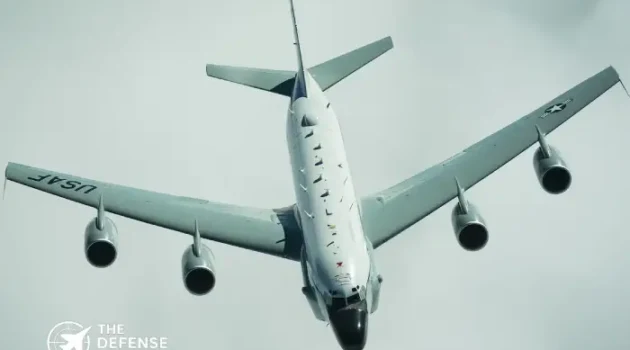
According to court filings, Liang photographed several military aircraft, including the Boeing RC-135 reconnaissance aircraft and the Boeing E-4B Nightwatch airborne command post.
The RC-135 family of aircraft plays a critical role in intelligence, surveillance, and reconnaissance operations for the U.S. military. Meanwhile, the E-4B Nightwatch, often referred to as the “Doomsday Plane,” serves as the National Airborne Operations Center and can function as a mobile command post during national emergencies.
Both aircraft are among the most strategically important airborne assets operated by the United States.
Federal investigators stated that Liang acknowledged taking the photographs and told authorities the images were intended for his personal collection. Court documents indicate he used publicly available aircraft spotting information to identify locations where military aircraft could be observed.
(adsbygoogle = window.adsbygoogle || []).push({});Why The Case Matters
While photographs of many military aircraft can be found online, U.S. law places restrictions on photographing certain defense installations and military equipment without authorization.
Authorities charged Liang under federal statutes governing unauthorized photography of military facilities and equipment. The law is designed to protect installations considered vital to national defense.
The case has attracted attention because it involves a strategic military installation associated with America’s nuclear command and control architecture. Offutt Air Force Base is one of the most important command centers within the U.S. defense establishment and serves as the headquarters of U.S. Strategic Command, which oversees the nation’s strategic deterrent forces.
Broader Security Concerns
The incident comes amid heightened scrutiny of foreign nationals accessing or documenting military facilities across the United States and allied countries.
(adsbygoogle = window.adsbygoogle || []).push({});In recent years, U.S. authorities have investigated several cases involving unauthorized photography, drone operations, or surveillance activities near military installations. Similar incidents have also been reported in allied nations, including South Korea, where authorities have prosecuted individuals accused of photographing military sites and aircraft.
Defense and security officials increasingly view seemingly routine data collection activities, including photography, drone footage, and geolocation mapping, through the lens of broader intelligence and security risks.
However, in Liang’s case, publicly available court filings do not allege espionage or direct links to a foreign intelligence service. Prosecutors focused instead on the unauthorized photography offense itself.
Analysis: Security Around Military Installations Remains A Growing Priority
The significance of this case extends beyond a single photography violation.
Modern military facilities generate enormous amounts of publicly accessible information through commercial satellite imagery, social media, aircraft tracking platforms, and enthusiast communities. Nevertheless, governments continue to enforce restrictions around direct observation and documentation of sensitive installations because seemingly minor details can contribute to broader intelligence assessments.
For U.S. defense planners, protecting strategic assets such as the E-4B Nightwatch and RC-135 reconnaissance fleet remains a critical security priority. Even when aircraft are visible from public areas, authorities often maintain legal restrictions intended to limit systematic collection of imagery and operational details.
(adsbygoogle = window.adsbygoogle || []).push({});The case also reflects a wider trend in which military and intelligence agencies are paying closer attention to activities occurring near strategic infrastructure, particularly amid increasing geopolitical competition between Washington and Beijing.
As military modernization accelerates and great power competition intensifies, security measures surrounding high value defense installations are likely to remain under close scrutiny.
Conclusion
The guilty plea by a Chinese student who photographed U.S. military aircraft near Offutt Air Force Base highlights the continuing importance American authorities place on safeguarding sensitive military facilities and strategic assets.
Although the case does not currently involve espionage allegations, it demonstrates how unauthorized photography around key defense installations can trigger federal investigations and criminal charges. As geopolitical competition sharpens, similar incidents are expected to receive increased attention from military and law enforcement agencies.

(adsbygoogle = window.adsbygoogle || []).push({});Executive Summary: The United Kingdom has expressed support for a potential Swedish Saab Gripen fighter arrangement for Ukraine, signaling continued Western efforts to strengthen Kyiv’s long term air combat capability. The move reflects growing coordination among European allies as Ukraine seeks to diversify beyond F-16 platforms and improve operational resilience.
United Kingdom Backs Gripen Fighter Deal For Ukraine
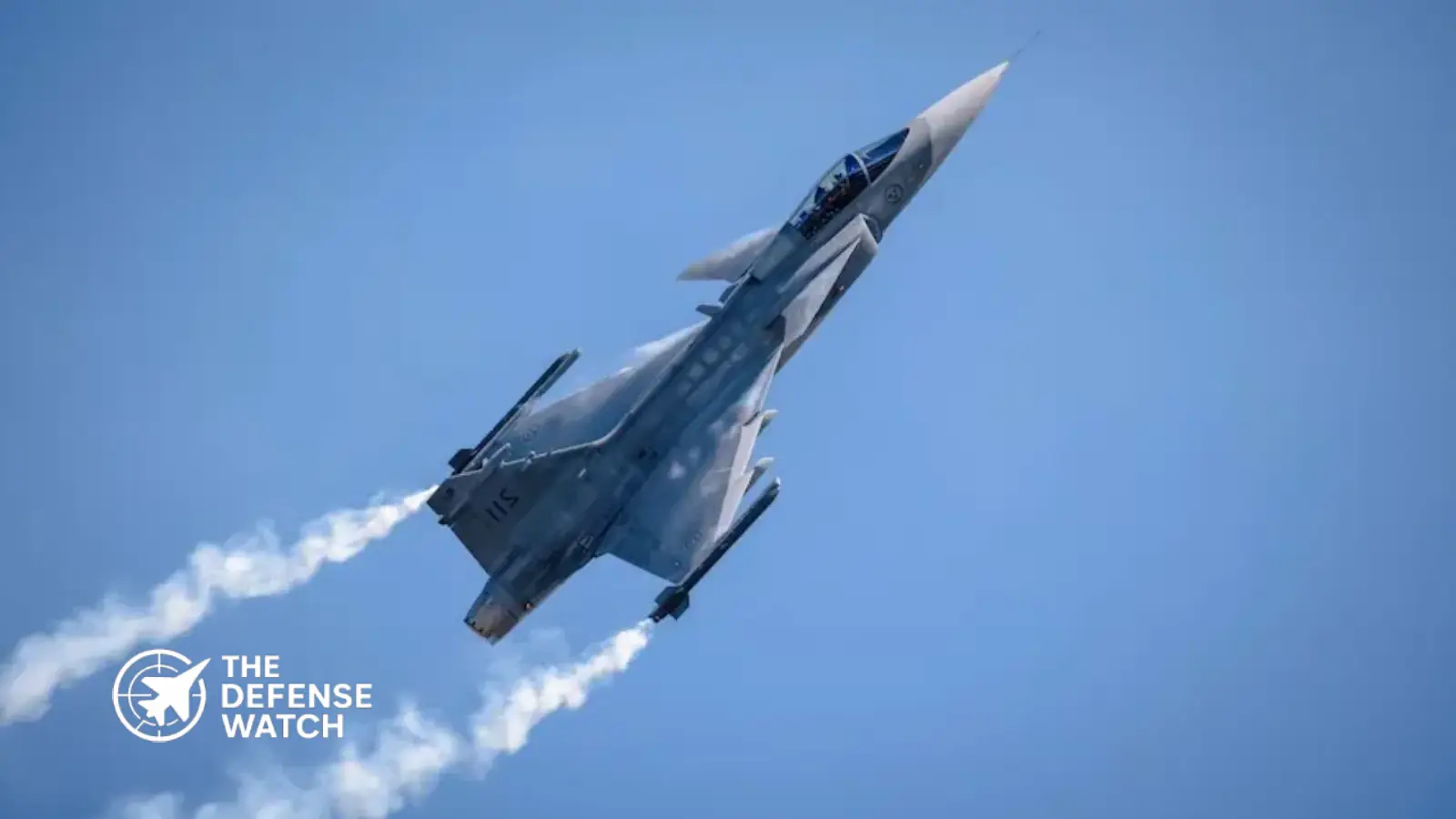
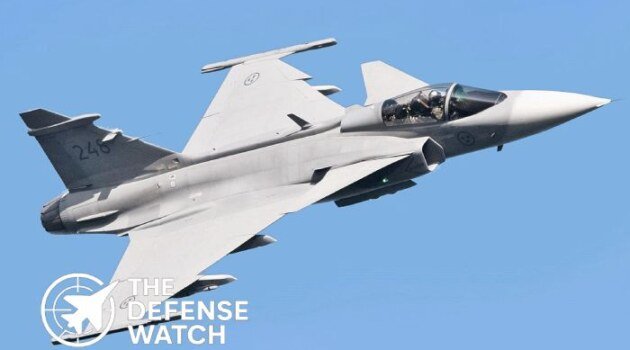
The United Kingdom’s support for a potential Swedish Gripen fighter transfer to Ukraine marks another step in the broader Western effort to modernize Kyiv’s combat aviation capability. According to reports, British officials have indicated support for discussions involving the possible supply of Saab JAS 39 Gripen aircraft to the Ukrainian Air Force.
The development comes as Ukraine continues integrating Western combat aircraft into operations while seeking a more sustainable and dispersed fighter structure capable of operating under wartime conditions. The Saab Gripen has increasingly drawn attention among defense planners because of its ability to operate from short and improvised runways, relatively low maintenance demands, and compatibility with NATO-standard systems.
Unlike larger Western fighter platforms that often require extensive logistics infrastructure, the Gripen was originally designed by Sweden for high survivability in a contested European environment. That operational concept aligns closely with Ukraine’s current battlefield conditions, where airbases remain vulnerable to Russian missile and drone strikes.
(adsbygoogle = window.adsbygoogle || []).push({});Why The Gripen Matters For Ukraine
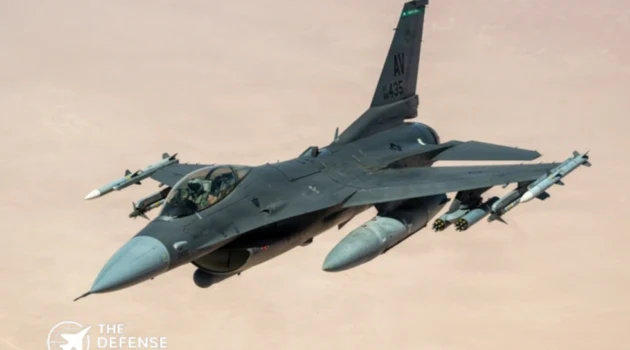
The potential Gripen fighter deal carries strategic significance beyond the aircraft itself. Ukraine’s current Western fighter transition has largely centered on the Lockheed Martin F-16, supported by several NATO members. However, military analysts have consistently noted that maintaining a diverse fleet could improve operational flexibility and reduce dependence on a single supply and training ecosystem.
The Saab Gripen offers several capabilities that could complement Ukraine’s existing and planned air assets. The aircraft is equipped for air defense, precision strike, and reconnaissance missions while maintaining relatively low operating costs compared to heavier multirole fighters.
One of the aircraft’s key advantages is its rapid turnaround capability. Swedish doctrine allows small ground crews and conscript personnel to rearm and refuel the aircraft quickly from dispersed locations. In Ukraine’s operational environment, where survivability and mobility are critical, such a concept could provide meaningful advantages.
The aircraft’s integration with advanced European air-to-air missiles, including the MBDA Meteor beyond visual range missile, is also viewed as strategically important. If approved for export and integration into Ukrainian operations, such systems could potentially strengthen Ukraine’s long range aerial engagement capability.
(adsbygoogle = window.adsbygoogle || []).push({});Britain’s Role In The Discussions
The United Kingdom has played a central role in building international support for Ukraine’s airpower modernization. British officials have previously assisted in pilot training initiatives and coalition building efforts involving Western combat aircraft.
London’s backing of a Gripen-related arrangement also reflects broader European defense coordination. Sweden, now a NATO member, has gradually expanded military support to Ukraine while balancing domestic defense requirements and alliance commitments.
Any formal transfer of Gripen fighters would likely require extensive multinational coordination involving pilot training, sustainment support, spare parts, and weapons integration. Export approvals from Sweden and consultations among NATO partners would also be necessary before any operational deployment.
British support could therefore help accelerate diplomatic and logistical planning even if a final aircraft transfer decision remains under discussion.
(adsbygoogle = window.adsbygoogle || []).push({});Saab Gripen’s Operational Profile
The Saab JAS 39 Gripen was developed during the Cold War to defend Sweden against a technologically advanced adversary while operating in austere conditions. That background shaped an aircraft optimized for dispersed basing, survivability, and reduced maintenance complexity.
The fighter combines modern avionics, electronic warfare systems, and multirole capability within a relatively lightweight design. Current Gripen variants are capable of conducting air superiority missions, electronic attack operations, and precision strikes using NATO-compatible munitions.
Defense analysts have repeatedly compared the aircraft favorably in environments where runway vulnerability and rapid sortie generation are major operational concerns. Ukraine’s continued exposure to long range Russian strikes has renewed attention on these characteristics.
The Gripen also offers interoperability advantages with broader European defense infrastructure. Several NATO and partner nations already operate or have evaluated the aircraft, creating potential opportunities for training and sustainment cooperation.
(adsbygoogle = window.adsbygoogle || []).push({});Strategic Implications For Europe
The United Kingdom’s support for the Gripen proposal highlights a wider European shift toward long term defense planning for Ukraine rather than short term battlefield assistance alone.
Western governments increasingly appear focused on helping Ukraine establish a durable post Soviet military structure integrated with NATO standards. Combat aviation remains one of the most complex parts of that transition because of the training timelines, maintenance requirements, and operational integration challenges involved.
A potential Gripen arrangement would also deepen defense industrial cooperation between Britain, Sweden, and allied European partners. It may further reinforce Europe’s effort to expand regional defense production and reduce dependence on limited aircraft inventories.
At the same time, officials remain cautious regarding escalation risks and force availability. Sweden must balance support for Ukraine against maintaining readiness for its own armed forces during a period of heightened regional security concerns in Northern Europe and the Baltic region.
(adsbygoogle = window.adsbygoogle || []).push({});Outlook
No final agreement on a Gripen transfer to Ukraine has been publicly confirmed. However, British support for the discussions signals continued momentum behind Ukraine’s long term airpower modernization effort.
As the conflict evolves, Western governments are increasingly prioritizing systems that can survive in heavily contested environments while remaining sustainable over extended periods. In that context, the Saab Gripen’s dispersed operations model and lower logistical footprint continue to attract attention among defense planners evaluating future support options for Ukraine.

Executive Summary:
The UK Ministry of Defence is facing renewed scrutiny after lawmakers warned the department remains exposed to an estimated £1.5 billion annual fraud risk. A new parliamentary report says weak leadership, fragmented oversight, and insufficient use of technology are limiting the MoD’s ability to protect defense funding at a time of growing military spending commitments.
UK MoD Fraud Risk Draws Parliamentary Scrutiny
The UK MoD fraud risk has become a major concern for British lawmakers following the release of a new report from the UK Parliament’s Public Accounts Committee (PAC), which criticized the Ministry of Defence for failing to adequately address economic crime and procurement fraud.
According to the committee, the MoD remains exposed to approximately £1.5 billion in potential annual fraud losses, while recovering only 48 pence for every pound spent on counter-fraud activity over the past four years.
The report argues that the department lacks the leadership focus and organizational coordination needed to reduce financial losses tied to procurement abuse, contractor overbilling, and other forms of economic misconduct.
The findings arrive as the UK government seeks to expand defense spending amid heightened security concerns across Europe and continued pressure from NATO allies to strengthen military readiness.
Procurement Identified As Major Vulnerability
Lawmakers identified defense procurement as one of the highest-risk areas for fraud exposure inside the ministry.
The PAC report highlighted concerns that suppliers may repeatedly submit inflated or invalid claims despite the MoD maintaining open-book access to contractor financial data. During the 2024-25 financial year alone, the department reportedly halted roughly £400 million in contract payments it considered invalid.
The committee warned this pattern suggests dishonest behavior may not be adequately deterred under existing oversight mechanisms.
Sir Geoffrey Clifton-Brown, chair of the Public Accounts Committee, said the apparent normalization of fraud within parts of the procurement process reflects wider structural weaknesses across the department.
He added that the MoD still lacks an overarching strategy for tackling fraud and economic crime, despite longstanding concerns surrounding acquisition inefficiencies and financial management.
The criticism adds to broader pressure already facing the British defense establishment over delayed modernization plans and affordability concerns linked to future force development.
Leadership And Accountability Concerns
The parliamentary report also criticized what it described as siloed working practices and weak ownership structures inside the Ministry of Defence.
Lawmakers said inconsistent coordination between departments responsible for fraud prevention has reduced operational effectiveness and limited institutional trust.
To address the issue, the PAC recommended appointing a dedicated senior official at two-star military rank focused primarily on counter-fraud leadership and accountability.
The committee further called for the MoD to deliver a formal plan by November 2026 explaining how it intends to meet the UK government’s benchmark of recovering at least £3 for every £1 spent on anti-fraud efforts.
At present, the ministry does not expect to meet that target until 2028.
The report also questioned the credibility of the MoD’s current estimate of annual fraud exposure. During testimony to the inquiry, officials reportedly described the £1.5 billion figure as an academic construct rather than a precise operational assessment.
Lawmakers argued that without a more reliable understanding of actual losses, the department cannot effectively prioritize counter-fraud resources or prevention measures.
Technology Gap Raises Additional Concerns
Another major finding centered on the ministry’s limited use of advanced data analytics and digital monitoring tools.
While the MoD has used analytics to identify fraud after payments have already been made, the PAC said there was little evidence of proactive systems designed to prevent losses before they occur.
Current use cases reportedly include retrospective checks for duplicate invoices and payment irregularities rather than predictive fraud detection.
The committee urged the department to accelerate adoption of modern digital oversight tools already being used elsewhere across government agencies.
This recommendation aligns with wider modernization efforts underway across NATO defense ministries, many of which are increasingly investing in AI-enabled auditing, procurement transparency systems, and automated financial monitoring capabilities.
The issue is particularly significant as Western governments continue expanding defense budgets to support modernization programs, replenish weapons stockpiles, and sustain long-term military readiness initiatives.
Defense Spending Pressure Intensifies Oversight Demands
The MoD’s financial oversight challenges come amid growing political pressure to increase UK defense spending in response to Russia’s war in Ukraine and broader European security concerns.
British officials have repeatedly pledged to strengthen military investment, although lawmakers continue pressing the government for a fully costed long-term defense investment plan.
The PAC noted that every pound lost to fraud reduces funding available for operational readiness, force modernization, and procurement priorities.
The committee also referenced previous findings showing that approximately £1.6 billion had already been wasted through canceled defense projects, compounding concerns over financial discipline inside the ministry.
For defense analysts, the report highlights a wider challenge facing many Western militaries: balancing rapid capability expansion with stronger accountability mechanisms during periods of accelerated spending growth.
As procurement budgets rise, oversight systems increasingly become part of national security resilience rather than simply administrative compliance.
Original Analysis
The PAC’s findings suggest the UK government now views financial governance as directly connected to defense credibility and operational effectiveness.
While procurement fraud is not unique to the British defense sector, the scale of the estimated exposure raises questions about whether current acquisition structures are capable of supporting sustained defense expansion without major reform.
The timing is especially sensitive. NATO members are under pressure to accelerate acquisitions ranging from missile systems to munitions production and naval modernization. Faster procurement cycles can create opportunities for fraud if oversight systems fail to evolve at the same pace.
The report also reflects a broader trend across allied governments toward integrating advanced analytics and AI-driven monitoring into defense management systems. Countries that fail to modernize financial oversight may face increasing difficulty controlling costs as military spending grows.
For the UK specifically, restoring confidence in procurement governance may become essential as London seeks to position itself as a leading European defense power during a period of elevated geopolitical tension.
(adsbygoogle = window.adsbygoogle || []).push({});Executive Summary:
The UK Ministry of Defence has issued a fresh Request for Information (RFI) for a medium-range precision strike capability aimed at strengthening the British Army’s long-range fires inventory. The move reflects growing NATO emphasis on deep strike weapons, precision targeting, and battlefield deterrence amid evolving European security threats.
UK Medium-Range Precision Strike Requirement Gains Momentum
The UK medium-range precision strike initiative has entered a new phase after the British Ministry of Defence released a fresh Request for Information seeking industry proposals for a next-generation precision strike weapon.
The requirement is focused on identifying systems capable of delivering accurate long-range effects against high-value targets while supporting the British Army’s future deep fires strategy.
The RFI signals continued British investment in long-range strike capabilities as European militaries adapt to lessons emerging from the war in Ukraine and wider NATO deterrence requirements.
The UK has steadily expanded its focus on land-based precision fires over the past several years, particularly following modernization efforts tied to the British Army’s Future Soldier restructuring program.
Focus On Long-Range Fires And Battlefield Reach
The latest UK medium-range precision strike effort appears aimed at closing operational gaps between existing artillery systems and higher-end strategic missile capabilities.
Modern conflicts have demonstrated the importance of survivable, mobile, and precision-guided fires capable of striking command centers, logistics hubs, air defense nodes, and armored formations at extended ranges.
The British Army currently operates systems including the M270 Multiple Launch Rocket System, which is undergoing modernization with upgraded launchers and integration of extended-range munitions. However, defense planners are increasingly looking beyond legacy rocket artillery toward more flexible deep strike solutions.
Analysts say the renewed RFI reflects several strategic realities:
- NATO allies are expanding long-range fires inventories
- Precision strike capabilities are becoming central to deterrence
- European militaries are emphasizing distributed battlefield operations
- Deep strike systems are increasingly linked with ISR and targeting networks
The UK Ministry of Defence has not publicly confirmed a final acquisition timeline or specific missile range thresholds, but the requirement points toward a broader effort to modernize Britain’s land warfare capabilities.
(adsbygoogle = window.adsbygoogle || []).push({});Industry Competition Likely To Intensify
The UK medium-range precision strike requirement is expected to attract interest from major Western defense firms already active in missile and rocket artillery programs.
Potential contenders could include systems associated with companies such as Lockheed Martin, MBDA, Raytheon, and Kongsberg Defence & Aerospace, depending on the final operational requirements issued by London.
Several NATO states are simultaneously pursuing longer-range land strike capabilities, creating a highly competitive market environment for missile manufacturers.
The United States, Poland, Germany, and other allied nations have accelerated procurement of systems capable of engaging targets at distances previously reserved for airpower or naval strike assets.
That trend has increased demand for:
- Precision-guided rockets
- Tactical ballistic missiles
- Ground-launched cruise missiles
- Network-enabled targeting systems
The UK’s latest RFI could therefore become part of a broader multinational modernization cycle shaping future NATO land combat doctrine.
Lessons From Ukraine Continue To Shape Procurement
British defense planners have closely studied the operational impact of long-range fires during Russia’s war against Ukraine.
Precision strike systems have played a central role in disrupting logistics chains, degrading command infrastructure, and limiting maneuver operations on both sides of the conflict.
Western-supplied systems such as HIMARS demonstrated how mobile precision fires can alter battlefield dynamics without requiring air superiority.
For Britain, that operational environment has reinforced the need for survivable and rapidly deployable strike assets capable of operating in contested electromagnetic and air defense environments.
The British Army’s modernization plans increasingly emphasize integration between sensors, targeting networks, and precision munitions. Future strike systems are expected to operate alongside ISR platforms, drones, and digital command networks to accelerate kill chains and improve targeting accuracy.
Strategic Importance For NATO
The UK medium-range precision strike program also carries wider alliance implications.
NATO has prioritized long-range fires modernization as part of its evolving deterrence posture against near-peer threats. Several alliance members are expanding artillery production, missile stockpiles, and strike ranges following years of underinvestment in conventional land warfare.
(adsbygoogle = window.adsbygoogle || []).push({});Britain remains one of NATO’s leading military powers and continues to play a major role in alliance readiness initiatives across Europe.
A new British precision strike capability would likely support:
- NATO rapid response operations
- Forward deterrence missions
- Multi-domain warfare integration
- European collective defense planning
The RFI therefore represents more than a standalone procurement effort. It reflects a broader strategic shift toward high-intensity warfare preparedness across NATO militaries.
British Defense Spending Pressure Remains
The announcement also arrives amid continued debate over UK defense spending priorities.
London has faced growing pressure from allies and defense analysts to accelerate military modernization programs while addressing ammunition stockpile concerns and readiness gaps exposed by the Ukraine conflict.
Long-range fires modernization is increasingly viewed as a cost-effective method of increasing combat power without relying solely on expensive manned aircraft or large armored formations.
If the UK proceeds toward a formal acquisition program, the effort could become a significant component of Britain’s future land warfare investment strategy.
Executive Summary:
South Korean shipbuilder Hanwha Ocean has deployed its KSS-III submarine to Canada in support of Ottawa’s future patrol submarine program. The visit highlights growing competition in Canada’s naval modernization effort as allied shipbuilders position themselves for one of the world’s most closely watched submarine procurements.
Hanwha Ocean KSS-III Submarine Arrives In Canada
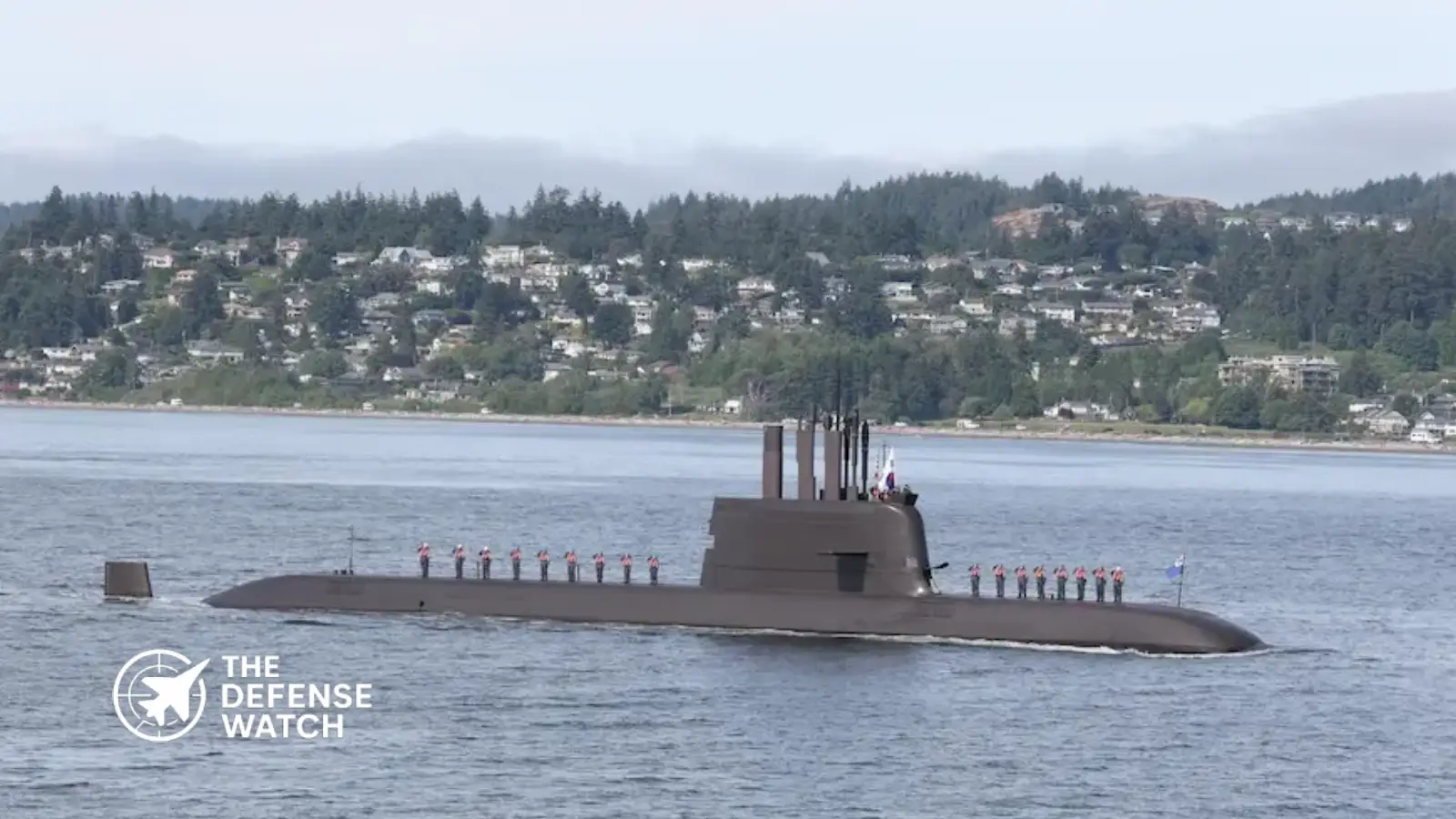
The Hanwha Ocean KSS-III submarine has reached Canada following a long range deployment intended to support South Korea’s bid for the Canadian Patrol Submarine Project (CPSP). The voyage marks a significant step in Seoul’s push to expand its defense exports into North America and deepen naval cooperation with Western allies.
The submarine’s arrival is designed to demonstrate the platform’s endurance, operational range, and suitability for Arctic and long distance missions that are central to Canada’s future submarine requirements.
Canada is seeking to replace its aging Victoria-class submarines with a new fleet capable of operating across the Atlantic, Pacific, and Arctic regions. Ottawa’s planned acquisition is expected to become one of the largest naval modernization efforts in Canadian history.
The KSS-III deployment comes as several international shipbuilders compete for influence in the Canadian program, including companies from Europe and Asia.
KSS-III Designed For Long Range Operations
The KSS-III submarine, developed for the Republic of Korea Navy, represents South Korea’s most advanced indigenous submarine program. The platform features air independent propulsion technology, advanced combat systems, vertical launch capability, and extended endurance for blue water operations.
Defense analysts note that the deployment to Canada carries both operational and political significance. Demonstrating the submarine’s ability to conduct a trans-Pacific voyage helps validate claims regarding range and reliability, particularly as Canada evaluates vessels capable of sustained operations in remote maritime environments.
The Canadian Patrol Submarine Project is expected to prioritize under ice capability, endurance, stealth, interoperability with NATO forces, and long term industrial partnerships.
While the KSS-III was originally designed for regional deterrence missions in the Indo-Pacific, Hanwha Ocean appears to be positioning the platform as a flexible export solution for allied navies facing growing maritime security demands.
Canada Expands Focus On Arctic Security
Canada’s submarine replacement effort has gained urgency amid increased geopolitical competition in the Arctic and rising naval activity by Russia and China in northern waters.
Ottawa has repeatedly emphasized the need for persistent underwater surveillance and sovereign maritime presence across the Arctic region. Existing Victoria-class submarines have faced operational limitations tied to age, maintenance demands, and limited under ice capability.
The Hanwha Ocean KSS-III submarine bid reflects a broader trend in which Asian defense manufacturers are increasingly competing in Western procurement programs once dominated by European and American suppliers.
South Korea’s defense industry has expanded rapidly over the past decade, securing major export contracts in Europe, the Middle East, and Asia. Companies including Hanwha Ocean and Hanwha Aerospace have benefited from rising global demand for faster production timelines and competitively priced military systems.
Strategic Implications For NATO And Indo-Pacific Cooperation
The KSS-III deployment also reflects expanding defense ties between Canada and South Korea as both countries strengthen cooperation with U.S.-led alliance structures in the Indo-Pacific region.
Naval experts say Canada’s future submarine selection could influence interoperability with NATO partners and allied Indo-Pacific operations for decades. Long range submarines are increasingly viewed as critical assets for intelligence gathering, deterrence patrols, anti-submarine warfare, and strategic surveillance missions.
For South Korea, success in Canada would represent a major breakthrough in the Western submarine export market and reinforce Seoul’s growing role as a global defense supplier.
At the same time, competition remains intense. European shipbuilders continue promoting mature submarine designs with proven NATO operational records, while Canada’s final requirements are still evolving.
No final procurement decision has been announced by the Canadian government.
Original Analysis
The arrival of the Hanwha Ocean KSS-III submarine in Canada is more than a promotional deployment. It reflects how global submarine competition is shifting beyond traditional European suppliers.
South Korean defense firms are increasingly leveraging rapid manufacturing capacity, modern digital shipbuilding methods, and flexible industrial cooperation packages to compete internationally. Canada’s submarine program offers Seoul an opportunity to prove that Asian defense manufacturers can support long term Western naval requirements at scale.
The deployment also highlights a broader strategic reality. Arctic security is becoming central to NATO planning, and future submarines must balance stealth, endurance, and multi theater operational flexibility. Any winning design will likely need to support not only national defense missions, but also integrated allied operations across the Atlantic and Indo-Pacific.
For Canada, the choice will shape naval capabilities for decades. For South Korea, it could redefine its position in the global submarine export market.

Executive Summary:
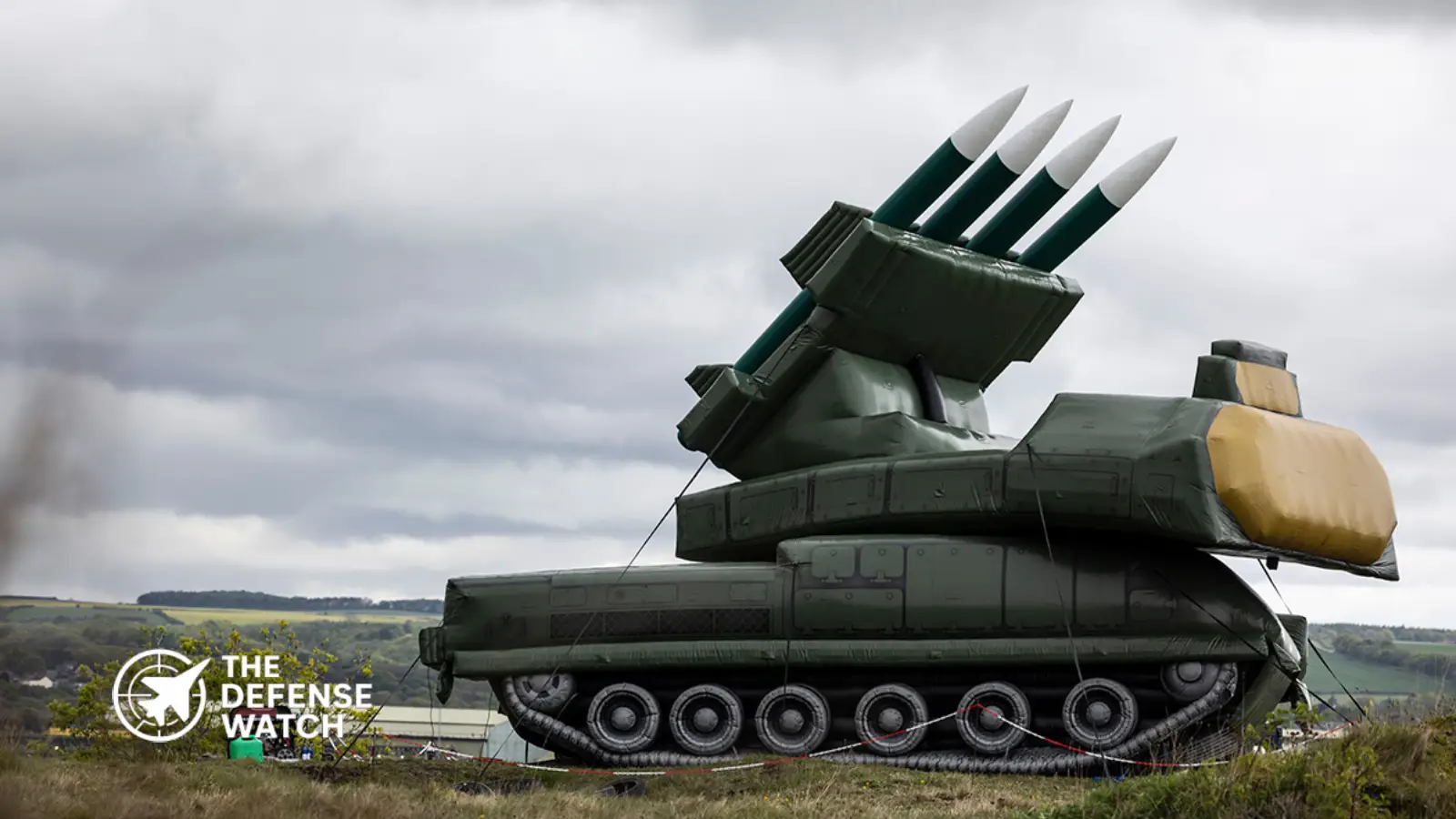
The Royal Air Force is using inflatable surface-to-air missile (SAM) systems during training exercises to expose pilots to realistic battlefield threats. The move reflects growing emphasis on survivability training as modern integrated air defense systems become more capable and widespread.
RAF Inflatable SAM Sites Added To Modern Pilot Training
The use of RAF inflatable SAM sites is becoming an increasingly visible part of British military training as the Royal Air Force adapts to evolving battlefield conditions.
The RAF is employing inflatable replicas of surface-to-air missile systems during exercises to create more realistic threat environments for combat aircrews. The decoys are designed to simulate enemy air defense networks that pilots could encounter in real-world operations.
Modern conflicts have demonstrated the growing effectiveness of layered air defense systems, particularly in contested airspace environments. As a result, Western air forces are placing greater emphasis on suppression and avoidance of enemy air defenses during training cycles.
The inflatable systems reportedly mimic radar-guided missile batteries and other ground-based threats. Their lightweight construction allows rapid deployment across training ranges while reducing costs associated with operating real missile equipment.
Training For Modern Air Defense Threats
The RAF inflatable SAM sites are intended to improve pilot decision-making under combat conditions. Aircrews can practice identifying threats, adjusting flight routes, and employing countermeasures in scenarios that more closely resemble operational missions.
The approach aligns with broader NATO efforts to strengthen readiness against advanced integrated air defense systems. Russia’s use of layered SAM networks in Ukraine has reinforced concerns among Western militaries about the risks posed by modern radar-guided missiles.
Military analysts have noted that survivability in contested airspace increasingly depends on pilot familiarity with electronic warfare environments, deceptive targets, and rapidly changing threat conditions.
Inflatable military decoys are not new. Armed forces worldwide have long used mock tanks, missile launchers, and aircraft to mislead adversaries or support training. However, the RAF’s integration of inflatable missile systems into pilot exercises highlights a growing recognition that realistic threat replication is essential for combat preparation.
Low-Cost Systems With High Training Value
One of the primary advantages of inflatable systems is cost efficiency. Real air defense systems are expensive to operate, maintain, and transport. Inflatable replicas can be deployed quickly and repositioned as exercise scenarios evolve.
The systems also provide visual realism from the air, helping pilots practice target identification and threat assessment. Combined with electronic warfare simulations and radar emitters, inflatable decoys can contribute to complex training environments without requiring large-scale deployment of operational missile batteries.
This reflects a broader trend across NATO air forces toward synthetic and hybrid training methods. Militaries are increasingly combining physical decoys, virtual simulations, and live exercises to prepare pilots for high-intensity warfare.
The RAF has been modernizing multiple aspects of its operational training framework in recent years, including fifth-generation combat aircraft integration, electronic warfare readiness, and joint exercises with allied nations.
Lessons From Contemporary Conflicts
The renewed focus on air defense evasion training comes as military planners study lessons from ongoing conflicts. The war in Ukraine has demonstrated that even advanced aircraft face significant risks when operating near sophisticated missile systems.
Portable air defense missiles and long-range radar-guided systems have both proven effective against aircraft and drones. This has increased demand for improved pilot awareness, electronic attack capabilities, and tactical flexibility.
The RAF inflatable SAM sites may appear simple compared to advanced combat systems, but their operational value lies in creating stress, uncertainty, and realism during training missions. Defense experts frequently argue that realistic training environments are critical to reducing combat losses and improving mission success rates.
The United Kingdom continues to invest in broader defense modernization initiatives as NATO members increase attention on deterrence and readiness across Europe.
Wider Implications For NATO Air Forces
The RAF’s use of inflatable missile systems could influence how allied air forces structure future exercises. Training against realistic, dispersed threats is becoming increasingly important as potential adversaries improve missile coverage and sensor networks.
Air forces are also adapting to the growing overlap between drones, electronic warfare systems, and traditional air defense assets. Future battlefields are expected to feature highly contested electromagnetic environments where pilots must process large amounts of threat data rapidly.
The adoption of inflatable SAM replicas demonstrates how relatively low-cost tools can support high-value operational readiness objectives. As defense budgets face competing priorities, militaries are likely to continue seeking affordable ways to improve combat realism.