Executive Summary:
The U.S. Air Force is seeking to expand its EA-37B Compass Call fleet from 10 to 19 aircraft as electronic warfare becomes increasingly critical in modern conflict. The move reflects growing concerns over contested electromagnetic environments and the need to maintain operational advantages against peer adversaries.
U.S. Air Force Seeks Major EA-37 Electronic Warfare Expansion
The U.S. Air Force’s planned expansion of the EA-37 electronic attack fleet signals a broader shift toward electromagnetic warfare as a core operational requirement for future conflicts.
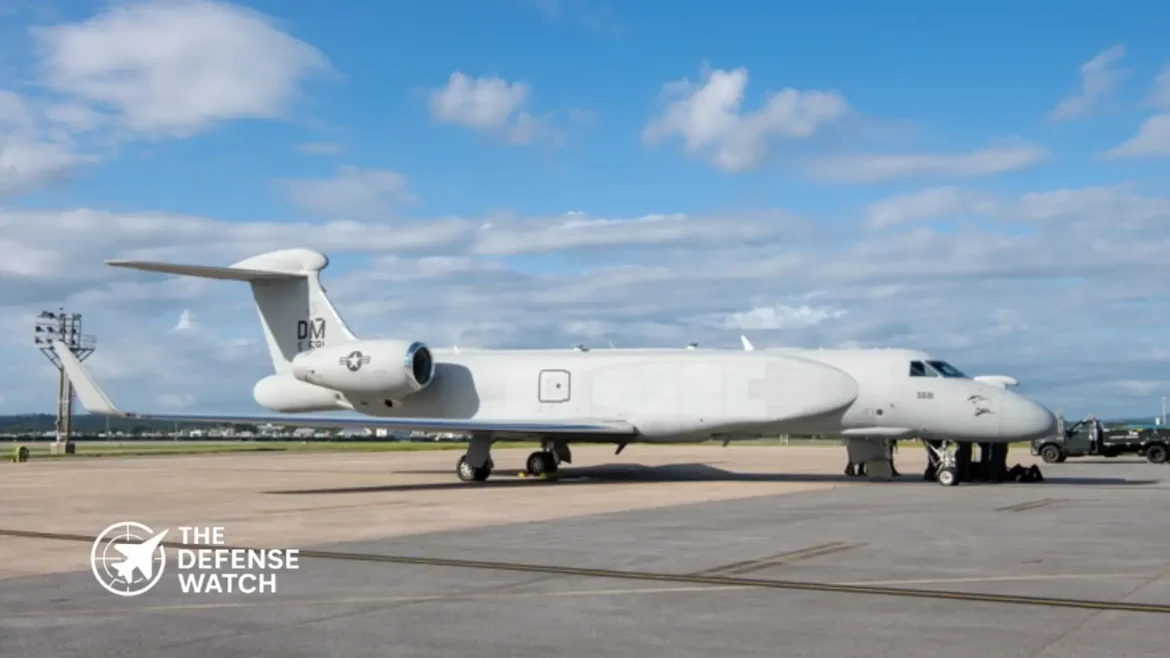
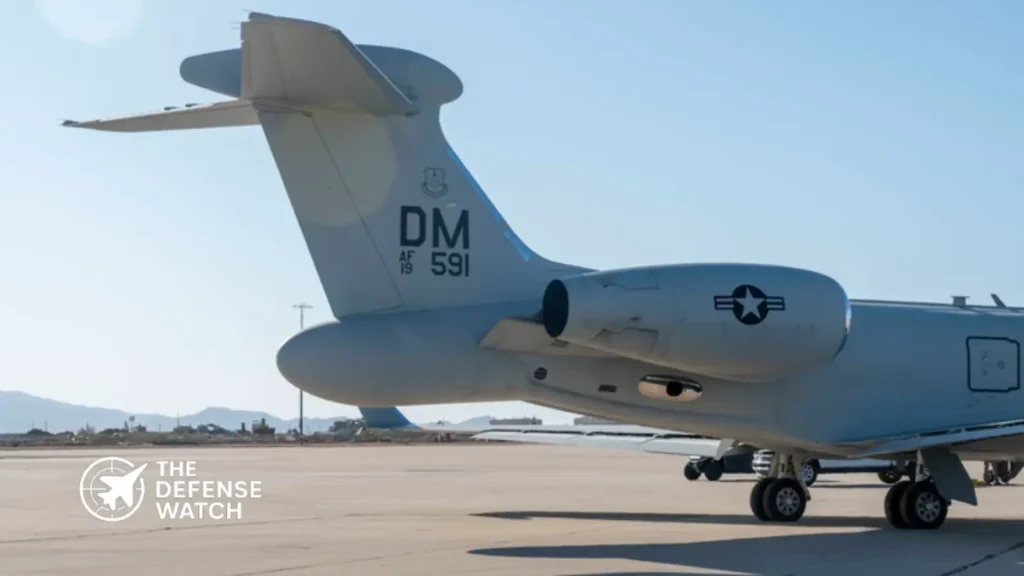
Air Force officials now want to increase the planned EA-37B Compass Call fleet from 10 aircraft to 19. The platform is designed to replace the aging EC-130H Compass Call fleet, which has served for decades in airborne electronic attack missions.
The EA-37B is based on the Gulfstream G550 business jet platform and integrates advanced jamming and electronic attack systems intended to disrupt enemy communications, radar, and command networks.
The proposed fleet expansion comes as the Pentagon places increasing emphasis on electronic warfare capabilities across potential high-end conflict scenarios, particularly in the Indo-Pacific and Europe.
Why The EA-37 Matters
The EA-37B Compass Call is expected to provide improved survivability, longer range, and reduced operating costs compared to the older EC-130H aircraft.
Unlike the turboprop-powered EC-130H, the jet-powered EA-37B offers faster transit speeds and greater operational flexibility. The aircraft is being developed by BAE Systems and L3Harris Technologies under the Compass Call modernization effort.

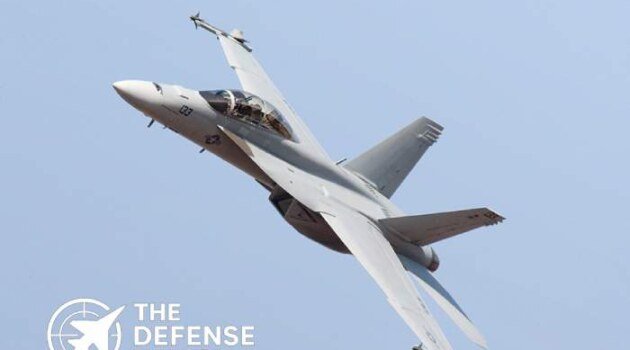
Image : U.S. Air Force Electronic attack aircraft play a critical role in suppressing enemy air defenses, degrading battlefield communications, and supporting strike packages during contested operations. Modern military operations increasingly depend on uninterrupted access to the electromagnetic spectrum, making airborne jamming assets more strategically valuable.
The Air Force’s decision to reconsider the fleet size also reflects lessons observed from ongoing conflicts where electronic warfare, drones, and network disruption have become central battlefield factors.
Growing Demand For Electromagnetic Warfare
Senior Air Force leaders have repeatedly warned that the electromagnetic spectrum is now a heavily contested domain.
Potential adversaries including China and Russia continue investing in advanced radar systems, integrated air defenses, cyber-electromagnetic operations, and long-range sensing networks. In such environments, aircraft capable of disrupting enemy command and control systems become increasingly important.
The EA-37B is expected to support joint force operations by enabling strike aircraft, bombers, and intelligence platforms to operate more effectively in hostile airspace.
The Air Force originally planned for a smaller fleet partly because of budget pressures and assumptions about future operational requirements. However, growing concerns about pacing threats and operational tempo appear to be driving reassessments inside the service.
Transition From The EC-130H Fleet
The retirement of the EC-130H Compass Call fleet has been ongoing for several years as the Air Force transitions toward the newer platform.
The legacy aircraft proved valuable during operations in Iraq, Afghanistan, and other counterinsurgency campaigns where electronic attack missions were used to disrupt insurgent communications and remote detonation systems.
However, future conflicts against technologically advanced adversaries require faster and more survivable platforms capable of operating in highly contested environments.
The EA-37B addresses several of those concerns through improved altitude performance, reduced maintenance demands, and updated mission systems.
Air Force officials have also emphasized that modern electronic warfare is no longer a niche support capability. Instead, it is becoming an integrated component of air dominance and joint operations planning.
Strategic Implications
The move to nearly double the EA-37 fleet reflects a wider Pentagon effort to rebuild electronic warfare capacity after years of focus on counterterrorism operations.
The U.S. military is increasingly prioritizing capabilities that can survive in denied environments, disrupt enemy sensor networks, and support distributed operations across large theaters.
For the Air Force, the EA-37B represents part of a larger modernization effort that includes next-generation fighters, collaborative combat aircraft, long-range weapons, and advanced networking systems.
Electronic attack platforms may also become increasingly important for coalition operations, particularly as NATO and Indo-Pacific allies seek stronger interoperability in contested spectrum environments.
While budget approval and procurement timelines remain subject to congressional review, the Air Force’s revised requirement signals that electronic warfare aircraft are regaining prominence in U.S. defense planning.
Executive Summary:
Ukraine has deployed an AI-powered anti-drone turret designed to intercept Russian fiber-optic FPV drones that are resistant to electronic jamming. The system represents a new layer in Kyiv’s evolving short-range air defense network as both sides accelerate autonomous drone warfare on the battlefield.
Ukraine Deploys AI Turret To Counter Fiber-Optic Drones
Ukraine’s defense forces have begun deploying an AI-powered turret system designed to intercept Russian fiber-optic FPV drones, marking a significant shift in the country’s battlefield air defense strategy.
The announcement was made by Mykhailo Fedorov, Ukraine’s First Deputy Prime Minister and Minister of Digital Transformation, who said the system is already operating in combat zones with frontline units.
According to Fedorov, the AI turret was developed by a company participating in the Brave1 defense technology initiative. The platform was established to accelerate military innovation and rapidly field emerging battlefield technologies for Ukrainian forces.
The system is intended to counter one of the fastest-growing threats in the war, fiber-optic first-person-view drones that operate through physical cable connections rather than radio signals.
Unlike conventional FPV drones, fiber-optic drones are largely immune to electronic warfare systems that rely on radio-frequency jamming. That capability has created a major operational challenge for Ukrainian forces, especially along logistics routes and rear-area supply corridors.
Fedorov said soldiers from the K-2 Brigade became the first Ukrainian operators to use the AI-powered turret in combat operations. More than ten systems have reportedly been deployed across priority sectors of the front.
AI Turret Designed For Autonomous Drone Intercepts
The AI turret functions as a semi-autonomous close-range air defense system.
According to Ukrainian officials, the turret independently detects incoming drones, tracks their movement, and calculates intercept trajectories. Human involvement is limited to target confirmation, with the operator authorizing engagement by pressing a single button.
The system is part of what Ukrainian officials describe as a broader “small air defense” architecture intended to protect frontline positions from low-cost unmanned aerial threats.
The emergence of fiber-optic FPV drones has complicated traditional battlefield defenses. Electronic warfare systems that once proved highly effective against standard quadcopters and radio-controlled FPV drones are less effective against cable-guided systems because there is no radio signal to disrupt.
Russia began deploying longer-range fiber-optic drones in late 2025, according to Ukrainian officials. Some variants reportedly operate at distances of up to 50 kilometers while maintaining secure communication links with operators.
That capability has increased pressure on Ukrainian logistics networks, troop movements, and forward resupply operations.
Fiber-Optic Drones Are Changing Battlefield Dynamics
The deployment of fiber-optic FPV drones represents a broader evolution in unmanned warfare.
Traditional electronic warfare has become one of the defining features of the Russia-Ukraine conflict, with both sides heavily investing in jamming systems, spoofing technologies, and signal disruption capabilities. However, fiber-optic drones bypass many of those defenses entirely.
The drones carry ultra-thin fiber cables that spool behind them during flight, maintaining uninterrupted communication between the drone and its operator.
That creates several tactical advantages:
- Immunity to radio-frequency jamming
- Reduced vulnerability to signal interception
- More stable control in contested electromagnetic environments
- Greater precision during terminal attack phases
The downside is physical range limitation and the risk of cable breakage, but battlefield demand for resilient strike drones has pushed both Russia and Ukraine to explore the technology aggressively.
The trend also reflects a broader global shift toward autonomous and AI-assisted counter-drone systems.
AI And Automation Becoming Central To Counter-UAS Warfare
Ukraine’s AI turret deployment highlights how rapidly counter-UAS warfare is evolving from manual targeting toward machine-assisted engagement systems.
Low-cost FPV drones have already transformed battlefield economics. A relatively inexpensive drone can threaten armored vehicles, artillery systems, supply trucks, and infantry positions. Defending against large volumes of drones using conventional missile-based air defense systems is often financially unsustainable.
As a result, militaries are increasingly investing in automated short-range interception systems capable of identifying and neutralizing drones quickly and at lower cost.
The Ukrainian system appears designed specifically for rapid reaction against low-altitude FPV threats, particularly in environments saturated with electronic warfare activity.
The operational concept also mirrors developments in other conflict zones, including the Middle East, where non-state actors such as Hezbollah have increasingly used cable-guided and hard-to-jam unmanned systems.
For Ukraine, the challenge is not only technological but industrial. Scaling production fast enough to counter growing Russian drone volumes remains critical.
Fedorov indicated Ukraine intends to expand manufacturing and increase deployments of the AI turret system as part of a wider layered defense network.
Why The System Matters
The deployment underscores a broader battlefield reality emerging from the war in Ukraine: electronic warfare alone is no longer sufficient against next-generation FPV threats.
As drones become more autonomous, resistant to jamming, and increasingly networked, militaries are being forced to combine AI targeting, kinetic interception, and layered air defense concepts into integrated battlefield protection systems.
Ukraine’s AI turret may represent an early operational example of that transition.
Its effectiveness at scale will likely influence future counter-drone development programs well beyond the Russia-Ukraine conflict.
Executive Summary:
Ukrainian drone manufacturer Skyeton has introduced a new anti-interceptor capability aimed at protecting ISR drones operating in contested airspace. The upgrade is intended to improve survivability against hostile aerial interception attempts, reflecting the growing electronic and kinetic threats facing reconnaissance UAVs in modern warfare.
Skyeton Introduces New ISR Drone Protection Capability
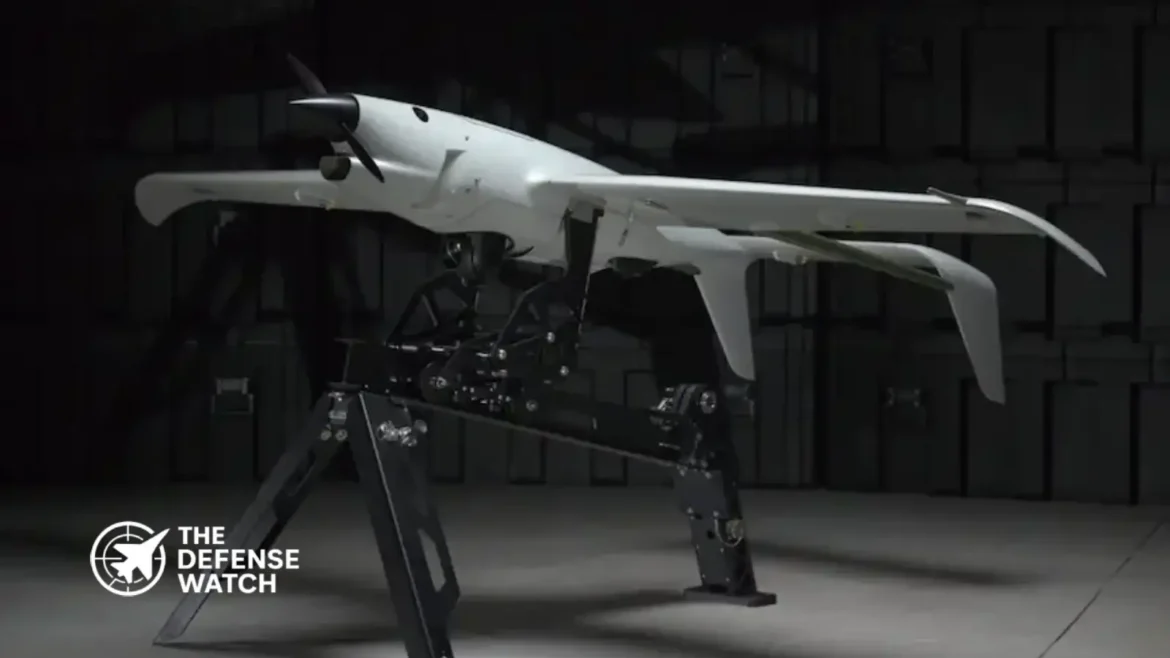
Ukrainian drone maker Skyeton has announced a new anti-interceptor capability designed to improve the survivability of intelligence, surveillance, and reconnaissance (ISR) drones operating in contested airspace.
The system is intended to counter the growing threat posed by interceptor drones and other aerial counter-UAV measures increasingly deployed on the modern battlefield.
The capability is being integrated into Skyeton’s ISR drone ecosystem, including the company’s Raybird unmanned aerial system, which has been widely used for long-endurance reconnaissance missions during the war in Ukraine.
Growing Threat To ISR Drones
The announcement highlights how drone warfare continues to evolve beyond traditional electronic warfare and ground-based air defense threats. ISR platforms are now facing increasing risks from dedicated interceptor drones designed specifically to track and destroy reconnaissance UAVs.
This shift has forced UAV manufacturers and military operators to focus more heavily on survivability measures rather than solely endurance, range, or payload capacity.
Skyeton’s anti-interceptor capability appears aimed at addressing that operational challenge directly. While the company has not publicly disclosed the full technical details of the system, the capability is reportedly designed to help ISR drones evade or disrupt hostile intercept attempts during missions in heavily defended airspace.
The development reflects broader battlefield lessons emerging from the conflict in Ukraine, where both sides have rapidly adapted drone tactics, electronic warfare systems, and counter-UAV technologies.
Raybird ISR Drone Remains Central To Ukrainian Operations
Skyeton’s Raybird platform has become one of Ukraine’s better-known ISR drones due to its endurance and operational flexibility. The aircraft is designed for long-duration reconnaissance and battlefield monitoring missions, providing intelligence support for military operations.
The system has previously been promoted for its ability to remain airborne for extended periods while conducting surveillance in high-risk environments.
Adding anti-interceptor functionality could significantly expand operational survivability for such ISR platforms, particularly in areas where hostile forces increasingly rely on layered drone defense tactics.
The move also underscores a wider trend across the global UAV market, where drone manufacturers are prioritizing resilience against electronic warfare, GPS denial, and aerial interception systems.
Counter-UAV Competition Intensifies
The rapid development cycle seen in Ukraine has accelerated innovation across both UAV and counter-UAV technologies. Reconnaissance drones that once operated with relative freedom are now increasingly vulnerable to electronic attack, kinetic interceptors, and autonomous counter-drone systems.
As a result, survivability upgrades are becoming a key competitive factor for ISR platforms worldwide.
Military planners are closely watching developments from the Ukrainian battlefield because they provide real-world insight into how drones perform under continuous electronic and kinetic pressure. Technologies proven in Ukraine are increasingly influencing procurement decisions in Europe, NATO countries, and other regions seeking lessons for future high-intensity conflicts.
Skyeton’s latest announcement signals that Ukrainian defense technology firms continue adapting quickly to changing operational realities despite ongoing wartime pressures.
Strategic Significance Beyond Ukraine
The introduction of anti-interceptor capability also reflects the growing importance of persistent ISR operations in modern warfare. Intelligence collection drones are now central to artillery targeting, battlefield awareness, force coordination, and long-range strike support.
Any improvement in UAV survivability can directly affect operational tempo and battlefield intelligence quality.
For NATO and allied defense observers, Ukraine’s drone innovation cycle continues to serve as a real-time laboratory for future air warfare concepts. The speed at which Ukrainian firms are iterating ISR and counter-interceptor technologies is drawing increasing international attention.
The capability may also strengthen Skyeton’s position in export markets as countries seek UAV systems capable of surviving in heavily contested electromagnetic and aerial threat environments.
Analysis: ISR Survivability Is Becoming The Next UAV Arms Race
The emergence of dedicated interceptor drones marks a major evolution in aerial warfare. Early phases of the Ukraine conflict demonstrated the value of affordable ISR drones, but the battlefield has since become saturated with layered counter-UAV systems.
That reality is changing procurement priorities.
Modern ISR drones are no longer judged only by flight endurance or sensor quality. Survivability against electronic attack and aerial interception is rapidly becoming just as important.
Skyeton’s anti-interceptor capability reflects this transition. Even limited survivability improvements can extend mission duration, preserve intelligence collection continuity, and reduce UAV attrition rates during sustained operations.
The development also suggests that future drone conflicts may increasingly resemble an aerial contest between autonomous reconnaissance platforms and dedicated hunter-killer interceptor systems.
As drone warfare matures, the competition between ISR survivability technologies and counter-UAV interceptors is likely to intensify across both state and non-state military actors.
Executive Summary:
General Dynamics Mission Systems has received a $69.7 million U.S. Air Force contract to produce KIV-78A cryptographic systems and circuit card assemblies. The program supports secure communications and interoperability across U.S. and allied military platforms under Foreign Military Sales agreements. The contract highlights continued demand for hardened encryption technology amid growing cyber and electronic warfare threats.
General Dynamics KIV-78A Contract Strengthens Allied Secure Communications
The KIV-78A contract awarded to General Dynamics Mission Systems reflects the growing importance of secure battlefield communications across modern military operations. The U.S. Air Force awarded the Scottsdale, Arizona-based company a maximum ceiling requirements contract valued at $69,702,627 for production of the KIV-78A cryptographic device and associated circuit card assemblies.
According to the Department of Defense contract announcement, work will be performed in Scottsdale through May 5, 2031. The contract was issued as a sole source acquisition through the Air Force Life Cycle Management Center’s Cryptologic and Cyber Systems Division at Joint Base San Antonio-Lackland, Texas.
Initial fiscal year 2026 procurement funding worth $8.27 million will be obligated under the first delivery order following contract award.
The KIV-78A system plays a key role in protecting sensitive military communications and tactical data transmissions. Cryptographic equipment like the KIV-78A enables secure exchange of operational information across aircraft, command centers, ground units, and allied coalition networks.
Expanding Foreign Military Sales Demand
The contract also includes extensive Foreign Military Sales participation involving key U.S. allies and partners. Countries listed under the agreement include Australia, Belgium, Canada, Germany, Israel, Italy, Japan, South Korea, Kuwait, Netherlands, Norway, Poland, Turkey, Saudi Arabia, Switzerland, United Arab Emirates, and the United Kingdom, among others.
The wide participation base underscores how encrypted interoperability remains central to coalition military operations. NATO forces and major U.S. defense partners increasingly depend on compatible secure communications architecture to support joint air, naval, and land operations.
Defense analysts have repeatedly highlighted that secure communications systems are becoming as strategically important as kinetic weapons platforms. Modern military operations rely heavily on real-time data sharing, sensor fusion, and network-centric warfare capabilities, all of which require resilient encryption and anti-tamper technologies.
Cyber And Electronic Warfare Pressures Drive Demand
The KIV-78A contract arrives as the Pentagon and allied militaries continue investing heavily in cyber resilience and electronic warfare survivability. Military planners increasingly face threats from adversaries capable of signal interception, spoofing, jamming, and cyber intrusion attempts.
Secure cryptographic systems are designed to protect classified and mission-critical information while ensuring communications integrity during contested operations. Such systems are particularly important for aircraft mission systems, tactical datalinks, intelligence-sharing networks, and command-and-control infrastructure.
The Air Force Life Cycle Management Center’s Cryptologic and Cyber Systems Division oversees many of the Pentagon’s secure communications modernization efforts. These programs support broader Department of Defense priorities focused on Joint All-Domain Command and Control, often referred to as JADC2, which aims to connect sensors, platforms, and decision-makers across multiple combat domains.
The sole source nature of the contract also reflects the highly specialized and sensitive nature of military cryptographic technology. Programs involving classified encryption standards and interoperability requirements are often limited to approved defense contractors with certified secure production capabilities.
Strategic Importance For U.S. And Allied Forces
The KIV-78A production effort reinforces the broader strategic emphasis on allied interoperability at a time of heightened geopolitical tensions across Europe, the Indo-Pacific, and the Middle East.
As coalition operations become more digitally integrated, the reliability and security of encrypted communications networks remain critical to operational effectiveness. Systems such as the KIV-78A help ensure that allied forces can securely exchange information during high-tempo military operations without compromising sensitive data.
The contract also supports long-term sustainment and modernization of existing secure communications infrastructure already fielded across multiple allied defense networks.
With completion scheduled through 2031, the agreement provides continued production stability for one of the Pentagon’s key tactical cryptographic systems while reinforcing defense industrial support for allied communications security modernization.
Executive Summary: A U.S. Air Force KC-135R Stratotanker issued a Transponder Code 7700 (General Emergency) while transiting the Strait of Hormuz before disappearing from flight tracking radar. The incident occurred amidst intense regional GPS spoofing and jamming, with the aircraft last seen descending toward Qatari airspace.
U.S. KC-135R Stratotanker Declares Emergency Amid Regional Electronic Interference
A U.S. Air Force KC-135R Stratotanker reportedly encountered a critical inflight emergency earlier today while operating over the Strait of Hormuz, a vital maritime chokepoint currently experiencing a surge in electronic warfare activity. Flight tracking data indicated the aircraft began a rapid descent while “squawking” a 7700 emergency code—the international signal for an immediate distress situation—before its signal was lost to open-source intelligence (OSINT) monitors.
The aircraft, a cornerstone of U.S. power projection in the Middle East, appeared to be banking toward Al Udeid Air Base in Qatar. However, the loss of ADS-B (Automatic Dependent Surveillance-Broadcast) telemetry has left the current status of the airframe—whether it performed a successful emergency landing or suffered a hull loss—unconfirmed by official Department of Defense (DoD) channels.
The Impact of Regional GPS Spoofing
The disappearance of the KC-135R Stratotanker coincides with high-level reports of sophisticated AIS (Automatic Identification System) and GPS jamming across the Persian Gulf. For the past several hours, regional monitors have noted significant “spoofing” incidents, where false location data is injected into navigation systems, causing aircraft and maritime vessels to appear miles away from their actual positions.
In the Strait of Hormuz, these electronic disruptions are often attributed to regional state actors seeking to complicate U.S. and allied transit. While it remains unclear if electronic interference directly caused the Stratotanker’s emergency, such an environment significantly increases the “fog of war” for flight crews managing mechanical or hydraulic failures.
Technical Analysis: The Vulnerability of Legacy Platforms
The KC-135R Stratotanker, while extensively modernized, remains a legacy platform based on the 1950s-era Boeing 707 design. As the backbone of U.S. Air Force refueling operations, these aircraft are essential for maintaining combat air patrols over the Central Command (CENTCOM) area of responsibility.
Emergency Protocols and Signal Loss
When a pilot sets the transponder to 7700, it notifies all air traffic control (ATC) units in the vicinity that the aircraft requires priority handling. The subsequent signal loss observed in this incident could stem from several factors:
- Terrain Masking: As the aircraft descended toward Qatar, it may have dropped below the line-of-sight required for ground-based ADS-B receivers.
- Intentional Shutdown: In an emergency involving electrical fires or specific electronic warfare protocols, crews may disable non-essential transponders.
- System Failure: A total loss of electrical power would result in an immediate cessation of all broadcast signals.
Analysis of the Electronic Warfare Environment
The Strait of Hormuz has become a premier laboratory for Electronic Warfare (EW). The “spoofing” seen today is a step beyond simple jamming; it is a deceptive measure designed to trick navigation suites into calculating incorrect flight paths. For a heavy tanker carrying thousands of pounds of volatile aviation fuel, a loss of primary navigation in one of the world’s most congested airspaces is a worst-case scenario.
Strategic Implications for CENTCOM
This incident highlights the precarious nature of U.S. operations in the Middle East Defense & Security sector. If the KC-135R Stratotanker was indeed forced down due to external interference, it marks a significant escalation in the use of non-kinetic effects against U.S. manned assets.
Maintaining the Air Bridge
The loss or grounding of even a single Stratotanker can ripple through the theater. These aircraft enable the long-endurance missions of F-15E Strike Eagles and F-16 Fighting Falcons that currently patrol regional flashpoints. Without reliable “gas stations in the sky,” the U.S. footprint becomes restricted to short-range sorties based on immediate proximity to runways.
Verification of Safety
As of the time of publication, there have been no reports of wreckage or distress flares from the surface of the Strait. Military aviation experts suggest that the heading toward Qatar indicates a controlled attempt to reach the massive runway infrastructure at Al Udeid.
Conclusion: Awaiting Official Confirmation
The U.S. Air Force has not yet issued a formal “Condition of Aircraft” report. In previous instances of signal loss in this region, aircraft have often “gone dark” for operational security reasons while managing mechanical issues. However, the combination of a 7700 squawk and verified GPS jamming makes this a high-priority event for defense analysts.
TheDefenseWatch.com will continue to monitor the situation as more data becomes available from CENTCOM and regional ATC.
Ukraine Long-Range FPV Drones Enter New Testing Phase
Ukraine long-range FPV drones moved closer to frontline deployment after the Ministry of Defense announced successful field trials of a new generation of strike drones developed with domestic industry support.
The tests were conducted at a training range with participation from eight Ukrainian manufacturers under the coordination of Ukraine’s defense innovation platform, Brave1. During the trials, systems reportedly flew missions at distances of up to 25 kilometers while engaging targets under several forms of electronic warfare pressure.
- Ukraine tested a new generation of long-range FPV strike drones with eight domestic manufacturers.
- Trial systems reportedly struck targets at ranges of up to 25 kilometers.
- Some drones completed missions while operating under multiple electronic warfare conditions.
- Kyiv says procurement rules now favor battlefield-proven systems for faster delivery.
- Brave1 remains central to Ukraine’s rapid wartime defense innovation model.
Officials said some platforms completed the full testing cycle in conditions designed to mirror battlefield environments. Specific technical details were withheld for operational security.
Why The New FPV Drones Matter
The importance of these drones goes beyond range alone. Standard first-person-view drones are widely used across the Russia-Ukraine war for tactical strikes, but many shorter-range systems remain vulnerable to jamming and signal disruption.
By extending range to 25 kilometers while retaining strike capability under electronic warfare conditions, Ukraine appears focused on overcoming one of the battlefield’s biggest constraints, survivability in a contested electromagnetic environment.
That shift could allow operators to strike artillery, logistics hubs, command posts, and vehicle concentrations from safer standoff distances.
Brave1’s Rapid Procurement Model
Kyiv also highlighted structural reforms designed to speed battlefield adoption. According to the ministry, 80 percent of procurement funding is now directed toward systems that prove effectiveness through combat data, while 20 percent is reserved for emerging technologies.

That model matters because many militaries struggle to move prototypes into service quickly. Ukraine, under wartime pressure, has increasingly compressed that timeline by linking combat units, engineers, and procurement officials.
If a drone performs well in near-combat testing, officials say contracting can begin immediately.
Broader Drone War Context
The announcement comes as unmanned systems continue reshaping the war. Reuters reported this week that Ukraine is also expanding interceptor drone networks to counter Russian long-range one-way attack drones, including Shahed variants.
That means Kyiv is simultaneously investing in two drone tracks:
- Offensive FPV strike drones for tactical battlefield use
- Interceptor drones for homeland air defense
- Rapid domestic production to reduce dependence on foreign supply chains
This layered approach reflects how drones have become central to both front-line combat and strategic defense.
What Comes Next
Ukraine did not provide a timeline for mass deployment, but the emphasis on accelerated delivery suggests units could receive selected systems soon.
If these drones maintain effectiveness against jamming in operational use, they may represent another step in the fast-moving contest between low-cost unmanned systems and increasingly sophisticated electronic warfare tools.
For Western militaries watching the conflict, Ukraine’s model offers a real-world case study in wartime innovation, rapid procurement, and adapting faster than the threat.
Northrop Grumman Electronic Warfare Cooperation Gains Momentum
Northrop Grumman electronic warfare cooperation with Japan is gaining new attention as Tokyo accelerates military modernization in response to a more contested Indo-Pacific security environment.
Representatives from Northrop Grumman discussed potential cooperation opportunities with Japanese defense stakeholders focused on electronic warfare capabilities. The talks come as Japan seeks stronger deterrence, improved resilience, and better interoperability with U.S. forces.
- Northrop Grumman held discussions with Japanese officials and industry leaders on electronic warfare cooperation.
- Talks focused on strengthening defenses against emerging airborne, maritime, and missile threats.
- Japan is rapidly increasing defense spending and investing in advanced standoff and counterstrike capabilities.
- Electronic warfare systems can disrupt radars, sensors, communications, and guided weapons.
- Cooperation highlights growing U.S.-Japan focus on high-end deterrence in the Indo-Pacific.
Electronic warfare, often shortened to EW, includes technologies used to detect, jam, deceive, or protect against hostile radars, communications, navigation signals, and targeting networks. In modern conflict, control of the electromagnetic spectrum can be as important as air or sea superiority.
Why Japan Is Prioritizing Electronic Warfare
Japan has announced major long-term defense spending increases and has shifted from a primarily homeland defense model toward broader deterrence and strike readiness.
That includes investment in:
- Long-range precision strike systems
- Integrated air and missile defense
- Intelligence, surveillance, and reconnaissance networks
- Space and cyber resilience
- Electronic warfare platforms and sensors
This shift reflects concerns over regional missile inventories, gray-zone coercion, and the rapid pace of military technology development across the Indo-Pacific.
Electronic warfare is especially relevant for Japan because of its geographic position. As an island nation with major sea lanes, forward air bases, and dense civilian communications infrastructure, the ability to defend networks while degrading adversary sensors is increasingly critical.
What Northrop Grumman Brings To The Table
Northrop Grumman is one of the United States’ leading defense technology firms with deep experience in electronic warfare, airborne sensors, mission systems, stealth integration, and command-and-control networks.
Its portfolio includes systems for aircraft survivability, radar warning, signal intelligence, and advanced jamming. The company also plays a central role in major U.S. military programs including strategic bombers, missile defense, and next-generation aircraft.
For Japan, partnering with experienced U.S. firms can reduce development timelines and improve interoperability with allied forces already operating similar systems.
Strategic Meaning Beyond Technology
This cooperation is not only about hardware. It signals a broader U.S.-Japan effort to prepare for conflicts where cyber operations, long-range fires, drones, and network disruption occur simultaneously.
In a future crisis, forces that lose access to sensors, GPS, secure communications, or radar coverage can be severely constrained. That is why electronic warfare is now central to military planning.
Japan’s Self-Defense Forces have historically emphasized high-quality conventional platforms such as destroyers, submarines, and fighter aircraft. The next stage of modernization is increasingly about software, sensors, data links, spectrum control, and survivability.
That makes Northrop Grumman electronic warfare cooperation strategically important, even if no formal procurement announcement has yet been made.
Industrial Benefits For Japan
Cooperation could also support Japan’s defense industrial base through licensed production, subsystem integration, maintenance work, or joint research.
Tokyo has placed growing emphasis on domestic manufacturing capacity and supply chain resilience. Programs that combine U.S. technology with Japanese production capability are often politically and operationally attractive.
If structured effectively, such partnerships can create faster sustainment cycles, local expertise, and stronger readiness during prolonged contingencies.
Outlook
No contract details or program values were publicly disclosed in the reported discussions. However, the timing is notable. Regional militaries are investing heavily in drones, precision weapons, and sensor networks, all of which increase the importance of electronic warfare.
For that reason, Northrop Grumman electronic warfare cooperation with Japan may become one of the quieter but more significant defense developments in the Indo-Pacific over the coming years.
Lockheed Martin Outlines Maritime Electronic Warfare Vision As Navy Faces Accelerating Electromagnetic Threats
Maritime electronic warfare has moved from a supporting capability to a central pillar of US Navy fleet defense strategy, and Lockheed Martin is positioning itself at the forefront of that transformation. In a detailed technical feature published April 21, 2026, the defense contractor laid out its integrated approach to electromagnetic spectrum dominance aboard naval surface combatants — covering current fielded systems, next-generation development programs, and the doctrinal case for EW as the fleet’s primary non-kinetic shield.
- Lockheed Martin’s AN/SLQ-32(V)6 is described as the world’s most advanced naval electronic support system, forming a core layer of the Aegis Combat System’s real-time threat picture.
- The company is actively developing the Scaled Onboard Electronic Attack (SOEA) system — a next-generation, low-SWaP soft-kill terminal defense solution built on open architecture.
- Lockheed Martin argues EW enables surface combatants to conserve kinetic munitions, a lesson validated by real-world consumption rates observed in the Ukraine conflict.
- Lockheed Martin brings over 60 years of EW development history, integrating AI-enabled, software-defined EW into its open-architecture Surface Electronic Warfare Improvement Program (SEWIP) framework.
- The company positions maritime EW not as a last resort, but as the fleet’s first and most cost-effective defensive layer in future contested operations.
The Big Picture: A More Contested Electromagnetic Environment
Adversary investment in long-range sensors, anti-ship missiles, and multi-domain coordination has fundamentally altered the threat calculus for US surface forces. Peer competitors including China and Russia have developed sophisticated radio frequency (RF)-guided weapons and targeting systems specifically designed to compress the engagement timelines that traditional shipboard defenses rely on.
The US Navy’s response has centered on layered defense — combining kinetic interceptors, directed energy, and electronic warfare into a coherent, integrated system. Within that construct, EW carries a weight it has not historically held: the ability to deny an adversary’s entire kill chain without expending a single missile.
Lockheed Martin frames EW as the “connective tissue across the kill chain, from deciphering the environment to denying an adversary’s engagement and defeating threats.” That framing reflects a doctrine that has quietly gained momentum inside the Pentagon — one that treats spectrum control as a force multiplier, not merely a defensive reflex.
What’s Happening: Systems, Programs, and Active Development
Lockheed Martin’s current flagship naval EW system is the AN/SLQ-32(V)6 and its scaled derivative, the AN/SLQ-32C(V)6, which the company characterizes as the world’s most advanced electronic support systems for naval applications. The AN/SLQ-32(V)6 provides early threat indication and contributes to Aegis Combat System’s real-time battlespace picture. lockheedmartin
Beyond the fielded AN/SLQ-32 family, Lockheed is actively developing the Scaled Onboard Electronic Attack (SOEA) system. SOEA is described as an affordable, rapidly fieldable next-generation electronic attack system that leverages open-architecture engineering and low size, weight, and power (SWaP) design to support onboard soft-kill terminal defense.
SOEA is intended to advance the Surface Electronic Warfare Improvement Program (SEWIP) by integrating the advanced electronic support capability of the SLQ-32(V)6 with other shipboard systems to deliver onboard electronic attack capabilities.
The company frames the program as a direct bridge between legacy electronic support systems and a new generation of integrated attack-and-defense functions — a significant doctrinal and technical step for surface combatants.
Why It Matters: EW as Munitions Conservation
One of the more operationally significant arguments Lockheed Martin advances is the link between effective EW and kinetic munitions management. The company argues that by controlling the electromagnetic spectrum, naval forces deny adversaries the ability to employ systems across the entire kill chain — and that this is particularly important in conflicts where munition availability is limited, citing Ukraine as a recent example.
This is not a theoretical concern. The conflict in Ukraine has demonstrated at scale that even well-supplied militaries can face critical shortages in high-intensity combat environments. Surface combatants carry finite missile loads, and the logistics of replenishment at sea in contested waters are formidable. An EW capability that forces a threat into a soft-kill defeat before a ship must expend a Standard Missile or ESSM round represents a measurable tactical and logistical advantage.
The cost asymmetry also matters strategically. A reactive RF countermeasure that defeats an inbound missile costs far less than the interceptor it replaces. At fleet scale, across multiple simultaneous engagements, that arithmetic carries significant weight in long-duration conflict scenarios.
Open Architecture: The Strategic Differentiator
The most forward-looking element of Lockheed Martin’s maritime EW strategy is its emphasis on open architecture. Open-architecture EW systems enable navies to integrate new sensors, deploy updated countermeasure techniques, and adapt to shifting missions — effectively allowing the capability to evolve at the pace of software rather than shipbuilding.
This matters enormously in the current threat environment. Traditional closed-system EW platforms required lengthy and expensive upgrade cycles to address new emitter characteristics or weapons guidance modes. An open-architecture framework allows operators to push software-defined updates — new jamming techniques, updated threat libraries, revised countermeasure logic — in timelines measured in weeks rather than years.
Lockheed Martin describes open architecture as creating an ecosystem that encourages third-party developers to contribute and innovate, enabling standardization of interfaces and data formats across system components.
For the US Navy, this has tangible acquisition implications. Open-architecture EW platforms reduce vendor lock, lower lifecycle costs, and create space for rapid technology insertion from the commercial and academic sectors — an approach that aligns with the Pentagon’s broader defense modernization priorities under the National Defense Industrial Strategy.
Strategic Implications: AI Integration and the Multi-Domain Fight
Lockheed Martin is integrating artificial intelligence into its EW systems, with AI-enabled advanced, distributed, and cooperative EW platforms designed to support a range of missions and operations across all domains and platforms.
AI-driven EW represents a qualitative shift in how electronic warfare is conducted. Traditional EW systems rely on pre-programmed threat libraries and human operator decisions. AI-enabled systems can autonomously identify novel emitter signatures, correlate them against multi-source intelligence, and generate countermeasure responses in milliseconds — well within the engagement timelines that advanced anti-ship missiles impose.
The integration of AI also enables cooperative EW — where multiple shipboard or airborne platforms share threat data and coordinate spectrum management in real time. In a distributed maritime operations concept, which the Navy has been developing under its Distributed Maritime Operations (DMO) doctrine, this kind of machine-speed coordination is essential.
Competitor View: How Adversaries Will Read This Signal
China’s People’s Liberation Army Navy (PLAN) has invested substantially in anti-ship missile systems, over-the-horizon radar, and electromagnetic warfare capabilities. The PLAN’s DF-21D and DF-26 carrier-killer missiles depend on a functioning electromagnetic kill chain — from detection satellite or OTH radar through to terminal guidance. A US fleet with robust, layered EW capable of disrupting that chain at multiple nodes fundamentally challenges China’s anti-access/area-denial (A2/AD) strategy.
Russia’s naval doctrine similarly relies on coordinated missile salvos guided by radar and datalink. Advances in US shipborne electronic attack that can deny or degrade those guidance links would reduce the effectiveness of massed anti-ship strike packages — a core element of Russian maritime warfare doctrine.
Both adversaries will interpret accelerated US investment in maritime EW as a direct counter to their most valued naval strike capabilities, likely accelerating their own investment in guidance redundancy, frequency agility, and electronic counter-countermeasures.
What To Watch Next: SEWIP and SOEA Procurement Timelines
The SEWIP program has been the Navy’s primary vehicle for modernizing shipboard EW since the mid-2000s. SEWIP Block 2 delivered electronic support upgrades; SEWIP Block 3 has focused on expanding electronic attack capabilities. SOEA represents what Lockheed Martin positions as the next logical evolution of that roadmap.
Acquisition watchers should track whether SOEA receives a formal Navy program of record designation, which would signal transition from development to procurement. Given the Navy’s stated emphasis on non-kinetic fleet defense and the munitions conservation arguments Lockheed has publicly advanced, a formal SOEA contract award in the near term would be consistent with current service priorities.
EW training and simulation investment is also worth monitoring. Lockheed Martin is investing in more effective and efficient EW training and simulation tools to provide naval operators with realistic and immersive training environments, enhancing readiness to respond to emerging threats. Simulation-driven readiness investments often precede large-scale fielding programs, suggesting operational deployment planning may be further advanced than publicly disclosed.
Capability Gap: What This Addresses
The existing gap in US Navy surface EW is the integration seam between electronic support — knowing a threat exists — and electronic attack — actively denying or defeating it. The AN/SLQ-32 family excels at the former. SOEA is explicitly designed to close the latter.
A secondary gap is SWaP-constrained platforms: smaller surface combatants, littoral combat ships, and future unmanned surface vessels that cannot host legacy EW systems. SOEA’s low-SWaP architecture directly addresses that constraint, suggesting the system has applicability well beyond large-deck surface combatants.
Realistic limitations remain. Software-defined EW systems are only as effective as their threat libraries and update cycles. In a conflict where adversaries deploy previously unseen emitter characteristics, even advanced AI-enabled systems face detection and response latency. Redundancy, cross-domain cueing, and human oversight of autonomous EW decisions remain necessary safeguards.
The Bottom Line
As adversary missiles grow faster and smarter, the US Navy’s best and most cost-effective answer may not be another interceptor — it may be mastery of the electromagnetic spectrum, and Lockheed Martin is making a direct, technically credible case that it can deliver that edge.
Raytheon Next Generation Jammer Strengthens Australia’s Growler Fleet
Raytheon Next Generation Jammer pods have officially been delivered to Australia, marking a major upgrade for the Royal Australian Air Force’s electronic warfare fleet. According to RTX and confirmed in separate reporting by Janes, the first AN/ALQ-249 Next Generation Jammer shipsets were transferred for use on Australian EA-18G Growler aircraft.
The delivery is important because Australia operates one of the few Growler fleets outside the United States. That makes Canberra a rare allied operator of one of the West’s most capable airborne electronic attack platforms.
- Raytheon has delivered the first AN/ALQ-249 Next Generation Jammer shipsets to the Royal Australian Air Force.
- First deliveries reportedly occurred ahead of schedule in September 2025, with more due through 2026.
- Australia’s initial buy covers eight shipsets, each consisting of two pods.
- The system equips EA-18G Growler aircraft with stronger airborne electronic attack capability.
- NGJ is designed to replace the legacy AN/ALQ-99 tactical jammer.
The Next Generation Jammer, commonly called NGJ, uses active electronically scanned array technology and software-defined architecture. In simple terms, that means it can adapt faster to changing radar threats than older analog systems.
Why The Upgrade Matters Now
Electronic warfare has become central to modern air combat. Advanced surface-to-air missile networks, digital communications nodes, and sensor-linked battle systems all depend on the electromagnetic spectrum.
The Raytheon Next Generation Jammer gives Growler crews the ability to interfere with enemy radars, degrade command links, and support strike aircraft entering defended airspace. Janes cited U.S. operational test information stating the system supports standoff, escort, penetrating escort, and stand-in jamming profiles.
That broad mission set matters in the Indo-Pacific, where long-range sensors and integrated air defense systems are expanding across the region.
Australia’s Expanding High-End Capability
Australia’s Department of Defence previously indicated its initial acquisition includes eight shipsets, with two pods per set. That suggests a phased fielding approach tied to Growler readiness cycles and training pipelines.
For Australia, this is not just a hardware purchase. It deepens interoperability with the U.S. Navy, which declared the NGJ Mid-Band system operational in early 2025. Shared systems often simplify training, mission planning, software support, and coalition operations.

This is especially relevant as Australia expands long-range strike, maritime deterrence, and alliance integration under broader regional security plans.
Replacing A Cold War Era System
The AN/ALQ-99 tactical jammer entered service in the early 1970s. While upgraded repeatedly, its age and design limits made replacement increasingly necessary.
The Raytheon Next Generation Jammer is intended to solve that gap with more power, improved reliability, and better response to agile radio-frequency threats. It also gives room for future software updates, which are increasingly vital in electronic warfare where threats evolve rapidly.
Strategic View
Australia’s receipt of NGJ pods signals that allies are being trusted with some of Washington’s most advanced non-kinetic combat systems. That reflects growing U.S.-Australia defense alignment and the push to build distributed, coalition-ready capabilities across the Pacific.
In any future high-end conflict, aircraft that can blind sensors and suppress networks may be as valuable as aircraft carrying missiles.
Sweden Orders Saab Counter Drone System To Counter Evolving UAV Threats
Sweden’s decision to procure the Saab counter drone system marks a clear shift toward prioritizing protection against unmanned aerial threats, a capability gap exposed in recent conflicts. The Swedish Armed Forces have selected Saab’s Loke system to strengthen short-range air defense against small and low-cost drones.
The system is designed to detect, identify, and neutralize drones through a combination of sensors and electronic warfare tools. The move reflects a broader trend across Europe, where militaries are adapting rapidly to the proliferation of UAVs on the battlefield.
- Sweden has ordered Saab’s Loke counter drone system to strengthen protection against UAV threats.
- The system is designed to detect, track, and neutralize small drones using electronic warfare tools.
- Loke integrates sensors, command systems, and effectors for rapid battlefield deployment.
- The procurement reflects growing concern over drone use in Ukraine and other conflict zones.
- Saab continues to expand its counter UAS portfolio amid rising global demand.
A Modular Counter-UAS Approach
The Saab counter drone system, known as Loke, is built around a modular architecture. It combines radar and other sensors with command-and-control software and electronic attack capabilities.
This integration allows operators to track multiple targets and respond quickly, a critical requirement given the speed and scale at which drones are now deployed. Small UAVs, often used for reconnaissance or as loitering munitions, have proven difficult to counter using traditional air defense systems.
Saab has emphasized that Loke is designed for mobility and rapid deployment, making it suitable for both fixed-site protection and maneuver units. This flexibility aligns with Sweden’s defense posture, which increasingly focuses on dispersed operations and resilience.
Lessons From Ukraine Driving Procurement
Sweden’s investment in a Saab counter drone system comes as drone warfare continues to reshape military operations, particularly in Ukraine. Both Russian and Ukrainian forces have relied heavily on small UAVs for surveillance, targeting, and strike missions.
These systems are inexpensive, widely available, and capable of overwhelming conventional defenses. As a result, counter-UAS technologies have become a priority across NATO and partner nations.
Sweden, which formally joined NATO in 2024, is aligning its procurement strategy with alliance priorities. Countering drones is now seen as essential not only for battlefield effectiveness but also for protecting critical infrastructure and population centers.
Electronic Warfare At The Core
A key feature of the Saab counter drone system is its reliance on electronic warfare rather than kinetic interception. By jamming or disrupting drone communications and navigation signals, the system can neutralize threats without the need for missiles or guns.
This approach offers several advantages. It reduces the risk of collateral damage, lowers operating costs, and allows for sustained engagement against large numbers of drones.
However, electronic warfare solutions also face challenges. Adversaries are increasingly developing drones with autonomous capabilities or hardened communications links, which can limit the effectiveness of jamming.
Saab’s design attempts to address this by integrating multiple detection and response options, providing layered defense against evolving threats.
Strategic Implications For Sweden And Europe
The procurement of the Saab counter drone system highlights a broader shift in European defense planning. Countries are moving away from a sole focus on high-end platforms toward more balanced force structures that include counter-drone capabilities.
For Sweden, this investment supports its transition into NATO and strengthens its role in regional security, particularly in the Baltic Sea area. The ability to counter drones is increasingly seen as a baseline requirement for modern armed forces.
From an industrial perspective, the order reinforces Saab’s position in the growing global market for counter-UAS systems. Demand is expected to rise as more countries seek solutions to address drone threats in both military and civilian contexts.
Closing The Capability Gap
The Saab counter drone system aims to close a critical gap between traditional air defense systems and the emerging reality of drone warfare. While advanced missile systems remain essential for high-end threats, they are not always effective or cost-efficient against small UAVs.
By investing in specialized counter-UAS technology, Sweden is addressing a vulnerability that has been widely observed in recent conflicts. The move signals a pragmatic approach to defense modernization, focused on real-world operational needs.