

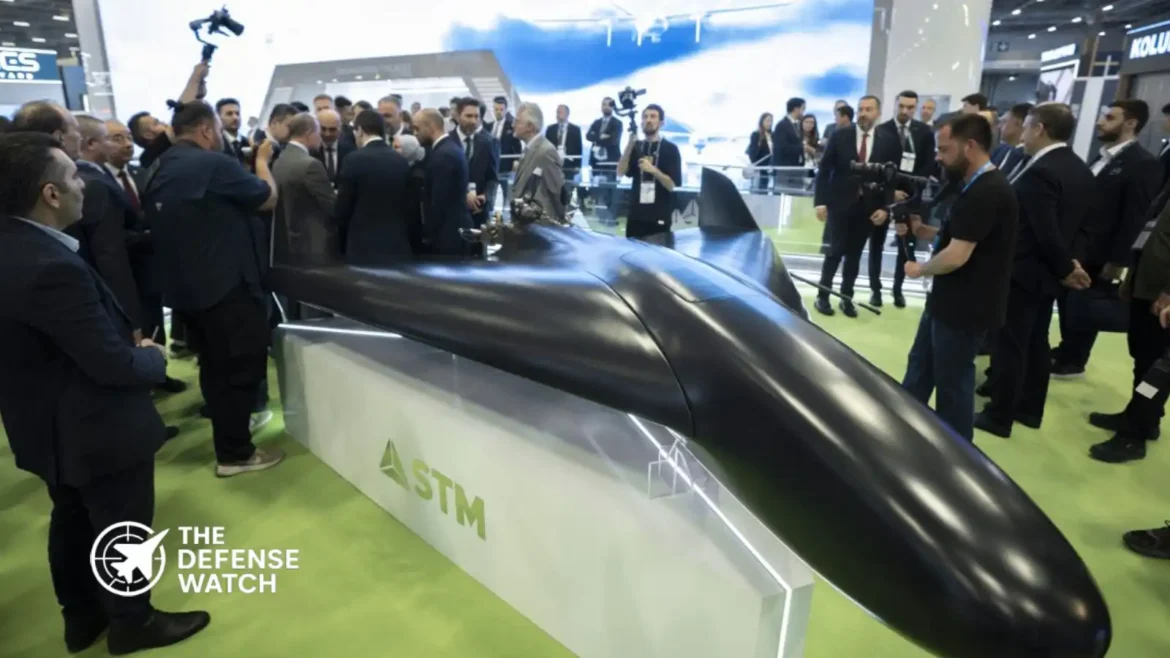
Executive Summary:
Türkiye has unveiled a new kamikaze drone with a reported range exceeding 1,000 kilometers, marking a major step in its long-range strike capabilities. The system enhances Ankara’s ability to conduct deep precision attacks and reflects a broader shift toward autonomous, cost-effective warfare solutions.
Türkiye Expands Long-Range Strike Capabilities with New UAV
Türkiye has introduced a next-generation loitering munition capable of operating at ranges beyond 1,000 km, placing it among a growing class of long-endurance kamikaze drones designed for strategic strike missions.
The system, revealed in 2026, underscores Ankara’s continued investment in indigenous unmanned systems. Turkish defense firms have steadily expanded their portfolio from tactical UAVs to more advanced platforms capable of penetrating contested environments.
Unlike earlier short-range loitering munitions, this new platform is designed for extended missions, enabling operators to engage high-value targets deep behind enemy lines without relying on manned aircraft.
Key Features and Technical Advantages
Extended Operational Reach
- Range exceeding 1,000 km, significantly higher than most conventional loitering munitions
- Enables deep-strike missions without forward deployment
Precision Strike Capability
- Designed for high-accuracy terminal engagement
- Likely integrates advanced guidance and navigation systems
Cost-Effective Force Multiplier
- Lower cost compared to cruise missiles or manned sorties
- Suitable for attritable warfare concepts
Flexible Deployment
- Potential for ground-based launch systems
- Can be used in swarm or coordinated attack scenarios
Comparison with Existing Systems
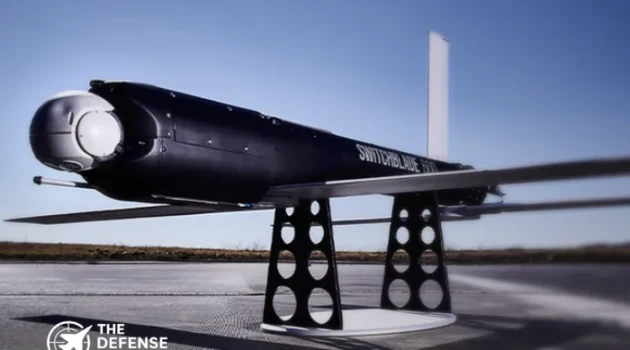
System Range Payload Status Key Technology New Turkish Kamikaze Drone 1,000+ km Classified Development/Unveiled Long-range loitering, precision strike IAI Harop (Israel) ~1,000 km ~23 kg Operational Anti-radiation seeker, loitering munition Switchblade 600 (US) ~40 km Light anti-armor Operational Portable loitering strike system Shahed-136 (Iran) ~2,000 km (est.) Explosive warhead Operational Low-cost, long-range strike drone Strategic Implications for Regional Security
Shift Toward Deep Precision Strike
The introduction of a 1,000+ km loitering munition reflects a shift from tactical UAV use toward strategic strike roles, traditionally dominated by cruise missiles.
Enhanced Deterrence Posture
Türkiye’s ability to conduct long-range unmanned strikes strengthens its deterrence across the Middle East, Eastern Mediterranean, and beyond.
Countering Air Defense Systems
Such drones are increasingly used to:
- Saturate air defenses
- Target radar and missile systems
- Conduct persistent surveillance before strike
Influence on Modern Warfare Trends
The system aligns with broader global trends, including:
- Increased reliance on autonomous and semi-autonomous weapons
- Growing use of loitering munitions in conflicts such as Ukraine
- Emphasis on cost-efficient precision strike platforms
Broader Context: Türkiye’s UAV Ecosystem
Türkiye has emerged as a leading exporter of UAV systems, with platforms already deployed in multiple theaters. The development of long-range kamikaze drones complements its existing fleet of armed UAVs and signals a move toward multi-layered unmanned warfare capabilities.
This latest unveiling suggests Ankara aims to compete directly with established loitering munition producers while addressing evolving battlefield demands, particularly in environments where air superiority is contested.
Outlook
As development progresses, key areas to monitor include:
- Integration with network-centric warfare systems
- Potential export interest from allied nations
- Operational deployment timelines
If successfully fielded, the system could redefine Türkiye’s role in long-range unmanned strike operations and further accelerate the global adoption of loitering munitions as strategic weapons.
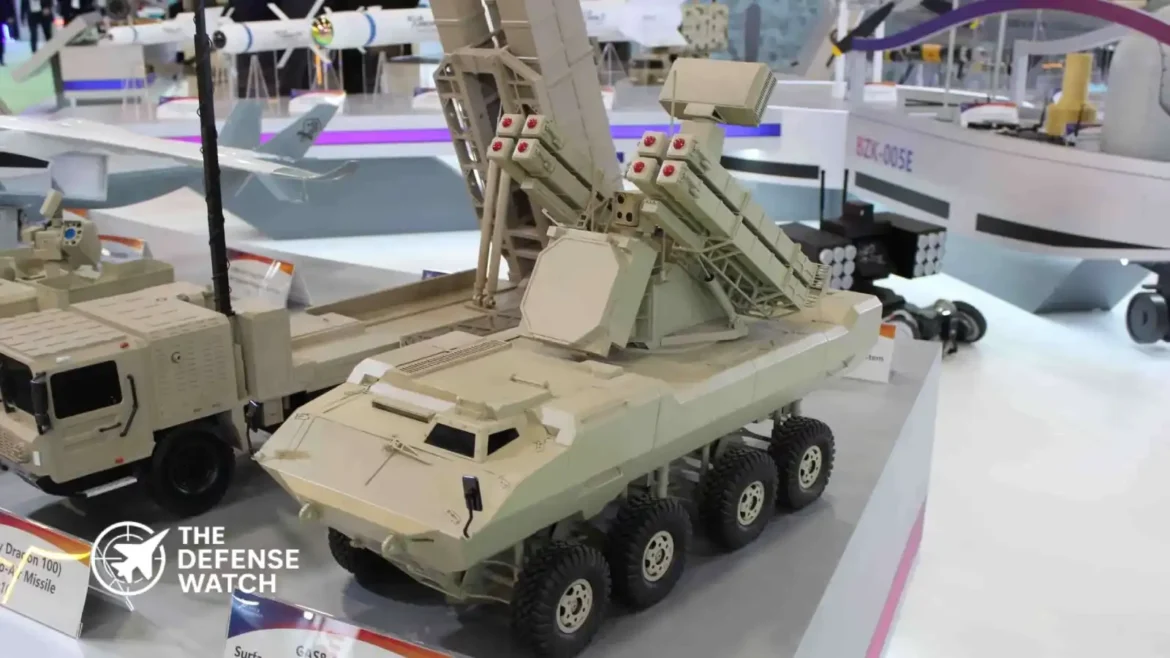
Executive Summary: China has unveiled the Yitian II 8×8 SHORAD system, a mobile air defense platform equipped with 20 km-range missiles designed to counter drones and low-altitude threats. The system reflects Beijing’s response to evolving battlefield conditions where UAVs and precision-guided munitions dominate. Its deployment highlights growing competition with U.S. and allied forces adapting to similar threats.
China Introduces Yitian II SHORAD System
China has revealed its latest short-range air defense system, the Yitian II, mounted on an 8×8 wheeled armored platform. The system is designed to intercept a range of aerial threats, including drones, helicopters, and low-flying aircraft.
The most notable upgrade is its extended missile range of up to 20 kilometers, a significant improvement over earlier SHORAD systems. This positions the Yitian II as a more capable asset in layered air defense networks.
The system integrates radar, electro-optical tracking, and missile launch capabilities into a single mobile unit, enabling rapid deployment and autonomous engagement.
Key Features and Capabilities
Enhanced Engagement Range and Targeting
- Missile range: up to 20 km, expanding coverage against aerial threats
- Capable of engaging low-altitude and slow-moving targets, including drones
- Likely incorporates improved seeker technology for higher hit probability
Mobility and Survivability
- Mounted on a high-mobility 8×8 chassis for rapid repositioning
- Designed for shoot-and-scoot tactics to avoid counterfire
- Suitable for both frontline and rear-area defense roles
Integrated Sensor Suite
- Combines radar and electro-optical systems for all-weather operation
- Enhanced tracking against small radar cross-section targets such as UAVs
- Network-capable for integration into broader air defense systems
Comparison with Legacy and Competitor Systems
| System | Range | Payload | Status | Key Technology |
|---|---|---|---|---|
| Yitian II | 20 km | Short-range SAMs | Emerging (China) | EO + radar fusion, anti-drone focus |
| Yitian (Legacy) | ~6–10 km | Short-range SAMs | In service (China) | Basic IR-guided missiles |
| Avenger (U.S.) | ~8 km | Stinger missiles | Operational | IR-guided, mobile SHORAD |
| Pantsir-S1 (RU) | ~20 km | Missiles + guns | Operational | Combined gun-missile system |
Responding to the Drone Warfare Shif
The development of Yitian II reflects a broader shift in military priorities driven by the rapid proliferation of drones. Conflicts in recent years have demonstrated how low-cost UAVs can overwhelm traditional air defenses.
China appears to be aligning its doctrine with these lessons by fielding systems optimized for:
- Counter-UAV operations
- Defense against loitering munitions
- Protection of mobile and static assets
The extended range also allows earlier interception, reducing the risk posed by swarm attacks.
Strategic Implications for U.S. and Allied Forces
The unveiling of Yitian II comes amid growing concerns within U.S. military circles about vulnerabilities to drone attacks. American forces have increasingly focused on SHORAD modernization, but systems like Yitian II highlight the pace of Chinese advancements.
Key implications include:
- Intensified competition in tactical air defense systems
- Increased emphasis on multi-layered air defense networks
- Potential challenges in Indo-Pacific operational environments
China’s continued investment in mobile, networked air defense platforms suggests a long-term effort to deny air superiority in contested regions.
Outlook
The Yitian II represents a clear step forward in China’s SHORAD capabilities. Its combination of mobility, extended range, and anti-drone specialization aligns with evolving battlefield requirements.
As drone warfare continues to shape modern conflict, systems like Yitian II are likely to play a central role in future military operations, particularly in high-intensity and hybrid warfare scenarios.

Executive Summary:
U.S. and U.K. forces conducted the Flytrap 5.0 counter-drone exercise to test and refine integrated air defense concepts against unmanned aerial threats. The drills aim to strengthen NATO’s eastern flank by improving detection, tracking, and neutralization of low-cost drones. The exercise reflects a growing need to counter massed UAV attacks observed in recent conflicts.
Overview of Flytrap 5.0 Counter-Drone Exercise
The Flytrap 5.0 exercise, held in 2026, brought together U.S. and U.K. military units to evaluate advanced counter-UAS (C-UAS) systems under realistic operational conditions. Conducted along NATO’s eastern flank, the exercise focused on defending forward-deployed forces against increasingly sophisticated and low-cost drone threats.
The drills emphasized integration across multiple domains, combining radar, electronic warfare, and kinetic interceptors into a unified defensive network. This layered approach reflects NATO’s shift toward adaptable, scalable air defense systems capable of addressing both high-end and asymmetric threats.
Key Objectives and Operational Focus
Enhancing Detection and Tracking Capabilities
Modern drones often operate at low altitude with small radar signatures. Flytrap 5.0 tested:
- Advanced short-range radar systems for low-observable UAV detection
- Passive sensors and RF detection tools for non-emitting targets
- AI-assisted tracking for improved target classification
Integrating Electronic Warfare Solutions
Electronic warfare (EW) played a central role in neutralizing drone swarms:
- Jamming of GPS and communication links
- Cyber intrusion techniques to disrupt UAV control systems
- Soft-kill options to reduce reliance on costly interceptors
Validating Kinetic Interception Systems
While EW is effective, kinetic solutions remain essential:
- Short-range air defense (SHORAD) missiles
- Rapid-fire gun systems with programmable ammunition
- Directed energy weapons under evaluation
Comparison: Modern C-UAS vs Legacy Air Defense Systems
| System Type | Range | Payload Capability | Status | Key Technology |
|---|---|---|---|---|
| Legacy SHORAD Systems | 5–15 km | Limited vs small UAVs | Operational | Radar-guided missiles |
| Modern C-UAS (Flytrap 5.0) | 0–10 km (layered) | Optimized for small drones | Active Testing | AI tracking, EW jamming, sensor fusion |
| Directed Energy Systems | <5 km | Effective vs swarms | Emerging | High-energy lasers |
Technical Advantages Demonstrated
Flytrap 5.0 highlighted several improvements over legacy systems:
- Layered defense architecture combining soft and hard kill options
- Reduced cost per engagement against low-value drone threats
- Faster response times through automated detection and tracking
- Greater interoperability between allied forces
- Scalability to counter swarm attacks
Strategic Context: NATO’s Eastern Flank and Drone Warfare
The exercise reflects lessons learned from recent conflicts where drones have played a decisive role. Low-cost UAVs have proven capable of:
- Overwhelming traditional air defenses
- Conducting reconnaissance and precision strikes
- Disrupting logistics and command networks
For NATO, the eastern flank represents a critical area where such threats could emerge rapidly. Flytrap 5.0 supports the alliance’s broader effort to modernize air defense doctrine, shifting from platform-centric systems to networked, adaptive defense ecosystems.
The integration of U.S. and U.K. capabilities also underscores the importance of interoperability in coalition operations. Standardized procedures and shared technologies are essential for rapid response in contested environments.
Implications for Future Air Defense Doctrine
Flytrap 5.0 is expected to influence NATO doctrine in several ways:
- Greater emphasis on counter-UAS specialization within air defense units
- Increased investment in electronic warfare and AI-enabled systems
- Development of cost-effective interception strategies
- Expansion of joint training exercises across allied nations
As drone technology continues to evolve, NATO’s ability to adapt its defensive posture will be critical to maintaining operational superiority.
Executive Summary
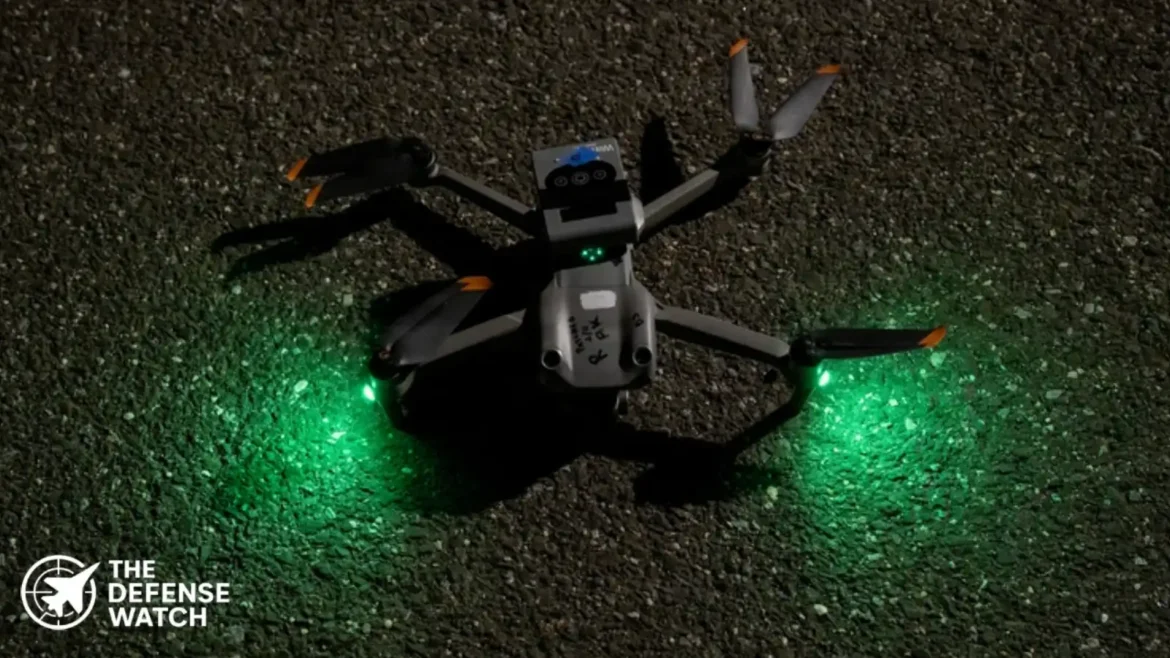
Joint Interagency Task Force 401 (JITF-401) has conducted counter-unmanned aerial system (C-UAS) testing at a U.S. military base to refine layered air defense capabilities. The initiative focuses on integrating kinetic and non-kinetic systems to counter increasingly complex drone threats. The effort reflects a broader push to adapt U.S. air defense doctrine to low-cost, high-volume unmanned systems.
JITF-401 Conducts Counter-UAS Testing to Enhance Layered Air Defense
Joint Interagency Task Force 401 (JITF-401) has carried out a series of counter-UAS evaluations aimed at improving the U.S. military’s ability to detect, track, and neutralize unmanned aerial threats. Conducted at a controlled U.S. base environment, the testing campaign focused on validating a layered defense architecture designed to counter both individual drones and coordinated swarm attacks.
The exercise brought together multiple government agencies and defense stakeholders, reflecting the growing need for interagency coordination in addressing drone threats that span military, homeland security, and civilian domains.
Integrated Systems Approach to Counter Drone Threats
The testing emphasized a multi-layered defense concept, combining kinetic interceptors with non-kinetic solutions such as electronic warfare and directed energy.
Key components evaluated include:
- Short-range air defense systems for rapid kinetic engagement
- Electronic warfare (EW) tools to disrupt drone communications and navigation
- Directed energy weapons (DEWs) for low-cost, repeatable engagements
- Advanced radar and sensor fusion for early detection and tracking
- Command and control (C2) integration for real-time threat response
This layered approach aims to provide redundancy and scalability, ensuring that if one system fails or is saturated, others can compensate.
Technical Advantages of Layered Counter-UAS Systems
The testing highlighted several operational benefits over legacy air defense approaches:
- Ability to counter low-altitude, slow-moving targets often missed by traditional radar
- Reduced cost-per-engagement using non-kinetic systems like EW and lasers
- Improved response times through automated detection and tracking
- Enhanced resilience against swarm attacks
- Integration of multi-domain data sources for better situational awareness
Comparison: Layered Counter-UAS vs Legacy Air Defense Systems
| Capability | Layered Counter-UAS Systems | Legacy Air Defense Systems |
|---|---|---|
| Range | Short to medium (optimized for low-altitude threats) | Medium to long-range (optimized for aircraft/missiles) |
| Payload | Mixed (kinetic + non-kinetic) | Primarily kinetic interceptors |
| Status | Under active development and testing (2026) | Operational but limited against drones |
| Key Technology | EW, DEWs, AI-enabled sensors, C2 integration | Radar-guided missiles, gun systems |
Addressing the Evolving Drone Threat Landscape
The rise of low-cost unmanned systems has reshaped the threat environment. Adversaries increasingly deploy commercially derived drones, modified for reconnaissance or attack roles. In recent conflicts, drone swarms have demonstrated the ability to overwhelm traditional air defenses.
JITF-401’s testing reflects a shift toward cost-effective, scalable solutions capable of addressing these asymmetric threats. The integration of non-kinetic capabilities is particularly important in reducing reliance on expensive interceptors.
Strategic Context: Adapting to Modern Warfare
The counter-UAS initiative aligns with broader U.S. defense priorities to counter peer and near-peer adversaries employing unmanned systems at scale. Drone proliferation has expanded across regions, including the Middle East and Eastern Europe, where unmanned platforms are used for surveillance, targeting, and direct attack.
By advancing layered air defense, the U.S. aims to:
- Protect forward operating bases and critical infrastructure
- Maintain air superiority in contested environments
- Counter hybrid warfare tactics involving unmanned systems
- Reduce operational costs associated with traditional missile defense
The work of JITF-401 underscores the growing importance of integrated air and missile defense (IAMD) frameworks that extend beyond conventional threats to include drones and loitering munitions.
Outlook
As testing continues, JITF-401 is expected to refine system interoperability and expand the range of threats addressed. Future efforts will likely focus on AI-driven targeting, improved sensor fusion, and enhanced autonomy in threat response.
The results of these tests will inform procurement and deployment decisions, shaping the next generation of U.S. counter-UAS and layered air defense capabilities.
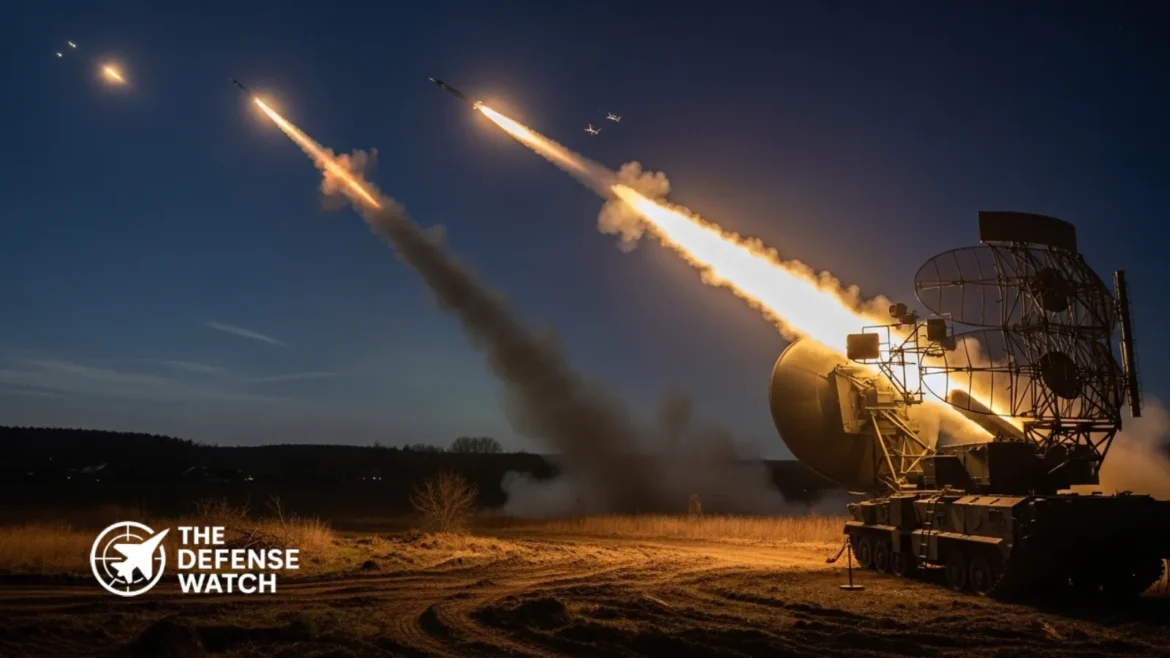
Ukraine Drone And Air Defense Priorities Drive Norway Partnership
Ukraine drone and air defense priorities are increasingly shaping Western military assistance, with Norway emerging as a key partner in addressing Kyiv’s most urgent battlefield needs.
Ukrainian and Norwegian officials have agreed to focus support on expanding drone capabilities and reinforcing air defense systems, reflecting the evolving nature of the conflict.
The agreement underscores a clear operational reality. Russia’s continued use of long range missiles, glide bombs, and one way attack drones has placed sustained pressure on Ukraine’s defensive network. Strengthening both drone capacity and air defense is now central to maintaining battlefield resilience.
- Ukraine and Norway have aligned priorities on drones and air defense support.
- Focus includes scaling drone production and strengthening layered air defense systems.
- The move comes amid sustained Russian missile and drone strikes across Ukraine.
- Norway continues to play a key role in European military assistance to Kyiv.
- The partnership reflects a broader shift toward counter-drone warfare and air defense resilience.
Strategic Shift Toward Drone-Centric Warfare
The emphasis on Ukraine drone and air defense priorities highlights a broader transformation in modern warfare. Drones are no longer auxiliary tools. They are central to reconnaissance, targeting, and strike operations.
Ukraine has demonstrated this shift through extensive use of unmanned systems across the front line. From first person view drones to longer range strike platforms, these systems have allowed Ukrainian forces to offset conventional disadvantages.
Norway’s support aligns with this trend. By prioritizing drone production and procurement, Oslo is contributing to a capability that offers relatively low cost, scalable battlefield impact. This is particularly important as Ukraine faces constraints in manpower and high end munitions.
At the same time, the focus on air defense reflects the need to protect critical infrastructure and urban centers. Russian aerial attacks continue to target energy facilities, logistics hubs, and population centers. Without sustained air defense coverage, Ukraine’s operational and economic stability remains at risk.
Air Defense Remains A Critical Bottleneck
While drones offer offensive and tactical advantages, air defense remains a limiting factor in Ukraine’s ability to sustain operations.
Ukraine’s existing systems, a mix of Soviet era platforms and Western supplied systems, are under constant strain. Interceptor shortages and the need for layered coverage have created gaps that adversary forces seek to exploit.
Norway’s involvement is significant in this context. The country has previously contributed to air defense initiatives and funding mechanisms supporting Ukraine. By aligning directly with Kyiv on Ukraine drone and air defense priorities, Norway is helping address one of the most pressing capability gaps.
This approach also reflects a shift among European allies. Rather than broad, generalized aid packages, support is becoming more targeted and capability driven. Air defense and drones now rank at the top of that list.
Operational Impact On The Battlefield
The combined focus on drones and air defense has direct implications for battlefield dynamics.
Improved drone capabilities enhance Ukraine’s ability to conduct surveillance, disrupt supply lines, and strike high value targets. This can slow enemy advances and increase operational costs for opposing forces.
Meanwhile, stronger air defense reduces the effectiveness of missile and drone attacks. This not only protects civilian infrastructure but also preserves military assets and logistics networks.
The integration of these two elements creates a more resilient defense posture. It allows Ukraine to absorb and respond to aerial threats while maintaining offensive flexibility through unmanned systems.
Norway’s Expanding Role In European Security
Norway’s support for Ukraine reflects its broader role within European security frameworks. As a NATO member with significant financial resources and defense expertise, Oslo has positioned itself as a consistent contributor to Ukraine’s defense effort.
The focus on Ukraine drone and air defense priorities also aligns with NATO’s increasing emphasis on counter drone capabilities and integrated air and missile defense. Lessons from Ukraine are already influencing alliance planning and procurement strategies.
Norway’s approach demonstrates how smaller but capable allies can deliver targeted impact by focusing on specific operational needs rather than broad commitments.
Analysis: Why This Shift Matters Now
The alignment on Ukraine drone and air defense priorities comes at a critical phase in the conflict.
First, the intensity of Russian aerial operations shows no sign of decreasing. Continued strikes are designed to degrade Ukraine’s infrastructure and morale. Without improved defenses, these attacks could have cumulative strategic effects.
Second, the growing importance of drones signals a long term shift in warfare. Investments made now will shape Ukraine’s capabilities well beyond the current conflict.
Third, Western stockpiles of traditional munitions remain under pressure. Drones offer a cost effective alternative that can be produced and deployed at scale.
Finally, the move reflects a maturing approach to military aid. Rather than reactive support, allies are increasingly aligning with Ukraine’s operational priorities, improving efficiency and effectiveness.
Outlook
The focus on Ukraine drone and air defense priorities is likely to deepen as the conflict continues. Additional partners may adopt similar approaches, concentrating resources on high impact capabilities.
For Ukraine, the challenge will be integrating these systems into a cohesive defense architecture while sustaining production and supply chains.
For allies like Norway, the task is to maintain consistent support while adapting to evolving battlefield requirements.

Mali Yitian-L Air Defense System Deployment Signals Shift In Counter-Drone Strategy
The Mali Yitian-L air defense system has entered operational deployment as Bamako moves to counter an expanding drone threat across the Sahel, according to reporting by Army Recognition.
The introduction of the Chinese-made system highlights a growing urgency within Mali’s military to address low-cost aerial threats that have increasingly shaped modern conflict in the region. Armed groups operating across Mali and neighboring states have steadily incorporated unmanned aerial systems for reconnaissance and, in some cases, attack roles.
This shift has exposed gaps in traditional air defense networks, particularly in environments where legacy systems are not optimized for small, low-altitude, and slow-moving targets.
- Mali has deployed the Chinese-made Yitian-L short-range air defense system to counter growing drone threats.
- The system is designed to intercept low-altitude targets including UAVs, helicopters, and cruise missiles.
- Deployment comes amid increasing use of drones by insurgent groups across the Sahel.
- Yitian-L integrates radar, electro-optical sensors, and short-range missile interceptors on a mobile platform.
- The move reflects Mali’s shift toward Chinese defense systems and rapid modernization of air defense capabilities.
Yitian-L System Designed For Low-Altitude Threat Interception
The Yitian-L is a short-range air defense system developed to engage aerial threats at close distances. Mounted on a mobile platform, it combines radar detection with electro-optical targeting systems, enabling operators to track and engage targets in complex environments.
Its missile interceptors are designed to counter a range of threats, including:
- Unmanned aerial vehicles
- Low-flying helicopters
- Cruise missiles
- Precision-guided munitions
This type of system fills a critical operational gap between man-portable air defense systems and larger, more complex surface-to-air missile platforms.
From a capability standpoint, the Mali Yitian-L air defense system provides a layered defense approach, allowing forces to respond rapidly to emerging threats without relying solely on high-end systems that may be cost-prohibitive or logistically demanding.
Drone Warfare Reshaping The Sahel Battlespace
The deployment comes amid a broader transformation in how conflicts are fought across the Sahel. Non-state actors have increasingly adopted commercially available drones and modified platforms for military use.
These systems offer several advantages:
- Low acquisition cost
- Ease of operation
- Ability to bypass traditional defenses
- Real-time intelligence gathering
As a result, even lightly equipped groups can challenge state forces in new ways. This has forced militaries, including Mali’s, to rethink air defense priorities.
The Mali Yitian-L air defense system directly addresses this shift by focusing on short-range engagement and rapid response. Unlike legacy systems designed primarily for high-speed aircraft, Yitian-L is optimized for detecting and neutralizing smaller targets that often evade radar coverage.
Strategic Implications Of Chinese Defense Systems In Mali
Mali’s adoption of the Yitian-L also reflects a broader trend of increasing defense cooperation with China. In recent years, Beijing has expanded its footprint in African defense markets by offering cost-effective systems with relatively quick delivery timelines.
For Mali, this approach provides several advantages:
- Faster acquisition compared to Western systems
- Reduced dependency on traditional suppliers
- Access to integrated platforms suited for modern threats
However, this shift also carries strategic implications. Greater reliance on Chinese systems may influence interoperability with other partners and reshape long-term defense relationships.
Still, for immediate operational needs, systems like Yitian-L offer a practical solution to urgent battlefield challenges.
Operational Impact On Mali’s Air Defense Posture
The deployment of the Mali Yitian-L air defense system is expected to enhance protection for key military installations, convoys, and forward operating bases.
Its mobility allows it to be repositioned quickly, which is critical in a theater where threats are dispersed and unpredictable. This flexibility is particularly important in the Sahel, where vast terrain and limited infrastructure complicate traditional defense strategies.
In practical terms, the system strengthens Mali’s ability to:
- Defend against surprise drone attacks
- Protect high-value assets
- Maintain operational continuity in contested areas
This marks a shift toward more adaptive and decentralized air defense concepts.
Analysis: Closing The Low-Cost Threat Gap
The introduction of Yitian-L highlights a broader reality in modern warfare. Advanced air forces and expensive missile systems are no longer sufficient on their own. The rise of low-cost aerial threats has created a new layer of vulnerability.
Mali’s decision to deploy the Yitian-L suggests a recognition of three key trends:
First, drone warfare is no longer limited to major powers. It is now a defining feature of asymmetric conflicts.
Second, effective defense requires layered systems that can address both high-end and low-end threats.
Third, speed of deployment matters. Systems that can be fielded quickly often provide more immediate value than more advanced but delayed alternatives.
In this context, the Mali Yitian-L air defense system represents a pragmatic response rather than a purely technological upgrade. It prioritizes operational relevance over complexity.
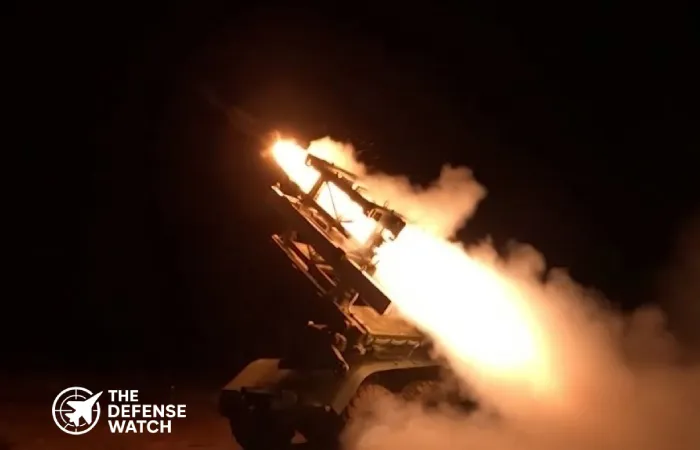
Russia Deploys R-77 FrankenSAM Air Defense System
Russia has deployed the R-77 FrankenSAM air defense system in response to sustained Ukrainian drone strikes, marking a notable shift in how Moscow is adapting existing missile technology for new operational roles.
The system integrates the R-77 air-to-air missile, traditionally used by fighter aircraft, into a ground-based air defense configuration. This adaptation enables Russian forces to expand their short- to medium-range air defense coverage without relying solely on purpose-built surface-to-air missile systems.
The development comes as Ukrainian unmanned aerial vehicle operations continue to target logistics hubs, airbases, and energy infrastructure deep behind Russian lines.
- Russia has reportedly deployed the R-77 FrankenSAM air defense system using modified air-to-air missiles for ground launch.
- The system is designed to counter increasing Ukrainian drone strikes targeting infrastructure and military sites.
- R-77 missiles, originally developed for fighter aircraft, are adapted for surface-to-air interception roles.
- The deployment highlights Russia’s effort to expand layered air defense under operational pressure.
- The move reflects a broader trend of improvised air defense solutions in modern high-intensity conflict.
Adapting Air-to-Air Missiles for Ground Defense
The R-77 missile, known by its NATO designation AA-12 Adder, is an active radar-guided weapon designed for beyond-visual-range aerial combat. Its conversion into a ground-launched interceptor reflects a pragmatic approach to battlefield constraints.
In the FrankenSAM configuration, the missile is reportedly integrated with modified launch platforms and radar systems capable of cueing targets from the ground. This allows Russian forces to repurpose existing stockpiles of air-launched munitions for air defense roles.
Such adaptations are not unprecedented. Both Russian and Ukrainian forces have previously explored hybrid air defense solutions, particularly as traditional systems face attrition or supply limitations.
However, the effectiveness of these conversions depends heavily on integration quality, sensor coverage, and command-and-control coordination. Ground-based launches typically impose different kinematic and targeting constraints compared to airborne deployments.
Operational Context: Rising Drone Pressure
The deployment of the R-77 FrankenSAM air defense system underscores the growing impact of drone warfare in the Russia-Ukraine conflict.
Ukrainian forces have increasingly relied on a mix of long-range drones and loitering munitions to strike targets beyond the front lines. These systems are often low-cost, difficult to detect, and deployed in large numbers, complicating traditional air defense strategies.

For Russia, this has created a demand for scalable and cost-effective interception solutions. High-end systems such as S-300 or S-400 are not always optimal for engaging small, low-signature drones due to cost and availability considerations.
By contrast, adapting existing missile inventories offers a quicker and potentially more flexible response, even if performance trade-offs exist.
Implications for Russia’s Layered Air Defense
The introduction of the R-77 FrankenSAM air defense system suggests a broader effort by Russia to reinforce its layered air defense network.
Russia traditionally relies on a multi-tiered approach combining long-range systems, medium-range interceptors, and short-range point defenses. The addition of improvised systems like FrankenSAM could help fill gaps, particularly in rear-area protection.
From an operational standpoint, this approach may increase redundancy and complicate adversary targeting. However, it also introduces variability in system performance and logistical complexity.
Analysts note that integrating non-standard systems can strain command structures and maintenance chains, especially in high-tempo operations.
A Broader Trend in Modern Warfare
The emergence of FrankenSAM-type systems reflects a wider trend in modern conflict: rapid adaptation under pressure.
Both sides in the Russia-Ukraine war have demonstrated an ability to innovate using available resources, whether through drone modifications, electronic warfare adjustments, or hybrid air defense solutions.
This dynamic highlights a key lesson for military planners. Flexibility and the ability to repurpose existing systems can be as critical as developing new platforms.
At the same time, such adaptations often serve as interim solutions rather than long-term replacements for dedicated systems.
Conclusion
Russia’s deployment of the R-77 FrankenSAM air defense system represents a tactical response to evolving threats rather than a fundamental shift in air defense doctrine.
While the system may provide additional capacity against Ukrainian drones, its overall effectiveness will depend on integration, deployment scale, and operational coordination.
As drone warfare continues to shape the battlefield, both sides are likely to expand similar adaptive approaches, reinforcing the importance of innovation in modern high-intensity conflict.
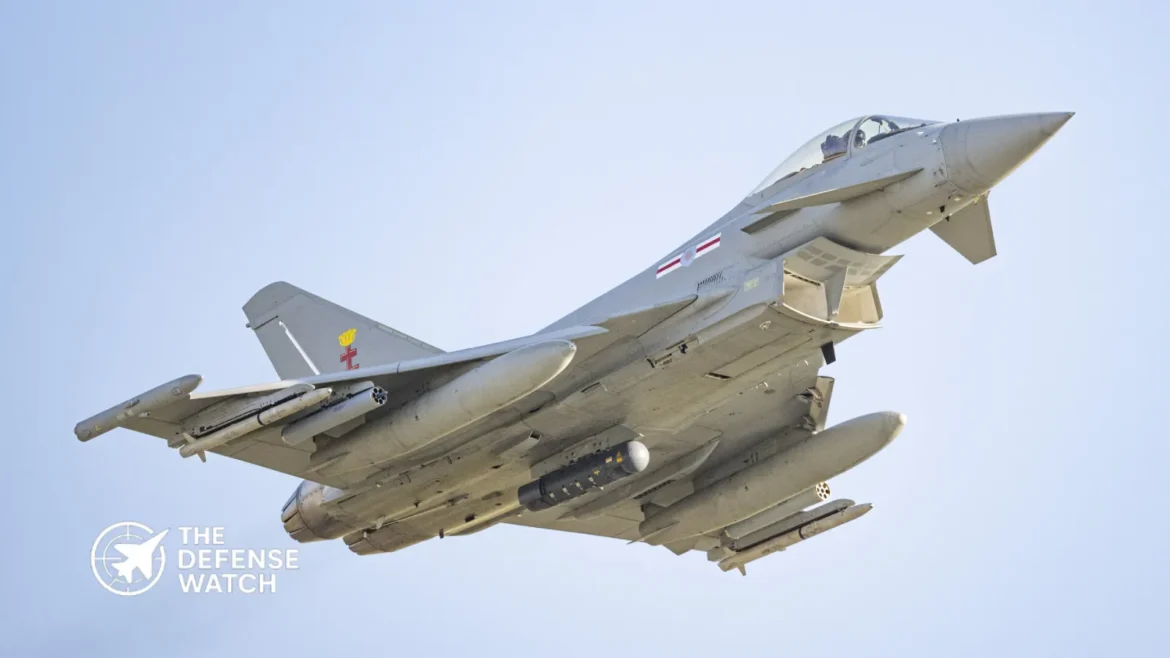
RAF Tests Low Cost Typhoon Weapon Against Drone Threats
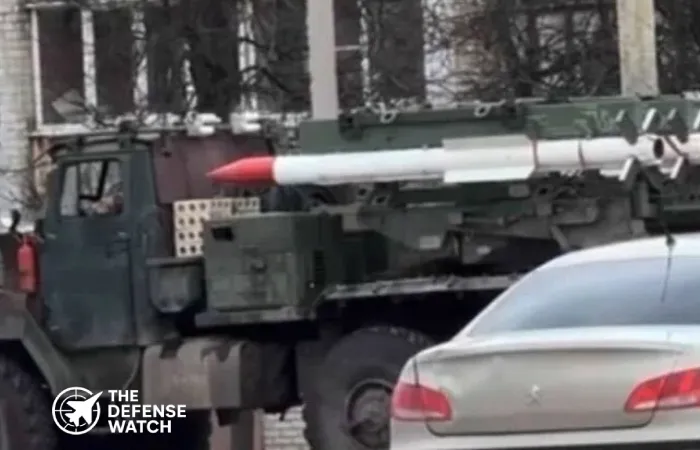
The Typhoon low cost weapon test marks a significant step in adapting modern fighter aircraft to counter the growing threat posed by unmanned aerial systems, according to reporting from UK Defence Journal.
The Royal Air Force has conducted trials of a new low cost weapon integrated onto the Eurofighter Typhoon, aimed specifically at defeating drones in a more cost effective manner. The initiative reflects a broader shift across Western air forces, which are increasingly seeking scalable solutions to counter large numbers of low cost aerial threats.
Unlike traditional air to air missiles, which can cost hundreds of thousands or even millions of dollars per shot, the new system is designed to provide a more economical option when engaging relatively inexpensive drones.
- The RAF has tested a new low cost weapon on the Typhoon to counter emerging drone threats.
- The system is designed to provide an affordable alternative to expensive air to air missiles.
- The test reflects growing concern over mass drone attacks in modern conflicts.
- Typhoon’s integration highlights a shift toward scalable and sustainable air defense solutions.
- The development aligns with broader Western efforts to adapt fighter aircraft to counter UAV swarms.
Addressing The Cost Imbalance In Air Combat
One of the central challenges in modern air defense is the cost imbalance between offensive and defensive systems. Adversaries can deploy large numbers of low cost drones, forcing defenders to expend high value munitions to neutralize them.
The Typhoon low cost weapon test directly addresses this issue. By equipping frontline fighters with cheaper intercept options, the RAF aims to preserve its high end missile inventory for more advanced threats such as enemy aircraft or cruise missiles.
This approach has become increasingly relevant following recent conflicts where drone swarms have overwhelmed traditional air defense systems. Lessons from Ukraine and the Middle East have underscored the need for layered, cost efficient responses.
Expanding Typhoon’s Operational Role
The integration of a low cost weapon also expands the operational flexibility of the Typhoon platform. Traditionally optimized for air superiority and strike missions, the aircraft is now being adapted for persistent counter drone operations.
This evolution reflects a broader trend in airpower doctrine. Fighters are no longer limited to high intensity engagements against peer adversaries. Instead, they are expected to operate across a spectrum of threats, including irregular and asymmetric challenges.
By incorporating affordable interceptors, the Typhoon can remain on station longer and engage multiple targets without rapidly depleting expensive munitions. This is particularly important in scenarios involving sustained drone activity.
Strategic Implications For NATO Air Forces
The Typhoon low cost weapon test has implications beyond the United Kingdom. NATO air forces are facing similar challenges, especially as drone proliferation accelerates across multiple regions.
Developing cost effective countermeasures is becoming a priority. High end systems alone are not sufficient to address the volume and diversity of modern aerial threats. Instead, a layered approach combining advanced missiles, electronic warfare, and low cost interceptors is emerging as the preferred model.
The RAF’s effort could serve as a template for other operators of the Typhoon and similar aircraft. If successfully fielded, the system may be adopted more widely across allied fleets.
Industry And Technology Considerations
While specific technical details of the low cost weapon remain limited, the concept aligns with ongoing industry efforts to develop modular, adaptable munitions. These systems often emphasize reduced unit cost, simplified guidance, and rapid production.
The focus is not necessarily on achieving the same performance as high end missiles, but rather on delivering sufficient capability against lower tier threats. This trade off is increasingly seen as acceptable given the operational context.
Additionally, integrating such weapons onto existing platforms like the Typhoon avoids the need for entirely new systems, accelerating deployment timelines and reducing overall costs.
Analysis: A Shift Toward Sustainable Air Defense
The Typhoon low cost weapon test highlights a broader transformation in air warfare. The emphasis is shifting from purely technological superiority to sustainable combat operations.
Air forces must now consider not only whether they can defeat a threat, but whether they can do so repeatedly and affordably over time. This is especially critical in prolonged conflicts where resupply and production capacity become decisive factors.
In this context, low cost weapons are not just a tactical innovation. They represent a strategic necessity. By enabling fighters to counter drones without exhausting high value munitions, they help ensure long term operational resilience.
The RAF’s initiative suggests that future air combat will be defined as much by economics and scalability as by performance.

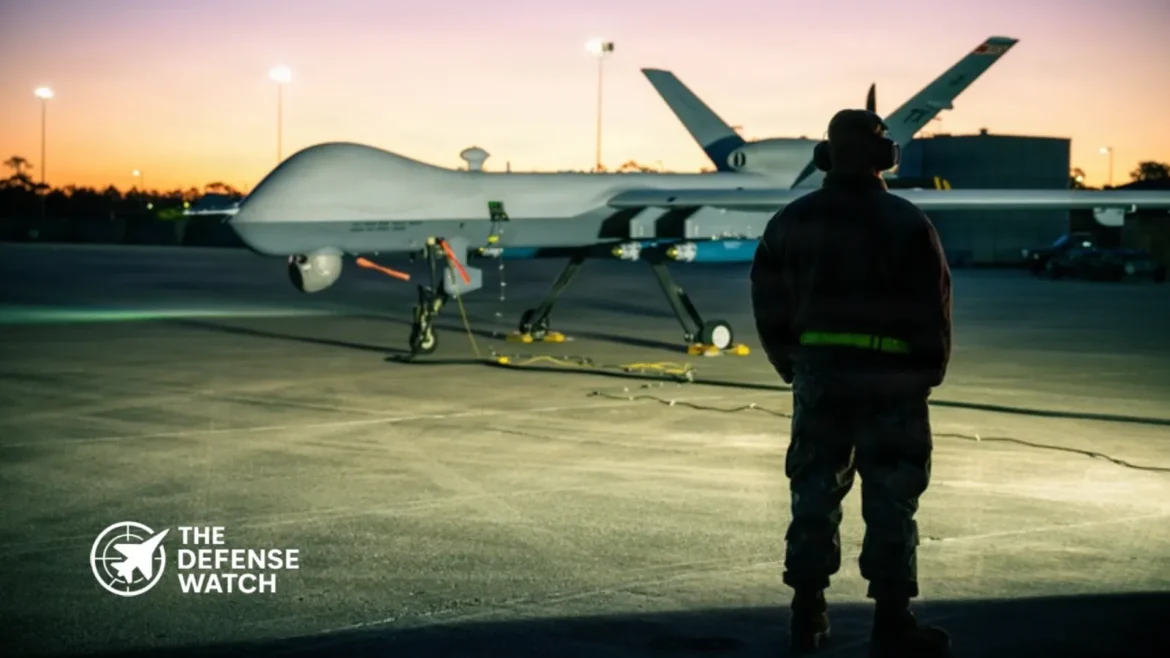
Iran Claims MQ-9 Reaper Shootdowns In Operation Epic Fury
Iran MQ-9 Reaper shootdown claims are drawing renewed attention to the survivability of U.S. unmanned systems in contested airspace, following Tehran’s assertion that it downed 16 drones during what it described as Operation Epic Fury.
Iranian officials said their air defense forces successfully intercepted multiple U.S. MQ-9 Reaper unmanned aerial vehicles during recent operations. The MQ-9, produced by General Atomics Aeronautical Systems, is widely used by the United States for intelligence, surveillance, reconnaissance, and precision strike missions.
If accurate, the scale of the reported losses would mark one of the most significant single-episode attrition events involving U.S. unmanned systems in recent years.
However, U.S. officials have not publicly confirmed the figures, and independent verification remains limited. Analysts note that such claims often require corroboration through satellite imagery, wreckage evidence, or official acknowledgment.
- Iran claims it shot down 16 U.S. MQ-9 Reaper drones during Operation Epic Fury.
- The reported losses are valued at approximately $1.82 billion based on unit costs.
- MQ-9 Reaper drones are a core U.S. ISR and strike platform used across the Middle East.
- Iran has invested heavily in layered air defense systems and counter-UAV technologies.
- Independent confirmation of the claims remains limited as of reporting.
Strategic Implications For U.S. Drone Operations
The Iran MQ-9 Reaper shootdown narrative highlights a broader shift in the operational environment for medium-altitude, long-endurance drones. Systems like the MQ-9 were originally designed for permissive or lightly contested airspace, where advanced air defenses are limited.
Iran’s evolving integrated air defense network complicates that model.
Tehran has invested in a mix of domestically developed and imported systems, including radar-guided surface-to-air missiles, electronic warfare capabilities, and short-range air defenses optimized for counter-UAV missions. These systems are increasingly tailored to detect and engage slow-moving, high-signature platforms such as the MQ-9.
From an operational standpoint, repeated or large-scale losses could force adjustments in how and where U.S. forces deploy unmanned systems. This may include greater reliance on stealthier platforms, stand-off operations, or increased use of electronic warfare support.
Cost And Capability Considerations
Each MQ-9 Reaper is estimated to cost tens of millions of dollars depending on configuration and support systems. A loss of 16 aircraft, if confirmed, would represent a substantial financial and operational impact.

Beyond cost, the MQ-9 plays a critical role in persistent surveillance and targeted strike missions. Its ability to loiter for extended periods provides commanders with real-time intelligence and rapid response options.
Losing multiple platforms in a short timeframe could degrade situational awareness in key theaters, particularly in regions where drone coverage is central to counterterrorism and force protection missions.
Evolving Air Defense Versus UAV Dynamics
The reported Iran MQ-9 Reaper shootdown claims reflect a wider trend seen in recent conflicts, where air defense systems are adapting quickly to counter drones of all sizes.
From Eastern Europe to the Middle East, militaries are deploying layered defenses that combine radar, infrared tracking, electronic warfare, and kinetic interceptors. This multi-layered approach increases the probability of detecting and neutralizing UAVs that were once considered difficult targets.
For the United States, this trend reinforces the need to evolve drone doctrine. Future systems are expected to emphasize reduced radar signatures, autonomous operations, and networked survivability.
Information Gaps And Verification Challenges
As with many conflict-related claims, the Iran MQ-9 Reaper shootdown reports must be viewed in context. Public information remains incomplete, and both state and non-state actors often use information operations to shape narratives.
Defense analysts typically look for corroborating indicators such as imagery, official acknowledgments, or third-party intelligence assessments before confirming such incidents.
Until then, the claims remain part of an ongoing information environment shaped by strategic messaging as much as battlefield realities.

- Intelligence reporting has warned that adversaries could launch drones from maritime vessels to strike U.S. targets along the coast.
- Small unmanned aerial systems can be deployed from commercial ships, fishing vessels, or containerized launch systems.
- Experts warn maritime drone attacks could bypass traditional homeland air defense focused on large aircraft or missiles.
- Similar tactics have already appeared in conflicts involving Iran aligned groups and maritime drone operations.
- The evolving threat highlights the need for layered coastal defenses and improved counter drone capabilities.
Drone Attacks On U.S. From The Sea Raise Security Concerns
Drone attacks on U.S. from the sea are increasingly viewed by security analysts as a plausible method for adversaries to target American territory while avoiding traditional air defense systems. The concept involves launching unmanned aerial systems from maritime platforms positioned near the U.S. coastline.
Defense analysts warn that relatively small drones launched from ships or other maritime platforms could threaten military installations, ports, energy infrastructure, or densely populated coastal cities. The idea has gained renewed attention amid evolving drone warfare tactics seen in multiple modern conflicts.
Recent intelligence discussions have included the possibility that hostile actors could attempt such operations as a form of asymmetric retaliation. However, U.S. officials emphasize that no credible imminent threat to the homeland has been confirmed.
The Big Picture
Unmanned systems are rapidly reshaping the character of warfare. Cheap, widely available drones now provide state and non state actors with capabilities once limited to advanced militaries.
Modern conflicts have demonstrated how drones can be used for reconnaissance, precision strikes, and coordinated swarm attacks. These systems can be launched from land, air, or maritime platforms, expanding their operational reach.
For homeland defense planners, this trend creates a complex challenge. Traditional air defense networks were designed primarily to detect and intercept aircraft, ballistic missiles, and cruise missiles. Small drones operating at low altitude present a different type of threat.
Launching drones from maritime platforms further complicates detection because commercial shipping traffic operates continuously along U.S. coastal waters.
What’s Happening
Security concerns about maritime drone launches surfaced after intelligence reporting suggested adversaries had explored using vessels to launch drones against U.S. targets along the West Coast.
The concept involves positioning a vessel offshore and launching multiple drones toward coastal infrastructure or military facilities. The drones could fly at low altitude, potentially avoiding radar coverage optimized for larger threats.
The alert circulated among law enforcement and intelligence agencies but was based on limited information and a single unverified tip, according to government officials. Authorities stressed there was no credible indication of an imminent attack against the United States.
Nevertheless, the warning highlighted the growing recognition of maritime drone threats.
Why It Matters
Drone attacks launched from maritime platforms represent a classic asymmetric warfare tactic.
Instead of relying on expensive missiles or aircraft, an attacker could employ relatively inexpensive drones launched from civilian vessels or disguised platforms. The approach could exploit gaps between maritime surveillance systems and homeland air defense networks.
This concept mirrors tactics already seen in recent conflicts. Iranian aligned groups and other actors have repeatedly used drones and unmanned surface vessels to attack shipping and military targets in the Middle East.
These incidents demonstrate how unmanned systems can operate in maritime environments with limited warning.
For the United States, the threat is particularly significant because of the concentration of critical infrastructure along coastal regions.
Strategic Implications
The possibility of drone attacks on U.S. from the sea underscores a broader shift in how adversaries may attempt to challenge U.S. security.
Rather than attempting traditional military strikes against heavily defended targets, adversaries could focus on unconventional attack vectors that exploit the openness of commercial maritime traffic.
Major U.S. naval bases, logistics hubs, and ports are located near large population centers. Facilities such as San Diego, Norfolk, and Pearl Harbor sit close to civilian maritime traffic lanes.
A small number of drones launched from offshore could potentially create operational disruption even without causing large scale destruction.
The psychological and economic effects of such an attack could also be significant.
Competitor View
Strategic competitors and regional adversaries closely study how unmanned systems perform in current conflicts.
Iran and its network of aligned groups have demonstrated growing expertise in drone warfare across the Middle East. Several incidents have involved drone or missile attacks against U.S. forces and partners in the region.
The broader trend is not limited to Iran. Russia’s war in Ukraine has shown how drones can be used to strike strategic targets deep inside defended territory.
For competitors observing these developments, maritime launched drones could appear as an attractive low cost option to challenge U.S. power without triggering a direct conventional confrontation.
Capability Gap
The emerging threat highlights several capability gaps in homeland defense.
First, the United States lacks a fully integrated coastal counter drone architecture. Existing air defense systems focus primarily on high altitude threats such as aircraft and missiles.
Second, commercial shipping traffic creates a dense maritime environment where hostile platforms could hide among legitimate vessels.
Third, small drones flying low over water are difficult for traditional radar systems to detect.
The Department of Defense and the Department of Homeland Security have begun expanding counter drone technologies, including radar optimized for small targets, electronic warfare systems, and layered detection networks.
However, integrating these capabilities across maritime, air, and law enforcement agencies remains a complex challenge.
What To Watch Next
Several developments will shape how the United States addresses the maritime drone threat.
First, U.S. military and homeland security agencies are expanding counter drone testing and deployment around key installations.
Second, policymakers are exploring regulatory changes to allow broader use of counter drone systems within U.S. territory.
Third, naval and coast guard forces are evaluating how maritime surveillance tools can detect suspicious vessels capable of launching drones.
Finally, the Pentagon continues to study how lessons from conflicts in Ukraine and the Middle East apply to U.S. homeland defense.
The Bottom Line
Drone attacks on U.S. from the sea remain a theoretical threat today, but the rapid evolution of unmanned warfare means homeland defense planners can no longer ignore the possibility.