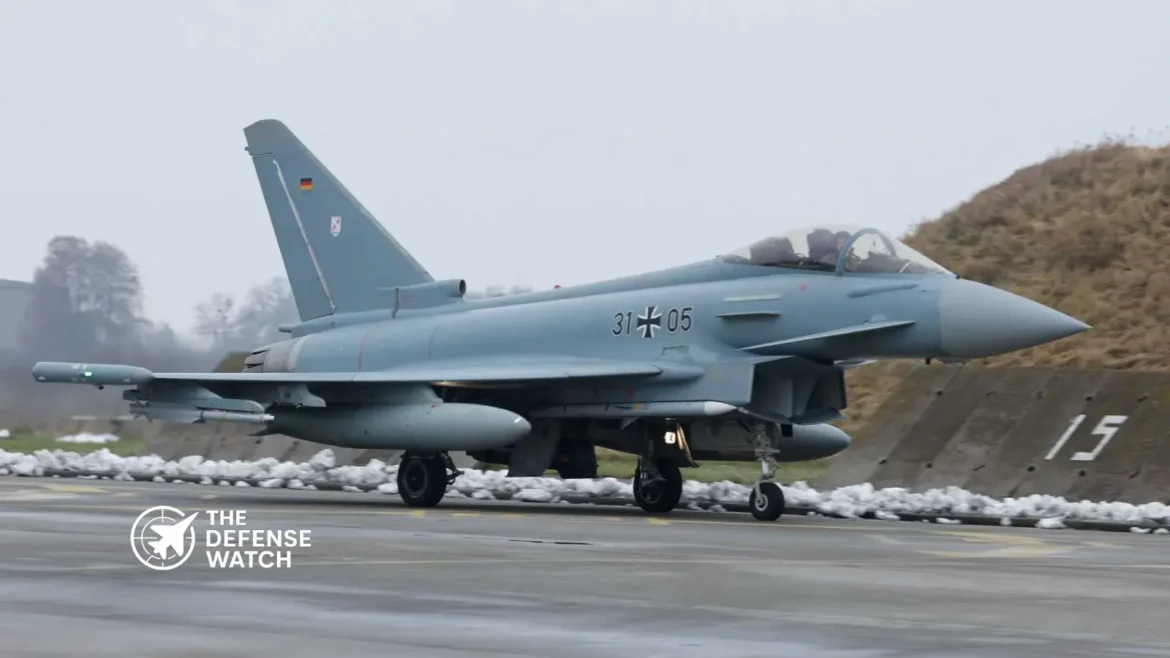
Germany Deploys Eurofighter Typhoons To Iceland For NATO Arctic Sentry Air Policing
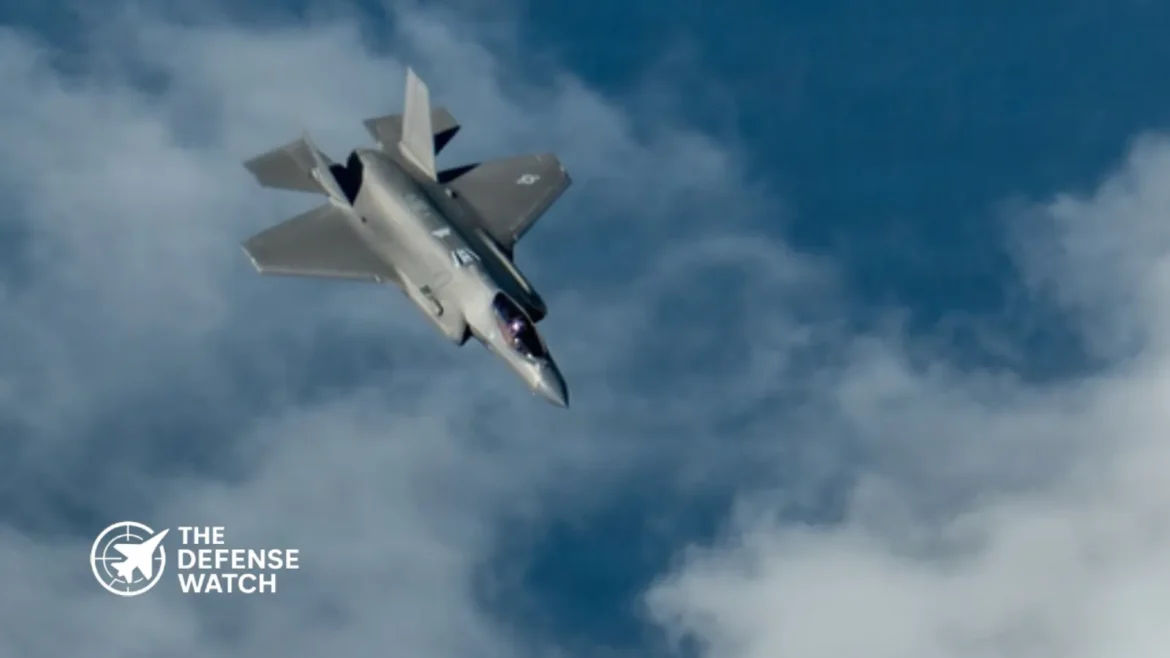
Germany has deployed its first Eurofighter Typhoon fighters to Iceland as part of NATO’s newly launched Arctic Sentry air policing mission. The German contribution places four Typhoons at Keflavík Air Base in the North Atlantic, where they are standing quick reaction alert to monitor and intercept aircraft in the alliance’s northern airspace.
Launched in February 2026, Arctic Sentry is a NATO initiative to unify and expand allied military activities in the Arctic and High North under a coordinated operational framework. The mission aims to enhance collective situational awareness and deterrence across the region, where changing climate conditions and great power competition have raised security concerns.
NATO’s Arctic Sentry effort builds on long-established air policing operations over Iceland, where allied fighter detachments have rotated since 2008 to safeguard sovereign airspace for a member state that has no national air force.
Details Of The German Deployment
Germany’s contribution consists of four Eurofighter Typhoons configured into two quick reaction alert pairs. The fighters are tasked with identifying and, if required, intercepting aircraft operating without flight plans or without proper identification in and around NATO airspace. According to German defense sources, this marks the first time Berlin has sent Typhoon fighters to support Arctic Sentry.
German Defense Minister Boris Pistorius confirmed the deployment ahead of a meeting of NATO defense ministers in Brussels, noting that the Typhoons may operate from Iceland and then reposition further north as mission needs evolve.
Air policing operations over Iceland form part of NATO’s broader deterrence and defense posture. Under this arrangement, alliance members rotate fighter units through Keflavík Air Base to ensure continuous quick reaction alert coverage.
Germany’s Eurofighter deployment comes amid similar commitments by other NATO members under Arctic Sentry. Denmark has announced plans to send F-35 fighter jets for the mission, underscoring broader alliance engagement in the region.
Sweden is also deepening its role in NATO air policing over Iceland with its own fighter deployment, highlighting contributions from across Europe to allied air defense in the North Atlantic and Arctic areas.
As Arctic Sentry operations expand, NATO member states are preparing for a series of coordinated exercises and patrols across the High North. These will include air surveillance, maritime activity, and interoperability drills designed to improve readiness in extreme weather environments.
Germany’s initial Typhoon detachment is expected to integrate with existing air policing structures at Keflavík and contribute to a continuous allied presence across the GIUK gap, a key corridor between Greenland, Iceland, and the United Kingdom.
India Approves 6 New P-8I Neptune Maritime Patrol Aircraft
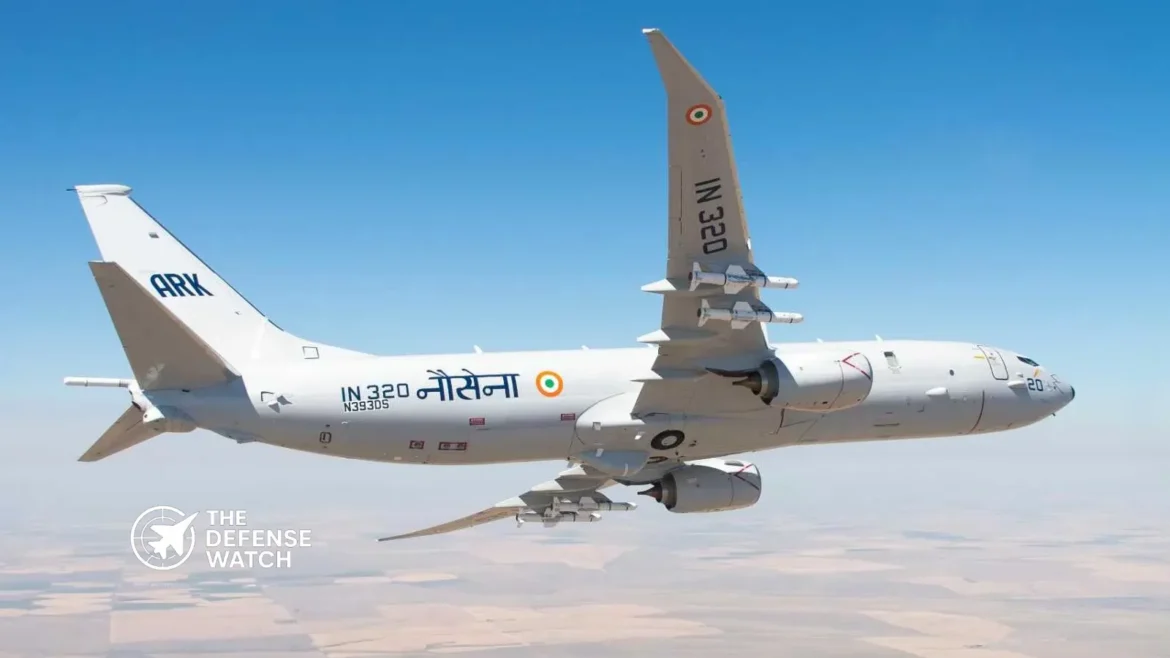
India has approved the purchase of six additional P-8I Neptune maritime patrol aircraft, expanding the Indian Navy’s long-range surveillance and anti-submarine warfare fleet in the Indian Ocean Region.
The decision was cleared by India’s Cabinet Committee on Security, marking another major step in New Delhi’s ongoing maritime modernization drive. The aircraft will be supplied by Boeing and are based on the proven Boeing P-8 Poseidon platform.
The Indian Navy already operates 12 P-8I aircraft, making it one of the largest international operators of the platform outside the United States. With the addition of six more aircraft, the fleet will grow to 18, significantly expanding persistent coverage over the Arabian Sea, Bay of Bengal, and wider Indian Ocean Region.
The P-8I is a customized variant of the U.S. Navy’s P-8A Poseidon. It is designed for:
The aircraft is equipped with advanced radar systems, electro-optical sensors, electronic support measures, and sonobuoy launch capabilities. It can deploy torpedoes and anti-ship missiles, providing both detection and engagement options.
The platform’s endurance and network-centric capabilities allow integration with surface ships, submarines, and shore-based command centers.
Strategic Context In The Indian Ocean
The Indian Ocean Region has seen increased naval activity in recent years. India’s maritime security planners have emphasized the need for continuous wide-area surveillance, especially along key sea lines of communication that handle a significant share of global trade.
By expanding its P-8I fleet, India strengthens its ability to monitor submarine movements, track surface vessels, and respond rapidly to emerging maritime contingencies.
The Indian Navy has frequently deployed P-8I aircraft for operational patrols and multinational exercises. The aircraft has also been used in humanitarian assistance and disaster relief missions, highlighting its multi-role utility.
The P-8I is derived from the commercial Boeing 737 airframe, adapted for military use. It features:
Advanced maritime surveillance radar
Acoustic processing systems for submarine detection
Secure communications suites
High-altitude and low-altitude operational flexibility
India’s variant includes certain indigenous and mission-specific systems tailored to Indian Navy requirements.
The aircraft’s combat radius and endurance allow extended patrols over vast maritime zones. Its ability to operate from land bases enables rapid response across multiple theaters.
Boeing has previously highlighted the P-8 platform’s interoperability benefits, particularly for nations operating alongside the United States and allied navies in the Indo-Pacific.
The original P-8I contract was signed in 2009, with subsequent follow-on orders expanding the fleet. The new approval reinforces India’s reliance on established maritime platforms to meet evolving security requirements.
While financial details of the latest approval were not publicly detailed in initial reporting, previous P-8I acquisitions were conducted through government-to-government frameworks.
The expansion aligns with India’s broader naval modernization plan, which includes aircraft carriers, submarines, and advanced surface combatants.
Maritime Modernization And Force Posture
The Indian Navy continues to prioritize surveillance, anti-submarine warfare, and maritime strike capabilities. Long-range patrol aircraft serve as a critical component of this posture, complementing naval aviation assets and shipborne helicopters.
In recent years, India has increased participation in multinational naval exercises, including the Malabar exercise series. Enhanced maritime patrol capabilities support such engagements while improving real-time situational awareness.
See also: India Advances Indigenous Aircraft Carrier Development
The addition of six new P-8I aircraft will provide greater operational flexibility, redundancy, and surge capacity.
Broader Indo-Pacific Implications
The Indo-Pacific remains a focal point of global strategic competition. Maritime patrol aircraft provide persistent surveillance across chokepoints, shipping lanes, and contested waters.
With expanded P-8I capacity, India strengthens its maritime domain awareness architecture. This capability is widely regarded as essential for monitoring submarine deployments and safeguarding maritime trade routes.
The aircraft’s networked sensors and communication systems allow integration into joint and coalition operations, supporting broader regional stability objectives.
Feature Image Suggestion
High-resolution image of an Indian Navy P-8I Neptune aircraft in flight over the Indian Ocean, showing national markings and underwing stores.
Alt text: Indian Navy P-8I Neptune maritime patrol aircraft conducting surveillance over the Indian Ocean.
Airbus H175M Proves Exceptional Range Capabilities In Middle East Operations
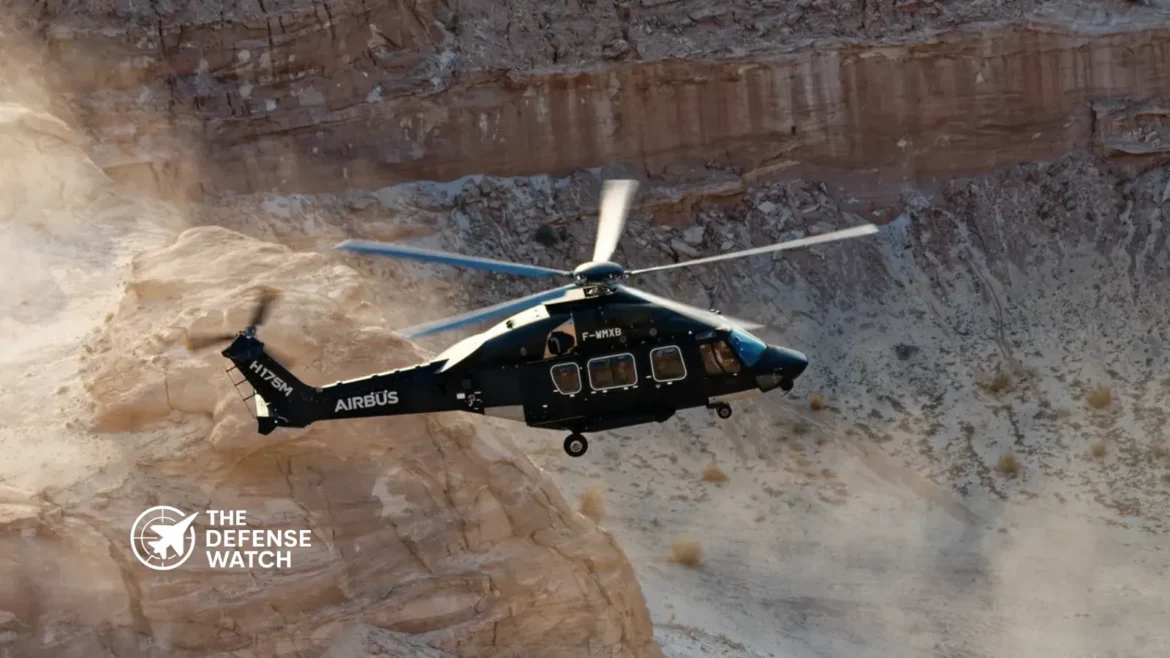
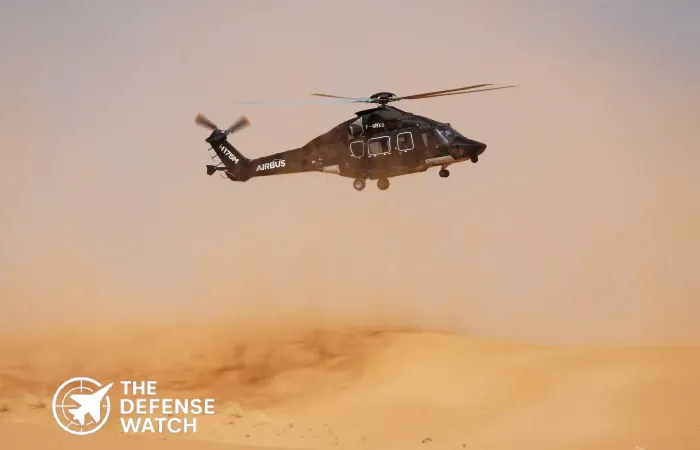
The Airbus H175M military helicopter has successfully demonstrated its superior operational range and performance capabilities during rigorous evaluation flights conducted in Saudi Arabia’s challenging desert environment, according to official company reports released in November 2023.
During demonstration flights that included a critical 486 nautical mile journey from Riyadh to Abha—a mountainous region at elevation—the H175M showcased range capabilities that Airbus officials say exceed competing platforms by nearly 100 percent when operating on standard fuel tanks.
Military Helicopter Demonstrates 600 NM Range Advantage
Alain Fugit, Utility Market Segment Manager at Airbus Helicopters, emphasized the H175M’s efficiency as its defining characteristic in the military rotorcraft market. The aircraft’s 600-pound weight reduction compared to direct competitors, combined with equivalent passenger capacity, translates to a maximum range of approximately 600 nautical miles on standard fuel tanks—nearly double that of rival platforms.
Image : airbus
“If our helicopter weighs 600kg less than its competitors, accommodates the same number of people on board and flies much further… That’s real efficiency,” Fugit stated in the company’s official account of the demonstration tour. “When both are operating on standard tanks the H175M can fly nearly twice as far as its rival, 600 NM.”
Extreme Altitude Operations Validate Advanced Flight Systems
Test pilot Christophe Prunel reported the demonstration aircraft completed the Riyadh-to-Abha flight segment departing with two tonnes of fuel and landing with 470 kilograms remaining—representing substantial operational reserves beyond minimum requirements.
Flight operations at Jabal Sawda, Saudi Arabia’s highest peak at 9,700 feet elevation, provided critical validation of the H175M’s performance at high density altitudes. Operating at density altitudes approaching 12,000 feet, the helicopter demonstrated automated hover capabilities for simulated firefighting and personnel recovery missions.
“We hovered there automatically to perform the winch demonstration,” Prunel reported. “That also impressed them.”
The H175M features a helicopter-specific autopilot system that operates based on altitude rather than airspeed, providing precise low-speed control during critical mission phases including targeting, observation, and landing approaches. This design philosophy distinguishes the system from fixed-wing aircraft autopilots adapted for rotary-wing applications.
The H175M’s absence of low-speed vibration provides measurable advantages for military operations. Unlike competing platforms that experience significant vibration at tactical speeds, the H175M offers a stable observation and weapons platform critical for accuracy during engagement operations.
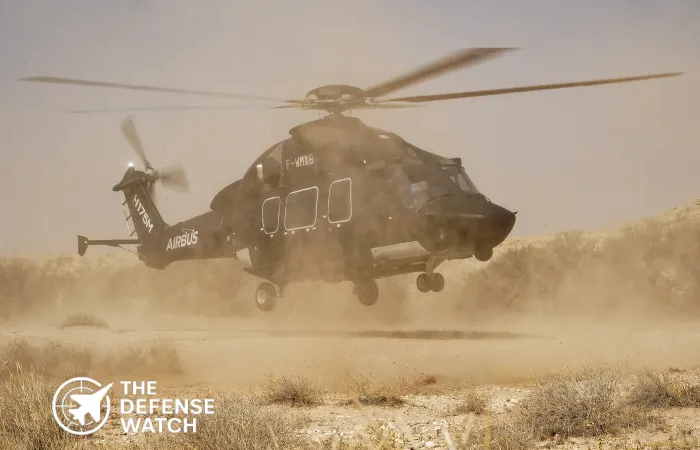
Image : airbus
“Some competing platforms experience a great deal of vibration at low speeds,” Fugit explained. “In the military market, low-speed vibration is not just about comfort. A military helicopter is an observation platform. If it doesn’t vibrate, you can observe much better.”
The stable platform characteristics support precision weapon employment and enhance sensor performance during intelligence, surveillance, and reconnaissance missions where sustained observation is required.
Environmental Performance In Extreme Desert Conditions
Saudi Arabian desert operations validated the H175M’s environmental protection systems under harsh operating conditions. Anti-sand filtration systems successfully protected the aircraft’s Pratt & Whitney Canada PT6C-67E turboshaft engines during operations from unprepared landing zones in desert terrain.
The demonstration included operations during sandstorms, high-temperature conditions, and severe turbulence. The aircraft’s environmental control system maintained cabin temperatures suitable for mission personnel even during extended flights in ambient temperatures exceeding 40 degrees Celsius.
“Sand is an enemy, so the helicopter was equipped with anti-sand filters that served us well on the flights we did, proving that we could land in the dunes and that the filters did their job of protecting the engines,” Prunel reported.
Troop Carrying Capacity Supports Special Operations
The H175M accommodates up to 15 combat-equipped personnel in its super-medium class cabin, providing flexibility for special operations and conventional troop transport missions. The spacious cabin configuration supports casualty evacuation operations with multiple stretcher positions while maintaining medical attendant working space.
Reduced noise levels, minimal vibration, and effective climate control systems minimize crew fatigue during extended missions—a critical factor for special operations forces who must maintain combat effectiveness immediately following insertion flights.
“A military mission could involve flying these commandos for three hours and then landing for their operation,” Prunel noted. “If, after three hours, the soldiers arrive and are uncomfortable, they may not be at their best to do their job on the ground.”
The H175M benefits from Airbus Helicopters’ dual-range strategy, incorporating systems and components proven in civil offshore energy sector operations. The civil H175 variant has accumulated more than 200,000 flight hours, primarily with energy industry operators known for demanding maintenance and reliability standards.
This operational heritage provides the military variant with mature systems, established maintenance procedures, and continuously upgraded avionics packages that benefit from ongoing civil market development.
“The duality of the Airbus range means that we have civil helicopters that are tried and tested,” Fugit stated. “The H175M will therefore benefit from the safety and maintenance standards of the civil market—and avionics which are continuously upgraded.”
This operational experience directly informs H175M development priorities including mission system integration, survivability features, and operational flexibility requirements.
Strategic Implications For Military Aviation Procurement
The H175M addresses emerging military requirements for extended-range rotorcraft capable of operating in contested environments where long-range fires have expanded threat areas beyond traditional helicopter operating zones.
Its combination of range, payload capacity, and advanced automation systems positions the platform for consideration in military aviation modernization programs across Europe, the Middle East, and Asia-Pacific regions where nations are recapitalizing aging helicopter fleets.
Defense analysts note that super-medium military helicopters represent a growing market segment as armed forces seek platforms offering greater capability than light utility helicopters while maintaining lower operating costs than heavy-lift types.
The Saudi Arabian demonstration flights represent Airbus Helicopters’ strategy of providing potential customers with hands-on evaluation opportunities in operationally representative environments, allowing military decision-makers to validate manufacturer performance claims under realistic conditions.
KAAN Fighter Jet Awaits US Approval For F110 Engines
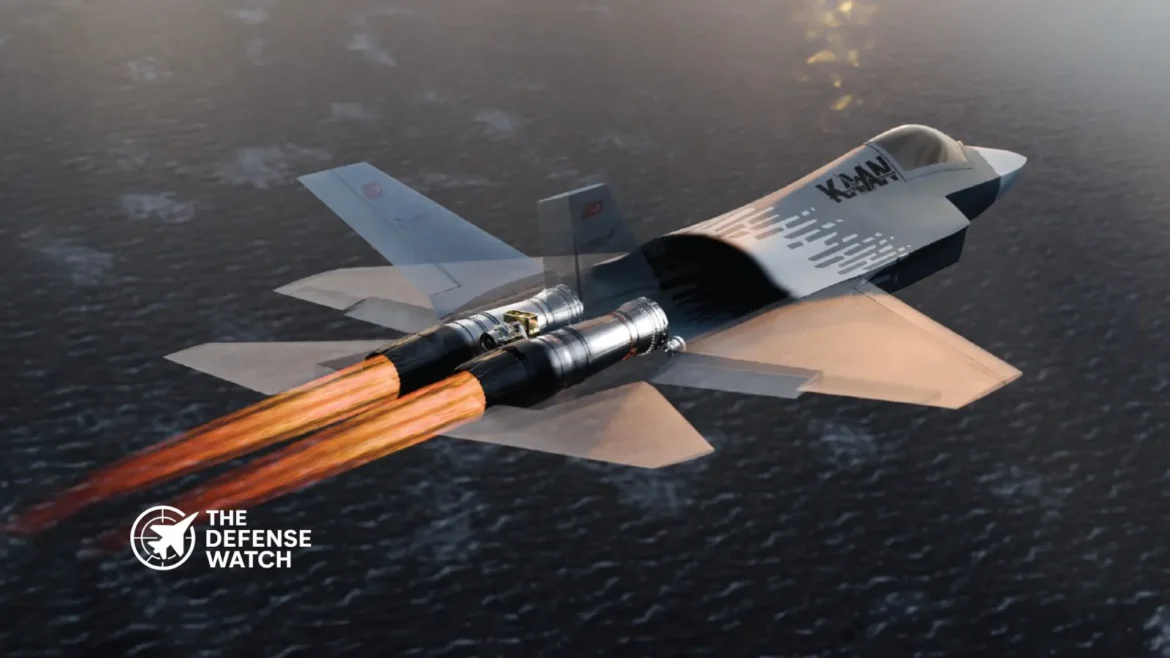
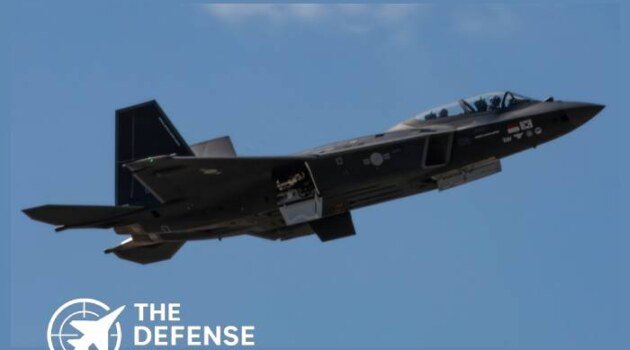
The KAAN fighter jet program is nearing a key milestone as Türkiye expects the United States to approve exports of the F110 GE 129E turbofan engine for early production aircraft.
According to Turkish Aerospace Industries, approval for the U.S.-made engines could come in February or March 2026. The engines will power the first serial production batches of the KAAN Block 10 and Block 20 aircraft.
TUSAŞ General Manager Mehmet Demiroğlu said the company does not anticipate delays in the engine approval process, citing ongoing coordination between U.S. and Turkish officials.
Ten Engines Already In Hand
Demiroğlu confirmed that TUSAŞ already holds ten F110 engines. These are sufficient for prototype aircraft currently in development.
He stated that the company has faced no issues in the development phase related to propulsion. The existing engines support flight testing and system integration as the KAAN fighter jet moves through its early operational evaluation cycle.
The F110 GE 129E engine is produced by GE Aerospace and is widely used in advanced fourth generation fighters, including variants of the F 16. The engine provides high thrust output suitable for twin engine configurations such as KAAN.
Final Approval Stage Underway
TUSAŞ is now in what Demiroğlu described as the final stage of U.S. export approval. The authorization would allow the F110 engines to be installed in the first batch of KAAN Block 10 and Block 20 aircraft intended for operational service.
Based on discussions with both governments, TUSAŞ expects no disruption in deliveries. Approval could be issued within weeks.
The export decision follows established U.S. defense trade procedures. Such transfers require clearance under U.S. export control regulations and coordination between industry and government authorities.
First Delivery Set For 2029
The first KAAN fighter jet delivery to the Turkish Air Force is scheduled for early 2029.
Block 10 and Block 20 aircraft will rely on the F110 engine as an interim propulsion solution. These early blocks are expected to focus on core air dominance capabilities while additional systems mature.
The KAAN program represents Türkiye’s effort to field a domestically developed fifth generation fighter aircraft. The platform is designed to incorporate stealth shaping, advanced sensors, network centric warfare features, and internal weapons carriage.
The aircraft conducted its maiden flight in 2024, marking a significant milestone in Türkiye’s military aviation ambitions.
Transition To A National Engine By 2033
While early production models will use U.S. engines, TUSAŞ plans to equip the KAAN Block 30 aircraft with an indigenous powerplant.
Demiroğlu said the first test of the national engine is targeted for 2032, with final delivery planned for 2033. This shift would reduce reliance on foreign propulsion systems and strengthen domestic aerospace capabilities.
Engine development is a complex and resource intensive effort. It involves advanced materials, turbine blade technology, and high temperature performance engineering. Few nations maintain the industrial base required for fifth generation fighter engines.
Türkiye has been investing heavily in defense industrial self sufficiency over the past decade, particularly in aerospace, unmanned systems, and missile technology.
Strategic Context
The KAAN fighter jet plays a central role in Türkiye’s long term air power strategy. The program gained additional urgency aFter Ankara’s removal from the F 35 program in 2019.
Since then, Turkish defense planners have emphasized indigenous development across air, naval, and land systems.
The F110 export approval would signal continued defense industrial cooperation between Washington and Ankara, despite periodic political tensions.
The engine decision also carries operational significance. Without timely approval, serial production timelines could face adjustments. However, TUSAŞ leadership has publicly stated that current indicators point toward a smooth authorization process.
With prototypes flying and engine supplies secured for testing, the KAAN fighter jet remains on track for initial operational delivery at the end of the decade.
Upcoming milestones include expanded flight testing, avionics integration, weapons certification, and low rate initial production planning.
As the program advances, propulsion remains a key focus area. The transition from the F110 engine to a domestically produced alternative will mark a critical phase in Türkiye’s effort to field a fully sovereign fifth generation combat aircraft.
For now, industry officials appear confident that U.S. approval for the F110 GE 129E engines will arrive within the expected timeframe.
Denmark Deploys F-35 Lightning II To NATO Arctic Sentry
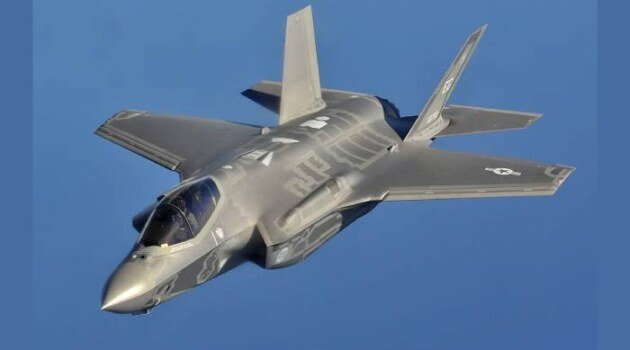
Denmark has deployed its F-35 Lightning II fighters as its first national contribution to NATO Arctic Sentry, marking a significant step in strengthening Allied air defense and surveillance operations in the High North.
The deployment, confirmed by the Danish Ministry of Defence and reported by Defence Industry Europe, places Royal Danish Air Force fifth-generation aircraft into a coordinated NATO activity focused on deterrence and situational awareness across the Arctic region.
The move comes as NATO increases attention on the Alliance’s northern flank amid rising strategic competition in the Arctic.
First Danish F-35 Contribution To Arctic Operations
This marks the first time Denmark has committed its F-35 Lightning II fleet to a NATO Arctic Sentry mission. The aircraft are operated by the Royal Danish Air Force and are gradually replacing Denmark’s aging F-16 Fighting Falcon fleet.
Denmark selected the F-35A variant in 2016, joining a growing group of NATO nations operating the platform. According to the Danish Ministry of Defence, the F-35 provides enhanced sensor fusion, stealth characteristics, and networked capabilities designed to operate effectively in contested environments.
By deploying the F-35 Lightning II to Arctic Sentry, Denmark signals that its transition to fifth-generation airpower is entering an operational phase within NATO structures.
NATO Arctic Sentry: Reinforcing The High North
NATO Arctic Sentry is an Allied activity focused on air domain awareness, interoperability, and coordinated operations across the Arctic and North Atlantic regions. The initiative supports NATO’s broader deterrence and defense posture, particularly following Finland and Sweden’s accession to NATO, which has reshaped the Alliance’s northern geography.
By contributing F-35 Lightning II fighters, Denmark adds advanced ISR capabilities and secure data sharing to the mission. The aircraft’s sensors allow pilots to collect and distribute real-time information across NATO networks, strengthening joint operational awareness.
Strategic Importance For Denmark
Denmark occupies a unique position in the Arctic due to the Kingdom’s sovereignty over Greenland and the Faroe Islands. The Arctic is therefore not only a NATO priority but also a core national security interest for Copenhagen.
The deployment of the F-35 Lightning II aligns with Denmark’s broader defense modernization plans and its increased defense spending commitments under NATO guidelines.
The F-35 Lightning II is operated by multiple NATO members, including the United States, the United Kingdom, Norway, the Netherlands, Italy, and others. Its standardized data links and mission systems enable seamless interoperability during joint operations.
During Arctic Sentry, Danish F-35s operate alongside other Allied aircraft, enhancing joint training and operational coordination in cold-weather conditions. Arctic environments present unique challenges, including extreme temperatures, remote basing, and limited infrastructure.
Fifth-generation platforms like the F-35 are designed to operate in complex and contested environments. Their ability to fuse radar, infrared, and electronic intelligence data provides NATO commanders with a clearer operational picture.
Broader Arctic Security Context
The Arctic region has seen heightened geopolitical attention in recent years. Russia maintains significant military infrastructure in the High North, while NATO nations have increased exercises and patrols.
Denmark’s F-35 Lightning II deployment under Arctic Sentry reflects a broader trend among NATO members to strengthen air policing and surveillance capabilities in northern latitudes.
NATO has repeatedly stated that its activities are defensive and aimed at maintaining stability and predictability in the region.
Outlook
As Denmark continues to receive and integrate additional F-35 aircraft into its force structure, further participation in NATO missions is expected. The current deployment signals operational confidence in the platform and reinforces Denmark’s role in Allied Arctic security.
The F-35 Lightning II’s integration into Arctic Sentry also underscores NATO’s emphasis on advanced, networked capabilities in safeguarding its northern approaches.
India Moves Forward With Largest Fighter Jet Procurement In Decades
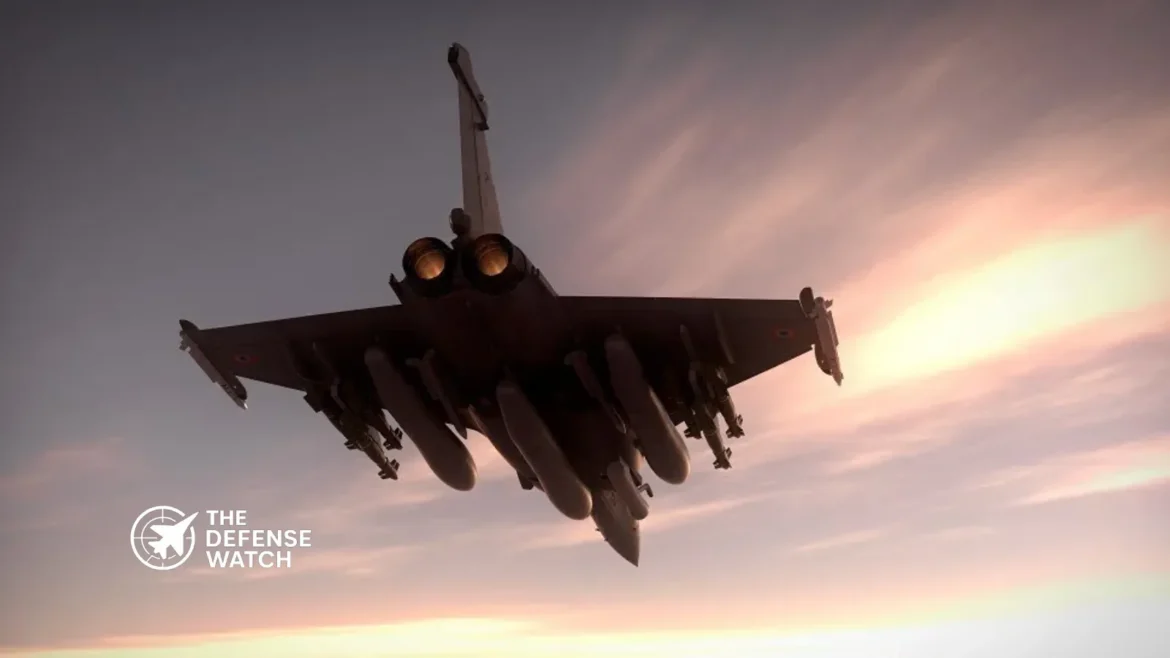
India’s Defence Acquisition Council granted preliminary approval Thursday for the procurement of 114 Rafale fighter jets from France’s Dassault Aviation, marking one of the largest defense acquisitions in the nation’s history. The deal, valued at approximately 3.25 trillion rupees ($39 billion), represents a critical step toward addressing the Indian Air Force’s acute squadron shortage while modernizing its combat capabilities against evolving regional threats.
Defense Minister Rajnath Singh-led Defence Acquisition Council approved the Acceptance of Necessity for the Multi-Role Fighter Aircraft program, according to India’s Ministry of Defence. The clearance paves the way for detailed commercial and technical negotiations between New Delhi and Paris, though final approval from the Cabinet Committee on Security remains pending.
Strategic Timing Ahead Of Macron’s India Visit
The approval comes just days before French President Emmanuel Macron’s scheduled visit to India from February 17-19, where he will launch the India-France Year of Innovation and Artificial Intelligence Impact Summit. Defense analysts view the timing as strategically significant, demonstrating the deepening defense partnership between the two nations.
Under the proposed framework, 18 Rafale aircraft will be delivered directly from France in fly-away condition to meet immediate operational requirements. The remaining 96 jets will be manufactured in India through a partnership involving state-owned Hindustan Aeronautics Limited and private Indian defense contractors, officials familiar with the matter told The Associated Press.
Make In India Integration Drives Local Manufacturing
The indigenous production component represents a substantial commitment to India’s Make in India initiative. Initial Indian content is expected to reach 30 percent of production value, progressively increasing to more than 60 percent as the program matures. This technology transfer agreement will provide Indian aerospace manufacturers with advanced capabilities in fourth-generation-plus fighter production.
The deal structure reflects lessons learned from India’s earlier Rafale acquisition. In 2016, India contracted for 36 Rafale jets under a government-to-government agreement with France, with deliveries completed in December 2024. The aircraft have since equipped two squadrons: No. 17 Squadron “Golden Arrows” at Air Force Station Ambala in Haryana, and No. 101 Squadron “Falcons” at Hasimara in West Bengal.
Rejection Of F-35 And Su-57 Proposals
By selecting the Rafale, India simultaneously rejected competing offers from the United States and Russia for fifth-generation fighters. Lockheed Martin’s F-35 Lightning II and Russia’s Sukhoi Su-57 were both evaluated but ultimately not selected. Defense industry sources indicate concerns that procuring either fifth-generation platform could have undermined India’s indigenous Advanced Medium Combat Aircraft development program.
Indian defense officials consider the Rafale a proven, readily deployable solution capable of rapidly addressing capability gaps. The twin-engine, multi-role fighter has demonstrated effectiveness in Indian service, including during Operation Sindoor in May 2025, when Indian Air Force Rafales struck targets in Pakistan using SCALP cruise missiles following the Pahalgam terror attack.
India’s domestically produced HAL Tejas light combat aircraft, while entering serial production, cannot fill the gap at the required pace. The Tejas remains classified as a light fighter and lacks the payload capacity and range required for many roles currently filled by medium and heavy fighters.
Once the 114-aircraft order is completed alongside the 26 naval Rafale-M variants ordered in April 2025, India’s total Rafale fleet will reach 176 aircraft, making it the largest Rafale operator outside France.
The P-8I aircraft will enhance anti-submarine warfare and maritime surveillance capabilities across the Indian Ocean Region, where Indian naval planners have expressed concern about expanding Chinese naval activities. India currently operates 12 P-8I aircraft, which have proven critical for maritime domain awareness.
The council also approved High Altitude Platform Systems worth approximately 15,000 crore rupees. These long-endurance pseudo-satellite aircraft will provide persistent intelligence, surveillance, and reconnaissance capabilities for operations along India’s contested northern borders with China.
For the Indian Army, the Defence Acquisition Council granted Acceptance of Necessity for procurement of Vibhav anti-tank mines and overhaul programs for Armoured Recovery Vehicles, T-72 tanks, and BMP-II Infantry Combat Vehicles.
Advanced Capabilities Package
The Rafale’s multirole capabilities align with Indian Air Force operational requirements across the full spectrum of conflict scenarios. The aircraft can execute air superiority, ground attack, reconnaissance, anti-ship, and nuclear deterrence missions during single sorties.
Key weapon systems integrated with Indian Rafales include the Meteor beyond-visual-range air-to-air missile, SCALP-EG cruise missile with ranges exceeding 250 kilometers, and the HAMMER modular air-to-ground weapon. The aircraft’s SPECTRA electronic warfare suite provides advanced self-protection capabilities against surface-to-air missiles and air-to-air threats.
The Rafale features an integrated sensor suite including the RBE2 active electronically scanned array radar, which can track multiple targets simultaneously while maintaining low probability of intercept characteristics. Its Optronique Secteur Frontal infrared search and track system enables passive target detection and engagement.
Technology Transfer And Industrial Cooperation
In June 2025, France and India announced four landmark production transfer agreements between Dassault Aviation and Tata Advanced Systems Limited. These partnerships are expected to accelerate production capabilities and reduce delivery timelines for the new order.
The technology transfer encompasses aircraft engines, avionics systems, weapons integration protocols, and composite materials manufacturing. French defense officials have indicated willingness to support future joint development projects beyond the current procurement program.
Defense analysts note that France has proven more willing than competing suppliers to share advanced technologies and support indigenous development programs. This flexibility has positioned French defense contractors as preferred partners for multiple Indian military modernization initiatives.
Regional Security Context
The procurement decision reflects India’s strategic calculus amid evolving security challenges along its borders with Pakistan and China. Tensions along the Line of Actual Control with China have remained elevated since the 2020 Galwan Valley clash, while terrorist threats from Pakistan-based groups continue to require robust air defense and strike capabilities.
The Rafale’s proven performance during Operation Sindoor demonstrated its effectiveness for precision strikes against hardened targets in contested airspace. Military planners view the expanded Rafale fleet as essential for maintaining credible deterrence across both northern and western borders.
India’s fighter modernization also occurs within the broader context of regional military competition. Pakistan has taken delivery of Chinese-built J-10C fighters and continues to operate upgraded F-16 aircraft, while China operates large fleets of fourth and fifth-generation fighters along the Tibetan border regions.
Following the Defence Acquisition Council’s Acceptance of Necessity, India’s Ministry of Defence will conduct detailed commercial negotiations with Dassault Aviation through the government-to-government framework established with France. These discussions will finalize aircraft unit costs, weapons packages, support systems, training requirements, and technology transfer terms.
Defense industry observers do not expect contract signature before late 2026, given the complexity and scale of the procurement. The final agreement requires approval from the Cabinet Committee on Security, chaired by Prime Minister Narendra Modi.
Initial aircraft deliveries from France could begin within 36 months of contract signature based on Dassault’s current production capacity, with Indian-manufactured aircraft following as domestic production lines achieve certification. Full fleet delivery is projected to extend through the early 2030s.
The comprehensive acquisition positions India’s defense relationship with France as among its most significant strategic partnerships, with implications for naval aviation, missile systems, and future collaborative development programs across the aerospace sector.
Exercise Tests Combat Readiness Under Time Constraints
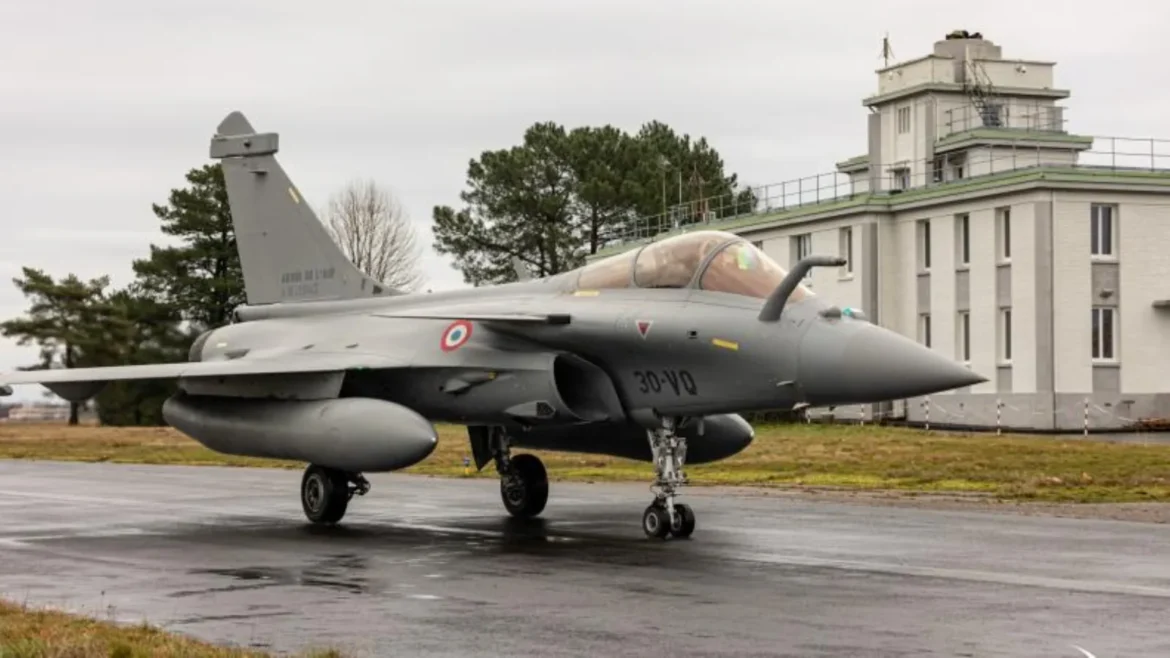
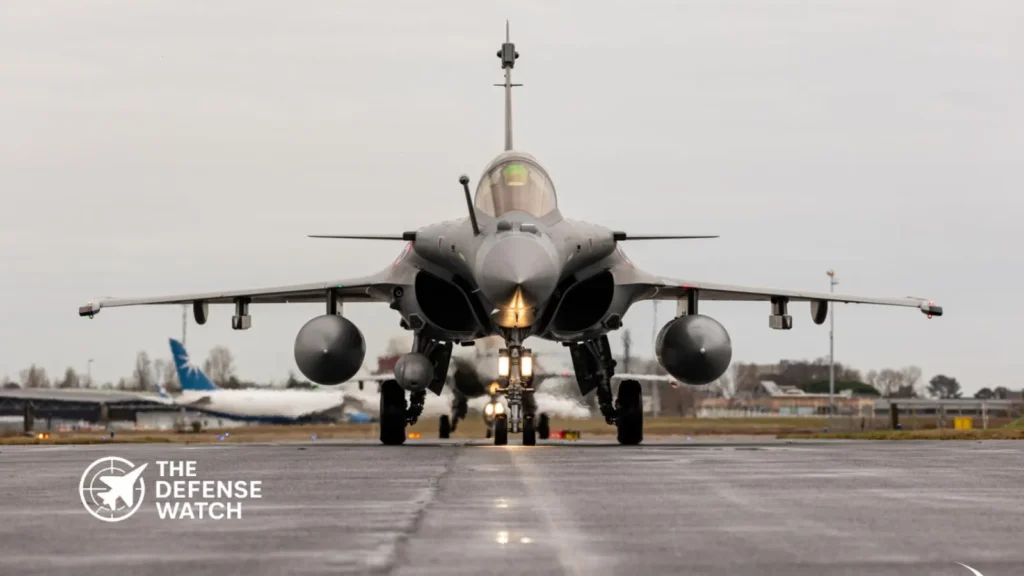
The French Air and Space Force successfully executed Exercise Topaze on January 27, 2025, deploying five Dassault Rafale fighters from Air Base 118 Mont-de-Marsan to Air Base 106 Bordeaux-Mérignac under minimal advance warning. The drill evaluated the service’s capacity to rapidly disperse combat aircraft and maintain operational effectiveness under high-intensity warfare scenarios.
According to the French Ministry of Armed Forces, the exercise mobilized operational squadrons and support units in record time, testing the force’s ability to preserve assets through rapid deployment while sustaining combat operations. Commander Mathieu, deputy commander of Fighter Squadron 3/30 “Lorraine” based at Mont-de-Marsan, stated that units received orders to deploy the entire fleet before 15:00 hours with less than 24 hours’ notice.
High-Intensity Warfare Focus Drives Training Evolution
Exercise Topaze represents the French Air and Space Force’s ongoing emphasis on preparing for large-scale conventional conflict, particularly influenced by operational lessons from the war in Ukraine. The drill simulated scenarios requiring immediate asset preservation in response to potential threats against primary airbases.
The goal is to be taken by surprise,” explained a Rafale pilot participating in the exercise, according to media reports from Euronews. “The deployment at very short notice, followed by a huge team effort to configure the aircraft as quickly as possible and prepare ourselves for this mission under severe time constraints, was the hardest part.”
General Pierre Gaudillière, commander of the Fighter Aviation Air Brigade, emphasized the operational relevance of such training. “We never train for nothing and since high-intensity warfare is raging on all fronts, it is in response to this kind of operational requirement that we are doing this exercise,” he stated.
Rapid Deployment Tests Coordination Between Units
The five Rafale fighters arrived at Bordeaux-Mérignac despite challenging weather conditions, immediately proceeding to designated parking areas where maintenance crews and support personnel were positioned to receive them. Within two hours of arrival, aircraft were secured, crews debriefed, and coordination established between operational squadrons and support units.
Commander Mathieu described the exercise as testing the feasibility of deployments under constrained timelines while identifying potential obstacles and evaluating personnel responsiveness. Crisis cells were activated the day prior to deployment, requiring rapid mission planning and logistical coordination across multiple units.
The drill’s success hinged on seamless integration between combat squadrons and support elements. “Efficiency,” Commander Mathieu stated when asked to characterize the exercise. “By engaging both operational squadrons and support units, coordination proved optimal, almost spontaneous.”
The French service has conducted multiple exercises testing rapid dispersal capabilities throughout 2024 and 2025. In April 2025, the service simultaneously executed Exercise JADE, involving Mirage 2000D and 2000B aircraft dispersing from Air Base 133 Nancy-Ochey to five locations across France, and Exercise Pégase 25, deploying Rafale fighters to Sweden alongside NATO allies.
In November 2024, French Rafale jets deployed to Germany, Croatia, and Poland, practicing ACE procedures at NATO bases with minimal logistical support. These deployments tested the ability to operate from forward locations using host nation infrastructure for refueling, mission planning, and rearming.
Strategic Context And European Defense Posture
The emphasis on rapid dispersal and distributed operations reflects broader European defense planning in response to potential large-scale conventional conflict. Fixed airbases represent primary targets in high-intensity scenarios, making the ability to quickly relocate combat aircraft critical for force preservation and sustained operations.
France operates approximately 108 Rafale fighters as of 2025, according to Ministry of Armed Forces data, distributed across multiple squadrons including nuclear-capable units assigned to the Strategic Air Forces Command. The Rafale serves as France’s primary multi-role combat aircraft, capable of air superiority, ground attack, and reconnaissance missions.
Exercise Topaze specifically involved assets from Fighter Squadron 3/30 “Lorraine,” one of three Rafale squadrons based at Mont-de-Marsan alongside squadrons 1/30 “Côte d’Argent” and 2/30 “Normandie-Niemen.” Mont-de-Marsan serves as a major Rafale operating base and houses the Centre d’expertise aérienne militaire (CEAM), the Military Air Expertise Centre responsible for operational evaluation and pilot conversion training.
Operational Implications For Allied Forces
The French Air and Space Force’s focus on distributed operations provides relevant lessons for allied services implementing similar concepts. NATO members have increasingly prioritized ACE as Russian military modernization and demonstrated willingness to employ force against neighbors has heightened concerns about large-scale conventional conflict in Europe.
The ability to rapidly deploy and sustain operations from austere or non-traditional locations complicates adversary targeting while maintaining operational tempo. Exercise Topaze demonstrated that even with minimal advance notice, coordinated action between operational and support elements can achieve rapid deployment objectives.
France’s independent nuclear deterrent adds strategic significance to these exercises. While Exercise Topaze involved conventional Rafale operations, the service regularly practices rapid dispersal with nuclear-capable variants, enhancing survivability of second-strike capabilities. The Rafale B variant equipped with ASMP-A nuclear missiles forms the airborne component of France’s nuclear triad.
Conclusion
Exercise Topaze confirmed the French Air and Space Force’s capability to execute rapid aircraft dispersal under demanding timelines. The successful deployment of five Rafale fighters from Mont-de-Marsan to Bordeaux-Mérignac with minimal notice validated training protocols and inter-unit coordination necessary for distributed operations.
As European defense planning increasingly accounts for potential large-scale conventional conflict, exercises like Topaze provide essential operational testing of concepts designed to enhance force survivability and operational effectiveness. The French service’s continued emphasis on such training reflects strategic assessments prioritizing readiness for high-intensity warfare scenarios.
Italy Commits Nearly $11 Billion to Trilateral Fighter Program
Italy’s parliament has approved approximately €8.77 billion in funding for the Global Combat Air Programme’s initial development phases, marking a significant commitment to the trilateral sixth-generation fighter initiative with the United Kingdom and Japan. The Thursday approval comes despite program costs more than tripling since initial 2021 estimates.
The defense committee of Italy’s lower house of parliament authorized the funding proposal, which will be disbursed through annual installments extending to 2037. Under Italian parliamentary procedures, the committee’s vote is final and does not require full chamber approval.
The GCAP funding approval represents one of the most expensive military aviation programs in Italian history, surpassing even the nation’s F-35 acquisition program in total projected development costs.
Program Costs Surge From Original Estimates
Italy now expects its total contribution to GCAP’s early development phases to reach €18.6 billion (approximately $21.8 billion), a dramatic increase from the roughly €6 billion estimated at 2021 prices when the program was initially proposed to parliament. The recently approved €8.77 billion represents the immediate funding authorization, with the remaining €7.8 billion to be arranged through future appropriations.
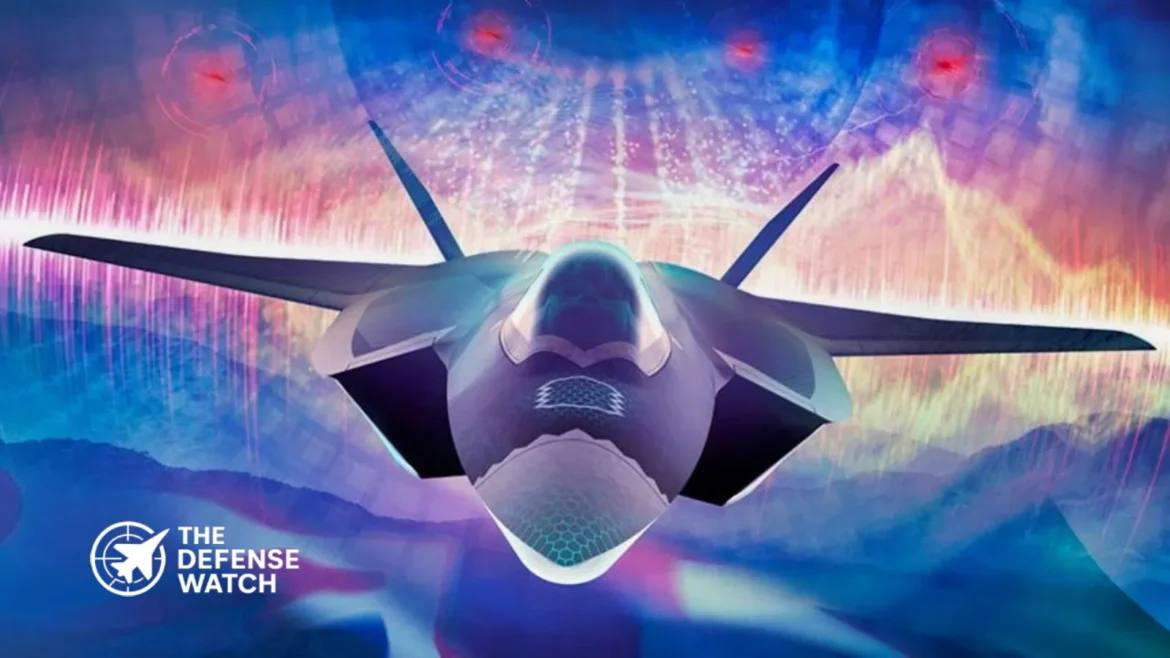
The Global Combat Air Programme was formally launched in December 2022 when Italy, the United Kingdom, and Japan merged their separate sixth-generation fighter development efforts into a unified program. The initiative aims to deliver an operational next-generation fighter aircraft by 2035, designed to integrate crewed and uncrewed platforms, advanced sensors, and networked data systems into a comprehensive “system of systems” architecture.
According to parliamentary documentation, the cost increases stem from updated estimates for technology maturation, expanded testing and development requirements, and enhanced design specifications. Defense analysts note that sixth-generation fighter programs inherently involve greater complexity and cost than previous aircraft generations due to their integration of artificial intelligence, loyal wingman drones, combat cloud networks, and advanced stealth capabilities.
Political Response and Strategic Context
The funding approval drew immediate criticism from Italy’s opposition Five Star Movement, which questioned the magnitude of the cost increase without detailed parliamentary explanation. Five Star parliamentarians noted that GCAP has become the most expensive program in Italian military history, exceeding the F-35 program’s €18 billion expenditure for 90 aircraft.
Despite domestic political scrutiny, Italian Prime Minister Giorgia Meloni’s governing coalition holds majorities in both parliamentary chambers, making final approval highly probable. The Italian government has consistently reaffirmed its commitment to GCAP at the international level, with Meloni and Japanese Prime Minister Takaichi Sanae expressing satisfaction with program progress during a January 2026 meeting in Tokyo.
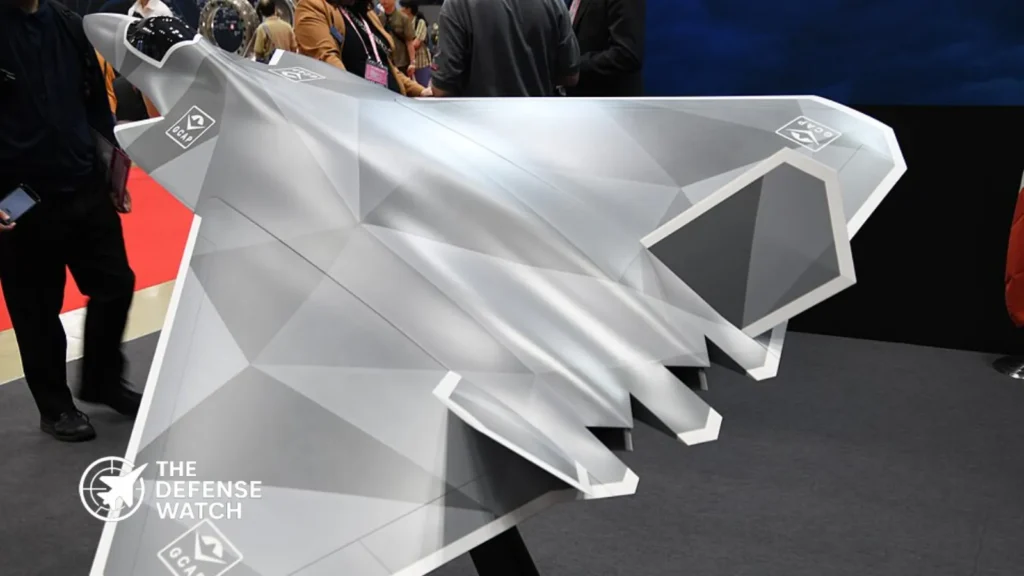
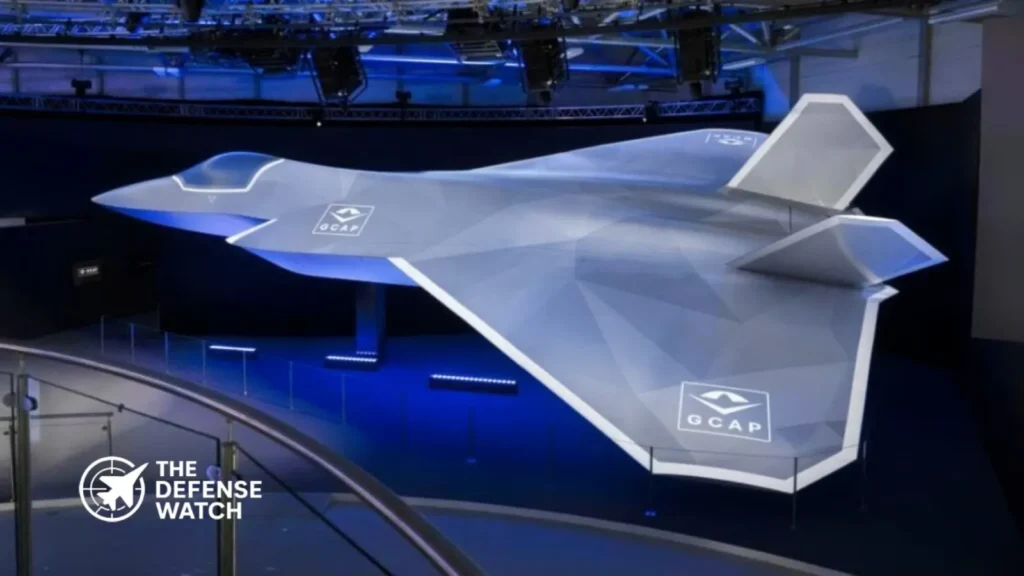
GCAP Fighter. Industry Handout Image. (adsbygoogle = window.adsbygoogle || []).push({});
Italian Defense Minister Guido Crosetto has publicly stated that GCAP represents a strategic investment in technological sovereignty and equal partnership, contrasting it with previous programs where Italy played a more subordinate role. During recent parliamentary testimony, Crosetto indicated that additional countries including Germany and Australia have expressed interest in joining the program.
GCAP vs FCAS: Competing European Visions
The Italian parliamentary approval occurs against the backdrop of significant tensions within the rival Franco-German-Spanish Future Combat Air System (FCAS) program. FCAS has experienced prolonged industrial disputes, particularly over workshare allocation and intellectual property rights between Dassault Aviation and Airbus, leading to schedule delays and political friction.
Multiple European defense publications have reported that Germany is actively considering abandoning FCAS in favor of joining GCAP, a development that would fundamentally reshape European combat air cooperation. During a January 2026 summit in Rome, German Chancellor Friedrich Merz reportedly discussed GCAP participation with Prime Minister Meloni, though no formal decisions have been announced.
The contrast between the two programs has become increasingly stark. GCAP partners established a formal international treaty in December 2023, created a joint business venture among BAE Systems, Japan Aircraft Industrial Enhancement Company, and Leonardo, and have maintained consistent program timelines. Meanwhile, FCAS continues to struggle with fundamental governance and industrial participation issues.
(adsbygoogle = window.adsbygoogle || []).push({});GCAP Fighter. Industry Handout Image.
Italian Foreign Minister Antonio Tajani stated in early February 2026 that Italy remains open to expanding GCAP membership if additional nations wish to join, emphasizing that broader participation could reduce per-nation costs while increasing technological capacity and economic returns.
Technical Capabilities and Industrial Organization
GCAP is designed as a comprehensive sixth-generation combat air system, not merely a single aircraft platform. The program encompasses development of a next-generation manned fighter as the core platform, integration with Adjunct Combat Aircraft (loyal wingman drones), establishment of a combat cloud data exchange architecture connecting space-based, airborne, naval, and ground sensors, and incorporation of artificial intelligence for enhanced decision-making and autonomous operations.
The three-nation partnership operates under an explicitly equal framework, with each country holding one-third stakes in the joint industrial venture. BAE Systems serves as the UK industrial lead, responsible for airframe development and overall integration. Leonardo leads Italian participation, with specific responsibilities for flight system integration, weapons integration, and training systems. Mitsubishi Heavy Industries heads Japanese industrial involvement, managing airframe production and systems integration for Japan.
The program structure includes provisions for technology transfer and shared intellectual property rights, addressing concerns that arose in previous collaborative efforts where certain partners retained disproportionate control over critical technologies and capabilities.
Operational Requirements and Timeline
GCAP aims to replace the Eurofighter Typhoon in Royal Air Force and Italian Air Force service, and the Mitsubishi F-2 in Japan Air Self-Defense Force operations. The target in-service date of 2035 positions GCAP to address the obsolescence of current fourth-generation and early fifth-generation platforms as peer competitors field their own advanced systems.
Defense planners envision GCAP aircraft operating in contested environments where communication with traditional support assets may be restricted or denied. The platform’s design emphasizes extended range, potentially enabling transatlantic missions on internal fuel, internal weapons carriage exceeding current fifth-generation fighters to maintain stealth characteristics, and data processing capacity sufficient to coordinate multiple uncrewed wingman aircraft in real-time combat scenarios.
Flight testing of technology demonstrators is scheduled to commence in 2027-2028, with the UK’s Excalibur flight test aircraft program already underway using modified Boeing 757 airframes. Italy and Japan have announced plans to develop their own domestic flight test platforms to accelerate development and reduce risk.
Budget Implications and Future Funding
For fiscal year 2025, Italy has allocated over €600 million to GCAP, placing it among the nation’s largest defense expenditures alongside F-35 procurement and Eurofighter upgrade programs. The approved €8.77 billion will be disbursed in annual increments through 2037, requiring sustained budgetary commitment across multiple government administrations.
Italy currently operates 118 Eurofighter aircraft and plans to acquire 115 F-35s, with combined inventory projected to exceed 180 aircraft through the 2040s. GCAP is expected to initially supplement, then gradually replace the Eurofighter fleet as those aircraft reach end-of-service life.
The Italian government is leveraging defense spending provisions within the European Union’s Stability Pact framework, which allows military expenditures to be temporarily excluded from deficit calculations under certain circumstances. This mechanism provides financial flexibility to sustain major long-term defense programs without immediately impacting fiscal targets.
International Interest and Program Expansion
Beyond Germany’s potential participation, multiple nations have expressed varying levels of interest in GCAP. Australia received an informational briefing from the GCAP consortium during the March 2025 Avalon Airshow, though Royal Australian Air Force officials indicated that significant uncertainties remain before formal consideration.
Saudi Arabia has pursued GCAP membership since 2023, though Japan initially expressed reservations regarding export policy, technology security, and timeline concerns. Recent diplomatic discussions at the 2024 G20 Summit and subsequent ministerial meetings suggest that Saudi participation remains under active consideration, particularly regarding cost-sharing arrangements and technology transfer provisions.
Canada has also examined GCAP as a potential future acquisition to succeed its planned F-35A fleet, according to diplomatic sources. Portugal’s defense minister indicated in 2025 that the country would consider joining either GCAP or FCAS as an observer under broader Portuguese Air Force modernization plans.
The potential expansion of GCAP membership presents both opportunities and challenges. Additional participants would broaden the program’s financial base and industrial capacity while potentially complicating governance structures and technology sharing arrangements. The three founding nations have indicated they are developing formal criteria for new member admission to balance these considerations.
Strategic Implications for European Defense
The approval of major GCAP funding by Italy, combined with potential German participation, carries significant implications for European defense industrial consolidation. Defense market analysts have long argued that Europe cannot sustainably support multiple competing sixth-generation fighter programs given limited procurement budgets and industrial capacity.
If Germany formally joins GCAP, the program would unite four of Europe’s five largest defense economies (UK, Italy, Germany, and potentially Spain if it follows Germany), leaving France pursuing FCAS either independently or with significantly reduced European participation. Such an outcome would represent a fundamental realignment of European combat air development away from traditional Franco-German defense cooperation.
The United Kingdom’s departure from the European Union had initially raised questions about UK-EU defense industrial cooperation, but GCAP demonstrates that substantive partnerships can proceed outside formal EU frameworks. Italy’s full commitment despite being an EU member state and potential German interest suggest that operational requirements and industrial pragmatism may outweigh political preferences for EU-internal programs.
NATO interoperability considerations also favor GCAP expansion, as the program explicitly incorporates data-sharing standards and communications architectures designed for integration with other allied systems. The inclusion of Japan, a major non-NATO ally with increasing security cooperation with European nations, provides additional strategic value in an era of great power competition.
Italy’s parliamentary approval of €8.77 billion in immediate GCAP funding, despite a tripling of estimated total program costs to €18.6 billion, demonstrates the nation’s strategic commitment to sixth-generation combat air capabilities through equal international partnership. The program’s progress contrasts sharply with the troubled FCAS initiative, potentially attracting additional European participants and reshaping the continent’s future combat air landscape.
As GCAP advances toward technology demonstration flights in 2027-2028 and an operational aircraft by 2035, the program represents not merely a weapons acquisition but a comprehensive transformation in how allied nations develop, integrate, and employ air combat capabilities in an increasingly contested operational environment.
The balance of airpower continues to define global military superiority in 2026, with nations investing billions in advanced fighter aircraft to secure their skies and project force beyond borders. The top 10 largest modern fighter fleets represent a combination of technological innovation, strategic doctrine, and sheer numerical strength. From fifth-generation stealth platforms like the F-35 Lightning II to upgraded fourth-generation workhorses such as the Su-30 and F-15, these fleets shape geopolitical stability and deterrence strategies worldwide.
Understanding which nations operate the largest modern fighter fleets provides critical insight into current defense priorities, regional power dynamics, and the future trajectory of aerial warfare. This comprehensive analysis examines the composition, capabilities, and strategic implications of the world’s most formidable fighter jet inventories.
The United States: Unrivaled Air Superiority
Fleet Composition and Scale
The United States Air Force, Navy, and Marine Corps collectively operate the world’s largest and most advanced modern fighter fleet, with an estimated 2,700+ combat-ready aircraft as of early 2026. The backbone of American air dominance rests on the rapid expansion of the F-35 Lightning II program, which now fields over 630 operational aircraft across all variants (A, B, and C models).
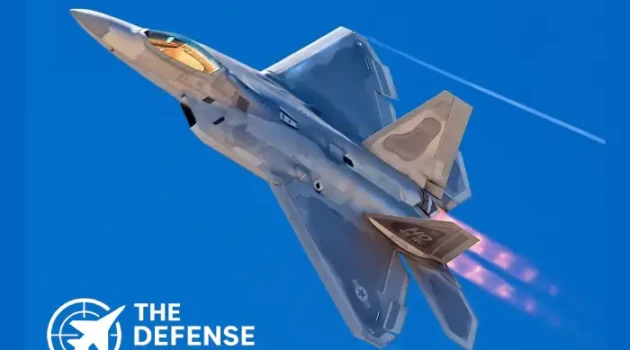
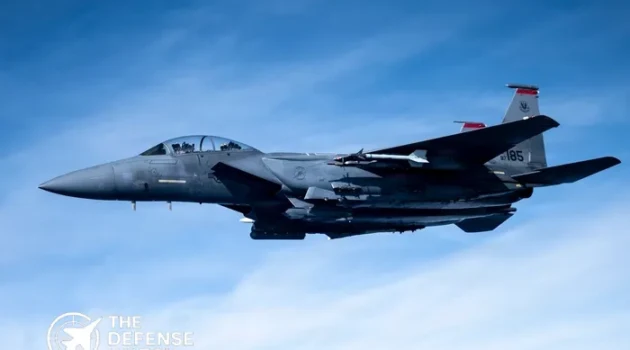
Complementing the F-35 are approximately 180 F-22 Raptors, the world’s premier air superiority fighter, alongside significant numbers of F-15 Eagles (including the newest F-15EX variants), F-16 Fighting Falcons undergoing continuous upgrades, and F/A-18 Super Hornets serving naval aviation requirements.
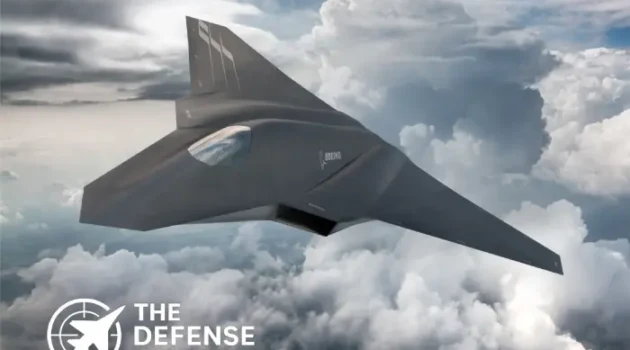
The Pentagon’s commitment to maintaining technological overmatch drives continuous modernization efforts. The F-35 production line remains active with orders extending through the 2030s, while legacy platforms receive advanced radar systems, electronic warfare suites, and precision munitions integration. The U.S. also leads development of sixth-generation fighters through the Next Generation Air Dominance (NGAD) program, ensuring future air superiority.
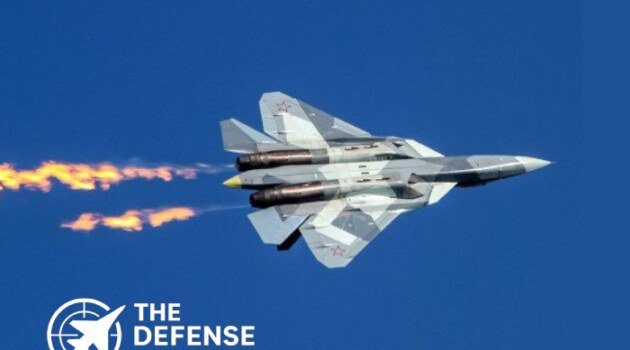
The limited-production Su-57 Felon stealth fighter remains in low-rate production with fewer than 20 operational units, while substantial numbers of upgraded MiG-29 and MiG-31 interceptors supplement frontline strength. Russia’s aerospace industry continues producing Su-30 and Su-35 variants for both domestic use and export markets.
Ongoing military operations, international sanctions affecting component supplies, and budget constraints impact fleet availability. However, Russia maintains significant modernization programs focused on avionics upgrades, precision strike capabilities, and extending airframe service lives across legacy platforms.
The People’s Liberation Army Air Force (PLAAF) and Naval Aviation operate an estimated 1,200+ fourth-generation and beyond fighters, representing dramatic expansion over the past decade. China’s fleet includes substantial numbers of domestically produced J-10 multirole fighters, J-11 (Su-27 derivatives), advanced J-16 strike fighters, and J-15 carrier-based aircraft.
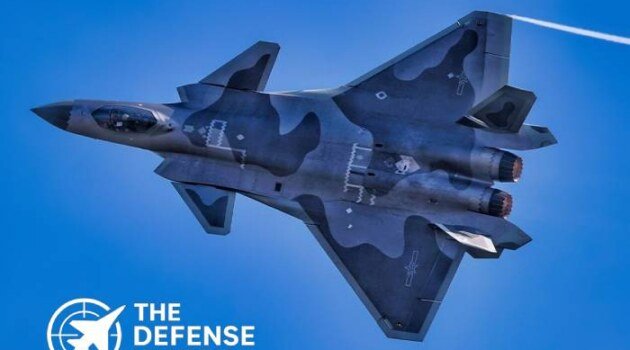
Most significantly, China has rapidly fielded the J-20 stealth fighter with over 200 operational units by 2026, making it the world’s second-largest fifth-generation fleet. Production continues at an accelerated pace, supported by indigenous engine development overcoming previous reliance on Russian powerplants.
China’s fighter modernization directly supports anti-access/area-denial strategies in the Indo-Pacific region. The combination of numerical strength, advancing technology, and improving pilot training creates a formidable regional air force capable of contesting air superiority in potential conflict scenarios.
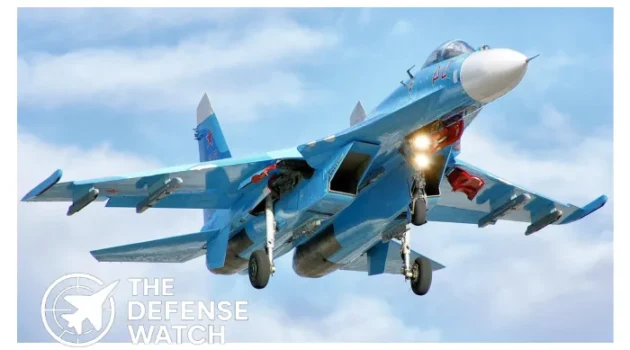
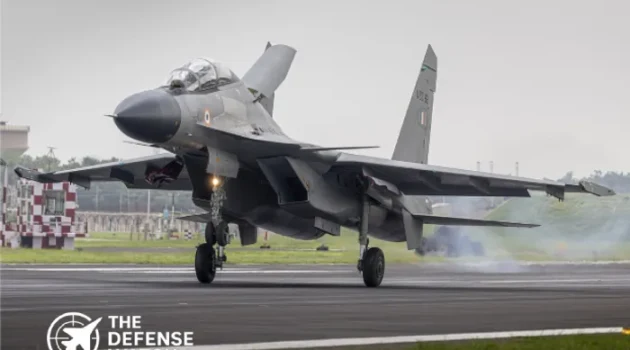
India operates approximately 600-650 modern fighters drawn from multiple international sources, creating both capability advantages and logistical complexity. The fleet’s core comprises Russian-origin Su-30MKI aircraft (over 260 units), French Rafale multirole fighters (36 aircraft with potential additional orders), and indigenous Tejas light combat aircraft entering service in growing numbers.
Aging MiG-29 upgrades and Mirage 2000 variants supplement frontline strength, while India pursues the Advanced Medium Combat Aircraft (AMCA) stealth fighter program for indigenous fifth-generation capability by the 2030s.
India balances immediate operational needs against long-term indigenous production goals. Recent procurement includes additional Rafales under consideration and potential MiG-29 upgrades, while the Tejas program expands to replace aging MiG-21 variants still serving in diminishing numbers.
Japan’s Air Self-Defense Force operates approximately 300-350 modern fighters emphasizing technological sophistication over numerical strength. The fleet centers on F-15J Eagles receiving comprehensive upgrades to “J-Kai” standards, F-2 multirole fighters (indigenous F-16 derivatives with superior capabilities), and growing F-35A and F-35B fleets approaching 100 aircraft.
Tokyo’s commitment to the Global Combat Air Programme (GCAP) with the United Kingdom and Italy aims to field a sixth-generation fighter by 2035, representing Japan’s most ambitious indigenous combat aircraft program since World War II.
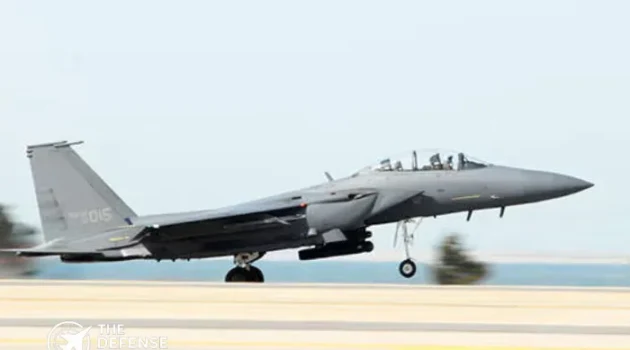
South Korea operates approximately 400-450 modern fighters through a combination of U.S. platforms and indigenous development. F-35A Lightning IIs (40 delivered with additional orders), upgraded F-15K Slam Eagles, and advanced F-16 variants provide multirole capabilities.
South Korea’s fighter modernization directly responds to North Korean provocations and regional power competition. Advanced sensor integration, network-centric warfare capabilities, and precision strike munitions enhance deterrence value beyond simple numerical counts.
Pakistan: Strategic Parity Pursuit
Fleet Overview and Chinese Partnership
Pakistan operates approximately 350-400 modern combat aircraft with heavy reliance on Chinese-origin platforms balanced by legacy American F-16s. The JF-17 Thunder, jointly developed with China, forms the fleet’s backbone with over 130 operational units and continuing production.
F-16 Fighting Falcons (approximately 75 aircraft) provide high-end capabilities despite U.S. restrictions on advanced variants, while Mirage III/V aircraft receive life-extension upgrades for strike missions.
Pakistan’s Project Azm aims to develop a fifth-generation fighter through Chinese technological partnership, though timelines remain uncertain. The JF-17 Block III variant introduces AESA radar and enhanced avionics, improving capability against regional competitors.
Egypt: Diversification Strategy
Multi-Source Procurement
Egypt operates an estimated 300+ modern fighters representing unprecedented diversity across French, Russian, and American sources. Recent acquisitions include 24 Rafale fighters (with additional 30 on order), approximately 50 MiG-29M/M2 aircraft, and 24 Su-35 fighters (though U.S. sanctions complicate operational deployment).
Operating fighters from multiple nations creates significant maintenance and training challenges, though Egypt benefits from technological access denied through single-source procurement. The strategy reflects Cairo’s non-aligned foreign policy and desire for operational independence.
Upgraded F-15I Ra’am and F-16I Sufa variants incorporate Israeli avionics, electronic warfare systems, and weapons integration, creating highly capable platforms distinct from export standards.
Operational Experience Edge
Israel’s fighter forces benefit from continuous combat experience across multiple operational environments, driving tactical innovation and rapid capability integration. Indigenous precision munitions, suppression of enemy air defense systems, and network-centric operations provide force multiplication beyond platform counts.
Saudi Arabia: Modernization Through Investment
Advanced Western Platforms
Saudi Arabia operates approximately 250-280 modern fighters centered on advanced Western platforms. The Royal Saudi Air Force fields Eurofighter Typhoons (72 aircraft), F-15SA advanced variants (84 aircraft representing the most capable Eagle variant in service), and upgraded Tornado strike aircraft.
Massive defense budgets enable cutting-edge munitions, sensors, and support systems integration, creating highly capable forces despite limited operational experience.
Regional Power Projection
Saudi fighter modernization supports regional security leadership and deterrence against Iranian threats. Ongoing Yemen operations provide combat experience, though sustainability concerns and pilot training remain development priorities.
The top 10 largest modern fighter fleets demonstrate that raw numbers alone no longer determine airpower effectiveness. Advanced sensors, stealth characteristics, network integration, and precision munitions increasingly outweigh simple platform counts. The United States maintains dominance through technological superiority despite facing numerically competitive rivals.
Regional Power Dynamics
Fighter fleet compositions directly reflect regional security environments. Asian nations prioritize maritime strike capabilities and air superiority for disputed territory scenarios, while Middle Eastern forces emphasize ground attack and strategic deterrence. European members (not individually ranking in the top 10) increasingly pool capabilities through NATO integration rather than maintaining large independent inventories.
Future Trajectory
Sixth-generation fighter development, unmanned combat aerial vehicle integration, and artificial intelligence-enabled systems will reshape these rankings over the coming decade. Nations investing in indigenous development capabilities (United States, China, Japan, South Korea, Turkey) position themselves for long-term competitiveness, while those relying solely on foreign procurement face increasing technology access restrictions.
The top 10 largest modern fighter fleets in 2026 represent diverse approaches to airpower, ranging from America’s unmatched technological and numerical superiority to smaller forces emphasizing quality and specialized capabilities. As warfare evolves toward networked, multi-domain operations, simple aircraft counts provide incomplete pictures of combat potential. Nevertheless, these fleets remain central to national defense strategies, regional stability, and global power projection.
Understanding the composition, capabilities, and strategic context of these air forces offers essential insight into contemporary military affairs and future conflict dynamics. As nations continue modernizing their fighter inventories amid technological acceleration and shifting geopolitical alignments, the global airpower balance will remain fluid, contested, and critically important to international security.
Which country has the largest modern fighter fleet in 2026?
The United States operates the world’s largest modern fighter fleet with over 2,700 combat-ready aircraft, including the most extensive F-35 Lightning II inventory globally.
How many fifth-generation fighters does China operate?
China operates approximately 200+ J-20 stealth fighters as of 2026, making it the second-largest fifth-generation fleet after the United States.
What defines a “modern” fighter aircraft?
Modern fighters typically include fourth-generation platforms with advanced avionics upgrades (AESA radars, precision weapons integration) and all fifth-generation stealth aircraft. Aircraft like upgraded F-16s, Su-30s, and Rafales qualify as modern despite not being the newest designs.
Why doesn’t Russia have more Su-57 stealth fighters?
Production challenges, economic sanctions affecting component supplies, budget constraints, and technical development issues have limited Su-57 production to fewer than 20 operational aircraft despite the program beginning in the early 2000s.
How do fighter fleet sizes impact regional security?
Large modern fighter fleets provide deterrence value, power projection capabilities, and air superiority potential in regional conflicts. However, pilot training quality, maintenance readiness, and technological sophistication often matter more than raw numbers in determining actual combat effectiveness.
Canada Advances Multi-Billion Dollar F-35 Acquisition
Canada has officially begun making payments for 14 additional F-35 Lightning II fighter jets as part of its comprehensive military aviation modernization program, according to official procurement documents released this week. The payment marks a significant milestone in Canada’s $19 billion commitment to acquire 88 fifth-generation stealth fighters, despite an ongoing fleet review and heightened tensions surrounding cross-border defense procurement.
The Royal Canadian Air Force’s F-35 program continues to advance following the initial delivery of aircraft under the 2022 contract, which represented one of the largest defense acquisitions in Canadian history. Defense analysts view the payment authorization as a clear signal that Ottawa remains committed to the F-35 platform despite political pressures and calls for procurement diversification.
The Canadian government has authorized initial payments for the 14 additional F-35A aircraft as part of the second production lot under the existing framework agreement with Lockheed Martin. According to procurement officials, the payment follows established protocols within the U.S. Foreign Military Sales program and aligns with Canada’s projected fleet delivery schedule extending through 2032.
The timing of the payment authorization coincides with an ongoing comprehensive review of Canada’s fighter fleet requirements, initiated in response to evolving threats in the Arctic region and changing defense partnership dynamics. Despite the review, government officials have emphasized that contractual obligations for aircraft already ordered will proceed as planned.
Canada’s total F-35 acquisition encompasses 88 aircraft with an estimated program cost of CAD $19 billion over the aircraft’s lifecycle, including associated weapons systems, infrastructure upgrades, and sustainment packages. The Royal Canadian Air Force plans to achieve initial operational capability with the F-35A by 2026, replacing the aging CF-18 Hornet fleet that has served since the 1980s.
Strategic Rationale Behind Continued Procurement
Defense experts point to several strategic factors driving Canada’s continued F-35 investment despite the ongoing fleet review. The aircraft’s advanced capabilities directly address emerging threats in the Arctic region, where increased Russian and Chinese military activity has heightened security concerns among North American Aerospace Defense Command (NORAD) partners.
The F-35A’s sensor fusion technology, low-observable stealth characteristics, and network-centric warfare capabilities provide significant operational advantages in contested airspace. These features align with Canada’s defense priorities outlined in the 2024 Defense Policy Update, which emphasizes maintaining technological superiority and interoperability with allied forces.
“The F-35 represents a generational leap in air combat capability,” stated a senior Royal Canadian Air Force official speaking on background. “The aircraft’s ability to operate in high-threat environments while maintaining situational awareness across multiple domains is essential for defending Canadian sovereignty and fulfilling our NORAD commitments.”
Cross-Border Defense Dynamics And Procurement Concerns
Canada joined the Joint Strike Fighter program as a Level 3 partner in 1997, contributing approximately $150 million to development costs. This partnership status theoretically provides Canadian aerospace companies access to production contracts and technology sharing opportunities. However, recent trade disagreements and shifting procurement policies have complicated industrial participation expectations.
The ongoing fleet review, announced in late 2025, examines whether Canada should pursue a mixed fleet strategy incorporating different aircraft types or maintain a single-platform approach with the F-35A. Some defense policy analysts have advocated for acquiring a smaller number of F-35s supplemented by less expensive fourth-generation fighters to maximize fleet size within budget constraints.
Industrial Participation And Economic Considerations
Canadian aerospace manufacturers have secured significant contracts through F-35 industrial participation, with companies providing components including landing gear systems, wing structures, and advanced materials. According to government estimates, Canadian industry has received over CAD $2 billion in F-35-related contracts since joining the partnership program.
However, concerns persist about long-term industrial benefits and technology sovereignty, particularly regarding maintenance, repair, and overhaul capabilities. The centralized F-35 sustainment model, which concentrates major maintenance activities at designated regional facilities, has raised questions about Canada’s ability to maintain operational independence during potential conflicts or supply chain disruptions.
Defense procurement specialists note that the payment for additional aircraft represents a calculated decision balancing immediate capability requirements against longer-term strategic autonomy concerns. The Royal Canadian Air Force requires operational fighters to replace retiring CF-18 Hornets on schedule, limiting options for significant program delays or alterations.
The F-35 acquisition directly supports Canada’s Arctic defense strategy and NORAD modernization initiatives. The aircraft’s advanced sensors and communications systems integrate seamlessly with upgraded North Warning System radar installations and other continental defense infrastructure currently under development.
Recent Russian bomber incursions near Canadian Arctic airspace and increased Chinese interest in Arctic shipping routes have elevated the strategic importance of maintaining advanced air superiority capabilities in the region. The F-35A’s range, payload capacity, and environmental operating specifications make it particularly well-suited for Arctic operations where extreme weather conditions and vast distances challenge conventional aircraft.
NORAD officials have emphasized the importance of capability alignment between U.S. and Canadian air forces to maintain effective integrated air defense across North America. The F-35 platform’s commonality with U.S. Air Force and Marine Corps variants facilitates joint training, shared logistics, and coordinated operational planning essential for continental defense missions.
Program Timeline And Delivery Schedule
Under the current acquisition schedule, Canada expects to receive F-35A aircraft at a rate of approximately 10-12 units annually beginning in 2026. The Royal Canadian Air Force has designated CFB Cold Lake in Alberta and CFB Bagotville in Quebec as primary operating bases for the new fighters, with extensive infrastructure modernization projects underway at both locations.
Initial operational capability, defined as having a minimum number of combat-ready aircraft with trained pilots and maintainers, is targeted for 2026. Full operational capability, achieved when all 88 aircraft are delivered and all operational requirements are met, is projected for approximately 2032-2034.
The payment for 14 additional aircraft represents production lots scheduled for delivery in the 2028-2029 timeframe, according to procurement planning documents. This advance payment structure aligns with Lockheed Martin’s production scheduling and allows the manufacturer to secure long-lead components and materials necessary for meeting delivery commitments.
Fleet Review Implications And Future Decisions
The ongoing fleet review, while not halting current procurement activities, could influence future orders beyond the initial 88-aircraft commitment. Some defense analysts have suggested Canada may ultimately require a larger fighter fleet to adequately cover its vast geography and diverse operational requirements, potentially necessitating additional aircraft purchases in future budget cycles.
Alternative scenarios under consideration include reducing the total F-35 acquisition to approximately 60-70 aircraft while supplementing with a different platform optimized for specific mission sets such as Arctic patrol or air policing. However, defense economists caution that operating multiple fighter types substantially increases lifecycle costs and training complexities.
The review process, expected to conclude in mid-2026, will examine threat assessments, technological developments, budgetary constraints, and alliance commitments before making recommendations on potential adjustments to the current acquisition plan. Government officials have stressed that any modifications would respect existing contractual obligations and avoid capability gaps during the CF-18 retirement process.
Budgetary Context And Fiscal Planning
Canada’s defense spending has faced renewed scrutiny following pressure from NATO allies to increase military expenditures toward the alliance’s two-percent GDP target. The F-35 program represents a substantial portion of planned defense capital investments over the next decade, competing with other modernization priorities including naval shipbuilding, ground force equipment renewal, and cyber capabilities development.
The Parliamentary Budget Officer has projected total F-35 program costs at CAD $77 billion over 40 years when including all acquisition, operations, sustainment, and infrastructure expenses. These figures significantly exceed initial government estimates, prompting ongoing debates about affordability and budget allocation priorities.
Defense budget analysts note that the payment authorization for additional aircraft indicates government confidence in securing necessary funding despite fiscal pressures. The multi-year procurement approach spreads costs across multiple budget cycles, making the program more politically sustainable while ensuring capability delivery remains on schedule.
International Context And Allied Procurement
Canada’s F-35 acquisition occurs within a broader context of allied nations modernizing fighter fleets with fifth-generation aircraft. European NATO members including Germany, Finland, and Switzerland have recently committed to F-35 purchases, while existing operators like the United Kingdom, Norway, and the Netherlands continue expanding their fleets.
This multinational procurement trend strengthens the F-35’s industrial base, potentially lowering unit costs through increased production volumes and extended manufacturing runs. Canadian defense officials view participation in this broader allied procurement movement as reinforcing interoperability and shared technological capabilities essential for coalition operations.
However, some defense policy experts question whether Canada’s delayed entry into full-scale F-35 procurement has resulted in missed opportunities for industrial participation and technology transfer compared to earlier adopting nations. The current payment for additional aircraft represents Canada’s effort to maintain its position within the international partnership despite these timing considerations.
Technological Capabilities And Operational Advantages
The F-35A variant selected by Canada incorporates advanced sensor systems, including the AN/APG-81 AESA radar, Distributed Aperture System providing 360-degree situational awareness, and Electro-Optical Targeting System for precision strike capabilities. These integrated systems provide pilots with unprecedented battlefield awareness and targeting precision unavailable in previous-generation fighters.
The aircraft’s stealth characteristics, achieved through careful shaping, specialized coatings, and internal weapons carriage, enable operations in contested airspace where conventional fighters would face unacceptable risk levels. This capability proves particularly valuable for missions requiring penetration of advanced integrated air defense systems or operations in electromagnetic warfare environments.
Network-centric warfare capabilities allow the F-35 to function as an information node, gathering and distributing tactical data across joint force elements. This sensor-to-shooter integration enhances overall force effectiveness beyond the individual aircraft’s direct combat contribution, multiplying the capabilities of legacy platforms operating in coordination with F-35s.
Supply Chain And Sustainment Considerations
The F-35’s global sustainment model, managed through the Autonomic Logistics Information System (ALIS) and its successor ODIN (Operational Data Integrated Network), provides centralized parts management, predictive maintenance, and fleet health monitoring. While offering efficiency advantages, this approach has raised concerns about operational sovereignty and dependency on U.S.-controlled logistics networks.
Canada is negotiating sustainment arrangements ensuring adequate spare parts inventory, maintenance capability, and technical support access to maintain operational availability rates required for defending Canadian airspace and fulfilling international commitments. These sustainment agreements represent a substantial portion of total lifecycle costs and require careful negotiation to balance cost efficiency with operational independence.
The payment for additional aircraft includes associated sustainment packages, ensuring newly delivered fighters have necessary support infrastructure from initial delivery. This integrated approach aims to avoid capability gaps and maintain fleet readiness throughout the operational lifecycle.