

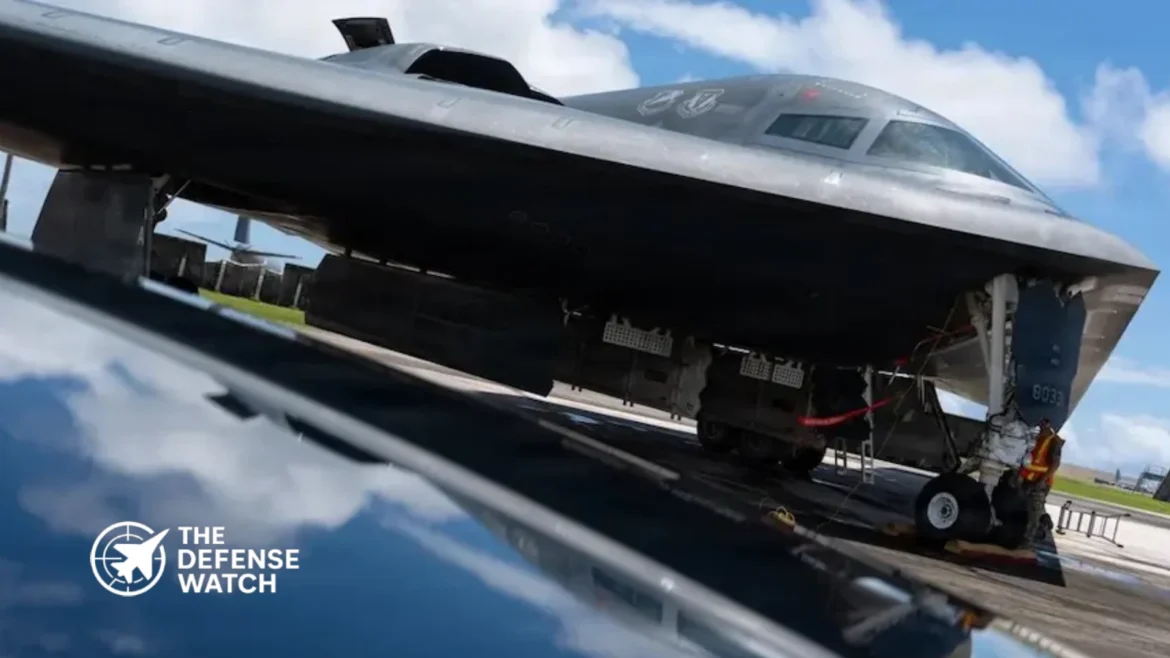
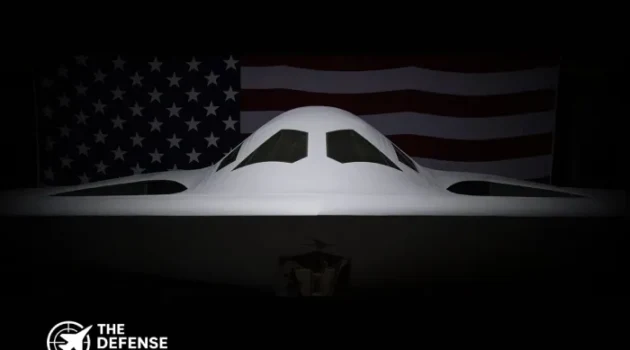
Executive Summary: Northrop Grumman is increasing B-21 Raider production activity while the U.S. Air Force examines whether to accelerate deliveries and potentially expand the program beyond its current minimum fleet of 100 aircraft. The review is expected to be completed by the end of 2026 and comes as the Air Force continues replacing older bombers with a new penetrating strike platform.
B-21 Raider Production Moves Into A New Phase
The B-21 Raider production program is entering a potentially larger phase as the U.S. Air Force evaluates faster manufacturing and a fleet exceeding 100 aircraft, according to comments by Northrop Grumman CEO Kathy Warden during the company’s second-quarter 2026 earnings call. The company said an agreement with the Air Force allows the service to examine both accelerated production and a larger program of record.
Northrop Grumman expects the Air Force analysis to be completed by the end of 2026. Warden did not disclose a potential new fleet size or the production rates under consideration, meaning the current minimum requirement of 100 aircraft remains the established program baseline.
The development follows a February 2026 agreement between the Department of the Air Force and Northrop Grumman to expand B-21 production capacity. That agreement uses $4.5 billion already authorized and appropriated under fiscal 2025 legislation and increases annual production capacity by 25 percent.
What The Air Force Is Actually Considering
The distinction between production capacity and the size of the fleet is important.
The February agreement increases Northrop Grumman’s ability to manufacture B-21 aircraft at a faster rate. The later review goes a step further by examining whether the Air Force should actually order aircraft at an accelerated pace and potentially increase the total number planned.
| Area | Current Position |
|---|---|
| Aircraft | B-21 Raider |
| Manufacturer | Northrop Grumman |
| Program baseline | Minimum 100 aircraft |
| Production action | Annual capacity increased by 25% |
| Additional funding cited by Air Force | $4.5 billion |
| Fleet expansion review | Under consideration |
| Expected review completion | End of 2026 |
| Mission | Penetrating conventional and nuclear strike |
The Air Force describes the B-21 as a dual-capable penetrating strike bomber designed to deliver both conventional and nuclear weapons. It is intended to become a central element of the future bomber force alongside the B-52.
Why The B-21 Could Become Larger Than 100 Aircraft
The B-21’s planned fleet size is directly connected to the Air Force’s broader bomber modernization effort.
The service currently operates the B-1B, B-2 and B-52 fleets, but the B-21 is intended to replace the B-1 and B-2 while becoming the backbone of the future bomber force. The Air Force’s official B-21 fact sheet identifies a minimum inventory of 100 aircraft.
A larger B-21 fleet would therefore not simply represent additional aircraft. It would increase the number of penetrating aircraft available for global strike missions while reducing dependence on the relatively small B-2 fleet.
The Air Force currently lists 20 active B-2 aircraft, including one test aircraft, as of May 2026. The B-2 remains a nuclear-capable and conventional bomber, but its age and specialized maintenance requirements make the transition toward the B-21 increasingly important.
A larger B-21 fleet could also give planners greater flexibility to distribute aircraft among operational units, training organizations, test requirements and maintenance cycles. That matters for a bomber force expected to conduct operations over long distances while maintaining aircraft availability for deterrence and combat missions.
Flying-Wing Technology Remains Central To The B-21
Northrop Grumman’s discussion of the B-21 also highlighted a much longer technological lineage.
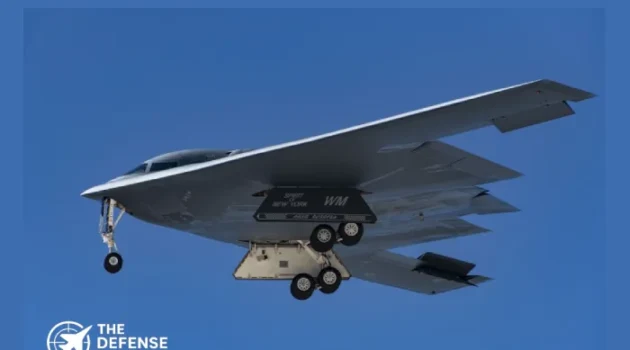
Warden specifically connected the B-21 with the company’s experience developing the B-2 and other flying-wing aircraft. The flying-wing configuration is not simply a visual characteristic. On the B-2, the configuration forms part of a broader low-observable design intended to reduce the aircraft’s radar signature while maintaining aerodynamic efficiency.
The Air Force says the B-2’s low observability results from a combination of reduced infrared, acoustic, electromagnetic, visual and radar signatures. Its composite materials, coatings and flying-wing configuration all contribute to that design.
Northrop Grumman describes the B-21 as the continuation of its stealth development, with company experience extending from earlier flying-wing work through the B-2 and into the new bomber.
The B-21, however, is not simply a redesigned B-2. The Air Force has emphasized that the Raider was developed around a digital architecture and an open systems approach intended to support technology upgrades as threats change.
That distinction is significant because the future value of the aircraft depends not only on its initial stealth characteristics but also on how effectively its systems can be upgraded during decades of service.
Production Capacity Is Becoming A Strategic Issue
The most important development may be the industrial side of the program.
Northrop Grumman reported that its Aeronautics Systems sales increased 13 percent in the second quarter of 2026, with higher B-21 volumes contributing to the increase. The company also raised its 2026 Aeronautics Systems sales outlook to approximately $14 billion.
The company expects capital expenditures to remain around 4.5 percent of sales in 2027 and 2028 while it continues investing in infrastructure supporting the B-21 production ramp.
This illustrates a central challenge in any potential fleet expansion. Increasing the number of aircraft in the program requires more than additional funding for airframes.
It requires sustained production capacity across manufacturing facilities, specialized components, tooling, suppliers, skilled labor, testing and sustainment infrastructure. Expanding too quickly can create bottlenecks if the broader industrial base cannot grow at the same pace.
The Air Force’s February decision to increase annual production capacity by 25 percent indicates that industrial preparation is already being treated as a major part of B-21 modernization.
B-21 Testing And Operational Development Continue
The production discussion comes as the B-21 continues to progress through flight testing.
In April 2026, the Air Force reported that a B-21 had demonstrated aerial refueling with a KC-135 Stratotanker. The service described the testing as an important step in maturing the systems required for survivable, long-range penetrating strike.
Northrop Grumman separately highlighted the aerial refueling milestone as part of the aircraft’s expanding flight-test campaign.
The Air Force also announced in July 2026 that the B-21 will operate with a two-pilot crew. The service said its analysis determined that a two-pilot configuration best supports the aircraft’s mission profile, while a transition program will allow selected weapons system officers and combat systems officers to receive pilot training for future B-21 assignments.
These developments show that the program is advancing across several areas at the same time, including flight testing, crew structure, production and operational preparation.
What A Larger B-21 Fleet Would Mean For U.S. Strategy
A fleet larger than 100 aircraft would strengthen the Air Force’s ability to generate penetrating long-range strike capacity while transitioning away from aging bomber fleets.
The B-21 is intended to provide both nuclear and conventional capabilities. That dual role gives the aircraft relevance to both the U.S. nuclear triad and conventional long-range strike planning.
The strategic value also comes from survivability. The Air Force describes the Raider as a highly survivable penetrating bomber designed to operate in contested environments. Unlike non-stealth bombers that can rely heavily on stand-off weapons, penetrating aircraft are intended to operate closer to defended target areas when required.
That capability becomes increasingly important as potential operating environments include sophisticated integrated air defense networks, long-range sensors and increasingly distributed targeting systems.
However, fleet size alone does not determine combat effectiveness. Aircraft availability, weapons inventories, trained crews, tanker support, maintenance capacity, basing infrastructure and secure communications will all influence how many B-21s can actually be generated for operations.
For that reason, any decision to expand the fleet would need to be matched by investment across the wider bomber enterprise.
The B-2 Remains An Important Bridge
The B-2 continues to provide the operational capability that the B-21 is being developed to sustain and eventually replace.
In July 2026, a B-2 Spirit returned to operational service after programmed depot maintenance. The Air Force said the work was important for maintaining the aircraft’s low-observable characteristics, structural condition and operational readiness.
The Air Force’s current B-2 inventory is small, making every available aircraft strategically significant. The B-2 therefore remains an important bridge while the B-21 moves through testing, production and introduction into operational units.
The transition is expected to be gradual rather than immediate. The B-21 will enter a force that still depends on existing bombers, while the Air Force builds the infrastructure, personnel and sustainment system required for the new aircraft.
A Decision Expected By The End Of 2026
Northrop Grumman’s latest comments do not establish that the Air Force will buy more than 100 B-21s. They confirm that the service is evaluating the option and that the existing agreement permits consideration of faster production and a larger program of record.
The expected completion of the analysis by the end of 2026 should provide a clearer indication of whether the current 100-aircraft baseline remains sufficient or whether the Air Force intends to expand the fleet.
For Northrop Grumman, the decision could have significant implications for production planning and investment in the company’s Aeronautics Systems business.
For the Air Force, the issue is broader than industrial output. It is about determining the scale of a bomber force designed to provide long-range penetrating strike and nuclear deterrence well into the future.
The B-21’s progression from flight testing toward larger-scale production therefore represents one of the most consequential elements of U.S. bomber modernization. Whether the program ultimately stops at 100 aircraft or expands beyond that figure will depend on the Air Force’s assessment of future operational requirements, acquisition priorities and industrial capacity.
Executive Summary:
Northrop Grumman has expanded its counter unmanned aircraft systems portfolio with the M230LF Dual Feed Bushmaster Chain Gun and new XM1211 proximity fuzed ammunition. The combination is designed to improve battlefield flexibility by allowing operators to switch instantly between ammunition types while providing a more cost effective solution against rapidly growing drone threats.
Northrop Grumman Expands Counter Drone Capabilities With Dual Feed Bushmaster Cannon
Northrop Grumman has unveiled new capabilities for its M230LF Dual Feed Bushmaster Chain Gun, strengthening its position in the rapidly evolving counter unmanned aircraft systems (C-UAS) market. The announcement highlights a combination of the company’s dual feed cannon and advanced proximity fuzed ammunition designed to defeat both aerial drones and traditional ground targets without requiring operators to reload or change weapons.
The latest development reflects growing demand among Western militaries for affordable and scalable air defense solutions as inexpensive drones increasingly challenge conventional missile based air defense networks.
Designed For Modern Counter Drone Operations
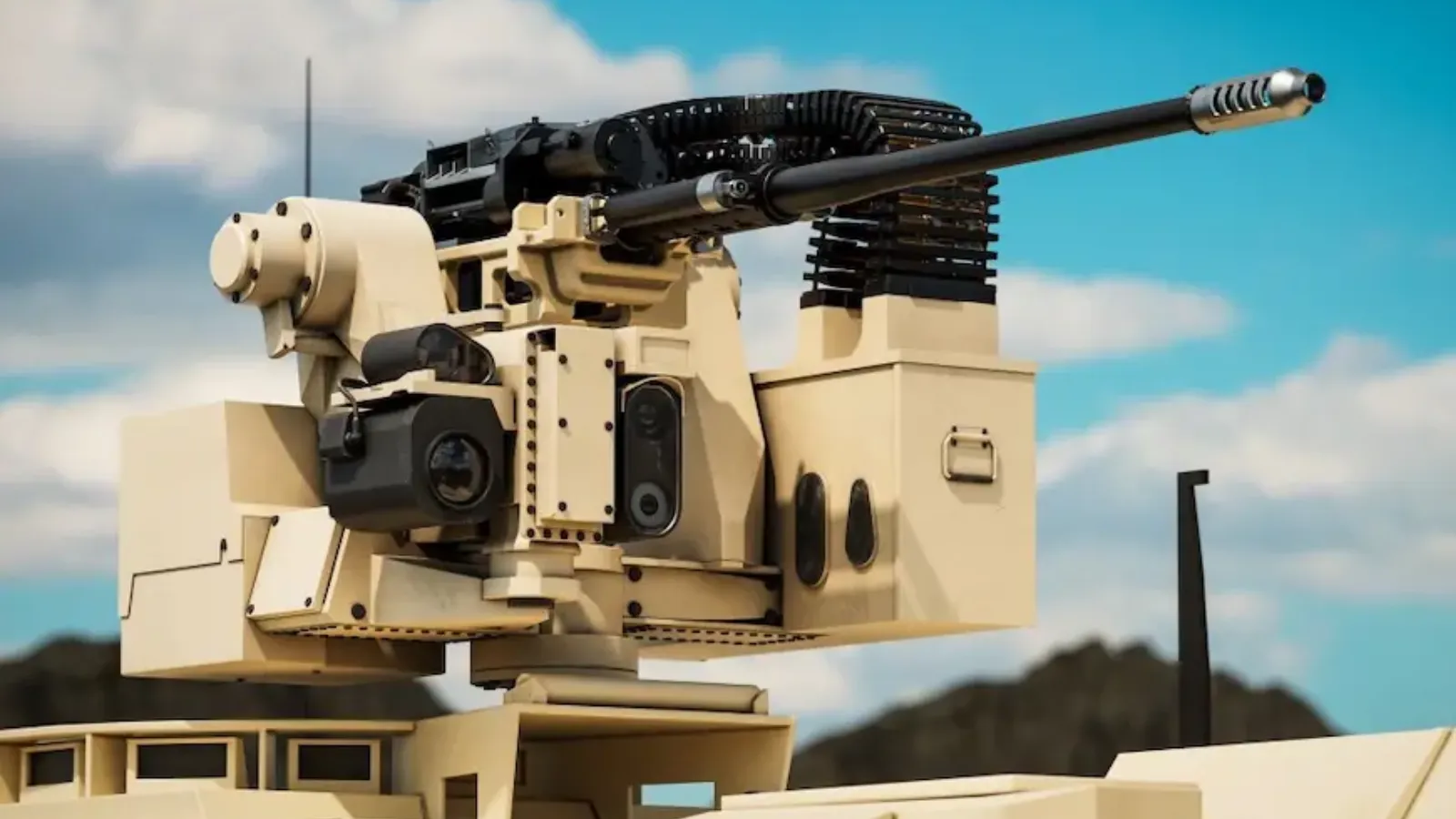
The centerpiece of the new capability is the M230LF Dual Feed Bushmaster Chain Gun, a 30×113 mm medium caliber cannon that introduces two independent ammunition feed paths.
Unlike conventional single feed systems, operators can instantly switch between anti armor ammunition and dedicated counter drone rounds by pressing a button. This eliminates the need for mixed ammunition belts or time consuming reloads during combat.
Northrop Grumman says the recommended combat load includes:
| Ammunition | Primary Mission |
|---|---|
| XM1211 High Explosive Proximity | Counter UAS engagements |
| XM1198 High Explosive Dual Purpose | Light armor and ground targets |
Both ammunition types incorporate self destruct mechanisms if a target is missed, helping reduce collateral damage.
XM1211 Proximity Fuzed Ammunition Improves Kill Probability
The company’s new XM1211 30×113 mm proximity fuzed round addresses one of the most difficult aspects of engaging small drones.
Rather than requiring a direct hit, the projectile contains an integrated proximity sensor that detects when it is close enough to the target before detonating. The resulting fragmentation significantly increases the probability of destroying small, fast moving unmanned aircraft.
Northrop Grumman developed the ammunition with the U.S. Army, specifically to support modern C-UAS missions where drones present small radar and visual signatures that make precision hits challenging.
Why The Upgrade Matters
Drone warfare has fundamentally changed the economics of air defense.
Conflicts in Ukraine and the Middle East have demonstrated that militaries often expend interceptor missiles costing hundreds of thousands or even millions of dollars against drones worth only a few thousand dollars.
Northrop Grumman’s approach seeks to reverse that cost imbalance by allowing medium caliber cannons to destroy drones using significantly cheaper ammunition while reserving high end missile interceptors for cruise missiles, ballistic missiles, or advanced aircraft.
The system is intended to complement, rather than replace, layered air defense architectures.
Operational Flexibility Across Multiple Platforms
The Dual Feed Bushmaster is suitable for integration on numerous platforms, including:
- Remote weapon stations
- Armored fighting vehicles
- Tactical trucks
- Naval patrol craft
- Fixed site air defense systems
Because operators can transition immediately between aerial and ground threats, the system offers improved responsiveness during complex engagements where drones and conventional forces operate simultaneously.
This flexibility is increasingly important as militaries prepare for multi domain operations where unmanned systems, armored vehicles, and infantry may appear together on the battlefield.
Production Expansion Supports Growing Demand
Northrop Grumman says it is investing in manufacturing equipment, production facilities, and tooling to increase output of both the Bushmaster cannon family and advanced ammunition.
The company noted that production capacity is being expanded to shorten lead times and meet rising international demand for counter drone capabilities.
The investment reflects broader defense industry trends as NATO members and Indo Pacific allies accelerate procurement of lower cost air defense systems capable of countering large numbers of small drones.
Strategic Analysis
The significance of this announcement extends beyond a new weapon system.
Modern militaries increasingly recognize that traditional missile based air defense alone cannot economically defeat mass drone attacks. Every conflict over the past several years has reinforced the importance of layered defenses that combine sensors, electronic warfare, missiles, directed energy systems, and gun based interceptors.
Northrop Grumman’s Dual Feed Bushmaster fits squarely within this evolving doctrine. By pairing programmable proximity ammunition with an existing medium caliber cannon, the company offers armed forces a relatively low risk modernization path rather than requiring entirely new weapon platforms.
The dual feed capability also reduces operational complexity. Crews no longer face the tradeoff between loading anti armor ammunition or anti drone rounds before a mission. Instead, they retain both capabilities throughout an engagement, improving battlefield adaptability while reducing reaction time.
For the U.S. Army, NATO allies, and partner nations confronting increasingly sophisticated drone threats, systems that improve the cost exchange ratio may become just as important as high end missile defenses in future force structures.
Technical Overview
| Specification | Details |
|---|---|
| Weapon | M230LF Dual Feed Bushmaster Chain Gun |
| Caliber | 30×113 mm |
| Primary Role | Counter UAS and ground combat |
| Counter Drone Round | XM1211 High Explosive Proximity |
| Ground Target Round | XM1198 High Explosive Dual Purpose |
| Key Capability | Instant switching between ammunition types |
| Intended Platforms | Vehicles, remote weapon stations, naval vessels, fixed defenses |
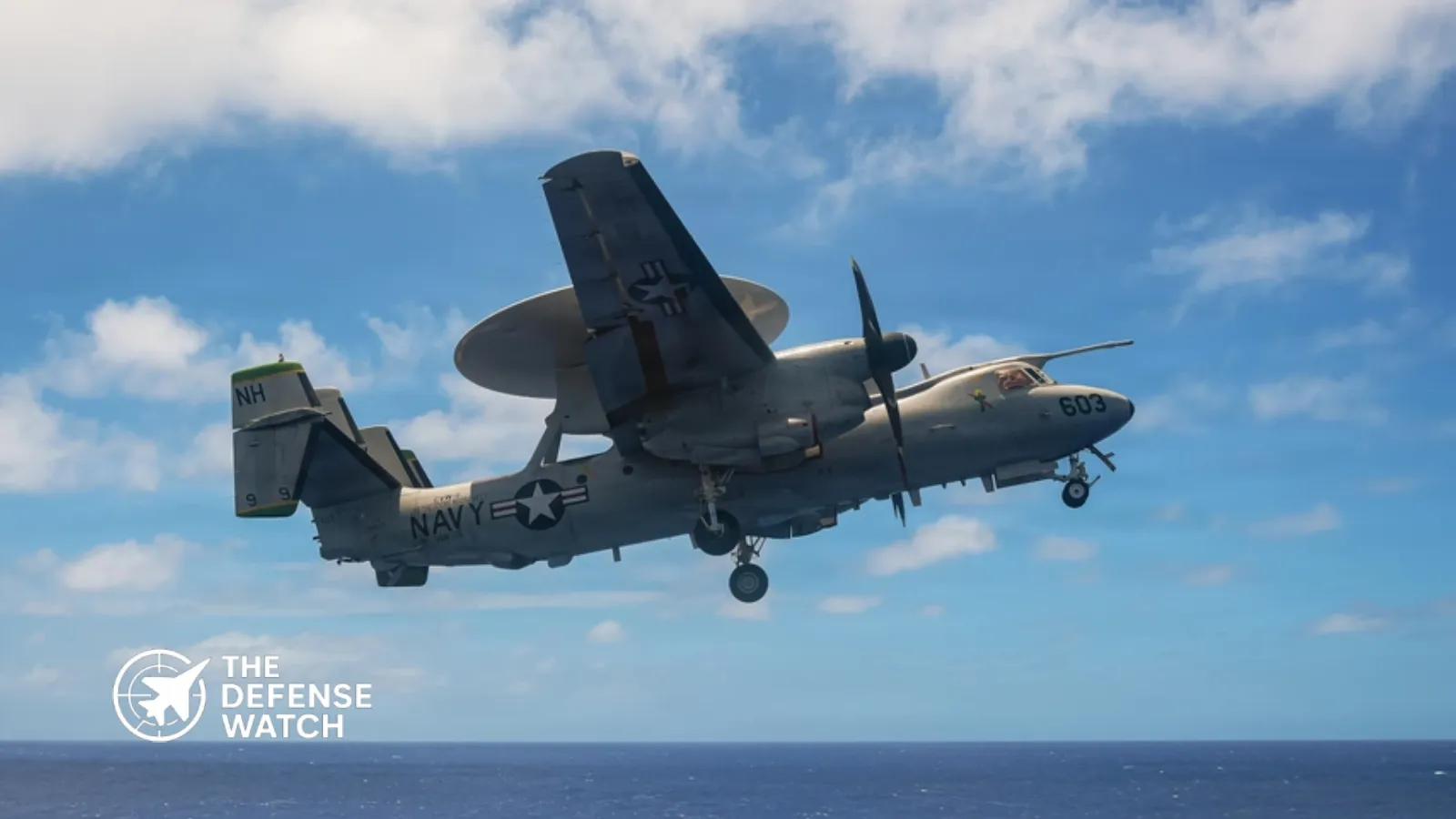
- Northrop Grumman received a contract worth up to $1.196 billion to produce three E-2D Advanced Hawkeye Block II aircraft for the U.S. Navy.
- Naval Air Systems Command awarded the undefinitized production contract, with work continuing through December 2031.
- The E-2D serves as the Navy’s primary airborne early warning, battle management, and network command aircraft for carrier strike groups.
- Initial funding of $583.4 million from Fiscal Year 2026 Navy aircraft procurement has been obligated at contract award.
- The aircraft will strengthen the Navy’s ability to detect cruise missiles, aircraft, drones, and maritime threats over long distances.
The U.S. Navy has awarded Northrop Grumman Systems Corp., Aerospace Systems a not to exceed $1.196 billion undefinitized cost, no fee contract to manufacture, deliver, and support three E-2D Advanced Hawkeye Block II airborne early warning aircraft. According to the Naval Air Systems Command (NAVAIR), headquartered at Patuxent River, Maryland, the program will continue through December 2031 and is funded through Fiscal Year 2026 Navy aircraft procurement appropriations.
NAVAIR stated that $583.39 million in FY2026 aircraft procurement funding has been obligated immediately following contract award. The acquisition was awarded on a sole source basis under 10 U.S. Code 2304(c)(1), which permits noncompetitive awards when only one responsible source is capable of fulfilling the government’s requirements.
Deep Technical & Strategic Context Analysis
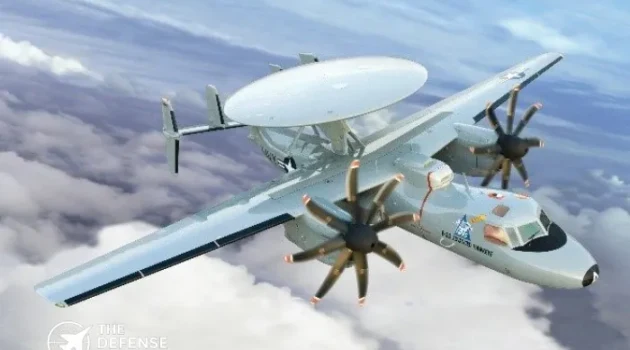
The E-2D Advanced Hawkeye Block II is widely regarded as one of the world’s most capable airborne early warning and command and control aircraft. Built around the AN/APY-9 UHF AESA radar, the aircraft can simultaneously detect and track aircraft, cruise missiles, low observable targets, ballistic missile threats, unmanned systems, and surface contacts across hundreds of miles. Unlike conventional surveillance aircraft, the Hawkeye also functions as an airborne battle management node, distributing targeting information through Cooperative Engagement Capability (CEC), Link 16, and emerging Joint All Domain Command and Control (JADC2) architectures.
The platform has become increasingly important as the U.S. Navy prepares for potential high intensity operations in the Indo Pacific and other contested theaters where long range anti ship missiles, stealth aircraft, and drone swarms present growing challenges. Operating from aircraft carriers, the E-2D extends the sensor horizon well beyond that of shipboard radars, allowing carrier strike groups to identify threats earlier and coordinate intercepts using systems such as the SM 6, Standard Missile family, and the F-35C Lightning II. The latest Block II configuration also incorporates improved computing power, expanded networking capacity, and software upgrades designed to support future distributed maritime operations.
The awarded agreement is an undefinitized contract, meaning work can begin before all final pricing terms are negotiated. This procurement approach is typically used when maintaining production schedules is operationally critical. A cost, no fee structure reimburses allowable costs but does not include an additional profit fee during the undefinitized phase, helping the government accelerate procurement while limiting financial exposure until contract terms are finalized.
Contract Breakdown & Details
Contract Value
- Maximum contract value: $1.196 billion
- Contract type: Cost, no fee, undefinitized production contract
- Prime contractor: Northrop Grumman Systems Corp., Aerospace Systems
- Aircraft ordered: Three E-2D Advanced Hawkeye Block II aircraft
- Completion date: December 2031
Funding
- Initial obligation: $583.394 million
- Funding source: Fiscal Year 2026 Navy Aircraft Procurement
Contracting Authority
- Awarding agency: Naval Air Systems Command (NAVAIR)
- Contract number: N0001926C1017
- Competition: Sole source under 10 U.S. Code 2304(c)(1)
Workshare By Location
- Melbourne, Florida: 29.88%
- St. Augustine, Florida: 17.68%
- Liverpool, New York: 13.85%
- Indianapolis, Indiana: 4.95%
- Largo, Florida: 3.66%
- San Leandro, California: 2.52%
- Woodland Hills, California: 2.42%
- Aire sur l’Adour, France: 2.09%
- Rolling Meadows, Illinois: 1.72%
- Wimborne Minster, Dorset, United Kingdom: 0.01%
- Various U.S. locations: 21.22%
Why This Procurement Matters
The E-2D fleet represents one of the Navy’s highest priority aviation capabilities because it serves as the command and sensing hub for carrier air wings. As potential adversaries field increasingly sophisticated long range missiles, electronic warfare systems, and unmanned aircraft, maintaining production of the Hawkeye ensures the Navy preserves its ability to detect, classify, and coordinate responses against complex, multi domain threats.
The latest procurement also supports the broader modernization of the Navy’s carrier strike groups by integrating next generation networking technologies that connect fighters, destroyers, submarines, and joint forces into a common operational picture. As the Navy continues expanding distributed maritime operations and joint force integration, the E-2D remains one of the key enablers of future U.S. naval air power.

Executive Summary:
Northrop Grumman has launched its Mission Robotic Vehicle (MRV), a next generation spacecraft designed to perform commercial satellite servicing in geostationary orbit. The mission represents a major step toward routine in space maintenance by enabling life extension, inspection, repair, relocation, and future refueling of aging satellites without requiring replacement.
Northrop Grumman Mission Robotic Vehicle Begins New Era Of Satellite Servicing
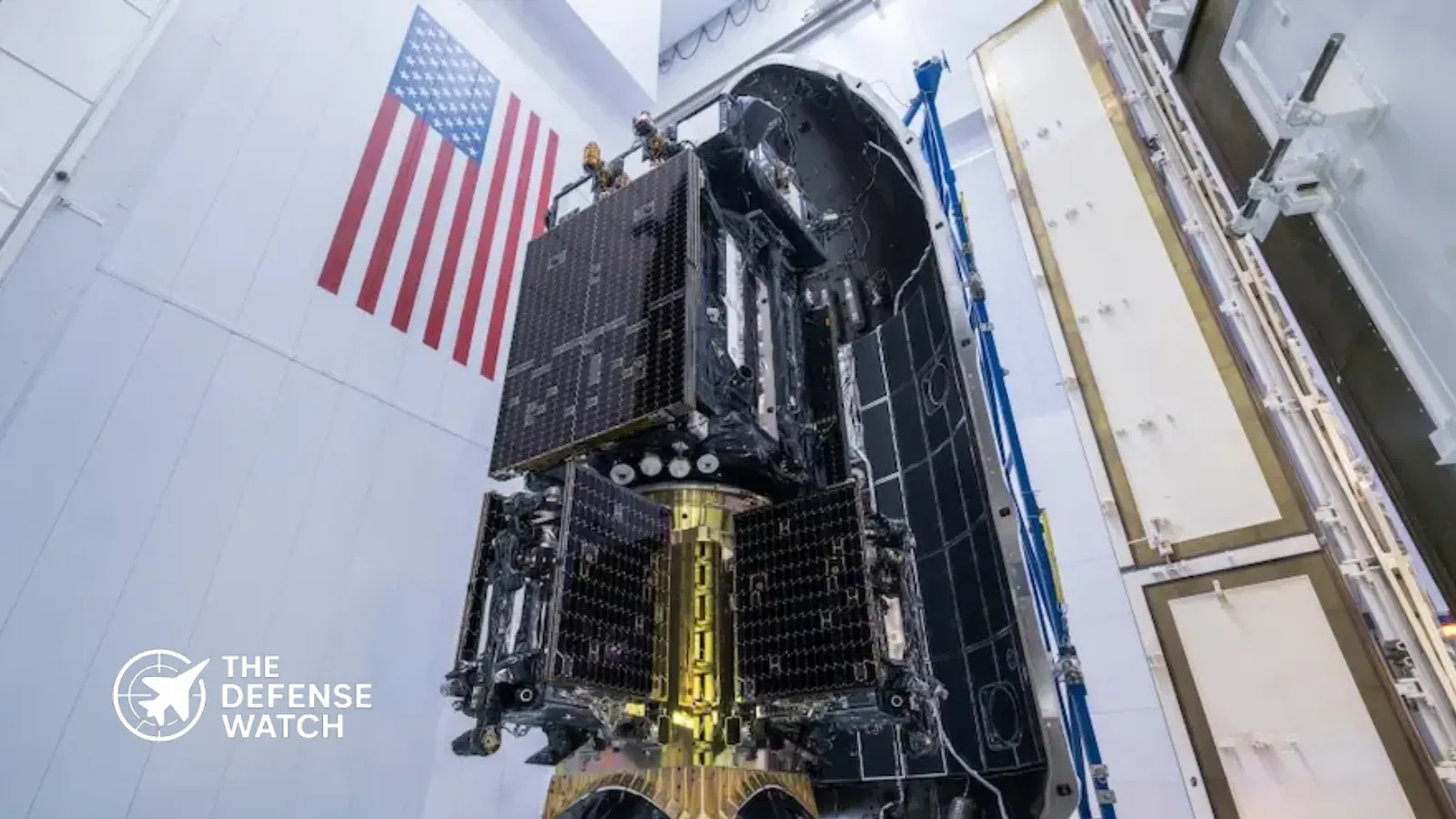
Northrop Grumman’s Mission Robotic Vehicle (MRV) has successfully launched aboard a SpaceX Falcon 9 from Cape Canaveral, marking a significant milestone in the evolution of commercial satellite servicing. Developed by SpaceLogistics, a wholly owned Northrop Grumman subsidiary, the spacecraft is designed to extend the operational life of satellites while introducing advanced robotic servicing capabilities previously unavailable in commercial geostationary orbit.
The mission builds on Northrop Grumman’s earlier Mission Extension Vehicle (MEV) program, which became the first commercial system to dock with operational satellites in geostationary orbit. Unlike those earlier spacecraft, MRV introduces robotic manipulation, modular servicing, and future refueling capabilities through a reusable servicing platform.
What Makes Mission Robotic Vehicle Different
MRV carries two highly dexterous robotic arms originally developed through DARPA’s Robotic Servicing of Geosynchronous Satellites (RSGS) program. These robotic systems allow the spacecraft to perform tasks that previously required launching entirely new satellites.
Its planned capabilities include:
- Installing Mission Extension Pods (MEPs)
- Satellite inspection
- Spacecraft relocation
- Mechanical repairs
- Future payload upgrades
- On orbit refueling using standardized interfaces
- Support for debris mitigation missions
Northrop Grumman describes MRV as the first privately owned robotic servicing spacecraft capable of performing multiple mission types from a single platform.
Mission Extension Pods Reduce Replacement Costs
Launching alongside MRV are three Mission Extension Pods (MEPs), compact propulsion modules designed to attach directly to customer satellites.
Rather than replacing an aging satellite nearing fuel depletion, MRV will install an MEP that effectively functions as a propulsion “jetpack.” Each pod provides station keeping capability that can extend satellite operations by approximately six years without requiring a replacement spacecraft.
The first commercial customers include communications satellites operated by SES and Optus.
Mission Hardware Overview
| Component | Purpose |
|---|---|
| Mission Robotic Vehicle | Robotic servicing spacecraft |
| Robotic Arms | Inspection, repair, pod installation |
| Mission Extension Pods | Satellite life extension through propulsion |
| Passive Refueling Module | Standardized future in space refueling interface |
| Electric Propulsion | Long duration orbital transfers and maneuvering |
Why The Mission Matters For National Security
Although the first customers are commercial satellite operators, the technologies demonstrated by MRV have substantial defense implications.
Military satellites supporting communications, missile warning, navigation, intelligence collection, and secure data links are expensive national assets that traditionally become unusable once fuel reserves are exhausted.
Routine robotic servicing could allow governments to:
- Extend operational satellite lifespans
- Reduce replacement costs
- Improve resilience against operational failures
- Upgrade spacecraft without replacement
- Increase flexibility during military operations
The U.S. Space Force has already selected Northrop Grumman’s Passive Refueling Module as its preferred standardized in space refueling interface, highlighting growing military interest in sustainable orbital logistics.
A Shift Toward Sustainable Space Operations
The launch reflects a broader transformation within the global space industry.
Historically, satellites were designed as disposable systems with fixed operational lifetimes largely determined by fuel availability. Once propellant was exhausted, operators often had little choice but to launch expensive replacements.
MRV introduces a different operational model by treating satellites as maintainable infrastructure rather than single use assets. This approach aligns with broader industry efforts to develop In Space Servicing, Assembly, and Manufacturing (ISAM), an emerging sector that seeks to create long term orbital logistics capabilities.
For military planners, resilient satellite constellations are becoming increasingly important as space grows more congested and strategically contested. Extending spacecraft availability through servicing could improve operational readiness while reducing acquisition costs over time.
Technical Challenges Remain
Despite its promise, robotic servicing in geostationary orbit remains among the most technically demanding activities in spaceflight.
MRV must perform precise rendezvous operations with satellites located approximately 36,000 kilometers above Earth while safely manipulating spacecraft that were never originally designed for robotic servicing.
Successful execution depends upon:
- Autonomous navigation
- High precision robotics
- Secure docking procedures
- Reliable communications
- Long duration spacecraft reliability
The mission will spend roughly a year reaching its operational orbit before beginning servicing operations in 2027.
Looking Ahead
Mission Robotic Vehicle represents the next phase of Northrop Grumman’s long term strategy to make satellite servicing routine rather than exceptional.
Beyond extending satellite lifespans, future missions could support spacecraft upgrades, component replacement, orbital relocation, debris removal, and refueling. Collectively, these capabilities have the potential to reshape both commercial and national security space operations by reducing lifecycle costs while improving resilience across critical orbital infrastructure.
If the inaugural servicing campaign proceeds as planned, MRV could establish a new operational model for sustaining high value satellites throughout the coming decade.

Executive Summary:
Northrop Grumman has begun expanding its Roy Innovation Center in Utah with a new facility dedicated to supporting the U.S. Air Force’s Sentinel intercontinental ballistic missile program. The investment increases engineering and production capacity as the United States continues modernizing the land based leg of its nuclear triad for long term strategic deterrence.
Northrop Grumman Expands Sentinel ICBM Infrastructure In Utah
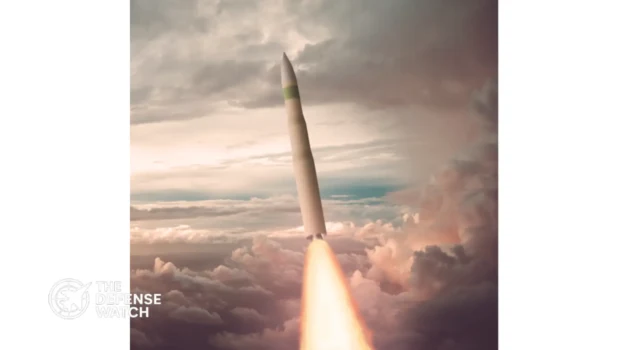
Northrop Grumman’s Sentinel ICBM program reached another milestone after the company broke ground on a major expansion of its Roy Innovation Center in Utah. The announcement marks another step in the U.S. Air Force’s effort to replace the aging LGM 30G Minuteman III with the next generation LGM 35A Sentinel strategic missile system.
According to Northrop Grumman, the new Legacy Building will become the sixth structure on the Roy campus, bringing the site to more than 1.1 million square feet of office and engineering space. Construction is scheduled to begin this summer and conclude in 2028.
The Roy Innovation Center sits near Hill Air Force Base, positioning engineers and program teams close to one of the Air Force’s principal centers for ICBM sustainment and modernization.
New Facility Supports Long Term Sentinel Development
Northrop Grumman said the expansion is designed to support Sentinel and other advanced defense programs while creating hundreds of additional high skilled jobs.
The company currently employs more than 11,000 people in Utah, making it the state’s largest defense contractor. Across the United States, nearly 5,000 employees are working directly on Sentinel development as the Air Force targets initial operational capability in the early 2030s.
Utah Governor Spencer Cox described Northrop Grumman as a cornerstone of the state’s aerospace industry, highlighting its contribution to advanced manufacturing and national security.
Northrop Grumman Defense Systems President Ben Davies said Utah’s engineering workforce, proximity to Hill Air Force Base, and long standing defense ecosystem made the expansion a logical investment for future strategic missions.
Sentinel Replaces The Aging Minuteman III Fleet
The Sentinel weapon system represents the most comprehensive modernization of the land based component of America’s nuclear triad in more than five decades.
The program replaces the Minuteman III, which first entered service during the early 1970s and has undergone multiple life extension efforts to remain operational. According to Northrop Grumman, many core missile components, including propulsion, guidance, communications, and launch infrastructure, have reached the limits of economical modernization.
Unlike a simple missile replacement, Sentinel includes:
Program Element Description New ICBM LGM 35A Sentinel strategic missile Launch Infrastructure Modernized silos and launch facilities Command & Control Updated communications and battle management systems Security Systems Enhanced cyber resilience and physical security Support Infrastructure New engineering, maintenance, and logistics facilities The Air Force describes Sentinel as an integrated weapon system rather than simply a new missile, requiring modernization across hundreds of launch facilities and supporting infrastructure spread across multiple states.
Infrastructure Expansion Reflects Industrial Base Investment
The Utah construction project also highlights a broader trend within the U.S. defense industrial base.
Northrop Grumman stated it has invested approximately $13.5 billion in infrastructure and research and development during the past five years. That investment includes roughly $2 billion dedicated to expanding solid rocket motor manufacturing capacity, a critical capability supporting Sentinel as well as national security space launch programs.
Increasing production capacity has become a priority across the U.S. defense sector as multiple modernization programs compete for highly specialized manufacturing resources, engineering talent, and advanced propulsion systems.
Why The Expansion Matters
Although the new Utah facility does not directly increase missile inventory, it strengthens one of the most important elements behind long term strategic deterrence: industrial capacity.
Modern nuclear modernization programs extend far beyond missile assembly. They require secure software development, digital engineering, systems integration, cybersecurity, advanced manufacturing, testing, and long term sustainment planning. Expanding engineering facilities today helps reduce future production bottlenecks as Sentinel moves toward full scale deployment.
The Roy Innovation Center has become one of the principal engineering hubs supporting this effort. Its continued growth reflects the increasing complexity of strategic weapons programs, where digital design environments, model based systems engineering, and integrated manufacturing play as important a role as missile production itself.
The expansion also demonstrates how large defense modernization programs generate long term investment beyond military installations. New facilities support regional supply chains, specialized manufacturing, workforce development, and research partnerships that can benefit multiple national security programs over several decades.
Program Continues Despite Cost And Schedule Challenges
Sentinel remains one of the Pentagon’s largest modernization efforts. The program has experienced significant cost growth and schedule adjustments as the Air Force restructured portions of the effort after determining that much of the legacy Minuteman infrastructure required more extensive replacement than originally planned.
Despite those challenges, the Department of Defense continues to identify Sentinel as a central component of maintaining a safe, secure, and credible U.S. nuclear deterrent alongside strategic bombers and ballistic missile submarines.

(adsbygoogle = window.adsbygoogle || []).push({});Executive Summary: Northrop Grumman has secured a nearly $100 million U.S. Navy contract to continue supporting the GQM-163A aerial target program through 2031. The award ensures the availability of one of the Navy’s most important supersonic threat-representative targets used for missile defense testing, fleet training, and weapons evaluation against advanced anti-ship missile threats.
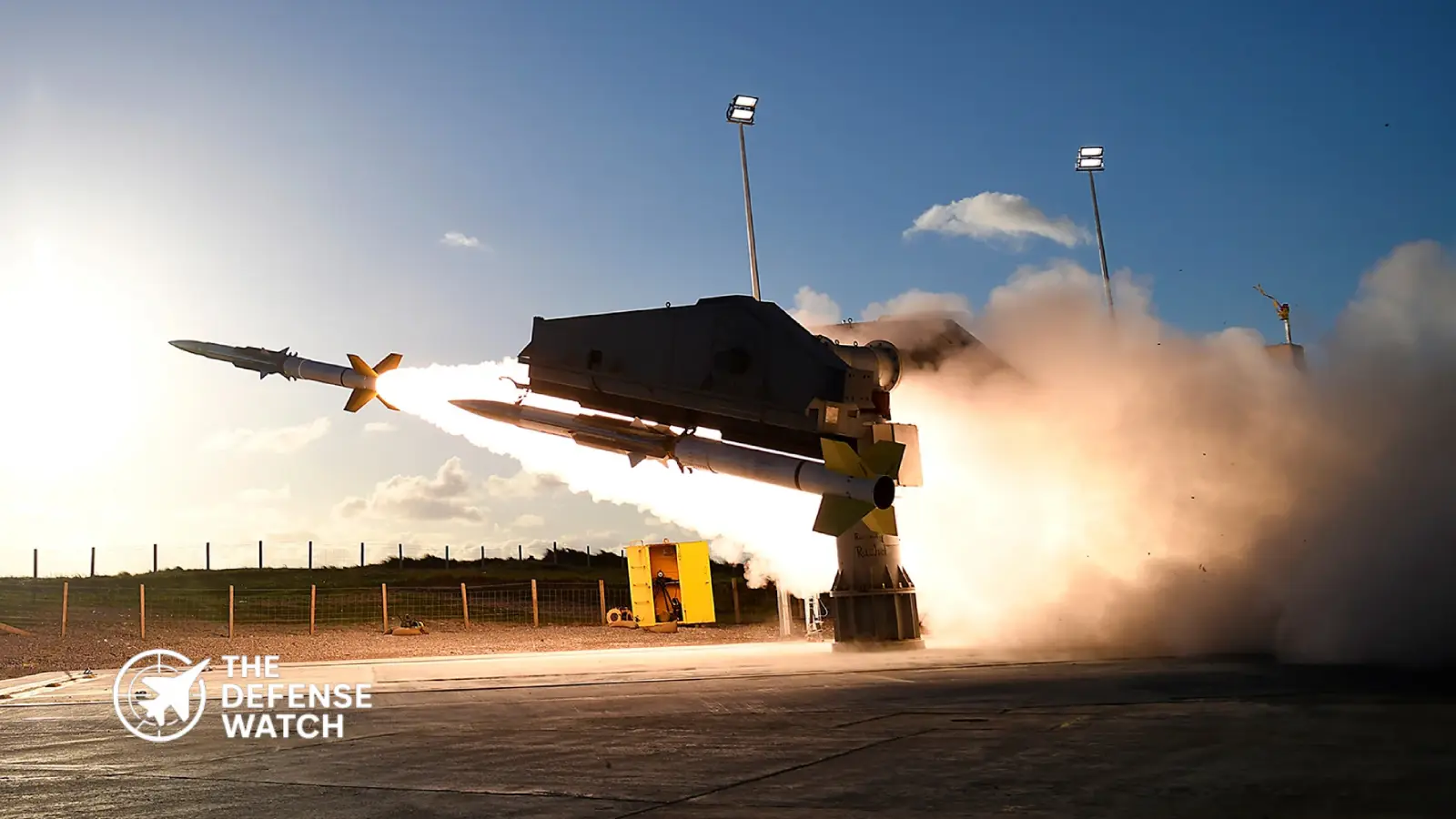
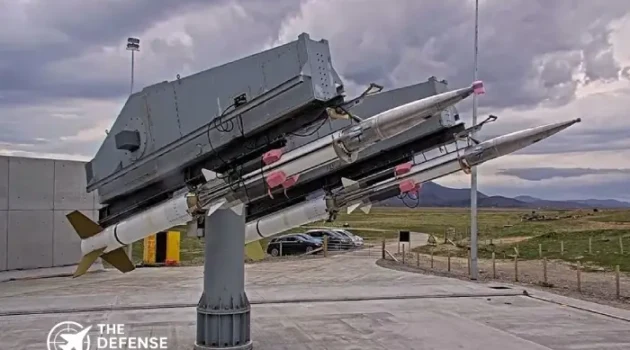
According to a contract announcement issued by the U.S. Department of Defense, the Naval Air Warfare Center Weapons Division (NAWCWD) at Point Mugu, California, has awarded Northrop Grumman Systems Corp. a $99.96 million indefinite-delivery/indefinite-quantity (IDIQ) contract supporting GQM-163A aerial target operations and technical services.
The award covers production and delivery of flight trajectories and technical data packages associated with GQM-163A launches, as well as target preparation, launcher loading, operations, and maintenance support for the Navy’s Pacific Target Marine Operations Division. The contract runs through May 2031.
Deep Technical & Strategic Context Analysis
The GQM-163A Coyote remains one of the most important aerial target systems in the U.S. military’s missile defense testing architecture. Designed to replicate high-speed sea-skimming anti-ship cruise missiles, the target enables naval forces to evaluate the performance of shipboard air defense systems under realistic operational conditions. Unlike subsonic target drones, the Coyote can simulate advanced supersonic threats approaching warships at extremely low altitudes, stressing radar detection, fire-control, and interceptor engagement timelines.
The platform has become increasingly relevant as the United States and allied navies face a rapidly expanding inventory of anti-ship missiles fielded by near-peer competitors. Modern weapons such as Russia’s P-800 Oniks and 3M55 Yakhont family, as well as China’s growing range of advanced anti-ship cruise missiles, have elevated demand for realistic target presentations that challenge defensive systems. The GQM-163A allows operators of the Aegis Combat System, Standard Missile interceptors, Evolved Sea Sparrow Missile (ESSM), and other naval air-defense networks to validate performance against representative high-speed attack profiles.
The contract structure also highlights the Navy’s long-term commitment to maintaining a specialized test infrastructure rather than procuring a fixed number of targets. As a cost-plus-fixed-fee and cost-reimbursable IDIQ arrangement, the government assumes much of the technical and operational risk associated with sustaining a unique capability. Under this model, Northrop Grumman is reimbursed for allowable program costs while receiving a predetermined fee, a common approach for highly specialized defense engineering efforts where future workload requirements may vary.
(adsbygoogle = window.adsbygoogle || []).push({});Contract Breakdown & Details
Scope of Work
Northrop Grumman will provide:
- Flight trajectory development for GQM-163A target missions
- Technical data packages supporting launch operations
- Target preparation and integration services
- Launcher loading operations
- Target maintenance and sustainment
- Launch support activities for Navy test and training events
- Operational support for the Pacific Target Marine Operations Division
Contract Value
- Contract Type: Cost-Plus-Fixed-Fee / Cost-Reimbursable IDIQ
- Total Ceiling Value: $99,959,797
- Awarding Authority: Naval Air Warfare Center Weapons Division (NAWCWD)
- Contract Number: N6893626D5002
- Completion Date: May 2031
- Competition Status: Not competitively awarded
Geographic Workshare Distribution
Work will be performed across multiple U.S. and international locations:
Location Share Chandler, Arizona 30% Point Mugu, California 27% Las Cruces, New Mexico 15% Wallops Island, Virginia 12% Barking Sands, Hawaii 6% Hebrides, Scotland, United Kingdom 6% Undisclosed Site, Israel 3% Indianapolis, Indiana 1% Funding Details
- No funding obligated at award
- Funding will be issued through individual task or delivery orders
- Requirements will be executed as operational testing and training events are scheduled
- Funding sources will vary depending on future Navy test and evaluation requirements
Why The Contract Matters
While relatively modest in value compared with major shipbuilding or missile procurement programs, the award supports a critical enabling capability within the U.S. Navy’s combat readiness ecosystem. Modern missile defense systems cannot be credibly validated without realistic threat surrogates capable of replicating the speed, altitude, and flight profiles of operational anti-ship weapons.
As Indo-Pacific security challenges continue to drive investment in integrated air and missile defense, maintaining access to advanced target systems such as the GQM-163A becomes increasingly important. The contract ensures the Navy can continue conducting high-fidelity testing of fleet defensive systems while providing operational forces with realistic training against some of the most stressing missile threats likely to be encountered in future conflicts.
Executive Summary: Northrop Grumman has secured a potential $697 million Marine Corps contract to provide long-term sustainment, engineering, logistics, and software support for expeditionary radar systems through 2031.
The agreement supports the operational readiness and modernization of critical U.S. Marine Corps radar capabilities, including lifecycle upgrades, technical refresh efforts, and future software integration.
The U.S. Marine Corps Systems Command, acting through the Portfolio Acquisition Executive for the Marine Corps in Quantico, Virginia, has awarded Northrop Grumman a maximum ceiling $697 million basic ordering agreement (BOA) to continue sustainment engineering and logistics services for the Program Manager Expeditionary Radars portfolio.
According to the Department of Defense contract announcement, the award combines firm-fixed-price and cost-plus-fixed-fee elements and will support Marine Corps expeditionary radar systems through May 2031. No funding was obligated at the time of award, with task orders expected to incrementally fund future work packages.
Deep Technical & Strategic Context Analysis
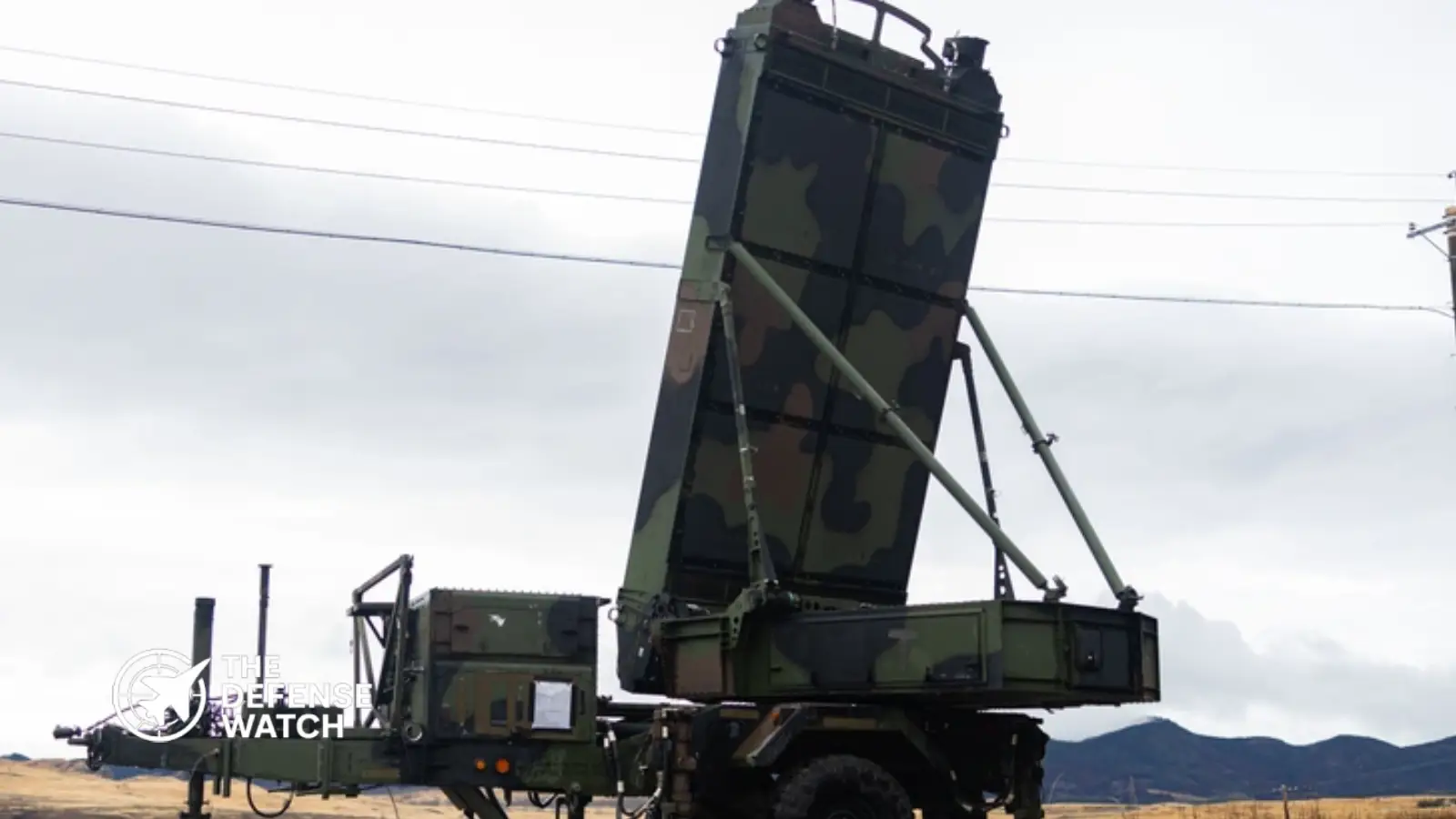
The contract is closely tied to the long-term sustainment and modernization of the Marine Corps’ expeditionary radar enterprise, particularly the AN/TPS-80 Ground/Air Task Oriented Radar (G/ATOR), one of the service’s most important air surveillance and air defense sensor systems. Developed by Northrop Grumman, G/ATOR replaces several legacy radar systems with a single multi-mission platform capable of air surveillance, air defense, counter-battery detection, and air traffic control support.
The radar has become increasingly important as the Marine Corps restructures around distributed expeditionary operations and Force Design modernization concepts. In contested Indo-Pacific operating environments, Marine units are expected to deploy in smaller, dispersed formations across island chains and austere forward locations. Expeditionary radars like G/ATOR provide critical sensor coverage for detecting aircraft, cruise missiles, unmanned systems, and indirect fire threats while supporting joint targeting and integrated air and missile defense networks.
The sustainment agreement reflects a broader Pentagon trend toward preserving readiness and extending capability through software-driven modernization rather than replacing entire sensor fleets. The contract specifically includes technical refresh activities, software support, and mitigation of diminishing manufacturing sources and material shortages (DMSMS), an increasingly urgent issue across the defense industrial base as aging electronic components become obsolete or unavailable.
The hybrid contract structure is also notable. Firm-fixed-price elements place cost risk largely on the contractor for defined deliverables, while cost-plus-fixed-fee provisions are typically used for engineering tasks where technical uncertainty remains high. This approach is common for radar sustainment programs involving software evolution, configuration changes, and ongoing integration into evolving command-and-control architectures.
Contract Breakdown & Details
Scope of Work
The agreement covers a broad range of sustainment and modernization activities for Marine Corps expeditionary radar systems, including:
- Engineering changes and technical modifications
- Contractor logistics support
- Depot-level lifecycle sustainment
- Software support activity services
- Technical refresh and modernization
- DMSMS mitigation support
- Operational spares procurement
- Studies, analyses, and future software development
Contract Structure
- Contract Type: Combination of firm-fixed-price and cost-plus-fixed-fee
- Maximum Ceiling Value: $697 million
- Contract Vehicle: Basic Ordering Agreement (BOA)
- Period of Performance: Through May 14, 2031
- Contracting Activity: Marine Corps Systems Command, Quantico, Virginia
- Awardee: Northrop Grumman
- Contract Number: M67854-26-G-0003
Procurement Details
The Marine Corps awarded the agreement on a non-competitive basis under provisions of Federal Acquisition Regulation 6.302-1 and 10 U.S. Code 3204(a)(1), authorities permitting sole-source awards when only one responsible source can meet operational requirements.
Such arrangements are common for proprietary defense systems where the original manufacturer retains unique technical data rights, software authority, and systems integration expertise necessary to sustain complex radar architectures.
Operational Importance
The Marine Corps’ expeditionary radar portfolio underpins several mission areas:
- Air surveillance and early warning
- Counter-unmanned aerial system detection
- Integrated air and missile defense
- Counter-fire target acquisition
- Joint force airspace management
- Expeditionary operations in contested environments
As peer adversaries expand cruise missile inventories and deploy increasingly sophisticated unmanned systems, radar survivability, software adaptability, and sustainment readiness have become central priorities for U.S. force planners.
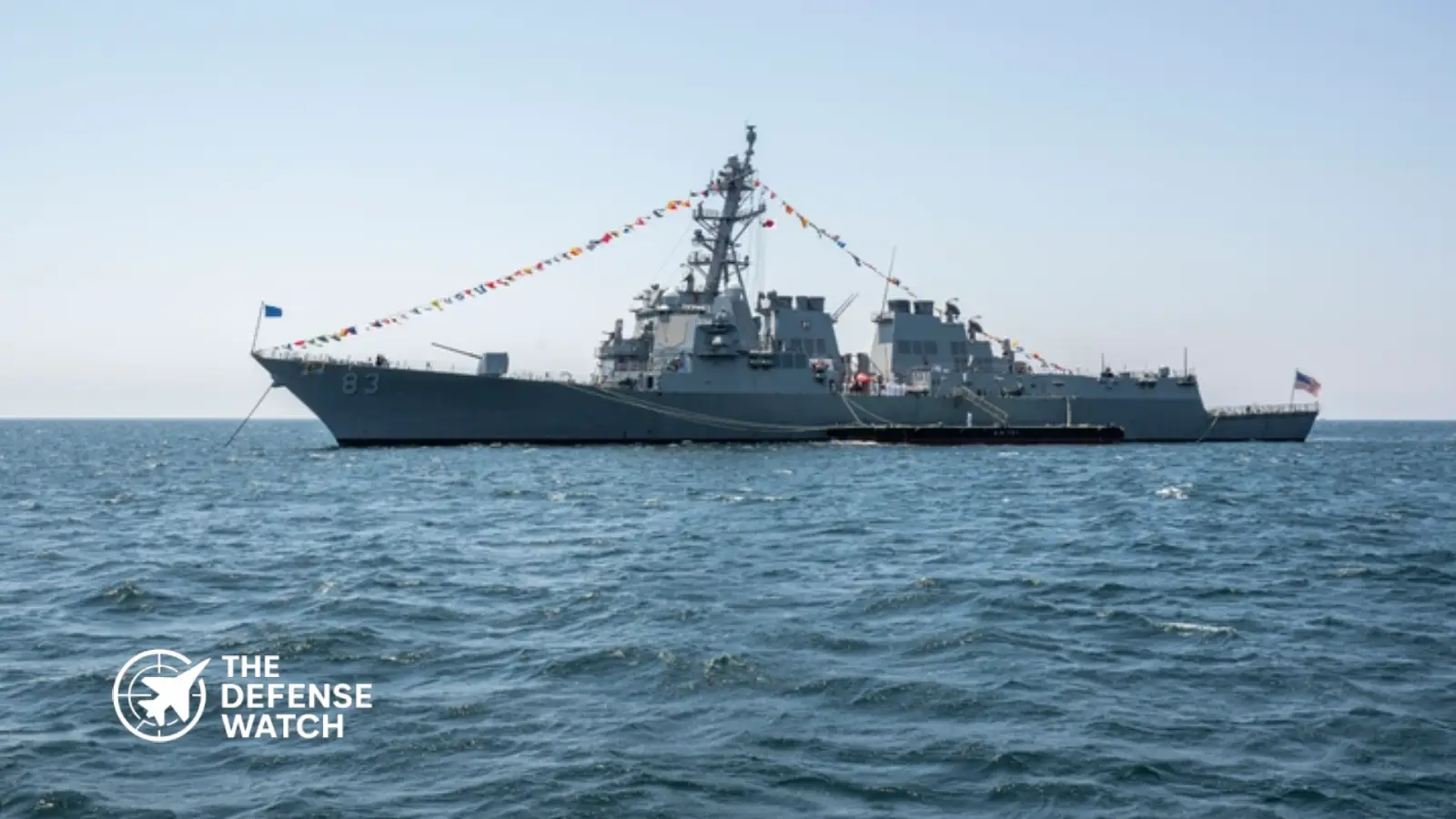
Executive Summary: The U.S. Navy has awarded Northrop Grumman Systems Corp. a $22.9 million fixed-price contract to supply critical Integrated Bridge Navigation System components for guided missile destroyers. The award supports fleet readiness and long-term sustainment of navigation infrastructure across multiple DDG platforms through 2027.
The contract, announced by the U.S. Department of Defense, was awarded by the Naval Supply Systems Command Weapon Systems Support (NAVSUP WSS) in Mechanicsburg, Pennsylvania. The award covers procurement of five component categories supporting the Integrated Bridge Navigation System (IBNS) installed aboard U.S. Navy guided missile destroyers.
Northrop Grumman Systems Corp., based in Charlottesville, Virginia, will perform all work domestically, with completion expected by November 2027. The Navy obligated the full contract value of $22,985,844 at the time of award using Fiscal Year 2026 Navy working capital funds.
Deep Technical & Strategic Context Analysis
The Integrated Bridge Navigation System serves as the central maritime navigation architecture aboard modern U.S. Navy surface combatants, particularly the Arleigh Burke-class destroyer fleet. IBNS integrates radar navigation, voyage management, digital charting, steering control, ship positioning, and collision avoidance functions into a unified operator environment on the ship’s bridge.
For high-tempo naval operations, especially in the Indo-Pacific and increasingly contested maritime regions, navigation resilience has become strategically important. U.S. Navy destroyers routinely conduct ballistic missile defense patrols, freedom of navigation operations, and carrier strike group escort missions in electronically contested environments where GPS degradation, cyber intrusion attempts, and electromagnetic interference are growing concerns. Sustainment contracts such as this one ensure operational continuity for legacy and Flight IIA destroyers that remain central to U.S. naval force projection.
The contract’s fixed-price structure is also notable. Under a firm-fixed-price arrangement, Northrop Grumman assumes greater cost responsibility during production and delivery, limiting government exposure to overruns. Such contracts are typically used when technical requirements are stable and manufacturing risks are well understood. In this case, the procurement likely reflects mature production lines and recurring sustainment demand rather than developmental engineering work.
Northrop Grumman has maintained a long-standing role in naval command, control, navigation, and mission systems integration. The company’s Charlottesville operations have historically supported advanced maritime electronics, sensor fusion, and navigation technologies across surface warfare programs.
Contract Breakdown & Details
Program Overview
- Contract Value: $22,985,844
- Contract Type: Firm-fixed-price
- Award Recipient: Northrop Grumman Systems Corp.
- Company Location: Charlottesville, Virginia
- Contracting Authority: Naval Supply Systems Command Weapon Systems Support
- Contract Number: N00104-26-C-JA07
Scope of Procurement
The contract covers procurement of:
- Five categories of Integrated Bridge Navigation System parts
- Sustainment support for:
- Guided missile destroyer classes
- Existing Navy surface combatant fleets
- Components associated with:
- Ship navigation
- Bridge system integration
- Operational readiness
Operational Importance
The IBNS architecture supports several mission-critical functions:
- Digital navigation and chart management
- Integrated radar and ship positioning
- Automated steering and helm coordination
- Collision avoidance systems
- Maritime situational awareness
These systems are particularly important during:
- Carrier strike group deployments
- High-density maritime transit operations
- Contested electromagnetic environments
- Long-duration forward deployments
Contract Structure and Funding
- Funding Source: Fiscal Year 2026 Navy Working Capital Funds
- Funding Obligation: 100% obligated at award
- Expiration Status: Funds will not expire at the end of the current fiscal year
Industrial and Acquisition Details
- Work Location: Charlottesville, Virginia
- Completion Date: November 2027
- Competition Status: Sole-source procurement
- Legal Authority: 10 U.S. Code 3204(a)(1)
- Offers Received: One
The sole-source justification indicates the Navy determined only one responsible source could satisfy the procurement requirement within operational timelines, likely due to proprietary system integration, certified component compatibility, or platform-specific sustainment requirements.
Strategic Naval Sustainment Implications
The award underscores the Navy’s continuing emphasis on sustainment and readiness modernization across its destroyer fleet amid increasing operational demand. While attention frequently focuses on next-generation programs such as the DDG(X), the existing Arleigh Burke fleet remains the backbone of U.S. surface warfare capability.
As the Navy extends destroyer service lives beyond original planning assumptions, sustainment of bridge electronics and navigation infrastructure becomes increasingly important for operational safety and mission reliability. Modern naval operations now depend heavily on integrated digital navigation ecosystems that must function continuously under both peacetime and combat conditions.

Executive Summary:
Northrop Grumman has introduced the LR-450 next generation navigation system for deep space and orbital missions. The new system is designed to improve autonomous spacecraft positioning, tracking, and navigation for missions operating far beyond Earth orbit, supporting growing military and commercial space requirements.
The LR-450 navigation system introduced by Northrop Grumman reflects the growing demand for resilient spacecraft navigation as military and commercial operators expand operations into cislunar space and deep space environments.
According to the company, the LR-450 is designed to provide precise navigation and timing capabilities for spacecraft operating in orbital and deep space missions where traditional Earth-based tracking may be limited or delayed. The announcement comes as the United States and allied nations increase investment in space resilience, satellite autonomy, and long range mission endurance.
LR-450 Designed For Autonomous Deep Space Navigation
The LR-450 navigation system is intended to support autonomous spacecraft operations across increasingly contested and congested space environments. Northrop Grumman stated that the system can help spacecraft maintain accurate positioning and navigation without relying solely on constant ground control updates.
That capability is becoming increasingly important as defense agencies prepare for operations in cislunar space, lunar orbit, and long duration deep space missions. Communications delays and limited tracking coverage in those regions create operational challenges that traditional satellite navigation systems were not originally designed to handle.
The LR-450 navigation system is expected to support multiple mission profiles, including:
- Deep space exploration missions
- National security spacecraft
- Orbital servicing missions
- Lunar infrastructure operations
- Autonomous satellite maneuvering
The company said the technology incorporates advanced signal processing and resilient navigation architecture intended to improve operational reliability in harsh space environments.
Growing Military Interest In Space Autonomy
The introduction of the LR-450 comes amid broader Pentagon efforts to strengthen U.S. space architecture against emerging threats. Agencies including the United States Space Force and the National Aeronautics and Space Administration are increasingly emphasizing autonomous operations for spacecraft operating beyond low Earth orbit.
The growing focus on deep space infrastructure is tied to several strategic priorities:
- Expanding lunar operations under the Artemis program
- Improving survivability of military satellites
- Reducing dependence on vulnerable ground stations
- Enabling rapid maneuvering in contested orbital environments
- Supporting future cislunar logistics networks
The LR-450 navigation system could play a role in future resilient space architectures where spacecraft must independently navigate and coordinate operations over large distances.
This trend also aligns with broader U.S. defense modernization efforts aimed at reducing vulnerabilities in satellite communications and positioning systems. Analysts have increasingly warned that future conflicts may involve electronic warfare and cyber attacks targeting orbital infrastructure.
Space Navigation Emerging As Strategic Capability
The development of advanced autonomous navigation systems is becoming a major competitive area within the global aerospace sector. Nations including the United States, China, and Russia are all investing heavily in technologies that support independent deep space operations.
The LR-450 navigation system highlights how spacecraft autonomy is moving from a supporting capability to a core operational requirement. Future military and commercial missions are expected to operate farther from Earth while facing increased congestion, communication latency, and potential electronic interference.
For defense planners, autonomous navigation systems could help maintain operational continuity even if terrestrial support infrastructure becomes degraded or contested during a crisis.
Commercial operators may also benefit from systems capable of supporting autonomous rendezvous, orbital servicing, and lunar transportation networks, sectors expected to expand significantly over the next decade.
Strategic Implications For U.S. Space Operations
Northrop Grumman’s investment in the LR-450 reflects a wider shift toward resilient and distributed space architectures. The U.S. defense sector increasingly views space not only as a support domain, but as a contested operational theater requiring dedicated survivability and maneuverability solutions.
As space missions move deeper into cislunar and interplanetary environments, navigation technology will likely become one of the defining enablers of operational success. Systems capable of reducing dependence on Earth based tracking could offer major strategic advantages during both military and scientific missions.
The LR-450 navigation system also reinforces the growing overlap between civilian space exploration and national security priorities. Technologies initially developed for exploration and commercial applications are increasingly relevant to military planning and strategic deterrence.
Executive Summary:
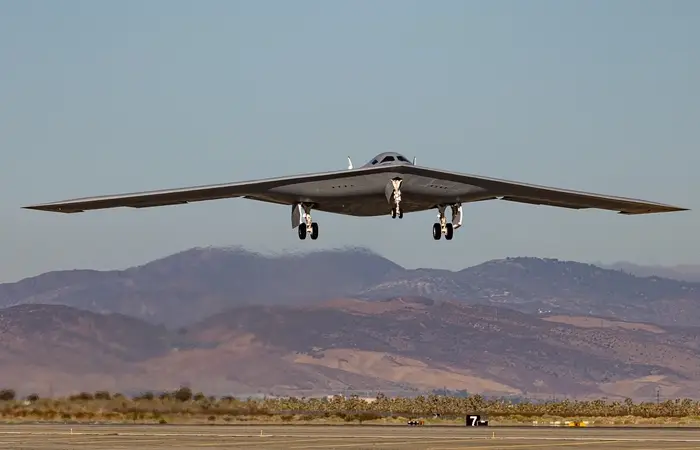
The U.S. Air Force and Northrop Grumman completed a critical B-21 Raider flight test campaign in 73 days instead of the planned 180. The accelerated pace highlights progress in America’s next-generation stealth bomber program and could support faster operational deployment.
B-21 Raider Flight Test Campaign Advances Faster Than Expected
The U.S. B-21 Raider stealth bomber has completed a major developmental flight test campaign significantly faster than initially planned, marking an important milestone for the U.S. Air Force’s next-generation long-range strike program.
Northrop Grumman revealed on May 7, 2026, that the B-21 Raider Combined Test Force reduced a planned 180-day testing schedule to just 73 days.
The accelerated timeline is notable because large-scale military aircraft development programs frequently encounter delays during early flight testing, especially with stealth aircraft integrating advanced sensors, mission systems, and low observable technologies.
The B-21 Raider program appears to be avoiding many of those early setbacks.
Why The Accelerated Testing Timeline Matters
The B-21 Raider is intended to replace portions of the aging U.S. bomber fleet, including the B-1B Lancer and B-2 Spirit, while complementing the B-52 Stratofortress in long-range strike missions.
The faster-than-expected test progress suggests that the aircraft entered flight trials with mature software integration and a relatively stable design baseline. That is a significant achievement for a stealth platform expected to operate in highly contested environments against advanced air defense systems.
Northrop Grumman stated that the Combined Test Force achieved the milestone while completing roughly half of the planned mission objectives connected to an $11.8 billion effort.
Industry analysts view this as evidence that digital engineering and advanced modeling techniques used during development may be reducing traditional flight-test risks. The B-21 program has heavily emphasized digital design and production methods since its earliest phases. Earlier Air Force and Northrop Grumman statements also indicated that flight performance during testing closely matched digital simulations.
That alignment between simulated and real-world performance can shorten troubleshooting cycles and reduce costly redesign work.
Expanding U.S. Long-Range Strike Capability
The B-21 Raider is central to the U.S. Air Force’s future global strike strategy. Designed as a penetrating stealth bomber capable of delivering both conventional and nuclear payloads, the aircraft is expected to operate deep inside heavily defended airspace.
The bomber will eventually support missions across the Indo-Pacific, Europe, and other contested theaters where survivability against modern integrated air defense systems is increasingly important.
Recent testing milestones have included aerial refueling operations with a KC-135 Stratotanker, expanding the bomber’s operational reach and endurance.
The U.S. Air Force has also continued expanding the flight test fleet. A second B-21 Raider test aircraft joined the program in 2025, enabling parallel testing of mission systems, weapons integration, and sustainment procedures.
Officials believe multiple aircraft operating simultaneously will accelerate the path toward operational capability.
Strategic Implications For The United States
The rapid progress of the B-21 Raider program comes amid increasing strategic competition with China and Russia. Both nations continue investing heavily in advanced air defenses, long-range missiles, and next-generation combat aircraft.
For the Pentagon, the B-21 Raider represents more than a new bomber. It is a key part of maintaining credible long-range deterrence and strike flexibility in future conflicts.
The Air Force plans to acquire at least 100 B-21 aircraft, though some defense analysts argue that number may eventually increase depending on operational demands and geopolitical developments.
Unlike previous stealth bomber programs that faced major production and affordability challenges, the B-21 effort has focused heavily on scalable manufacturing and lower sustainment costs from the outset.
That production-focused approach may help the Air Force field the aircraft more rapidly than earlier strategic bombers.
Program Momentum Continues
The B-21 Raider first flew in November 2023 and has steadily expanded its test envelope since then. The aircraft already entered low-rate initial production, another sign of Pentagon confidence in the program’s maturity.
While many technical details remain classified, recent milestones indicate the stealth bomber program is progressing with fewer disruptions than typically seen in next-generation combat aircraft development.
If the current pace continues, the B-21 Raider could enter operational service on schedule and become the backbone of the U.S. Air Force’s future bomber fleet during a period of intensifying global strategic competition.
