Executive Summary:
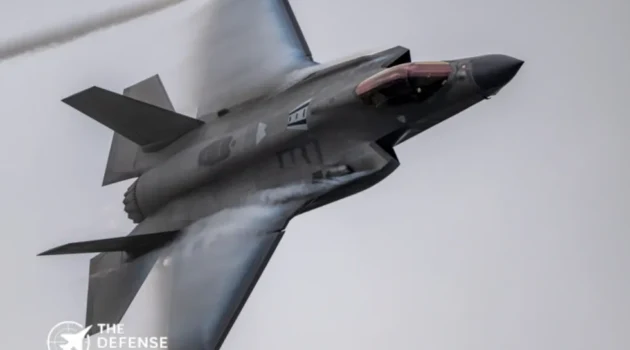
Spain has reportedly opened discussions regarding potential participation in Türkiye’s KAAN fifth generation fighter program as Madrid reviews long term combat aircraft requirements. The move highlights growing European interest in alternative defense partnerships amid debates surrounding U.S.-made F-35 procurement and strategic autonomy.
Spain Opens Talks On Turkish KAAN Fighter Program
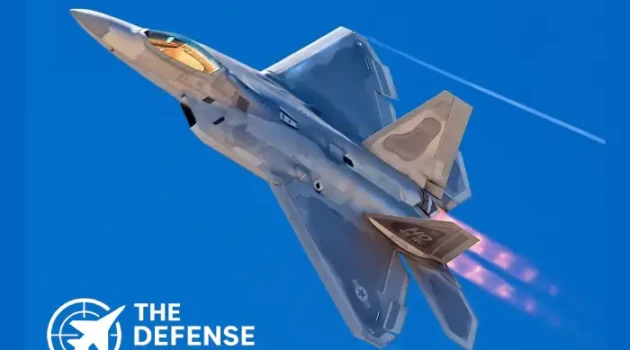
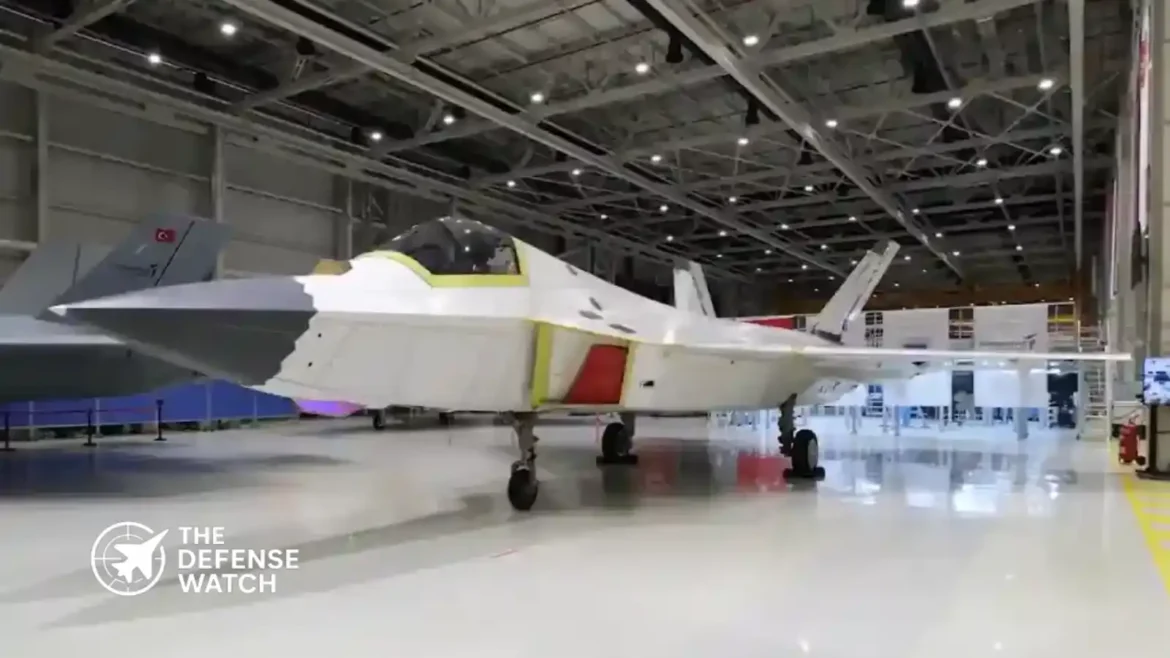
Spain KAAN fighter discussions have emerged as Madrid evaluates future combat aircraft requirements and broader defense industrial cooperation with Türkiye. Spanish officials have initiated talks concerning the Turkish-developed KAAN stealth fighter, a fifth generation aircraft led by Turkish Aerospace Industries.
The development comes at a time when several European nations are reassessing procurement priorities amid rising defense spending, supply chain concerns, and geopolitical uncertainty across NATO’s southern and eastern flanks.
Türkiye officially unveiled the KAAN fighter in 2023 as part of Ankara’s long term effort to establish an indigenous fifth generation combat aircraft capability. The platform completed its maiden flight in February 2024 and remains one of the most ambitious aerospace programs currently underway outside the United States, China, and Russia.
Spain has not formally abandoned interest in the Lockheed Martin F-35 Lightning II, but discussions surrounding the Turkish KAAN fighter suggest Madrid is examining additional strategic options.
Why Spain Is Reviewing Fighter Procurement Options
Spain currently operates a mixed fleet of Eurofighter Typhoon and aging McDonnell Douglas EF-18 Hornet fighters. Several of these aircraft will eventually require replacement during the next decade.
Madrid also remains a major stakeholder in Europe’s Future Combat Air System (FCAS), a multinational sixth generation fighter initiative involving France and Germany. However, FCAS timelines continue to extend into the 2040s, creating a potential capability gap for participating nations.
This timing is important. European governments increasingly face pressure to modernize fleets faster while maintaining industrial independence and managing procurement costs.
The Turkish KAAN fighter program could offer Spain several advantages if talks progress beyond exploratory discussions. These may include industrial participation opportunities, technology cooperation, and diversification away from reliance on a single supplier ecosystem.
At the same time, any move involving the KAAN fighter would likely generate scrutiny within NATO and the broader European defense market, particularly because the F-35 remains the dominant fifth generation fighter platform among alliance members.
KAAN Program Reflects Türkiye’s Expanding Aerospace Ambitions
The Turkish KAAN fighter is being developed by Turkish Aerospace Industries under Türkiye’s broader defense modernization strategy. Ankara has significantly expanded domestic aerospace and defense production over the past decade, including unmanned systems, missiles, naval platforms, and advanced avionics.
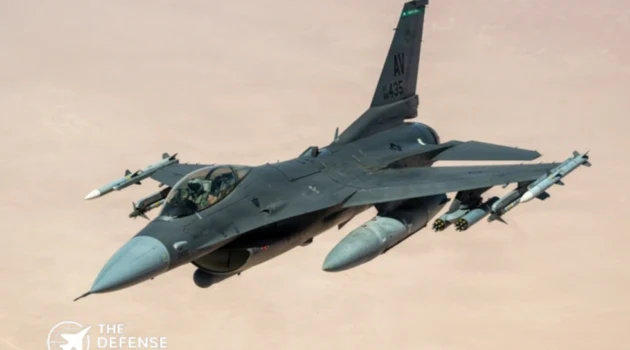
KAAN is designed as a twin engine stealth fighter with advanced sensor fusion, internal weapons bays, and network centric warfare capabilities. Turkish officials have stated that the aircraft is intended to replace the country’s aging fleet of General Dynamics F-16 Fighting Falcon fighters over time.
The program also gained additional geopolitical importance after Türkiye was removed from the F-35 program in 2019 following Ankara’s acquisition of the Russian-made S-400 air defense system.
Since then, Türkiye has accelerated indigenous defense programs aimed at reducing dependence on foreign suppliers. KAAN has become a flagship symbol of that strategy.
Spain’s interest therefore carries significance beyond aircraft procurement alone. It reflects how Türkiye’s defense industry is increasingly positioning itself as an exporter and strategic partner within NATO markets.
Strategic Implications For Europe And NATO
Spain KAAN fighter talks also underline a broader shift occurring across Europe’s defense sector. Countries are increasingly balancing alliance interoperability with industrial sovereignty and procurement flexibility.
The F-35 program continues to expand across Europe, with nations including Germany, Finland, Poland, Belgium, Italy, the Netherlands, Denmark, Norway, and the United Kingdom operating or ordering the aircraft. However, concerns over cost, maintenance dependency, and long term operational autonomy remain part of political discussions in several countries.
For Spain, exploring the Turkish KAAN fighter may provide leverage in broader defense negotiations while supporting its own aerospace industrial interests.
There are still substantial hurdles before any potential agreement could materialize. KAAN remains under development and has not yet entered operational service. Questions also remain regarding engine integration, production timelines, export configurations, and interoperability standards within NATO structures.
Nevertheless, Spain’s willingness to open discussions indicates that European defense procurement is becoming increasingly competitive and politically complex.
Growing Competition In The Fifth Generation Fighter Market
The global fighter aircraft market is entering a new phase shaped by strategic competition, industrial partnerships, and regional security concerns.
While the F-35 currently dominates Western fifth generation procurement, newer programs such as KAAN, South Korea’s KF-21, and various European sixth generation initiatives are reshaping future competition.
Spain’s engagement with the Turkish KAAN fighter demonstrates that countries are no longer evaluating combat aircraft solely on technical performance. Industrial access, political alignment, export flexibility, and strategic autonomy now play a larger role in procurement decisions.
For Türkiye, even preliminary talks with a major European NATO member represent an important validation of its aerospace ambitions.
For Spain, the discussions provide another avenue to address future air combat capability requirements while maintaining flexibility in an evolving geopolitical environment.

Executive Summary:
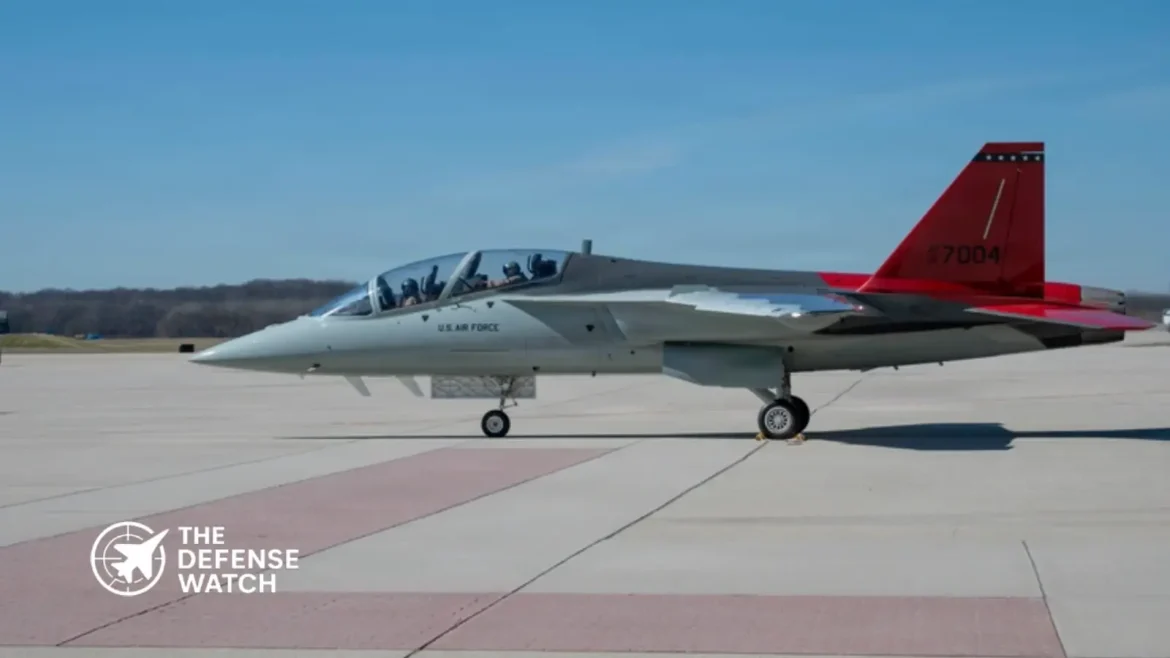
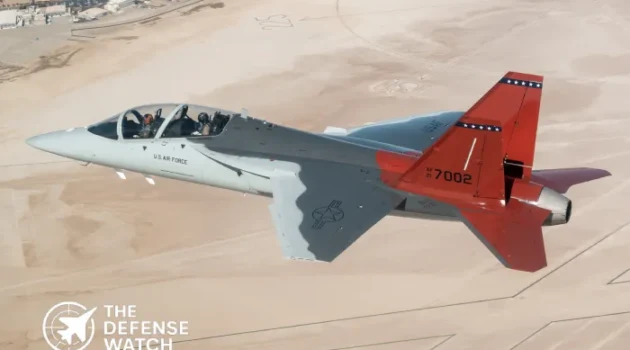
The U.S. Air Force has approved the T-7A Red Hawk for full-rate production, marking a critical milestone in its pilot training modernization program. Developed by Boeing, the aircraft will replace the aging T-38 Talon fleet. The move is intended to align pilot training with the demands of fifth-generation combat aircraft.
T-7A Red Hawk Cleared for Production
The T-7A Red Hawk program has reached a decisive stage, with the U.S. Air Force authorizing full-rate production following years of development and testing. The approval confirms that the aircraft meets operational requirements for advanced pilot training.
The T-7A is designed to prepare pilots for modern combat platforms such as the F-35 and F-22. It introduces a digital architecture, advanced avionics, and embedded simulation systems that reflect real-world combat environments.
This milestone follows extensive flight testing and system validation, ensuring the platform is ready for scaled manufacturing and operational deployment.
Replacing the Legacy T-38 Talon
The T-7A will replace the long-serving Northrop T-38 Talon, which has been in service since the 1960s.
Key limitations of the T-38:
- Aging airframes with rising maintenance costs
- Limited ability to simulate modern combat scenarios
- Outdated cockpit and avionics systems
The T-7A addresses these gaps with a modern, flexible training system designed for current and future air combat requirements.
Comparison: T-7A Red Hawk vs T-38 Talon
Feature T-7A Red Hawk T-38 Talon Range ~1,830 km ~1,800 km Payload Training systems, simulation suite Limited training payload Status Approved for full production (2026) Operational, nearing retirement Key Technology Digital engineering, embedded simulation Analog systems, legacy avionics Advanced Features and Training Capabilities
The T-7A introduces several technological improvements that redefine pilot training.
Key advantages:
- Digital engineering design, reducing development time and lifecycle costs
- Open architecture systems for rapid upgrades
- Embedded virtual simulation, allowing pilots to train for complex combat scenarios without additional aircraft
- Glass cockpit with large-area displays similar to fifth-generation fighters
- High-G performance envelope to better prepare pilots for frontline aircraft
These features allow the Air Force to compress training timelines while improving pilot readiness.
Industrial and Program Significance
The T-7A program is notable for its use of digital engineering from inception. Boeing and its partners leveraged model-based design to accelerate development and reduce production risks.
The aircraft is expected to be produced at scale, with dozens of units planned annually as the Air Force transitions away from legacy trainers.
The program also supports long-term sustainment efficiency, with maintainability and modular upgrades built into the design.
Strategic Context: Preparing for Future Air Warfare
The approval of the T-7A comes amid growing emphasis on peer competition and high-end warfare scenarios.
Modern air combat requires pilots trained to operate:
- Fifth-generation fighters like the F-35
- Network-centric warfare systems
- Multi-domain operations involving cyber and space assets
The legacy T-38 cannot replicate these conditions. The T-7A bridges that gap by integrating live, virtual, and constructive training environments.
This aligns with broader U.S. defense priorities focused on readiness against near-peer adversaries such as China and Russia.
Outlook
With full-rate production approved in 2026, the T-7A Red Hawk is set to become the backbone of U.S. Air Force pilot training for decades. Initial operational units are expected to expand as production ramps up.
The platform’s modular design also positions it for potential export opportunities, as allied nations seek modern training solutions compatible with advanced fighter fleets.
Overall, the T-7A represents a generational shift in how air forces prepare pilots for increasingly complex combat environments.
Lockheed Martin E-130J Phoenix II Training Systems Expand Strategic Readiness
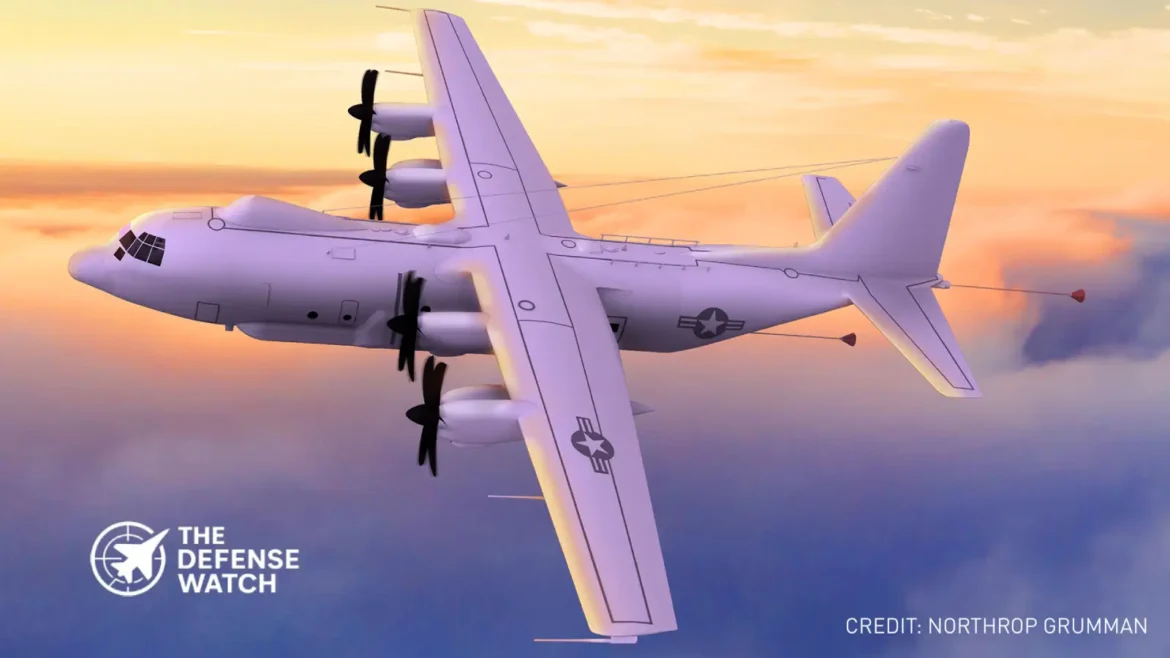
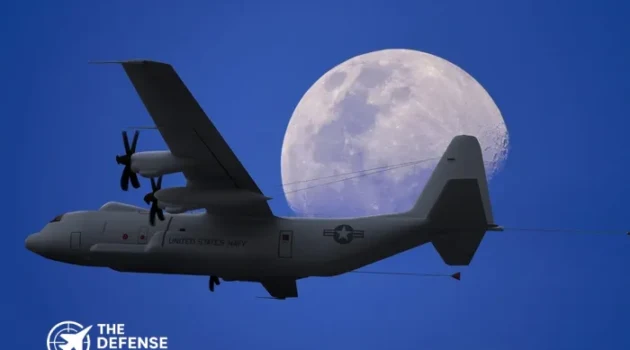
The E-130J Phoenix II training systems program is advancing U.S. military readiness as Lockheed Martin moves forward with delivering specialized training devices and services for the next generation airborne nuclear command and control fleet.
KEY FACTS AT A GLANCE- Lockheed Martin will provide training devices and services for the E-130J Phoenix II aircraft program.
- The effort supports U.S. nuclear command, control, and communications mission readiness.
- Training systems include advanced simulators and integrated mission training environments.
- The E-130J is expected to replace aging TACAMO aircraft supporting strategic communications.
- The program reflects ongoing modernization of U.S. airborne nuclear command infrastructure.
According to an official company release dated April 29, 2026, the effort will provide comprehensive training infrastructure to support operators and maintainers of the E-130J Phoenix II aircraft. The platform is widely viewed as a critical successor to the U.S. Navy’s existing TACAMO fleet, which ensures survivable communications between national leadership and strategic nuclear forces.
The introduction of dedicated E-130J Phoenix II training systems marks a key step in ensuring that crews can operate effectively in high stress, contested environments where uninterrupted communication is essential.
Modern Training For A High-Stakes Mission
The contract focuses on delivering advanced simulators, mission rehearsal systems, and integrated training services tailored to the E-130J’s unique operational role. These systems are designed to replicate real world mission conditions, including degraded communications environments and electronic warfare scenarios.
Unlike legacy training approaches, the new E-130J Phoenix II training systems emphasize realism and integration. Crews will train across multiple domains, including airborne operations, ground support coordination, and secure communications management.
This reflects a broader Pentagon shift toward synthetic training environments that reduce costs while increasing operational readiness. By combining live, virtual, and constructive training elements, the U.S. military aims to prepare crews for increasingly complex mission sets without relying solely on flight hours.
Strategic Importance Of The E-130J Phoenix II
The E-130J Phoenix II aircraft is expected to play a central role in the U.S. nuclear command, control, and communications architecture. Often referred to as NC3, this network ensures that presidential orders can be transmitted to nuclear forces under any conditions.
The current TACAMO aircraft, based on older airframes, face growing sustainment challenges. The transition to the E-130J platform represents not just a hardware upgrade, but a broader modernization of mission capability.
In this context, the E-130J Phoenix II training systems are not a secondary component. They are essential to ensuring that personnel can operate the aircraft effectively from day one. Training gaps in strategic systems carry significant operational risk, particularly in missions where failure is not an option.
Analysis: Training As A Core Capability, Not A Support Function
The decision to invest early in advanced E-130J Phoenix II training systems highlights a shift in how the U.S. Department of Defense approaches modernization. Training is no longer treated as a follow-on activity. Instead, it is integrated into the program from the outset.
This approach addresses a long standing issue in defense acquisition, where new platforms are fielded before crews are fully prepared to use them. By aligning training development with aircraft production, the Pentagon reduces the time required to achieve operational capability.
It also reflects lessons learned from recent conflicts and exercises, where communication resilience and crew proficiency have proven decisive. In a contested environment, particularly against near peer adversaries, the ability to maintain secure and reliable communications can determine mission success.
Furthermore, the E-130J program underscores the growing importance of airborne nodes in the U.S. command structure. As ground based infrastructure becomes more vulnerable to cyber and kinetic attacks, airborne systems provide a survivable alternative.
Broader Implications For U.S. Military Modernization
The E-130J Phoenix II training systems initiative fits within a wider modernization effort across the U.S. military. Programs focused on nuclear deterrence, including next generation bombers, submarines, and command systems, are receiving increased funding and attention.
Training systems are becoming more sophisticated, leveraging digital engineering, artificial intelligence, and networked simulation environments. These tools allow for rapid updates as threats evolve, ensuring that training remains relevant over the life of the platform.
For Lockheed Martin, the contract reinforces its position not only as a manufacturer of defense systems, but also as a provider of integrated training and sustainment solutions. This aligns with industry trends where lifecycle support is becoming as important as platform development.
Airbus Launches SAETA II Program To Replace Spain F-5 Fleet
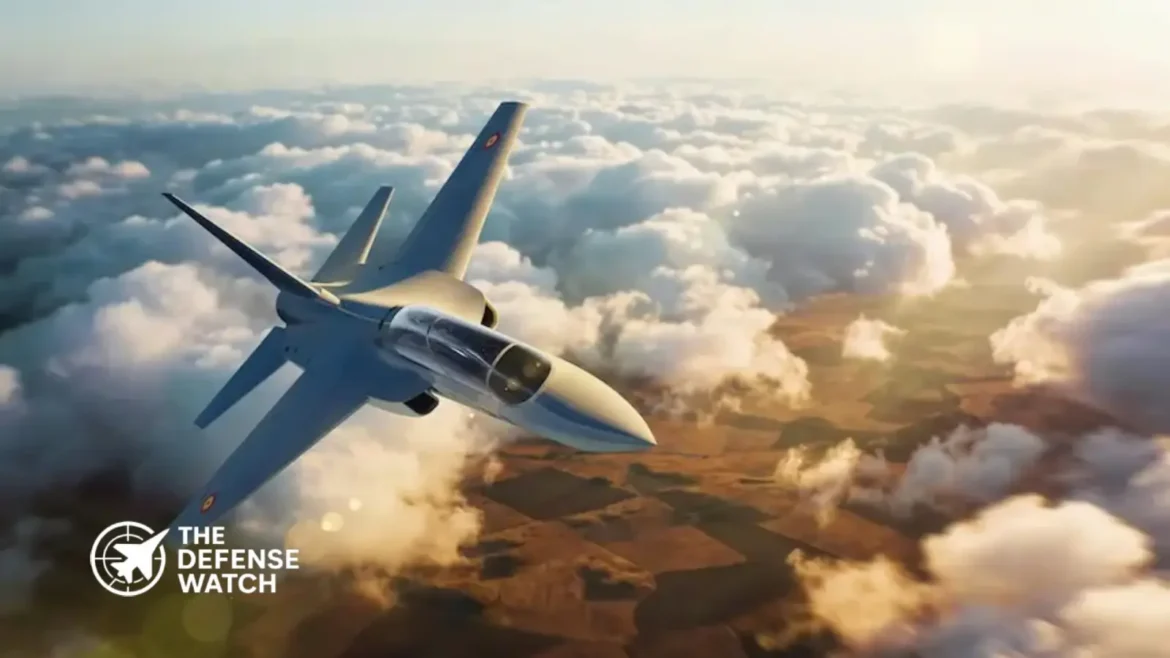
Spain’s SAETA II combat trainer program marks one of the country’s most important air force modernization efforts in years. Led by Airbus, the initiative will replace the Spanish Air and Space Force’s ageing F-5 aircraft with a new integrated pilot training system built around 30 advanced jet trainers.
KEY FACTS AT A GLANCE- Airbus is leading Spain’s new Integrated Combat Training System centered on the SAETA II aircraft.
- The program will replace Spain’s ageing Northrop F-5 trainer fleet used for fighter pilot instruction.
- Spain plans a 30 aircraft fleet derived from the Turkish Aerospace HÜRJET platform.
- Initial deliveries begin in 2028, with full Spanish-standard deliveries scheduled through 2035.
- The project includes 60% Spanish industrial participation and upgraded simulators.
The program is based on a co-development arrangement between Airbus and Turkish Aerospace, manufacturer of the HÜRJET trainer jet. Spain’s localized version will carry the historic SAETA II name, linking the new fleet to the country’s earlier HA-200 Saeta jet trainer heritage.
Why Spain Is Replacing The F-5 Now
Spain’s F-5 fleet has served for decades in advanced fighter training. However, aging airframes, rising maintenance needs, and the demands of modern pilot instruction have made replacement increasingly urgent.
Today’s fighter pilots must transition to digital cockpits, advanced sensors, networked warfare, and complex mission systems. Legacy trainers designed in an earlier era are less suited to preparing crews for platforms such as the Eurofighter Typhoon and future sixth-generation systems.
That makes the SAETA II more than a simple aircraft purchase. It is a training pipeline upgrade designed to support Spain’s long-term combat air readiness.
What The SAETA II Program Includes
The SAETA II program covers more than aircraft deliveries. Airbus said it includes:
- Customization of 30 jets to Spanish requirements
- Advanced simulators and synthetic training systems
- Maintenance and logistics support
- Base infrastructure modernization
- Future upgrade pathways under Spanish control
Airbus will also redesign the Fighter and Strike School Training Centre at Talavera la Real Air Base.
That matters because modern pilot training increasingly blends live flying with simulator missions. This approach lowers cost, increases training repetitions, and allows pilots to rehearse high-risk combat scenarios safely.
Delivery Timeline And Industrial Impact
The first phase begins in 2028 with 21 aircraft deliveries. One airframe will be used as a prototype for integrating next-generation avionics and mission systems. Ground-based training systems are expected to enter service during the 2029 to 2030 academic period. Final Spanish-standard aircraft deliveries are scheduled from 2031 through 2035.
Airbus says the project includes 60% Spanish industrial participation. Domestic firms including Indra, GMV, Sener and others will contribute avionics, mission systems, datalinks, and support equipment.
This gives Madrid stronger sovereign control over sustainment, upgrades, and future exports.
Strategic Meaning For Europe
The SAETA II program also reflects a wider European defense trend. Rather than relying only on off-the-shelf foreign solutions, governments increasingly want local assembly, domestic supply chains, and control over future software and systems integration.
Spain’s decision blends an existing aircraft platform with national customization. That can reduce development risk while preserving industrial benefits.
For NATO members facing tighter budgets and growing readiness demands, that hybrid model may become more common.
Bottom Line
Spain’s SAETA II combat trainer program is not just replacing an old F-5 fleet. It is rebuilding the country’s fighter pilot training system for the next generation. With Airbus leading the effort and major Spanish industry involvement, the project strengthens readiness, industrial autonomy, and long-term air power capacity.
Brunei C295MW Delivery Strengthens National Airlift Fleet
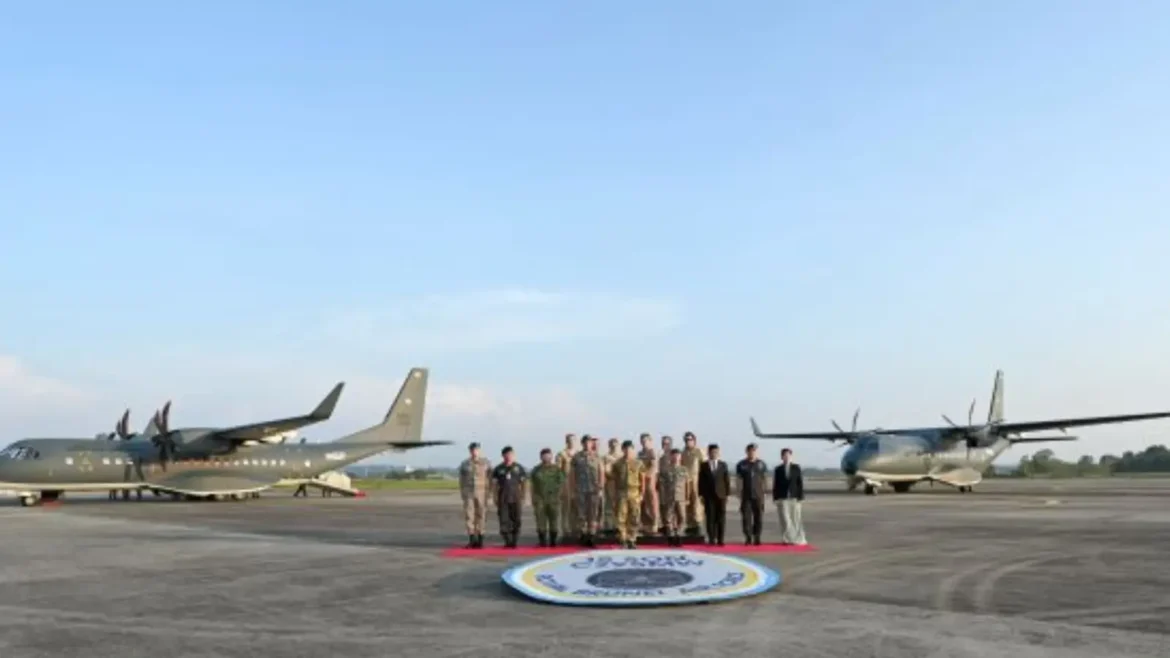
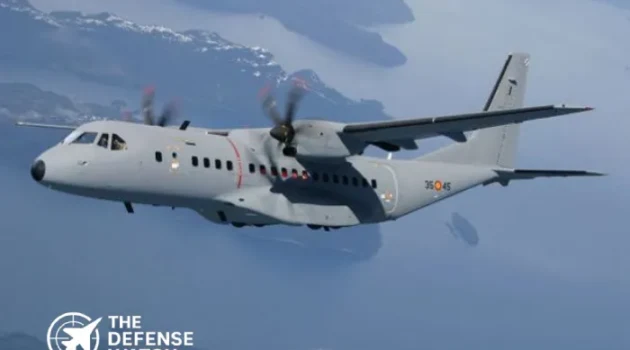
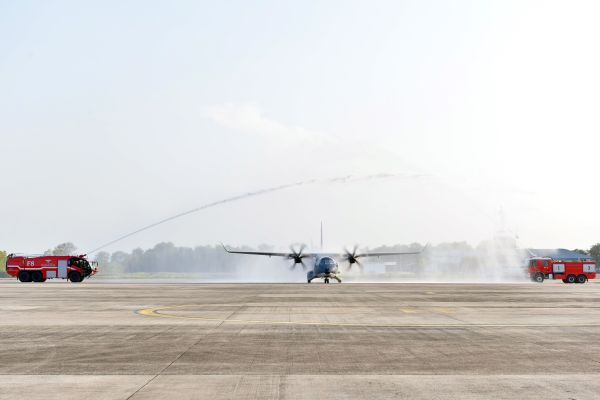
The Brunei C295MW delivery program has reached its final stage, with the Royal Brunei Air Force receiving the last two Airbus C295MW transport aircraft and completing its planned four aircraft fleet. The arrival ceremony was held at Rimba Air Force Base on April 20, according to Brunei’s Ministry of Defence.
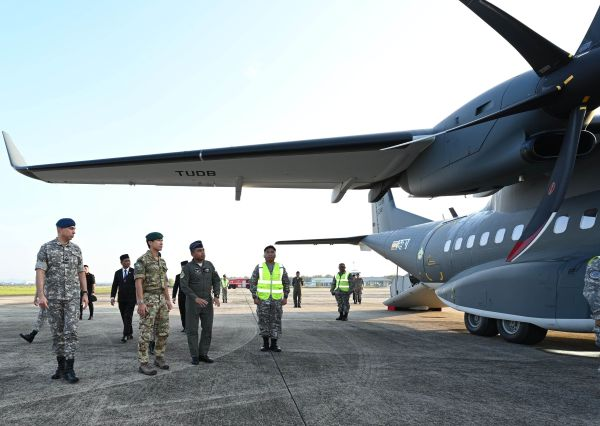
The two aircraft, designated TUDB 504 and TUDB 505, completed a seven day ferry flight from Airbus facilities in Spain. Their arrival marks the completion of a modernization effort launched in December 2022, when Brunei signed its procurement agreement with Airbus for four aircraft.
KEY FACTS AT A GLANCE- Brunei has received the final two Airbus C295MW tactical transport aircraft for its air force.
- The deliveries complete a four aircraft fleet ordered from Airbus in December 2022.
- The last two aircraft arrived at Rimba Air Force Base on April 20 after a seven day ferry flight from Spain.
- The fleet will support transport, disaster relief, medical evacuation, and search and rescue missions.
- The acquisition strengthens Brunei’s mobility and regional response capability in Southeast Asia.
Why The C295MW Matters For Brunei
For a small nation with dispersed maritime territory and growing regional responsibilities, air mobility is often more valuable than raw combat power. The Airbus C295MW gives Brunei a reliable medium transport platform able to move troops, equipment, humanitarian supplies, and medical teams quickly across difficult terrain.
According to official statements, the aircraft will be used for:
- Humanitarian assistance and disaster relief
- Medical evacuation missions
- Search and rescue operations
- Non combatant evacuation operations
- Troop and cargo transport
- VIP transport when required
That flexibility is especially relevant in Southeast Asia, where floods, storms, and remote island geography regularly test military logistics networks.

The two new C295MWs complete Brunei’s tactical transport fleet. Source: Brunei defence ministry Replacing Older Capability
The C295MW fleet also replaces Brunei’s aging CN235 transport capability. Earlier reporting noted the country had relied on a single CN235-110M that entered service in 1997.
Moving from one older aircraft to a four platform modern fleet significantly improves readiness. It allows maintenance rotation, sustained operations, crew training continuity, and faster responses during emergencies.
That is a major shift for a small air arm, where every available aircraft matters.
Regional Security Impact
Brunei is not building an offensive air fleet. Instead, it is investing in strategic mobility, which is often one of the smartest defense purchases smaller states can make.
Transport aircraft can support domestic security, maritime surveillance deployments, multinational exercises, and humanitarian missions without escalating regional tensions. In practical terms, that gives Brunei more independence and more relevance inside ASEAN security cooperation frameworks.

The two new C295MWs complete Brunei’s tactical transport fleet. Source: Brunei defence ministry As larger powers compete for influence in the Indo Pacific, countries like Brunei increasingly focus on resilient, multi use capabilities rather than expensive high end combat fleets.
Airbus C295MW Global Momentum
The Airbus C295 family continues to gain traction worldwide because it offers lower operating costs than larger transports while retaining short takeoff and landing performance. The aircraft can operate from semi prepared and shorter runways, a valuable feature for island states and austere environments.
That makes Brunei’s choice consistent with a broader trend among medium sized and smaller air forces seeking practical capability over prestige platforms.
Bottom Line
The Brunei C295MW delivery is more than a routine handover. It gives the Royal Brunei Air Force a complete modern airlift fleet that can support defense missions, disaster response, and regional cooperation for years ahead.
For Brunei, mobility is strategy, and this purchase strengthens both.
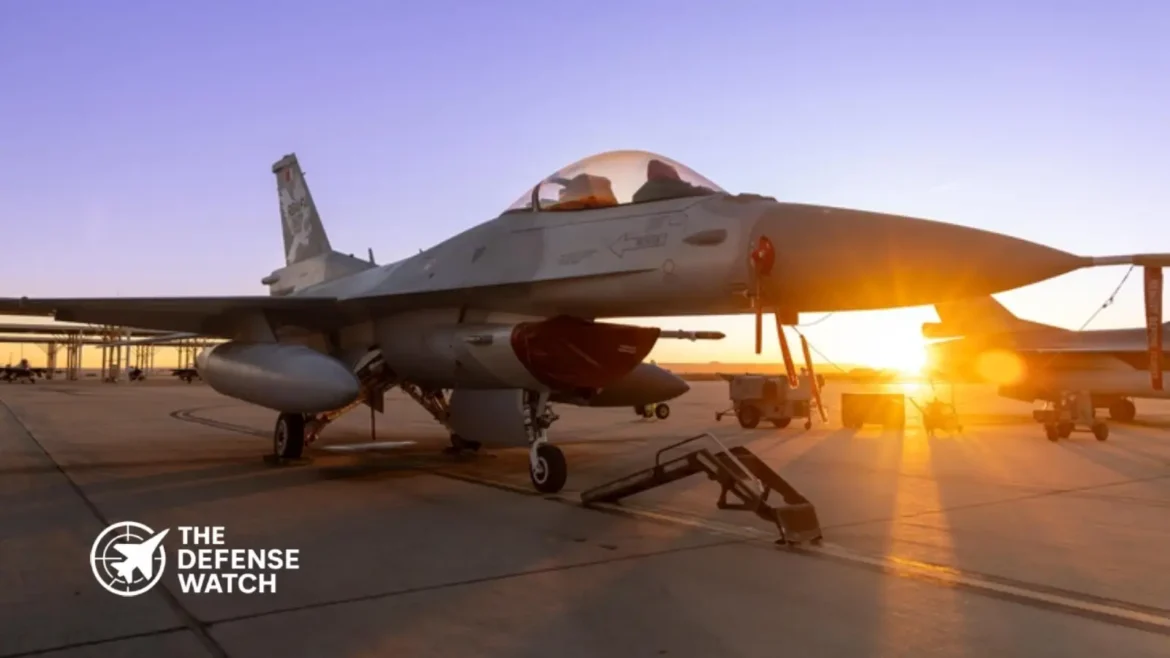
Peru F-16 Block 70 Purchase Signals Major Airpower Shift
Peru F-16 Block 70 acquisition plans could significantly upgrade the country’s air combat capability as Lima explores the purchase of 12 advanced fighter aircraft from Lockheed Martin. The reported proposal would replace aging legacy fleets and give the Peruvian Air Force a modern multirole platform with stronger deterrence value.
KEY FACTS AT A GLANCE- Peru is considering the purchase of 12 F-16 Block 70 multirole fighter aircraft.
- The Block 70 variant includes AESA radar, modern avionics, and extended service life.
- The deal would mark one of Latin America’s most important fighter recapitalization efforts.
- Peru seeks to replace aging Soviet and French-origin combat aircraft fleets.
- A final decision would shape Peru’s airpower posture for decades.
The potential deal reflects a broader trend across Latin America, where several nations are reassessing airpower readiness amid aging fleets, sustainment challenges, and rising operational demands.
The Big Picture
Latin American air forces have long faced delayed modernization due to budget pressure, political turnover, and maintenance costs. Many fleets now rely on aircraft introduced decades ago. That creates readiness gaps in air sovereignty, border patrol, maritime surveillance support, and crisis response.
For Peru, combat aviation remains strategically important. The country has a large territory, Pacific coastline, mountainous geography, and remote regions that require rapid-response air assets. A modern fighter fleet supports both national defense and peacetime security missions.
The proposed Peru F-16 Block 70 move would align Lima with a growing list of nations selecting Western fourth-generation-plus aircraft with lower risk than more expensive fifth-generation options.
What’s Happening
According to reporting cited by Defence Industry Europe, Lockheed Martin outlined Peru’s planned purchase of 12 F-16 Block 70 fighters. No final contract value or delivery schedule has been publicly confirmed.
Peru currently operates mixed legacy fleets including Russian-origin MiG-29 fighters and French Mirage 2000 aircraft. Both types have modernization potential, but long-term sustainment becomes increasingly expensive as fleets age and supply chains tighten.
The F-16 Block 70 package typically includes:
- AN/APG-83 AESA radar
- Advanced mission computer
- Modern cockpit displays
- Precision strike integration
- Improved electronic warfare systems
- Structural life extension up to 12,000 flight hours
Why It Matters
The F-16 remains one of the world’s most widely supported fighter platforms. That matters because aircraft capability alone does not determine readiness. Training pipelines, spare parts access, software upgrades, and weapons integration often decide long-term value.
For Peru, the Peru F-16 Block 70 option could reduce logistical complexity by moving toward a scalable, globally supported platform.
It would also improve interoperability with regional and international partners that already operate the F-16.
Strategic Implications
A successful acquisition would strengthen Peru’s deterrence posture without dramatically altering the regional balance of power. Instead, it would likely be viewed as a normalization step after years of deferred recapitalization.
Modern fighters provide better reaction times, improved sensor range, and stronger survivability. They also allow more effective maritime monitoring over Pacific approaches and faster response to unauthorized air activity.
Competitor View
Regional militaries will likely watch the program through a readiness lens rather than an arms-race lens. Countries operating legacy fleets may see Peru’s move as evidence that sustainment pressure is forcing overdue replacement decisions.
Russia could also view the shift as another example of long-term erosion in legacy Soviet equipment influence within export markets historically open to mixed sourcing.
What To Watch Next
Key indicators now include:
- Government funding approval
- Foreign Military Sales pathway details
- Weapons package selection
- Pilot training arrangements
- Infrastructure upgrades
- Delivery timeline and industrial participation
Capability Gap
Peru needs to close the gap between aging aircraft availability and modern mission demands. Older fleets can remain lethal, but readiness often falls when maintenance hours rise and spare parts become scarce.
The F-16 does not eliminate all challenges. New aircraft require pilot conversion, base upgrades, sustainment funding, and long-term procurement discipline.
The Bottom Line
Peru’s planned F-16 Block 70 purchase would be less about prestige and more about restoring credible, sustainable air combat readiness for the next generation.
L3Harris AERIS X Positioned For Growing Allied Demand
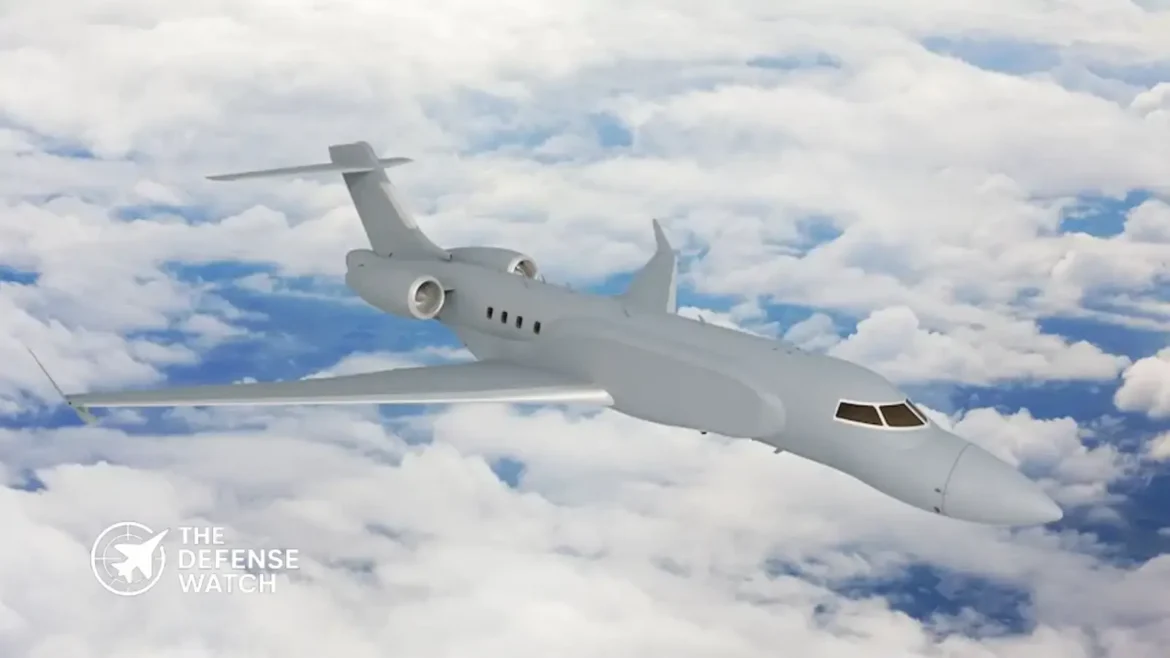
AERIS X aircraft is being highlighted by L3Harris Technologies as allied governments look for faster and more affordable airborne early warning and control capabilities. The company says nations across Europe, the Indo-Pacific, the Middle East, and the Americas are reassessing aging surveillance fleets while regional air threats continue to expand.
KEY FACTS AT A GLANCE- L3Harris is promoting the AERIS X airborne early warning and control aircraft to allied nations.
- The platform is based on the Bombardier Global 6500 business jet airframe.
- Company says the aircraft offers 360-degree AESA radar coverage and lower lifecycle costs.
- Demand is rising as countries seek protection from drones, cruise missiles, and ballistic threats.
- South Korea previously selected an L3Harris AEW&C solution valued above $2.26 billion.
The aircraft is built on the Bombardier Global 6500 business jet platform and is designed to provide airborne surveillance, battle management, and networked command functions. L3Harris argues that smaller missionized business jets can offer quicker delivery timelines and lower sustainment costs than larger legacy warning aircraft.
Why The Market Is Shifting
Many current airborne warning fleets were developed decades ago. Several operators now face maintenance pressure, limited aircraft availability, and expensive modernization programs. That creates an opening for new entrants like AERIS X aircraft.
The company says recent conflicts have shown the need for persistent detection against drones, low-observable threats, cruise missiles, and ballistic missiles. Those lessons are driving renewed interest in aircraft that can remain on station longer while feeding data to fighters, missile defenses, and command centers.
This reflects a broader defense trend. Instead of waiting years for bespoke programs, many governments are now seeking proven systems already near production.
Claimed Capabilities Of AERIS X
According to L3Harris, the platform includes an Active Electronically Scanned Array radar with full 360-degree coverage and improved resistance to jamming. The company also says the jet can operate at higher altitudes and longer ranges than some competing platforms, improving radar horizon and time on mission.
The aircraft is also marketed as suitable for fifth-generation force integration, including data sharing with stealth fighters and coalition assets. For countries investing heavily in advanced combat aircraft, that interoperability pitch is likely central to future sales efforts.
South Korea Selection Boosts Credibility
One of the strongest indicators of market traction came in 2025 when South Korea selected an L3Harris-led AEW&C solution worth more than $2.26 billion. The program will deliver modified Global 6500 aircraft for the Republic of Korea Air Force.
That win matters because South Korea evaluated multiple competitors while facing a demanding regional threat environment. Export customers often view previous international selections as evidence of maturity and reduced program risk.
Strategic Outlook
The push behind AERIS X aircraft highlights how airborne surveillance is evolving. Instead of relying only on large and expensive AWACS-style fleets, more countries may adopt smaller jets with advanced sensors and lower operating costs.
If L3Harris can convert interest into additional contracts, AERIS X could become a serious competitor in the next generation AEW&C market.
Greece C-390 Transport Aircraft Decision Nears
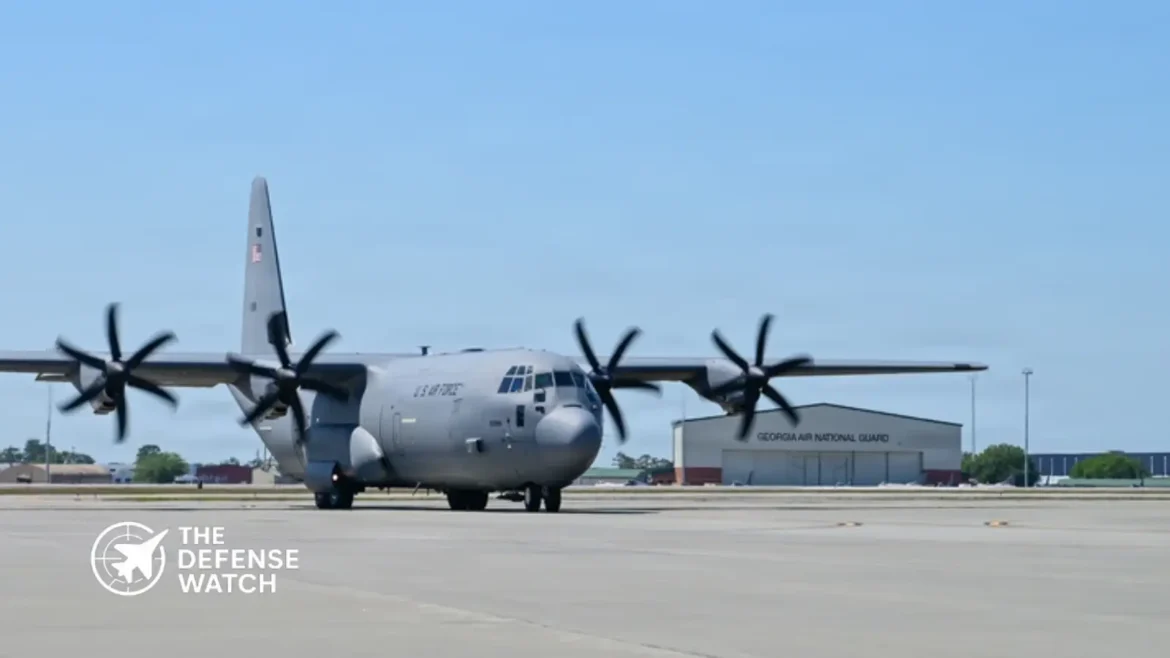
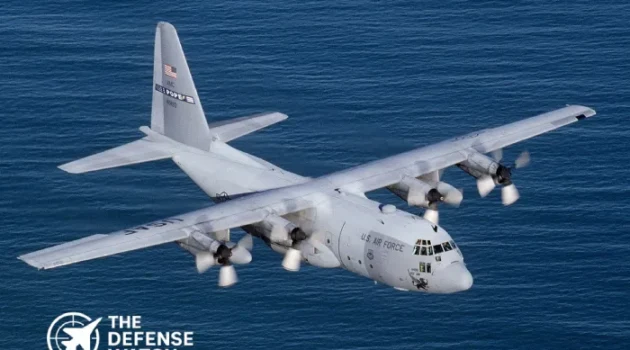
Greece C-390 transport aircraft plans appear to be moving closer to a formal decision as Athens looks to restore strained military airlift capacity. Reports indicate Greece could select up to three Brazilian-built Embraer C-390 Millennium aircraft by May 2026 as a replacement path for parts of its aging C-130 Hercules fleet.
KEY FACTS AT A GLANCE- Greece is reportedly considering an initial purchase of three Embraer C-390 transport aircraft.
- The aircraft would help replace aging U.S.-made C-130 Hercules transports in Greek service.
- Only a limited number of Greek C-130 aircraft have recently remained operational.
- The C-390 offers higher cruise speed, modern avionics, and multi-mission capability.
- A Greek decision would further expand the C-390 footprint across Europe and NATO.
The issue is operational urgency. Greece has long depended on C-130 transports for troop movement, humanitarian response, island resupply, and NATO commitments. But fleet age, maintenance delays, and spare parts challenges have reduced aircraft availability in recent years. Previous reporting indicated only a small number of Greek C-130s were mission ready.
That makes this more than a procurement story. It is a readiness story.
Why The C-390 Is Gaining Ground
The Embraer C-390 Millennium has emerged as a strong global competitor in the medium airlift market once dominated by the Lockheed Martin C-130 Hercules.
The twin-engine jet transport offers:
- Payload capacity around 26 tons
- Faster cruise speed than legacy turboprop rivals
- Troop, cargo, medevac, tanker, and firefighting roles
- Modern fly-by-wire controls and digital avionics
- Compatibility with NATO-style missions and logistics networks
For Greece, speed matters. The country must support dispersed islands, remote garrisons, and rapid contingency movement across the Aegean and Eastern Mediterranean. A faster jet transport can shorten response timelines.
Strategic Meaning For Greece
A Greece C-390 transport aircraft purchase would also signal a broader shift in defense sourcing. Greece remains a major customer of U.S. and European systems, including fighters, helicopters, and naval platforms. Choosing a Brazilian aircraft would show Athens is willing to diversify suppliers when capability and delivery timelines align.
That does not mean abandoning U.S. systems. Instead, it reflects a practical trend seen across Europe, where governments increasingly seek faster acquisition cycles, lower lifecycle cost, and wider industrial partnerships.
Growing European Momentum
The C-390 has already secured customers including Portugal, Hungary, Austria, the Netherlands, Czech Republic, Slovakia, Sweden, and South Korea, helping Embraer build credibility in NATO-aligned markets. Reuters previously reported Austria and the Netherlands formalized a joint nine-aircraft order.
If Greece joins that list, the aircraft’s European presence would deepen further, improving training, sustainment, and interoperability opportunities.
What Happens Next
No official contract has yet been announced by Athens or Embraer. Final timing will depend on budget approvals and defense priorities. But if a May 2026 decision materializes, Greece could move quickly to rebuild a transport fleet that has become increasingly stressed.
For the Hellenic Air Force, replacing old aircraft is not optional forever. It is becoming urgent.
A-10 Warthog Service Extended To 2030
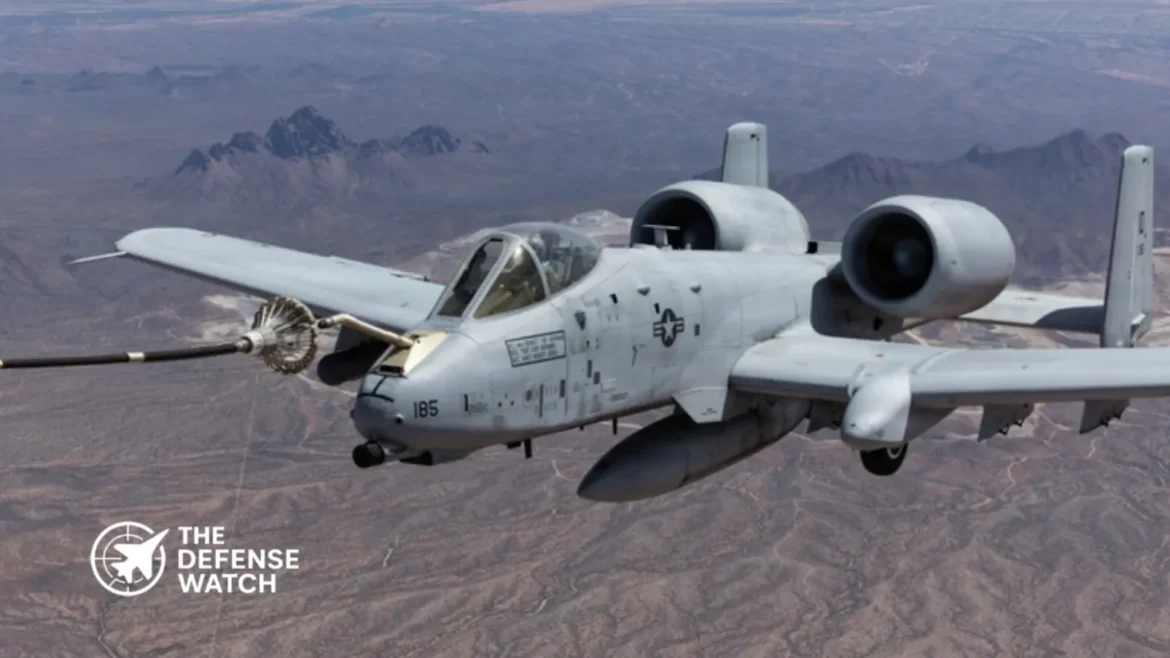
The A-10 Warthog service extended decision marks a major reversal in long-running U.S. Air Force plans to retire the iconic close air support aircraft. Air Force Secretary Troy Meink announced that the A-10 Thunderbolt II fleet will remain in service through 2030, citing the need to preserve combat power while the U.S. defense industrial base increases production of newer aircraft.
¦ KEY FACTS AT A GLANCE- The U.S. Air Force has extended A-10 Warthog service life to 2030.
- The aircraft had previously faced retirement as early as 2026 under earlier plans.
- Officials said the move preserves combat power while aircraft production ramps up.
- A-10 aircraft were recently used in operations linked to the Iran conflict.
- The decision highlights continuing demand for close air support capability.
The move follows renewed operational use of the aircraft during the current Iran conflict, where U.S. Central Command-linked reporting indicated A-10 aircraft were employed in combat missions.
Why The Pentagon Changed Course
For years, the U.S. Air Force argued that the A-10 was aging, costly to maintain, and increasingly vulnerable in highly contested airspace. Service leaders repeatedly sought to retire the aircraft and redirect funding toward newer platforms such as the Lockheed Martin F-35 Lightning II and Boeing F-15EX Eagle II.
But combat realities often shape procurement timelines more than planning documents.
The latest extension suggests the Pentagon still sees value in aircraft that can loiter for long periods, carry heavy ordnance, and provide direct support to ground forces. In lower-to-medium threat environments, the A-10 remains a practical tool even if it is no longer considered ideal for high-end peer conflict.
That distinction matters. The aircraft may not be central to a Pacific war scenario, but it can still be useful in regional conflicts, maritime security operations, convoy protection, and rapid response missions.
Why The A-10 Still Matters
The Fairchild Republic A-10 Thunderbolt II first entered service in the 1970s and was built around its powerful 30mm GAU-8/A cannon. It became famous during the Gulf War and later saw action in Afghanistan, Iraq, and operations against ISIS.
Its strengths remain clear:
- Long loiter time over the battlefield
- Heavy weapons load
- Rugged design and battle damage tolerance
- Strong close air support performance
- Lower operating complexity than some advanced fighters
Critics, however, note that survivability against modern integrated air defense systems remains a serious concern.
Strategic Meaning Behind The 2030 Extension
The extension is also a signal about industrial capacity. U.S. officials specifically tied the move to the need for more combat aircraft production. That implies replacement fleets are not arriving fast enough to fully absorb the A-10 mission set.
In practical terms, Washington appears to be choosing available combat mass over a cleaner retirement schedule.
That is a broader lesson across many air forces today. Legacy aircraft once marked for retirement are staying in service longer because new production, pilot training pipelines, and maintenance transitions take time.
What Comes Next
The A-10 Warthog service extended announcement does not guarantee the aircraft survives beyond 2030. Instead, it likely creates a bridge period while newer aircraft numbers grow and force structure decisions mature.
For now, the Warthog has won another reprieve.
And once again, a combat-tested legacy aircraft has outlasted retirement plans.
L3Harris Red Wolf Could Reshape Light Attack Aircraft Missions
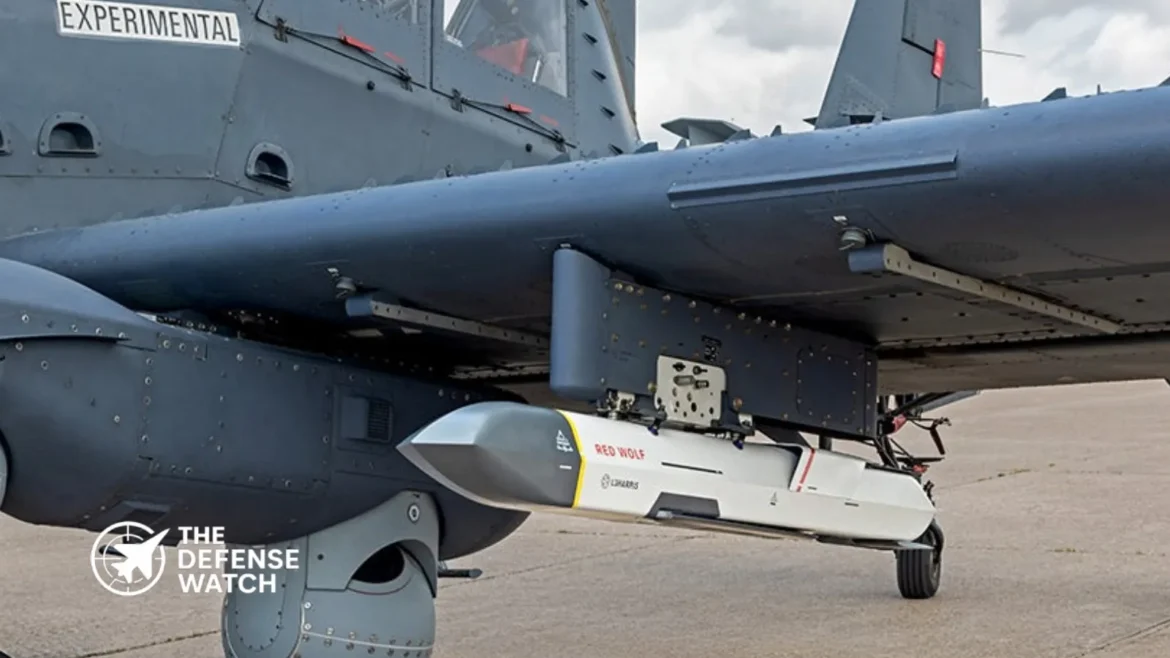
L3Harris Red Wolf integration with a light attack aircraft marks a notable step in how lower-cost platforms may be used in future combat operations. The company recently revealed a successful test fit of its Red Wolf launched effect onto the SKY RAIDER II INTERNATIONAL aircraft, pairing a rugged turboprop aircraft with a modular precision weapon system.
The demonstration suggests a practical shift in military aviation planning. Rather than relying only on expensive fast jets for stand-off strike or electronic warfare tasks, defense forces are increasingly exploring cheaper aircraft able to launch networked munitions, loitering systems, or sensor payloads.
¦ KEY FACTS AT A GLANCE- L3Harris demonstrated a test fit of the Red Wolf launched effect on the SKY RAIDER II INTERNATIONAL aircraft.
- Red Wolf is designed as a kinetic launched effect for long-range precision strike missions.
- The aircraft is optimized for austere operations, remote basing, and long-endurance missions.
- L3Harris says the concept supports special operations forces seeking flexible stand-off options.
- The move reflects wider demand for affordable mass and modular airpower solutions.
That matters because many current conflicts are exposing the limits of using premium aircraft for every mission.
What Is Red Wolf?
According to L3Harris, Red Wolf is part of its launched effects family. It is described as a kinetic platform built for long-range precision strikes. The system is designed for air, land, or maritime launch, giving commanders flexibility across multiple domains.
Launched effects are generally expendable or recoverable systems that can carry sensors, electronic warfare payloads, or warheads. They help extend the reach of manned platforms without forcing aircraft to fly directly into contested airspace.
That concept has become more relevant as modern air defenses grow denser and more mobile.
Why SKY RAIDER II Matters
The SKY RAIDER II INTERNATIONAL is built for operations from rough airstrips and remote locations. It offers long endurance, meaningful payload capacity, and lower operating costs than high-end fighters or bombers.
By combining such an aircraft with Red Wolf, operators could maintain persistent presence over a battlespace while still holding distant targets at risk.
This is especially useful for:
- Special operations support
- Border security missions
- Counterinsurgency operations
- Maritime patrol
- Strike missions in low-to-medium threat areas
- Rapid deployment from austere bases
The Bigger Strategic Trend
The deeper significance is not one aircraft or one munition. It is the shift toward distributed combat aviation.
Western militaries increasingly want fleets that mix elite stealth aircraft with lower-cost systems that can absorb routine missions, carry sensors, and launch smart weapons. That helps preserve scarce fifth-generation assets for the hardest targets.
In practice, a turboprop aircraft carrying launched effects may offer better value in permissive or semi-contested environments than sending an advanced fighter every time.
This also mirrors battlefield lessons from Ukraine, the Middle East, and Red Sea operations, where mass, persistence, and affordability matter alongside raw performance.
Competitive Implications
L3Harris is positioning itself in a growing niche between traditional combat aircraft and unmanned systems. If customers accept the concept, competitors may push similar integrations on trainer aircraft, ISR turboprops, or unmanned platforms.
That could open export demand among nations needing credible strike reach without the budget for top-tier jets.
Outlook
The Red Wolf and SKY RAIDER II pairing remains a demonstration rather than a confirmed production program. Still, it signals where procurement thinking is heading: modular weapons, flexible aircraft, lower cost, and faster fielding.
For many air forces, the future may not be choosing between fighters or drones. It may be building force mixes where each platform carries networked effects tailored to the mission.