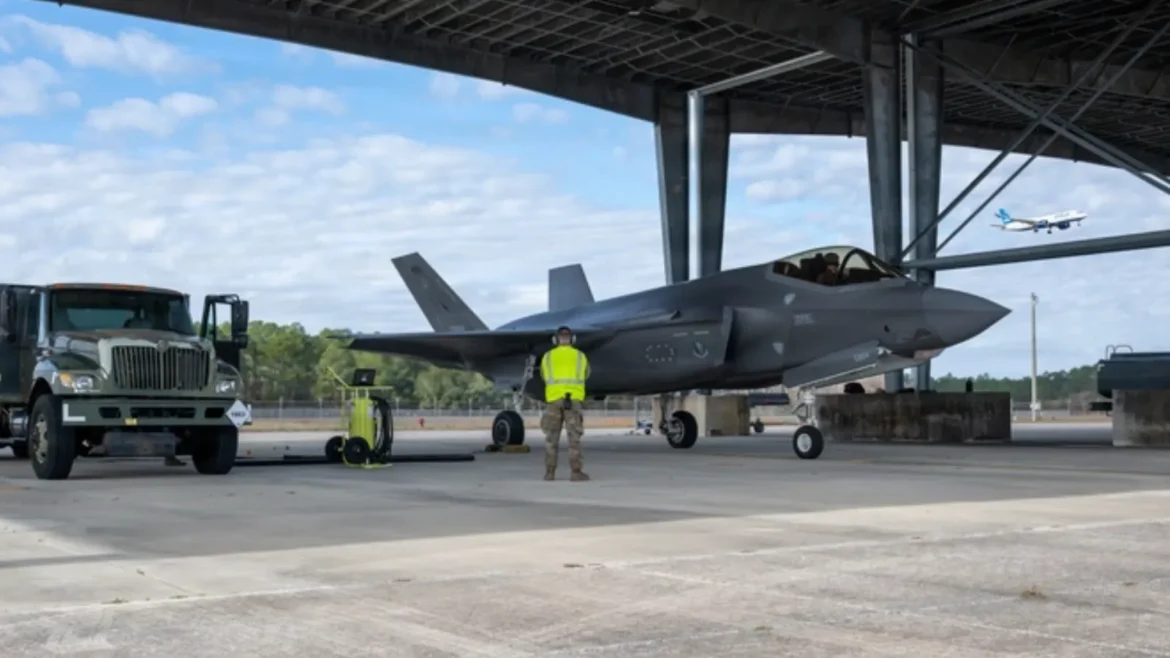
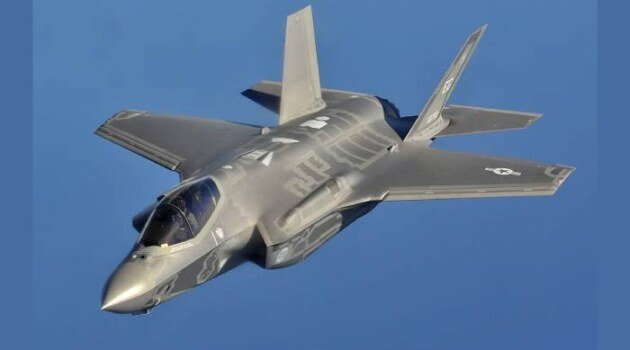
Lockheed Martin has received a 47.7 million dollar contract modification to continue work on F 35 ALIS and ODIN modernization, reinforcing long term efforts to improve sustainment, mission data, and fleet readiness across the global F 35 enterprise. The award reflects the US Navy and joint program office focus on modernizing digital infrastructure that supports the world’s largest fifth generation fighter fleet.
The modification was issued by Naval Air Systems Command and expands an existing contract vehicle to support continued development, integration, testing, and delivery of the Autonomic Logistics Information System and its replacement, the Operational Data Integrated Network.
Contract details and scope
The modification, identified as P00007 under contract N0001920D0007, increases the contract ceiling by 47,753,808 dollars. It supports a cost plus fixed fee, level of effort, indefinite delivery indefinite quantity structure. No funding was obligated at the time of award, with funds to be released through individual task orders as work progresses.
According to the award notice, the effort covers ongoing development, installation, integration, testing, training, and delivery activities for both ALIS and ODIN. The scope also includes new capability development and updates to existing software, ensuring continuity of support during the transition period between the two systems.
Work will be performed primarily in Orlando, Florida, accounting for 95 percent of the effort, with the remaining 5 percent in Fort Worth, Texas. The work is scheduled for completion in December 2026.
Why ALIS to ODIN matters for the F 35
ALIS has long served as the backbone of F 35 sustainment, managing maintenance data, parts tracking, mission planning, and training support. However, the system has faced persistent criticism from operators and maintainers for reliability issues, slow performance, and limited flexibility.
ODIN was introduced to address those challenges by adopting modern information technology practices. It is designed to be lighter, faster, more secure, and easier to update. ODIN relies on cloud based architecture, open systems, and continuous software delivery models that better align with how modern military networks operate.
This contract modification continues the ALIS to ODIN re architecture effort, ensuring that legacy functions remain supported while new ODIN capabilities are fielded across the fleet.
Support across US services and partners
The contract explicitly supports the US Air Force, Marine Corps, and Navy, as well as Foreign Military Sales customers and F 35 Cooperative Program Partners. This highlights the global nature of the F 35 program and the need for a common logistics and mission data framework that works across different services and nations.
More than a dozen allied countries operate or have ordered the F 35, making ODIN a critical enabler for coalition operations, shared sustainment, and data interoperability. Ensuring consistent software standards and secure data handling across partners is a core requirement for the program.
Orlando and Fort Worth roles
Orlando, Florida, has become a major hub for F 35 sustainment and training software development. Lockheed Martin’s facilities there focus on mission systems, logistics software, and simulation technologies. The heavy concentration of work in Orlando aligns with that role.
Fort Worth, Texas, remains the center of F 35 production and overall program management. The smaller share of work there reflects integration and oversight functions tied directly to the aircraft manufacturer.
Contracting approach and competition
The Navy confirmed that the contract action was not competed. This is typical for highly specialized F 35 software and sustainment work, where Lockheed Martin is the original system developer and holds unique technical data and integration authority.
Naval Air Systems Command at Patuxent River, Maryland, serves as the contracting activity, acting on behalf of the joint program office and participating services.
Broader modernization context
The ALIS to ODIN transition is part of a wider push by the Department of Defense to modernize software acquisition and sustainment. Programs are increasingly adopting agile development, modular architectures, and continuous updates rather than large, infrequent software releases.
For the F 35, this shift is especially important. The aircraft relies heavily on software for sensor fusion, electronic warfare, mission planning, and sustainment. Modernizing the digital backbone that supports the jet is seen as essential to maintaining combat readiness and controlling long term operating costs.
ODIN is also expected to better support future upgrades, including Block 4 capabilities, by reducing the time and complexity required to push new software and mission data to the fleet.
What comes next
With the contract now extended through late 2026, Lockheed Martin will continue fielding ODIN capabilities while sustaining ALIS where still required. The parallel approach is intended to minimize operational disruption as units transition to the new system.
The pace of ODIN deployment will remain closely watched by Congress, operators, and partner nations, given the system’s direct impact on aircraft availability and maintenance efficiency.
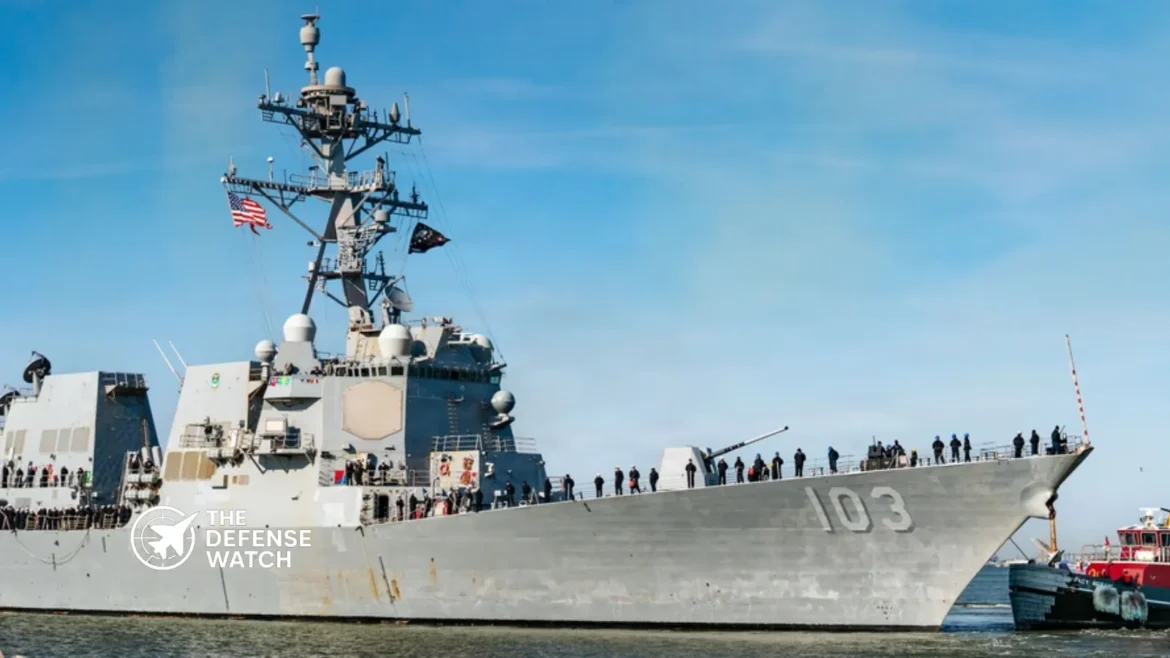
Lockheed Martin has secured a major Navy electronic warfare contract tied to the Surface Electronic Warfare Improvement Program Block Two, reinforcing its role in U.S. naval self defense modernization. The 249 million dollar award covers long term spares, repairs, engineering services, and depot stand up support for Electronic Support and Anti Ship Missile Defense integration across the fleet.
(adsbygoogle = window.adsbygoogle || []).push({});The contract was awarded on February 3, 2026, and announced through official U.S. Navy contracting channels. Naval Surface Warfare Center Crane in Indiana is the contracting activity.
Contract scope and value
The agreement is structured as a mix of cost plus fixed fee and firm fixed price elements under an indefinite delivery indefinite quantity framework. Lockheed Martin will provide lifecycle support for SEWIP Block Two systems, including spare parts, repair services, engineering assistance, and depot stand up activities.
The total ceiling value is 249 million dollars. Initial Fiscal Year 2025 Navy other procurement funds totaling 344,788 dollars were obligated at the time of award. None of those funds expire at the end of the current fiscal year, indicating multi year planning stability.
Work will be performed in Liverpool, New York, home to Lockheed Martin Rotary and Mission Systems electronic warfare operations. Contract performance is expected to continue through February 2031.
SEWIP Block Two and fleet protection
The Surface Electronic Warfare Improvement Program is the U.S. Navy’s primary effort to modernize shipboard electronic warfare capabilities. Block Two focuses on enhanced electronic support measures designed to detect, identify, and classify enemy emitters, with a specific emphasis on countering Anti Ship Missile threats.
SEWIP Block Two systems form a critical layer of the Navy’s soft kill defense architecture. By improving situational awareness and electronic surveillance, the system supports earlier threat detection and cueing for other defensive measures. According to U.S. Navy program documentation, SEWIP upgrades are intended to keep pace with increasingly complex and agile missile seekers.
Sole source justification
The Navy awarded the contract on a sole source basis under Title 10 U.S. Code Section 3204 subsection a paragraph one. This authority applies when only one responsible source can meet agency requirements and no other supplies or services will satisfy mission needs.
Lockheed Martin is the original designer and integrator of SEWIP Block Two electronic support capabilities. Navy officials cited system design knowledge, technical data ownership, and integration experience as key factors supporting the sole source decision. The contract was not competitively procured through the System for Award Management website.
Strategic importance for naval modernization
Electronic warfare has become a core element of U.S. naval survivability as peer and near peer adversaries field more capable Anti Ship Missile systems. Investments in programs like SEWIP Block Two reflect a broader Pentagon emphasis on electromagnetic spectrum dominance.
(adsbygoogle = window.adsbygoogle || []).push({});Defense budget documents and Congressional Research Service reporting consistently highlight ship self defense and electronic warfare as high priority modernization areas. The latest award ensures sustained support for deployed systems while enabling future upgrades as threat environments evolve.
Lockheed Martin role in naval electronic warfare
Lockheed Martin remains one of the Navy’s principal industry partners for electronic warfare and combat system integration. Through its Rotary and Mission Systems division, the company supports surface combatants, submarines, and joint force platforms with sensors, mission systems, and electronic protection technologies.
The Liverpool, New York facility has long served as a hub for maritime electronic warfare development and sustainment. This contract further solidifies that site’s role in supporting front line Navy operations.
What comes next
With funding now in place, Lockheed Martin and the Navy will continue depot stand up activities and long term sustainment planning. As SEWIP Block Two remains a baseline capability across multiple ship classes, ongoing engineering support will be essential to maintain readiness and adapt to emerging missile threats through the end of the decade.

Lockheed Martin Brings Advanced Defense Technology to World Defense Show 2026
Lockheed Martin will present advanced defense technology and expanded Saudi partnerships at the World Defense Show 2026 in Riyadh, reinforcing its multi-domain capabilities and long-standing industrial ties with the Kingdom of Saudi Arabia.
(adsbygoogle = window.adsbygoogle || []).push({});In official statements and briefings ahead of the event, the U.S. defense and aerospace company said its showcase will focus on next-generation systems, industrial collaboration, and workforce development aligned with Saudi Vision 2030 goals.
Long-standing US-Saudi Defense Partnership
Lockheed Martin’s relationship with Saudi Arabia spans more than 60 years, beginning with the delivery of the first C-130 Hercules transport aircraft in 1965. Over time, collaboration has grown into a broad, multi-domain partnership covering air, land, sea, space, and cyber domains.
Brigadier General (Retired) Joseph Rank, chief executive for Lockheed Martin in Saudi Arabia and Africa, described the partnership as one built on mutual trust, shared goals, and enduring capability development.
At WDS 2026, Lockheed Martin said it will show how advanced technologies and industrial collaboration boost operational readiness and support resilient defense ecosystems in both Saudi Arabia and the United States.
What Lockheed Martin Will Present
At the Riyadh show, Lockheed Martin plans to showcase core platforms and technological demonstrations, including:
• F-35 Lightning II features and cockpit demonstrations for invited guests, highlighting sensor fusion and data integration.
• AI-enabled CommandIQ command and control mission suite that integrates operations across multiple domains while maintaining operational control and sovereignty.
• Advanced sensors, missile defense capabilities such as THAAD and PAC-3 systems, and a range of Sikorsky aircraft and networked solutions.
The company will also highlight progress in local manufacturing with Saudi partners, workforce training programs, and efforts to strengthen supply chain resilience.
Industrial Collaboration and Localization
Industrial partnerships with Saudi entities are a key part of Lockheed Martin’s presence at World Defense Show 2026. The company is working with the General Authority for Military Industries (GAMI) and Saudi Arabian Military Industries (SAMI) on expanded manufacturing, local supply chain integration, and advanced aerospace production.
Recent milestones include local production of key Terminal High Altitude Area Defense (THAAD) launcher components with AIC Steel in Saudi Arabia, supporting Saudi Vision 2030 objectives for increased localization of defense production.
In parallel with manufacturing efforts, Lockheed Martin opened a software factory in Riyadh in January 2026 to build sovereign software applications and strengthen in-Kingdom digital talent. The facility supports development of interoperable command-and-control systems and will train Saudi engineers in advanced software and enterprise technologies.
Strategic Context at World Defense Show 2026
The World Defense Show serves as a platform for international defense companies and host-nation partners to connect, share expertise, and showcase innovation. The 2026 edition, scheduled for February 8-12 in Riyadh, is expected to draw global delegations and focus on multi-domain integration and Saudi industrial growth.
(adsbygoogle = window.adsbygoogle || []).push({});Organizers have highlighted enhanced features at this year’s show, such as dedicated zones for supply chain development, unmanned systems, and new networking programs, all aligned with Saudi Vision 2030’s push for defense sector localization.
US-Saudi Defense Ties in a Wider Context
Lockheed Martin’s participation at World Defense Show 2026 comes amid broader US-Saudi defense cooperation, which includes recent arms sales such as the proposed $9 billion Patriot missile sale with Lockheed Martin as principal contractor.
These ongoing industrial and technology partnerships reflect a deepening of strategic ties between the United States and Saudi Arabia, and underscore shared interest in regional stability, capability development, and innovation.

Seven Decades of Silent Strength Beneath the Waves
The Fleet Ballistic Missile program celebrated a landmark 70th anniversary in February 2025, marking seven decades since Lockheed Martin began developing the U.S. Navy’s sea-based nuclear deterrent capability. From the first Polaris missile launch in 1960 to today’s advanced Trident II D5 Life Extension systems, this program represents the most survivable leg of America’s nuclear triad.
(adsbygoogle = window.adsbygoogle || []).push({});According to Eric Scherff, vice president of Lockheed Martin’s Fleet Ballistic Missile Program, the milestone reflects decades of innovation and partnership. The program has evolved through six missile generations while maintaining its core mission: providing an undetectable strategic deterrent that prevents conflict through strength.
From Cold War Genesis to Modern Deterrence
In 1955, Chief of Naval Operations Admiral Arleigh Burke tasked Rear Admiral William “Red” Raborn with developing a nuclear deterrent capable of surviving a surprise attack. The solution required unprecedented breakthroughs in propulsion, guidance, and underwater launch technology.
Lockheed Aircraft Company won the contract in December 1955. Within five years, engineers achieved what many considered impossible: the USS George Washington successfully launched the first Polaris missile from beneath the ocean’s surface in 1960, according to U.S. Navy Strategic Systems Programs historical records.

This breakthrough established Lockheed’s permanent missile development campus in Sunnyvale, California. The facility network has since expanded nationwide to support continuous innovation in strategic deterrence systems.
Six Generations of Technological Evolution
The Fleet Ballistic Missile program has delivered progressive capability enhancements across six distinct missile families:
Polaris A1 introduced the foundational submerged launch capability that defined submarine-based deterrence.
Polaris A3 added multiple reentry vehicles, enabling single missiles to engage multiple targets and complicating adversary defense planning.
Poseidon C3 improved accuracy while increasing warhead capacity, extending strategic reach during the Cold War era.
Trident I C4 provided global strike capability through enhanced range, eliminating geographic limitations on patrol areas.
Trident II D5 delivered unprecedented precision and power, establishing a new standard for submarine-launched ballistic missiles.
Trident II D5 Life Extension (D5LE) upgraded avionics and electronics to extend operational service into the 2040s while maintaining system reliability.
Each generation pushed technological boundaries while building upon proven design principles established in earlier systems.
Current Development and Future Capabilities
Lockheed Martin is currently leading development of the Trident II D5 Life Extension 2 (D5LE2) missile and the next-generation Mk7 reentry system. In January 2025, the U.S. Navy awarded Lockheed Martin a $383 million contract for D5LE2 development work, according to Department of Defense contract announcements.
These upgrades will sustain the Fleet Ballistic Missile mission through the 2080s, ensuring continuous deterrence capability for future generations. The D5LE2 program incorporates digital engineering tools, model-based systems engineering, and advanced verification methods that were unavailable during earlier development cycles.
(adsbygoogle = window.adsbygoogle || []).push({});Scherff compared the current development environment to the program’s 1955 origins, noting similar pressures to innovate rapidly while meeting demanding performance requirements.
Engineering Legacy Spans Decades
Charlie Barndt, who joined the Fleet Ballistic Missile program in 1967 as a lead engineering training instructor, has witnessed the evolution from hand-drawn designs to digital twin development. His career progression included concept design, subsystem architecture, and safety analysis leadership.
Barndt highlighted collaboration with the United Kingdom’s Ministry of Defense on the D5 Performance Evaluation Missile upgrade as demonstrating how shared technical standards strengthen international partnerships. The project improved propulsion engine management performance while reinforcing mission safety protocols.

The transition from manual design methods to digital engineering tools enabled unprecedented precision in system verification. However, according to Barndt, the fundamental discipline of designing for longevity and survivability remains unchanged across seven decades of development.
Strategic Relevance in Contemporary Security Environment
The 2025 strategic landscape presents different challenges than the Cold War era. Potential adversaries are modernizing nuclear forces, developing hypersonic weapons, expanding submarine fleets, and investing in cyber capabilities targeting command and control networks, according to recent Department of Defense assessments.
Fleet Ballistic Missile submarines operate globally with near-perfect concealment, forcing adversaries to account for threats they cannot detect or track. This characteristic makes submarine-based deterrence uniquely valuable in contemporary security planning.
Scherff emphasized that the system’s effectiveness derives from preventing conflict rather than prosecuting it. The inability of adversaries to locate or neutralize submarine-based strategic capabilities maintains deterrence stability during periods of international tension.
Workforce Development and Program Culture
Haley Bloom, a member of the Program Relations, Engagement & Planning team, focuses on strengthening connections across the Fleet Ballistic Missile workforce. Her responsibilities include new employee onboarding, stakeholder engagement, and employee morale initiatives.
Bloom described the New Employee Experience program as critical for integrating personnel into the program’s mission culture. Effective onboarding helps new team members understand both their technical responsibilities and the strategic significance of their work.
She identified clear communication and transparency as foundational elements of the enduring partnership between Lockheed Martin and the U.S. Navy. Open sharing of technical challenges and collaborative problem-solving strengthens trust between government and industry partners.
Industrial Base and Partnership Network
The Fleet Ballistic Missile program relies on an extensive network of industry partners beyond Lockheed Martin’s direct workforce. Component manufacturers, advanced materials specialists, and software developers contribute specialized expertise that ensures each missile meets rigorous performance standards.
This distributed industrial base amplifies engineering capabilities while maintaining quality control across complex supply chains. The partnership model has proven resilient through multiple generational transitions and technological disruptions.
(adsbygoogle = window.adsbygoogle || []).push({});According to Scherff, supplier relationships developed over decades provide continuity that supports system reliability. Proven manufacturing processes and quality assurance protocols established in earlier programs inform current development efforts.
Testing and Validation Infrastructure
Lockheed Martin operates dedicated testing and development facilities nationwide that support Fleet Ballistic Missile validation requirements. Recent infrastructure investments include modern facilities designed to accommodate D5LE2 testing protocols and future system upgrades.
These facilities conduct environmental testing, propulsion system validation, guidance system verification, and integrated system demonstrations. Each flight test serves as both capability proof and operational readiness confirmation.
The testing regime ensures that missiles deployed aboard submarines meet specification requirements under operational conditions. This validation process has maintained fleet confidence in system reliability across six missile generations.
Digital Transformation and Model-Based Engineering
The transition to digital engineering tools represents a fundamental shift in how Fleet Ballistic Missile systems are designed and validated. Model-based systems engineering enables engineers to simulate system performance across operational scenarios before physical hardware production.
Digital twin technology creates virtual representations of missile systems that support predictive maintenance planning and performance optimization. These tools reduce development timelines while improving design fidelity compared to traditional methods.
Artificial intelligence applications support verification processes by identifying potential failure modes that might escape manual analysis. However, human expertise remains central to safety-critical decision-making throughout the development lifecycle.
International Cooperation and Technology Sharing
The United Kingdom operates Trident II D5 missiles aboard Vanguard-class submarines as part of its strategic deterrent capability. This arrangement demonstrates how Fleet Ballistic Missile technology supports allied deterrence postures beyond U.S. forces.
Technical cooperation with the UK Ministry of Defense includes shared testing protocols, common maintenance procedures, and collaborative upgrade planning. This partnership leverages combined resources to maintain system effectiveness for both nations.
(adsbygoogle = window.adsbygoogle || []).push({});The arrangement exemplifies NATO interoperability principles applied to strategic weapons systems. Shared technology standards facilitate combined operations while maintaining independent national command authorities.
Seventy Years of Peace Through Strength
The Fleet Ballistic Missile program has operated continuously since 1955 without ever requiring operational missile launch. This record validates the deterrence theory that guided Admiral Burke’s original requirement: credible capability prevents conflict more effectively than demonstrated use.
Each successful test launch reinforces adversary awareness that submarine-based strategic forces remain ready and capable. The system’s effectiveness derives from being designed to be seen as a capability but never employed in combat.
Scherff characterized the program as an insurance policy that has protected American security interests for seven decades. The upcoming D5LE2 generation will extend this legacy of deterrence stability well into the 21st century.
According to Lockheed Martin officials, the company remains committed to supporting the U.S. Navy’s strategic deterrence mission for the next 60 years with the same dedication that has defined the program’s first seven decades.
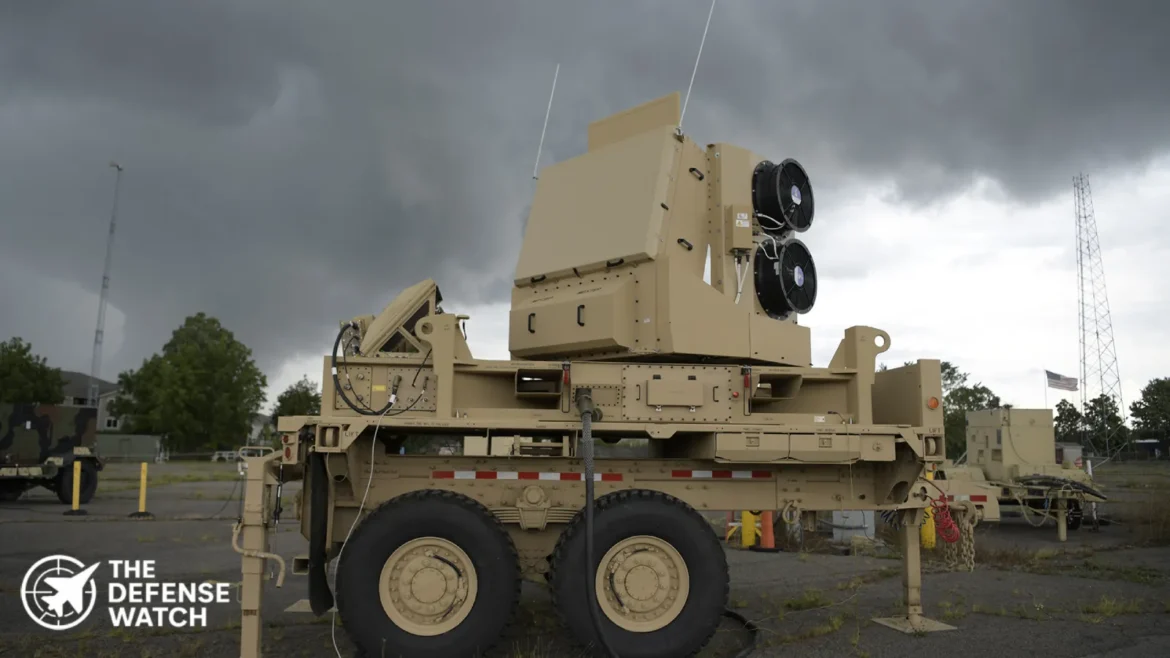
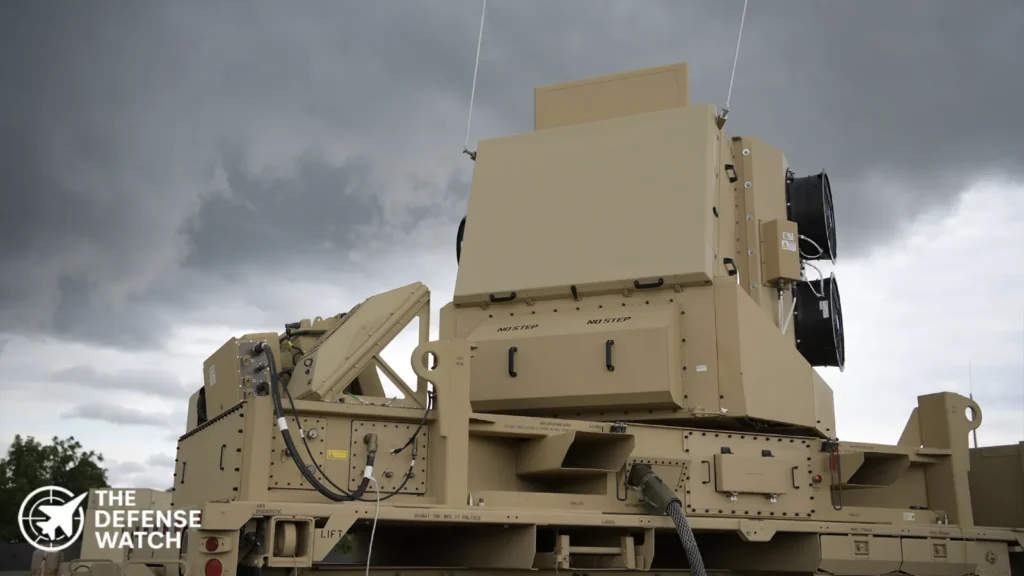
Lockheed Martin has delivered the first Sentinel A4 radar from the second Low-Rate Initial Production (LRIP 2) batch to the U.S. Army, advancing the program closer to full-rate production of the next-generation air defense sensor.
(adsbygoogle = window.adsbygoogle || []).push({});What Was Delivered and Why It Matters
The U.S. Army received the first of 19 Sentinel A4 radars built under LRIP 2 on February 2, 2026. This delivery follows the company’s earlier production deliveries and completes the first phase of Initial Operational Test and Evaluation (IOT&E).
Army and industry officials describe the milestone as critical in fielding a modern, 360-degree active electronically scanned array (AESA) radar designed to detect and track a wide range of aerial threats. These include unmanned aerial systems (UAS), cruise missiles, helicopters and fixed-wing aircraft.
The Sentinel A4 is expected to replace the legacy Sentinel A3 radar and integrate with existing Army command and control networks such as Forward Area Air Defense Command and Control (FAAD-C2). This integration aims to improve layered air defense situational awareness across units.
Program Background and Capabilities
The Sentinel A4 radar (designated AN/MPQ-64A4) is a next-generation ground-based sensor developed by Lockheed Martin for the U.S. Army’s air and missile defense architecture. It employs a digital AESA design, offering greater range and sensitivity than the preceding A3 variant.

Image Source : lockheedmartin According to Lockheed Martin materials, Sentinel A4 delivers full 360-degree coverage with high-resolution tracking and can operate in complex environments. It is designed to detect and classify threats such as UAS, cruise missiles, rotary wing aircraft, artillery, rockets and mortars.
The radar’s open architecture enables interoperability with existing and future command and control networks, helping commanders make rapid decisions in contested environments.
Testing and Integration Work
During the first phase of IOT&E, Sentinel A4 was integrated with FAAD-C2 systems to validate its interoperability and performance in realistic operational scenarios. Continued testing will support refinement of tactics and readiness for broader deployment.
(adsbygoogle = window.adsbygoogle || []).push({});Further deliveries from LRIP 2 will continue through Army fielding plans and are expected to support additional testing and operator familiarization ahead of a full-rate production decision later in 2026.
Broader Army Air Defense Context
The Sentinel A4 program is part of the Army’s wider air and missile defense modernization effort, which includes integration with the Integrated Air and Missile Defense Battle Command System (IBCS) and other sensors and effectors.
(adsbygoogle = window.adsbygoogle || []).push({});Recent reports indicate planned deployments of Sentinel A4 radars to defend critical infrastructure, including in the National Capital Region, highlighting the system’s role in homeland air defense.
What Comes Next
As the Army moves through LRIP deliveries and operational testing, the focus will be on data collection, performance validation and preparing units for fielding. Industry and service officials aim for a full-rate production decision later this year as part of the radar’s transition from test units to operational capability.

U.S. Awards Major Infrared Sensor Contract to Strengthen Taiwan Air Defense
The United States government has awarded Lockheed Martin a $328.5 million Foreign Military Sales (FMS) contract for the production and delivery of advanced infrared sensor systems to the Taiwan Air Force, the defense contractor announced February 2, 2026. The contract marks Taiwan as the first international partner to receive Lockheed Martin’s Legion-ES configuration of the IRST21 infrared search-and-track system.
The Legion-ES system represents a critical enhancement to Taiwan’s air defense capabilities, providing F-16 fighter aircraft with passive detection technology capable of tracking airborne threats at extended ranges without emitting detectable signals. According to the company’s announcement, the low-profile sensor system is specifically designed for integration with F-16 platforms to complement existing aircraft performance.
Advanced Passive Sensing Technology
The IRST21 Legion-ES is a long-wave infrared system that passively detects and tracks airborne targets without the use of active radar emissions. This passive capability offers significant tactical advantages in contested airspace, allowing pilots to detect threats while maintaining a lower electromagnetic signature that reduces the risk of detection by adversary systems.
“This award marks an important milestone as Taiwan becomes the first international partner to receive the Legion-ES IRST21 configuration,” said Cristin Stengel, program director for Lockheed Martin IRST21. This system will bring advanced passive sensing capability to strengthen situational awareness, accelerate decision-making and support our allied air forces.”
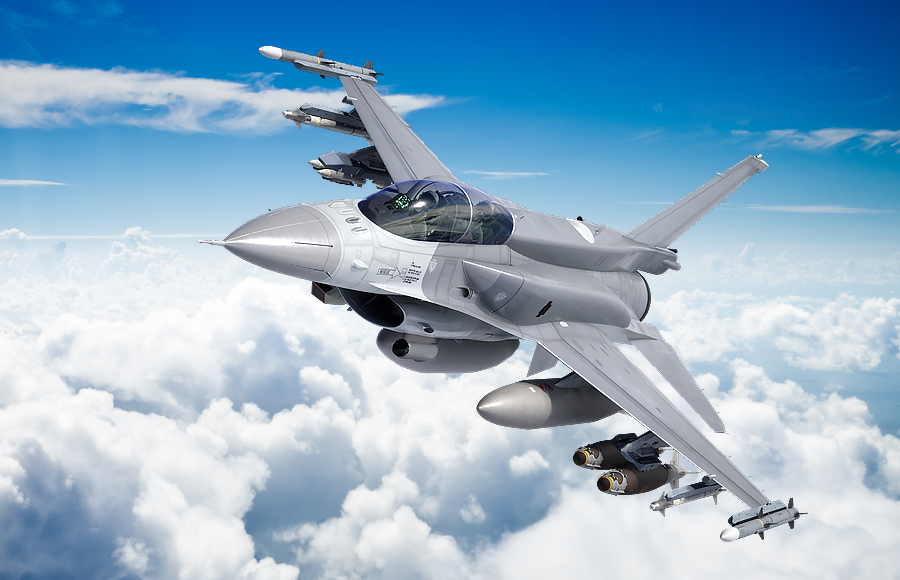
The system’s embedded and fully integrated design provides critical technology to detect and track airborne threats with high accuracy, directly increasing pilot reaction time and enhancing survivability for Taiwan’s fighter fleet. The integration with F-16 aircraft aligns with Taiwan’s existing fighter inventory, which includes both legacy F-16A/B Block 20 aircraft and newer F-16V Block 70/72 variants acquired through previous FMS agreements.
Proven Track Record
Lockheed Martin’s infrared search-and-track systems have accumulated more than 300,000 combined flight hours across various platforms, demonstrating operational reliability and effectiveness. The Legion-ES configuration builds on this extensive operational heritage while incorporating advanced sensor technology specifically optimized for the F-16 platform.
The system’s passive detection capability is particularly valuable in modern air combat scenarios where electronic warfare and radar warning receivers have become increasingly sophisticated. By detecting targets through their infrared signatures rather than relying on active radar emissions, the Legion-ES allows pilots to maintain situational awareness while operating in electromagnetic silence.
Strategic Context
The contract award comes amid ongoing U.S. efforts to strengthen Taiwan’s defensive capabilities in the face of growing regional security challenges. Taiwan has been modernizing its air force through multiple acquisition programs, including the procurement of 66 new F-16V Block 70/72 aircraft announced in 2019, representing an $8 billion deal that marked the first new fighter sale to Taiwan in decades.
The addition of advanced infrared sensor technology enhances the effectiveness of Taiwan’s fighter fleet without requiring new aircraft platforms. The Legion-ES system provides capabilities that complement existing onboard radar systems, creating a multi-sensor approach to threat detection and tracking that improves overall mission effectiveness.
Taiwan operates approximately 140 F-16 aircraft, including upgraded F-16V variants that feature active electronically scanned array (AESA) radar and modernized avionics. The integration of Legion-ES sensors will provide these aircraft with enhanced detection capabilities, particularly against advanced aircraft that employ stealth characteristics or operate in electronic warfare environments.
Foreign Military Sales Process
The Foreign Military Sales program enables U.S. allies and partners to purchase defense equipment through the U.S. government, with the Department of Defense managing the acquisition process. FMS agreements undergo congressional notification procedures and receive approval from multiple U.S. government agencies before contracts are awarded to defense contractors.
The $328.5 million contract value includes the production and delivery of multiple Legion-ES sensor systems, along with associated support equipment and technical services. Lockheed Martin’s Missiles and Fire Control division, headquartered in Orlando, Florida, serves as the prime contractor for the IRST21 program.
Regional Implications
The technology transfer represents confidence in Taiwan as a security partner and demonstrates U.S. commitment to supporting Taiwan’s defensive capabilities through access to advanced military technology. The Legion-ES system will provide Taiwan’s air force with capabilities comparable to those employed by U.S. forces, improving interoperability and shared operational concepts.
Regional security analysts note that enhanced air defense capabilities contribute to overall deterrence by improving the defensive posture of U.S. allies and partners. The passive detection capability provided by infrared search-and-track systems is particularly valuable in scenarios involving advanced aircraft that may employ reduced radar cross-sections or operate in support of electronic attack platforms.
System Integration and Delivery
Lockheed Martin has not disclosed specific delivery timelines for the Legion-ES systems under the new contract. However, FMS programs typically involve multi-year delivery schedules that coordinate with recipient nation training programs and integration planning. The company’s production facilities and integration teams will work with Taiwan’s air force to ensure successful fielding of the new capability.
The embedded design of the Legion-ES system simplifies integration compared to podded infrared search-and-track systems, reducing aerodynamic drag and preserving weapon station availability. This configuration advantage makes the Legion-ES particularly well-suited for the F-16 platform, which benefits from maintaining its full complement of external stores stations for weapons and fuel tanks.
Technology Leadership
Lockheed Martin’s development of the IRST21 family of sensors positions the company as a leader in passive detection technology for fighter aircraft. The Legion-ES configuration joins other IRST21 variants, including systems designed for different aircraft platforms and operational requirements. The company’s investment in infrared sensor technology addresses growing demand for passive detection capabilities as electromagnetic spectrum operations become increasingly contested.
The more than 300,000 flight hours accumulated by Lockheed Martin infrared systems provide extensive operational data that informs continued system refinement and capability enhancement. This operational heritage gives customers confidence in system reliability and performance under real-world operational conditions.
Broader Defense Relationship
The contract award adds to the substantial defense relationship between the United States and Taiwan, which has seen multiple major equipment sales in recent years. Beyond fighter aircraft and sensors, U.S. defense sales to Taiwan have included air defense systems, naval platforms, precision munitions, and support services that collectively enhance Taiwan’s defensive capabilities across multiple domains.
The Legion-ES contract demonstrates that defense cooperation extends beyond platform sales to include advanced subsystems and technologies that enhance the effectiveness of existing equipment. This approach allows Taiwan to maximize the capability of its current inventory while preparing for future modernization requirements.
The Foreign Military Sales framework provides structured processes for technology transfer, training, and sustainment support that help ensure successful integration of new capabilities. Lockheed Martin will work through established FMS channels to deliver the Legion-ES systems and provide associated support services.
Industry Perspective
For Lockheed Martin, the Taiwan contract represents the first international sale of the Legion-ES configuration and validates the system’s appeal to U.S. allies seeking advanced air defense capabilities. International sales help support production lines and reduce per-unit costs while expanding the customer base for continued system development and enhancement.
The defense contractor’s Missiles and Fire Control division has developed a robust portfolio of sensor systems, precision weapons, and fire control technologies that serve customers worldwide. The IRST21 family of products represents a key capability area that addresses persistent demand for advanced detection systems.
As regional security dynamics evolve and air defense requirements become more complex, passive detection capabilities like those provided by the Legion-ES system are expected to see continued demand from U.S. allies and partners operating F-16 aircraft and other compatible platforms.
The contract award underscores the strategic importance of sensor technology in modern air combat and highlights the role of Foreign Military Sales in strengthening defense partnerships through access to advanced U.S. military technology.


Lockheed Martin Completes First Multi-Aircraft F-16 Flight With Sniper Networked Targeting Pod
Lockheed Martin has successfully carried out the first multi-aircraft F-16 flight demonstration of its Sniper Networked Targeting Pod, a milestone in airborne sensor networking that shows real-time data exchange between platforms. The demonstration confirms networking and shared targeting data in flight, reinforcing the pod’s role in modern integrated operations.
(adsbygoogle = window.adsbygoogle || []).push({});New Capabilities for Targeting and ISR
In the recent test, two F-16 aircraft equipped with upgraded Sniper Networked Targeting Pods exchanged live targeting and sensor information while also sending data to a ground station. That shared data feed creates a common tactical picture for air and ground forces in near real time, cutting the time from target detection to engagement.
The key advance is the pod’s ability to network through secure links and mobile ad hoc network radios. These allow platforms to share sensor outputs directly and re-establish connections automatically if links falter. Networking across air, ground, and maritime assets can reduce latency and improve target tracking and situational awareness.
Building on a Proven Pod
The Sniper Networked Targeting Pod evolves Lockheed Martin’s long fielded Sniper Advanced Targeting Pod. Sniper ATP has more than 1,650 units delivered worldwide and supports high-definition imaging, laser designation, and two-way video datalinks without aircraft modification.
The networked version adds a hybrid computing and communications node that enhances interoperability between platforms, including fourth-generation jets and fifth-generation assets. It supports pod-to-pod datalinks and onboard processing while preserving Sniper’s core electro-optical and infrared sensor capabilities.
Context in Modern Warfare
Air forces and joint forces increasingly emphasize shared awareness and data fusion. Networking sensors and targeting systems can enable faster decision loops and coordinated action across domains, a priority in contested environments. The Sniper Networked Targeting Pod addresses that need by providing real-time feeds that help link ISR and targeting functions simultaneously rather than sequentially.
(adsbygoogle = window.adsbygoogle || []).push({});Lockheed Martin characterizes the flight demonstration as foundational for future networked targeting operations and a step toward integrated multi-domain command and control.
What This Means for Operators
For air forces that still operate F-16s alongside newer platforms such as F-35s, the pod’s networking ability could narrow gaps in situational awareness. The upgrade aims to help legacy jets share data with advanced fighters and ground systems, improving coordinated targeting and overall mission effectiveness.
Operators could see faster cueing of sensors and weapons, better synchronization with joint assets, and reduced time from detection to response. Networking capabilities built into targeting pods may also support coalition operations where allied forces use mixed aircraft fleets.
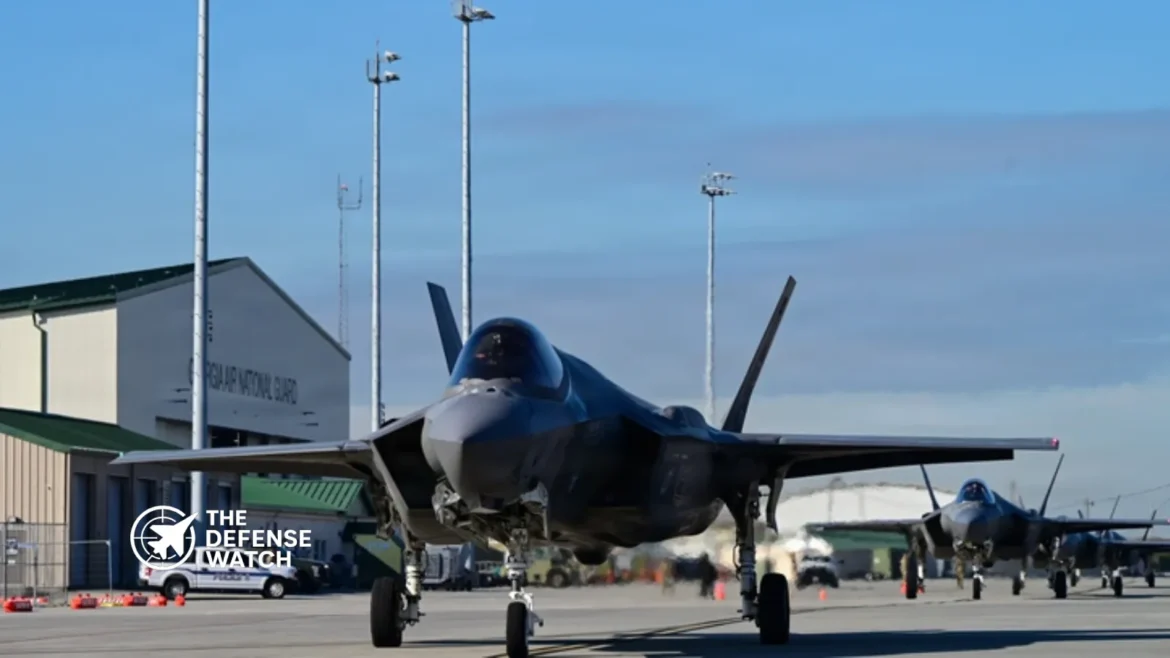
Lockheed Martin Exceeds Wall Street Expectations with 2026 Financial Outlook
Lockheed Martin Corporation announced its 2026 financial guidance on Thursday, January 29, projecting revenue between $77.5 billion and $80 billion, surpassing analyst expectations amid heightened global defense demand. The Maryland-based defense contractor reported fourth-quarter 2025 sales of $20.32 billion, representing a significant increase from $18.62 billion in the same period the previous year.
(adsbygoogle = window.adsbygoogle || []).push({});The company’s 2026 earnings per share guidance of $29.35 to $30.25 also exceeded Wall Street estimates of $29.28, according to data compiled by LSEG. Lockheed Martin’s stock rose 6.7 percent following the announcement, adding approximately $9.26 billion to the company’s market valuation.
“This notable start to 2026 reinforces our confidence in Lockheed Martin’s continued operational and financial growth in the year ahead,” the company stated in its earnings release. The forecast anticipates approximately 5 percent sales growth and 25 percent segment operating profit growth year-over-year.
Record Backlog Positions Company for Sustained Growth
Lockheed Martin reported a record backlog of $194 billion at the end of 2025, reflecting unprecedented demand for its defense systems. The company delivered $75 billion in sales during 2025, a 6 percent increase from the previous year, with net earnings reaching $5 billion.
Free cash flow for 2025 totaled $6.9 billion, exceeding previous expectations. For 2026, the company projects free cash flow between $6.5 billion and $6.8 billion, maintaining strong cash generation capabilities to support shareholder returns and capital investments.
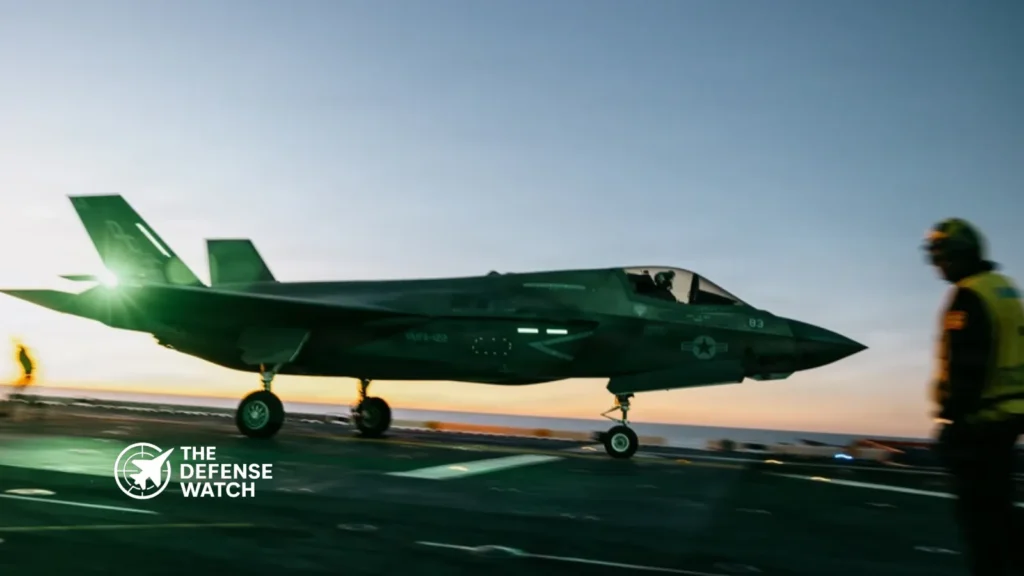
The defense contractor paid $3.13 billion in dividends during 2025, up from $3.06 billion the previous year. Unlike competitor Northrop Grumman, which announced it would pause stock buybacks beyond January, Lockheed Martin continues its commitment to returning value to shareholders.
Geopolitical Tensions Drive Fighter Jet and Missile Demand
Rising geopolitical uncertainty continues to fuel demand for Lockheed Martin’s premier weapon systems. Ongoing conflicts in the Middle East and the protracted Russia-Ukraine war have created sustained requirements for advanced fighter aircraft and air defense systems.
(adsbygoogle = window.adsbygoogle || []).push({});According to CEO Jim Taiclet, Lockheed Martin’s F-35 and F-22 fighter jets, RQ-170 stealth drones, and Sikorsky Black Hawk helicopters were deployed in recent U.S. military operations, including the capture of the Venezuelan president by American forces. The operational employment of these platforms demonstrates their continued relevance to national security missions.
The company’s Missiles and Fire Control division posted the strongest quarterly growth, with sales increasing 17.8 percent year-over-year during the fourth quarter. This segment manufactures the Patriot Advanced Capability-3 (PAC-3) Missile Segment Enhancement interceptor, which has seen exceptional demand from both U.S. forces and international partners.
Historic Patriot Missile Production Agreement Supports Forecast
Earlier in January 2026, Lockheed Martin finalized a landmark seven-year framework agreement with the Department of Defense to dramatically expand PAC-3 interceptor production. The deal calls for increasing annual production capacity from approximately 600 units to 2,000 units by the end of 2030.
This production ramp represents more than a tripling of current manufacturing rates and reflects the massive global demand for advanced air and missile defense capabilities. Seventeen partner nations currently operate the Patriot system, with additional countries expressing interest in acquiring the technology.
The PAC-3 Missile Segment Enhancement is a hit-to-kill interceptor designed to destroy incoming tactical ballistic missiles, cruise missiles, hypersonic weapons, and aircraft through direct impact rather than blast fragmentation. Its proven combat performance in recent conflicts has solidified its position as a critical capability for allied militaries.
According to missile defense expert Tom Karako of the Center for Strategic and International Studies, the production increase to 2,000 units annually is not excessive relative to demand. “The demand signal is massive among multiple US services, the other 17 nations globally that operate Patriot, and a handful more who want to,” Karako noted.
Production Expansion Strengthens Defense Industrial Base
The PAC-3 production agreement represents a significant shift in Pentagon acquisition strategy. The framework deal provides long-term demand certainty, enabling industry investment while incorporating provisions for inflation adjustments and cost-sharing mechanisms.
Lockheed Martin delivered more than 24,000 Missiles and Fire Control products to the United States and allied nations in 2025, demonstrating the scale of current demand. The company increased PAC-3 production by more than 60 percent over the past two years, delivering 620 interceptors in 2025 alone.
(adsbygoogle = window.adsbygoogle || []).push({});CEO Taiclet indicated that the production expansion would be accomplished using existing floor space while adding workers, advanced tooling, and automation. The agreement includes collaborative financing approaches designed to preserve cash neutrality while enabling necessary capital investments.
F-35 Program Maintains Strong Sales Momentum
The F-35 Lightning II joint strike fighter program continues to represent a substantial portion of Lockheed Martin’s revenue base. As the world’s most advanced multirole stealth fighter, the F-35 serves as the cornerstone of air combat capabilities for the United States and numerous allied nations.
International demand for the F-35 remains robust, with partner nations continuing to place orders as they modernize their air forces. The aircraft’s advanced sensor fusion, stealth characteristics, and networked warfare capabilities make it essential for maintaining air superiority against peer and near-peer adversaries.
Lockheed Martin operates through four primary business segments: Aeronautics, Missiles and Fire Control, Rotary and Mission Systems, and Space. The Aeronautics segment, which produces the F-35, F-22, and other combat aircraft, represents a significant driver of company performance.
Industry Context and Competitive Landscape
Lockheed Martin’s strong forecast comes as defense contractors broadly anticipate continued growth driven by elevated geopolitical tensions and increased allied defense spending. Competitors RTX Corporation and Northrop Grumman have similarly reaffirmed their commitment to dividends, though investment strategies vary across the sector.
The company’s guidance excludes potential impacts from government shutdowns or other uncertain factors. As the largest defense contractor by revenue, Lockheed Martin derives approximately 80 percent of its income from U.S. government contracts, with the remainder from international sales and foreign military sales programs.
The defense industrial base faces ongoing challenges in scaling production to meet unprecedented demand while managing supply chain constraints and workforce availability. Lockheed Martin’s ability to expand PAC-3 production represents a test case for broader Pentagon acquisition reform efforts aimed at accelerating defense manufacturing.
Looking Ahead: Strategic Priorities for 2026
Lockheed Martin emphasized operational performance and alignment with customer national defense priorities as key focus areas for 2026. The company aims to deliver reliable capabilities that strengthen deterrence and provide combat advantage to U.S. and allied militaries.
With sales growth projected at approximately 5 percent and free cash flow expected between $6.5 billion and $6.8 billion, Lockheed Martin appears well-positioned to execute its strategic objectives while maintaining shareholder returns. The record backlog provides visibility into future revenue streams and supports continued investment in advanced technologies.
(adsbygoogle = window.adsbygoogle || []).push({});The company faces headwinds from classified program losses that affected 2025 results, including a $950 million loss in the Aeronautics segment. Management indicated these losses materially impacted quarterly and annual operating profit comparisons but expressed confidence in improved performance going forward.
As global security challenges persist and allied defense budgets expand, Lockheed Martin’s portfolio of advanced weapon systems positions the company for sustained demand. The successful execution of production ramp plans for the PAC-3 missile and continued F-35 deliveries will be critical to achieving the optimistic 2026 forecast.
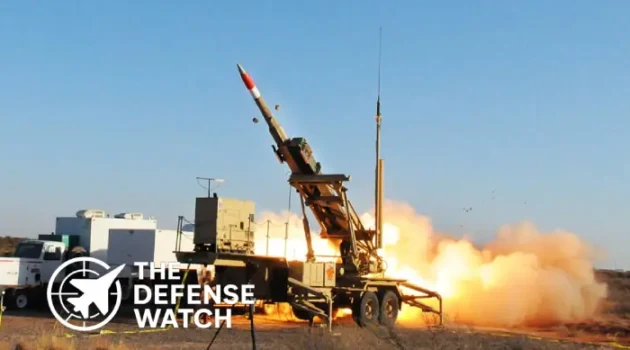
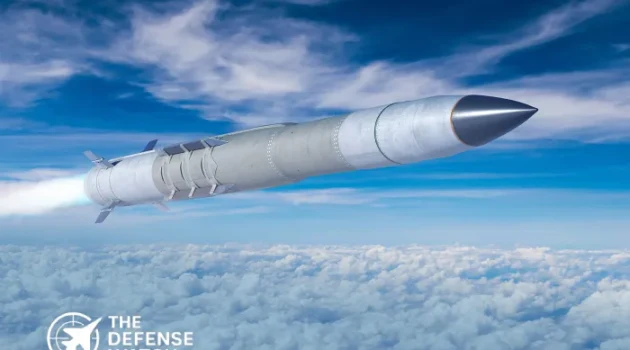

Framework Deal to Quadruple THAAD Interceptors
Lockheed Martin and the U.S. Department of War have agreed to scale up production of Terminal High Altitude Area Defense, or THAAD, missile interceptors. The agreement will raise annual output from about 96 to 400 interceptors over the next seven years, part of efforts to strengthen U.S. missile defense supply chains and industrial capacity.
(adsbygoogle = window.adsbygoogle || []).push({});The announcement came in a Jan. 29 release by Lockheed Martin, noting the deal builds on a similar framework reached earlier this month on Patriot PAC-3® Missile Segment Enhancement production.
Boosting U.S. Missile Defense Output
Under the framework agreement, the current THAAD interceptor production capacity will more than quadruple. That change reflects congressional funding cycles expected to finalize contract awards in the final fiscal year 2026 appropriations process.
Lockheed Martin will collaborate with the U.S. government on securing multiyear funding and aligning production goals with defense requirements.
Facility Expansion and Workforce Investment
To support the ramp-up, Lockheed Martin plans to break ground on a new Munitions Acceleration Center in Camden, Arkansas. The facility is designed to train workers and incorporate advanced manufacturing, robotics, and digital tools for building THAAD, PAC-3, and other interceptor systems.
The company also plans broader investments over the next three years to upgrade and expand more than 20 facilities across multiple U.S. states, including Alabama, Florida, Massachusetts, and Texas. These efforts aim to modernize tooling, production lines, and plant layouts to meet rising defense production demands.
U.S. Industrial Base and Jobs
Lockheed Martin noted its efforts are creating tens of thousands of jobs in manufacturing, engineering, and skilled trades, reflecting broader growth in the U.S. defense industrial base tied to increased interceptor production.
Image Credit: lockheedmartin The company said that since 2016 it has increased deliveries of critical munitions by more than 220 percent and plans to push output even higher by 2030 to meet demand.
(adsbygoogle = window.adsbygoogle || []).push({});Context: Evolving Missile Defense Needs
THAAD is a high-altitude missile defense system designed to intercept ballistic missiles inside and outside the atmosphere. It works alongside other systems such as Patriot PAC-3 to provide layered air and missile defense for the U.S. and allied forces. Recent demand for air defense systems has grown amid ongoing global conflicts and rising long-range missile threats.
This framework agreement for THAAD production follows a similar arrangement announced earlier in January aimed at increasing annual PAC-3 MSE output to roughly 2,000 missiles over the next seven years.
What Comes Next
A key step will be congressional appropriation of funds required to turn the framework accord into binding production contracts. Once funding is secured, Lockheed Martin will begin detailed planning for production expansion and facility operations tied to the agreement.



Lockheed Martin Accelerates Defense Production with Record Q4 Performance
Lockheed Martin concluded 2025 with a transformative fourth quarter that demonstrated the defense contractor’s expanding production capabilities and technological innovation across multiple domains. The company announced January 29, 2026 that its Q4 achievements included record fighter jet deliveries, a historic missile production agreement, and breakthrough autonomous platform developments.
(adsbygoogle = window.adsbygoogle || []).push({});The Maryland-based defense giant’s fourth quarter accomplishments signal significant capacity expansion at a time when global defense demands continue to escalate. From air superiority platforms to missile defense systems and autonomous capabilities, Lockheed Martin’s Q4 performance established new benchmarks for the defense industrial base.
Historic PAC-3 Missile Production Agreement Transforms Air Defense Capacity
Lockheed Martin and the U.S. government finalized a seven-year partnership that will increase PAC-3 Missile Segment Enhancement (MSE) annual production from approximately 600 to 2,000 units. This more than threefold capacity increase represents one of the most significant defense production expansions in recent years.
The PAC-3 MSE system provides advanced air and missile defense capabilities against tactical ballistic missiles, cruise missiles, and aircraft threats. According to Lockheed Martin’s announcement, the expanded production will benefit U.S. forces, allied nations, and partner countries facing evolving aerial threats.
The production increase will create thousands of additional jobs across the PAC-3 program supply chain. The agreement comes as allied nations seek to strengthen integrated air and missile defense architectures amid global security challenges.
Record F-35 Deliveries Strengthen Allied Air Power
Lockheed Martin delivered 191 F-35 Lightning II fighter jets throughout 2025, marking a record annual total for the fifth-generation stealth fighter program. The company handed over 48 F-35s during the fourth quarter alone, demonstrating sustained production momentum.
Finland received its first F-35A aircraft in December 2025, expanding the growing international F-35 user community. The Nordic nation’s F-35 acquisition strengthens NATO’s northern flank air defense capabilities and represents continued international confidence in the platform’s advanced capabilities.
The F-35 program now includes nine partner nations and several foreign military sales customers. The aircraft’s advanced sensors, stealth characteristics, and networked capabilities continue to define modern air superiority requirements for allied air forces.
U-Hawk Autonomous Helicopter Advances Unmanned Aviation
Sikorsky, Lockheed Martin’s rotary-wing division, unveiled the S-70UAS U-Hawk, a fully autonomous helicopter derived from the proven BLACK HAWK platform. The U-Hawk eliminates the cockpit in favor of 25 percent additional cargo space and autonomous operational capabilities.
Development teams progressed from initial concept to prototype in just 10 months, with first flight scheduled for 2026. The U-Hawk is designed to operate independently, in coordination with other U-Hawks, or as part of manned-unmanned teaming with piloted BLACK HAWK aircraft.
The autonomous platform provides ground commanders with enhanced logistics and tactical flexibility in contested environments. The U-Hawk’s rapid development timeline demonstrates Lockheed Martin’s accelerated approach to autonomous systems integration.
X-59 First Flight Initiates Quiet Supersonic Research
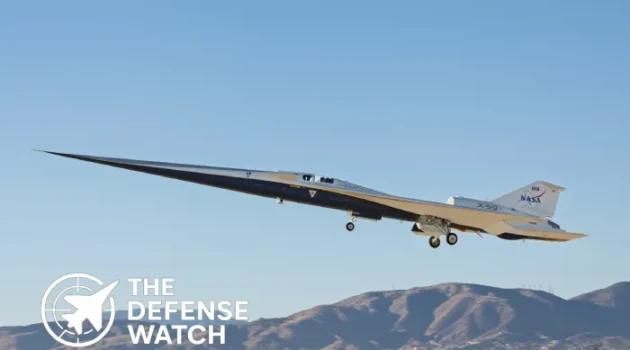
The X-59 experimental aircraft completed its inaugural flight in October 2025, launching NASA’s Quesst mission to demonstrate quiet supersonic flight technology. Developed through a partnership between Lockheed Martin’s Skunk Works and NASA, the X-59 aims to reduce sonic booms to a quiet “thump” rather than traditional disruptive sonic boom signatures.
The X-59 program could enable future commercial supersonic flight over land by addressing regulatory restrictions based on noise concerns. Flight testing will gather acoustic data to inform potential changes to supersonic flight regulations.
Lockheed Martin and NASA plan extensive testing to measure community response to the X-59’s reduced sonic signature during overland supersonic operations.
F-22 Demonstrates Unmanned Teaming Capability
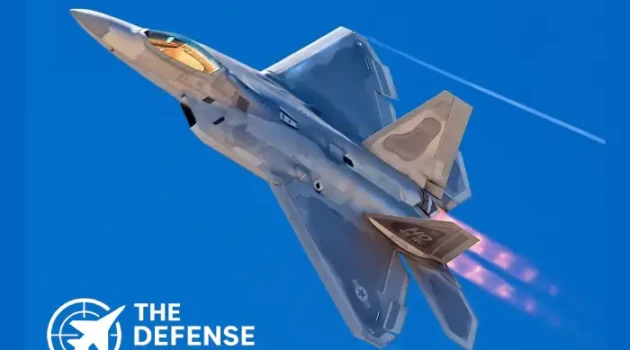
Lockheed Martin successfully demonstrated real-time command and control of an unmanned aerial system from an F-22 Raptor cockpit in November 2025. The in-flight demonstration showcased fifth-generation fighter aircraft integration with autonomous systems for enhanced mission effectiveness.
The manned-unmanned teaming capability expands what individual pilots can accomplish during single missions by extending their operational reach and sensor coverage. The technology aligns with U.S. Air Force concepts for Collaborative Combat Aircraft that will operate alongside crewed fighters.
Fifth-generation fighters serving as command nodes for autonomous systems represent an emerging operational paradigm across multiple allied air forces. The demonstrated capability builds on Lockheed Martin’s broader autonomous systems integration efforts.
Nomad VTOL UAS Combines Helicopter and Fixed-Wing Capabilities
Sikorsky introduced the Nomad family of vertical takeoff and landing unmanned aerial systems featuring twin tiltrotor configuration. The Nomad design combines fixed-wing efficiency for extended endurance with helicopter-like vertical takeoff and landing capabilities.
The runway-independent platform addresses operational requirements for long-endurance missions in austere environments without traditional airfield infrastructure. Nomad’s tiltrotor design enables efficient cruise flight while retaining the tactical flexibility of vertical flight operations.
(adsbygoogle = window.adsbygoogle || []).push({});Sikorsky’s Nomad development follows successful tiltrotor experience from the company’s S-97 Raider program and demonstrates continued innovation in vertical lift aviation.
Strategic Investment Accelerates Maritime Unmanned Capabilities
Lockheed Martin invested $50 million in Saildrone during October 2025 to accelerate unmanned surface vessel development for maritime defense applications. The strategic collaboration pairs Saildrone’s autonomous vessel platforms with Lockheed Martin’s defense systems integration expertise.
The partnership aims to deliver operationally ready unmanned surface vessels to the U.S. Navy more rapidly by combining established autonomous maritime platforms with combat-proven sensors and mission systems. Unmanned surface vessels provide persistent maritime domain awareness and contribute to distributed maritime operations concepts.
The investment reflects growing U.S. Navy emphasis on autonomous systems across surface, subsurface, and aerial domains for enhanced fleet capabilities.
Counter-UAS Technology Partnership with Microsoft
Lockheed Martin and Microsoft announced collaboration on next-generation counter-unmanned aerial system technologies leveraging Microsoft Azure cloud infrastructure. The partnership combines Lockheed Martin’s modular counter-UAS architecture with cloud-enabled artificial intelligence capabilities for enhanced threat detection and response.
The integrated system enables rapid innovation through cloud-based model training while maintaining edge processing for real-time operations. The architecture supports continuous adaptation as unmanned aerial threats evolve.
Counter-UAS capabilities have become critical requirements across military services as adversary drone proliferation continues globally. The Microsoft partnership accelerates Lockheed Martin’s counter-UAS technology development through advanced computing capabilities.
Orion Spacecraft Testing Advances Artemis Program
NASA’s Orion spacecraft undergoes comprehensive testing at Lockheed Martin’s Integrated Test Lab, a full-scale spacecraft replica used for system validation before launch. Engineers and astronauts conduct mission simulations testing every system, display, and software line prior to Artemis missions.
The Integrated Test Lab enables thorough spacecraft verification in ground environments before committing hardware to space operations. Orion serves as NASA’s deep space exploration vehicle for Artemis lunar missions.
Lockheed Martin serves as prime contractor for Orion development and production. The spacecraft will carry astronauts to lunar orbit as part of NASA’s sustained lunar exploration program.
Corporate Leadership Engagement with Veteran Community
Lockheed Martin’s executive leadership team participated in veteran community service activities during November 2025 in partnership with Rebuilding Together Atlanta. The volunteer effort restored community facilities supporting local veterans and their families.
The corporate engagement reflects Lockheed Martin’s continued emphasis on veteran employment and community support. The company employs thousands of military veterans across its operations.
(adsbygoogle = window.adsbygoogle || []).push({});Lockheed Martin maintains multiple programs supporting military service members, veterans, and their families through employment initiatives and community partnerships.
Defense Industrial Base Implications
Lockheed Martin’s fourth quarter achievements demonstrate accelerated production capacity and technology development across the defense industrial base. The PAC-3 production expansion, record F-35 deliveries, and rapid autonomous systems development signal the company’s response to increased global defense requirements.
The announced programs span air dominance, missile defense, autonomous systems, and space exploration capabilities. Lockheed Martin’s integrated approach addresses multiple defense priorities simultaneously while expanding production infrastructure.
As allied nations increase defense investments and modernization programs, Lockheed Martin’s expanded capacity positions the company to support growing international demand for advanced defense systems. The fourth quarter results establish momentum entering 2026 across the company’s diverse portfolio.