

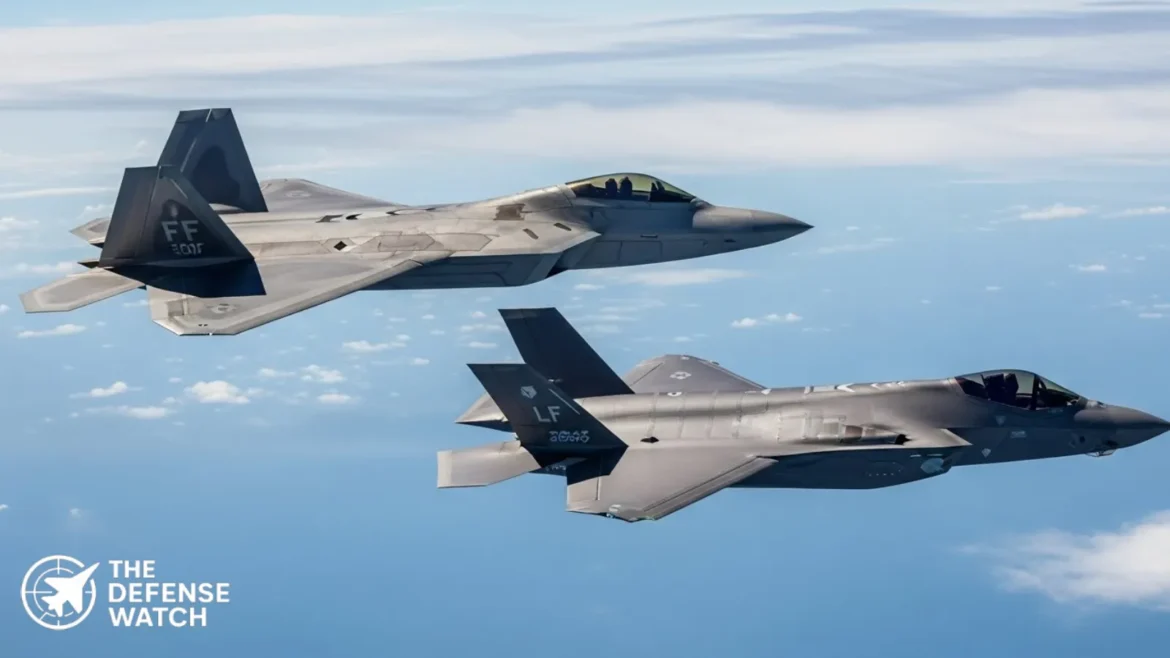
F-22 and F-35 Airpower at the Center of Venezuela Operation
F-22 Raptor and F-35 Lightning II fighter jets reportedly played a central role in a US led airpower operation that enabled the capture of Venezuelan leader Nicolas Maduro, according to a report published by Defence Industry Europe. The account highlights how advanced US stealth aircraft were used to establish air dominance and suppress Venezuelan military responses during the operation.
While US officials have not publicly confirmed the details, the report underscores how fifth generation airpower remains a key tool for Washington in high risk contingency operations. The focus keyword F-22 and F-35 airpower operation has emerged prominently in coverage of the incident, reflecting the aircraft’s strategic value.
Establishing Air Superiority with Stealth Fighters
According to the report, F-22 Raptors were deployed to secure air superiority early in the operation. Designed primarily for air dominance, the F-22’s stealth profile, high speed, and advanced sensors reportedly allowed US forces to neutralize potential aerial threats before they could react.
The F-35 Lightning II complemented this role by conducting precision strikes, electronic warfare tasks, and intelligence gathering. With its sensor fusion and networked warfare capabilities, the F-35 is described as providing real time targeting data to US and allied forces involved in the operation.
Together, the F-22 and F-35 formed a layered airpower approach that limited Venezuela’s ability to respond militarily.
Role of US Airpower in Ground Operations
The report suggests that US airpower over Venezuela was not limited to combat aircraft alone. Airborne early warning platforms, aerial refueling tankers, and intelligence assets reportedly supported sustained operations across Venezuelan airspace.
By controlling the air domain, US forces were able to support ground elements tasked with securing key locations. The capture of Maduro, as described in the report, was made possible by the absence of effective Venezuelan air or air defense resistance during the critical phases of the mission.
This approach aligns with longstanding US doctrine, where air dominance is achieved first to reduce risk to personnel on the ground.
Venezuela’s Air Defenses and Regional Implications
Venezuela operates a mix of Russian supplied air defense systems and combat aircraft, including older generation fighters. However, analysts have long questioned their effectiveness against US stealth platforms such as the F-22 and F-35.
If the report is accurate, the operation highlights the widening airpower gap between the United States and regional militaries in Latin America. The ability to deploy stealth aircraft with minimal warning reinforces Washington’s freedom of action in contested environments.
Analysis, What This Means for US Airpower Strategy
The reported use of F-22 and F-35 jets in Venezuela underscores how fifth generation fighters are increasingly central to US crisis response options. Rather than relying on large scale troop deployments, Washington appears to favor precision airpower combined with limited ground action.
This model reduces political risk while maintaining decisive military advantage. It also sends a clear signal to adversaries that advanced air defenses alone may not be sufficient to deter US intervention.
At the same time, the lack of official confirmation means the full scope of the operation remains unclear. Future disclosures may refine or challenge the current narrative.
Broader Geopolitical Context
The reported operation comes amid ongoing instability in Venezuela and heightened US focus on maintaining influence in the Western Hemisphere. Control of airspace through platforms like the F-22 Raptor and F-35 Lightning II remains a cornerstone of that strategy.
As global competition intensifies, US airpower capabilities continue to shape outcomes far beyond traditional conflict zones.
FAQs
Did the US officially confirm the use of F-22 and F-35 jets in Venezuela?No official confirmation has been issued. Details are based on external reporting.
Why are F-22 and F-35 aircraft important in modern operations?They offer stealth, advanced sensors, and the ability to operate in contested airspace.
Does Venezuela have defenses against stealth aircraft?Venezuela operates legacy air defenses that are generally considered ineffective against fifth generation fighters.
What does this mean for regional airpower balance?It highlights the significant technological gap between US forces and most Latin American militaries.
Why the Eurofighter Typhoon vs Rafale vs F-35 Comparison Matters
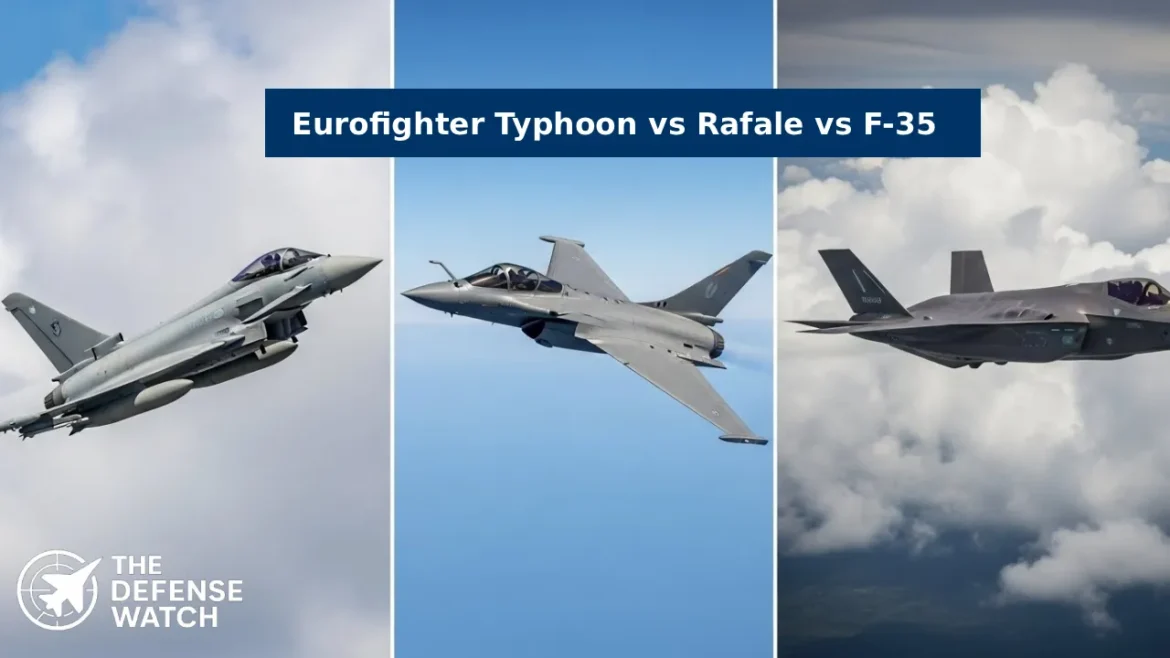
As Europe modernizes for a new era of great-power competition, three fighters stand at the center of Western airpower debates: the Eurofighter Typhoon, France’s Dassault Rafale, and America’s F-35 Lightning II. These aircraft represent different design philosophies—super-maneuverability, multirole flexibility, and fifth-generation stealth—yet they increasingly operate together across NATO missions from the Baltics to the Middle East.
For U.S. defense planners, this comparison matters for two core reasons. First, the Typhoon and Rafale equip key NATO allies whose airpower directly shapes combined operations against Russia. Second, the F-35 now serves as the backbone of U.S. and allied air dominance strategies in both the European and Indo-Pacific theaters. As countries seek to replace aging F-16s and MiG-29s, understanding how these fighters compare offers insight into coalition capability, deterrence posture, and future procurement trends.
Specifications Comparison Table: Eurofighter Typhoon vs Rafale vs F-35
| Feature | Eurofighter Typhoon | Dassault Rafale | F-35A Lightning II |
|---|---|---|---|
| Generation | 4.5-gen | 4.5-gen | 5th-gen |
| Crew | 1 (or 2 in trainer) | 1 (or 2 in trainer) | 1 |
| Max Speed | Mach 2.0 | Mach 1.8 | Mach 1.6 |
| Combat Radius | ~1,389 km | ~1,852 km | ~1,093 km |
| Service Ceiling | 55,000 ft | 50,000 ft | 50,000 ft |
| Internal Weapons Bay | No | No | Yes |
| Max Payload | 13,000+ lbs | 21,000+ lbs | 18,000 lbs |
| ** Stealth Level** | Low | Low | Very High |
| Unit Cost (est.) | $95–110M | $90–120M | $80–110M (A-variant) |
| Service Entry | 2003 | 2001 | 2015 |
| Primary Operators | UK, Germany, Italy, Spain, Saudi Arabia | France, India, Greece, Egypt, Qatar | U.S., UK, Italy, Poland, Japan, South Korea, many NATO states |
Design & Technology
Eurofighter Typhoon: Agility-First Philosophy
The Typhoon was built for air-superiority dominance, reflected in its delta-canard layout and unmatched high-altitude performance. Its new E-Scan Mk1 AESA radar and PIRATE infrared search-and-track system enhance long-range situational awareness. Though not stealthy, upgraded radar-absorbent materials reduce its frontal radar signature.
Dassault Rafale: A Multirole “Omni-Role” Workhorse
France designed the Rafale to perform every mission—from nuclear strike to carrier operations. The SPECTRA electronic warfare suite remains one of the most respected defensive systems in the world. Its advanced RBE2 AESA radar provides strong target acquisition and high-bandwidth electronic attack capability.
F-35A Lightning II: Stealth, Fusion, and Sensor Dominance
The F-35’s defining strength is its sensor fusion, linking EW, radar, IR, and offboard data into a single battlespace picture. Its VLO (Very-Low Observable) airframe dramatically reduces detection ranges, particularly against Russian and Chinese air defense systems. The Distributed Aperture System (DAS) gives 360° tracking and unprecedented pilot awareness.
Design Verdict:
• Typhoon = best raw aerodynamics
• Rafale = best EW/sensor mix among 4.5-gen jets
• F-35 = unmatched stealth and fused situational awareness
Firepower & Performance
Eurofighter Typhoon Weaponry
- Air-to-Air: Meteor, AIM-120 AMRAAM, IRIS-T
- Air-to-Ground: Storm Shadow, Brimstone, Paveway IV
- Gun: 27mm Mauser
The Typhoon excels in the air-superiority role with Meteor integration providing long-range kill capability.
Dassault Rafale Armament
- Air-to-Air: Meteor, MICA IR/RF
- Air-to-Ground: SCALP-EG, AASM Hammer, Exocet anti-ship missile
- Nuclear Option: ASMP-A (France exclusive)
- Gun: 30mm GIAT
The Rafale carries the broadest weapons portfolio, giving it the edge in mission versatility.
F-35A Armament
- Air-to-Air: AIM-120D, AIM-9X (external)
- Air-to-Ground: JDAM, SDB II, AGM-158 JASSM (future)
- Gun: Internal 25mm GAU-22
Internal weapons allow the F-35 to remain fully stealthy while striking deep into high-threat airspace.
Firepower Verdict:
• Typhoon = air combat powerhouse
• Rafale = most diverse loadout
• F-35 = best precision strike in contested airspace
Operational Range & Mobility
Eurofighter Typhoon
With a moderate range but superior high-altitude performance, the Typhoon thrives in quick-reaction alert (QRA) and air-policing roles.
Dassault Rafale
The Rafale boasts the best combat radius of all three, making it highly effective for expeditionary deployments and carrier-based missions.
F-35A
The F-35 is limited by range compared to the Rafale, but stealth increases survivability in offensive counter-air and deep strike missions.
Range Verdict:
• Rafale leads
• Typhoon second
• F-35 more range-limited but stealth-enabled for deeper penetration
Combat Effectiveness: Real-World Use
Eurofighter Typhoon
Typhoons have conducted air policing across Europe, intercepting Russian aircraft near NATO airspace. They also carried out precision strikes in Syria and Libya.
Dassault Rafale
Perhaps the most battle-proven European fighter of the modern era, Rafales have operated in Afghanistan, Libya, Iraq, Syria, the Sahel, and carrier strike operations.
F-35A
The F-35 has seen combat with the U.S., Israel, and the UK, including suppression of integrated air defense systems (IADS), strike missions, and ISR operations.
Combat Verdict:
• Rafale = most combat diversity
• Typhoon = strong but fewer mission sets
• F-35 = proven in high-threat environments
Cost & Export Considerations
Eurofighter Typhoon
Strong in NATO markets, especially in Central and Western Europe. Recent upgrades extend service life to 2060+.
Dassault Rafale
Massive export success with sales to India, UAE, Qatar, Egypt, Greece, and Indonesia. Known for lower maintenance demands.
F-35A
The most widely exported fifth-generation fighter in history. U.S. pressure and interoperability benefits drive adoption among NATO partners.
Export Verdict:
• F-35 = dominant
• Rafale = rising global favorite
• Typhoon = steady NATO standard
Analysis: How the U.S. Views the Typhoon, Rafale, and F-35
From a U.S. perspective, the F-35 is the backbone of allied airpower modernization, ensuring full interoperability with American C4ISR and strike networks. The Typhoon and Rafale remain important NATO capabilities, especially for air dominance (Typhoon) and stand-off strike (Rafale).
However, only the F-35 contributes directly to the U.S. strategy of distributed, stealth-enabled, network-centric warfare—critical in facing both Russian A2/AD zones and Chinese integrated air defenses.
Conclusion: Which Fighter Has the Edge?
The answer depends on mission requirements:
Air Superiority:
Eurofighter Typhoon — unmatched climb rate and kinematics.
Multirole Flexibility:
Dassault Rafale — best weapons diversity and EW package.
Survivability & High-Threat Strike:
F-35A Lightning II — only fifth-gen jet in the comparison.
Overall Winner?
There is no single winner—but for future NATO operations, the F-35 provides the greatest strategic value due to stealth, sensor fusion, and networked warfare.
FAQ: Eurofighter Typhoon vs Rafale vs F-35
The Typhoon excels in pure dogfighting, but the F-35 dominates beyond-visual-range due to stealth and sensor fusion.
The Rafale offers the longest combat radius, making it ideal for long-range strike and expeditionary operations.
Yes—stealth, fused sensors, and advanced EW give it unmatched survivability in heavily defended airspace.
The Rafale is often considered the most cost-efficient over its lifetime, though the F-35’s operating costs continue to decline.
The F-35’s architecture is designed for upgrades into the 2070s, giving it the longest projected service life.

The Birth of Stealth: F-117 Nighthawk
The United States fundamentally changed the character of aerial warfare with the introduction of the Lockheed F-117 Nighthawk in the 1980s. Developed under the highly secretive “Have Blue” program, the F-117 became the world’s first operational stealth aircraft, optimized to evade radar detection through faceted design and radar-absorbent coatings.
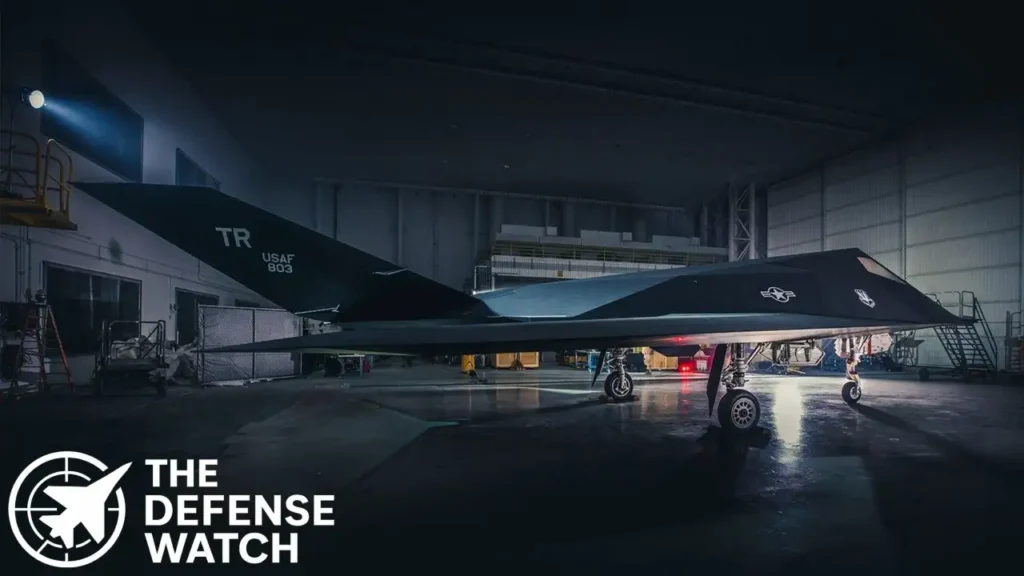
Although not a traditional fighter in terms of agility or speed, the F-117 was a precision strike aircraft. Its combat debut in Operation Just Cause (1989) and later prominence in Operation Desert Storm (1991) cemented its reputation. The aircraft’s ability to penetrate dense air defenses and deliver guided munitions on high-value targets demonstrated the transformative power of stealth.
Next Generation Superiority: F-22 Raptor
While the F-117 proved stealth’s utility, the Pentagon envisioned an aircraft combining radar evasion with air dominance. This vision led to the Lockheed Martin F-22 Raptor, which entered service in 2005.
The F-22 introduced a blend of stealth, supercruise, sensor fusion, and unmatched maneuverability. Designed to counter advanced Soviet fighters and integrated air defense systems, the Raptor became the U.S. Air Force’s premier fifth-generation air superiority platform.
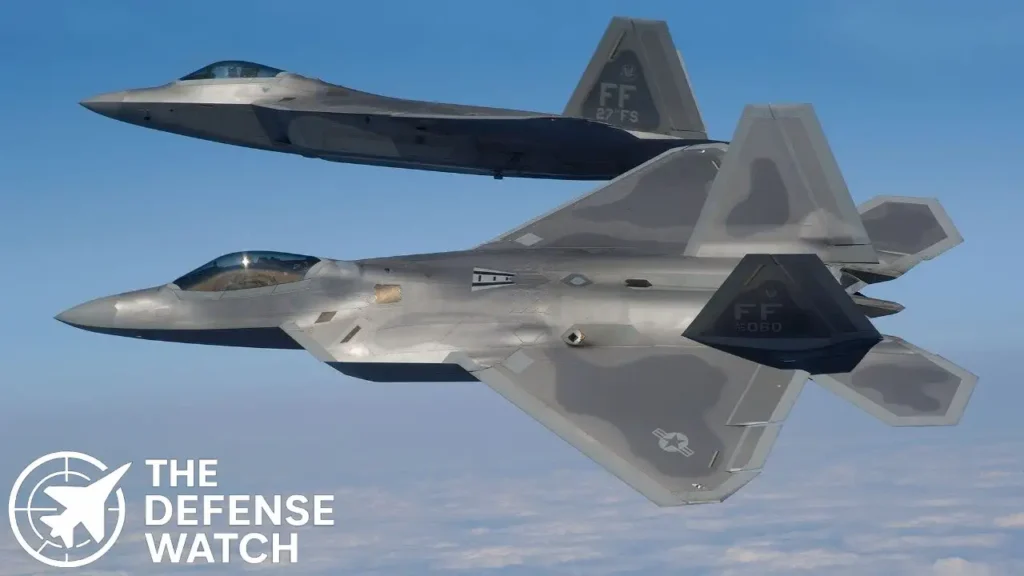
Despite its technological edge, the F-22 program was curtailed after only 187 aircraft were produced, largely due to high costs and the shifting defense priorities following the Cold War. Nonetheless, the F-22 remains a cornerstone of U.S. airpower, often deployed as a deterrent in contested regions.
Global Backbone of Stealth: F-35 Lightning II
The third stage in U.S. stealth fighter evolution came with the F-35 Lightning II, introduced in 2015. Unlike the niche-focused F-117 and the air-superiority-centric F-22, the F-35 was designed as a multirole stealth fighter adaptable across the Air Force, Navy, and Marine Corps.
The F-35’s variants—F-35A (conventional takeoff), F-35B (short takeoff/vertical landing), and F-35C (carrier-based)—allow joint and allied forces to operate with a common platform. With advanced sensors, networked warfare capability, and stealth design, the F-35 has been exported widely to NATO and partner nations, shaping coalition airpower.
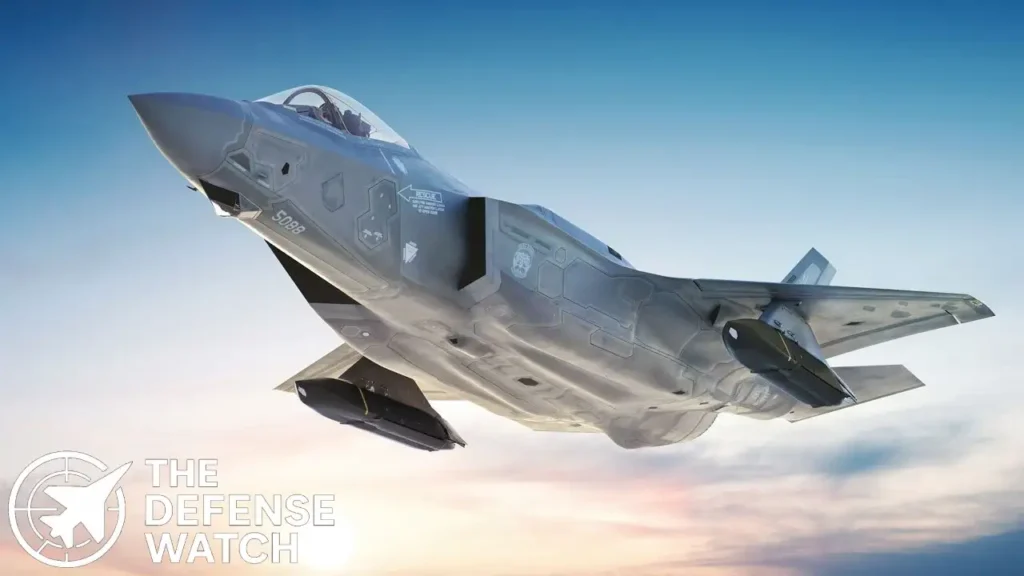
The program, though criticized for cost overruns and development delays, has matured into a global enterprise. Today, over 1,200 F-35s are in service worldwide, giving the United States and its allies a formidable technological edge.
Emerging Threats and the Next Chapter
As rivals such as China and Russia field their own stealth aircraft—the Chengdu J-20 and Sukhoi Su-57—the U.S. is already advancing its next-generation air dominance (NGAD) program. The NGAD initiative envisions a sixth-generation fighter with enhanced stealth, adaptive engines, directed-energy weapons, and unmanned teaming.
Analysts believe the NGAD will eventually complement or replace the F-22, while the F-35 remains in production through the 2030s. This layered approach ensures the U.S. maintains an air dominance edge amid growing global competition.
Analysis: From Prototype to Global Standard
The evolution from the faceted F-117 to the sensor-driven F-35 reflects the changing demands of warfare. Where stealth once meant survival against radar, it now enables data-driven, multi-domain operations. Each generation of U.S. stealth fighter has built upon the lessons of its predecessor—moving from niche strike missions, to air dominance, to coalition-wide multirole flexibility.
This progression underscores why U.S. stealth technology remains central to deterrence strategies. While adversaries invest in counter-stealth radar and integrated air defenses, the adaptability and networking capabilities of U.S. platforms have so far kept them ahead in the airpower race.
FAQs
The F-117 was retired in 2008 due to high operating costs and the arrival of more versatile stealth aircraft like the F-22 and F-35.
The F-22 excels in air superiority with unmatched maneuverability, while the F-35 is a multirole platform with advanced sensors and broader mission flexibility.
As of 2025, more than 1,200 F-35s are in service worldwide across U.S. and allied air forces.
NGAD is the U.S. Air Force’s effort to develop a sixth-generation stealth fighter designed for future contested airspaces.
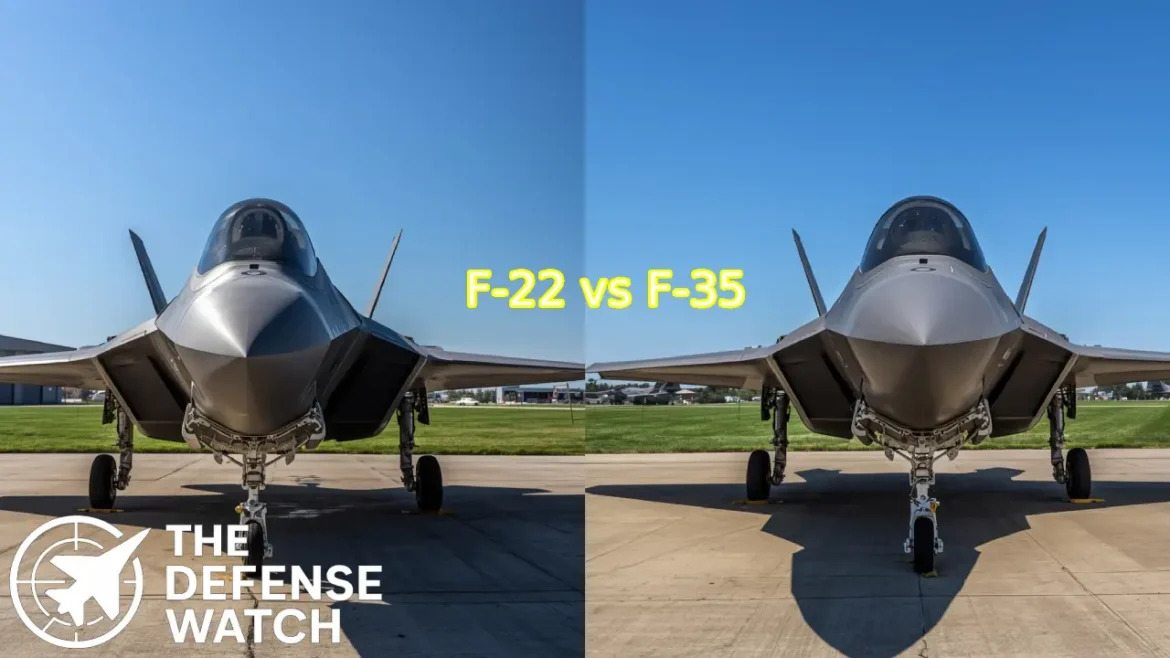
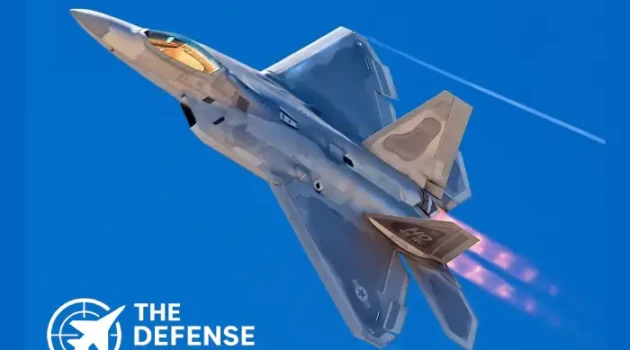
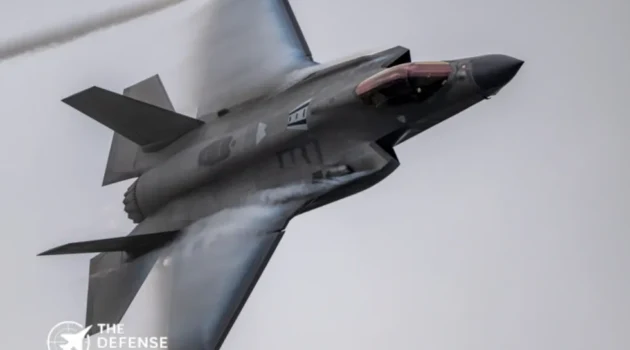
The F-22 Raptor and F-35 Lightning II are America’s premier fifth-generation stealth fighters, but they serve very different roles in 2025. The F-22, designed for unmatched air superiority, delivers speed, agility, and stealth dominance but remains exclusive to the U.S. Air Force with limited production. In contrast, the F-35 is a multi-role stealth fighter, widely exported to allies, with advanced sensor fusion, electronic warfare capabilities, and ongoing Block 4 upgrades. This side-by-side comparison highlights the top differences in missions, technology, performance, and production status of the F-22 vs F-35, showing how both aircraft complement U.S. and allied airpower.
| Feature / Category | F-22 Raptor | F-35 Lightning II |
|---|---|---|
| Primary Role | Air Superiority Fighter | Multi-Role Stealth Fighter (air-to-air, air-to-ground, electronic warfare) |
| First Flight | 1997 | 2006 |
| Production Status | Ended in 2012 (187 built) | Ongoing, over 1,000 delivered by 2025 |
| Export Availability | Not exported (U.S. only) | Widely exported to allies (NATO, Indo-Pacific) |
| Engines | 2 × Pratt & Whitney F119 | 1 × Pratt & Whitney F135 |
| Speed | Mach 2.0+ (supercruise capable) | Mach 1.6 (limited supercruise) |
| Combat Radius | ~460 miles (air-to-air mission) | ~670 miles (air-to-ground strike mission) |
| Stealth Design | Optimized for air dominance, minimal radar cross-section | Multi-spectral stealth with sensor fusion |
| Avionics & Sensors | Advanced radar (AN/APG-77), less open architecture | Advanced sensor fusion, DAS, Helmet-Mounted Display |
| Upgrade Path | Limited modernization (sensors, avionics, EW updates) | Continuous Block 4 upgrades (new weapons, EW, software enhancements) |
| Operational Users | U.S. Air Force only | U.S. and 17+ partner nations |
| Replacement Program | Next Generation Air Dominance (NGAD) in 2030s | Will remain in production into 2040s |
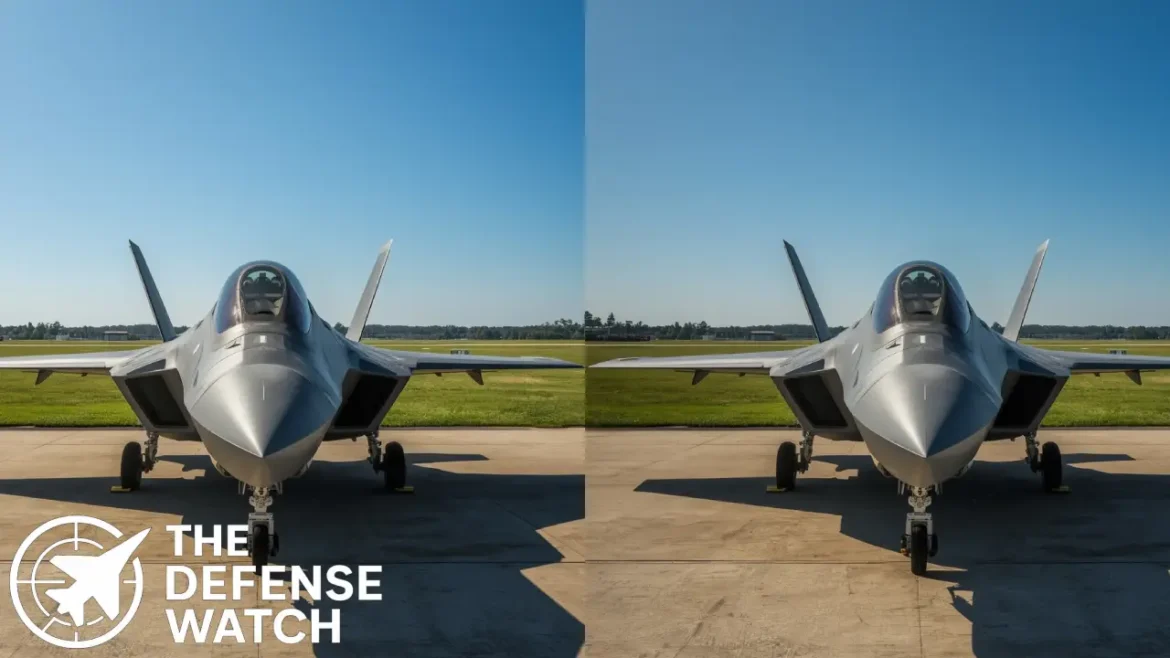
F-22 vs F-35 Differences 2025: Understanding America’s Stealth Fighters
The F-22 Raptor and the F-35 Lightning II remain the backbone of U.S. fifth-generation airpower in 2025. Both developed by Lockheed Martin, these stealth jets often draw comparisons, but their missions, design philosophies, and production paths are notably different. As global tensions rise, understanding the distinctions between the F-22 and F-35 has become central to debates over U.S. air dominance.
Mission Role and Operational Focus
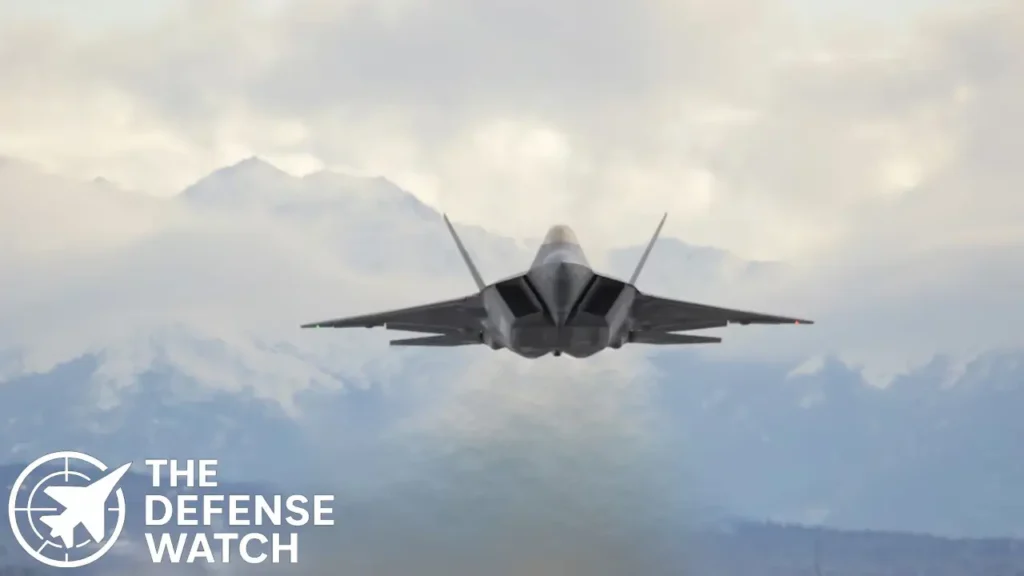
The F-22 Raptor was designed as an air superiority fighter, optimized for dogfighting, speed, and stealth against peer adversaries. Its twin engines deliver unmatched thrust, giving it supercruise capability—sustained supersonic flight without afterburners—making it unrivaled in high-end aerial combat.
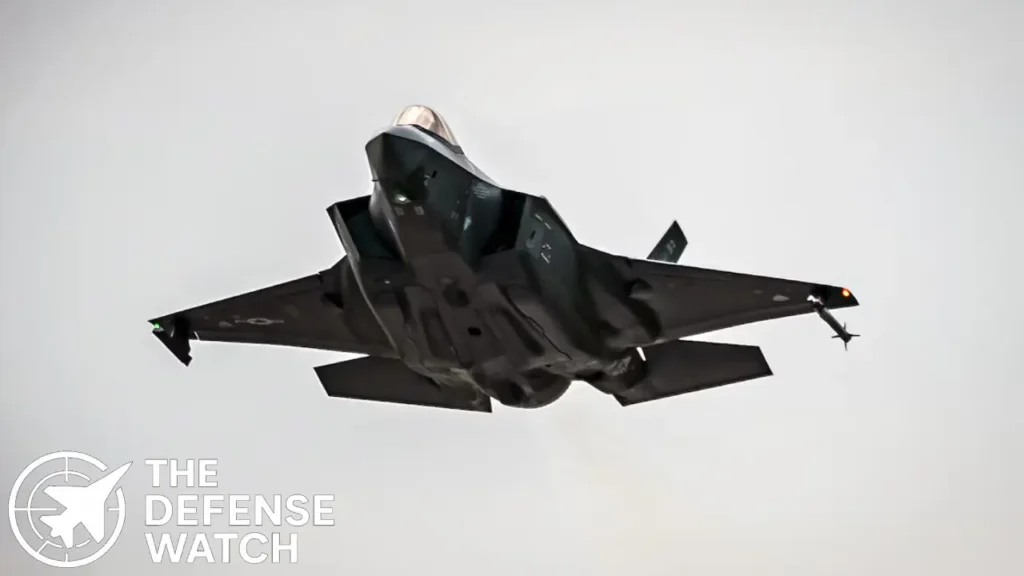
By contrast, the F-35 Lightning II was built as a multi-role stealth fighter, capable of conducting air-to-air, air-to-ground, and electronic warfare missions. The F-35 integrates deeply with Joint All-Domain Command and Control (JADC2) networks, making it as much an information node as a fighter jet. While less maneuverable than the F-22, it excels in situational awareness and strike versatility.
Production and Export Status
Production also highlights a sharp divide. The F-22 program ended in 2012 after just 187 aircraft were built, and the Raptor remains exclusive to the U.S. Air Force due to an export ban. While upgrades such as new sensors, avionics, and potential electronic warfare improvements continue, the Raptor fleet is aging and limited in scale.
In contrast, the F-35 continues active production in 2025, with over 1,000 aircraft delivered worldwide. Operated by more than a dozen allied nations, the F-35 has become the most widely exported fifth-generation fighter, strengthening interoperability within NATO and Indo-Pacific security frameworks.
Technology and Upgrade Path
The F-22’s airframe, while still stealthy, reflects late-1990s design choices. Its avionics are being modernized, but the fighter lacks the open systems architecture of the F-35, which was built with software-driven adaptability in mind.
The F-35 is undergoing continuous Block 4 upgrades, adding advanced weapons, sensor fusion, and enhanced electronic warfare capabilities. Its Distributed Aperture System (DAS) and Helmet-Mounted Display (HMD) give pilots a panoramic situational view, features absent in the F-22.
Strategic Context in 2025
While the F-22 remains unmatched in pure air dominance, its small fleet size limits its impact in large-scale conflicts. The F-35’s versatility and global proliferation make it the cornerstone of allied airpower, ensuring both deterrence and operational flexibility.
Analysts argue the two jets should not be viewed as rivals but as complementary assets. The F-22 can clear the skies of enemy aircraft, while the F-35 provides strike capability and acts as an information-sharing hub. Together, they form a layered approach to maintaining U.S. and allied air superiority.
FAQs
The F-22 is superior in air-to-air combat due to speed, stealth, and maneuverability, while the F-35 excels in multi-role missions and situational awareness.
Congress banned F-22 exports to protect U.S. stealth technology, making it exclusive to the U.S. Air Force.
The F-35, with over 1,000 units delivered to allied nations, is far more numerous and globally integrated than the F-22.
The U.S. Air Force plans to eventually replace the F-22 with the Next Generation Air Dominance (NGAD) program, expected to enter service in the 2030s.