BAE Systems Navy contract activity expanded this week as the U.S. Department of Defense awarded the company a $23.7 million indefinite delivery, indefinite quantity contract to support propulsor demonstration hardware development for the U.S. Navy.
The award was announced Feb. 9, 2026, by the Department of Defense and is managed by the Naval Surface Warfare Center Carderock Division in Maryland, a key Navy organization responsible for ship and submarine hydrodynamics, propulsion, and survivability research.
Contract Scope And Value
The contract was awarded to BAE Systems Land and Armaments L.P., based in Maple Grove, Minnesota, under contract number N00167-26-D-4700. The agreement covers engineering and fabrication services for propulsor demonstration hardware, a critical component in advancing naval propulsion efficiency, acoustic performance, and survivability.

The base contract is valued at $23,747,748. If the option included in the agreement is exercised, the total cumulative value would increase to $24,481,470. The contract includes a five year ordering period, inclusive of the option, allowing the Navy flexibility to issue task orders as requirements evolve.
Funding in the amount of $1,863,387 from Fiscal Year 2025 National Sea Based Deterrence Fund resources will be obligated at the time of award. These funds are not subject to fiscal year expiration, underscoring the long term strategic importance of the work.
Work Locations And Industrial Footprint
Under the terms of the award, contract work will be performed primarily in Louisville, Kentucky, accounting for approximately 90 percent of total activity. The remaining 10 percent will be conducted in Minneapolis, Minnesota.
The geographic distribution reflects BAE Systems established industrial capabilities in naval systems engineering and advanced manufacturing, particularly in propulsion related hardware and hydromechanical systems.
BAE Systems Land and Armaments has long supported U.S. Navy and Department of Defense programs across naval, ground combat, and advanced weapons platforms, with a focus on systems engineering, prototyping, and sustainment.
Competitive Procurement Process
The contract was competitively procured through the System for Award Management, commonly known as SAM.gov. According to the Department of Defense announcement, three offers were received during the competition, highlighting continued industry interest in Navy propulsion and undersea warfare technology development.
The Naval Surface Warfare Center Carderock Division in Bethesda, Maryland, is serving as the contracting activity. Carderock plays a central role in U.S. naval architecture, ship design, and propulsion research, supporting both surface combatants and the submarine force.
Strategic Importance Of Propulsor Development
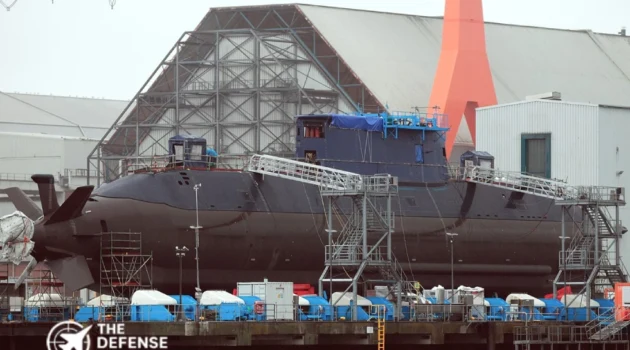
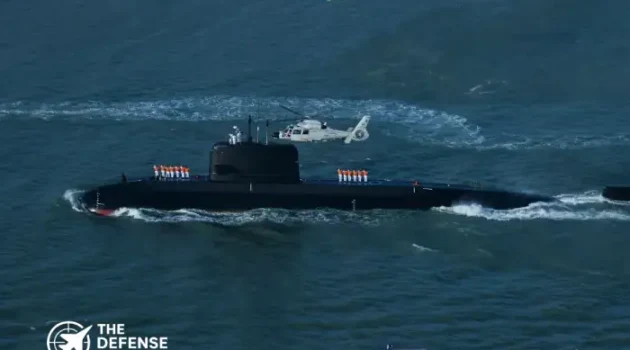
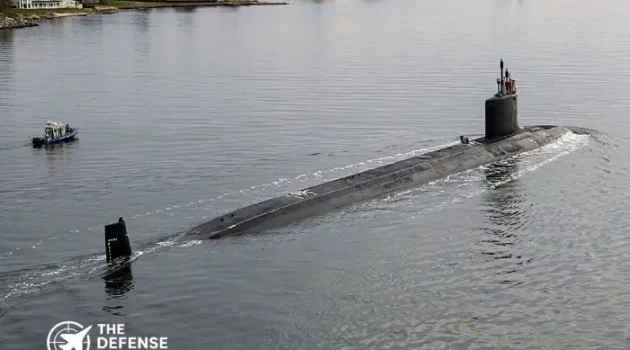
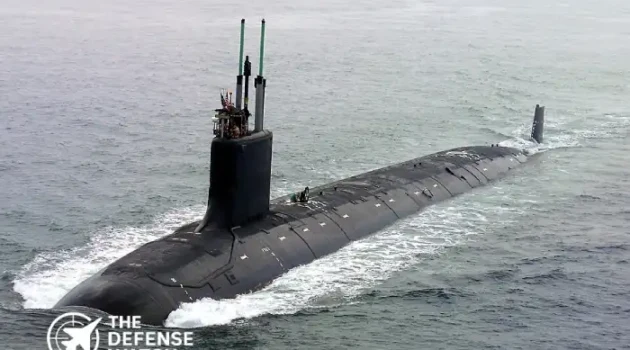
Propulsor demonstration hardware programs support the Navy broader goals of improving propulsion efficiency, reducing acoustic signatures, and enhancing platform survivability. While the Department of Defense did not specify the exact platform or class associated with this effort, propulsor research is closely tied to submarine and advanced surface vessel development.
The use of National Sea Based Deterrence Fund resources indicates potential relevance to the Navy undersea deterrence mission, which includes the Columbia class ballistic missile submarine program and related propulsion technologies.
By investing in demonstration hardware, the Navy can validate designs, materials, and manufacturing techniques before transitioning mature technologies into production platforms.
BAE Systems Role In Naval Modernization
BAE Systems remains a major industrial partner for U.S. naval modernization efforts. The company supports a wide range of Navy programs, including combat systems, naval guns, ship repair, and advanced undersea technologies.
This BAE Systems Navy contract aligns with the Pentagon continued emphasis on maintaining technological superiority in undersea warfare and propulsion, particularly as global naval competition intensifies.
The award also reinforces the Navy reliance on competitive procurement and industry expertise to deliver specialized engineering capabilities that government facilities alone cannot provide at scale.
Outlook
With a five year ordering period and optional funding growth, the contract provides a stable framework for continued collaboration between the Navy and BAE Systems on advanced propulsion concepts. As naval platforms face increasing demands for efficiency, stealth, and endurance, propulsor development remains a foundational element of future fleet capability.

PeopleTec Missile Defense Agency Contract Overview
PeopleTec Inc. has been awarded a $48.1 million Missile Defense Agency contract to provide advanced digital engineering and model based systems engineering support for U.S. missile defense programs.
The single award indefinite delivery indefinite quantity contract enables the Missile Defense Agency to modernize how it develops and manages complex architectures and requirements tied to defending the United States against ballistic, hypersonic, and other advanced missile threats.
The award was issued under the Missile Defense Agency Advanced Capability Concepts Broad Agency Announcement, reflecting the agency’s growing emphasis on digital transformation across its enterprise.
Scope Of Work And Contract Details
Under the agreement, PeopleTec will deliver advanced model based systems engineering services, digital capability development, and integrated modeling solutions. The effort is designed to replace fragmented and stove piped engineering processes with a unified and authoritative digital environment.
According to the contract announcement, the work will support the missile defense Agency’s need to better integrate requirements, architecture, and performance data across multiple missile defense elements. These include sensors, interceptors, command and control systems, and supporting infrastructure.
The contract carries a total ceiling value of $48,098,000 and includes a five year ordering period following the award date. An initial task order will be issued immediately, with a period of performance of 12 months.
Fiscal year 2026 research, development, test and evaluation funds totaling $450,000 are being obligated at the time of award.
The Missile Defense Agency in Huntsville, Alabama, is the contracting activity. The contract number is HQ0854-26-D-E004.
Locations And Workforce Impact
Contract work will be performed in Huntsville, Alabama, and Fort Belvoir, Virginia. Huntsville remains the primary hub for Missile Defense Agency technical and engineering activities, and PeopleTec is a long established defense contractor in the region.
The award further reinforces Huntsville’s role as a center of excellence for missile defense engineering, digital systems development, and advanced modeling. It also aligns with ongoing Department of Defense efforts to strengthen the defense industrial base in key technical regions.
Supporting Missile Defense Modernization
The PeopleTec Missile Defense Agency contract supports a broader shift within the Department of Defense toward digital engineering and data driven decision making. Model based systems engineering is increasingly viewed as essential for managing the complexity of modern missile defense architectures.
Missile defense systems must integrate space based sensors, ground and sea based interceptors, and global command and control networks. Digital engineering tools allow program offices to assess performance, risk, and tradeoffs more quickly and with greater confidence.
By creating a common digital environment, the Missile Defense Agency aims to improve speed, transparency, and traceability across the full system lifecycle. This includes early concept development, testing, fielding, and long term sustainment.
Relevance To Hypersonic And Advanced Threats
The contract also reflects the Missile Defense Agency’s focus on emerging threats, particularly hypersonic weapons. These systems pose unique challenges due to their speed, maneuverability, and flight profiles.
Advanced modeling and simulation tools are critical for evaluating how current and future missile defense systems can counter such threats. Digital architectures allow engineers to test concepts virtually before committing to costly hardware development.
PeopleTec’s role under this contract is intended to help the agency better align requirements and architectures as it adapts to a rapidly changing threat environment.
About PeopleTec Inc.
PeopleTec Inc. is a Huntsville based defense contractor that provides engineering, modeling and simulation, cybersecurity, and mission support services to the Department of Defense and other federal agencies.
The company has a long history of supporting missile defense, aviation, and space related programs, particularly within the Army and Missile Defense Agency communities. Its proximity to key government customers in Huntsville has made it a regular participant in major defense modernization efforts.
Strategic Context
The award comes as the Missile Defense Agency continues to balance near term operational needs with long term modernization priorities. Digital engineering has become a cornerstone of this strategy, enabling faster adaptation to new threats while controlling cost and schedule risk.
As missile threats grow more diverse and sophisticated, the agency’s ability to maintain an authoritative and integrated digital view of its architecture is increasingly important. Contracts such as this one signal continued investment in the tools and processes needed to support that mission.
Saudi Arabia And Iraq To Receive M-SAM II Air Defense Systems In 2028
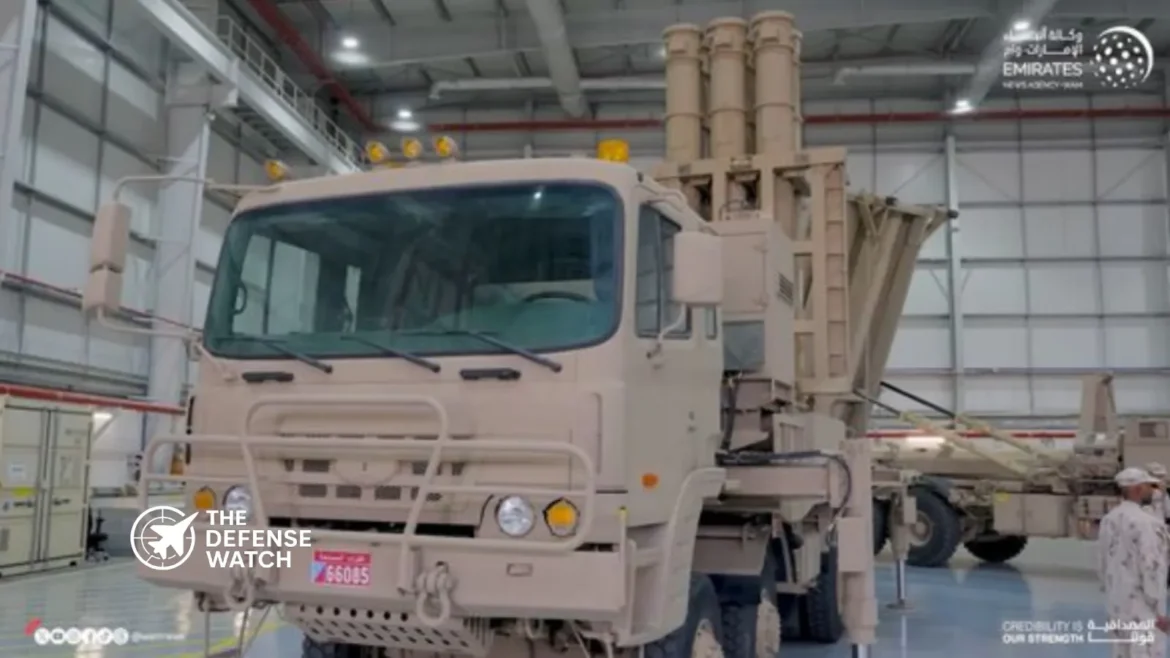
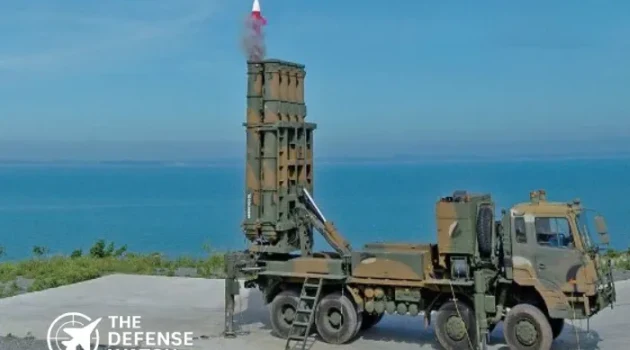
South Korea’s M-SAM II medium-range surface-to-air missile system is set to begin deliveries to Saudi Arabia in 2028, with Iraq scheduled to receive its first units later that year, industry officials told Janes at the World Defense Show 2026 in Riyadh.
(adsbygoogle = window.adsbygoogle || []).push({});Gulf Air Defense Modernization
The M-SAM II, also known as KM-SAM Block II or Cheongung II, is a mobile surface-to-air and terminal phase ballistic missile intercept system developed by South Korean defense firms and the Agency for Defense Development. Saudi Arabia’s deal for 10 batteries was announced in February 2024 and is valued at roughly USD 3.2 billion.
Saudi Arabia becomes the second Middle East buyer after the United Arab Emirates, which had its first M-SAM II launcher in place by mid-2025. Emirati systems have been deployed alongside U.S. Patriot and THAAD systems as part of a layered air defense approach.
Iraq’s order, reported in September 2024, covers eight M-SAM II batteries and is worth around USD 2.6 billion. The Iraqi Ministry of Defence confirmed the contract with prime contractor LIG Nex1.
System Composition And Partners
LIG Nex1 serves as the prime contractor for both national programs. Hanwha Systems supplies the multifunction radars, while launchers and vehicles are produced by Hanwha Aerospace.
(adsbygoogle = window.adsbygoogle || []).push({});M-SAM II batteries typically include a multifunction radar, command and control vehicles, and mobile launchers carrying multiple interceptor missiles. The system uses advanced guidance and tracking to engage aerodynamic and short-range ballistic threats at medium range.
Regional Context And Capabilities
The M-SAM II is part of a broader trend in Gulf defense planning where states seek diversified, layered defenses. In the UAE the system complements U.S. Patriot and Terminal High Altitude Area Defense batteries, providing additional coverage against aircraft, cruise missiles and short-range ballistic threats.
Saudi Arabia’s planned Tatras-mounted launchers will differ from the UAE’s initial Kia-mounted systems, reflecting user preference and terrain considerations.
(adsbygoogle = window.adsbygoogle || []).push({});Delivery Timelines And Outlook
At WDS 2026, Hanwha Aerospace representatives said precise delivery dates are still being finalized, but both buyers aim to begin fielding M-SAM II systems in 2028.
The phased introduction of these systems aligns with regional efforts to strengthen air defense networks amid evolving aerial threats.
L3Harris Expands Saudi Defense Partnership With Strategic Technology Agreement
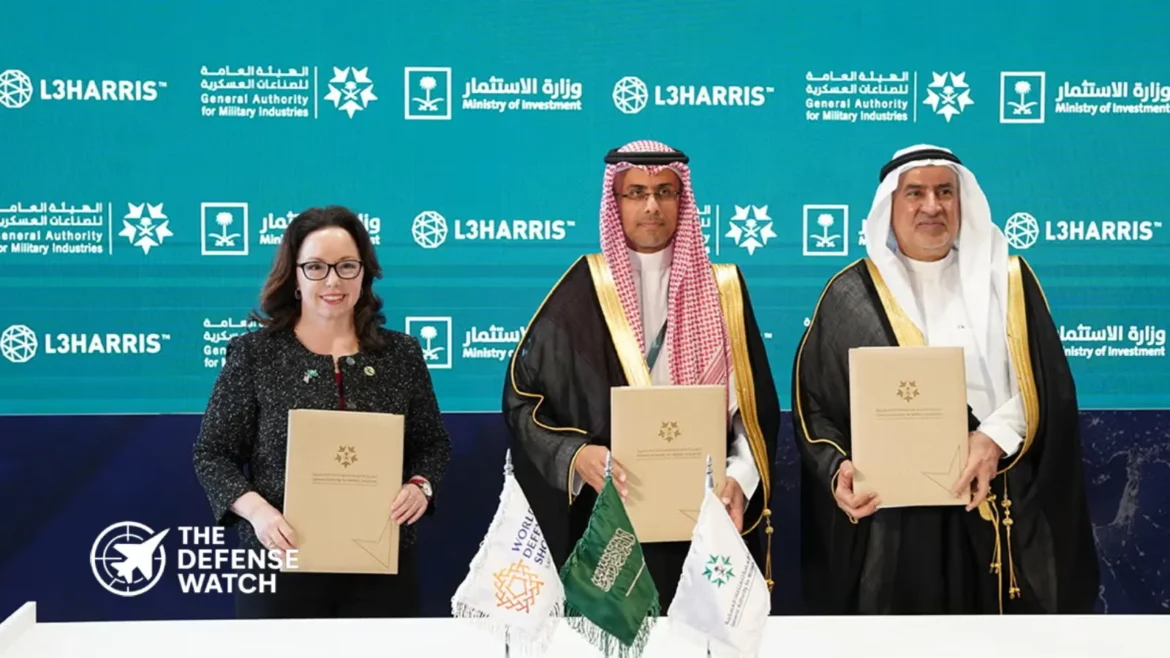
RIYADH, Saudi Arabia — L3Harris Technologies has signed a strategic Memorandum of Understanding with the Kingdom of Saudi Arabia to develop advanced defense capabilities, marking a significant expansion of the American defense contractor’s five-decade relationship with the Gulf nation.
The MOU, signed at the World Defense Show 2026 in Riyadh on February 10, establishes a framework for collaboration between L3Harris and Saudi Arabia’s Ministry of Investment and the General Authority for Military Industries (GAMI) to assess and develop local production capabilities for cutting-edge military technologies.
Jennifer Hanley, Vice President of International at L3Harris, signed the agreement with Saudi government representatives at the biennial defense exhibition, which runs from February 8-12, 2026.
Focus On Artificial Intelligence And Command Systems
The L3Harris Saudi Arabia defense agreement centers on two critical technology areas that align with the Kingdom’s military modernization priorities: artificial intelligence applications for defense and resilient command, control, communications, computers, intelligence, surveillance, and reconnaissance (C4ISR) solutions.
“L3Harris has been a committed partner with the Kingdom of Saudi Arabia for over 50 years, and we pride ourselves on delivering the most advanced capabilities to the country,” Hanley stated in the official announcement. “This MOU is a significant step forward in expanding our commitment to delivering and localizing key capabilities aligned with the Kingdom’s development plans and national security needs.”
The agreement will evaluate the local value chain for these advanced defense technologies, identifying opportunities to establish indigenous production capabilities within Saudi Arabia. This approach directly supports the Kingdom’s Vision 2030 objective to localize more than 50 percent of military equipment spending by 2030.
Building On Established Joint Venture Success
The new MOU builds upon the foundation established by the SAMI L3Harris joint venture, which was signed in 2019 at the Paris Air Show and became fully operational in February 2021. The joint venture represents the first fully operational U.S.-Saudi defense partnership of its kind in the Kingdom.
Through SAMI L3Harris, the partners have already established a production line for software-defined radios within Saudi Arabia. This facility has delivered several thousand tactical radios to the Saudi Ministry of Defense, providing resilient communications for Saudi military forces.
The joint venture is owned 51 percent by Saudi Arabian Military Industries (SAMI), a wholly-owned subsidiary of the Public Investment Fund, and 49 percent by L3Harris Technologies. SAMI L3Harris has focused on localizing advanced communication systems, sensor systems, and integrated mission systems for land, air, and maritime domains.
Technology Transfer And Local Capability Development
The strategic focus on AI military applications Saudi Arabia and C4ISR systems Middle East represents an evolution in the partnership’s scope. Artificial intelligence applications in defense include autonomous systems, predictive maintenance, intelligence analysis, and decision-support tools that enhance operational effectiveness.
C4ISR systems integrate multiple defense technologies into cohesive networks that enable commanders to gather intelligence, communicate securely, and coordinate military operations across multiple domains. L3Harris specializes in resilient C4ISR solutions designed to operate in contested electromagnetic environments where adversaries attempt to jam or intercept communications.
The assessment of local value chains indicates that the partnership will examine existing Saudi industrial capabilities, identify gaps, and determine which technologies can be manufactured or integrated locally. This methodology aligns with GAMI’s mandate to develop domestic defense manufacturing capacity while maintaining access to world-class military technology.
Broader Saudi Defense Modernization Context
The L3Harris agreement comes as Saudi Arabia accelerates its defense industry transformation. The World Defense Show 2026, where the MOU was signed, attracted 925 exhibitors from 80 countries and approximately 130,000 visitors across an 800,000 square meter venue.
The Kingdom has signed multiple defense cooperation agreements during the exhibition, reflecting its systematic approach to building a comprehensive domestic defense industrial base. Saudi Defense Minister Prince Khalid bin Salman inaugurated the show and oversaw the signing of various defense partnerships throughout the event.
Previous SAMI L3Harris initiatives demonstrate the partnership’s operational effectiveness. In April 2025, the joint venture signed an agreement with Zamil Shipyards to develop autonomous maritime capabilities, including unmanned surface vessels designed and manufactured within the Kingdom. These collaborative programs combine L3Harris technology with Saudi manufacturing and engineering expertise.
Strategic Implications For U.S.-Saudi Defense Relations
The expanded L3Harris-Saudi partnership reflects sustained U.S.-Saudi defense cooperation despite evolving geopolitical dynamics in the Middle East. American defense contractors maintain substantial presence in Saudi Arabia, providing advanced military systems, training, and sustainment support.
L3Harris operates across multiple defense domains including space, air, land, sea, and cyber. The company’s portfolio includes tactical radios, electronic warfare systems, intelligence and reconnaissance platforms, missile defense technologies, and space systems. The emphasis on AI and C4ISR positions the partnership at the forefront of defense technology trends.
The MOU structure allows both parties to assess technical feasibility, economic viability, and security requirements before committing to specific programs. This deliberate approach reduces risk and ensures that localized production meets both Saudi operational needs and L3Harris quality standards.
Next Steps And Implementation Timeline
While the MOU establishes the framework for collaboration, specific programs and timelines will be developed through the assessment process outlined in the agreement. The evaluation of local value chains will determine which capabilities can be efficiently produced within Saudi Arabia and which elements require continued international supply chain integration.
L3Harris and GAMI will jointly identify opportunities for technology transfer, workforce development, and research and development activities. The partnership may include establishment of new manufacturing facilities, expansion of existing SAMI L3Harris operations, or integration with other Saudi defense industry entities.
The Kingdom’s commitment to defense localization, backed by substantial financial resources through the Public Investment Fund, provides a foundation for sustained partnership growth. Saudi Arabia’s defense budget and strategic location in the Middle East make it a priority market for international defense contractors.
Industry Analysis
Defense industry analysts note that L3Harris’ systematic approach to the Saudi market—establishing joint ventures, demonstrating operational success, and gradually expanding scope—represents a model for sustainable international defense partnerships. Unlike simple arms sales, the technology localization strategy builds long-term relationships and creates mutual dependencies that strengthen bilateral defense ties.
The focus on AI and C4ISR reflects global defense trends toward networked, information-centric warfare. Saudi Arabia’s investments in these areas position the Kingdom to operate alongside Western military forces in coalition operations while developing indigenous capabilities for regional security challenges.
The agreement’s timing, announced at the World Defense Show 2026, maximizes visibility and demonstrates both parties’ commitment to the partnership. The exhibition provides a platform for showcasing existing SAMI L3Harris achievements while signaling future collaboration areas to other potential partners and competitors.
Conclusion
The L3Harris Technologies MOU with Saudi Arabia represents a strategic deepening of defense cooperation focused on emerging military technologies. By combining American innovation in artificial intelligence and command systems with Saudi industrial capacity and market access, the partnership aims to create sustainable defense capabilities aligned with the Kingdom’s Vision 2030 objectives.
As regional security challenges evolve and military technology advances, partnerships that emphasize technology transfer and local capability development will likely become increasingly important for both defense contractors and host nations. The L3Harris-Saudi model offers insights into how such relationships can be structured for mutual benefit while addressing national security and economic development priorities.
L3Harris Navy MIDS LVT Contract Strengthens Tactical Communications Sustainment
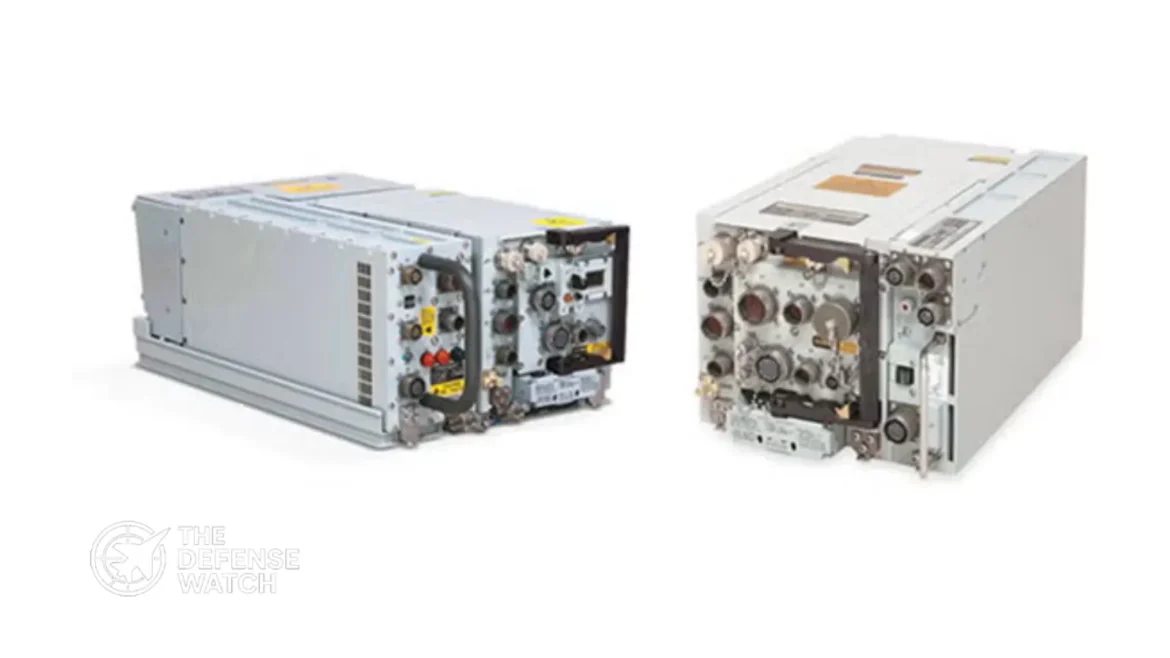
L3Harris Technologies has been awarded a $11.9 million U.S. Navy contract to support the Multifunctional Information Distribution Systems Low Volume Terminal Block Upgrade 2, reinforcing long-term sustainment of critical tactical communications hardware.
Contract Details And Scope
L3Harris Technologies, through its Communication Systems-West division in Salt Lake City, Utah, received a firm-fixed-price long-term contract valued at $11,955,764. The award covers the repair of a single system component in support of the MIDS LVT Block Upgrade 2 program under the Common Systems Integrated Weapon Support Team.
According to the contract notice, the agreement does not include option provisions and all work will be performed in Salt Lake City, Utah. The effort is scheduled to run through February 2031, reflecting the Navy’s focus on sustaining fielded tactical data link capabilities over the long term.
While the contract is fully funded using Navy working capital funds, no funds are being obligated at the time of award, a standard practice for long-duration sustainment contracts.
The contracting activity is Naval Supply Systems Command Weapon Systems Support, based in Philadelphia, Pennsylvania, under contract number N00383-26-D-U001.
Sole-Source Award Justification
The Navy issued the contract as a sole-source award, soliciting one source under the authority of Title 10 U.S. Code Section 2304(c)(1), which permits non-competitive procurement when only one responsible source can meet agency requirements.
Only one offer was received, aligning with the Navy’s determination that L3Harris is the original equipment manufacturer with the technical data, tooling, and system knowledge required to support this MIDS LVT component.
Such sole-source sustainment contracts are common for advanced communications systems, where proprietary designs and security constraints limit alternative suppliers.
Why MIDS LVT Block Upgrade 2 Matters
The Multifunctional Information Distribution System Low Volume Terminal is a core element of Link 16, the secure tactical data network used across U.S. and allied air, naval, and ground forces.
MIDS LVT terminals enable real-time sharing of targeting data, situational awareness, and command information between platforms such as fighter aircraft, surface combatants, and command nodes. The Block Upgrade 2 configuration incorporates updated hardware and software features designed to maintain interoperability, reliability, and cybersecurity compliance.
Sustaining these terminals ensures continued mission effectiveness for platforms that rely on Link 16 as a primary tactical data link, especially in joint and coalition operations.
L3Harris Role In U.S. Tactical Communications
L3Harris is a long-standing supplier of secure communications, datalinks, and electronic systems to the U.S. Department of Defense. The company has played a central role in the development, production, and sustainment of MIDS terminals used by U.S. and allied forces.
This contract reinforces L3Harris’s position as a key provider of tactical communications sustainment, particularly in areas where lifecycle support and system reliability are as critical as initial procurement.
Strategic Context
Rather than acquiring new systems, the Navy continues to prioritize sustainment and readiness of existing communications infrastructure. Long-term repair contracts like this one help reduce downtime, manage lifecycle costs, and ensure operational availability of mission-critical equipment.
As contested and network-centric operations place greater demands on secure data sharing, maintaining trusted systems such as MIDS LVT remains a core requirement for U.S. naval and joint forces.
White Sands Missile Range contract awarded to Southwest Range Services
The U.S. Army has awarded a major White Sands Missile Range contract to Southwest Range Services LLC of Las Cruces, New Mexico, securing long term mission support services for one of the Pentagon’s most critical test and evaluation sites.
(adsbygoogle = window.adsbygoogle || []).push({});Under the newly awarded cost plus fixed fee contract, Southwest Range Services will provide comprehensive mission support services at White Sands Missile Range. The total value of this contract action is 445,943,100 dollars, according to official Army contracting information.
Contract details and scope
The contract covers mission support services essential to the daily operation and testing activities at White Sands Missile Range. The range plays a central role in U.S. Army and joint force research, development, test, and evaluation efforts, particularly for missile systems, sensors, space related testing, and emerging defense technologies.
Bids for the White Sands Missile Range contract were solicited through an online competitive process, with three offers received. This indicates continued competition among defense services firms for long term Army support roles tied to high value test infrastructure.
Work under the contract will be performed in Las Cruces, New Mexico, supporting the long standing local defense industrial base that underpins White Sands operations. The performance period extends through July 17, 2031, providing continuity of support for the range over the next five years.
(adsbygoogle = window.adsbygoogle || []).push({});Funding and contracting authority
At the time of award, the Army obligated 3,079,914.63 dollars in fiscal year 2025 research, development, test, and evaluation funds. These funds are aligned with the mission of White Sands Missile Range, which supports development and testing across multiple Army and joint programs.
The contracting activity for this award is Mission Support Services, White Sands Missile Range, New Mexico. The official contract identifier is W51EW7 26 C A001.
Cost plus fixed fee contracts are commonly used for complex, long duration technical support efforts where requirements may evolve. For White Sands Missile Range, this structure allows the Army to adapt mission support as testing demands change across missile defense, space, and advanced weapons programs.
Strategic importance of White Sands Missile Range
White Sands Missile Range is the largest military installation in the United States and a cornerstone of Army test and evaluation infrastructure. The range supports testing of tactical missiles, hypersonic systems, directed energy technologies, radar, and space assets.
The White Sands Missile Range contract awarded to Southwest Range Services helps ensure the continuity of operations that underpin Army modernization priorities. These include long range precision fires, integrated air and missile defense, and space enabled battlefield awareness.
By securing mission support services through 2031, the Army reduces operational risk during a period of accelerated testing and experimentation. This is particularly relevant as the service increases the pace of development for next generation weapons systems.
(adsbygoogle = window.adsbygoogle || []).push({});Role of Southwest Range Services
Southwest Range Services LLC is a New Mexico based defense services provider with a long standing presence supporting White Sands Missile Range activities. Its local workforce and institutional knowledge are viewed as critical to sustaining range operations, safety, and technical readiness.
The award reinforces the Army’s preference for continuity and proven performance at mission critical test facilities. It also highlights the economic importance of White Sands related defense contracts to southern New Mexico.
Industry and budget context
Defense contracts tied to test ranges such as White Sands have gained increased attention as the Department of Defense emphasizes rapid prototyping and operational testing. Stable mission support contracts allow program offices to focus resources on system performance rather than infrastructure gaps.
(adsbygoogle = window.adsbygoogle || []).push({});For fiscal year 2025, Army research, development, test, and evaluation funding remains a key enabler of modernization efforts. Contracts like this White Sands Missile Range award translate strategic budget priorities into sustained on the ground capability.
Looking ahead
With this contract in place, White Sands Missile Range is positioned to continue supporting a wide range of Army, joint, and allied test activities through the end of the decade. Southwest Range Services will play a central role in maintaining the operational backbone of one of the most important test environments in the U.S. defense enterprise.
As modernization timelines compress and testing demands increase, long term mission support contracts are likely to remain a focal point of Army acquisition strategy.
Telephonics P-8A IFF contract expansion strengthens allied maritime aviation
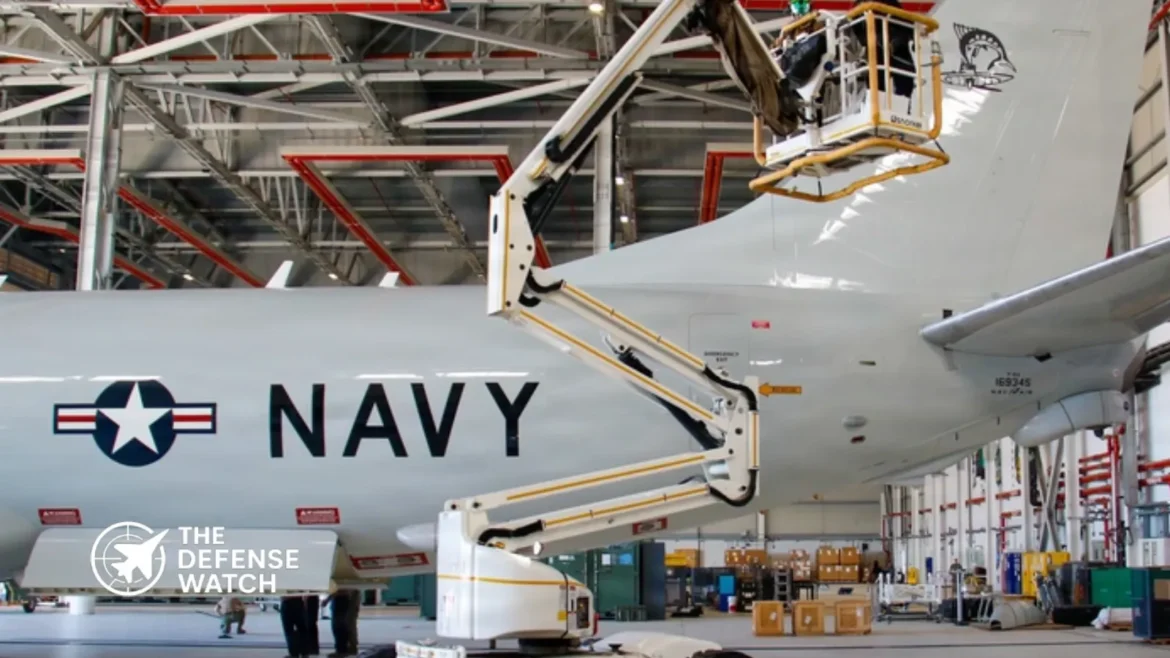
Telephonics, based in Farmingdale, New York, has been awarded a $16,022,537 contract modification to expand production and support of Identification Friend or Foe systems for the P-8A Poseidon aircraft, according to a U.S. Navy contract announcement. The Telephonics P-8A IFF contract supports U.S. Navy requirements and Foreign Military Sales customers, including Canada and Germany.
(adsbygoogle = window.adsbygoogle || []).push({});The contract modification, designated P00002, updates a previously awarded firm fixed price cost plus fixed fee contract and adds scope for additional production, delivery, and sustainment activities through April 2028.
Contract scope and system details
Under the modified contract, Telephonics will produce and deliver 29 AN UPX-43(V) Identification Friend or Foe Interrogators for the P-8A maritime patrol aircraft. The systems are allocated across U.S. Navy and allied fleets as follows:
- Eight IFF interrogator sets for the U.S. Navy
- Fourteen sets and three spares for the government of Canada
- Three sets and one spare for the government of Germany
In addition to the interrogators, the contract includes the production of 25 P-8A IFF trays, which support installation and integration aboard the aircraft.
The AN UPX-43(V) is a modern IFF interrogator used to identify cooperative air and surface contacts. On the P-8A Poseidon, the system supports maritime surveillance, anti submarine warfare, and coalition operations by enabling secure identification within joint and allied airspace.
(adsbygoogle = window.adsbygoogle || []).push({});Support, sustainment, and firmware updates
Beyond hardware production, the Telephonics P-8A IFF contract also covers a range of sustainment and lifecycle support activities. These include:
- Repair of repairable components
- Ongoing technical support
- Firmware updates for the IFF systems
These elements are critical for maintaining interoperability and system reliability across multinational P-8A fleets. Firmware updates ensure continued compliance with evolving identification standards and coalition operating requirements.
The inclusion of sustainment work reflects the growing emphasis on long term readiness and supportability for U.S. Navy and allied aviation platforms.
Funding and contract structure
The $16 million modification includes funding from both U.S. Navy procurement accounts and Foreign Military Sales customers.
- $4,932,817 is funded by Fiscal Year 2024 Navy aircraft procurement funds
- $11,089,721 is funded by Foreign Military Sales customers
The Navy funded portion will be obligated at the time of award, with funds set to expire at the end of the current fiscal year.
The contract was awarded on a non competitive basis, consistent with system sustainment and follow on production for existing platforms and suppliers.
Work location and schedule
All work under the contract will be performed in Farmingdale, New York, where Telephonics conducts system development, production, and support activities.
The Navy expects contract performance to be completed by April 2028, aligning with ongoing P-8A fleet modernization and allied force expansion timelines.
(adsbygoogle = window.adsbygoogle || []).push({});Strategic context for P-8A operators
The P-8A Poseidon is a cornerstone of U.S. and allied maritime patrol aviation. Operated by the U.S. Navy, Canada, Germany, and several other partner nations, the aircraft plays a key role in:
- Maritime domain awareness
- Anti submarine warfare
- Surface surveillance
- Coalition and NATO operations
Reliable IFF capability is essential for these missions, particularly during multinational operations where aircraft operate in shared airspace and contested maritime environments.
The Telephonics P-8A IFF contract supports this requirement by ensuring consistent system configuration and sustainment across multiple allied fleets.
Contracting authority
The contracting activity for the award is Naval Air Systems Command, headquartered at Patuxent River, Maryland. NAVAIR manages the development, acquisition, and sustainment of naval aviation platforms and systems, including the P-8A Poseidon.
RTX F135 propulsion system contract supports F-35 Lot 20 production
RTX Corp. has been awarded a not to exceed $230.6 million F135 propulsion system contract to protect the F-35 Lot 20 engine delivery schedule, according to a U.S. Department of Defense contract announcement. The agreement funds long lead time materials and components needed to sustain production of 138 F135 engines for the U.S. Air Force, Marine Corps, Navy, international partners, and Foreign Military Sales customers.
The contract was issued by Naval Air Systems Command at Patuxent River, Maryland, and was not competitively awarded.
Contract scope and structure
The RTX F135 propulsion system contract is structured as a combination fixed price incentive, firm target, cost plus incentive fee, advanced acquisition, undefinitized contract. Its primary purpose is to secure critical materials, parts, and manufacturing efforts required to prevent schedule disruptions in the F-35 Lot 20 production cycle.
Long lead items are essential for the F135 engine due to its complex global supply chain, specialized materials, and extended manufacturing timelines. Funding these elements early helps stabilize production and reduce downstream risks as full-rate manufacturing ramps up.
The effort supports 138 propulsion systems across multiple customers, reflecting the multinational nature of the F-35 program and the shared reliance on the F135 engine as its sole powerplant.
Production locations across the United States
Work under the RTX F135 propulsion system contract will be performed across a broad U.S. industrial base, underscoring the engine program’s economic and strategic footprint.
Key workshare locations include:
East Hartford, Connecticut, 17 percent
Indianapolis, Indiana, 10 percent
Middletown, Connecticut, 8 percent
Kent, Washington, 7 percent
North Berwick, Maine, 4 percent
El Cajon, California, 3 percent
Cromwell, Connecticut, 3 percent
Whitehall, Michigan, 3 percent
Portland, Oregon, 2 percent
San Diego, California, 2 percent
South Bend, Indiana, 2 percent
Columbus, Georgia, 1 percent
Hampton, Virginia, 1 percent
Manchester, Connecticut, 1 percent
Cheshire, Connecticut, 1 percent
Elmwood Park, New Jersey, 1 percent
Various locations across the continental United States, 34 percentThe contract is scheduled for completion in May 2031.
Funding breakdown and fiscal details
Funding for the RTX F135 propulsion system contract comes from multiple sources tied to both U.S. and international F-35 procurement.
At the time of award, the following funds will be obligated:
$35.22 million from fiscal 2025 Air Force aircraft procurement funds
$26.63 million from fiscal 2025 Navy aircraft procurement funds
$42.68 million from non U.S. Department of Defense partner Navy funds
$126.03 million from Foreign Military Sales fundsNone of the obligated funds will expire at the end of the current fiscal year, providing budget stability for the long lead procurement effort.
Importance of the F135 engine to the F-35 program
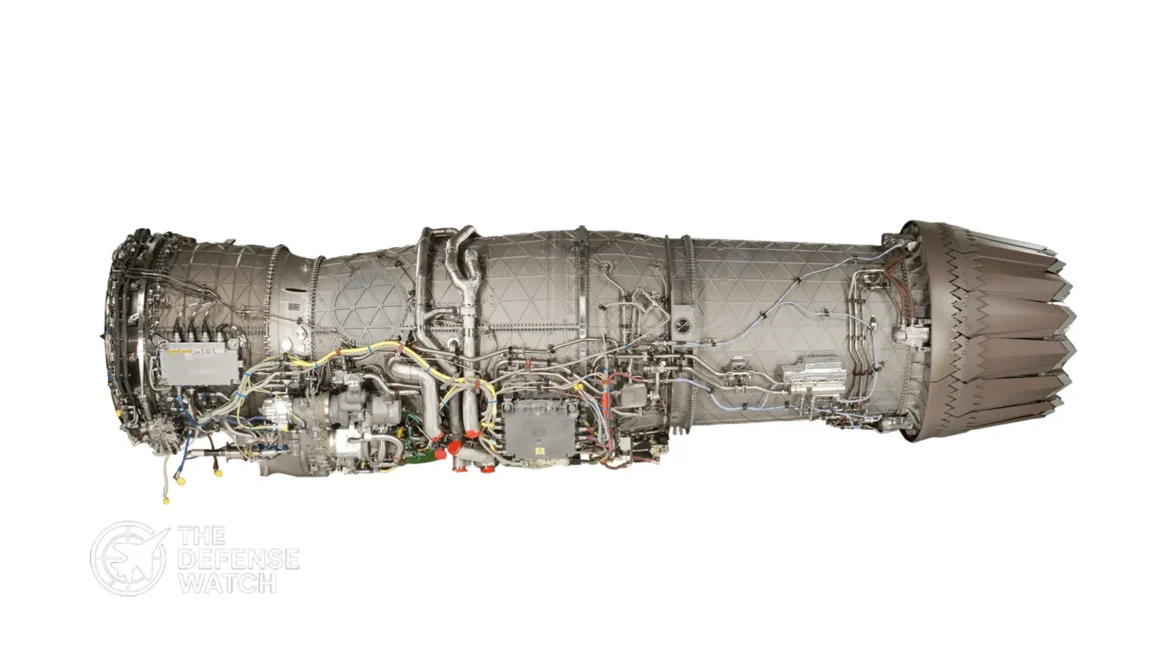
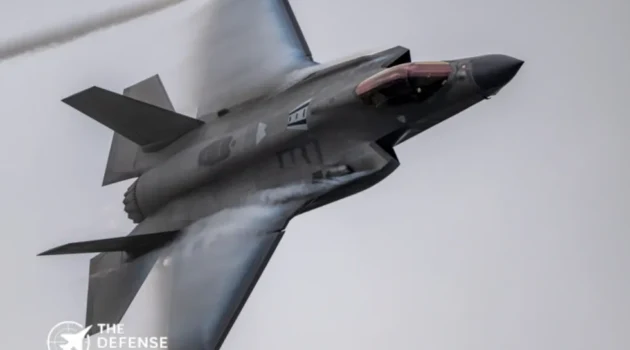
The Pratt and Whitney F135, produced by RTX, is the most powerful fighter engine currently in operational service. It powers all three variants of the F-35 Lightning II, including the conventional takeoff and landing F-35A, the short takeoff and vertical landing F-35B, and the carrier-capable F-35C.
Ensuring on-time delivery of F135 engines is critical to meeting aircraft production targets set by the U.S. services and international customers. Engine delays can cascade across final assembly lines, pilot training pipelines, and operational unit stand-ups.
The Lot 20 production phase comes as the F-35 program continues to recover from earlier supply chain disruptions and modernization challenges, making early investment in long lead items a priority for program managers.
Strategic implications for allies and partners
A significant portion of the contract funding is tied to non U.S. Department of Defense partners and Foreign Military Sales customers. This reflects continued demand for the F-35 among allied air forces and the importance of maintaining a predictable delivery schedule.
Stable F135 engine production supports partner confidence in the F-35 enterprise and helps align multinational fleet growth with shared training, sustainment, and operational planning efforts.
By securing long lead materials now, the U.S. Navy and its partners aim to reduce risk as international F-35 fleets expand through the late 2020s and early 2030s.
Oversight and contracting authority
Naval Air Systems Command is the contracting activity for the RTX F135 propulsion system contract. NAVAIR manages naval aviation acquisition programs and plays a central role in coordinating engine procurement for both Navy and Marine Corps F-35 variants, while also supporting joint and international stakeholders.
The contract is identified under reference number N0001926C0118.
General Atomics has received a 43.3 million contract modification to continue development of the Electromagnetic Aircraft Launch System and Advanced Arresting Gear for the future French aircraft carrier, according to a US Navy contract announcement. The award supports detailed design work through the critical design review phase and establishes a configuration baseline for Frances next generation carrier program.
(adsbygoogle = window.adsbygoogle || []).push({});The work is funded through the Foreign Military Sales program and managed by Naval Air Systems Command at Patuxent River, Maryland. The contract underscores the growing international adoption of US developed carrier launch and recovery technology.
Contract Details and Scope of Work
The modification, identified as P00002, applies to order N0001925F0028 under a previously issued basic ordering agreement. It is structured as a firm fixed price and cost plus fixed fee order and exercises options for continued design and development work.
Under the agreement, General Atomics will advance the French carrier configuration of EMALS and Advanced Arresting Gear through the critical design review. This phase is a major milestone in naval acquisition programs, as it confirms that the system design meets operational requirements and is ready to move toward production planning.
In addition to design maturation, the contract includes procurement of technical data packages to support the established configuration. These data are essential for integration planning, future production decisions, and long term sustainment of the systems.
Work Locations and Schedule
Contracted work will be performed primarily in San Diego, California, accounting for 89 percent of the effort. Additional work will take place at several US Navy and industrial support sites, including Lakehurst, New Jersey at 5.5 percent, Tupelo, Mississippi at 3.5 percent, Boston, Massachusetts at 1 percent, and Patuxent River, Maryland at 1 percent.
(adsbygoogle = window.adsbygoogle || []).push({});The project is scheduled for completion in January 2028, aligning with the broader timeline of Frances future aircraft carrier development. All funds, totaling 43,349,633 dollars, will be obligated at the time of award. None of the funds will expire at the end of the current fiscal year, providing financial stability for the multi year effort.
EMALS and AAG in Carrier Modernization
EMALS and Advanced Arresting Gear represent a major shift away from traditional steam catapults and hydraulic arresting systems. Developed for the US Navy and first deployed aboard the Gerald R Ford class aircraft carriers, EMALS uses electromagnetic energy to launch aircraft with greater control and reduced stress on airframes.
Advanced Arresting Gear complements EMALS by using energy absorbing water turbines and digital controls to recover aircraft more efficiently. Together, the systems are designed to support a wider range of aircraft, including heavier strike fighters and future unmanned platforms.
For France, adoption of EMALS and AAG reflects a decision to align its future carrier with advanced US Navy standards, improving interoperability during allied operations. The future French carrier is expected to replace the nuclear powered Charles de Gaulle and operate next generation naval aircraft well into the mid century.
Strategic and Industrial Significance
The contract highlights General Atomics expanding role as a key supplier of carrier launch and recovery technology beyond the United States. France is currently the only confirmed international customer for EMALS and AAG, making the program a significant example of transatlantic defense cooperation.
(adsbygoogle = window.adsbygoogle || []).push({});From a US perspective, the award reinforces the Foreign Military Sales framework as a tool for strengthening alliances while supporting the domestic defense industrial base. Work spread across multiple US states also reflects the distributed nature of naval aviation support infrastructure.
The order was not competed, consistent with the proprietary nature of EMALS and AAG technology and General Atomics status as the original developer and manufacturer.
Program Oversight and Next Steps
Naval Air Systems Command at Patuxent River serves as the contracting activity and program oversight authority. NAVAIR has long managed carrier aviation launch and recovery systems for the US Navy, including testing and certification at Naval Air Engineering Station Lakehurst.
(adsbygoogle = window.adsbygoogle || []).push({});Completion of the critical design review will mark a key step toward finalizing the French carrier configuration and enabling future production decisions. Subsequent phases are expected to focus on system manufacturing, integration, and testing aligned with the ships construction schedule.
E 2D Advanced Hawkeye contract strengthens fleet radar readiness
The E 2D Advanced Hawkeye contract awarded to Northrop Grumman Systems Corp marks a significant sustainment investment for the US Navy airborne early warning fleet and its Japanese partner. The Navy has issued a ceiling priced delivery order valued at up to 198 million dollars for the procurement of 608 power amplifier module spares used on the E 2D Advanced Hawkeye aircraft.
(adsbygoogle = window.adsbygoogle || []).push({});The award was announced by the Department of Defense and executed by Naval Supply Systems Command Weapon Systems Support in Philadelphia. Work will be performed at Northrop Grumman facilities in Melbourne Florida and is scheduled for completion by February 2029.
Contract details and scope of work
Under delivery order N00383 26 F S50R, issued against an existing basic ordering agreement, Northrop Grumman will manufacture and deliver power amplifier modules critical to the E 2D radar and mission system architecture. These modules support the aircrafts advanced electronically scanned array radar, which provides long range air and maritime surveillance for carrier strike groups.
The delivery order does not include an option period. Funding at the time of award totals approximately 97 million dollars, split between Navy working capital funds and Foreign Military Sales funds. According to the announcement, 64.3 million dollars in Navy funds and 32.7 million dollars in FMS funding from Japan were obligated immediately and will not expire at the end of the current fiscal year.
Support for Japan through Foreign Military Sales
A portion of the E 2D Advanced Hawkeye contract supports Japan under the US Foreign Military Sales program. The Japan Air Self Defense Force operates the E 2D as part of its airborne early warning and control mission, replacing older E 2C platforms and expanding interoperability with US forces in the Indo Pacific.
By aligning US Navy and Japanese requirements in a single sustainment action, the Navy aims to streamline logistics and maintain common configuration standards across allied fleets. This approach reflects broader Pentagon efforts to improve readiness while supporting key regional allies through established FMS mechanisms.
Non competitive award rationale
The Navy solicited one firm for this requirement under the authority of Title 10 US Code 3204 a 1, which permits non competitive awards when only one responsible source can meet agency requirements. Northrop Grumman is the original equipment manufacturer for the E 2D mission systems, including the radar and associated electronic components.
Officials stated that one offer was received. This is consistent with past E 2D sustainment actions, which typically rely on the prime contractor due to proprietary designs and integration requirements.
Importance of power amplifier modules
Power amplifier modules are a key element of the E 2D Advanced Hawkeye radar system. They enable high power transmission and precise beam control, supporting the aircrafts ability to detect and track airborne and surface threats at extended ranges.
(adsbygoogle = window.adsbygoogle || []).push({});Maintaining an adequate supply of spares is essential for operational availability, especially as the E 2D fleet continues high tempo deployments aboard US Navy aircraft carriers and at land based sites. The contract supports long term sustainment as the platform remains a cornerstone of naval integrated air and missile defense.
Program background and broader context
The E 2D Advanced Hawkeye is operated by the US Navy and Japan and is widely regarded as one of the most capable airborne early warning platforms in service. It features a digital cockpit, advanced communications, and the AN APY 9 radar, allowing it to act as a battle management node across air, sea, and joint forces.
Northrop Grumman continues to serve as the prime contractor for the platform, supporting production, upgrades, and sustainment. Recent Navy budget documents have emphasized readiness and sustainment funding for high demand aviation assets, including the E 2D, as part of broader force posture and modernization efforts.
This latest E 2D Advanced Hawkeye contract aligns with those priorities, ensuring radar performance and mission availability through the end of the decade.