- Pentagon awards $700.4 million F-35 contract modification to Lockheed Martin.
- Funding covers long-lead materials for Lots 20 and 21 of the F-35 production program.
- Denmark and multiple international partners will receive aircraft from these production lots.
- Work spans several global facilities including the U.S., United Kingdom, and Italy through 2030.
- The contract reinforces multinational investment in the long-term F-35 fighter program.
F-35 Contract Modification Supports Denmark And Global Production
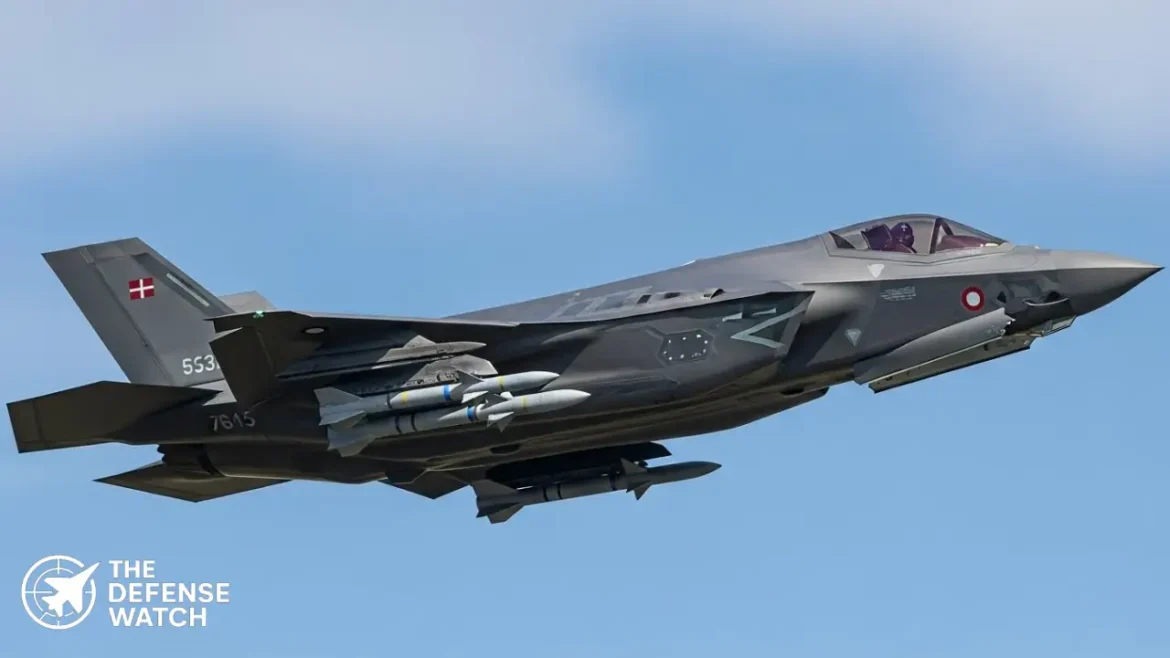
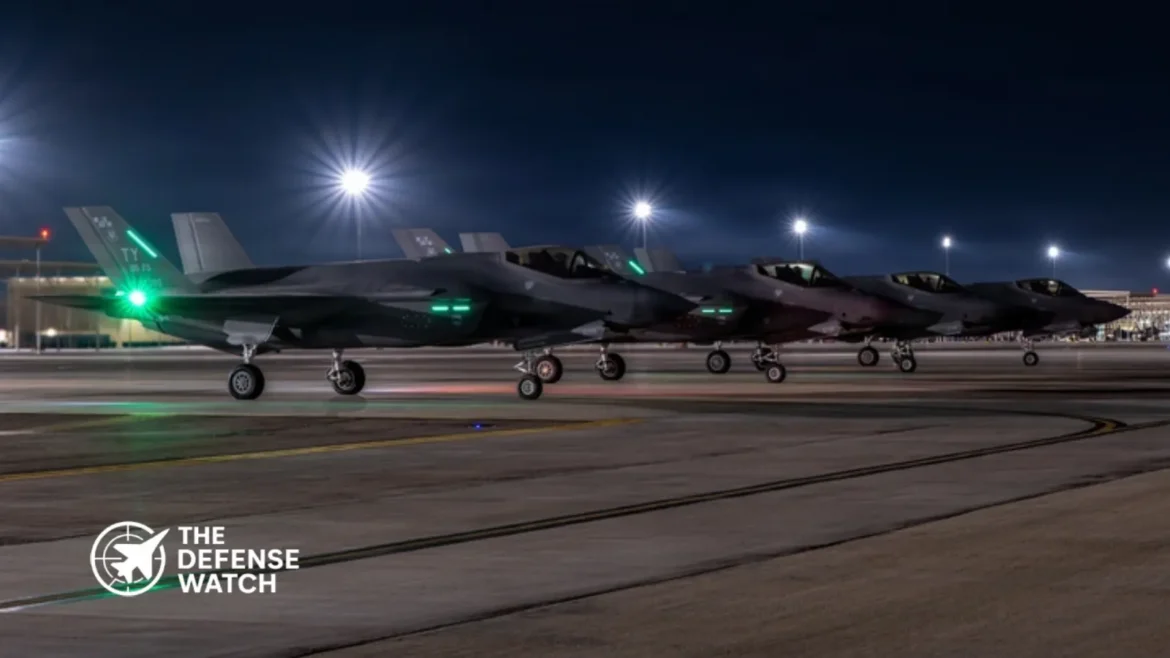
The F-35 contract modification awarded to Lockheed Martin provides $700.4 million to secure long-lead materials and components for upcoming production of the fifth-generation fighter. The funding supports aircraft planned for Denmark, as well as other international partners and Foreign Military Sales customers participating in the global F-35 program.
(adsbygoogle = window.adsbygoogle || []).push({});The Pentagon announced that the contract modification expands work under a previously awarded advanced acquisition contract. The effort focuses on procuring early components required for Lots 20 and 21 of the F-35 production line, ensuring the supply chain remains on schedule for aircraft deliveries later this decade.
The U.S. Naval Air Systems Command (NAVAIR) in Patuxent River, Maryland manages the contract.
The Big Picture
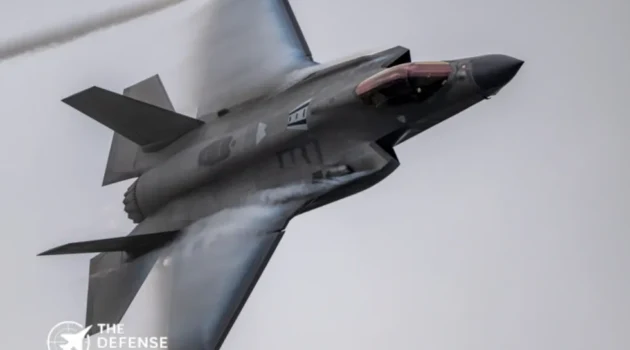
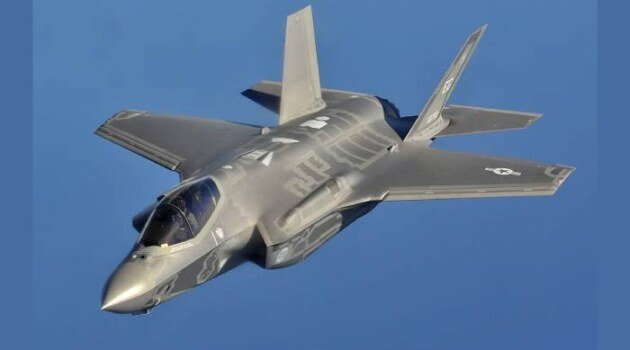
The new funding highlights the continued expansion of the F-35 Lightning II program, which remains the largest multinational fighter aircraft project in history. The aircraft serves as the backbone of U.S. and allied tactical airpower, combining stealth, sensor fusion, and networked warfare capabilities.
More than a dozen allied nations operate or plan to operate the F-35. These aircraft enable coalition forces to share targeting data, coordinate operations, and conduct joint missions across multiple domains.
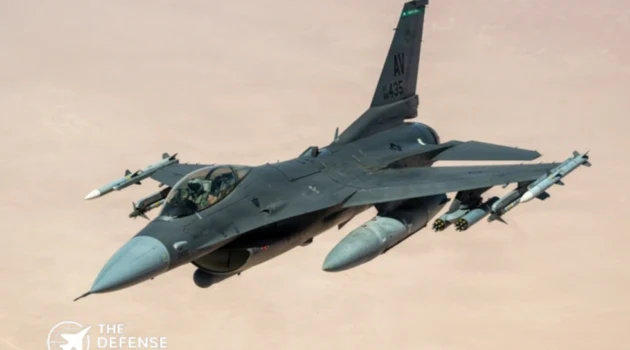
Denmark represents one of several NATO members transitioning to the aircraft as part of broader modernization efforts. Copenhagen selected the F-35A to replace its aging F-16 fleet, aligning its air combat capabilities with other NATO air forces.
Securing long-lead materials early in the production cycle helps stabilize manufacturing timelines and ensures partner nations receive aircraft without delays.
What’s Happening
The Department of Defense awarded the $700,400,000 modification to Lockheed Martin Aeronautics, based in Fort Worth, Texas.
The contract includes two major funding streams.
• $305.9 million comes from F-35 cooperative program partners.
• $394.5 million comes from Foreign Military Sales customers.These funds support the purchase of long-lead materials, parts, and components required for Lots 20 and 21 of F-35 production aircraft.
The work spans a global supply chain that reflects the program’s multinational structure.
Production and manufacturing will occur across several locations:
• Fort Worth, Texas – 59 percent
• El Segundo, California – 14 percent
• Warton, United Kingdom – 9 percent
• Cameri, Italy – 4 percent
• Orlando, Florida – 4 percent
• Nashua, New Hampshire – 3 percent
• Baltimore, Maryland – 3 percent
• San Diego, California – 2 percent
• Other locations outside the continental United States – 2 percentThe program expects work to continue through December 2030.
The Pentagon did not compete the contract modification because it expands an existing agreement tied directly to the F-35 program.
Why It Matters
Long-lead components play a critical role in advanced fighter production. These materials include specialized avionics hardware, structural components, propulsion system elements, and mission system electronics that require extended manufacturing timelines.
By funding these parts years in advance, the Pentagon and its international partners protect the production schedule against supply chain disruptions.
Defense officials increasingly view this approach as essential for large programs like the F-35. The aircraft contains thousands of high-precision components sourced from a complex network of suppliers across North America and Europe.
Early procurement reduces the risk of manufacturing bottlenecks that could delay aircraft deliveries.
For partner nations such as Denmark, maintaining predictable delivery timelines is particularly important as they phase out legacy fighter fleets.
Strategic Implications
The continued expansion of F-35 procurement strengthens NATO’s collective airpower architecture.
European nations increasingly rely on the aircraft to maintain air superiority against advanced air defense systems and modern fighter aircraft fielded by potential adversaries.
The F-35’s sensor fusion allows aircraft to detect and track threats while sharing data across coalition networks. This capability transforms the aircraft into both a fighter and an intelligence platform during combat operations.
For NATO planners, interoperability remains one of the program’s most valuable features. Aircraft from different nations can operate together seamlessly, allowing coalition air forces to coordinate missions with fewer integration challenges.
(adsbygoogle = window.adsbygoogle || []).push({});Denmark’s participation also reinforces regional security in Northern Europe and the Baltic region. F-35 aircraft operating from Danish bases can support NATO missions across the Baltic Sea, the North Atlantic, and the Arctic approaches.
Competitor View
Russia and China closely monitor the expansion of the F-35 fleet among U.S. allies.
Moscow has long criticized the deployment of fifth-generation fighters near its borders, particularly in Northern and Eastern Europe. The growing number of F-35 aircraft operating within NATO enhances the alliance’s ability to detect and track air and missile threats in contested environments.
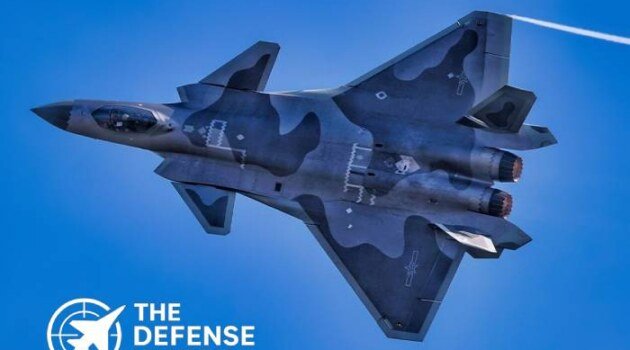
China views the aircraft primarily through the lens of global airpower competition. Beijing continues to expand its own fifth-generation fighter programs, including the J-20 and emerging stealth platforms.
The steady expansion of the F-35 user community signals that U.S. allies remain committed to a shared technological baseline for advanced air combat operations.
What To Watch Next
Several developments will shape the next phase of the F-35 program.
Production rates remain a key indicator of program stability. Lockheed Martin continues to work with the Pentagon to increase manufacturing efficiency while integrating new technology upgrades.
Upcoming aircraft will incorporate elements of the Block 4 modernization program, which introduces improved sensors, electronic warfare capabilities, and expanded weapons integration.
Denmark and other partner nations will gradually receive aircraft from these production lots as deliveries begin later in the decade.
Observers will also watch how supply chain reforms and long-lead procurement strategies affect production schedules.
Capability Gap
Modern air forces require platforms capable of operating in heavily defended airspace. Legacy fourth-generation fighters struggle against advanced radar systems and integrated air defense networks.
The F-35 addresses this gap through a combination of stealth design, advanced sensors, and networked battlefield awareness.
However, the aircraft remains part of a broader combat ecosystem. Its effectiveness depends on secure data links, aerial refueling support, and integration with other platforms such as drones and airborne early warning aircraft.
Sustaining the aircraft across multinational fleets also requires long-term investments in maintenance infrastructure and logistics networks.
The Bottom Line
The $700 million F-35 contract modification secures critical production materials and reinforces the long-term commitment of the United States and its allies to the world’s largest fifth-generation fighter program.
 ■ KEY FACTS AT A GLANCE
- ► Denmark is establishing a new long-range drone squadron within the Royal Danish Air Force.
- ► The squadron will operate long-endurance unmanned aircraft for intelligence, surveillance, and reconnaissance missions.
- ► Missions will cover Danish national interests, including the Baltic Sea, North Sea, and Arctic areas.
- ► The initiative is part of Denmark’s broader defense agreement aimed at strengthening NATO contributions.
- ► The new capability will enhance Denmark’s independent situational awareness and long-range monitoring capacity.
- ► The squadron will support NATO intelligence sharing and allied operational planning in Northern Europe.
Denmark Long-Range Drone Squadron Marks a Strategic Shift in Nordic ISR
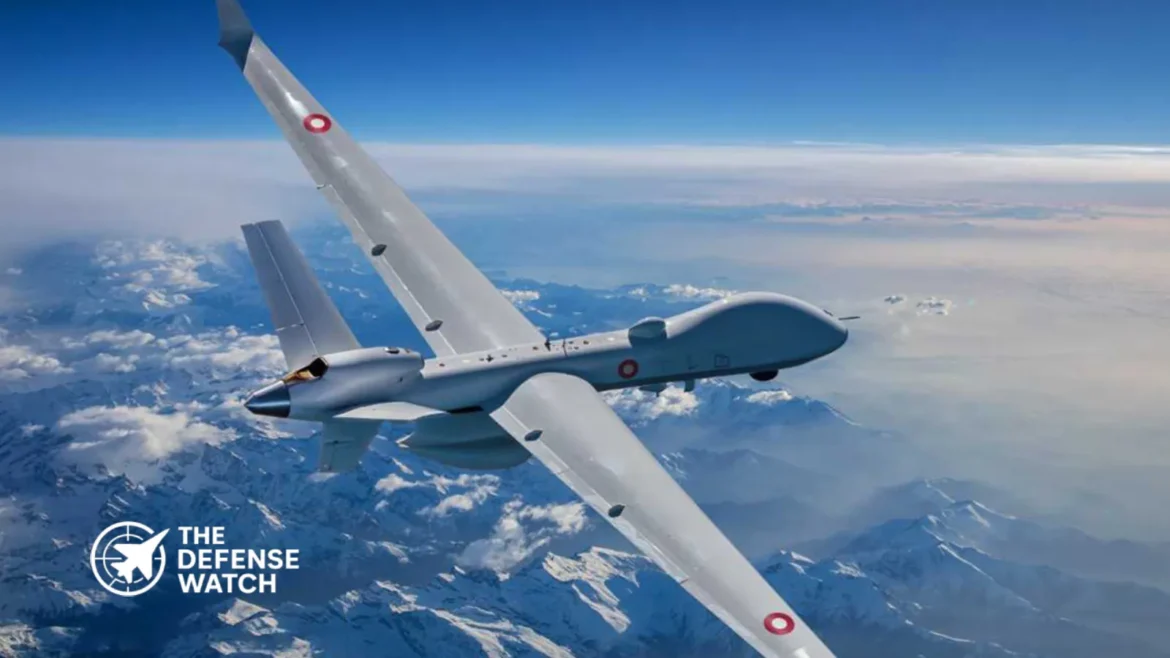
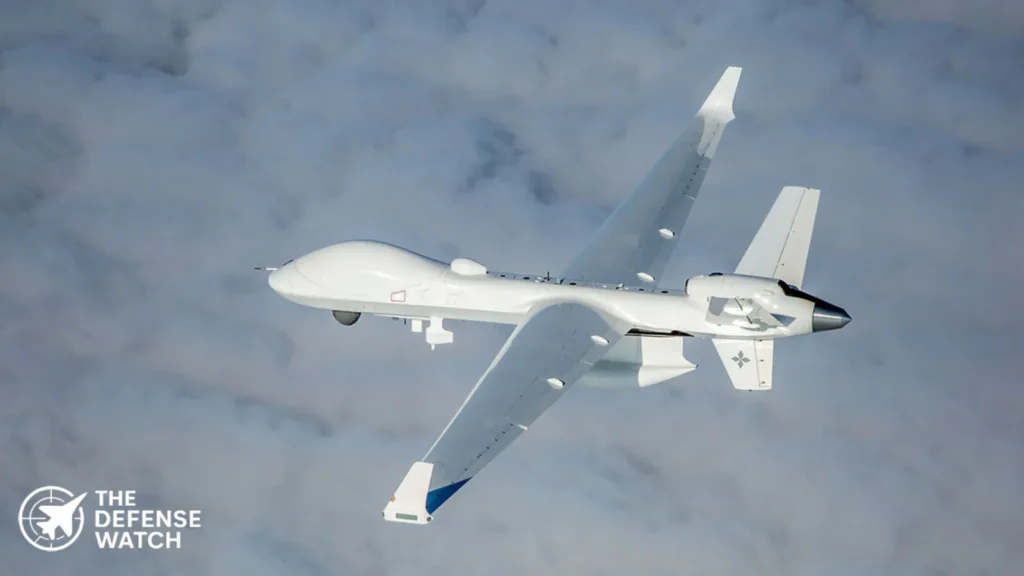
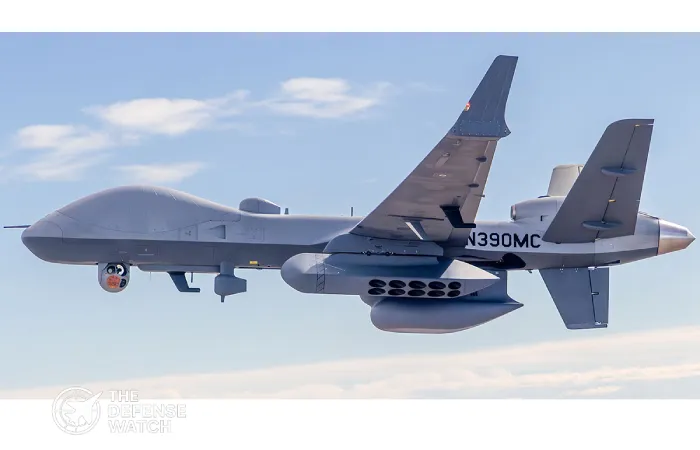
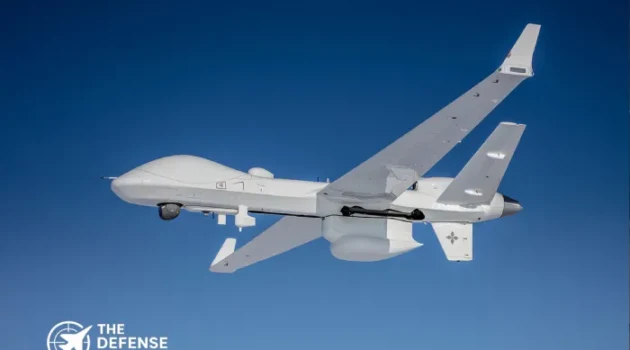
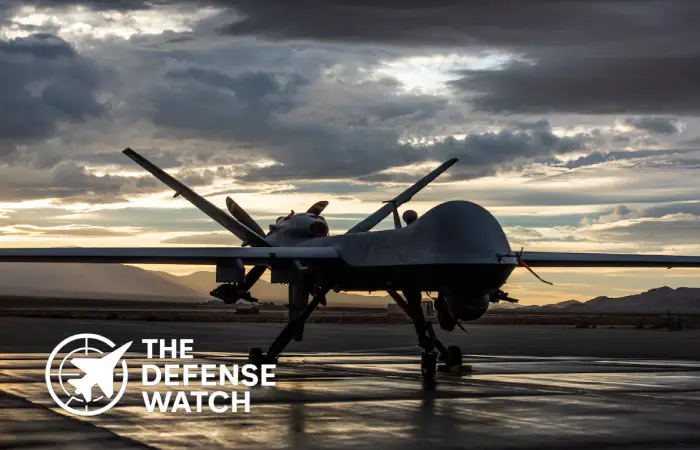
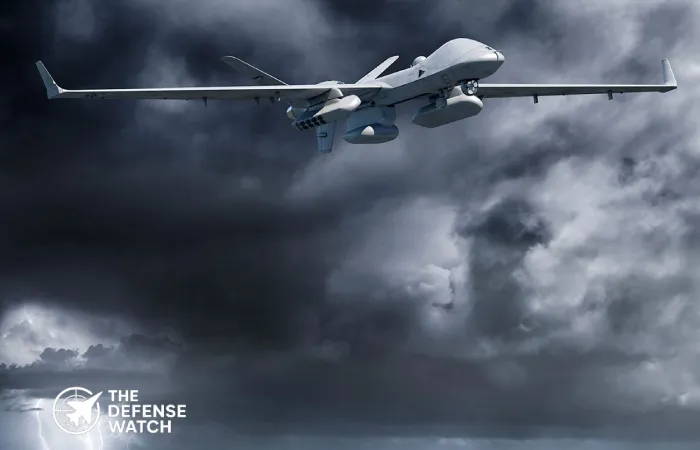
Denmark’s long-range drone squadron is set to become a new operational element within the Royal Danish Air Force, expanding the country’s ability to conduct persistent surveillance across the Baltic Sea and the Arctic.
(adsbygoogle = window.adsbygoogle || []).push({});The decision reflects more than force restructuring. It signals Copenhagen’s recognition that long-endurance unmanned aircraft are now central to NATO’s deterrence architecture in Northern Europe.
The squadron will focus on long-range intelligence, surveillance, and reconnaissance missions. That mission set is increasingly critical as Russia’s military activity in the Baltic region and High North continues to draw allied attention.
Denmark has traditionally relied on maritime patrol aircraft and allied ISR coverage. The establishment of a dedicated long-range drone capability suggests a move toward greater national autonomy in persistent surveillance.
Why This Matters Now
The timing is not coincidental.
Since Russia’s invasion of Ukraine in 2022, NATO has reinforced its eastern and northern flanks. The accession of Finland and Sweden to NATO has reshaped the Baltic security map. The Baltic Sea is now effectively a NATO-dominated maritime space, except for Russia’s Kaliningrad enclave and St. Petersburg region.
In this environment, ISR gaps become strategic liabilities.
Long-range drones offer continuous coverage at lower operating cost than crewed aircraft. They can remain airborne for extended periods, track naval movements, monitor infrastructure, and support targeting networks.
(adsbygoogle = window.adsbygoogle || []).push({});For Denmark, whose territory includes Greenland and the Faroe Islands, the requirement extends well beyond the Baltic. Arctic surveillance is becoming a core mission area as climate change opens new sea routes and increases great power competition in the High North.

The new Denmark long-range drone squadron therefore supports both Baltic deterrence and Arctic domain awareness.
Operational Impact: Persistent Eyes Over the Baltic and Arctic
Long-range unmanned systems fundamentally change how small and mid-sized NATO members manage airspace and maritime awareness.
Unlike tactical drones, long-range ISR platforms can:
- Conduct multi-day maritime patrol cycles
- Track surface vessels and submarine support activity
- Monitor undersea cable infrastructure
- Support search and rescue operations in the Arctic
- Feed real-time data into NATO’s command network
For Denmark, this means reduced dependence on allied airborne assets such as U.S. RQ-4 Global Hawk deployments or British P-8 patrol rotations.
It also enhances interoperability. NATO increasingly relies on distributed ISR networks, linking national drone fleets with alliance data fusion centers.
Denmark’s investment aligns with broader European trends. Germany operates the Heron TP. Italy fields MQ-9 variants. Poland is expanding MALE drone procurement. The UK integrates Protector RG1 into its ISR structure.
Copenhagen is moving into the same operational category.
Industrial and Budget Dimension
Denmark has significantly increased defense spending following a national referendum abolishing its EU defense opt-out and committing to NATO’s 2 percent GDP benchmark.
The drone squadron reflects where those funds are going: networked, high-end surveillance rather than legacy mass platforms.

Long-range unmanned systems offer a favorable cost-to-effect ratio. Operating costs per flight hour are typically lower than those of crewed maritime patrol aircraft. Personnel demands are also smaller.
From a procurement perspective, Denmark’s decision may open opportunities for U.S. and Israeli manufacturers, depending on platform selection. If Copenhagen selects a U.S.-built system such as the MQ-9 family, it would deepen transatlantic industrial integration.
- (adsbygoogle = window.adsbygoogle || []).push({});
At the same time, European strategic autonomy debates could push Denmark toward a European supplier.
The choice will signal alignment priorities.
Regional Security Context: Baltic and High North
Denmark occupies a strategic geographic position controlling access to the Baltic Sea through the Danish Straits.
Monitoring Russian naval traffic from Kaliningrad and St. Petersburg remains a core mission.
Long-range drones add persistent overwatch capability across:
- The Baltic Sea
- North Sea energy infrastructure
- Undersea communication cables
- Arctic maritime approaches
Following suspected sabotage incidents involving Baltic undersea infrastructure in recent years, European governments have intensified maritime monitoring.
Unmanned ISR platforms are particularly suited for identifying unusual vessel behavior patterns over time.
Images from af.mil In the Arctic, Denmark’s responsibilities extend to Greenland. The High North has seen increasing Russian submarine patrols and renewed U.S. strategic interest. Persistent ISR coverage enhances both sovereignty enforcement and alliance reassurance.
Comparison With Nordic Peers
Denmark’s move mirrors developments among Nordic allies.
Norway operates long-endurance ISR platforms and has expanded maritime patrol coverage with P-8 aircraft. Sweden, now a NATO member, maintains strong airborne early warning capabilities. Finland integrates ground-based sensors with allied ISR networks.
(adsbygoogle = window.adsbygoogle || []).push({});The Denmark long-range drone squadron ensures Copenhagen remains an active contributor rather than a peripheral participant in this evolving Nordic security architecture.
Unlike larger NATO members, Denmark cannot field large fleets. But high-end drones allow it to punch above its weight in surveillance contributions.
Alliance Dynamics and NATO Burden Sharing
NATO’s northern flank is no longer secondary.
The Baltic region is now a primary theater of deterrence planning. Persistent ISR coverage reduces escalation risks by improving transparency. It also strengthens crisis response timelines.
By investing in long-range drones, Denmark demonstrates tangible burden sharing rather than relying solely on U.S. ISR deployments.
For Washington, this is strategically welcome. The U.S. Department of Defense has consistently encouraged European allies to build independent ISR capabilities that integrate into NATO networks.
Denmark’s decision fits that pattern.
Strategic Assessment
The Denmark long-range drone squadron has implications beyond air force restructuring.
Impact on Regional Power Balance:
Persistent surveillance strengthens NATO’s situational awareness in the Baltic and Arctic. That reduces Russia’s ability to operate undetected in maritime corridors near Danish territory.Deterrence Implications:
ISR does not directly project force, but it underpins targeting, early warning, and decision-making. Better visibility increases deterrence credibility.Budget Signals:
Denmark is prioritizing advanced, networked capabilities over legacy mass platforms. That reflects NATO’s broader shift toward high-end surveillance and data dominance.Alliance Dynamics:
The squadron reinforces Denmark’s standing within NATO as a serious contributor to northern security. It also reduces pressure on U.S. ISR assets in Europe.Escalation Risks:
(adsbygoogle = window.adsbygoogle || []).push({});
Improved monitoring can reduce miscalculation. However, increased surveillance in contested areas may also generate diplomatic friction with Russia, particularly in Arctic airspace corridors.Overall, this move does not alter the military balance dramatically. It does incrementally tighten NATO’s ISR net in a region where warning time matters.
What Happens Next
The key questions now involve platform selection, timeline to operational readiness, and integration into NATO’s ISR architecture.
If Denmark fields a medium-altitude, long-endurance platform comparable to the MQ-9 class, operational capability could significantly expand within a few years.
Full integration with NATO data-sharing networks will determine the real strategic value of the squadron.
For now, Denmark has signaled clearly that long-range unmanned surveillance is no longer optional. It is foundational to modern Nordic defense planning.
The United States government has approved potential foreign military sales worth more than US$1 billion to three allied nations — Denmark, Italy and Republic of Korea (South Korea) — authorizing a range of air-launched munitions and support equipment.
The approvals, announced 5 December 2025 by the Defense Security Cooperation Agency (DSCA), open the door for acquisition and integration of advanced missiles and bombs into the air arsenals of all three countries.
Details of the Sale
Denmark: AIM-120C-8 Missiles
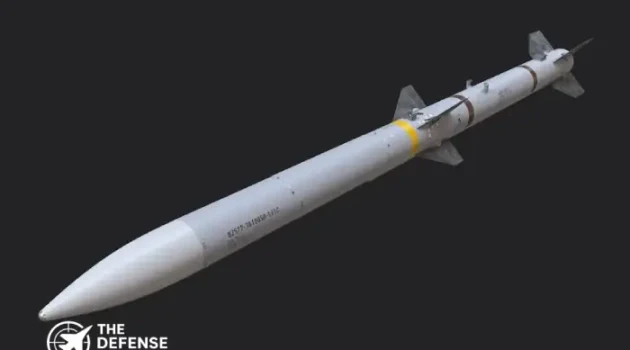
Denmark has been cleared to purchase up to 200 AIM-120C-8 AMRAAM (Advanced Medium Range Air-to-Air Missiles) for an estimated total of US$730 million. The sale includes associated support equipment and services.
According to DSCA the sale will enhance Denmark’s air-to-air capability and improve its interoperability with U.S. and NATO air forces.
This clearance comes shortly after Copenhagen was approved to purchase 340 AIM-9X Sidewinder Block II missiles.
Italy: JASSM-ER Cruise Missiles
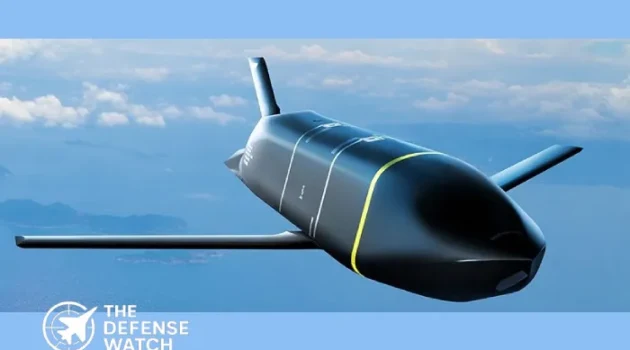
Italy is authorized to buy 100 units of the long-range AGM-158B/B-2 JASSM-ER (Joint Air-to-Surface Standoff Missiles – Extended Range), along with related hardware, logistics and support. The estimated value of the package is US$301 million.
The DSCA notes the sale will expand Italy’s air-to-surface strike reach, enabling stand-off attacks from safer distances. The missiles are compatible with Italian fighter aircraft including — but not limited to — the F-35.
South Korea: GBU-39/B Small Diameter Bombs
South Korea has received clearance for 624 units of the GBU-39/B Small Diameter Bomb (SDB-I), at a cost of approximately US$112 million including related support. The new sale supplements an earlier batch under a previous contract.
The bombs are precision-guided weapons designed for use by fighter and bomber aircraft, allowing for accurate strike against hardened or fortified ground targets.
Context: Why Now
Recent years have seen a marked rise in conventional arms imports by European NATO states. According to the Stockholm International Peace Research Institute (SIPRI), U.S. arms exports to Europe increased 233% between 2015–19 and 2020–24, making Europe the largest regional recipient of U.S. weapons in decades.
The approvals for Denmark and Italy show continued U.S. support for strengthening air capabilities among NATO partners. At the same time, the sale to South Korea underscores Washington’s effort to reinforce regional allies in Asia amid rising security concerns across the Indo-Pacific.
Implications for Recipients
For Denmark, acquiring 200 AIM-120C-8 missiles will significantly boost its air-to-air combat readiness, particularly as part of NATO’s aerial deterrence posture. The compatibility of those missiles with modern fighters allows for quick integration.
Italy’s acquisition of JASSM-ER missiles will give its air force deep strike capability, enabling long-range precision attacks well beyond previous reach. This improves Italy’s ability to contribute to coalition operations or national defense missions requiring stand-off engagements.
For South Korea, the additional GBU-39 bombs expand its precision-strike inventory, increasing flexibility in targeting hardened or fortified positions while reducing collateral damage. This could enhance Seoul’s deterrence or rapid-response capacity.
What’s Next
With DSCA’s clearance granted on 5 December, the respective governments and U.S. defence contractors will move into the contracting and procurement phase. Final delivery schedules will depend on manufacturing lead times, integration timelines and training.
These sales come at a time when rising global demand — driven in part by recent conflicts and shifting security dynamics — has pushed U.S. arms exports to new highs. As these weapons enter service, they may reshape air combat and strike capabilities among U.S. allies in both Europe and the Indo-Pacific.