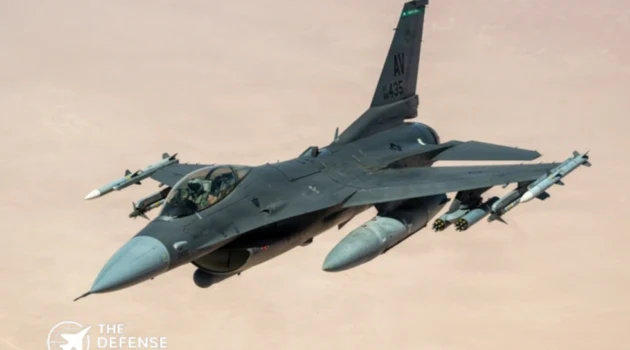
United States Commands Largest Fighter Fleet Globally
The United States maintains the world’s largest fighter fleet with 1,790 aircraft, according to Global Firepower’s 2025 rankings. This substantial numerical advantage reflects decades of sustained investment in airpower and represents more than a third larger than China’s fighter inventory. The U.S. fighter fleet spans all service branches—Air Force, Navy, and Marine Corps—creating an integrated aerial combat capability unmatched by any rival power.
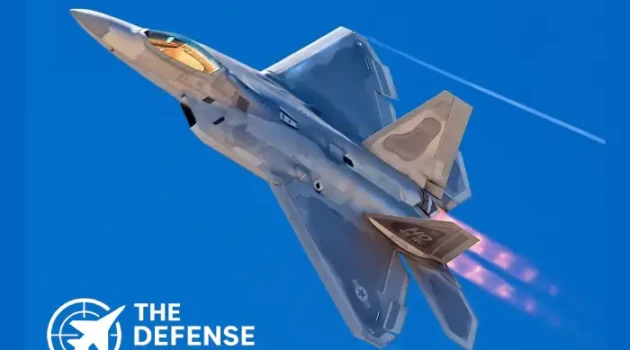
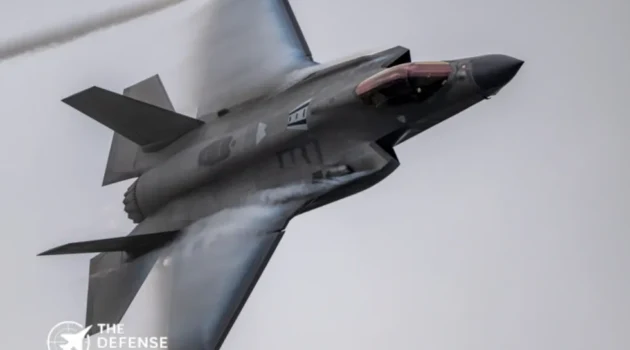
(adsbygoogle = window.adsbygoogle || []).push({});American fighter squadrons include approximately 2,651 aircraft across all services, though operational fighter numbers specifically total 1,790 when counting dedicated air superiority and multirole platforms. The U.S. Air Force operates nearly 2,000 of these jets, with the F-22 Raptor maintaining air superiority while the F-35 Lightning II has become the backbone of American tactical aviation. The Navy’s carrier-based F/A-18 Super Hornets and F-35Cs, along with the Marine Corps’ vertical-landing F-35Bs, ensure American power projection anywhere on the globe.
The technological sophistication of the U.S. fleet sets it apart from numerical competitors. While countries like China and Russia field larger overall military aircraft inventories, American fighters benefit from advanced sensors, networking systems, and stealth capabilities that multiply their effectiveness. The Next Generation Air Dominance program promises to maintain this qualitative edge well into the 2030s.
China Rapidly Closes Gap with 1,212 Fighters
China ranks second globally with 1,212 fighter aircraft, representing the People’s Liberation Army Air Force’s dramatic modernization over the past two decades. This fleet size reflects Beijing’s strategic imperative to challenge American airpower in the Indo-Pacific region and protect expanding Chinese interests worldwide.
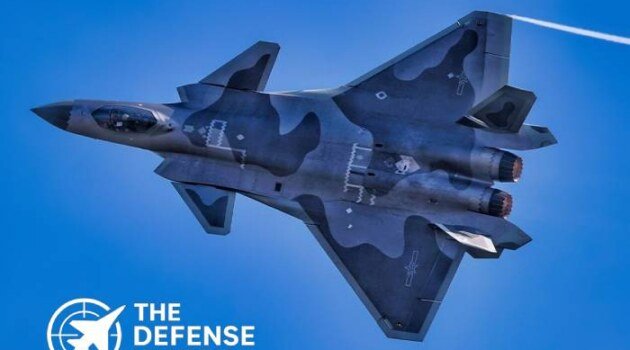
(adsbygoogle = window.adsbygoogle || []).push({});The centerpiece of China’s fleet is the J-20 Mighty Dragon, a stealth fighter often compared to the American F-22. Supporting the J-20 are domestically produced designs like the J-10, a lightweight single-engine fighter optimized for air defense missions, and the J-11 and J-16, which are derivatives of Russian Sukhoi designs manufactured under license and subsequently improved with Chinese technology.
China’s fighter production capacity has accelerated dramatically. The country now produces advanced jets at scale, with indigenous engines replacing earlier reliance on Russian powerplants. This industrial base enables the PLAAF to replace aging Soviet-era aircraft while simultaneously expanding overall fleet size. Chinese naval aviation is also expanding with carrier-capable fighters, as new carriers make China’s Navy the world’s second most capable after the United States.
Russia Maintains Third Place Despite Losses
Russia fields 833 fighter aircraft, securing third position in global rankings despite significant combat losses in Ukraine. The ongoing conflict has exposed vulnerabilities in Russian air combat doctrine and revealed maintenance challenges across an aging fleet, though Moscow still operates substantial quantities of capable fighters.
(adsbygoogle = window.adsbygoogle || []).push({});The Sukhoi Su-35, Su-30, and Su-34 make up the backbone of Russia’s modern fighter force. The Su-57 Felon, Russia’s fifth-generation stealth fighter, has entered limited production but remains rare with only a handful operational. Older platforms like the MiG-29 and Su-27 continue serving widely despite their age, while the MiG-31 Foxhound remains in service as a long-range interceptor.
Russia’s air operations in Ukraine have shown heavy losses and limited effectiveness, raising questions about actual combat readiness despite nominal fleet numbers. Parts shortages, maintenance backlogs, and training deficiencies appear more severe than previously assessed by Western intelligence agencies.
India Ranks Fourth with 513 Aircraft
India operates 513 fighter jets, making the Indian Air Force the fourth-largest fighter operator globally. India’s fleet represents a diverse mix of Russian, French, and increasingly indigenous aircraft as New Delhi pursues strategic autonomy in defense production.
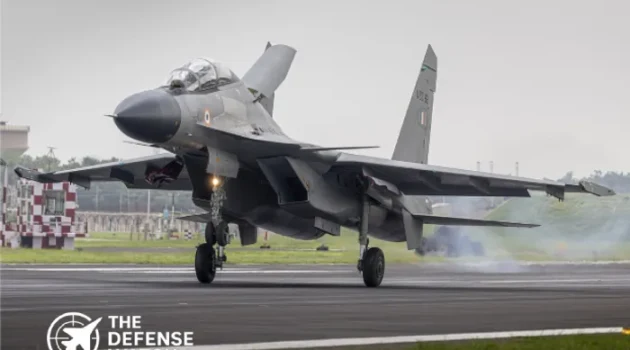
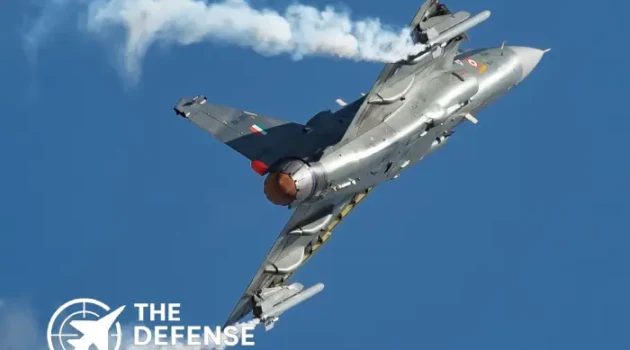
The Russian Sukhoi Su-30MKI forms the IAF’s heavy fighter backbone, with over 260 in service. The Dassault Rafale, built in France, represents the IAF’s newest and most advanced fighter. India also operates Mirage 2000s, MiG-29s, Jaguar strike aircraft, and the domestically developed HAL Tejas light fighter.
Recent border tensions and aerial clashes with Pakistan have pushed India to modernize its air force faster. The country is developing an upgraded Tejas Mark 1A, investing in a Super Sukhoi program to modernize existing jets, and considering future purchases including potentially the F-35. The retirement of the aging MiG-21 Bison in 2025 marks the end of an era and the start of a more capable, homegrown Indian Air Force.
North Korea’s Aging Fleet Holds Fifth Position
North Korea operates 368 fighter aircraft placing fifth globally by sheer numbers. However, the Korean People’s Army Air Force fleet consists largely of obsolete aircraft from the Soviet era and Chinese variants, with questionable operational readiness due to maintenance challenges and fuel shortages.
(adsbygoogle = window.adsbygoogle || []).push({});The majority of North Korean fighters are outdated MiG-21s, MiG-23s, and MiG-29s, along with Chinese-built J-7s. While numerically significant, these aircraft would face severe disadvantages against modern fighters equipped with advanced radar, missiles, and electronic warfare systems. North Korea’s fighter force serves primarily as a deterrent and point defense asset rather than an offensive capability.
Despite its size, analysts consider the North Korean air force largely ineffective in modern combat scenarios. Limited flight training hours, aging airframes, and isolation from global supply chains severely constrain operational effectiveness.
Pakistan Fields 328 Fighters in Regional Balance
Pakistan operates 328 fighter aircraft, ranking sixth worldwide. The Pakistan Air Force maintains this fleet specifically to counter Indian airpower and protect the country’s borders, with aircraft optimized for this regional strategic requirement.
Pakistan’s fleet includes American F-16 Fighting Falcons, Chinese JF-17 Thunder fighters jointly developed with Pakistan, and French Mirage III/5 aircraft. The JF-17 program represents Pakistan’s most significant indigenous aerospace achievement, with over 130 jets delivered and active export marketing to other countries.
The PAF emphasizes training and tactical proficiency to offset India’s numerical advantages. Pakistan’s fighter pilots maintain high readiness levels, and the force demonstrated its capabilities during the 2019 aerial engagement with India over Kashmir.
South Korea Deploys 315 Advanced Fighters
South Korea operates 315 fighter jets, placing seventh globally with one of the most technologically advanced air forces in Asia. The Republic of Korea Air Force has systematically modernized its fleet to counter North Korean threats while contributing to regional stability.
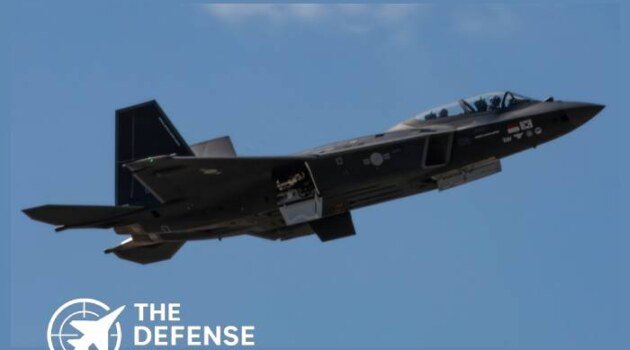
South Korea has begun replacing its aging air force with a new Korean-made aircraft, the KF-21 Boramae. The KF-21 represents Seoul’s ambition to develop indigenous defense technology and reduce dependence on foreign suppliers. The ROKAF also operates F-35A Lightning IIs, F-15K Slam Eagles, and KF-16 Fighting Falcons.
In 2024, South Korea announced that it would begin mass-producing the KF-21 to fill the vacuum created by the retirement of its older aircraft. These jets will likely be sold to other East Asian nations, including potentially the Philippines and Indonesia.
Taiwan Maintains 285 Fighters Against Chinese Pressure
Taiwan operates 285 fighter aircraft, ranking eighth globally as the Republic of China Air Force maintains a credible deterrent force despite constant pressure from Beijing. Taiwan’s fighter fleet represents one of its most critical defense assets given the island’s strategic vulnerability.
The ROCAF operates upgraded F-16V Fighting Falcons, indigenous F-CK-1 Ching-Kuo fighters, and Mirage 2000-5 aircraft. Taiwan has invested heavily in modernizing existing F-16A/B models to the advanced F-16V standard, incorporating active electronically scanned array radars and modern avionics. The island has also ordered 66 new-build F-16V aircraft from the United States, with deliveries ongoing.
(adsbygoogle = window.adsbygoogle || []).push({});Taiwan’s fighters face the daunting challenge of defending against numerically superior Chinese airpower while operating from a limited number of airbases vulnerable to missile attack. The ROCAF emphasizes quick-reaction alert postures and regular combat air patrols to intercept Chinese aircraft probing Taiwan’s air defense identification zone.
Saudi Arabia Fields 283 Fighters with Western Technology
Saudi Arabia operates 283 fighter jets, placing ninth globally with one of the best-equipped air forces in the Middle East. The Royal Saudi Air Force has invested heavily in Western fighter technology, creating a force optimized for regional power projection and coalition operations.
Saudi Arabia’s fleet centers on American F-15 Strike Eagles and F-15SA advanced variants, complemented by Eurofighter Typhoons. The kingdom maintains high operational standards with extensive training programs, often conducted in partnership with U.S. and European forces.
The Saudi fighter fleet has seen combat operations in Yemen and regional counterterrorism missions. The kingdom continues modernizing, with interest in advanced platforms including potential future acquisition of F-35s pending U.S. government approval.
Israel Rounds Out Top Ten with 240 Elite Fighters
Israel operates 240 fighter aircraft completing the top ten with one of the most combat-experienced air forces globally. The Israeli Air Force emphasizes quality over quantity, fielding aircraft with advanced indigenous upgrades and maintaining aircrew proficiency through regular operations.
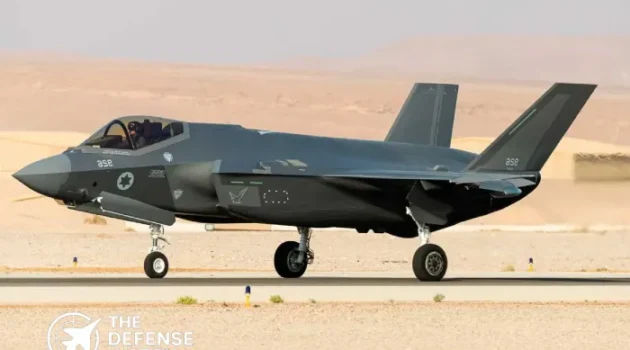
Israel operates F-35I Adir stealth fighters, F-15I Ra’am strike fighters, and F-16I Sufa multirole aircraft. All Israeli fighters incorporate domestically developed avionics, weapons, and electronic warfare systems, giving them capabilities distinct from export models. The IAF maintains the world’s highest operational tempo, conducting frequent strikes against threats in Syria, Lebanon, and other regional locations.
The Israeli fighter fleet has proven itself in multiple conflicts, with pilots and planners continuously incorporating lessons learned. Israel’s defense industry provides ongoing upgrades ensuring its fighters remain at the technological cutting edge despite relatively small fleet size.
Analysis: Beyond Numbers to Combat Capability
While raw fighter numbers provide a baseline for assessing airpower, actual combat effectiveness depends on numerous additional factors. Training, maintenance, logistics, sensor integration, and networking capabilities often matter more than simple aircraft counts.
The U.S. fighter advantage extends beyond its numerical lead. American pilots typically fly 180-240 hours annually—double or triple the training time available to pilots in many competing nations. U.S. fighters benefit from extensive support infrastructure including aerial refueling tankers, airborne early warning aircraft, and sophisticated command and control systems.
Technology also multiplies effectiveness. The F-22 Raptor maintains air superiority, though it is slowly being phased out in favor of next-generation aircraft being developed under the Next Generation Air Dominance program. The F-35 provides information superiority, functioning as an airborne sensor node that shares data across joint forces.
Stealth capabilities increasingly define modern air superiority. Only three countries currently field fifth-generation fighters: the United States (F-22, F-35), China (J-20), and Russia (Su-57). Three countries produce fifth-generation fighter jets: the United States with the F-35 Lightning II, China with the J-20 Mighty Dragon, and Russia with the Su-57 Felon.
The world seems set to produce over 500 and possibly 600 advanced fighter jets in 2024 with the United States and China accounting for most global production. This industrial capacity will shape future airpower balances as older aircraft retire and new capabilities enter service.
Geopolitical factors also influence fighter effectiveness. Numbers alone don’t decide modern air wars; smaller forces equipped with stealth, advanced sensors, and unmanned support can now pose serious threats to even the biggest air fleets. The integration of unmanned systems, directed energy weapons, and hypersonic missiles may transform air combat faster than fleet numbers change.
Regional contexts matter significantly. India’s 513 fighters face different challenges than Israel’s 240, operating across vastly different geographic scales against different threat arrays. Saudi Arabia’s 283 fighters serve coalition roles, while Taiwan’s 285 must defend a confined area against overwhelming nearby Chinese airpower.
(adsbygoogle = window.adsbygoogle || []).push({});The competition for air superiority continues evolving. The race for air supremacy is no longer just about how many planes a nation has, but how smartly they can fight together—crewed or uncrewed—in the skies of the future . Countries investing in advanced training, networking, and next-generation technologies may achieve decisive advantages despite smaller fleet sizes.
Looking forward, fighter fleets will continue modernizing. Lockheed expects to deliver 90-100 F-35s in 2024, and as many as 180 in 2025, potentially elevating this aircraft to become the most widely operated advanced fighter globally. China’s production lines continue accelerating, while Russia faces production constraints due to sanctions and economic pressures.
The United States retains its position as the world’s preeminent air power, but sustained investment and technological innovation remain essential to maintaining this advantage as peer competitors narrow capability gaps and numerical disparities persist.
Ranking the Top 10 Fighter Jet Fleets
Global Firepower’s 2025 assessment ranks nations by total active fighter and interceptor aircraft, drawing from open-source intelligence on operational units. The list reveals a concentration of power among major economies and regional powers, with the top five nations accounting for over 70% of the tracked global inventory.
Here is the complete top 10 in Table:
(adsbygoogle = window.adsbygoogle || []).push({});Rank Country Fighter/Interceptor Aircraft 1 United States 1,790 2 China 1,212 3 Russia 833 4 India 513 5 North Korea 368 6 Pakistan 328 7 South Korea 315 8 Taiwan 285 9 Saudi Arabia 283 10 Israel 240 FAQs
Which country has the most fighter jets in 2025?The United States has the most fighter jets with 1,790 aircraft across all military branches, according to Global Firepower 2025 rankings.
How many fighter jets does China have compared to the U.S.?China operates 1,212 fighter aircraft, making it the second-largest fighter force but still significantly behind the United States’ 1,790 fighters.
What makes a fighter jet “fifth-generation”?Fifth-generation fighters incorporate stealth technology, advanced avionics, sensor fusion, and supercruise capability. Only the U.S. F-22/F-35, Chinese J-20, and Russian Su-57 qualify.
Does having more fighter jets guarantee air superiority?No. Training, maintenance, technology, support systems, and pilot proficiency often matter more than raw numbers in determining actual combat effectiveness.
Which countries produce their own fighter jets?The United States, China, Russia, France, the United Kingdom, Sweden, South Korea, India, and Turkey all produce indigenous fighter aircraft, though at varying capability levels.

Belgium is increasing its investment in counter-drone defenses after a recent rise in unidentified drone flights near civilian airports, military installations, and sensitive sites. The move follows multiple incidents that have led to airspace closures, flight cancellations, and heightened concern over national airspace security.
Growing Drone Activity in Belgian Airspace
In late 2025, authorities recorded a notable increase in reports of unmanned aerial vehicles flying above or near key infrastructure. Several civilian airports, including Brussels, Liège, and Charleroi, faced temporary airspace shutdowns after drones were sighted within controlled zones. Flight operations were halted as a precaution, leading to cancellations and diversions.
Beyond civilian airspace, drones were detected over military sites, such as the Kleine-Brogel and Florennes air bases, prompting security reviews and investigations. In early October, as many as fifteen drones were observed over the Elsenborn military training area, though the origin and operators of these UAVs remain unclear.
Reports from the Belgian aviation authority, Skeyes, indicate that nearly 90 percent of drone flights over sensitive areas last year did not have official authorization. Operators of larger or heavier drones are subject to registration rules, but many flights detected lacked any approved flight plan.
Government Response and Procurement Decisions
Belgian Defense Minister Theo Francken announced a stepped-up national response, part of a broader €50 million anti-drone plan. This includes procurement of new counter-drone equipment and reinforcement of detection networks.
The government has recently signed contracts to acquire Saab’s Giraffe 1X surveillance radar systems. These radars are designed to track aerial targets and supply target data to air defense systems, enhancing early detection and tracking of unidentified drones. The systems will be deployed around the Brussels area, with a reported contract value of €9.2 million.
In addition, Belgium has purchased portable drone jammer guns from Australian firm DroneShield, valued at about €2.8 million. These handheld systems can detect and disrupt hostile unmanned aerial systems using artificial intelligence technologies. Similar systems are already in use in other conflict zones.
Broader Security Measures and Policy Moves
The government has also moved to tighten regulations and consider forceful responses to unauthorized drones. In emergency security meetings, Belgian officials discussed stricter enforcement measures, including clear directives that hostile drones, when detected, may be shot down if necessary.
A National Airspace Security Centre, based at the Beauvechain air force base, is scheduled to become fully operational soon. The centre will centralize drone detection and coordination across civil and military agencies.
Belgian security services have reportedly expressed suspicion that a state actor, possibly Russia, could be behind some of the drone activity, though investigations are ongoing. This concern was discussed at a National Security Council meeting with senior government officials.
International and Regional Context
Belgium is not alone in facing drone incursions. European countries have reported similar incidents leading to airport disruptions and calls for improved defensive measures. Collaborative efforts, including NATO exercises and evaluation of scalable drone defenses, are underway to help member states respond more effectively.
Neighboring states, including Germany, have offered support to Belgium by sending specialized Luftwaffe units to assist with detection and defense against small unmanned aerial vehicles. This support is part of wider cooperative security efforts within NATO to address hybrid threats.
Operational Impact and Next Steps
The increased drone activity has already had practical effects on air travel and military readiness. Temporary airport closures disrupted flight schedules, requiring diversions and affecting passenger traffic. Continued incursions near military bases have also underscored the need for rapid detection and response capabilities.
Belgium’s accelerated procurement program and expanded regulatory approach aim to reduce the risk posed by unauthorized drones. Authorities plan to integrate new detection systems with existing air defense networks and improve communication between civil and military agencies. Upcoming deployments of advanced surface-to-air systems, scheduled for the later 2020s, are expected to further strengthen national airspace security.
As the situation evolves, Belgium is likely to focus on both immediate defensive upgrades and longer-term strategies to protect critical infrastructure and air corridors. Ongoing investigations will seek to clarify the nature and source of the drone flights, shaping future policy and security investments.
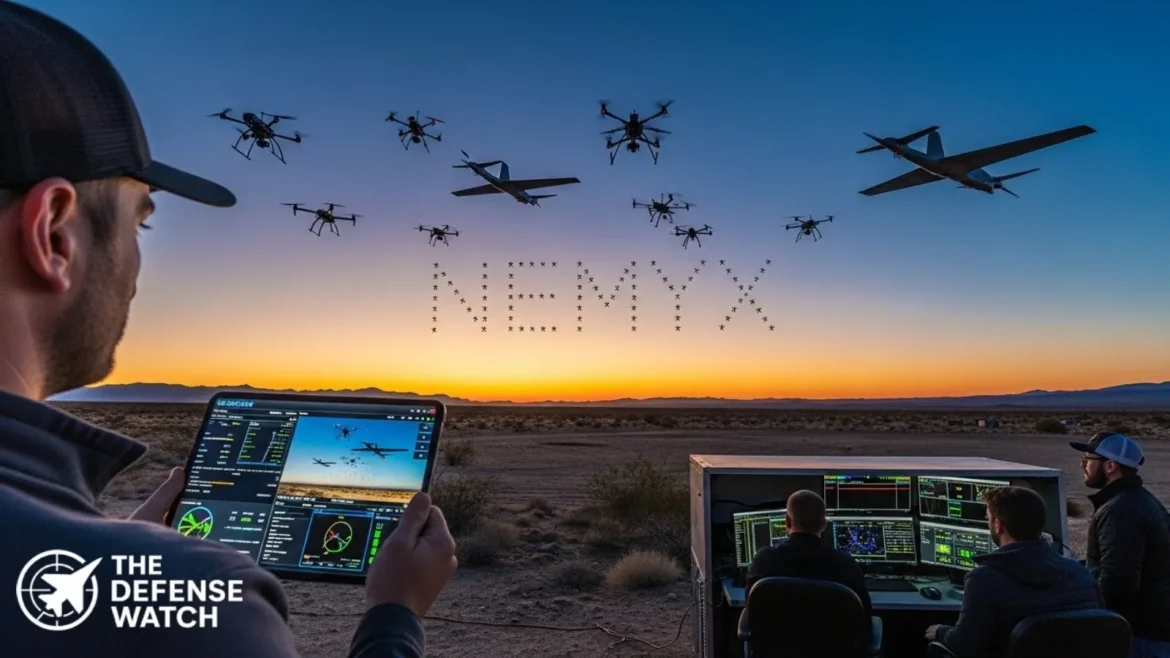
Auterion has completed a live demonstration of a hybrid drone swarm that coordinated unmanned aerial vehicles (UAVs) from multiple manufacturers as a unified force, executing an end-to-end operational sequence including target detection, tracking, and strike effects. The event took place over a test range near Munich and showcased the company’s Nemyx swarm engine operating atop its AuterionOS autonomy stack.
The demonstration brought together eight short-range first-person-view (FPV) munitions and two medium-range fixed-wing drones, all flying under a single mission plan without individual piloting. Auterion described the test as the first hybrid swarm strike featuring aircraft from different manufacturers functioning together as one coordinated unit.
Background on Swarm Technology
Swarm technology aims to enable groups of unmanned systems to operate cooperatively, sharing mission data and synchronizing actions with minimal human input. This approach contrasts with traditional UAV operations, where individual drones are controlled one-by-one or in small teams by human pilots. With current battlefield demands increasing the pace of operations, autonomy is seen as a key factor in executing complex tasks faster and with less workload on operators.
Auterion launched its Nemyx swarm engine in September 2025, positioning it as a cross-platform solution that allows compatible drones to function as distributed elements of a larger system. This software-centric strategy lets operators program mission intent, with the autonomous system handling navigation, timing, and role assignment across the swarm.
Details of the Munich Demonstration
During the Munich event, the mixed formation of drones carried out a complete kill chain sequence without manual control of individual platforms. FPV drones performed rapid, low-altitude maneuvers, while fixed-wing units provided intelligence, surveillance, reconnaissance (ISR) and longer-range actions. Mission logic was shared across the swarm, allowing each vehicle to time its actions in concert with others.
Auterion officials highlighted that Nemyx feeds real-time mission data and live video into standard command interfaces such as the Android Team Awareness Kit, while using established messaging formats like Cursor on Target to integrate with broader military networks. This approach gives human operators situational awareness and command intent without micro-managing the swarm’s movements.
The demonstration was conducted before government observers. Auterion stressed that the role of personnel shifted toward high-level decisions and rules of engagement, while autonomous systems handled routing, deconfliction, and timing within the swarm.
Nemyx and AuterionOS
At the core of the hybrid swarm operation is Auterion’s Nemyx engine, designed to unify drones from different sources into a single autonomous formation. Powered by AuterionOS, the system can scale from small groups of UAVs to larger swarms capable of simultaneous multi-target engagement. The software is compatible with drones that can be upgraded through a simple software installation, enabling interoperability without hardware replacement.
Auterion’s software ecosystem also includes the Skynode series of mission computers and autonomy modules, which provide secure communications, onboard processing, and real-time navigation. The company reported widespread adoption of these systems, including deliveries to allied forces and integration into ongoing defense programs.
Strategic Context
The demonstration arrives as defense forces worldwide explore autonomous and semi-autonomous systems to supplement existing capabilities. Swarm technologies are increasingly seen as a means to achieve mass effects and rapid response in contested environments where adversaries field similar capabilities. Multinational interoperability remains a focus, as coalition forces seek systems that can function across platforms from different suppliers.
In addition to swarm developments, Auterion has been engaged in related projects, including long-range strike drones under the U.S. Defense Innovation Unit’s Artemis program and software deliveries to partners in Europe and Asia. The company’s move to Arlington Virginia reflects its growing role in U.S. defense markets.
What’s Next
With this hybrid swarm demonstration complete, attention will likely turn to operational testing, wider integration with military systems, and refinement of autonomy in real-world conditions. The ability to coordinate assets from multiple manufacturers could lower barriers for coalition deployment and reduce reliance on single-vendor solutions. Further trials and potential fielding decisions by defense forces are expected in the months ahead as autonomous swarm concepts evolve into deployed capabilities.

US Air Force Begins In-Flight Testing of New AESA Radar on B-52 Bomber
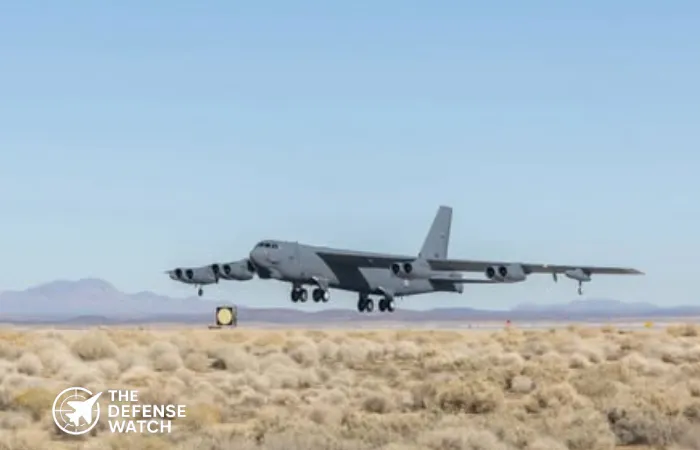
The US Air Force has begun formal testing of a new active electronically scanned array radar on its B-52 Stratofortress bomber. The first B-52 fitted with the advanced radar system arrived at Edwards Air Force Base, California on December 8, 2025, marking the start of a comprehensive ground and flight test program that will run through 2026.
New Radar Replaces Aging System
The new radar, designated the AN/APQ-188, replaces the long-serving AN/APQ-166 mechanically scanned sensor currently on B-52H aircraft. The legacy radar, originally fielded decades ago, has been called outdated and prone to failure.
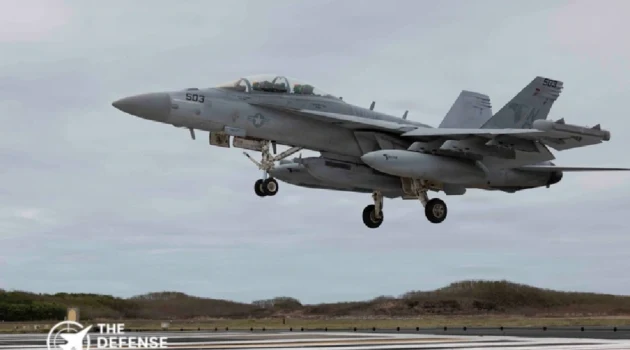
Built by Raytheon Technologies and integrated onto the B-52 by Boeing, the AN/APQ-188 AESA leverages proven technology from fighter radars such as the AN/APG-79 and aspects of the AN/APG-82, which equip the F/A-18E/F Super Hornet, EA-18G Growler and F-15EX aircraft.
Air Force officials describe the upgrade as essential to give the B-52 the ability to maintain situational awareness, precise targeting, and reliable all-weather navigation in modern combat environments.
What Testing Involves
After being delivered by Boeing from its San Antonio, Texas facility, the radar-equipped B-52 was ferried to Edwards AFB where crews from the 49th Test Evaluation Squadron and the 419th Flight Test Squadron will lead the evaluation.
The test campaign will include both ground and flight operations. Data collected will support a planned production decision later in 2026 on retrofitting the radar across the B-52 fleet of 76 aircraft.
The modified aircraft will undergo detailed checks of radar performance, integration with the bomber’s mission computers, and interface with new display systems installed in the cockpit to support imagery and control functions.
Why the Upgrade Matters
The B-52’s original radar dates back to mid-20th century designs and has become increasingly unreliable. Older mechanical scanning limits detection range, tracking, and mapping performance when compared with modern AESA systems.
AESA radars, unlike traditional mechanical units, use a stationary set of transmitters and receivers that steer beams electronically. This design offers faster target updates, better resistance to interference, and improved multi-mode performance for ground mapping and air surveillance.
The new radar also ties into broader efforts to modernize the B-52 for the decades ahead. The bomber already carries advanced weapons such as the AGM-158 Joint Air-to-Surface Standoff Missile and the emerging AGM-181 nuclear cruise missile. Modern radar performance helps support targeting and navigation for these long-range systems.
Broader B-52 Modernization Program
The radar update is one key part of the B-52 Radar Modernization Program. Alongside radar replacement, the Air Force is also working on extensive upgrades that will eventually be part of the full B-52J configuration. These efforts include re-engining with Rolls-Royce F130 engines, updated avionics and communications for both conventional and nuclear missions, and new crew station designs.
The Air Force plans to keep the B-52 in service through at least 2050 and possibly beyond, making these upgrades vital to maintaining the bomber’s relevance in future joint force operations.
Secretary of the Air Force Troy Meink said the radar modernization ensures the B-52 will continue to serve as a central element of US airpower for years. General Ken Wilsbach, Air Force Chief of Staff, emphasized the upgrades support readiness, deterrence, and the bomber fleet’s ability to “fight and win” in contested environments.
What Comes Next
With the first radar-equipped B-52 now in testing, the Air Force will conduct rigorous evaluations of the system’s performance. The results will inform decisions about fleet-wide installation and future sustainment needs.
If testing proceeds as planned, production decisions and broader deliveries could begin later in 2026, setting the stage for a phased rollout across the bomber fleet. Continued development of other modernization elements, such as communications and weapons integration, will proceed in parallel.
The radar program links to larger strategic goals of keeping the B-52 viable alongside next-generation fighter and bomber aircraft, contributing to long-range strike, deterrence and global response options well into the mid-21st century.
U.S Air Force Validates F-35A Maritime Strike Role in Extreme Alaska Conditions
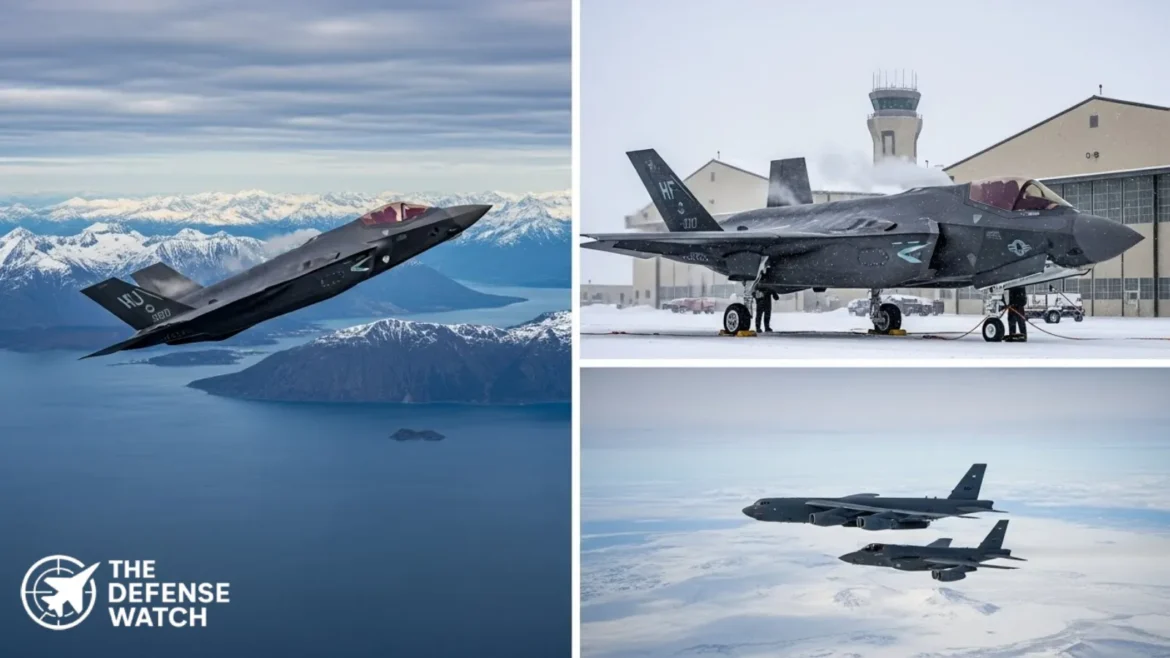
The U.S Air Force on December 9 conducted a major Arctic training exercise in the Gulf of Alaska that demonstrated the F-35A Lightning II’s maritime strike capability under severe weather conditions. The drills were part of Operation Tundra Merlin, a high-intensity joint force simulation led by U.S. Air Force Alaskan Command under the broader oversight of U.S Northern Command.
Operation Tundra Merlin Tests Arctic Strike Readiness
Operation Tundra Merlin took place in the Gulf of Alaska, where sub-zero temperatures, high winds and limited visibility provide some of the harshest conditions for aircraft operations. The exercise integrated F-35A fighters from the 354th Fighter Wing with a range of assets from multiple commands and services.
U.S Air Force officials said the scenario focused on precision maritime strike coordination. The F-35As operated alongside two B-52 Stratofortress bombers in simulated standoff strikes against maritime targets. These missions tested joint command and control, interoperability, threat detection, and strike execution in real-world Arctic conditions.
F-35A Performance in Arctic Environment
The F-35A’s advanced systems were central to the drills, Air Force sources said. The aircraft’s sensor fusion and low-observable features supported situational awareness even where satellite and radar coverage is limited. Onboard thermal management, self-heating components and environmental controls helped the jets handle the extreme cold that challenges legacy aircraft.
Along with strike missions, the F-35s carried out escort and combat air patrols. They shared real-time data with other platforms to strengthen the joint force’s battle picture. This data sharing proved critical in an environment with degraded sensors and challenging weather.
Joint Command and Multi-Domain Integration
Operation Tundra Merlin wasn’t just an air exercise. It involved coordination with U.S Strategic Command, U.S Indo-Pacific Command, the Coast Guard Arctic District, and Alaska Air National Guard units. Maritime forces including a U.S Navy vessel and a U.S Coast Guard cutter took part in simulated targeting and support roles. Tanker aircraft provided aerial refueling and extended flight endurance.
The drill also tested command transitions across combatant commands. Air Operations Centers transferred bomber command authority between units as missions progressed across the Arctic Theater of Operations. These procedures mirror real-world command shifts in dynamic combat scenarios.
Why Alaska Matters to U.S. Defense
Alaska sits at the junction of the Arctic and the Asia-Pacific. That makes it a strategic hub for homeland defense and power projection. Early warning networks, radar systems, and long-range defensive assets are positioned here to guard North America’s northern approaches. Russian and Chinese naval activity in the Arctic and the northern Pacific have increased in recent years, highlighting the need for readiness in these northern seas.
U.S military planners see Arctic operations as integral to deterrence and rapid response. Exercises in this region help forces rehearse detection and interdiction against potential incursions at the edge of U.S sovereign territory.
Arctic Weather Challenges and Aircraft Readiness
Operating aircraft in Arctic weather is complex. Temperatures often fall well below freezing and strong winds raise the risks of ice buildup and mechanical stress. The F-35A’s design helps mitigate some of these difficulties, but drills like Operation Tundra Merlin ensure that crews and commanders understand how to manage cold-weather logistics and missions.
Past tests of F-35s in cold weather have focused on reliability of systems and materials. Arctic operations also push support crews to refine procedures for maintenance and refueling in severe conditions. While not part of this year’s drill, previous reports noted challenges like battery performance and hydraulic systems under extreme temperatures.
What’s Next
Operation Tundra Merlin reinforces the F-35A’s evolving role in joint maritime operations. The Air Force intends to continue integrating fifth-generation fighters into multi-domain strike and surveillance missions. Future exercises will likely expand on Arctic coordination between air, sea and space assets.
As strategic interests in the Arctic grow, so does the importance of proving combat capabilities in the region’s harshest environments. The lessons from these drills will help shape U.S defense posture toward both homeland defense and power projection into contested waters.
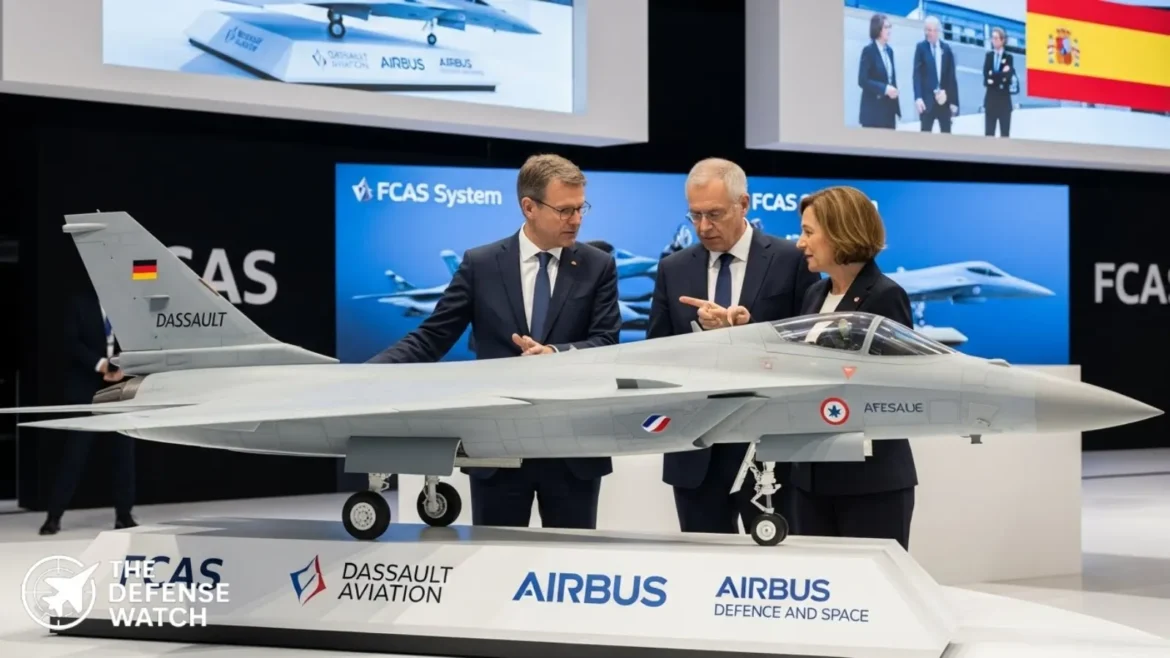
Germany, France, and Spain have agreed to hold high-level talks this week in Berlin aimed at ending a prolonged impasse over Europe’s next generation fighter jet project, the Future Combat Air System, officials said on December 11, 2025. The meeting of defense ministers from the three countries comes after years of industrial disputes that have delayed progress on a program valued at up to 100 billion euros.
What Happened and Why It Matters
Defense chiefs from Germany, France, and Spain are gathering in Berlin to address a deepening deadlock on the Future Combat Air System, known as FCAS, a key European aerospace and defense initiative first launched more than eight years ago. The goal of FCAS is to develop a sixth-generation fighter jet and related systems to replace current fleets including the French Rafale and German and Spanish Eurofighters.
The meeting in Berlin follows mounting political pressure and public dispute among industrial partners, particularly over how roles and workshare should be split. Germany’s defense ministry said the talks would be used to explore ways to restart progress on the stalled program.
Background: The FCAS Fighter Jet Program
FCAS is a flagship European defense project involving three NATO allies. With an estimated cost of up to 100 billion euros it is intended to deliver a future-proof fighter aircraft and associated technologies by around 2040. France’s Dassault Aviation is leading development of the main fighter aircraft. Germany’s Airbus and Spain’s Indra Sistemas are responsible for key elements such as the combat cloud, unmanned systems, and other components.
The deadline for a demonstrator aircraft was originally set for 2027, with operational capability expected around 2040, but repeated delays have pushed back timelines and raised questions about whether FCAS can stay on schedule.
Major Issues Keeping FCAS Stalled
One of the biggest barriers to progress has been disagreement over how the program’s industrial workshare and leadership roles are divided. France has pushed for a larger share of core fighter development, while Germany and Spain want more balanced distribution of key tasks. Reports have cited French proposals for as much as eighty percent of certain workshare to reside with French industry.
These differences have spilled into national politics and labor issues. Germany’s IG Metall union, which represents defense workers, warned it could withdraw support if French company Dassault remains dominant in the project. The union said confidence in Dassault’s leadership had eroded.
Officials in France’s metalworking sector responded that excluding French industrial interests was unacceptable, underscoring how industrial and political factors have become intertwined.
On the Ground in Berlin
German Defense Minister Boris Pistorius, his French counterpart Catherine Vautrin, and Spain’s Margarita Robles are leading the talks in Berlin. A separate meeting is scheduled between German Chancellor Friedrich Merz and French President Emmanuel Macron, underlining how the dispute has risen to the highest levels of government.
Although no formal agreement has been announced yet, one area under discussion is a possible focus on common elements such as the combat cloud and unmanned systems as a basis for cooperation. This could allow each nation to pursue national fighter development while maintaining key shared technologies.
Airbus Chief Executive Guillaume Faury said he believes the program will move forward, though exact cooperation mechanisms remain unresolved.
Strategic Stakes and External Pressures
The FCAS program is seen by many European policymakers as central to Europe’s defense autonomy, especially in the context of Russia’s war in Ukraine and shifting U.S. strategic priorities. A breakdown of cooperation on this project could weaken European defense integration and force partners to seek alternative paths.
Spain has signaled that it remains committed to European solutions and is no longer considering U.S.-built F-35 jets, focusing instead on the Eurofighter or the future FCAS platform for its airpower needs.
However, other reports have suggested that France and Germany are contemplating dropping the joint fighter element of FCAS altogether and focusing on shared digital and network systems. Such a move would mark a significant shift in the project’s scope and could lead to separate national fighter programs.
What Comes Next
Officials want a clear decision on the future of the FCAS program by the end of 2025. The outcome of the Berlin talks and the subsequent French-German meeting could shape whether the project enters its next development phase or is restructured.
A resolution would help solidify Europe’s plan to field a next generation combat aircraft and reinforce industrial cooperation across NATO allies. Failure to reach agreement, on the other hand, could delay or fragment Europe’s efforts to develop advanced aerospace technologies at a time of growing security challenges.
What Is AESA Radar
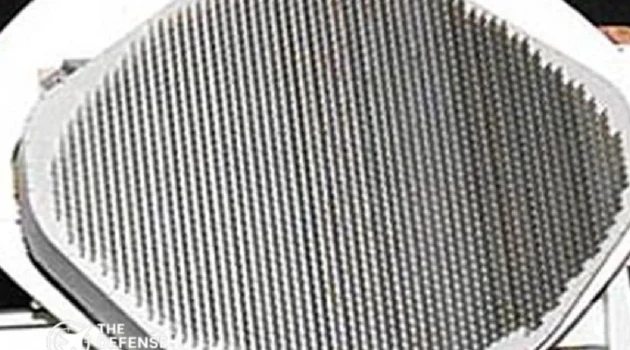
Active electronically scanned array radar is a type of radar that steers its beam using electronic control rather than physical motion. Instead of relying on a single dish that moves, an AESA radar uses many small transmit/receive modules that can each send and receive signals independently. This design lets the radar point its beam quickly and flexibly without moving parts.
How AESA Radar Works
AESA radar is built from a grid of tiny antenna elements, each with its own transmitter and receiver. When these elements send out radio waves in a coordinated way, the phases of the waves combine to form a focused beam in a chosen direction. The beam can be steered electronically by adjusting the timing of the signals from each element. Because this is done with electronics and not mechanical movement, the radar can switch direction in microseconds.
Each module can also use different frequencies for each pulse. This frequency agility helps the radar avoid interference and makes it harder for enemies to detect or jam the signal.

Conceptual illustration Why AESA Radar Is Important
AESA radar is now a key sensor in many defense platforms. It gives forces faster detection, better tracking, and improved resistance to countermeasures. Faster beam steering and the ability to form multiple beams at once give operators a more complete picture of the battlespace in real time.

Radars using older mechanical systems or passive arrays simply cannot match the speed and flexibility of an AESA system. The electronic control improves reliability because there are fewer moving parts to wear out or break in harsh environments.
Where AESA Radar Is Used
AESA radar is now common across many kinds of defense systems:
Fighter Jets
Modern combat aircraft often use AESA for air-to-air and air-to-ground roles. Examples include US fifth‑generation fighters.Unmanned Systems
Advanced drones and unmanned combat aircraft can carry AESA radar to survey areas and guide weapons without pilot risk.Naval Ships
Warships use large AESA arrays for long‑range surveillance and missile guidance. Some destroyers and carriers have multifunction AESA radars for tracking air and surface threats.Ground Systems
Air defense networks and mobile radars use AESA to detect aircraft, missiles, and other threats with high precision.Key Features of AESA Radar
Electronic Beam Steering
Beams change direction fast without mechanically moving the antenna.Frequency Agility
Each pulse can use a different frequency, making the radar harder to detect and jam.Multiple Beams
The system can form more than one beam at the same time for scanning, tracking, and guidance.Modular Design
If one transmit/receive module fails, the radar still works at slightly reduced performance.Benefits Over Older Systems
Speed and Accuracy
Electronic steering gives faster updates and tighter tracking than systems that rely on physical movement.Reliability
Fewer moving parts mean less maintenance and higher uptime in the field.Resilience to Jamming
Rapid frequency changes and wideband operation make it harder for adversaries to interfere.Multitasking
AESA can do search, track, and other modes at once, improving situational awareness.Applications in Defense
Air Combat
In fighters, AESA helps pilots detect and engage several targets at once while guiding their weapons.Surveillance and Reconnaissance
AESA radar on airborne early warning aircraft or drones scans wide areas and feeds data back to commanders.Targeting and Weapon Guidance
The radar provides precise target coordinates to missile systems on air, land, or sea platforms.Electronic Warfare Support
Some AESA systems can assist with detecting enemy emissions and supporting counter‑measures.Real‑World Examples
AN/APG‑81
This is the radar used on the F‑35 Lightning II. It combines search and track with functions like electronic protection and support.EL/M‑2052
An AESA fire control radar fitted on some fighter aircraft upgrades, including Indian and export jets.Large Ship Radars
Naval AESA radars like multifunction arrays support air and missile defense on modern warships.These systems show how AESA technology has become part of frontline defense hardware around the world.
Limitations and Considerations
Cost and Complexity
AESA systems are more expensive and complex than older radar types. Thousands of modules and advanced signal processing add to the price.Power and Cooling
Many modules produce heat and need power and cooling systems that can challenge smaller platforms.Electronic Countermeasures Environments
AESA is resistant to jamming, but very dense, sophisticated electronic attack environments still require careful design and tactics.Summary
AESA radar is a modern radar technology that uses many electronically controlled elements to scan and track without moving parts. It gives faster response, better multitasking, improved reliability, and stronger resistance to interference. You find AESA on fighter aircraft, drones, ships, and ground defenses. It is a key sensor in today’s military systems, despite cost and power needs.
FAQs
What does AESA stand for?AESA stands for Active Electronically Scanned Array. It is a radar system where the beam is steered electronically rather than mechanically, using multiple small transmit/receive modules.
How is AESA different from traditional radar?Traditional radar uses a single moving antenna to scan an area. AESA uses many small modules to steer the beam electronically, allowing faster scanning, multiple simultaneous beams, and better resistance to jamming.
Where is AESA radar used?AESA radar is used on fighter jets, drones, naval ships, and ground-based air defense systems for surveillance, targeting, and threat tracking.
What are the main benefits of AESA radar?The key benefits include faster target detection, multiple task handling, higher reliability, resistance to electronic interference, and precision tracking of air, sea, or ground targets.
Are there any limitations to AESA radar?Yes. AESA systems are expensive, complex, and require significant power and cooling. While highly resistant to jamming, very dense electronic warfare environments may still challenge their performance.
The Dawn of Sixth-Generation Air Power
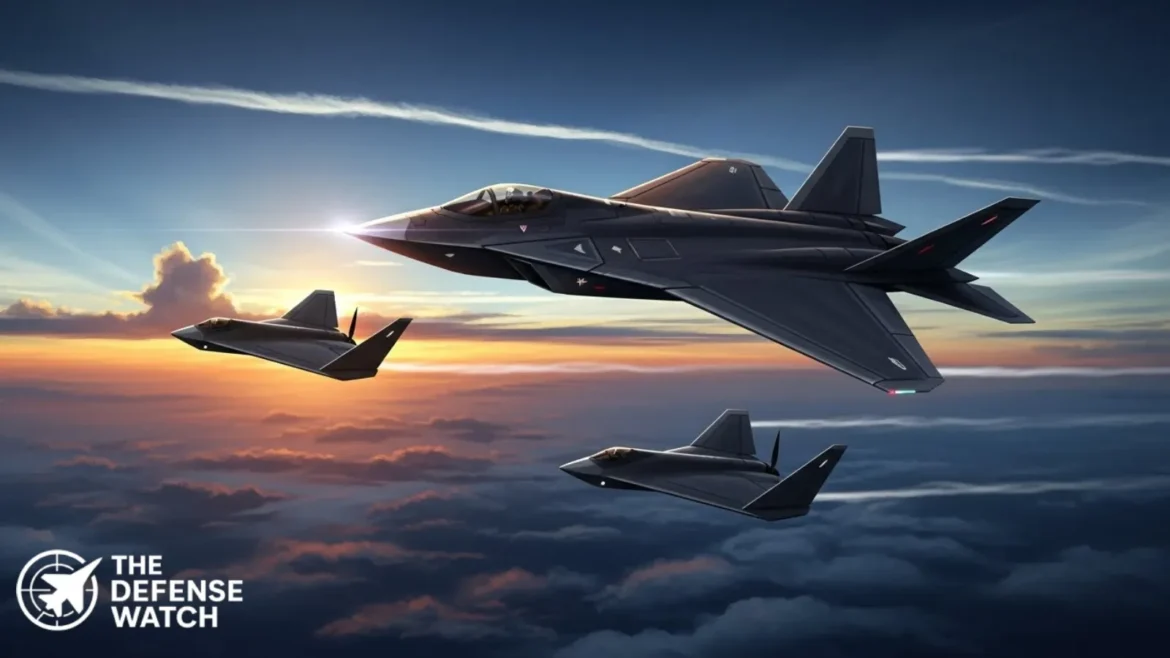
The global defense landscape is witnessing a transformational shift as 6th generation fighter jets emerge from concept to reality. Unlike their predecessors, these next-generation aircraft represent a quantum leap in capability, integrating artificial intelligence, directed energy weapons, optionally manned systems, and unparalleled stealth characteristics. As geopolitical tensions intensify and near-peer adversaries develop advanced anti-access/area denial (A2/AD) systems, nations including the United States, United Kingdom, Japan, and European powers are racing to field fighters that will define air dominance through 2050 and beyond.
The 6th generation fighter jets are not merely incremental upgrades to fifth-generation platforms like the F-22 Raptor or F-35 Lightning II. These revolutionary aircraft incorporate paradigm-shifting technologies: collaborative combat aircraft (loyal wingman drones), open mission systems architecture, advanced thermal management for directed energy weapons, and cognitive electronic warfare suites capable of autonomous decision-making in contested electromagnetic environments.
Defining Characteristics of 6th Generation Fighter Jets
Sixth-generation aircraft distinguish themselves through several breakthrough capabilities that transcend current airpower limitations.
Artificial Intelligence and Machine Learning Integration
Modern 6th generation fighter jets leverage AI algorithms to process sensor data at speeds impossible for human pilots. These systems enable real-time threat assessment, autonomous target prioritization, and predictive maintenance analytics. AI co-pilots assist human operators during high-stress combat scenarios, managing sensor fusion from distributed platforms while recommending optimal engagement tactics.
Conceptual illustration – Cockpit display showing AI-assisted pilot interface According to defense analysts at the Mitchell Institute for Aerospace Studies, AI integration reduces pilot cognitive load by approximately 40 percent during complex multi-domain operations, allowing aviators to focus on strategic decision-making rather than tactical execution.
Optionally Manned and Unmanned Variants
Unlike previous generations that required human pilots for all missions, sixth-generation platforms embrace optionally manned configurations. This flexibility allows commanders to deploy these aircraft in extremely high-threat environments without risking pilot lives, or with human operators when strategic judgment proves essential.
The U.S. Air Force’s Next Generation Air Dominance (NGAD) program explicitly incorporates this capability, with senior officials confirming that manned and unmanned variants will operate seamlessly within the same combat air patrols.
Advanced Stealth and Thermal Signature Management
While fifth-generation fighters pioneered low-observable technology, 6th generation fighter jets achieve unprecedented stealth through advanced materials, adaptive camouflage systems, and sophisticated thermal management. These aircraft mask infrared signatures that betray conventional stealth platforms, particularly during afterburner use or when employing directed energy weapons generating significant heat.
Researchers at the Air Force Research Laboratory have developed thermal dissipation systems using advanced heat exchangers and cryogenic cooling, enabling sustained operation of high-energy laser weapons without compromising stealth characteristics.
Directed Energy Weapons Systems
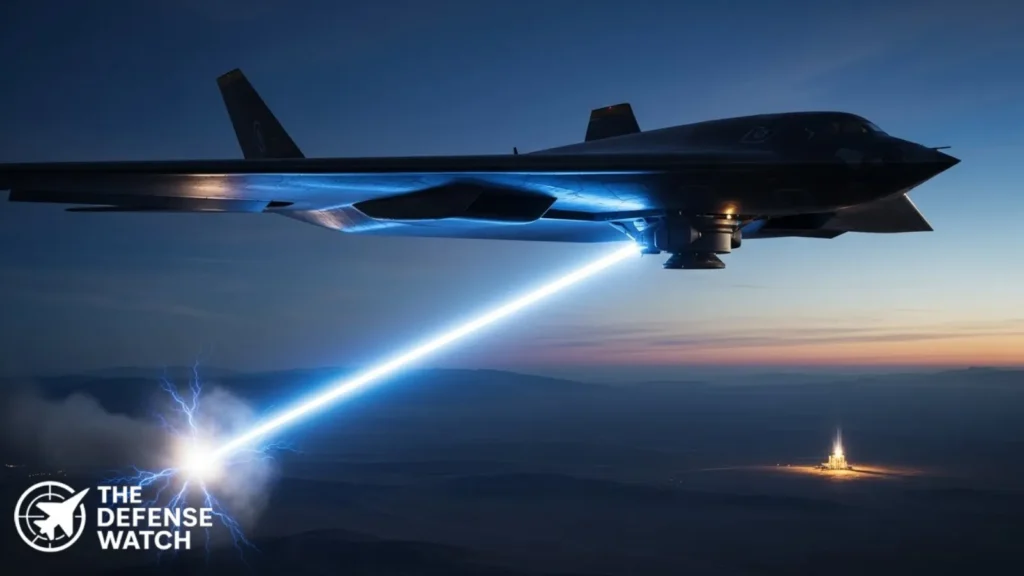
Sixth-generation platforms integrate laser and high-powered microwave weapons, providing near-instantaneous engagement of incoming missiles, drones, and aircraft at the speed of light. These weapons offer effectively unlimited magazines—constrained only by available electrical power—dramatically altering engagement calculations in protracted air battles.
The U.S. Defense Advanced Research Projects Agency (DARPA) recently concluded testing of a 300-kilowatt solid-state laser system compact enough for fighter integration, capable of defeating air-to-air missiles at ranges exceeding 15 kilometers.
Network-Centric Warfare and Sensor Fusion
Modern air combat demands seamless information sharing across distributed platforms. Sixth-generation aircraft serve as aerial battle management nodes, fusing data from satellites, ground-based radars, naval vessels, loyal wingman drones, and allied fighters into unified operational pictures. Advanced datalinks operating across multiple frequency bands ensure communications resilience even in heavily jammed electromagnetic environments.
Global 6th Generation Fighter Programs
Multiple nations are investing billions in developing next-generation air superiority platforms, each reflecting distinct operational requirements and technological priorities.
United States: Next Generation Air Dominance (NGAD)
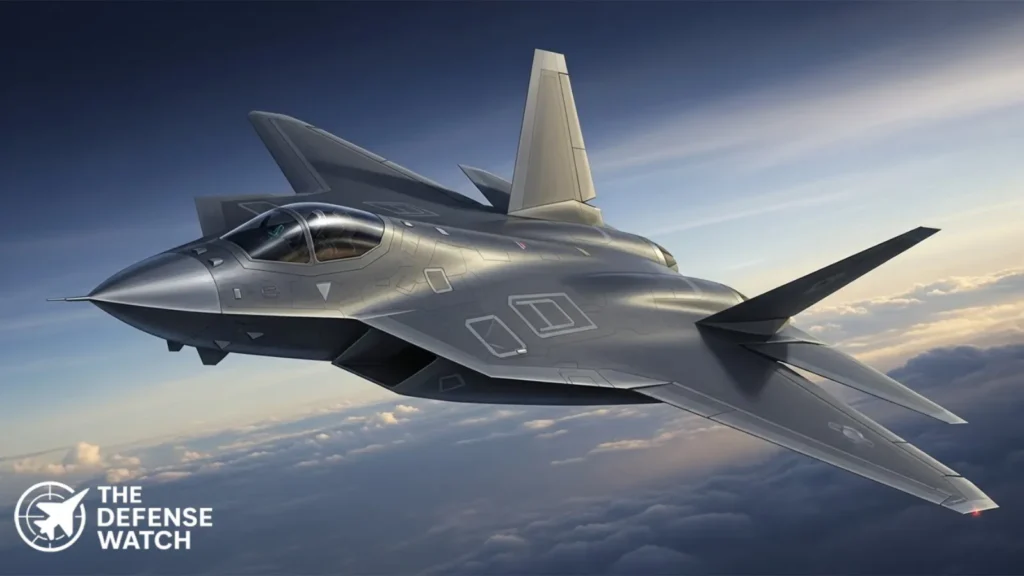
The U.S. Air Force’s NGAD program represents the most ambitious sixth-generation initiative globally. Originally scheduled to achieve initial operating capability in the early 2030s, NGAD encompasses both a manned fighter platform and a family of collaborative combat aircraft (CCAs)—autonomous loyal wingman drones designed to accompany crewed fighters into contested airspace.
Secretary of the Air Force Frank Kendall announced in September 2024 that the service is reassessing NGAD’s acquisition strategy amid budget pressures and evolving threat assessments. The program faces scrutiny over projected costs exceeding $300 million per aircraft—approximately three times the expense of an F-35A. Air Force leadership is evaluating whether incremental upgrades to existing platforms combined with larger CCA fleets might deliver superior cost-effectiveness compared to highly expensive manned fighters.
Despite budgetary uncertainties, NGAD’s technological demonstrations have validated critical capabilities including adaptive cycle engines providing 30 percent greater fuel efficiency, advanced radar systems detecting stealth targets at extended ranges, and AI-enabled mission planning reducing preparation time from hours to minutes.
The U.S. Navy pursues a parallel initiative known as F/A-XX, designed to replace the F/A-18E/F Super Hornet in the carrier air wing. While sharing technological commonality with Air Force NGAD, F/A-XX emphasizes longer range and maritime strike capabilities essential for Pacific Theater operations against adversaries fielding increasingly sophisticated anti-ship missiles.
United Kingdom, Italy, and Japan: Global Combat Air Program (GCAP)
The Global Combat Air Program merges the UK’s Tempest initiative with Japan’s F-X program, adding Italy as a core partner. This trilateral collaboration aims to field operational fighters by 2035, combining British expertise in sensor fusion and electronic warfare, Japanese manufacturing precision and materials science, and Italian experience in modular mission systems.
GCAP aircraft will feature open systems architecture enabling rapid software updates and hardware modifications throughout their service lives—a critical capability given the accelerating pace of technological advancement. The program emphasizes interoperability with NATO systems while accommodating Japan’s unique Indo-Pacific operational requirements.
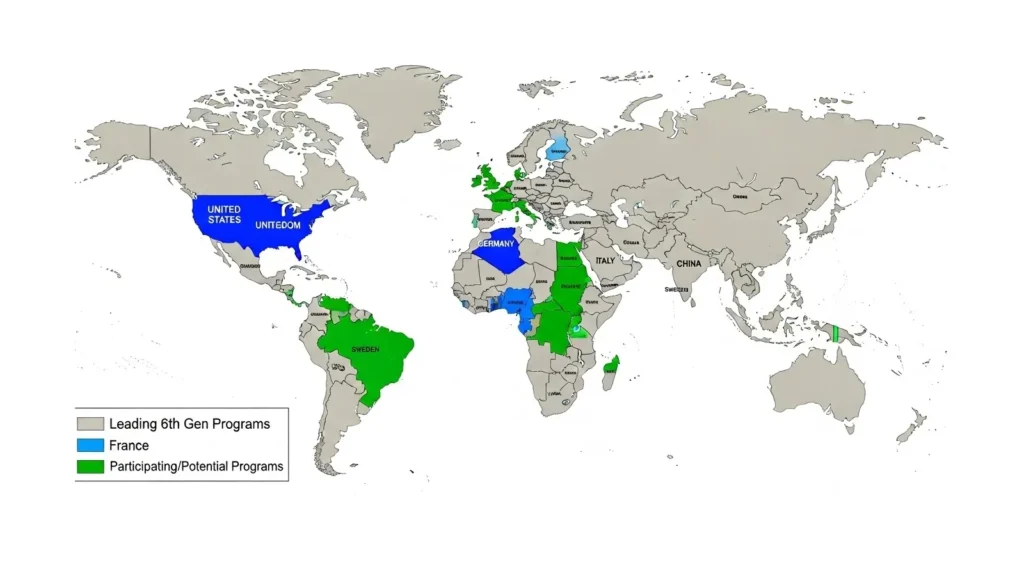
World map highlighting countries Recent reports indicate GCAP partners are exploring collaboration with additional nations including Saudi Arabia, which has expressed interest in both investment participation and potential procurement. This expanded partnership could distribute development costs while providing participating nations with cutting-edge air combat capabilities.
European Union: Future Combat Air System (FCAS)
France, Germany, and Spain lead the Future Combat Air System, a comprehensive system-of-systems approach encompassing manned fighters, unmanned loyal wingman platforms, advanced weapons, and supporting infrastructure. FCAS represents Europe’s most ambitious defense collaboration, though the program has experienced delays stemming from industrial work-share disputes and divergent national requirements.
Dassault Aviation serves as the prime contractor for the manned fighter component, while Airbus Defense and Space leads development of unmanned platforms and mission systems. Current timelines project initial operational capability around 2040, though defense analysts question whether geopolitical pressures might accelerate development.
FCAS incorporates lessons learned from operational experiences in Mali, Syria, and Libya, emphasizing adaptability for both high-intensity conventional warfare and counterinsurgency operations. The system’s modular architecture allows configuration changes between missions without extensive depot-level maintenance.
China and Russia: Classified Development Programs
China’s People’s Liberation Army Air Force is believed to be developing a sixth-generation fighter under highly classified programs. Satellite imagery and open-source intelligence suggest test flights of advanced demonstrator aircraft incorporating serpentine engine inlets, extensive use of composite materials, and unconventional control surfaces indicative of all-aspect stealth optimization.
Chinese aerospace publications have referenced technologies consistent with sixth-generation capabilities, including AI-assisted electronic warfare systems, plasma stealth applications, and variable-cycle engine research. However, verifiable details remain scarce given China’s opacity regarding military aviation programs.
Russia’s Sukhoi Design Bureau has publicized conceptual designs for a sixth-generation fighter dubbed “MiG-41” or PAK DP (Prospective Aviation Complex for Long-Range Interception), though economic sanctions and industrial capacity constraints cast doubt on near-term development prospects. Russian aerospace officials claim research focuses on hypersonic flight capabilities and extended operational altitudes approaching near-space environments.
Revolutionary Technologies Enabling 6th Generation Fighter Jets
The leap from fifth to sixth-generation capabilities relies on breakthrough technologies that have matured sufficiently for operational integration.
Adaptive Cycle Engines
Traditional turbofan engines optimize for either fuel efficiency during cruise or maximum thrust during combat maneuvers—but not both simultaneously. Adaptive cycle engines employ variable geometry to adjust bypass ratios in flight, delivering superior fuel economy for extended range while maintaining thrust advantages when required.
The U.S. Air Force’s Adaptive Engine Transition Program (AETP) has demonstrated engines providing 25-30 percent greater fuel efficiency and 10 percent more thrust compared to F-35 powerplants. General Electric’s XA100 and Pratt & Whitney’s XA101 engines completed flight testing aboard modified F-35 airframes, validating thermal management capabilities essential for directed energy weapons.
Cognitive Electronic Warfare Systems
Sixth-generation platforms incorporate cognitive electronic warfare suites employing machine learning to identify, classify, and jam adversary radars and communications in real-time. Unlike earlier systems requiring human operators to manually select countermeasures, cognitive EW autonomously analyzes electromagnetic spectrum activity and deploys optimal responses within milliseconds.
Conceptual illustration – Directed energy weapon test firing These systems continuously learn from encountered threats, updating tactics libraries and sharing information across friendly networks. During Red Flag exercises, prototype cognitive EW systems demonstrated 300 percent improvement in jamming effectiveness compared to legacy electronic attack pods.
Advanced Materials and Manufacturing
Sixth-generation aircraft extensively utilize ceramic matrix composites (CMCs) capable of withstanding temperatures exceeding 2,500 degrees Fahrenheit—critical for sustained hypersonic flight and directed energy weapon operation. CMCs reduce weight while improving durability compared to traditional titanium alloys.
Additive manufacturing (3D printing) enables production of complex geometries impossible through conventional machining, reducing part counts and assembly time. The F-35 program already incorporates over 900 additively manufactured components; sixth-generation platforms will extend this approach to primary structural elements.
Distributed Aperture Systems and Photonic Radars
Advanced sensors abandon traditional mechanically-scanned radars in favor of distributed aperture systems integrating thousands of transmit/receive modules across the aircraft’s surface. This configuration provides 360-degree situational awareness without vulnerable rotating antennas.
Emerging photonic radar technology promises orders-of-magnitude improvements in resolution and power efficiency by using optical components rather than traditional radio-frequency electronics. Early prototypes demonstrate capability to track multiple hypersonic weapons simultaneously—a critical requirement given projected threat environments.
Strategic Implications and Air Dominance Doctrine
The emergence of 6th generation fighter jets fundamentally alters air warfare doctrine and force structure considerations.
Manned-Unmanned Teaming Concepts
Future air combat will feature human pilots commanding multiple loyal wingman drones, distributing risk while multiplying combat power. A single crewed fighter might control 4-6 collaborative combat aircraft, positioning them as sensor platforms, missile trucks, or expendable decoys depending on tactical requirements.
This approach leverages human judgment for strategic decisions while exploiting machine speed and risk tolerance for tactical execution. During wargames conducted by the U.S. Air Force’s Air Combat Command, manned-unmanned teams achieved 4:1 kill ratios against peer adversary forces—double the effectiveness of traditional formations.
Attrition Mathematics and Cost Considerations
At projected costs approaching $300 million per aircraft, losing even a handful of sixth-generation fighters in combat could prove strategically catastrophic. This reality drives emphasis on standoff engagement capabilities, expendable loyal wingman escorts, and overwhelming first-strike capacity to neutralize adversary air defenses before exposing high-value assets.
Defense economists debate whether smaller fleets of exquisite sixth-generation platforms or larger numbers of upgraded fifth-generation aircraft optimally balance capability and affordability. This calculus varies by nation based on threat perceptions, defense industrial capacity, and budgetary constraints.
Multi-Domain Integration
Sixth-generation fighters operate as nodes within joint all-domain command and control (JADC2) architectures, enabling synchronized operations with land-based missile systems, naval task forces, cyber warfare units, and space-based assets. This integration demands unprecedented interoperability standards and secure communications networks resistant to adversary disruption.
The concept envisions scenarios where a sixth-generation fighter detects adversary targets but cues ground-based hypersonic missiles for engagement, preserving the aircraft’s stealth while prosecuting threats. Such distributed lethality complicates adversary targeting while maximizing friendly force survivability.
Challenges and Controversies
Despite technological promise, sixth-generation fighter programs face significant obstacles.
Budgetary Pressures and Affordability
Declining defense budgets across Western nations collide with escalating development costs. The U.S. Air Force must balance NGAD investment against requirements to modernize tanker fleets, upgrade ICBMs, expand space capabilities, and sustain existing fighter inventories. Similar tensions affect European programs where national defense spending remains below NATO commitments.
NGAD concept art Some defense analysts advocate for “good enough” solutions—incremental upgrades to proven platforms rather than revolutionary new aircraft. This approach reduces risk and accelerates fielding timelines but potentially concedes technological advantage to adversaries willing to pursue breakthrough capabilities.
Technology Maturation and Integration Risk
Sixth-generation programs integrate numerous immature technologies simultaneously, magnifying development risk. Directed energy weapons, cognitive electronic warfare systems, and AI co-pilots require extensive testing to validate operational effectiveness and safety. The F-35’s troubled development—resulting from excessive concurrent development and production—serves as a cautionary tale for overly ambitious timelines.
International Collaboration Complexities
Multinational programs like GCAP and FCAS promise cost-sharing benefits but introduce coordination challenges. Partner nations often maintain divergent operational requirements, industrial participation expectations, and export control restrictions. Harmonizing these competing priorities while maintaining schedule discipline proves extraordinarily difficult, as evidenced by Eurofighter Typhoon’s protracted development.
Expert Analysis: Balancing Innovation and Pragmatism
The sixth-generation fighter debate ultimately reflects broader questions about defense acquisition strategy in an era of rapid technological change and constrained resources. Pursuing revolutionary capabilities risks programs becoming unaffordable white elephants that deliver capabilities too late to address emergent threats. Conversely, incremental improvements to existing platforms may preserve force structure numbers but concede qualitative advantages to adversaries making bolder technology investments.
Defense planners must carefully assess whether highly capable but expensive sixth-generation fighters represent optimal force structure solutions or whether alternative approaches—larger fleets of upgraded legacy aircraft supplemented by unmanned systems—deliver superior combat power per dollar invested. This calculus varies significantly across different threat scenarios, geographic theaters, and industrial base considerations unique to each nation.
The United States faces particular challenges given its global security commitments and requirement to maintain simultaneous technological overmatch against both Chinese and Russian forces. European nations must decide whether continental defense demands independent sixth-generation capabilities or whether collaborative programs with extended timelines adequately address realistic threat timelines. Pacific powers including Japan and Australia prioritize capabilities addressing Chinese military modernization, potentially driving different requirement sets than European partners focused on Russian contingencies.
The Road Ahead: Timelines and Milestones
Current projections indicate the first sixth-generation fighters entering squadron service between 2030-2040, though specific timelines remain subject to budgetary decisions and technology maturation progress.
The U.S. NGAD program’s ongoing acquisition strategy review will likely conclude in 2025, providing clarity on whether the Air Force proceeds with the originally envisioned platform or pursues modified approaches emphasizing affordability and earlier operational availability. Industry sources suggest potential alternatives including competition between multiple vendors rather than single-source selection, potentially accelerating development while controlling costs through industrial competition.
GCAP partners target 2035 for initial operational capability, requiring critical design reviews and technology demonstrations throughout the late 2020s. Saudi Arabia’s potential participation could inject additional funding while expanding the program’s industrial base, though technology transfer concerns and political considerations complicate such arrangements.
FCAS faces the longest timeline, with 2040 IOC projections reflecting both technological ambition and coordination complexities inherent in three-nation programs. German parliamentary budget authorities have indicated concerns about program costs and workshare arrangements, potentially delaying full funding commitment.
Conclusion: The High-Stakes Future of Air Power
The development of 6th generation fighter jets represents one of the most consequential defense programs of the 21st century. These aircraft will determine air superiority outcomes for decades, shaping strategic balances across multiple potential conflict theaters. Success requires not only technological innovation but also disciplined program management, international collaboration, and difficult tradeoff decisions between capability, cost, and schedule.
As great power competition intensifies and the character of warfare continues evolving, nations investing successfully in sixth-generation capabilities will secure decisive advantages in future conflicts. Those failing to field these systems risk strategic irrelevance in an increasingly contested global security environment. The decisions made in the next several years regarding program structures, technology investments, and acquisition strategies will echo across the defense landscape through mid-century and beyond.
FAQs
What makes 6th generation fighter jets different from 5th generation aircraft like the F-35?Sixth-generation fighters incorporate AI co-pilots, directed energy weapons, optionally manned configurations, loyal wingman drone integration, and advanced thermal management systems. They operate as network nodes within multi-domain command structures rather than as standalone platforms, representing a fundamental shift in air combat doctrine.
When will 6th generation fighter jets enter service?The United States aims for initial operational capability in the early 2030s with the NGAD program, though timeline reviews are ongoing. The UK-Italy-Japan GCAP targets 2035, while Europe’s FCAS projects 2040 IOC. These timelines remain subject to budgetary decisions and technology maturation progress.
How much do 6th generation fighter jets cost?Projected costs for platforms like the U.S. NGAD exceed $300 million per aircraft—approximately three times the price of an F-35A. Total program costs including research, development, and production easily reach hundreds of billions of dollars, driving significant debate about affordability and optimal force structure.
Will 6th generation fighters be unmanned?Sixth-generation platforms embrace optionally manned designs, allowing operation with or without onboard pilots depending on mission requirements. This flexibility enables deployment in extreme high-threat environments without risking aviator lives while preserving human judgment when strategically necessary.
Which countries are developing 6th generation fighter jets?The United States (NGAD/F/A-XX), United Kingdom-Italy-Japan (GCAP/Tempest), France-Germany-Spain (FCAS), China (classified programs), and Russia (conceptual MiG-41/PAK DP) are actively pursuing sixth-generation capabilities, though development maturity and timelines vary significantly across programs.
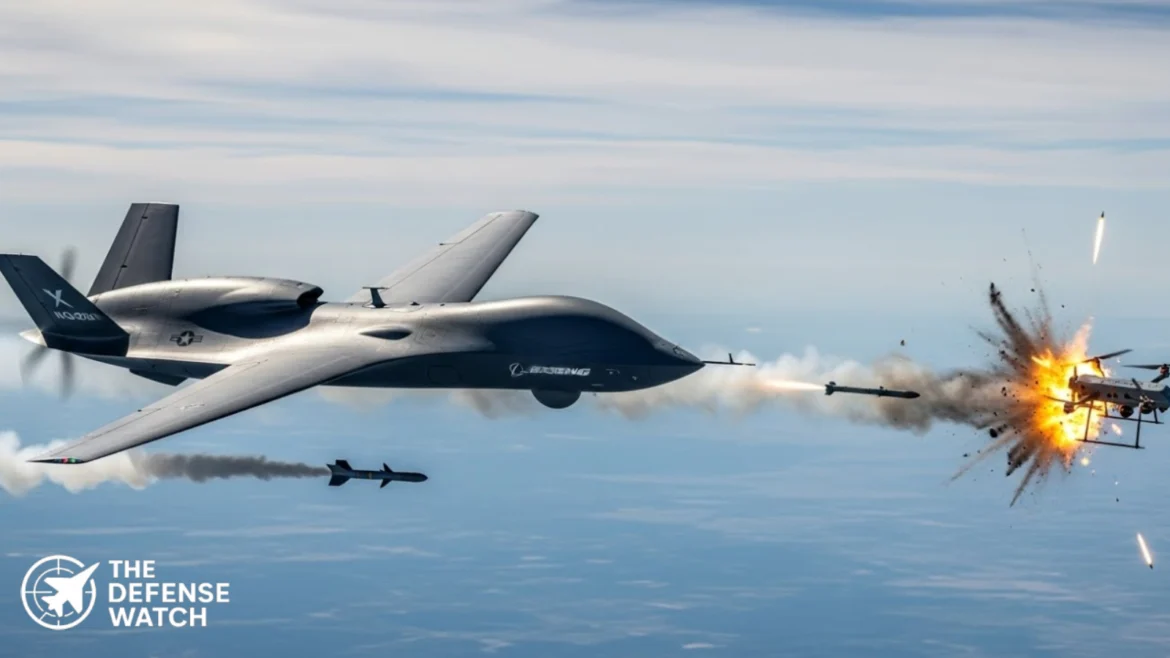
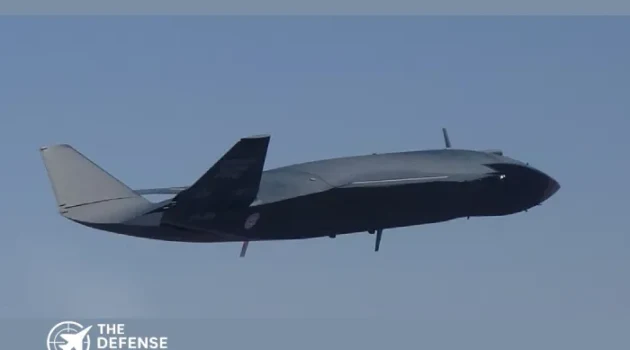
An unmanned Boeing MQ-28A Ghost Bat (“Ghost Bat”) successfully destroyed a Phoenix target drone with a Raytheon AIM-120 AMRAAM missile during a live air-to-air weapons test conducted on 8 December 2025. The event took place at Australia’s secure Woomera Test Range. The test marks the first time an autonomous drone has completed a fully integrated air-to-air missile engagement.
Official confirmation came on 9 December from Boeing Defense Australia and the Royal Australian Air Force (RAAF), signaling a major milestone in the Ghost Bat program’s transition from experimental tests to an operational combat-capable system.
Why it matters
The successful missile launch demonstrates that the Ghost Bat is no longer limited to reconnaissance or support roles. It now has demonstrated lethal strike capability. The event also underlines growing confidence from both the government and industry to invest in unmanned combat aircraft as a viable complement to crewed jets. The significance lies in the effective integration of autonomous capabilities into traditional air combat formations, aligning with broader trends in modern air warfare.
Ghost Bat Background — What is the drone and how did we get here
The Ghost Bat is a stealth-enabled unmanned combat aerial vehicle (UCAV) developed by Boeing Defense Australia for the RAAF under the Collaborative Combat Aircraft (CCA) program. It first flew in February 2021. As of 2024, eight Block 1 prototypes were built, accumulating more than 100 test flights.
Designed as a “loyal wingman,” the Ghost Bat can operate alongside crewed aircraft. Its modular nose allows for rapid reconfiguration for different missions such as surveillance, electronic warfare, or kinetic strike. The drone is capable of long-endurance flights, with a reported combat radius of more than 3,700 km.
Until now, tests focused on non-kinetic roles or passive missions. Earlier in 2025, development focused on integrating combat capabilities and preparing the drone for live-fire testing by the end of the year.
The December 8 missile test — What we know
During the Woomera trial, the Ghost Bat operated as part of a mixed formation. A crewed Boeing E-7A Wedgetail airborne early warning and control aircraft and a crewed Boeing F/A-18F Super Hornet fighter provided sensor coverage and targeting information. The test used data sharing across platforms: the Super Hornet detected and tracked the target drone, then passed target cues. The Ghost Bat, acting on that data and under supervision of the Wedgetail, autonomously locked on and fired the AIM-120 missile. The rocket ignited cleanly, destroying the target.
Boeing described the event as a demonstration of a fully autonomous, end-to-end weapons engagement. According to Boeing, this proves the Ghost Bat’s autonomy solution is mature enough to integrate with fourth, fifth and next-generation aircraft.
The successful engagement allows the Ghost Bat to meet a key milestone announced by Boeing earlier in 2025. The company had set a goal of conducting a live air-to-air missile test by end of 2025 or early 2026.
Operational pivot: Ghost Bat moving toward active deployment
Following the test, the Australian government has committed A$1.4 billion (approx. US$928 million) to shift the Ghost Bat program into operational status. This funding covers procurement of six Block 2 Ghost Bat drones, plus development of a prototype Block 3 craft.
Block 2 drones will be equipped with operationally necessary systems, such as enhanced GPS/INS navigation and improved maintainability. They will drop some of the prototype visual features — for example the Block 1 dogtooth wing will be removed. Internal wiring and design tweaks aim to simplify upkeep.
Future Block 3 models are expected to roll out from a new manufacturing base located at the Wellcamp Aerospace and Defense Precinct near Brisbane. The procurement marks the first time Australia has committed funds to operational drone strike systems at this scale.
The push toward operational deployment reflects a growing shift in airpower philosophy: unmanned systems are increasingly seen not just as surveillance assets but fully capable strike-ready platforms.
Broader implications for air combat and regional balance
The success of the Ghost Bat weapons test carries several implications:
- For crewed-uncrewed teaming: The flight validates that autonomous drones can integrate with manned platforms in real-world combat scenarios. This may alter force structure decisions.
- For cost and risk: Deploying UCAVs reduces risk to human pilots while offering flexible, reconfigurable strike assets at lower cost compared to manned jets.
- For regional deterrence: In a volatile Indo-Pacific environment, autonomous strike-capable drones give Australia a strategic edge, especially in networked air operations.
- For future procurement: This may influence other air forces exploring CCAs or loyal-wingman drones — potentially accelerating global drone adoption.
What’s next
With Block 2 Ghost Bats funded and moving into production, the next step is fielding and integrating them into RAAF operational squadrons. Further testing will likely focus on multi-mission roles: not just strike, but surveillance, electronic warfare, and joint ops with crewed jets.
Meanwhile, other nations developing unmanned combat aircraft will be watching closely to see how Australia operationalizes its drones. The MQ-28A Ghost Bat could set a template for next-generation airpower.
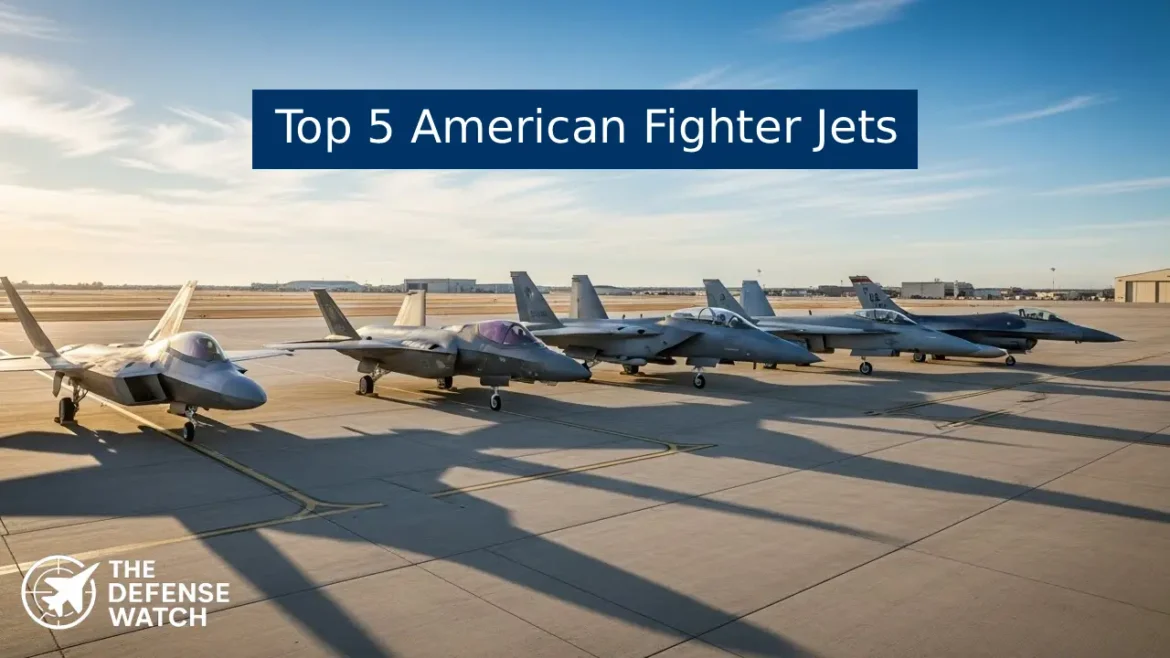
Top 5 American Fighter Jets
The top 5 American fighter jets define the core of United States airpower, and each American fighter jet in this group supports a different mission set across global operations. These aircraft cover air dominance, strike, electronic attack, and multirole missions. They also form the backbone of joint and allied air campaigns.
This report outlines the current inventory, the roles of each platform, and the factors that continue to shape U.S. air combat planning.
The Top 5 American Fighter Jets
1. F 22 Raptor
The F 22 serves as the primary air superiority fighter in U.S. service. It uses low observable shaping, advanced avionics, and high thrust to weight performance. The aircraft excels in beyond visual range engagement, but it can also operate in dense threat environments for air to air work. The fleet remains limited in size, and production ended in 2012. The platform still holds a unique position due to its supercruise speed and sensor fusion.
2. F 35 Lightning II
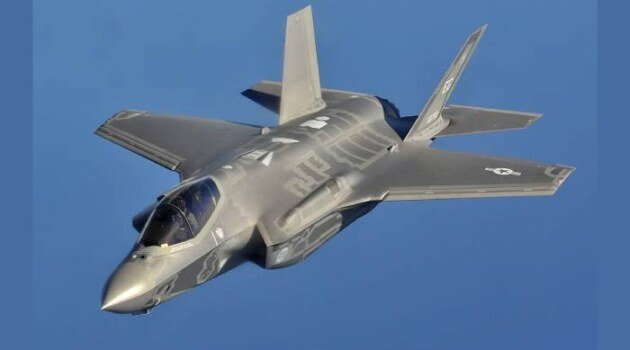
The F 35 is the widest fielded fifth generation fighter in U.S. service. It comes in three variants for the Air Force, Navy, and Marine Corps. The aircraft integrates strike, electronic attack, and intelligence functions. Its ability to pass targeting data to other platforms is a core feature of joint operations. The large procurement program makes it central to long term planning, both for the United States and allied fleets.
3. F 15EX Eagle II
The F 15EX is the newest evolution of the F 15 line. It keeps the well known range and payload of earlier Eagles but adds an open systems backbone, upgraded mission computers, and the latest radar set. The aircraft provides capacity for large weapon loads during stand off strike operations. It also offers rapid integration of new air to air and air to ground weapons due to its digital architecture.
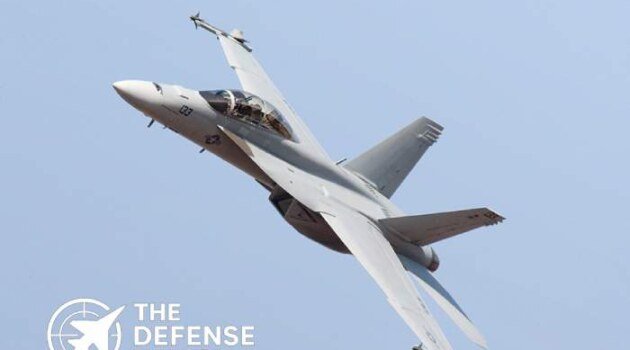
4. F 18E and F 18F Super Hornet
The Super Hornet remains the core carrier based fighter for the Navy. It covers strike, air defense, and maritime missions. It also serves as a key node in naval air wings due to its reliability and broad mission loadout. Modernization programs continue to support radar upgrades and new weapons integration.
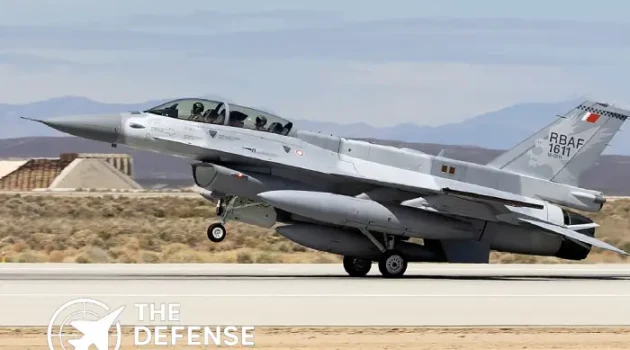
5. F 16 Fighting Falcon
The F 16 remains a large portion of the Air Force fleet. It is used for homeland defense, forward deployments, and precision strike. Even as fifth generation jets expand, the F 16 continues to receive avionics upgrades and radar improvements. Its smaller size and lower operating cost make it suited for steady state operations in multiple theaters.

Mission Roles Across the Fleet
Air Superiority
The F 22 and F 15EX carry the largest air to air loadouts and operate at long ranges. These platforms protect airspace, support joint forces, and counter advanced threats.
Multirole Strike
The F 35, F 18, and F 16 each handle both air to air work and ground attack missions. Their flexibility allows the Air Force and Navy to assign them to rapid deployments or integrated exercises.
Carrier Operations
Only the F 18 and the short takeoff version of the F 35 operate from ships. This gives the Navy and Marine Corps fixed wing strike capacity in distant regions without relying on land bases.
Modernization and Future Direction
The mix of fifth generation and advanced fourth generation fighters reflects the current transition in U.S. planning. The Air Force continues service life extensions for the F 16, while the F 35 fleet grows each year. The F 15EX fills a high payload role that fifth generation aircraft cannot match. The Navy uses the Super Hornet as a bridge while the carrier based F 35C expands.
A future sixth generation platform is in development, but until it enters production the top 5 American fighter jets listed here will remain the primary tools for combat aviation.
Analysis
The combination of stealth aircraft, high capacity fighters, and long serving multirole platforms reflects a layered approach to air combat. Each aircraft supports a specific mission while contributing to shared sensor networks and distributed operations. This model seeks to counter advanced air defense systems, extend engagement ranges, and support joint strike missions across maritime and land theaters.
As global competitors increase investment in long range missiles and modern fighters, the United States continues to focus on survivability, electronic attack, and shared targeting. The F 35 plays a central role in this networked model. The F 22 still shapes air dominance doctrine, but its limited numbers highlight the need for a future air superiority platform. The large fleets of F 16 and Super Hornet remain important because they provide operational volume during long deployments.
The final structure of the future U.S. force will depend on budgets, production rates, and technology timelines, but current plans suggest the top 5 American fighter jets will stay in service well into the 2030s.
FAQs
What is the most advanced American fighter jet?The F 22 holds the highest air to air performance in U.S. service.
Which American fighter jet is the most widely used?The F 16 has the largest fleet, while the F 35 is the largest ongoing procurement program.
What fighter jet does the U.S. Navy rely on?The Navy operates the F 18E and F 18F, alongside the carrier variant of the F 35.
Are all American fighter jets stealth platforms?No. Only the F 22 and F 35 are low observable. The F 15EX, F 18, and F 16 are advanced fourth generation designs.
How long will these jets remain in service?Most platforms are planned to remain through the 2030s, with upgrades extending service life where required.