

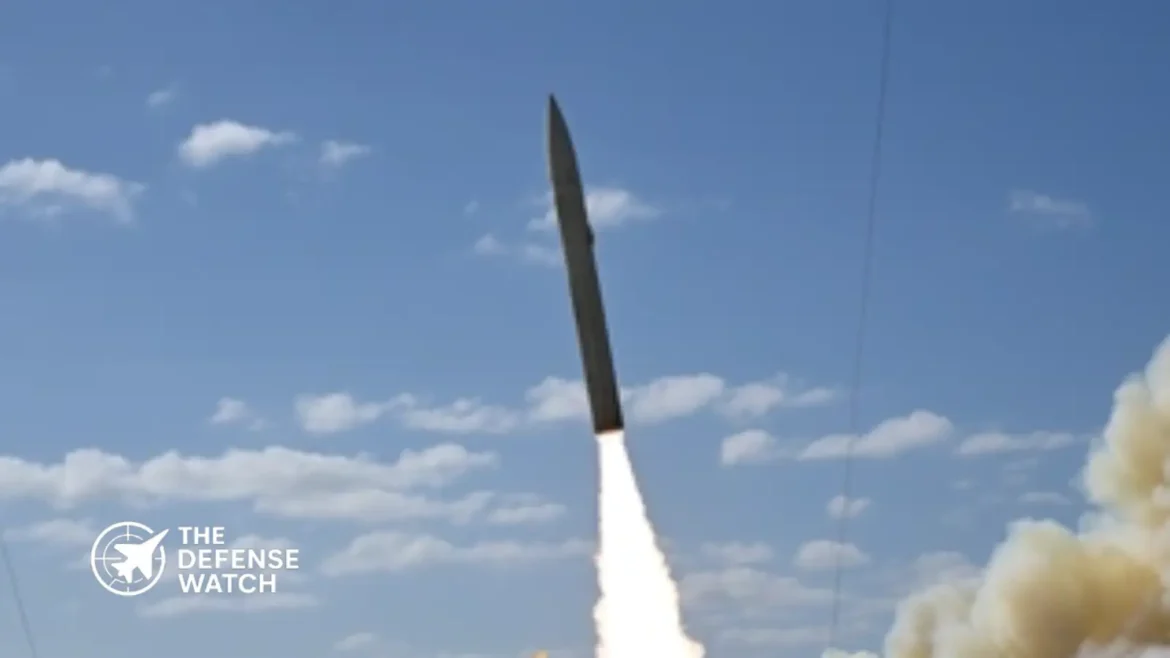
The race between hypersonic missile speed and ballistic missile defense has become the defining arms competition of the 2020s — and U.S. strategists are watching closely, because the outcome could reshape deterrence across every major theater of war.
For decades, American ballistic missile defense (BMD) systems were architected around a predictable threat: missiles that arc through space on fixed, calculable trajectories. Intercept the arc, and you win. But adversaries studied that logic — and engineered around it. Today, China’s DF-17 hypersonic glide vehicle and Russia’s Avangard system maneuver unpredictably at speeds exceeding Mach 20, operating in an altitude band that existing sensors and interceptors were never designed to cover. The question facing the Pentagon, NATO partners, and U.S. allies in the Indo-Pacific is blunt: can the shield hold?
Specifications: Hypersonic Threats vs. BMD Systems
| Specification | Hypersonic Glide Vehicles (e.g., DF-17 / Avangard) | U.S. Ballistic Missile Defense (GMD / THAAD / SM-3) |
|---|---|---|
| Speed | Mach 5–27 (varies by system) | Interceptors: Mach 8–10+ |
| Flight Altitude | 25–100 km (near-space glide) | GMD: 1,000+ km; THAAD: 40–150 km |
| Maneuverability | High — lateral, pull-up maneuvers | Limited — fire-solution depends on predicted path |
| Range | 1,800–15,000+ km | THAAD: ~200 km; GMD: intercontinental |
| Radar Signature | Small; plasma sheath disrupts radar | Relies on early-warning satellites + ground radar |
| Warhead Options | Conventional / nuclear capable | Hit-to-kill (kinetic); no explosive warhead |
| Unit Cost (est.) | $50–100M+ per missile | SM-3: ~$24M; GBI: ~$75M per interceptor |
| Reaction Window | Minutes to impact from launch | GMD: 30+ min lead time needed; THAAD: 5–8 min |
| Service Entry | DF-17: 2019; Avangard: 2019 | GMD: 2004; THAAD: 2008; SM-3 IIA: 2018 |
| Test Success Rate | China/Russia: Classified | GMD: ~55%; THAAD: ~100% (17/17 tests) |
Design & Technology: A Fundamental Mismatch
How Hypersonic Glide Vehicles Work
Hypersonic glide vehicles (HGVs) are launched atop ballistic missiles but separate before the terminal phase. Instead of following a predictable parabolic arc, they re-enter the atmosphere and glide at sustained hypersonic speeds — generating intense plasma that partially blinds radar. The DF-17’s warhead, designated the DF-ZF, reportedly pulls lateral maneuvers up to several Gs, making fire-control solutions exponentially harder to compute in real time.
How U.S. Ballistic Missile Defense Is Architected
The U.S. BMD architecture is layered. The Ground-Based Midcourse Defense (GMD) system — based at Fort Greely, Alaska — targets ICBMs in their midcourse phase, relying on long-range X-band radars and kill vehicles (EKVs) that collide with warheads at closing speeds above Mach 15. THAAD (Terminal High Altitude Area Defense) handles shorter-range threats in the terminal phase. Aegis SM-3 provides ship-based midcourse intercept capability and is the most mobile layer. The gap: none of these systems was designed to track and intercept a vehicle flying at 40–80 km altitude, maneuvering unpredictably at Mach 10+.
“You can’t intercept what you can’t track. Hypersonic glide vehicles exploit the seam between what our radars see and what our interceptors can reach.”
Firepower & Performance: Speed Is the Weapon
At Mach 20, the Russian Avangard travels roughly 6.8 kilometers per second. From a launch site in western Russia, it can reach the U.S. East Coast in under 15 minutes — far less than the 25–30 minutes a traditional ICBM requires. That compression of decision time is itself the weapon. It does not need to be nuclear to be destabilizing; a conventional HGV strike on a carrier strike group or command node collapses the window in which defensive responses — diplomatic, kinetic, or otherwise — can be organized.
U.S. BMD interceptors are fast, but the geometry is unforgiving. THAAD’s kill vehicle closes at approximately Mach 8. Against a target that maneuvers after radar track, the fire-control algorithm must predict where the threat will be at intercept — and HGVs are specifically designed to defeat that prediction.
Operational Range & Mobility
Range asymmetry compounds the problem. China’s DF-17, with a reported range of 1,800–2,500 km, can target U.S. bases in Guam, Japan, and South Korea from launch sites deep inside Chinese territory — well outside the effective defensive perimeter of sea-based SM-3 batteries. Avangard, boosted by Russia’s heavy RS-28 Sarmat ICBM, is essentially global in range.
On the U.S. side, THAAD batteries are mobile and deployable — as demonstrated by rotational deployments to South Korea and Guam — but they cover relatively small areas. Aegis-equipped destroyers offer flexibility, but repositioning ships takes hours to days. The Missile Defense Agency’s Next Generation Interceptor (NGI), currently in development, is intended to replace aging GMD kill vehicles, but it addresses ballistic threats primarily, not HGVs in their glide phase.
Combat Effectiveness: Real World & Doctrine
Hypersonic Offense BMD Defense Strengths in Combat Strengths in Defense Near-unpredictable terminal trajectory THAAD: 17/17 intercept test success Exploits “midcourse gap” in BMD layers Aegis SM-3: proven at sea, widely exported Compresses adversary decision time Layered architecture — multiple intercept opportunities Dual-use (conventional + nuclear ambiguity) Hypersonic Defense Architecture (HDA) in development China showcased the DF-17 at its 2019 National Day parade; Russia confirmed Avangard operational in December 2019. Neither system has been used in live combat — but Russia’s reported use of the Kinzhal quasi-ballistic missile in Ukraine has offered real-world data on radar evasion under combat conditions. The U.S. Missile Defense Agency acknowledged the HGV gap explicitly in its 2022 and 2024 budget requests, funding the Glide Phase Interceptor (GPI) program to address the near-space threat. The GPI aims for a first intercept demonstration in the late 2020s — a timeline that leaves a window of vulnerability. Cost & Export Value: Economics of the Arms Race
One overlooked dimension is cost asymmetry. A single GBI interceptor costs roughly $75 million. If an adversary saturates defenses with cheaper HGVs — or even conventional ballistic decoys — the economics of defense become unsustainable at scale. Each THAAD battery costs approximately $800 million; the missiles themselves run $11 million apiece. Against a $50–100 million HGV, the exchange ratio is problematic but not catastrophic — yet.
On the export front, Aegis and THAAD are critical U.S. alliance tools. Japan operates advanced Aegis destroyers and is integrating SM-3 Block IIA. South Korea hosts THAAD. Romania and Poland host Aegis Ashore sites. These deployments extend deterrence — but also extend the attack surface that adversary HGVs must be able to defeat, driving their development further. It is a feedback loop baked into the system. For more on U.S. BMD export posture.
Analysis: Where the Balance Sits in 2026
The honest assessment, drawn from open-source MDA documentation and think-tank analyses from CSIS and RAND, is that the United States currently lacks a fielded system capable of reliably intercepting a maneuvering HGV in its glide phase. The GPI program addresses this, but it will not reach operational capability before 2030 at the earliest. Space-based sensors — the Hypersonic and Ballistic Tracking Space Sensor (HBTSS) constellation, now in early orbit testing — are the most promising near-term enabler; they can track HGVs from above the plasma sheath that blinds ground radar.
That said, framing this purely as a “defense loses” story misses strategic context. Deterrence does not require perfect defense. It requires that any adversary calculate that a hypersonic first strike cannot disarm U.S. retaliatory capability entirely. The U.S. nuclear triad — submarines, ICBMs, and bombers — is survivable against a hypersonic strike, which limits the strategic utility of HGVs to coercive or conventional-strike scenarios. The more acute danger is conventional: hypersonic precision strikes on carriers, airfields, or command nodes in a Taiwan or Baltic crisis could create facts on the ground before a U.S. conventional response could organize.
Conclusion: Which System Has the Edge?
In a direct comparison of hypersonic missile speed vs. ballistic missile defense today, the offense holds a meaningful but not absolute advantage. Existing U.S. BMD layers were not designed for the HGV threat. The GPI and HBTSS programs are credible responses, but they are years away from operational readiness. In the near term, the U.S. relies on deterrence-by-punishment rather than deterrence-by-denial against hypersonic threats.
The edge shifts under different conditions. In a theater defense scenario — protecting a fixed asset like Guam — THAAD’s proven kill chain and potential GPI augmentation provide a meaningful layered defense by the early 2030s. In an ICBM-exchange scenario, Avangard’s glide phase still outpaces current GMD. The race is not over. But the United States is, for now, playing catch-up in the glide phase — and speed, in this contest, is everything.
While current U.S. Ballistic Missile Defense systems like THAAD and Aegis are highly effective against traditional arcs, they face a ‘capability gap’ against hypersonic glide vehicles. The Pentagon is currently closing this gap by developing the Glide Phase Interceptor (GPI) and satellite-based tracking layers.
FAQs
Can U.S. missile defense systems currently intercept hypersonic missiles?No current U.S. system is specifically fielded to intercept a maneuvering hypersonic glide vehicle in its glide phase. THAAD and GMD were designed for ballistic trajectories. The Glide Phase Interceptor (GPI), under MDA development, aims to close this gap but is not expected to reach operational status before 2030.
How fast are hypersonic missiles compared to traditional ballistic missiles?Traditional ICBMs re-enter at roughly Mach 20–23 at terminal phase, but follow predictable arcs. Hypersonic glide vehicles sustain speeds of Mach 5–27 across most of their flight and maneuver laterally — making speed and unpredictability a dual threat rather than speed alone.
What is the Glide Phase Interceptor and when will it be ready?The GPI is a Missile Defense Agency program to develop an interceptor capable of engaging HGVs during their extended glide phase, before terminal descent. It is being developed in partnership with Raytheon and Northrop Grumman. A first intercept flight test is targeted for the late 2020s, with initial operational capability potentially in the early 2030s.
Which countries pose the greatest hypersonic missile threat to the United States?China and Russia are the primary concerns. China has operationally deployed the DF-17 HGV and is developing additional hypersonic systems. Russia’s Avangard, boosted by the Sarmat ICBM, is declared operational.
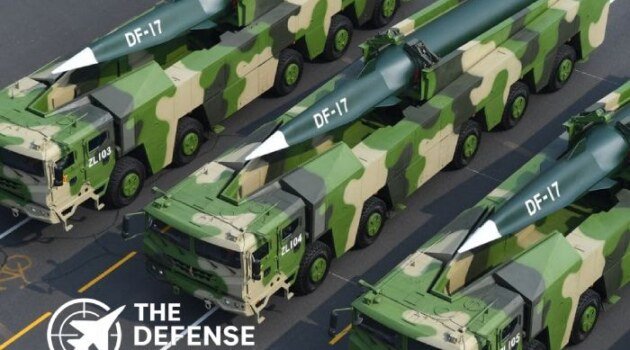

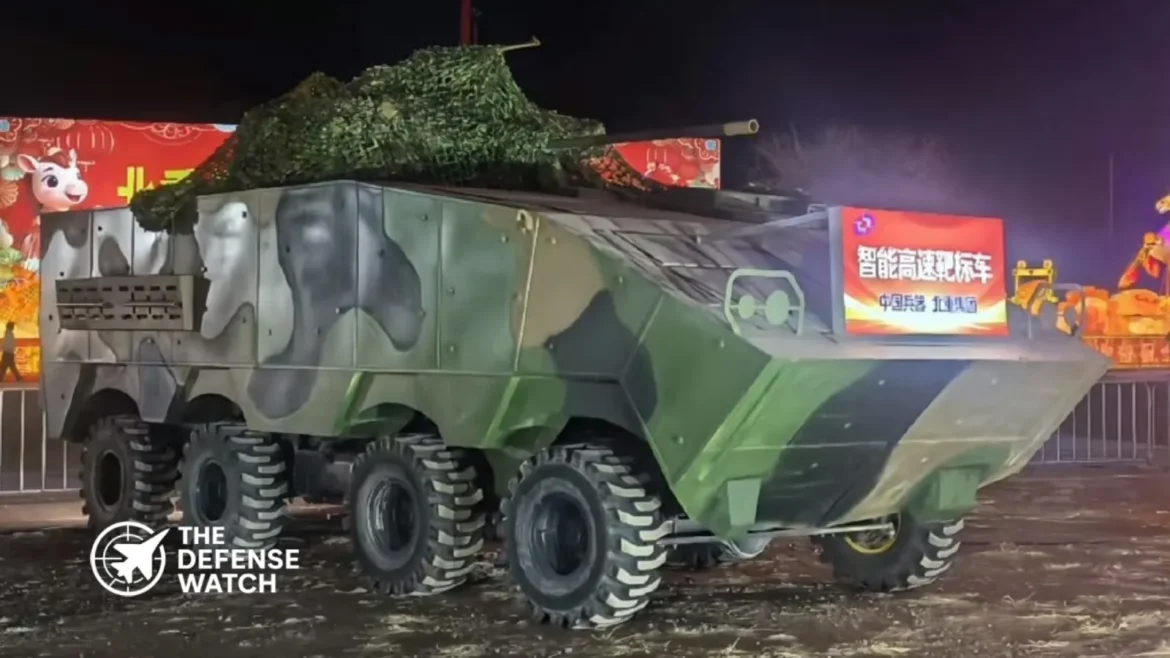
- China’s Norinco revealed two intelligent high-speed target vehicles designed to simulate advanced combat systems.
- The vehicles visually replicate Taiwan’s HIMARS rocket system and Clouded Leopard armored vehicle.
- Both platforms feature long-range remote control modules and infrared signal simulation capabilities.
- Integrated AI-based decision-making systems allow adaptive behavior during training scenarios.
- The systems are intended to enhance realism in Chinese military training and targeting exercises.
China Intelligent High-Speed Target Vehicles Simulate Modern Battlefield Threats
China intelligent high-speed target vehicles have been unveiled by state-owned defense giant Norinco, marking a notable step in the evolution of military training and simulation systems. According to information released through Chinese defense channels, the newly revealed platforms are designed to replicate advanced battlefield assets, specifically systems resembling Taiwan’s HIMARS rocket artillery and Clouded Leopard armored vehicle.
The introduction of these systems reflects a broader trend in modern militaries toward more realistic and adaptive training environments. By integrating artificial intelligence and advanced signal simulation, China appears to be enhancing its ability to prepare forces for high-intensity, technology-driven conflict scenarios.
Designed To Replicate Real-World Combat Systems
From a design perspective, the two China intelligent high-speed target vehicles closely mimic the visual and operational signatures of their intended counterparts. One vehicle resembles the High Mobility Artillery Rocket System (HIMARS), a precision-strike platform widely used by the United States and exported to allies, including Taiwan. The second mirrors the Clouded Leopard, an eight-wheeled armored vehicle fielded by Taiwan’s military.
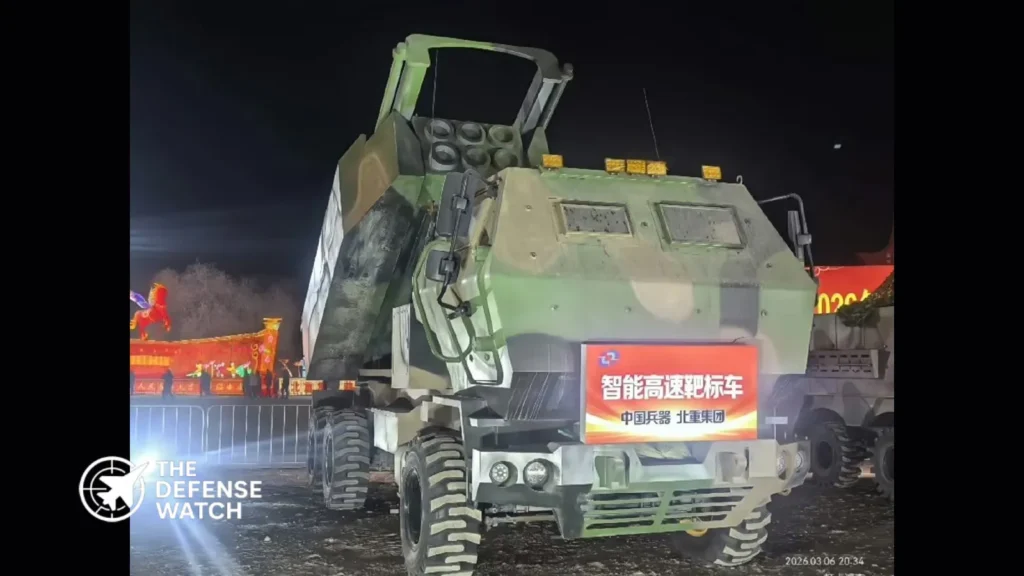
This visual fidelity is not incidental. Modern targeting and reconnaissance systems rely heavily on identifying shapes, heat signatures, and movement patterns. By replicating these characteristics, the vehicles provide a more accurate training target for sensors, drones, and precision-guided munitions.
Integration Of AI And Infrared Simulation
A key feature of the China intelligent high-speed target vehicles is the integration of AI-based decision-making systems. These systems allow the targets to adapt dynamically during exercises, altering speed, route, and behavior in response to simulated battlefield conditions.
In addition, the vehicles are equipped with infrared signal simulation devices. This enables them to mimic the thermal signatures of real combat platforms, a critical factor given the increasing reliance on infrared targeting systems in modern warfare.
The inclusion of long-range remote control modules further enhances operational flexibility. Training operators can control or monitor the vehicles from a distance, enabling complex, multi-domain exercises without exposing personnel to risk.
Advancing Military Training Realism
The development of these platforms underscores a shift toward high-fidelity training environments. Traditional target systems, often static or predictable, are increasingly insufficient against modern weapons systems that rely on real-time data processing and adaptive targeting.
By contrast, AI-enabled targets introduce unpredictability. They can simulate evasive maneuvers, coordinated movements, and even basic tactical responses. This forces training units to operate under conditions that more closely resemble actual combat.
For China, this capability is particularly relevant in the context of cross-strait military planning. The ability to simulate systems associated with Taiwan’s defense inventory allows for more tailored training scenarios, especially in areas such as counter-artillery operations and armored warfare.
Strategic And Operational Implications
While the unveiling of China intelligent high-speed target vehicles is primarily framed as a training development, it carries broader strategic implications. The focus on replicating specific foreign systems suggests an emphasis on preparing for contingencies involving those platforms.
At the same time, the use of AI in target systems highlights the growing role of autonomy in military applications. Although these vehicles are not combat systems themselves, the technologies underpinning them, such as decision-making algorithms and sensor simulation, have potential crossover into operational platforms.
This aligns with global trends, where militaries are investing in AI to enhance both offensive and defensive capabilities. The United States, for example, has pursued similar concepts in autonomous target drones and training systems, though with varying degrees of sophistication.
Context Within Global Defense Trends
The unveiling fits within a wider international push toward realistic training and simulation. NATO and allied forces have increasingly emphasized synthetic training environments, combining live exercises with virtual and constructive simulations.
China’s approach, as demonstrated by these target vehicles, appears to focus on physical realism enhanced by digital intelligence. This hybrid model allows forces to train with tangible platforms while benefiting from AI-driven adaptability.
Such developments are particularly relevant as precision-guided munitions and sensor networks continue to evolve. Training systems must keep pace, ensuring that personnel can effectively detect, track, and engage increasingly complex targets.
Outlook
The introduction of China intelligent high-speed target vehicles represents a measured but meaningful advancement in military training capability. By combining visual replication, infrared simulation, and AI-driven behavior, Norinco has developed systems that could significantly enhance training realism.
While the full operational deployment and scale of these systems remain unclear, their unveiling signals a continued focus on preparing for technologically advanced conflict scenarios. As militaries worldwide adapt to the demands of modern warfare, the role of intelligent training systems is likely to expand further.
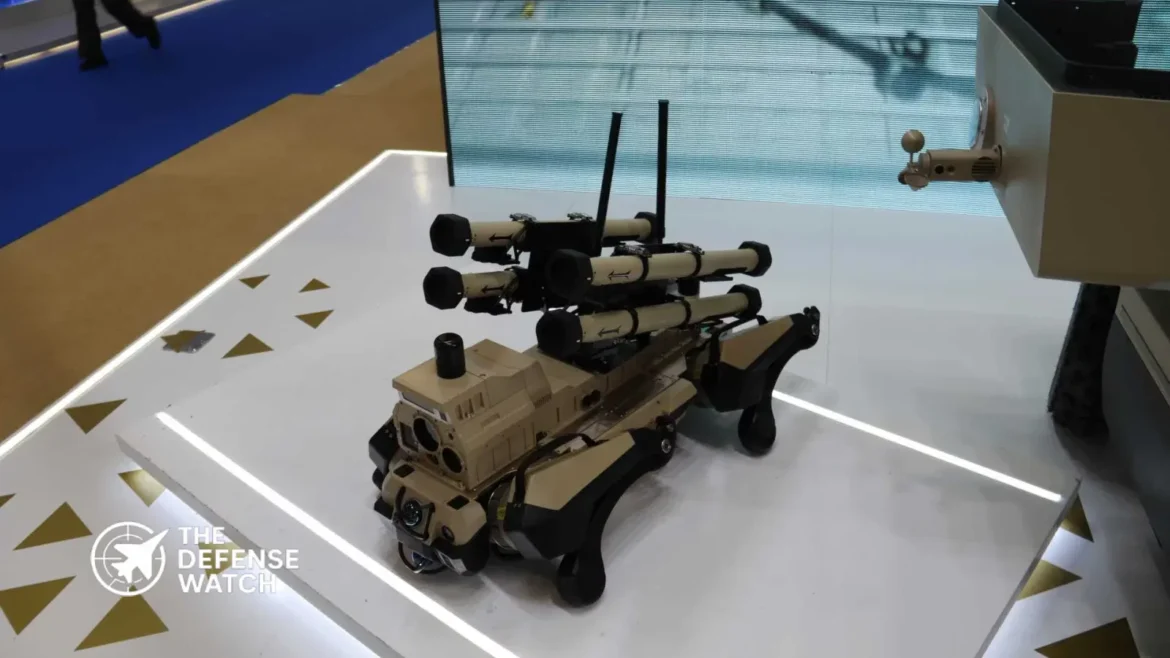
China Shows Missile-Armed Robotic Dog At World Defense Show 2026
At the World Defense Show 2026 in Riyadh, a Chinese state-linked defense firm publicly displayed a new robotic dog equipped with four compact anti-tank guided missiles, marking a significant expansion of China’s unmanned ground combat offerings.
The system comprised a medium-sized quadruped unmanned ground vehicle (UGV) with two twin-launch missile pods mounted on its back. Company representatives at the show described it as a mobile remote fire-support asset tailored for high-risk urban and complex terrain missions.
System Design And Missile Capability
The robotic dog retained the agile stance and low profile seen in earlier Chinese UGV prototypes, but its new missile integration moves it beyond reconnaissance roles. The four launch tubes are believed to be compatible with lightweight short-range anti-tank guided missiles adapted from existing Chinese man-portable systems.
Each launcher can fire fire-and-forget or semi-automatic guided missiles, depending on configuration. Industry observers at the event suggested the maximum effective range could lie between 2 and 4 kilometers, aligning with typical infantry anti-armor engagement distances.
The front end carries an electro-optical targeting suite with day and thermal imaging sensors plus a laser rangefinder. A stabilized sensor head allows target tracking while the platform is stationary or moving at slower speeds. An autonomous navigation package supports waypoint movement, obstacle avoidance, and remote teleoperation.
Operational Role And Tactical Use
Chinese engineers emphasized semi-autonomous combat modes with a human operator in the loop for weapons release. The missile-armed dog could add new options for infantry units in confined environments where larger armored vehicles are less effective.
Compared with traditional anti-armor teams, a remote UGV can operate forward of troops with lower risk to personnel. Its small size and quieter profile may make detection and targeting by adversaries more difficult than larger tracked vehicles.
Broader Context
The unveiling reflects broader trends in China’s unmanned systems development, where robotics increasingly figure in army modernization plans alongside aerial and maritime autonomous systems. Earlier Chinese robotic dogs have been shown with small arms or grenade launchers in drills.
In exercises with the People’s Liberation Army, quadruped robots have been used for reconnaissance and, in some cases, equipped with rifles to support infantry movements.
Global Market And Export Potential
At the World Defense Show, delegations from Middle Eastern and Asian countries examined the system closely. No export contracts were announced publicly, but industry sources indicated that unarmed configurations might be offered for border security and counter-terror roles, while armed variants would require government export approvals.
Implications For UGV Development
The development highlights ongoing global interest in integrating autonomy and precision strike for ground combat. The Chinese system’s missile armament moves robotic dogs farther into direct combat roles from earlier reconnaissance and support tasks.
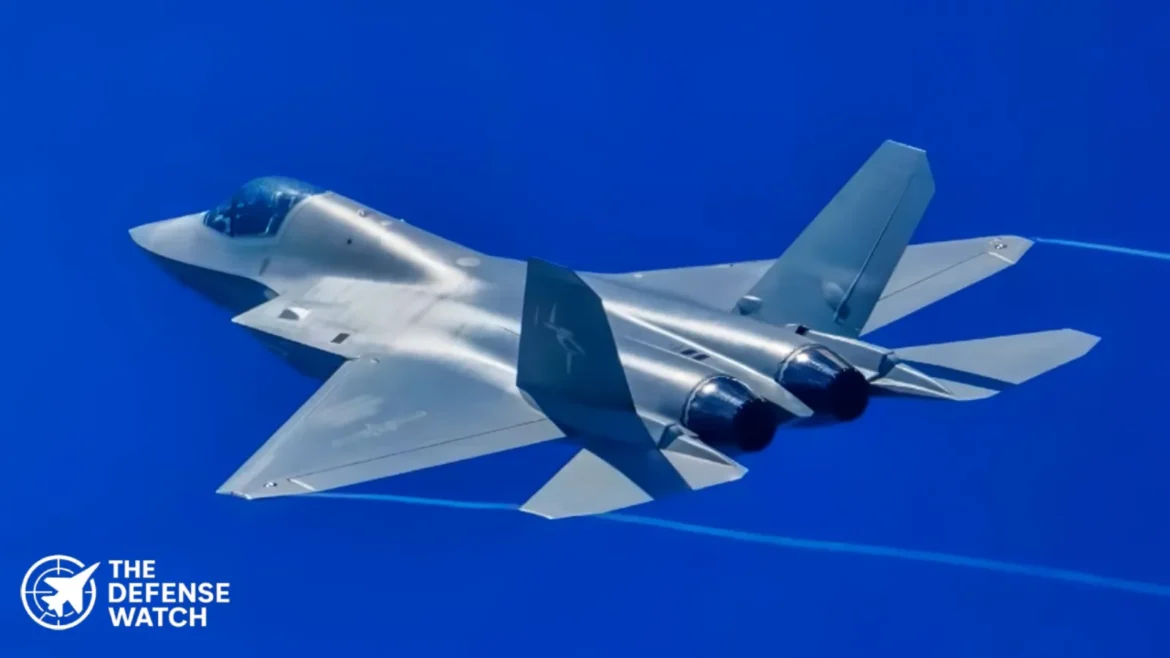
China Nears First Export Sale of J‑35 Stealth Fighter Jets to Pakistan
China appears close to finalizing its first overseas sale of the Shenyang J‑35 fifth‑generation stealth fighter jet, with Pakistan positioned as the likely initial customer and deliveries expected to begin as early as 2026, according to reporting on Beijing’s defense export efforts.
According to Source, Beijing has offered Islamabad a package that includes up to 40 J‑35 aircraft, forming a central part of a broader proposed arms cooperation that also encompasses airborne early warning aircraft and advanced air defenses.
Export Push for China’s J‑35
The Shenyang J‑35 is China’s newest fifth‑generation fighter, developed as a carrier‑capable stealth platform alongside the J‑20 and tied to export variants often linked with the FC‑31 designation.
China’s government and the Aviation Industry Corporation of China (AVIC) have been positioning the J‑35 for export after advancing production and testing, including recent first flights in 2026 as part of ongoing development.
Pakistan’s government publicly acknowledged an offer from China that included 40 J‑35 fighters alongside a Shaanxi KJ‑500 airborne early warning and control aircraft and HQ‑19 surface‑to‑air missile systems. The announcement appeared on official social channels in June 2025, though it was later removed.
If concluded, this would be the first confirmed export of the J‑35 family to a foreign air force.
Pakistan’s Position and Orders
Reports from late 2025 and early 2026 suggest Pakistan remains the front‑runner for the J‑35 export order, in line with earlier statements that the country planned to acquire up to 40 jets by 2030.
Past reporting indicated that Pakistan Air Force pilots were already training on the platform in China and that initial deliveries could begin within months of a contract signing.
The deal reflects Islamabad’s broader effort to modernize its air combat fleet alongside other acquisitions such as Chinese‑built J‑10 multirole fighters.
Regional and Strategic Context
The possible J‑35 sale to Pakistan marks a notable moment in China’s efforts to expand its defense export footprint. Until now, China’s foreign customers have focused on legacy and fourth‑generation platforms like the JF‑17 Thunder or the J‑10 series.
For Pakistan, acquiring a fifth‑generation fighter would represent a significant leap in capability, even as analysts caution timelines and costs could shift over the longer term.
The deal is unfolding amid broader shifts in South Asian defense relationships, including Pakistan’s engagement with Western suppliers and regional tensions that have influenced procurement priorities.
What Comes Next
Industry watchers will be looking for formal contract announcements and export clearance from Beijing’s government. Final signatures and financing arrangements could determine whether initial aircraft enter service with the Pakistan Air Force in 2026, or if timelines extend into the late 2020s.
China’s bid to export a fifth‑generation stealth fighter highlights both its growing aerospace industry and the strategic partnerships Beijing is building beyond its borders. Delivery and sustainment contracts in the years ahead will shape how the J‑35 competes in a crowded global fighter market.

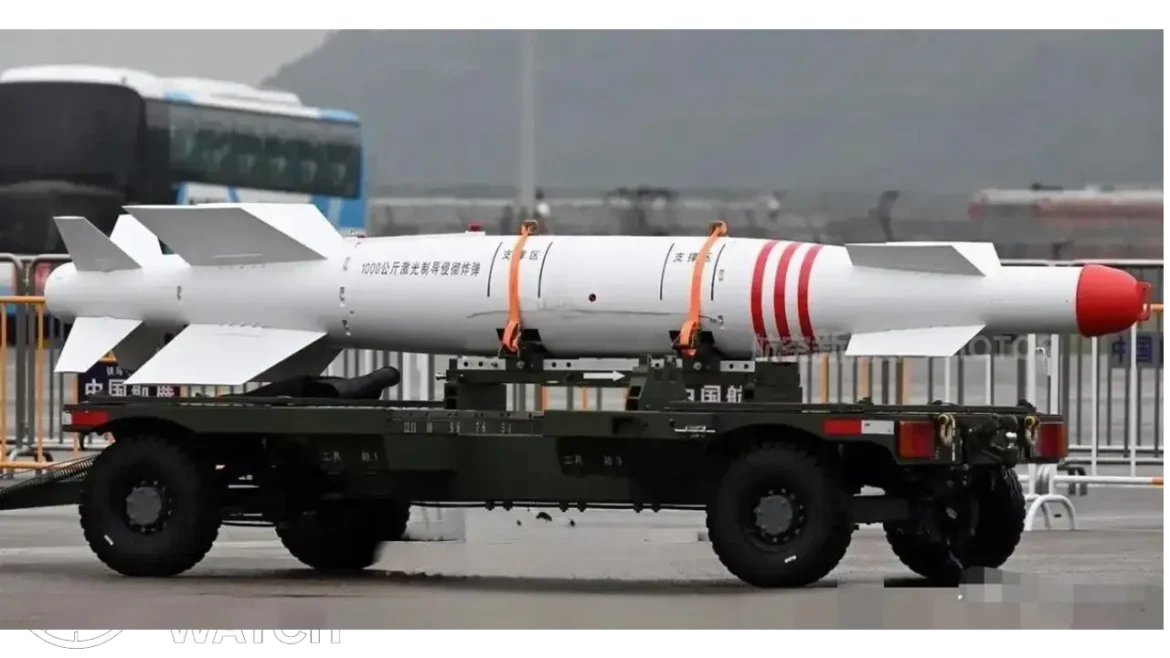
China Unveils YJ-1000 Precision-Guided 1-Ton Bomb
China has officially unveiled the YJ-1000, a 1-ton precision-guided bomb designed to significantly enhance the strike capabilities of the People’s Liberation Army Air Force (PLAAF). The weapon’s reveal underscores Beijing’s steady progress in advanced air-delivered munitions and its growing ability to field long-range, precision strike systems comparable to Western counterparts.
Unveiled during a recent defense industry showcase, the YJ-1000 represents a new generation of Chinese air-launched guided weapons intended to increase operational flexibility and lethality across multiple platforms. The bomb is designed for deployment from several of China’s frontline fighters, including the J-10C, J-15, J-16, and the JH-7 fighter-bomber, giving the PLAAF and PLAN Air Wing a potent addition to their strike arsenals.
Features and Capabilities
The YJ-1000 weighs approximately 1,000 kilograms (2,200 pounds) and is equipped with an advanced guidance package likely combining satellite navigation (Beidou), inertial guidance, and possibly laser or electro-optical terminal seekers for precision engagement.
Chinese state media described the bomb as a “high-precision, all-weather strike weapon” capable of targeting fortified positions, bunkers, and command infrastructure with a circular error probable (CEP) of less than a few meters. While exact specifications remain classified, the system appears to mirror Western designs such as the U.S. GBU-31 JDAM and Russian KAB-1500 series, both used for heavy precision bombing.
Imagery released by Chinese outlets indicates modular design features, suggesting the YJ-1000 could support varying guidance kits or fuzes depending on mission requirements—a trend in modern precision weapons development.
YJ-1000 Bomb – Full Specifications
- Guidance System: Beidou + Inertial Navigation (INS)
- Maximum Speed: Subsonic (released from Mach 0.8–1.2 platform)
- Launch Compatibility: J-10C, J-15, J-16, JH-7
- Warhead Technology: Penetrator High-Explosive
Strategic Implications
The introduction of the YJ-1000 aligns with China’s broader effort to modernize its aerial strike capability under the PLA’s 2035 modernization goals. By equipping fourth-generation fighters like the J-16 multirole strike fighter with a heavy precision bomb, China expands its capacity to conduct deep-strike operations without relying solely on ballistic or cruise missiles.
The YJ-1000 also reflects China’s growing emphasis on precision engagement over massed bombardment, improving operational efficiency while reducing collateral damage—a capability once dominated by Western air forces.
Additionally, its compatibility with carrier-based J-15 fighters strengthens the People’s Liberation Army Navy’s (PLAN) long-range maritime strike potential, an important factor as Beijing expands its naval aviation operations in the South China Sea and Western Pacific.
Analysis: What It Means for U.S. Defense and Global Security
For the United States and its allies, the emergence of the YJ-1000 underscores China’s rapid technological advancement in guided munitions and aerospace integration. The weapon represents more than an incremental upgrade—it demonstrates a growing maturity in China’s ability to design, produce, and operationally deploy advanced precision weapons across multiple air platforms.
From a strategic standpoint, the YJ-1000 adds another layer to China’s anti-access/area denial (A2/AD) architecture. It enables precision attacks on airfields, logistics hubs, and naval vessels within contested zones, challenging the operational freedom of U.S. and allied forces in the Indo-Pacific.
Moreover, the new bomb could influence regional arms dynamics, prompting neighboring countries like Japan, South Korea, and Australia to invest further in air-delivered precision strike weapons and missile defense systems.
Conclusion
The unveiling of the YJ-1000 marks another step in China’s transition toward a modern, precision-oriented military force. As Beijing continues to integrate advanced guidance technologies and modular weapon systems, its strike capability is expected to grow in both range and sophistication.
For U.S. defense planners, the YJ-1000 serves as a reminder that China’s airpower modernization is accelerating on all fronts—from fighters and bombers to the smart munitions they carry. In the coming years, tracking how the YJ-1000 and similar systems evolve will be vital to understanding the shifting balance of airpower in the Indo-Pacific theater.
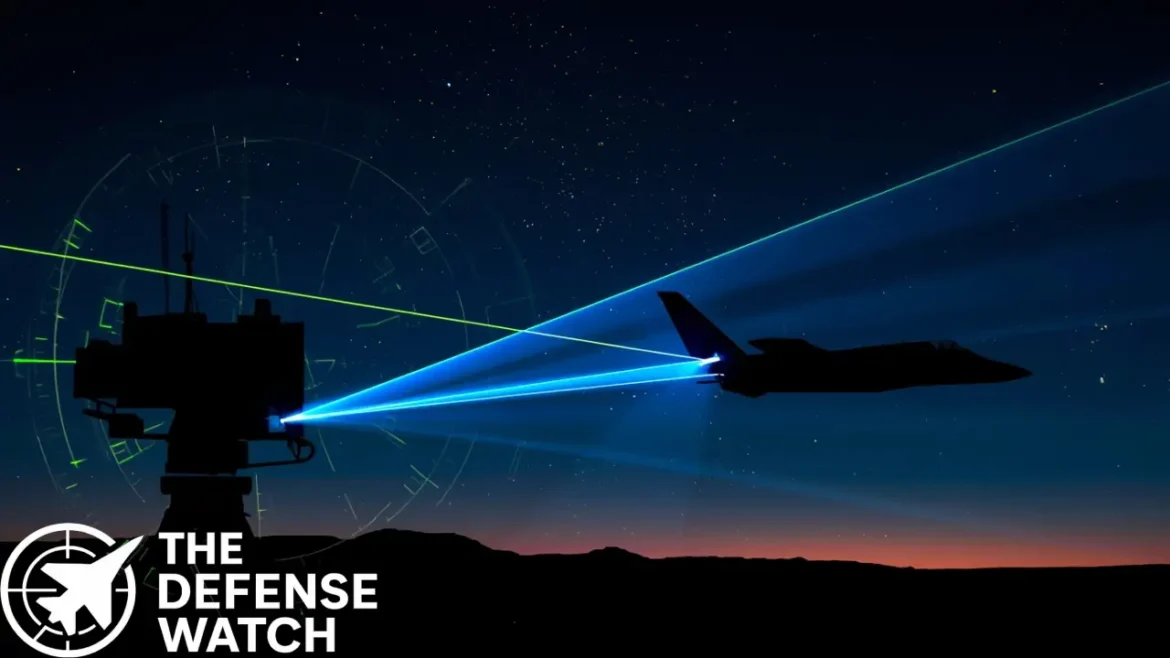
China’s Bold Quantum Radar Announcement
China recently publicized claims that its defense industries have developed a programmable quantum radar capable of detecting stealth aircraft, potentially able to “see through” advanced low-observable designs. According to Chinese sources, the system leverages quantum entanglement and coherence effects to detect ultra-low observable (ULO) targets with minimal return signals.
In parallel, at the 11th World Radar Expo, China also highlighted several “anti-stealth” radar systems, such as the JY-27V meter-wave radar and SLC-7 multifunctional radar, which its designers claim can detect U.S. stealth platforms including F-22 and F-35 aircraft.
The quantum radar narrative builds on earlier Chinese academic papers that proposed creating a miniature electromagnetic vortex or “storm” via accelerated electrons and strong magnetic fields, arguing such a field could interact differently with the stealth surface and enable detection where conventional radars fail.
However, experts remain cautious. Many in the defense and quantum physics communities view China’s claims skeptically, warning that the jump from laboratory proof-of-concept to an operational, deployable quantum radar remains extremely challenging.
How Quantum Radar Could Work (In Theory)
Traditional radar operates by transmitting electromagnetic pulses and measuring their return. Stealth aircraft minimize that return via shaping, radar-absorbent materials, and low-emission technologies (like LPIR) to reduce their detectability.
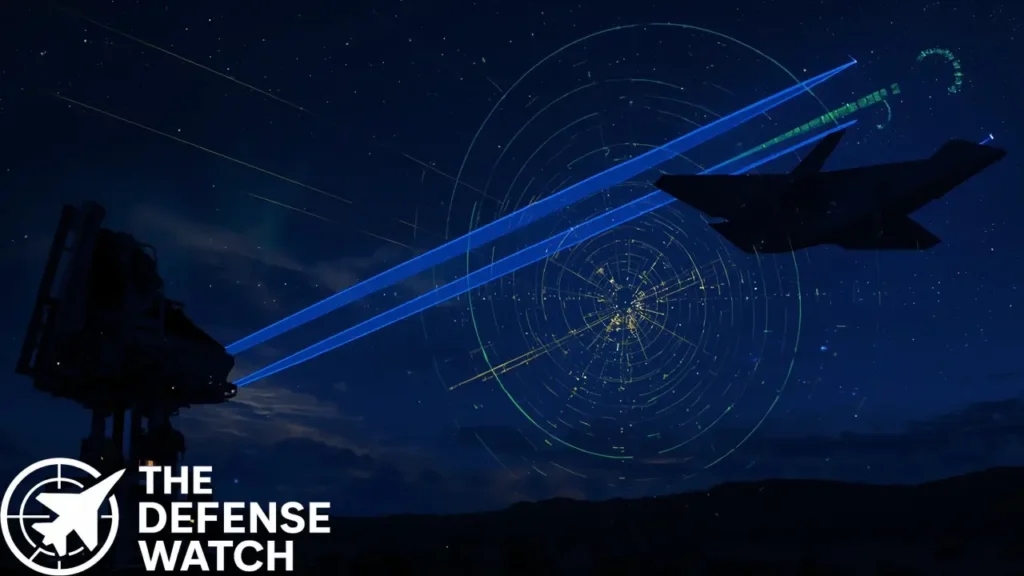
Quantum radar, by contrast, is based on schemes such as quantum illumination: pairs of entangled photons are created, one sent outward (signal) and the other retained (idler). The correlation between the two allows the system to distinguish a weak return signal from noise, even when much of the entanglement is lost over distance.
In principle, this technique could permit detection of objects with extremely low radar cross-sections under clutter and jamming conditions. A “programmable” quantum radar could adapt entanglement properties or measurement strategies in real time based on target and environmental conditions.
Still, significant obstacles remain: preserving quantum correlations over long distances and through lossy media, building high-power quantum transmitters, and integrating quantum receivers into robust field systems are formidable engineering challenges.
Context: China’s Broader Anti-Stealth Push
China’s quantum radar claims align with a multi-pronged strategy for counter-stealth. At the radar expo, China also prioritized low-frequency radar bands, high-power apertures, and advanced signal processing to target stealth aircraft.
Records show that the People’s Liberation Army (PLA) has already deployed anti-stealth radars along its coastlines and islands in the East and South China Seas, posing potential threats to U.S. aircraft operating in those regions.
Beyond radar, China is reportedly exploring novel detection methods—such as satellite-based signal disturbance detection (e.g. via Starlink interference experiments) —and even a stratospheric airship with infrared sensors targeting the thermal signature of stealth fighters.
At the same time, China is enhancing its own stealth-capable platforms. A recent upgrade to the J-20 stealth fighter reportedly tripled its radar detection range via a silicon carbide (SiC) radar chip, making the J-20 not just survivable but also a potent sensor node.
Analysis: What This Means for U.S. Defense and Global Security
If China’s quantum radar claims prove feasible and operational, they could upend the balance in the stealth-versus-counterstealth arms race. Stealth platforms are a core pillar of U.S. power projection, enabling strike aircraft to penetrate contested airspace with reduced detection risk. A breakthrough countermeasure would force a strategic shift.
However, the likelihood of a fully functioning quantum radar in the near term remains low. Most academic and intelligence assessments view current Chinese claims as aspirational or speculative. Transitioning from lab-scale quantum experiments to rugged systems that survive in contested electromagnetic and physical environments is a leap that even leading quantum research centers worldwide are still trying to conquer.
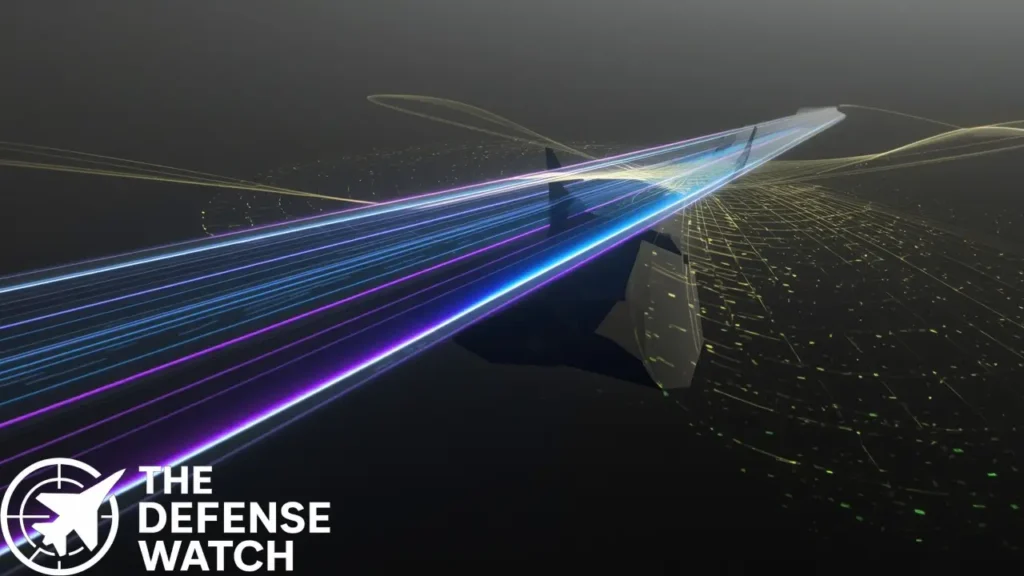
Even so, the assertion is strategically significant. It signals Beijing’s ambition to neutralize U.S. stealth advantages, placing pressure on Washington to accelerate alternatives—such as stealth enhancements, electronic warfare, distributed sensor networks, multi-domain fusion, and counter-countermeasures.
From a global security perspective, breakthroughs in quantum sensing could trigger a new technology race. Other major powers (e.g., Russia, European nations, and India) would be compelled to invest in quantum science for both offense and defense. The delicate balance of deterrence might shift if stealth is no longer a guaranteed edge.
For technology trends, quantum radar fits into a larger push toward quantum-enabled sensing, communication, and computing. Its potential success (or failure) could influence how defense R&D is prioritized—allocating resources between incremental radar enhancements and disruptive quantum architectures.
Conclusion and Outlook
China’s claim of a working quantum radar is a provocative statement, one that may be more ambition than reality for the moment. But even as it invites skepticism, the narrative itself imposes a challenge on U.S. defense planners: the possibility that stealth may lose its dominance sooner than expected.
Over the coming years, expect increased U.S. investment in counter-counterstealth, quantum-resistant detection methods, more resilient sensor fusion, and perhaps classified programs aimed at validating or discrediting Chinese claims. If Beijing does deliver a credible quantum radar, operational balances in Indo-Pacific airpower, deterrence, and strategic strike capability could undergo a dramatic reassessment.

Background & Design Overview of the PL-15
The PL-15 “Thunderbolt-15” is China’s advanced beyond-visual-range air-to-air missile (BVRAAM), designed by the China Airborne Missile Academy (CAMA). Featuring a dual-pulse solid-fuel rocket motor and an active electronically scanned array (AESA) radar seeker, the PL-15 achieves impressive performance—speeds exceeding Mach 5 and a range surpassing 200 km in its domestic variant. The missile’s compact design—around four meters long with a ~200 mm diameter—makes it suitable for internal carriage on stealth platforms like the J-20.
An export variant, the PL-15E, was revealed with folding rear fins to better integrate with stealth fighters’ weapon bays, implying enhanced export ambitions.
Combat Debut: Pakistan’s Bold Deployment
In May 2025, the Pakistan Air Force (PAF) deployed J-10C and JF-17 Block III fighters armed with PL-15E missiles during fierce skirmishes with India along the Kashmir border. Official Pakistani imagery confirmed JF-17 Block III integrating the long-range PL-15 BVRAAM.
Multiple Indian media and analysts reported that at least one Indian Dassault Rafale fighter was downed—possibly from surprising long-range engagement—indicating Pakistan’s willingness to leverage the PL-15 at its outer reach. A section of a PL-15E missile was recovered relatively intact on Indian soil, providing a significant intelligence opportunity.
Strategic Implications and Export Push
The combat debut of the PL-15E marks a pivotal shift in Asia’s aerial balance. It demonstrates China’s emergence as a competitive arms exporter and reassurance for its strategic partners such as Pakistan. Meanwhile, recovered missile debris offers Indian and allied analysts data to develop potential countermeasures and decode design and guidance systems.
Expert voices highlighted the dangers of underestimating the PL-15’s capabilities. Indian pilots allegedly believed the aircraft was beyond range of the PL-15E, based on faulty intelligence estimating its range at only about 150 km. The actual combat engagement may have occurred at approximately 200 km—making it among the longest air-to-air kills recorded.
Stepping back, this episode emphasizes the rising importance of long-range kinetic reach and data-linked guidance in contemporary air warfare—as exemplified by the PL-15—and prompts comparable developments from other global powers. In fact, the US Navy introduced the AIM-174B to counter such threats.
Analysis & Context
This first known combat use of the PL-15E underscores a strategic turning point in aerial warfare in South Asia. Pakistan’s employment of Chinese advanced BVR technology not only tests real-world effectiveness but also signals a shift in regional deterrence calculus.
Intelligence gains from the recovered missile could significantly influence India and its allies in enhancing electronic warfare (EW), jamming, and intercept tactics against sophisticated missiles like the PL-15. Indeed, reports suggest that jamming may have helped some Indian platforms evade hits during the conflict
FAQs
A long-range Chinese air-to-air missile with dual-pulse rocket motor and AESA-guided seeker, exceeding 200 km in range for domestic versions.
An export version with potentially reduced range and folding fins for stealth fighter carriage, used by Pakistan.
Yes—first confirmed in May 2025 when PAF deployed it in skirmishes with India, marking its combat debut.
Recovered debris may reveal technical details—such as propulsion, guidance, materials—useful for countermeasure development and threat assessment.
Its deployment boosts Chinese export credibility and alters air superiority calculations, especially in potential Taiwan scenarios and Indo-Pacific dynamics.