

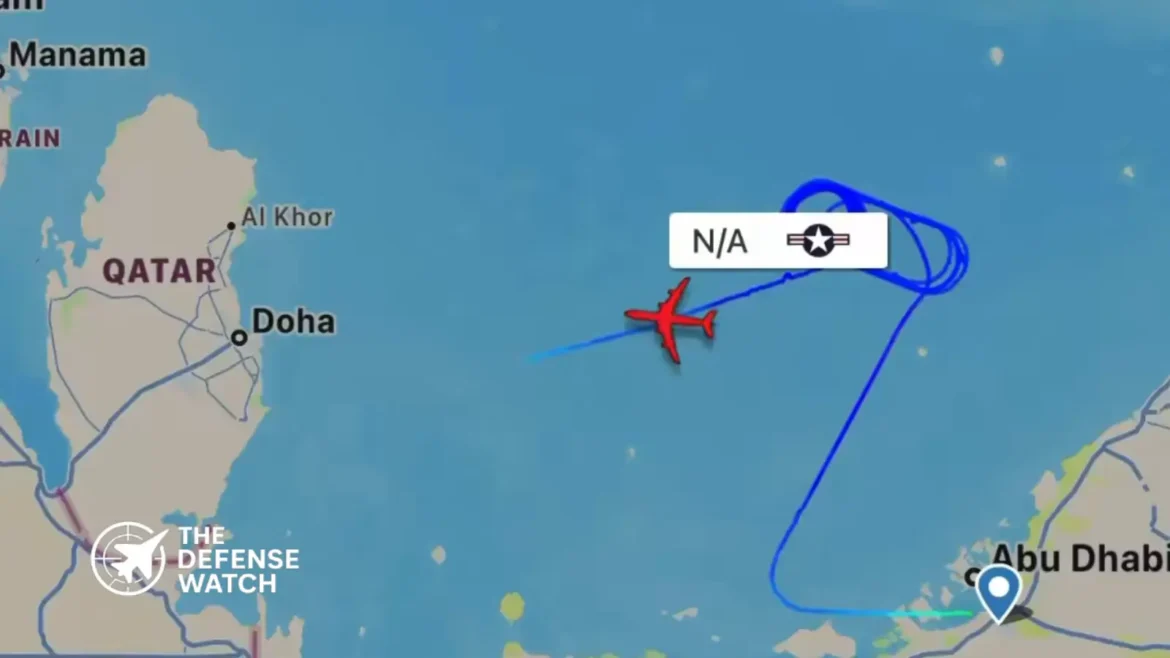
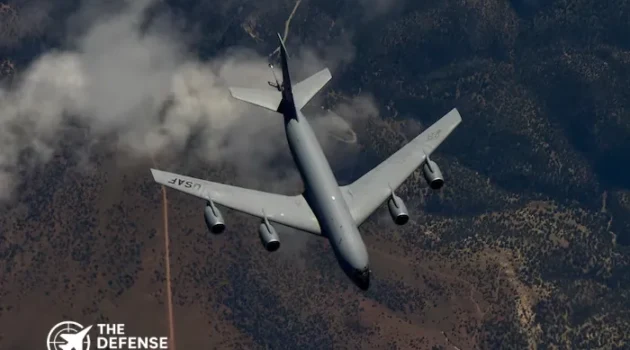
Executive Summary: A U.S. Air Force KC-135R Stratotanker issued a Transponder Code 7700 (General Emergency) while transiting the Strait of Hormuz before disappearing from flight tracking radar. The incident occurred amidst intense regional GPS spoofing and jamming, with the aircraft last seen descending toward Qatari airspace.
U.S. KC-135R Stratotanker Declares Emergency Amid Regional Electronic Interference
A U.S. Air Force KC-135R Stratotanker reportedly encountered a critical inflight emergency earlier today while operating over the Strait of Hormuz, a vital maritime chokepoint currently experiencing a surge in electronic warfare activity. Flight tracking data indicated the aircraft began a rapid descent while “squawking” a 7700 emergency code—the international signal for an immediate distress situation—before its signal was lost to open-source intelligence (OSINT) monitors.
The aircraft, a cornerstone of U.S. power projection in the Middle East, appeared to be banking toward Al Udeid Air Base in Qatar. However, the loss of ADS-B (Automatic Dependent Surveillance-Broadcast) telemetry has left the current status of the airframe—whether it performed a successful emergency landing or suffered a hull loss—unconfirmed by official Department of Defense (DoD) channels.
The Impact of Regional GPS Spoofing
The disappearance of the KC-135R Stratotanker coincides with high-level reports of sophisticated AIS (Automatic Identification System) and GPS jamming across the Persian Gulf. For the past several hours, regional monitors have noted significant “spoofing” incidents, where false location data is injected into navigation systems, causing aircraft and maritime vessels to appear miles away from their actual positions.
In the Strait of Hormuz, these electronic disruptions are often attributed to regional state actors seeking to complicate U.S. and allied transit. While it remains unclear if electronic interference directly caused the Stratotanker’s emergency, such an environment significantly increases the “fog of war” for flight crews managing mechanical or hydraulic failures.
Technical Analysis: The Vulnerability of Legacy Platforms
The KC-135R Stratotanker, while extensively modernized, remains a legacy platform based on the 1950s-era Boeing 707 design. As the backbone of U.S. Air Force refueling operations, these aircraft are essential for maintaining combat air patrols over the Central Command (CENTCOM) area of responsibility.
Emergency Protocols and Signal Loss
When a pilot sets the transponder to 7700, it notifies all air traffic control (ATC) units in the vicinity that the aircraft requires priority handling. The subsequent signal loss observed in this incident could stem from several factors:
- Terrain Masking: As the aircraft descended toward Qatar, it may have dropped below the line-of-sight required for ground-based ADS-B receivers.
- Intentional Shutdown: In an emergency involving electrical fires or specific electronic warfare protocols, crews may disable non-essential transponders.
- System Failure: A total loss of electrical power would result in an immediate cessation of all broadcast signals.
Analysis of the Electronic Warfare Environment
The Strait of Hormuz has become a premier laboratory for Electronic Warfare (EW). The “spoofing” seen today is a step beyond simple jamming; it is a deceptive measure designed to trick navigation suites into calculating incorrect flight paths. For a heavy tanker carrying thousands of pounds of volatile aviation fuel, a loss of primary navigation in one of the world’s most congested airspaces is a worst-case scenario.
Strategic Implications for CENTCOM
This incident highlights the precarious nature of U.S. operations in the Middle East Defense & Security sector. If the KC-135R Stratotanker was indeed forced down due to external interference, it marks a significant escalation in the use of non-kinetic effects against U.S. manned assets.
Maintaining the Air Bridge
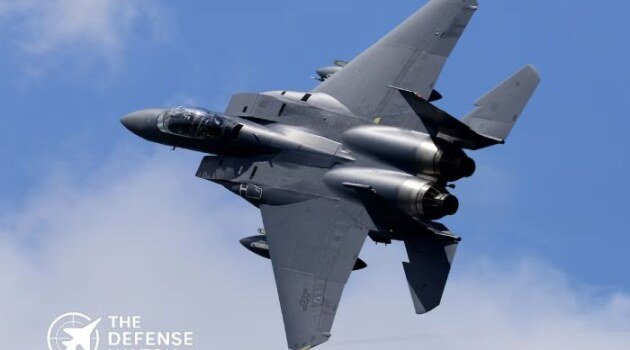
The loss or grounding of even a single Stratotanker can ripple through the theater. These aircraft enable the long-endurance missions of F-15E Strike Eagles and F-16 Fighting Falcons that currently patrol regional flashpoints. Without reliable “gas stations in the sky,” the U.S. footprint becomes restricted to short-range sorties based on immediate proximity to runways.
Verification of Safety
As of the time of publication, there have been no reports of wreckage or distress flares from the surface of the Strait. Military aviation experts suggest that the heading toward Qatar indicates a controlled attempt to reach the massive runway infrastructure at Al Udeid.
Conclusion: Awaiting Official Confirmation
The U.S. Air Force has not yet issued a formal “Condition of Aircraft” report. In previous instances of signal loss in this region, aircraft have often “gone dark” for operational security reasons while managing mechanical issues. However, the combination of a 7700 squawk and verified GPS jamming makes this a high-priority event for defense analysts.
TheDefenseWatch.com will continue to monitor the situation as more data becomes available from CENTCOM and regional ATC.
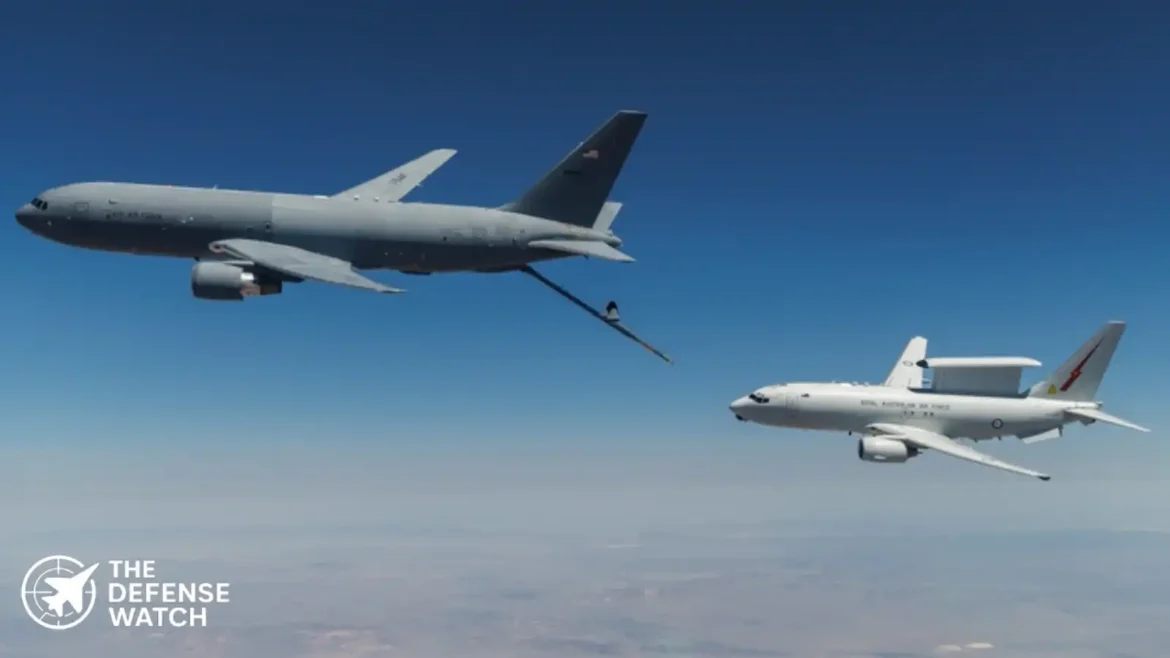
Executive Summary: The U.S. Air Force (USAF) has finalized a $2.4 billion contract amendment with Boeing to procure five additional E-7 Wedgetail aircraft, bringing the total initial fleet to seven. This move secures a critical replacement for the E-3 Sentry, integrating advanced MESA radar technology to maintain air superiority in contested environments.
U.S. Air Force Accelerates E-7 Wedgetail Procurement
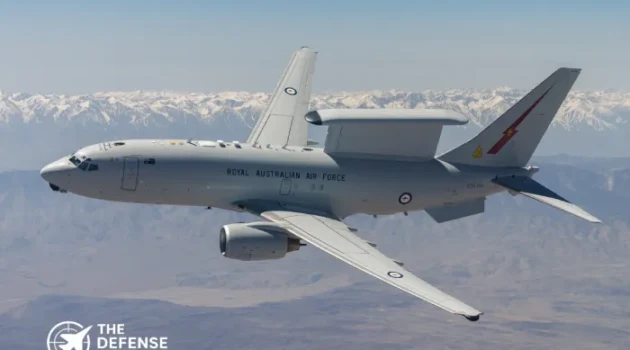
The U.S. Air Force has increased its planned acquisition of the E-7 Wedgetail airborne early warning and control (AEW&C) aircraft from an initial prototype-focused effort to a broader operational fleet of seven platforms.
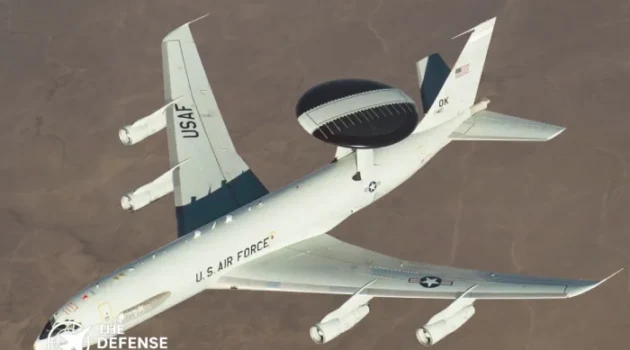
The latest contract amendment, valued at $2.4 billion, builds on an earlier rapid prototyping agreement awarded to Boeing. It signals a transition from experimentation toward fielding a deployable capability designed to replace the aging E-3 Sentry Airborne Warning and Control System (AWACS) fleet.
The E-3, first fielded in the late Cold War era, faces rising sustainment costs, declining readiness rates, and increasing vulnerability in modern threat environments.
Why the E-7 Wedgetail Matters for Future Air Warfare
The E-7 Wedgetail is based on the Boeing 737-700 airframe and integrates a modern, multi-role electronically scanned radar system. It is designed to operate effectively in contested environments where legacy AWACS aircraft face survivability challenges.
Key Capability Improvements
- Advanced AESA radar offering 360-degree coverage with improved target tracking
- Enhanced battle management systems for real-time command and control
- Greater reliability and availability compared to legacy E-3 platforms
- Reduced crew workload through automation and digital interfaces
- Improved interoperability with joint and allied forces
The aircraft is already in service with allied air forces, including Australia and the United Kingdom, providing a mature baseline for U.S. adoption.
Comparison: E-7 Wedgetail vs E-3 Sentry AWACS
Platform Range Payload Status Key Technology E-7 Wedgetail ~6,500 km Multi-role AEW&C mission systems In production / expanding AESA MESA radar, digital battle management E-3 Sentry AWACS ~8,000 km Legacy radar and command systems Aging / being retired Mechanically scanned radar Transition from Legacy AWACS to Networked Warfare Node
The E-7 is not simply a replacement aircraft. It represents a shift toward distributed, network-centric warfare, where survivability, data fusion, and real-time decision-making are critical.
Unlike the E-3, which relies on older radar and processing systems, the Wedgetail is built to integrate with:
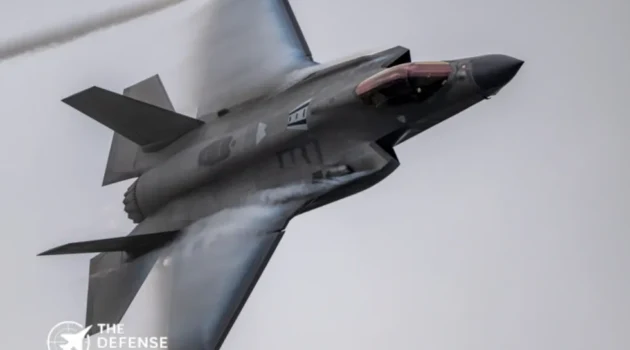
- Fifth-generation fighters such as the F-35
- Space-based sensors and satellite networks
- Joint all-domain command and control (JADC2) architectures
This enables the aircraft to act as a central node in multi-domain operations, rather than a standalone surveillance platform.
Strategic Context: Countering Peer Threats
The expansion of the E-7 program reflects broader U.S. concerns about near-peer adversaries, particularly in the Indo-Pacific and European theaters.
Modern air defense systems, long-range missiles, and electronic warfare capabilities have increased the risks faced by large, non-stealthy aircraft like the E-3.
Operational Drivers Behind the Decision
- Rising threats from advanced integrated air defense systems (IADS)
- Need for survivable airborne command platforms
- Increased demand for persistent ISR and battle management
- Strengthening interoperability with allied E-7 operators
The Wedgetail’s improved sensor performance and network integration are intended to mitigate these risks while maintaining command and control dominance.
Program Outlook and Next Steps
With the contract expansion now in place, the U.S. Air Force is expected to move forward with:
- Continued system integration and testing
- Initial operational capability timelines in the coming years
- Gradual retirement of the E-3 fleet
The final program of record could expand beyond seven aircraft as operational requirements evolve.
The E-7 Wedgetail is positioned to become a cornerstone of U.S. airborne command and control, bridging current capability gaps while supporting future multi-domain operations.
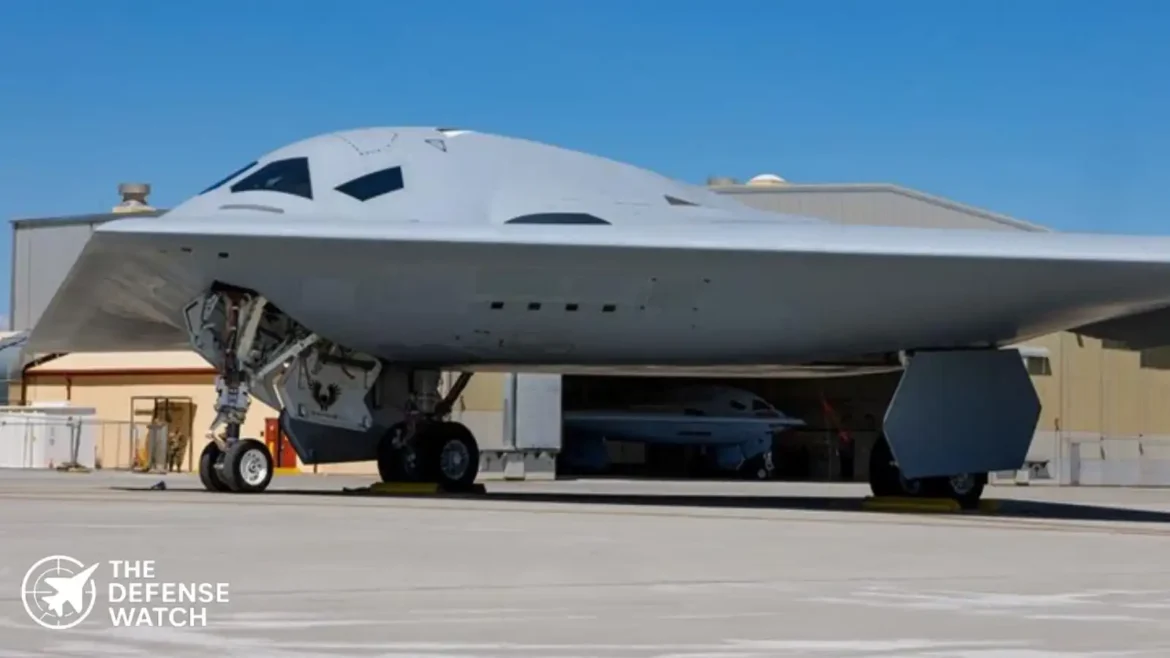
Executive Summary: The Commander of US Indo-Pacific Command (INDOPACOM) has formally supported increasing the US Air Force’s acquisition objective for the B-21 Raider from 100 to 200 aircraft. This recommendation is driven by the need for high-volume, long-range conventional and nuclear precision strikes to deter peer-state aggression in the Pacific theater.
Strategic Requirement for Expanded Stealth Capacity
The push for a 200-aircraft fleet represents a significant shift from the current Department of Defense (DoD) “Program of Record.” Military leadership argues that the initial requirement of 100 units was formulated under different geopolitical conditions. As regional anti-access/area-denial (A2/AD) bubbles expand, the B-21 is increasingly viewed as the primary tool for penetrating sophisticated Integrated Air Defense Systems (IADS).
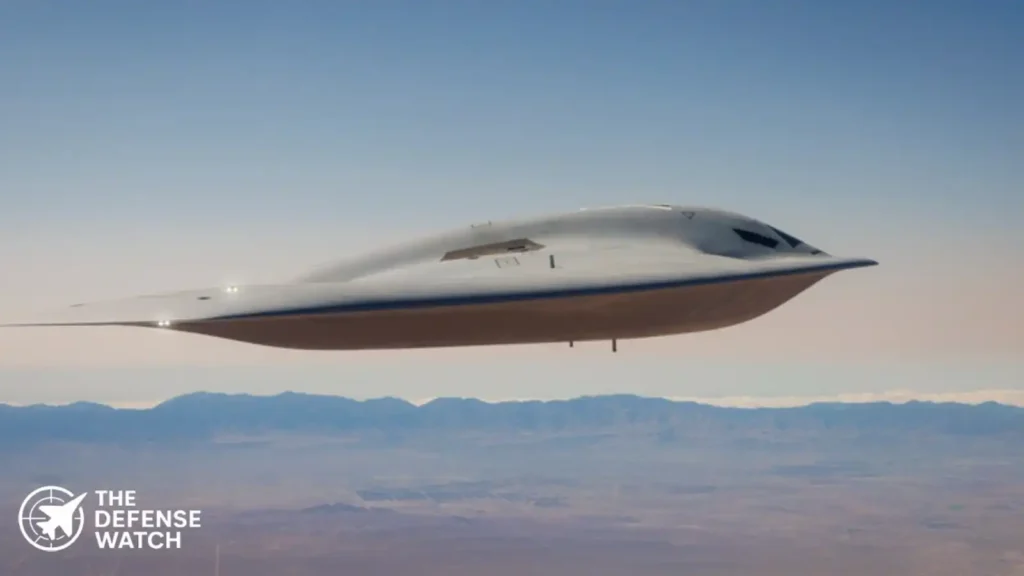
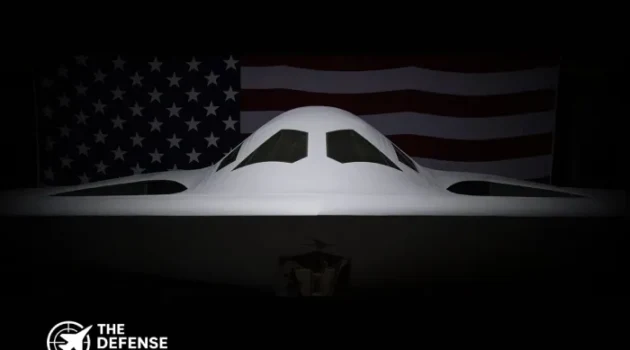
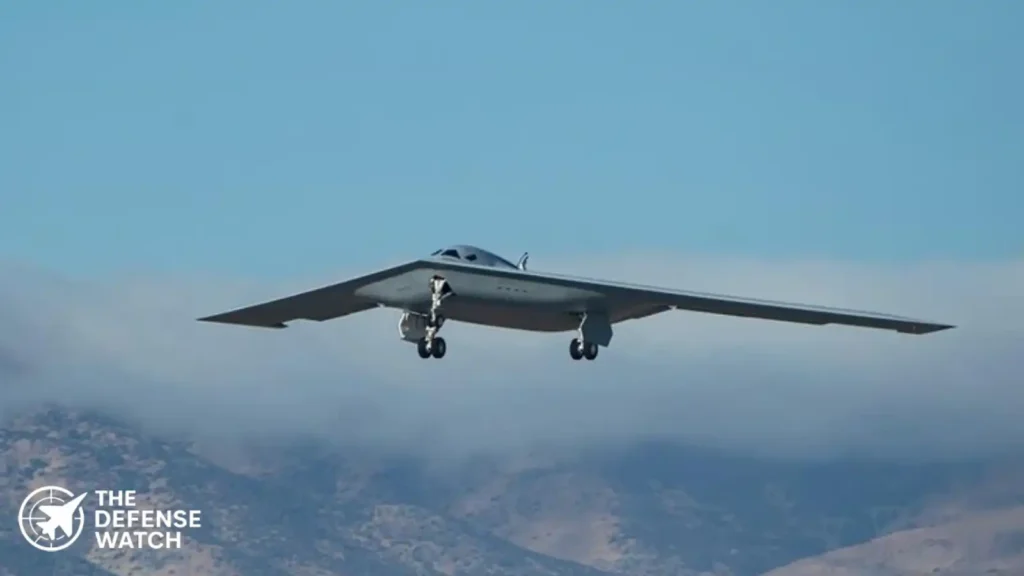
The B-21 Raider, developed by Northrop Grumman, utilizes sixth-generation stealth technology designed to remain survivable against modern S-400 and nascent S-500 surface-to-air missile systems. By doubling the fleet, INDOPACOM aims to ensure high-sortie availability despite the vast geographical distances of the Pacific.
Comparative Analysis: B-21 Raider vs. B-2 Spirit
The B-21 is intended to replace the aging B-2 Spirit and B-1B Lancer fleets, providing a more maintainable and digitally integrated platform.
Feature B-21 Raider B-2 Spirit (Legacy) Range Estimated 6,000+ nm (Unrefueled) Approx. 6,000 nm Payload Classified (Mixed Munitions) 40,000 lbs Status In Production / Flight Testing Operational (Low Fleet Count) Key Technology Open Systems Architecture (OSA) Analog/Proprietary Digital Mix Export to Sheets
Technical Advantages and Mission Profile
The B-21’s value proposition extends beyond its radar cross-section (RCS) reduction. Its “Open Systems Architecture” allows for rapid software insertion, ensuring the platform can adapt to electronic warfare (EW) threats in real-time.
- Digital Engineering: The platform was developed using digital twin technology, reducing the sustainment tail and increasing the “Mission Capable” rate compared to the maintenance-intensive B-2.
- Multi-Role Capability: While primarily a bomber, the B-21 serves as a high-altitude sensor node, capable of gathering and distributing intelligence, surveillance, and reconnaissance (ISR) data across the Joint All-Domain Command and Control (JADC2) network.
- Dual-Capable Strike: The aircraft is designed to carry both the B61-12 guided nuclear bomb and the Long Range Stand-Off (LRSO) cruise missile, alongside a vast array of conventional precision-guided munitions (PGMs).
Geopolitical Implications and Deterrence
The INDOPACOM recommendation arrives amid increasing concerns regarding the People’s Liberation Army (PLA) modernization. The vastness of the Pacific theater requires a platform that can operate without reliance on vulnerable forward-operating bases.

“The B-21 is the most significant deterrent in our inventory,” noted officials during the 2026 posture hearings. The ability to hold targets at risk from the continental United States (CONUS) or second-island-chain bases like Guam provides a strategic depth that tactical fighters cannot match.
However, expanding the order to 200 aircraft will face budgetary scrutiny. With an estimated unit cost of $750 million (in 2026 dollars), a 100-unit increase would require an additional $75 billion in procurement funding, not including long-term operations and sustainment (O&S) costs. Proponents argue that the cost of conflict far outweighs the investment in a dominant stealth deterrent.
Executive Summary: The U.S. Air Force is fast-tracking the development of the AGM-181 Long Range Standoff (LRSO) cruise missile. Designed to replace the 40-year-old AGM-86B, the LRSO introduces advanced stealth capabilities and the modernized W80-4 warhead, ensuring the U.S. nuclear triad can penetrate the world’s most sophisticated air defense networks through 2060.
The End of the ALCM Era
Since 1982, the AGM-86B Air-Launched Cruise Missile (ALCM) has been the backbone of the airborne nuclear deterrent. However, as global adversaries deploy advanced Integrated Air Defense Systems (IADS) and stealth-detecting radar, the non-stealthy AGM-86B has become increasingly vulnerable.
To bridge this gap, the Department of Defense is shifting resources toward the AGM-181 LRSO, a low-observable (stealth) cruise missile developed by Raytheon (RTX).
Technical Comparison: Legacy vs. Next-Gen
The transition from the AGM-86B to the AGM-181 represents a leap from Cold War technology to 21st-century digital warfare.
Quick Specs Table
| Feature | AGM-86B (Legacy ALCM) | AGM-181 (Next-Gen LRSO) |
| Manufacturer | Boeing | Raytheon (RTX) |
| Stealth | Low / Conventional | High (Low-Observable Shaping) |
| Launch Platforms | B-52H Only | B-52J and B-21 Raider |
| Range | ~1,500 Miles | 1,500+ Miles (Classified) |
| Warhead | W80-1 (200 kT) | W80-4 (Dial-a-Yield) |
| Engine | Williams F107-WR-101 | Williams F107-WI-106 |
3 Key Breakthroughs of the LRSO Program
1. Extreme Survivability (A2/AD Penetration)
While the legacy ALCM relies on flying low to “hide” in terrain, the LRSO uses advanced radar-absorbing materials (RAM) and a specialized airframe shape to remain nearly invisible to enemy radar. This allows it to operate deep within “Anti-Access/Area Denial” (A2/AD) zones.
2. The W80-4 Modernized Warhead
The LRSO will carry the W80-4 warhead, a result of a massive Life Extension Program (LEP).
- Precision: Enhanced internal guidance for higher accuracy.
- Yield Flexibility: Features “Dial-a-Yield” settings, allowing for strategic flexibility depending on the mission profile.
3. Multi-Bomber Integration
Unlike its predecessor, which was limited to the aging B-52, the LRSO is being digitally “twinned” for immediate use on:
- The B-52J: The modernized “Stratofortress” with new engines and radar.
- The B-21 Raider: The world’s first 6th-generation stealth bomber.
Program Status: 2026 Milestone Update
As of May 2026, the LRSO program has reached several critical milestones:
- Flight Testing: Recent B-52 test flights in early 2026 have confirmed successful separation and propulsion ignition of the AGM-181 airframe.
- Production Decision: A final “Milestone C” production decision is expected in 2027.
- Deployment: Initial Operational Capability (IOC) remains on track for 2030, coinciding with the first phased retirement of the AGM-86B.
The Bottom Line
The AGM-181 LRSO is not just a new missile; it is a vital insurance policy for the U.S. nuclear triad. By ensuring that even non-stealthy aircraft like the B-52 can launch high-survivability strikes from over a thousand miles away, the U.S. maintains its “Standoff” advantage in an increasingly contested global landscape.

USAF Rolls Out Air Expeditionary Wing 2.0
The U.S. Air Force is launching Air Expeditionary Wing 2.0, a revamped deployment model designed to improve readiness and operational cohesion. The new model will be fully implemented in fiscal year 2027, reflecting lessons learned from previous deployment frameworks, including the Expeditionary Air Base, Air Task Force, and Deployable Combat Wing models.
AEW 2.0 is modular and scalable, offering a standardized force package capable of projecting platform-agnostic airpower across any theater. Unlike legacy models, which relied on ad hoc unit assembly via the Air and Space Expeditionary Force process, AEW 2.0 forms approximately 18 months before deployment. This allows components to train and certify together, arriving in theater fully cohesive and combat-ready.

Air Force Chief of Staff Gen. Ken Wilsbach emphasized that AEW 2.0 builds on feedback from the total force and major commands. It is the next step in evolving our readiness,” he said, highlighting that Airmen can now train at home in ways consistent with operational deployment.
The AEW 2.0 model retains key benefits of previous concepts, including deliberately teamed, capabilities-based force packages aligned with the AFFORGEN training cycle. This approach balances in-garrison responsibilities with the need to maintain a ready, forward-deployable unit.
Lt. Gen. Case Cunningham, deputy chief of staff for operations, noted that AEW 2.0 enhances agility. A key strength of this unit of action model is the deliberate training and teaming that improves collaboration and readiness across the service,” he said, stressing the importance of empowering wings and commanders with resources for rapid, decisive operations.
Additional updates include group command opportunities at deployed locations and the replacement of traditional A-Staffs with Wing Operations Centers, designed to optimize command and control in austere or forward-deployed environments.
By standardizing deployment, training, and certification, AEW 2.0 strengthens the Air Force’s ability to deter threats and respond to high-end conflicts efficiently, supporting U.S. national priorities worldwide.
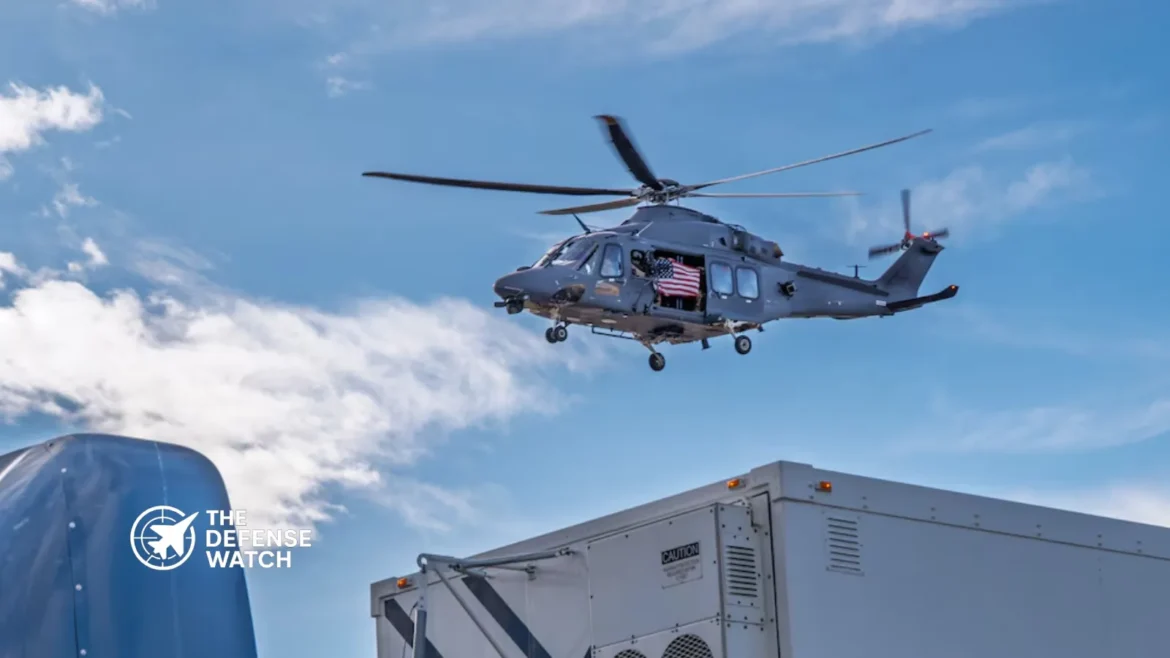
The US Air Force’s MH-139 Grey Wolf helicopters completed their first operational intercontinental ballistic missile convoy security mission Jan 8, escorting a Minuteman III ICBM convoy in Montana as part of efforts to modernize nuclear security operations.
MH-139 Escorts Minuteman III Convoy
Two MH-139A Grey Wolf helicopters assigned to the 40th Helicopter Squadron supported a six-hour convoy movement more than 100 miles east of Malmstrom Air Force Base, Montana. The aircraft provided aerial escort for missile maintenance and armored security vehicles without needing to refuel, demonstrating increased range and endurance over the legacy UH-1N Huey fleet.
(adsbygoogle = window.adsbygoogle || []).push({});Commanders described the operation as a key milestone in Air Force Global Strike Command’s effort to modernize the land-based leg of the US nuclear deterrent. The Grey Wolf offers higher speed, greater troop capacity, and enhanced defensive systems compared to the Vietnam-era Huey.
Operational Impact and Testing Path
The convoy mission adds to a series of tests and evaluations that have advanced the MH-139 into operational use. Earlier Initial Operational Test and Evaluation flights focused on convoy support and emergency response tasks such as launch facility recapture and recovery.
In mid-2025 the 582nd Helicopter Group completed a broader IOT&E campaign that demonstrated the Grey Wolf’s performance across multiple mission sets, including aerial gunnery and full-scale convoy operations.
(adsbygoogle = window.adsbygoogle || []).push({});What This Means for Nuclear Security
Air Force leaders say the Grey Wolf strengthens nuclear security by allowing faster response times and improved aerial coordination with ground security forces across missile fields that span thousands of square miles.
The transition away from the UH-1N Huey to the MH-139 reflects long-term modernization of organic missile field security capabilities and supports sustainment of the US ICBM force.
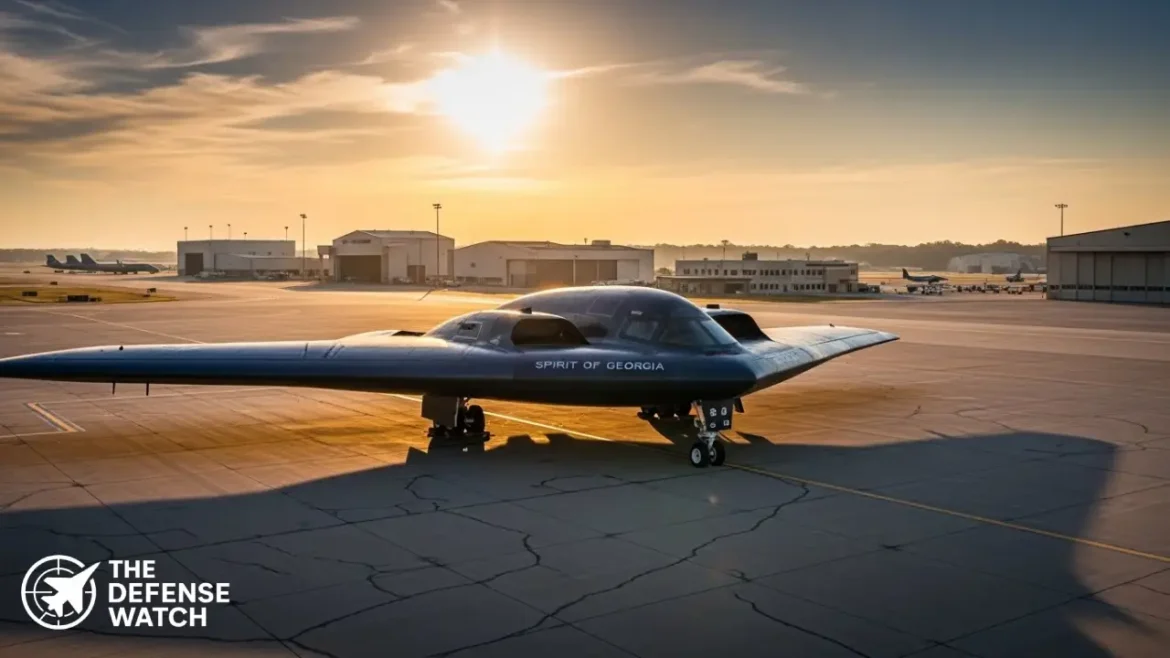
The B-2 Spirit stealth bomber known as “Spirit of Georgia” (tail number 89-0129) officially rejoined the U.S. Air Force’s operational fleet, following extensive repairs to structural damage sustained in a landing gear collapse at Whiteman Air Force Base, Missouri.
Background: Gear Collapse Incident and Fleet Significance
The incident occurred on September 14, 2021, during landing at Whiteman AFB. A hydraulic failure triggered an emergency gear-extension, but upon touchdown the left main landing gear (LMLG) failed to remain locked, causing it to collapse. The bomber veered off runway — its left wing scraped the ground and the aircraft came to rest roughly one mile from the landing point.
At the time, initial repairs were estimated at a minimum of US$10.1 million. But given the complex damage to the wing bay, lower wing skin, and landing-gear bay structures — including potential impact on stealth skin and internal fuel tanks — further analysis was required.
With the restoration of Spirit of Georgia, the B-2 fleet returns to 19 operational bombers, following the retirement of another damaged B-2 — “Spirit of Hawaii” — in 2024 after a separate crash-landing and fire.
Repair Details: The Restoration Journey
Phase 1: Damage Discovery and Recovery
Immediately after the collapse, maintenance crews from the 509th Maintenance Group and the B-2 System Program Office used airbags to lift the aircraft, manually locked the main gear, and towed the bomber into a hangar for inspection.
Non-Destructive Inspections revealed the bulk of the damage was concentrated in the left main landing gear bay and the lower wing region. Outside wing spars were reportedly intact.
Phase 2: Ferry Flight to Palmdale
After temporary repairs, Spirit of Georgia was cleared for a ferry flight from Whiteman AFB to the maintenance facility at Northrop Grumman in Palmdale, California. This move marked a key milestone toward full structural repair.
Phase 3: Structural Repair — Innovation Saves Time and Cost
Rather than fabricate a completely new composite skin for the damaged left wing, engineers sourced an existing 8×4 ft composite skin section from a B-2 test article (Test Article 0998). This donor part significantly reduced both cost and time compared with building from scratch.
Repair work included:
- Replacement of the left-hand wingtip;
- Replacement of the outboard wing major-mate skin panel;
- Replacement of the left main landing gear door hinges;
- Repairing disbonded composite skin and rigging the landing-gear door.
Structural repairs were finalized on May 12, 2025.
Phase 4: Certification and Return to Service
Following the repairs, engineers developed airworthiness artifacts and certifications to ensure the bomber met all safety and stealth-integrity standards. Once cleared, the aircraft was returned to Whiteman AFB and reinstated to operational status on November 6, 2025.
The total cost of the repair effort was approximately US$23.7 million.
Col. Jason Shirley, Senior Materiel Leader of the B-2 System Program Office at the Air Force Life Cycle Management Center (AFLCMC), characterized the achievement as a “remarkable recovery,” crediting the 509th Maintenance team’s rapid response and the engineering creativity that accelerated repair and kept costs well below potential replacement value.
Why It Matters — Strategic Implications for the USAF
- Fleet Size and Stealth Capability: With only 19 B-2 bombers now operational, the return of the Spirit of Georgia restores one of the USAF’s most critical stealth assets. Given the limited size of the fleet and its centrality to nuclear deterrence and global strike missions, each aircraft’s availability bears outsized strategic weight.
- Cost-Effective Maintenance and Sustainment: The successful use of donor composite material demonstrated an efficient, cost-effective approach to restoring low-observable airframes — a model that could inform future maintenance strategies across stealth fleets.
- Operational Readiness and Confidence: The restoration affirms the U.S. commitment to sustaining legacy stealth capabilities even as newer platforms emerge. It also sends a message of resilience: the USAF can recover from serious mishaps without permanently losing high-value aircraft.
What’s Next
With Spirit of Georgia back in service, the USAF may refocus maintenance resources on other aging B-2 airframes. Ongoing sustainment of stealth skin integrity — notoriously labor-intensive — will remain a priority, especially as the bomber continues to operate alongside emerging platforms like the B-21 Raider.
Further, the successful repair could influence policy decisions favoring restoration over early retirement for select legacy aircraft — provided the damage is contained and the airframe remains structurally sound.
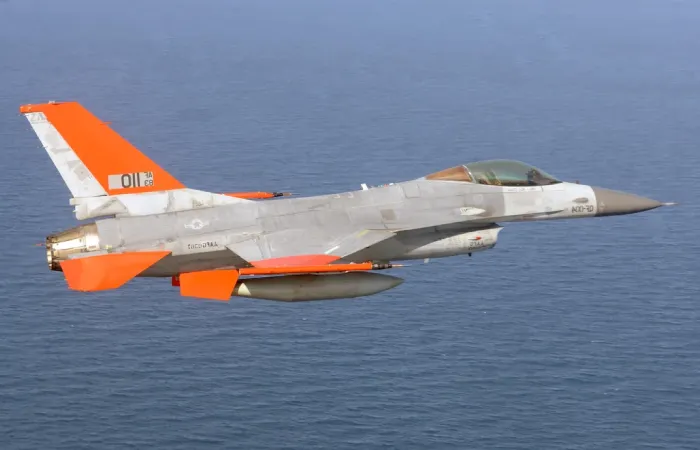
The U.S. Air Force has officially received the final QF-16 target drone, cementing its capability to conduct realistic live-fire training operations for the next decade. The milestone delivery ensures continuous access to a sophisticated aerial target system, critical for preparing pilots and units for modern combat scenarios.
Background
The QF-16 is a conversion of retired F-16s into remotely piloted target drones. Operated by the Air Force’s 82nd Aerial Targets Squadron, the drone allows for safe, realistic, and flexible live-fire training. With increasing reliance on precision-guided munitions and advanced air defense systems, the QF-16 provides a platform for testing weapons systems and improving pilot readiness in a controlled, yet realistic, environment.
Drone Specifications and Capabilities
Each QF-16 drone retains the aerodynamic profile and flight capabilities of the original F-16, including supersonic speeds and advanced maneuverability. The drones are equipped with telemetry and guidance systems to simulate enemy aircraft during exercises. Their use allows pilots to engage high-speed, maneuverable targets, mirroring real-world aerial combat scenarios without risking human lives.
Operational Impact
The delivery of the final QF-16 means the Air Force can sustain a decade of training continuity. “These drones give our pilots the most realistic target experience possible, enhancing combat readiness and operational confidence,” said an Air Force spokesperson. The QF-16’s advanced capabilities also support testing and evaluation of air-to-air and surface-to-air weapons systems.
Training and Readiness Enhancements
Beyond standard training, the QF-16 fleet supports advanced mission rehearsals, tactics development, and integration of new weapons systems. Pilots gain experience against high-performance targets in a range of scenarios, from simple interception exercises to complex multi-domain engagements. This ensures that the U.S. Air Force maintains a competitive edge against evolving aerial threats.
Looking Ahead
With the final delivery, the Air Force secures long-term training capacity, ensuring that both legacy and next-generation aircraft can be tested against realistic targets. The QF-16 program reinforces the importance of investment in live-fire training infrastructure and unmanned systems for sustained operational excellence.


What Happened: Crash During Training Mission
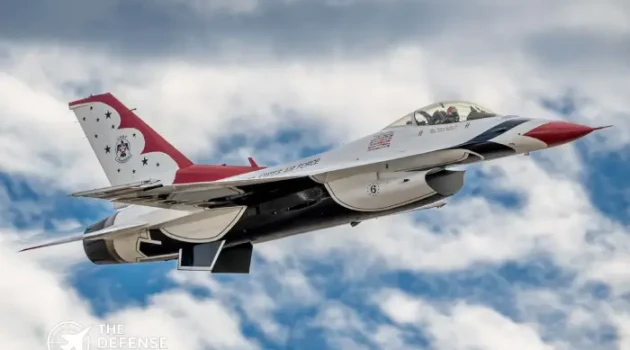
On December 3, 2025, at approximately 10:45 a.m. Pacific Standard Time, a United States Air Force (USAF) Thunderbirds F-16C Fighting Falcon crashed near Trona Airport in the Mojave Desert, Southern California.
The pilot — the sole occupant — successfully ejected and landed by parachute. He was recovered by rescue personnel and transported to a hospital in Ridgecrest with non-life-threatening injuries.
Emergency services, including the San Bernardino County Fire Department, assisted the response with fire suppression and securing the crash site. No injuries on the ground or threat to nearby communities have been reported.
The incident remains under investigation, with authorities awaiting deeper analysis and official findings from the 57th Wing Public Affairs Office.
Context: The Thunderbirds and F-16C in Training
The Thunderbirds are the USAF’s premier aerial demonstration squadron, renowned for high-precision flying and formation aerobatics. Their fleet includes the F-16C Fighting Falcon, a fourth-generation multirole fighter.
Each year, typically during the winter months, the unit conducts intensive training from Nellis Air Force Base (Nevada) to prepare for the coming air show season. These sessions involve frequent sorties over training ranges and controlled airspace — sometimes including remote desert regions such as the Mojave Desert.
Flying at high speeds and under rigorous conditions, even in controlled airspace, carries inherent risk. History records previous incidents involving demonstration-team jets, underscoring the thin margin for error when operating high-performance fighters under demanding flight regimes.
Crash Details: Location, Ejection, and Response
According to official and local reports:
- The crash occurred on a dry lakebed just south of Trona Airport, roughly 27 miles southeast of Naval Air Weapons Station China Lake.
- The F-16C belonged to the Thunderbirds demonstration team and the flight originated from Nellis AFB.
- Upon incident onset, the pilot ejected safely; he remains in stable condition and is receiving follow-up medical care.
- San Bernardino County Fire Department — along with China Lake emergency crews — responded to the crash, extinguishing a post-impact fire and securing the scene. No civilian casualties or environmental hazards have been publicly reported at this time.
As of writing, the cause of the crash remains unknown. Official investigation by the 57th Wing is underway, and no further information has been released about potential technical failures, pilot error, or environmental factors leading to the incident.
Significance: Risks for Demonstration Squadrons
The crash highlights the inherent risks associated with demonstration-team operations, even outside of airshow performances — during routine training missions in remote areas. The use of the F-16C by the Thunderbirds reflects ongoing reliance on legacy fourth-generation fighters, underscoring continued value in training readiness.
For the USAF, any loss of aircraft — especially in high-profile units such as the Thunderbirds — represents a material and reputational cost. The F-16 remains a mainstay fighter globally, and maintaining pilot proficiency under demanding conditions is vital. At the same time, this incident may prompt renewed scrutiny of safety protocols, maintenance practices, and training risk mitigation measures.
Furthermore, the crash emphasizes the safety challenges posed by operations over remote desert terrain, where rescue response, recovery of wreckage, and environmental controls (e.g., handling hazardous materials such as hydrazine used in the F-16’s emergency power unit) demand coordination among multiple agencies.
What’s Next: Investigation and Implications
The 57th Wing Public Affairs Office has promised further updates as the investigation continues. Until the Board of Inquiry releases its findings, the precise cause — whether mechanical failure, pilot error, or other factors — remains speculative.
In the near term, the crash may affect the Thunderbirds’ readiness schedule ahead of the 2026 airshow season. Replacement aircraft may need to be assigned, and maintenance and safety reviews could disrupt other training flights.
More broadly, the incident may influence USAF leadership’s evaluation of demonstration-team risk, potentially accelerating discussions around next-generation aircraft for aerobatic and training units — especially as the broader fleet ages and strategic needs evolve.
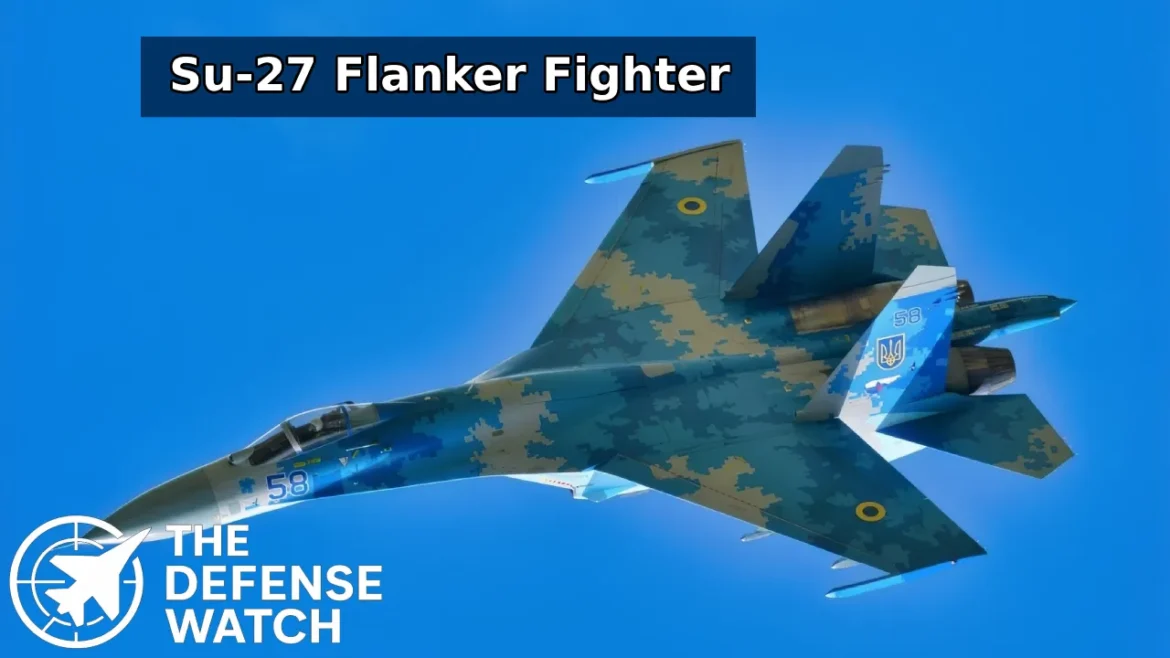
The United States military discreetly purchased two Russian-made Su-27 Flanker fighters in the mid-2000s to support advanced training and intelligence programs, according to historical procurement disclosures and defense industry sources. The acquisition, carried out through a foreign contractor, enabled U.S. pilots and analysts to study one of Russia’s most widely deployed air superiority fighters under controlled conditions.
Background: Why the Su-27 Flanker Matters
The Su-27 Flanker, developed by the Soviet Union in the late Cold War, was designed as a direct counter to the U.S. F-15 Eagle. With its Mach 2.35 top speed, high-agility aerodynamics, long operational range, and powerful radar suite, the aircraft became a cornerstone of Russian and allied air forces.
Following the collapse of the Soviet Union, several former republics inherited Su-27s. Limited budgets and shifting defense priorities made some of these aircraft available for legal export or refurbishment—creating rare opportunities for Western governments to obtain and evaluate frontline Russian platforms.


For the United States, having access to a real Su-27 Flanker offered significant advantages in understanding the design philosophy, strengths, limitations, and maneuver characteristics of a potential adversary aircraft.
Acquisition Through a Third-Party Contractor
The two Su-27 Flanker fighters were purchased through Tac Air, a private contractor specializing in adversary air support. Reports indicate that the aircraft originated from Ukraine’s surplus stock and were transferred after refurbishment and demilitarization processes aligned with export-control regulations.
While the exact purchase price was never publicly disclosed, defense analysts estimate that foreign-origin Flankers sold on the legal market typically range between $5–$15 million per unit depending on airframe hours and equipment installed.
The aircraft were shipped to a secure U.S. facility where engineers completed airworthiness evaluations and maintenance work prior to flight testing.
Purpose: Evaluation and Aggressor Training
Once in U.S. custody, the Su-27 Flanker fighters played key roles in:
1. Reverse-Engineering and Technical Evaluation
Analysts examined the aircraft’s radar cross-section, avionics architecture, radar performance parameters, and aerodynamic handling. Understanding these systems allowed the U.S. to refine both defensive countermeasures and fighter engagement strategies.
2. Adversary Air (Red Air) Training
Trained contractor pilots flew the Su-27 Flanker in simulated combat missions against U.S. fighters such as the F-15, F-16, and later the F-22 and F-35. First-hand exposure enabled American pilots to understand how the Flanker behaves during high-G maneuvers, low-speed engagements, and beyond-visual-range fights.
These sessions offered insights impossible to replicate through simulators alone.
3. Tactics Development
The Air Force’s Weapons School and intelligence community used data gathered from the aircraft to develop new tactics, techniques, and procedures for countering Russian-designed fighters widely exported to Asia, Africa, and the Middle East.
Expert Perspectives
Defense aviation expert Richard Aboulafia has noted that access to real foreign fighters gives the U.S. “a training and analytical advantage that no simulator or mock-up can replicate.”
Former Air Combat Command officials have similarly stated that assessments of authentic adversary aircraft significantly improve pilot situational understanding during air-to-air engagements.
Additionally, analysts highlight that the widespread global use of the Su-27 Flanker family—including its modern derivatives like the Su-30, Su-33, Su-34, and Su-35—makes direct exposure strategically valuable for the United States.
Strategic Significance
The acquisition reflects a long-standing U.S. practice of obtaining foreign combat aircraft whenever legally and practically feasible. Past examples include MiG-21s from Indonesia, Iraqi MiG-23s, and the well-known secretive “Red Eagles” squadron of the 1980s.
For the Su-27 Flanker, this access became especially relevant as Russia exported advanced variants to countries such as China, India, Vietnam, and Algeria. Understanding the aircraft’s baseline capabilities helped the U.S. anticipate how these fleets might operate in real-world scenarios.
What’s Next?
Although the two original Su-27 Flanker aircraft acquired by the U.S. are no longer believed to be flying, their legacy continues to influence American air combat programs. The rise of contractor-run adversary air units and increasing demand for dissimilar air combat training may prompt future interest in acquiring other foreign-origin platforms, especially as geopolitical tensions rise.
Meanwhile, the widespread deployment of advanced Flanker-family aircraft worldwide ensures that the insights gained from these airframes will remain relevant for years to come.
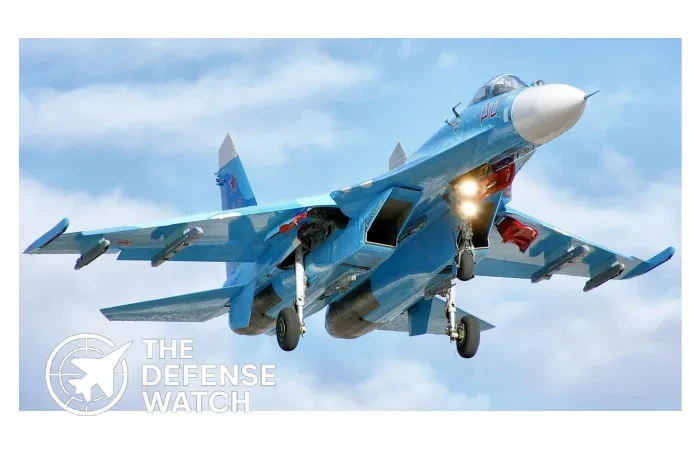
Su-27 Flanker Fighter Jet – Full Specifications
Su-27 Flanker Fighter Jet


Defense Systems Full Specifications
General Information
| Name | Su-27 “Flanker” |
| Manufacturer | Sukhoi Design Bureau |
| Country of Origin | Soviet Union (Russia) |
| Type / Role | Air Superiority Fighter |
| Generation | 4th Generation |
| Status | In Service |
| First Flight | May 20, 1977 |
| Introduction / In Service Since | 1985 |
| Number Built | Over 700 |
| Operators | Russia, China, Ukraine, Vietnam, Ethiopia, Indonesia, Belarus |
Dimensions & Structure
| Length | 21.9 m (72 ft) |
| Wingspan | 14.7 m (48 ft) |
| Height | 5.9 m (19 ft) |
| Wing Area | 62 m² |
| Empty Weight | 16,380 kg |
| Maximum Takeoff Weight (MTOW) | 30,450 kg |
| Internal Weapons Bay | None |
| External Hardpoints | 10 |
Performance
| Maximum Speed | Mach 2.35 (2,500 km/h) |
| Range | 3,530 km |
| Combat Radius | 1,340 km |
| Service Ceiling | 19,000 m (62,500 ft) |
| Rate of Climb | 325 m/s |
| Thrust-to-Weight Ratio | 1.07 |
| G Limits | +9G |
Powerplant
| Engine Type | Saturn AL-31F Turbofan |
| No. of Engines | 2 |
| Thrust (each) | 27,500 lbf (122.6 kN) |
| Thrust Vectoring | No (Su-27 base model) |
| Fuel Capacity | 9,400 kg internal |
Armament
| Gun | 30mm GSh-30-1 cannon |
| Missiles (Air-to-Air) | R-27, R-73, R-77 |
| Missiles (Air-to-Ground) | Kh-29, Kh-31 |
| Bombs | FAB-series general-purp |
| Hardpoints | 10 |
| Payload Capacity | 8,000 kg |
Avionics & Systems
| Radar | N001 Myech Pulse-Doppler |
| Radar Range | 80–100 km |
| Electronic Warfare (EW) System | SPO-15 Beryoza RWR |
| Targeting System | IRST & Helmet-Mounted Sight |
| Helmet Display | Yes |
| Navigation | Inertial + GPS |
| Autopilot / AI Assistance | Basic analog system |
| Communication | Secure UHF/VHF |
Stealth & Technology
| Radar Cross Section (RCS) | 10–15 m² |
| Stealth Features | Non |
| Infrared Signature Reduction | Minimal |
| Sensor Fusion | No |
| Networking Capabilities | Limited datalink |
Variants
| Special Export Versions | Su-27SK |
Operational History
| Major Conflicts / Deployments | Ethiopia–Eritrea War, Ukraine conflict |
| Notable Operators | Russia, China, India (as Su-30MK), Ukraine |
| Combat Proven? | Yes |
| Mission Types | Air Superiority, Interception, Escort, Patrol |
Cost & Program
| Unit Cost | $30–40 million USD |
| Development Cost | Classified (Soviet-era) |
| Program Name | PFI Program (Perspective Frontline Fighter) |
| Funding Countries | Soviet Union |
Additional Information
| Upgrades Planned | Radar and avionics modernization |
| Future Replacement | Su-35S, Su-57 |
| Export Restrictions | Limited to friendly nations |
| Notable Achievements | Set multiple world records for climb rate |
| Competitors | F-15 Eagle, MiG-29, Rafale |
PROS
- Exceptional range and endurance
- Highly maneuverable airframe
- Powerful twin-engine thrust
- Proven combat record
- Extensive global operator base
CONS
- Outdated avionics compared to modern jets
- Lacks stealth features
- High radar cross-section
- Limited multirole capability in base model
- Maintenance-intensive
Su-27 Flanker: Russia’s Air Superiority Fighter
Developed by the Soviet Union’s Sukhoi Design Bureau, the Su-27 “Flanker” remains one of the most capable and recognizable fourth-generation fighter jets in the world. Conceived in response to the U.S. F-15 Eagle during the late Cold War, the Su-27 was designed to ensure Soviet air superiority against advanced Western aircraft. Its blend of range, agility, and firepower continues to make it relevant in modern combat environments.
Powered by twin Saturn AL-31F turbofan engines, the Su-27 can reach speeds of Mach 2.35 and altitudes exceeding 57,000 feet. With an operational range of nearly 2,200 miles, it provides the Russian Air Force with deep strike and patrol capabilities. The aircraft’s 30mm GSh-30-1 cannon and up to 10 hardpoints for air-to-air and air-to-ground missiles make it a formidable adversary in both interception and multirole operations.
Avionics on the Su-27 Flanker Fighter Jet include the N001 radar, offering detection ranges of up to 80–100 km against fighter-sized targets. Its infrared search and track (IRST) system and helmet-mounted sight enhance situational awareness and missile cueing. Though lacking stealth, the Su-27’s aerodynamic design and supermaneuverability—achieved through relaxed static stability and powerful thrust vectoring in later variants—make it one of the most agile fighters of its era.
Modernized derivatives such as the Su-30, Su-33, and Su-35 trace their lineage to the original Su-27 platform, underscoring its robust design and long-term adaptability.
Su-27 Flanker Fighter Jet Price in US
The Su-27 Flanker’s estimated unit cost is between $30–40 million USD, depending on configuration and export version. While not operated by the U.S., it is often studied by Western analysts and featured in training simulations for its performance benchmark role against American fighters like the F-15 and F-16.
FAQs – Su-27 Fighter Jet
Yes. The Su-27’s NATO reporting name is “Flanker”. This codename was assigned during the Cold War to identify Soviet aircraft in NATO’s system. The “Flanker” designation applies to the Su-27 and its subsequent derivatives, including the Su-30, Su-33, and Su-35.
The Su-30 is a direct evolution of the Su-27 airframe, which is why NATO also classifies it under the same “Flanker” family. Although upgraded with modern avionics, radar, and multirole capability, the Su-30 retains much of the Su-27’s aerodynamic structure and design lineage—hence its continued “Flanker” naming convention.
The Su-27 and F-15 Eagle were designed as counterparts during the Cold War. While the Su-27 offers superior maneuverability, range, and high-altitude performance, the F-15 generally holds an advantage in avionics, radar, and precision-guided weapon integration. In short, the Su-27 excels in agility and endurance, while the F-15 dominates in technology and situational awareness.
The most advanced “Flanker” variant today is the Su-35S, often dubbed “Flanker-E.” It features thrust-vectoring engines, Irbis-E radar, advanced electronic warfare systems, and partial stealth improvements. The Su-35S represents the peak of Su-27 family evolution before the introduction of Russia’s fifth-generation Su-57.
The Su-27 Flanker is a fourth-generation air superiority fighter. It was developed in the 1970s to counter advanced Western fighters like the F-14 and F-15, combining high speed, long range, and agility to maintain Soviet dominance in air-to-air engagements.