

Executive Summary:
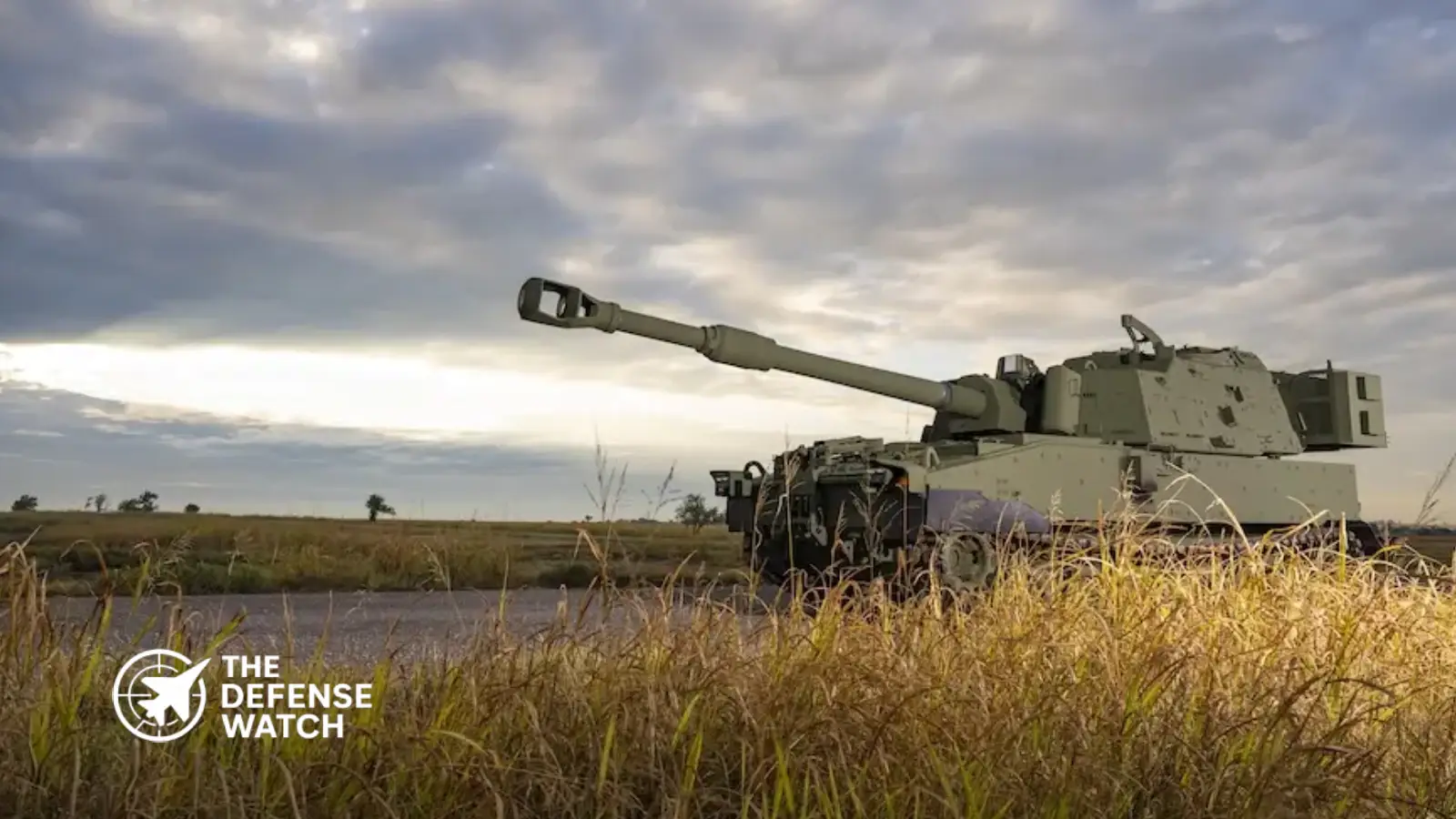
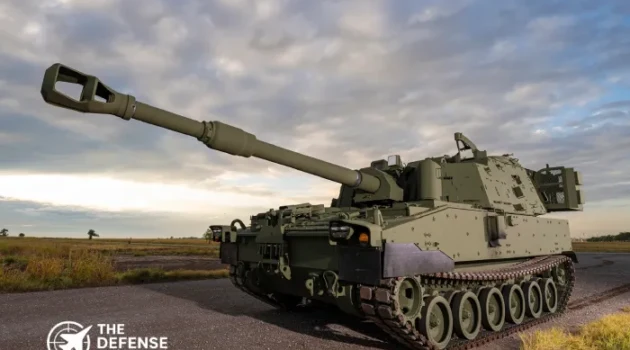
BAE Systems has received a $535.6 million contract from the U.S. Army for additional M109A7 self-propelled howitzers and related support vehicles. The award supports ongoing artillery modernization efforts aimed at improving battlefield survivability, mobility, and operational readiness for U.S. armored brigade combat teams.
The M109A7 Paladin remains central to the U.S. Army’s long-term artillery modernization strategy, and the latest contract awarded to BAE Systems reinforces that priority. The new $535.6 million award covers the production of additional M109A7 self-propelled howitzers and accompanying field artillery ammunition support vehicles.
According to the contract announcement, the agreement was issued by the U.S. Army as part of its continuing effort to modernize armored combat formations with improved fire support capabilities. The work will be performed at multiple facilities in the United States, with completion expected over the coming years.
The M109A7 program represents the latest evolution of the long-serving Paladin artillery system, integrating upgraded chassis components, improved survivability features, enhanced electrical power generation, and digital networking systems designed to support modern battlefield operations.
U.S. Army Continues Artillery Modernization Push
The latest procurement highlights the Army’s continuing emphasis on maintaining mobile and survivable indirect fire systems capable of supporting high-intensity combat operations.
The M109A7 platform is designed to replace older M109A6 Paladin systems while improving commonality with the M2 Bradley family of armored vehicles. By leveraging Bradley-derived chassis and powertrain components, the Army aims to simplify logistics, reduce sustainment burdens, and improve operational readiness across armored formations.
The M109A7 also introduces upgraded onboard power systems capable of supporting future electronic warfare, communications, and targeting technologies. Defense planners increasingly view power generation and digital integration as critical requirements for modern combat platforms operating in contested environments.
The accompanying ammunition support vehicle, known as the M992A3 Carrier Ammunition Tracked vehicle, is intended to improve resupply efficiency and maintain operational tempo during sustained artillery operations.
Strategic Importance Of Mobile Artillery Systems
The contract comes amid growing global focus on conventional artillery capabilities following lessons observed in recent conflicts, particularly in Europe and the Middle East. Military planners worldwide have increasingly emphasized the importance of long-range fires, survivable artillery platforms, and rapid ammunition resupply capabilities.
Self-propelled artillery systems such as the M109A7 provide armored maneuver units with protected indirect fire support while retaining the mobility needed to reposition quickly after firing missions. That capability has become increasingly important as counter-battery radar systems, drones, and precision-guided munitions continue to evolve.
Compared with towed artillery, tracked self-propelled systems offer greater survivability in high-threat environments and can operate alongside armored formations during fast-moving combat operations. The Army’s investment in upgraded Paladin systems reflects broader NATO interest in strengthening conventional deterrence capabilities.
The M109A7 is not a completely new platform, but rather a substantial modernization effort intended to extend operational relevance while the Army evaluates future long-range artillery concepts.
Production And Industrial Base Impact
For BAE Systems, the award strengthens its position as a major supplier of armored combat systems for the U.S. military. The company has remained deeply involved in tracked combat vehicle production, sustainment, and modernization programs for decades.
The contract also supports the broader U.S. defense industrial base, particularly in armored vehicle manufacturing and artillery system production. Maintaining active production lines is increasingly viewed as strategically important as Western governments seek to replenish inventories and sustain long-term defense readiness.
Industry analysts have noted that steady procurement contracts allow manufacturers to preserve skilled labor, maintain supplier networks, and reduce production disruptions that can occur when major programs experience gaps in funding or procurement schedules.
The Army’s continued investment in the M109A7 may also help sustain future modernization pathways involving advanced fire control systems, automation technologies, and precision-guided artillery integration.
Operational Role In Future Conflicts
The M109A7 self-propelled howitzer is expected to remain a key component of U.S. armored brigade combat teams for years to come. Its modernization package aims to ensure compatibility with evolving battlefield command networks and future sensor-to-shooter systems.
Although newer long-range artillery programs continue to receive attention, conventional tracked howitzers remain essential for sustained combat operations requiring responsive and mobile fire support.
The Army’s broader modernization strategy increasingly focuses on balancing next-generation technologies with upgrades to proven legacy systems that can continue delivering operational value at scale. The M109A7 program reflects that approach by combining existing combat experience with targeted technological improvements.
As global military competition intensifies, artillery modernization programs are expected to remain a major priority across NATO and allied armed forces.
Executive Summary:
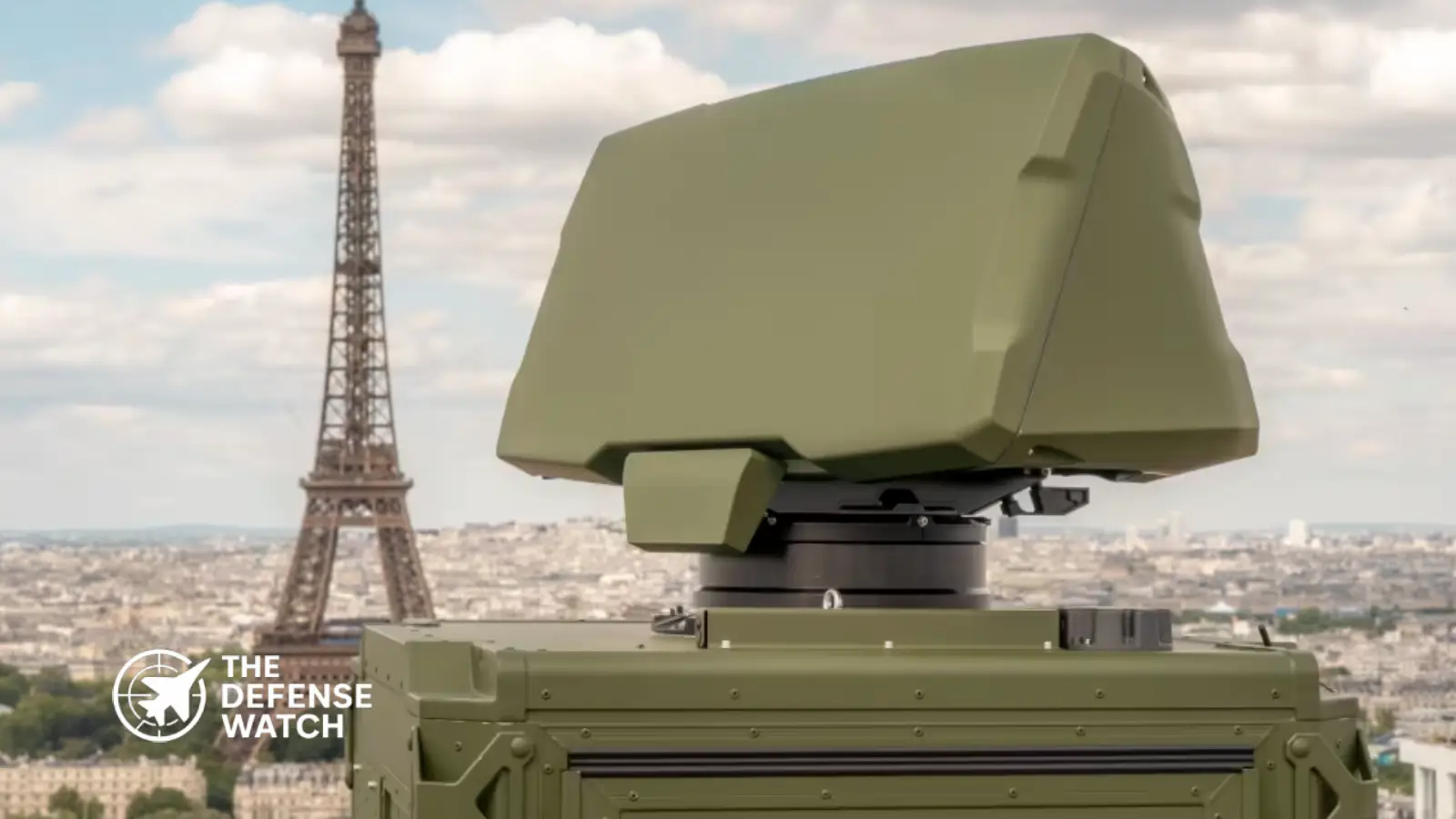
Saab and Scania have secured a contract from France for 17 Giraffe 1X radar systems mounted on tactical vehicles. The deal supports French efforts to modernize short range air defense and improve counter drone capabilities amid evolving aerial threats across Europe.
Saab Giraffe 1X Radar Selected For French Tactical Air Defense
Saab has received a new contract from France for the delivery of Giraffe 1X radar systems integrated onto tactical military vehicles supplied by Scania France.
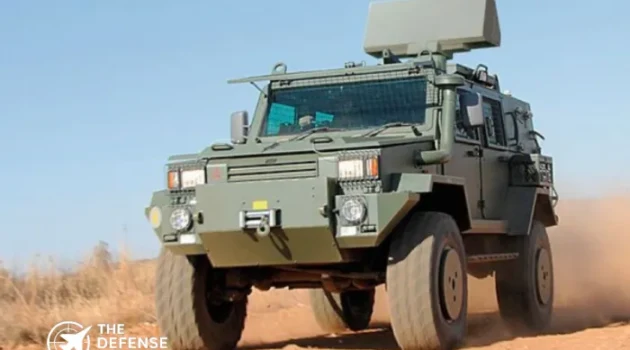
The agreement, signed with France’s Direction Générale de l’Armement (DGA), covers 17 Giraffe 1X radars for the French Armed Forces. Under the contract, one radar will support testing and evaluation activities, while the remaining 16 systems will be mounted on Scania V3P tactical vehicle chassis developed by Scania France’s SPAD defense division in Angers.
Deliveries are scheduled between 2026 and 2027.
The contract also includes training, spare parts, and logistical support, reflecting France’s broader push to improve operational readiness and sustainment for mobile air defense units.
Carl Johan Bergholm, head of Saab’s Surveillance business area, said the partnership with Scania France aims to modernize France’s short and very short range air defense capabilities.
Growing Demand For Counter Drone And SHORAD Systems
The Saab Giraffe 1X radar arrives at a time when European militaries are rapidly expanding investments in short range air defense and counter unmanned aerial system (C-UAS) technologies.
The war in Ukraine, combined with the growing use of low cost drones, loitering munitions, and cruise missile threats, has exposed vulnerabilities in legacy European air defense networks. Many NATO members are now prioritizing mobile radar systems capable of detecting small and low flying aerial targets.
The Giraffe 1X is designed specifically for these missions. The compact 3D radar provides air surveillance, target tracking, and classification capabilities while maintaining a relatively small operational footprint. Saab says the system can support air defense operations, counter drone missions, protection of military bases and critical infrastructure, and maritime surveillance applications.
Unlike larger strategic radar systems, the Giraffe 1X focuses on tactical mobility and rapid deployment. Mounted on the Scania V3P platform, the system gives French forces a mobile sensor package suitable for dispersed battlefield operations.
That mobility could become increasingly important as NATO militaries adapt to highly contested electronic warfare environments where fixed radar sites are more vulnerable to detection and attack.
Why France Is Expanding Mobile Air Defense
France has accelerated several defense modernization initiatives in recent years as European security conditions continue to deteriorate.
Paris has sought to strengthen layered air defense coverage while improving interoperability with NATO allies. Mobile radar platforms such as the Saab Giraffe 1X help fill gaps between long range strategic systems and frontline maneuver units.
The French Armed Forces are also investing heavily in counter drone defenses following operational lessons observed in Ukraine and the Middle East. Small drones have increasingly demonstrated the ability to threaten armored formations, logistics hubs, and critical infrastructure at relatively low cost.
Deploying radar systems on tactical vehicles improves survivability and operational flexibility. Instead of relying solely on static installations, mobile radar units can reposition quickly, support expeditionary operations, and reduce exposure to precision strikes.
The partnership structure between Saab and Scania France is also notable from an industrial perspective. By involving Scania France’s domestic defense division, the program supports local integration and sustainment capabilities while strengthening industrial cooperation between France and Sweden.
Saab Continues Expanding European Radar Footprint
The French order adds to Saab’s growing presence in the European radar and surveillance market.
The Giraffe radar family is already in service with multiple countries and has seen increased interest as NATO members modernize integrated air and missile defense architectures. Saab has positioned the Giraffe 1X as a flexible and software driven radar platform capable of evolving alongside emerging threats.
Its software based architecture allows for upgrades without requiring major hardware redesigns, an increasingly important feature as drone technology and electronic warfare tactics continue evolving rapidly.
For France, the acquisition reflects a broader trend across Europe toward highly mobile and networked air defense systems capable of responding to fast changing battlefield conditions.
Executive Summary:
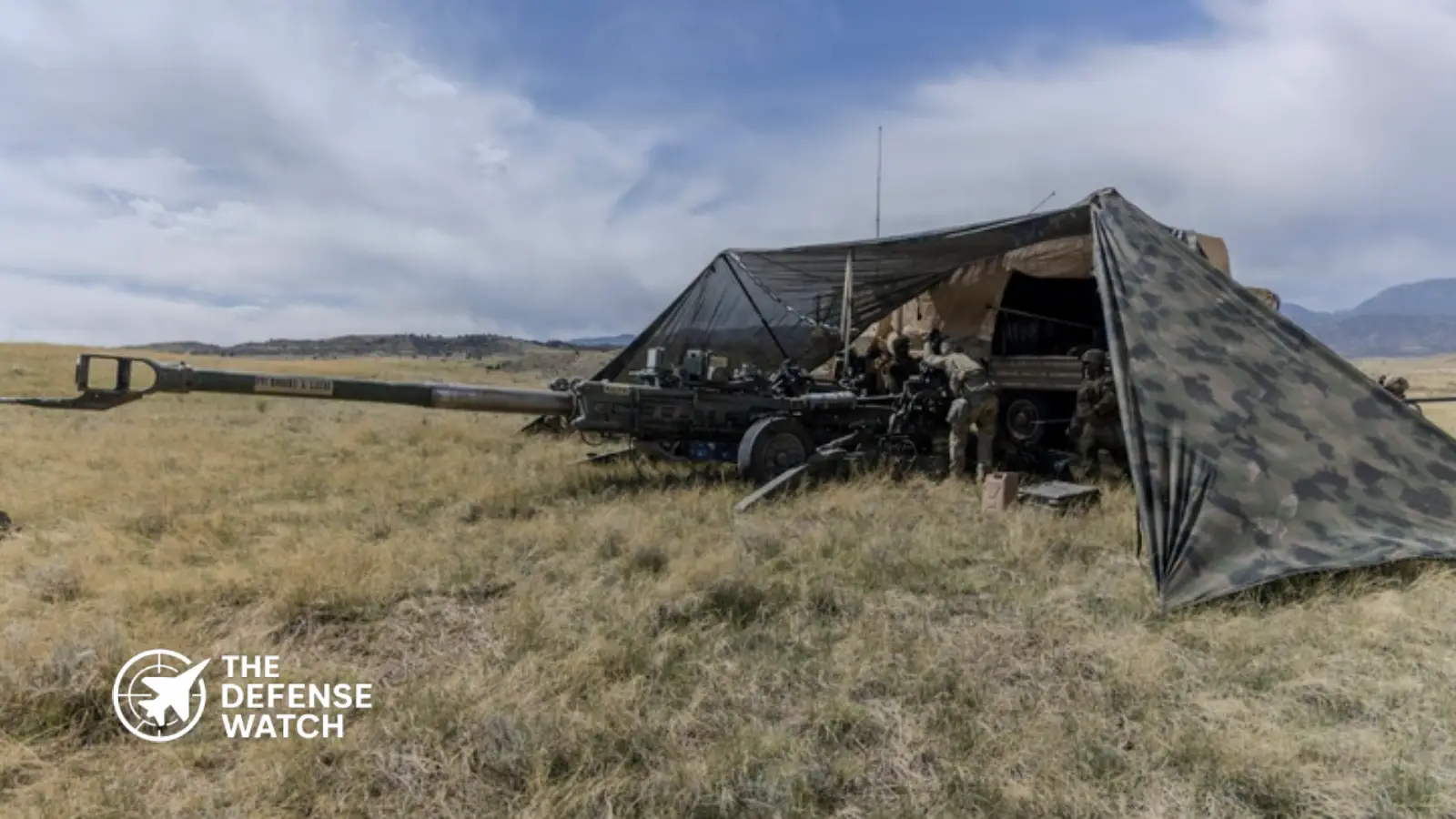
BAE Systems has received a $535.6 million U.S. Army contract for the production of self-propelled howitzer systems, support vehicles, and total package fielding kits. The award reinforces the Army’s ongoing artillery modernization efforts and ensures continued production activity through the end of 2029.
BAE Systems Howitzer Contract Supports Long-Term Army Modernization
The BAE Systems howitzer contract marks another major investment in U.S. Army artillery modernization as the service continues expanding its long-range precision fire capabilities.
According to the Department of Defense contract announcement, BAE Systems Land and Armaments L.P., based in York, Pennsylvania, was awarded a $535,623,041 fixed-price-incentive contract for the production of self-propelled howitzer systems, related vehicles, and total package fielding kits.
The contract was awarded by Army Contracting Command at Detroit Arsenal, Michigan. Officials stated that bids were solicited online and one proposal was received.
Work locations and funding allocations will be determined on an order-by-order basis under the contract structure. The estimated completion date is Dec. 31, 2029.
Expanding U.S. Army Artillery Readiness
The award reflects the Army’s sustained focus on artillery readiness and armored combat capability modernization amid increasing global security competition.
Self-propelled howitzer systems remain central to modern ground warfare because they combine mobility, survivability, and long-range indirect fire support. These systems allow mechanized formations to conduct rapid maneuver operations while maintaining artillery coverage across contested environments.
Although the Pentagon announcement did not specify the exact howitzer variant covered under the contract, BAE Systems is widely associated with production and sustainment work tied to the M109 Paladin family of tracked artillery systems.
The M109 platform continues to serve as the backbone of U.S. Army armored artillery brigades. Modernized variants such as the M109A7 integrate upgraded power systems, improved survivability features, and enhanced networking capabilities designed to support multi-domain operations.
Production Stability Through 2029
The multi-year nature of the award provides production continuity for both the Army and the U.S. defense industrial base.
Long-duration contracts are increasingly important as the Pentagon seeks to maintain manufacturing capacity for critical combat systems while reducing procurement disruptions. Defense officials and industry leaders have repeatedly highlighted the importance of stable production lines following lessons learned from recent conflicts involving high rates of ammunition and artillery consumption.
The contract also supports industrial activity in Pennsylvania and across the broader supplier network connected to armored vehicle and artillery manufacturing programs.
Artillery Remains A Core Battlefield Capability
The war in Ukraine and rising tensions across multiple regions have reinforced the strategic importance of conventional artillery systems. Militaries worldwide are investing in longer-range fires, improved targeting networks, and more survivable mobile artillery platforms.
For the U.S. Army, self-propelled artillery remains essential for supporting armored brigade combat teams and delivering sustained firepower during large-scale operations.
Programs tied to artillery modernization are also linked to broader Pentagon priorities that include precision strike capability, logistics resilience, and interoperability with allied forces.
The BAE Systems howitzer contract aligns with these efforts by sustaining production capacity for one of the Army’s key indirect fire platforms while supporting future operational readiness requirements.
Industrial Base And Strategic Implications
The award underscores the Pentagon’s continued reliance on established defense manufacturers to maintain operational capability during a period of rising global demand for artillery systems and munitions.
BAE Systems remains one of the largest suppliers of combat vehicles and artillery systems for the U.S. military. Its land systems portfolio includes armored combat vehicles, amphibious platforms, artillery systems, and survivability technologies.
The contract also reflects a wider trend within the defense sector toward sustained procurement cycles rather than short-term acquisition spikes. Analysts increasingly view long-term production agreements as critical to preserving skilled labor, supplier networks, and surge manufacturing capacity.
Executive Summary:
Poland’s PGZ unveiled an export version of the Borsuk infantry fighting vehicle equipped with the Turra 30 turret during IDEB 2026 in Bratislava.
The move highlights Warsaw’s push to expand defense exports while offering NATO-aligned armies a modern amphibious tracked combat vehicle with modular weapon options.
PGZ Export Borsuk IFV Debuts At IDEB 2026
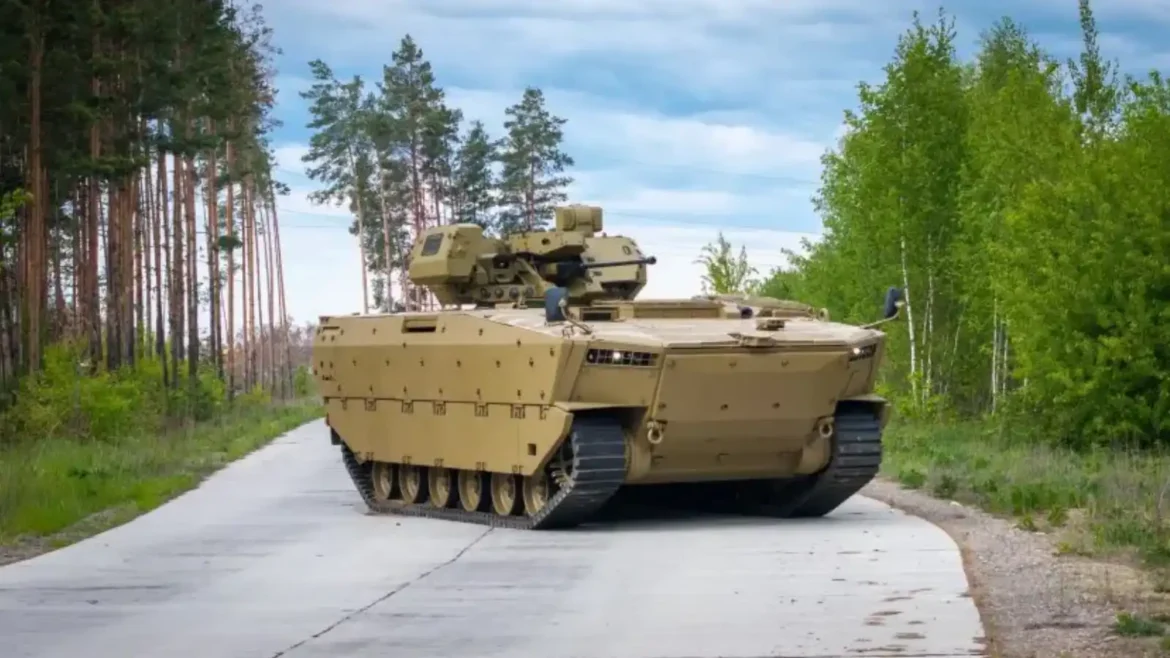
The export Borsuk infantry fighting vehicle was officially presented by Polska Grupa Zbrojeniowa during the IDEB 2026 defense exhibition, marking a significant step in Poland’s effort to position its next generation armored platforms in international markets.
The vehicle displayed at the exhibition combined the Polish-developed Borsuk chassis with the Slovak-made Turra 30 remote-controlled turret. The configuration is aimed at export customers seeking a modern tracked infantry fighting vehicle with NATO-standard systems, amphibious capability, and modular combat options.
The new variant was showcased as part of broader regional defense cooperation between Polish and Slovak defense manufacturers.
A NATO-Focused Export Strategy
The Borsuk program has become one of Poland’s most important land modernization projects. Developed by HSW S.A. under the PGZ group, the platform is intended to replace the Soviet-era BWP-1 vehicles still used by the Polish Armed Forces.
The unveiling of an export-configured version signals that PGZ is now moving beyond domestic procurement and actively targeting allied nations looking to modernize aging armored fleets.
That strategy comes as several European states increase defense spending following continued security concerns across Eastern Europe and renewed emphasis on NATO readiness. Amphibious infantry fighting vehicles remain relatively limited within NATO inventories, giving the Borsuk a potentially important niche in mobility-focused operations.
Unlike many heavier Western IFVs, the Borsuk was designed to maintain amphibious capability without extensive preparation. That operational flexibility may appeal to militaries operating in river-heavy terrain or requiring rapid maneuver operations.
Turra 30 Integration Expands International Appeal
A key feature of the export Borsuk infantry fighting vehicle is the integration of the Turra 30 turret, developed by Slovak defense firm EVPU.
The remotely operated turret is armed with a 30mm automatic cannon and can be configured with anti-tank guided missiles and advanced fire control systems. The system is already known within Central European defense markets, which may simplify logistics and interoperability for regional operators.
By pairing the Borsuk platform with a non-Polish turret option, PGZ appears to be adopting a more flexible export approach. That could allow future buyers to integrate national subsystems, communications equipment, or weapon packages according to operational requirements.
The approach reflects a broader trend across the European defense sector, where modularity and industrial cooperation are increasingly important in multinational procurement programs.
Export Borsuk IFV Targets Growing European Demand
Demand for tracked infantry fighting vehicles has increased sharply across Europe since 2022, with multiple NATO members launching recapitalization programs for mechanized ground forces.
Countries in Central and Eastern Europe are especially focused on replacing legacy Soviet-designed armored systems with NATO-compatible platforms featuring stronger protection, digital battle management systems, and improved mobility.
The export Borsuk infantry fighting vehicle enters a highly competitive market that includes vehicles such as the CV90, Lynx KF41, and ASCOD.
However, the Borsuk offers a distinct balance between mobility, amphibious operations, and modern combat systems. That combination may prove attractive for nations prioritizing operational flexibility over heavier armor configurations.
Poland’s rapidly expanding defense industrial base could also strengthen the platform’s export prospects. Warsaw has significantly increased military production capacity in recent years while investing heavily in armored vehicle manufacturing and artillery systems.
Regional Defense Cooperation Gains Momentum
The IDEB 2026 presentation also underscored expanding defense cooperation between Poland and Slovakia. Joint industrial initiatives are becoming more common across Central Europe as regional governments seek to strengthen local defense production and reduce dependence on non-European suppliers.
The integration of the Turra 30 turret onto the Borsuk platform demonstrates how regional defense firms are increasingly pursuing collaborative export solutions rather than competing independently.
For PGZ, the export Borsuk infantry fighting vehicle represents more than a new armored platform. It also reflects Poland’s ambition to emerge as a major European defense exporter capable of delivering advanced land systems to NATO and partner nations.
Whether the vehicle secures international contracts will likely depend on pricing, production timelines, interoperability, and how effectively PGZ can compete against established Western European manufacturers.
Why The Borsuk Matters
The unveiling of the export Borsuk infantry fighting vehicle comes at a time when European armies are reassessing force mobility, survivability, and industrial resilience.
Poland’s defense sector has gained visibility through accelerated modernization programs and growing regional influence. If the Borsuk succeeds internationally, it could strengthen Poland’s position within Europe’s armored vehicle market and expand defense industrial cooperation across NATO’s eastern flank.
The addition of the Turra 30 turret also signals a practical export philosophy centered on adaptability and multinational integration rather than a single fixed configuration.