F-35 Stealth Fighters and Saudi Arabia
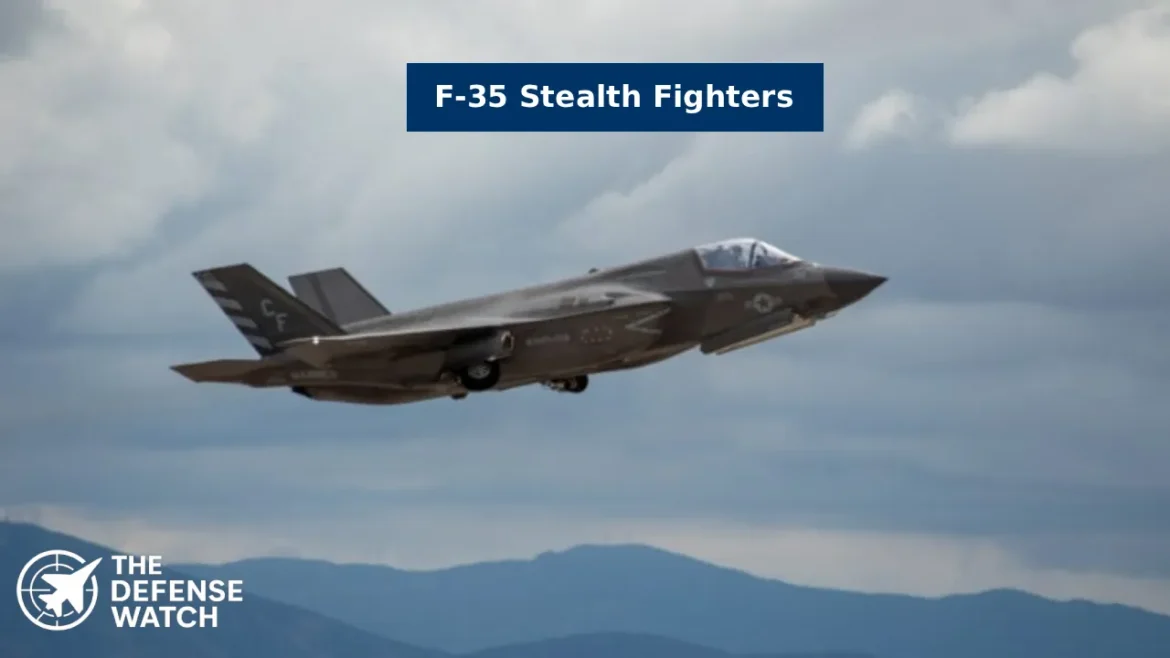
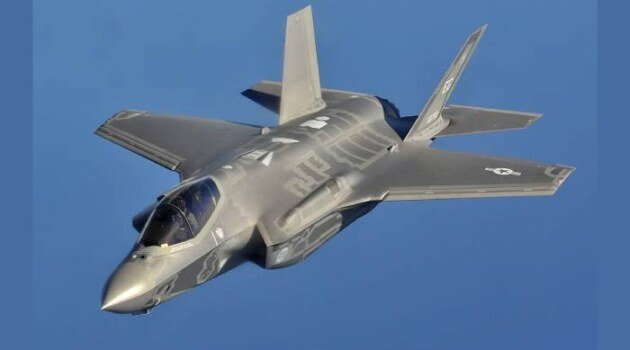
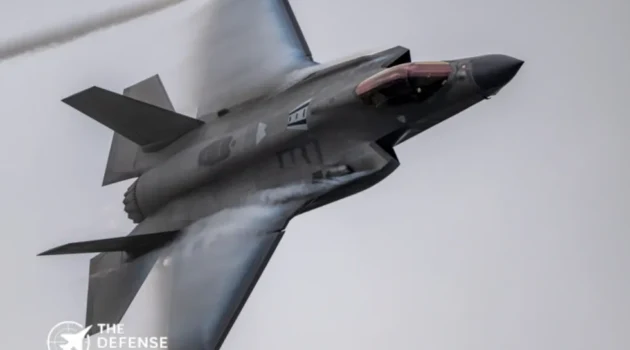
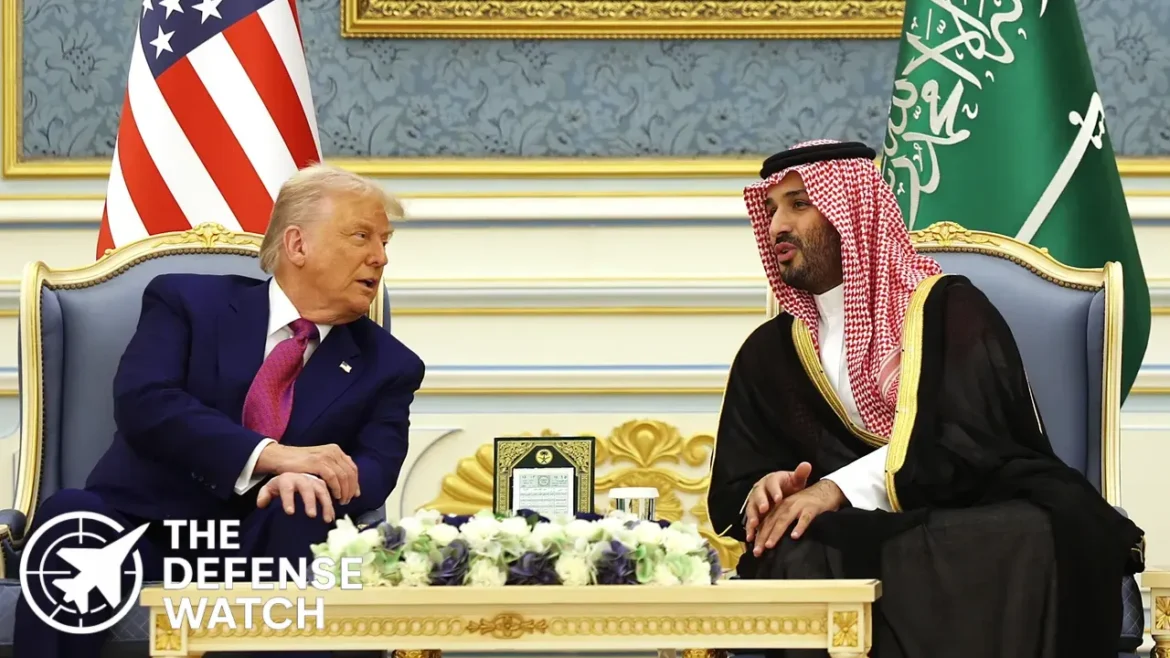
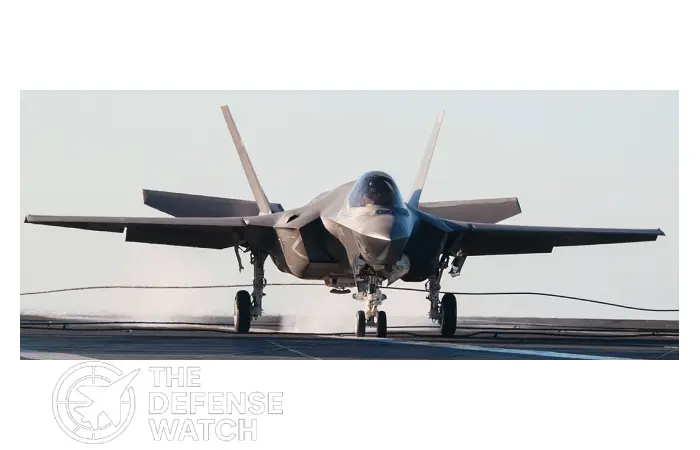
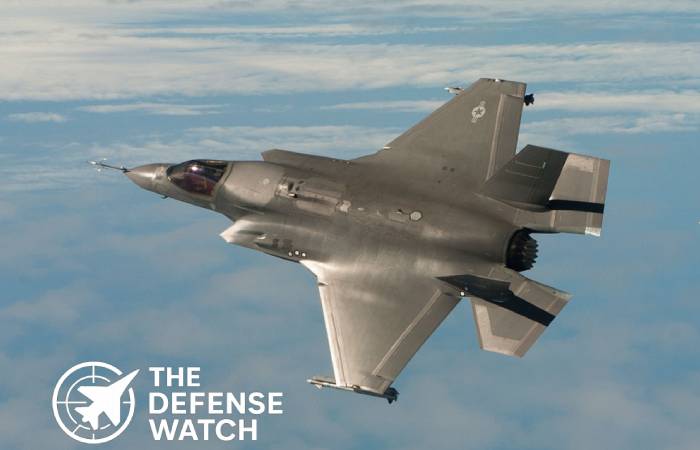
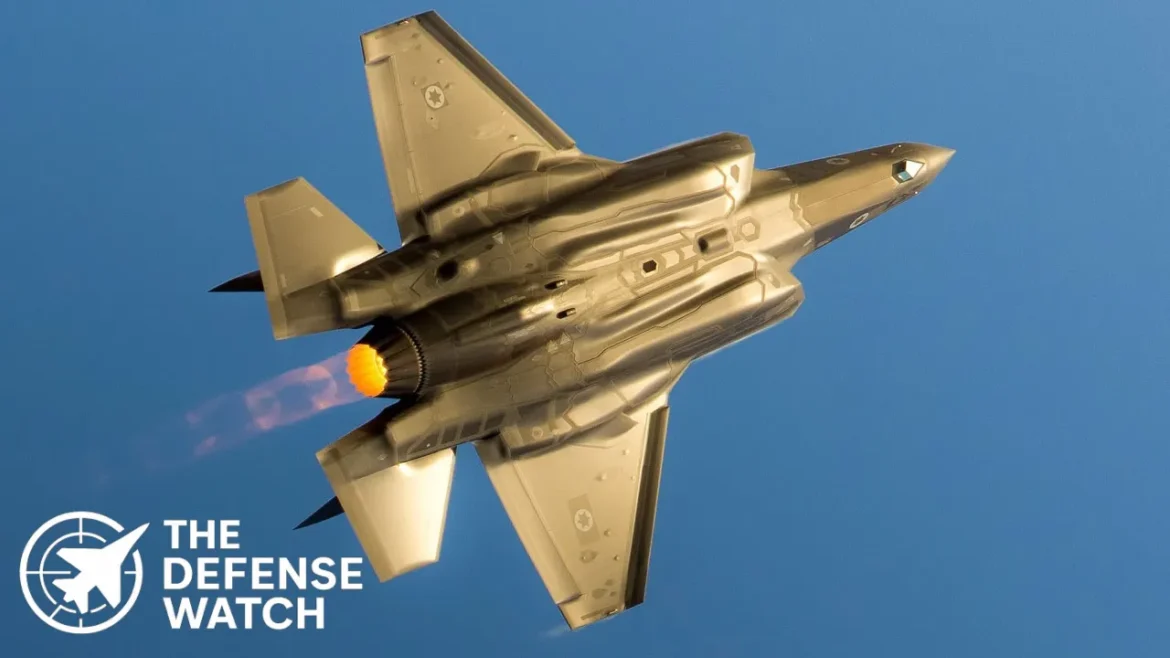
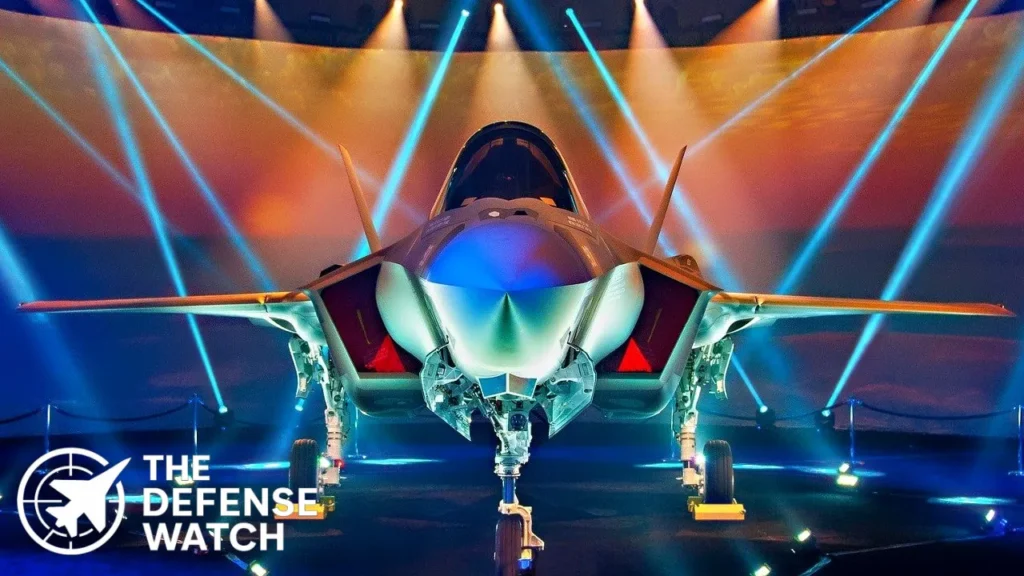
The prospect of selling F-35 stealth fighters to Saudi Arabia is re-emerging as a major discussion in U.S. defense and geopolitical circles. The potential transaction, long constrained by laws protecting Israel’s Qualitative Military Edge (QME), now faces a shifting Middle Eastern landscape where former adversaries confront new common threats. The F-35 stealth fighters sale to Saudi Arabia, if executed, would mark a significant evolution in U.S. arms export policy.

Historical Context: Qualitative Military Edge
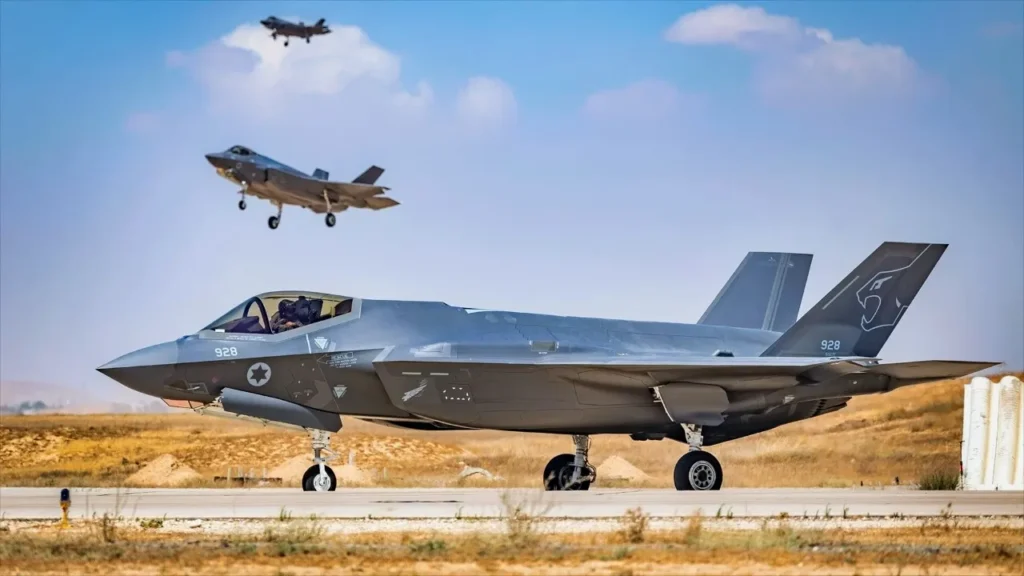
The U.S. established the Qualitative Military Edge to ensure Israel maintained technological superiority over neighboring Arab states. Historically, military sales to regional countries were carefully managed to prevent any erosion of Israel’s edge. F-35 sales to Israel and discussions with the United Arab Emirates illustrate the sensitive balance the U.S. has maintained for decades. While the UAE considered 50 F-35s in 2021, the deal was suspended due to concerns over usage restrictions and embedded U.S. technology.

Changing Geopolitical Dynamics
The regional security environment has evolved. Former Arab adversaries and Gulf states now share common concerns regarding Iran and Turkey. This realignment opens new possibilities for arms sales that were previously politically unfeasible. Saudi Arabia’s potential acquisition of F-35 stealth fighters highlights this shift, suggesting that historical restrictions could be revisited under modern security imperatives.
Framework for a Sale
A proposed F-35 sale to Saudi Arabia would require a robust framework to maintain Israel’s QME. Analysts suggest conditional requirements, including formal diplomatic relations with Israel, embassy presence in Jerusalem, and active measures against designated terrorist organizations like Hamas. Additionally, stability assessments should ensure the purchaser remains a reliable partner for the foreseeable decade. Restrictions on technology collaborations with Chinese companies, such as Huawei, would mitigate risks associated with transferring advanced military capabilities.

Lessons from Past Sales
Historical U.S. arms transfers, such as the controversial 1981 AWACS sale under President Reagan, demonstrate that Israel’s QME has been protected through careful legislative and diplomatic oversight. Congress could leverage any Saudi F-35 sale to establish a new precedent, ensuring high-end weapons transfers are coupled with stringent political, strategic, and security conditions.
Analysis: Strategic Implications
Selling F-35 stealth fighters to Saudi Arabia could redefine U.S. influence in the Gulf. It would signal Washington’s willingness to adapt arms sale policy to current geopolitical realities, prioritizing shared threats over legacy rivalries. Moreover, a well-structured sale could enhance regional stability by reinforcing alliances, deterring common adversaries, and encouraging diplomatic normalization between Israel and Gulf partners. However, the long-term success of such a sale depends on sustained regime stability and compliance with U.S. strategic safeguards.
F-35 Lightning II Fighter Jet – Full Specifications
FAQs
Why has the F-35 sale to Saudi Arabia been controversial?Due to U.S. laws protecting Israel’s Qualitative Military Edge, advanced weapons sales to regional powers are heavily regulated.
How could Saudi Arabia’s F-35 purchase affect regional security?It could strengthen deterrence against shared threats like Iran while promoting strategic cooperation with Israel.
Have other countries received F-35s in the Middle East?Yes, Israel operates the F-35I Adir, and the UAE previously considered a purchase.
What safeguards could the U.S. implement for such a sale?Conditions could include formal relations with Israel, embassy in Jerusalem, anti-terrorism measures, and restrictions on Chinese tech partnerships.
Could this sale set a precedent for future arms deals?Yes, it could redefine U.S. export policy and establish a stricter, more politically conditioned framework for high-end weapons transfers.