

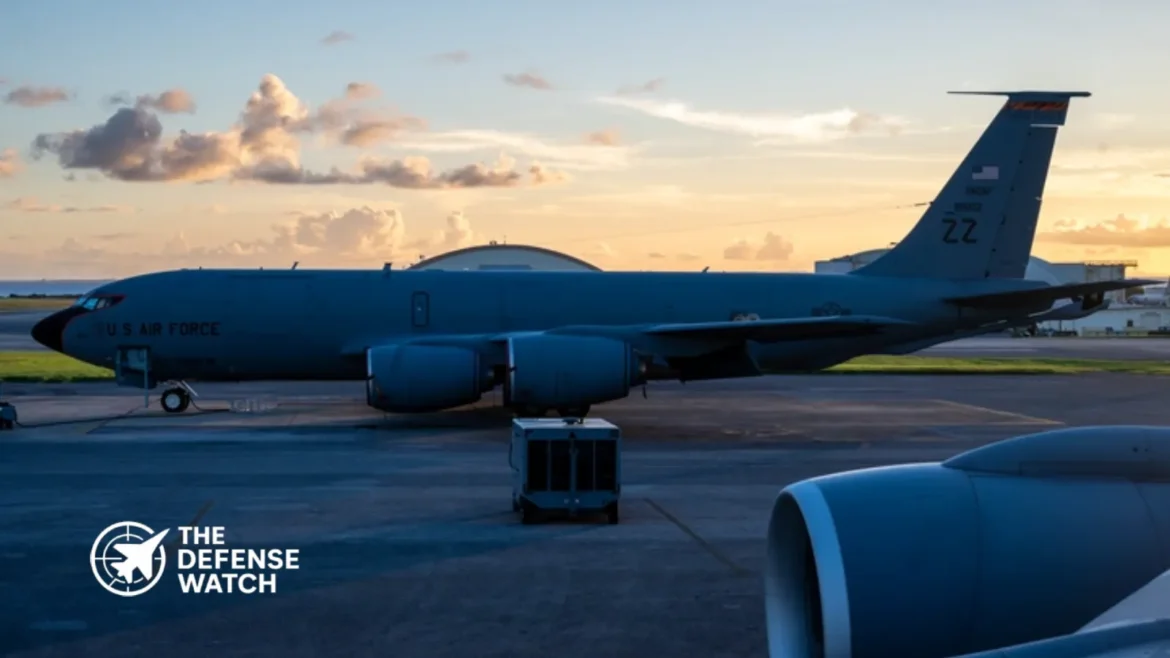
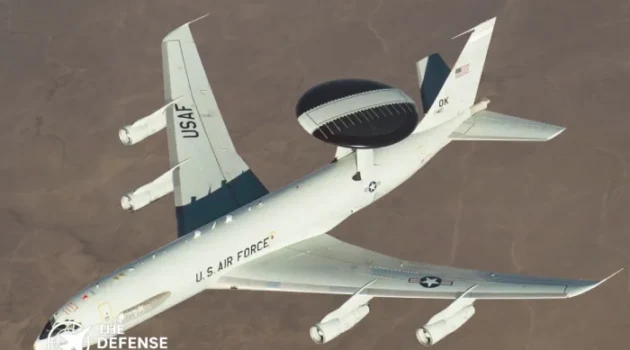
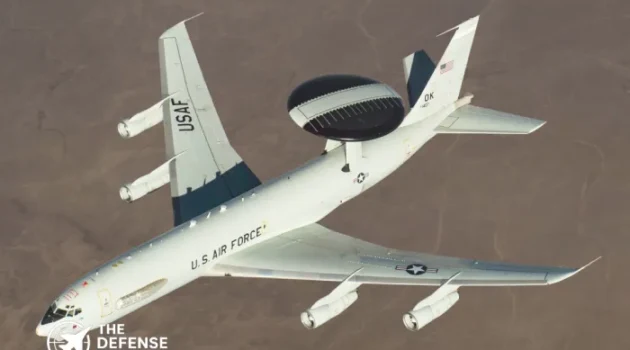
- Iranian attack reportedly damaged a U.S. E-3 Sentry AWACS aircraft at Prince Sultan Air Base in Saudi Arabia.
- The E-3 Sentry provides airborne early warning, battle management, and command and control capabilities.
- The strike highlights growing risks from missile and drone threats to high-value air assets in the Middle East.
- Prince Sultan Air Base hosts U.S. forces and serves as a key hub for regional air operations.
- Damage to AWACS platforms could impact situational awareness and command capabilities in contested environments.
Iranian Attack Damages U.S. E-3 Sentry AWACS Aircraft At Saudi Base
Iranian attack on AWACS aircraft has reportedly damaged a U.S. Air Force E-3 Sentry at Prince Sultan Air Base in Saudi Arabia, marking a rare strike against one of the most critical airborne command and control assets in the U.S. military inventory.
The reported incident, cited by defense industry sources, underscores the evolving threat posed by Iranian missile and drone capabilities and raises new questions about the survivability of high-value air assets in forward-deployed environments.
The Big Picture
U.S. airborne early warning and control platforms remain central to modern air warfare. The E-3 Sentry enables real-time surveillance, battle management, and coordination of air operations across large theaters.
The United States relies heavily on these aircraft to maintain air superiority, particularly in regions such as the Middle East where multiple actors operate advanced missile and drone systems.
Prince Sultan Air Base has served as a critical hub for U.S. air operations in Saudi Arabia, supporting coalition missions and regional deterrence efforts. Any disruption to assets based there carries broader implications for U.S. force posture and readiness.
What’s Happening
Reports indicate that an Iranian attack damaged a U.S. E-3 Sentry AWACS aircraft stationed at Prince Sultan Air Base.
The strike appears to be part of a broader pattern of Iranian use of long-range precision strike systems, including ballistic missiles and one-way attack drones.
While specific details on the extent of the damage remain limited, the targeting of an AWACS aircraft represents a notable escalation in terms of both intent and capability.
The E-3 Sentry is a high-value asset with limited numbers in service, making any damage operationally significant even if the aircraft is repairable.
Why It Matters
The Iranian attack on AWACS aircraft matters because the E-3 Sentry functions as a force multiplier.
The platform provides:
- Airspace surveillance over hundreds of miles
- Early warning of incoming threats
- Command and control for fighter aircraft and air defense systems
Damage to such an aircraft reduces situational awareness and complicates coordinated responses to threats.
The incident also highlights the vulnerability of large, non-stealthy aircraft on the ground. Unlike hardened shelters or dispersed assets, parked AWACS platforms present high-value targets that are difficult to conceal.
Strategic Implications
The strike has immediate implications for U.S. military readiness in the Middle East.
Reduced availability of AWACS coverage can affect:
- Air defense coordination
- Missile warning timelines
- Joint force integration across air and ground units
The incident also reinforces the importance of layered air and missile defense systems to protect forward operating bases.
From a deterrence perspective, the ability of Iranian systems to reach and damage such assets signals a growing capability to challenge U.S. operational freedom in the region.
Competitor View
Iran likely views this development as validation of its investment in asymmetric strike capabilities.
Tehran has prioritized missile and drone systems that can bypass traditional air defenses and target high-value assets at long range.
Russia and China may also study the incident as a case example of how to degrade U.S. command and control infrastructure in a conflict scenario.
Both countries have emphasized targeting enabling systems such as AWACS, tankers, and ISR platforms as part of their anti-access and area denial strategies.
What To Watch Next
U.S. response measures will be critical in the near term.
Key areas to monitor include:
- Deployment of additional air defense systems to regional bases
- Increased dispersal of high-value aircraft
- Potential acceleration of next-generation airborne early warning platforms
Maintenance and repair timelines for the damaged E-3 Sentry will also indicate how quickly the U.S. can restore full operational capability.
Capability Gap
The Iranian attack on AWACS aircraft highlights a persistent gap in base defense against low-cost, high-impact threats.
While advanced systems such as Patriot and THAAD provide strong ballistic missile defense, they are less optimized for:
- Low-flying drones
- Saturation attacks
- Precision strikes on parked aircraft
The incident underscores the need for integrated air defense solutions that combine kinetic interceptors with electronic warfare and directed energy systems.
It also points to the importance of operational practices such as dispersal, hardening, and deception to protect critical assets.
The Bottom Line
Iranian attack on AWACS aircraft exposes a critical vulnerability in U.S. forward air operations, reinforcing the need for stronger base defense and asset protection in contested regions.
- Israeli strikes reportedly targeted infrastructure in Tehran during the latest phase of the Iran conflict.
- Saudi Arabia said its air defenses intercepted multiple drones and missiles entering its airspace.
- Iranian retaliatory strikes have expanded to Gulf states hosting U.S. military facilities.
- Energy infrastructure across the Gulf, including Saudi oil facilities, has already faced drone attacks.
- The widening strike pattern signals growing regional military escalation.
Israel Targets Tehran Infrastructure As War Expands Across The Middle East
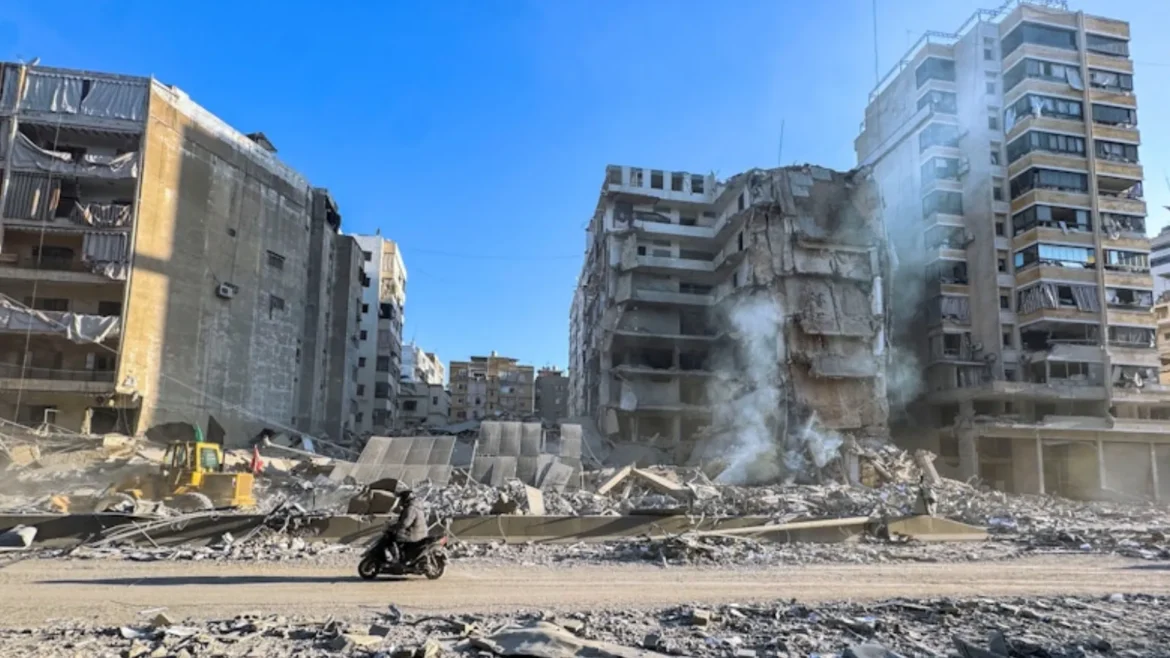
Israel targeting Tehran infrastructure marks another escalation in the expanding military confrontation between Israel and Iran, while Saudi Arabia reports intercepting drones and missiles linked to the wider regional conflict.
The developments come as the war enters a broader regional phase, with attacks spreading across Israel, Iran, and several Gulf states hosting U.S. military facilities. Defense officials across the region have increased air defense readiness as missile and drone activity intensifies.
The Big Picture
The confrontation between Israel and Iran has evolved from isolated retaliatory strikes into a multi front regional military confrontation.
Israeli and U.S. forces launched a large scale air campaign against Iranian targets earlier in the conflict, striking military facilities, command centers, and security infrastructure. Iran responded with waves of ballistic missiles, cruise missiles, and drones targeting Israel as well as U.S. and allied facilities across the Middle East.
The strategic geography of the conflict means that key Gulf states including Saudi Arabia, Qatar, Bahrain, and the United Arab Emirates sit within range of Iranian missile and drone systems.
As a result, regional air defense networks have become a critical component of the conflict’s evolving operational picture.
What’s Happening
Israeli forces conducted strikes against infrastructure targets in Tehran as part of ongoing military operations against Iranian security and military facilities.
At the same time, Saudi Arabia announced that its air defense systems intercepted incoming drones and missiles, preventing them from reaching targets inside the kingdom.
Saudi defense officials said multiple interceptions have occurred in recent days, including drones and cruise missiles entering Saudi airspace near key population centers and energy facilities.
Iran has launched numerous retaliatory strikes across the region in response to Israeli and U.S. attacks, targeting U.S. bases, diplomatic facilities, and economic infrastructure.
In Qatar, for example, one Iranian ballistic missile struck the Al Udeid Air Base while another was intercepted by air defense systems.
The conflict has therefore expanded beyond Israel and Iran into a broader regional confrontation involving Gulf states hosting Western military forces.
Why It Matters
The Israeli strikes against Tehran infrastructure reflect a shift toward targeting command and security nodes within Iran’s capital.
Strikes against such facilities can disrupt internal security forces, command structures, and logistical networks that support Iranian military operations.
At the same time, Iran’s retaliatory strategy focuses on widening the battlefield by targeting U.S. and allied assets across the region.
This approach increases operational pressure on U.S. partners while raising the cost of continued Israeli air operations.
The expanding drone and missile campaign also demonstrates the central role of Iran’s asymmetric strike capabilities.
Iran maintains one of the largest missile arsenals in the Middle East and has invested heavily in long range drones capable of reaching targets across the Gulf region.
Strategic Implications
Regional air defense networks are now operating under sustained operational stress.
Saudi Arabia, the United Arab Emirates, Qatar, and Israel rely on layered air defense systems that include Patriot batteries, locally developed interceptors, and other missile defense technologies.
Intercepting drones and cruise missiles remains technically challenging because these systems fly at low altitude and can be launched in large numbers.
Iran’s use of mixed attack packages, combining ballistic missiles with drones and cruise missiles, is designed to saturate defenses and increase the probability that some weapons reach their targets.
The widening strike geography also increases the risk of escalation involving additional regional militaries.
Gulf states hosting U.S. bases may feel compelled to strengthen military coordination with Washington as Iranian attacks continue.
Competitor View
Russia and China will closely watch how the conflict reshapes regional security alignments.
Iran’s decision to target infrastructure and facilities in Gulf states risks pushing historically cautious regional actors closer to U.S. and Israeli security coordination.
At the same time, Tehran has sought to strengthen economic ties with Moscow, including renewed purchases of Russian oil despite international sanctions.
For Russia, the conflict complicates energy markets but also increases geopolitical leverage as regional instability disrupts global oil flows.
China, heavily dependent on Middle Eastern energy imports, will monitor the security of maritime routes such as the Strait of Hormuz.
What To Watch Next
Several indicators will shape the next phase of the conflict.
First, the scale and frequency of Israeli strikes inside Iran will determine whether the air campaign expands toward strategic military facilities such as missile bases or nuclear related infrastructure.
Second, regional air defense performance will remain critical as Gulf states attempt to intercept incoming missiles and drones.
Third, energy infrastructure security will remain a central concern.
Iranian drone strikes have already targeted Saudi oil facilities, including the Ras Tanura refinery, one of the kingdom’s most important export hubs.
Further attacks against oil or gas infrastructure could have immediate global economic consequences.
Capability Gap
The conflict highlights a persistent vulnerability in regional air defense networks.
Even highly advanced systems can struggle against large scale drone and cruise missile attacks launched simultaneously from multiple directions.
Iran has built its military strategy around exploiting this weakness by fielding large numbers of relatively low cost strike systems.
While advanced interceptors can stop many incoming threats, defending large territories and critical infrastructure against continuous attacks remains operationally demanding.
This challenge will likely accelerate regional investment in integrated air and missile defense networks.
The Bottom Line
Israeli strikes on Tehran infrastructure and Saudi Arabia’s interception of incoming drones show that the Iran war is expanding into a broader regional air and missile conflict.
- ► Saudi Arabia condemned what it described as blatant Iranian aggression against multiple regional states.
- ► The Kingdom cited violations of sovereignty involving the UAE, Bahrain, Qatar, Kuwait, and Jordan.
- ► Riyadh pledged full solidarity and readiness to support any defensive measures taken by affected states.
- ► The statement warned of grave consequences if violations of international law continue.
- ► The development underscores rising security tensions across the Gulf and wider Middle East.
Saudi Arabia Condemns Iranian Aggression Amid Rising Gulf Tensions
Saudi Arabia condemns Iranian aggression in a strongly worded statement that signals growing concern across the Gulf. The Kingdom accused Iran of violating the sovereignty of several regional states and pledged full support to its partners.
In an official statement carried by the state run Saudi Press Agency, Riyadh denounced what it described as blatant aggression and a flagrant breach of international law. The Kingdom named the United Arab Emirates, Bahrain, Qatar, Kuwait, and Jordan as affected countries.
The statement warned of serious consequences if such actions continue and reaffirmed Saudi Arabia readiness to place all its capabilities at the disposal of allied governments.
Unified Gulf Messaging
The public declaration reflects a coordinated regional response. The countries mentioned are key members of the Gulf security architecture and maintain close defense ties with the United States and other Western partners.
Saudi Arabia condemns Iranian aggression at a time when regional air and missile defense networks are under sustained pressure. Gulf states operate layered defense systems that include US supplied Patriot and THAAD interceptors, alongside early warning radars and integrated command networks.
While Riyadh did not detail the specific incidents referenced, the language suggests concerns over cross border strikes, airspace violations, or indirect proxy activity. Iranian officials have not immediately responded to the statement.
Strategic Significance For Regional Security
Saudi Arabia condemns Iranian aggression in terms that go beyond routine diplomatic protest. The explicit reference to placing all capabilities at the disposal of allied states indicates potential military, intelligence, and logistical support.
The Gulf Cooperation Council has long emphasized collective security. In recent years, members have expanded joint exercises, missile defense integration, and intelligence sharing. Jordan, though not a GCC member, remains a close security partner to Gulf states and Washington.
The warning about grave consequences also reinforces deterrence messaging. Regional capitals have sought to signal that violations of sovereignty will not be treated as isolated incidents but as threats to broader stability.
Implications For US And Allied Forces
The United States maintains significant military assets across the Gulf, including naval forces in Bahrain and air assets in Qatar and the UAE. Any escalation tied to Iranian activity would directly intersect with US force posture and regional contingency planning.
Saudi Arabia condemns Iranian aggression as Washington continues to stress freedom of navigation and regional de escalation. Defense analysts note that Gulf air defense integration has improved in recent years, but vulnerabilities remain against drones and low altitude cruise missiles.
The Kingdom statement aligns with broader Western messaging emphasizing adherence to international law and state sovereignty.
Broader Geopolitical Context
Tensions between Iran and Gulf states have fluctuated over the past decade, shaped by proxy conflicts, maritime incidents, and missile and drone attacks. While diplomatic channels have reopened in some cases, mistrust remains high.
Saudi Arabia condemns Iranian aggression in a way that reinforces bloc cohesion. The inclusion of Qatar, which has at times maintained a more balanced diplomatic posture with Tehran, signals a shared red line on sovereignty violations.
From a strategic standpoint, the statement serves three purposes. It reassures allies, deters further action, and frames the issue within international legal norms. That positioning is critical for shaping global perception and maintaining support among Western security partners.
What To Watch Next
Defense observers will monitor whether Gulf states adjust force posture, increase air defense readiness, or conduct joint exercises in response. Any coordinated military signaling would suggest the statement is part of a broader security response rather than a standalone diplomatic move.
For now, Saudi Arabia condemns Iranian aggression in firm but measured terms. The next steps taken by regional capitals, and by Tehran, will determine whether tensions stabilize or move toward further escalation.
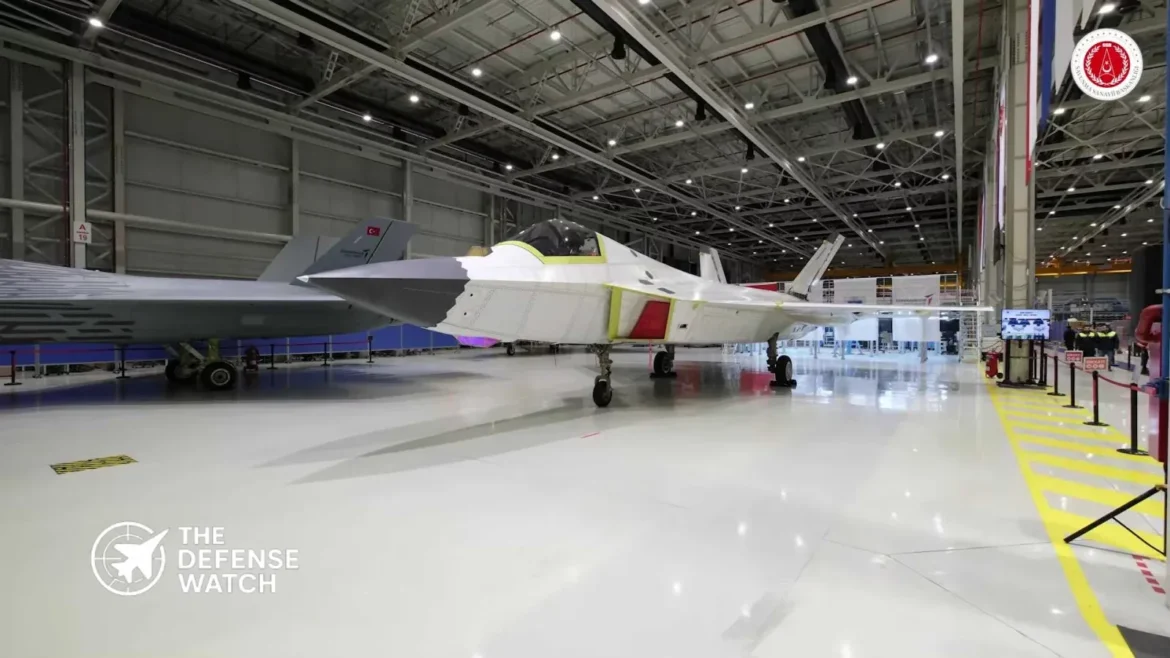
- ► A U.S. source told Middle East Eye that Washington questioned Saudi Arabia’s need to pursue Turkey’s KAAN fighter.
- ► U.S. pressure reportedly included concerns over a potential Saudi purchase of the Pakistan China JF 17 fighter.
- ► Saudi officials have indicated they will not proceed with acquiring JF 17 aircraft.
- ► Riyadh has not signaled withdrawal from participation in the KAAN program led by Turkish Aerospace Industries.
- ► Saudi analyst Hisham El Gannam warned that continued pressure could produce unintended consequences.
The White House KAAN warning to Riyadh signals rising tension in U.S.–Saudi defense ties at a moment of strategic transition in the Gulf.
According to reporting by Middle East Eye, U.S. officials privately questioned why Saudi Arabia would need to pursue Turkey’s next generation KAAN fighter if Washington is already meeting its defense requirements. The message, delivered to Saudi interlocutors, reportedly extended beyond Turkey’s aircraft to include concerns over the Pakistan China jointly produced JF 17.
While Saudi officials have indicated they will not proceed with the JF 17 purchase, they have not provided assurances that they will withdraw from participation in the KAAN program led by Turkish Aerospace Industries.
The episode matters because it touches on more than a single fighter platform. It reflects competition over influence, industrial alignment, and the long term future of Gulf airpower.
Why Washington Is Concerned About KAAN
The KAAN fighter, previously known as TF X, is Turkey’s fifth generation combat aircraft project. Ankara positions it as a stealth capable, twin engine platform designed to replace its F 16 fleet and reduce reliance on Western suppliers.
For the United States, Saudi participation in KAAN presents three core concerns.
First, technology alignment. Gulf air forces, particularly Saudi Arabia’s, are deeply integrated with U.S. systems. The Royal Saudi Air Force operates F 15 variants and relies on American weapons, maintenance pipelines, and training infrastructure. Introducing a Turkish designed fifth generation platform would diversify supply chains and potentially reduce Washington’s leverage.
Second, precedent. If Riyadh joins KAAN as an industrial partner or future customer, it signals that advanced U.S. fighters such as the F 35 are not the only pathway for modernization. That could encourage other regional actors to hedge.
Third, geopolitical signaling. Turkey has pursued a more independent defense policy in recent years, including closer ties with non Western partners. A major Saudi investment in KAAN would elevate Ankara’s role as a defense exporter and strategic actor in the Gulf.
The JF 17 Factor and China’s Shadow
The reported U.S. pressure also extended to the JF 17, co produced by Pakistan and China. While Saudi Arabia has now indicated it will not move forward with that purchase, the episode highlights broader U.S. sensitivity to Chinese defense penetration in the Middle East.
The JF 17 is not a fifth generation platform. It is a lightweight, lower cost fighter designed for affordability and flexibility. For Saudi Arabia, it would likely have served niche roles rather than replacing high end assets.
However, from Washington’s perspective, any expansion of Chinese aerospace influence in a core U.S. security partner raises concerns about data security, interoperability, and long term alignment.
The U.S. has consistently warned partners about integrating Chinese systems into Western linked networks. In the Gulf, where missile defense and air surveillance are increasingly interconnected, platform choices have alliance wide implications.
Operational Impact for the Royal Saudi Air Forc
From an operational standpoint, Saudi Arabia faces a modernization question.
Its F 15SA fleet remains highly capable, with advanced radar and electronic warfare suites. Yet regional competition is evolving. Iran continues to expand its missile and drone capabilities. Israel operates the F 35I. The UAE has pursued next generation options, though its F 35 acquisition has stalled.
If Riyadh seeks a true fifth generation aircraft with stealth, advanced sensor fusion, and network centric capability, the U.S. F 35 remains the benchmark in Western markets. The KAAN program, while ambitious, is still in development and will take years to reach operational maturity.
That timeline matters. Committing to KAAN now would be a long term industrial and political bet rather than a near term capability fix.
Industrial and Budget Dimensions
For Saudi Arabia, fighter procurement is not only about performance. It is also about industrial participation.
Under Vision 2030, Riyadh aims to localize defense production. Turkish Aerospace Industries has shown flexibility in technology transfer arrangements with partners. That may appeal to Saudi planners seeking domestic aerospace growth.
The United States, by contrast, tightly controls technology transfer on its most advanced platforms. Even close allies face restrictions.
This creates a structural tension. Washington offers the most mature fifth generation aircraft but with limits. Ankara offers partnership and potential co production but with higher developmental risk.
Budget pressures also play a role. Next generation fighters are expensive not only to buy but to sustain. Saudi Arabia must balance airpower modernization with investments in missile defense, naval expansion, and domestic economic transformation.
Regional Security Context
The Gulf security environment is shifting.
Iran’s strategy relies heavily on ballistic missiles, cruise missiles, and drones rather than high end manned aviation. That challenges traditional air superiority models.
At the same time, Israel’s qualitative military edge remains a central U.S. policy pillar. Any sale of advanced fighters to Arab states must account for that framework.
Turkey’s emergence as a defense exporter complicates the picture. Ankara has gained credibility through drone exports and now seeks to move into the high end fighter segment. A Saudi stake in KAAN would deepen Turkish influence in Arab defense markets.
For Washington, maintaining interoperability across Gulf Cooperation Council air forces has long been a strategic objective. Divergent procurement paths risk fragmenting that architecture.
Strategic Assessment
The White House KAAN warning reflects a broader recalibration in U.S.–Saudi defense relations.
Impact on regional power balance: If Saudi Arabia were to fully commit to KAAN, it would not immediately shift the military balance. The aircraft is years from operational deployment. However, over time it could reduce U.S. dominance in Gulf airpower supply chains and increase Turkey’s strategic footprint.
Deterrence implications: The signal value may be more important than the platform itself. Saudi diversification suggests hedging behavior. That can weaken perceptions of tight U.S. Gulf alignment, potentially emboldening competitors or complicating deterrence messaging toward Iran.
Budget and procurement signals: Riyadh appears to be using competition to expand its options. By engaging Ankara, it gains leverage in discussions with Washington. The cancellation of the JF 17 plan indicates Saudi leaders are responsive to U.S. concerns but not willing to abandon diversification outright.
Alliance dynamics: The episode highlights friction but not rupture. The United States remains Saudi Arabia’s primary defense partner. Yet the relationship is no longer exclusive. Gulf states increasingly pursue multi vector defense ties.
Escalation risks: If U.S. pressure becomes public or punitive, it could accelerate Saudi efforts to broaden partnerships. As analyst Hisham El Gannam warned, sustained pressure can produce counterproductive outcomes.
What happens next will likely depend on whether Washington offers a credible pathway for Saudi fifth generation access, whether through the F 35 or an alternative framework. Absent that, Riyadh will continue exploring options.
Why This Matters Now
This development comes at a time when U.S. defense policy is under scrutiny in the Middle East. Washington is balancing competition with China, support for Israel, and a desire to avoid deeper regional entanglement.
Fighter aircraft decisions are long term strategic commitments. They shape training, logistics, and political alignment for decades.
The White House KAAN warning is therefore not simply about one aircraft. It is about who sets the terms of Gulf airpower modernization in the next generation.
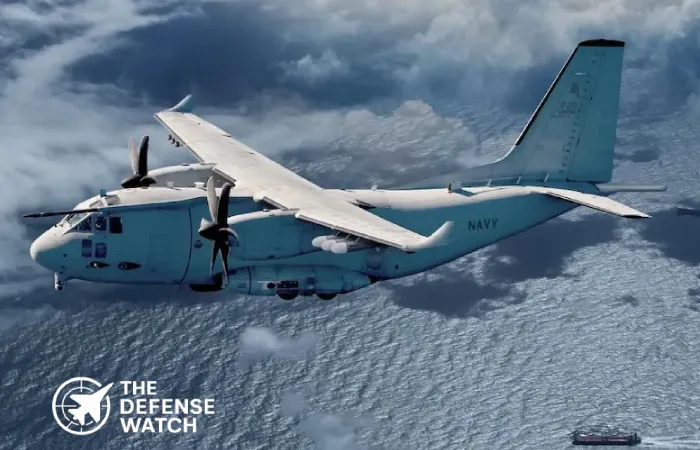
Saudi Arabia Signs Leonardo C-27J Maritime Patrol Aircraft Contract
Saudi Arabia’s Ministry of Defence has signed a contract with Italy’s Leonardo to acquire four C-27J Maritime Patrol Aircraft, with deliveries to the Royal Saudi Naval Forces beginning in 2029, according to official reports and industry sources.
(adsbygoogle = window.adsbygoogle || []).push({});The agreement marks a key expansion of Saudi military aviation, giving the kingdom new fixed-wing maritime patrol and multi-mission capabilities. The Royal Saudi Naval Forces will become the 21st global operator of the C-27J platform.
New C-27J Maritime Patrol Capability for Saudi Naval Aviation
The C-27J Spartan is a twin-engine tactical transport aircraft that has been adapted into a Maritime Patrol Aircraft (MPA) configuration for the Saudi contract. In this role the aircraft will support anti-submarine and anti-surface warfare, search and rescue missions, transport and airdrop operations.
Leonardo says the Saudi C-27J MPAs will include advanced mission systems, sensors and communications packages tailored for maritime surveillance and domain awareness. These systems are designed to detect, identify and track surface and submarine threats and provide real-time data sharing with command centers and other assets.
Strategic Context and Platform Versatility
The contract follows a prior 2025 order by Saudi users for C-27J aircraft in multi-role and firefighting configurations, reflecting growing demand for versatile fixed-wing platforms.
(adsbygoogle = window.adsbygoogle || []).push({});The MPA variant retains the core features of the C-27J Spartan Next Generation, including modern avionics, navigation, communication and self-protection systems. The aircraft can be reconfigured for transport, humanitarian aid or medical evacuation when required, underlining its multi-mission flexibility.
Deliveries and Operator Expansion
Deliveries will begin in 2029, with the Royal Saudi Naval Forces set to operate the aircraft in the coming years. Saudi Arabia’s introduction of the C-27J in the maritime patrol role expands the platform’s operational footprint beyond traditional tactical airlift missions.
- (adsbygoogle = window.adsbygoogle || []).push({});
The C-27J has logged more than 290,000 flight hours worldwide with existing operators across a range of mission sets, from troop and cargo transport to aerial firefighting and special missions.
Implications for Regional Naval Aviation
For Saudi Arabia, the addition of MPA-configured C-27Js reflects a broader effort to enhance naval and coastal security capabilities amid evolving maritime threat environments. The platform’s endurance, sensor suite and multi-role flexibility could support a spectrum of missions across the Red Sea, Arabian Gulf and beyond.
- (adsbygoogle = window.adsbygoogle || []).push({});
Saudi Arabia And Iraq To Receive M-SAM II Air Defense Systems In 2028
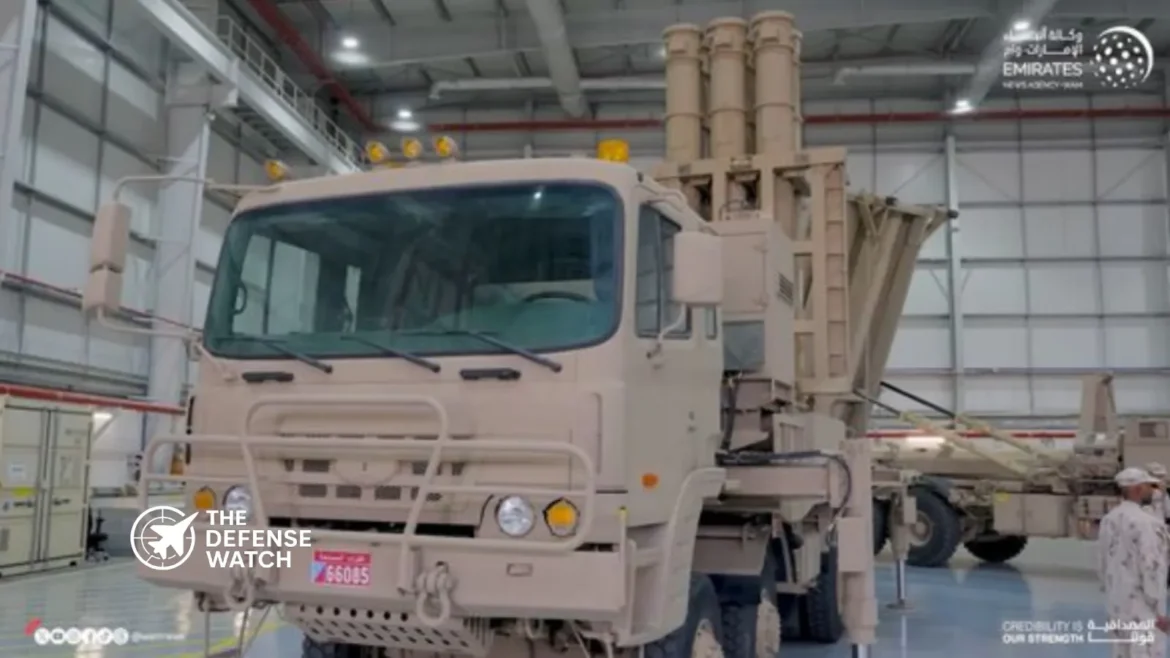
South Korea’s M-SAM II medium-range surface-to-air missile system is set to begin deliveries to Saudi Arabia in 2028, with Iraq scheduled to receive its first units later that year, industry officials told Janes at the World Defense Show 2026 in Riyadh.
(adsbygoogle = window.adsbygoogle || []).push({});Gulf Air Defense Modernization
The M-SAM II, also known as KM-SAM Block II or Cheongung II, is a mobile surface-to-air and terminal phase ballistic missile intercept system developed by South Korean defense firms and the Agency for Defense Development. Saudi Arabia’s deal for 10 batteries was announced in February 2024 and is valued at roughly USD 3.2 billion.
Saudi Arabia becomes the second Middle East buyer after the United Arab Emirates, which had its first M-SAM II launcher in place by mid-2025. Emirati systems have been deployed alongside U.S. Patriot and THAAD systems as part of a layered air defense approach.
Iraq’s order, reported in September 2024, covers eight M-SAM II batteries and is worth around USD 2.6 billion. The Iraqi Ministry of Defence confirmed the contract with prime contractor LIG Nex1.
System Composition And Partners
LIG Nex1 serves as the prime contractor for both national programs. Hanwha Systems supplies the multifunction radars, while launchers and vehicles are produced by Hanwha Aerospace.
(adsbygoogle = window.adsbygoogle || []).push({});M-SAM II batteries typically include a multifunction radar, command and control vehicles, and mobile launchers carrying multiple interceptor missiles. The system uses advanced guidance and tracking to engage aerodynamic and short-range ballistic threats at medium range.
Regional Context And Capabilities
The M-SAM II is part of a broader trend in Gulf defense planning where states seek diversified, layered defenses. In the UAE the system complements U.S. Patriot and Terminal High Altitude Area Defense batteries, providing additional coverage against aircraft, cruise missiles and short-range ballistic threats.
Saudi Arabia’s planned Tatras-mounted launchers will differ from the UAE’s initial Kia-mounted systems, reflecting user preference and terrain considerations.
(adsbygoogle = window.adsbygoogle || []).push({});Delivery Timelines And Outlook
At WDS 2026, Hanwha Aerospace representatives said precise delivery dates are still being finalized, but both buyers aim to begin fielding M-SAM II systems in 2028.
The phased introduction of these systems aligns with regional efforts to strengthen air defense networks amid evolving aerial threats.

Saudi Arabia Unveils Truck-Mounted VL-MICA Air Defense System at WDS 2026
At the World Defense Show 2026 in Riyadh Saudi Arabia unveiled a new truck-mounted VL-MICA air defense system aimed at countering drones and other low-altitude threats. The display highlighted a mobile 360-degree short-range air defense solution designed to protect high-value infrastructure and critical sites.
What Saudi Arabia Showed At The Exhibition
The VL-MICA configuration is based on the ground-adapted VL MICA missile family and was presented on a six-by-six tactical truck with stabilizing outriggers and a vertical launch frame. It features a four-missile loadout per vehicle designed for rapid salvo firing and shoot-and-scoot operations rather than static emplacement.
Display materials at the show emphasized 360-degree coverage and quick reaction times, capabilities important when addressing fast-moving drones and cruise missiles that challenge fixed or horizon-limited air defenses.
VL-MICA: Missile Family And Capabilities
The VL-MICA ground launcher uses the MBDA VL MICA missile family, a variant of the air-to-air MICA adapted for ground defense. The missile comes with either an active radar seeker or an imaging infrared seeker, offering flexibility against a range of aerial threats in contested environments.
Published figures for the VL MICA interceptor list a missile length of about 3.1 meters, a focused fragmentation warhead, and an interception range up to roughly 20 kilometers with an altitude reach near 30 000 feet, offering layered defenses against aircraft drones and precision guided threats.
Context: Growing Focus On Counter-Drone Defense
The Saudi armed forces and regional partners have shown growing interest in mobile short-range air defense solutions to counter unmanned aerial systems. Exercises such as Red Sands 2025 underscored the importance of integrated counter-UAS efforts, testing multiple platforms and sensors in live fire environments.
In parallel Saudi Arabia has evaluated a range of air defense systems to enhance its layered architecture, from mobile low-altitude launchers to medium-range and laser based counter-drone tools, reflecting an ongoing response to evolving drone and missile threats in the Middle East.
Operational Role And Potential Use
Truck-mounted short-range systems like VL-MICA are intended to serve as a point defense layer in a broader integrated network. In practice such assets can shield air bases, energy infrastructure or command posts while networking with layered radar and sensor systems for earlier detection and cueing.
Mobility also helps commanders reposition assets as threats shift and reduces the vulnerability of static sites, a capability that matters in high threat environments where low-signature drones and cruise missiles can exploit terrain masking and multi-vector approaches.
What This Means For Regional Air Defense
The VL-MICA launchers add a mobile short-range node to Saudi Arabia’s air defense posture. In a region marked by emerging drone threats these systems complement longer-range interceptors and advanced radars, helping fill gaps in the low-altitude envelope where small drones and precision strike assets operate.
Saudi Arabia’s defense modernization efforts increasingly blend domestic systems with foreign technology to create layered, flexible defenses. At shows like WDS 2026 foreign firms and local partners alike emphasize solutions that can integrate with national air pictures and address asymmetric aerial threats.

Saudi Arabia red line messaging toward Iran is coming into sharper focus as regional tensions rise around US military bases in the Gulf. Riyadh is signaling that it would not retaliate if Iran limits any strikes to US facilities located on Saudi territory, while Saudi forces themselves remain neutral. The position reflects quiet regional diplomacy aimed at preventing a wider conflict while protecting core Saudi security interests, according to reporting and official statements from Gulf and Western officials.
Saudi Arabia hosts US forces under long standing defense agreements, including air defense, aviation, and command elements critical to regional security. At the same time, Riyadh has worked to reduce direct confrontation with Iran since the China brokered normalization deal announced in 2023, a shift that continues to shape Saudi crisis planning.
Conditional neutrality, a narrow line
Saudi officials and regional diplomats indicate that Riyadh expects Iran would seek to avoid direct conflict with Gulf states by limiting any military action to US assets. Under this logic, Saudi Arabia would tolerate limited, non escalatory strikes on US bases, provided Saudi forces, civilians, and infrastructure are not targeted.
This approach amounts to conditional neutrality. Gulf states want to avoid becoming active participants in a US Iran conflict, but they also want to deter Iran from using their territory as a pressure point without consequence.
According to multiple regional security sources cited by Reuters and the Wall Street Journal, Saudi Arabia and other Gulf partners have privately warned Tehran that large scale or sustained attacks on their territory would cross a red line and trigger a response.
US bases in Saudi Arabia, strategic but sensitive
US military facilities in Saudi Arabia support air operations, intelligence sharing, and missile defense across the Middle East. Key sites are tied into integrated air and missile defense networks designed to counter ballistic missiles, cruise missiles, and one way attack drones.
While Riyadh allows US forces to operate defensively from its soil, Saudi leaders have consistently emphasized they do not want their territory used to launch offensive strikes against Iran. This distinction has been central to Saudi policy since the 2019 attacks on Abqaiq and Khurais, which exposed vulnerabilities in Gulf energy infrastructure.
US officials have acknowledged these sensitivities, noting that access and basing arrangements vary by mission type and threat level. The Pentagon has not commented publicly on contingency plans involving Iranian strikes on US bases in Saudi Arabia.
Gulf warnings to Tehran
There are growing indications that Gulf capitals have delivered coordinated private messages to Iran. The message is consistent: limited action against US military targets may be tolerated to avoid escalation, but attacks that cause significant damage, civilian casualties, or spill into national infrastructure would force Gulf states to act.
This stance is shared, to varying degrees, by the United Arab Emirates, Qatar, and Kuwait, all of which host US forces. Each country balances its security ties with Washington against economic exposure and domestic stability concerns.
Iranian officials have not confirmed receiving such warnings, but Tehran has repeatedly stated it does not seek war with Gulf neighbors. Iranian defense doctrine continues to emphasize deterrence and proportional response, especially when US forces are involved.
Implications for regional security
Saudi Arabia red line messaging highlights the fragile balance shaping Gulf security. Riyadh is attempting to deter Iran without provoking escalation, protect its strategic relationship with the United States, and preserve recent diplomatic gains with Tehran.
For Washington, the situation underscores the limits of regional basing in a high end conflict scenario. US forces may face attacks even if host nations seek neutrality, complicating defense planning and response options.
Defense analysts note that this dynamic places greater emphasis on active and passive base defense, including Patriot and THAAD systems, hardened infrastructure, dispersal, and early warning integration across the region.
Strategic context
Saudi Arabia has spent the past several years recalibrating its regional posture. The focus has shifted toward economic development, internal security, and de escalation, while maintaining credible deterrence. This pragmatic approach explains Riyadh’s effort to define clear limits without public confrontation.
The red line is not a blank check. Saudi officials are signaling restraint, not acceptance of unchecked attacks. Any Iranian action that threatens Saudi sovereignty or stability would likely collapse this delicate balance.

Lockheed Martin Brings Advanced Defense Technology to World Defense Show 2026
Lockheed Martin will present advanced defense technology and expanded Saudi partnerships at the World Defense Show 2026 in Riyadh, reinforcing its multi-domain capabilities and long-standing industrial ties with the Kingdom of Saudi Arabia.
(adsbygoogle = window.adsbygoogle || []).push({});In official statements and briefings ahead of the event, the U.S. defense and aerospace company said its showcase will focus on next-generation systems, industrial collaboration, and workforce development aligned with Saudi Vision 2030 goals.
Long-standing US-Saudi Defense Partnership
Lockheed Martin’s relationship with Saudi Arabia spans more than 60 years, beginning with the delivery of the first C-130 Hercules transport aircraft in 1965. Over time, collaboration has grown into a broad, multi-domain partnership covering air, land, sea, space, and cyber domains.
Brigadier General (Retired) Joseph Rank, chief executive for Lockheed Martin in Saudi Arabia and Africa, described the partnership as one built on mutual trust, shared goals, and enduring capability development.
At WDS 2026, Lockheed Martin said it will show how advanced technologies and industrial collaboration boost operational readiness and support resilient defense ecosystems in both Saudi Arabia and the United States.
What Lockheed Martin Will Present
At the Riyadh show, Lockheed Martin plans to showcase core platforms and technological demonstrations, including:
• F-35 Lightning II features and cockpit demonstrations for invited guests, highlighting sensor fusion and data integration.
• AI-enabled CommandIQ command and control mission suite that integrates operations across multiple domains while maintaining operational control and sovereignty.
• Advanced sensors, missile defense capabilities such as THAAD and PAC-3 systems, and a range of Sikorsky aircraft and networked solutions.
The company will also highlight progress in local manufacturing with Saudi partners, workforce training programs, and efforts to strengthen supply chain resilience.
Industrial Collaboration and Localization
Industrial partnerships with Saudi entities are a key part of Lockheed Martin’s presence at World Defense Show 2026. The company is working with the General Authority for Military Industries (GAMI) and Saudi Arabian Military Industries (SAMI) on expanded manufacturing, local supply chain integration, and advanced aerospace production.
Recent milestones include local production of key Terminal High Altitude Area Defense (THAAD) launcher components with AIC Steel in Saudi Arabia, supporting Saudi Vision 2030 objectives for increased localization of defense production.
In parallel with manufacturing efforts, Lockheed Martin opened a software factory in Riyadh in January 2026 to build sovereign software applications and strengthen in-Kingdom digital talent. The facility supports development of interoperable command-and-control systems and will train Saudi engineers in advanced software and enterprise technologies.
Strategic Context at World Defense Show 2026
The World Defense Show serves as a platform for international defense companies and host-nation partners to connect, share expertise, and showcase innovation. The 2026 edition, scheduled for February 8-12 in Riyadh, is expected to draw global delegations and focus on multi-domain integration and Saudi industrial growth.
(adsbygoogle = window.adsbygoogle || []).push({});Organizers have highlighted enhanced features at this year’s show, such as dedicated zones for supply chain development, unmanned systems, and new networking programs, all aligned with Saudi Vision 2030’s push for defense sector localization.
US-Saudi Defense Ties in a Wider Context
Lockheed Martin’s participation at World Defense Show 2026 comes amid broader US-Saudi defense cooperation, which includes recent arms sales such as the proposed $9 billion Patriot missile sale with Lockheed Martin as principal contractor.
These ongoing industrial and technology partnerships reflect a deepening of strategic ties between the United States and Saudi Arabia, and underscore shared interest in regional stability, capability development, and innovation.
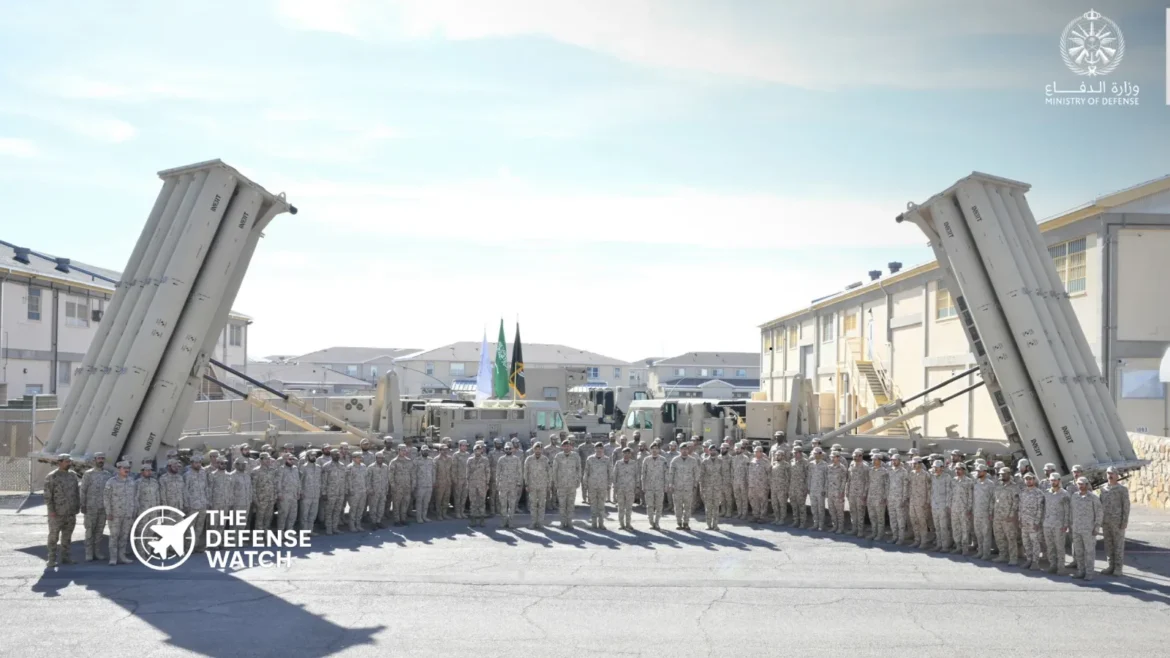
Saudi Arabia completed training for its fourth THAAD battery in the United States, marking another step in fielding U.S. Terminal High Altitude Area Defense systems within the Royal Saudi Air Defense Forces. The training cycle at the Army’s Fort Bliss qualification center covered system operations, fire control, radar coordination, and battery-level procedures ahead of future operational use.
Training Marks Continued Progress
Saudi officials announced January 8 that the latest group finished its full THAAD training at Fort Bliss, Texas. The curriculum matched the qualifications used by U.S. Army and allied units, preparing crews for complex missile defense tasks and integration into broader air defense networks.
The training focused on individual roles such as launcher operation, radar tracking, and command functions before moving to coordinated battery exercises. Completion means crews are now certified to operate under standards consistent with high-altitude ballistic missile defense scenarios.
Part of a Broader Missile Defense Build-Out
Saudi Arabia’s THAAD acquisition stems from a 2017 Foreign Military Sale with the United States valued around $15 billion, which includes seven batteries, associated radars, launchers, and 360 interceptor missiles. The first battery was activated in mid-2025, and successive training and qualification phases have followed.
The fourth battery graduation adds depth to Saudi Arabia’s pool of trained personnel. It supports sustainment rotation and future force generation as additional batteries are equipped and deployed. No timelines or basing plans for newly trained batteries have been released.
THAAD Role in Regional Defense
THAAD is designed to intercept short, medium, and some intermediate-range ballistic missiles during terminal flight inside or just outside the atmosphere using hit-to-kill kinetic interceptors. Its radar and fire control components enhance high-altitude tracking when layered with other Saudi and allied systems.
