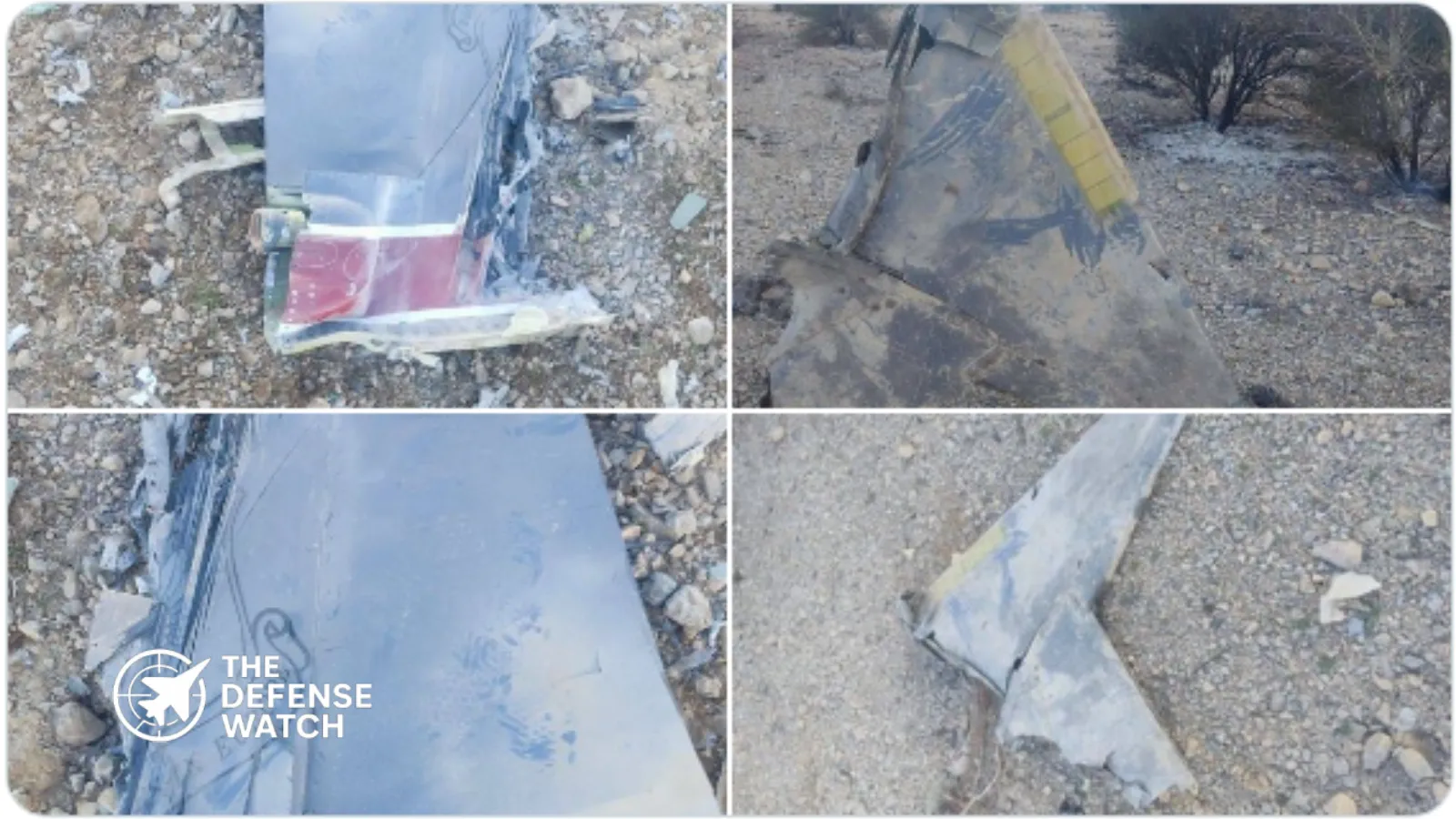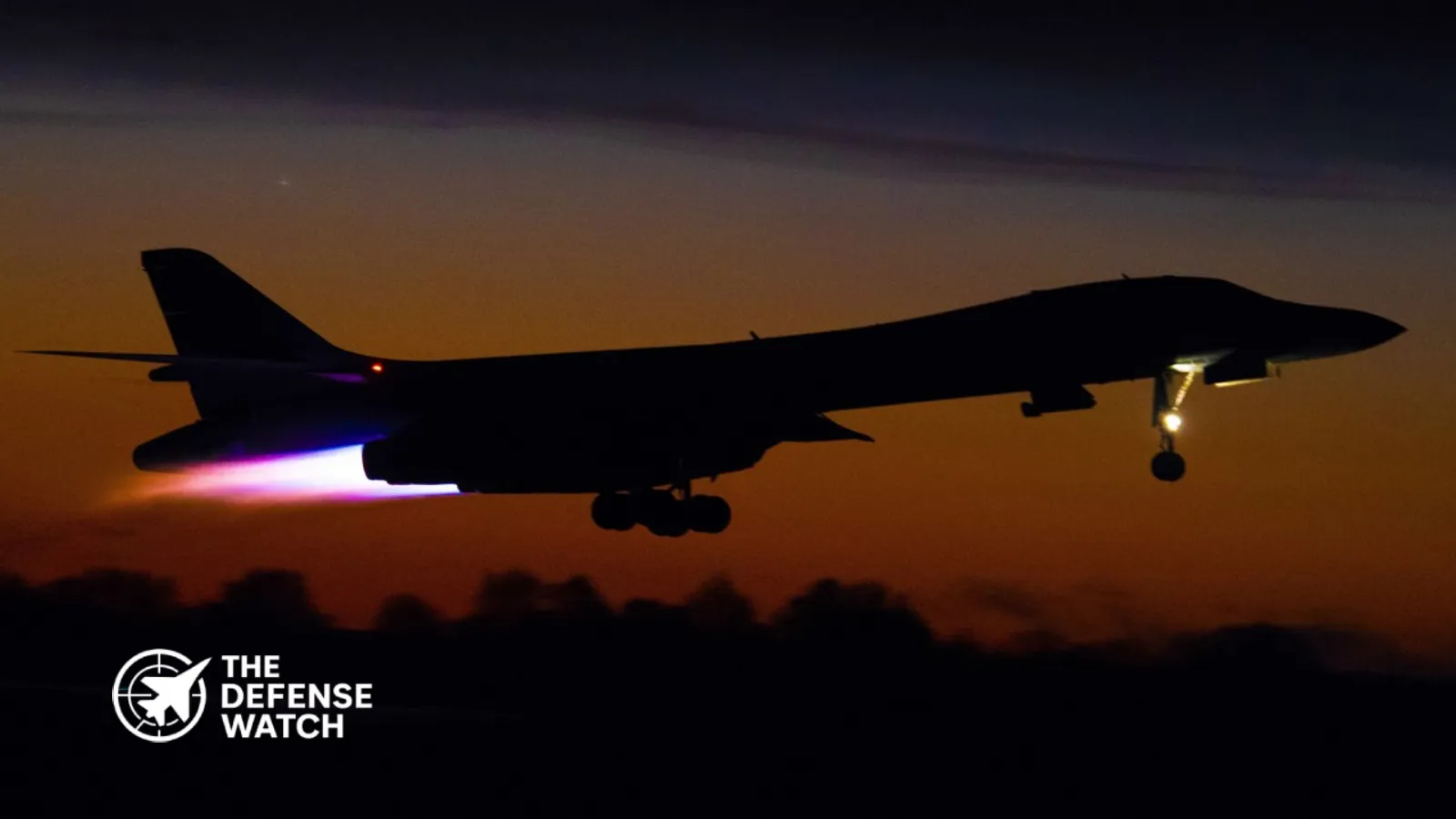
- Iran’s Islamic Revolutionary Guard Corps shared footage claiming to have shot down a US F-18 fighter jet near Chabahar, Iran.
- US Central Command responded on social media saying the Iranian claim is false, asserting no US fighter aircraft was shot down.
- The video shared by Iranian outlets shows an aircraft and explosion but has not been verified by independent or US military sources.
- The claim comes amid heavy conflict in the Middle East involving Iranian forces, US and coalition air operations.
- CENTCOM’s fact check follows similar Iranian claims about downing US aircraft that were denied days earlier.
Iran F-18 Claim Debunked, CENTCOM Says No US Fighter Downed
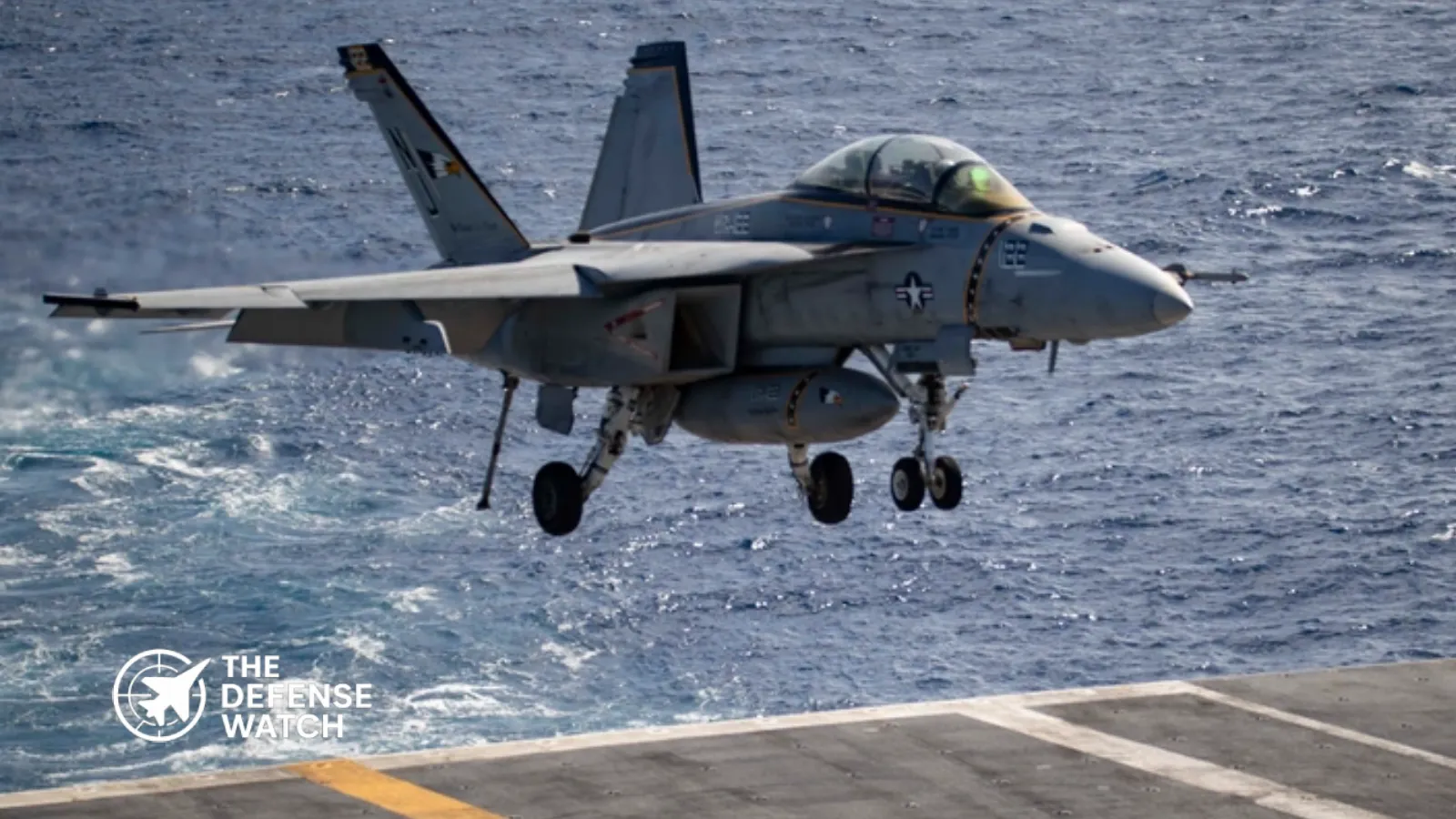
Iran’s claim that it shot down a US F-18 fighter jet near Chabahar in southeastern Iran was denied by US Central Command on March 26, 2026. According to media reports, Iranian state-affiliated channels shared video and statements asserting a successful hit on an American aircraft. CENTCOM officials responded on social media saying no US fighter aircraft has been shot down by Iranian forces.
The Islamic Revolutionary Guard Corps (IRGC) asserted the strike in social media posts accompanied by video footage. Iran’s Press TV and other state outlets described the visuals as proof of the hit on a Boeing F/A-18 fighter operating over Chabahar. The context of the claim is the wider set of hostilities between Iranian forces and US-led activities in the region.
CENTCOM’s denial was direct and unambiguous, stating that no F-18 or any US fighter had been lost to hostile fire. The fact check by the US military was posted on its official social media channels as videos of the alleged incident circulated widely online.
Analysis Of The Footage And Claims
The video shared by Iranian outlets has not been independently verified by international observers or Western defense analysts. Visuals circulating on social platforms show an aircraft and an explosion sequence, but they do not conclusively demonstrate a downed US fighter. Without clear geolocation, verifiable metadata, and corroboration from neutral sources, the footage remains unconfirmed.
This is not the first time such claims have been made. Similar Iranian assertions about damaging or downing US aircraft earlier in March 2026 were met with official denials. Independent trackers of Middle East conflict incidents list other aviation losses tied to the ongoing Iran-Israel war, including unmanned systems and allied aircraft accidents.
Strategic And Geopolitical Context
The dispute over the F-18 report emerged against the backdrop of intense military operations in the Middle East. Iran has been confronting coalition air activity while also launching its own missile and drone strikes. US forces and their allies have conducted extensive air and missile operations targeting Iranian and proxy assets.
In conflict zones, information can be weaponized for domestic morale and international positioning. Tehran’s broadcast of the claim may serve internal messaging purposes and aims to project capability. Conversely, CENTCOM’s rapid fact check seeks to prevent escalatory misinterpretations and reassure audiences that no pilot losses or aircraft attrition have occurred.
What Is Known And Not Known
At this stage, there is no independent confirmation that an F/A-18 or other US fighter was struck and destroyed by Iranian forces. US Central Command’s official statement remains the most authoritative source on the matter, saying no such shootdown took place.
Without access to verified radar tracks, operational logs, or eyewitness accounts from coalition forces, definitive assessment beyond the official denial is not possible. Analysts will continue to monitor both open-source intelligence and official communiques as the conflict develops.
- US bombers avoided European airspace during missions targeting Iran.
- Aircraft used extended flight paths, likely supported by aerial refueling.
- Routing reflects political sensitivities among European allies.
- Missions demonstrate long-range strike capability and operational flexibility.
- Strategic takeaway: route selection is now as critical as strike capability.
US Bombers Avoid European Airspace On Iran Bombing Runs
US bombers avoid European airspace during Iran bombing runs, signaling a deliberate shift in operational routing while maintaining long-range strike capability. The development highlights how geopolitical constraints increasingly shape military flight planning alongside tactical requirements.
The Big Picture
Long-range bomber operations remain central to US global power projection. Platforms such as the B-52 and B-2 allow the United States to strike targets across continents without forward basing, a capability emphasized in recent US Department of Defense posture statements.
Operational routing, however, has become more complex. European airspace access depends on diplomatic clearance, alliance politics, and domestic sensitivities within NATO member states. As tensions in the Middle East persist, Washington appears to be adjusting mission profiles to reduce political friction while preserving operational reach.
This shift reflects a broader trend in US military planning. Commanders increasingly balance kinetic effectiveness with alliance management, especially in regions where partners may not support escalation.
What’s Happening
Recent reporting indicates that US bombers conducting Iran-related strike missions deliberately avoided flying over European airspace. Instead, aircraft used alternative routes that extended flight distances.
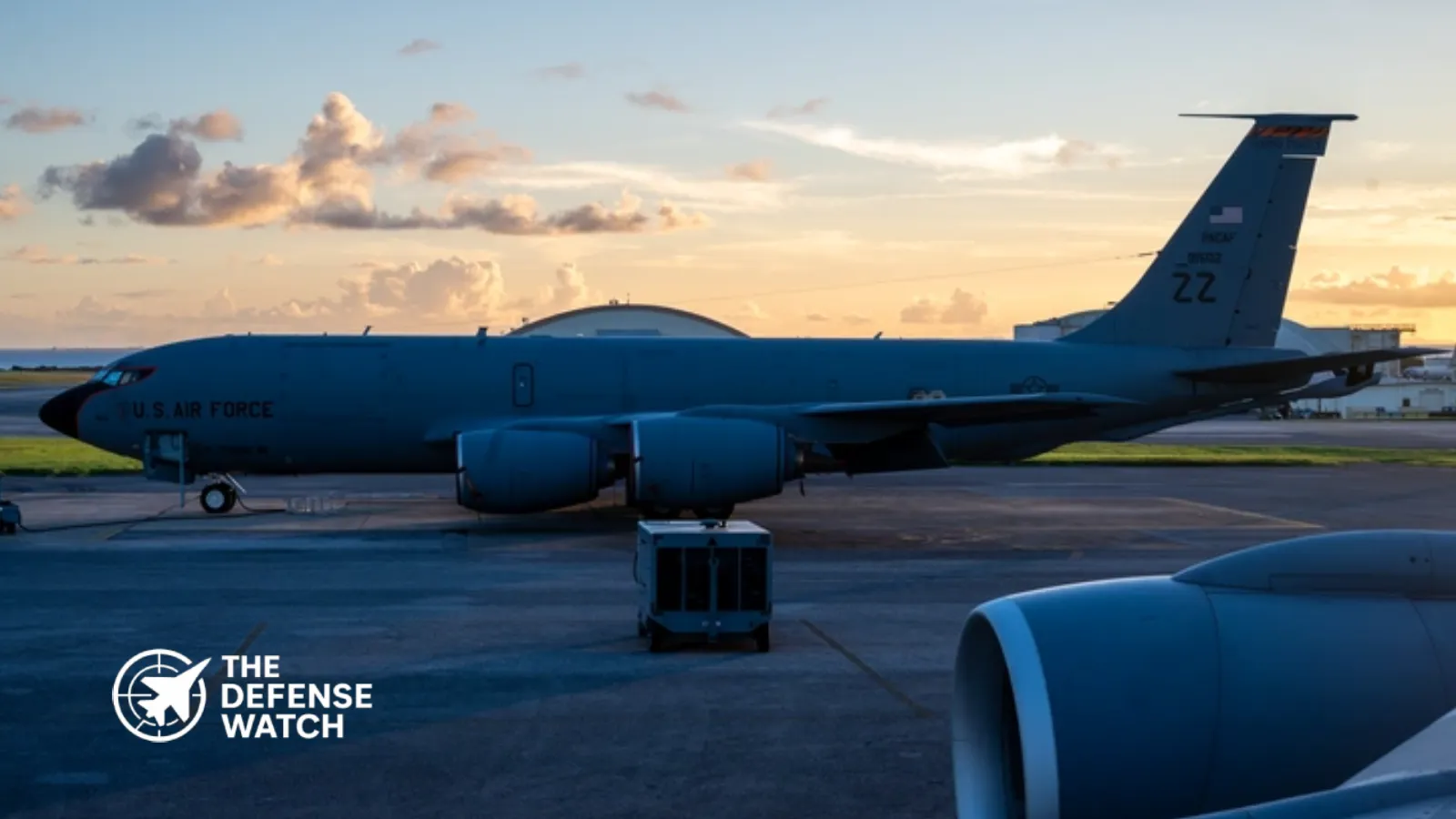
These missions likely involved long-range bombers operating from bases outside Europe, supported by aerial refueling assets to sustain extended flight durations. Tanker aircraft remain critical in enabling such missions, allowing bombers to bypass politically sensitive corridors.
The rerouting suggests coordination at the strategic level, where flight paths are chosen not only for efficiency but also for diplomatic acceptability. European nations often require advance approval for overflight, particularly for combat operations tied to active conflict zones.
Why It Matters
Route selection directly affects operational tempo and mission complexity. Avoiding European airspace increases flight time, fuel requirements, and reliance on tanker support. This adds logistical strain but reduces the risk of diplomatic friction with allies.
The decision also reflects sensitivity to domestic politics within NATO countries. Some European governments face public opposition to involvement in Middle East conflicts, even indirectly through airspace access.
From a military perspective, the ability to execute these missions despite longer routes demonstrates resilience in US strike planning. It shows that operational effectiveness does not depend on any single geographic corridor.
Strategic Implications
This development underscores the flexibility of US global strike architecture. By rerouting bombers, the United States preserves freedom of action even when traditional transit routes become politically constrained.
It also highlights the growing importance of distributed basing and tanker fleets. Without robust aerial refueling, extended routes would significantly degrade mission effectiveness.
At the alliance level, the move signals a careful balancing act. Washington appears willing to absorb operational costs to avoid straining relationships with European partners. This approach supports long-term alliance cohesion, even if it complicates short-term mission planning.
Competitor View
Iran likely interprets these operations as evidence of sustained US strike capability despite geographic constraints. The use of indirect routes may also signal caution, suggesting Washington seeks to limit escalation pathways while retaining deterrence.
Russia and China may view the development differently. Both countries have invested in anti-access strategies designed to complicate US operations. The ability of US bombers to adapt routing reinforces the credibility of long-range strike forces even in contested or politically restricted environments.
At the same time, reliance on tankers exposes a known vulnerability. Peer competitors continue to develop capabilities aimed at targeting aerial refueling assets in future conflicts.
What To Watch Next
Future operations will likely continue to reflect a balance between operational efficiency and political considerations. Key indicators include:
Increased tanker deployments supporting long-range missions
Expanded use of alternative basing locations outside Europe
Changes in NATO overflight policies or political alignment
Integration of stealth platforms to reduce exposure along longer routesUS Air Force modernization efforts, including next-generation bomber programs, may also influence how these missions evolve.
Capability Gap
The reliance on extended routing highlights a persistent challenge in US operations. Access denial, whether political or military, can complicate mission planning and increase logistical demands.
Aerial refueling mitigates this gap, but it introduces additional risk. Tankers are high-value assets and may become targets in contested environments. This creates a tradeoff between operational reach and vulnerability.
Additionally, longer routes reduce sortie generation rates, which could affect sustained operations during high-intensity conflict.
The Bottom Line
US bombers avoid European airspace on Iran missions, demonstrating that modern airpower depends as much on geopolitical navigation as it does on technological capability.
- Iran confirmed the death of a senior Basij paramilitary chief in a reported U.S.-Israeli strike.
- The Basij is a key auxiliary force under the Islamic Revolutionary Guard Corps, used for internal security and mobilization.
- The strike comes amid ongoing military tensions between Iran, Israel, and U.S. forces in the region.
- Iranian officials have vowed retaliation but provided limited operational details.
- The incident underscores growing risks of broader escalation across the Middle East.
Iran Basij Chief Killed In U.S.-Israeli Strike
Iran Basij chief killed in a U.S.-Israeli strike marks a significant development in the ongoing regional conflict, with Tehran confirming the death of a senior paramilitary commander linked to the Islamic Revolutionary Guard Corps.
The commander was killed during what officials described as a joint U.S. and Israeli military operation targeting positions associated with Iran’s security apparatus. The confirmation provides one of the clearest acknowledgments yet of senior leadership losses within Iran’s internal security structure during the current escalation.
The Basij, a volunteer paramilitary force operating under the IRGC, plays a central role in Iran’s domestic security, intelligence support, and wartime mobilization strategy. The death of a senior Basij leader therefore carries both operational and symbolic weight.
Operational Context And Strategic Significance
The reported strike reflects a broader pattern of targeted operations aimed at degrading Iran’s command and control networks. While Israel has historically conducted precision strikes against Iranian assets in Syria and beyond, the involvement or attribution to U.S. forces suggests a potential widening of operational coordination.
From a military standpoint, targeting a Basij commander differs from strikes on conventional military infrastructure. The Basij functions as a hybrid force, combining internal policing roles with expeditionary support functions. This makes its leadership structure critical not only for domestic stability but also for Iran’s asymmetric warfare posture.
Analysts note that removing key figures within such organizations can disrupt communication chains and slow mobilization efforts, even if only temporarily. However, Iran has historically demonstrated resilience in regenerating leadership within the IRGC and affiliated units.
Escalation Dynamics And Regional Impact
The confirmation that an Iran Basij chief was killed in a U.S.-Israeli strike is likely to intensify already high tensions across the Middle East. Tehran has repeatedly warned that attacks on its leadership will trigger retaliation, potentially through proxy networks across Iraq, Syria, Lebanon, and the Gulf.
The risk lies less in immediate large-scale retaliation and more in calibrated responses designed to impose costs while avoiding full-scale war. These could include drone attacks, missile strikes, or maritime disruptions in strategic waterways.
At the same time, the incident may influence internal Iranian calculations. Leadership losses within the Basij could prompt increased domestic security measures, particularly if authorities perceive a risk of internal unrest or external exploitation.
Information Gaps And Verification Challenges
Despite the confirmation, details surrounding the strike remain limited. Neither U.S. nor Israeli officials have publicly provided operational specifics regarding the timing, location, or method of the attack.
This lack of transparency is consistent with past operations, where attribution is often indirect or delayed. Independent verification remains difficult due to restricted access and the complex information environment surrounding military activities in the region.
Still, the acknowledgment by Iranian authorities lends credibility to reports that senior figures are being directly targeted, rather than collateral casualties.
Military And Political Implications
The killing of a Basij commander highlights the evolving nature of the conflict, where leadership targeting is becoming a more visible component of military strategy. This approach aligns with broader trends in modern warfare, emphasizing precision strikes against high-value individuals to achieve strategic effects without large-scale force deployment.
Politically, the incident may strengthen hardline positions within Iran, reinforcing narratives of external aggression and justifying further military readiness. It may also complicate diplomatic efforts aimed at de-escalation, particularly if retaliatory actions follow.
For the United States and Israel, the operation signals continued willingness to engage Iranian-linked targets despite escalation risks. This reflects a balancing act between deterrence and containment, with both sides seeking to avoid uncontrolled conflict while maintaining strategic pressure.
Outlook
As tensions persist, the confirmation that an Iran Basij chief was killed in a U.S.-Israeli strike underscores the fragile security environment in the Middle East. The incident adds another layer to an already complex conflict landscape, where military actions, proxy engagements, and geopolitical calculations intersect.
The coming days will be critical in assessing whether Iran opts for immediate retaliation or adopts a more measured response. Either path carries implications for regional stability and the trajectory of the broader conflict.
- Iran confirms death of senior security figure Ali Larijani.
- Larijani held key roles across Iran’s political and security apparatus.
- Development comes amid heightened regional military tensions involving Iran.
- Timing coincides with ongoing conflict dynamics affecting Iranian strategic posture.
- Leadership transition may impact Iran’s security coordination and decision making.
Iran Confirms Death Of Ali Larijani
Iran security chief Ali Larijani has died, according to official confirmation from Tehran, marking a significant development within the country’s political and security leadership structure.
The announcement comes at a time of heightened regional tensions, with Iran actively engaged in a complex security environment shaped by military operations, geopolitical rivalries, and internal coordination demands.
The Big Picture
Iran’s security architecture relies on a tightly interconnected network of political leaders, military commanders, and intelligence officials. Figures like Larijani often bridge civilian governance and national security decision making.
The loss of a senior figure at this level is not just symbolic. It affects institutional continuity at a time when Iran faces sustained external pressure, particularly from the United States and regional adversaries.
Iran’s strategic posture in the Middle East has become more assertive in recent years, combining conventional military capabilities with proxy networks and asymmetric warfare strategies. Leadership stability plays a key role in maintaining that posture.
What’s Happening
Iranian authorities confirmed the death of Ali Larijani, a prominent political figure who previously held senior roles including parliamentary leadership and advisory positions tied to national security.
Reports indicate that Larijani served in influential capacities connected to Iran’s broader security and political framework. His experience and access to leadership circles made him a key figure in policy coordination.
The announcement was made on March 18, 2026, though details surrounding the cause and circumstances of his death remain limited in public reporting.
Why It Matters
Leadership continuity is critical in states facing sustained external pressure. Iran’s decision making system depends on experienced figures who understand both domestic politics and strategic military considerations.
Larijani’s death removes a figure with deep institutional knowledge and long standing relationships across Iran’s political and security elite. That creates a potential gap in coordination, especially in crisis conditions.
The development also comes as Iran continues to manage military tensions in the region, including air operations, proxy engagements, and deterrence signaling. Leadership disruptions during such periods can affect response speed and policy alignment.
Strategic Implications
Iran’s military readiness depends on synchronized coordination between political leadership and organizations such as the Islamic Revolutionary Guard Corps. Senior political figures often play a quiet but critical role in aligning strategic objectives.
A leadership loss at this level may temporarily slow decision cycles or shift influence among competing factions within Iran’s power structure. That could affect how Iran calibrates its military posture in the near term.
Regional stability may also feel indirect effects. Allies and adversaries alike monitor leadership changes in Tehran closely, as these shifts can signal changes in policy direction or internal priorities.
Competitor View
The United States and its regional partners will likely assess this development through the lens of Iranian command resilience. Leadership turnover during periods of tension may be viewed as a potential vulnerability.
Russia and China, both of which maintain strategic ties with Iran, may interpret the event as a need for continuity in diplomatic and security coordination with Tehran.
Regional rivals such as Israel and Gulf states will focus on whether the leadership shift alters Iran’s operational tempo or strategic messaging.
What To Watch Next
Iran is expected to move quickly to ensure continuity in advisory and coordination roles tied to national security.
Key indicators to monitor include:
Appointments of replacement figures within Iran’s leadership structure
Changes in public messaging from Iranian officials
Any shifts in military activity or regional engagement patterns
Statements from senior leadership including Ali Khamenei
Capability Gap
Iran’s system is designed to absorb leadership losses through institutional redundancy, but individual experience still matters. Larijani’s long tenure gave him a unique understanding of both domestic politics and international strategy.
The immediate gap is not in military capability but in strategic coordination and advisory depth. Replacing that level of experience takes time, particularly during periods of active tension.
The Bottom Line
Iran confirms the death of Ali Larijani at a sensitive moment, introducing a leadership variable that could influence how Tehran manages regional security challenges.
- US President Donald Trump warned Iran that its Kharg Island oil network could be targeted if shipping disruptions in the Strait of Hormuz continue.
- US forces recently struck military facilities on Kharg Island but reportedly avoided damaging oil infrastructure.
- Kharg Island handles roughly 90 percent of Iran’s oil exports, making it the country’s most critical energy hub.
- The escalating conflict has severely disrupted shipping through the Strait of Hormuz, a corridor for about 20 percent of global oil trade.
- Iran warned that attacks on its energy infrastructure could trigger retaliation against regional facilities tied to US interests.
Trump Threatens Strike On Iran Kharg Island Oil Network
The threat to strike Iran Kharg Island oil network marks a major escalation in the ongoing confrontation between Washington and Tehran, as tensions in the Persian Gulf continue to disrupt global shipping and energy markets.
US President Donald Trump warned that Iranian interference with commercial shipping in the Strait of Hormuz could prompt direct strikes on the island’s oil export infrastructure. The warning followed confirmed US strikes on military installations on Kharg Island, Iran’s primary crude export hub.
According to statements reported by Reuters, US forces targeted air defenses, naval facilities, and airport infrastructure on the island while deliberately avoiding oil production and export terminals.
However, Trump indicated that restraint could change quickly if maritime disruptions continue.
The Big Picture
The confrontation around Kharg Island sits at the center of a broader crisis affecting global energy security and maritime trade.
The Strait of Hormuz serves as one of the world’s most important strategic chokepoints. Roughly 20 percent of global oil supply normally transits the narrow waterway between Iran and Oman.
Since late February, regional conflict involving Iran, the United States, and Israel has severely disrupted shipping through the strait. Tanker traffic has collapsed as insurance costs surged and shipping companies suspended operations due to missile and drone threats.
The resulting disruption has already pushed oil markets into volatility, raising concerns about a prolonged supply shock.
Within that strategic environment, Kharg Island represents a critical pressure point.
What Is Happening
US military strikes on Kharg Island reportedly destroyed multiple Iranian military targets on the island, which sits roughly 25 kilometers off Iran’s southwestern coast in the Persian Gulf.
The island functions as the main export terminal for Iranian crude oil. Analysts estimate that approximately 90 percent of Iran’s oil exports flow through its terminals and storage facilities.
At the time of the strikes, US officials emphasized that energy infrastructure was not targeted.
Trump stated that the decision was deliberate, but warned that Iran’s oil network could be attacked if Tehran continues to interfere with the free passage of commercial vessels in the Strait of Hormuz.
Iran responded by warning that any attack on its energy infrastructure would trigger retaliatory strikes against facilities linked to US interests in the region.
Why It Matters
Targeting Kharg Island would represent a major escalation in the conflict because of the facility’s central role in Iran’s economy.
Iran exports roughly 1.1 to 1.5 million barrels of oil per day, with most shipments routed through Kharg Island.
Disabling the island’s export terminals, pipelines, or storage tanks could sharply reduce Iranian oil exports and remove a meaningful share of global supply.
Energy analysts note that the island also serves as a key logistical node with large storage capacity and tanker loading infrastructure. Even limited damage could disrupt exports for weeks or months.
Because Iran remains a significant oil producer within OPEC, a prolonged shutdown could tighten global markets at a time when shipping disruptions are already constraining supply.
Strategic Implications
The threat to strike Iran Kharg Island oil network signals a shift toward targeting economic infrastructure rather than purely military assets.
For Washington, the strategy appears designed to pressure Tehran into reopening the Strait of Hormuz and ending attacks on maritime traffic.
Energy infrastructure has historically been considered a highly escalatory target because of the global economic impact that could follow.
Military planners also recognize that infrastructure attacks risk widening the conflict across the Gulf.
Major oil facilities in Saudi Arabia, the United Arab Emirates, and other Gulf states remain within range of Iranian missiles and drones.
If Iran were to retaliate against those sites, the crisis could quickly expand into a broader regional energy war.
Competitor View
Iranian leadership views the Strait of Hormuz as one of its strongest strategic leverage points.
By threatening global energy flows, Tehran can exert pressure on Western governments and energy markets even when facing conventional military disadvantages.
Iran has repeatedly signaled that attacks on its oil infrastructure would trigger reciprocal strikes on energy facilities linked to US partners in the region.
China also closely monitors the situation.
Chinese refineries remain among the largest buyers of Iranian crude, meaning any disruption to Kharg Island exports could affect Beijing’s energy supply chain.
Capability Gap
The crisis highlights a longstanding vulnerability in global energy infrastructure.
Large centralized export hubs such as Kharg Island offer efficiency and scale, but they also create single points of failure in the global oil supply system.
Unlike dispersed offshore production platforms, a small number of terminals handle most of Iran’s export capacity.
That concentration makes them attractive targets in a conflict environment.
At the same time, military strikes on energy infrastructure can produce unintended consequences, including environmental damage, economic shock, and escalation across the region.
What To Watch Next
Several developments will determine whether the confrontation escalates further.
First, maritime traffic through the Strait of Hormuz remains a key indicator. A sustained reopening of shipping lanes could reduce pressure for additional US strikes.
Second, US naval deployments may expand as Washington considers escort operations for commercial tankers.
Third, Iran’s response will shape the next phase of the crisis. Missile or drone attacks against Gulf infrastructure could trigger broader regional military operations.
Finally, global oil markets will remain highly sensitive to any confirmed damage to Kharg Island’s export facilities.
The Bottom Line
The threat to strike Iran Kharg Island oil network places the Middle East’s most critical energy infrastructure at the center of an escalating military confrontation with global economic consequences.
- Iran and India’s foreign ministers held a phone call to discuss escalating regional tensions.
- Talks included concerns about maritime security and shipping traffic through the Strait of Hormuz.
- Iran accused the United States and Israel of military aggression and destabilizing regional security.
- India emphasized continued diplomatic consultations and maintaining bilateral relations with Tehran.
- The discussion highlights growing international concern over energy supply routes and Gulf stability.
Iran India Foreign Ministers Discuss Regional Tensions And Strait Of Hormuz Security
The Iran India foreign ministers call highlighted growing concerns over regional stability and maritime security as tensions involving the United States, Israel, and Iran continue to affect the Middle East security environment. During the phone conversation, Indian Foreign Minister Subrahmanyam Jaishankar and Iranian Foreign Minister Seyed Abbas Araghchi reviewed recent developments and discussed the implications for shipping routes through the Strait of Hormuz.
Both sides emphasized the importance of diplomatic engagement and maintaining bilateral communication during a period of heightened geopolitical risk in the Gulf region.
The Big Picture
The diplomatic exchange between India and Iran reflects the broader strategic importance of the Persian Gulf and its maritime corridors to global energy markets and military operations.
The Strait of Hormuz remains one of the world’s most critical maritime chokepoints. Roughly one fifth of global oil trade moves through the narrow waterway connecting the Persian Gulf to the Arabian Sea. Any disruption in the corridor can rapidly affect energy prices, naval deployments, and global supply chains.
Recent military tensions involving the United States, Israel, and Iran have raised concerns among regional states and major energy consumers. Countries such as India depend heavily on Gulf energy supplies and maritime trade routes. Maintaining secure shipping lanes is therefore a central priority for New Delhi’s foreign and defense policy.
The Iran India foreign ministers call comes at a time when international attention is focused on the potential risk of escalation in the Middle East and its impact on global security.
What’s Happening
Iranian Foreign Minister Seyed Abbas Araghchi used the call to brief India on what Tehran described as attacks conducted by the United States and Israel during recent military operations involving Iranian territory.
According to Iran’s account of the conversation, Araghchi cited incidents including missile strikes and attacks on civilian infrastructure. He stated that Iran remains determined to defend its territorial integrity and sovereignty.
Tehran also argued that U.S. and Israeli military actions violate principles outlined in the United Nations Charter and international law. Iranian officials have repeatedly called on other governments to condemn what they describe as unlawful aggression.
The discussion also focused on maritime security in the Persian Gulf, particularly the safety of commercial shipping and tanker traffic moving through the Strait of Hormuz.
Iran told India that it maintains a principled approach to protecting shipping security in the region but argued that current instability results from U.S. military activity and broader geopolitical tensions.
India’s foreign minister emphasized the importance of continued diplomatic consultations between Tehran and New Delhi. Jaishankar also highlighted the need to preserve regional stability and maintain bilateral cooperation.
Why It Matters
The Iran India foreign ministers call underscores how military developments in the Middle East affect countries far beyond the region.
India is one of the world’s largest energy importers and depends heavily on oil shipments passing through the Strait of Hormuz. Any disruption to maritime traffic could affect India’s economy, energy prices, and industrial supply chains.
The Indian Navy also monitors the Gulf region closely because of the large number of Indian merchant vessels and seafarers operating in the area.
Diplomatic engagement with Iran allows India to manage risk while maintaining strategic autonomy in its foreign policy. New Delhi has historically balanced relations with both Western partners and regional powers such as Iran.
Maintaining open communication channels becomes particularly important when tensions threaten global maritime trade routes.
Strategic Implications
The Iran India foreign ministers call reflects a broader concern among major powers about the stability of the Persian Gulf maritime domain.
Military tensions in the region often trigger increased naval deployments by the United States and allied countries. The U.S. Navy’s Fifth Fleet operates extensively in the Gulf to secure shipping lanes and deter attacks on commercial vessels.
At the same time, Iran maintains significant naval and missile capabilities designed to influence traffic through the Strait of Hormuz. These include anti ship missiles, fast attack craft, and coastal defense systems operated by the Islamic Revolutionary Guard Corps Navy.
Because of the narrow geography of the strait, even limited military activity can create uncertainty for shipping companies and insurers.
India’s diplomatic engagement with Iran helps reduce the risk of miscommunication and supports broader international efforts to keep the sea lanes open.
Competitor View
Regional and global powers closely watch diplomatic exchanges such as the Iran India foreign ministers call.
China has expanded its strategic and economic presence in the Gulf region through energy investments and infrastructure projects. Beijing relies heavily on Gulf oil imports and supports stability in maritime routes.
Russia also maintains strategic ties with Iran and has expressed opposition to unilateral military actions in the region.
For the United States and its allies, maintaining freedom of navigation in the Strait of Hormuz remains a core strategic objective. Washington has repeatedly emphasized the need to prevent any disruption to international shipping.
India’s position reflects a balancing strategy. New Delhi maintains security cooperation with the United States while also preserving diplomatic ties with Iran.
What To Watch Next
Several developments will shape the regional security outlook in the coming months.
Diplomatic consultations between Iran and regional powers may expand as countries attempt to prevent escalation.
Naval deployments in the Gulf region could increase if tensions continue to affect shipping lanes.
Energy markets will also closely track developments involving the Strait of Hormuz, given its role in global oil exports.
Additional international mediation efforts could emerge if military tensions continue to rise.
Capability Gap
The conversation between Iran and India highlights a broader security challenge in the Middle East maritime domain.
The Persian Gulf lacks a unified regional maritime security framework that includes all major stakeholders. Instead, the region relies on overlapping military presences and bilateral arrangements.
This fragmented structure creates potential gaps in coordination, crisis management, and communication during periods of tension.
Countries such as India increasingly rely on diplomatic engagement and naval monitoring to mitigate these risks and protect their maritime interests.
The Bottom Line
The Iran India foreign ministers call reflects growing international concern that escalating military tensions in the Middle East could threaten one of the world’s most critical maritime energy corridors.
- An Iranian cluster bomb warhead reportedly struck central Israel, killing one person and seriously injuring others.
- The warhead dispersed multiple submunitions over a wide area, increasing the likelihood of civilian casualties.
- Israeli officials say cluster-type missile payloads pose a broader area threat than standard ballistic missile warheads.
- Submunitions can remain unexploded after impact, creating persistent explosive hazards in urban environments.
- The incident highlights evolving missile tactics in the ongoing Iran Israel confrontation.
Iranian Cluster Bomb Warhead Strike In Central Israel
An Iranian cluster bomb warhead struck central Israel during a missile attack, killing one person and seriously wounding at least two others, according to Israeli emergency responders and local media reports. The incident marks another escalation in the ongoing missile exchange between Iran and Israel and underscores the growing use of wide area explosive payloads in the conflict.
Medics from Israel’s national emergency service responded to multiple impact reports across central Israel after air raid sirens sounded during the latest missile barrage. One fatality occurred at a construction site, while two other victims suffered severe injuries and were transported to hospital for treatment.
Israeli officials indicated that the attack involved a missile equipped with a cluster munition warhead, which disperses numerous smaller explosive submunitions over a large radius after the missile descends toward its target area.
The Big Picture
Missile warfare between Iran and Israel has entered a new phase characterized by increasingly complex payloads and tactical adaptations. The reported use of the Iranian cluster bomb warhead reflects a shift from purely high-explosive ballistic missile strikes toward area effect weapons designed to threaten wider zones.
Cluster warheads are particularly controversial in modern conflict because they release multiple smaller bombs across broad areas rather than concentrating explosive force at a single point. This characteristic increases the probability of damage across urban environments and infrastructure.
In the Middle East theater, where many strategic targets sit within dense civilian population centers, such weapons raise significant operational and humanitarian concerns. Defense planners increasingly view the introduction of cluster warheads as part of a broader missile modernization trend across the region.
Iran has spent decades expanding its ballistic missile arsenal, which includes systems capable of carrying varied payload types such as conventional high explosive warheads, maneuverable reentry vehicles, and potentially submunition payloads.
What’s Happening
Emergency services reported the latest attack after Iran launched a new wave of missiles toward Israeli territory.
One missile reportedly carried a cluster bomb warhead that scattered explosive fragments and smaller bomblets across a populated area in central Israel. One person died at the scene, and at least two others were seriously injured.
Security camera footage and local reports showed a sudden explosion on a street in the area as civilians rushed to assist the wounded.
Israeli authorities also warned residents to avoid unexploded fragments that may remain on the ground following such attacks. Cluster submunitions sometimes fail to detonate immediately and can remain dangerous long after the initial strike.
Why It Matters
The use of cluster payloads significantly alters the operational dynamics of missile warfare.
A standard ballistic missile typically delivers a single high explosive warhead that impacts one location. In contrast, a cluster warhead releases multiple smaller explosives across a wider zone. Israeli military officials have previously said such missiles can disperse roughly 20 submunitions over an area several kilometers wide.
Each bomblet carries a smaller explosive charge, but the combined effect increases the geographic footprint of the attack.
This tactic complicates missile defense planning. Intercepting the missile itself can neutralize the payload, but once the warhead releases submunitions the defensive challenge shifts from missile interception to emergency response and explosive ordnance disposal.
The presence of unexploded ordnance can also disrupt civilian movement, infrastructure repairs, and emergency operations for extended periods.
Strategic Implications
The deployment of the Iranian cluster bomb warhead highlights several broader strategic trends shaping the Iran Israel confrontation.
First, it signals an effort to maximize psychological and operational pressure without relying solely on heavier conventional warheads. By spreading multiple bomblets across urban areas, cluster payloads can create multiple simultaneous impact points even from a single missile.
Second, this tactic may attempt to complicate Israel’s layered missile defense architecture, which includes systems such as Arrow, David’s Sling, and Iron Dome. While these systems intercept incoming threats at different ranges and altitudes, the dispersal of submunitions increases the complexity of threat assessment and response.
-
Third, the presence of unexploded submunitions introduces a long term security risk. Military explosive ordnance disposal teams must locate and neutralize each device individually, which can slow recovery operations following attacks.
Competitor View
Regional actors and strategic competitors closely monitor the evolving missile exchange between Iran and Israel.
For Iran, cluster warheads represent one method of expanding the operational flexibility of its ballistic missile force. Such payloads can increase the effective strike area without requiring larger or more advanced missile systems.
For Israel, the appearance of these munitions reinforces the importance of integrated air and missile defense systems and rapid civil defense response. The Israeli Home Front Command already maintains procedures for identifying and disposing of unexploded ordnance from missile strikes.
Other regional militaries may view the use of cluster warheads as part of a broader trend toward adaptable missile payloads capable of targeting airfields, infrastructure, and urban areas.
What To Watch Next
Several developments will shape the next phase of the conflict.
Israeli defense authorities will likely increase monitoring of missile debris and unexploded submunitions to better understand the specific design of the cluster warheads used in the attack.
Military analysts will also watch whether additional Iranian missiles employ similar payloads in future strikes.
Another key factor will be the performance of Israel’s missile defense network as it continues to intercept incoming threats during repeated attack cycles.
Capability Gap
Cluster warheads aim to exploit a key vulnerability in missile defense operations: the difficulty of protecting wide geographic areas from dispersed explosives.
While interceptors can destroy incoming missiles before impact, they cannot eliminate the hazard once submunitions scatter across the ground. This creates a gap between strategic missile defense and tactical explosive ordnance disposal.
However, cluster warheads also have limitations. Each individual bomblet carries far less explosive power than a full ballistic missile warhead. As a result, their destructive effect against hardened military facilities or fortified structures remains limited compared with heavier payloads.
The Bottom Line
The Iranian cluster bomb warhead strike on central Israel illustrates how evolving missile payloads are expanding the tactical and humanitarian risks of modern missile warfare.
-
- Israeli forces struck Iranian missile launch sites and rocket engine production infrastructure.
- Targets included facilities linked to long-range ballistic missiles intended for strikes on Israel.
- Headquarters linked to Iran’s Internal Security Forces and Basij militia were also targeted.
- Sites in multiple regions including Isfahan were reportedly hit during the operation.
- The strikes form part of a broader campaign aimed at weakening Iran’s military and security infrastructure.
Israel Strikes Iranian Missile Sites As IDF Expands Campaign
Israel strikes Iranian missile sites as part of a new wave of operations targeting military infrastructure tied to Tehran’s missile program and internal security forces. The Israeli Air Force carried out coordinated strikes on launch facilities, rocket engine production sites, and command centers associated with Iran’s Internal Security Forces and the Basij militia.
Israeli military officials said the operation aimed to degrade capabilities linked to long range missile attacks against Israel while also targeting institutions that support Iran’s internal security apparatus.
The Big Picture
Israel has long identified Iran’s ballistic missile program as one of the most significant security threats in the Middle East. Tehran possesses one of the region’s largest and most diverse missile arsenals, including medium and long range ballistic missiles capable of reaching Israel and U.S. forces across the region.
Iran has steadily expanded this arsenal over the past two decades through domestic missile production programs. These efforts include the development of solid fuel rocket motors, mobile launch systems, and underground missile infrastructure designed to ensure survivability during conflict.
Israeli military planners view the destruction of missile launch facilities and production infrastructure as a critical component of their deterrence strategy. Targeting manufacturing capacity limits Iran’s ability to replenish its missile inventory during prolonged conflict.
The latest operation reflects a broader shift toward direct strikes on strategic military infrastructure rather than solely focusing on proxy forces aligned with Iran across the region.
What’s Happening
Israeli Defense Forces confirmed that the Israeli Air Force conducted another wave of strikes across several locations inside Iran. Military intelligence guided the operation, identifying infrastructure linked to missile production and launch activities.
The strikes targeted a facility responsible for producing rocket engines used in ballistic missile systems. Israeli officials said these engines support missiles designed for long range launches toward Israeli territory.
Additional targets included several launch sites believed to support long range ballistic missile operations.
Israeli aircraft also struck facilities connected to Iran’s Internal Security Forces and the Basij militia. These forces form part of the Iranian security structure and operate under the broader authority of the country’s armed forces.
Among the reported targets were:
• Headquarters of a regional corps associated with Iran’s security forces
• The Internal Security Forces headquarters in Isfahan
• A base used by the Islamic Revolutionary Guard Corps and Basij units
• Police headquarters linked to the Revolutionary Guard structure
Israeli officials described the strikes as part of an ongoing campaign designed to degrade the operational foundations of what Israel characterizes as Iran’s security and military system.
Why It Matters
Ballistic missiles remain central to Iran’s military doctrine. Unlike many regional powers, Iran relies heavily on missile forces as a substitute for modern airpower.
International sanctions and export restrictions have limited Iran’s access to advanced combat aircraft. As a result, Tehran has invested heavily in missile programs capable of projecting power across the Middle East.
These missiles serve multiple strategic functions. They provide conventional deterrence against regional adversaries, support Iran’s network of allied militias, and offer the ability to strike military bases and infrastructure at long range.
By targeting rocket engine production facilities and launch infrastructure, Israel aims to disrupt the supply chain that supports Iran’s missile forces.
Strikes on manufacturing sites can be particularly disruptive because rebuilding complex production infrastructure requires time, specialized materials, and skilled personnel.
Strategic Implications
The decision to strike facilities linked to internal security forces carries broader strategic implications beyond missile deterrence.
Iran’s Internal Security Forces and the Basij militia play a key role in maintaining internal stability and enforcing government authority. These organizations have historically been used to suppress domestic unrest and control large scale demonstrations.
Targeting such institutions signals that Israeli operations may increasingly focus on the broader security architecture that supports Iran’s leadership rather than strictly military systems.
For Israel, this approach aims to weaken both the operational and political foundations of Iranian power during a crisis.
Regional stability may also be affected. Direct strikes inside Iranian territory represent a significant escalation compared to the shadow conflict that has historically defined Israeli Iranian competition.
Operations of this scale raise the risk of further retaliation through missile strikes, proxy forces, or maritime attacks.
Competitor View
Iran will likely interpret the strikes as an attempt to degrade both its strategic deterrent and internal security framework.
Tehran has historically responded to similar actions through a combination of asymmetric measures. These include missile launches, cyber operations, and attacks by allied groups operating in Lebanon, Syria, Iraq, and Yemen.
Russia and China will also watch the situation closely. Both countries maintain strategic relationships with Iran and have criticized Israeli and Western military actions in the region in the past.
However, neither country has shown willingness to intervene directly in Israeli Iranian confrontations.
What To Watch Next
Future developments will likely focus on several key indicators.
Military analysts will watch whether additional strikes target underground missile storage facilities or command and control networks tied to Iran’s strategic forces.
Another critical factor will be Iran’s response. Tehran possesses a wide range of retaliatory options, including missile launches, drone attacks, and operations conducted through regional partners.
Regional air defense systems, including those operated by Israel and U.S. forces, may be placed on heightened alert depending on developments.
Diplomatic responses from international actors will also shape how the situation evolves in the coming weeks.
Capability Gap
Israel’s campaign reflects concerns about the survivability and scale of Iran’s missile arsenal.
Iran operates a network of hardened missile facilities, underground launch tunnels, and mobile transporter erector launchers designed to reduce vulnerability to airstrikes.
Destroying launch sites and production infrastructure addresses part of the threat, but mobile systems and concealed storage facilities remain difficult to neutralize entirely.
As a result, Israel continues to emphasize intelligence driven targeting combined with precision airpower to limit Iran’s missile capabilities before they can be deployed.
The Bottom Line
Israel’s latest operation targeting missile infrastructure and security force facilities signals a widening campaign aimed at weakening both Iran’s military capabilities and the institutional structures that sustain them.
- Azerbaijan has reportedly moved artillery systems and other military equipment toward its border with Iran.
- The move follows a reported Iranian drone attack targeting Azerbaijan’s exclave of Nakhchivan.
- Azerbaijan’s foreign minister ordered the evacuation of diplomatic staff from the embassy in Tehran and the consulate in Tabriz.
- The developments signal a sharp escalation in tensions along a sensitive regional security corridor.
- The situation could affect security dynamics across the South Caucasus and northern Iran.
Azerbaijan Iran Border Tensions Escalate After Drone Strike On Nakhchivan
Azerbaijan Iran border tensions intensified after Baku reportedly moved military equipment, including artillery systems, toward its southern frontier following a drone attack on the Azerbaijani exclave of Nakhchivan.
At the same time, Azerbaijan’s foreign ministry ordered the evacuation of diplomatic personnel from the embassy in Tehran and the consulate general in Tabriz. The decision came after reports that an Iranian drone targeted the Nakhchivan region, a strategically important territory separated from mainland Azerbaijan.
The developments mark one of the most serious security incidents between the two neighboring states in recent years.
The Big Picture
The South Caucasus sits at a critical intersection between Russia, Turkey, Iran, and the broader Middle East. Azerbaijan occupies a central position in this geopolitical landscape due to its energy exports, military modernization efforts, and close security ties with Turkey.
The isolated Azerbaijani exclave of Nakhchivan is particularly sensitive. The territory borders Iran, Armenia, and Turkey and hosts key military infrastructure designed to secure Azerbaijan’s southwestern flank.
Military activity near this corridor can quickly alter the regional balance of power. Any escalation between Azerbaijan and Iran could also influence wider security dynamics across the Caspian region and the Middle East.
What’s Happening
Reports indicate that Azerbaijan has begun moving military equipment toward the Iranian border, including artillery units and supporting systems. Such movements typically indicate heightened readiness or precautionary defensive positioning.
Simultaneously, Azerbaijan’s Foreign Minister Jeyhun Bayramov ordered the evacuation of diplomatic personnel from Iran. The move affected both the Azerbaijani embassy in Tehran and the consulate general located in Tabriz, a major city in northwestern Iran with significant Azerbaijani ethnic ties.
The evacuation follows reports that Iranian drones targeted Azerbaijan’s Nakhchivan exclave. Officials have not publicly detailed the extent of damage or casualties, but the incident appears to have triggered an immediate diplomatic and military response from Baku.
Diplomatic withdrawals are commonly used by governments to protect personnel during periods of escalating tension and to signal political protest.
Why It Matters
The military movements and diplomatic evacuation signal that Azerbaijan views the incident as a serious security threat.
Artillery deployments near borders often serve dual purposes. They strengthen defensive readiness while sending a visible deterrence signal to adversaries. By moving these systems toward the frontier, Azerbaijan appears to be reinforcing its southern defense posture.
The drone attack also highlights the growing role of unmanned systems in regional conflicts. Drones have increasingly become tools for cross border signaling and limited strikes due to their relatively low cost and flexible deployment options.
Iran has invested heavily in indigenous drone development over the past decade. Iranian unmanned aerial vehicles have appeared in multiple regional theaters, including Syria, Iraq, and the Red Sea region.
Strategic Implications
Azerbaijan Iran border tensions carry broader strategic implications for the South Caucasus.
First, the security of Nakhchivan holds major importance for Azerbaijan. The exclave serves as a strategic bridge connecting Azerbaijan to Turkey through a narrow land corridor. Maintaining control and stability there is critical for both military logistics and political influence.
Second, Azerbaijan has significantly modernized its armed forces in recent years. The country invested heavily in advanced artillery systems, drones, and precision weapons following its 2020 war with Armenia over Nagorno Karabakh. These capabilities give Baku stronger options for rapid response along multiple frontiers.
Third, Iran closely monitors Azerbaijani military developments near its northern border. Tehran has long expressed concern about Azerbaijan’s defense cooperation with Israel and Turkey, both of which maintain strong military ties with Baku.
Any incident involving drones or cross border strikes could quickly intensify mistrust between the two governments.
Competitor View
Iran likely views Azerbaijani military deployments near its border through a broader security lens.
Tehran has historically worried about potential Israeli intelligence or military activity inside Azerbaijan. Israeli defense companies supply several advanced systems to Azerbaijan’s military, including drones and missile defense technologies.
From Iran’s perspective, increased Azerbaijani military readiness near the border could be interpreted as part of a wider regional alignment involving Turkey and Israel.
At the same time, Azerbaijan may see Iranian drone activity as an attempt to pressure Baku or test its defenses in the Nakhchivan region.
Both interpretations contribute to a cycle of suspicion that complicates de escalation.
Capability Gap
The situation highlights a persistent vulnerability facing geographically separated territories like Nakhchivan.
Because the exclave is physically separated from mainland Azerbaijan by Armenian territory, it relies heavily on local defensive infrastructure and rapid response capabilities.
Drone strikes expose gaps in traditional air defense coverage, particularly against small unmanned systems that can cross borders quickly and operate at low altitude.
To address this challenge, countries increasingly deploy layered air defense networks that combine radar surveillance, electronic warfare, and short range interceptors designed specifically to counter drones.
What To Watch Next
Several indicators will determine whether the situation stabilizes or escalates.
Additional Azerbaijani troop movements or artillery deployments near the Iranian frontier could signal preparations for extended military readiness.
Diplomatic engagement between the two governments will also be critical. Diplomatic withdrawals often precede formal protests, negotiations, or international mediation efforts.
Regional actors such as Turkey and Russia may also monitor the situation closely given their strategic interests in the South Caucasus.
Finally, confirmation of the drone strike details, including the type of system used and the target location, will shape how both sides frame the incident.
The Bottom Line
Azerbaijan Iran border tensions are rising rapidly after a reported drone strike on Nakhchivan, prompting military deployments and a diplomatic evacuation that could reshape security dynamics in the South Caucasus.
- Israeli strikes reportedly targeted infrastructure in Tehran during the latest phase of the Iran conflict.
- Saudi Arabia said its air defenses intercepted multiple drones and missiles entering its airspace.
- Iranian retaliatory strikes have expanded to Gulf states hosting U.S. military facilities.
- Energy infrastructure across the Gulf, including Saudi oil facilities, has already faced drone attacks.
- The widening strike pattern signals growing regional military escalation.
Israel Targets Tehran Infrastructure As War Expands Across The Middle East
Israel targeting Tehran infrastructure marks another escalation in the expanding military confrontation between Israel and Iran, while Saudi Arabia reports intercepting drones and missiles linked to the wider regional conflict.
The developments come as the war enters a broader regional phase, with attacks spreading across Israel, Iran, and several Gulf states hosting U.S. military facilities. Defense officials across the region have increased air defense readiness as missile and drone activity intensifies.
The Big Picture
The confrontation between Israel and Iran has evolved from isolated retaliatory strikes into a multi front regional military confrontation.
Israeli and U.S. forces launched a large scale air campaign against Iranian targets earlier in the conflict, striking military facilities, command centers, and security infrastructure. Iran responded with waves of ballistic missiles, cruise missiles, and drones targeting Israel as well as U.S. and allied facilities across the Middle East.
The strategic geography of the conflict means that key Gulf states including Saudi Arabia, Qatar, Bahrain, and the United Arab Emirates sit within range of Iranian missile and drone systems.
As a result, regional air defense networks have become a critical component of the conflict’s evolving operational picture.
What’s Happening
Israeli forces conducted strikes against infrastructure targets in Tehran as part of ongoing military operations against Iranian security and military facilities.
At the same time, Saudi Arabia announced that its air defense systems intercepted incoming drones and missiles, preventing them from reaching targets inside the kingdom.
Saudi defense officials said multiple interceptions have occurred in recent days, including drones and cruise missiles entering Saudi airspace near key population centers and energy facilities.
Iran has launched numerous retaliatory strikes across the region in response to Israeli and U.S. attacks, targeting U.S. bases, diplomatic facilities, and economic infrastructure.
In Qatar, for example, one Iranian ballistic missile struck the Al Udeid Air Base while another was intercepted by air defense systems.
The conflict has therefore expanded beyond Israel and Iran into a broader regional confrontation involving Gulf states hosting Western military forces.
Why It Matters
The Israeli strikes against Tehran infrastructure reflect a shift toward targeting command and security nodes within Iran’s capital.
Strikes against such facilities can disrupt internal security forces, command structures, and logistical networks that support Iranian military operations.
At the same time, Iran’s retaliatory strategy focuses on widening the battlefield by targeting U.S. and allied assets across the region.
This approach increases operational pressure on U.S. partners while raising the cost of continued Israeli air operations.
The expanding drone and missile campaign also demonstrates the central role of Iran’s asymmetric strike capabilities.
Iran maintains one of the largest missile arsenals in the Middle East and has invested heavily in long range drones capable of reaching targets across the Gulf region.
Strategic Implications
Regional air defense networks are now operating under sustained operational stress.
Saudi Arabia, the United Arab Emirates, Qatar, and Israel rely on layered air defense systems that include Patriot batteries, locally developed interceptors, and other missile defense technologies.
Intercepting drones and cruise missiles remains technically challenging because these systems fly at low altitude and can be launched in large numbers.
Iran’s use of mixed attack packages, combining ballistic missiles with drones and cruise missiles, is designed to saturate defenses and increase the probability that some weapons reach their targets.
The widening strike geography also increases the risk of escalation involving additional regional militaries.
Gulf states hosting U.S. bases may feel compelled to strengthen military coordination with Washington as Iranian attacks continue.
Competitor View
Russia and China will closely watch how the conflict reshapes regional security alignments.
Iran’s decision to target infrastructure and facilities in Gulf states risks pushing historically cautious regional actors closer to U.S. and Israeli security coordination.
At the same time, Tehran has sought to strengthen economic ties with Moscow, including renewed purchases of Russian oil despite international sanctions.
For Russia, the conflict complicates energy markets but also increases geopolitical leverage as regional instability disrupts global oil flows.
China, heavily dependent on Middle Eastern energy imports, will monitor the security of maritime routes such as the Strait of Hormuz.
What To Watch Next
Several indicators will shape the next phase of the conflict.
First, the scale and frequency of Israeli strikes inside Iran will determine whether the air campaign expands toward strategic military facilities such as missile bases or nuclear related infrastructure.
Second, regional air defense performance will remain critical as Gulf states attempt to intercept incoming missiles and drones.
Third, energy infrastructure security will remain a central concern.
Iranian drone strikes have already targeted Saudi oil facilities, including the Ras Tanura refinery, one of the kingdom’s most important export hubs.
Further attacks against oil or gas infrastructure could have immediate global economic consequences.
Capability Gap
The conflict highlights a persistent vulnerability in regional air defense networks.
Even highly advanced systems can struggle against large scale drone and cruise missile attacks launched simultaneously from multiple directions.
Iran has built its military strategy around exploiting this weakness by fielding large numbers of relatively low cost strike systems.
While advanced interceptors can stop many incoming threats, defending large territories and critical infrastructure against continuous attacks remains operationally demanding.
This challenge will likely accelerate regional investment in integrated air and missile defense networks.
The Bottom Line
Israeli strikes on Tehran infrastructure and Saudi Arabia’s interception of incoming drones show that the Iran war is expanding into a broader regional air and missile conflict.