- â–º Turkey says an Iranian ballistic missile crossed Iraqi and Syrian airspace toward Turkish territory.
- â–º A NATO naval vessel in the Eastern Mediterranean launched a ship-based SM-3 interceptor.
- â–º The RIM-161 Standard Missile-3 engaged the target during its midcourse phase.
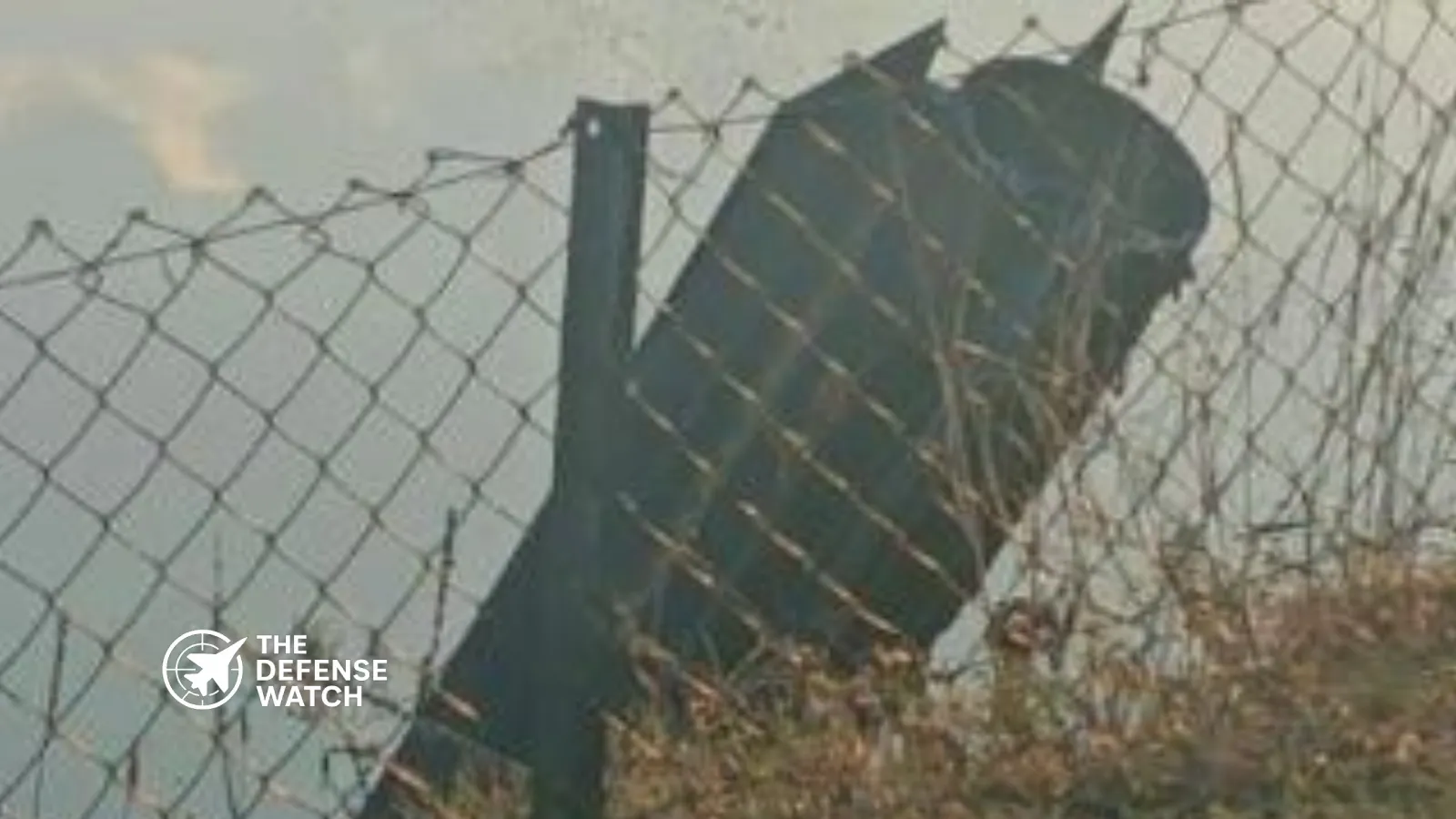
- ► Debris from the interceptor fell in Dörtyol, Hatay Province, Turkish officials said.
- ► The incident underscores NATO’s forward deployed ballistic missile defense posture in the region.
Iranian Ballistic Missile Intercepted By NATO SM-3 In Eastern Mediterranean
The Iranian ballistic missile interception in the Eastern Mediterranean marks a significant operational use of NATO missile defense assets, according to Turkey’s Ministry of National Defense.
An Iranian-launched ballistic missile crossed Iraqi and Syrian airspace before approaching Turkish territory. Turkish authorities said the threat was successfully neutralized by NATO air and missile defense forces operating in the region.
The interceptor was fired from a NATO naval vessel using the ship-based RIM-161 Standard Missile-3, commonly known as the SM-3. Debris from the interceptor reportedly fell in the Dörtyol district of Hatay Province in southern Turkey.
What Happened
Turkey’s defense ministry stated that the missile originated in Iran and traversed Iraqi and Syrian airspace en route to Turkey. NATO maritime assets positioned in the Eastern Mediterranean engaged the target before it could reach Turkish territory.
The interception was carried out using the RIM-161 Standard Missile-3, a ship-launched interceptor designed to defeat short to intermediate range ballistic missiles during their midcourse phase outside the atmosphere.
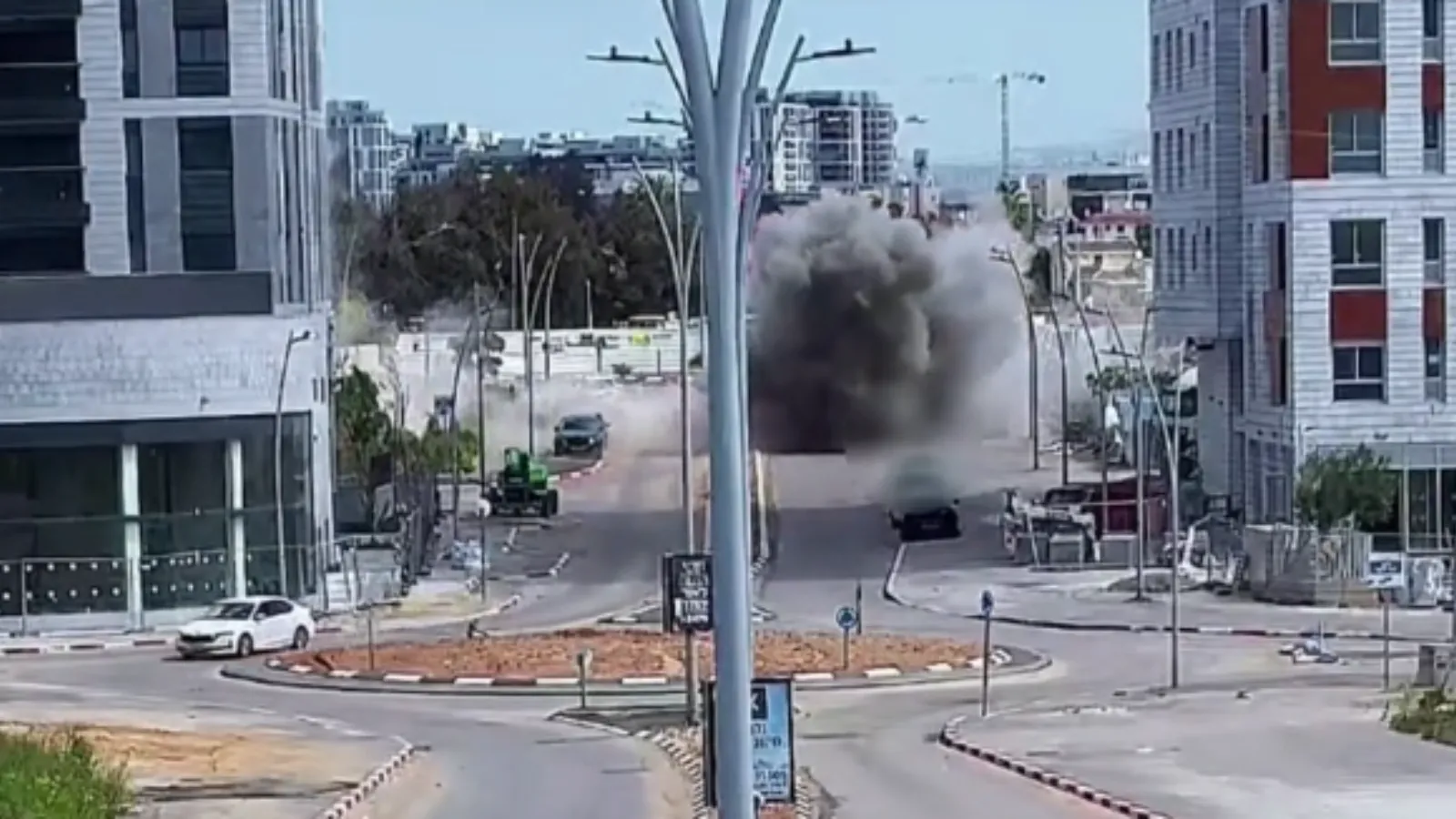
Turkish authorities confirmed that fragments from the interceptor fell in Dörtyol, Hatay Province. No casualties were immediately reported.
NATO has not publicly detailed which vessel conducted the intercept. However, several NATO navies operate Aegis-equipped destroyers and cruisers capable of launching the SM-3 under the alliance’s ballistic missile defense framework.
The Role Of The SM-3 In NATO Missile Defense
The RIM-161 Standard Missile-3 is a core element of NATO’s ballistic missile defense architecture. Developed by Raytheon and deployed on Aegis-equipped warships, the interceptor is designed to destroy ballistic missile threats in space through a hit to kill kinetic vehicle.
Unlike terminal phase systems such as Patriot, the SM-3 operates in the midcourse phase, intercepting targets outside the atmosphere. This allows engagement earlier in the missile’s flight path and reduces the risk to defended territory.
NATO’s ballistic missile defense mission, declared operational at the 2016 Warsaw Summit, integrates U.S. Aegis Ashore sites in Romania and Poland, forward deployed Aegis destroyers, and allied sensors and command networks.
An Iranian ballistic missile interception by an SM-3 warship in the Eastern Mediterranean highlights the flexibility of sea-based assets. Naval platforms can reposition rapidly and provide coverage across wide maritime approaches to Europe and the Levant.
Strategic Implications For Turkey And NATO
Turkey sits at a geographic crossroads between Europe and the Middle East. Any Iranian ballistic missile trajectory crossing Iraqi and Syrian airspace toward Turkish territory carries regional escalation risks.
The use of a NATO interceptor signals that the alliance’s collective defense framework extends to active missile threats in real time. While Turkish authorities did not specify the missile type or intended target, the engagement demonstrates that NATO assets are postured to respond quickly to emerging threats.
From an operational standpoint, this Iranian ballistic missile interception suggests high readiness levels among deployed Aegis vessels in the Eastern Mediterranean. Successful midcourse intercepts require precise tracking data, integrated command and control, and rapid decision cycles.
The fact that debris fell in Hatay Province indicates the intercept occurred at altitude, consistent with SM-3 engagement profiles. Turkish officials have not reported damage or casualties.
Regional Context
Tensions between Iran and NATO member states have fluctuated over recent years, particularly in maritime domains and airspace near the Eastern Mediterranean. Ballistic missile activity in or near contested zones often carries political signaling alongside military risk.
This event reinforces the importance of layered missile defense coverage across NATO’s southern flank. With conflicts in Syria and instability in parts of Iraq, regional airspace remains complex and crowded.
An Iranian ballistic missile interception by NATO assets may also prompt further diplomatic exchanges. However, Turkish authorities have limited public statements to operational details, avoiding broader political commentary.
Technical Considerations
The SM-3 family includes several variants with differing ranges and engagement envelopes. While the specific variant used in this intercept was not disclosed, NATO maritime forces commonly operate Block IB and Block IIA interceptors.
Midcourse interception demands accurate cueing from radar systems such as AN SPY 1 or SPY 6 arrays aboard Aegis ships. Integration with NATO command networks allows rapid dissemination of tracking data.
Such engagements are technically demanding. They require precise timing, as the interceptor must collide with the incoming warhead at high velocity in space.
The Iranian ballistic missile interception demonstrates that sea-based missile defense remains a central pillar of NATO’s deterrence and defense strategy.
- ► US President Donald Trump says US-led strikes have degraded Iran’s navy, radar and air defenses.
- â–º Trump said Iranian leaders, including the supreme leader and 49 others, were targeted.
- â–º Trump warned a third wave of attacks on Iran could be coming.
- â–º Trump said many Iranians are seeking exemptions and US relations with Spain and UK are strained.
- â–º He linked regional attacks to Iran hitting Gulf states and said oil prices may swing.
US President Says Third Wave Of Strikes On Iran Could Be Ahead
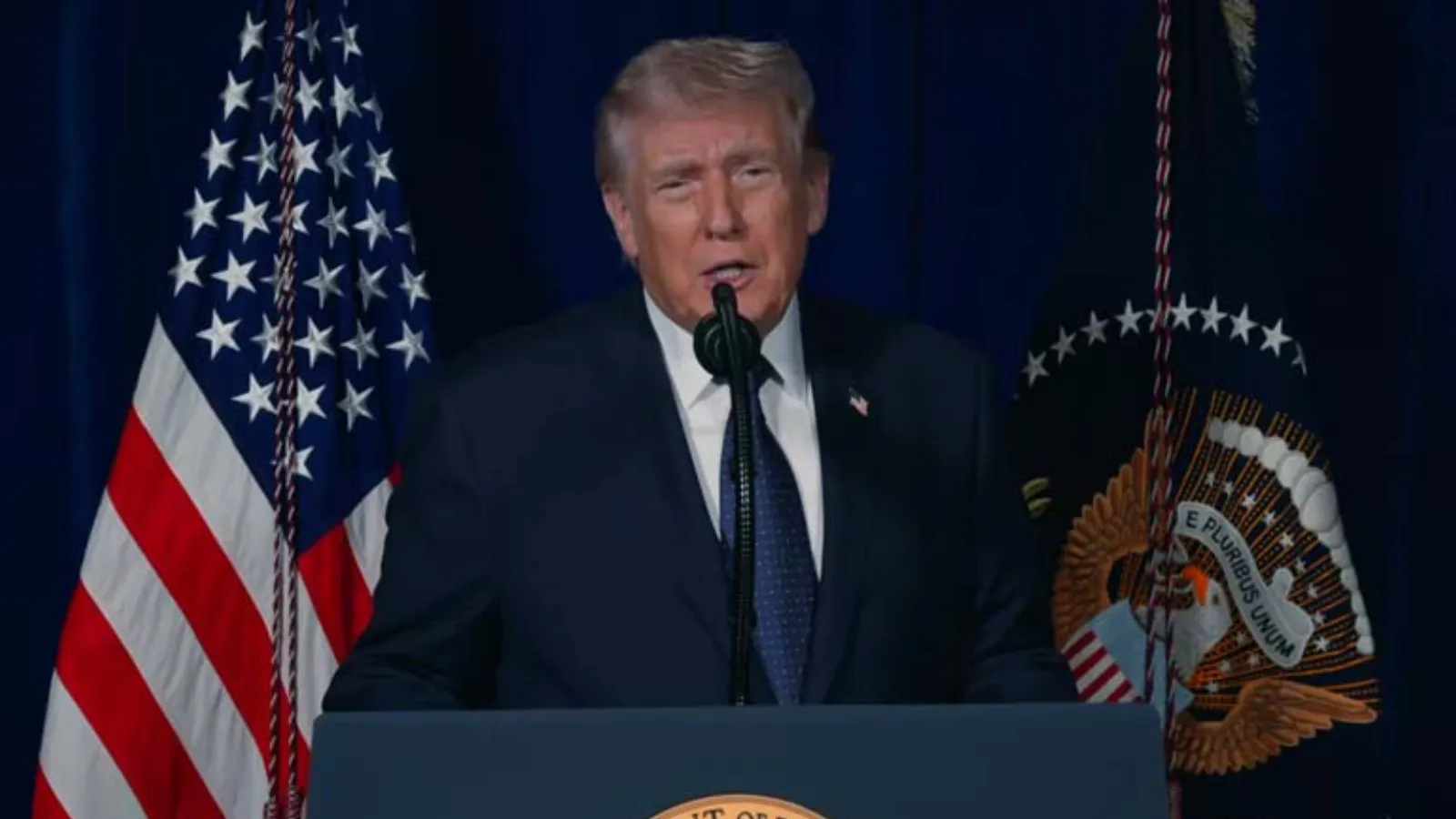
US President Donald Trump said the United States and partners have degraded Iranian military and surveillance capabilities and indicated a third wave of military action against Iran could be coming, according to comments at the White House. Trump also said a large number of Iranian figures were targeted and many Iranians were seeking exemptions from strikes after significant damage to air defense and radar systems.
Trump said Iran has attacked countries in the Gulf, including Saudi Arabia, Qatar, the United Arab Emirates, Kuwait and Oman, and that Tehran’s military posture has been weakened. He claimed US operations removed much of Iran’s navy and its monitoring infrastructure.
The president also criticized relations with Spain and the United Kingdom, saying he was not satisfied with ties to those governments. He stated that oil prices might rise temporarily as a result of the conflict.
Conflict Context In Broader Middle East
The US and Israel have been engaged in sustained military operations against Iranian targets, with regional violence spreading beyond Iran’s borders, including attacks on Gulf nations and infrastructure. Reports from nearby coverage indicate hundreds of casualties and expanded strikes across multiple fronts, illustrating a broader escalation.
Iranian forces have also been reported to target US facilities and Gulf partner states with drones and missiles, contributing to heightened tensions across strategic maritime routes and energy markets.
What Trump’s Comments Signal
Trump’s remarks reflect a US position that existing strikes have significantly degraded Iranian defensive capacity and that further military action may be intended. His comments suggest potential escalation rather than deescalation in the near term, with implications for Gulf security, global oil markets, and US alliances.
- â–º Seven governments and the United States jointly condemn Iran missile and drone attacks across multiple Middle East states.
- â–º Strikes reportedly targeted sovereign territory in Bahrain, Iraq including the Kurdistan Region, Jordan, Kuwait, Oman, Qatar, Saudi Arabia, and the UAE.
- â–º Governments cite violations of sovereignty and risks to civilians and civilian infrastructure.
- â–º Air and missile defense cooperation credited with limiting casualties and physical damage.
- â–º Signatories reaffirm right to self defense and commitment to regional security.
Iran Missile And Drone Attacks Condemned By US And Regional Allies
Iran missile and drone attacks across the Middle East drew a coordinated diplomatic response Monday, as the United States of America and six Arab states issued a joint statement condemning what they described as indiscriminate strikes against sovereign territory.
The statement was released by the State of Kuwait, the Kingdom of Saudi Arabia, the Kingdom of Bahrain, the State of Qatar, the Hashemite Kingdom of Jordan, the United Arab Emirates, and Washington.
The governments said missiles and drones launched by the Islamic Republic of Iran struck or targeted Bahrain, Iraq including the Kurdistan Region, Jordan, Kuwait, Oman, Qatar, Saudi Arabia, and the UAE. They described the attacks as unjustified and warned that such actions threaten regional stability.
The joint statement emphasized the right to self defense and praised coordinated air and missile defense efforts that officials say prevented wider casualties and infrastructure damage.
Coordinated Diplomatic And Military Messaging
The Iran missile and drone attacks mark one of the broadest multi state condemnations in recent years. By issuing a single joint statement, Washington and Gulf partners signaled alignment not only on the legal framing of sovereignty violations but also on practical defense cooperation.
Officials described the strikes as reckless and said they endangered civilians and non combatant states. While casualty figures were not detailed in the statement, the emphasis on civilian infrastructure suggests attempted or actual impacts on energy, transport, or population centers.

The coordinated response reflects a pattern that has emerged since earlier regional missile crises. Gulf Cooperation Council members have steadily expanded integrated air defense discussions with the United States. According to past reporting by the US Department of Defense and Congressional Research Service, Gulf states operate layered systems that include Patriot and other surface to air interceptors, alongside early warning radars and US provided command and control support.
The reference to effective cooperation in air and missile defense indicates that intercept operations likely occurred across multiple jurisdictions. In previous incidents, US Central Command has confirmed cross border tracking and data sharing among partner nations.
Strategic Implications For Regional Missile Defense
From a military standpoint, the Iran missile and drone attacks underscore the continued relevance of integrated air and missile defense across the Gulf.
Iran maintains a large inventory of ballistic missiles, cruise missiles, and armed unmanned aerial systems, as documented in assessments by the US Defense Intelligence Agency. The use of mixed salvos, combining drones and missiles, is designed to complicate detection and interception.
The joint statement suggests that defensive systems performed as intended in limiting casualties. That outcome reinforces arguments in Washington and Gulf capitals for deeper interoperability, shared radar coverage, and potentially expanded procurement of advanced interceptors.
For regional planners, the key issue is sustainability. Interceptor stocks are finite and expensive. A prolonged exchange would test logistics chains and readiness levels. This reality may accelerate ongoing discussions about burden sharing and regional production partnerships.
Legal Framing And Sovereignty Concerns
The language in the joint statement focuses heavily on sovereignty. By characterizing the strikes as violations of sovereign territory, the signatories frame the Iran missile and drone attacks as breaches of international law, not just bilateral disputes.
This framing has implications for future diplomatic engagement at the United Nations and other multilateral forums. It also reinforces the legal basis for collective self defense under Article 51 of the UN Charter.
Notably, the statement avoids detailing specific counter measures. That restraint keeps escalation options open while maintaining a unified political front.
What Comes Next
The immediate question is whether the Iran missile and drone attacks represent a one time escalation or the start of a sustained campaign.
If attacks continue, expect further integration of air defense networks and potentially visible US force posture adjustments in the Gulf. Past crises have seen rapid deployment of additional fighter aircraft, air defense units, and naval assets to reassure partners and deter follow on strikes.
At the same time, diplomatic channels remain active. Regional governments have historically balanced deterrence with back channel engagement to prevent wider war.
For now, the joint statement signals unity. It also sends a clear message that future attacks will meet coordinated political and military responses.
- â–º Saudi Arabia condemned what it described as blatant Iranian aggression against multiple regional states.
- â–º The Kingdom cited violations of sovereignty involving the UAE, Bahrain, Qatar, Kuwait, and Jordan.
- â–º Riyadh pledged full solidarity and readiness to support any defensive measures taken by affected states.
- â–º The statement warned of grave consequences if violations of international law continue.
- â–º The development underscores rising security tensions across the Gulf and wider Middle East.
Saudi Arabia Condemns Iranian Aggression Amid Rising Gulf Tensions
Saudi Arabia condemns Iranian aggression in a strongly worded statement that signals growing concern across the Gulf. The Kingdom accused Iran of violating the sovereignty of several regional states and pledged full support to its partners.
In an official statement carried by the state run Saudi Press Agency, Riyadh denounced what it described as blatant aggression and a flagrant breach of international law. The Kingdom named the United Arab Emirates, Bahrain, Qatar, Kuwait, and Jordan as affected countries.
The statement warned of serious consequences if such actions continue and reaffirmed Saudi Arabia readiness to place all its capabilities at the disposal of allied governments.
Unified Gulf Messaging
The public declaration reflects a coordinated regional response. The countries mentioned are key members of the Gulf security architecture and maintain close defense ties with the United States and other Western partners.
Saudi Arabia condemns Iranian aggression at a time when regional air and missile defense networks are under sustained pressure. Gulf states operate layered defense systems that include US supplied Patriot and THAAD interceptors, alongside early warning radars and integrated command networks.
While Riyadh did not detail the specific incidents referenced, the language suggests concerns over cross border strikes, airspace violations, or indirect proxy activity. Iranian officials have not immediately responded to the statement.
Strategic Significance For Regional Security
Saudi Arabia condemns Iranian aggression in terms that go beyond routine diplomatic protest. The explicit reference to placing all capabilities at the disposal of allied states indicates potential military, intelligence, and logistical support.
The Gulf Cooperation Council has long emphasized collective security. In recent years, members have expanded joint exercises, missile defense integration, and intelligence sharing. Jordan, though not a GCC member, remains a close security partner to Gulf states and Washington.
The warning about grave consequences also reinforces deterrence messaging. Regional capitals have sought to signal that violations of sovereignty will not be treated as isolated incidents but as threats to broader stability.
Implications For US And Allied Forces
The United States maintains significant military assets across the Gulf, including naval forces in Bahrain and air assets in Qatar and the UAE. Any escalation tied to Iranian activity would directly intersect with US force posture and regional contingency planning.
Saudi Arabia condemns Iranian aggression as Washington continues to stress freedom of navigation and regional de escalation. Defense analysts note that Gulf air defense integration has improved in recent years, but vulnerabilities remain against drones and low altitude cruise missiles.
The Kingdom statement aligns with broader Western messaging emphasizing adherence to international law and state sovereignty.
Broader Geopolitical Context
Tensions between Iran and Gulf states have fluctuated over the past decade, shaped by proxy conflicts, maritime incidents, and missile and drone attacks. While diplomatic channels have reopened in some cases, mistrust remains high.
Saudi Arabia condemns Iranian aggression in a way that reinforces bloc cohesion. The inclusion of Qatar, which has at times maintained a more balanced diplomatic posture with Tehran, signals a shared red line on sovereignty violations.
From a strategic standpoint, the statement serves three purposes. It reassures allies, deters further action, and frames the issue within international legal norms. That positioning is critical for shaping global perception and maintaining support among Western security partners.
What To Watch Next
Defense observers will monitor whether Gulf states adjust force posture, increase air defense readiness, or conduct joint exercises in response. Any coordinated military signaling would suggest the statement is part of a broader security response rather than a standalone diplomatic move.
For now, Saudi Arabia condemns Iranian aggression in firm but measured terms. The next steps taken by regional capitals, and by Tehran, will determine whether tensions stabilize or move toward further escalation.
- â–º France, Germany and the UK urged Iran to resume negotiations amid rising regional tensions.
- â–º Appeal follows active military exchanges involving Iran, the United States and Israel.
- â–º Iranian ballistic missiles and drones triggered air defense responses across Gulf states.
- â–º European powers warned that continued escalation risks wider regional instability.
- â–º Diplomatic efforts aim to prevent broader conflict across the Middle East.
Iran Negotiations Amid Escalating Regional War
France Germany and the United Kingdom urged Iran on February 28 to return to diplomatic talks and seek a negotiated solution to the spiraling conflict with the United States and Israel. The appeal came as military actions between Tehran and Western allied forces intensified across the Middle East.
Western officials framed their call for negotiations as critical to preventing wider instability. The intervention of France Germany and the UK underscores concerns over the rapid escalation of hostilities that began with joint strikes by Israeli and US forces on Iranian territory.
Shortly after those strikes, Iran responded with a broad set of ballistic missile and drone attacks on military bases and allied infrastructure in the region. Iranian statements asserted the right to self-defense under international law.
Iranian missile launches caused air defense alerts and interceptions in multiple Gulf states, including the United Arab Emirates, Bahrain, Qatar and Kuwait. United Arab Emirates authorities reported one fatality in Abu Dhabi linked to debris from intercepted missiles.
Diplomatic Pressure From Europe
The public call from France Germany and the UK highlighted efforts by Western European powers to revive some form of dialogue. Diplomats emphasized that military escalation threatens regional security, global energy markets and broader international stability.
Officials from the three countries emphasised that a negotiated outcome would reduce the risk of miscalculation and wider confrontation. Their joint statement appeared against the backdrop of stalled talks earlier in the year aimed at limiting Iran’s nuclear program and curbing regional military tensions.
European foreign ministries positioned diplomacy as the only viable path forward, even as battlefield conditions deteriorated across the Middle East.
Military Escalation Dynamics
The recent military exchanges represent a significant escalation in tensions that have been building for years over Iran’s nuclear ambitions, ballistic missile programs, and support for regional militia groups opposing Israel and US allies.
U.S. and Israeli air assets conducted coordinated strikes on Iranian military and nuclear infrastructure early on February 28. Iranian armed forces followed with widespread missile and drone barrages aimed at U.S. bases and allied facilities in the Gulf region.
Ballistic missiles launched by Iran posed significant risks to U.S. bases in Bahrain Qatar Kuwait and other host nations, prompting defensive operations across multiple countries.
Regional and Strategic Implications
The clash has prompted diplomatic reactions beyond Europe. Russia condemned the U.S. and Israeli strikes as unprovoked acts of aggression and offered support to Tehran.
Gulf Cooperation Council members activated air defenses and condemned attacks that violated national sovereignty. The conflict has triggered disruptions in civil aviation and heightened alert statuses in capitals throughout the region.
Outlook
The push by France Germany and the UK for resumed negotiations reflects growing concern that continued military escalation could draw in external powers and destabilize key strategic corridors. Whether diplomatic channels can offset the ongoing kinetic clashes between Iran and U.S. Israel forces remains a central question for policymakers in Washington London and European capitals.
- ► Iran and Russia reportedly signed a secret €500 million missile deal in December 2025, according to the Financial Times.
- â–º The pact covers delivery of 500 Verba man portable air defense launch units and 2,500 9M336 missiles through 2027 to 2029.
- â–º The Verba systems are infrared guided MANPADS designed to target low altitude threats including drones and cruise missiles.
- ► The deal follows damage to Iran’s air defense network during the 2025 conflict with Israel.
- â–º The agreement reflects deepening military cooperation between Tehran and Moscow.
Iran Secret Missile Deal With Russia: Strategic Air Defense Pact
Iran has reportedly signed a confidential €500 million ($589 million) missile agreement with Russia, aimed at rebuilding its air defense capability after the 2025 conflict with Israel, according to reporting by the Financial Times.
Under the alleged pact, Russian defense exporters are to supply Tehran with 500 Verba man portable air defense systems and 2,500 associated 9M336 infrared-guided missiles over a three-year period from 2027 through 2029. Deliveries may begin earlier as part of phased implementation.
Rebuilding Air Defense After Conflict
The Verba missile system is a modern shoulder-fired air defense weapon capable of engaging low-altitude aircraft, cruise missiles, and unmanned aerial vehicles. Its mobility allows ground forces to establish flexible air defense layers without reliance on fixed radar installations.
Iran’s air defense network suffered significant damage during a 12-day conflict with Israel in 2025, leaving gaps in its ability to counter aerial threats. Tehran’s reported push to acquire advanced shoulder-fired systems reflects a broader effort to restore layered defenses and deter future strikes.
Officials in Moscow and Tehran have not publicly confirmed the details of the agreement. Multiple outlets quoting leaked documents and industry sources describe the contract as confidential. Reuters noted the pact was negotiated between Russia’s state arms exporter Rosoboronexport and representatives of Iran’s Ministry of Defence and Armed Forces Logistics.
Strategic Implications
The secret nature of the deal highlights sensitivities around arms transfers in a region marked by heightened tensions between the United States and Iran. The acquisition of thousands of advanced missiles capable of engaging low-altitude threats could complicate future operations by rival air forces and reshape aspects of regional air defense strategies.
While analysts caution that mobile man portable systems do not replace comprehensive integrated air defenses, they deepen Iran’s capacity to defend key assets without dependence on static systems, which were targeted in past conflicts. The deal also points to growing military ties between Tehran and Moscow, even as Western sanctions and diplomatic pressure remain in place.
What Comes Next
Deliveries under the pact are expected through the late 2020s, with phased shipments of equipment. Observers will monitor how the integration of these systems affects Iran’s broader air defense posture, particularly amid ongoing nuclear negotiations and shifting US military deployments in the Middle East.
- â–º U.S. President Donald Trump is considering a limited military strike on Iran to enforce nuclear deal compliance.
- â–º Proposed targets include Iranian military and government facilities, with risk of escalation if Tehran refuses compliance.
- â–º Trump emphasizes diplomacy as primary, but keeps military action as a potential option.
- â–º British officials declined U.S. access to RAF Fairford and Diego Garcia bases due to legal concerns.
- â–º Analysts warn even limited strikes could affect Middle East stability, energy markets, and global security.
- â–º Focused strikes are meant as leverage, not full-scale war, while diplomacy remains central.
Trump Considers Limited Military Action to Enforce Iran Nuclear Deal
U.S. President Donald Trump is reportedly considering a limited military strike on Iran to compel compliance with the nuclear deal, according to the Wall Street Journal. The proposed action would target Iranian military or government facilities and could escalate if Iran refuses the agreement.
While Trump has emphasized diplomacy as his preferred route, he has warned that military force remains an option if necessary. Recent remarks at the first session of the Gaza Board of Peace reinforced this stance, with Trump stating that the United States will not allow Iran to acquire nuclear weapons under any circumstances.
British officials have declined to provide U.S. forces access to their military bases for operations against Iran, citing potential violations of international law. This refusal could complicate any rapid military action and reflects broader international caution regarding escalation.
Trump’s administration faces a critical window, with the next ten days seen as pivotal in determining Iran’s response. If Tehran rejects the nuclear agreement, the U.S. may increase military pressure, potentially broadening conflict in the region.
Analysts note that any U.S. military strike, even limited, could significantly impact Middle East stability, energy markets, and global security dynamics. The administration emphasizes that the goal is enforcement, not full-scale war, but uncertainty remains over Iran’s next moves.
The focus on targeted strikes aligns with a strategic approach to pressure Iran while limiting wider regional escalation. Officials stress that diplomacy remains central, with military readiness serving as leverage rather than immediate action.
Israel’s Netanyahu Says Trump May Be Creating Conditions For New Iran Nuclear Deal
Israel’s Netanyahu said former U.S. President Donald Trump may be creating the conditions for a renewed Iran nuclear deal, signaling a potential diplomatic shift in one of the Middle East’s most sensitive security issues.
According to a Feb. 12 report by Reuters, Israeli Prime Minister Benjamin Netanyahu suggested that Trump’s political positioning and regional pressure campaign could pave the way for new negotiations with Tehran, even as Israel maintains a firm stance against Iran’s nuclear ambitions.
The remarks come amid heightened regional tensions and ongoing scrutiny of Iran’s uranium enrichment activities.
Netanyahu’s Assessment Of U.S. Strategy
Speaking publicly, Netanyahu indicated that Trump’s approach toward Iran could reshape the diplomatic environment. While not endorsing any specific agreement, he acknowledged that the former U.S. president may be influencing conditions that could lead to renewed talks.
Trump withdrew the United States from the 2015 Joint Comprehensive Plan of Action, commonly known as the Iran nuclear deal, during his presidency. The agreement had been brokered between Iran and world powers, including the United States, United Kingdom, France, Germany, Russia, and China, to limit Tehran’s nuclear program in exchange for sanctions relief.
Since the U.S. withdrawal, tensions have escalated across the region, with Iran expanding aspects of its nuclear program beyond JCPOA limits, according to assessments from the International Atomic Energy Agency.
Netanyahu has consistently opposed the original agreement, arguing that it failed to permanently block Iran’s path to nuclear weapons capability and did not sufficiently address ballistic missile development or regional proxy activity.
Broader Regional Context
The Israel Iran nuclear deal debate unfolds against a backdrop of ongoing conflict and instability across the Middle East. Israel has repeatedly warned that it will not allow Iran to obtain a nuclear weapon and has signaled readiness to act independently if necessary.
Iran maintains that its nuclear program is for peaceful purposes. However, Western governments and Israel remain concerned about enrichment levels and stockpiles that could reduce Iran’s breakout time to a potential weapon.
Recent reports from the International Atomic Energy Agency have highlighted continued Iranian enrichment at higher levels, though negotiations between Tehran and Western governments have stalled in recent years.
Netanyahu’s latest comments suggest that political developments in Washington could influence whether diplomatic channels reopen.
U.S. Political Dynamics And Iran Policy
Any future Iran nuclear deal would depend heavily on U.S. political dynamics. Trump’s prior withdrawal from the agreement reshaped American Iran policy and reimposed broad sanctions under a maximum pressure strategy.
Should Trump or another U.S. administration pursue negotiations, the framework would likely differ from the original JCPOA, given the current security environment and Iran’s expanded nuclear capabilities.
Washington has not formally announced any new negotiation framework as of this reporting. The White House has previously stated that Iran must return to compliance with nuclear restrictions before sanctions relief could be considered.
Implications For Defense And Security
For Israel and its regional partners, the trajectory of the Israel Iran nuclear deal discussion carries significant military and strategic implications.
Israel has invested heavily in missile defense systems, including layered air defense capabilities designed to counter ballistic and cruise missile threats. Iranian missile development remains a core concern for Israeli planners.
Any renewed agreement could affect regional force posture, intelligence coordination, and potential contingency planning among U.S. and Israeli defense officials.
Analysts note that a diplomatic breakthrough could reduce immediate escalation risks. However, failure to reach an agreement may further heighten the possibility of covert or overt military action.
International Reactions
European governments, which were original signatories to the 2015 agreement, have repeatedly called for de-escalation and a return to diplomacy. The United Nations has also urged restraint and compliance with nonproliferation obligations.
Russia and China continue to support negotiations within a multilateral framework, though geopolitical tensions between major powers have complicated coordination.
At present, no formal timeline for new talks has been announced.
U.S. Deploys F-15E Strike Eagles To Undisclosed Middle East Base
U.S. Central Command says F-15E Strike Eagles have deployed to an undisclosed base in the Middle East to strengthen strike options against ISIS and support deterrence posture toward Iran, according to official statements and imagery released by U.S. military channels.
Short-range threats from militia drones, a persistent Islamic State insurgent footprint and rising pressure from Iranian proxy groups have shaped CENTCOM’s recent posture adjustments, officials said.
Deployment Details And Unit Involved
The aircraft involved are tied to the 494th Expeditionary Fighter Squadron, a Strike Eagle unit forward-deployed from RAF Lakenheath in the United Kingdom. Open-source flight tracking suggests a standard 12-aircraft detachment, supported by KC-135 aerial refueling assets to reach the CENTCOM area of responsibility without advanced notice.
CENTCOM framed the deployment as part of a readiness and stability measure, emphasizing that exact base locations and mission specifics remain restricted for operational security.
Why F-15E Strike Eagles
The F-15E Strike Eagle remains a mainstay for long-range multirole missions. Powered by twin Pratt & Whitney afterburning engines, the aircraft couples high speed and altitude capability with long range, especially when paired with aerial refueling. Its payload capacity and advanced sensors support both precision strike and air defense missions.
Strike Eagles carry a mix of air-to-air and air-to-ground munitions, including AIM-120 AMRAAM and AIM-9 Sidewinder missiles for air defense, guided bombs such as JDAM variants for precision strike, and targeting pods that support accurate delivery in complex environments.
-
The aircraft’s advanced electronic warfare suite (EPAWSS) helps detect and counter layered threats, a key factor in contested airspace where adversaries use surface-to-air systems and unmanned aerial systems.
Operational Context
This deployment aligns with a broader U.S. effort to reinforce airpower in the Middle East. The region has seen a mix of ISIS activity, militia threats and tensions tied to Iranian regional posture. U.S. air operations, including long-range precision strikes in Syria and Iraq against ISIS targets, remain ongoing.
In recent months, U.S. military activity has included aerial readiness exercises and deployments of other air assets, aiming to demonstrate rapid response capability and forward presence amid evolving security challenges.
Regional Deterrence And Strike Capability
Forward-deployed F-15Es enhance the U.S. ability to generate sorties quickly across sectors of the Middle East. Their presence signals that the Air Force can sustain both counterterrorism and high-end deterrence missions, bridging the gap between rotational forces and a larger permanent footprint.
-
These fighters offer commanders options from air defense to precision deep strike, complementing ISR and tanker support already operating in the region. Their range and payload help compress adversary decision cycles and support partner forces when stability threats rise.
Broader U.S. Airpower Posture
The deployment reflects the Pentagon’s continued emphasis on maintaining forward airpower in volatile environments. While exact operational details remain restricted by CENTCOM, the integration of F-15Es into Middle East operations underscores the role of tactical air assets in layered deterrence and counterterrorism efforts.
-
-
Saudi Arabia red line messaging toward Iran is coming into sharper focus as regional tensions rise around US military bases in the Gulf. Riyadh is signaling that it would not retaliate if Iran limits any strikes to US facilities located on Saudi territory, while Saudi forces themselves remain neutral. The position reflects quiet regional diplomacy aimed at preventing a wider conflict while protecting core Saudi security interests, according to reporting and official statements from Gulf and Western officials.
Saudi Arabia hosts US forces under long standing defense agreements, including air defense, aviation, and command elements critical to regional security. At the same time, Riyadh has worked to reduce direct confrontation with Iran since the China brokered normalization deal announced in 2023, a shift that continues to shape Saudi crisis planning.
Conditional neutrality, a narrow line
Saudi officials and regional diplomats indicate that Riyadh expects Iran would seek to avoid direct conflict with Gulf states by limiting any military action to US assets. Under this logic, Saudi Arabia would tolerate limited, non escalatory strikes on US bases, provided Saudi forces, civilians, and infrastructure are not targeted.
This approach amounts to conditional neutrality. Gulf states want to avoid becoming active participants in a US Iran conflict, but they also want to deter Iran from using their territory as a pressure point without consequence.
According to multiple regional security sources cited by Reuters and the Wall Street Journal, Saudi Arabia and other Gulf partners have privately warned Tehran that large scale or sustained attacks on their territory would cross a red line and trigger a response.
US bases in Saudi Arabia, strategic but sensitive
US military facilities in Saudi Arabia support air operations, intelligence sharing, and missile defense across the Middle East. Key sites are tied into integrated air and missile defense networks designed to counter ballistic missiles, cruise missiles, and one way attack drones.
While Riyadh allows US forces to operate defensively from its soil, Saudi leaders have consistently emphasized they do not want their territory used to launch offensive strikes against Iran. This distinction has been central to Saudi policy since the 2019 attacks on Abqaiq and Khurais, which exposed vulnerabilities in Gulf energy infrastructure.
US officials have acknowledged these sensitivities, noting that access and basing arrangements vary by mission type and threat level. The Pentagon has not commented publicly on contingency plans involving Iranian strikes on US bases in Saudi Arabia.
Gulf warnings to Tehran
There are growing indications that Gulf capitals have delivered coordinated private messages to Iran. The message is consistent: limited action against US military targets may be tolerated to avoid escalation, but attacks that cause significant damage, civilian casualties, or spill into national infrastructure would force Gulf states to act.
This stance is shared, to varying degrees, by the United Arab Emirates, Qatar, and Kuwait, all of which host US forces. Each country balances its security ties with Washington against economic exposure and domestic stability concerns.
Iranian officials have not confirmed receiving such warnings, but Tehran has repeatedly stated it does not seek war with Gulf neighbors. Iranian defense doctrine continues to emphasize deterrence and proportional response, especially when US forces are involved.
Implications for regional security
Saudi Arabia red line messaging highlights the fragile balance shaping Gulf security. Riyadh is attempting to deter Iran without provoking escalation, protect its strategic relationship with the United States, and preserve recent diplomatic gains with Tehran.
For Washington, the situation underscores the limits of regional basing in a high end conflict scenario. US forces may face attacks even if host nations seek neutrality, complicating defense planning and response options.
Defense analysts note that this dynamic places greater emphasis on active and passive base defense, including Patriot and THAAD systems, hardened infrastructure, dispersal, and early warning integration across the region.
Strategic context
Saudi Arabia has spent the past several years recalibrating its regional posture. The focus has shifted toward economic development, internal security, and de escalation, while maintaining credible deterrence. This pragmatic approach explains Riyadh’s effort to define clear limits without public confrontation.
The red line is not a blank check. Saudi officials are signaling restraint, not acceptance of unchecked attacks. Any Iranian action that threatens Saudi sovereignty or stability would likely collapse this delicate balance.