

Executive Summary:
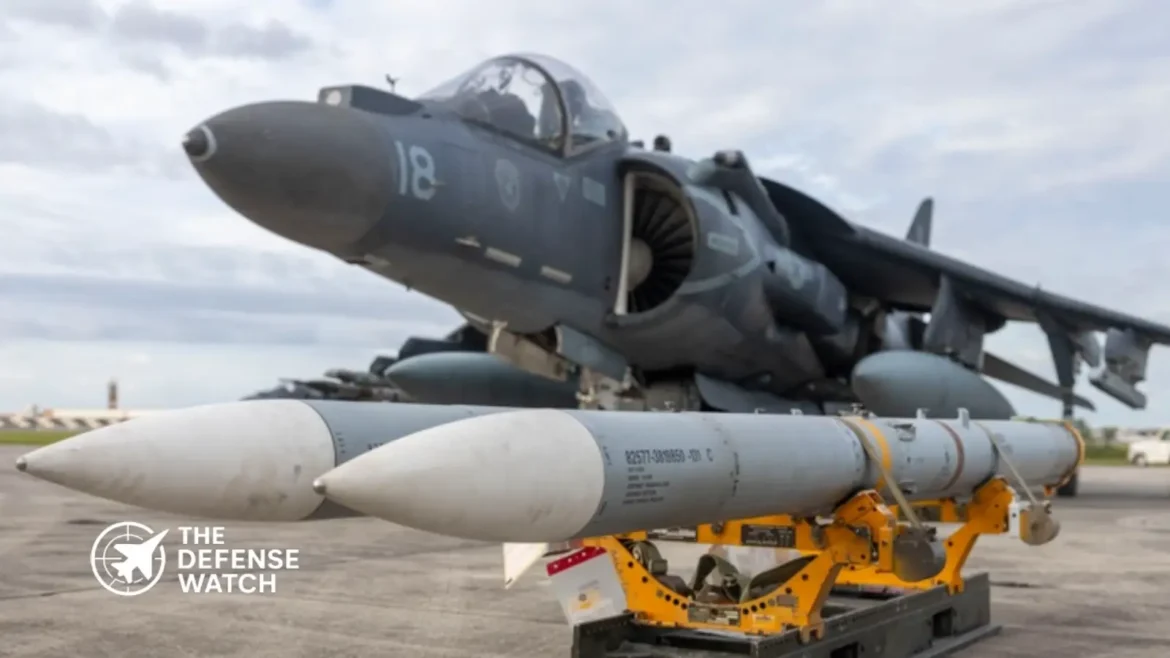
Belgium has emerged as a leading candidate for the co-production of the AIM-120 AMRAAM missile in Europe, reflecting NATO’s push to strengthen regional defense manufacturing. The move aims to reduce reliance on U.S.-based production and improve supply chain resilience amid rising demand. This development underscores growing transatlantic cooperation in advanced air-to-air missile systems.
Belgium Emerges in AMRAAM Co-Production Talks
Belgium is increasingly viewed as a strong contender to host European co-production of the AIM-120 Advanced Medium-Range Air-to-Air Missile (AMRAAM), a cornerstone of NATO’s air combat capability. The initiative comes as alliance members seek to expand production capacity in response to sustained demand driven by geopolitical tensions and ongoing military modernization programs.
The proposed arrangement would involve collaboration with U.S. defense firms, most notably RTX (Raytheon Technologies), the primary manufacturer of the AMRAAM system. Belgium’s advanced industrial base and central geographic position within Europe are seen as key advantages.
Strategic Drivers Behind European Production Expansion
The push for localized missile production reflects several operational and strategic priorities:
- Supply chain resilience amid high operational consumption rates
- Reduced dependency on transatlantic logistics during crisis scenarios
- Faster replenishment cycles for NATO air forces
- Strengthened European defense industrial autonomy
The war in Ukraine and increased NATO readiness levels have accelerated the urgency to expand missile stockpiles, particularly beyond U.S. production lines.
Technical Overview of AIM-120 AMRAAM
The AIM-120 AMRAAM remains one of the most widely deployed beyond-visual-range (BVR) air-to-air missiles globally. Its latest variants incorporate advanced guidance and electronic counter-countermeasure capabilities.
Key Capabilities
- Active radar homing guidance for autonomous terminal engagement
- Fire-and-forget capability, reducing pilot workload
- Compatibility with a wide range of NATO aircraft, including F-16, F-35, and Eurofighter
- Continuous upgrades under the AMRAAM Extended Range (ER) and AIM-120D programs
Comparison: AMRAAM vs Legacy AIM-7 Sparrow
Feature AIM-120 AMRAAM AIM-7 Sparrow Range ~160 km (AIM-120D) ~70 km Payload High-explosive fragmentation High-explosive Status Active service Largely retired Key Technology Active radar homing Semi-active radar Industrial and Economic Implications
Belgium’s potential selection would bring significant economic and technological benefits:
- Integration into high-value NATO defense supply chains
- Job creation in advanced manufacturing and electronics sectors
- Increased defense exports and industrial partnerships
Belgian firms already participate in multinational defense programs, strengthening their candidacy for such a role.
Strategic Context: NATO Readiness and Deterrence
The expansion of AMRAAM production capacity in Europe aligns with NATO’s broader deterrence strategy. With increased air policing missions along the alliance’s eastern flank, maintaining sufficient stocks of advanced air-to-air munitions has become a priority.
The initiative also reflects a shift toward distributed production models, ensuring that critical defense capabilities remain operational even in contested logistics environments.
Outlook
If finalized, Belgium’s role in AMRAAM co-production would mark a significant step in NATO’s effort to balance industrial capacity between North America and Europe. It would also reinforce long-term interoperability and readiness across allied air forces, particularly as demand for precision-guided munitions continues to rise.

L3Harris Missile Unit IPO Filing Signals Strategic Shift In Defense Markets
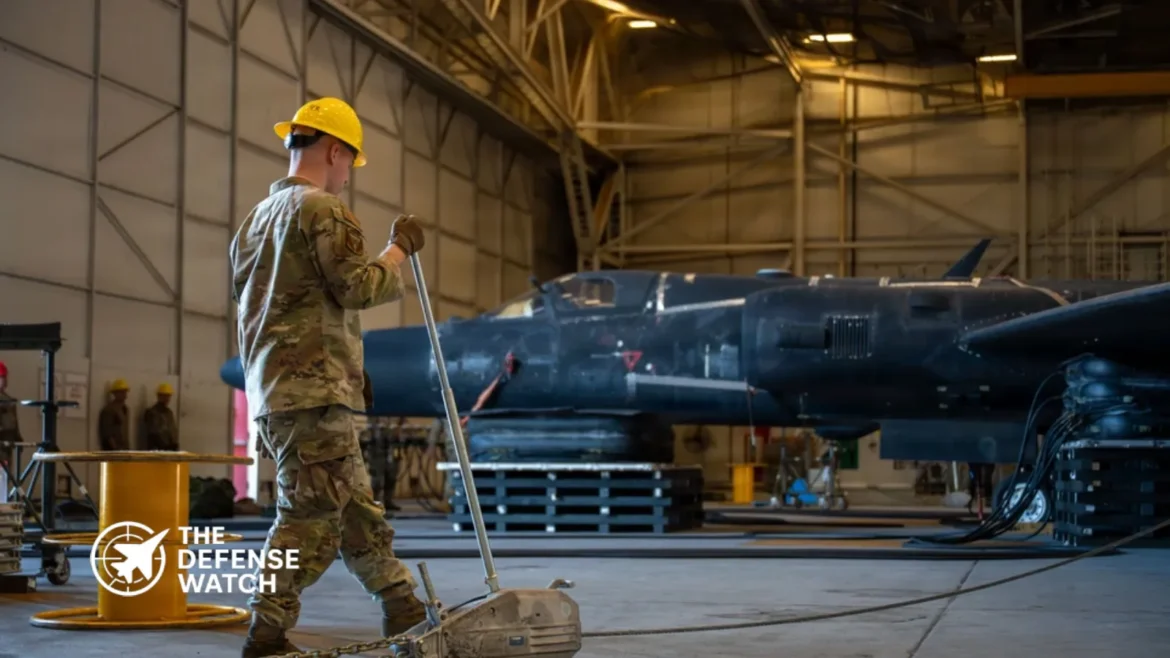
The L3Harris missile unit IPO marks a notable shift in how major U.S. defense contractors are positioning themselves in a rapidly evolving global security environment. According to Reuters, L3Harris Technologies has confidentially filed to take its missile and munitions division public, a move that reflects both internal restructuring goals and broader market dynamics.
- L3Harris has confidentially filed for an IPO of its missile and munitions unit, according to Reuters.
- The move follows increasing global demand for missile systems amid rising geopolitical tensions.
- The IPO could value the unit at several billion dollars, though final figures are not yet disclosed.
- The spin-off aligns with broader defense industry restructuring and capital optimization strategies.
- The filing comes as defense stocks attract renewed investor interest tied to global rearmament trends.
The confidential filing allows the company to test investor interest without immediately disclosing full financial details. While valuation estimates remain undisclosed, analysts expect the unit to attract strong demand given the surge in global defense spending and the growing importance of precision strike capabilities.
Rising Demand For Missile Systems Drives IPO Timing
The timing of the L3Harris missile unit IPO is closely tied to rising geopolitical tensions and increased defense budgets across NATO and allied nations. Since 2022, demand for missile systems, including tactical rockets, air defense interceptors, and precision-guided munitions, has surged due to ongoing conflicts and deterrence requirements.
Missile systems have become central to modern warfare. From Ukraine to the Indo-Pacific, militaries are prioritizing long-range strike and layered air defense capabilities. This shift has elevated the strategic value of companies specializing in munitions production.
Industry analysts note that separating the missile business could allow L3Harris to unlock shareholder value while giving the new entity more flexibility to scale production, pursue contracts, and invest in next-generation technologies.
Defense Sector IPO Activity Reemerges
The L3Harris missile unit IPO also signals a broader reopening of the defense IPO market, which had slowed in recent years due to economic uncertainty and market volatility.
Investor sentiment toward defense firms has improved significantly. The combination of stable government contracts, long-term procurement cycles, and heightened security concerns has made the sector increasingly attractive.
Reuters reports that confidential filings have become a preferred route for companies seeking to gauge market conditions before committing to a public listing. This approach reduces exposure to market swings and allows firms to refine their offering strategies.
Strategic Rationale Behind The Spin-Off
From a strategic standpoint, the L3Harris missile unit IPO aligns with a wider trend among defense primes to streamline operations and focus on core competencies.
By spinning off its missile and munitions division, L3Harris can sharpen its focus on high-growth areas such as space systems, electronic warfare, and advanced communications. At the same time, the new standalone entity could benefit from a clearer identity as a pure-play missile manufacturer.
This structure may also improve access to capital. Independent defense firms often find it easier to attract investment tailored to their specific market segment, especially in high-demand areas like missile production.
Operational And Industrial Implications
The move could have broader implications for the U.S. defense industrial base. Increased capital inflow into missile production may help address longstanding concerns about limited manufacturing capacity.
The war in Ukraine exposed supply chain constraints in Western munitions production. Governments have since pushed for expanded output, with contractors under pressure to scale quickly.
A publicly listed missile unit could accelerate investments in production infrastructure, workforce expansion, and supply chain resilience. This would support long-term readiness and reduce bottlenecks in critical defense supply lines.
Competitive Landscape And Market Positioning
If the IPO proceeds, the new entity will enter a competitive market dominated by major players such as RTX (formerly Raytheon Technologies) and Lockheed Martin. However, niche specialization and agility could provide a competitive edge.
The L3Harris missile unit IPO could position the business as a mid-tier competitor focused on specific segments, potentially allowing faster innovation cycles and more targeted contract execution.
In addition, governments are increasingly diversifying their supplier base to reduce reliance on a small number of prime contractors. This trend could benefit newly independent firms capable of delivering at scale.
Outlook: A Signal Of Long-Term Defense Growth
The L3Harris missile unit IPO underscores a key reality shaping the global defense landscape: sustained demand for advanced munitions is likely to persist.
Geopolitical tensions show no signs of easing, and military planners are prioritizing stockpile replenishment alongside modernization. This creates a stable demand environment for missile manufacturers.
While market conditions will ultimately determine the timing and scale of the IPO, the filing itself sends a clear signal. Defense companies are adapting their structures to capitalize on long-term growth trends, and investors are increasingly willing to back those strategies.

Germany Russian Espionage Case Raises Security Pressure In Europe
Germany Russian espionage case developments intensified on April 29 after federal prosecutors announced the arrest of a Kazakh national in Berlin suspected of working for Russian intelligence. Authorities identified the suspect only as Sergei K., in line with German privacy rules. Prosecutors said he was detained under an arrest warrant following a months-long investigation.
- Germany arrested a Kazakh national in Berlin on suspicion of spying for Russian intelligence.
- Prosecutors say the suspect allegedly passed information on German defense companies, military aid to Ukraine, and NATO convoy movements.
- Authorities also allege he identified potential sabotage targets inside Germany.
- The case comes amid rising European concern over Russian covert activity since the Ukraine war.
- Berlin has increased counterintelligence efforts to protect critical infrastructure and defense networks.
According to prosecutors, the suspect allegedly maintained continuous contact with a Russian intelligence service since at least May 2025. During that period, investigators say he transmitted sensitive information related to Germany’s military support for Ukraine and elements of the country’s defense industrial base.
Officials added that the suspect allegedly collected details on companies involved in drone and robotics development, sectors that have become increasingly important as European militaries accelerate modernization programs and expand unmanned capabilities.
Why German Defense Firms Matter
Germany is one of Europe’s largest defense manufacturing hubs. It supports domestic rearmament plans while also supplying equipment, ammunition, and technology to Ukraine. That makes German industry a high-value intelligence target.
If prosecutors’ claims are proven, interest in drone and robotics companies would fit a wider pattern of gathering insight into future battlefield technologies rather than only traditional weapons production.
This matters because modern espionage increasingly focuses on supply chains, software, sensors, autonomous systems, and production bottlenecks. Access to even limited industrial data can help adversaries map vulnerabilities or assess output capacity.
Sabotage Allegations Deepen Concern
German prosecutors also said the suspect allegedly provided information about suitable sabotage targets in Germany and offered to help recruit others for espionage or disruption activities.
That allegation significantly raises the seriousness of the case. Traditional spying seeks information. Sabotage planning suggests potential intent to interfere with transport nodes, industrial sites, communications networks, or politically sensitive locations.
Across Europe, security services have repeatedly warned that hybrid threats now combine cyberattacks, espionage, influence operations, and physical disruption attempts.
Broader Strategic Context
Relations between Germany and Russia have sharply deteriorated since Moscow’s 2022 invasion of Ukraine. Berlin has become a key backer of Kyiv, providing military aid, air defense support, armored systems, and training assistance.
That support increases Germany’s exposure to intelligence pressure. NATO logistics routes, aid shipments, and defense contractors all become potential collection targets for hostile services.
The latest arrest also reflects a broader European shift toward stronger internal security screening, counterintelligence cooperation, and protection of critical infrastructure.
What Comes Next
The suspect was expected to appear before a judge who would determine whether he remains in custody during the investigation. German authorities have not publicly disclosed further operational details.
For Berlin, the larger issue extends beyond one arrest. The case underscores how competition with Russia now reaches inside Europe through covert networks, industrial targeting, and suspected sabotage planning.
As Germany expands defense spending and supports Ukraine, counterintelligence will likely remain as important as conventional military readiness.
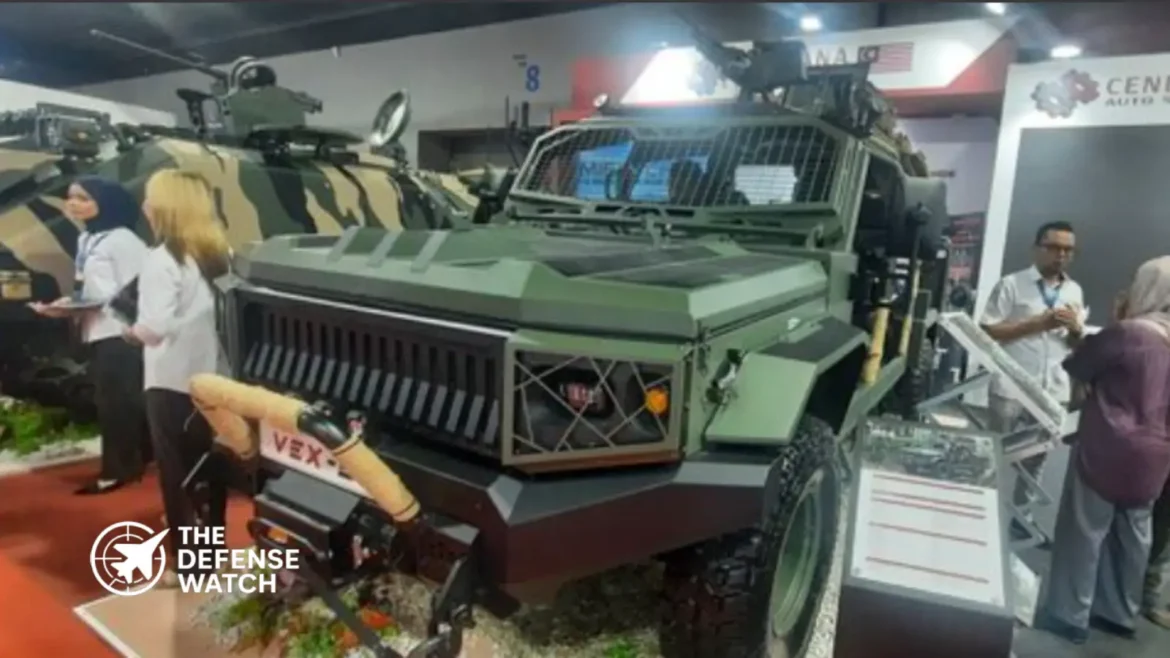
- :contentReference[oaicite:0]{index=0} unveiled the Mirsad 4×4 vehicle at DSA 2026 in Kuala Lumpur.
- Vehicle is designed for reconnaissance missions and initial assault operations.
- Run-flat tires allow continued movement for up to 50 km after damage.
- Weapon options include front and rear mounts for 12.7 mm systems.
- Prototype testing is underway, with expected army evaluation after June 2026.
Mildef Mirsad 4×4 Debuts At DSA 2026
The Mildef Mirsad 4×4 was officially unveiled at the Defence Services Asia exhibition in Kuala Lumpur, highlighting Malaysia’s continuing push to strengthen local defense manufacturing. According to Janes, the vehicle is intended for infantry units conducting reconnaissance missions and initial assaults.
The Mirsad uses a lightly protected configuration rather than a heavily armored layout. That design choice suggests Mildef is prioritizing speed, troop access, and maneuverability over maximum armor protection. For light infantry operations in jungle terrain, urban zones, or border security missions, that tradeoff can be practical.
Designed For Fast Assault Teams
Mildef representatives told Janes that troops can quickly enter and exit the platform during combat movement. This is important for assault teams that need to dismount rapidly, secure terrain, or respond to ambushes.
The company also said the platform includes blast-protection features in the chassis and frontal glass. While not a heavy MRAP-class vehicle, these measures indicate an effort to improve survivability against mines, fragments, and battlefield hazards.
Mobility And Weapons Options
One of the more notable features is the use of run-flat tires, allowing the vehicle to continue operating for as much as 50 kilometers after tire damage, according to Janes.
That capability matters in real operations. Tactical vehicles often fail because of tire damage rather than catastrophic attack. Run-flat mobility helps crews withdraw, reposition, or complete a mission.
The Mirsad can also mount weapons at the front and rear positions, including 12.7 mm heavy machine guns such as the M2 type. This gives 360-degree defensive coverage and more flexibility for convoy escort or patrol roles.
Why This Matters For Malaysia
Malaysia has steadily encouraged domestic production of military vehicles rather than relying only on imports. The Mirsad joins a growing ecosystem of Malaysian-made platforms from firms such as Cendana Auto and Mildef.
If trials are successful, the Mirsad could provide the Malaysian Army with a lower-cost, locally supported mobility platform for infantry formations. That can reduce sustainment risk and support national industrial capacity.
Outlook
Mildef expects internal testing to conclude by June 2026 before the vehicle is handed to the Malaysian Army for evaluation. Procurement decisions will likely depend on performance, cost, reliability, and how well the platform fits future force structure needs.
India Expands Air Defense Capacity With Zen Technologies License
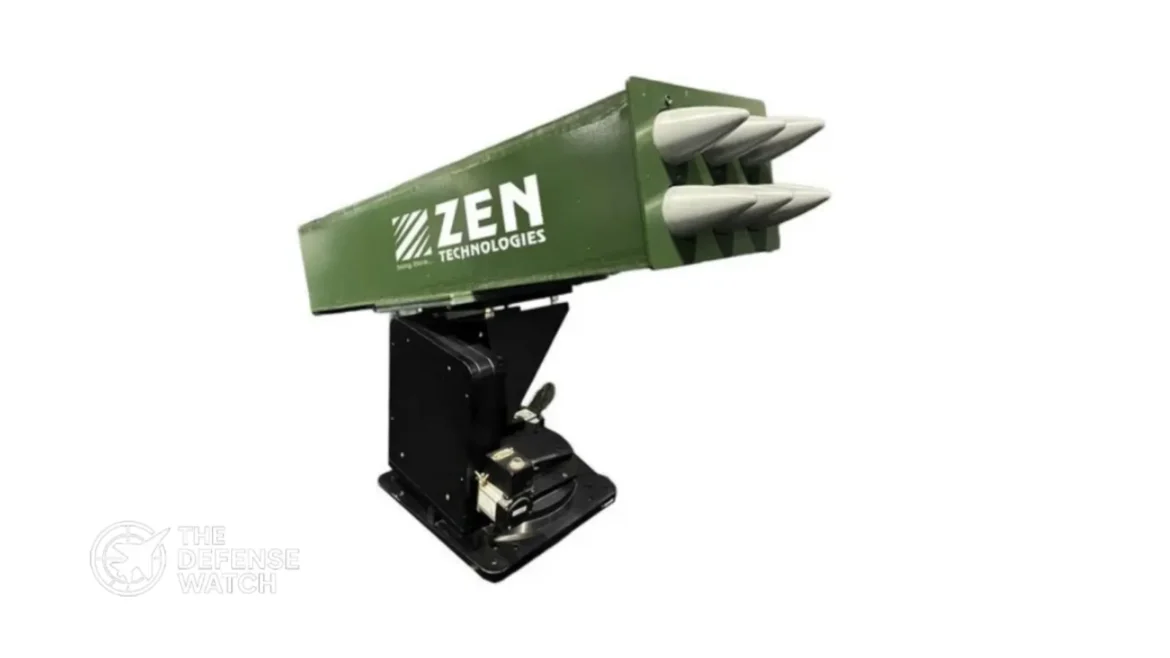
Zen Technologies air defense cannons moved into focus after the Indian government granted the company a manufacturing license covering several rapid-fire weapon calibers used in layered air defense systems. The approval authorizes production of 12.7mm, 23mm, 30mm, and 40mm cannons under India’s Arms Act, 1959.
- India granted Zen Technologies an arms manufacturing license under the Arms Act, 1959.
- Approval covers 12.7mm, 23mm, 30mm, and 40mm cannons.
- Systems are intended for air defense, naval operations, and counter-UAS missions.
- Cannons are positioned as last-layer defenses against drones and low-flying threats.
- Move supports India’s indigenous defense manufacturing strategy.
The company said the systems are designed for air defense, naval operations, and counter-unmanned aircraft system (C-UAS) roles. In practical terms, these cannons are often used as the final protective layer against drones, loitering munitions, helicopters, and other low-altitude threats that evade longer-range missile systems.
For India, the decision reflects a broader shift in military planning. Recent conflicts worldwide have shown that inexpensive drones can threaten expensive military assets, logistics hubs, and critical infrastructure. Rapid-fire cannon systems paired with radar and electro-optical sensors remain one of the most cost-effective answers to mass drone attacks.
Why Zen Technologies Air Defense Cannons Matter
Zen Technologies has been known primarily for training simulators, anti-drone solutions, and military technology systems. This new license expands the company deeper into hard-kill weapon manufacturing, potentially opening a new revenue stream while aligning with India’s self-reliance defense strategy.
That matters because India has increasingly prioritized domestic production over imports. Building cannon systems locally can reduce procurement delays, improve sustainment support, and create export opportunities if products meet international demand.
The approved calibers also matter strategically:
- 12.7mm systems can support anti-drone and vehicle defense roles
- 23mm and 30mm cannons are common short-range air defense calibers
- 40mm systems can offer heavier firepower for point defense and naval use
Counter-Drone Warfare Driving Demand
The rise of one-way attack drones and loitering munitions has changed procurement priorities globally. Missile interceptors are effective, but they can be expensive when used against low-cost drones. Cannons using programmable ammunition or radar cueing can offer a cheaper shot-per-kill option.
That likely explains why Zen Technologies air defense cannons were framed as systems for modern asymmetric threats. If integrated with sensors and automated fire-control networks, such weapons could help defend bases, fuel depots, border sites, and mobile formations.
Market And Strategic Outlook
While no contract awards were announced alongside the license, regulatory approval is often the first step before prototype development, military trials, and procurement competitions.
India’s defense sector has seen growing investment in air defense and anti-drone systems after regional tensions and lessons from Ukraine and the Middle East. This suggests demand for locally built short-range protection systems may continue rising over the next several years.
For U.S. and allied observers, the move is another sign that regional powers are investing heavily in layered defenses where guns, electronic warfare, and missiles operate together.

U.S. Army Expands 155mm Ammunition Production Capacity
The U.S. Army 155mm ammunition production effort has taken a significant step forward with the opening of a new facility in Kansas, aimed at increasing output of critical artillery shells and reinforcing the country’s defense industrial base.
The expansion comes as demand for 155mm ammunition continues to rise sharply, driven by ongoing support for Ukraine and renewed emphasis on large-scale conventional warfare planning within NATO.
The Kansas facility will help scale production rates, improve manufacturing resilience, and address supply chain constraints that have limited output in recent years.
- U.S. Army has opened a new facility in Kansas to expand 155mm artillery ammunition production capacity.
- The move is part of a broader effort to strengthen the U.S. defense industrial base and sustain high demand.
- 155mm artillery shells remain critical for modern ground warfare, particularly in Ukraine and NATO planning.
- The facility supports scaling production rates and reducing supply chain bottlenecks.
- Expansion reflects long-term U.S. strategy to ensure ammunition readiness in high-intensity conflicts.
Addressing Industrial Bottlenecks
The new site is part of a broader modernization push across the U.S. ammunition enterprise. For decades, artillery shell production operated at relatively low peacetime levels. That model has proven insufficient under current operational demands.
The U.S. Army 155mm ammunition production surge highlights structural challenges. These include aging facilities, limited surge capacity, and reliance on specialized components such as explosives and propellants that require dedicated production lines.
By expanding infrastructure in Kansas, the Army aims to distribute manufacturing more effectively and reduce single points of failure. This approach aligns with recent Pentagon efforts to build redundancy across critical supply chains.
From an operational perspective, this shift is essential. Modern conflicts, particularly those involving high-intensity artillery exchanges, consume ammunition at rates far exceeding Cold War planning assumptions.
Strategic Importance of 155mm Artillery
The 155mm artillery round remains a cornerstone of U.S. and allied land warfare doctrine. It is widely used across NATO-standard systems, including howitzers deployed in Europe and other theaters.
The war in Ukraine has underscored its importance. Ukrainian forces have relied heavily on Western-supplied 155mm shells for counter-battery fire, defensive operations, and offensive maneuver support.
This real-world usage has provided a clear data point for planners. Sustained artillery operations require not only advanced platforms but also a steady and scalable supply of ammunition.
The expansion of U.S. Army 155mm ammunition production reflects a recognition that industrial capacity is as critical as battlefield capability.
Long-Term Industrial Strategy
The Kansas facility is not a standalone effort. It fits into a wider U.S. strategy to rebuild and modernize the defense industrial base after decades of contraction.
Key priorities include increasing monthly production rates, investing in automation, and strengthening partnerships with private industry. The goal is to create a more flexible system that can rapidly scale in response to crises.
This also has implications for allied cooperation. A stronger U.S. production base supports not only domestic requirements but also foreign military aid and coalition operations.
In practical terms, expanding U.S. Army 155mm ammunition production helps ensure that the United States can sustain prolonged operations while supporting partners without depleting its own stockpiles.
Operational and Geopolitical Impact
The timing of the expansion reflects shifting global security dynamics. U.S. defense planners are increasingly focused on readiness for high-end conflict, where logistics and sustainment play a decisive role.
Artillery ammunition, often overlooked compared to advanced weapons systems, has emerged as a critical enabler of combat effectiveness. The ability to maintain consistent supply can determine the tempo and outcome of operations.
The Kansas facility contributes directly to this capability. By increasing output and reducing production delays, it strengthens the Army’s ability to respond to contingencies in Europe, the Indo-Pacific, and beyond.
Analysis: From Efficiency to Resilience
A key takeaway from this development is the shift in U.S. defense planning from efficiency to resilience.
For years, the industrial base prioritized cost-effectiveness and lean production. That approach limited excess capacity but left little room for rapid expansion during crises.
The current push, including the Kansas facility, reflects a different model. It emphasizes redundancy, scalability, and long-term sustainability.
This change is driven by lessons learned from recent conflicts and growing competition with near-peer adversaries. In such environments, supply chains are not just logistical concerns but strategic assets.
Expanding U.S. Army 155mm ammunition production is therefore not only about increasing output. It is about ensuring that the United States can sustain operations over time, adapt to changing conditions, and maintain a credible deterrent posture.

Swedish Ammunition Plant Estonia Signals Major Capacity Expansion
The Swedish ammunition plant Estonia initiative marks a significant step in expanding Europe’s defense industrial base, with a major new facility planned to boost production of critical munitions for NATO forces.
The project, led by Swedish defense manufacturer Saab, reflects sustained demand for ammunition across Europe and highlights a broader shift toward localized production within NATO’s eastern flank.
- Swedish defense firm plans a major ammunition plant in Estonia to expand production capacity.
- Facility will focus on large-caliber ammunition critical for NATO ground forces.
- Project supports Europe’s push to reduce reliance on external munitions supply chains.
- Construction timeline and investment scale align with long-term defense demand growth.
- Estonia strengthens its role as a frontline NATO logistics and defense hub.
The Big Picture
European defense planners are accelerating efforts to rebuild ammunition stockpiles after years of underinvestment and high consumption rates driven by the war in Ukraine.
NATO countries have faced persistent shortages of artillery shells and other munitions, exposing structural weaknesses in production capacity. Governments across Europe have since prioritized industrial expansion to ensure long-term readiness.
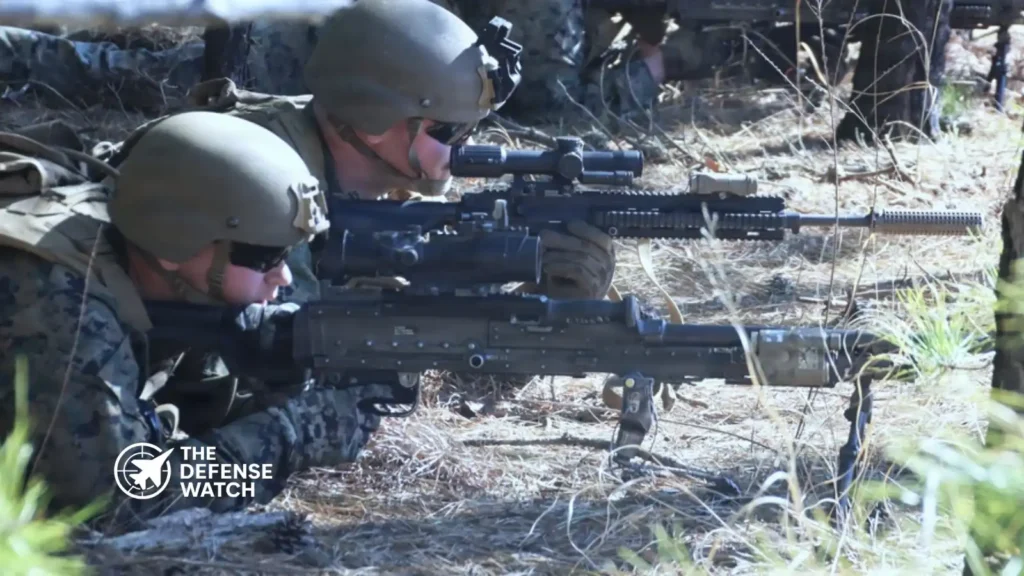
The Swedish ammunition plant Estonia project fits directly into this strategy. By positioning manufacturing closer to NATO’s eastern front, the alliance improves both supply resilience and operational responsiveness.
What’s Happening
Saab confirmed plans to establish a large-scale ammunition production facility in Estonia, focusing on producing munitions used by modern land forces.
The plant will manufacture large-caliber ammunition, a category that includes artillery shells widely used in high-intensity conflict scenarios.
Estonia’s government is supporting the project as part of its broader defense industrial strategy. The facility is expected to strengthen domestic capabilities while contributing to NATO-wide supply chains.
While exact production volumes and timelines have not been fully disclosed, the initiative reflects long-term planning aligned with sustained European demand.
Why It Matters
The Swedish ammunition plant Estonia project addresses a critical bottleneck in NATO’s defense posture: ammunition availability.
Modern warfare, particularly in Ukraine, has demonstrated that high-intensity conflicts consume vast quantities of artillery rounds. Western stockpiles have struggled to keep pace with this demand.
By expanding production capacity within Europe, Saab’s new facility helps reduce dependence on external suppliers and mitigates risks tied to global supply disruptions.
The move also supports interoperability across NATO forces by ensuring consistent access to standardized munitions.
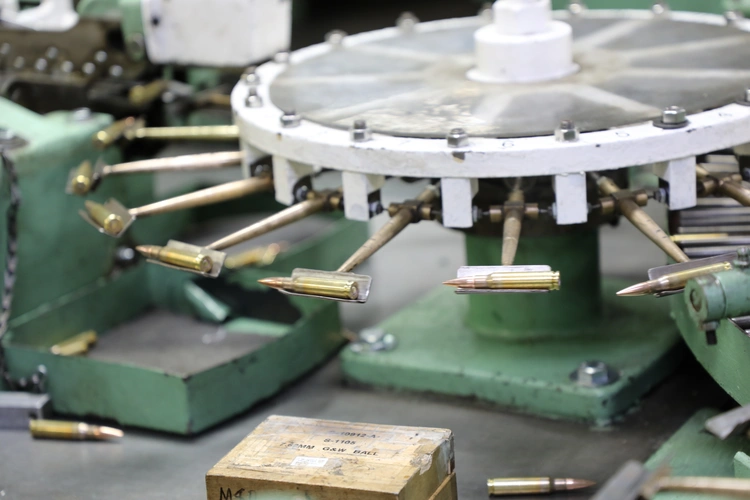
Strategic Implications
The decision to build the plant in Estonia carries clear strategic weight.
Estonia sits on NATO’s eastern flank, bordering Russia. Locating production there shortens supply lines to potential operational theaters and enhances logistical efficiency.
The facility also strengthens deterrence by signaling long-term industrial commitment to regional defense. It reinforces NATO’s ability to sustain prolonged operations if required.
From an industrial perspective, the project contributes to a more distributed manufacturing network, reducing the vulnerability of centralized production hubs.
Competitor View
Russia is likely to interpret the Swedish ammunition plant Estonia initiative as part of NATO’s broader effort to reinforce its eastern defenses.
Moscow has consistently criticized NATO’s military buildup near its borders. Increased ammunition production capacity in Estonia may be viewed as a step toward sustained operational readiness in the region.
At the same time, the move aligns with NATO’s defensive posture and reflects lessons learned from ongoing conflicts rather than signaling immediate escalation.
What To Watch Next
Construction timelines and production milestones will be key indicators of how quickly the Swedish ammunition plant Estonia becomes operational.
Observers should watch for:
New contracts tied to the facility’s output
Integration into NATO procurement frameworks
Expansion of similar projects across Europe
Government funding commitments for sustained production
Future announcements may also clarify production capacity and the range of munitions manufactured at the site.
Capability Gap
The Swedish ammunition plant Estonia aims to close a critical gap in artillery ammunition supply across NATO.
European forces have struggled to maintain adequate stockpiles for high-intensity operations. Existing production lines have proven insufficient for sustained conflict scenarios.
However, scaling up production takes time. Even with new facilities, workforce development, raw material sourcing, and industrial coordination remain limiting factors.
The plant improves long-term capacity but does not provide an immediate solution to short-term shortages.
The Bottom Line
The Swedish ammunition plant Estonia represents a strategic investment in NATO’s long-term readiness, strengthening Europe’s ability to sustain high-intensity warfare.
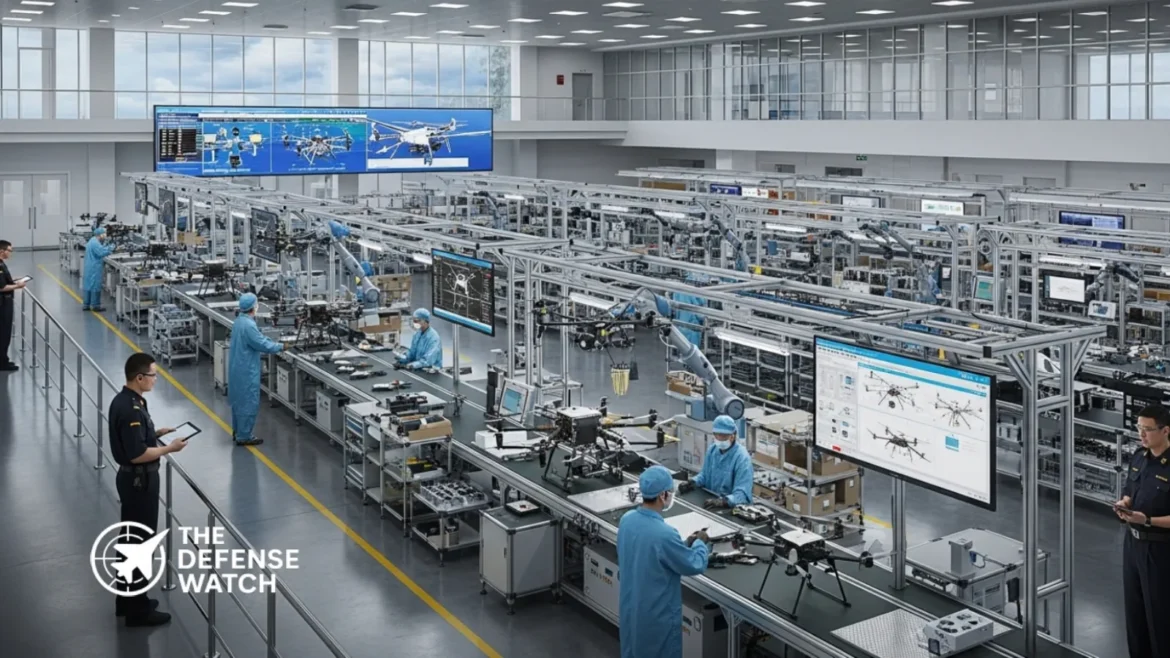
- Polish authorities detained two individuals linked to an arson attack on a Czech drone factory.
- The incident targeted a facility involved in drone production, a critical sector in modern defense supply chains.
- Investigators are examining potential sabotage motives, including foreign interference.
- The attack highlights vulnerabilities in Europe’s rapidly expanding unmanned systems industry.
- Authorities continue cross-border cooperation between Poland and the Czech Republic.
Poland Drone Factory Arson Raises Security Concerns Across Europe
Poland drone factory arson investigations intensified this week after authorities detained two individuals suspected of involvement in an arson attack targeting a drone production facility in the Czech Republic, according to reporting by Reuters.
Polish officials confirmed the detentions as part of a broader probe into what is increasingly being viewed as a potential act of sabotage against Europe’s defense industrial base. The targeted facility is linked to the production of unmanned aerial systems, a sector that has seen rapid expansion amid growing demand driven by modern conflict environments.
The incident underscores mounting concerns about the physical security of drone manufacturing infrastructure across Europe, particularly as unmanned systems become central to both NATO and partner nation defense strategies.
Cross-Border Investigation Signals Wider Threat Concerns
Authorities in Poland and the Czech Republic are coordinating closely as the investigation develops. While officials have not publicly confirmed a specific motive, the possibility of organized sabotage is being examined.
According to Reuters, the arrests were reported by Polish state media, citing intelligence-linked findings. The nature of the attack, involving arson at a strategic production site, has raised concerns about whether the incident could be part of a broader pattern targeting critical defense capabilities.
European security services have increasingly warned about hybrid threats, including sabotage, cyber operations, and disinformation campaigns aimed at undermining defense readiness and industrial output.
Drone Industry Emerging As Strategic Target
The Poland drone factory arson case highlights a key shift in modern security dynamics. Drone production facilities, once considered secondary assets, are now high-value targets due to their direct role in supplying frontline capabilities.
Unmanned aerial systems have become indispensable in surveillance, reconnaissance, and strike missions. Their widespread use in recent conflicts has elevated the importance of maintaining uninterrupted production and supply chains.
As a result, any disruption, even localized, can have ripple effects across defense planning and operational readiness.
From an industrial perspective, the attack illustrates how adversaries may seek to exploit vulnerabilities outside traditional military targets. Manufacturing hubs, logistics nodes, and supply chain infrastructure are increasingly part of the broader battlespace.
Growing Pressure On European Defense Infrastructure Protection
The incident comes at a time when European nations are scaling up defense production to meet rising demand. Governments have been investing heavily in expanding drone manufacturing capacity, both for domestic use and export.
However, security measures have struggled to keep pace with this rapid expansion. Facilities that were previously low-profile are now critical nodes within national defense ecosystems.
This creates a challenge for policymakers. Protecting these sites requires not only physical security upgrades but also enhanced intelligence coordination and counter-sabotage capabilities.
The Poland drone factory arson investigation may serve as a catalyst for broader policy adjustments across Europe, particularly within NATO-aligned countries.
Strategic Implications For NATO And Allies
From a strategic standpoint, the attack reflects the evolving nature of competition in the defense domain. Rather than direct confrontation, adversaries may increasingly target industrial capacity to degrade military effectiveness indirectly.
For NATO and its partners, this reinforces the need to integrate industrial security into overall defense planning. Protecting production capabilities is now as critical as safeguarding operational assets.
The Poland drone factory arson case also highlights the importance of cross-border cooperation. Defense supply chains are deeply interconnected, meaning vulnerabilities in one country can impact multiple partners.
- FTG is supplying advanced printed circuit boards for the global F-35 fighter program.
- The company supports avionics, radar, and mission-critical systems integration.
- Its manufacturing spans North America and Asia, enabling global supply resilience.
- The F-35 program relies on a multinational supplier network for production and sustainment.
- Demand for high-reliability electronics continues to grow alongside F-35 fleet expansion.
FTG Strengthens F-35 Production Supply Chain
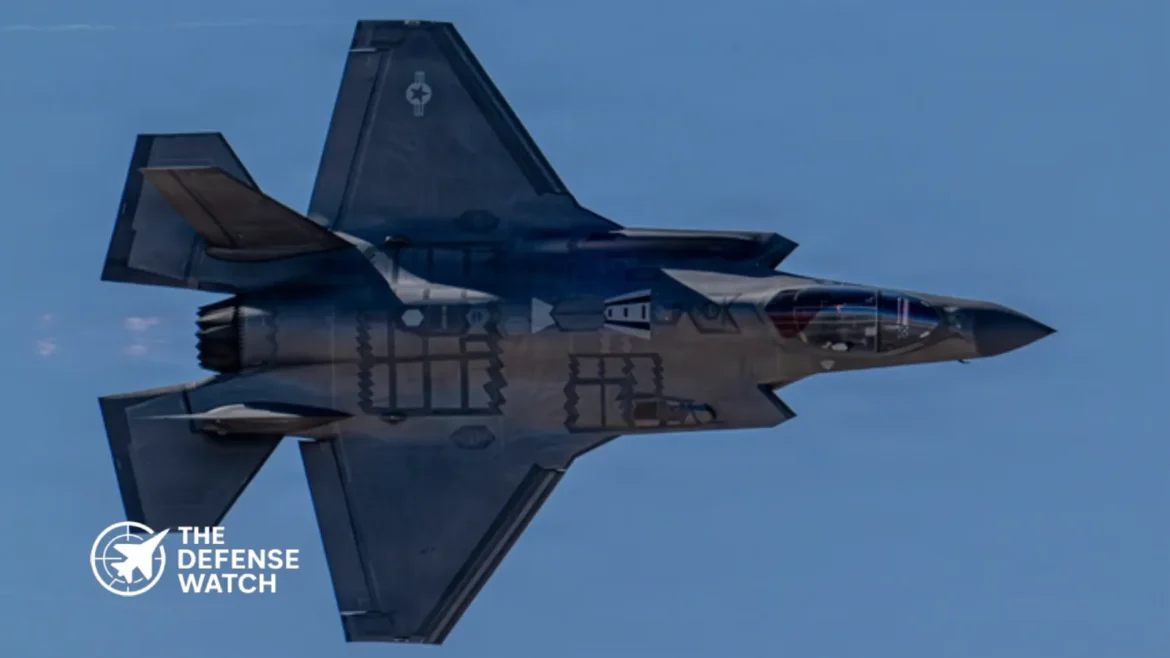
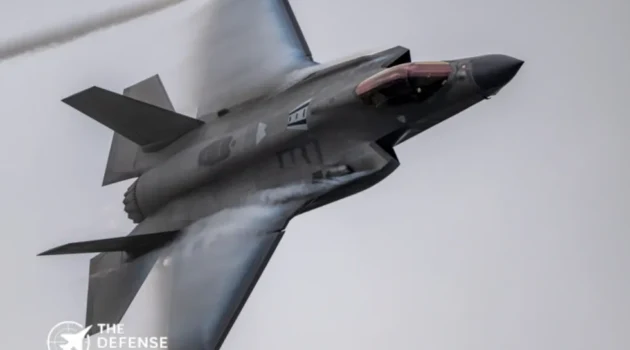
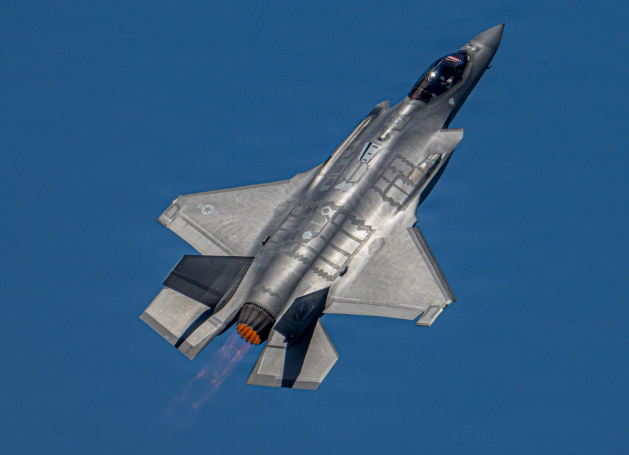
The F-35 production supply chain continues to expand as Canada-based FTG (Firan Technology Group) delivers advanced printed circuit boards for the global fleet of F-35 Lightning II fighters.
FTG plays a key role in manufacturing high-reliability electronics used across avionics and mission systems. These components are critical to maintaining operational performance in fifth-generation aircraft, where data processing and sensor fusion define combat capability.
The F-35 program, led by Lockheed Martin, depends on a wide network of international suppliers to sustain production and lifecycle support. FTG’s contribution highlights the importance of specialized electronics firms within this ecosystem.
High-Reliability Electronics for Mission Systems
FTG’s circuit boards are designed for demanding aerospace environments, supporting systems such as radar, communications, and flight controls. In modern fighters, these subsystems must operate under extreme conditions, including high temperatures, vibration, and electromagnetic interference.
The company’s expertise lies in producing complex, multilayer printed circuit boards that meet stringent military standards. These boards serve as the backbone for processing and transmitting data across the aircraft’s integrated systems.
As the F-35 continues to evolve, including software upgrades and block improvements, the role of electronics suppliers becomes even more critical. Each iteration increases reliance on processing power and data management, placing additional demands on hardware reliability.
Global Manufacturing Footprint Enhances Resilience
A notable aspect of FTG’s involvement in the F-35 production supply chain is its global manufacturing footprint. With facilities in North America and Asia, the company is positioned to support distributed production requirements.
This geographic diversification aligns with broader efforts across the defense sector to strengthen supply chain resilience. Recent disruptions, including pandemic-related delays and geopolitical tensions, have underscored vulnerabilities in highly specialized manufacturing sectors.

Image: U.S. Air Force. By maintaining multiple production sites, FTG can mitigate risks associated with single-point failures and support continuous delivery to prime contractors and subsystem integrators.
Strategic Importance of Supplier Networks
The F-35 program is one of the largest and most complex defense initiatives in history, involving dozens of partner nations and hundreds of suppliers. While prime contractors often receive the most attention, second- and third-tier suppliers like FTG are essential to sustaining production rates.
The F-35 production supply chain depends heavily on such firms to deliver components that meet exacting specifications. Any disruption at this level can cascade across the program, affecting delivery timelines and operational readiness.
This dynamic has prompted increased focus by governments and defense companies on supply chain transparency and risk management. Ensuring consistent access to critical components, especially electronics, has become a strategic priority.
Growing Demand Driven by Fleet Expansion
Demand for F-35 aircraft continues to rise, with new orders and ongoing deliveries to U.S. and allied forces. As the fleet grows, so does the need for replacement parts, upgrades, and sustainment support.
This trend directly benefits suppliers like FTG, which provide foundational components for both production and maintenance. The long service life of the F-35, expected to extend for decades, further amplifies the importance of reliable electronics manufacturing.
In addition, evolving threats are driving continuous upgrades to the aircraft’s capabilities. These upgrades often require new or enhanced hardware, reinforcing the need for adaptable and scalable production capabilities within the F-35 production supply chain.
Analysis: Electronics as a Critical Enabler of Air Dominance
The increasing reliance on advanced electronics reflects a broader shift in air combat toward information-centric warfare. In platforms like the F-35, superiority is not determined solely by speed or maneuverability, but by the ability to collect, process, and share data in real time.
This makes companies like FTG strategically important, even if they operate outside the spotlight. Their products enable core capabilities such as sensor fusion, electronic warfare, and networked operations.
From a U.S. defense perspective, maintaining a robust and diversified supplier base is essential to sustaining technological advantage. The inclusion of allied suppliers like FTG also strengthens interoperability and industrial cooperation across partner nations.
However, this interconnected model also introduces complexity. Managing quality, security, and delivery timelines across a global network requires significant coordination. As the F-35 program scales, these challenges will remain central to its long-term success.
- Brazil has assembled its first domestically built supersonic fighter jet under a technology transfer program.
- The aircraft is part of the Gripen E/F program developed with Swedish manufacturer Saab.
- The initiative strengthens Brazil’s defense industrial base and reduces reliance on foreign production.
- Assembly takes place at Embraer’s facility, with full operational capability expected later this decade.
- The program positions Brazil as a regional leader in advanced combat aviation manufacturing.
Brazil Supersonic Fighter Jet Program Moves Into Domestic Assembly Phase
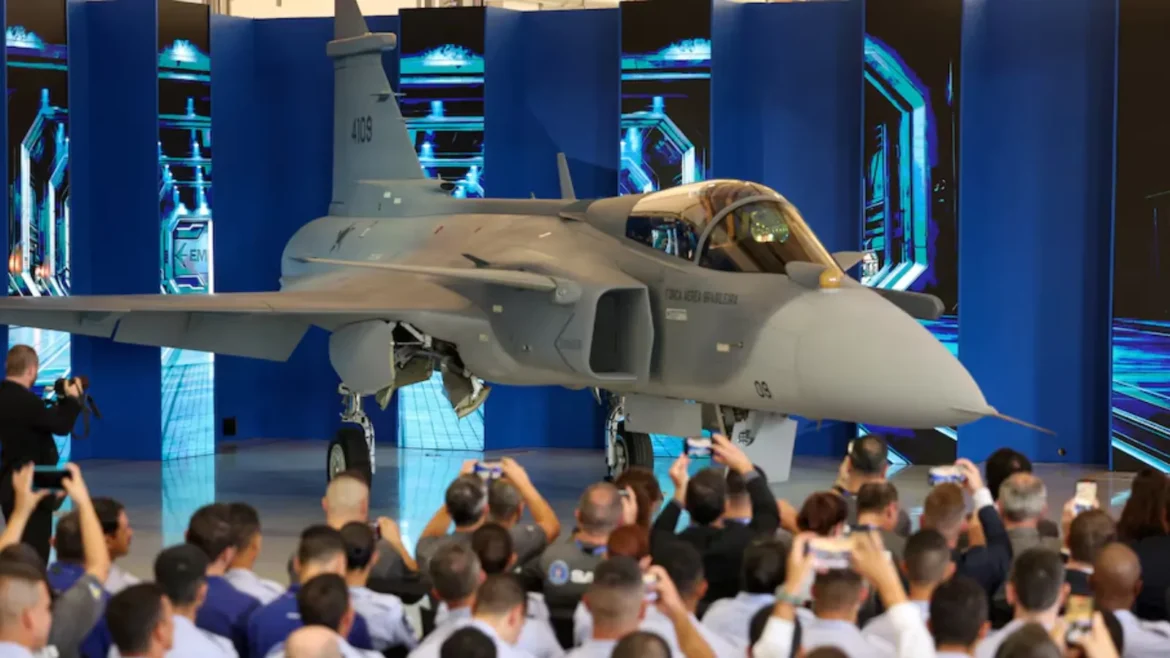
Brazil’s supersonic fighter jet program reached a key milestone with the first aircraft assembled domestically, marking a major step in the country’s long-term airpower modernization strategy.
The development reflects years of industrial cooperation between Brazil and Sweden and signals a shift toward greater self-reliance in advanced military aviation.
The Big Picture
Brazil has steadily expanded its defense industrial base as part of a broader effort to secure technological sovereignty in high-end military systems.
The country’s aerospace sector, led by Embraer, already holds a strong position in transport aircraft and regional jets. Moving into supersonic fighter production places Brazil among a small group of nations capable of assembling advanced combat aircraft domestically.
The program also aligns with global trends where middle powers seek to reduce dependence on external suppliers, especially in critical defense technologies.
What’s Happening
Brazil assembled its first domestically built supersonic fighter jet under the Gripen E/F program, developed in partnership with Swedish defense firm Saab.
The aircraft was assembled at Embraer’s facility in Gavião Peixoto, which serves as the central hub for Brazil’s fighter production and testing activities.

The program stems from a contract signed in 2014 for 36 Gripen fighters for the Brazilian Air Force. It includes extensive technology transfer provisions, allowing Brazilian engineers and technicians to participate in design, development, and assembly processes.
Initial aircraft were built in Sweden, but production is gradually shifting to Brazil as local capabilities mature.
Why It Matters
Domestic assembly of a supersonic fighter jet significantly enhances Brazil’s defense autonomy.
Local production reduces dependence on foreign supply chains and allows greater control over maintenance, upgrades, and lifecycle costs. It also strengthens Brazil’s ability to adapt the aircraft to specific operational requirements.
The program supports workforce development in advanced engineering fields, including avionics, systems integration, and aerostructures. These capabilities often spill over into civilian aerospace and other high-technology sectors.
For the Brazilian Air Force, the Gripen platform offers modern capabilities such as advanced sensors, network-centric warfare integration, and multirole flexibility.
Strategic Implications
Brazil’s supersonic fighter jet effort reshapes the balance of aerospace capability in Latin America.
The country now holds a unique position as a regional hub for advanced fighter production and sustainment. This capability could support future export opportunities or regional maintenance services.
The program also enhances Brazil’s deterrence posture. A modern fighter fleet equipped with advanced sensors and weapons improves airspace control and response capability.
From a geopolitical perspective, the partnership with Sweden reflects a diversified defense procurement strategy. Brazil avoids overreliance on any single major power while gaining access to high-end Western technology.
Competitor View
Regional competitors are likely to view Brazil’s progress as a significant upgrade in capability rather than a direct threat.
Countries such as Argentina and Chile operate modern aircraft but lack comparable domestic production capacity. Brazil’s industrial edge could translate into long-term operational advantages, particularly in sustainment and upgrades.
Global powers such as China and Russia may interpret the program as part of a broader trend of technology diffusion. However, Brazil’s reliance on Western systems and partnerships limits strategic alignment with those competitors.
What To Watch Next
The next phase focuses on increasing the share of locally produced components and expanding assembly rates.
Brazil will continue testing and certifying domestically assembled aircraft to ensure full operational capability within the Brazilian Air Force.
Future milestones include:
Completion of remaining aircraft deliveries
Integration of additional weapons and systems
Potential follow-on orders or export opportunities
Observers will also watch whether Brazil expands its role from assembly to deeper design participation in future variants.
Capability Gap
Brazil’s supersonic fighter jet program addresses a long-standing gap in advanced combat aviation capability.
Before the Gripen acquisition, the Brazilian Air Force relied on aging platforms that lacked modern sensors and network integration.
The new aircraft provides improved situational awareness, beyond-visual-range engagement capability, and interoperability with allied systems.
However, limitations remain. Brazil still depends on foreign suppliers for key subsystems, including engines and certain avionics components. Full independence in fighter production remains a long-term objective rather than an immediate reality.
The Bottom Line
Brazil’s domestically assembled supersonic fighter jet marks a decisive step toward aerospace independence and strengthens its position as a leading defense industrial power in Latin America.