- $15.38 billion contract modification awarded to General Dynamics Electric Boat.
- Supports Columbia-class submarine design, lead yard services, and sustainment.
- Reinforces US nuclear deterrence through next-generation ballistic missile submarines.
- Work spans multiple US states and continues through June 2035.
- Includes major investment in submarine industrial base and supplier development.
Columbia-Class Submarine Contract Strengthens US Nuclear Deterrence
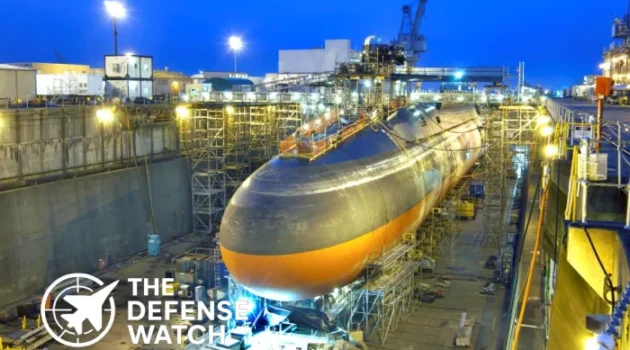
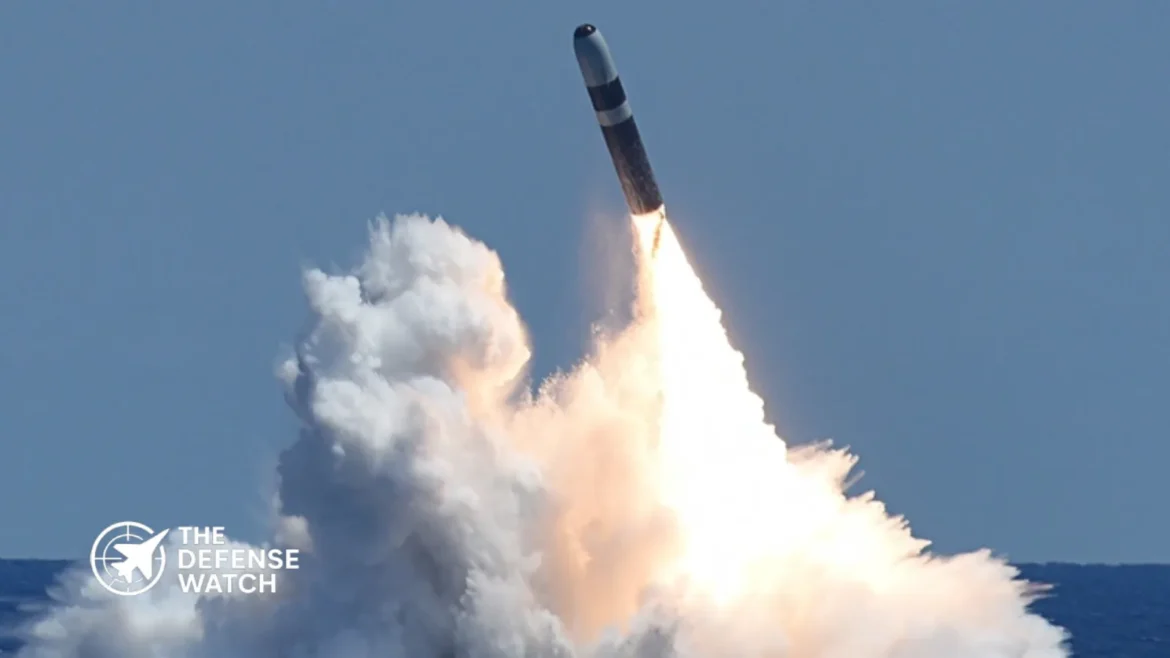
The Columbia-class submarine contract marks a $15.38 billion investment by the US Navy to expand design, sustainment, and industrial base support for its next-generation ballistic missile submarines, reinforcing the nation’s sea-based nuclear deterrent.
The award to General Dynamics Electric Boat reflects a long-term commitment to replacing the aging Ohio-class fleet with a more survivable and technologically advanced platform.
The Big Picture
The United States is executing one of its most critical nuclear modernization programs. The Columbia-class submarine will serve as the backbone of the sea-based leg of the nuclear triad well into the 2080s.
The Navy plans to build 12 Columbia-class submarines to replace 14 Ohio-class boats. Despite fewer hulls, each Columbia submarine is designed for higher availability, reducing the total number required for continuous at-sea deterrence.
This contract highlights how nuclear modernization is not limited to platforms alone. It includes workforce expansion, supplier stability, and long-term industrial resilience.
What’s Happening
The Naval Sea Systems Command awarded a $15,383,494,792 contract modification to General Dynamics Electric Boat under an existing agreement.
The funding supports:
- Additional Columbia-class design work
- Lead yard services
- Sustainment planning
- Integrated enterprise initiatives
- Supplier and industrial base development
Work will take place across multiple locations, including Connecticut, Virginia, California, Wisconsin, Rhode Island, and others, with completion expected by June 2035.
Funding comes primarily from the Fiscal Year 2026 National Sea-Based Deterrence Fund, alongside smaller allocations from research and industrial base accounts.
Why It Matters
The Columbia-class program directly underpins US nuclear deterrence strategy.
Ballistic missile submarines provide the most survivable leg of the nuclear triad. They operate undetected, ensuring a secure second-strike capability even in the event of a large-scale attack.
This contract ensures continuity in design and production while addressing a known risk: delays in submarine construction due to industrial bottlenecks.
The inclusion of supplier development funding signals that the Pentagon is actively managing risks in the submarine supply chain.
Strategic Implications
The Columbia-class submarine contract strengthens US military readiness in several ways.
First, it ensures schedule stability. The Navy cannot afford delays because the Ohio-class submarines are nearing the end of their service lives.
Second, it reinforces deterrence credibility. A modern, stealthy submarine force signals to adversaries that the US retains a reliable second-strike capability.
Third, it supports simultaneous production of Columbia- and Virginia-class submarines. This dual production demand places significant strain on shipyards and suppliers, making industrial base investment essential.
Competitor View
China and Russia closely monitor US nuclear modernization efforts.
China continues expanding its own sea-based deterrent with the Jin-class and future Type 096 submarines. A sustained US investment in Columbia-class boats reinforces strategic balance in the Indo-Pacific.
Russia maintains a modernized fleet of Borei-class ballistic missile submarines. Moscow will likely view this contract as confirmation that the US remains committed to long-term nuclear parity.
Both competitors are expected to interpret this move as part of a broader US effort to maintain credible deterrence across all domains.
What To Watch Next
Several milestones will define the program’s trajectory:
- Continued construction progress on the lead Columbia-class submarine
- Supplier capacity improvements across the industrial base
- Integration of advanced systems and quieting technologies
- Alignment of Columbia and Virginia production schedules
Any disruption in these areas could affect delivery timelines, making industrial performance a key indicator.
Capability Gap
The Columbia-class program addresses a critical gap created by the aging Ohio-class fleet.
Ohio-class submarines are reaching the limits of their service life, and life extensions are no longer sufficient to guarantee long-term deterrence.
However, the program faces constraints:
- Limited shipyard capacity
- Workforce shortages in skilled trades
- Complex supply chains for nuclear-grade components
The contract’s industrial base funding directly targets these challenges, but execution risk remains.
The Bottom Line
The Columbia-class submarine contract secures the foundation of US nuclear deterrence while exposing the growing importance of industrial capacity in modern defense strategy.
 ¦ KEY FACTS AT A GLANCE
- BAE Systems will modernize the ALQ-221 electronic warfare system on U.S. Air Force U-2 aircraft.
- Upgrade enhances radar warning, threat detection, and electronic countermeasure capabilities.
- Supports U.S. ISR operations in contested and high-threat environments.
- Contract focuses on system sustainment and modernization of legacy high-altitude platforms.
- Reinforces electronic warfare as a critical pillar of survivability in modern air operations.
BAE Systems ALQ-221 Electronic Warfare System Upgrade Strengthens U-2 Survivability
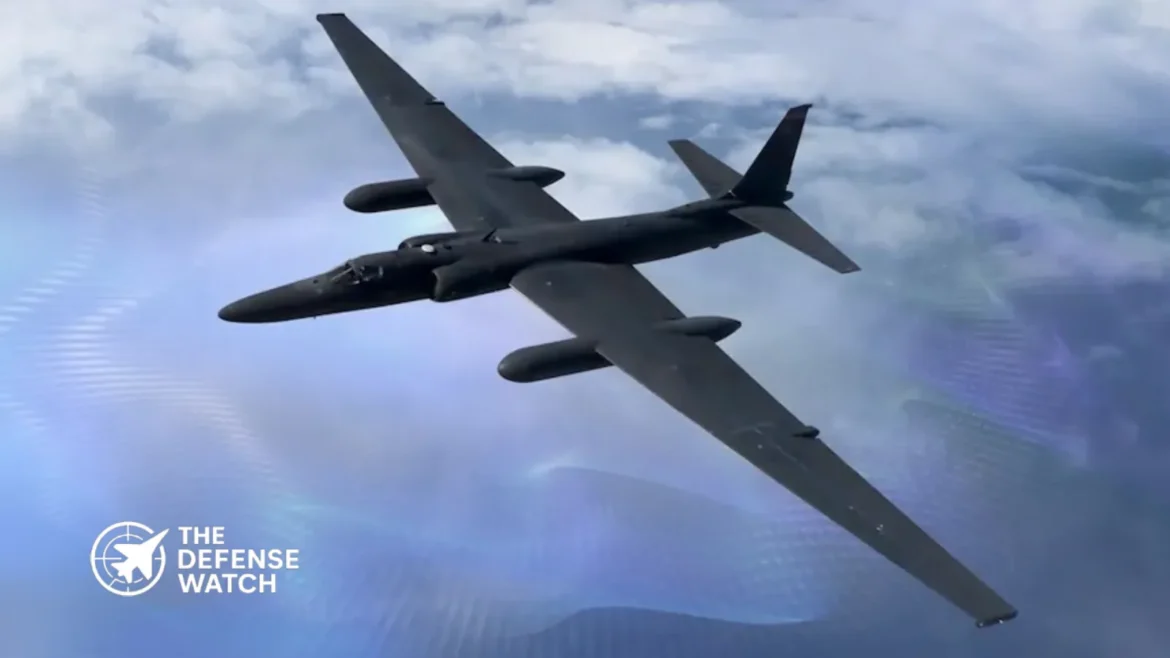
The ALQ-221 electronic warfare system upgrade is central to a new contract awarded to BAE Systems to modernize defensive capabilities on U.S. Air Force U-2 aircraft. The effort aims to improve threat detection and survivability for one of the military’s most enduring high-altitude intelligence platforms.
The Big Picture
The U.S. Air Force continues to invest in electronic warfare as a core element of air dominance. Modern battlefields increasingly rely on advanced radar systems, integrated air defenses, and electronic attack capabilities. Legacy platforms such as the U-2 remain operationally relevant, but only if they can survive in contested electromagnetic environments.
High-altitude intelligence, surveillance, and reconnaissance missions play a key role in strategic competition, particularly in regions where access is denied or heavily contested. Upgrading onboard defensive systems ensures these aircraft can continue operating without unacceptable risk.
What’s Happening
BAE Systems received a contract to modernize the ALQ-221 electronic warfare system installed on U-2 aircraft operated by the U.S. Air Force.
The ALQ-221 is a defensive system designed to detect, identify, and counter radar-based threats. It provides radar warning capabilities and supports electronic countermeasures that help the aircraft avoid or defeat enemy tracking and targeting systems.
The modernization effort will update system components to address evolving threats and maintain operational effectiveness. Work will focus on enhancing performance against modern radar systems and improving system reliability.
The U-2 fleet operates primarily in high-altitude ISR roles, supporting global missions from forward-deployed locations.
Why It Matters
Electronic warfare defines survivability in modern air operations. The ALQ-221 electronic warfare system upgrade ensures that the U-2 can continue to operate in environments where adversaries deploy advanced surface-to-air missile systems and sophisticated radar networks.
Modern integrated air defense systems rely on layered sensors and data fusion. Without upgraded electronic warfare capabilities, legacy aircraft face increased detection risk and reduced mission effectiveness.
The upgrade also reflects a broader trend. The U.S. Air Force is extending the service life of proven platforms while integrating modern subsystems to keep pace with emerging threats.
Strategic Implications
The modernization of the ALQ-221 electronic warfare system directly strengthens U.S. military readiness. It allows the U-2 to operate closer to contested areas, collect higher-quality intelligence, and support decision-making at the strategic level.
Deterrence also benefits. Adversaries must assume that U.S. ISR platforms can penetrate or operate near defended airspace, complicating their planning and reducing confidence in their defensive systems.
The upgrade aligns with a wider shift toward electromagnetic spectrum dominance. Control of the spectrum increasingly determines success in air, land, and maritime operations.
Competitor View
China and Russia have invested heavily in advanced air defense systems, including long-range surface-to-air missiles and multi-band radar networks. These systems aim to deny access to high-value ISR platforms like the U-2.
From their perspective, upgrades to the ALQ-221 electronic warfare system signal continued U.S. commitment to penetrating contested environments. It reinforces the need for further investment in counter-electronic warfare capabilities and more resilient sensor networks.
Regional actors with developing air defense systems may also view this move as evidence that electronic warfare remains a decisive factor in modern conflict.
What To Watch Next
The next phase will likely involve integration, testing, and validation of the upgraded system on operational aircraft.
Key milestones include:
System integration on U-2 platforms
Flight testing in representative threat environments
Operational deployment across the fleetFuture updates may also incorporate software-defined capabilities, allowing faster adaptation to new threats without major hardware changes.
Capability Gap
The ALQ-221 electronic warfare system upgrade addresses a clear gap between legacy defensive systems and modern radar threats.
Older systems struggle against:
Digitally networked air defenses
Frequency-agile radar systems
Advanced signal processing techniquesBy upgrading detection and countermeasure capabilities, the Air Force reduces vulnerability during high-altitude ISR missions.
However, limitations remain. The U-2 is not a stealth platform, and electronic warfare alone cannot fully offset advances in sensor technology. Survivability will continue to depend on a combination of altitude, mission planning, and defensive systems.
The Bottom Line
The ALQ-221 electronic warfare system upgrade ensures the U-2 remains a viable ISR asset in contested environments by strengthening its ability to detect and counter modern threats.
¦ KEY FACTS AT A GLANCE- Boeing received a $38.67 million contract to upgrade software on South Korea’s P-8A aircraft.
- The upgrade includes Tactical Open Mission Software version 105K enhancements and capability expansion.
- New features include Multi-Static Active Coherent processing and Harpoon II integration.
- Work will be conducted across five locations in the United States and South Korea through January 2029.
- The $38.67 million contract is funded in full through Foreign Military Sales.
Boeing P-8A Software Upgrade Strengthens South Korea’s Maritime Surveillance
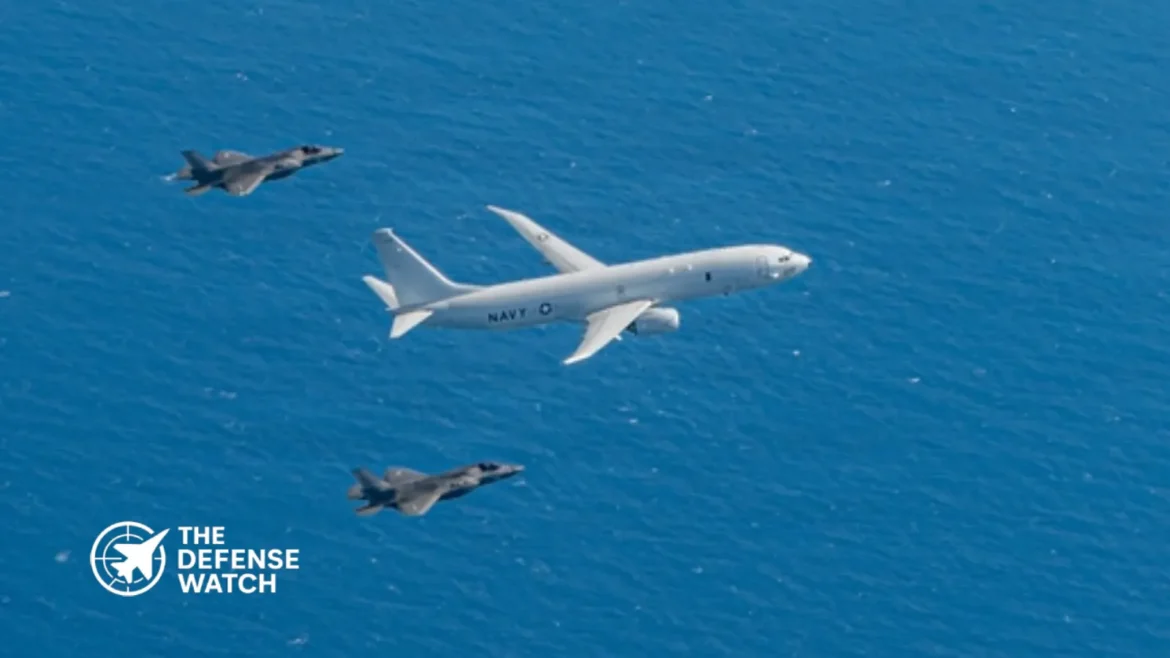
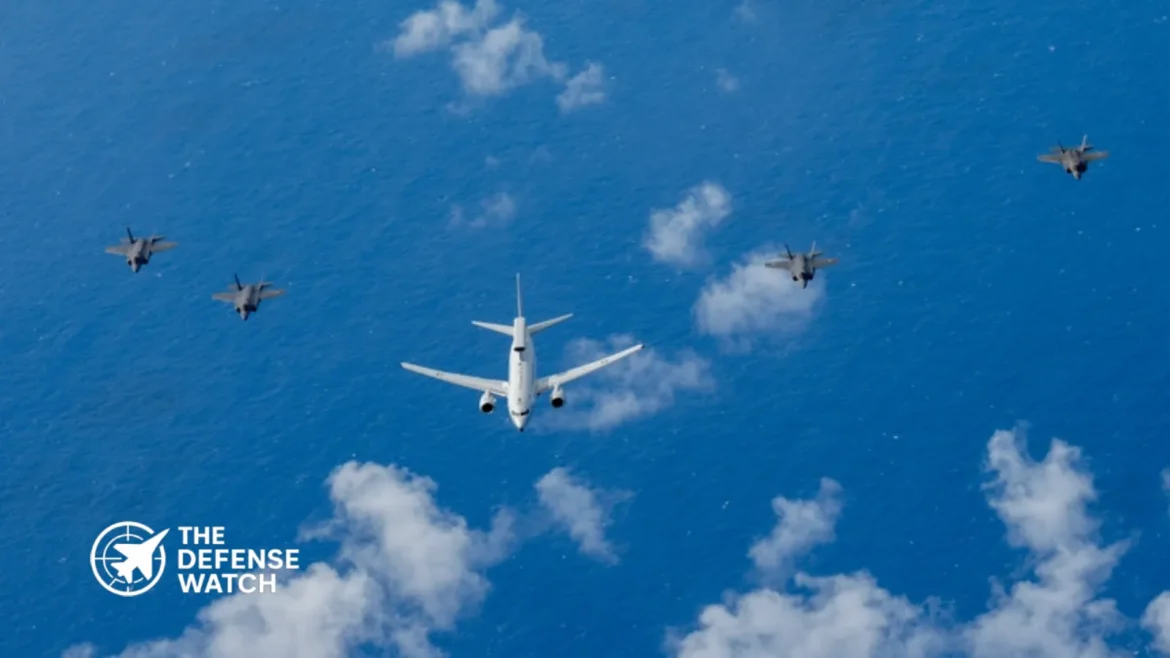
The Boeing P-8A software upgrade contract marks a significant step in enhancing South Korea’s maritime patrol and anti-submarine warfare capabilities, as the U.S. Navy awarded a $38.67 million order under an existing agreement.
The contract, issued by Naval Air Systems Command, covers the development and installation of an updated software load for the Republic of Korea’s P-8A Poseidon fleet. The effort centers on deploying Tactical Open Mission Software (TOMS) version 105K, a key evolution in the aircraft’s mission system architecture.
This upgrade is designed to improve operational flexibility, address supply chain constraints, and expand mission effectiveness in contested maritime environments.
Modernizing Mission Systems And Addressing Supply Chain Gaps
A core component of the Boeing P-8A software upgrade is the inclusion of improvements tied to diminishing manufacturing sources and material shortages. These updates ensure continued system sustainment as legacy components become harder to source.
This reflects a broader trend across U.S. and allied defense programs, where software-driven upgrades are increasingly used to extend platform life cycles without requiring costly hardware redesigns.
By integrating these changes into TOMS 105K, Boeing enables the Republic of Korea Navy to maintain readiness while adapting to evolving logistical challenges.
Expanded Combat Capabilities With Advanced Processing And Weapons Integration
Beyond sustainment, the Boeing P-8A software upgrade introduces notable capability enhancements.
One of the most significant additions is Multi-Static Active Coherent (MAC) processing. This technology improves the aircraft’s ability to detect and track submarines by leveraging multiple acoustic sources and receivers. In practical terms, it strengthens anti-submarine warfare performance, particularly in complex underwater environments.
The upgrade also integrates Harpoon II anti-ship missile capabilities. This provides the P-8A with enhanced maritime strike options, allowing it to engage surface targets with greater precision and flexibility.
Together, these additions move the aircraft beyond traditional surveillance roles toward a more versatile, multi-mission platform.
Distributed Industrial Base And Long-Term Timeline
Work on the Boeing P-8A software upgrade will be distributed across several locations, reflecting the program’s wide industrial footprint.
Seattle, Washington, will handle the largest share at 45 percent, followed by Huntington Beach, California at 30 percent. Additional work will take place in St. Louis, Missouri, Patuxent River, Maryland, and Pohang, South Korea.
The program is scheduled for completion by January 2029, indicating a multi-year effort that aligns with long-term fleet modernization planning.
This distributed approach supports both U.S. defense industry capacity and allied integration, reinforcing interoperability between American and South Korean forces.
Strategic Implications For South Korea’s Maritime Posture
The Boeing P-8A software upgrade comes at a time of increasing maritime security concerns in the Indo-Pacific region. South Korea faces a complex threat environment, including North Korean submarine activity and broader regional naval competition.
Enhancing the P-8A’s capabilities directly contributes to improved situational awareness and deterrence. The addition of advanced anti-submarine processing and anti-ship strike capability strengthens Seoul’s ability to monitor and respond to threats across its maritime domain.
From a strategic perspective, this upgrade also deepens defense ties between the United States and South Korea under the Foreign Military Sales framework.
Growing Role Of Software In Modern Military Aviation
The contract highlights a broader shift in military aviation toward software-centric modernization.
Rather than relying solely on new airframes, defense planners are increasingly investing in software upgrades to unlock new capabilities from existing platforms. This approach reduces costs, accelerates deployment timelines, and allows for more rapid adaptation to emerging threats.
In the case of the P-8A, continuous software evolution ensures the aircraft remains relevant against advancing submarine technologies and changing operational demands.
Contract Details And Funding Structure
The $38.67 million contract is funded بالكامل through Foreign Military Sales customer funds, which were obligated at the time of award. Notably, none of the funds are set to expire at the end of the current fiscal year, providing stability for program execution.
The award was issued on a sole-source basis, consistent with Boeing’s role as the original manufacturer and systems integrator for the P-8A platform.
Naval Air Systems Command, based in Patuxent River, Maryland, is overseeing the contract.
¦ KEY FACTS AT A GLANCE- KBR Wyle Services awarded a $95.1 million cost-plus-fixed-fee Air Force contract for digital engineering support.
- Work will support enterprise decision-making across the capability acquisition lifecycle using model-based systems engineering.
- Contract performance will take place at Kirtland Air Force Base, New Mexico through March 2031.
- Initial funding of $561,000 from FY2025 and FY2026 RDT&E accounts obligated at award.
- The award was issued as a sole-source acquisition by AFRL’s Space Warfare Directorate.
KBR Air Force Digital Engineering Contract Strengthens Space Acquisition Decision-Making
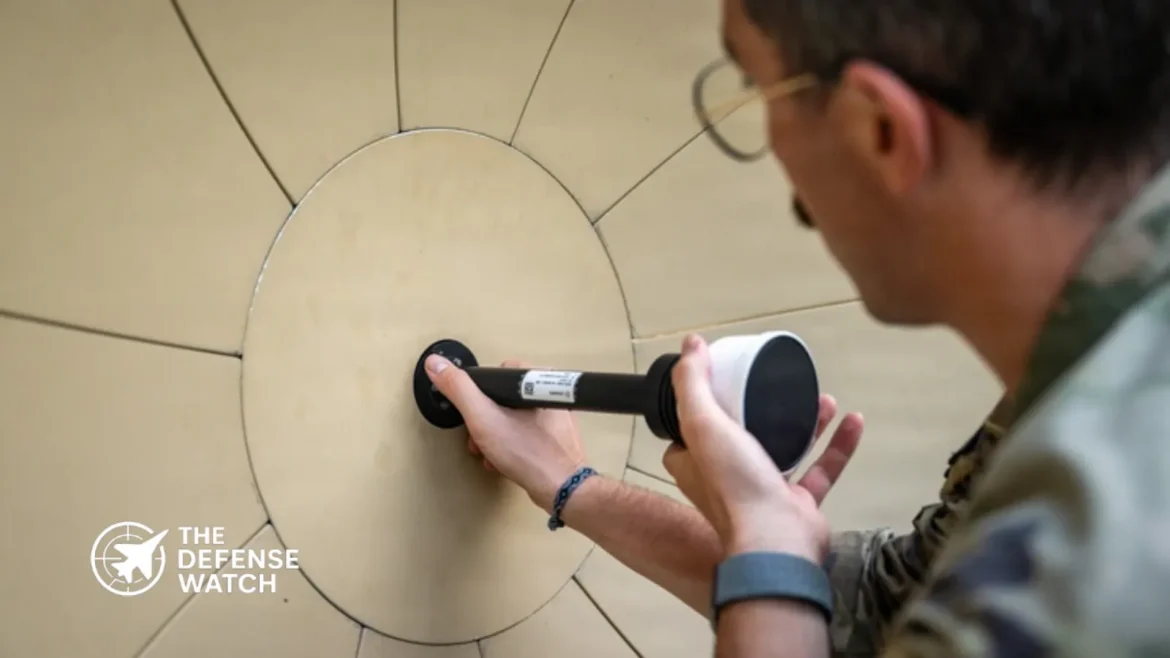
KBR’s $95M Air Force digital engineering contract marks a continued push by the U.S. Air Force to modernize how it evaluates and acquires space capabilities, particularly within the increasingly complex domain of space warfare.
The Department of Defense announced that KBR Wyle Services LLC, based in Chantilly, Virginia, has secured a $95,119,456 cost-plus-fixed-fee contract to deliver digital engineering and enterprise decision support services for the Air Force Research Laboratory (AFRL) Space Warfare Directorate.
The work will be conducted at Kirtland Air Force Base in New Mexico and is scheduled for completion by March 17, 2031.
Advancing Model-Based Systems Engineering In Space Programs
At the core of this KBR Air Force digital engineering contract is the application of model-based systems engineering (MBSE), a methodology that replaces traditional document-based processes with digital models to improve design, testing, and lifecycle management.
The AFRL Space Warfare Directorate is increasingly relying on MBSE tools to simulate operational scenarios, assess trade-offs, and optimize system architectures before physical prototypes are built. This approach reduces cost, shortens development timelines, and improves system performance.
Under this contract, KBR will support:
- Digital modeling of space systems and architectures
- Trade-off analysis across competing capability requirements
- Enterprise-level decision support tools
- Integration of software-driven engineering environments
This aligns with broader Pentagon priorities to digitize acquisition workflows and improve resilience in space-based systems.
Strategic Importance Of Decision Support In Space Warfare
The KBR Air Force digital engineering contract reflects a deeper shift in how the U.S. military approaches decision-making in contested domains like space.
Space systems are now central to:
- Missile warning and tracking
- Satellite communications
- Navigation and positioning
- Intelligence, surveillance, and reconnaissance (ISR)
As adversaries develop counter-space capabilities, including anti-satellite weapons and electronic warfare tools, the ability to rapidly evaluate design trade-offs becomes critical.
Digital engineering enables commanders and acquisition officials to test multiple scenarios in virtual environments, helping them choose the most effective and survivable system configurations.
This capability is particularly relevant for AFRL’s Space Warfare Directorate, which focuses on developing next-generation technologies to maintain U.S. space superiority.
Sole-Source Award Signals Continuity And Specialized Expertise
The contract was awarded as a sole-source acquisition, indicating that KBR was selected without a competitive bidding process.
Such awards are typically used when:
- The contractor has unique technical expertise
- Continuity of ongoing programs is required
- Time-sensitive requirements limit competition
KBR has a long-standing relationship with the U.S. military, particularly in engineering, logistics, and technical services. Its Wyle division has historically supported test and evaluation, aerospace engineering, and mission-critical systems.
The decision to issue a sole-source contract suggests AFRL’s reliance on KBR’s established capabilities in digital engineering and systems integration.
Funding And Acquisition Details
At the time of award, the Air Force obligated $561,000 in research, development, test, and evaluation (RDT&E) funds from fiscal years 2025 and 2026.
The relatively small initial obligation reflects the structure of cost-plus-fixed-fee contracts, where funding is incrementally allocated as work progresses.
The contracting authority is the Air Force Research Laboratory Space Warfare Directorate, headquartered at Kirtland AFB.
Contract reference: FA9453-26-C-X006.
Broader Implications For Defense Digital Transformation
The KBR Air Force digital engineering contract highlights a broader trend across the Department of Defense toward digital transformation in acquisition and system development.
Key initiatives driving this shift include:
- The DoD Digital Engineering Strategy
- Increased adoption of digital twins and simulation environments
- Integration of AI-driven analytics into decision-making processes
By investing in enterprise decision support systems, the Air Force aims to:
- Accelerate capability delivery timelines
- Reduce program risk
- Improve interoperability across platforms
- Enhance adaptability in rapidly evolving threat environments
In the context of great power competition, especially in space, these capabilities are becoming essential rather than optional.
¦ KEY FACTS AT A GLANCE- A Scottish freight ferry contract has been awarded to a Chinese shipyard.
- The vessel will support lifeline ferry services connecting Scottish islands.
- The deal raises concerns over reliance on foreign shipbuilding capacity.
- Contract selection reflects cost competitiveness and delivery timelines.
- The decision highlights tension between economic efficiency and strategic resilience.
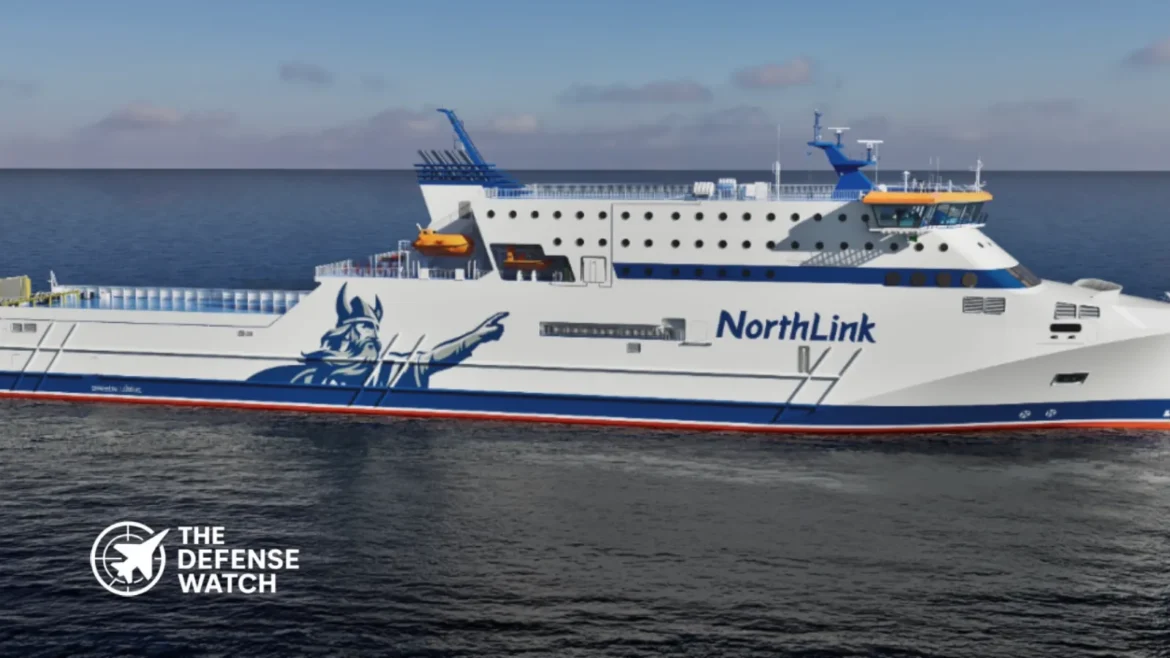
Scottish Freight Ferry Contract Chinese Shipyard Deal Draws Scrutiny
The Scottish freight ferry contract Chinese shipyard decision has triggered debate in the United Kingdom, as authorities awarded a key maritime procurement project to an overseas builder despite growing concerns over industrial resilience and national security.
The contract covers the construction of a new freight ferry intended to support critical transport links between mainland Scotland and its island communities. Officials selected a Chinese shipyard based on cost efficiency and delivery certainty,
The Big Picture
Western governments are reassessing supply chain dependencies across critical infrastructure sectors, including maritime transport. The UK has placed renewed emphasis on sovereign industrial capacity following disruptions linked to global crises and geopolitical tensions.
Shipbuilding holds both economic and strategic value. While commercial ferry construction is not a military program, it intersects with national resilience, logistics continuity, and industrial base sustainability. NATO allies increasingly view maritime infrastructure through a dual use lens.
The decision to outsource construction to China comes as the UK government promotes domestic shipbuilding through initiatives such as the National Shipbuilding Strategy. This creates a clear tension between policy ambition and procurement outcomes.
What’s Happening
Scottish authorities awarded the freight ferry contract to a Chinese shipyard after a competitive process that evaluated bids on cost, technical compliance, and delivery schedule.
The vessel will operate on routes that serve remote island communities, making it a critical component of Scotland’s transport network. These ferries carry goods, vehicles, and essential supplies, supporting local economies and public services.
The contract reportedly favored the Chinese bidder due to lower costs and faster delivery timelines compared to UK or European shipyards. Domestic shipbuilders have faced financial and capacity constraints, which affected their competitiveness in the tender.
Why It Matters
Cost driven procurement decisions often deliver short term savings, but they can introduce long term strategic risks. The Scottish freight ferry contract Chinese shipyard outcome reflects this tradeoff.
Reliance on foreign shipyards reduces domestic industrial activity and weakens the local supply chain. Over time, this can erode workforce skills and limit surge capacity during crises.
Maritime platforms, even civilian ones, contribute to national resilience. Ferries ensure continuity of logistics in remote regions. Any disruption in maintenance, spare parts, or technical support could have downstream operational impacts.
The deal also highlights a broader issue. Western shipyards struggle to compete with Chinese state supported firms that benefit from scale, subsidies, and integrated supply chains.
Strategic Implications
The contract underscores a structural gap in the UK’s maritime industrial base. While the Royal Navy maintains advanced warship programs, commercial shipbuilding capacity remains uneven.
Dependence on external suppliers for critical infrastructure creates vulnerabilities in times of geopolitical tension. Even if the vessel itself poses no security risk, the procurement pattern signals reliance that could expand over time.
The decision may also influence future defense adjacent procurement. If cost pressures consistently favor foreign builders, domestic yards may lose the ability to scale production for auxiliary or support vessels.
From a NATO perspective, allied industrial capacity is a collective asset. Reduced domestic output in one member state can affect broader alliance readiness in logistics and sealift.
Competitor View
China is likely to view the Scottish freight ferry contract Chinese shipyard award as validation of its global shipbuilding competitiveness. Chinese yards dominate commercial ship production and continue to expand market share.
Beijing promotes its shipbuilding sector as part of a wider industrial strategy that integrates civilian and military capabilities. Increased exports strengthen its economic leverage and technological base.
Russia and other competitors may interpret the decision as evidence of Western dependence on external manufacturing, particularly in non defense sectors that still hold strategic relevance.
At the same time, the deal does not indicate a shift in UK defense alignment. It reflects economic realities in commercial procurement rather than a change in security policy.
What To Watch Next
Delivery timelines and construction milestones will offer insight into whether the cost advantage translates into reliable execution.
Future UK ferry procurements will serve as a key indicator. Policymakers may adjust tender criteria to include strategic weighting for domestic industry participation.
Government reviews of the National Shipbuilding Strategy could also address gaps in commercial vessel construction capacity.
Parliamentary scrutiny is likely to increase, particularly regarding supply chain security and long term industrial planning.
Capability Gap
The contract highlights a capability gap in competitive commercial shipbuilding within the UK. Domestic yards struggle to match the pricing and production scale offered by major Chinese shipbuilders.
This gap limits the UK’s ability to independently deliver non military vessels that still play a role in national infrastructure.
However, relying on foreign construction introduces constraints. Maintenance, refits, and lifecycle support may still depend on international supply chains, which can create operational friction.
The challenge for policymakers is balancing affordability with strategic autonomy.
The Bottom Line
The Scottish freight ferry contract Chinese shipyard decision shows how cost driven procurement can clash with long term strategic resilience in critical maritime infrastructure.
¦ KEY FACTS AT A GLANCE- Raytheon awarded $40.2M base contract for OTH radar operations and maintenance.
- Contract supports relocatable over-the-horizon radar at Navy surveillance centers.
- Enhances long-range maritime domain awareness and early warning capability.
- Total value could reach $212.1M if all options exercised through 2031.
- Work spans multiple U.S. and Puerto Rico locations.
Raytheon OTH Radar Contract Strengthens U.S. Navy Surveillance Network
The Raytheon OTH radar contract marks a significant investment in sustaining the U.S. Navy’s long-range surveillance capabilities, with Raytheon Co. awarded a $40.25 million cost-plus-fixed-fee contract for operations and maintenance services.
The contract supports the relocatable over-the-horizon radar system at the Forces Surveillance Support Center in Chesapeake, a key node in the Navy’s maritime monitoring architecture.
The Big Picture
The U.S. Navy continues to prioritize persistent, wide-area surveillance as part of broader efforts to counter emerging maritime threats and enhance domain awareness.
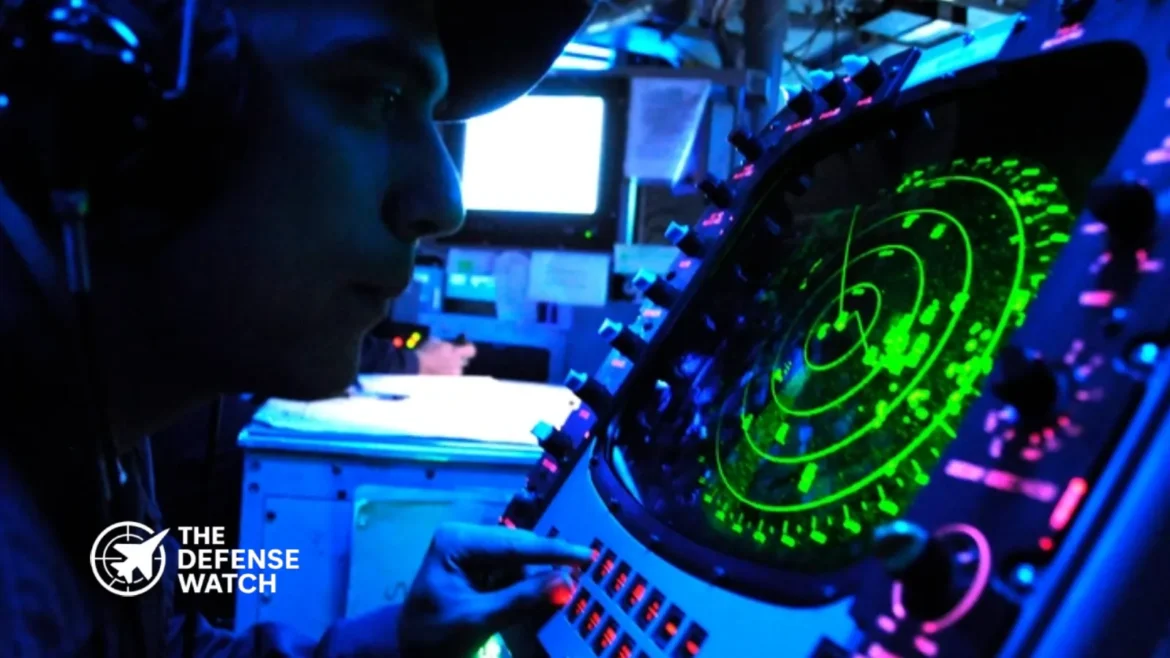
Over-the-horizon radar systems play a central role in detecting targets at ranges far beyond conventional line-of-sight sensors. These systems use high-frequency radio waves that bounce off the ionosphere, allowing operators to monitor vast ocean areas, including potential adversary movements.
This contract aligns with ongoing U.S. military modernization efforts focused on sensor integration, distributed operations, and early warning capabilities, particularly in contested maritime environments.
What’s Happening
The Naval Supply Systems Command Fleet Logistics Center in Philadelphia awarded the contract following a competitive procurement process conducted through Sam.gov.
Raytheon will provide operations and maintenance services for the relocatable over-the-horizon radar system. The contract includes:
- A one-year base period running through April 2027
- Four optional one-year extensions
- A potential total value of $212.1 million if all options are exercised through April 2031
Work will take place across multiple locations, including:
- Chesapeake (48 percent)
- Freer and Premont (20 percent combined)
- New Kent (9 percent)
- Juana Díaz and Vieques (18 percent combined)
- Dallas and Fairfax (5 percent combined)
The Navy obligated $1 million in fiscal 2026 operations and maintenance funding at the time of award.
Why It Matters
Sustaining over-the-horizon radar capability is critical for maintaining persistent surveillance over large maritime areas, especially in regions where satellite coverage or airborne ISR assets may be limited or contested.
Unlike traditional radar systems, OTH radars can detect aircraft and surface vessels at distances exceeding 1,000 nautical miles. This provides early warning and enhances tracking of potential threats, including long-range missile launches and naval movements.
The contract ensures system readiness, reliability, and continuous operation, which are essential for real-time decision-making in naval operations.
Strategic Implications
Reliable OTH radar coverage directly strengthens U.S. military readiness by improving situational awareness across key maritime approaches.
The distributed nature of the system, with multiple operating sites, supports resilience against disruption or attack. It also allows the Navy to maintain coverage across both Atlantic and Gulf regions.
This capability contributes to layered defense architectures by complementing satellite surveillance, airborne ISR platforms, and ship-based sensors.
Competitor View
China and Russia have both invested heavily in over-the-horizon radar technologies as part of their anti-access and area denial strategies.
Sustained U.S. investment signals continued emphasis on long-range detection and early warning. Competitors may interpret this contract as part of a broader effort to reinforce maritime surveillance coverage and close potential detection gaps.
OTH radar systems also provide strategic transparency, making it more difficult for adversaries to operate undetected in key maritime zones.
What To Watch Next
Future developments will likely focus on integration with other sensor networks and command systems.
Key areas to monitor include:
- Integration with joint all-domain command and control frameworks
- Potential upgrades to radar processing and signal analysis capabilities
- Expansion of relocatable radar deployments to other regions
Funding decisions in upcoming defense budgets will also indicate whether the Navy plans to expand or modernize its OTH radar fleet.
Capability Gap
The Raytheon OTH radar contract addresses a critical gap in persistent long-range surveillance that cannot be fully covered by satellites or aircraft alone.
While satellites provide global coverage, they can face limitations such as revisit rates and vulnerability to counter-space measures. Airborne platforms offer flexibility but require significant operational resources.
OTH radar fills this gap by providing continuous, ground-based monitoring over vast distances.
However, these systems can face limitations in resolution and target discrimination compared to closer-range sensors, which makes integration with other ISR assets essential.
The Bottom Line
The Raytheon OTH radar contract ensures sustained long-range surveillance capability, reinforcing the U.S. Navy’s ability to detect and track threats across vast maritime regions.
¦ KEY FACTS AT A GLANCE- The U.S. Air Force awarded Boeing a $2.33 billion contract modification for the E-7A Rapid Prototype Airborne Mission Segment.
- The E-7A Wedgetail will replace the aging E-3 Sentry airborne early warning and control aircraft.
- The program strengthens U.S. airborne battle management capabilities amid increasing peer competition.
- Total contract value now approaches $4.9 billion with work continuing through August 2032.
- Development work will take place across multiple U.S. aerospace hubs including Seattle, Oklahoma City, and Huntsville.
E-7A Rapid Prototype Program Advances With Major USAF Contract Modification
The E-7A Rapid Prototype program received a major boost after the U.S. Air Force awarded Boeing a $2.33 billion contract modification to continue development of the next generation airborne mission system. The award expands an existing contract for the E-7A Rapid Prototype Airborne Mission Segment, bringing the program’s cumulative contract value to approximately $4.9 billion.
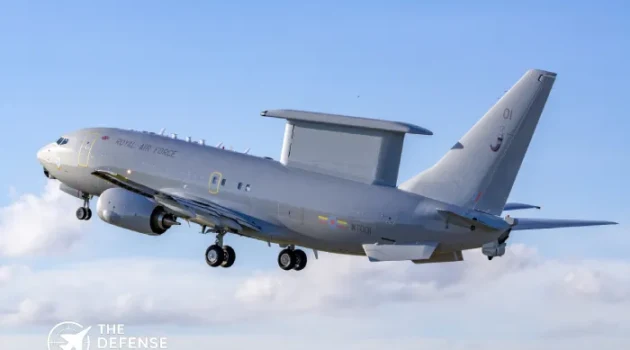
The work will support development of the U.S. Air Force’s future airborne battle management aircraft based on the E-7A Wedgetail platform. The aircraft is expected to replace the aging E-3 Sentry fleet, which has served as the backbone of U.S. airborne early warning and command operations for decades.
According to the U.S. Department of Defense contract announcement, work will take place primarily in Seattle, Washington, with additional efforts in Oklahoma City, Oklahoma, Huntsville, Alabama, and Heath, Ohio. The program is scheduled for completion by August 10, 2032.
The Big Picture
The E-7A Rapid Prototype program forms a central part of the U.S. Air Force’s broader effort to modernize airborne command and control capabilities.
Airborne early warning and battle management aircraft serve as critical nodes in modern military operations. They provide long range radar coverage, track airborne and maritime threats, coordinate fighter aircraft, and manage complex air campaigns across large theaters.
The current U.S. Air Force E-3 Sentry fleet entered service during the Cold War. While the aircraft has undergone several upgrades, age related maintenance challenges and evolving operational demands have increasingly strained the platform.
The E-7A Wedgetail, already operated by several U.S. allies, offers a modern replacement that integrates advanced radar, improved networking, and enhanced mission systems designed for modern multi domain warfare.
What’s Happening
The contract modification awarded to Boeing exercises an option within the existing E-7A Rapid Prototype program contract.
The $2,335,411,756 modification supports the development of the airborne mission segment that will enable the aircraft’s command and control capabilities.
The Air Force Life Cycle Management Center at Hanscom Air Force Base in Massachusetts manages the contract. The center oversees development of mission systems, sensors, and integration for several advanced U.S. Air Force programs.
Fiscal year 2026 research, development, test and evaluation funds totaling $31 million were obligated at the time of the award.
Boeing will lead development work from its facilities in Tukwila and Seattle, Washington. Additional program activity will occur in several other aerospace centers supporting systems engineering, software integration, and mission system testing.
The effort continues through 2032, reflecting the complexity of integrating advanced battle management technologies into a new operational aircraft.
Why It Matters
Modern air warfare increasingly relies on networked operations rather than standalone platforms.
Airborne early warning aircraft serve as command hubs that connect fighter aircraft, ground forces, naval assets, and intelligence systems. They allow commanders to coordinate operations across large areas while maintaining situational awareness.
The Boeing E-7A Wedgetail aircraft introduces a digitally advanced radar system capable of tracking multiple airborne targets simultaneously. The platform uses the Multi role Electronically Scanned Array radar integrated into a distinctive dorsal structure known as the “top hat.”
Compared with legacy systems, the E-7A offers improved reliability, lower maintenance demands, and enhanced sensor performance.
The aircraft also supports modern data links and distributed command networks that align with the U.S. military’s emerging Joint All Domain Command and Control architecture.
Strategic Implications
The E-7A Rapid Prototype program carries significant implications for U.S. military readiness.
Air superiority operations depend heavily on real time situational awareness and coordination. Without airborne battle management platforms, fighter aircraft would struggle to operate efficiently across large theaters.
The Indo Pacific region presents particular challenges due to its vast geographic scale. Aircraft like the E-7A enable long range surveillance and command capabilities that support distributed operations across the Pacific.
NATO operations also rely heavily on airborne warning aircraft for air policing and coalition air operations. The E-7A could eventually support alliance operations if integrated into broader NATO command networks.
Replacing aging E-3 aircraft ensures the United States retains a reliable airborne command capability as operational demands increase.
Competitor View
Strategic competitors closely track U.S. airborne command and control modernization.
China continues to expand its own airborne early warning fleet, including platforms such as the KJ-2000 and KJ-500, which support long range air operations across the Western Pacific.
Russia operates several A-50 airborne early warning aircraft, though modernization efforts have faced delays.
From a competitor perspective, the Boeing E-7A Wedgetail aircraft strengthens U.S. ability to coordinate large scale air operations and maintain situational awareness in contested airspace.
Airborne battle management systems can significantly influence the effectiveness of fighter aircraft, long range missiles, and integrated air defense networks.
What To Watch Next
Several milestones will shape the future of the E-7A Rapid Prototype program.
Upcoming phases will include mission system development, integration testing, and operational evaluation. These stages determine how effectively the aircraft integrates sensors, communications systems, and command networks.
The U.S. Air Force also plans to procure multiple E-7A aircraft in the coming years to replace its E-3 fleet.
Initial operational capability could emerge later this decade if testing proceeds on schedule.
Capability Gap
The E-7A Rapid Prototype program addresses a growing capability gap created by the aging E-3 Sentry fleet.
The E-3 aircraft face increasing maintenance costs and reduced mission availability due to their age and complex legacy systems.
Modern warfare also requires more advanced data sharing and sensor integration than earlier airborne warning aircraft were designed to support.
The E-7A offers improved mission system architecture that supports software upgrades and integration with future digital command networks.
However, the platform still faces challenges common to complex defense programs. Integration of mission systems, cybersecurity requirements, and testing timelines will determine the final operational performance.
The Bottom Line
The U.S. Air Force’s expanded E-7A Rapid Prototype program represents a major step toward replacing the aging E-3 fleet and strengthening the nation’s airborne command and control capabilities.
KEY FACTS AT A GLANCE- BAE Systems secured a $473 million U.S. Army contract to produce additional M109A7 Paladin artillery vehicle sets.
- The order covers 40 M109A7 self propelled howitzers and associated M992A3 ammunition resupply vehicles.
- The contract represents the first award under a five year procurement framework for the Paladin system.
- Production will occur at BAE Systems facilities in Pennsylvania, Oklahoma, and Alabama.
- The program supports U.S. Army efforts to modernize artillery within Armored Brigade Combat Teams.
BAE Systems Paladin Artillery Vehicles Contract Expands U.S. Army Firepower
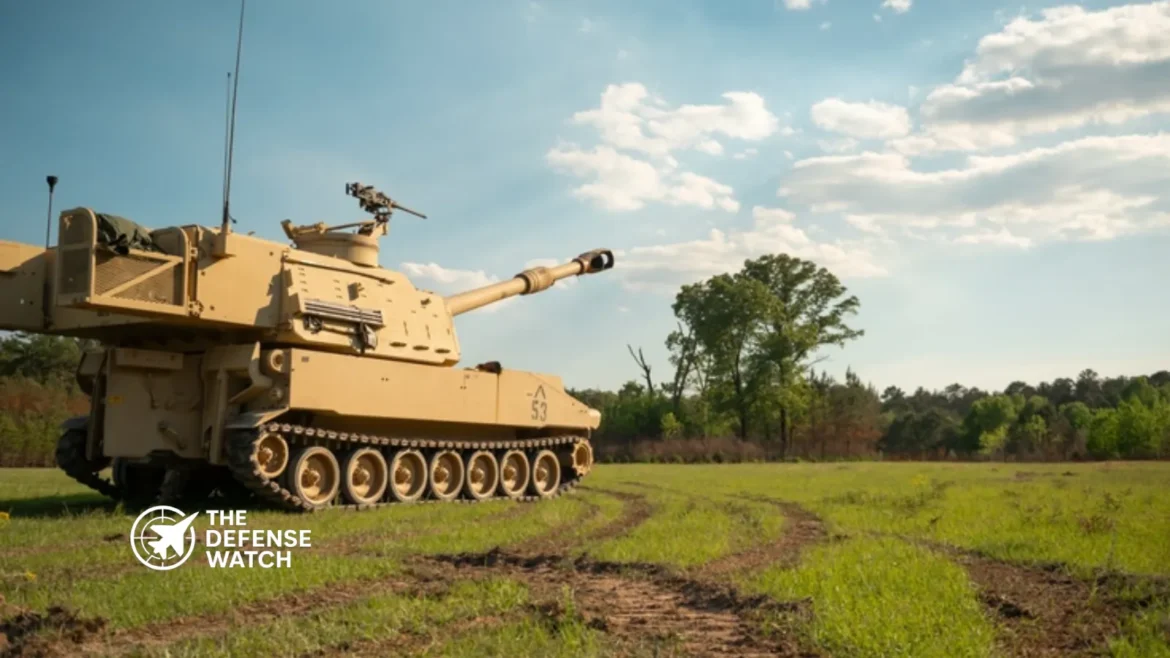
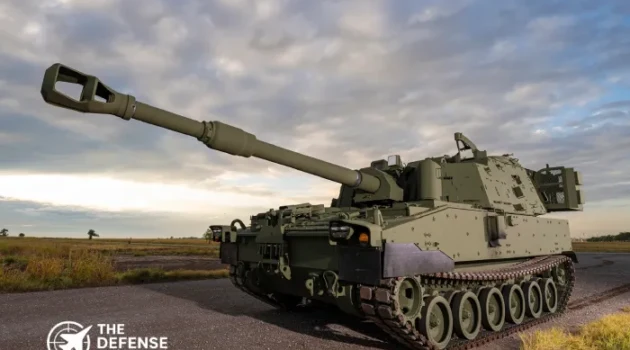
The M109A7 Paladin artillery vehicles program has received a major boost after the U.S. Army awarded BAE Systems a $473 million contract to produce 40 additional self propelled howitzer systems and ammunition resupply vehicles. The award expands production of the Army’s primary tracked artillery platform and supports long term modernization of armored brigade firepower.
The contract was issued by the U.S. Army Contracting Command at Detroit Arsenal and represents the first award under a broader five year production agreement for the Paladin system.
Each production set includes an M109A7 Paladin self propelled howitzer and the M992A3 Carrier Ammunition Tracked vehicle, which provides battlefield ammunition resupply and support for artillery units.
The Big Picture
Artillery has returned to the center of modern warfare. Large scale conflicts and high intensity combat scenarios have reinforced the importance of long range indirect fire.
The U.S. Army has prioritized artillery modernization as part of its broader force modernization strategy. Armored Brigade Combat Teams depend on mobile howitzers like the M109A7 Paladin artillery vehicles to deliver sustained fire support while maneuvering alongside tanks and mechanized infantry.
Programs such as the Paladin Integrated Management effort aim to extend the operational life of the M109 platform while integrating modern electronics, power systems, and survivability improvements.
The continued procurement of M109A7 systems shows the Army’s focus on maintaining reliable artillery capacity while future next generation systems are still under development.
What’s Happening
BAE Systems received a $473 million contract to manufacture 40 additional M109A7 Paladin artillery vehicle sets for the U.S. Army.
The order includes:
- 40 M109A7 self propelled howitzers
- M992A3 Carrier Ammunition Tracked resupply vehicles
- Technical support packages
- Post production refurbishment support
- Welding compliance and sustainment services
Production will take place across several U.S. industrial sites, including:
- York, Pennsylvania
- Elgin, Oklahoma
- Anniston, Alabama
The contract was awarded in September and marks the first procurement under a larger multi year framework designed to maintain steady production of the Paladin system.
Why It Matters
The M109A7 Paladin artillery vehicles represent the most modern variant of the long running M109 self propelled howitzer family.
The platform incorporates a redesigned chassis derived from the Bradley Fighting Vehicle, along with upgraded power generation and digital architecture. These improvements allow the system to support modern fire control systems and future upgrades.
The system delivers several operational advantages:
- Improved reliability and maintainability
- Greater electrical power for modern electronics
- Enhanced survivability for artillery crews
- Integration with digital battlefield networks
These upgrades enable the Paladin to support modern targeting networks, including sensor to shooter fire missions that shorten response times.
For armored formations, rapid indirect fire support remains essential for suppressing enemy defenses, shaping battlefield conditions, and enabling maneuver operations.
Strategic Implications
Sustained production of the M109A7 Paladin artillery vehicles supports the U.S. Army’s ability to maintain artillery readiness across its armored formations.
Armored Brigade Combat Teams depend on mobile artillery that can keep pace with maneuver forces. Unlike towed systems, tracked howitzers can reposition quickly and maintain protection against counter battery fire.
The procurement also reflects broader lessons drawn from recent conflicts where artillery has played a decisive role in large scale ground warfare.
Modern armies require:
- high ammunition throughput
- protected mobile artillery platforms
- integrated digital targeting networks
The Paladin program contributes to maintaining these capabilities while the Army continues work on future long range precision fires systems.
Competitor View
Strategic competitors closely monitor U.S. artillery modernization programs.
Russia maintains extensive artillery forces and has historically emphasized massed fires as a central element of ground combat operations. China has also invested heavily in self propelled artillery systems and rocket forces designed to support mechanized units.
From a competitor perspective, expanded production of M109A7 Paladin artillery vehicles signals that the United States intends to maintain strong conventional artillery capacity within armored formations.
Such capabilities remain important in potential large scale conflicts where sustained firepower and survivable artillery units could shape the outcome of ground engagements.
Capability Gap
The Paladin Integrated Management program addresses several operational limitations of earlier M109 variants.
Earlier systems faced challenges in electrical power generation, reliability, and integration with digital command networks.
The M109A7 resolves many of these issues through:
- modern power systems
- upgraded chassis and suspension
- digital fire control architecture
- improved survivability features
However, the platform still faces limitations in maximum firing range compared to emerging long range artillery systems currently under development.
The Army continues to explore extended range artillery concepts and new munitions to complement existing Paladin units.
What To Watch Next
Several developments will shape the future of the Paladin program.
Key milestones include:
- continued production under the five year contract framework
- integration of improved digital targeting systems
- potential upgrades for extended range artillery capabilities
- future long range artillery programs that may complement or eventually replace the platform
The U.S. Army plans to field hundreds of M109A7 systems across its active force structure as it modernizes artillery units.
The Bottom Line
The new contract ensures continued production of M109A7 Paladin artillery vehicles, strengthening the U.S. Army’s mobile firepower as artillery regains prominence in modern warfare.
■ KEY FACTS AT A GLANCE- ► $225.1 million modification awarded to Northrop Grumman Systems Corp.
- ► Covers design, development, and delivery of E-130J training weapons systems courseware.
- ► Supports the Navy Take Charge and Move Out recapitalization program.
- ► Work to be completed by March 2027 across Florida and Oklahoma.
- ► Contract managed by Naval Air Systems Command, Patuxent River.
Northrop Grumman Awarded E-130J Training Systems Contract Worth $225 Million
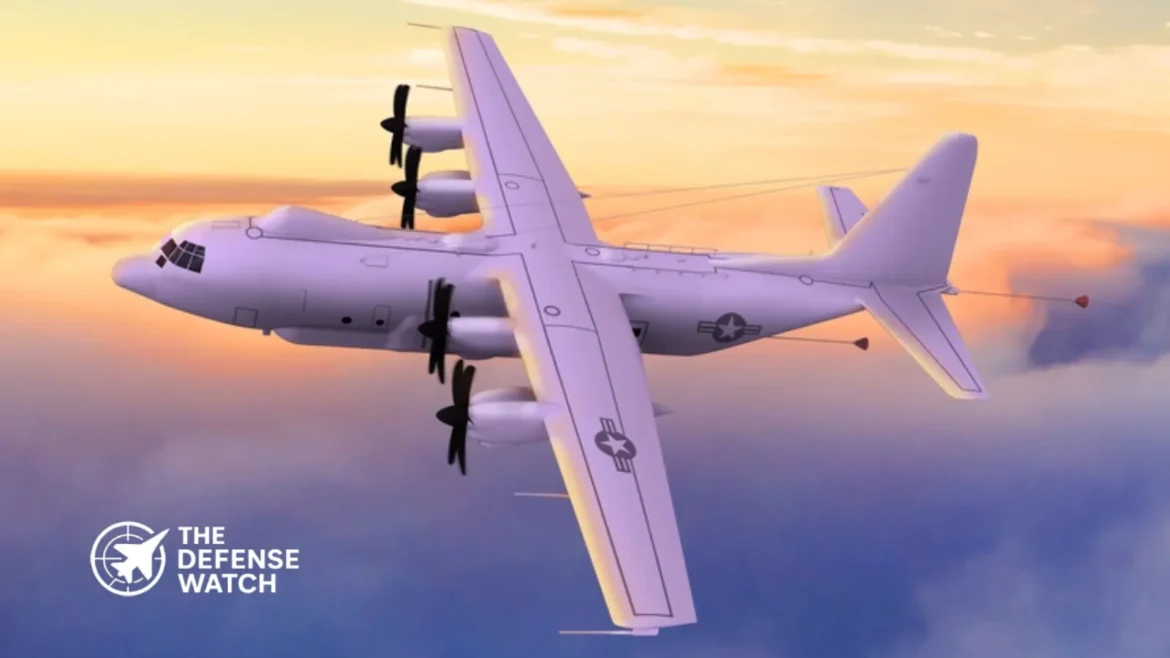
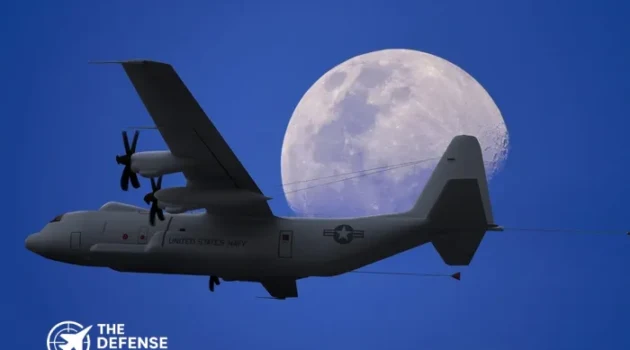
The Northrop Grumman E-130J contractmarks a significant step in the US Navy’s Take Charge and Move Out recapitalization effort, with the Pentagon awarding a $225.1 million modification for training systems development and delivery.
The Department of Defense announced that Northrop Grumman Systems Corp., based in Melbourne, Florida, received a cost-plus-incentive-fee modification valued at $225,109,424. The award exercises options for the design, development, and delivery of comprehensive E-130J weapons systems training materials and courseware.
The aircraft was previously referred to as E-XX before its official designation as E-130J.
Supporting The Take Charge And Move Out Program
The E-130J training systems contract directly supports the Navy’s Take Charge and Move Out recapitalization program. The initiative aims to modernize key airborne command and control capabilities, ensuring continuity of strategic communications and operational readiness.
Training systems are central to that effort. As new platforms transition from development to operational service, the Navy must field fully integrated courseware, simulators, and instructional materials. Without a mature training pipeline, even advanced aircraft cannot reach full operational capability on schedule.
Under this modification, Northrop Grumman will deliver all required training weapons systems materials, covering aircrew and maintenance training components. The cost-plus-incentive-fee structure reflects the technical complexity and evolving requirements typical of advanced training system development.
Workshare And Funding Details
According to the Pentagon, work under the Northrop Grumman E-130J contract will be performed in:
- Orlando, Florida, 64 percent
- Oklahoma City, Oklahoma, 31 percent
- Melbourne, Florida, 5 percent
The effort is expected to conclude by March 2027.
At the time of award, $54.9 million in fiscal 2026 Navy research, development, test and evaluation funds were obligated. Notably, these funds will not expire at the end of the current fiscal year, providing flexibility for program execution.
The contract was competitively awarded and is managed by Naval Air Systems Command, headquartered in Patuxent River, Maryland. NAVAIR oversees procurement, development, and sustainment of naval aviation systems across the fleet.
Strategic Context And Program Significance
While the aircraft’s operational mission details remain limited in public disclosures, the E-130J designation signals alignment with the C-130J airframe family. That suggests a proven platform adapted for specialized Navy requirements, consistent with recapitalization priorities focused on survivability, reliability, and interoperability.
The training systems portion of the program is more than an administrative milestone. Historically, delays in courseware development have slowed fielding timelines across multiple US aviation programs. By awarding this modification early in the lifecycle, the Navy appears intent on synchronizing platform delivery with training readiness.
From a defense budgeting perspective, the award also reflects sustained congressional support for naval aviation modernization. Research and development funding commitments indicate the program remains in an active maturation phase rather than full-rate production.
Industry And Capability Implications
For Northrop Grumman, the E-130J training systems contract strengthens its role in high-end mission systems integration and training solutions. The company has longstanding experience delivering airborne command, control, and ISR systems across multiple US services.
As recapitalization efforts accelerate across the Department of Defense, integrated training solutions are becoming a core requirement rather than a follow-on activity. Digital courseware, simulation environments, and mission rehearsal systems now form a critical part of operational readiness.
The Northrop Grumman E-130J contract underscores that reality. Training systems are no longer secondary to aircraft procurement. They are a foundational element of capability delivery.
■ KEY FACTS AT A GLANCE- ► The UK awarded Leonardo a £1 billion contract for a new fleet of military helicopters.
- ► The deal supports the New Medium Helicopter program to replace aging rotary wing aircraft.
- ► Production and assembly will be centered at Leonardo’s Yeovil facility in southwest England.
- ► The program is part of broader UK Armed Forces modernization and capability upgrades.
- ► The contract reinforces the UK’s domestic helicopter manufacturing base.
UK Military Helicopter Contract Advances Fleet Modernization
The UK military helicopter contract awarded to Leonardo marks a significant step in the British government’s effort to modernize its rotary wing fleet under the New Medium Helicopter program.
According to reporting by Reuters, the contract is valued at £1 billion and will see Leonardo deliver a new generation of medium lift helicopters for the UK Armed Forces. The aircraft are intended to replace several aging platforms currently in service across multiple branches.
The award underscores London’s push to consolidate and streamline helicopter capabilities while sustaining domestic aerospace manufacturing capacity.
Replacing Legacy Platforms
The New Medium Helicopter program aims to rationalize a diverse fleet of older aircraft types that have served in transport, support, and utility roles. Many of these platforms entered service decades ago and require increasing maintenance resources.
While the Ministry of Defence has not publicly detailed full fleet numbers in the initial announcement, the program is designed to provide a common airframe capable of supporting troop transport, logistics, medical evacuation, and special operations support missions.
By consolidating roles under a single helicopter type, the UK expects to reduce long term sustainment costs, simplify training pipelines, and improve operational availability.
Industrial Impact At Yeovil
A central element of the UK military helicopter contract is its impact on domestic industry. Final assembly and production work will be carried out at Leonardo’s facility in Yeovil, a long standing hub for British helicopter manufacturing.
The Yeovil site has historically supported key rotary wing programs, including the AW101 Merlin fleet. Maintaining activity at the site is viewed as strategically important for preserving sovereign design and manufacturing expertise in vertical lift systems.
Government officials have repeatedly stressed the importance of sustaining critical aerospace skills within the UK. The Leonardo award aligns with broader industrial policy goals tied to defense spending and national security resilience.
Strategic Context
The UK military helicopter contract comes at a time of heightened emphasis on readiness and expeditionary capability across NATO allies.
Modern conflicts have reinforced the need for flexible, rapidly deployable air mobility assets. Medium lift helicopters remain essential for moving troops, equipment, and supplies in contested or austere environments where fixed wing aircraft cannot operate.
Recent operations in Eastern Europe and the Middle East have highlighted the continued relevance of rotary wing platforms in both conventional and hybrid warfare scenarios.
By investing in a modern, standardized helicopter fleet, the UK aims to enhance interoperability with allied forces while ensuring its own units can respond quickly to emerging crises.
Budget Discipline And Procurement Reform
The contract also reflects ongoing efforts within the UK Ministry of Defence to improve acquisition efficiency after years of scrutiny over program delays and cost growth.
The £1 billion agreement signals a move toward clearer procurement pathways, defined industrial commitments, and structured fleet replacement timelines.
Defense analysts note that aligning platform consolidation with domestic industrial participation can help mitigate supply chain vulnerabilities, particularly in a period of global geopolitical uncertainty.
What Comes Next
Detailed delivery schedules and initial operational capability milestones are expected to be clarified in subsequent Ministry of Defence briefings.
In the near term, attention will focus on production ramp up at Yeovil and integration planning within Army and Joint Aviation Command units.
The UK military helicopter contract with Leonardo represents more than a procurement milestone. It reflects a calculated effort to align modernization, industrial strategy, and operational readiness under a single program structure.
As NATO allies continue increasing defense investment, London’s approach may serve as a reference model for balancing capability renewal with domestic aerospace sustainment.